
AI-generated image
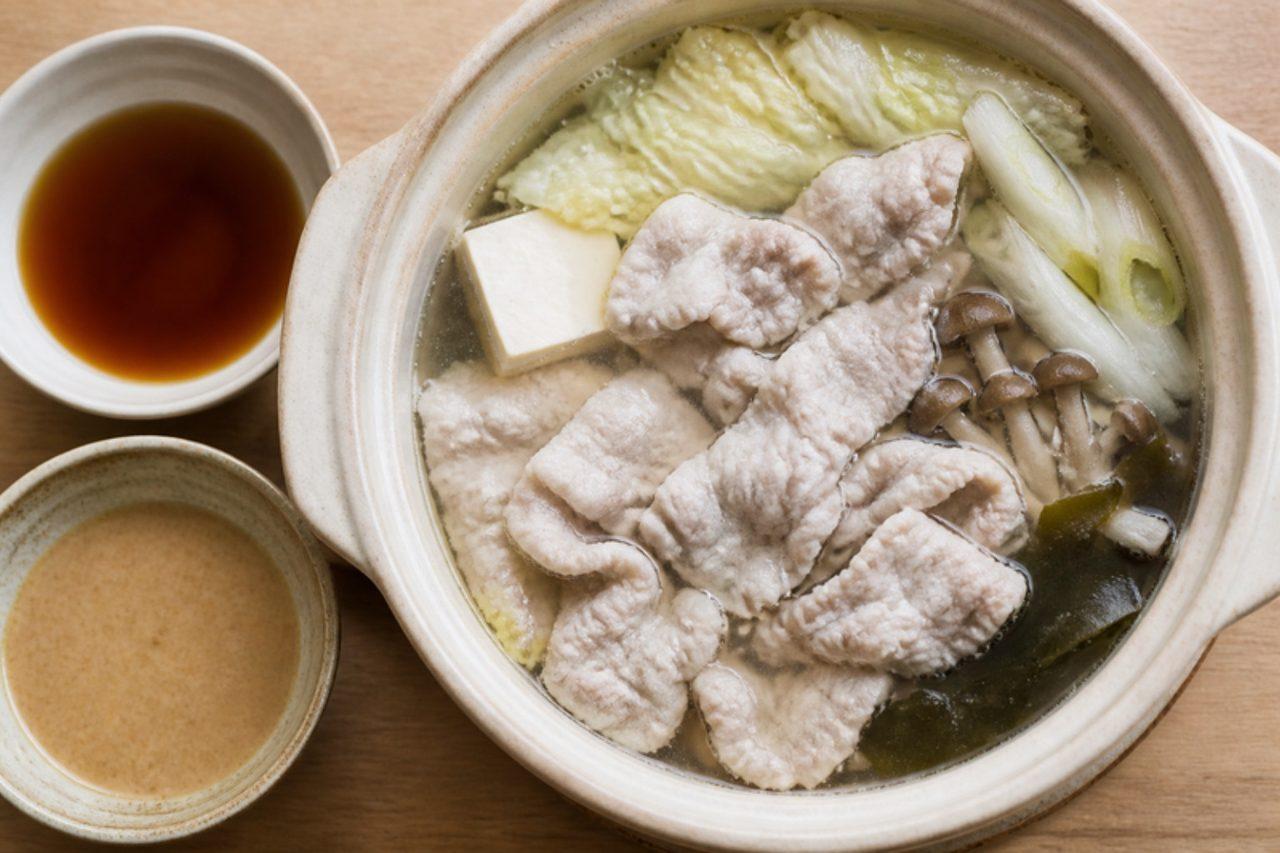
Kagoshima kurobuta shabu-shabu
黒豚しゃぶしゃぶ: paper-thin black pork swished through kombu broth, with ponzu and sesame sauce
Kagoshima, at the southern tip of Kyushu, is known across Japan for kurobuta, black Berkshire pork raised on farms in the prefecture. The meat is sweet with soft, clean-tasting fat, and shabu-shabu restaurants in Kagoshima city serve it sliced paper-thin so diners can cook it themselves at the table. Any thinly sliced pork loin or belly works well at home; Asian grocers sell it frozen for hot pots. Each slice is swished through the simmering kombu broth, then dipped in tangy ponzu or creamy sesame sauce. Chef's tip: when the meat is finished, cook a handful of rice or noodles in the leftover broth; it has taken on all the flavour of the pork and vegetables.
- Total time
- 30 min
- Difficulty
- easy
- Serves
- 4
Ingredients
For the pot
For the sesame sauce
For the ponzu dip
Method
0/9 doneStep 1: Put 6 ¼ cups water and ½ oz kombu (dried kelp) in a wide pot or donabe and leave to soak while you prepare the rest.
15 minStep 2: Arrange 1 ⅓ lb thinly sliced black pork or any pork loin and belly in overlapping slices on a large platter. Keep it chilled until you sit down, and use separate chopsticks or tongs for raw and cooked meat.
3 minStep 3: Arrange 10 ½ oz Chinese leaf (napa cabbage), 1 leek or Japanese long onion, 10 ½ oz silken or medium tofu, 6 fresh shiitake mushrooms, 3 ½ oz enoki mushrooms, 3 ½ oz mizuna or spinach and 1 carrot on a second platter.
5 minStep 4: Whisk 4 tbsp Japanese sesame paste or tahini, 1 ½ tbsp soy sauce, 1 tbsp sugar, 1 tbsp rice vinegar and 3 tbsp warm water until smooth and pourable. Divide between small dipping bowls.
2 minStep 5: Divide ½ cup ponzu between more dipping bowls and set out 3 ½ oz daikon, 3 spring onions and 1 pinch shichimi togarashi (seven-spice chilli) for everyone to add.
2 minStep 6: Bring the pot slowly to a simmer over medium heat and lift out the kombu just before it boils. Set the pot on a table burner if you have one.
8 minStep 7: Add the harder vegetables, tofu and mushrooms first and let them simmer for a few minutes before the meat. Skim off any froth.
4 minStep 8: Each person picks up a slice of pork and swishes it through the gently simmering broth for 30 to 60 seconds, until no pink remains and the fat has turned white. Common mistake: keeping the pot at a rolling boil; thin pork seizes up and turns tough, so hold it at a gentle simmer.
1 minStep 9: Dip the cooked pork and vegetables in sesame sauce or ponzu and eat at once. Add more greens as you go and skim the broth now and then.
Nutrition per serving
- Calories
- 520 kcal
- Protein
- 37 g
- Carbs
- 17 g
- Fat
- 34 g
- Fibre
- 5 g
Nutrition values are estimates.
KrazyBadal
Good to know
- How long does kagoshima kurobuta shabu-shabu take?
- About 30 minutes in total: 15 minutes to prepare and 15 minutes to cook.
- How many people does it serve?
- 4 as written. Change the servings above the ingredients and every amount scales to match.
- What can I use instead of leek or japanese long onion?
- 2 shallots per onion.
- What can I use instead of fresh shiitake mushrooms?
- Aubergine, diced, same weight.
Reviews
No reviews yet. Be the first to cook it.
Rate this recipe
Sign in to rate and review this recipe.
You might also like
Okonomiyaki
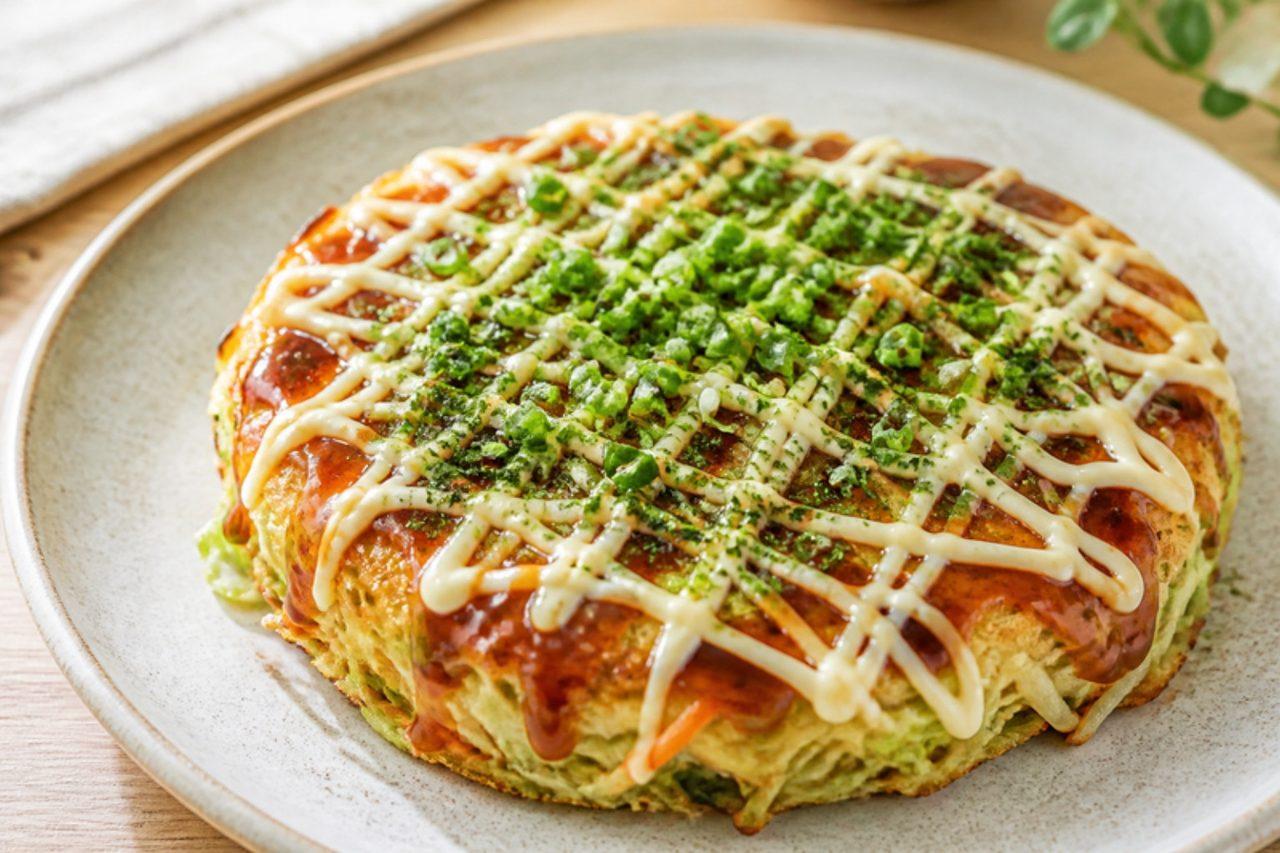
Okonomiyaki (お好み焼き, 'grilled as you like it') is the pride of Osaka, where it's cooked on hot iron griddles in lively restaurants. Finely shredded cabbage is folded into a light batter with egg and spring onion, then fried into a thick, soft pancake with a crisp outside. It's painted with a fruity brown sauce and zigzagged with mayonnaise. Bonito flakes are usual on top; this vegetarian version uses seaweed flakes and pickled ginger instead. Chef's tip: don't press the pancake down with your spatula while it cooks. Osaka cooks leave it alone so the cabbage steams inside and stays light and fluffy; pressing squeezes out the air.

Miso soup
Miso soup (味噌汁) is drunk every day in homes all over Japan, at breakfast as well as dinner, beside a bowl of rice. The base is dashi; this vegan version uses kombu and dried shiitake instead of bonito, which gives it a deep, rounded flavour. Silken tofu and wakame seaweed are the classic fillings. It takes ten minutes; just remember not to boil the miso. Chef's tip: add the miso at the very end and never let it boil. Boiling kills the miso's fresh, fermented aroma; Japanese cooks say the soup should only 'smile', with the surface barely trembling.

Agedashi tofu
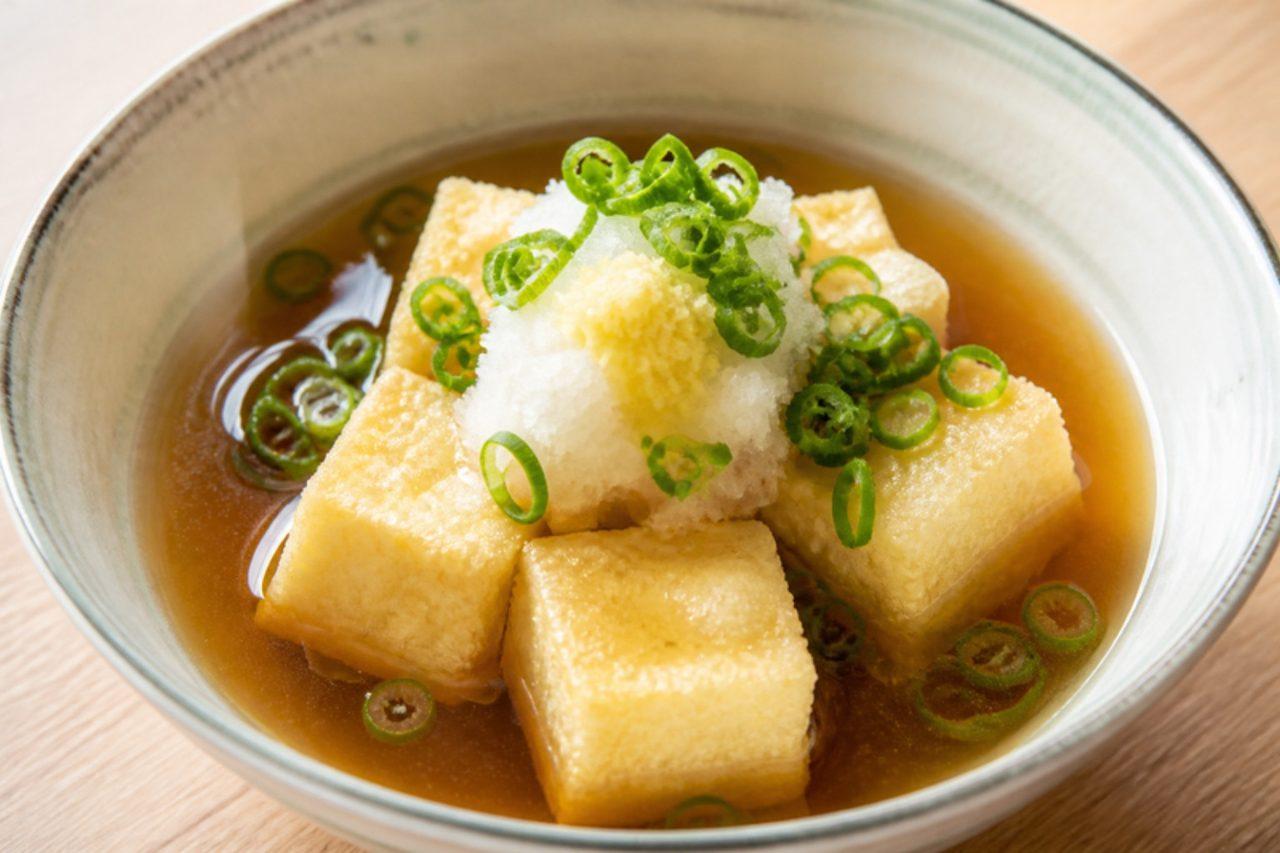
Agedashi tofu (揚げ出し豆腐) is a classic izakaya dish eaten all over Japan: cubes of soft tofu dusted in potato starch, fried until they form a thin, crisp shell, then bathed in a hot, savoury broth. The coating turns silky as it soaks up the sauce while the tofu inside stays creamy. Usually topped with bonito flakes; here it's grated daikon, ginger and spring onion with a kombu-shiitake broth instead. Chef's tip: coat the tofu in starch right before it goes into the oil, not ahead of time; if it sits, the starch turns damp and the coating fries up gummy instead of crisp.