
AI-generated image
Koraishutir kochuri
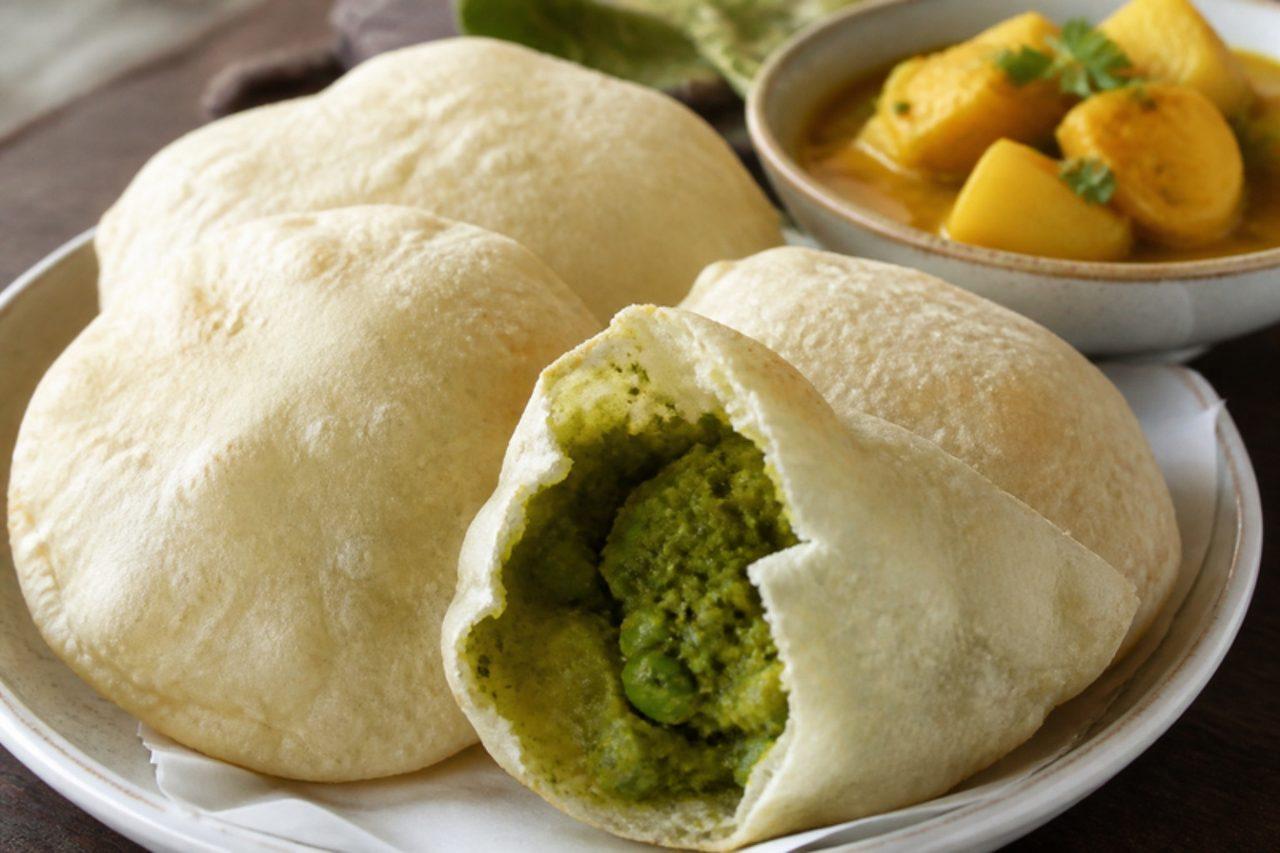
Green pea stuffed puris
Kolkata's soft, puffed white-flour puris stuffed with a sweet, gingery green pea paste. Makes 12


Koraishutir kochuri is a winter treat in Kolkata and across West Bengal, made when sweet new-season peas arrive in the markets. Soft maida dough is filled with a smooth, gingery green pea paste, rolled thin and fried until it puffs into a pale golden pillow with a green blush showing through. It's a Sunday breakfast or a festive snack, classically served with aloor dom (Bengali spiced potatoes) or cholar dal and a sweet to finish. Chef's tip: cook the pea paste until it's dry enough to roll into a ball that doesn't stick to your fingers; a wet filling tears through the thin dough as you roll.
- Total time
- 60 min
- Difficulty
- medium
- Serves
- 4
Ingredients
For the dough
- 9 oz plain flour (maida)
- ½ tsp salt
- ½ tsp sugar
- 2 tbsp vegetable oil
- ½ cup warm waterabout; add gradually
For the pea filling
- 9 oz green peasfresh or frozen and thawed
- 1 ⅛ in fresh gingerpeeled and chopped
- 1 tbsp vegetable oil
- ¼ tsp asafoetida (hing)
- 1 tsp roasted cumin powder
- ½ tsp ground fennel
- 1 tsp sugar
- ½ tsp salt
To fry and serve
- 3 ¼ cups vegetable oilfor deep frying
- aloor dom (Bengali spiced potatoes) or cholar dal (optional)to serve
Shop this recipe on Amazon
What you'll need
Fresh ingredients (3)
Links open Amazon in a new tab. As an Amazon Associate, WhatToEat.Today earns from qualifying purchases.
Method
0/8 doneStep 1: Mix 9 oz plain flour (maida), ½ tsp salt and ½ tsp sugar in a bowl and rub in 2 tbsp vegetable oil. Add ½ cup warm water gradually and knead for 6–8 minutes to a soft, smooth, elastic dough, softer than for khasta kachori. Cover and rest for 20 minutes so it relaxes and rolls thin without springing back.
8 minStep 2: Blitz 9 oz green peas, 1 ⅛ in fresh ginger and 2 green chillies in a grinder to a coarse paste without water. Scrape down once; little flecks of pea are fine.
2 minStep 3: Heat 1 tbsp vegetable oil in a non-stick pan over a medium heat, add ¼ tsp asafoetida (hing) and then the pea paste. Cook, stirring constantly, for 8–10 minutes until it darkens slightly, loses its raw green smell and pulls away from the pan into a soft lump.
10 minStep 4: Stir in 1 tsp roasted cumin powder, ½ tsp ground fennel, 1 tsp sugar and ½ tsp salt and cook for 1 minute. Cool, then divide into 12 balls. Taste first: Bengali kochuri filling should be gently sweet and warm with ginger, not fiery.
1 minStep 5: Divide the dough into 12 balls. Flatten one into a 7 cm cup, set a ball of filling inside, gather the edges and pinch firmly to seal. Pinch off any extra dough at the seam so it doesn't make a thick lump.
Step 6: Press the filled ball flat and roll it out gently with a lightly oiled rolling pin into a 11–12 cm round, about 3 mm thick. Roll from the centre outwards with light pressure; if green shows through in one spot, stop and roll the other side. Keep rolled kochuris covered with a cloth.
Step 7: Heat 3 ¼ cups vegetable oil in a karahi over a medium-high heat to about 350°F. Slide in one kochuri, wait a few seconds, then press it gently with a slotted spoon until it puffs. Turn and fry for 30–40 seconds more. Bengalis like them pale gold, not brown, so lower the heat slightly if they colour fast.
12 minStep 8: Drain upright and serve hot, 3 per person, with aloor dom (Bengali spiced potatoes) or cholar dal if you like.
Nutrition per serving
- Calories
- 470 kcal
- Protein
- 10 g
- Carbs
- 58 g
- Fat
- 22 g
- Fibre
- 6 g
Nutrition values are estimates.
KrazyBadal
Good to know
- How long does koraishutir kochuri take?
- About 60 minutes in total: 30 minutes to prepare and 30 minutes to cook.
- How many people does it serve?
- 4 as written. Change the servings above the ingredients and every amount scales to match.
- Is it vegan?
- Yes. It has no meat, fish, dairy or eggs.
- What can I use instead of plain flour (maida)?
- Self-raising flour, same amount (then leave out the baking powder).
- What can I use instead of sugar?
- Caster sugar, same amount.
Reviews
No reviews yet. Be the first to cook it.
Rate this recipe
Sign in to rate and review this recipe.
You might also like

SakarpadaSweet fried dough diamonds
Sakarpada (shakarpara) are little sweet diamonds of a rich dough made with ghee, milk and sugar, fried until golden and crunchy. They are a Diwali favourite with tea, and the cubes go into bhusu too. They keep for weeks in an air-tight tin.
Paneer biryaniRice and moong dal in coconut milk
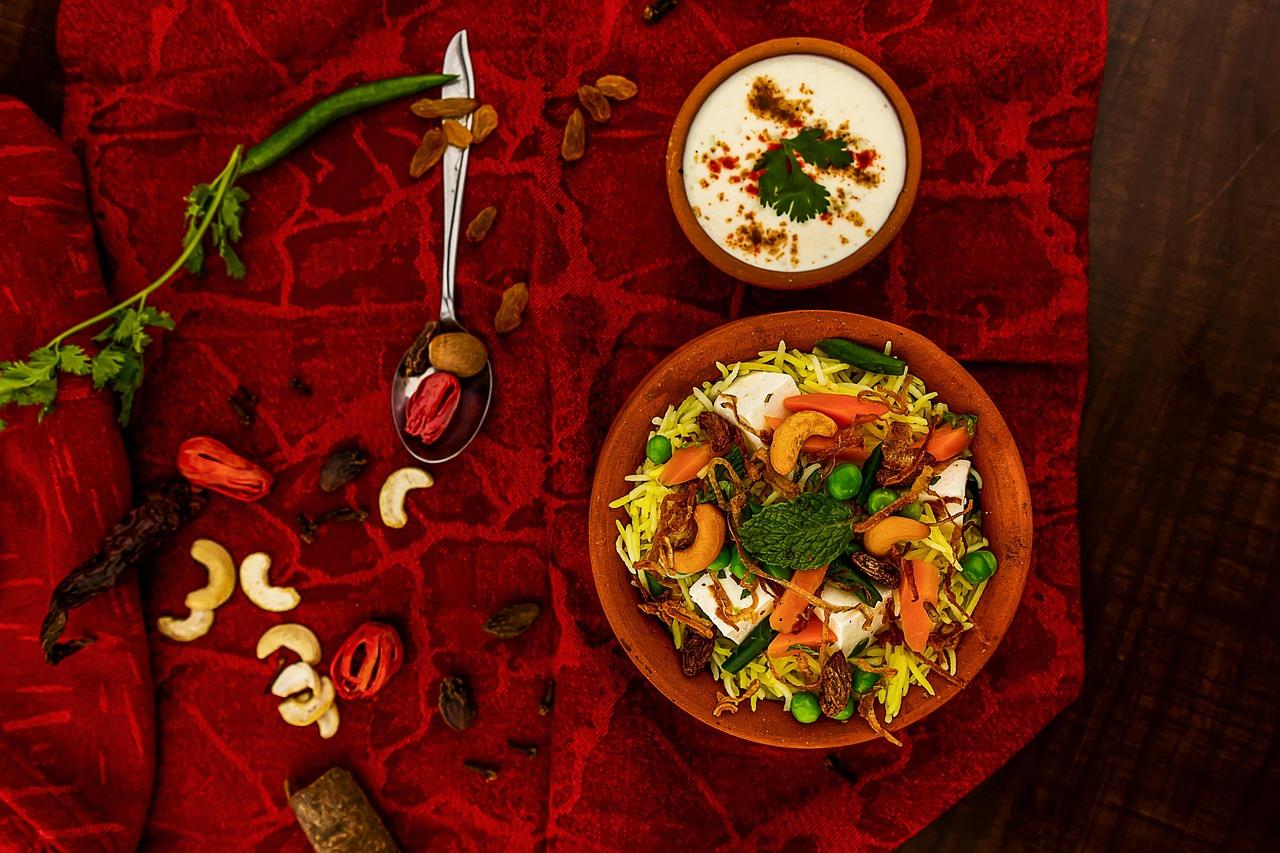
A mild, creamy biryani: rice and husked green gram roasted in ghee, then cooked in coconut milk with peas, carrots, potatoes, peanuts and cashews, and finished with soft fried paneer and a fresh coriander yogurt. Serve hot, garnished with more fried cashews and paneer.


Sabudana khichdiSago with peanuts and potato
Sabudana khichdi is the dish that sees Maharashtra through every vrat (fast), from Navratri to Ekadashi, but it's so good that people eat it any day of the week. Soaked sago pearls are tossed in a pan with crushed roasted peanuts, cubes of potato, cumin and green chilli until each pearl turns glassy and separate, then finished with lemon and coriander. It's soft, chewy, nutty and gently hot. Fasting rules vary from family to family, so check yours; this version uses rock salt and no asafoetida, onion or garlic. Traditionally it's cooked in ghee; use ghee instead of oil if you aren't keeping it vegan. Chef's tip: soak the sago in just enough water to cover by the height of the pearls themselves, no more; too much water is the reason khichdi turns into one sticky lump.
