
AI-generated image
La zi ji (Chongqing chilli chicken)
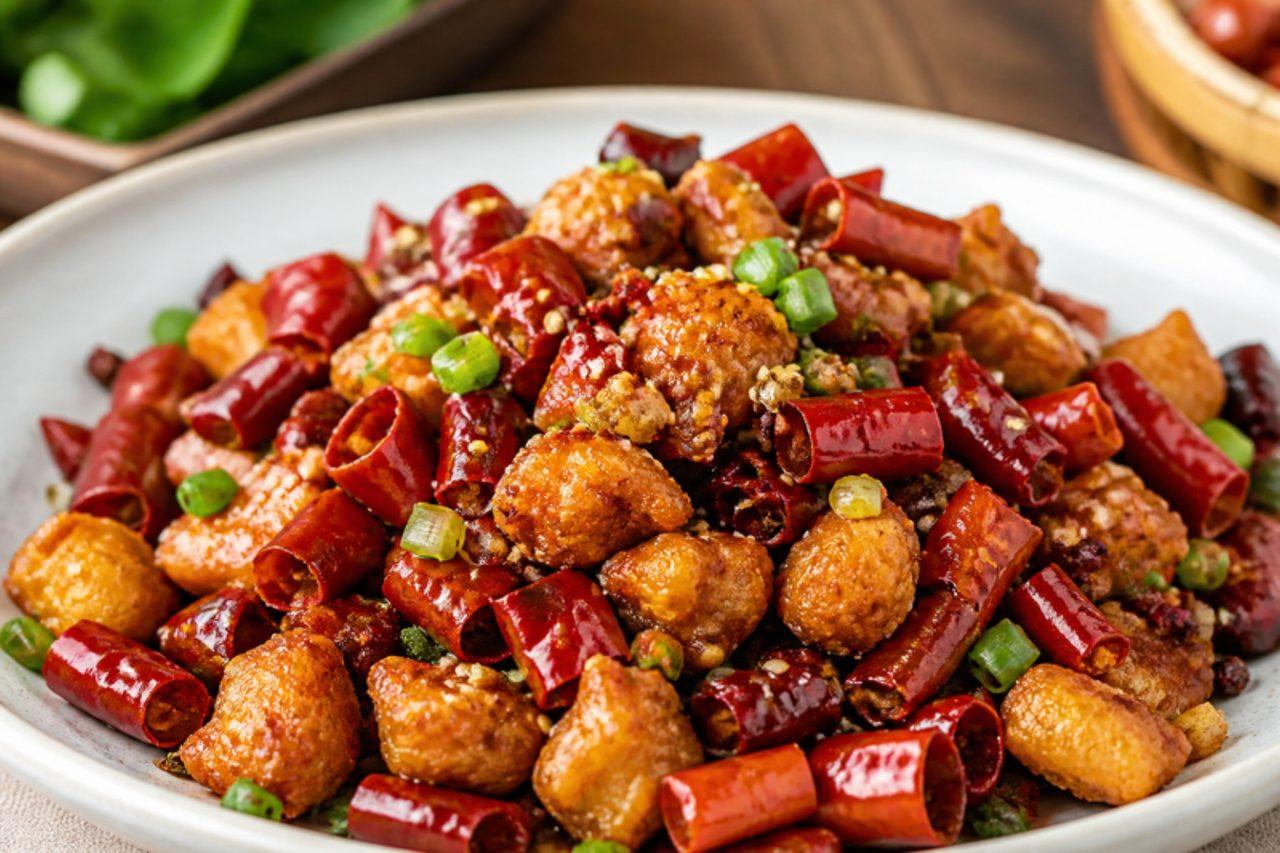
辣子鸡 (làzi jī) — crisp fried chicken bites tossed in a mountain of dried chillies and Sichuan pepper


Truck drivers stopping on Geleshan, the hill outside Chongqing, made this dish famous at roadside canteens in the 1980s, and it still arrives at tables there as a platter that looks like nothing but dried chillies. Hidden among them are small pieces of chicken fried twice until the outside is dry and crunchy and the inside juicy, then tossed with garlic, ginger and handfuls of Sichuan pepper. Eating it is a game: you hunt through the red pile with chopsticks for the morsels, which are smoky, salty, numbing and surprisingly moreish with a cold beer or a pot of tea. Serve it with rice and a mild soup or stir-fried greens. Chef's tip: fry the chicken in two batches and give it a second, hotter fry; crowding the oil is the most common mistake and leaves the coating soft.
- Total time
- 40 min
- Difficulty
- medium
- Serves
- 4
Ingredients
For the chicken
- 1 ⅓ lb boneless chicken thighs, skin oncut into 2 cm pieces
- 1 tbsp Shaoxing rice wineor the same amount of chicken stock with 1/2 tsp rice vinegar (alcohol-free)
- 1 tsp light soy sauce
- ½ tsp salt
- ⅓ oz fresh gingerfinely grated
- 2 tbsp cornflour
- 3 ¼ cups neutral oil, for deep-frying
For the wok
- 1 ¾ oz dried red chilliessnipped into 2 cm pieces, seeds shaken out
- 1 tbsp Sichuan peppercornsred, green or a mix
- 4 cloves garlicsliced
- ½ oz fresh gingersliced
- 3 spring onionscut into 3 cm lengths
- 1 tsp sugar
- 1 tbsp toasted sesame seeds
- ¼ tsp saltto taste
Shop this recipe on Amazon
What you'll need
Spices & pantry
Fresh ingredients (4)
Links open Amazon in a new tab. As an Amazon Associate, WhatToEat.Today earns from qualifying purchases.
Method
0/8 doneStep 1: Mix 1 ⅓ lb boneless chicken thighs, skin on with 1 tbsp Shaoxing rice wine, 1 tsp light soy sauce, ½ tsp salt and ⅓ oz fresh ginger and leave to marinate in the fridge for 10 minutes. Keep the board you cut the chicken on away from anything else.
10 minStep 2: Toss the chicken with 2 tbsp cornflour until each piece has a thin, dry-looking coat.
Step 3: Heat 3 ¼ cups neutral oil, for deep-frying in a wok or deep pan to 350°F (a cube of bread browns in about 40 seconds). Fry half the chicken for 4–5 minutes, until pale golden, lift out and drain. Repeat with the second batch.
10 minStep 4: Heat the oil to 375°F and fry all the chicken again for 1–2 minutes, until deep golden, crisp and rattling against the spoon. Cut the largest piece open: it must be cooked through with clear juices (165°F / 165 °F). Drain on kitchen paper.
2 minStep 5: Carefully pour off all but 2 tablespoons of the oil (let the rest cool before straining it for reuse). Over a low heat, add 4 cloves garlic, ½ oz fresh ginger and 3 spring onions and stir for 30 seconds.
1 minStep 6: Add 1 ¾ oz dried red chillies and 1 tbsp Sichuan peppercorns and stir-fry over a low-medium heat for 1–2 minutes, until the chillies are crisp and brick red and the kitchen smells smoky. Keep them moving so they don't blacken.
2 minStep 7: Return the chicken to the wok, turn the heat to high and toss for 1 minute with 1 tsp sugar, 1 tbsp toasted sesame seeds and ¼ tsp salt, until every piece is speckled with chilli and seeds.
1 minStep 8: Pile onto a platter, chillies and all, and serve at once while the chicken is crisp. The chillies are a fragrant bed, not something to eat by the spoonful.
Nutrition per serving
- Calories
- 480 kcal
- Protein
- 32 g
- Carbs
- 14 g
- Fat
- 33 g
- Fibre
- 4 g
Nutrition values are estimates.
KrazyBadal
Good to know
- How long does la zi ji (Chongqing chilli chicken) take?
- About 40 minutes in total: 15 minutes to prepare and 25 minutes to cook.
- How many people does it serve?
- 4 as written. Change the servings above the ingredients and every amount scales to match.
- Is it very spicy?
- It has some heat. Use less chilli for a milder version, or more if you like it hot.
- What can I use instead of boneless chicken thighs, skin on?
- Chicken breast, same weight (cook a few minutes less so it stays juicy).
- What can I use instead of light soy sauce?
- Tamari, same amount (gluten free).
Reviews
No reviews yet. Be the first to cook it.
Rate this recipe
Sign in to rate and review this recipe.
You might also like
Arroz con pitu de caleyaSoupy rice with chicken
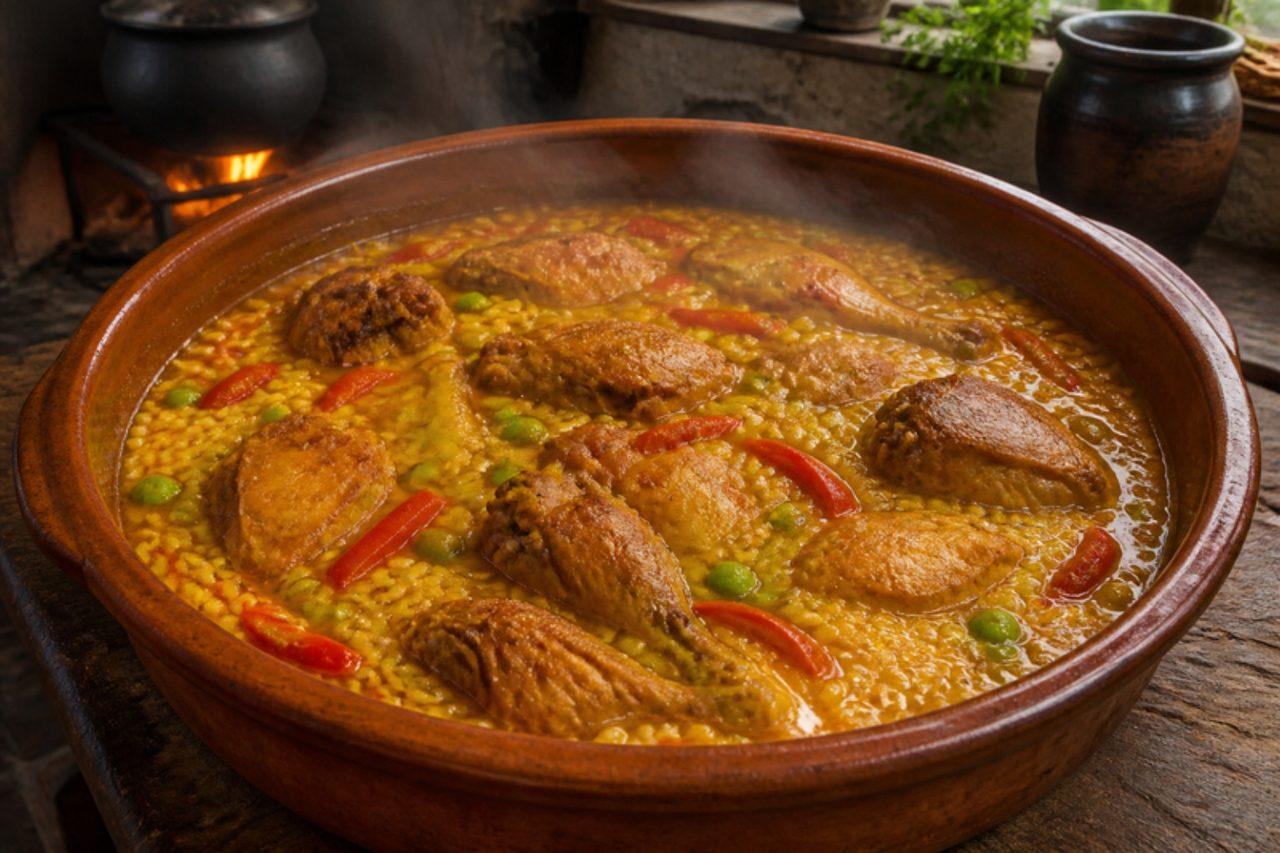
A pitu de caleya is a cockerel raised free in the lanes, or caleyas, of rural Asturias; its firm, flavourful meat needs long stewing, and families around Villaviciosa and Grado still cook it for feast days. The stew is often finished as a soupy rice, so the deep chicken juices go into every grain. Use the best free-range chicken you can find. The braise includes dry white wine; replace it with extra stock and a squeeze of lemon if you want it alcohol-free. Chef's tip: brown the chicken slowly and deeply; that colour is where the flavour of the whole pot comes from.
 Spanish
Char siuHoney roast pork
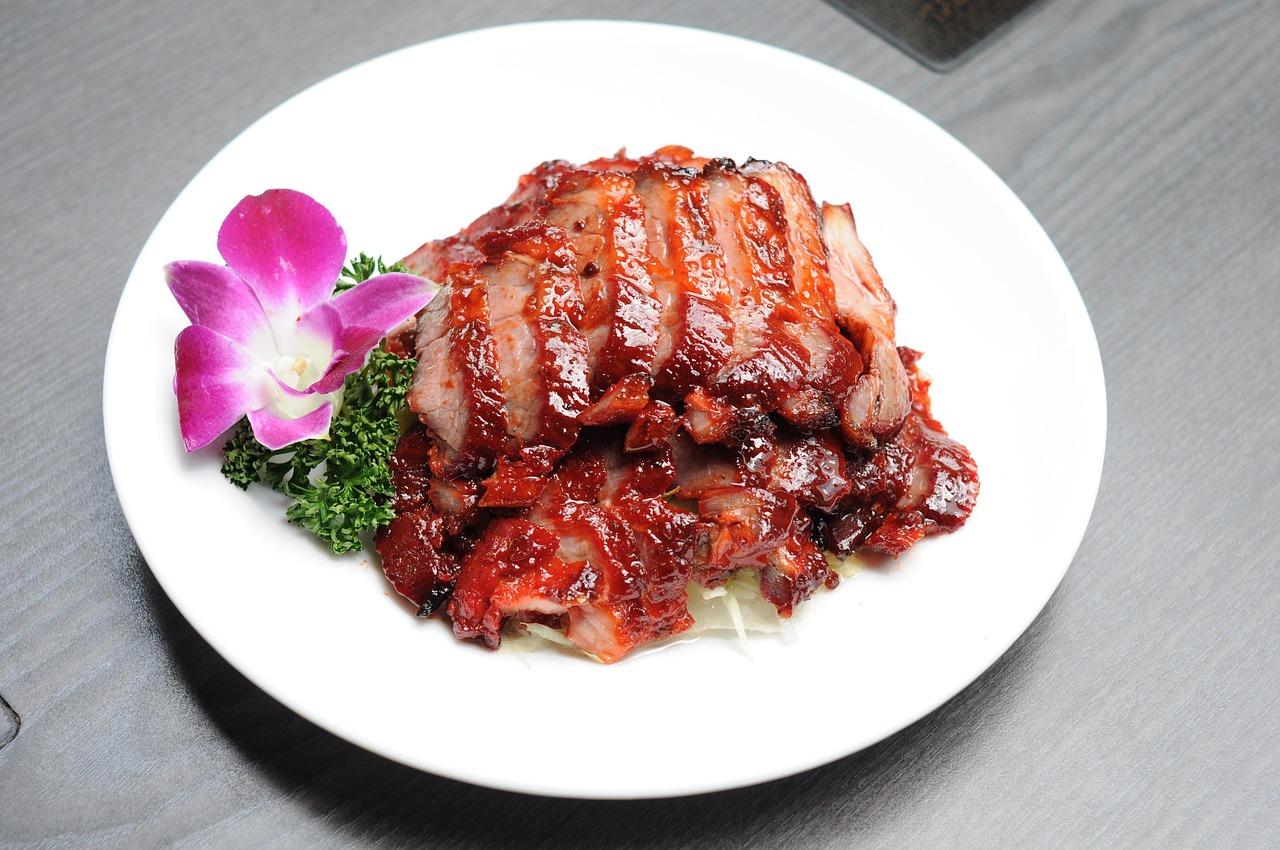
Hanging in long glossy strips in the windows of Guangzhou's siu mei shops, char siu is the roast pork Cantonese families pick up on the way home to put on rice, noodles or into steamed buns. The outside is lacquered, sweet and a little charred at the edges; the inside stays juicy, savoury and faintly scented with five-spice. Shoulder (pork butt) is the cut to use, because its marbling keeps the strips moist through a hot oven. Marinate it overnight in the fridge, roast it the next day and eat it warm with steamed rice and blanched greens, or cold in fried rice and noodle soups. Chef's tip: save the honey for the last ten minutes; brushed on at the start it burns black long before the pork is cooked.
Wuhan mianwoRice and soybean fritter rings
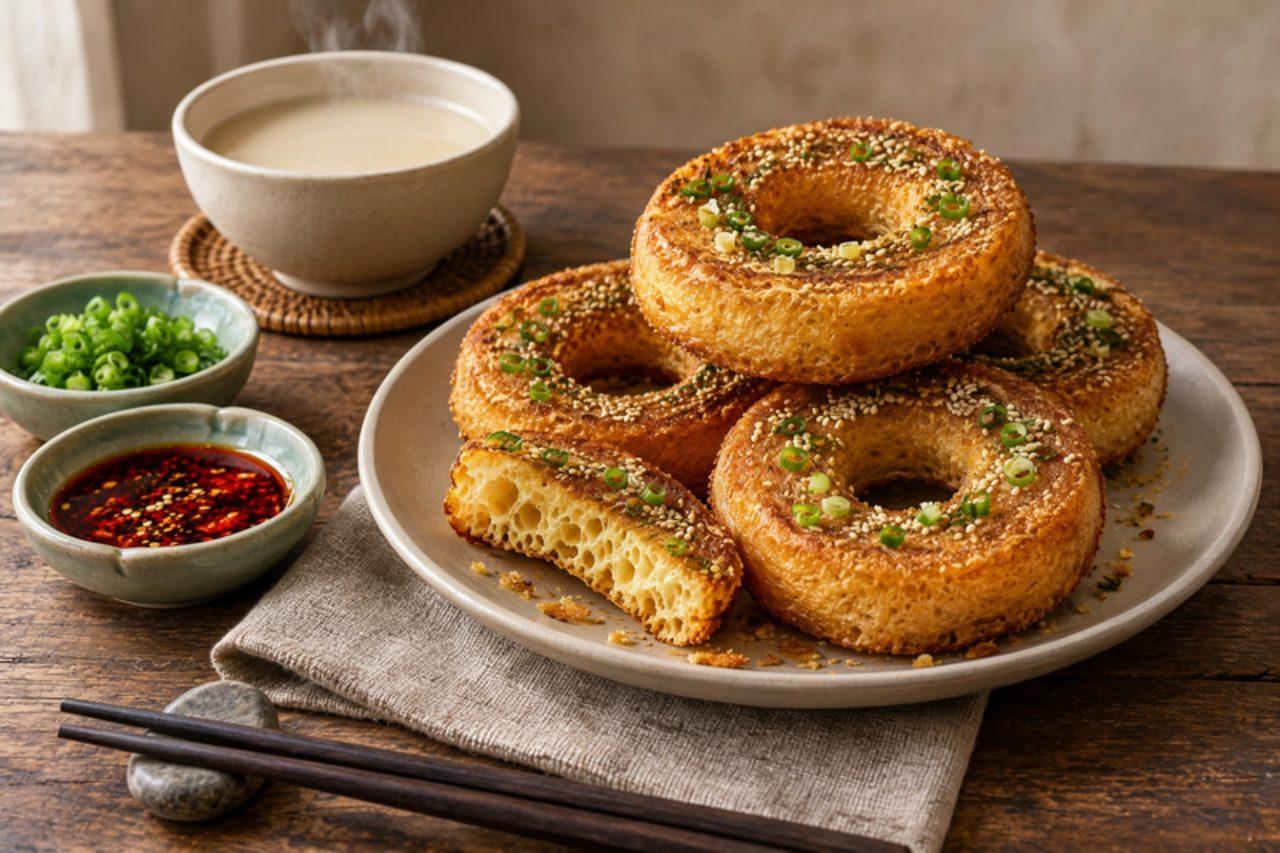
Wuhan people call breakfast "guozao", and mianwo is one of its icons: a ring of rice and soybean batter fried in a special ladle with a raised centre, so it ends up thick and soft round the rim and thin and crackly in the middle, flecked with sesame and spring onion. It is eaten with hot dry noodles or a bowl of soy milk. The mistake is oil that is too cool: the batter soaks it up and turns greasy; it must hiss strongly the moment it goes in. Without a mianwo ladle, use a deep ladle and spread the batter thinner in the middle with a spoon. Chef's tip: give the batter a quick stir before every fritter, because the rice settles to the bottom fast.

