
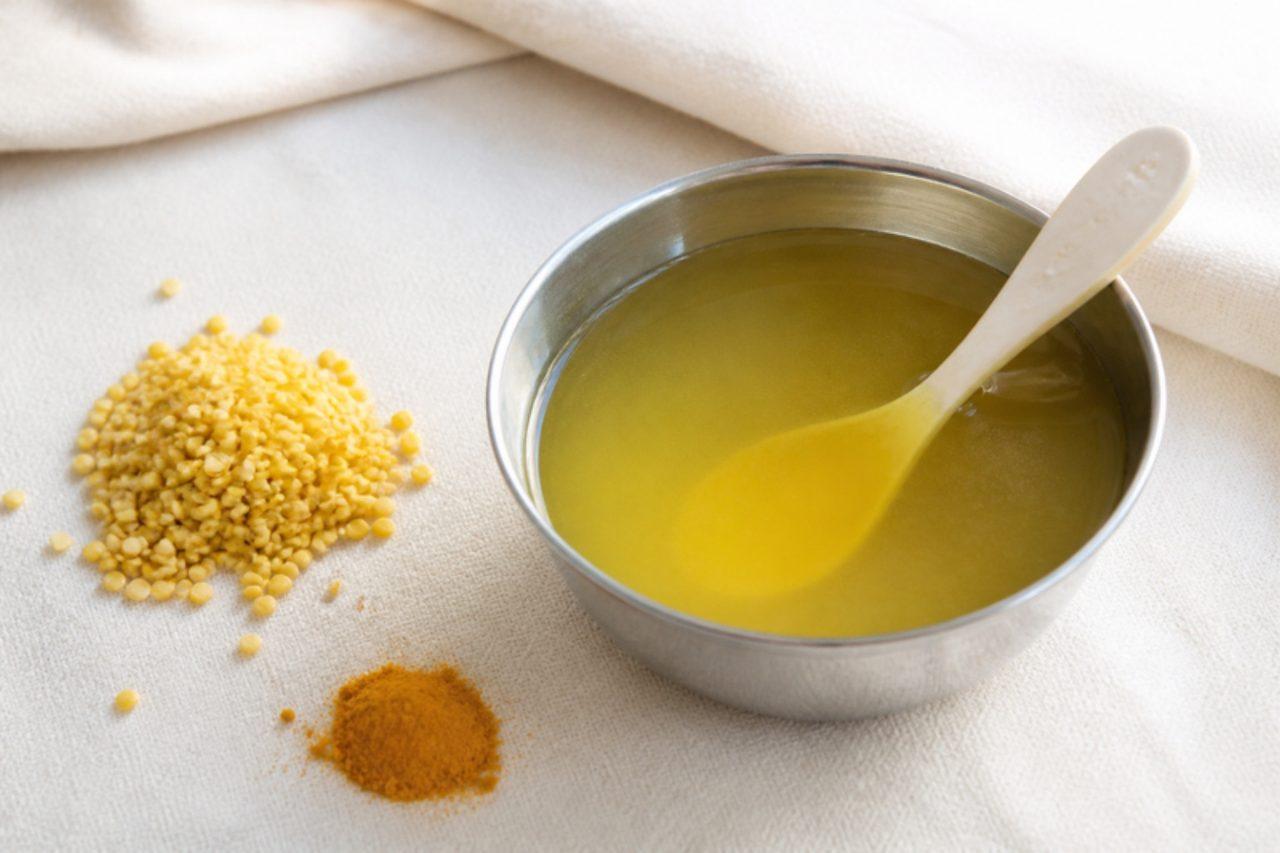
AI-generated image
Moong dal water for babies
6m+ · The thin, golden strained water of soft-cooked moong dal, North India's classic first sip



In North Indian homes, moong dal ka pani is often the first thing other than milk a baby tastes, spooned from a steel katori at lunchtime while the family eats dal-chawal. Split yellow moong is cooked until it falls apart with a pinch of turmeric, then the thin top liquid is strained off; over the following weeks more of the soft dal is mashed in. It tastes mild and slightly sweet. It is free of the common allergens (milk, egg, gluten, peanut, tree nuts, soya, sesame, fish). Chef's tip: a drop of ghee can be added once your baby is used to dairy, but keep it plain at first.
- Total time
- 60 min
- Difficulty
- easy
- Serves
- 4
Baby & toddler safety
- Age: from 6 months+.
- Allergens: none of the common allergens found in the ingredients. Offer one new allergen at a time, in the morning, so you can watch for a reaction.
- Texture and choking: purée or mash smoothly for 6–9 months, then soft, finger-sized pieces that squash between your fingers. Cut round foods such as grapes and cherry tomatoes into quarters lengthways, never give whole nuts, and always stay with your child while they eat.
- Under 1: no honey, no added salt or stock cubes, and no added sugar.
Every child is different. If you are unsure, especially about allergies, check with your health visitor or paediatrician.
Ingredients
- 1 ⅜ oz split yellow moong dalabout 3 tbsp
- 2 cups water
- 1 pinch ground turmeric
Shop this recipe on Amazon
What you'll need
Spices & pantry
Links open Amazon in a new tab. As an Amazon Associate, WhatToEat.Today earns from qualifying purchases.
Method
0/6 doneStep 1: Wash 1 ⅜ oz split yellow moong dal in three changes of water, rubbing it between your fingers, until the water is clear. Soak it in fresh water for 30 minutes, then drain.
30 minStep 2: Put the dal in a pan with 2 cups water and 1 pinch ground turmeric. Bring to the boil and skim off the white foam that rises.
5 minStep 3: Half-cover and simmer for 20 minutes, until the dal has completely broken down and a grain mashes to nothing between your fingers.
20 minStep 4: Whisk well, then pour through a fine sieve. Offer the thin, golden liquid first; it should be pourable, like a light soup. The most common mistake is serving the water from barely cooked dal, which is pale and has little flavour. Keep the sieved dal to mash in as your baby moves on.
Step 5: Cool to lukewarm and offer from a spoon.
Step 6: Cool the remainder quickly, refrigerate in a covered container for up to 2 days, or freeze. Reheat once until piping hot, stir and let it cool before serving.
Nutrition per serving
- Calories
- 30 kcal
- Protein
- 2 g
- Carbs
- 5 g
- Fat
- 0 g
- Fibre
- 1 g
Nutrition values are estimates.
KrazyBadal
Good to know
- How long does moong dal water for babies take?
- About 60 minutes in total: 35 minutes to prepare and 25 minutes to cook.
- How many people does it serve?
- 4 as written. Change the servings above the ingredients and every amount scales to match.
- Is it vegan?
- Yes. It has no meat, fish, dairy or eggs.
- Is it gluten free?
- Yes, as written. Check the labels on stock, sauces and spice mixes, which sometimes contain gluten.
- What can I use instead of ground turmeric?
- Leave it out (it mostly adds colour).
Reviews
No reviews yet. Be the first to cook it.
Rate this recipe
Sign in to rate and review this recipe.
You might also like
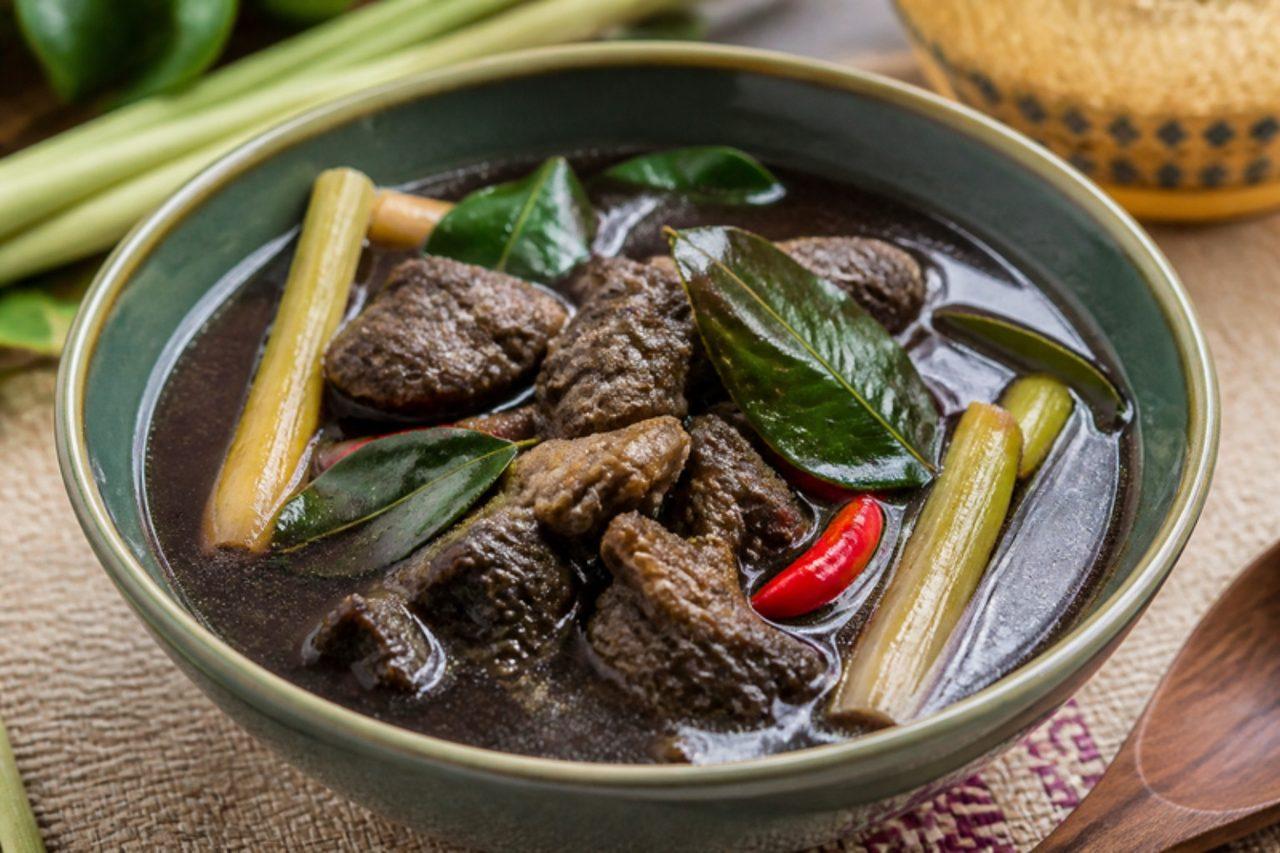
Tiyula itumBlack beef soup
Tiyula itum, 'black soup', is the pride of the Tausug people of Sulu in the far south of the Philippines, cooked for weddings, Eid celebrations and when guests come home. Beef (it is a halal, pork-free dish) is simmered with ginger, lemongrass and turmeric, then darkened with pamapa itum, a paste of grated coconut toasted until almost black and pounded with spices. The broth looks dramatic but tastes smoky, earthy and gently peppery, with heat from chillies. Serve it with plain rice. Chef's tip: toast the coconut slowly, stirring all the time, until it is very dark brown but not ashy; burnt-to-ash coconut tastes bitter and ruins the soup.
 Filipino


SakarpadaSweet fried dough diamonds
Sakarpada (shakarpara) are little sweet diamonds of a rich dough made with ghee, milk and sugar, fried until golden and crunchy. They are a Diwali favourite with tea, and the cubes go into bhusu too. They keep for weeks in an air-tight tin.
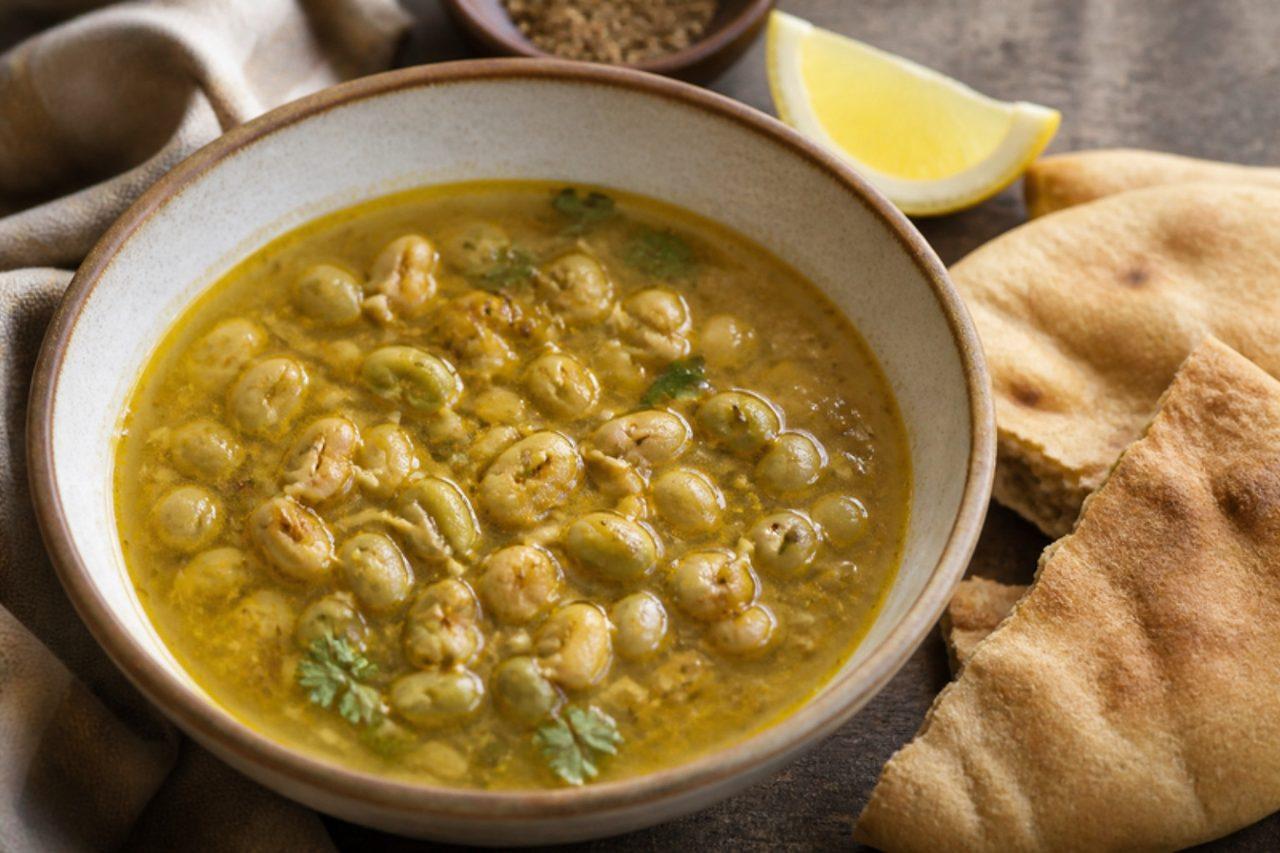
Ful nabitSprouted fava bean soup
Sprouted beans are ladled out with their cooking liquor in Cairo homes when the weather turns cold or someone is feeling run down, and Egyptians swear by the broth as a pick-me-up. The beans are soaked and left to sprout for a few days, then simmered with onion, garlic and cumin into a light, earthy soup that is sharpened at the table with plenty of lemon. You can eat the beans with a spoon or pop them from their skins. Allow 3 to 4 days for sprouting, although the hands-on work is only about 20 minutes. People with G6PD deficiency (favism) must not eat fava beans. Chef's tip: stop the sprouting when the shoots are about 1 cm long; longer sprouts taste grassy and bitter.
 Egyptian
