
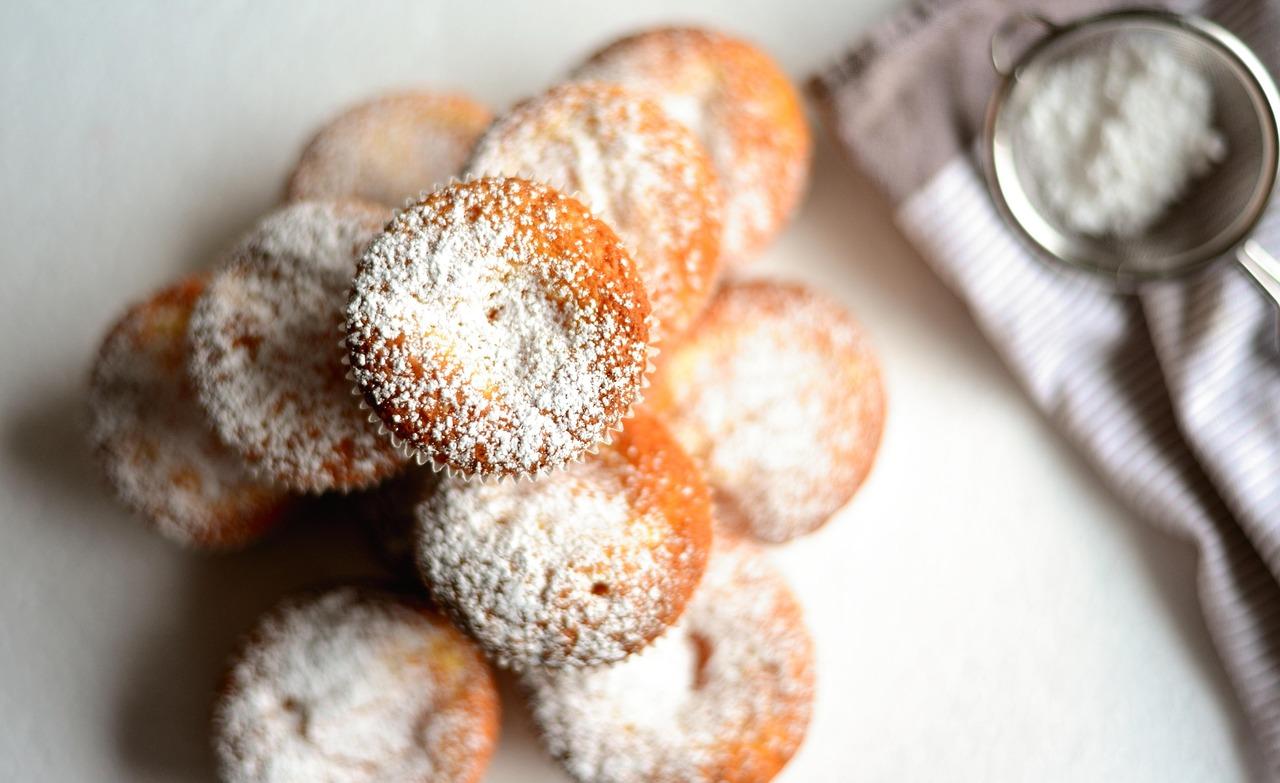
Nigerian doughnuts
Nigerian doughnuts: soft yeasted rounds rolled in sugar, the roadside and party favourite

Long before chain doughnut shops reached Abuja, Nigerian bakeries and roadside hawkers in Onitsha, Enugu and Lagos sold these plump, unfilled rings and rounds, wrapped in paper and still warm, and mothers fried them by the trayful for birthday parties. The dough is enriched with milk, egg and butter and scented with nutmeg, so the crumb is soft and bready rather than cakey, and each one is rolled in sugar while hot. Contains wheat, milk and egg. A common mistake is frying in oil that is too hot: the outside goes dark brown while the centre stays doughy, so keep it at 170 °C and test the first one. Chef's tip: after cutting, let the rounds rise a second time on floured baking paper, then lift each one on its square of paper into the oil so it keeps its puffy shape.
- Total time
- 120 min
- Difficulty
- medium
- Serves
- 12
Ingredients
For the dough
- 1 ⅛ lb plain flourplus extra for dusting
- 2 ½ oz caster sugar
- ¼ oz fast-action dried yeast1 sachet
- ½ tsp ground nutmeg
- ½ tsp salt
- 1 cup whole milklukewarm
- 1 eggbeaten
- 2 ⅛ oz unsalted buttermelted and cooled
To fry and finish
- 4 ¼ cups vegetable oilfor frying
- 3 ½ oz caster sugarfor rolling
Shop this recipe on Amazon
What you'll need
Fresh ingredients (3)
Links open Amazon in a new tab. As an Amazon Associate, WhatToEat.Today earns from qualifying purchases.
Method
0/8 doneStep 1: Mix 1 ⅛ lb plain flour, 2 ½ oz caster sugar, ¼ oz fast-action dried yeast, ½ tsp ground nutmeg and ½ tsp salt in a large bowl.
Step 2: Add 1 cup whole milk, 1 egg and 2 ⅛ oz unsalted butter and mix to a soft, slightly sticky dough. Knead on a lightly floured surface for 8–10 minutes until smooth and springy.
10 minStep 3: Put the dough in an oiled bowl, cover and leave somewhere warm for about 1 hour, until doubled in size.
60 minStep 4: Knock it back and roll out to 1.5 cm thick. Cut 7 cm rounds, with a smaller hole in the centre if you like rings, and re-roll the scraps once.
Step 5: Set each doughnut on a square of floured baking paper, cover loosely and leave for 20–25 minutes until puffy.
25 minStep 6: Heat 4 ¼ cups vegetable oil in a deep pan to 350°F. Fry one test doughnut first and break it open: it should be cooked through with no wet dough in the middle.
5 minStep 7: Fry the doughnuts 3 or 4 at a time for about 2 minutes a side, until deep golden all over. Lift out with a slotted spoon and drain on kitchen paper.
20 minStep 8: While they are still warm, roll them in 3 ½ oz caster sugar. Eat the same day.
Nutrition per serving
- Calories
- 240 kcal
- Protein
- 5 g
- Carbs
- 34 g
- Fat
- 9 g
- Fibre
- 1 g
Nutrition values are estimates.
KrazyBadal
Good to know
- How long does nigerian doughnuts take?
- About 120 minutes in total: 30 minutes to prepare and 90 minutes to cook.
- How many people does it serve?
- 12 as written. Change the servings above the ingredients and every amount scales to match.
- Is it vegetarian?
- Yes. It has no meat or fish.
- What can I use instead of plain flour?
- Self-raising flour, same amount (then leave out the baking powder).
- What can I use instead of caster sugar?
- Caster sugar, same amount.
Reviews
No reviews yet. Be the first to cook it.
Rate this recipe
Sign in to rate and review this recipe.
You might also like
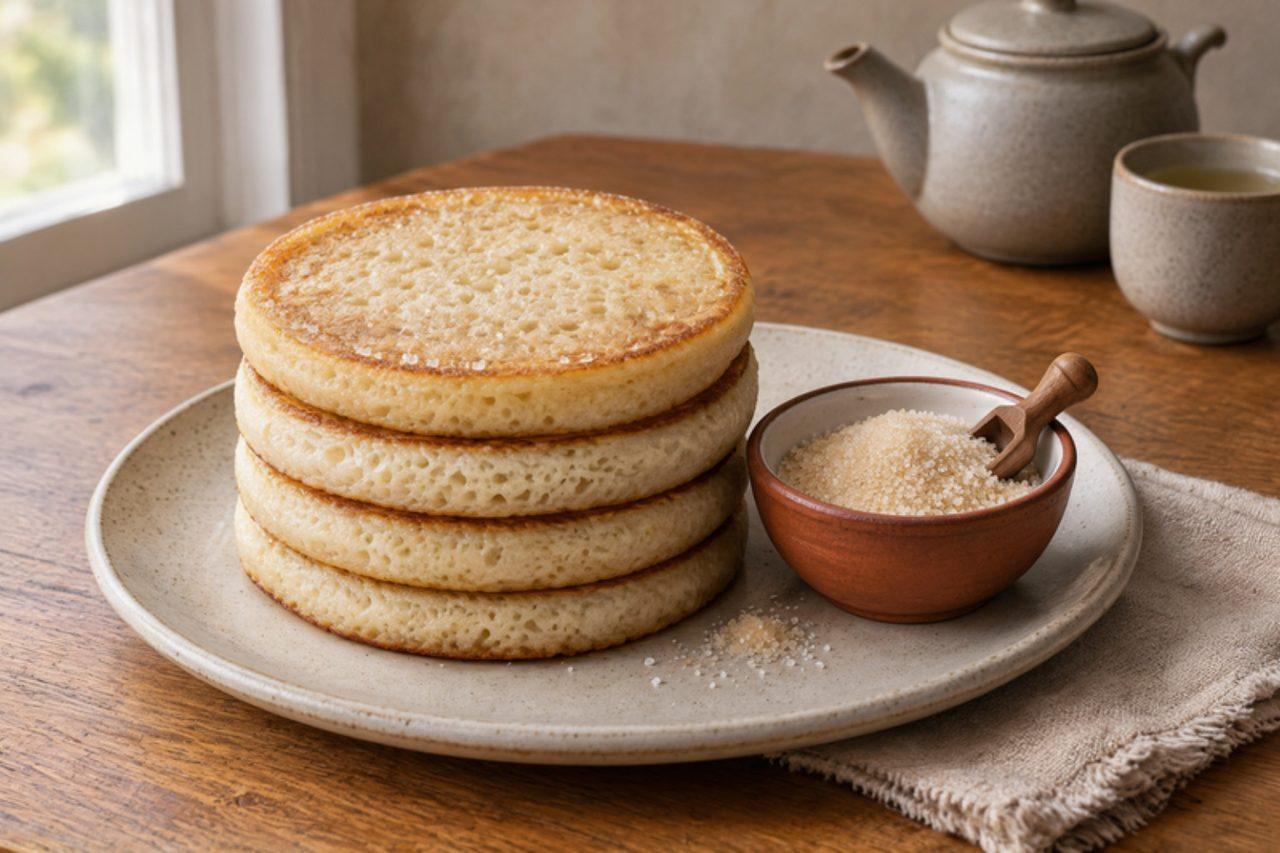
SinasirRice pancakes
Across Kano, Zaria and Niger, sinasir is a breakfast and snack food: a fermented rice batter poured into a small pan, covered and cooked on one side only, so the top stays soft and covered in holes like a crumpet while the base turns lightly golden. They are eaten warm with sugar, with groundnut oil and yaji, or alongside miyan taushe (pumpkin soup). Traditionally the rice is soaked and ground; this home version uses rice flour plus a little cooked rice for the same soft chew. The common mistake is flipping them: sinasir is meant to have a pale, holey top, so cover the pan and let steam cook it instead. Chef's tip: the batter is ready when it has doubled and looks bubbly; if it hasn't, give it longer rather than adding more yeast.


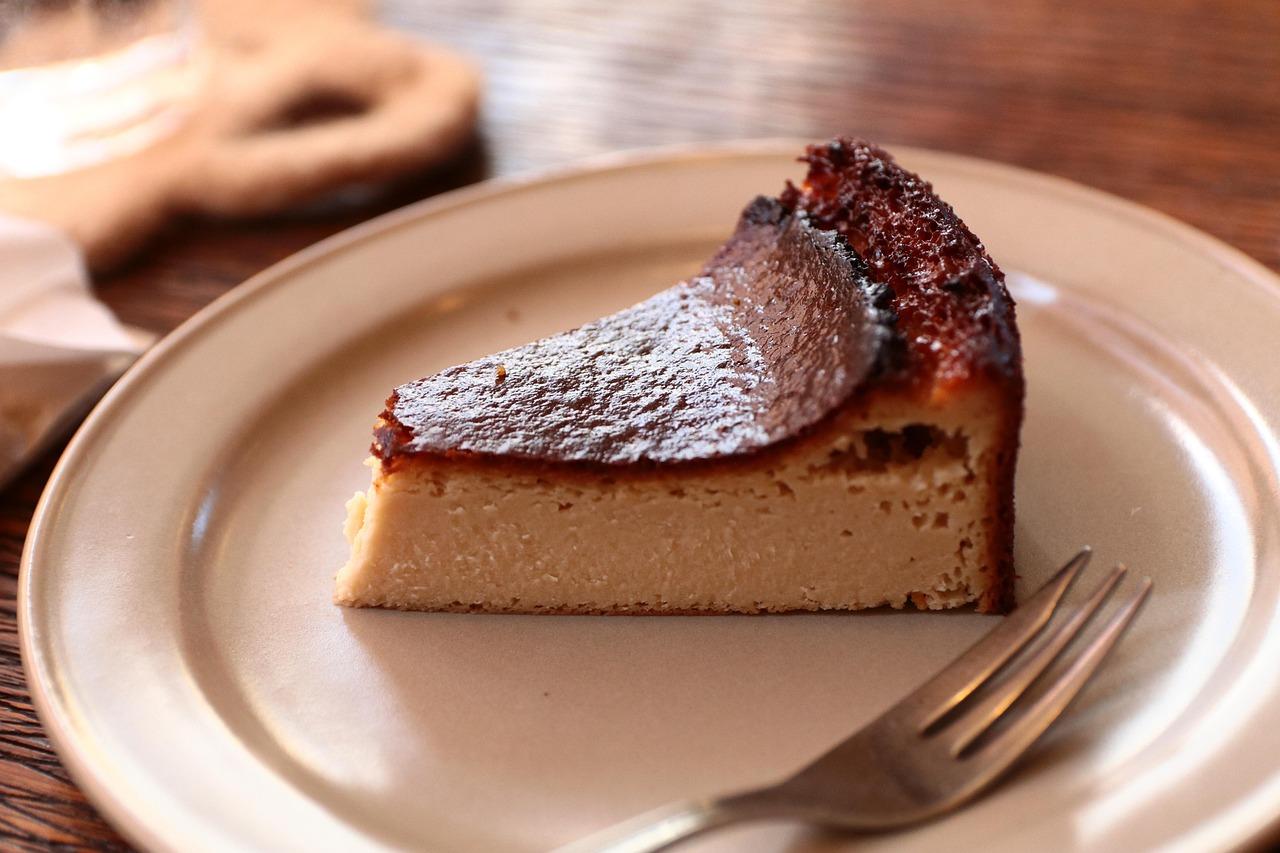
Basque burnt cheesecake
This crustless cheesecake was created in the early 1990s at La Viña, a pintxos bar in the old town of San Sebastián (Donostia) in the Basque Country, and is now famous around the world. It's baked very hot so the top caramelises almost black and the sides rise and crack, while the middle stays soft and creamy, almost runny. There's no base and no water bath, and the rough, rustic look is the point: it's lined with crumpled baking paper. La Viña uses a spoonful of wheat flour; cornflour does the same job and keeps it gluten free. Chef's tip: take it out of the oven while the centre still wobbles like a soft set custard; it firms up as it cools, and if it looks set in the oven, the middle will be dry instead of creamy.
 Spanish
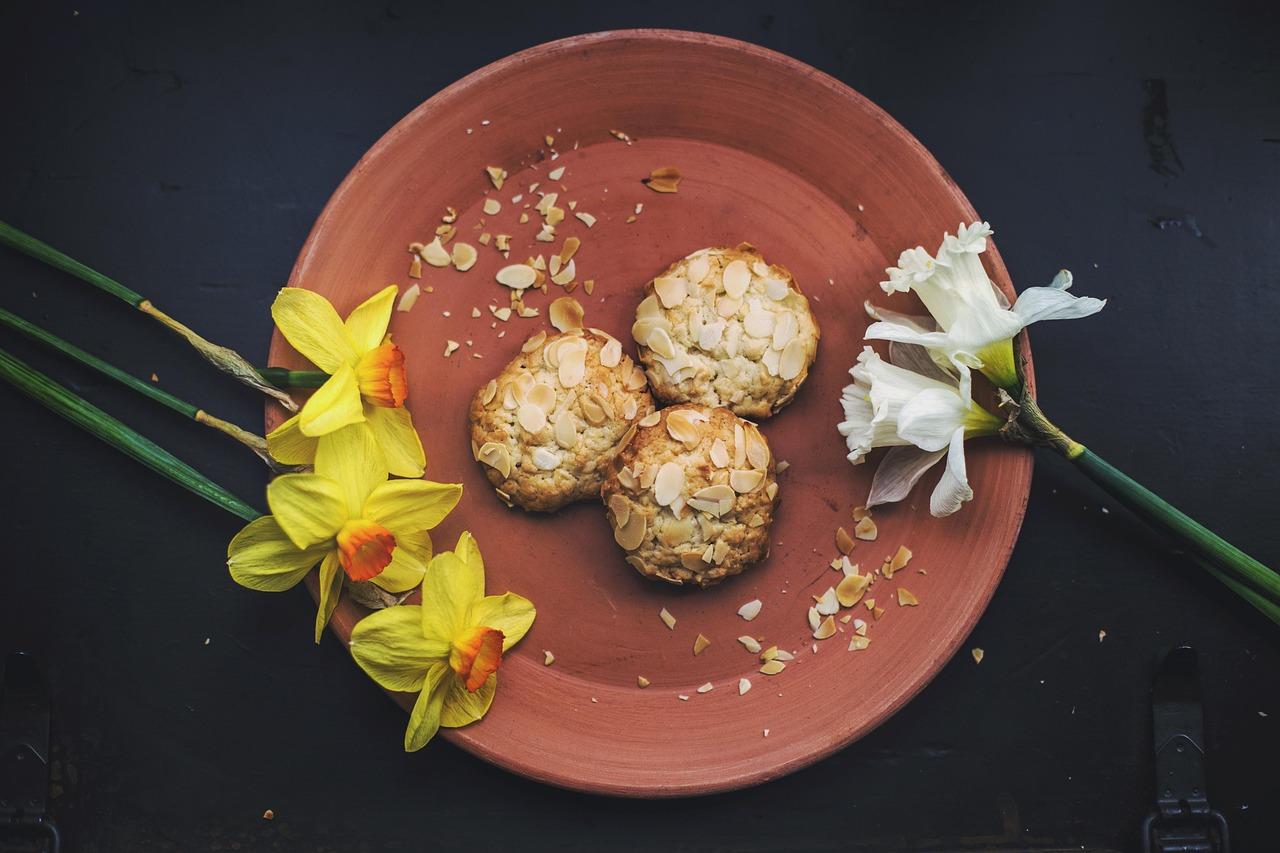
Almond cookiesOat, coconut and almond cookies
A big batch of crunchy cookies with rolled oats, coconut, chopped almonds and chunks of cooking chocolate. For a change, use cashew nuts instead of almonds.