
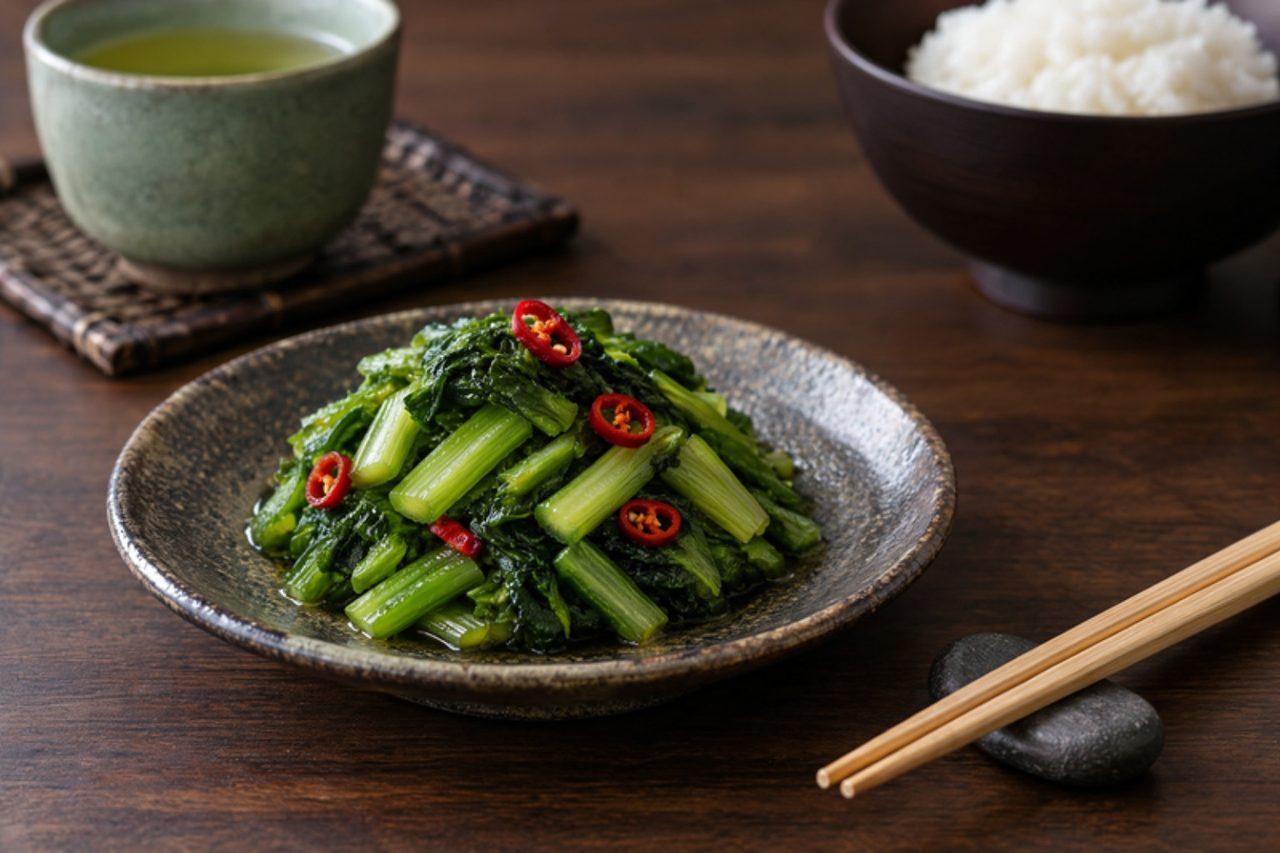
AI-generated image
Nozawanazuke
Pickled turnip greens
野沢菜漬け: long turnip-green stalks salted with chilli and kombu in the snows of Nozawa Onsen, green at first, amber by spring



In the snowy hot-spring village of Nozawa Onsen in northern Nagano, early November is 'onsen washing' time: families carry armfuls of nozawana, a turnip relative with stalks taller than a child, to the steaming public spring to wash them, then salt them in big barrels for winter. The pickle is the region's tea-time snack, set out with green tea for neighbours, and the side for every winter meal. In the first weeks it is bright green, crisp and lightly salty (aozuke); by late winter it ferments to a golden-brown, sour 'ame-iro' stage, which locals chop and fry with sesame oil. Outside Japan use turnip greens, young mustard greens or the stems of komatsuna or choy sum. The common mistake is salting straight from cold water: rinsing in hand-hot water (around 40 °C) for a minute softens the stalks so the salt penetrates evenly. It is ready when the stalks are flexible, a vivid deep green and taste salty, juicy and fresh. Chef's tip: cut it into 3 cm lengths right before serving and toss with a drop of sesame oil and toasted sesame seeds.
- Total time
- 40 min
- Difficulty
- easy
- Serves
- 10
Ingredients
For the pickle
- 3 ⅓ lb nozawana or turnip greensor young mustard greens, komatsuna or choy sum
- 1 ¾ oz coarse sea saltabout 3.5% of the greens' weight
- ⅓ oz kombucut into thin strips
- 3 dried red chilliesseeds removed, in rings
To serve
- 1 tsp toasted sesame oil (optional)
- 1 tsp toasted sesame seeds (optional)
Shop this recipe on Amazon
Spices & pantry
Links open Amazon in a new tab. As an Amazon Associate, WhatToEat.Today earns from qualifying purchases.
Method
0/6 doneStep 1: Clean the jar or container and lid: wash in hot soapy water, rinse, then dry in a 250°F oven for 10 minutes (or pour boiling water over and in it and air-dry upside down). Let it cool; it must be completely dry.
Step 2: Trim the roots off the 3 ⅓ lb nozawana or turnip greens and remove any yellow leaves. Wash them in several changes of water, then swish in hand-hot water (about 104°F) for 1 minute until the stalks feel slightly softer. Drain.
15 minStep 3: Cut into lengths that fit your container (or leave whole if it is long). Lay a layer in the container, sprinkle with some 1 ¾ oz coarse sea salt, ⅓ oz kombu and 3 dried red chillies, then add the next layer turned the other way. Repeat, finishing with salt.
15 minStep 4: Press down firmly, put a plate on top and weigh down with about twice the greens' weight. Leave in a cool place (below 50°F, or the fridge) for 1–2 days, until brine rises above the greens; then halve the weight.
5 minStep 5: Leave 4–5 more days in the cold, until the stalks are flexible and a deep vivid green and taste lightly salty. Normal: a little cloudiness and sour smell later on. Bad: fuzzy coloured mould, slime or a rotten smell; throw it away.
Step 6: Keep it in the fridge, in its brine, for up to 1 month; it slowly turns sour and amber. To serve, squeeze a handful, cut into 3 cm pieces and toss with 1 tsp toasted sesame oil and 1 tsp toasted sesame seeds if you like.
5 min
Nutrition per serving
- Calories
- 20 kcal
- Protein
- 2 g
- Carbs
- 3 g
- Fat
- 0 g
- Fibre
- 2 g
Nutrition values are estimates.
KrazyBadal
Good to know
- How long does nozawanazuke take?
- About 40 minutes in total.
- How many people does it serve?
- 10 as written. Change the servings above the ingredients and every amount scales to match.
- Is it vegan?
- Yes. It has no meat, fish, dairy or eggs.
- Is it gluten free?
- Yes, as written. Check the labels on stock, sauces and spice mixes, which sometimes contain gluten.
- Can I make it ahead?
- Yes. It keeps well, so you can cook it earlier in the day or the day before and reheat it.
Reviews
No reviews yet. Be the first to cook it.
Rate this recipe
Sign in to rate and review this recipe.
You might also like
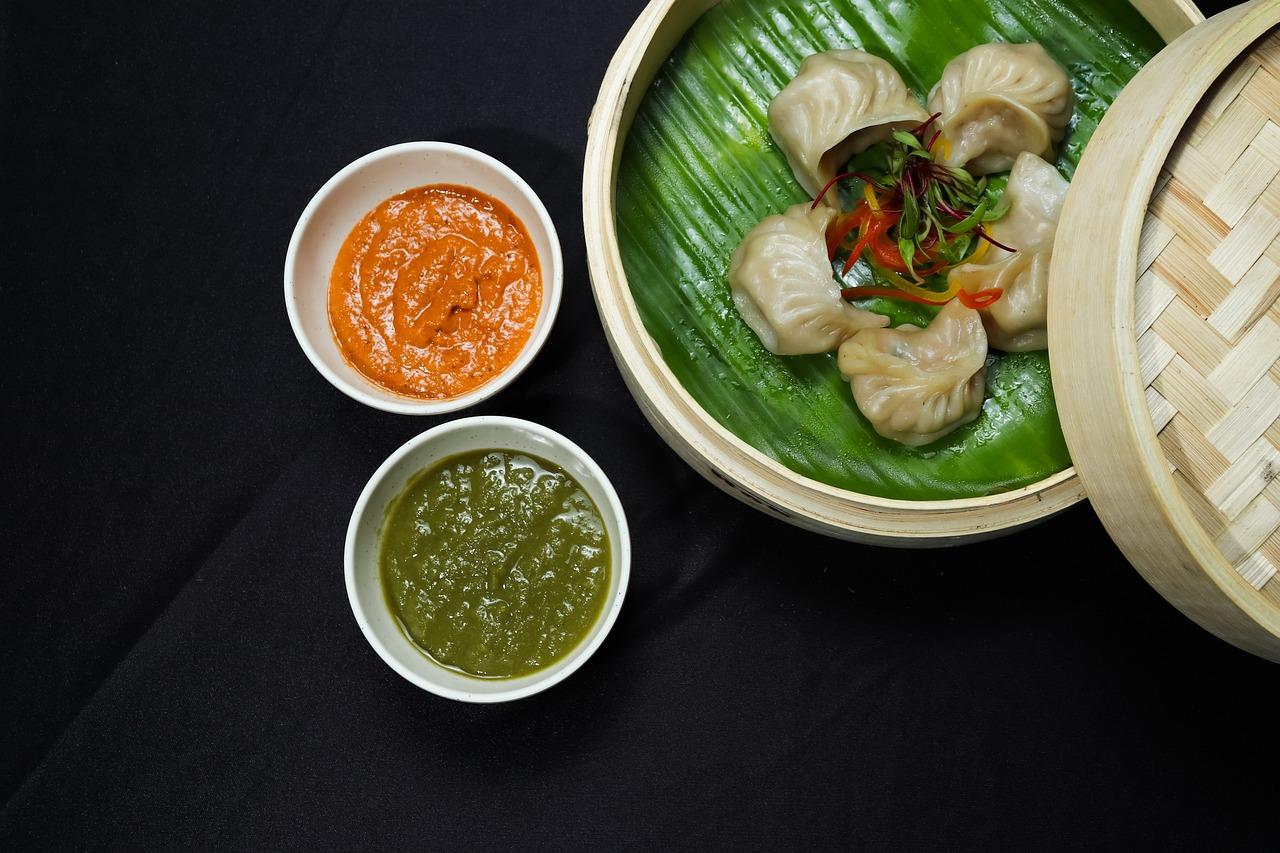
Mint and onion chutney
Onions fried gently until soft and sweet, then blended with fresh mint, green chilli and lemon juice. It's a mellow, fresh-tasting chutney that is great with bhajias, samosas, kebabs and tikka, or spread in sandwiches.
 Indian


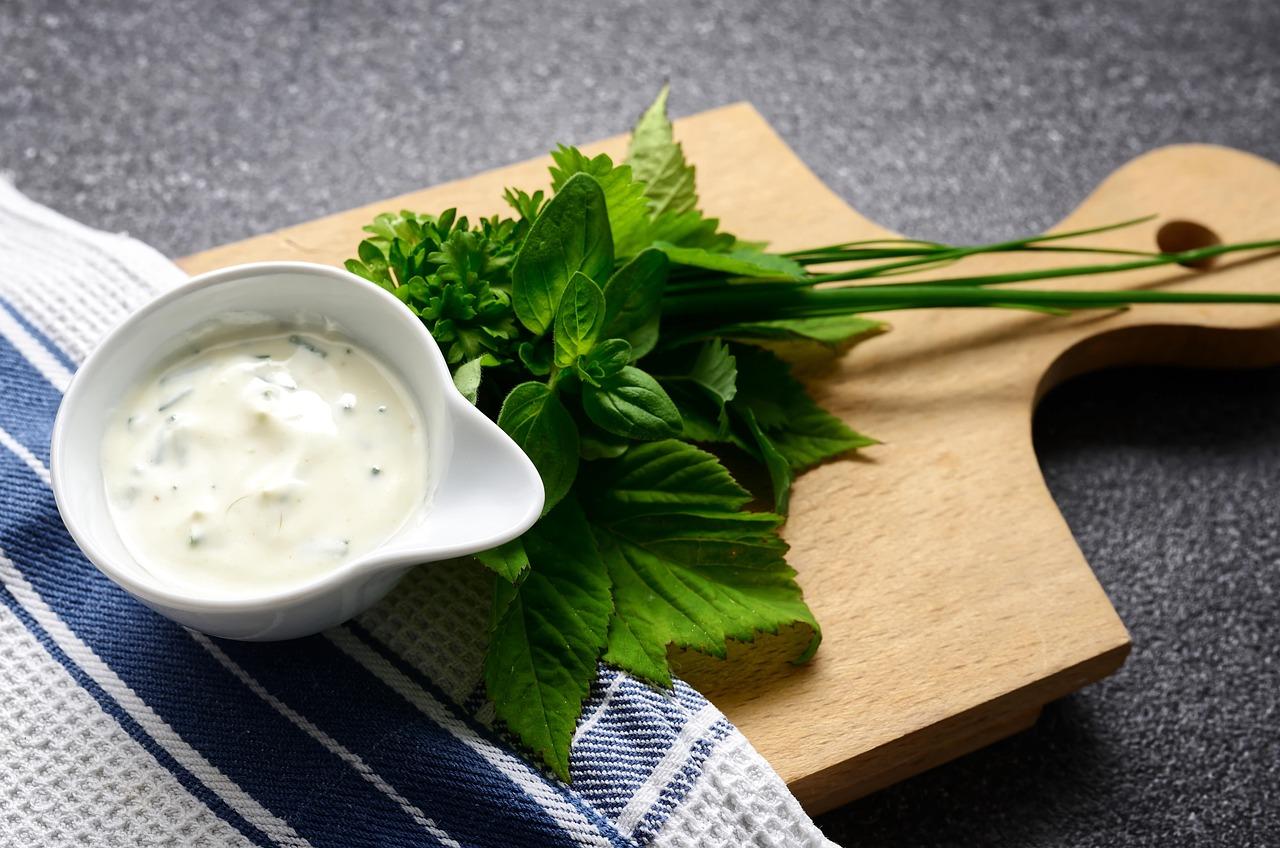
Sour cream dip
A simple, tangy dip made with thick home-made cottage cheese (hung yogurt) or ready-made sour cream, seasoned with garlic, chilli, black pepper and vinegar. Serve it cold with crisps, nachos and jacket potatoes. The book's other dips use this as their 'sour cream'.

Yaki onigiriGrilled rice balls
Yaki onigiri (焼きおにぎり) are rice balls grilled until they form a crisp, toasty crust, then brushed with soy sauce glaze. They are eaten all over Japan, at izakaya, at barbecues and from the freezer section, as a snack or with miso soup. The inside stays soft and steamy while the outside crackles. Best eaten hot, straight from the pan. Chef's tip: let the shaped rice balls dry for 10 minutes before they go in the pan. A drier surface forms a better crust and won't stick, and the glaze goes on only at the end so it doesn't burn.