
Pulpo a la gallega
Octopus with paprika and potatoes
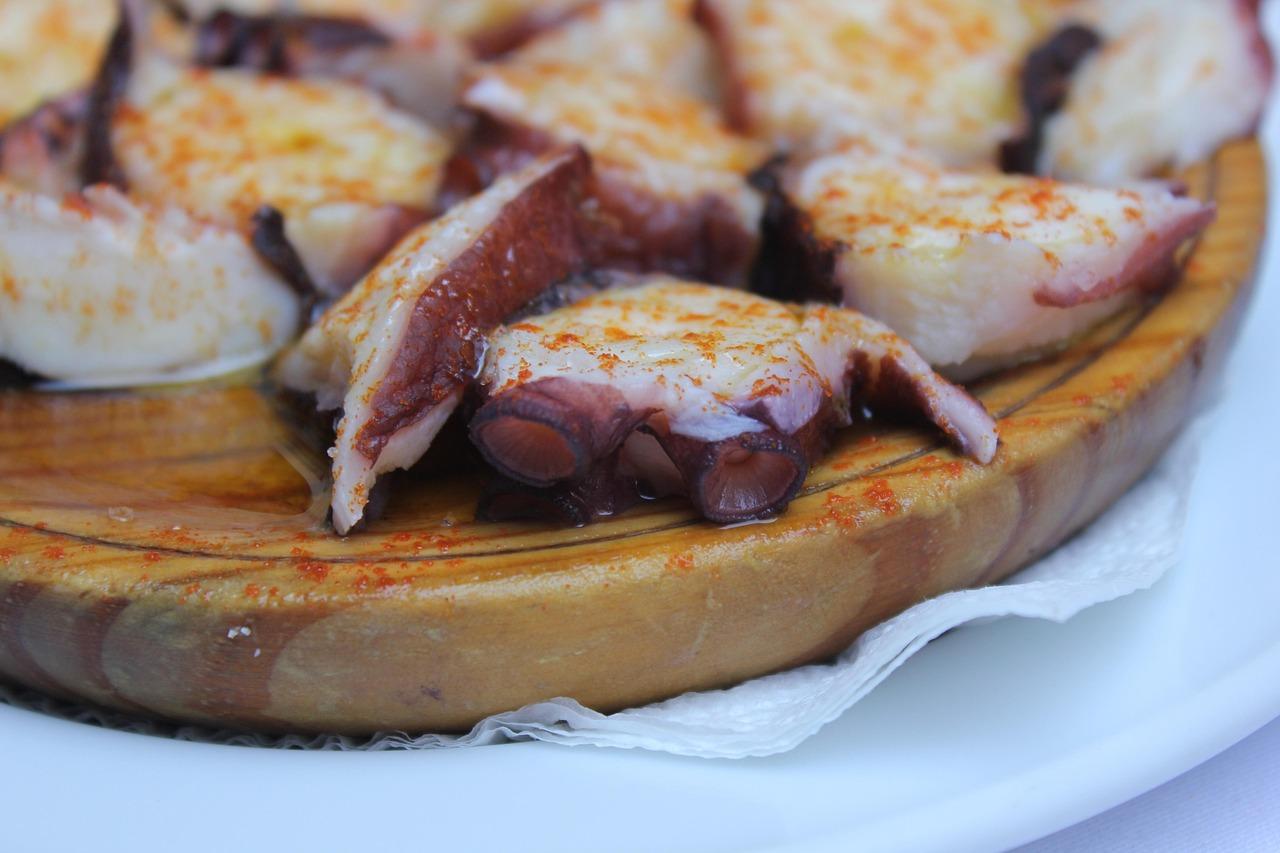
Pulpo a feira: Galician fair-day octopus on potatoes with pimentón and olive oil


Pulpo a feira is fair-day food in Galicia: at markets and village fiestas, pulpeiras boil whole octopus in big copper pots, snip it with scissors onto round wooden plates and finish it with coarse salt, pimentón and olive oil. The town of O Carballiño in Ourense holds an octopus festival every August, and you'll find the dish in pulperías across the region all year. At home it is simpler than it looks; the secret is that a frozen octopus is a tender one, because freezing breaks down the tough fibres. Chef's tip: use the octopus cooking water to boil the potatoes, which picks up its flavour and pink colour.
- Total time
- 60 min
- Difficulty
- medium
- Serves
- 4
Ingredients
- 3 ⅓ lb whole octopusfrozen for at least 48 hours, then thawed in the fridge overnight
- 21 cups water
- 1 onion (optional)halved, optional but helps the flavour
- 1 bay leaf (optional)
- 1 ⅓ lb waxy potatoespeeled and thickly sliced
- 1 tsp coarse sea salt
- ½ tsp hot pimentón (optional)
- 4 tbsp extra virgin olive oil
Shop this recipe on Amazon
What you'll need
Fresh ingredients (2)
Links open Amazon in a new tab. As an Amazon Associate, WhatToEat.Today earns from qualifying purchases.
Method
0/9 doneStep 1: Rinse the thawed 3 ⅓ lb whole octopus well. If your fishmonger hasn't done it, cut out the beak (the hard part in the centre underneath) and turn the head inside out to remove the insides.
Step 3: Holding the octopus by the head, dip it into the boiling water for 3 seconds and lift it out. Do this three times; it's called 'scaring' (asustar) and makes the tentacles curl neatly while keeping the skin on.
1 minStep 4: Lower the octopus into the pot, bring back to a simmer and cook gently for 35–45 minutes for a 1.5 kg octopus (about 25–30 minutes per kilo).
40 minStep 5: Test it by pushing a skewer into the thickest part of a tentacle near the head: it should slide in like into a cooked potato, with just a little resistance. Common mistake: overcooking. Past this point the skin slips off and the flesh turns soft and mushy; undercooked, it's chewy.
1 minStep 6: Turn off the heat and leave the octopus in the water for 10 minutes to settle, then lift it onto a board. Keep the water.
10 minStep 7: Bring the octopus water back to the boil and cook the 1 ⅓ lb waxy potatoes in it for 12–15 minutes, until tender to the tip of a knife. Drain.
15 minStep 8: Snip the tentacles into 1.5 cm slices with kitchen scissors (the head can be sliced too). Lay the potatoes on a wooden board or warm plate and pile the octopus on top.
Step 9: Sprinkle over the 1 tsp coarse sea salt, then dust with the 1 tsp sweet pimentón (Spanish paprika) and the ½ tsp hot pimentón through a small sieve. Finish with a generous pour of the 4 tbsp extra virgin olive oil and serve warm, never piping hot, with toothpicks and bread.
Nutrition per serving
- Calories
- 430 kcal
- Protein
- 38 g
- Carbs
- 32 g
- Fat
- 16 g
- Fibre
- 3 g
Nutrition values are estimates.
KrazyBadal
Good to know
- How long does pulpo a la gallega take?
- About 60 minutes in total: 5 minutes to prepare and 55 minutes to cook.
- How many people does it serve?
- 4 as written. Change the servings above the ingredients and every amount scales to match.
- Is it gluten free?
- Yes, as written. Check the labels on stock, sauces and spice mixes, which sometimes contain gluten.
- What can I use instead of waxy potatoes?
- Sweet potato, same weight (sweeter, cooks a little faster).
Reviews
No reviews yet. Be the first to cook it.
Rate this recipe
Sign in to rate and review this recipe.
You might also like

Moreton Bay bugsSlipper lobster with garlic butter
Moreton Bay bugs are the flat, shovel-nosed slipper lobsters caught off the Queensland coast around Brisbane and the Sunshine Coast, and for Queenslanders they are a summer treat, split and grilled at the beach house. The tail meat is sweet and rich, somewhere between lobster and prawn. Buy them raw, frozen or fresh, from a fishmonger and ask them to halve them if you like. A common mistake is overcooking, which makes the meat rubbery; it is ready the moment it turns white. Chef's tip: grill flesh side down first to mark it, then turn and baste in the shell.
 Australian

Midia saganakiMussels with tomato and feta
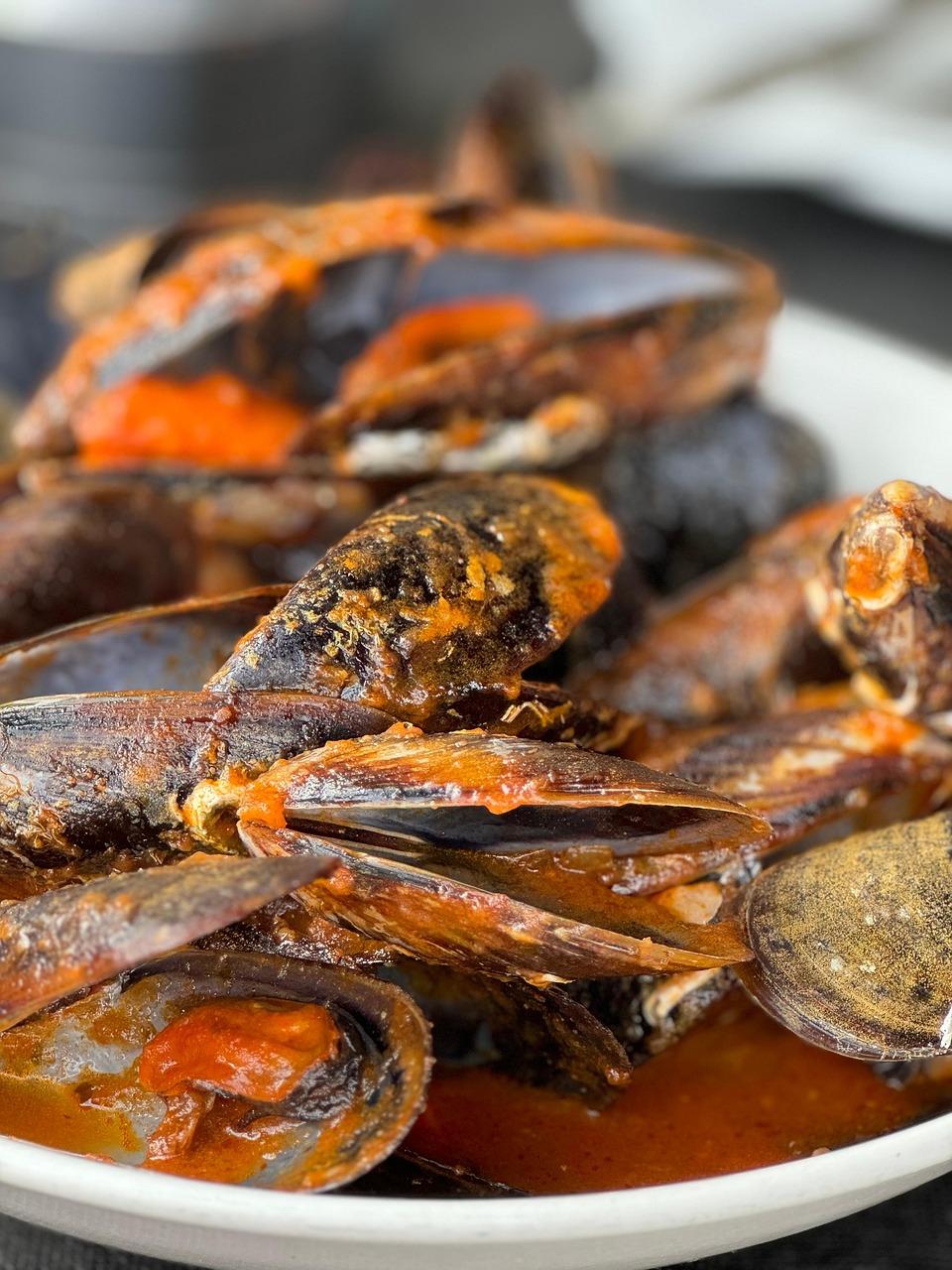
Thessaloniki is Greece's mussel capital, with farms in the Thermaic Gulf a few kilometres from the seafront ouzeries where this two-handled pan arrives, still bubbling, at the table. Mussels steam open in a quick sauce of peppers, tomato and chilli, and crumbled feta melts into the juices at the end. Bread is essential. The classic version adds a splash of ouzo; this one is alcohol-free, using a pinch of fennel seed for that aniseed note (add 2 tbsp ouzo with the tomatoes if you like). Common mistake: overcooking — take the pan off the heat as soon as the shells open. Chef's tip: buy mussels on the day and keep them in the fridge in a bowl covered with a damp cloth, never in water.
 Greek

Arroz con pitu de caleyaSoupy rice with chicken
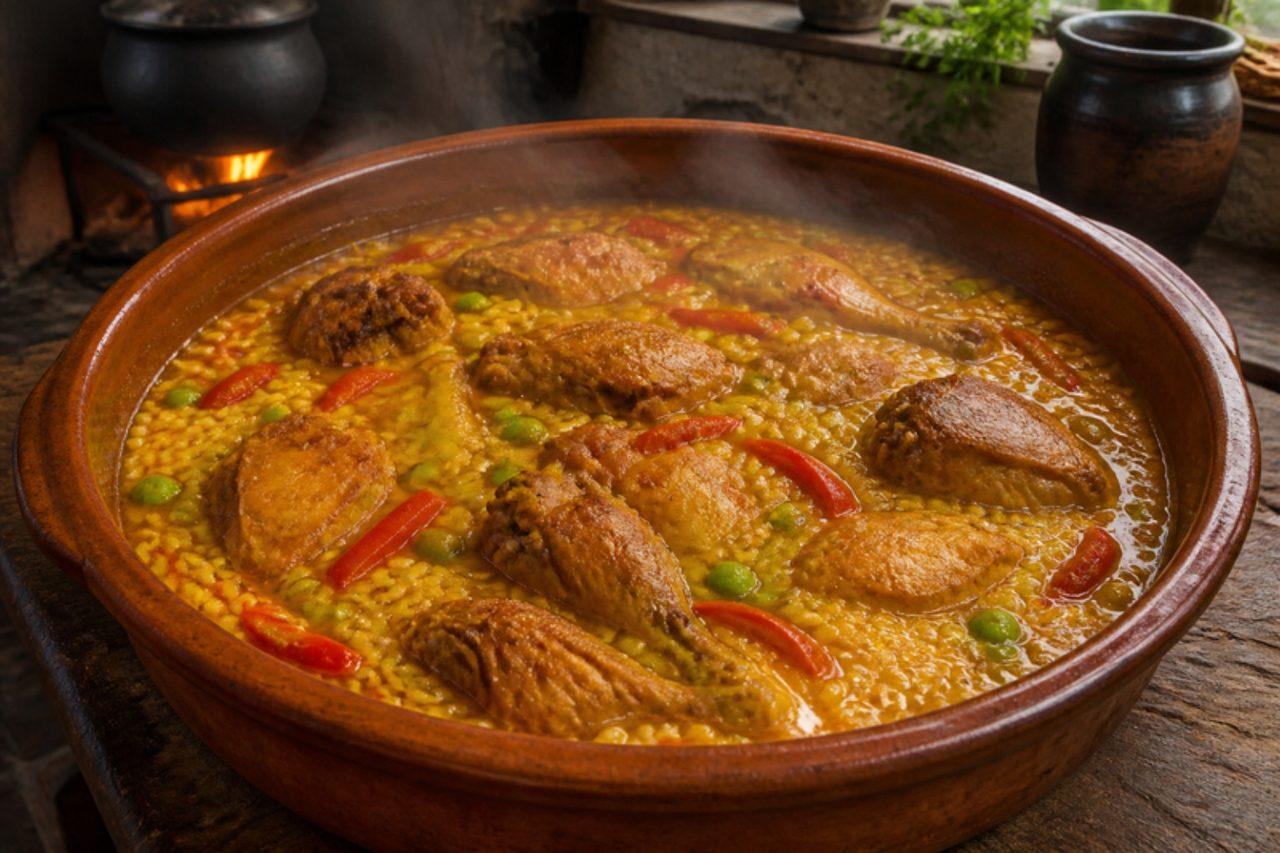
A pitu de caleya is a cockerel raised free in the lanes, or caleyas, of rural Asturias; its firm, flavourful meat needs long stewing, and families around Villaviciosa and Grado still cook it for feast days. The stew is often finished as a soupy rice, so the deep chicken juices go into every grain. Use the best free-range chicken you can find. The braise includes dry white wine; replace it with extra stock and a squeeze of lemon if you want it alcohol-free. Chef's tip: brown the chicken slowly and deeply; that colour is where the flavour of the whole pot comes from.