
 Chinese
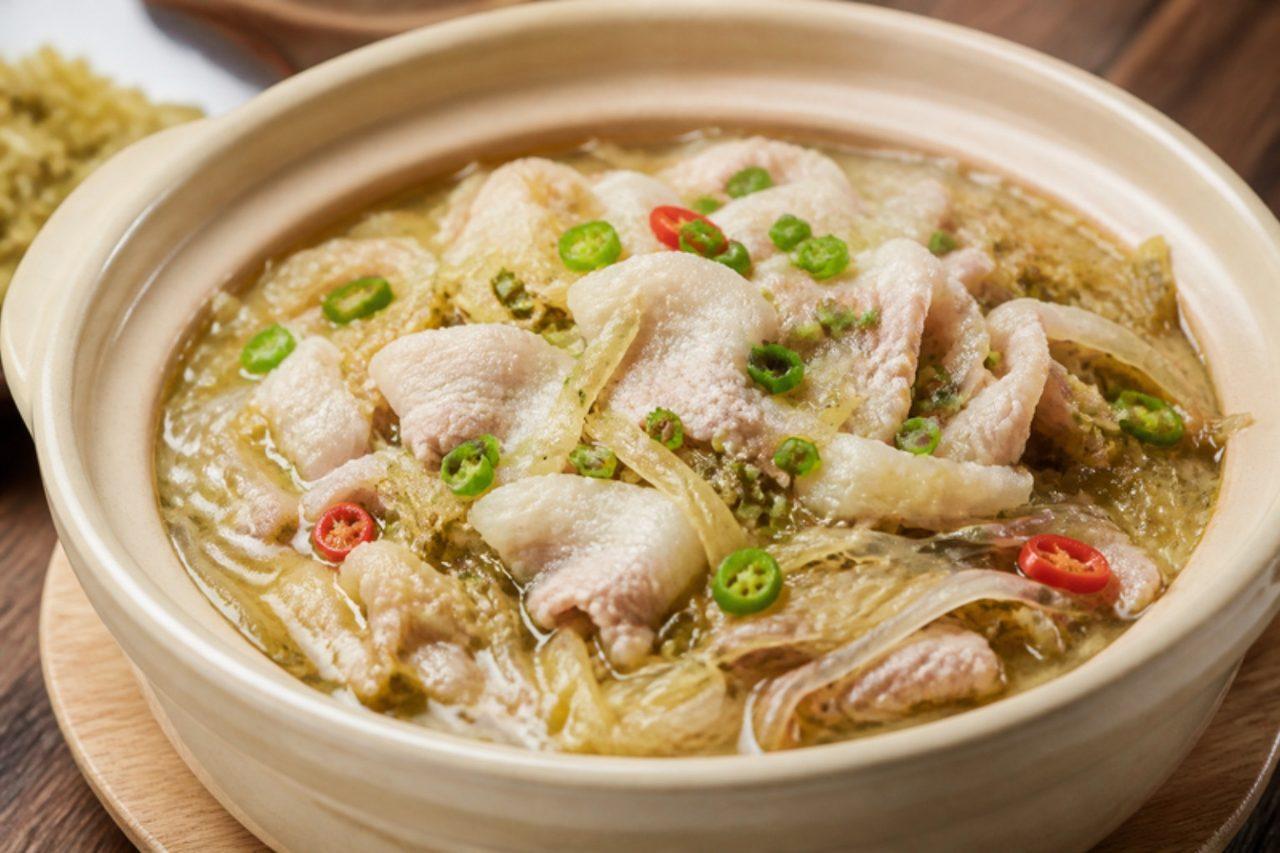
Suan cai pork stew
Suāncài báiròu (酸菜白肉) — Dongbei pork belly simmered with sour fermented cabbage and glass noodles
Across north-east China, autumn means packing crocks with salted napa cabbage to ferment through the long winter, and this hearty stew is the reward. Thin slices of boiled pork belly lie in a pale broth with shreds of sour cabbage and slippery glass noodles; the tang cuts the richness, and the broth tastes both clean and deeply savoury. It is everyday winter family food in Harbin and Shenyang, often served in a clay pot at the centre of the table with rice and a garlic-soy dip for the pork. Chef's tip: let the boiled pork cool for 15 minutes before slicing; warm belly crumbles, slightly cooled belly cuts into neat, thin slices.
- Prep
- 15 min
- Cook
- 75 min
- Difficulty
- Medium
- Serves
- 4
- Per serving
- 560 kcal
Ingredients
For the pork
- 1 ⅓ lb skin-on pork bellyin one piece
- 8 ¼ cups water
- ⅔ oz fresh gingersliced
- 2 spring onionscut into lengths
- 1 tsp Sichuan peppercorns
- 2 tbsp Shaoxing rice wineor the same amount of chicken stock with 1/2 tsp rice vinegar for an alcohol-free version
For the stew
- 1 tbsp neutral oil or lard
- 3 garlic clovessliced
- 3 ½ oz glass noodlessoaked in warm water for 15 minutes
- ½ tsp salttaste first; the cabbage is salty
- ½ tsp ground white pepper
For the dip
- 3 garlic cloves (optional)crushed
- 3 tbsp light soy sauce (optional)
- 1 tbsp chilli oil (optional)
Shop this recipe on Amazon
Search Amazon for the rest
Fresh ingredients (4)
Links open Amazon in a new tab. As an Amazon Associate we earn from qualifying purchases.
Method
0/8 doneStep 1: Put 1 ⅓ lb skin-on pork belly in a pot of cold water, bring to the boil and boil for 3 minutes. Drain, rinse off the scum and clean the pot.
8 minStep 2: Return the pork to the pot with 8 ¼ cups water, ⅔ oz fresh ginger, 2 spring onions, 1 tsp Sichuan peppercorns, 1 star anise and 2 tbsp Shaoxing rice wine. Simmer gently for 35–40 minutes, until a chopstick slides in with little resistance. The meat will be far past the safe 145°F (145 °F).
40 minStep 3: Lift out the pork and leave it to cool for 15 minutes. Strain and keep the broth; you need about 1.2 litres.
15 minStep 4: While the pork simmers, rinse 1 ⅛ lb Chinese fermented cabbage (suan cai) once, squeeze it hard and slice it into very fine shreds. A common mistake is skipping the squeeze: the stew ends up harshly sour and watery.
Step 5: Heat 1 tbsp neutral oil or lard in a casserole over a medium heat and fry 3 garlic cloves for 20 seconds, then add the cabbage and stir-fry for 3 minutes until it smells toasty and loses its raw edge.
4 minStep 6: Pour in the reserved broth, bring to the boil and simmer for 15 minutes so the cabbage flavours the broth.
15 minStep 7: Slice the pork belly as thinly as you can, about 3 mm, and lay the slices on top of the cabbage. Add the drained 3 ½ oz glass noodles and simmer for 5 minutes until the noodles turn clear and soft.
6 minStep 8: Season with ½ tsp salt and ½ tsp ground white pepper, tasting first. Mix the dip ingredients in small bowls and serve the stew bubbling in its pot, dipping the pork slices as you eat.
Nutrition per serving
- Calories
- 560 kcal
- Protein
- 20 g
- Carbs
- 30 g
- Fat
- 40 g
- Fibre
- 4 g
Nutrition values are estimates.
KrazyBadal
Good to know
- How long does suan cai pork stew take?
- About 90 minutes in total: 15 minutes to prepare and 75 minutes to cook.
- How many people does it serve?
- 4 as written. Change the servings above the ingredients and every amount scales to match.
- What can I use instead of fresh ginger?
- ¼ tsp ground ginger per tbsp fresh (add it with the spices).
- What can I use instead of spring onions?
- Chives, or a little finely sliced onion.
Reviews
No reviews yet. Be the first to cook it.
Rate this recipe
Sign in to rate and review this recipe.
You might also like

Pork souvlaki
This is a pork recipe. Walk through any Greek town after dark, from Athens to Thessaloniki, and the smell of souvlaki stands drifts down the street; cubes of pork shoulder grilled on thin skewers are the country's favourite cheap supper, eaten standing up or at a plastic-table taverna. At home you marinate the meat in lemon, olive oil, garlic and dried oregano, grill it hard and fast, and pile it on warm pitta with tzatziki, tomato and red onion. Chef's tip: cut the pork into even 2.5 cm cubes and leave a little fat on; lean loin dries out, shoulder stays juicy over high heat.
 Greek
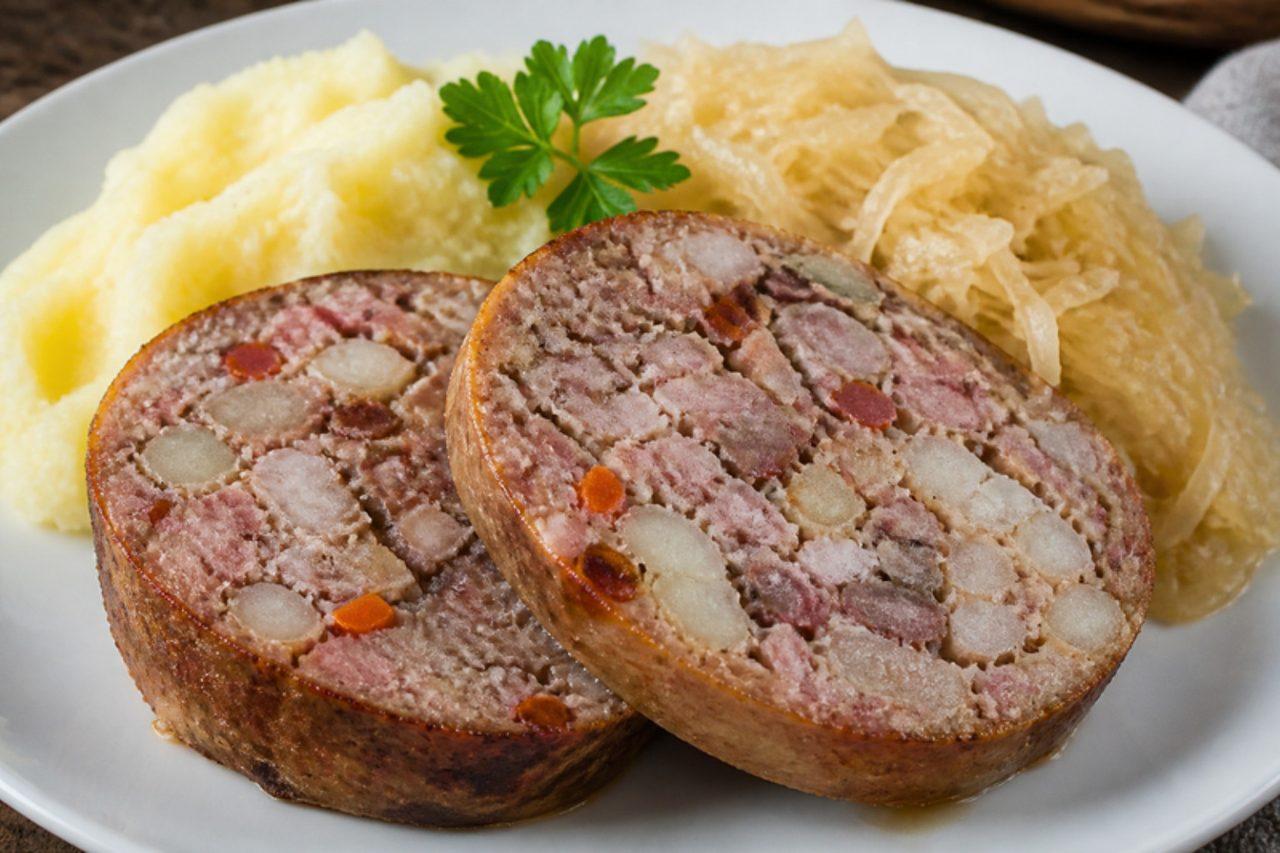
Pfälzer SaumagenStuffed pig's stomach
Saumagen is the pride of the Palatinate, served at wine-village festivals and family dinners from the Haardt hills to Ludwigshafen. A cleaned pig's stomach is stuffed with diced pork shoulder, pork sausage meat, potato and carrot seasoned with marjoram and nutmeg, poached slowly, then sliced thick and fried until crusty. The stomach works only as a casing and is ordered from a butcher; if you can't get one, bake the same filling in a covered terrine in a water bath. Serve with sauerkraut and mashed potato. Chef's tip: fill the stomach only three-quarters full, or it bursts as the potatoes swell.
 German

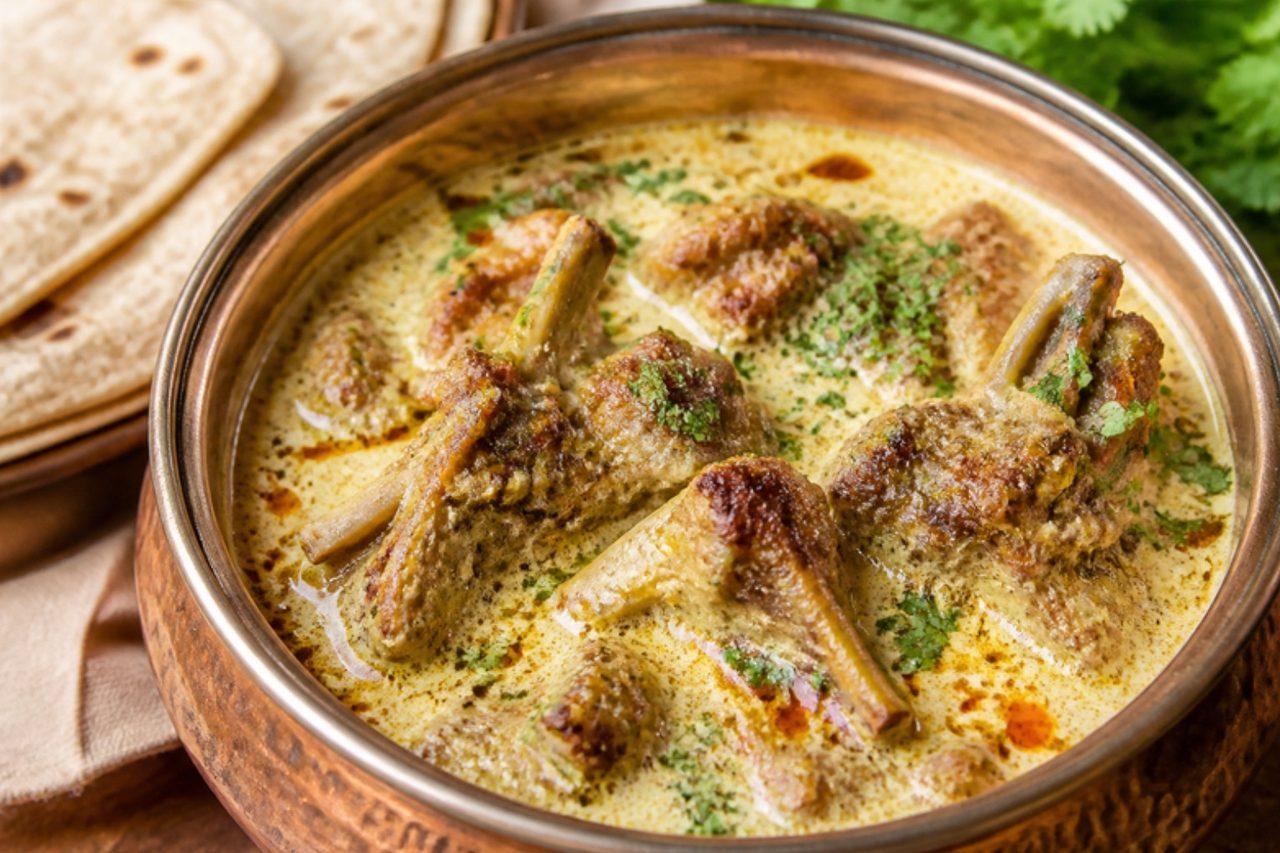
Chha goshtLamb in buttermilk gravy
Up in the hill villages of Himachal Pradesh, where flocks are walked to summer pastures, lamb is often cooked in chhaachh, the thin buttermilk left after churning butter. Thickened with a spoonful of gram flour, it makes a pale, gently sour gravy that is milder and lighter than the red curries of the plains, and it is a favourite at dhams, the festive meals of the Kangra and Chamba valleys. Serve it with steamed rice or makki ki roti. Chef's tip: whisk the gram flour into the buttermilk until there are no lumps before it goes near the pot; once it hits the heat, any lumps stay lumps.
 Indian