
AI-generated image
Ugadi pachadi
Six-taste new year relish
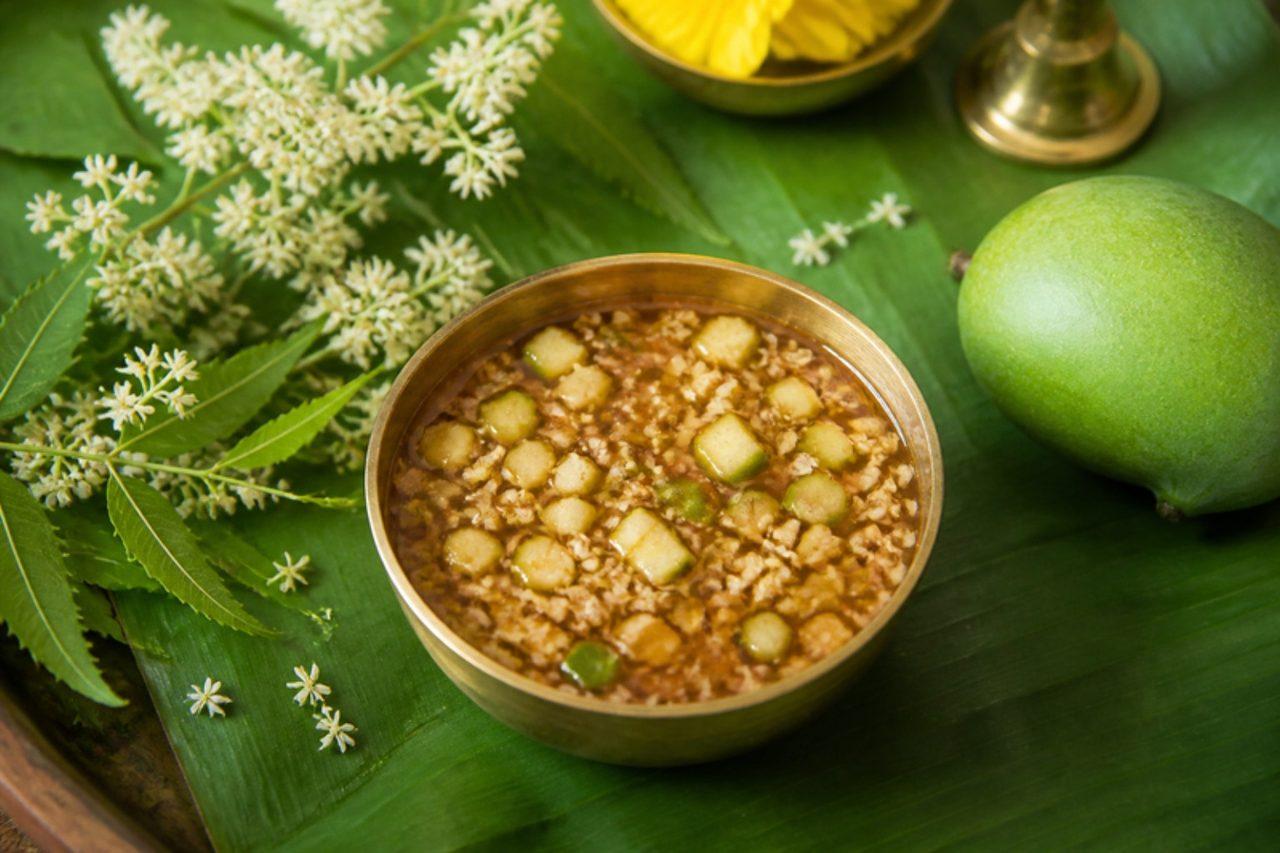
ఉగాది పచ్చడి: the six-taste new-year relish of neem flowers, raw mango, tamarind and jaggery



On Ugadi morning in Andhra Pradesh, Telangana and Karnataka, the first thing anyone eats after the oil bath and prayers is a spoonful of this pachadi, handed round in a small steel cup. Each ingredient stands for a feeling the coming year will bring: jaggery for joy, bitter neem flowers for sorrow, sour tamarind for disgust, raw mango for surprise, pepper for anger and salt for fear, so tasting them together is a quiet promise to accept whatever comes. In Maharashtra, Gudi Padwa begins with a close cousin, tender neem leaves ground with jaggery, cumin and tamarind. The finished pachadi is thin, sweet first, then sharp and faintly bitter. The common mistake is a heavy hand with neem: half a spoon too much and bitterness drowns every other taste. Stir until the jaggery has dissolved completely and no grains crunch against the spoon. Chef's tip: make it on the morning itself, as the cut mango softens and the neem turns muddy if it sits overnight.
- Total time
- 15 min
- Difficulty
- easy
- Serves
- 6
Ingredients
- ⅔ oz tamarindseedless block
- 1 cup warm water
- 2 ⅛ oz jaggerygrated
- 3 ½ oz raw green mangopeeled and cut into tiny dice
- 1 tbsp fresh neem flowerspicked off the stalks; or 1 tsp dried
- ¼ tsp black peppercoarsely crushed
- 1 pinch salt
- ½ ripe banana (optional)diced
- 2 tbsp fresh coconut (optional)finely chopped
Shop this recipe on Amazon
Spices & pantry
Fresh ingredients (2)
Links open Amazon in a new tab. As an Amazon Associate, WhatToEat.Today earns from qualifying purchases.
Method
0/4 doneStep 1: Soak ⅔ oz tamarind in 1 cup warm water for 10 minutes, then squeeze it hard between your fingers and strain the liquid into a bowl, pressing the pulp. Throw away the fibre and seeds.
10 minStep 2: Add 2 ⅛ oz jaggery and stir for 2–3 minutes until it has completely dissolved and the liquid is a clear brown with no grains left at the bottom.
3 minStep 3: Stir in 3 ½ oz raw green mango, 1 tbsp fresh neem flowers, ¼ tsp black pepper and 1 pinch salt. Add ½ ripe banana and 2 tbsp fresh coconut if you like; they soften the sharp edges for children.
Step 4: Taste: you should get sweetness first, then sour, a little heat and a light bitter finish. If the bitterness is strong, add a little more jaggery rather than water. Serve a spoonful to each person before the festive meal.
Nutrition per serving
- Calories
- 55 kcal
- Protein
- 1 g
- Carbs
- 13 g
- Fat
- 1 g
- Fibre
- 1 g
Nutrition values are estimates.
KrazyBadal
Good to know
- How long does ugadi pachadi take?
- About 15 minutes in total.
- How many people does it serve?
- 6 as written. Change the servings above the ingredients and every amount scales to match.
- Is it vegan?
- Yes. It has no meat, fish, dairy or eggs.
- Is it gluten free?
- Yes, as written. Check the labels on stock, sauces and spice mixes, which sometimes contain gluten.
- What can I use instead of jaggery?
- Dark brown or muscovado sugar, same amount.
- What can I use instead of raw green mango?
- Tinned mango pulp, same weight.
Reviews
No reviews yet. Be the first to cook it.
Rate this recipe
Sign in to rate and review this recipe.
You might also like

SakarpadaSweet fried dough diamonds
Sakarpada (shakarpara) are little sweet diamonds of a rich dough made with ghee, milk and sugar, fried until golden and crunchy. They are a Diwali favourite with tea, and the cubes go into bhusu too. They keep for weeks in an air-tight tin.
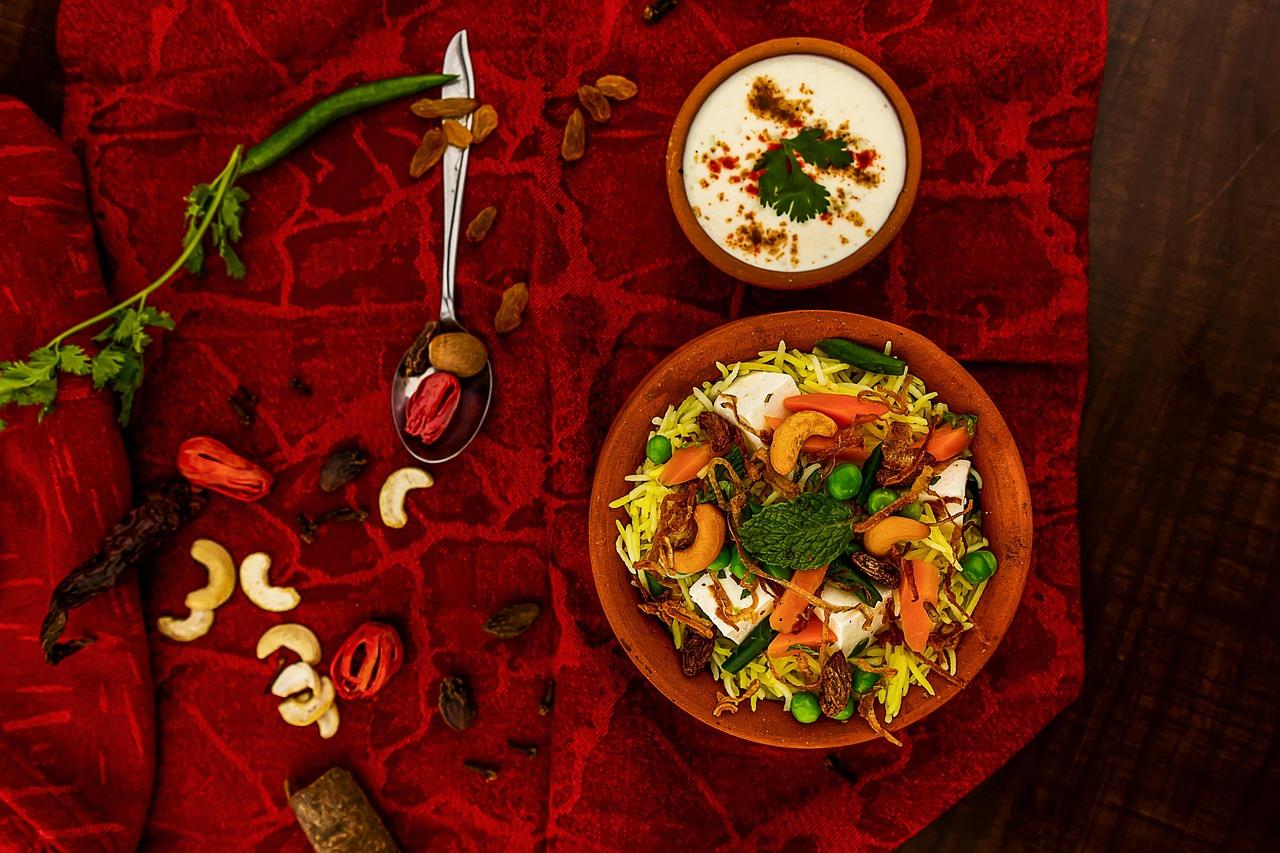
Paneer biryaniRice and moong dal in coconut milk
A mild, creamy biryani: rice and husked green gram roasted in ghee, then cooked in coconut milk with peas, carrots, potatoes, peanuts and cashews, and finished with soft fried paneer and a fresh coriander yogurt. Serve hot, garnished with more fried cashews and paneer.


Sabudana khichdiSago with peanuts and potato
Sabudana khichdi is the dish that sees Maharashtra through every vrat (fast), from Navratri to Ekadashi, but it's so good that people eat it any day of the week. Soaked sago pearls are tossed in a pan with crushed roasted peanuts, cubes of potato, cumin and green chilli until each pearl turns glassy and separate, then finished with lemon and coriander. It's soft, chewy, nutty and gently hot. Fasting rules vary from family to family, so check yours; this version uses rock salt and no asafoetida, onion or garlic. Traditionally it's cooked in ghee; use ghee instead of oil if you aren't keeping it vegan. Chef's tip: soak the sago in just enough water to cover by the height of the pearls themselves, no more; too much water is the reason khichdi turns into one sticky lump.
