
 Indian
 Gluten free
Varagu pongal
Kodo millet pongal
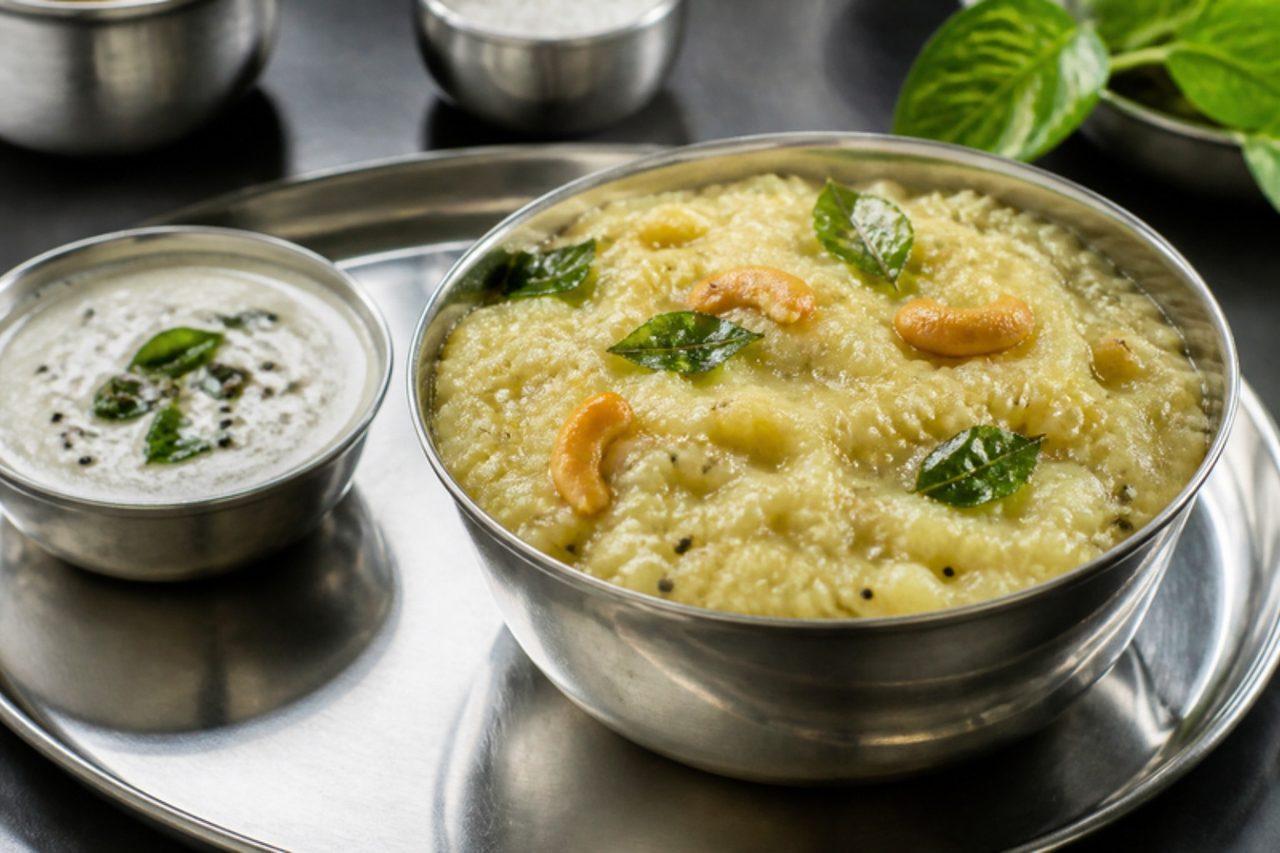
Varagu pongal (வரகு பொங்கல்): kodo millet and moong dal cooked soft with black pepper, cumin and ghee
Ven pongal, the peppery rice and dal porridge, is the Sunday breakfast of Tamil Nadu and the prasadam handed out at temples; in Chennai homes that have turned to millets, kodo millet (varagu) now often takes the rice's place. It cooks into the same soft, creamy mass with yellow moong dal, scented with crushed black pepper, cumin, ginger and curry leaves fried in a modest spoon of ghee, and is eaten with coconut chutney and sambar. A portion is about 280 kcal, far less ghee than the temple version. The mistake people make is serving it too thick; pongal firms up fast as it cools, so make it looser than you think. Chef's tip: crush the peppercorns coarsely in a mortar rather than grinding them fine; you want little bursts of heat in each spoonful.
- Prep
- 5 min
- Cook
- 30 min
- Difficulty
- Easy
- Serves
- 4
- Per serving
- 280 kcal
Ingredients
- 4 oz kodo millet (varagu)rinsed well
- 2 ⅛ oz split yellow moong dalrinsed
- 3 ¾ cups water
- 1 tsp salt
For the tempering
- 1 ½ tbsp ghee
- 1 tsp black peppercornscoarsely crushed
- 1 tsp cumin seeds
- ¾ in fresh gingerfinely chopped
- 10 curry leaves
- 1 pinch asafoetidagluten-free
- 8 cashews (optional)halved
Shop this recipe on Amazon
What you'll need
Search Amazon for the rest
Fresh ingredients (2)
Links open Amazon in a new tab. As an Amazon Associate we earn from qualifying purchases.
Method
0/5 doneStep 1: Dry-roast 2 ⅛ oz split yellow moong dal in a pressure cooker or heavy pot over a medium heat for 2 minutes, until it smells toasty.
2 minStep 2: Add 4 oz kodo millet (varagu), 3 ¾ cups water and 1 tsp salt. Pressure-cook for 4 whistles (about 12 minutes) and let the pressure drop naturally, or simmer covered in a pot for 25 minutes, stirring often, until the millet and dal are completely soft.
25 minStep 3: Mash well with a ladle until creamy. If it is stiff, stir in hot water until it falls slowly from the ladle.
1 minStep 4: For the tempering, warm 1 ½ tbsp ghee in a small pan over a medium-low heat. Add 8 cashews (if using) and fry until golden, then add 1 tsp black peppercorns, 1 tsp cumin seeds, ¾ in fresh ginger, 10 curry leaves and 1 pinch asafoetida and stir for 30 seconds, until the cumin darkens and the leaves crisp.
2 minStep 5: Pour the tempering into the pongal and stir through. Serve hot with coconut chutney or sambar.
Nutrition per serving
- Calories
- 280 kcal
- Protein
- 10 g
- Carbs
- 42 g
- Fat
- 8 g
- Fibre
- 6 g
Nutrition values are estimates.
KrazyBadal
Good to know
- How long does varagu pongal take?
- About 35 minutes in total: 5 minutes to prepare and 30 minutes to cook.
- How many people does it serve?
- 4 as written. Change the servings above the ingredients and every amount scales to match.
- Is it vegetarian?
- Yes. It has no meat or fish.
- Is it gluten free?
- Yes, as written. Check the labels on stock, sauces and spice mixes, which sometimes contain gluten.
- What can I use instead of ghee?
- Butter, same amount (keep the heat a little lower, butter burns sooner).
- What can I use instead of black peppercorns?
- Ground black pepper, a little less than the amount.
Reviews
No reviews yet. Be the first to cook it.
Rate this recipe
Sign in to rate and review this recipe.
You might also like
Chana masala
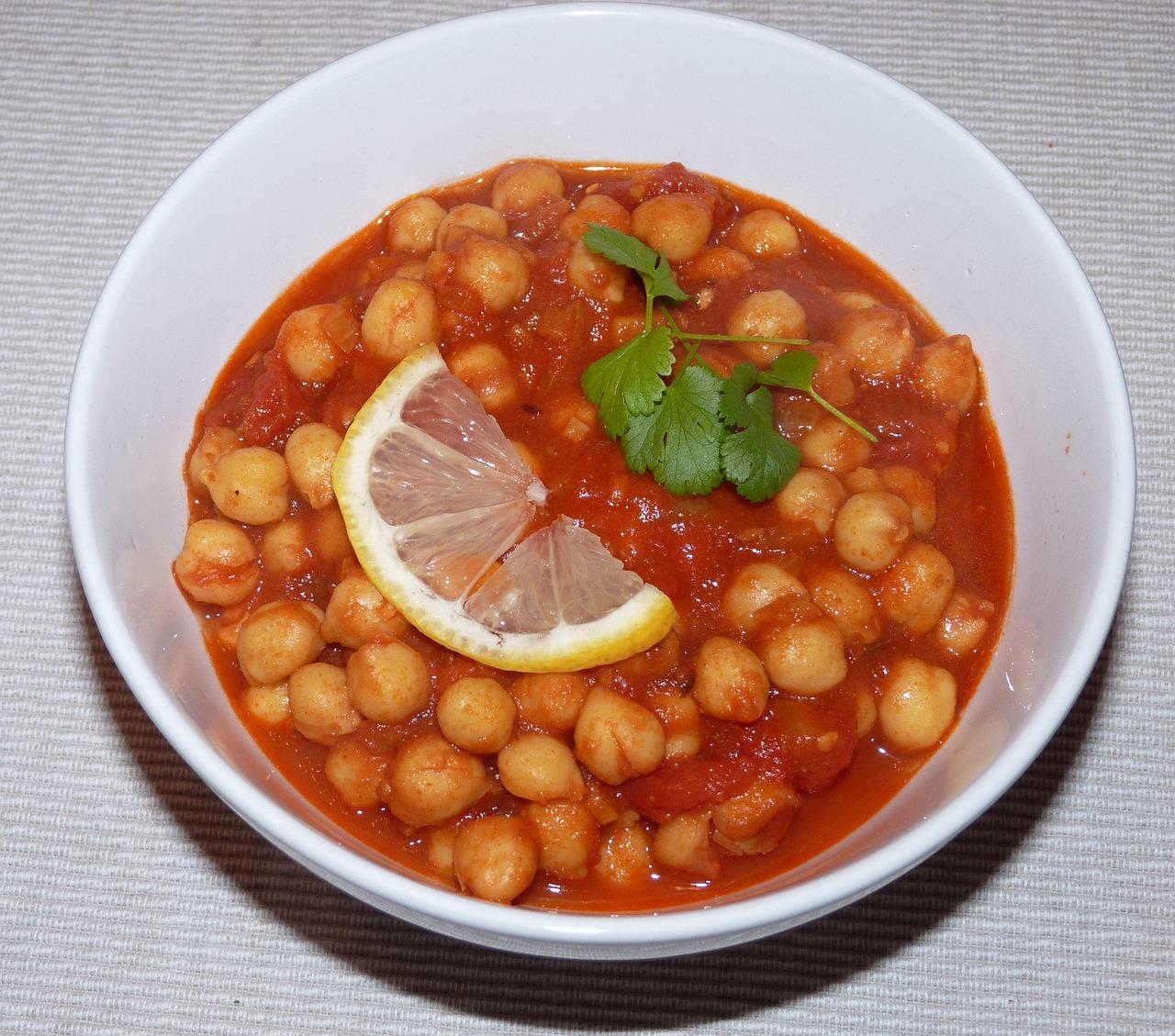
A North Indian staple that comes together from the store cupboard. Toasted cumin, slow-softened onion and a good spoonful of garam masala give tinned chickpeas real depth. Serve with rice, naan or a stack of warm rotis.

Kaju curryCashew curry
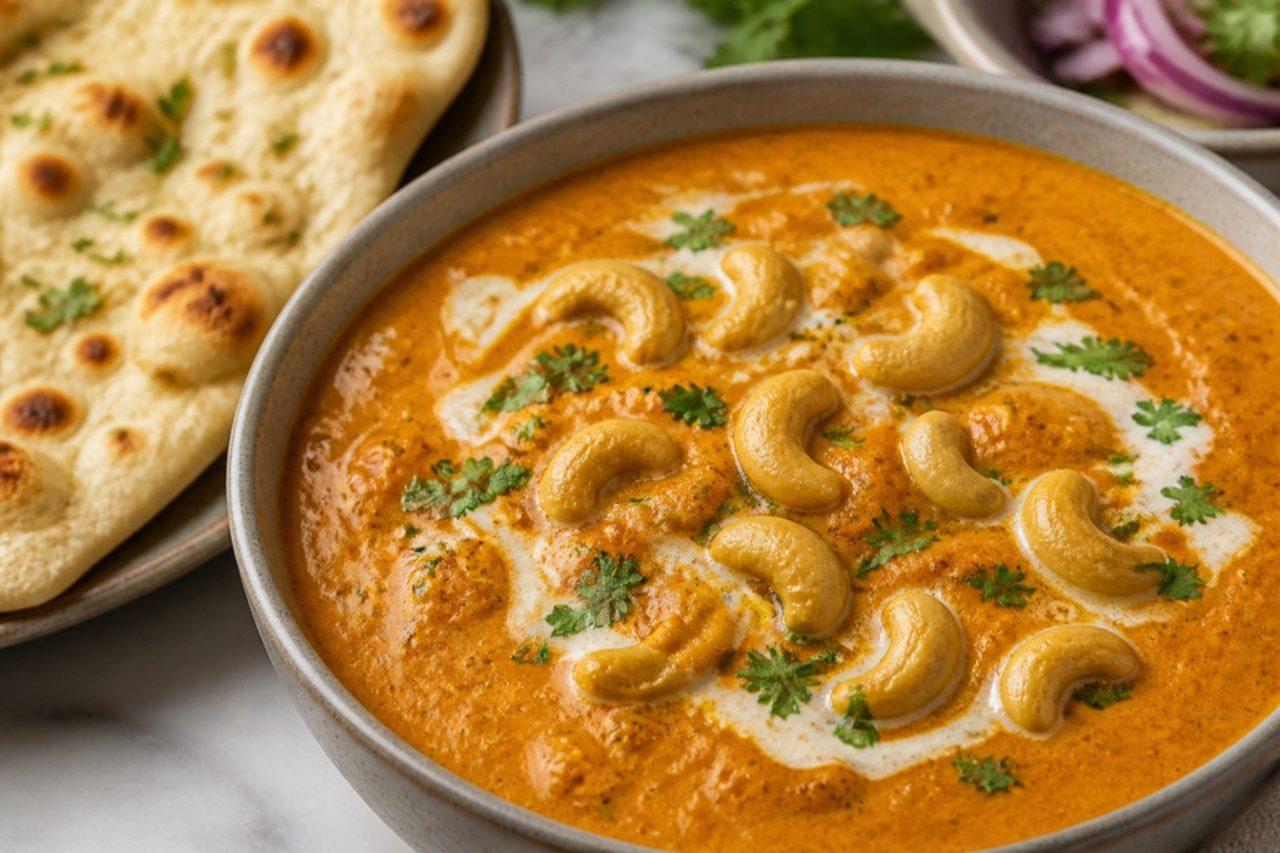
Walk along any wedding buffet in Pune, Mumbai or Ahmedabad and there is usually a chafing dish of kaju curry near the paneer, with guests going back for seconds. Whole cashews are fried in ghee until golden, which makes them crunchy outside and buttery inside, then folded into a rich onion and tomato gravy thickened with more cashews, finished with cream and kasuri methi. The gravy is orange, smooth and rounded with a touch of sweetness; it should taste of roasted nuts and gentle spice, not fire. Gujarati restaurants often serve a spicier Kathiyawadi version, but the wedding style here is the mild one. Eat it with butter naan, tandoori roti or jeera rice. Common mistake: adding the fried cashews too early; they soak up the gravy and turn soft, so fold them in just before serving. Chef's tip: keep a few fried cashews back and scatter them on top at the table so every spoonful has some crunch.

Bagara bainganBaby aubergines in peanut sesame sauce
Bagara baingan is a Hyderabadi wedding dish of small aubergines cooked whole in a dark, tangy gravy of roasted peanuts, sesame, dried coconut and tamarind. Unlike a Gujarati stuffed brinjal, the aubergines here are only quartered at the base and fried until silky, then left to soak up a thin-but-rich sauce that is finished with a tempering, the 'baghar' that gives the dish its name. It's sour, nutty and gently spiced, and is served with biryani, bagara rice or plain rice. Chef's tip: choose small, glossy purple aubergines that feel heavy for their size; soft, light ones are full of seeds and turn mushy before the gravy has a chance to cling.
Perfect for:Sankranti, Lohri & Pongal