
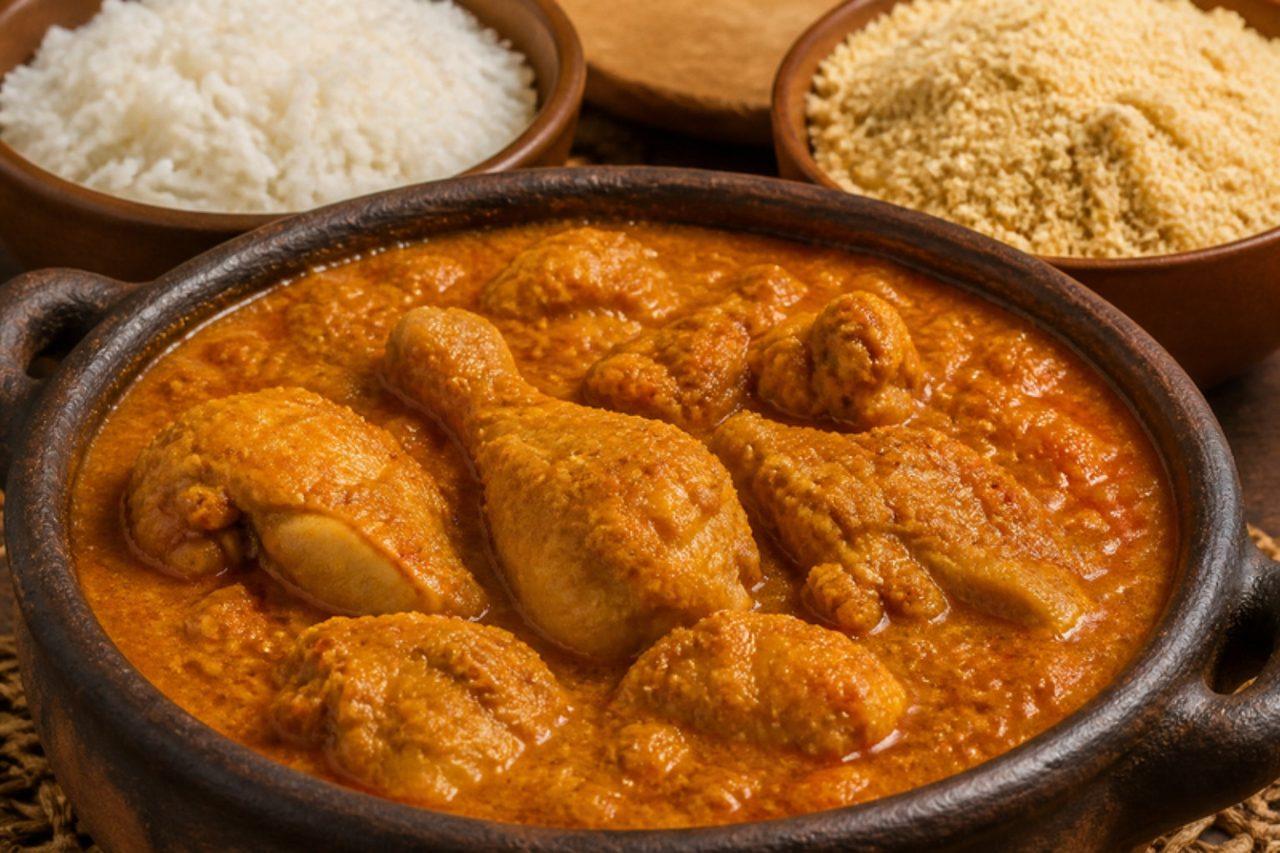
AI-generated image
Xinxim de galinha
Chicken stew with shrimp and peanuts
Xinxim de galinha: Salvador chicken stew with dried shrimp, peanuts, cashews and dendê oil


Cooked for Oxum's feast days in the terreiros of Salvador and on ordinary Sundays in Bahian homes, xinxim de galinha is chicken braised in a thick, golden sauce of ground dried shrimp, peanuts, cashews, ginger and dendê oil. It tastes nutty, a little smoky from the palm oil and quietly savoury from the shrimp, and the sauce clings to the meat rather than pooling. Serve it with white rice, farofa de dendê and a bowl of caruru alongside. One common slip is adding the nut paste too early, so it sticks and scorches before the chicken is cooked; it goes in for the last 15 minutes. Chef's tip: use bone-in thighs and drumsticks rather than breast; they stay juicy through the braise and their gelatine gives the sauce its silky body.
- Total time
- 85 min
- Difficulty
- medium
- Serves
- 6
Ingredients
For the chicken
- 2 ⅝ lb bone-in chicken thighs and drumsticksskin removed if you prefer
- 2 limesjuiced
- 4 cloves garliccrushed
- 1 ½ tsp salt
For the sauce
- 2 ⅛ oz dried shrimpsoaked 10 minutes in warm water and drained
- 2 ⅛ oz unsalted roasted peanuts
- 2 ⅛ oz unsalted roasted cashews
- 2 onions1 roughly chopped for the paste, 1 finely chopped
- 2 tbsp fresh gingergrated
- 4 tbsp dendê (red palm) oil
- 1 ¼ cups water
- 3 tbsp fresh corianderchopped
- 1 malagueta or bird's eye chilli (optional)finely chopped
Shop this recipe on Amazon
What you'll need
Spices & pantry
Links open Amazon in a new tab. As an Amazon Associate, WhatToEat.Today earns from qualifying purchases.
Method
0/7 doneStep 1: Rub 2 ⅝ lb bone-in chicken thighs and drumsticks with 2 limes, 2 cloves garlic and 1 ½ tsp salt. Cover and marinate in the fridge for 30 minutes.
30 minStep 2: Grind 2 ⅛ oz dried shrimp, 2 ⅛ oz unsalted roasted peanuts, 2 ⅛ oz unsalted roasted cashews, half of 1 onions and 2 tbsp fresh ginger in a food processor to a coarse paste, adding a few spoonfuls of 1 ¼ cups water if needed.
Step 3: Heat 2 tbsp dendê (red palm) oil in a heavy casserole over a medium-high heat and brown the chicken in batches for 3–4 minutes a side until golden-orange. Lift out.
10 minStep 5: Return the chicken with its juices and the rest of the water, cover and simmer on a low heat for 25 minutes, turning once.
25 minStep 6: Stir in the nut paste and the remaining 2 tbsp dendê (red palm) oil and simmer uncovered for 15 minutes, stirring often, until the sauce is thick and the chicken reaches 165°F at the bone (the juices run clear and the meat pulls away easily).
15 minStep 7: Stir through 3 tbsp fresh coriander and 1 malagueta or bird's eye chilli if using, check the salt and serve with rice and farofa.
Nutrition per serving
- Calories
- 440 kcal
- Protein
- 39 g
- Carbs
- 9 g
- Fat
- 28 g
- Fibre
- 3 g
Nutrition values are estimates.
KrazyBadal
Good to know
- How long does xinxim de galinha take?
- About 85 minutes in total: 40 minutes to prepare and 45 minutes to cook.
- How many people does it serve?
- 6 as written. Change the servings above the ingredients and every amount scales to match.
- Is it gluten free?
- Yes, as written. Check the labels on stock, sauces and spice mixes, which sometimes contain gluten.
- What can I use instead of limes?
- Lemon, same amount.
- What can I use instead of garlic?
- ½ tsp garlic paste or ⅛ tsp garlic powder per clove.
Reviews
No reviews yet. Be the first to cook it.
Rate this recipe
Sign in to rate and review this recipe.
You might also like
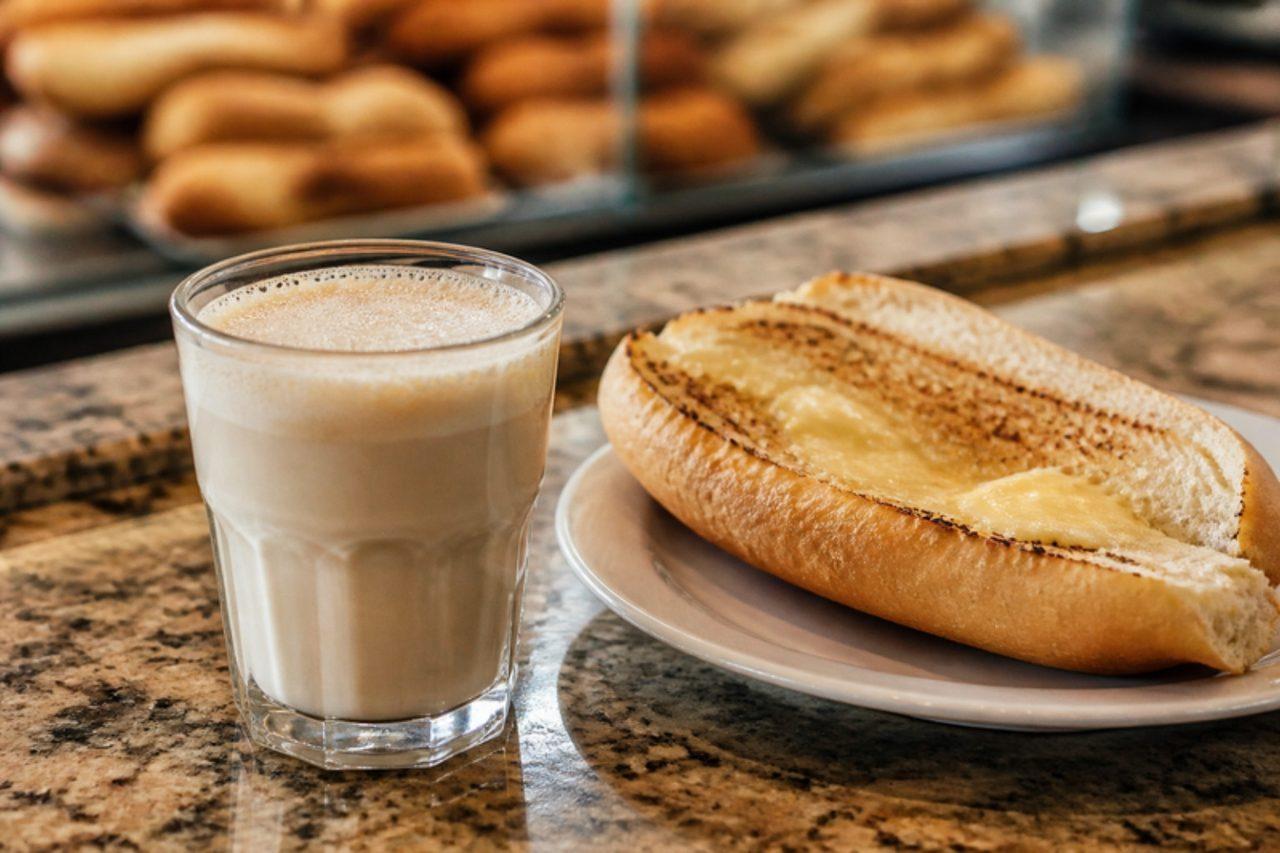
PingadoHot milk with coffee
Order 'um pingado' at the balcão of any São Paulo padaria at 7 in the morning and the attendant pours hot milk into a ridged glass tumbler (the copo americano) and 'drips' in a splash of strong coffee, hence the name. It is milkier and gentler than a média (half coffee, half milk), creamy and lightly sweet, usually drunk standing up with a pão na chapa, a toasted buttered roll. At home you need strong filter coffee and milk heated until steaming. Scalding the milk is the frequent mistake, as boiled milk tastes flat and forms a skin. Chef's tip: froth the hot milk for a few seconds with a whisk or by pouring it back and forth between two jugs before adding the coffee, as padaria machines do.

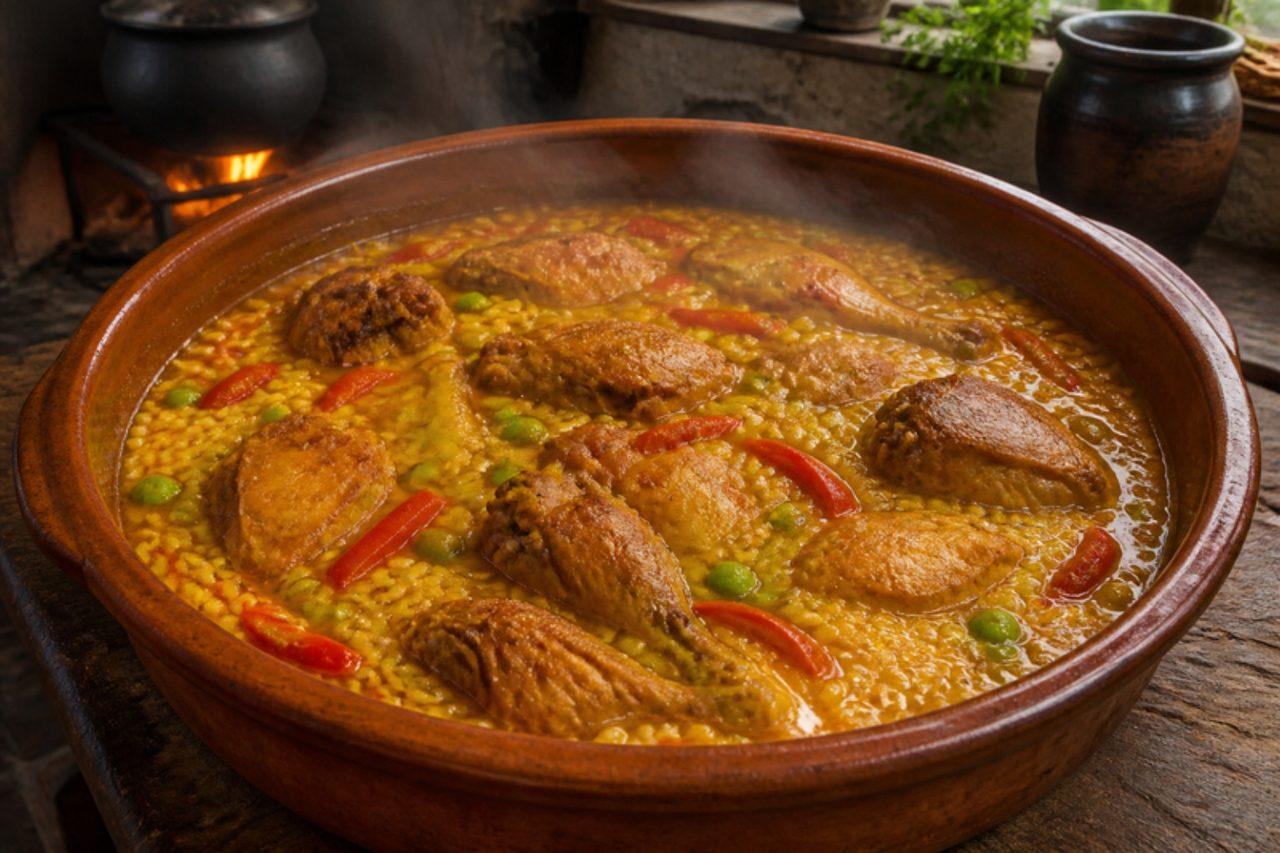
Arroz con pitu de caleyaSoupy rice with chicken
A pitu de caleya is a cockerel raised free in the lanes, or caleyas, of rural Asturias; its firm, flavourful meat needs long stewing, and families around Villaviciosa and Grado still cook it for feast days. The stew is often finished as a soupy rice, so the deep chicken juices go into every grain. Use the best free-range chicken you can find. The braise includes dry white wine; replace it with extra stock and a squeeze of lemon if you want it alcohol-free. Chef's tip: brown the chicken slowly and deeply; that colour is where the flavour of the whole pot comes from.
 Spanish
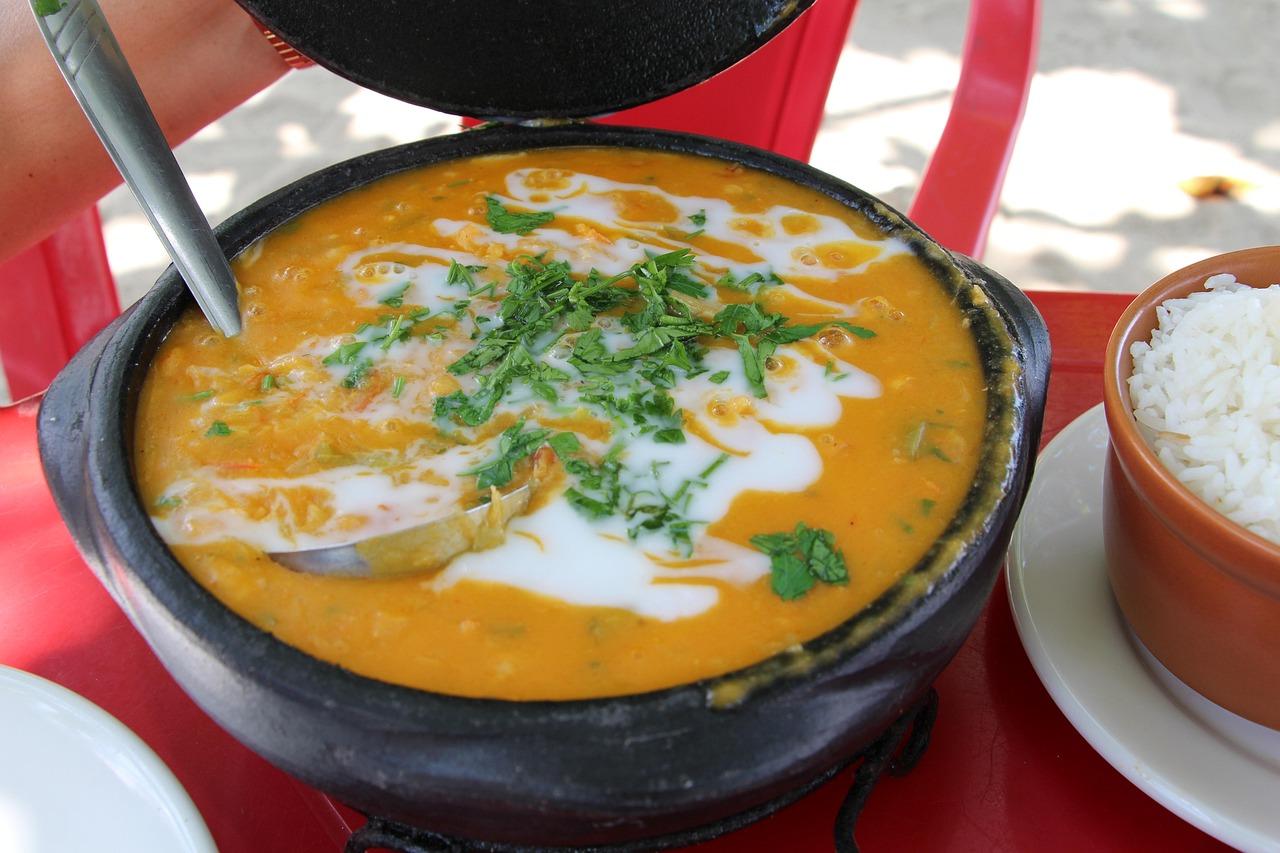
Bobó de camarãoPrawns in cassava and coconut purée
Velvety, coral-coloured and rich with coconut, bobó de camarão is what Bahian families put on the table when there is something to celebrate, and beach restaurants from Praia do Forte to Itacaré serve it in clay pots with white rice and farofa. Cassava is boiled until it falls apart, blended with coconut milk into a smooth cream, then folded into prawns cooked with onion, tomato, peppers and a slick of dendê oil. The result is somewhere between a stew and a thick sauce, sweet from the prawns and gently earthy from the cassava. A frequent mistake is boiling the prawns in the purée for too long, which leaves them tough and curled; they go in at the very end. Cassava must always be cooked right through, never eaten raw: cut out the woody core and boil it until a knife meets no resistance. Chef's tip: blend the cassava while it is still hot, with some of its cooking water; cold cassava turns gluey in the blender.