Skip to content

Recipes with black olives

52 recipes that use black olives, with photos, step-by-step instructions and cook times. The quickest, Ensalada valenciana, takes 15 minutes. It is most often cooked with garlic, onion and egg.

Got a few things in the fridge? Search by everything you have

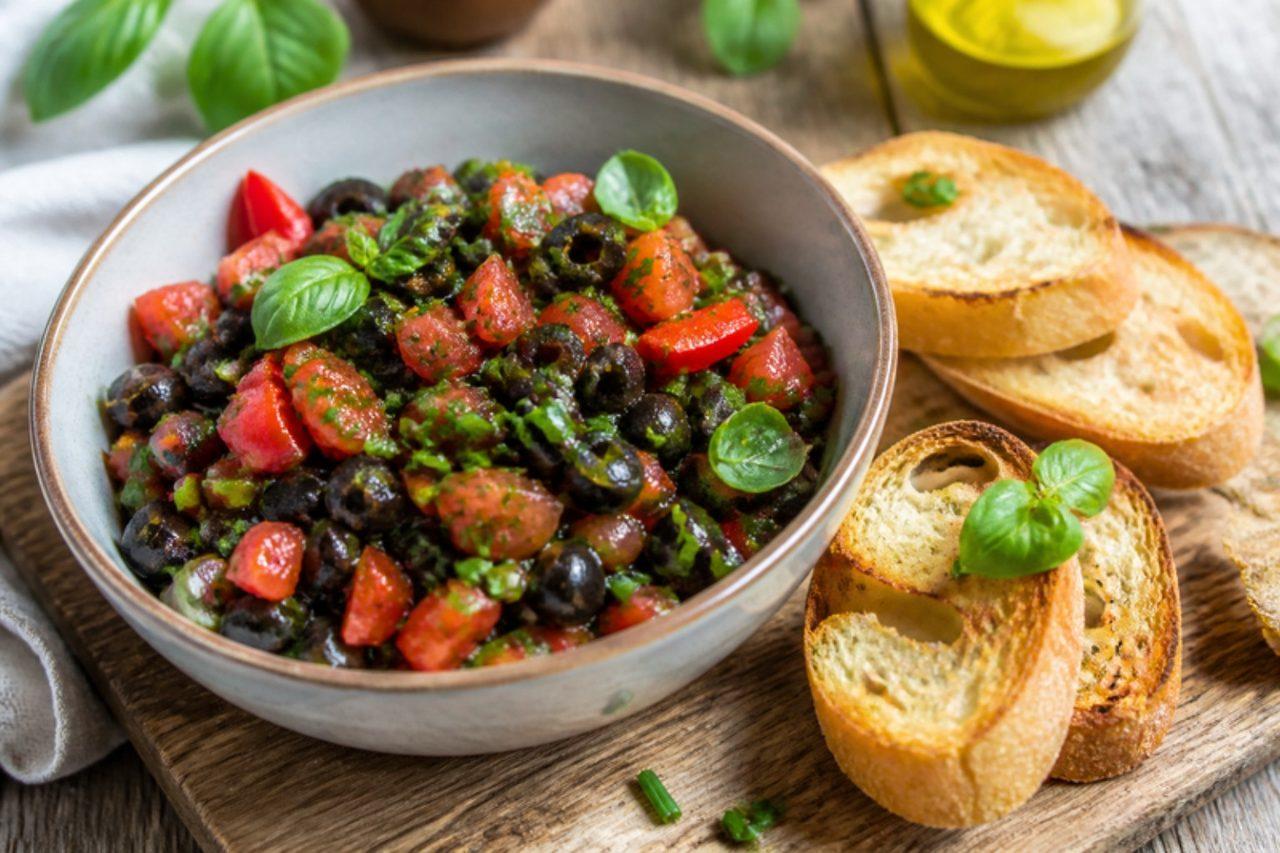
Olive salsa dip

A chunky Mediterranean salsa of chopped black olives, tomato, pepper and spring onions with chives, basil, garlic, red wine vinegar and olive oil. Serve it cold or at room temperature with corn chips or toasted bread.

by KrazyBadal 1 views

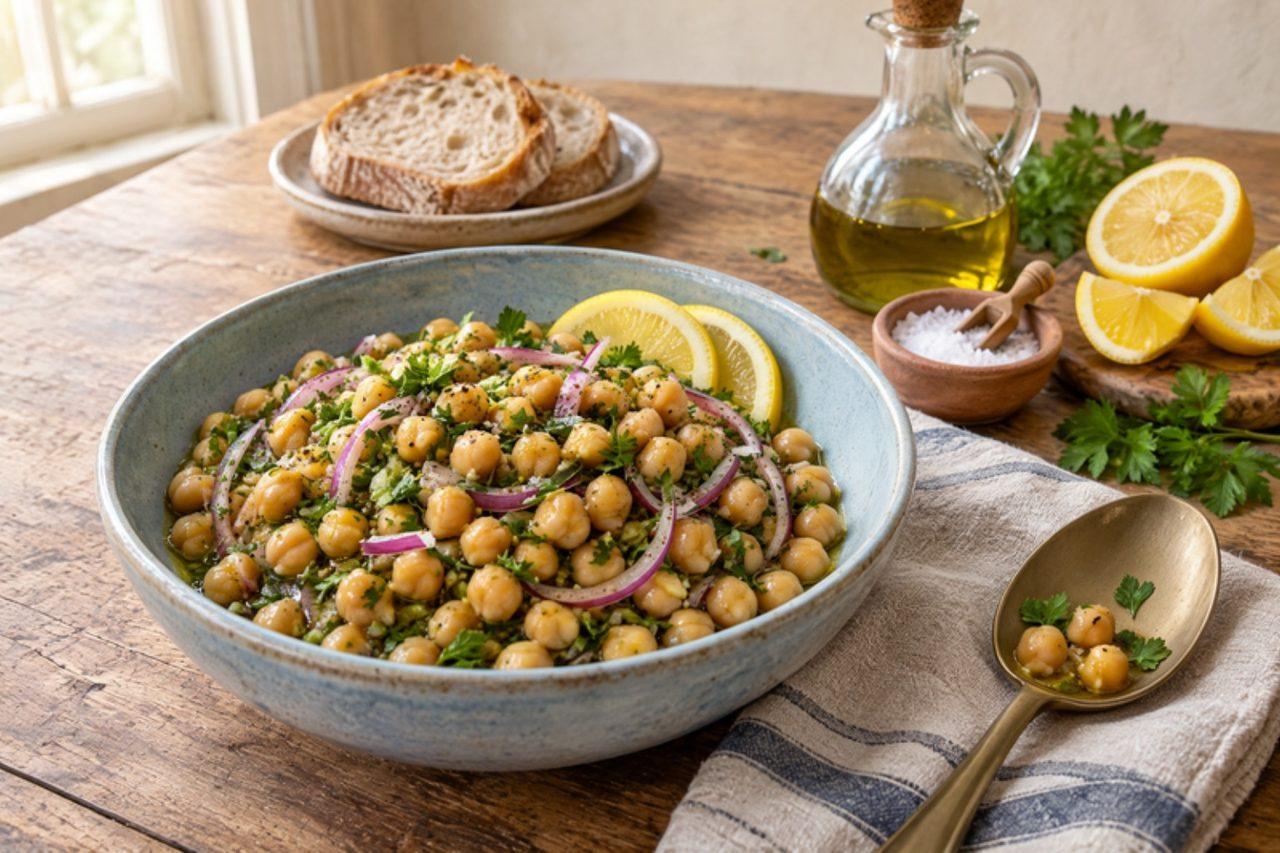
Salade de pois chichesChickpea salad

In Nice and around the old port of Marseille, chickpeas are the grain of the poor and the stuff of socca, and on hot summer days families toss them into this simple salad to eat at lunch or carry to the beach. Creamy chickpeas, sharp red onion, parsley and lemon are bound with fruity olive oil, with a few black olives and cumin in some homes. It works as a starter, a side to grilled fish or a light main. Suitable as part of a balanced diet, it is high in fibre and plant protein: about 270 kcal and 26 g carbohydrate per portion. The usual mistake is dressing cold, straight-from-the-tin chickpeas; warm them for a minute first so they drink up the dressing. Chef's tip: soak the sliced red onion in the lemon juice for 10 minutes to soften its bite.

by KrazyBadal 0 views

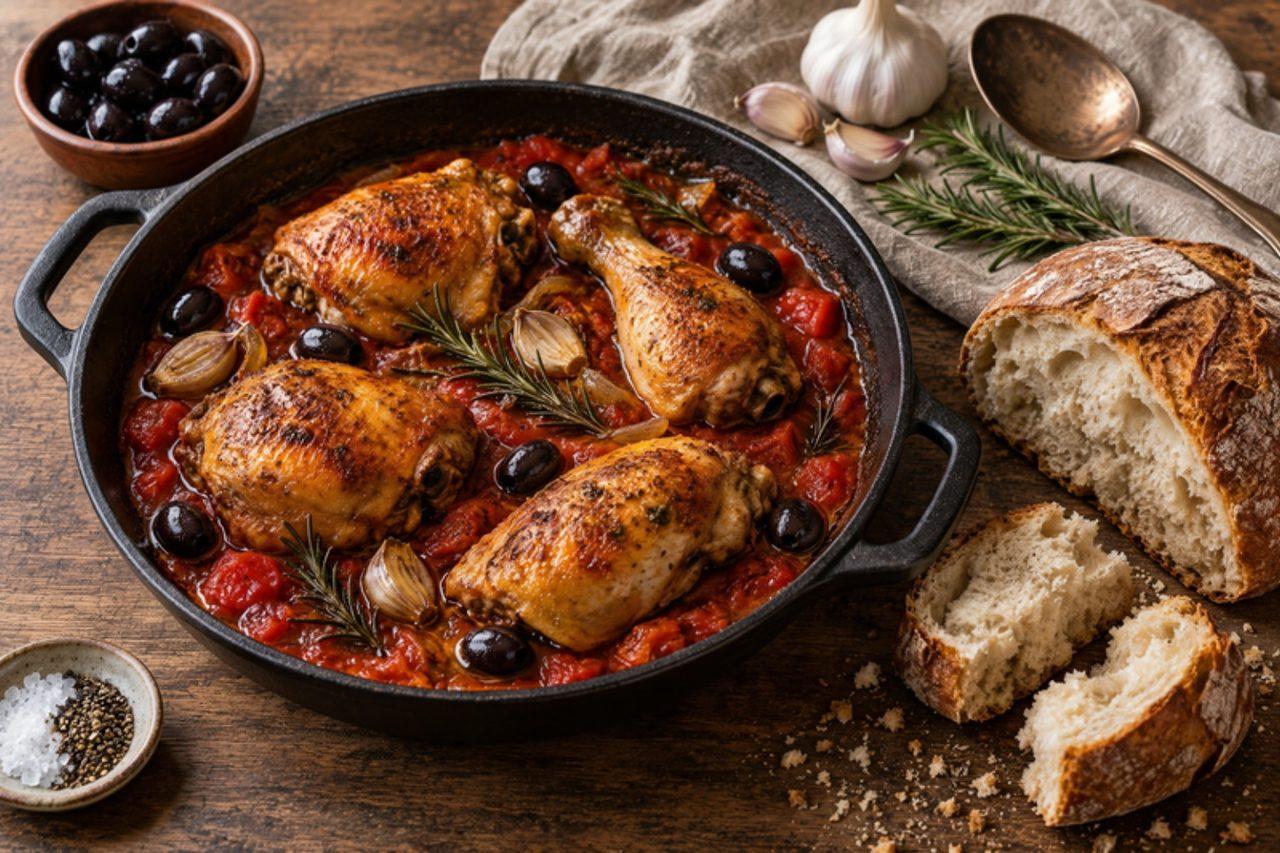
Pollo alla cacciatoraHunter's chicken

Pollo alla cacciatora, the hunter's chicken, is cooked in every family from Tuscany to Lazio for Sunday lunch, and each household guards its own version. This one follows the central Italian habit of deglazing with a splash of red wine vinegar instead of wine, so it is alcohol-free: chicken pieces are browned in olive oil, then braised with garlic, rosemary, tomato and black olives until the sauce clings and the meat falls from the bone. Serve with bread or soft polenta. The usual mistake is crowding the pan when browning: the chicken steams pale instead of turning golden, and the sauce lacks depth. Chef's tip: let the vinegar boil off for a full minute before adding the tomatoes, so it leaves tang without sharpness.

by KrazyBadal 0 views

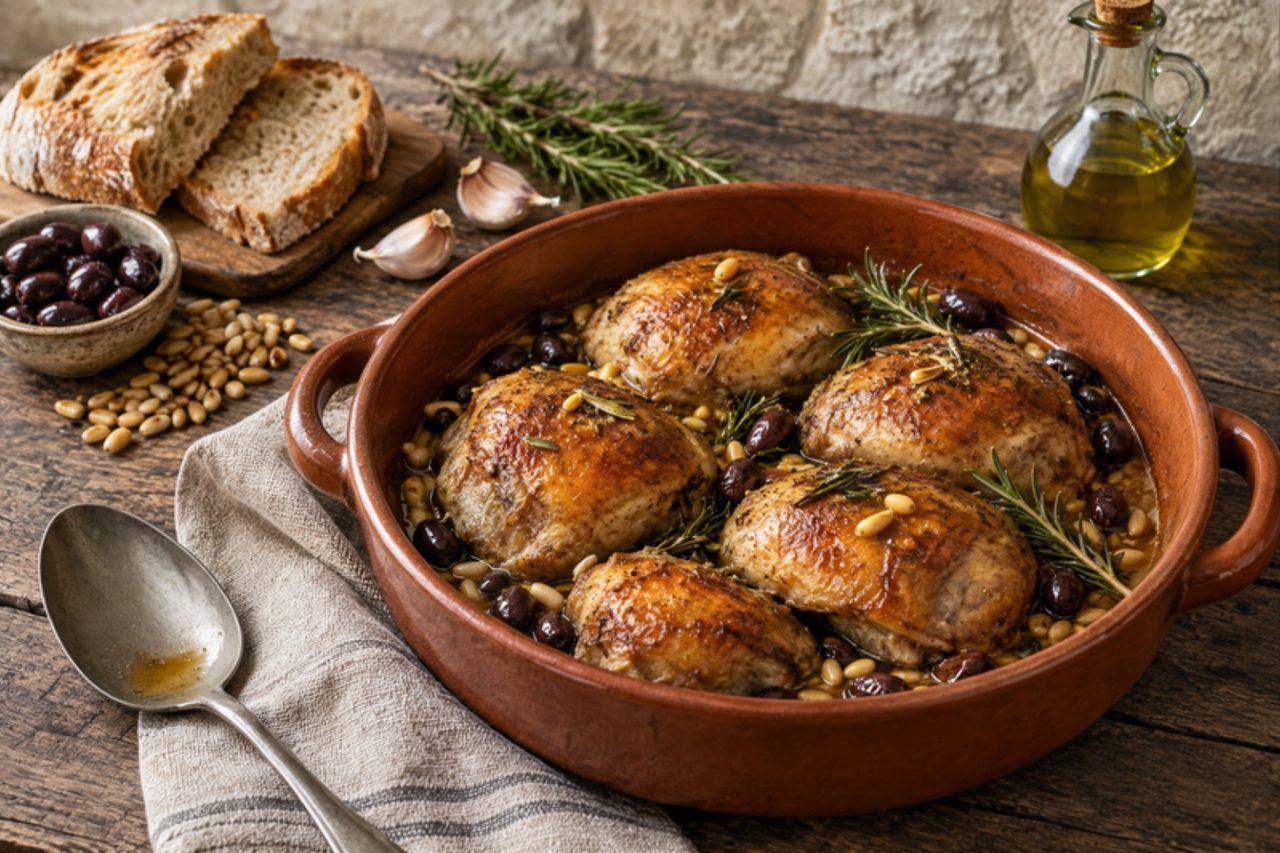
Coniglio alla ligureRabbit with olives and pine nuts

Coniglio alla ligure is the Sunday dish of the Ligurian hills behind Genoa and Imperia, where rabbits were raised in every farmyard and olives and pine nuts came from the slopes around the house. Rabbit pieces are browned in olive oil, splashed with white wine and braised with garlic, rosemary, thyme and bay, then finished with small black olives and toasted pine nuts until the sauce is glossy and fragrant. Serve with roast potatoes or bread. This recipe uses wine; for an alcohol-free version use 150 ml chicken stock with 1 tbsp white wine vinegar. The usual mistake is cooking the lean rabbit too fast, which makes it dry and stringy; keep the heat low and the pot covered. Chef's tip: ask the butcher for the liver and add it, chopped, for the last 5 minutes to enrich the sauce.

by KrazyBadal 0 views

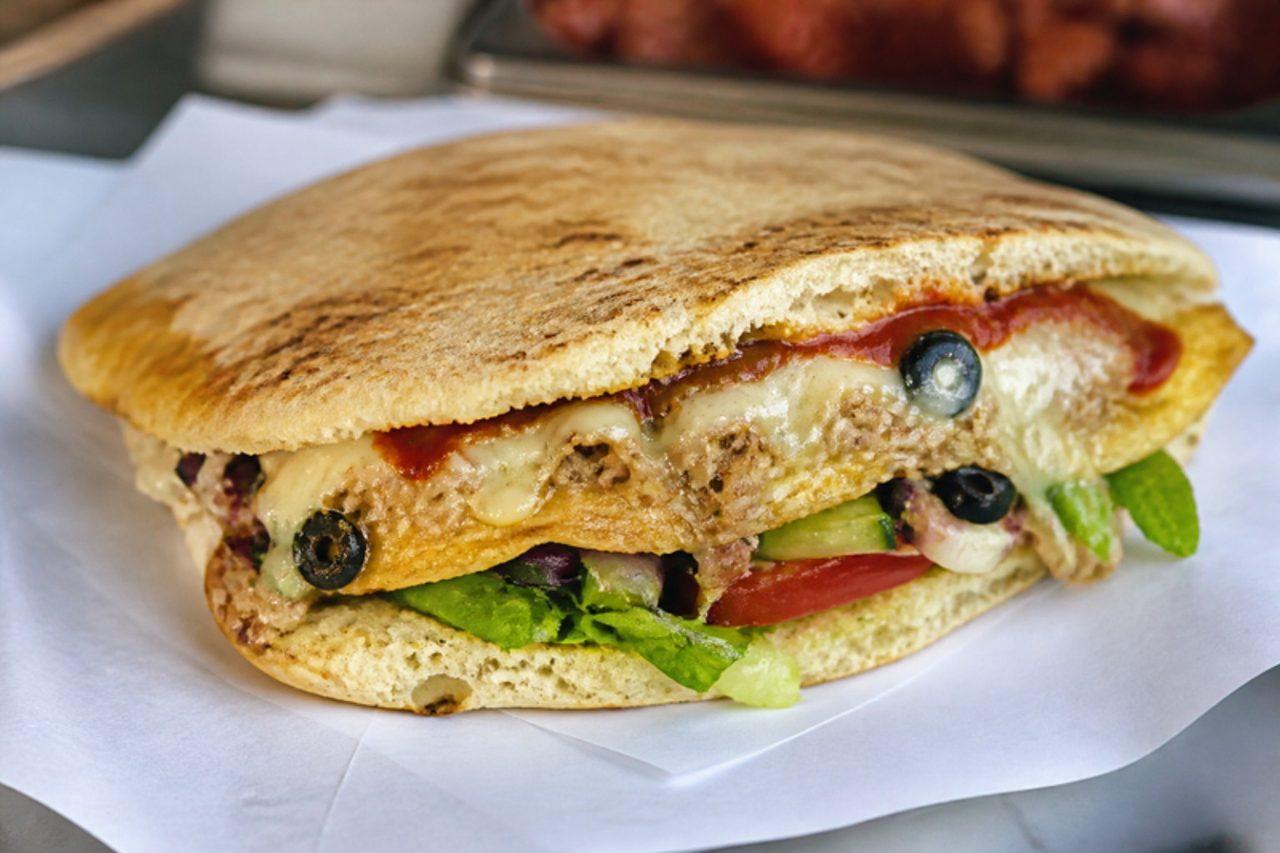
Tunisian chapatiStuffed semolina bread with tuna omelette

Tunisian street chapati has nothing to do with the Indian flatbread: it is a thick, puffy square of semolina bread baked on a griddle, split open while hot and filled with a herby omelette, tuna, melted cheese and a smear of harissa. Snack shops across the country make them to order for students and workers at lunchtime, often with a spoon of mechouia or a few olives added. The bread is soft and slightly chewy with toasty patches, the filling rich and spicy. The dough needs about an hour to rise. Don't cook the chapati over a high flame: the outside chars while the centre stays doughy and won't split for filling. Chef's tip: cook the bread over a medium heat, not high; a very hot pan browns the outside before the inside has puffed and cooked, leaving it doughy.

by KrazyBadal 0 views

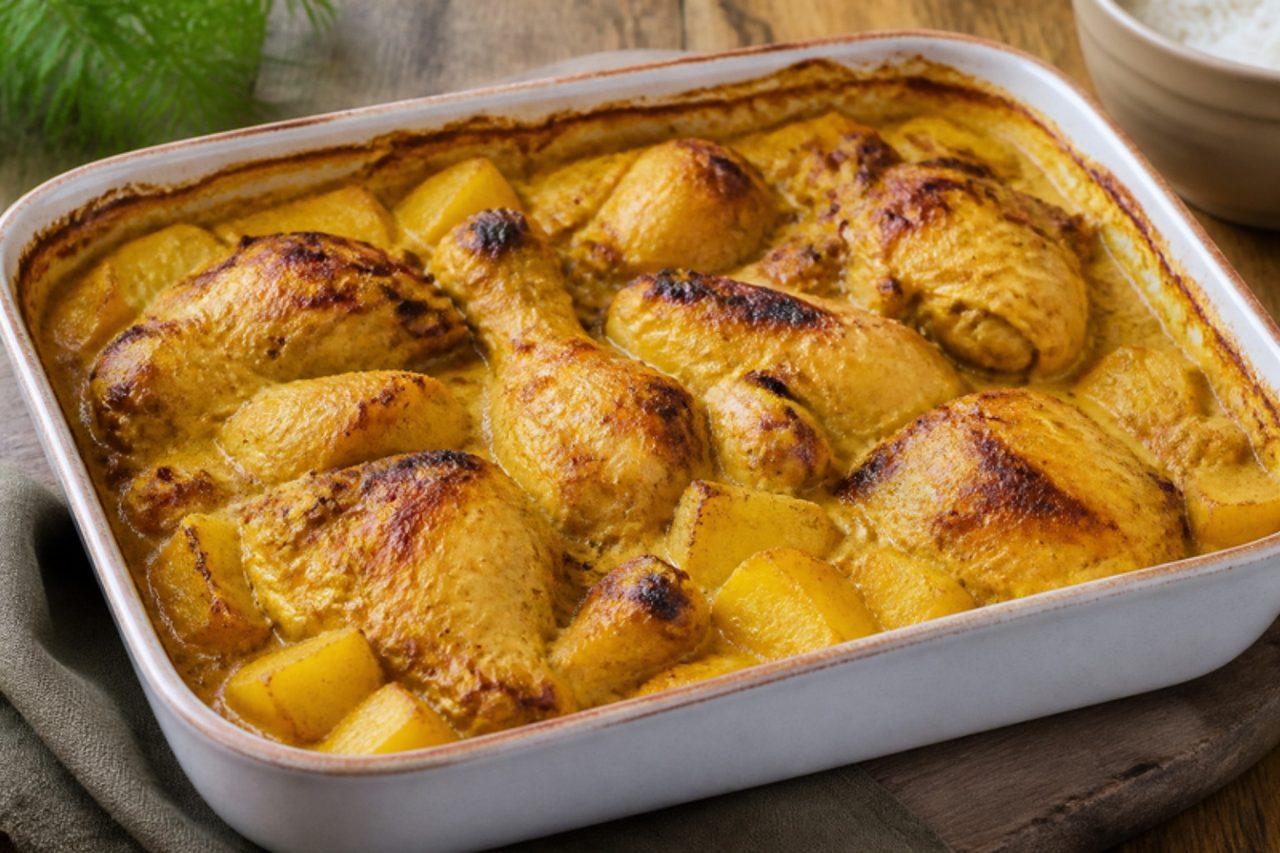
Galinha à portuguesa (Portuguese chicken)

Puzzlingly, you will not find this in Portugal: galinha à portuguesa belongs to Macau, where cooks mixed a Portuguese idea of a creamy baked chicken with the turmeric, curry powder and coconut milk that came through the Portuguese trading routes from Goa and Malacca. Macanese restaurants and Hong Kong's cha chaan teng serve it bubbling in a clay pot or baking dish, golden on top, with chicken and potatoes in a mild, yellow, gently sweet coconut sauce, always with white rice to soak it up. It is a favourite for family dinners and Christmas tables. The thing people get wrong is boiling the coconut sauce hard, so it splits and turns oily; keep it at a gentle simmer. Chef's tip: brown the chicken well first, and finish under a hot grill for the speckled golden top that Macau restaurants are known for.

by KrazyBadal 0 views

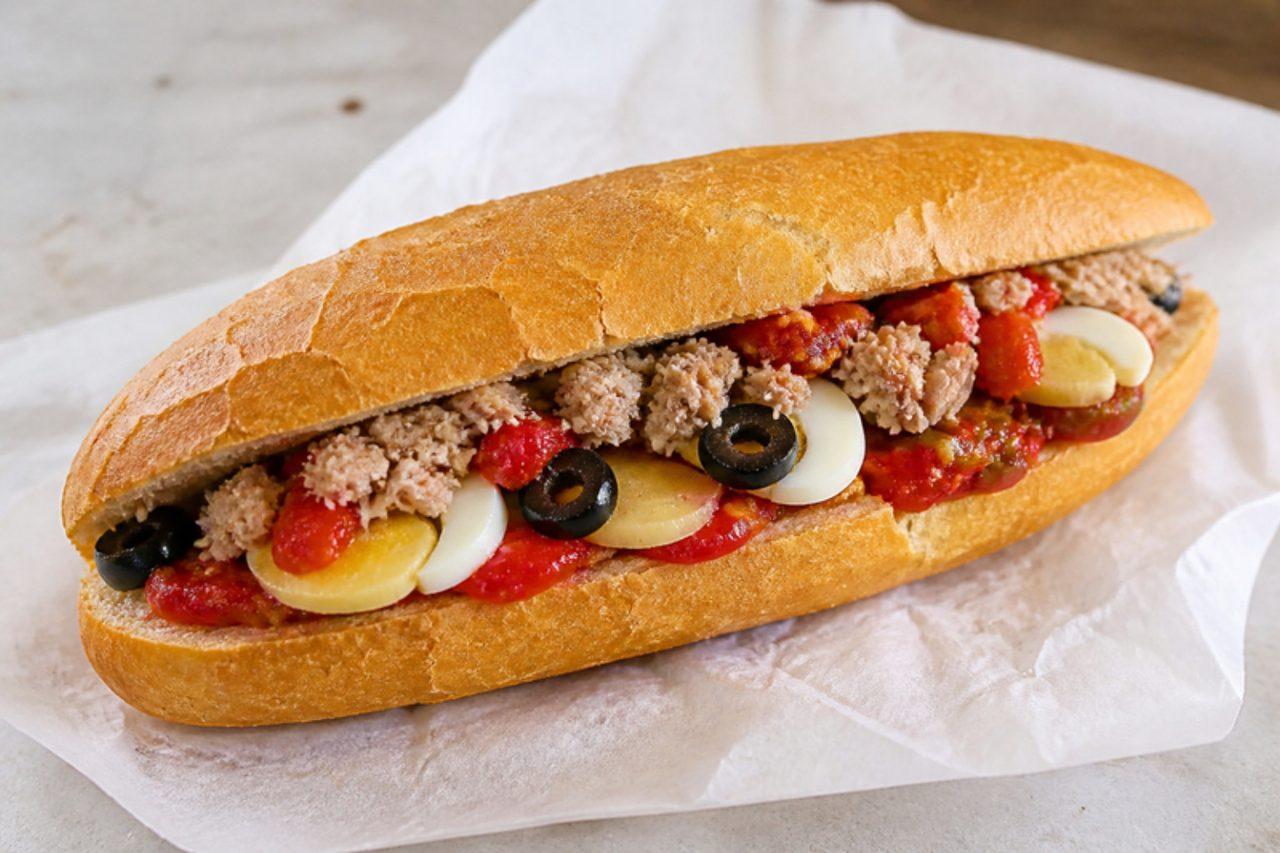
Casse-croûte tunisienTuna baguette sandwich

From train-station kiosks in Tunis to beach stalls at Hammamet, the casse-croûte is the sandwich everyone grabs: a baguette slit open, painted with harissa and packed with tuna, mechouia (a grilled pepper and tomato salad), boiled egg, diced potato, olives and a few capers. It is messy, spicy and filling, with smoky peppers against the rich tuna and the soft, starchy potato. This version makes a quick pan-charred mechouia while the eggs and potatoes cook. Chef's tip: let the potatoes and eggs cool before they go in; adding them hot steams the bread and turns it soggy, a common mistake at home.

by KrazyBadal 0 views

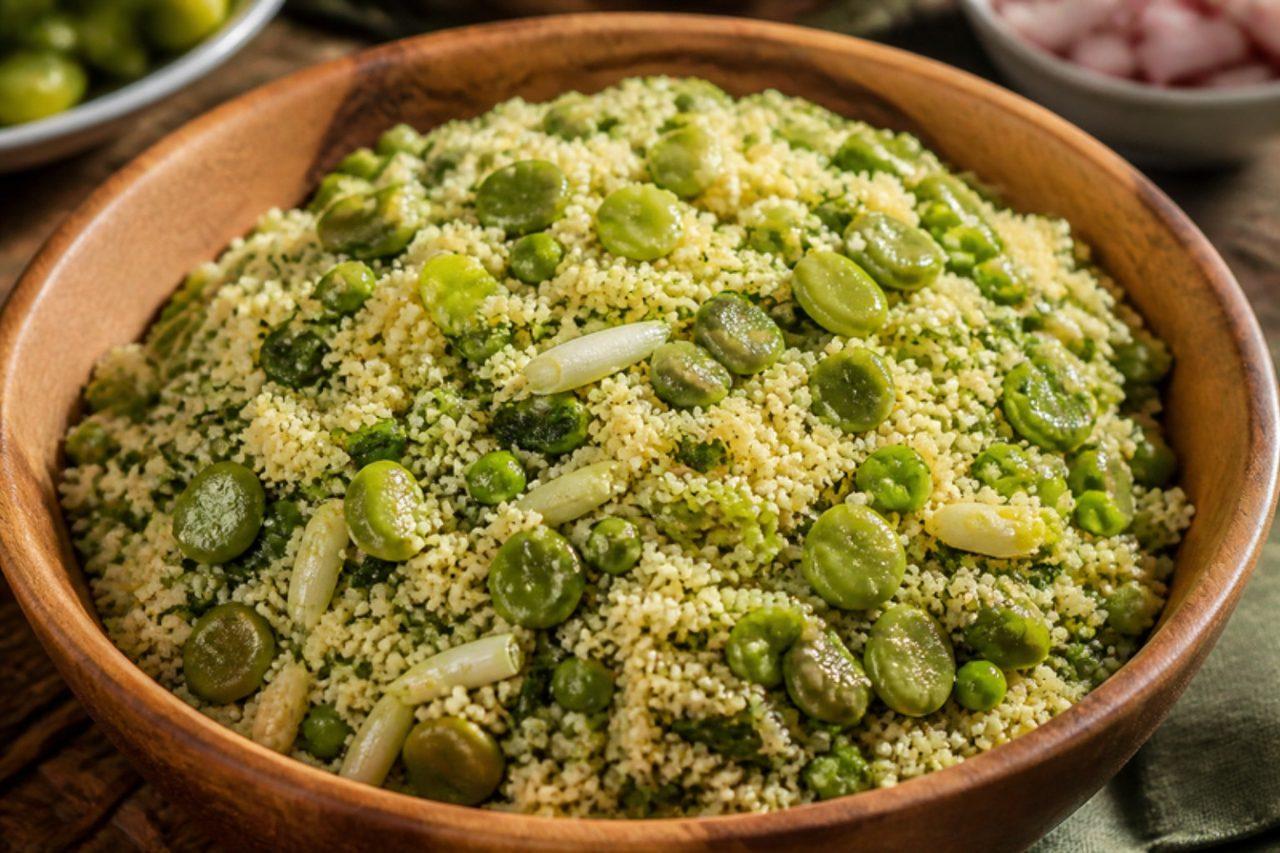
ThamekfoultCouscous with broad beans and peas

Spring in the Kabyle villages means thamekfoult: when the first broad beans and peas come in, they are steamed in the same basket as the couscous, so grain and vegetables cook together in one fragrant cloud of steam. There is no sauce at all; instead, the hot couscous is dressed generously with the region's peppery olive oil, so it tastes green, sweet and grassy. It is a family lunch dish, often eaten with a glass of buttermilk or a few olives; this version keeps it vegan. Chef's tip: oil the couscous before the first steaming, rubbing every grain; that stops it clumping and helps it swell evenly.

by KrazyBadal 0 views

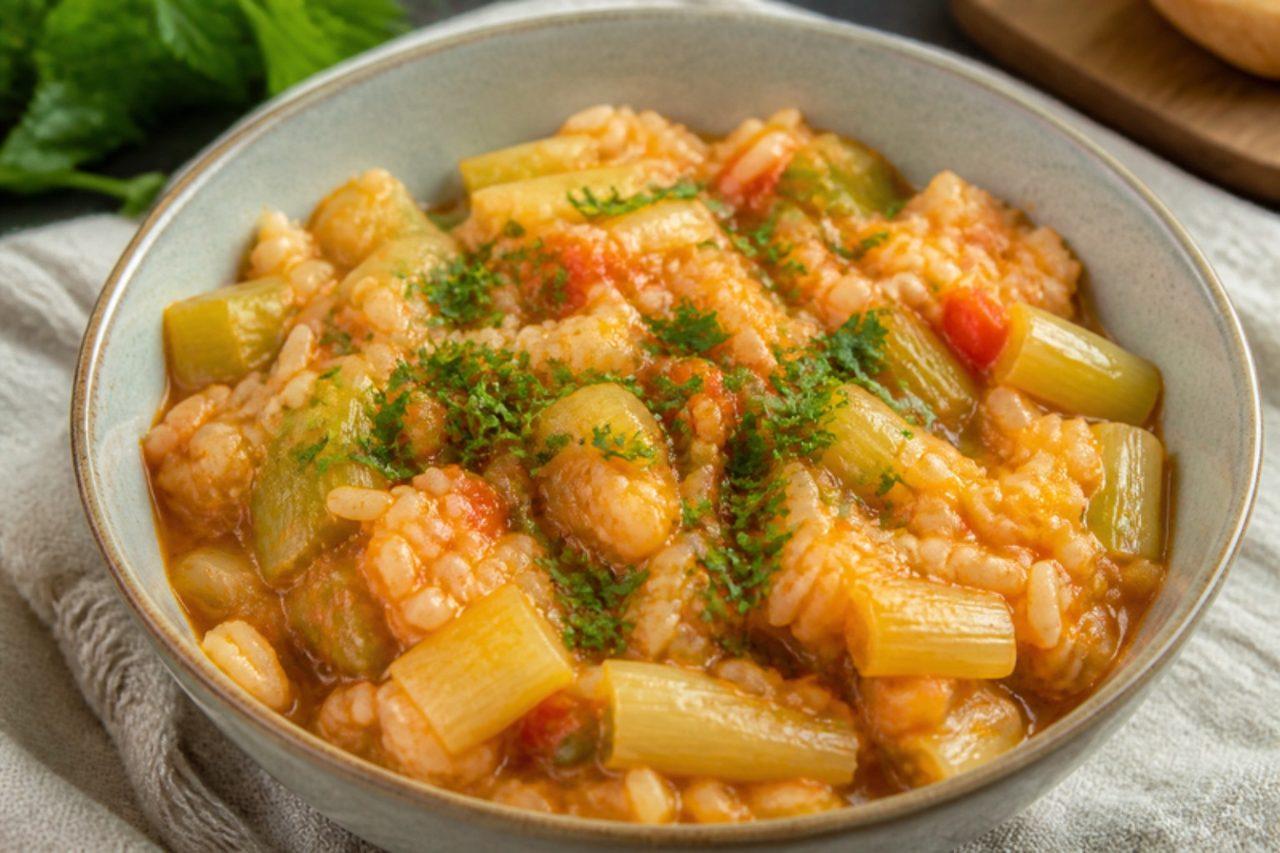
Mâncare de prazLeek and rice stew

When the Orthodox calendar calls for a fasting day (zi de post), Wallachian kitchens from Craiova to Bucharest often fall back on a pot of leeks. Thick rounds of leek melt slowly in olive oil with a handful of rice and tomato until the whole thing turns soft, sweet and spoonable, closer to a loose risotto than a soup. It is a vegan post dish, eaten warm or at room temperature with black olives, pickled peppers and a chunk of bread. Where most people go wrong is skipping the washing: leeks hide grit between their layers, so split and rinse them properly or every mouthful crunches. Chef's tip: let the finished pot stand off the heat for 10 minutes before serving, so the rice drinks up the last of the juices.

by KrazyBadal 0 views

Salată de icreSalted roe spread

No Romanian buffet, Christmas table or Lent meal of the Delta is complete without a bowl of salată de icre, the pale pink spread made by whisking salted carp or pike roe with sunflower oil and lemon until it becomes light and fluffy, like a fish mayonnaise. Spread thickly on toasted bread with a ring of raw onion and a few black olives, it is salty, creamy and briny, and it vanishes in minutes. The roe is cured with salt but not cooked, so buy ready-salted roe from a good fishmonger or deli and keep it chilled; this spread is not for pregnant women, young children or anyone with a weakened immune system. The mistake to avoid is pouring the oil in quickly, which makes it split and greasy; add it a few drops at a time. Chef's tip: if it does split, whisk a teaspoon of cold water into a clean bowl and slowly whisk the split mixture back into it.

by KrazyBadal 0 views

Salată orientalăPotato and onion salad

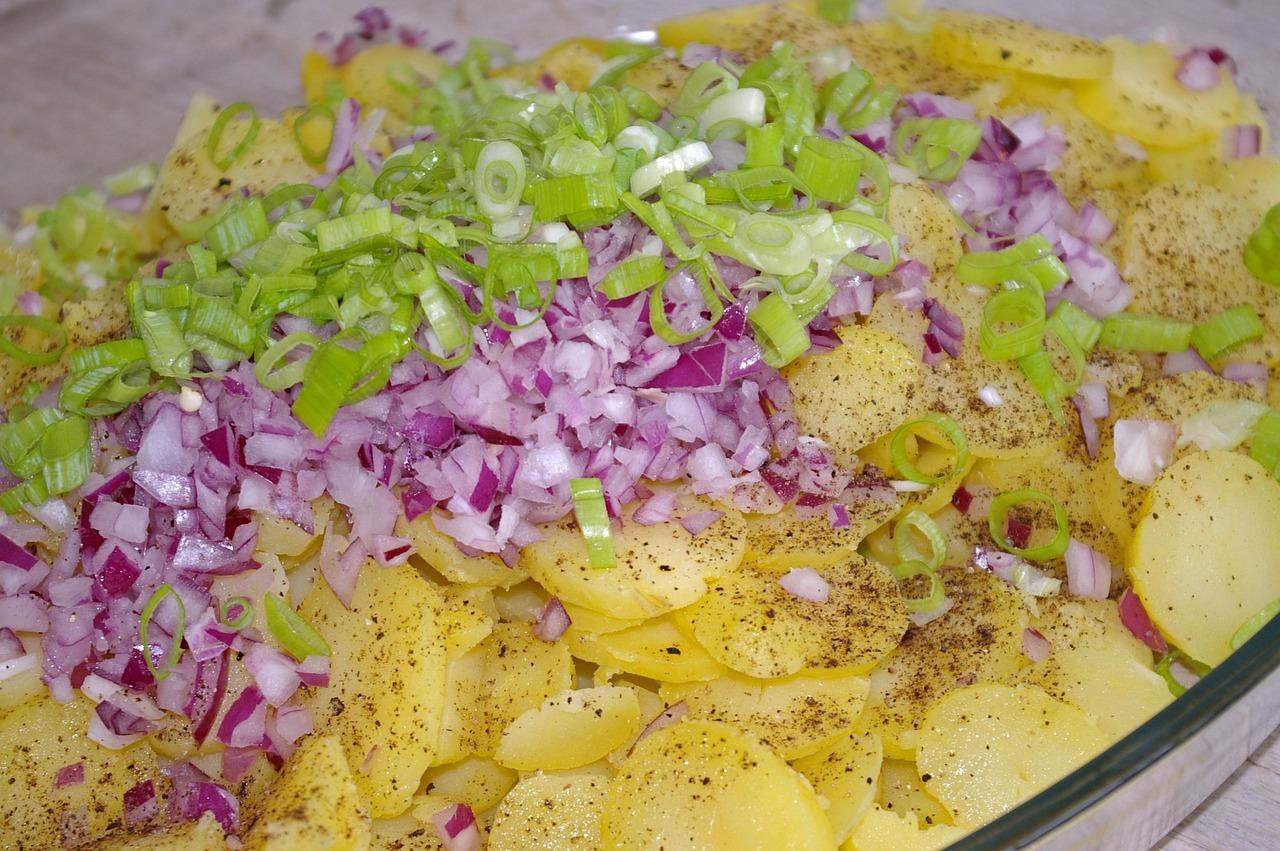
Nothing about salată orientală is particularly oriental; the name dates from interwar Bucharest, when olives and onion felt exotic on a potato salad. Today it is a fixture of student canteens, Lenten-season buffets and summer suppers on the balcony, served warm from the pot or cold from the fridge. Waxy potatoes are dressed while hot with sunflower oil and vinegar, then folded with red onion, black olives and quartered hard-boiled eggs, so it stays bright and sharp rather than creamy. A common mistake is overcooking the potatoes until they crumble; they should hold their cubes when tossed. Chef's tip: soak the sliced onion in cold salted water for 10 minutes to soften its bite while keeping the crunch.

by KrazyBadal 0 views

Tunisian octopus salad

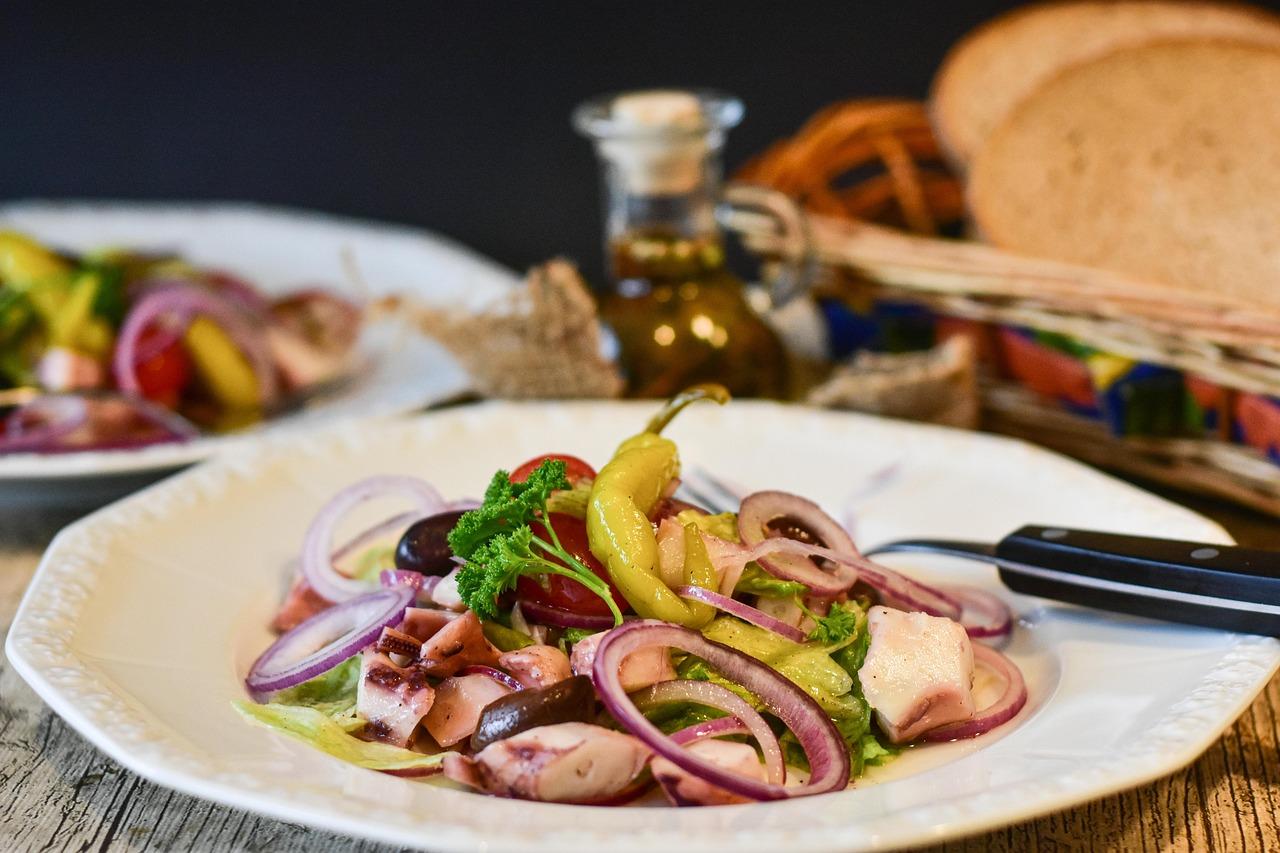
Fishermen of the Kerkennah islands, off Sfax, still catch octopus in clay pots laid on the shallow seabed, and in winter the season's catch turns up in harbour cafés and home kitchens as this simple salad. The octopus is simmered slowly until tender, cooled in its broth, then sliced and tossed with red onion, plenty of parsley, lemon juice and good olive oil, with a little harissa if you like. It is light, clean and briny, eaten as a starter with bread or on a summer table of salads and grilled fish. Buy octopus from a reputable fishmonger; frozen and thawed octopus is often more tender than fresh. A common mistake is boiling the octopus at a rolling boil, which makes it rubbery; keep it at a gentle simmer until a knife slides in easily. Chef's tip: let the cooked octopus cool in its cooking liquid for 20 minutes before slicing; it stays juicy rather than tightening up.

by KrazyBadal 0 views

Omek houriaMashed carrot salad with harissa

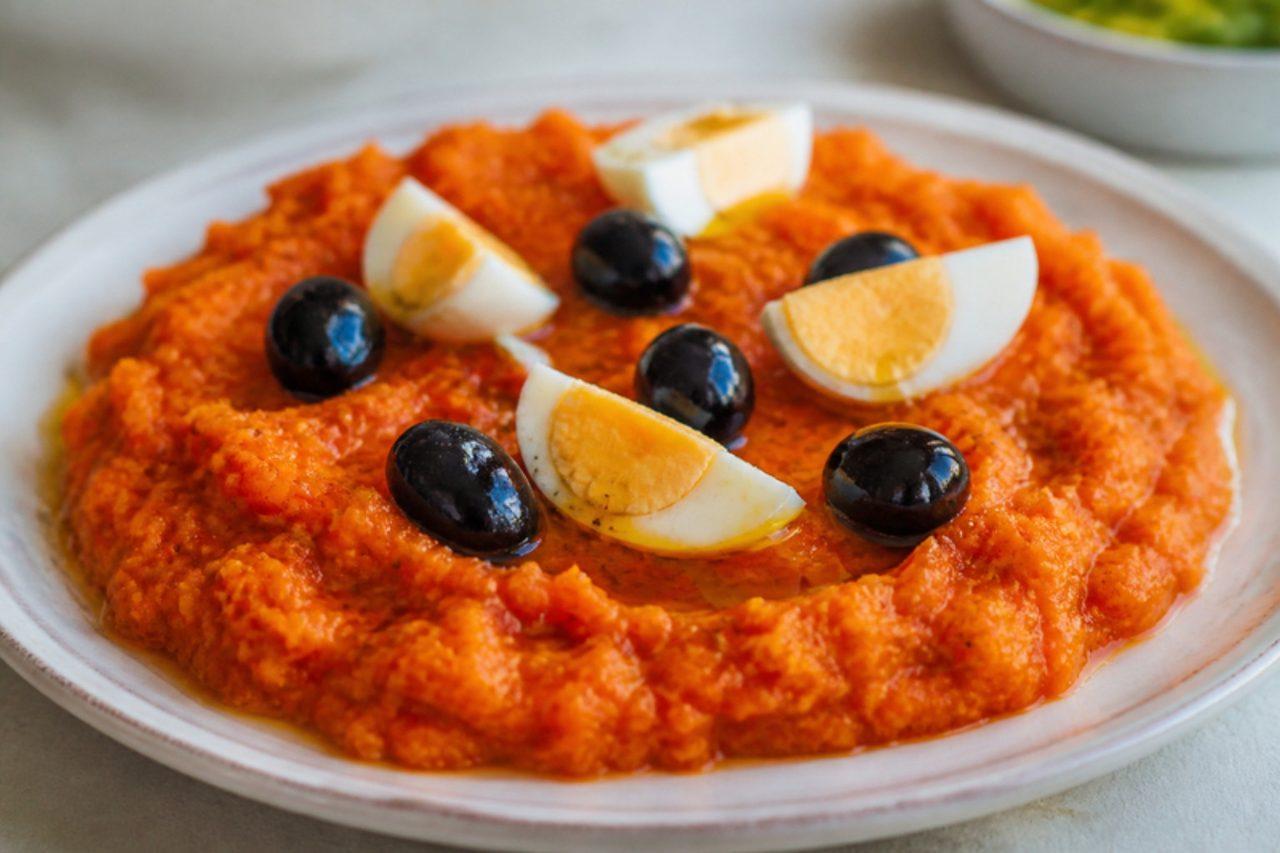
Nobody quite agrees why this salad is called mother of Houria, but every Tunis household knows it as one of the small dishes that open a meal, set out with bread, olives and brik during Ramadan or at a Sunday lunch. Carrots are boiled soft, crushed with a fork rather than puréed, and seasoned boldly with garlic, ground caraway, harissa, vinegar and good olive oil, so the sweetness of the carrot sits under a garlicky, warm heat. It is finished with black olives and wedges of hard-boiled egg and eaten at room temperature, scooped up with crusty bread. This version is vegetarian; some cooks add tuna on top. Chef's tip: dress the carrots while still warm; they soak up the oil and vinegar far better than cold ones.

by KrazyBadal 0 views

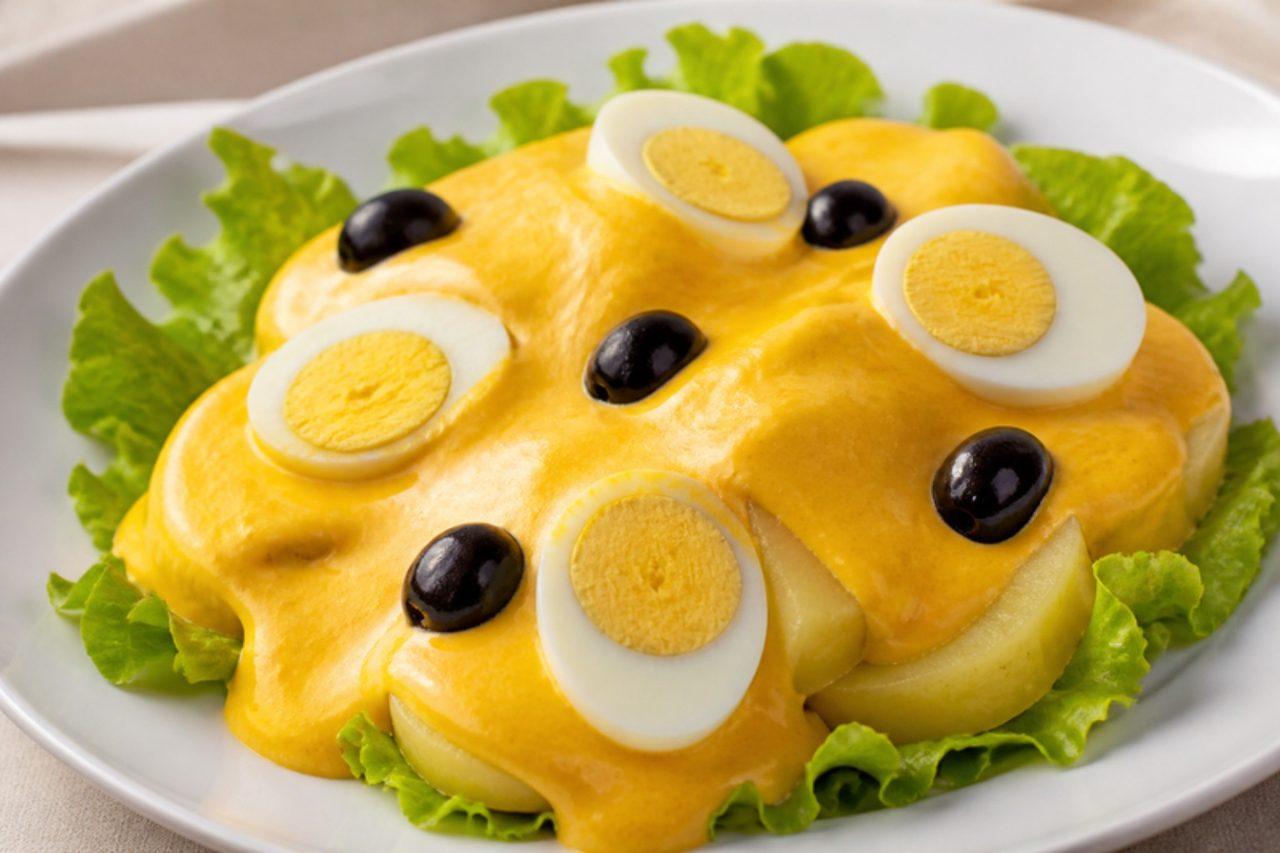
OcopaPeanut, huacatay and cheese sauce

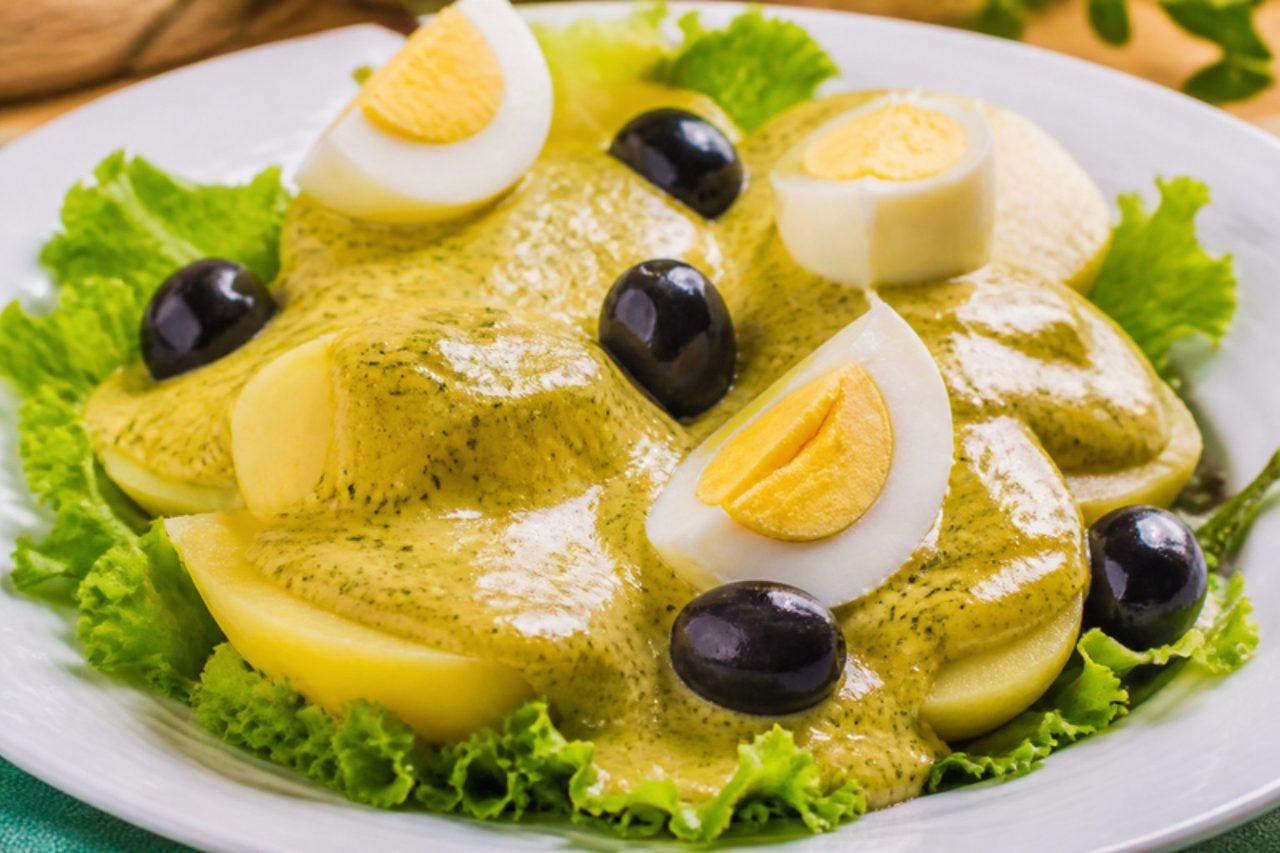
Arequipa's picanterías put ocopa on the table as a starter, a pale olive sauce spooned thickly over sliced boiled potatoes, and the smell of toasted chillies and huacatay (black mint) is what sets it apart from Lima's huancaína. The chillies are dried ají mirasol, charred in a dry pan, which gives a smoky, raisin-like warmth rather than sharp heat, and toasted peanuts make the sauce nutty and almost velvety. Many cooks thicken it with crackers; this version uses only peanuts and cheese, so it stays gluten free. Serve it at room temperature with yellow potatoes, a black olive and a few lettuce leaves, plus a halved boiled egg for anyone who eats eggs. The mistake people make is toasting the onion and chillies black, which turns the sauce bitter; they should be blistered in spots only. Queso fresco is often made with animal rennet, so look for a vegetarian fresh cheese. Chef's tip: huacatay paste comes in jars from Latin shops; without it, use a small handful of mint plus a few tarragon leaves.

by KrazyBadal 0 views

Pan bagnatPressed tuna and anchovy sandwich

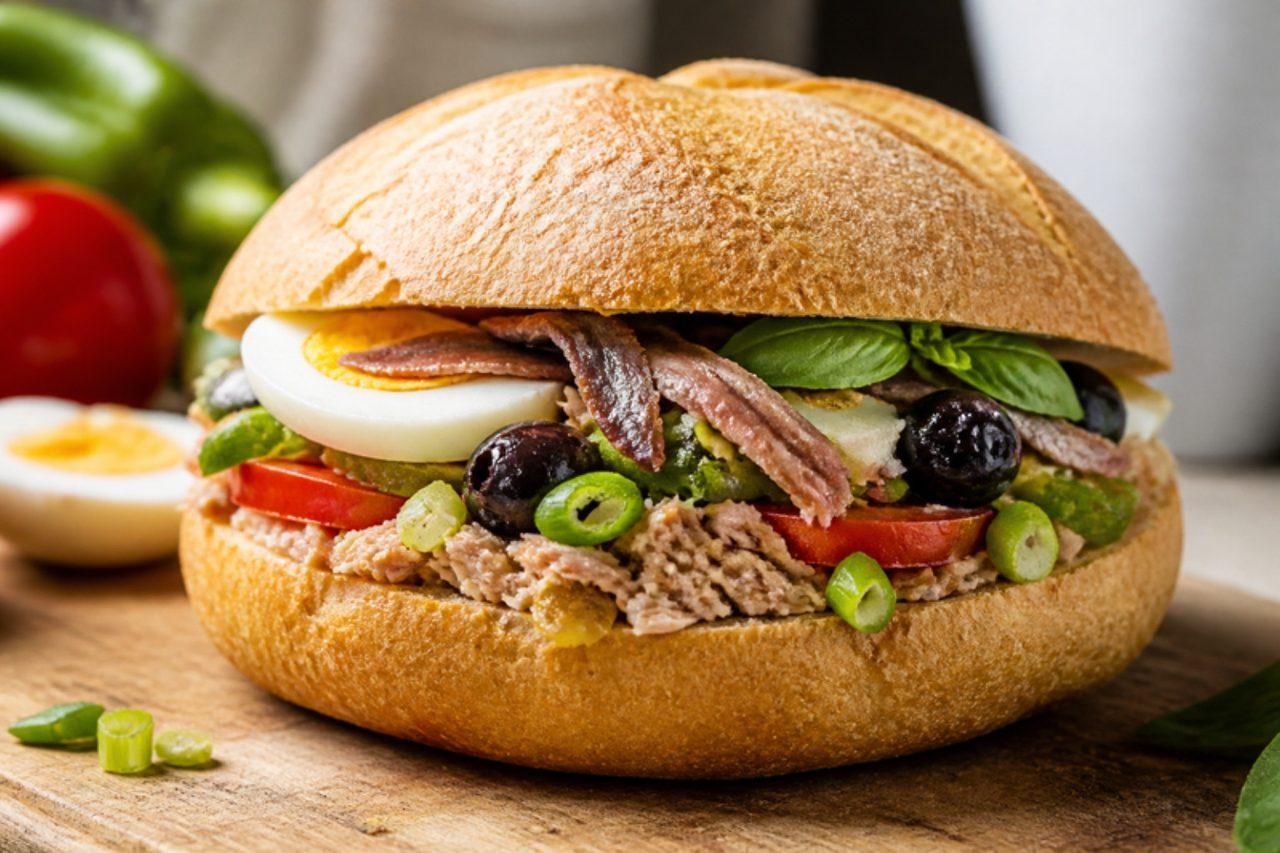
Pan bagnat, 'bathed bread' in Niçois, is the beach and market lunch of Nice, sold wrapped in paper from kiosks around the Cours Saleya and packed for picnics on the pebbles of the Promenade. A round crusty roll is soaked with fruity olive oil and filled with everything that goes into a salade niçoise: tuna, anchovies, hard-boiled egg, tomato, sweet green pepper, spring onion and black olives. Pressed for an hour, it turns juicy, compact and easy to eat in big, messy bites. Serve it on its own or with a few radishes and a glass of something cold. Chef's tip: rub the cut bread with garlic before the oil goes on; it perfumes every bite without overpowering the fish.

by KrazyBadal 0 views

Daube provençaleRed wine beef stew with olives

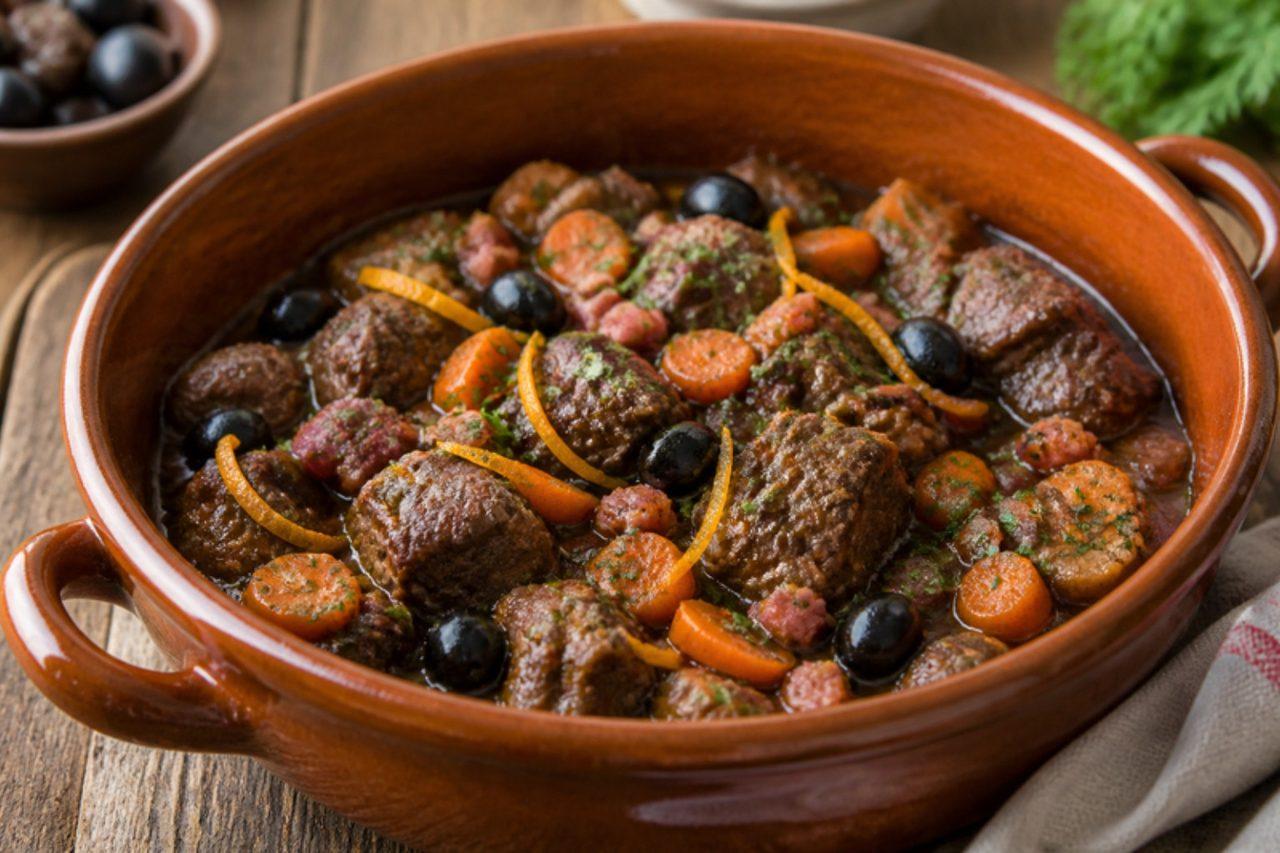
In Provence the daube is the Sunday and winter-feast dish, traditionally simmered all morning in a pot-bellied clay daubière at the edge of the fire. Chunks of beef are marinated overnight in the fridge with red wine, garlic, herbs and a strip of orange peel, then braised slowly with black olives until the sauce turns dark, glossy and fragrant with citrus. It uses red wine, and the ingredient note gives an alcohol-free version; the optional smoked lardons make it a pork dish too. In Avignon and Nice the leftover sauce dresses macaroni (the macaronade), but polenta or plain boiled potatoes are just as good. Chef's tip: make it a day ahead; it tastes even better reheated, and the fat is easy to lift off once cold.

250 minFrenchMeatGluten free
by KrazyBadal 0 views

Ensalada murcianaTomato, onion, olive and egg salad

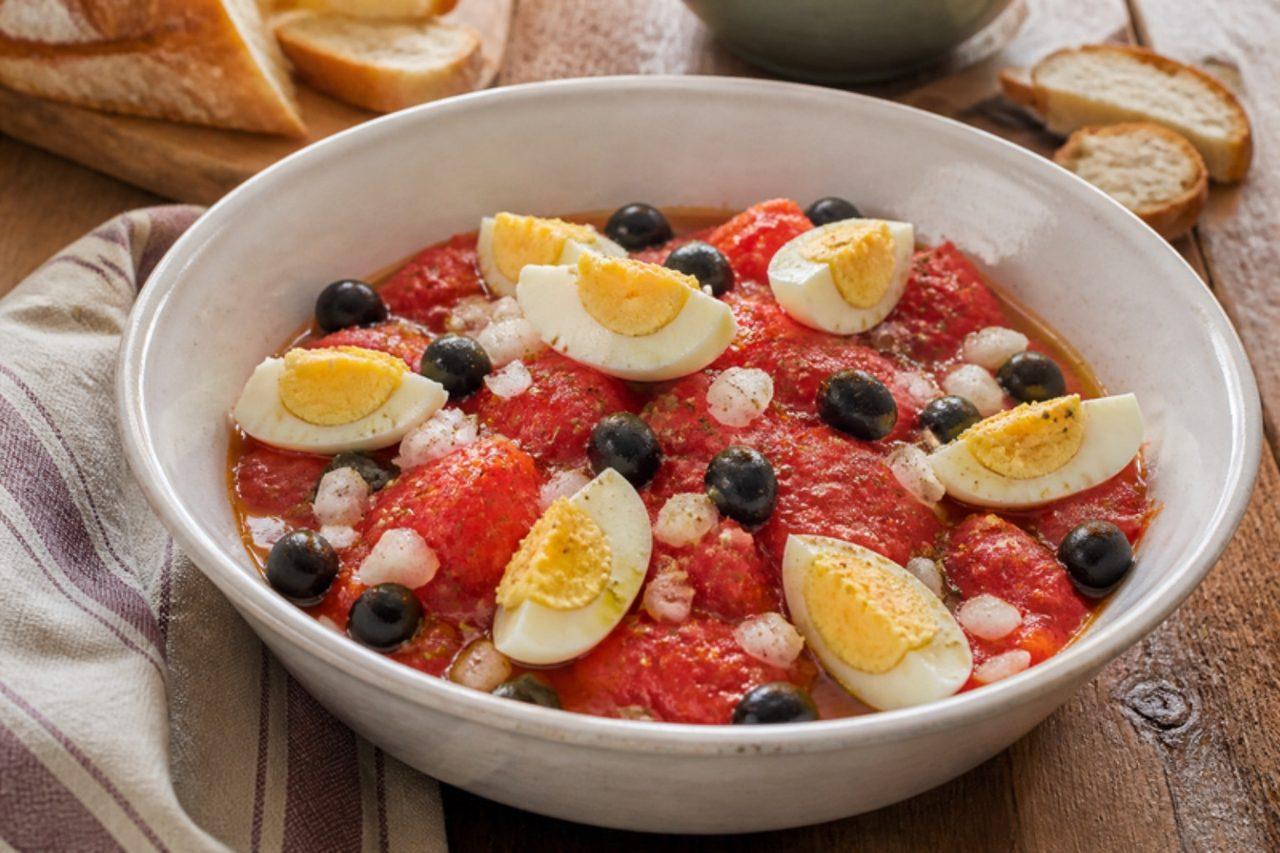
This is Murcia's summer salad, and it surprises visitors because it is built on tinned peeled tomatoes rather than fresh ones. Murcia has long been a canning region, and the sweet, soft preserved tomatoes give a juicy base that is mopped up with bread in bars and on terraces from the city to the Mar Menor. Black olives, onion and hard-boiled egg go on top; bars very often add tinned tuna, which this vegetarian version leaves out. Chef's tip: dress it at least 20 minutes before serving so the onion softens in the tomato juice.

by KrazyBadal 0 views

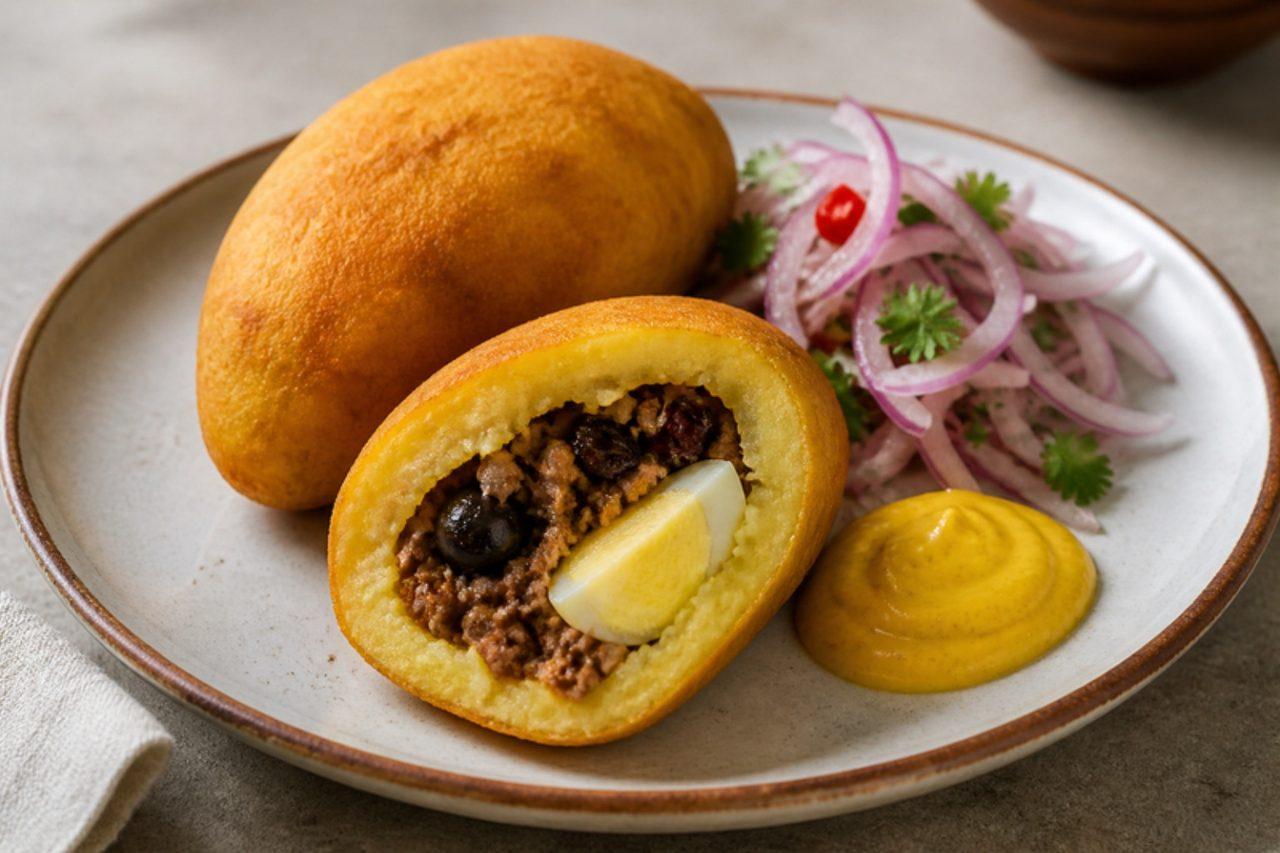
Papa rellenaStuffed potato croquettes

Torpedo-shaped and golden, papas rellenas sit stacked in the glass cases of Lima's sangucherías and market stalls, and they are just as often made at home on a weekday to use up a pot of mash. The shell is plain yellow potato with a crisp, thin crust; inside is a picadillo of minced beef with onion, ají panca, cumin, sliced egg, black olives and a few raisins for sweetness. They are eaten warm with a heap of salsa criolla and a spoon of ají sauce. The usual mistake is working the potato while it is still hot and wet: it turns gluey and splits in the oil, so let it steam dry and cool before shaping. Chef's tip: dust your hands and the croquettes with rice flour rather than wheat flour; it gives a thinner, crisper shell and keeps them gluten free. For a meat-free version, swap the beef for chopped mushrooms fried hard until dry.

by KrazyBadal 0 views

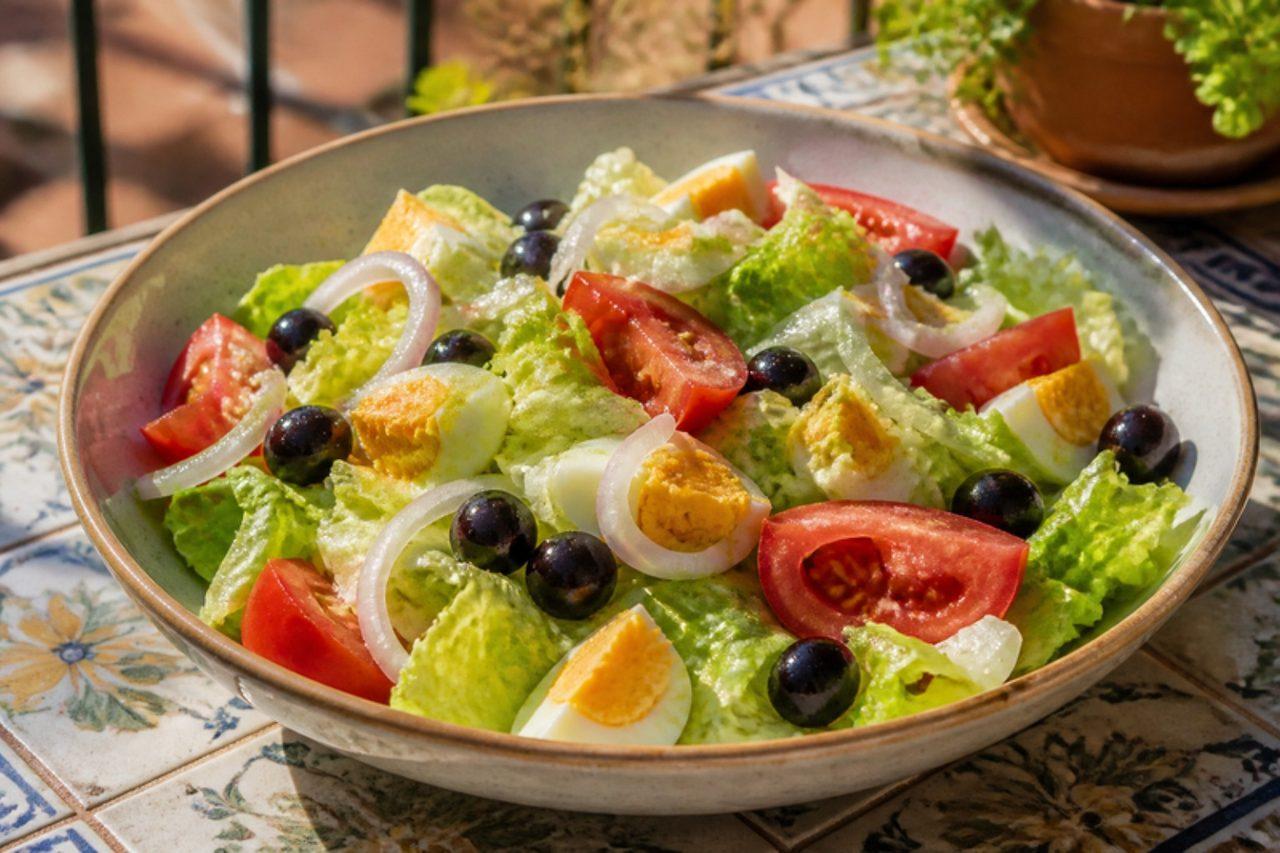
Ensalada valencianaLettuce, tomato and onion salad

Before the paella pan reaches the table at a Valencian Sunday lunch, a big shared bowl of ensalada valenciana goes round: crisp lettuce, thick wedges of summer tomato, sweet onion and black olives, dressed at the table with olive oil, a little vinegar and salt. Restaurants in the Huerta often add hard-boiled egg and tinned tuna; here the tuna is left out and the egg is optional, so without it the salad is vegan. A common mistake is dressing it in advance; the salt pulls water from the tomatoes and the lettuce goes limp within minutes. Chef's tip: soak the onion slices in iced water for 10 minutes, which takes the sharp edge off and keeps them crunchy.

by KrazyBadal 0 views

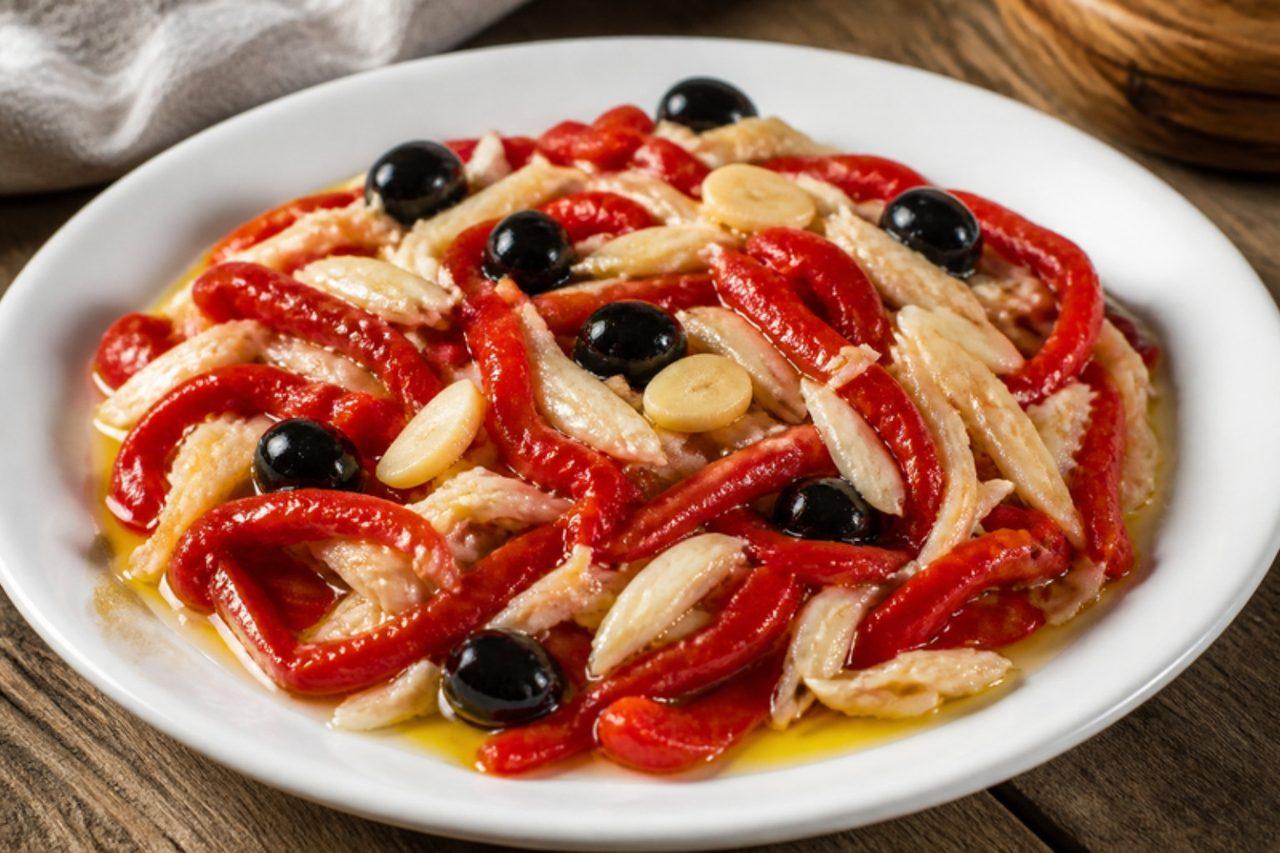
EsgarraetRoast pepper and salt cod salad

Esgarraet means "torn", and that is the whole technique: red peppers are roasted until soft and sweet, then pulled into strips by hand and layered with shredded salt cod, garlic and plenty of olive oil. Valencia's bars put it out as a tapa with crusty bread, and families make a big dish of it to pick at before a summer paella. Traditionally the cod is only desalted, not cooked, which means it is raw cured fish. That version is not for pregnant women, young children or anyone with a weakened immune system; this recipe gently poaches the cod first, which keeps it tender and makes it safe for everyone. A common mistake is rinsing the roast peppers under the tap to peel them; you wash away the sweet juices. Chef's tip: make it a day ahead; the peppers and cod drink up the garlicky oil overnight.

by KrazyBadal 0 views

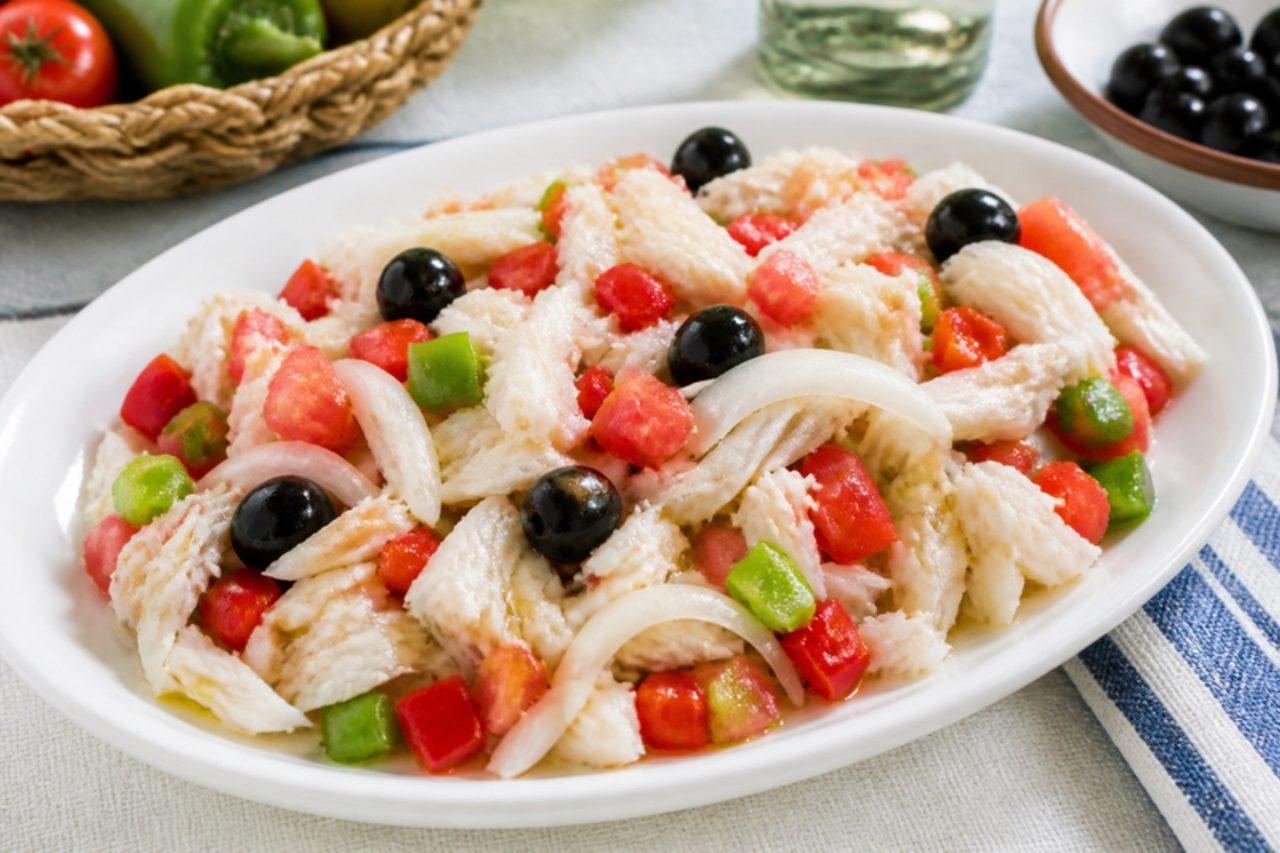
EsqueixadaShredded salt cod salad

Esqueixada, from esqueixar, to tear, is the summer starter of Barcelona's old taverns: salt cod that has been soaked, shredded by hand and dressed with tomato, peppers, onion and black olives. Traditionally the cod is never cooked, only desalted, so it stays translucent and firm; raw cured fish is not for pregnant women, young children or anyone with a weakened immune system. The safer version, given in the steps, poaches the cod gently first, and this is the one to choose whenever in doubt. Chef's tip: tear the cod with your fingers along its natural flakes; a knife makes it mushy and you lose the pleasing chew.

by KrazyBadal 0 views

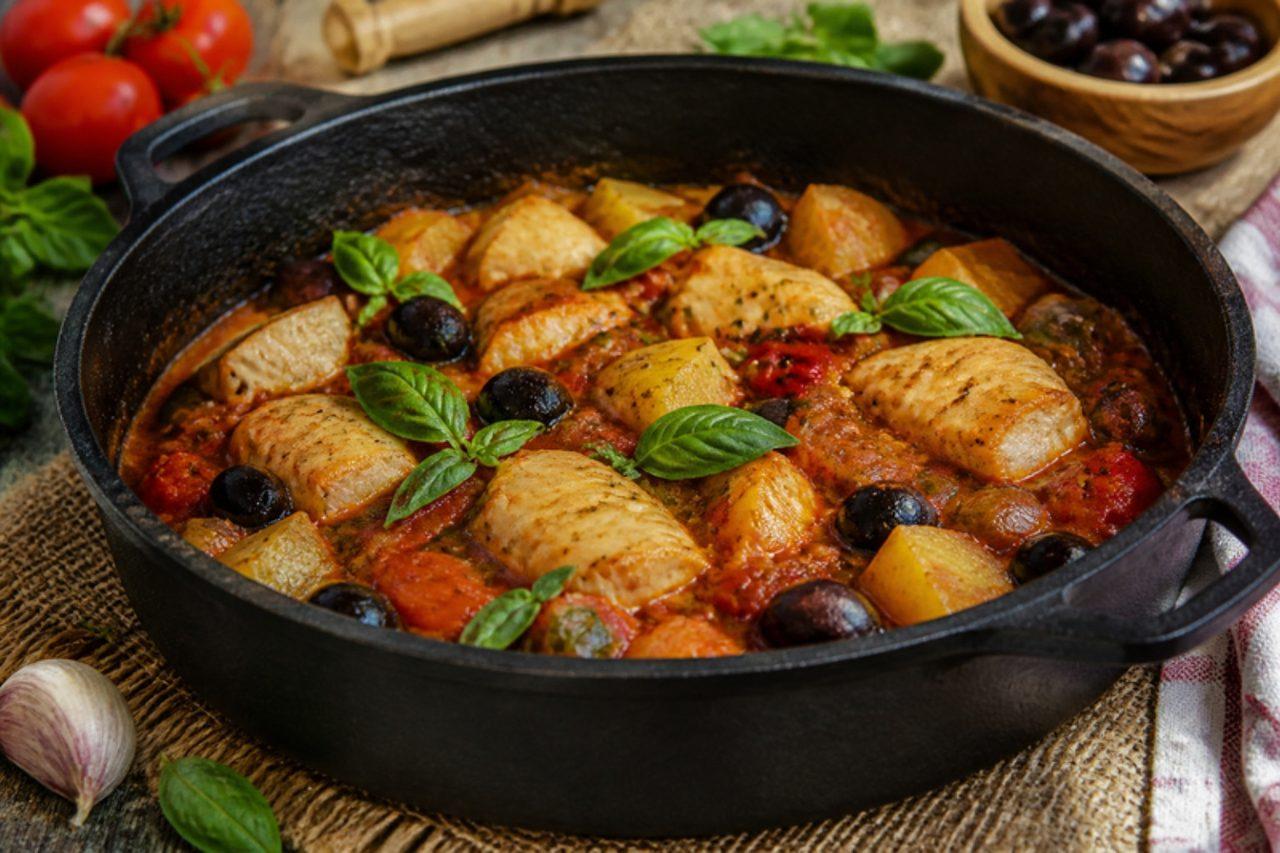
Estocaficada (stockfish niçois)Dried cod stew with tomato

Estocaficada is the old winter dish of Nice's port and old town, where Norwegian stockfish arrived in exchange for olive oil and wine centuries ago; it is still cooked for family Friday lunches and at the city's food festivals. Air-dried cod is rehydrated and stewed slowly with tomatoes, onions, peppers, black olives and potatoes, giving a rich, rust-red stew with a deep, almost meaty flavour. True stockfish is hard to find outside specialist shops and needs 4–5 days of soaking, so this recipe uses salt cod, which is easier and gives a gentler result; the note explains both. Serve in deep plates with crusty bread for the sauce. Chef's tip: add the cod at the end and keep it at a gentle simmer so it stays in juicy flakes rather than turning rubbery.

105 minFrenchFishGluten free
by KrazyBadal 0 views

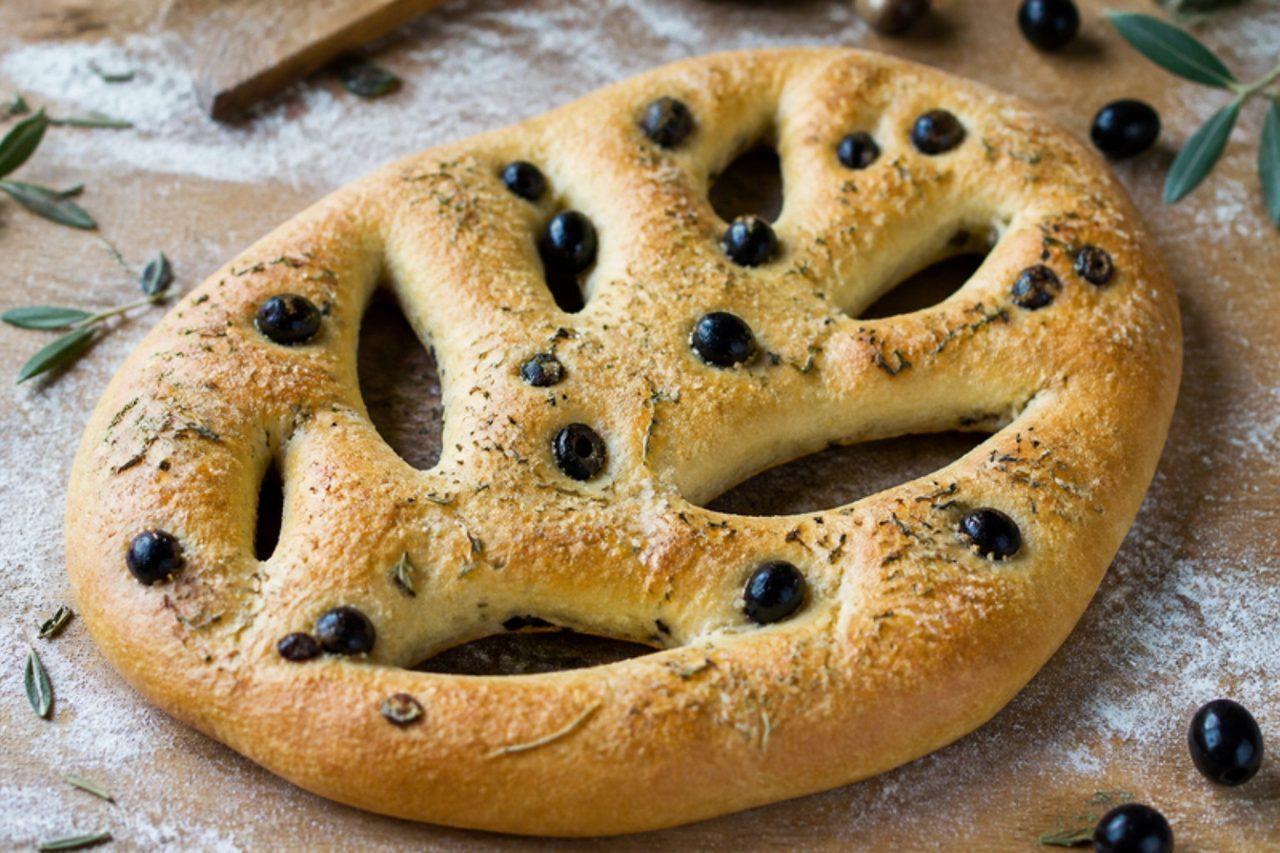
Fougasse aux olivesOlive and herb bread

Bakers in Provence once slid a fougasse into the wood oven first, to test the heat before the big loaves went in; the open, leaf-like shape bakes in minutes and is mostly crust. Today every boulangerie from Avignon to Apt sells it, plain or studded with olives, and families tear it apart on picnics and at market lunches. A sweet cousin flavoured with orange blossom is one of the thirteen desserts of a Provençal Christmas. This is the savoury everyday one, with black olives and herbes de Provence. Chef's tip: bake it on the hottest tray you can, near the top of the oven, so the thin bridges of dough blister and crisp before the thick edges dry out.

148 minFrenchBakingVegan
by KrazyBadal 0 views

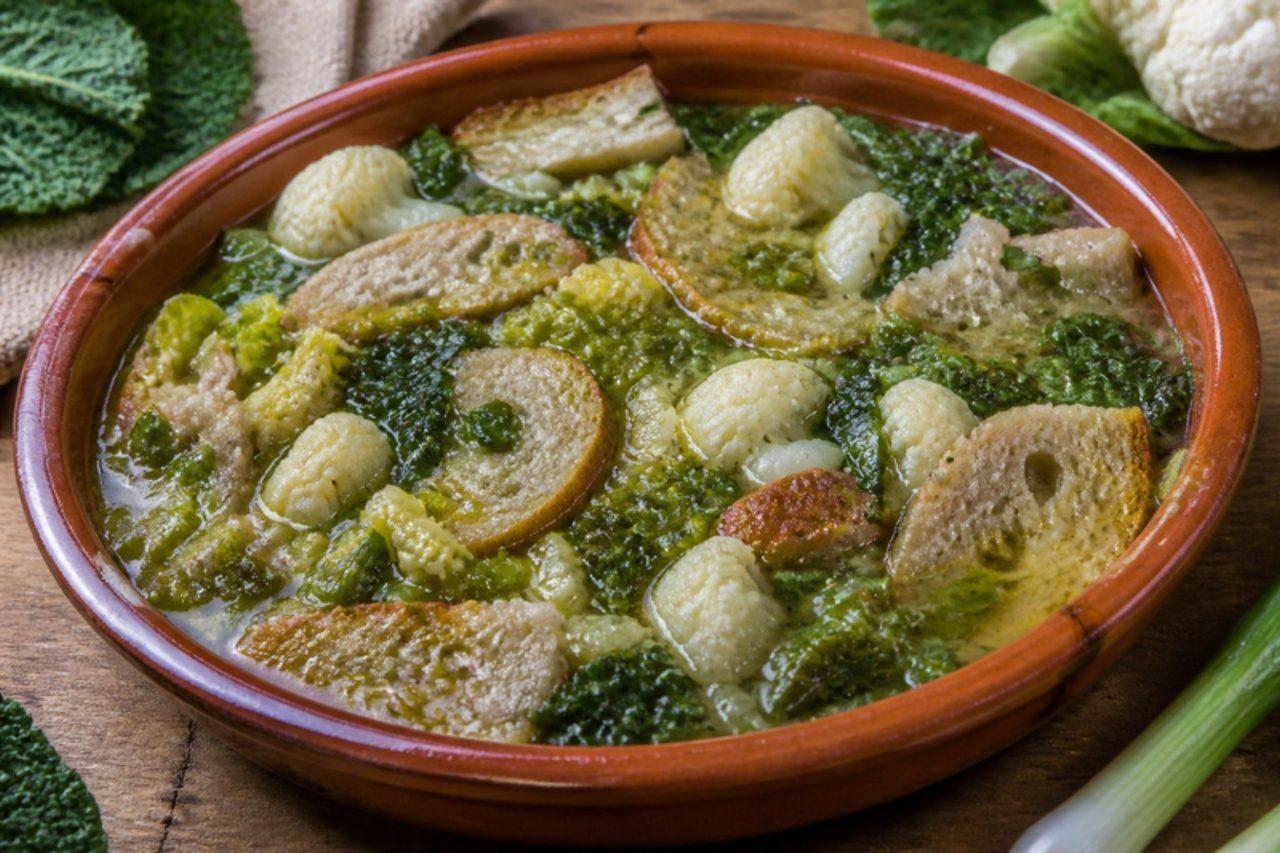
Sopes mallorquinesCabbage broth with brown bread

Sopes are a winter ritual in Mallorca, simmered in a wide clay greixonera and eaten for breakfast by country people and for Sunday lunch by everyone else. Cabbage, chard, cauliflower, artichoke and mushrooms cook in a garlicky, paprika-tinted broth, which is then poured over wafer-thin slices of dry brown bread until it soaks it all up into a spoonable mass, more stew than soup. Pork ribs often go in; this version is all vegetables. Serve with pickled chillies and black olives on the side. Chef's tip: buy the bread sliced for sopes at a bakery or slice a hard loaf on a mandolin, as thin bread is the whole texture of the dish.

by KrazyBadal 0 views

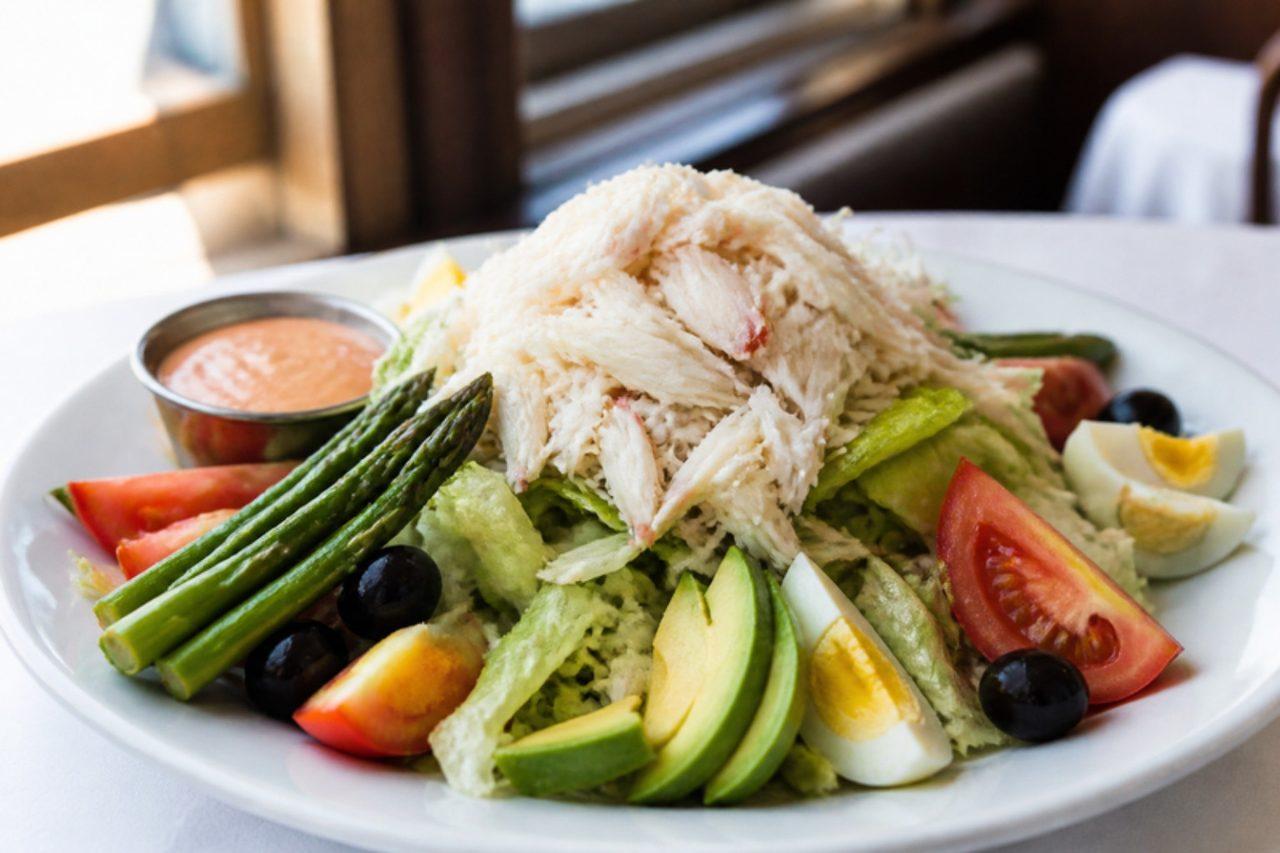
Crab Louie

Crab Louie was on the menus of San Francisco's grand hotels and wharf restaurants by the early 1900s and is still a winter lunch when Dungeness crab is in season. Sweet crab meat is heaped on crisp lettuce with hard-boiled eggs, tomato, asparagus and avocado, and covered with a creamy, tangy pink dressing. Chef's tip: keep the crab in big pieces and add the dressing at the table, so the salad stays crisp.

by KrazyBadal 0 views

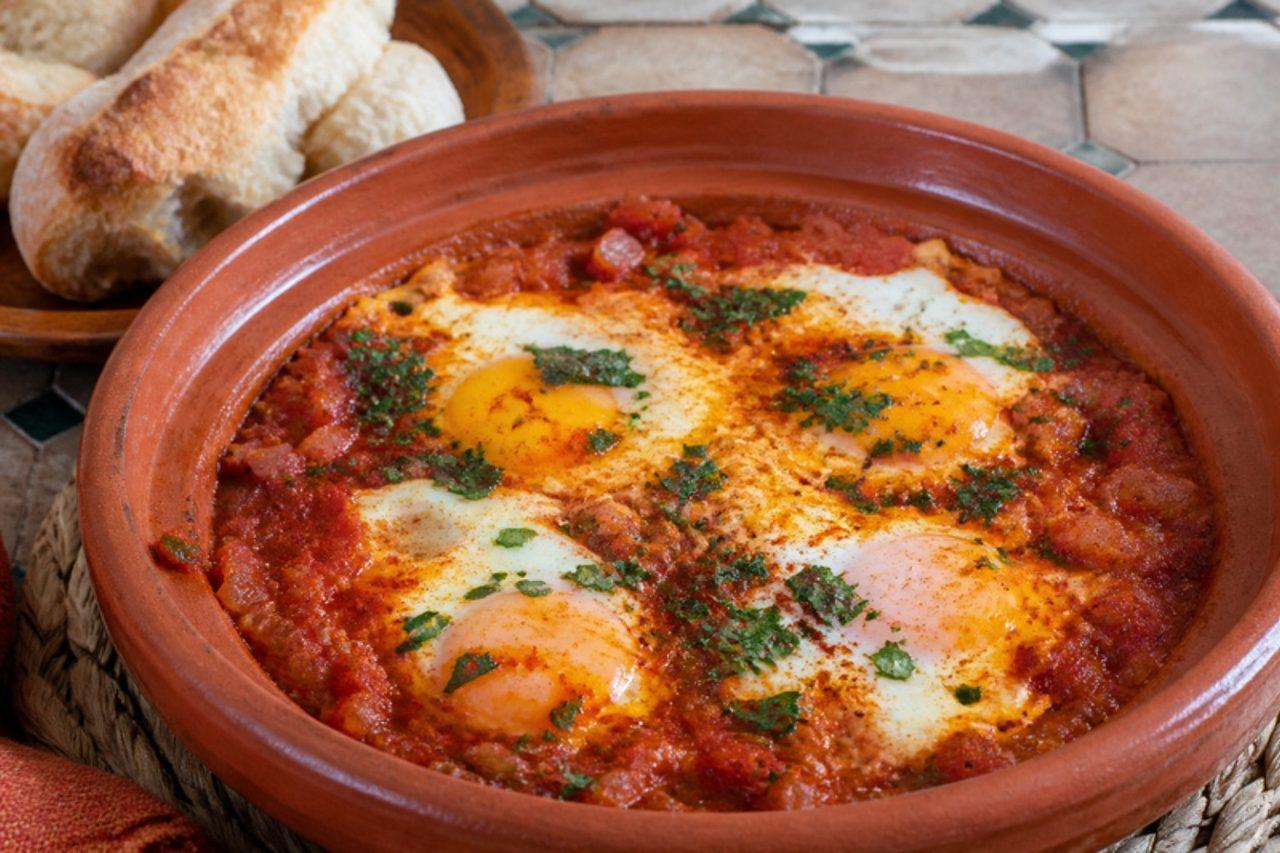
Berber omelette

Roadside cafés on the mountain passes of the High Atlas keep small clay tagines warming over charcoal, and the one most travellers order for breakfast or a quick lunch is the Berber omelette: eggs cracked over a bubbling base of tomato, onion, cumin and paprika, then covered until they just set. It arrives sizzling with olives and herbs on top and plenty of bread to wipe the dish clean, usually with a glass of mint tea. At home you can use a small tagine on a heat diffuser or a lidded frying pan. For anyone pregnant, very young, older or with a weak immune system, cook until the yolks are firm. Chef's tip: never put a clay tagine straight onto a high flame; use a diffuser and medium-low heat, or it can crack.

by KrazyBadal 0 views

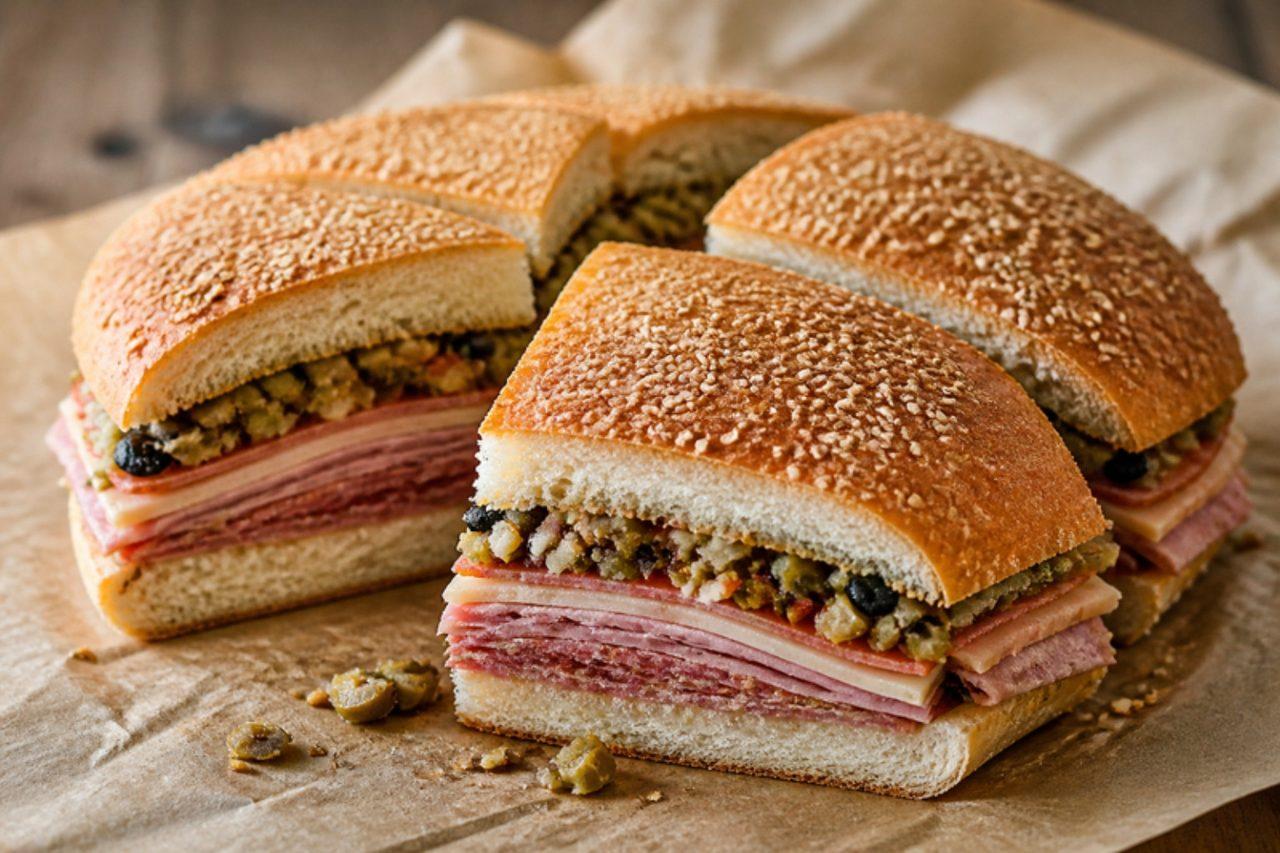
New Orleans muffuletta

The muffuletta was first made by Sicilian grocers on Decatur Street in New Orleans in the early 1900s for dock workers' lunches, and it is still sold whole or in quarters to take to the levee or a Saints game. A big round sesame loaf is filled with layers of ham, salami, mortadella (all pork) and provolone and soaked with a chunky olive salad. Provolone is traditionally made with animal rennet. Chef's tip: press the sandwich under a weight for an hour so the oil soaks into the bread.

by KrazyBadal 0 views

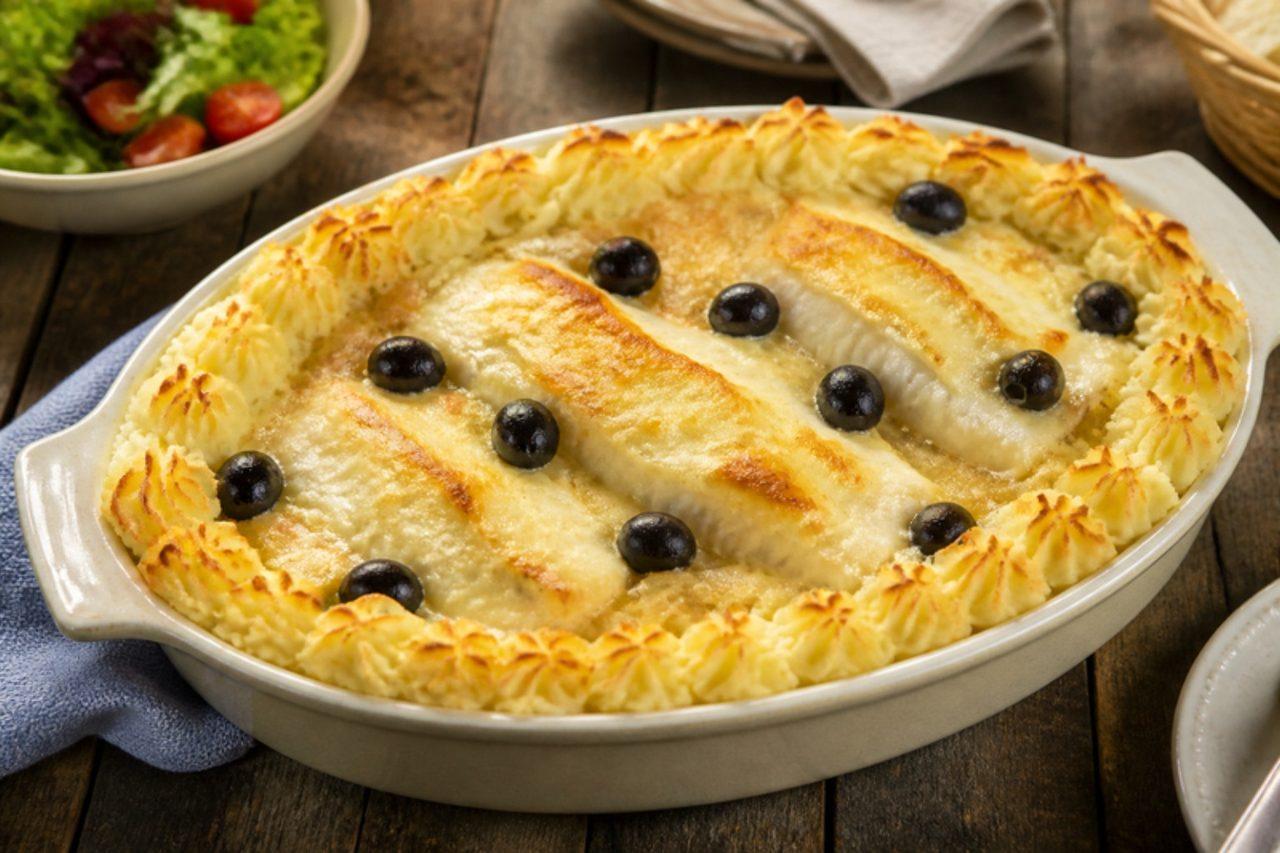
Bacalhau à Zé do PipoSalt cod with mayonnaise mash

Zé do Pipo was the nickname of a Porto tavern keeper in the 1960s whose cod won a national cooking competition, and the dish became a celebration plate in northern restaurants ever since. Thick cod loins sit on a bed of slow-cooked onions, are covered in mayonnaise and ringed with piped mashed potato, then baked until the top turns golden and blistered. Use a good shop-bought mayonnaise made with pasteurised egg; homemade mayonnaise with raw yolks is not for pregnant women, young children or anyone with a weakened immune system. A common mistake is a runny purée; the potato must be stiff enough to pipe, or it slumps under the mayonnaise. Chef's tip: pipe the mash while it is still warm, as cold mash cracks.

by KrazyBadal 0 views

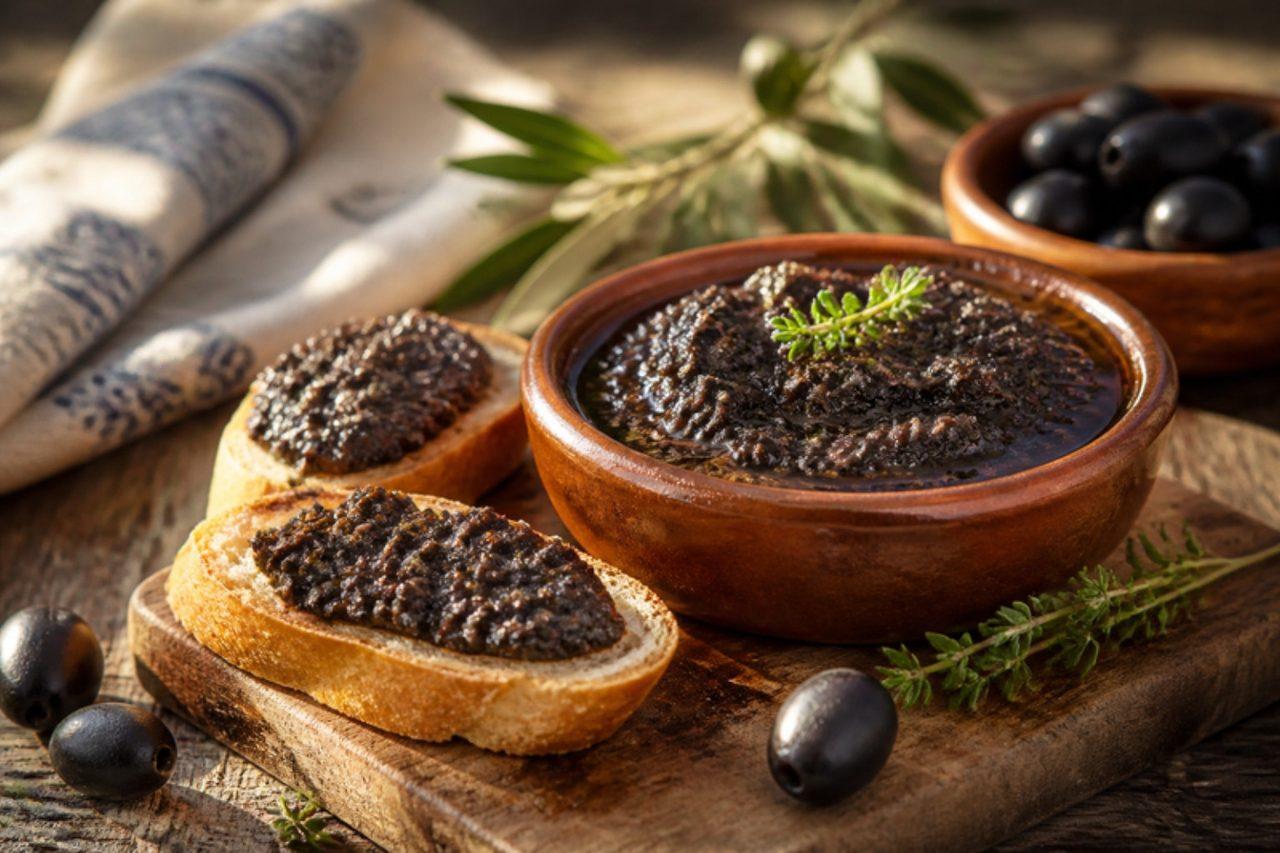
Tapenade provençaleBlack olive and caper spread

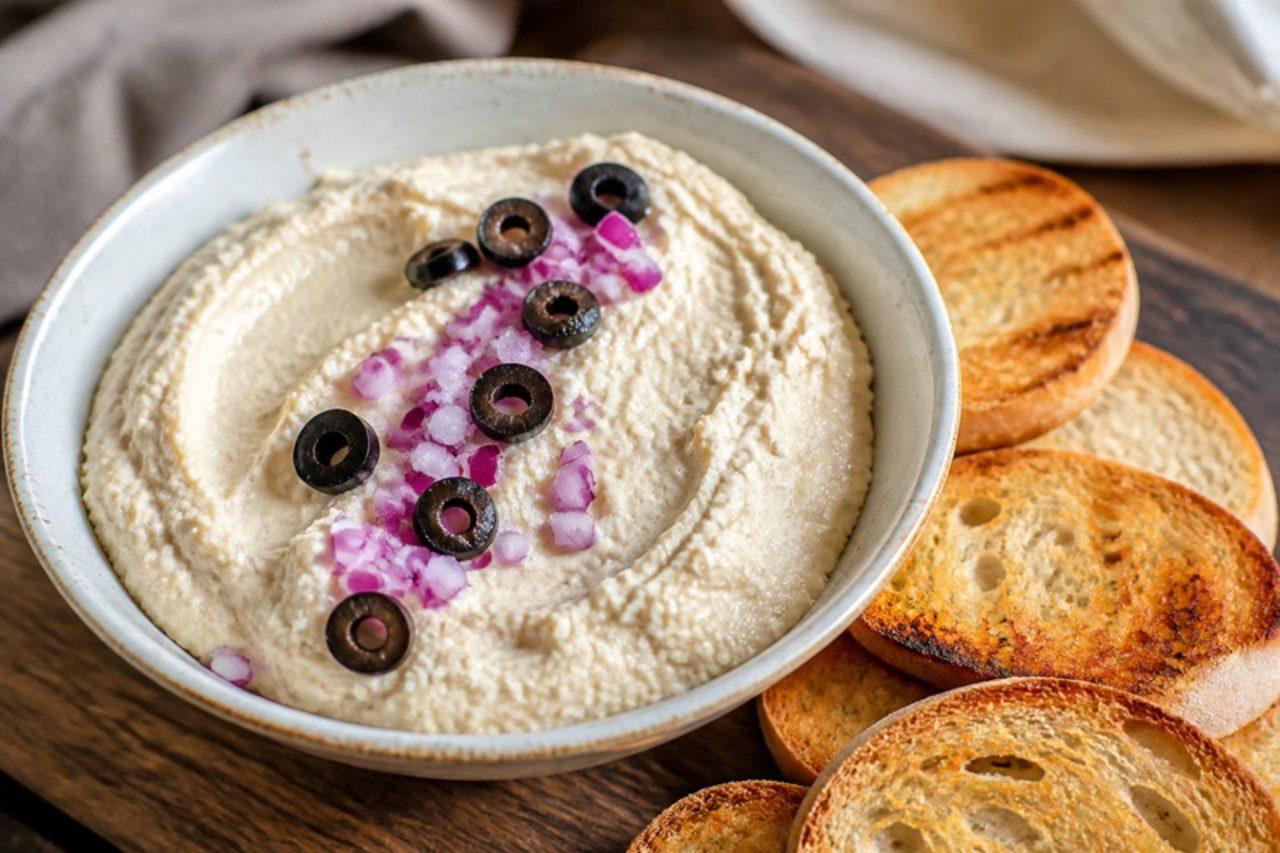
The name gives the game away: tapeno is the Provençal word for capers, and a Marseille chef is said to have first pounded them with black olives in the 1880s. Across Provence, from the markets of Nyons to the cafés of Aix, tapenade comes out with the apéritif before a long summer dinner, spread thickly on toasted baguette. The classic recipe adds a few anchovy fillets; this version leaves them out and leans on extra capers and lemon for the salty, savoury edge, so it is vegan. Chef's tip: buy olives with stones and pit them yourself; ready-pitted black olives are often the dyed, bland kind and give a flat, inky spread.

by KrazyBadal 0 views

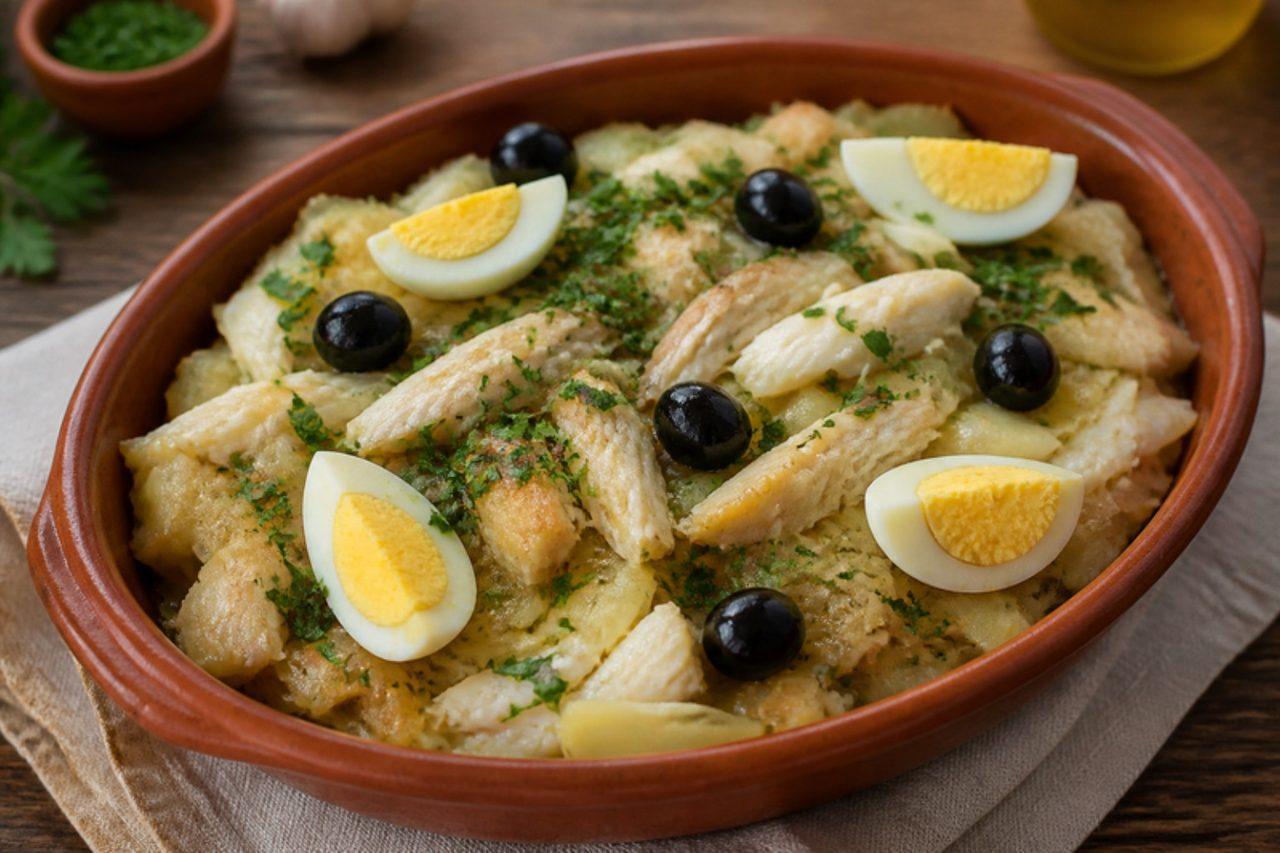
Bacalhau à Gomes de SáBaked salt cod and potatoes

Named after the Porto cod merchant who is said to have created it in the late nineteenth century, this is the city's most loved salt cod dish and a fixture of Christmas Eve and family gatherings across the north. Cod is soaked, warmed in milk, flaked and baked with sliced potatoes and plenty of onions softened in olive oil, then crowned with hard-boiled eggs and black olives. Chef's tip: steep the cod in hot milk rather than boiling it, so the flakes stay moist and come apart in big, glossy pieces.

by KrazyBadal 0 views

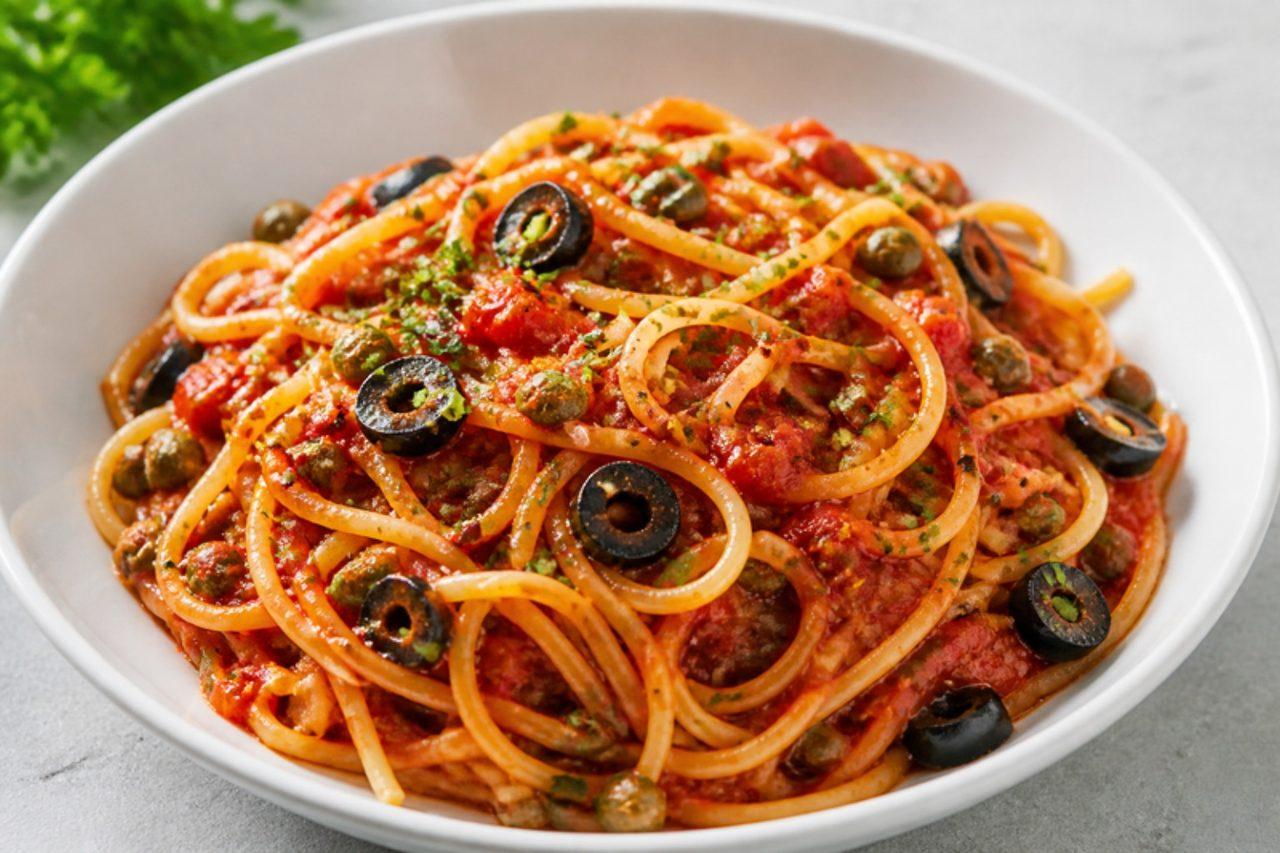
Spaghetti alla puttanesca

Few pastas come together so fast from a cupboard: tomatoes, black olives, capers, garlic and chilli simmered for ten minutes into a sauce that is briny, sharp and a little fiery. Naples claims the olive-and-caper version, often made with Gaeta olives, while in Rome cooks melt a few anchovy fillets into the oil first; this recipe follows the Neapolitan line and leaves the fish out, so it is fully vegan. Romans and Neapolitans alike treat it as a late-night or end-of-the-week plate, made when the fridge is bare. Chef's tip: rinse the capers well and add the olives only at the end, so the sauce stays bright and salty rather than bitter.

by KrazyBadal 0 views

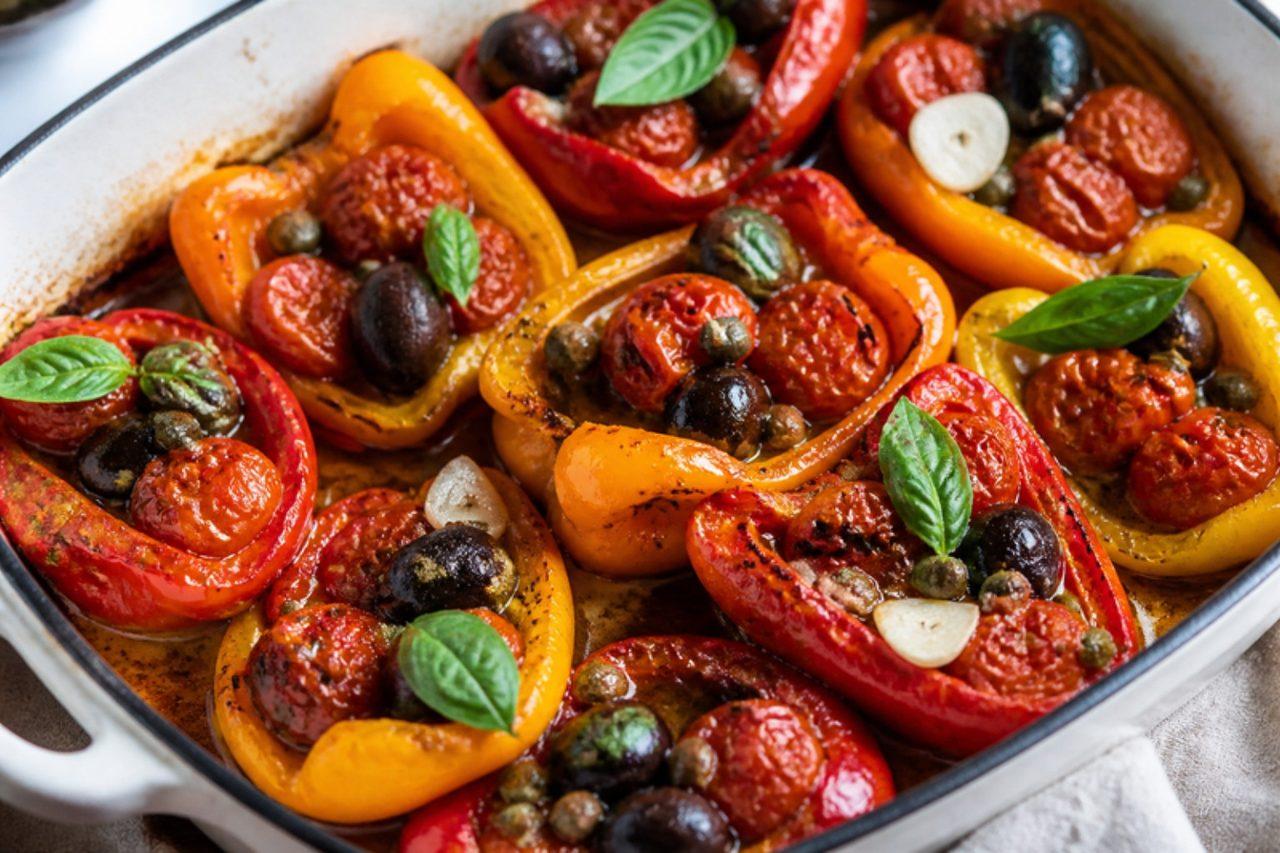
Peperoni ripieni alla piemonteseStuffed roasted peppers

Late summer in Turin means the fat, square peppers of Carmagnola piled high at Porta Palazzo market, and this is what Piedmontese cooks do with them. Halved and filled with peeled tomato and slivers of garlic, they roast until the skins blister and the juices turn sweet and jammy, then come to the table lukewarm as an antipasto. The old recipe hides an anchovy fillet in each half; here capers and black olives bring the same salty edge, so the dish is vegan. Chef's tip: keep the stalk on when you halve the peppers, as it helps each half hold its shape and its juices.

by KrazyBadal 0 views

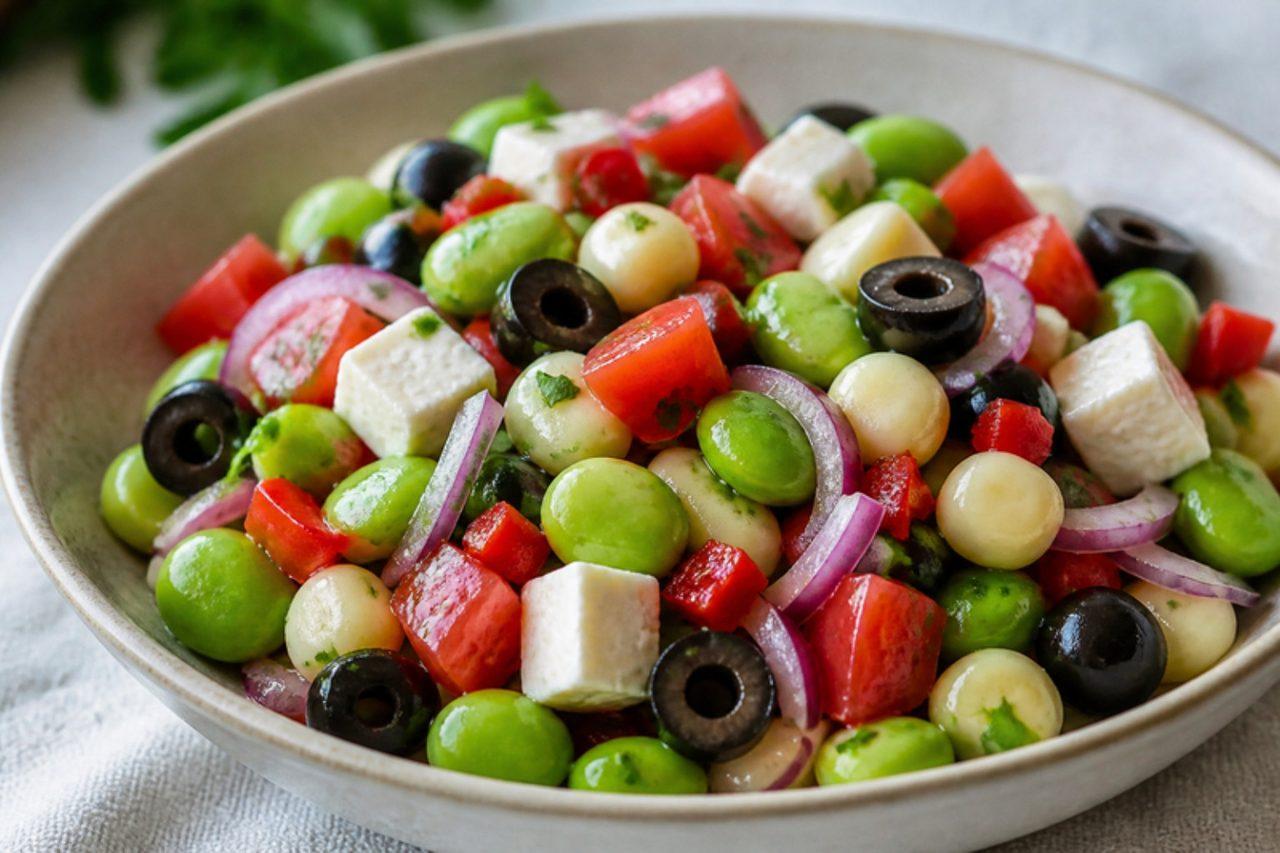
SolteritoBroad bean, corn and cheese salad

Solterito, the 'little bachelor', is a cold salad from Arequipa in southern Peru, so called because it was simple enough for a single man to make. Broad beans, sweet corn, fresh cheese, tomato and red onion are tossed with black olives, parsley and a little rocoto chilli in an oil and vinegar dressing. It is eaten with the spicy dishes of Arequipa's picanterías, or on its own as a light lunch. Rocoto is a fat, fiery red chilli; a red pepper with a little habanero gives a similar crunch and heat. Use queso fresco made with vegetarian rennet. Chef's tip: peel the broad beans after blanching; the pale skins are tough and the bright green beans inside make the salad sweet and tender.

by KrazyBadal 0 views

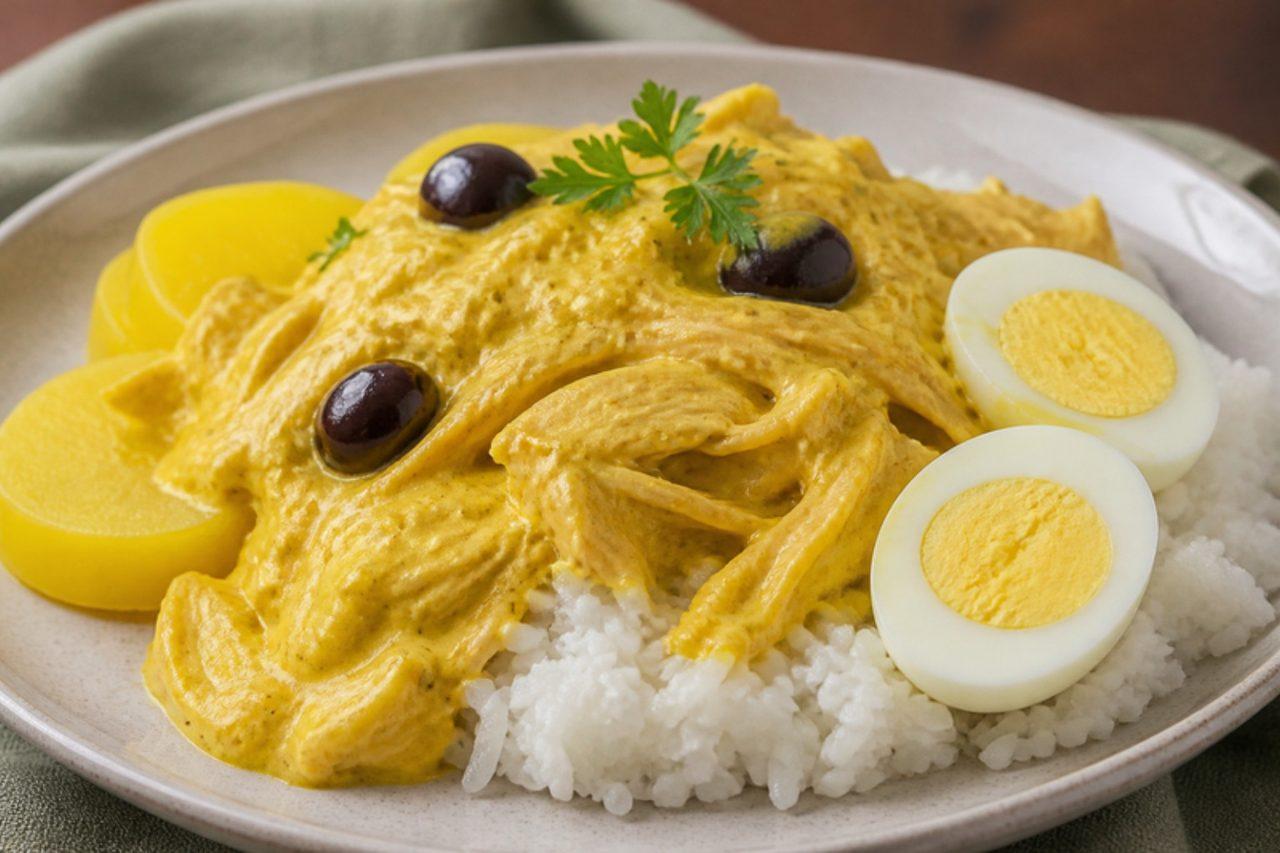
Ají de gallinaChicken in creamy chilli sauce

Lima's old criollo kitchens turned leftover hens into this golden, velvety stew, and it still turns up at family lunches, office canteens and menú del día stalls all over the capital. Poached chicken is pulled into threads and folded into a sauce thickened with milk-soaked bread, ground walnuts and parmesan, coloured by ají amarillo, Peru's fruity yellow chilli. It is served over white rice with boiled potatoes, a halved egg and a black olive. Chef's tip: keep the poaching broth; loosening the sauce with it instead of more milk gives a deeper, more chickeny flavour.

by KrazyBadal 0 views

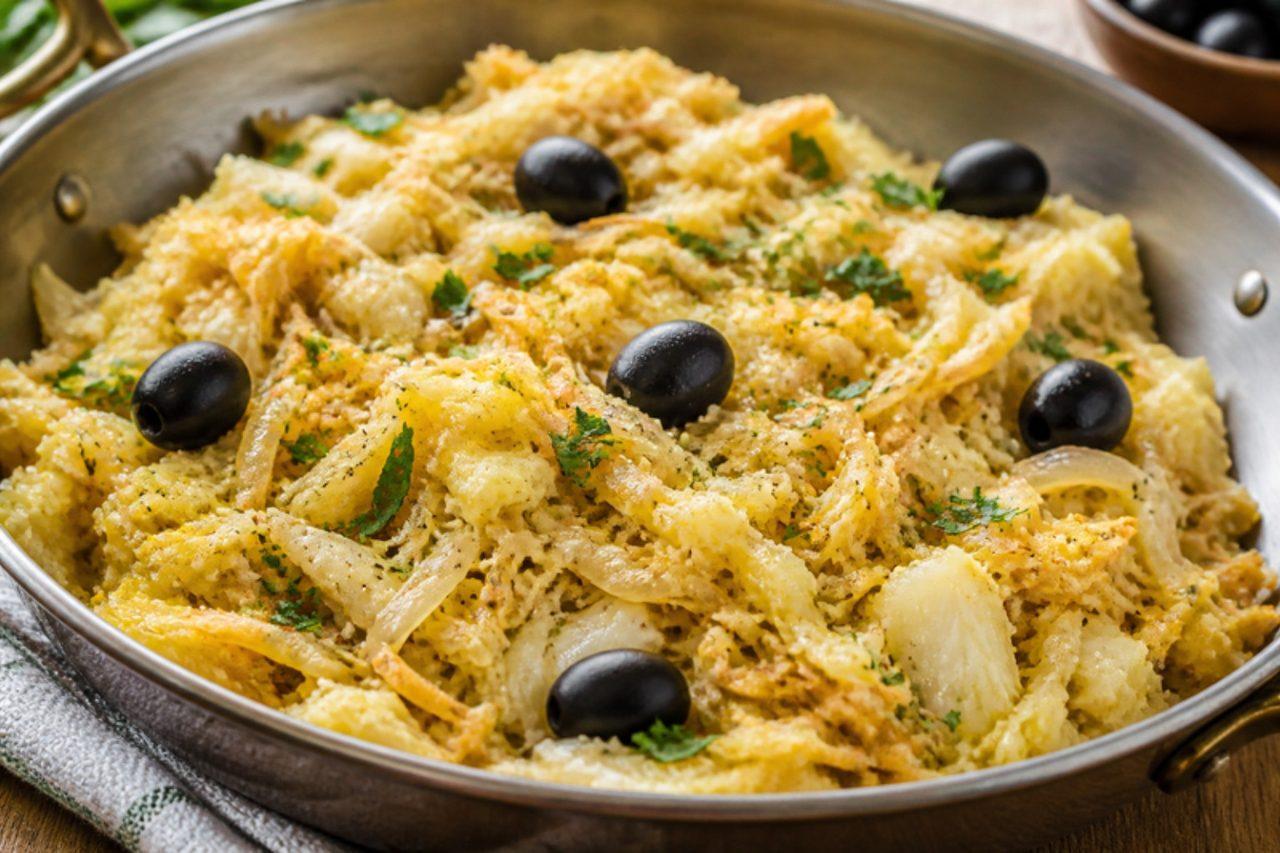
Bacalhau à BrásSalt cod with egg and potatoes

Lisbon's Bairro Alto taverns claim this dish, said to be named after a tasca owner called Brás, and it is still a weeknight favourite in homes all over the city. Flaked salt cod is softened with slowly cooked onion, tossed with a heap of fine straw-cut fried potatoes, then bound at the last second with beaten egg so everything stays creamy and loose. Black olives and parsley go on top. A green salad is all it needs. Chef's tip: take the pan off the heat the moment you add the eggs; they should finish cooking from the warmth of the potatoes, like a soft scramble.

by KrazyBadal 0 views

SalteñasJuicy baked beef pastries

Salteñas are the pastries all of La Paz queues for between 10 and noon, when they come out of the oven: a slightly sweet, golden crust wrapped round a soupy filling of beef, potato, peas, olive and egg in a gelatine-set broth seasoned with cumin and ají. The trick, and the fun, is to bite off the top and sip the juice without spilling. The mistake is filling the pastry with warm stew: the filling must be chilled overnight until it sets firm, or it leaks. Chef's tip: hold a salteña upright, nibble off one corner and drink the juice before eating the rest.

by KrazyBadal 0 views

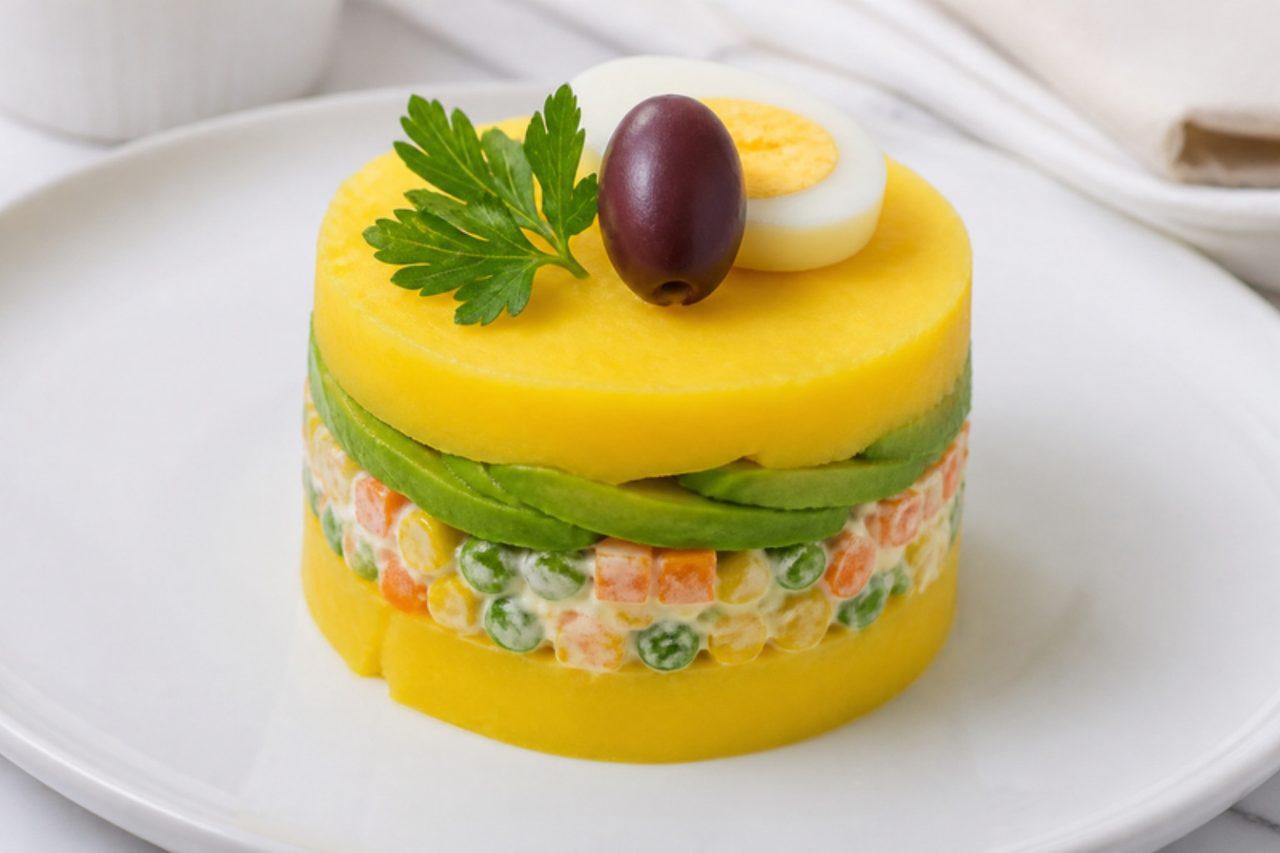
Causa limeñaLayered potato terrine

Causa limeña is Lima's cold potato terrine: yellow potatoes mashed with lime, oil and ají amarillo, pressed into layers and filled. In Lima it is a lunchtime starter sold in every menú and at every family party, often with tuna or chicken; this vegetarian causa is filled with ripe avocado and a creamy salad of corn, peas and carrot. The potato should be smooth, sunny yellow, tangy and gently hot, and the whole thing is served cold in neat slices. Make it in the morning for dinner, or the day before for a party. Chef's tip: mash the potatoes while warm but add the lime only once they have cooled; lime on hot potato turns the mash grey and gluey.

by KrazyBadal 0 views

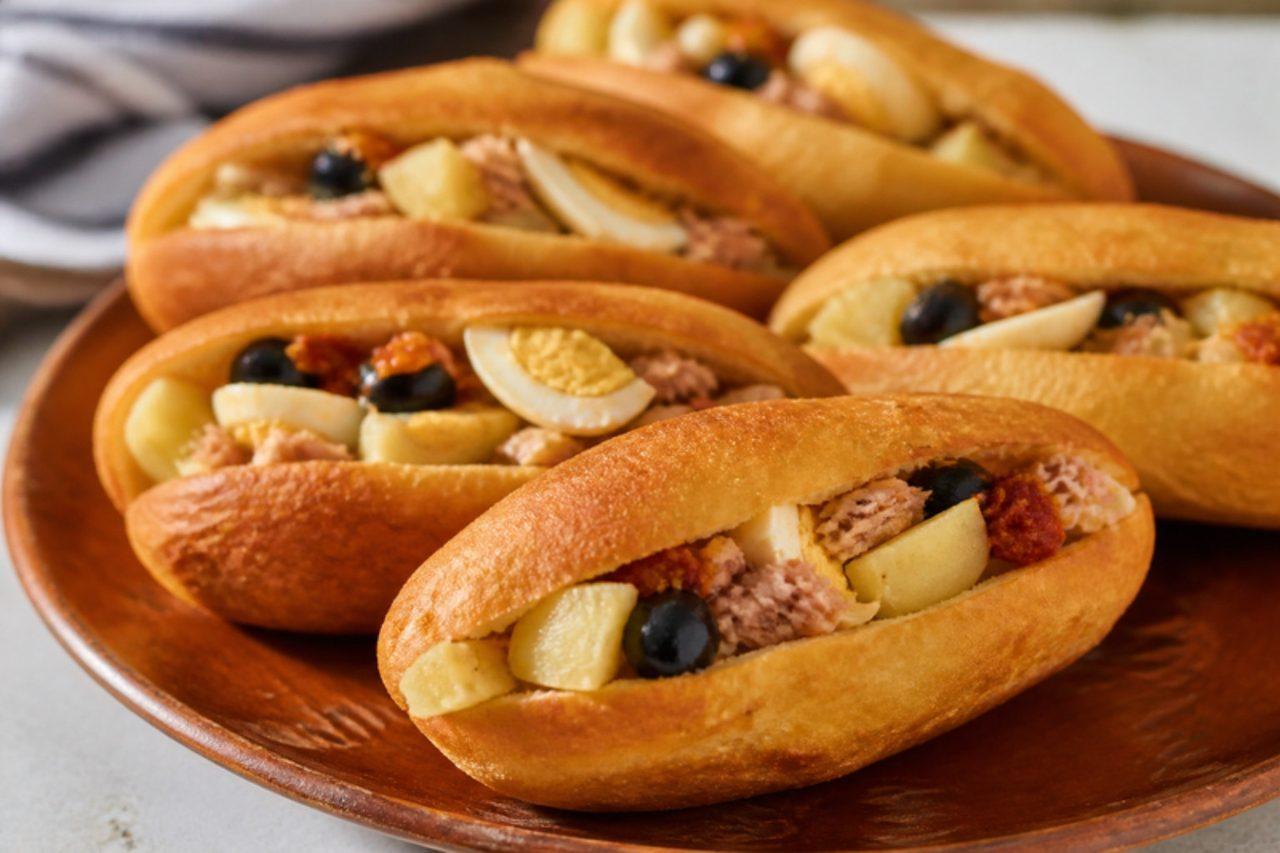
Tunisian fricasséFried rolls with tuna and egg

Fricassé are the small, soft fried rolls sold from glass-fronted counters in Tunis and the coastal towns, split while still warm and filled to order with tuna, boiled egg, olives, boiled potato, mechouia salad and a smear of harissa. They are an afternoon snack, a beach lunch and a Ramadan favourite. The mistake is frying the dough when the oil is too cool, which makes it greasy and heavy; keep the oil at 170 °C. Chef's tip: give the shaped rolls a full second rise so they puff and stay light inside.

by KrazyBadal 0 views

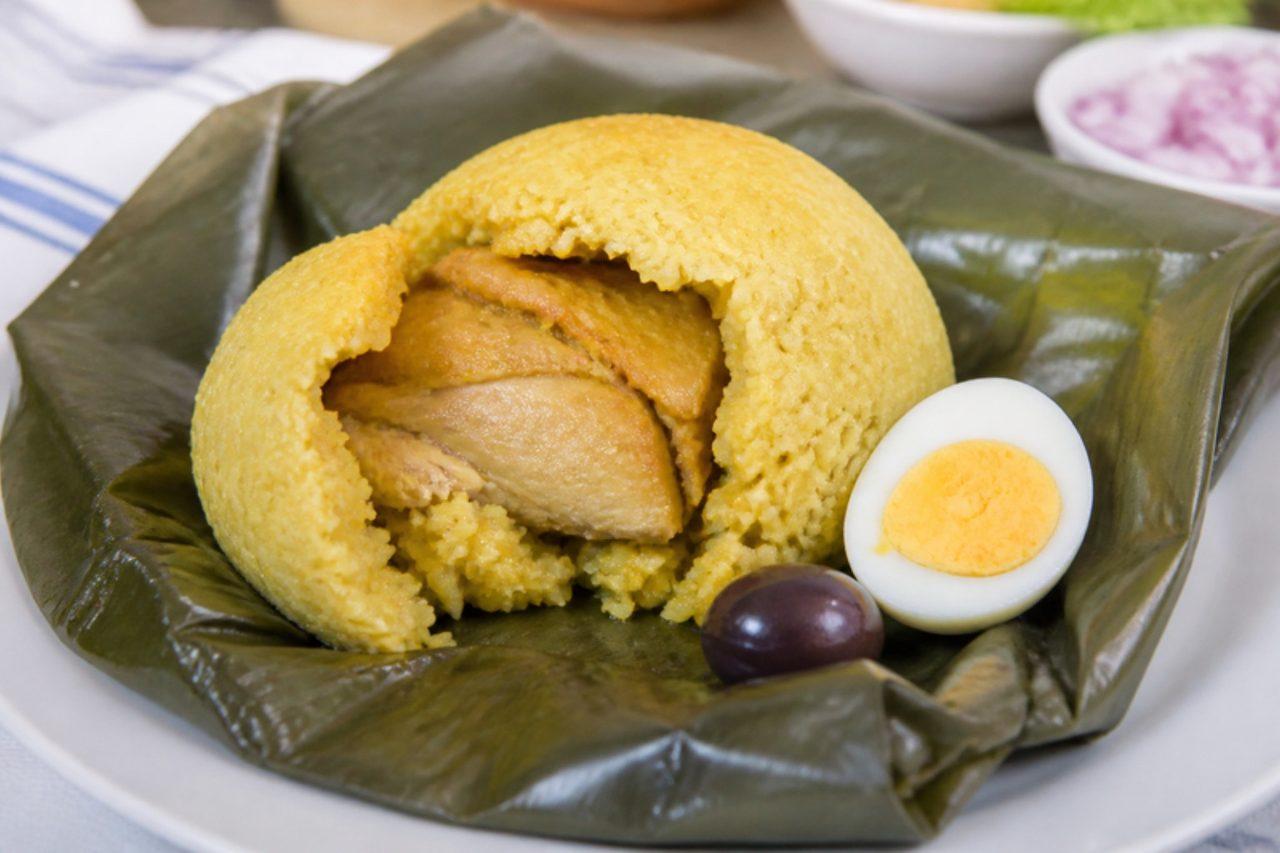
Juane de gallinaChicken and rice parcels

In Iquitos, Tarapoto and the river towns of Peru's Amazon, juanes are steamed by the hundred for the feast of San Juan on 24 June, when families picnic by the rivers to mark the start of the dry season. Each parcel hides a piece of chicken, half a boiled egg and a black olive inside rice seasoned with turmeric, cumin and the herb sacha culantro, all wrapped in broad bijao leaves that perfume the rice. Banana leaves are the easiest swap outside the jungle. Chef's tip: let the rice cool before you wrap it; warm rice is too soft to shape and the parcels lose their round shape.

by KrazyBadal 0 views

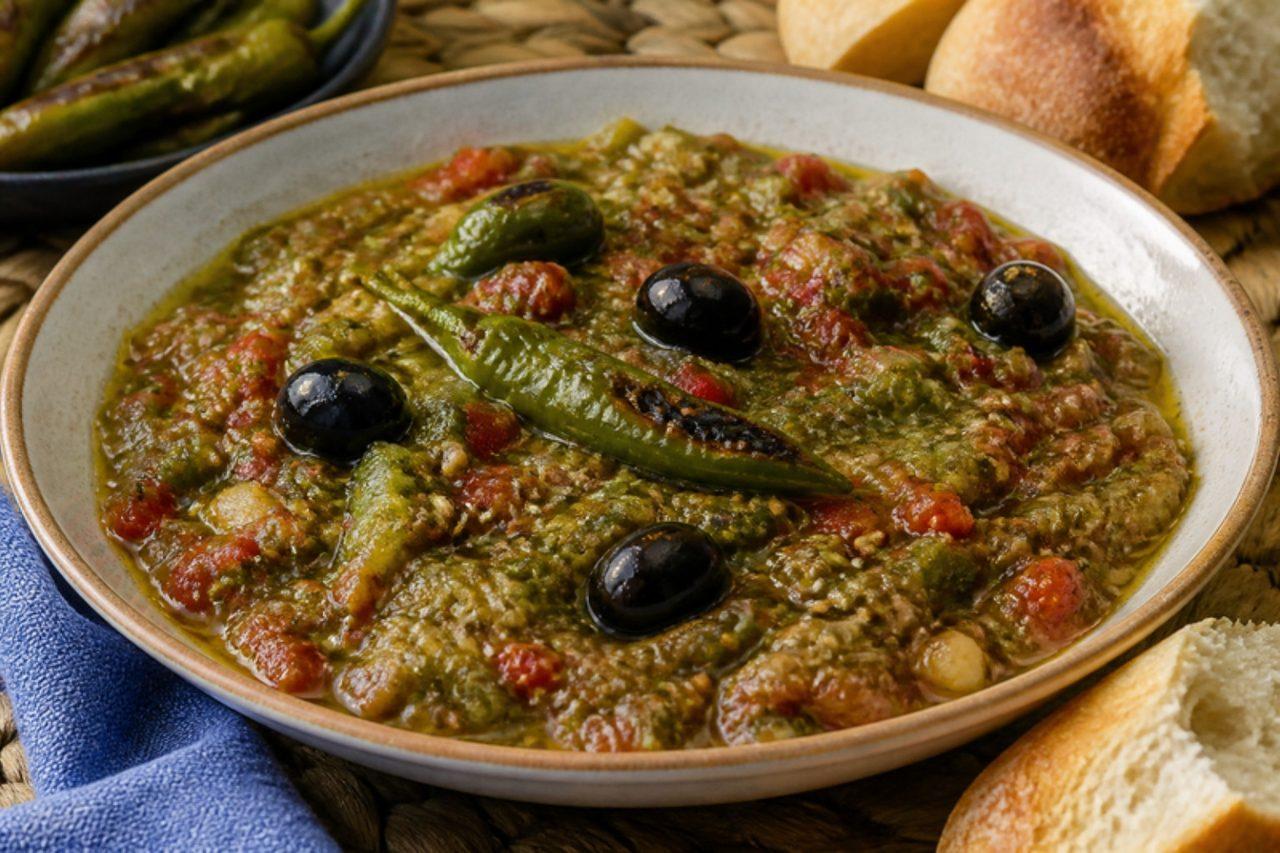
Slata mechouiaGrilled pepper and tomato salad

Slata mechouia means 'grilled salad', and in Tunisia it opens almost every family meal and Ramadan iftar: peppers, tomatoes, onion and garlic charred over coals until blackened, then peeled and chopped into a smoky relish with olive oil, caraway and coriander seed. It is scooped up with bread or served next to grilled food and couscous. A tuna and egg topping is common in restaurants; this version keeps it to vegetables and olives. Chef's tip: let the vegetables steam in a covered bowl after charring; the skins then slip off in seconds.

by KrazyBadal 0 views

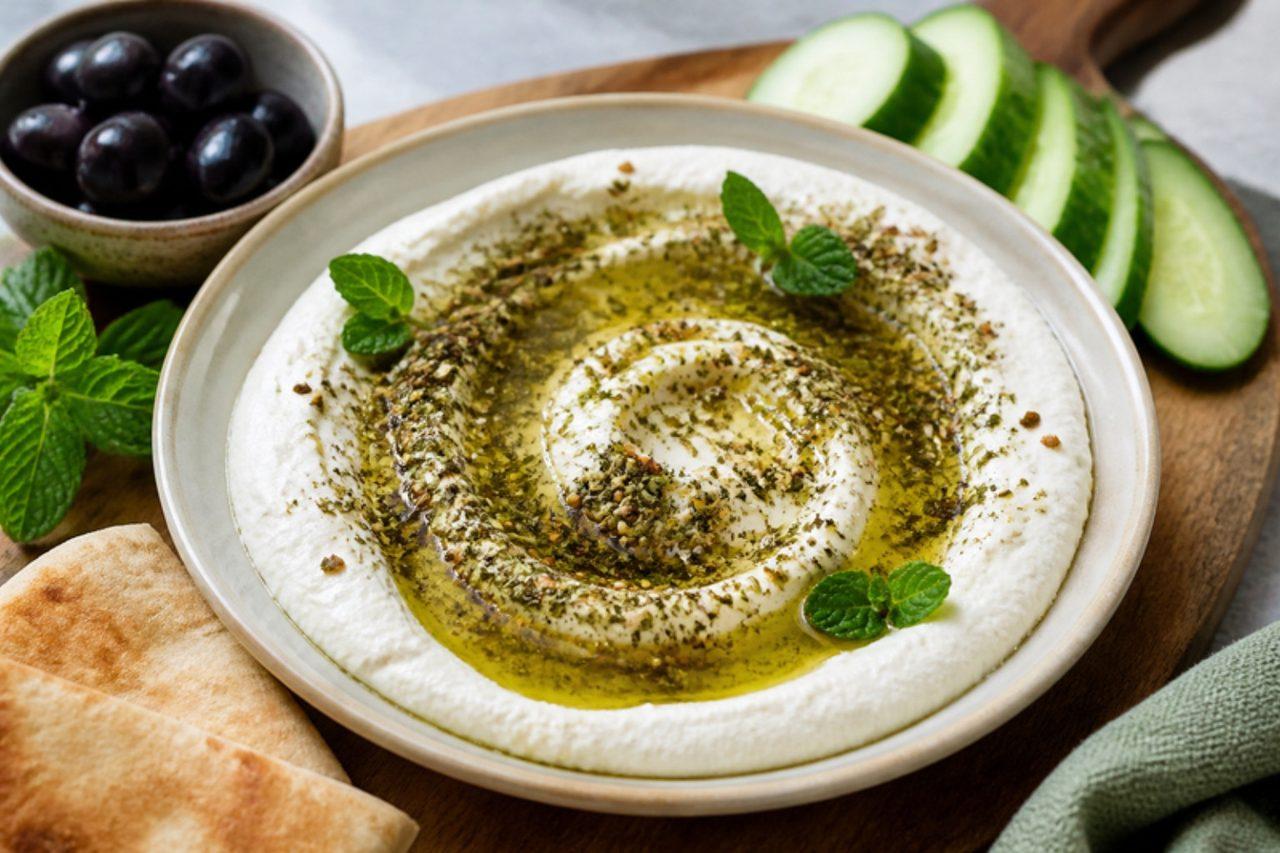
Labneh with za'atarStrained yogurt with za'atar

Labneh is the thick, tangy strained yogurt that Lebanese, Syrian and Palestinian families spread on a plate every morning, swirl with olive oil and scatter with za'atar, the wild-thyme, sumac and toasted sesame mix of the Levant. It sits beside olives, cucumber, tomato and warm khubz at breakfast in Beirut and on the mezze table at night, and the firmer version is rolled into small balls and kept in jars of olive oil for weeks. Here salted yogurt hangs for a full day until it is as thick as cream cheese, then goes out two ways: spread in a dish, and rolled into balls. A common mistake is using low-fat or set yogurt with gelatine; it gives a thin, chalky labneh, so choose full-fat plain yogurt with only milk and cultures. Chef's tip: stir the salt in before straining, not after, because it draws out more whey and seasons the yogurt all the way through.

by KrazyBadal 0 views

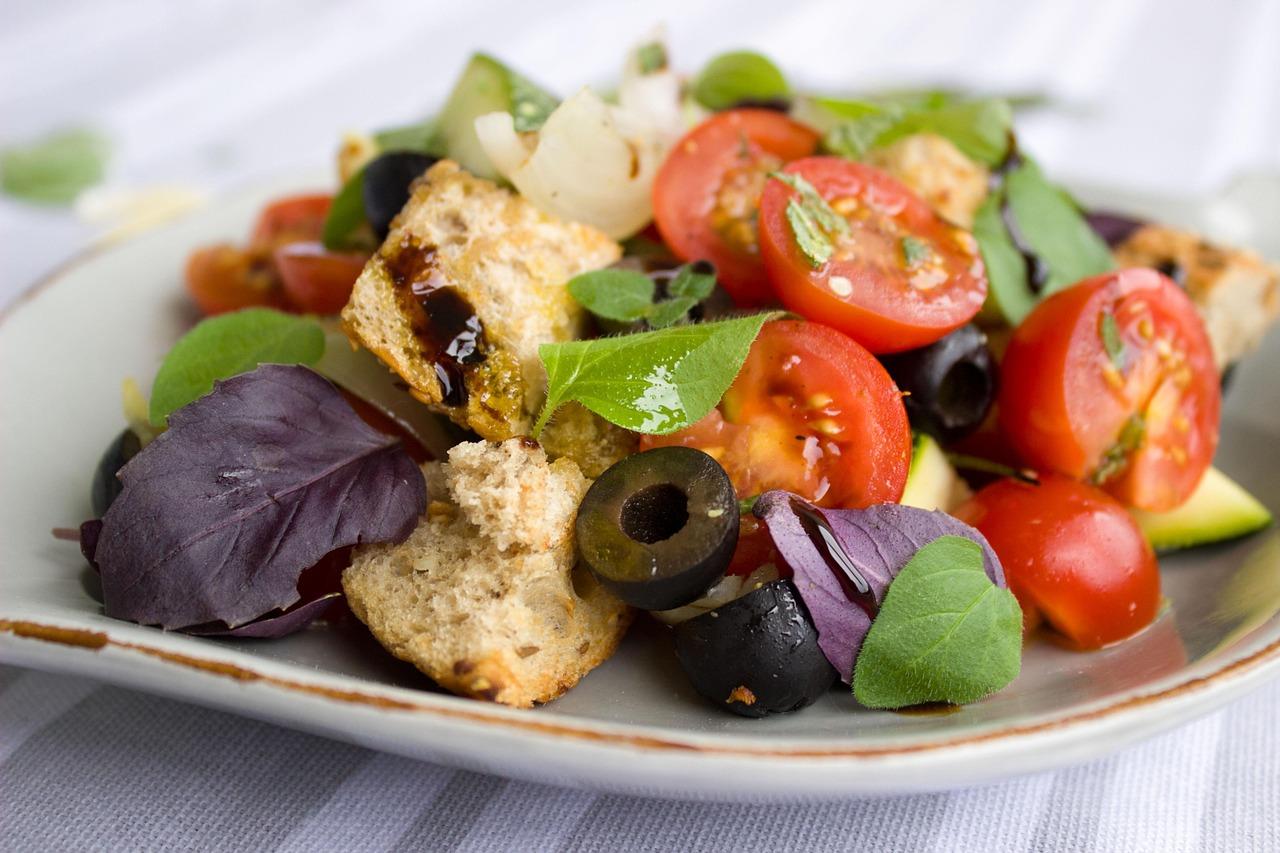
PanzanellaTomato and bread salad

Panzanella is how Tuscans eat old bread in summer: hard, unsalted loaf soaked in water, squeezed and crumbled with juicy tomatoes, cucumber, red onion and basil, then dressed with vinegar and plenty of olive oil. In Florence and the Maremma it is a cool lunch for the hottest days, and every family argues about cucumber. Make it 30 minutes before eating so the bread drinks the tomato juice but keeps some bite. Chef's tip: salt the tomatoes first and let them weep in a bowl; that juice becomes the dressing.

by KrazyBadal 0 views

Papa a la huancaínaPotatoes in spicy cheese sauce

Papa a la huancaína is named after Huancayo in Peru's central Andes, but it is eaten everywhere, from Lima's set-lunch counters to Sunday family tables. Thick slices of cold boiled potato are blanketed in huancaína sauce, a silky, mildly hot sauce of ají amarillo, fresh cheese and evaporated milk, then finished with boiled egg and black olives. It is served cold as a starter, and the sauce is also the favourite dip for boiled corn and fried yuca. Use a queso fresco made with vegetarian rennet if you want it fully vegetarian (or a mild feta rinsed of salt). Chef's tip: fry the chillies, onion and garlic before blending; this takes off their raw edge and gives the sauce its rounded, sweet heat.

by KrazyBadal 0 views

Vegetarian pastel de chocloMushroom and corn bake

In Chile pastel de choclo is the taste of January and February, when choclo (big-kernelled starchy corn) is in every market from Santiago to Talca and families bake it in individual clay dishes called pailas. Underneath is the pino, a slow-cooked onion filling with olives, raisins and hard-boiled egg; on top, fresh corn blended with basil and a little milk, scattered with sugar so it browns into a crackly crust. This version makes the pino with mushrooms instead of beef. Chef's tip: cook the corn topping on the hob until it thickens like polenta before it goes in the oven, or it will stay runny.

by KrazyBadal 0 views

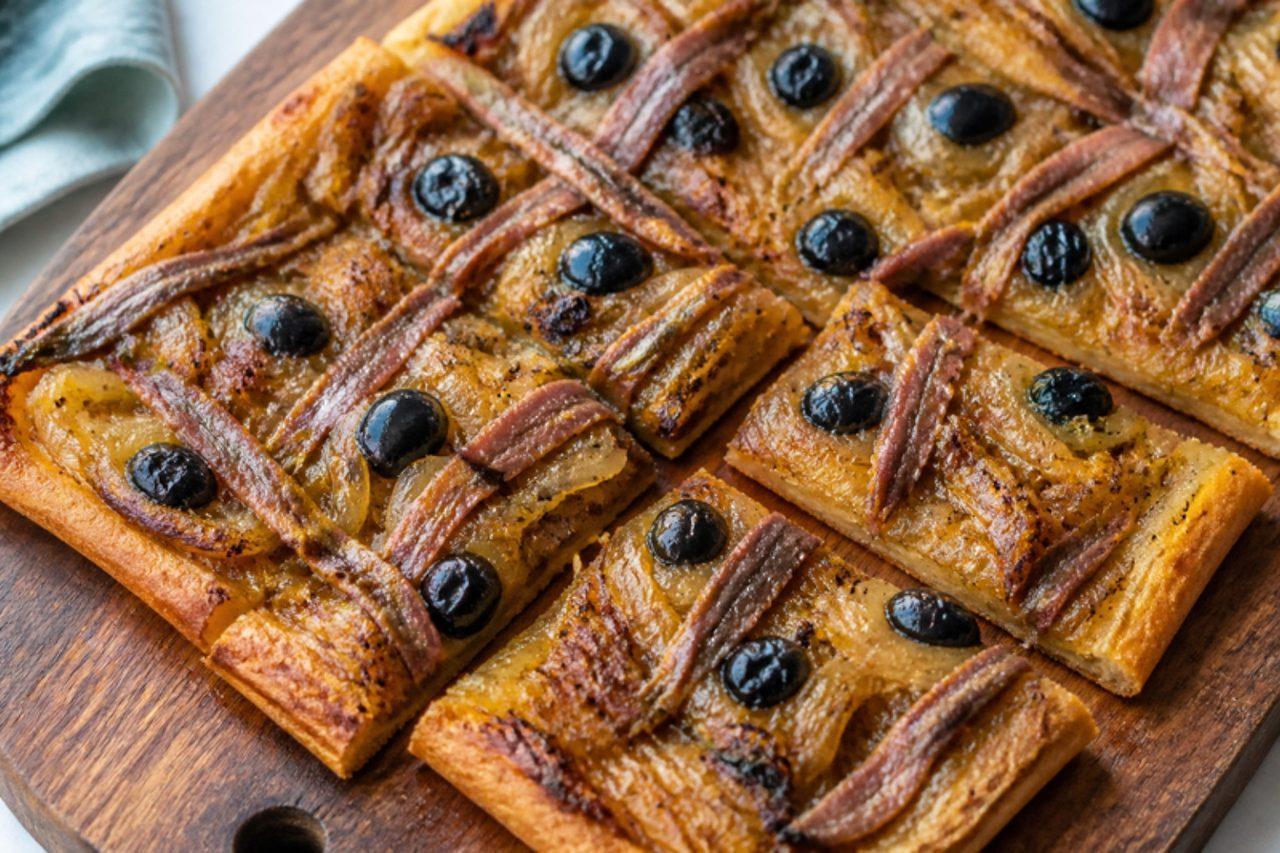
PissaladièreOnion and anchovy tart

In the old town of Nice, pissaladière is sold by the square from bakeries and market stalls, a lunchtime slice or something to nibble with a drink before dinner. A thin bread dough is spread thickly with onions cooked down for almost an hour until soft and sweet, then crossed with salted anchovies and dotted with small black Niçoise olives. It is just as good at room temperature as warm. Chef's tip: cook the onions low and slow without letting them brown; they should be pale gold and jammy, not caramelised.

120 minFrenchBaking
by KrazyBadal 0 views

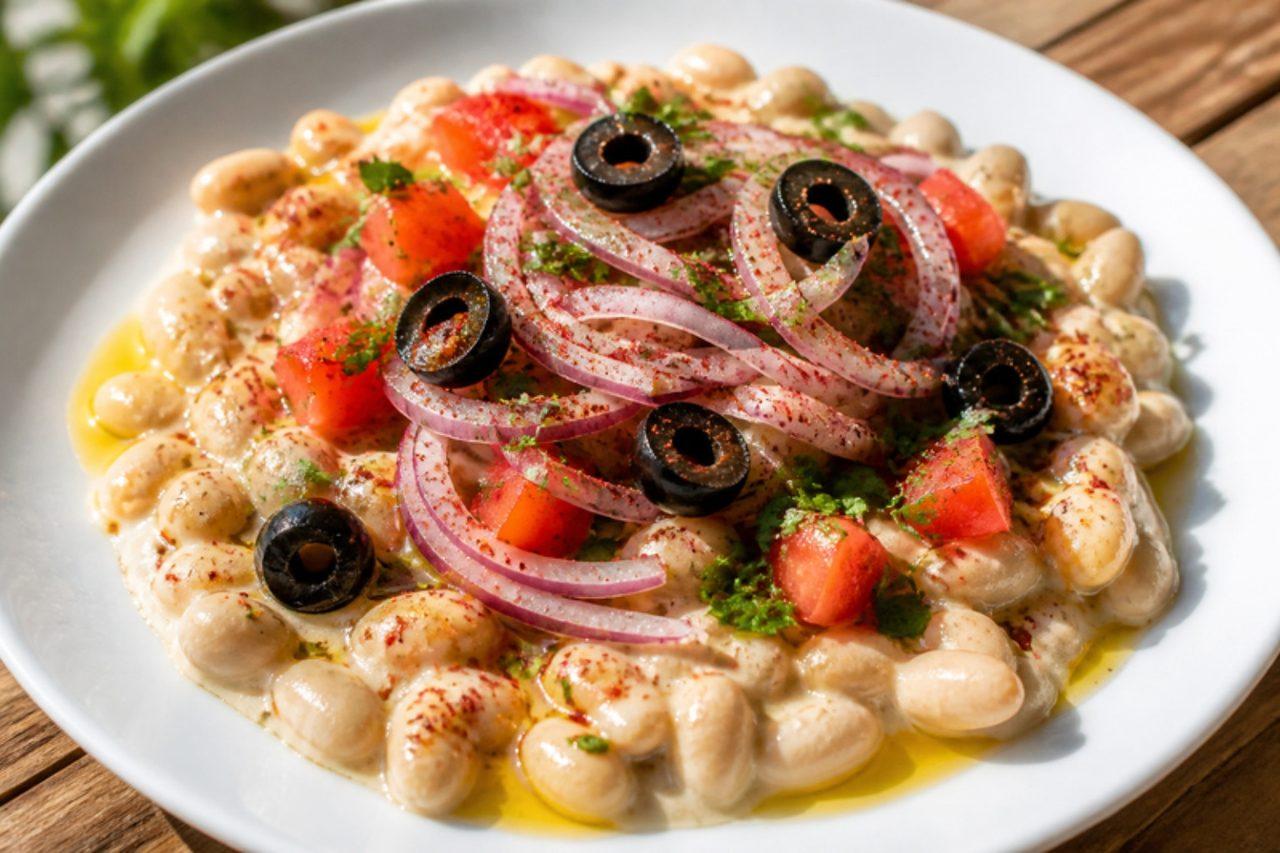
PiyazWhite bean salad with tahini

Antalya does piyaz its own way. Elsewhere in Turkey the bean salad is dressed with oil and vinegar, but on the Mediterranean coast the beans are folded through a pale, nutty sauce of tahini, lemon and vinegar, then crowned with sumac onions, tomato and parsley. Lunch canteens in the old town serve it on the side of almost everything, and at home it is a filling lunch with bread or a cool side on a hot evening. Tinned beans make it a fifteen-minute dish. Chef's tip: when the lemon hits the tahini it will seize into a stiff, grainy paste; don't panic, just keep beating in cold water a spoonful at a time and it turns silky.

by KrazyBadal 0 views

Roasted red pepper & fennel

Big pieces of sweet red pepper and fennel tossed with lemon, black pepper and olive oil and roasted until soft and just starting to brown, then topped with black olives, toasted pine nuts and fresh herbs. It works as a side or a light starter, warm or cold. The vegetables can also be roasted on the barbecue jiko.

by KrazyBadal 0 views

Rocoto rellenoStuffed rocoto peppers

Rocoto relleno is the pride of Arequipa's picanterías: fiery rocoto peppers stuffed with a sweet-savoury filling, topped with cheese and baked over sliced potato in an egg and milk custard. The traditional filling is minced beef; this vegetarian version uses mushrooms and lentils fried with ají panca, cumin, peanuts, raisins, olives and boiled egg, which gives the same rich, spiced, slightly sweet bite. The peppers are first blanched several times in fresh water with sugar and vinegar to tame their heat, which is the real skill of the dish. If you can't find rocotos, use small red bell peppers and add a little habanero to the filling. Chef's tip: taste a sliver of rocoto after the second blanching; stop when it is hot but pleasant, and blanch once more if it still burns.

by KrazyBadal 0 views

Showing 48 of 52 recipes

Show more recipes

Page 2 of 3

Goes well with black olives