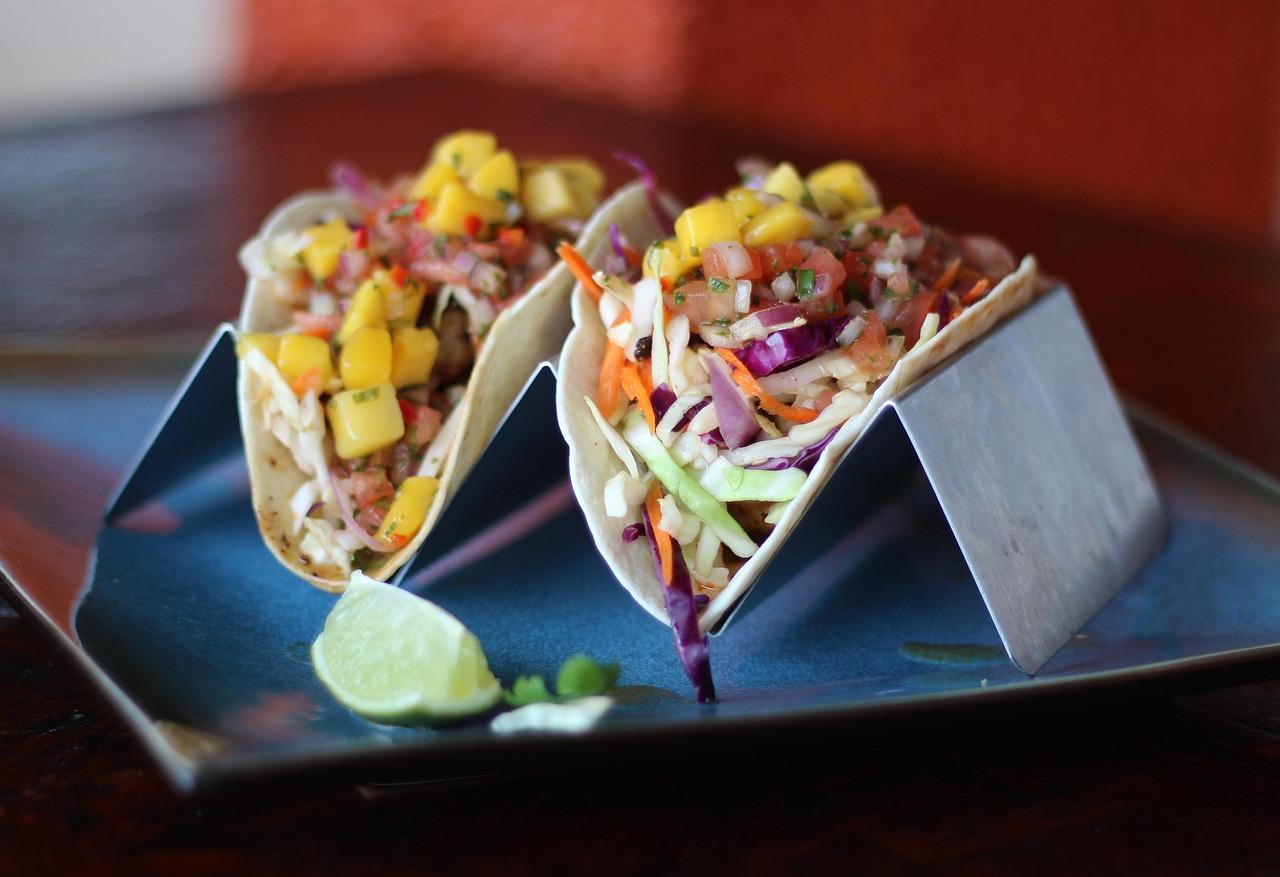
Black bean tacos with lime slaw
Proof that a meat-free taco night can be the best one. The beans are mashed with chipotle and cumin so they hold together in the tortilla, and a quick lime slaw adds crunch.


by KrazyBadal 1 views
12 recipes that use corn tortillas, with photos, step-by-step instructions and cook times. The quickest, Huevos a la mexicana, takes 15 minutes. It is most often cooked with garlic, white onion and coriander.
Run out of corn tortillas? Small flour tortillas.
Got a few things in the fridge? Search by everything you have
Proof that a meat-free taco night can be the best one. The beans are mashed with chipotle and cumin so they hold together in the tortilla, and a quick lime slaw adds crunch.
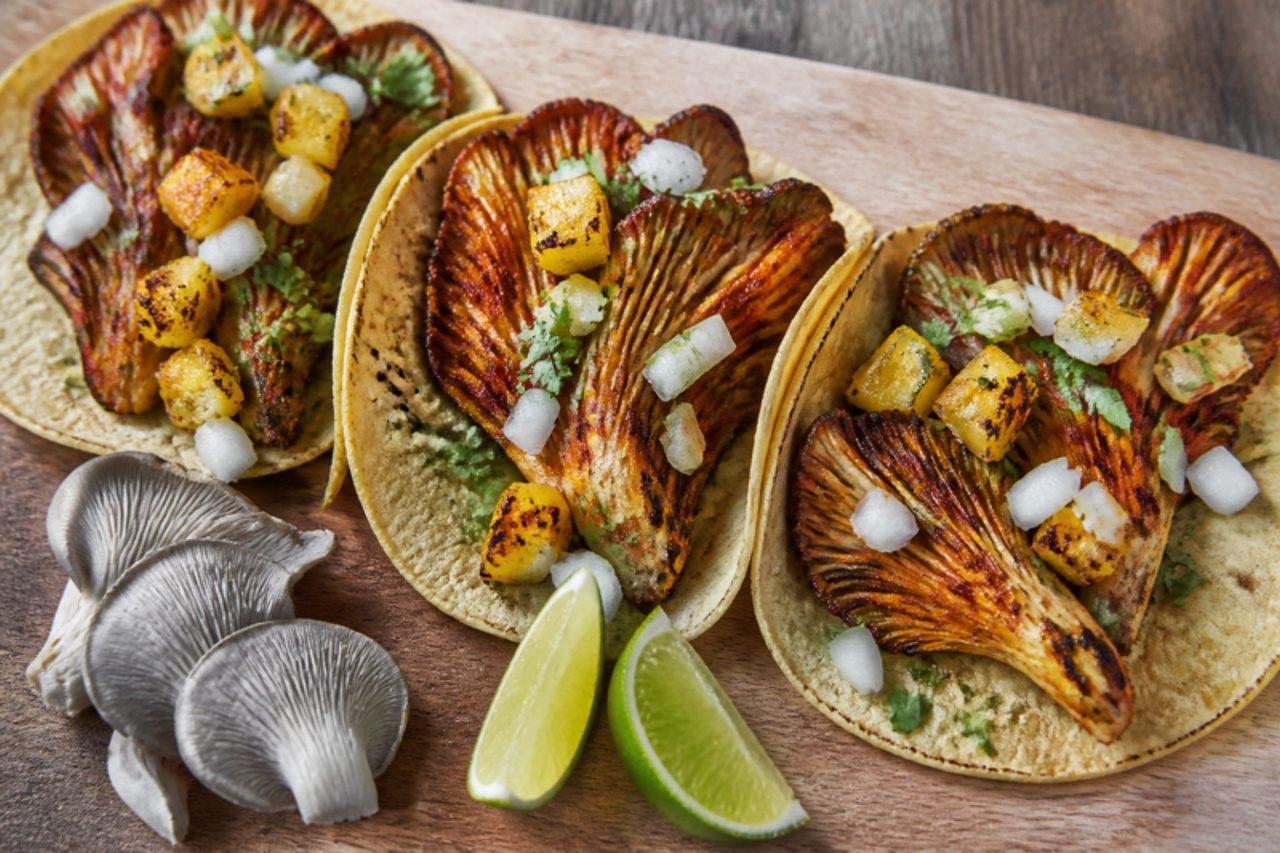
Tacos al pastor are the night-time taco of Mexico City, born when Lebanese immigrants' spit-roasted shawarma met Mexican dried chillies: meat marinated in guajillo and achiote is stacked on a vertical spit (the trompo), shaved into small corn tortillas and finished with pineapple, onion and coriander. This vegetarian version, tacos al pastor de hongos, uses torn oyster mushrooms in the same brick-red adobo, seared hard in a hot pan until the edges crisp and char like meat cut from the trompo. Expect smoky, tangy, gently hot tacos with bursts of sweet, caramelised pineapple; serve them with salsa verde and lime wedges. Chef's tip: press the mushrooms flat with a spatula and leave them alone in a very hot pan; moving them around makes them steam and go soft instead of crisp.
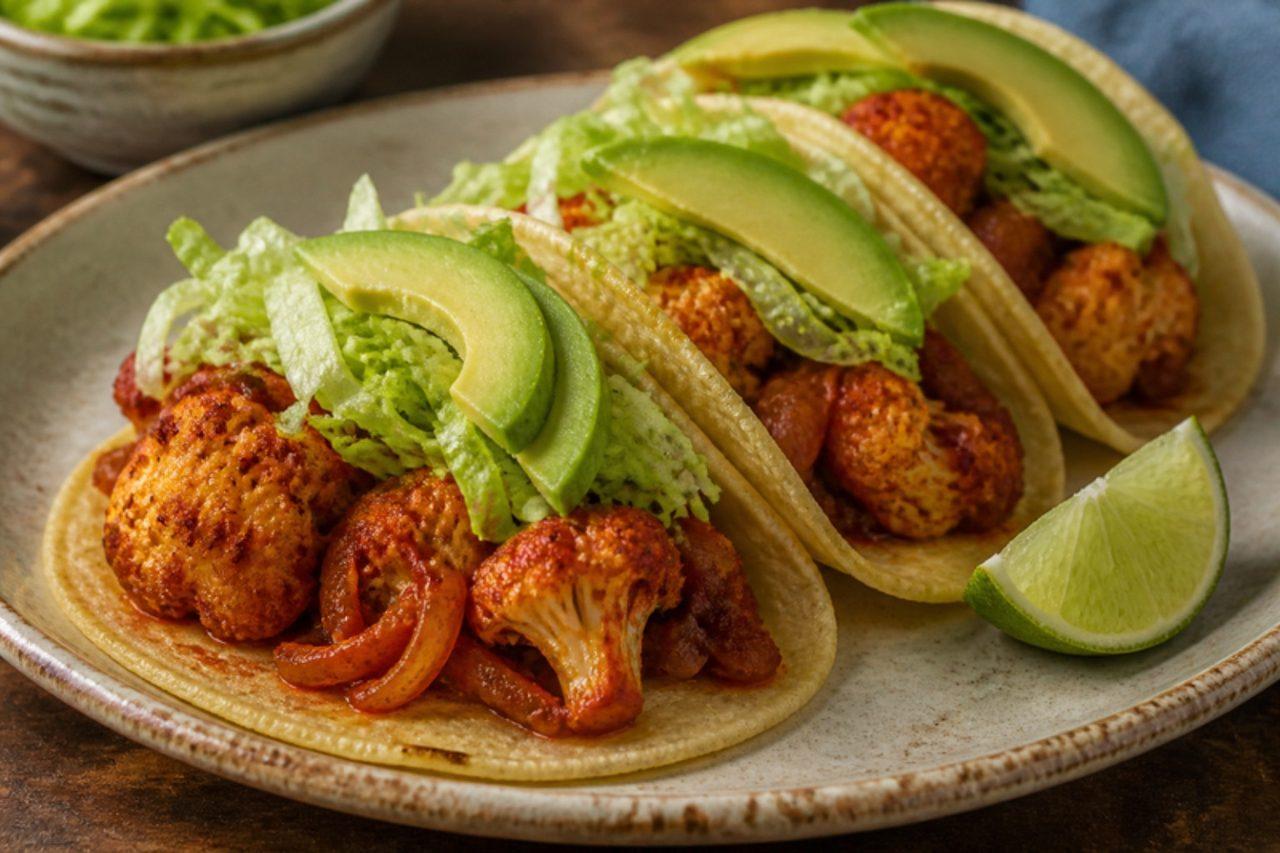
Tinga comes from Puebla, where shredded meat is simmered in a sauce of sweet sliced onion, tomato and smoky chipotle chillies and piled onto tostadas or tacos. Here roasted cauliflower takes the place of the chicken: browned in a hot oven so it turns nutty and holds its shape, then folded through the brick-red sauce so every floret is glossy and smoky. The result, tinga de coliflor, is sweet, tangy and properly spicy; serve it in warm corn tortillas or on crisp tostadas with avocado, shredded lettuce and lime. Chef's tip: cook the onions slowly until soft and sweet before the tomatoes go in; the sweetness is what balances the heat of the chipotle.
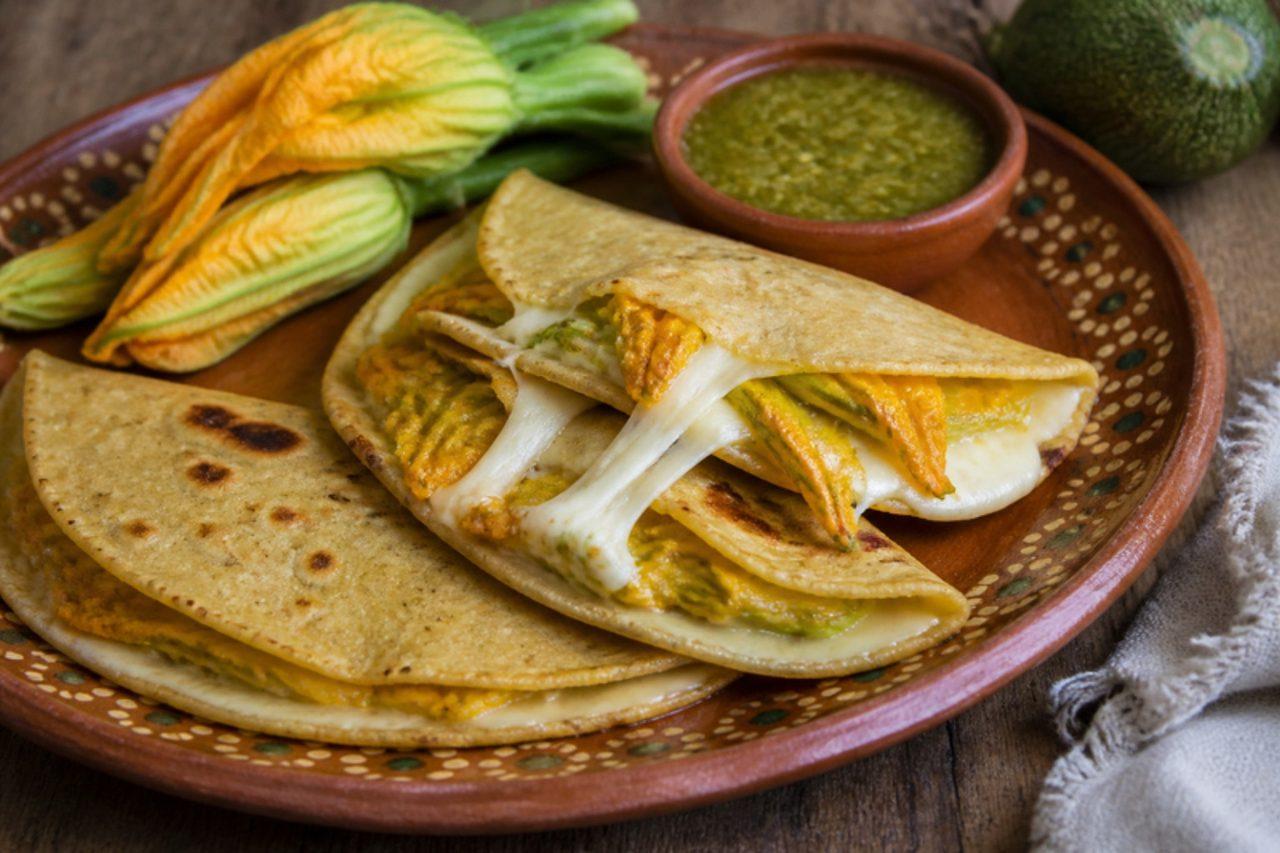
In Mexico City markets, squash blossoms (flor de calabaza) are sold by the armful in the rainy season and end up in quesadillas: soft corn tortillas folded around the flowers cooked with onion, green chilli and epazote, with stringy Oaxaca cheese. A famous Chilango joke is that a quesadilla there does not automatically come with cheese, so ask for it! The blossoms taste delicately of young courgette and wilt into a silky filling against the toasty corn. Serve them straight off the pan with salsa verde. Choose a cheese made with vegetarian rennet; if you can't find Oaxaca cheese, low-moisture mozzarella melts the same way. Chef's tip: cook the blossoms only until they collapse; any longer and they turn to mush and lose their colour.
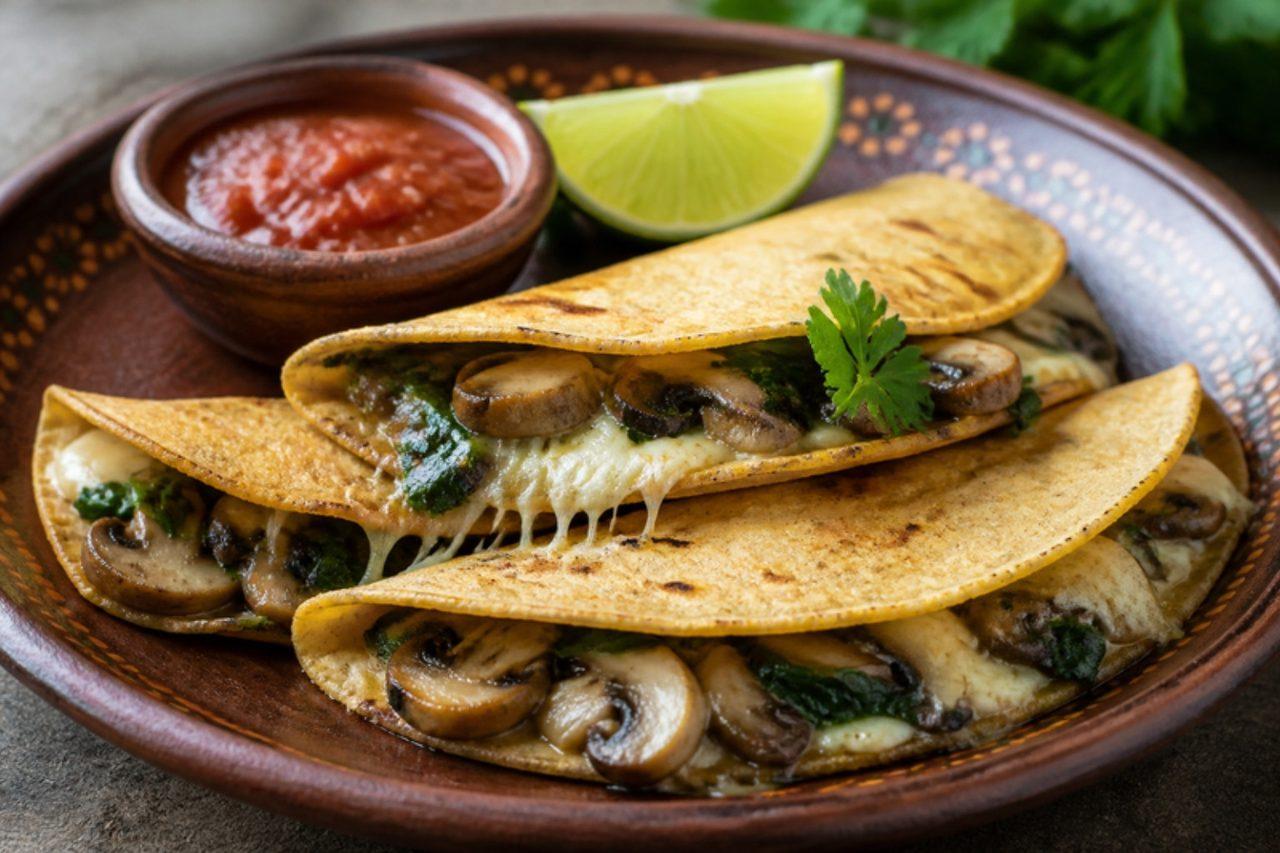
Quesadillas de hongos are sold from comales at markets all over central Mexico, from Mexico City to the forests around Toluca where wild mushrooms are picked in the rains. The mushrooms are fried hard with onion, garlic and green chilli and finished with epazote, a pungent herb with notes of mint, anise and citrus that is the signature of central Mexican cooking. Folded into corn tortillas with stringy cheese, they are earthy, juicy and a little hot. Serve with salsa roja and lime. Use a cheese made with vegetarian rennet; low-moisture mozzarella is a good stand-in for Oaxaca cheese. Chef's tip: fry the mushrooms until all their liquid has gone; wet mushrooms make the tortilla soggy.
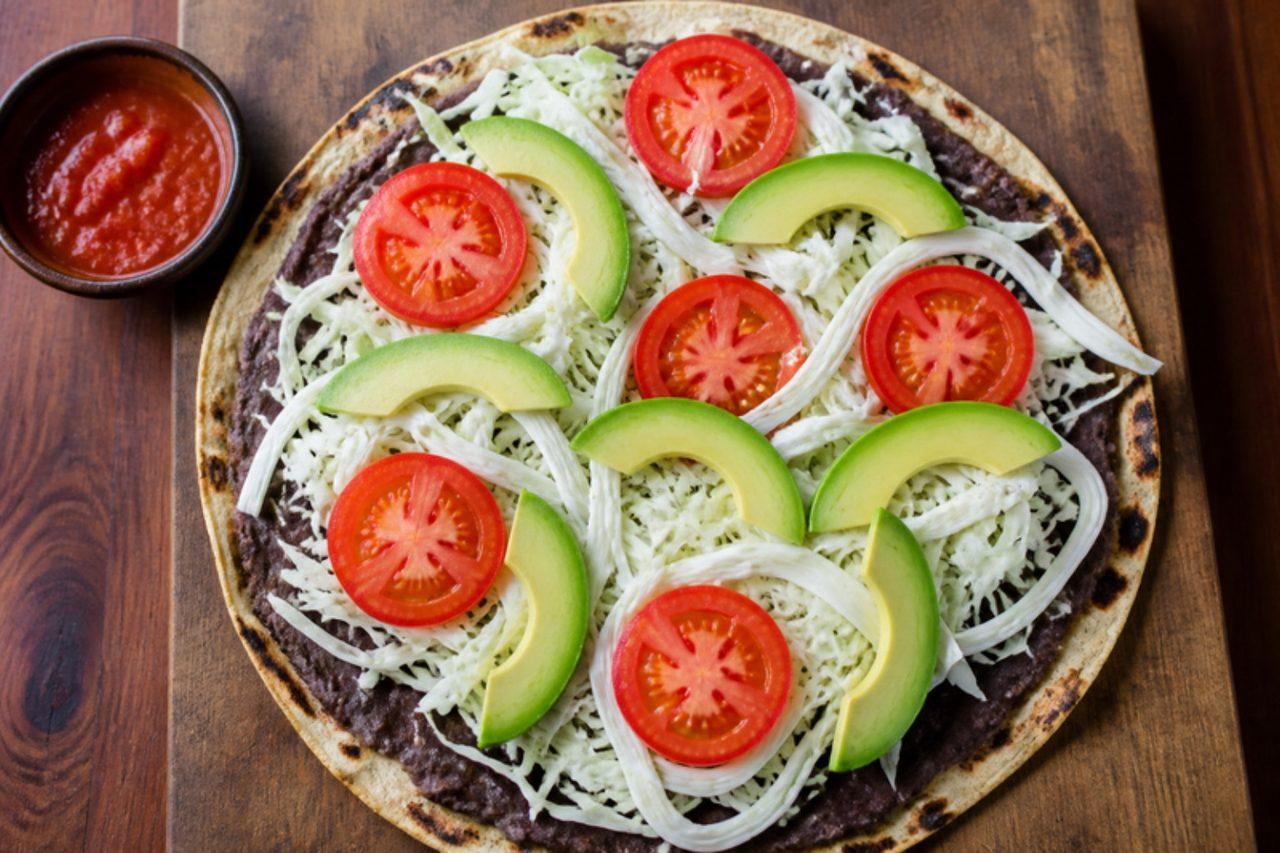
The tlayuda is the late-night street food of Oaxaca City: a huge, thin, slightly leathery corn tortilla spread with black bean paste and asiento (unrefined pork lard), scattered with quesillo (Oaxaca string cheese) and cabbage, folded and toasted over charcoal until crisp and smoky. This vegetarian version swaps the asiento for browned butter, which gives the same toasty richness, and is topped with avocado, tomato and salsa. Real tlayudas are about 30 cm across and hard to find outside Oaxaca; use the largest corn tortillas you can get, or flour tortillas of 25 cm (then they are not gluten free). Quesillo is made with animal rennet in Oaxaca; for a vegetarian dish use low-moisture mozzarella or a string cheese made with vegetarian rennet. Chef's tip: spread the beans thinly; a thick layer makes the tortilla soggy and stops it crisping.
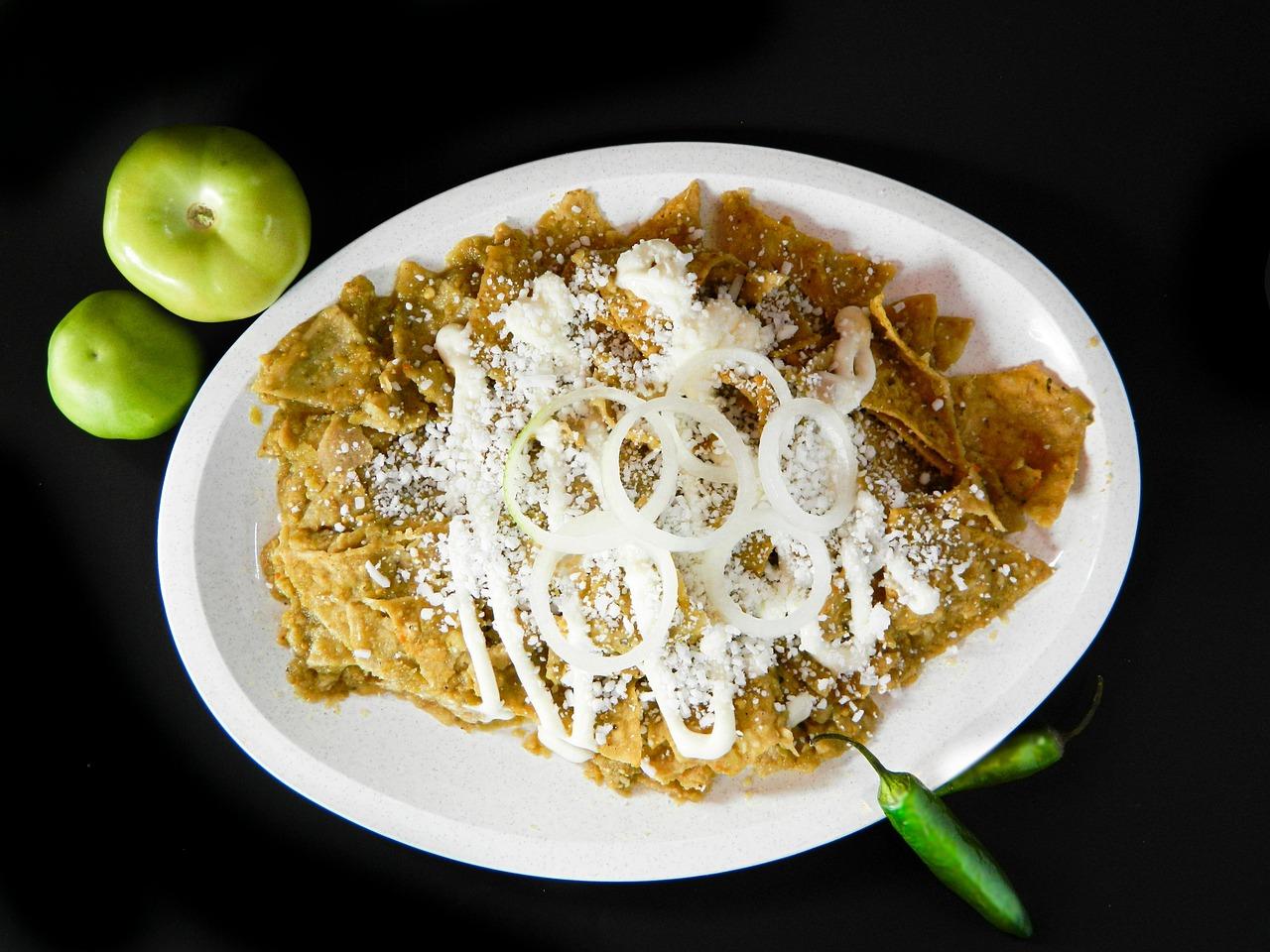
Chilaquiles are Mexico City's favourite breakfast and hangover cure: day-old corn tortillas cut into wedges, fried into crisp totopos, then tossed in hot salsa just long enough to soften at the edges. Chilaquiles verdes use a bright, tangy salsa of tomatillos, serrano chillies and coriander, and come topped with a fried egg, crema, crumbled cheese and raw onion. The best ones keep a little crunch in the middle. Tomatillos are sold fresh or tinned; if you can't find them, use green tomatoes with an extra squeeze of lime. Choose queso fresco made with vegetarian rennet. Chef's tip: toss the chips into the salsa right before serving and take them to the table immediately; chilaquiles wait for nobody.
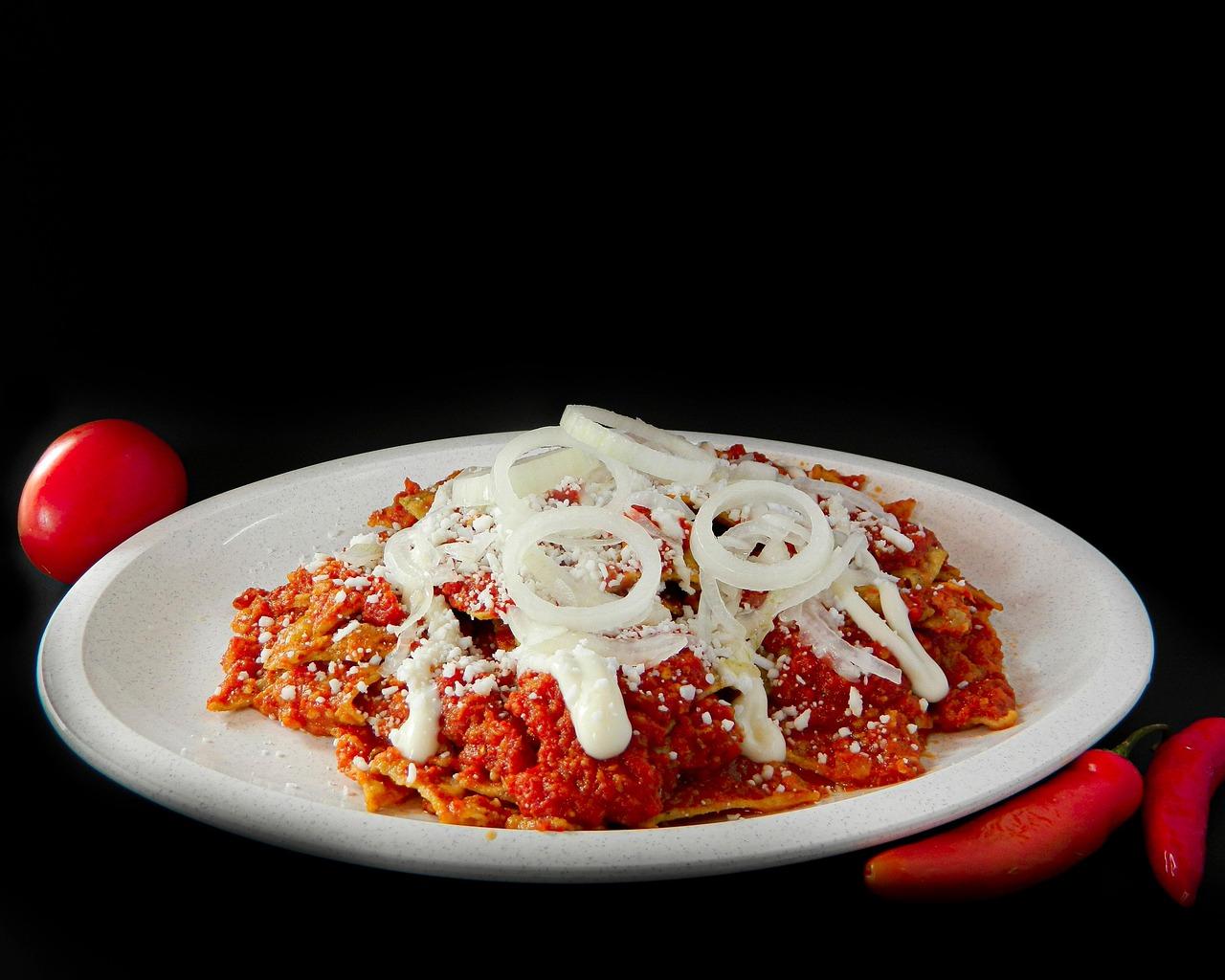
Chilaquiles rojos are eaten for breakfast all over Mexico: fried corn tortilla wedges (totopos) tossed in a red salsa of dried guajillo and árbol chillies blended with roasted tomato. The salsa is earthy, slightly smoky and properly hot, and it clings to the chips so every bite is crisp, soft and saucy at once. They are finished with crema, cheese, onion and coriander, and often served with refried beans on the side. If you can't find guajillo, use ancho chillies or 2 tbsp mild chilli powder; for árbol, use a pinch of cayenne. Choose queso fresco made with vegetarian rennet. Chef's tip: toast the dried chillies for seconds, not minutes; the moment they smell nutty and darken slightly, they are done.
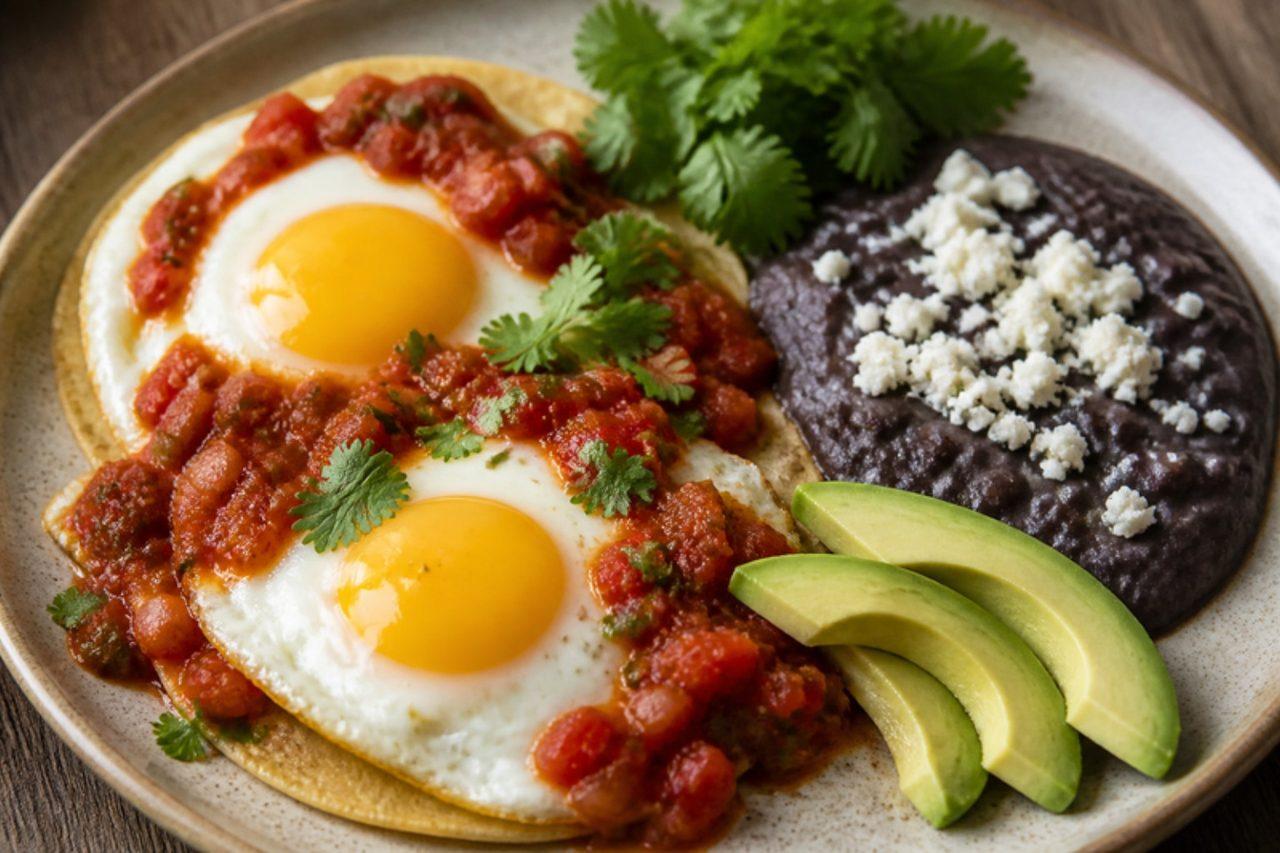
Huevos rancheros, 'ranch-style eggs', is the big country breakfast eaten all over Mexico: corn tortillas briefly fried in oil, topped with fried eggs and drowned in salsa ranchera, a warm, chunky sauce of charred tomatoes and serrano chillies, with refried beans on the side. The runny yolks mix with the spicy tomato sauce and the soft tortilla soaks it all up. Serve with avocado and coffee. Choose queso fresco made with vegetarian rennet. Chef's tip: fry the tortillas only for a few seconds a side; you want them pliable with crisp edges, not hard like tostadas, so you can cut them with a fork.
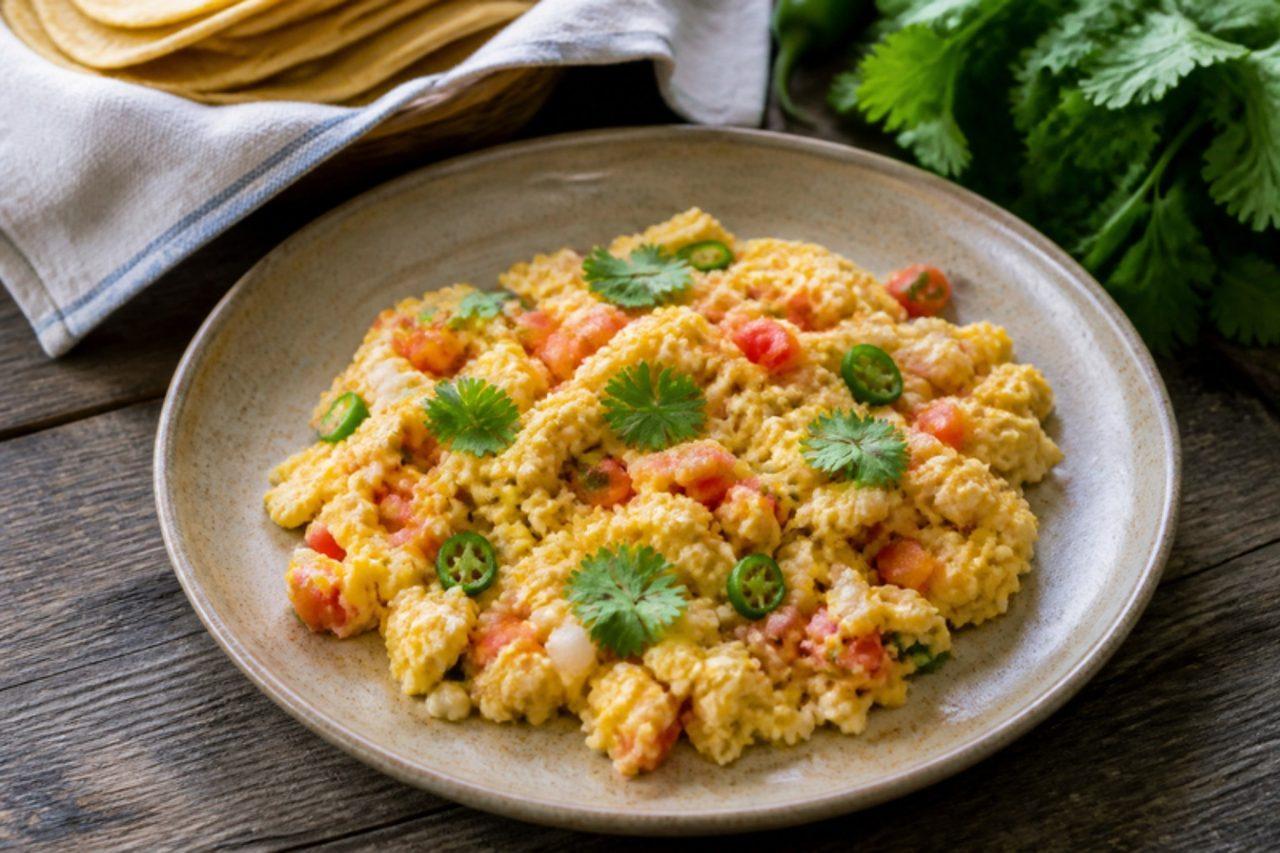
Huevos a la mexicana is the everyday scrambled egg breakfast cooked in homes and fondas all over Mexico, named because its red tomato, white onion and green chilli match the colours of the Mexican flag. The vegetables are cooked just long enough to soften and release their juices, then the eggs are stirred through gently into soft, juicy curds with a fresh chilli kick. Serve with warm corn tortillas and refried beans, and make tacos at the table. Chef's tip: take the pan off the heat while the eggs still look a little wet; they keep cooking on the plate.
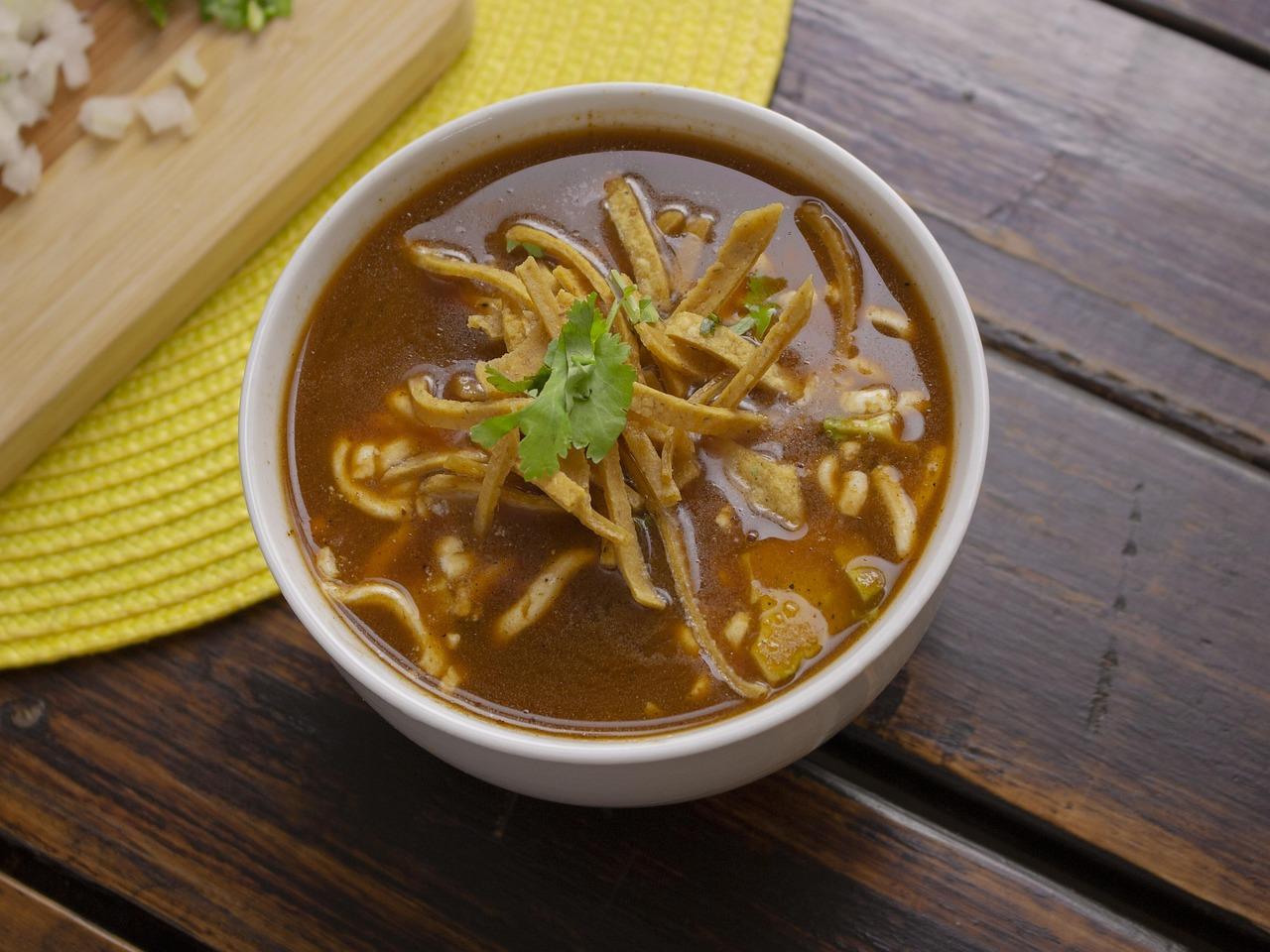
Sopa de tortilla, also called sopa azteca, is one of the best-loved soups of Mexico City's fondas: a brick-red broth of charred tomato, onion, garlic and dried pasilla chilli poured over crisp strips of fried corn tortilla. The strips soften at the edges and stay crunchy in the middle, and the toppings of avocado, fresh cheese, cream and fried chilli rings make each spoonful different. It is a starter in a comida corrida (set lunch) and a cure-all on a cold evening. We use a well-flavoured vegetable stock in place of chicken broth. Chef's tip: fry the blended tomato purée in hot oil until it darkens and smells sweet before adding the stock; this "seasoning" of the sauce is what makes Mexican soups taste deep rather than thin.
Along the waterfront of Ensenada, in Baja California, fish taco stands open mid-morning and are often sold out by early afternoon. Strips of mild white fish go into a light, crackly batter, straight from the fryer into warm corn tortillas, and every customer finishes their own with shredded cabbage, a pour of crema and a squeeze of lime from the bowls on the counter. The batter here uses cold beer, which makes it puff and stay crisp; it contains alcohol, and ice-cold sparkling water gives almost the same lift without it. Chef's tip: keep the batter fridge-cold and mix it only until just combined, so the coating stays thin and shatters instead of turning bready.