Skip to content

Recipes with dashi

7 recipes that use dashi, with photos, step-by-step instructions and cook times. The quickest, Ikayaki (Hanshin style), takes 20 minutes. It is most often cooked with spring onion, sugar and light soy sauce.

Got a few things in the fridge? Search by everything you have

Tōge no kamameshi

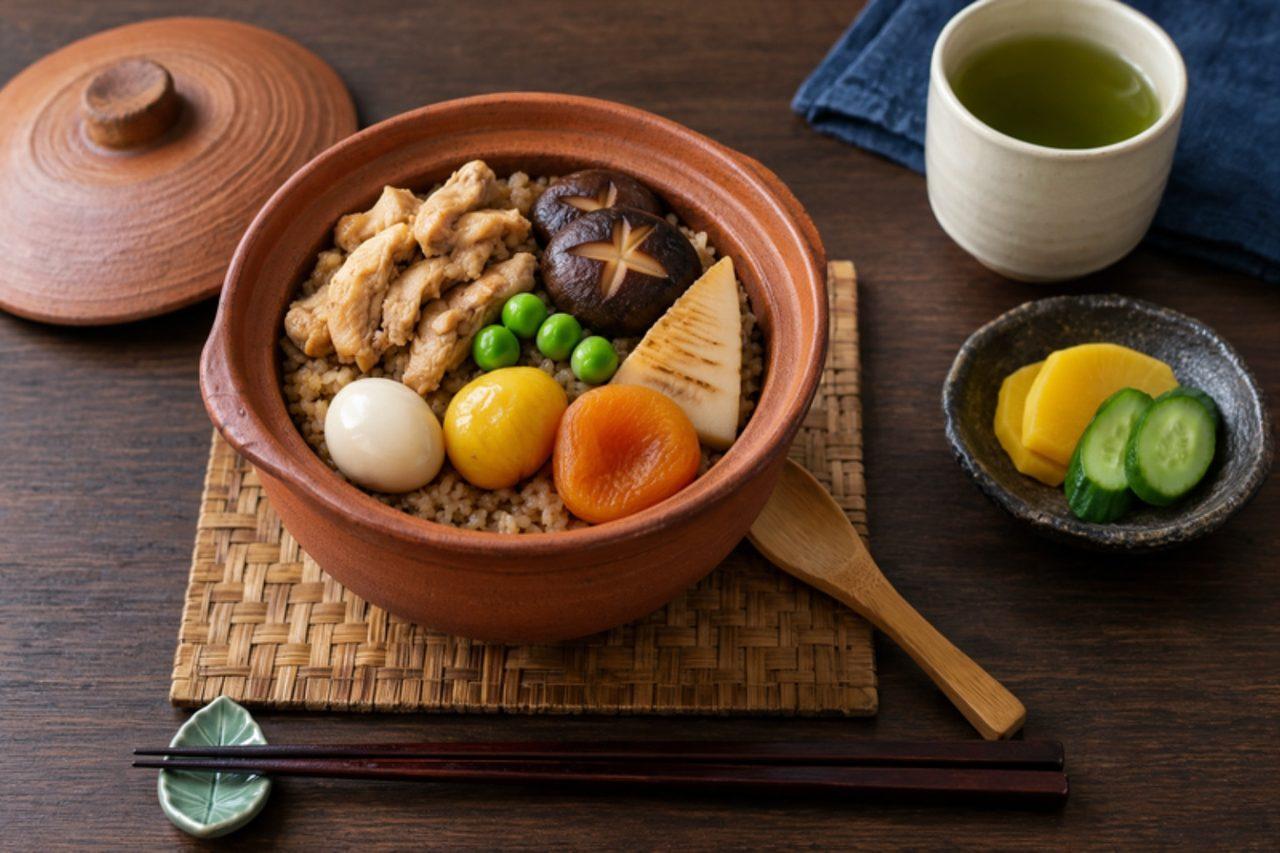
At Yokokawa Station in Gunma, at the foot of the Usui Pass, travellers have bought tōge no kamameshi since 1958: a little clay pot of rice cooked in soy-seasoned dashi and crowded with chicken, shiitake, bamboo shoot, burdock, a sweet chestnut, a dried apricot and a quail egg. It tastes just as good at room temperature on a train. The seasoning includes mirin, a sweet rice wine that bubbles away as it cooks; for alcohol-free, use 1 tbsp sugar instead. The common mistake is lifting the lid while the rice cooks, which lets the steam out and leaves the grains hard. Chef's tip: simmer the chicken and mushrooms first and use that liquid to cook the rice, so every grain tastes of them.

by KrazyBadal 0 views

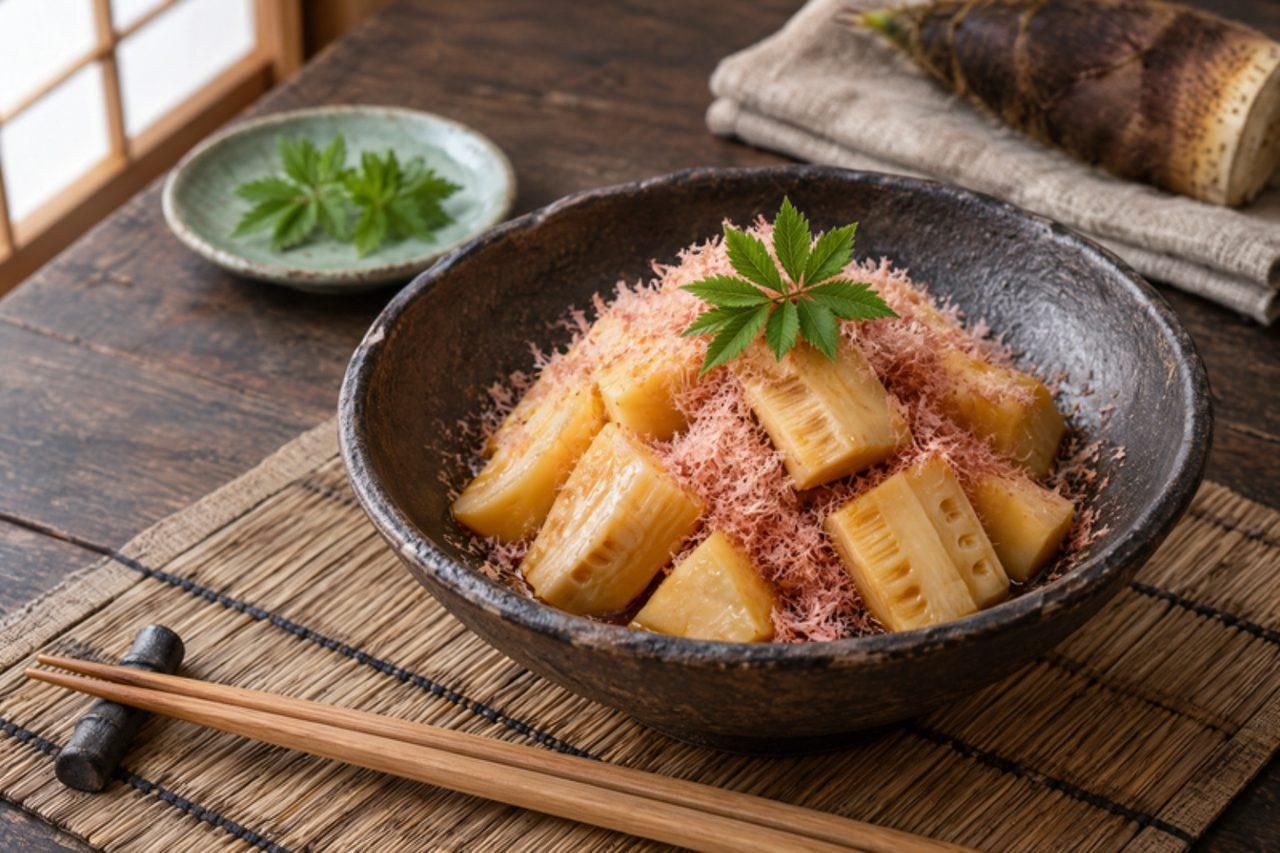
Takenoko no tosani

In Kyoto and the hills around Nagaoka, April means fresh bamboo shoots, and almost every home cooks a pot of tosani: shoots simmered in dashi and soy, then tossed in crumbled bonito flakes (the 'Tosa' style, after the bonito-fishing province on Shikoku). It is served as a small side with rice and grilled fish, or packed into bento boxes. Suitable as part of a balanced diet: it is high in fibre and uses only a teaspoon of sugar, which you can leave out or swap for a sweetener. About 45 kcal and 5 g carbohydrate per portion. The usual mistake is using fresh, unboiled bamboo shoots straight away; raw shoots must be pre-boiled for an hour (traditionally with rice bran) to remove bitterness and natural toxins, so use ready-boiled vacuum-packed shoots unless you do that step. Chef's tip: let the shoots cool in the broth so they drink it up before you add the bonito.

by KrazyBadal 0 views

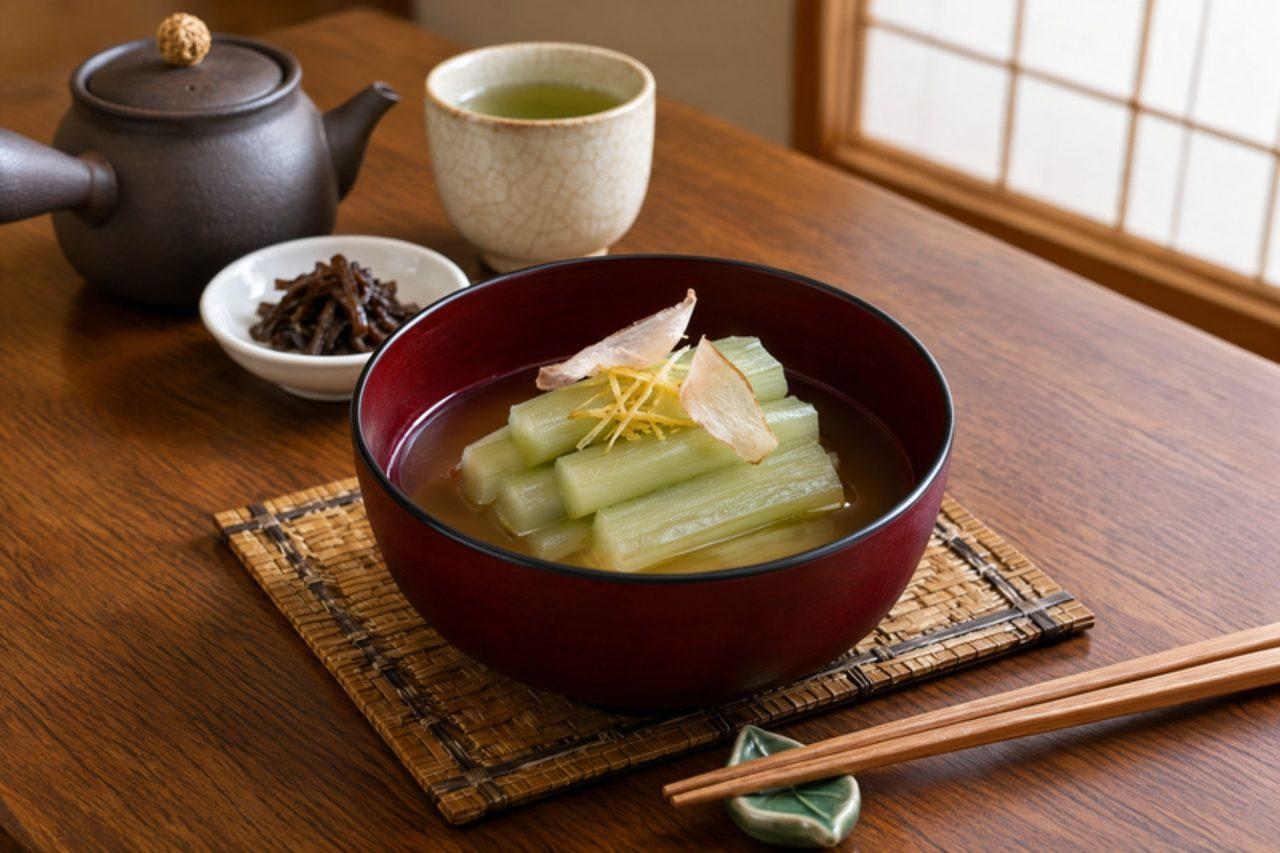
Fuki no nimono

Fuki, giant butterbur, is one of the wild spring vegetables Japanese families look forward to each April, especially in the mountain prefectures of Akita and Tohoku, where the stalks grow taller than a child. Simmered lightly in dashi, the pale green stalks keep a gentle crunch and a fresh, slightly bitter flavour, and they are served cold as a small dish with rice and miso soup. Suitable as part of a balanced diet: it is very high in fibre and low in starch. About 35 kcal and 4 g carbohydrate per portion. The sugar is optional, or use a sweetener. The usual mistake is skipping the salt rub and blanch before peeling: unpeeled fuki is stringy and harsh. For a vegetarian version, use kombu dashi. Chef's tip: cool the stalks in the broth in a bowl set over ice; they keep their bright green colour.

by KrazyBadal 0 views

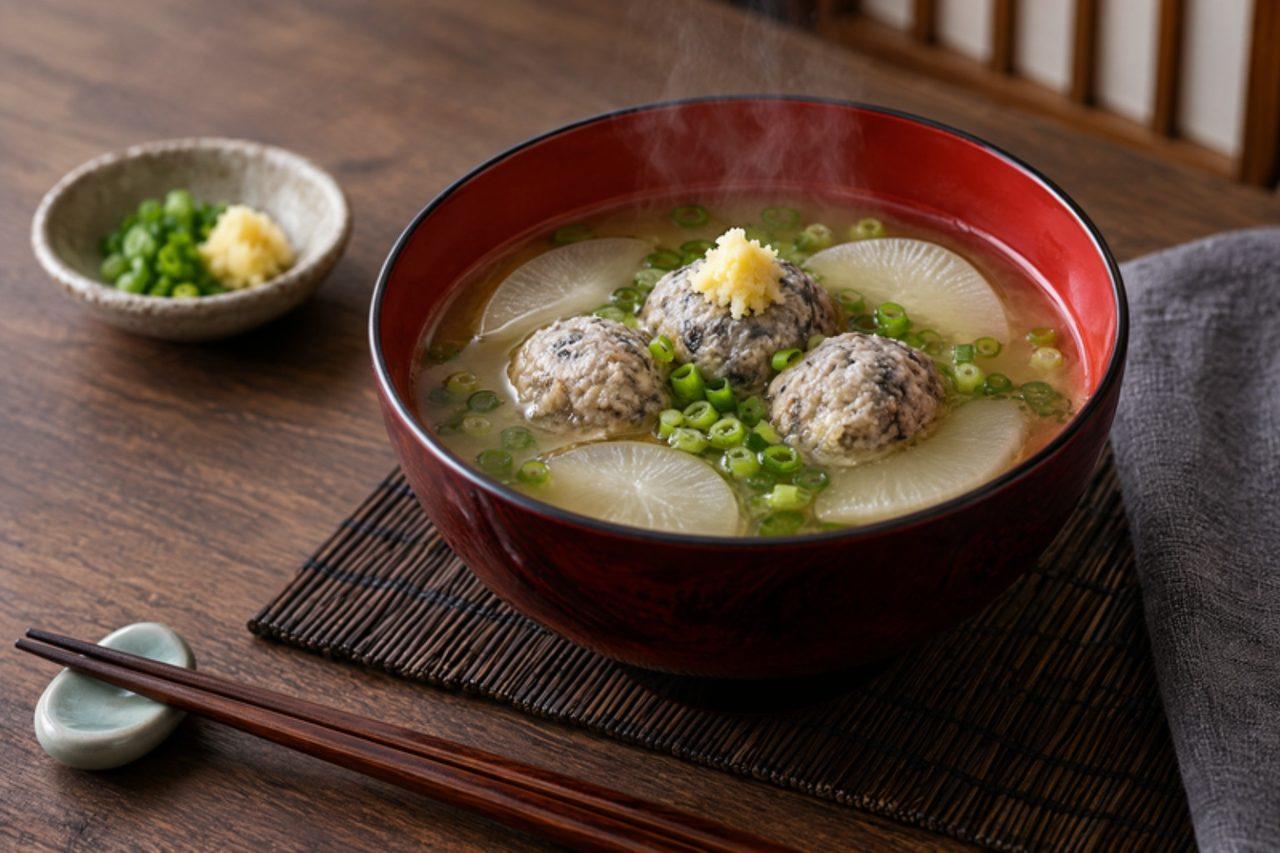
Iwashi no tsumire jiru

Along the coasts of Chiba and Kanagawa, where sardines are landed in huge numbers in autumn, cooks chop them by hand into tsumire (fish dumplings) and drop them into a light dashi with daikon and carrot. It is an everyday supper soup, warming and very savoury, eaten with rice and pickles. Suitable as part of a balanced diet: sardines are rich in protein and omega-3 fats, and the soup is low in starch. About 220 kcal and 9 g carbohydrate per portion. The usual mistake is pureeing the sardines smooth in a processor, which makes the dumplings rubbery; chop with a knife, leaving a little texture. Chef's tip: add a teaspoon of miso and plenty of ginger to the fish paste; it seasons it and hides any strong fishiness.

by KrazyBadal 0 views

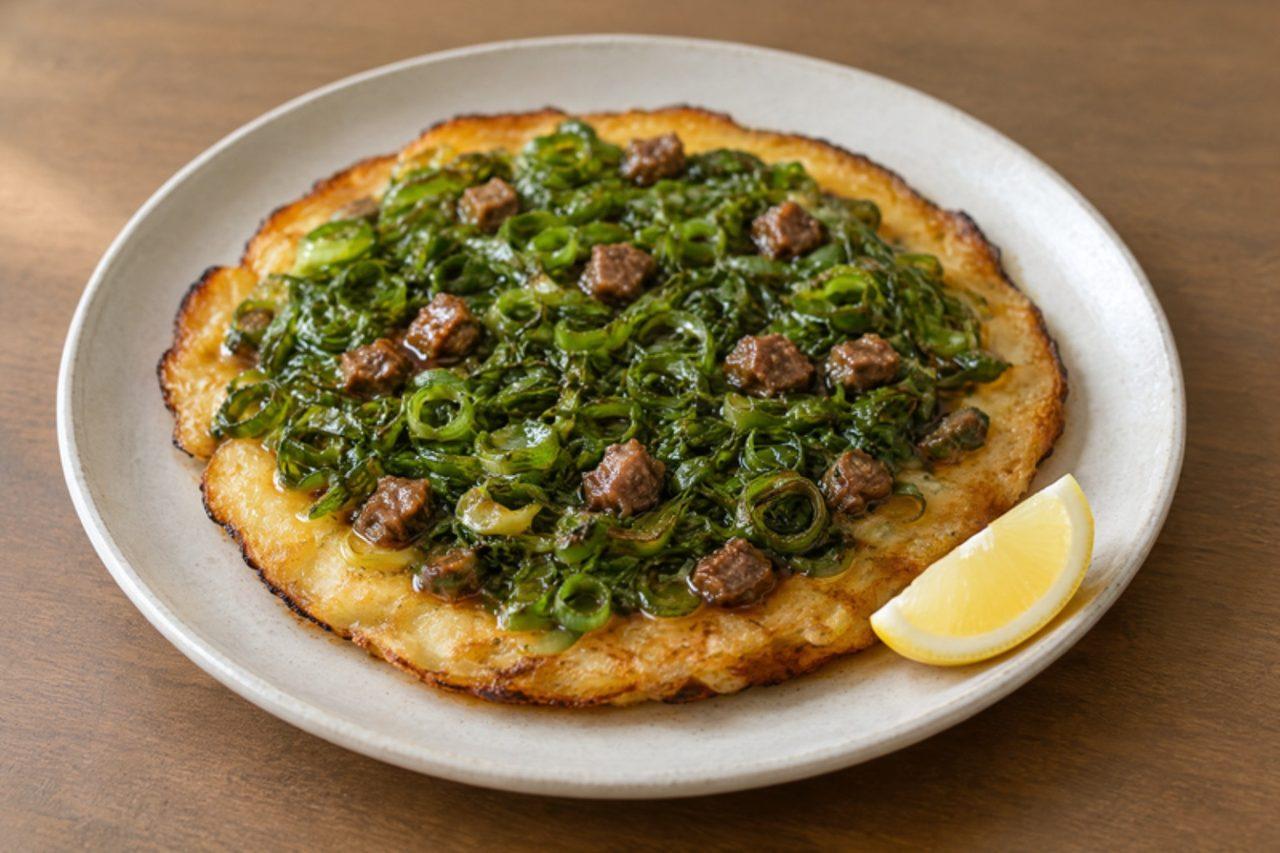
Negiyaki

Negiyaki began in the late 1960s at a small teppan counter in Jūsō, the station district just north of the Yodo River, as a cheap staff meal of spring onion folded into thin batter. Office workers still eat it there and around Umeda in the evening, cut into wedges and scraped straight off the hot plate. There is no cabbage and no thick brown sauce: just a pile of green onion held together by a light batter, chewy cubes of slow-cooked beef tendon and konnyaku, a brush of soy sauce and a squeeze of lemon. Chef's tip: dry the sliced onion well on kitchen paper; wet onion stops the batter from clinging.

by KrazyBadal 0 views

Doteyaki

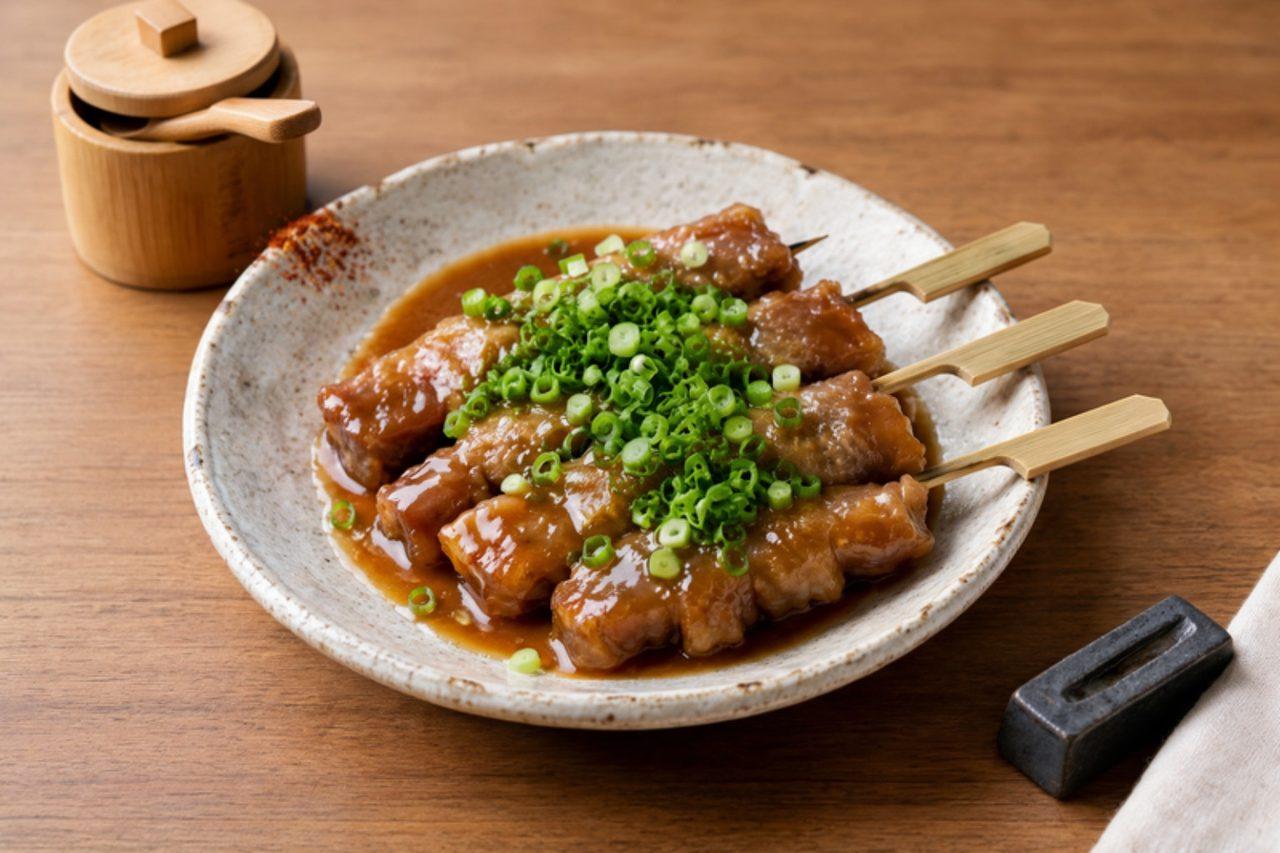
Walk along the narrow Jan-Jan Yokochō alley in Shinsekai, under the Tsūtenkaku tower, and every kushikatsu counter has a long shallow tray of doteyaki bubbling at the front. Beef tendon is simmered until it wobbles, then stewed slowly in a glossy sauce of white miso, sugar and mirin, and it is eaten from the afternoon on, piled with raw spring onion and a shake of shichimi. The sauce contains mirin, which contains alcohol; for an alcohol-free version use 60 ml water, 1 extra tablespoon of sugar and 1 teaspoon of rice vinegar instead. Chef's tip: blanch the tendon twice and rinse it well, or the sauce turns cloudy and tastes of the butcher's shop.

180 minJapaneseMeat
by KrazyBadal 0 views

Ikayaki (Hanshin style)

Osaka's ikayaki is nothing like the whole grilled squid sold at festivals elsewhere in Japan. In the basement food hall of the Hanshin department store at Umeda, people queue at lunchtime and on the way home for a thin, chewy pancake of batter and chopped squid, pressed flat between two scorching iron plates in seconds, brushed with sweet sauce and folded into paper. Order it "deluxe" and an egg is pressed in too. At home, a second heavy pan does the pressing. Chef's tip: chop the squid small; big pieces turn rubbery before the batter is cooked.

by KrazyBadal 0 views

Goes well with dashi