Skip to content

Recipes with horse mackerel

4 recipes that use horse mackerel, with photos, step-by-step instructions and cook times. The quickest, Aji no tataki, takes 20 minutes. It is most often cooked with onion, shiso leaves and soy sauce.

Got a few things in the fridge? Search by everything you have

Aji no tatakiChopped horse mackerel with ginger

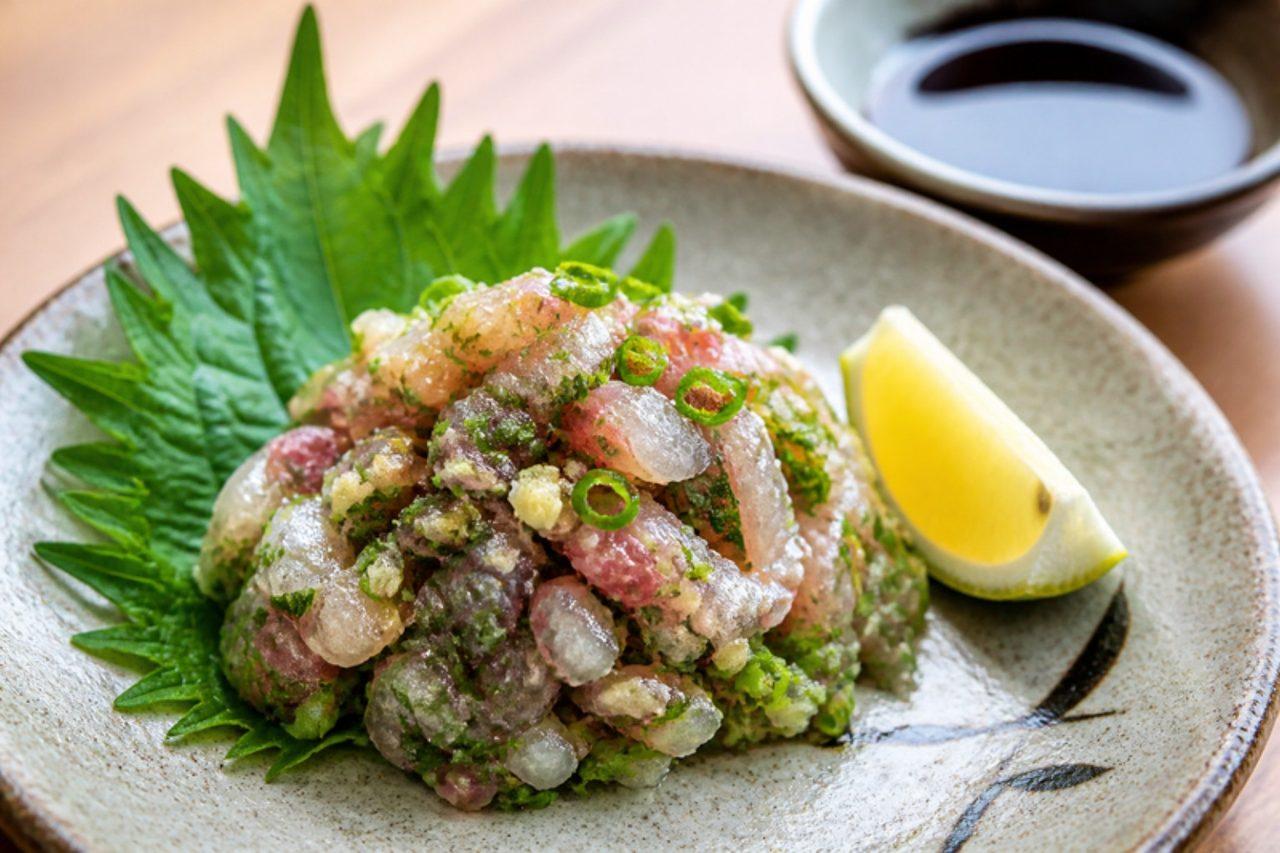
Aji no tataki is a dish of Japan's fishing ports, from the Izu peninsula to Kyushu, eaten as a summer lunch over rice or a starter with cold drinks when the horse mackerel come in fresh. The raw fillets are skinned and chopped with a knife, then mixed with grated ginger, spring onion and shiso, so the fish is soft, cool and clean-tasting with a sharp herbal bite. As a main over rice, a portion has about 28 g of protein from the fish. This is raw fish: buy only sashimi-grade fish from a fishmonger you trust, keep it ice-cold, and freeze it at −20 °C for at least 24 hours first to kill parasites; anyone pregnant, very young, older or with a weak immune system should not eat it. The common mistake is chopping it into a paste: keep small pieces with some texture. Chef's tip: chill the board and the bowl, and work quickly, so the fish never warms up.

by KrazyBadal 0 views

Aji no nanbanzukePickled fried horse mackerel

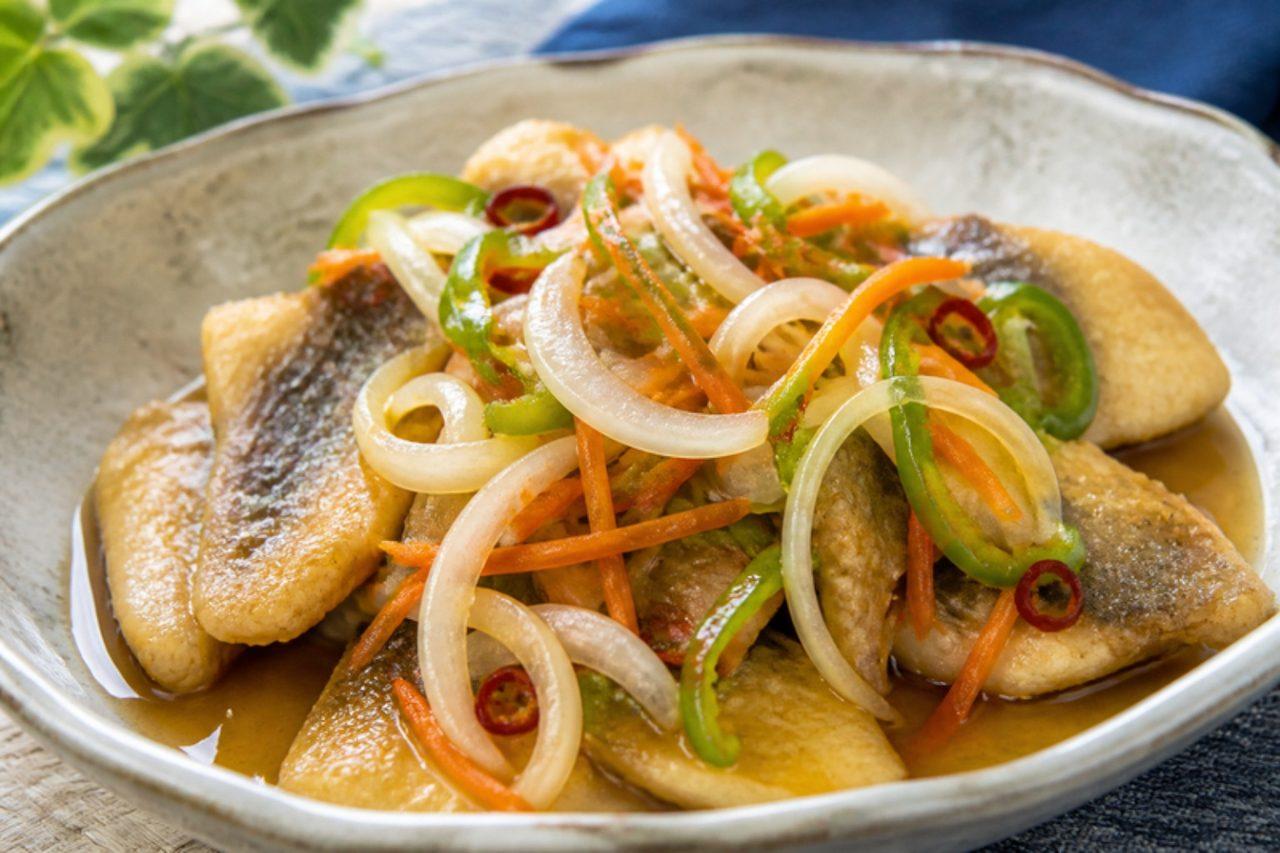
Nanbanzuke, "southern barbarian pickle", came to Nagasaki with Portuguese traders in the sixteenth century, a cousin of escabeche, and today it is a summer home dish all over Japan: small horse mackerel (aji) dusted with flour, fried until crisp, then plunged while hot into a sweet-sour vinegar marinade with sliced onion, carrot, pepper and chilli. It is eaten cold, the next day as good as the first, with rice or in bento. A portion is about 250 kcal. The most common mistake is letting the fried fish cool before it goes into the marinade; it must be hot so it drinks up the vinegar. Chef's tip: fry the fish twice for a short time rather than once for long; it stays crisp even after a night in the marinade.

by KrazyBadal 0 views

HiyajiruChilled miso soup

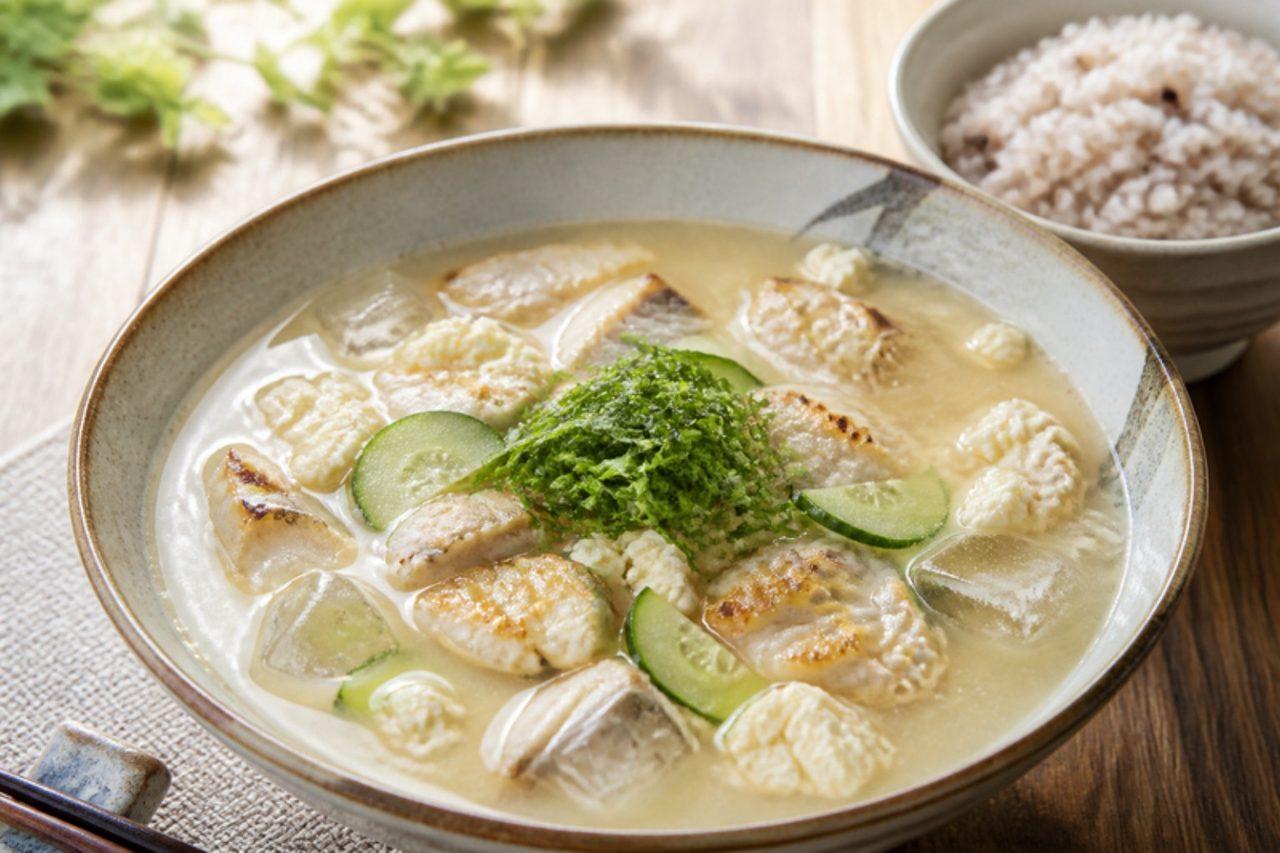
In Miyazaki, on the hot, humid east coast of Kyushu, farmers have eaten hiyajiru through the summer for centuries: grilled fish and sesame are pounded with barley miso in a mortar, the paste is toasted, then thinned with cold dashi and poured, with ice, over barley rice, with torn tofu, cucumber and shiso. It is cool, savoury and filling, a lunch that revives you in the heat. Eggs are not used; fish and soy are the allergens. A bowl with rice is about 340 kcal. The common mistake is skipping the toasting of the miso paste; it is what gives hiyajiru its deep, roasted flavour. Chef's tip: use day-old cold rice and rinse it briefly; warm, sticky rice turns the cold soup cloudy.

by KrazyBadal 0 views

Carapaus alimadosPoached mackerel in garlic dressing

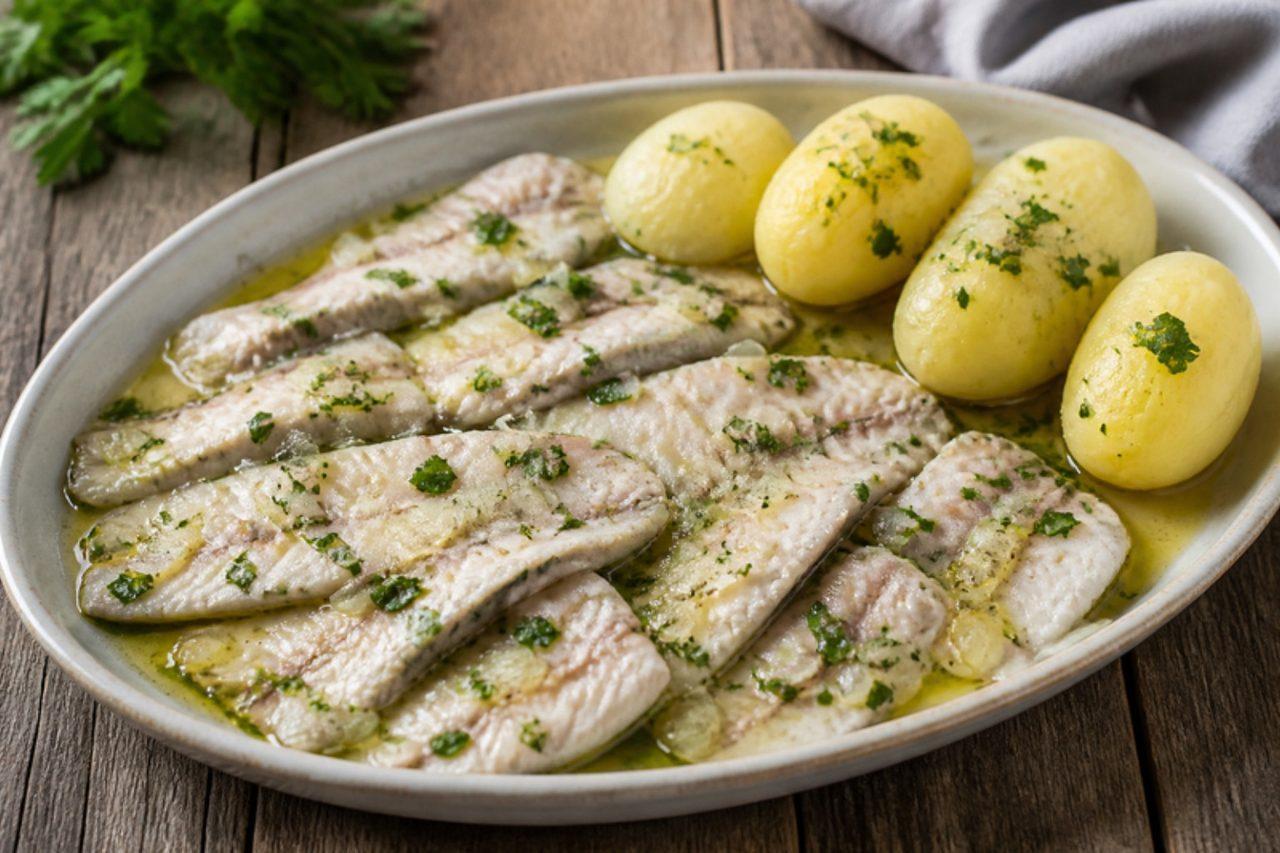
In Portimão and Olhão, when the boats came in loaded with small carapaus, cooks poached them, peeled away skin and bones, and soaked the fillets in olive oil, vinegar, garlic and onion. The dish is served cold, on summer days, with boiled potatoes or just bread, and it tastes better the day after. Mackerel or large sardines work if you can't find horse mackerel. Chef's tip: poach the fish gently, at a shiver rather than a boil, so the fillets stay whole when you lift them off the bone.

by KrazyBadal 0 views

Goes well with horse mackerel