Skip to content

Recipes with koji spores

3 recipes that use koji spores, with photos, step-by-step instructions and cook times. The quickest, Pixian doubanjiang, takes 105 minutes. It is most often cooked with cool boiled water, coarse salt and dried black soybeans.

Got a few things in the fridge? Search by everything you have

Tauco

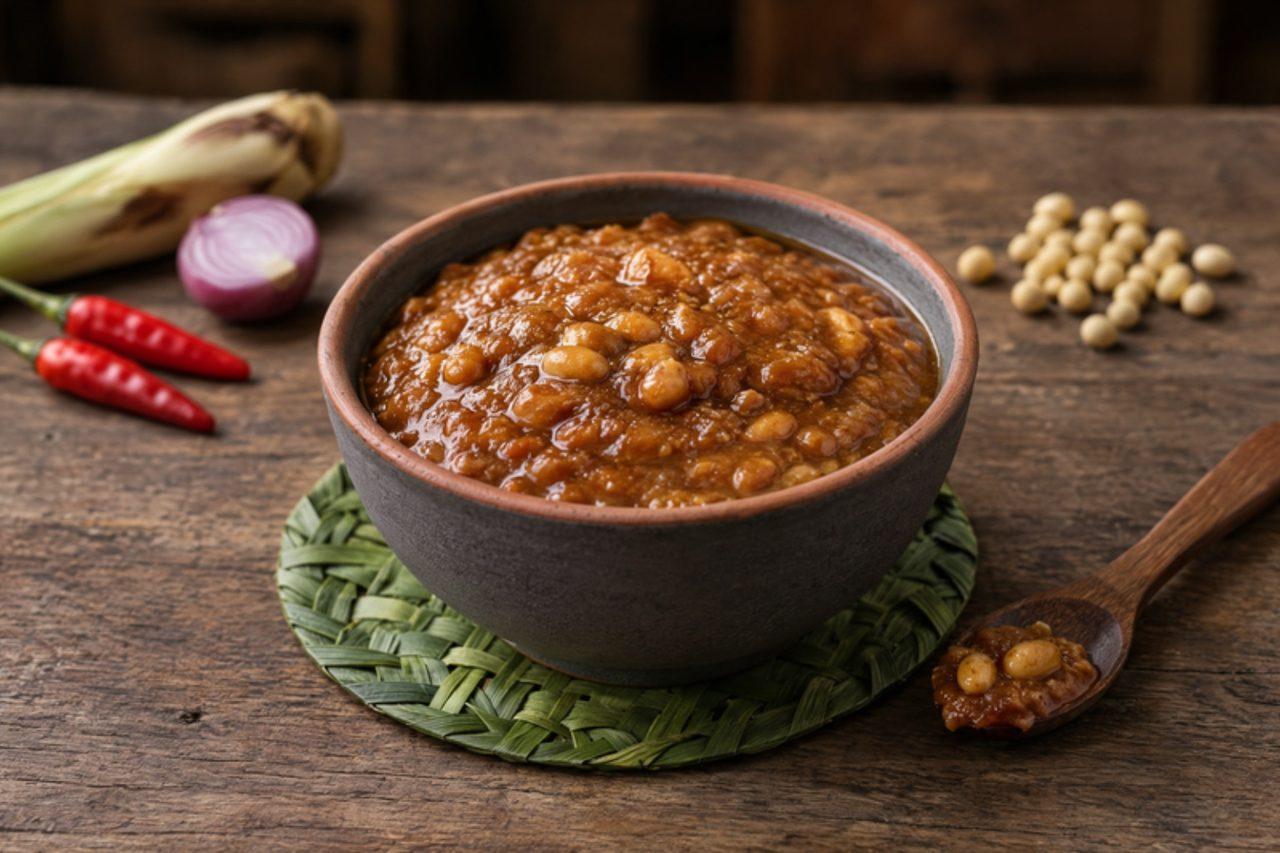
Cianjur, in the hills of West Java, has made tauco since the late 1800s, when Chinese Peranakan families brought the technique, and the town's sweet, thick version is still sold in squat jars to every traveller on the Puncak road. Sundanese and Peranakan cooks fry it with garlic and chilli for tumis tauco with tofu, long beans or kangkung, and add a spoonful to fish stews. The beans are first grown with a mould culture, then ripened in strong salt brine in the sun for weeks, and finally simmered with palm sugar. The result is salty-sweet and deeply savoury, like a soft, chunky miso with caramel notes, half-whole beans in a glossy brown sauce. Common mistake: fermenting the moulded beans in a sealed tub; they sweat, turn slimy and smell of ammonia. They need air and 28–32 °C. Readiness cues: after the mould stage, the beans are knitted with white fluff turning pale yellow-green; after brining, they are brown and smell like soy sauce; after cooking, the sauce is thick and glossy. Chef's tip: a pandan leaf and a slice of galangal in the final simmer give the Cianjur fragrance.

by KrazyBadal 0 views

Douchi

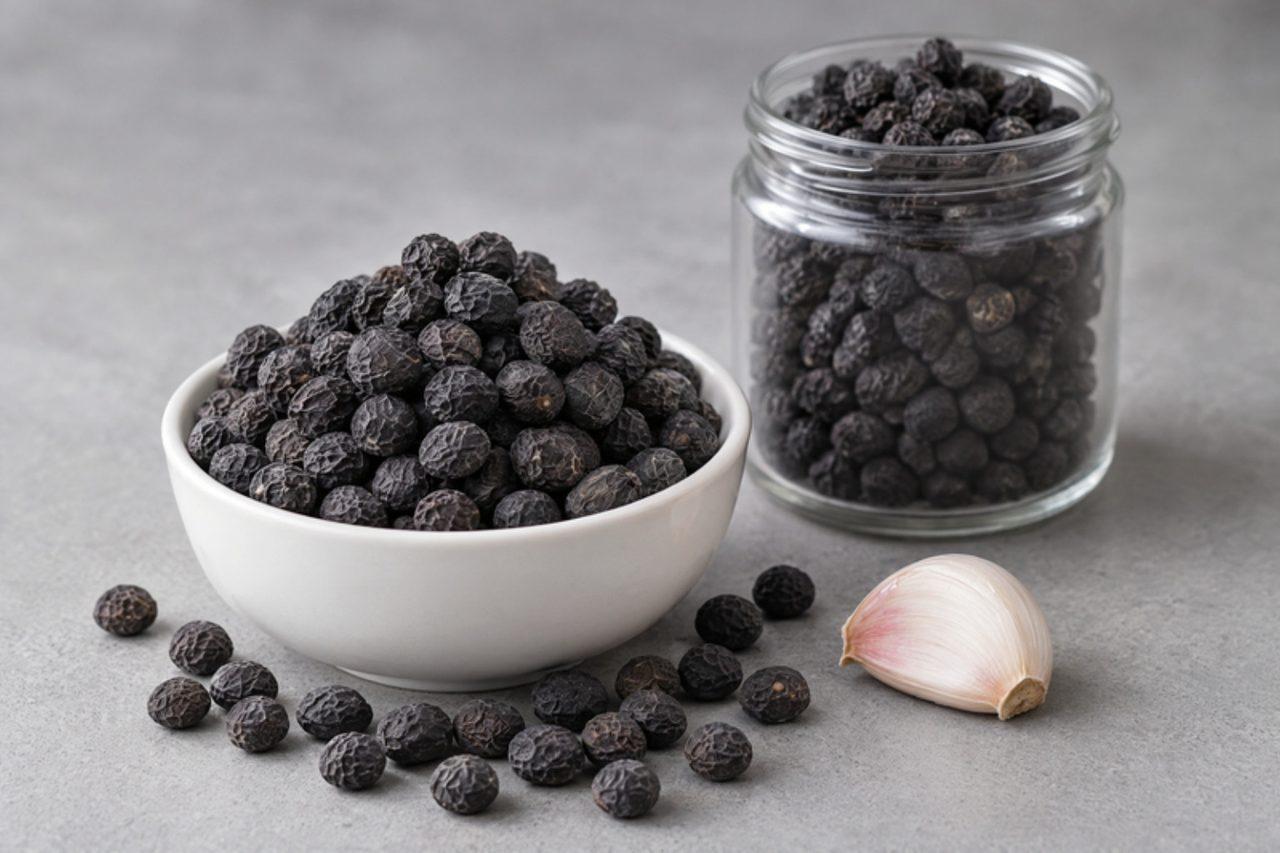
Yangjiang in western Guangdong and Liuyang in Hunan are the two great douchi towns, and both traditionally make their fermented black beans in the dry season, when beans can be moulded indoors and dried in the sun without spoiling. Cooked black soybeans are covered until a yellow-green koji mould grows over them, then washed, salted, packed and fermented for weeks before drying. The result is wrinkled, soft-chewy beans with an intense salty, savoury, almost chocolate-dark flavour. A spoonful steamed with spare ribs or a whole fish, stir-fried with bitter melon or pounded into Hunan's chilli dishes seasons the whole plate. At home, buying koji spores (Aspergillus oryzae) is far more reliable than waiting for wild moulds. Common mistake: letting the beans sit wet or warm in a sealed container during the moulding stage; they must breathe at 28–32 °C. Good koji smells sweet and chestnut-like; discard any batch with black, pink or bright coloured mould, slime or a rotten smell. Keep the salt as given. It is ready when the beans are dark, wrinkled and dry outside but supple within. Store dried douchi in the fridge for 1 year. Chef's tip: rinse and lightly crush the beans before cooking.

by KrazyBadal 0 views

Pixian doubanjiang

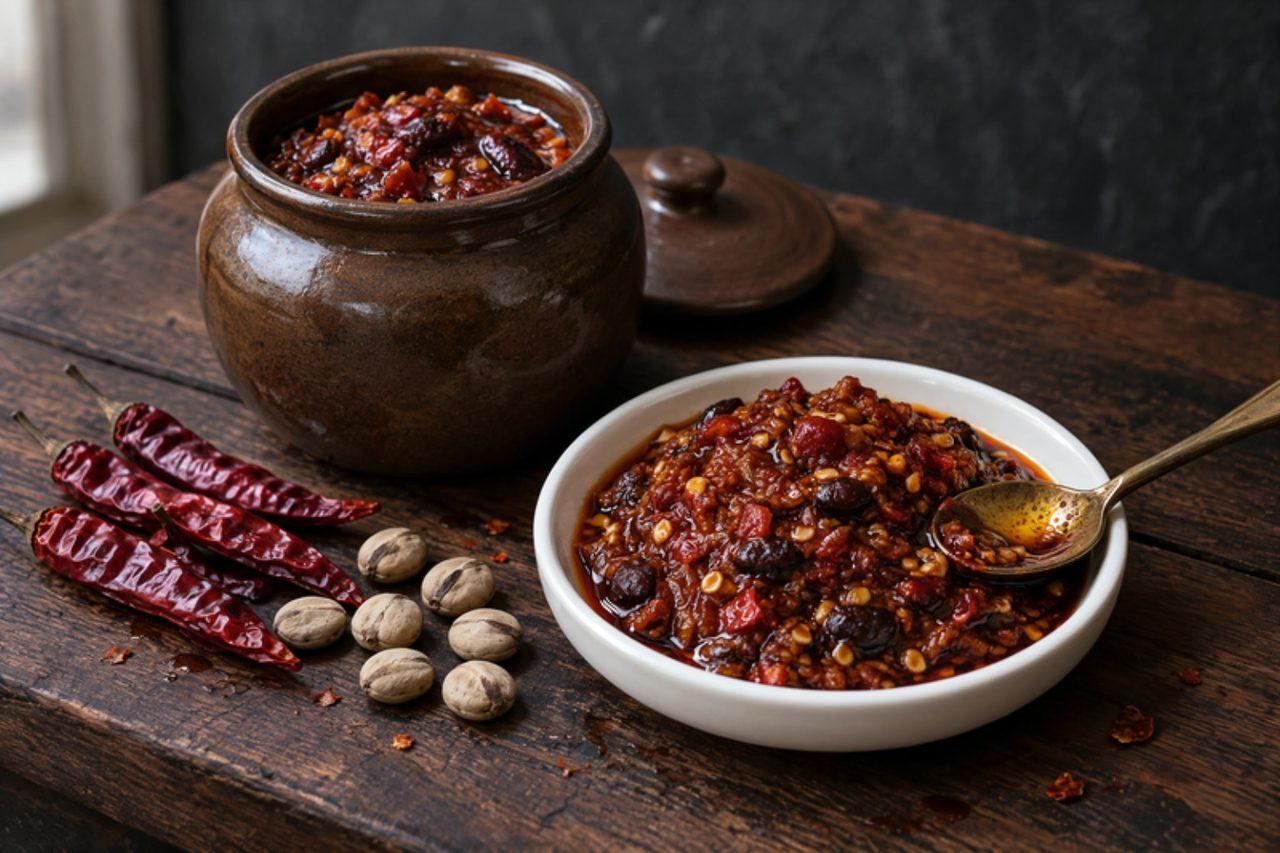
Pixian, now part of greater Chengdu, has made doubanjiang since the 1600s: broad beans are moulded into a koji, chillies are chopped and salted in high summer, and the two are combined in huge open clay vats left in the courtyards to sun by day and breathe by night, stirred every morning for a year or more. The paste darkens from bright red to a glossy red-brown and becomes salty, savoury, deeply fruity and only moderately hot. Fried in oil until the oil turns red, it is the foundation of mapo tofu, twice-cooked pork and boiled fish in chilli oil. This home version takes about three months. Use koji spores for a clean bean ferment, and do not cut the salt: homemade bean pastes are low-acid, and the high salt (about 15%) is what makes them safe. Common mistake: sealing the jar airtight in the warm months; it needs air and daily stirring, so cover it with a cloth or loose lid. Normal: darkening colour, a winey-savoury smell, a little liquid. Discard if fuzzy mould spreads or grows coloured (green, black, pink) patches, or it smells putrid. It is ready when the paste is red-brown and tastes rounded, not raw. Chef's tip: fry it slowly in oil until it smells toasty.

by KrazyBadal 0 views

Goes well with koji spores