Skip to content

Recipes with mild olive oil

11 recipes that use mild olive oil, with photos, step-by-step instructions and cook times. The quickest, Allioli, takes 20 minutes. It is most often cooked with plain flour, egg and garlic.

Run out of mild olive oil? Vegetable, sunflower or rapeseed oil, same amount.

Got a few things in the fridge? Search by everything you have

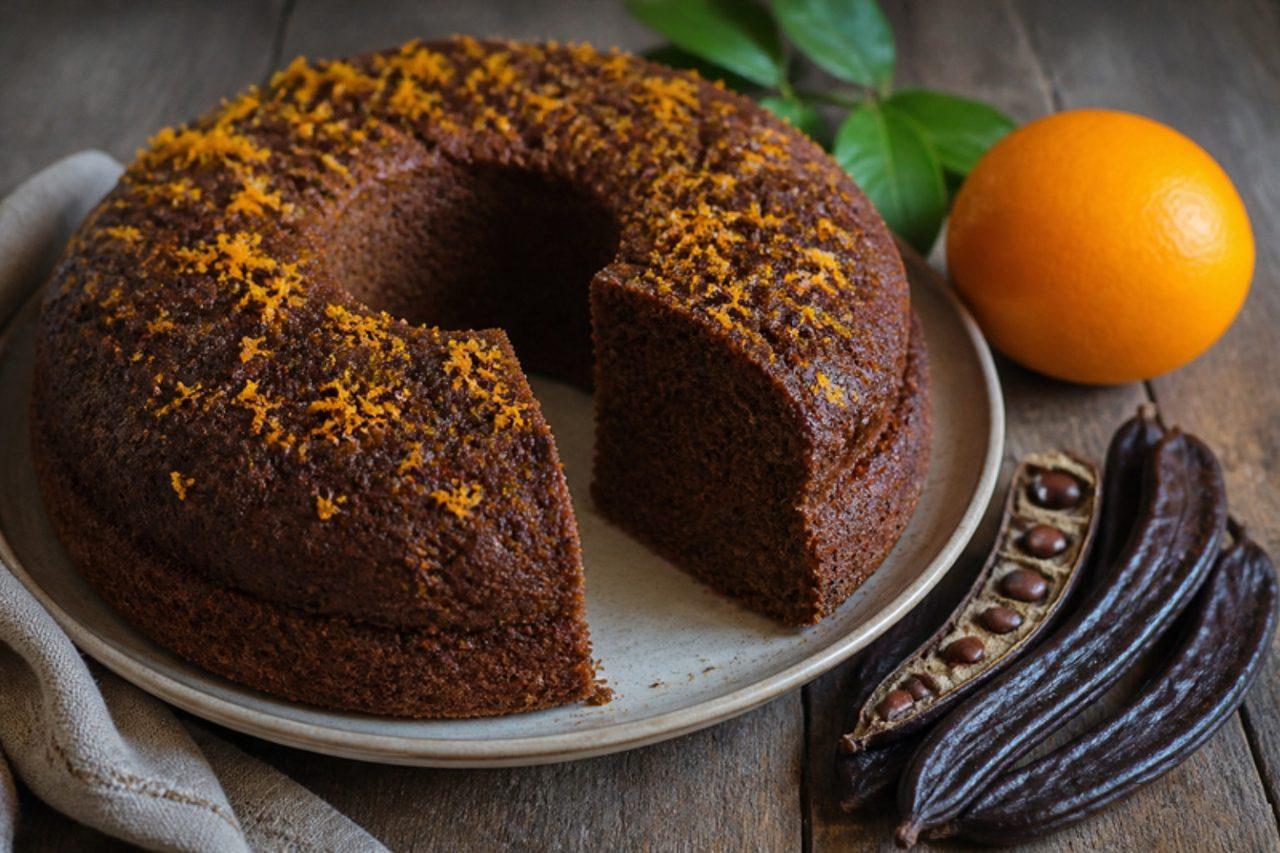
Bolo de alfarroba

Carob trees grow all through the dry Barrocal hills behind the Algarve coast, and the toasted pods are ground into a sweet, cocoa-coloured flour that local bakers have used for generations. This cake, sold by the slice in cafés around Loulé and São Brás de Alportel, is made with olive oil and orange, so it stays moist for days. It has a gentle caramel, almost malty taste rather than a chocolate one. A common mistake is using too much carob; it is sweet and earthy and turns bitter when overdone, so stick to the amount given. Chef's tip: sieve the carob flour with the wheat flour, because it lumps easily and leaves dry pockets in the crumb.

by KrazyBadal 0 views

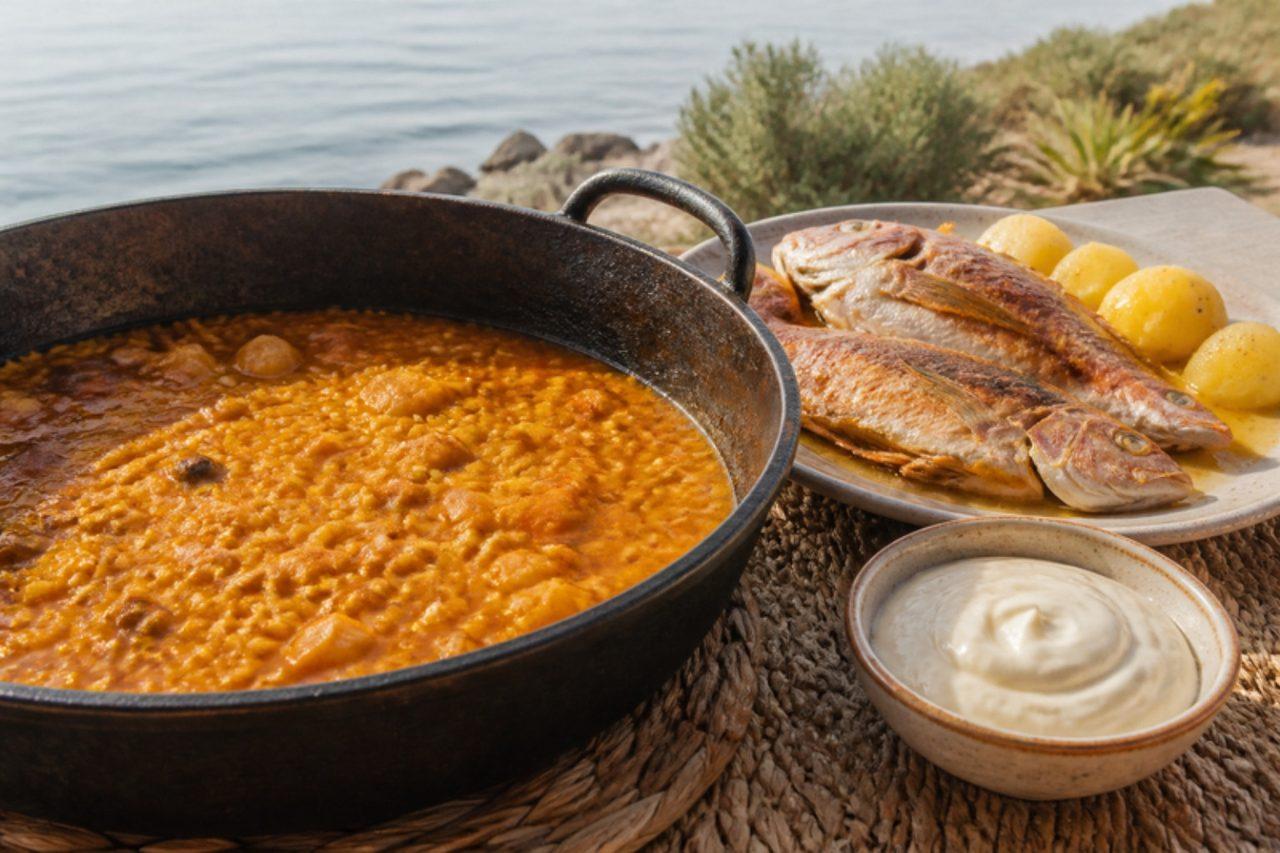
Caldero del Mar Menor

Fishermen on the Mar Menor lagoon and at Cabo de Palos cooked caldero on board in a black iron pot: the catch of rockfish and grey mullet made a broth red with fried ñora peppers, the rice was cooked in it, and the fish was eaten separately with garlicky allioli. Restaurants along the lagoon at San Pedro del Pinatar and Los Alcázares still serve it in two courses, and Calasparra rice from inland Murcia is the classic choice. Chef's tip: ask the fishmonger for the heads and bones of the fish too; they make the broth.

115 minSpanishFishGluten free
by KrazyBadal 0 views

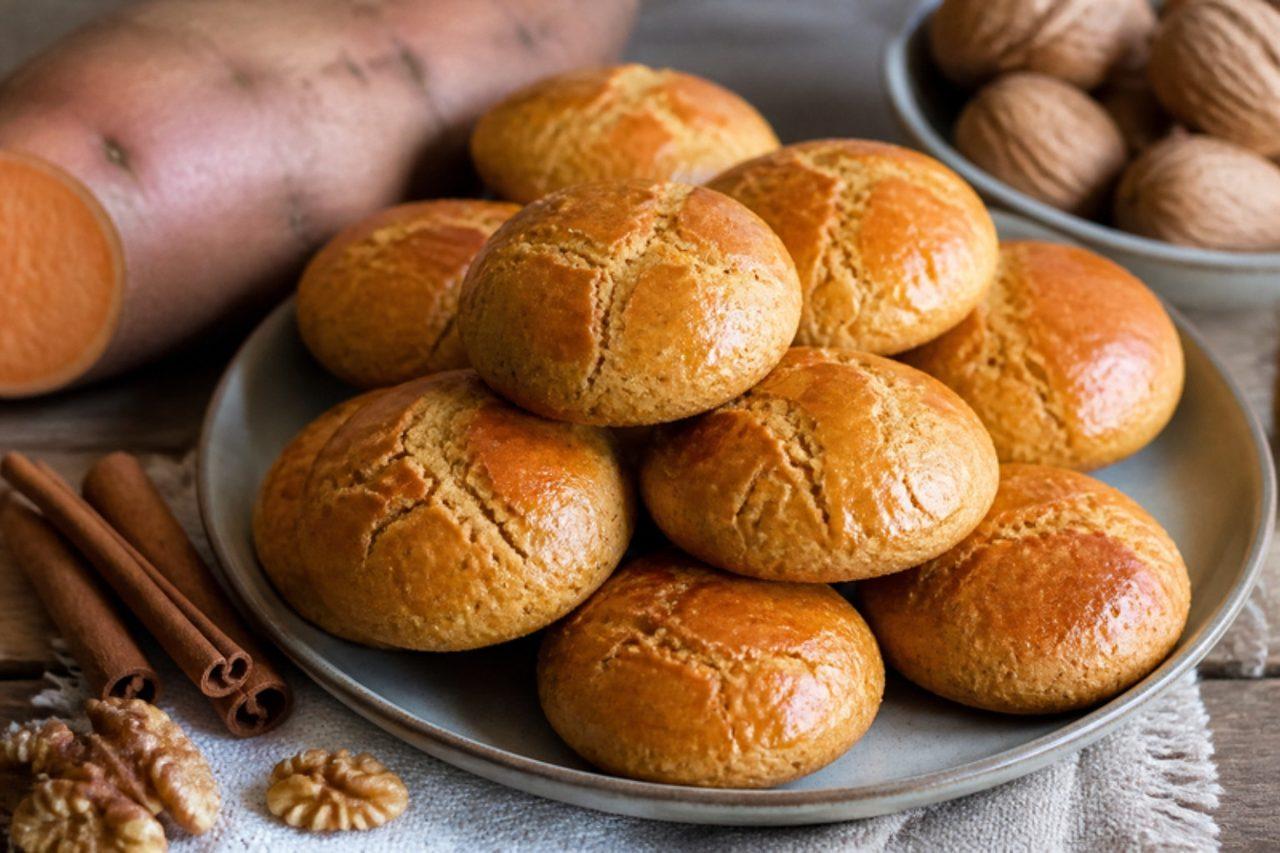
Broas de batata-doce

Every December, kitchens across the Beiras fill with the smell of these broas: soft, cakey cookies made with mashed sweet potato, flour, olive oil and honey, spiced with cinnamon and fennel seed and glazed with egg yolk. Families bake big batches to share with neighbours and keep in tins over the holidays. They are only lightly sweet, with a tender crumb and a shiny top. Chef's tip: dry the cooked sweet potato in the pan for a minute before mashing, as watery mash makes a sticky dough that spreads.

by KrazyBadal 0 views

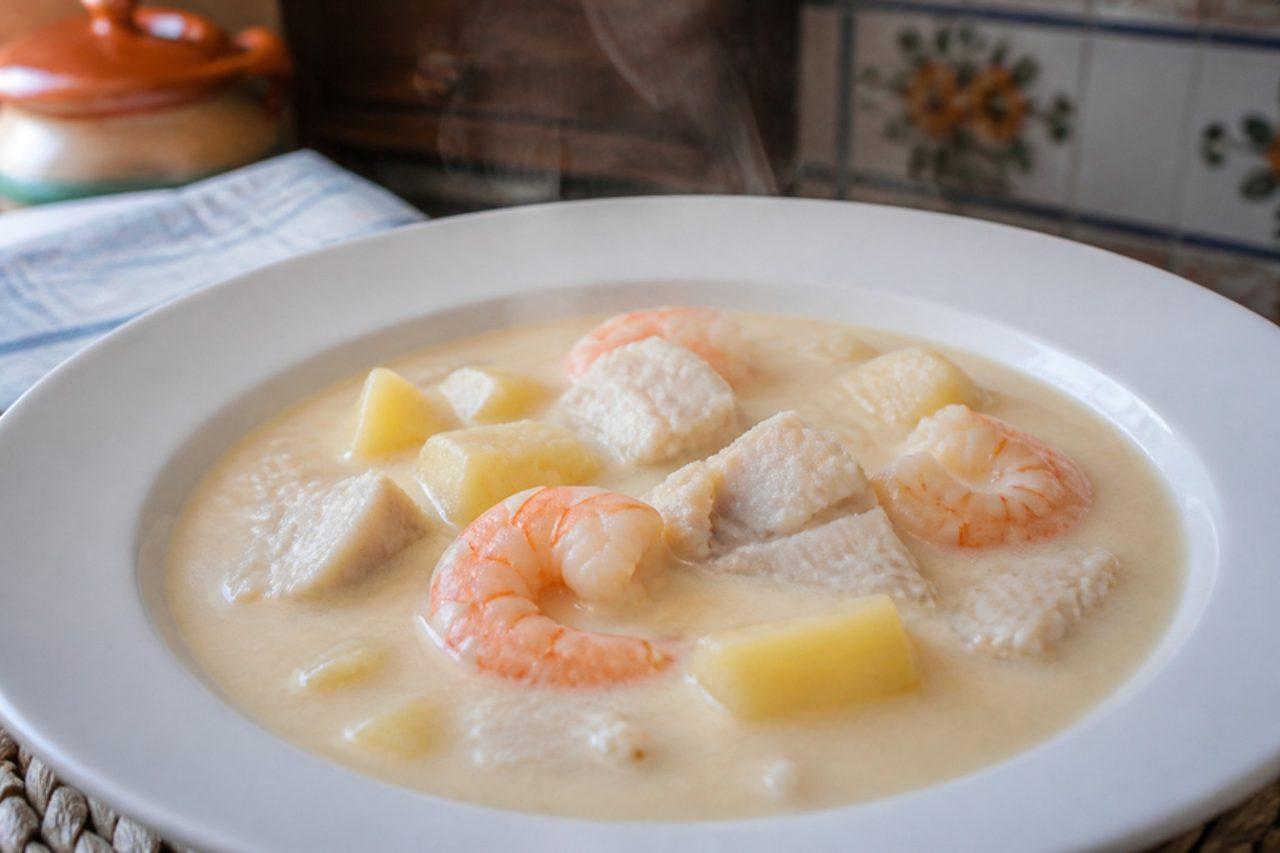
Gazpachuelo malagueño

Málaga's fishermen once made gazpachuelo on the beach with whatever the nets brought in, and today it is a winter comfort soup in the city's homes and old-style taverns: a clear broth with potatoes, hake and prawns, slowly poured over a homemade mayonnaise until it turns pale and creamy. Done right it is silky, lemony and light. The eggs in the mayonnaise must be heated through properly, so this method brings the soup to 72 °C at the end without boiling it. Chef's tip: add the broth to the mayonnaise, never the other way round, and at first only a ladle at a time.

by KrazyBadal 0 views

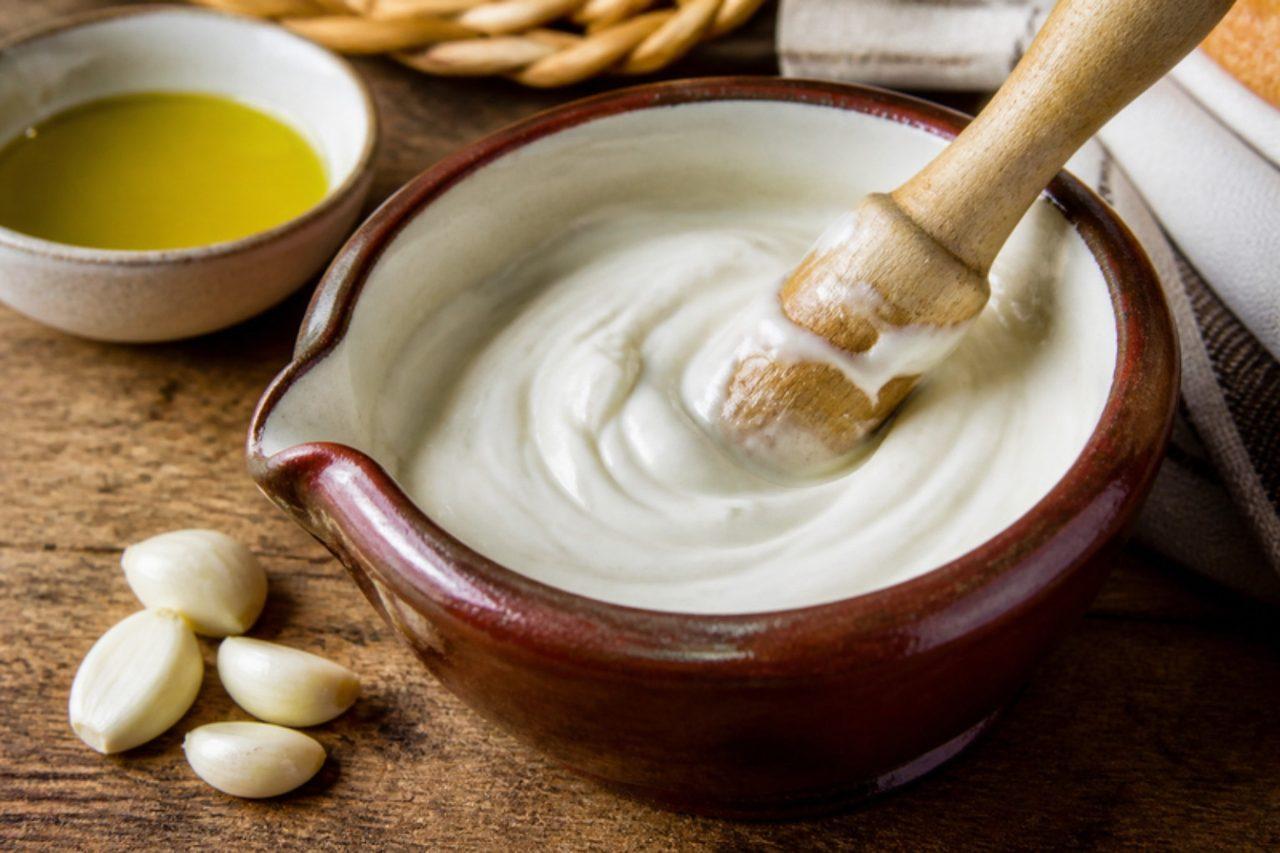
Allioli

True Catalan allioli is just garlic, salt and oil, all ('garlic') i oli ('and oil'), worked slowly in a mortar until it becomes a stiff, pale emulsion with a fierce bite. Families serve it with grilled lamb, rice dishes, boiled potatoes and snails, and making it by hand is a small point of pride. It takes patience and steady arms, but no egg is needed. Chef's tip: if it splits, start a new paste with one crushed clove and a few drops of water, then work the broken sauce back in a spoonful at a time.

by KrazyBadal 0 views

Rosquillas de San Isidro

Every 15 May, crowds head to the Pradera de San Isidro on Madrid's southern edge for the patron saint's festival, and stalls sell rosquillas by the dozen: plain "tontas" (silly ones) and iced "listas" (clever ones). Many families now bake them at home that week. Old recipes ice the listas with raw egg white; this one uses a lemon and icing-sugar glaze, which is safer and sets just as white. Chef's tip: oil your hands to shape the rings; the dough is soft and sticky by design.

by KrazyBadal 0 views

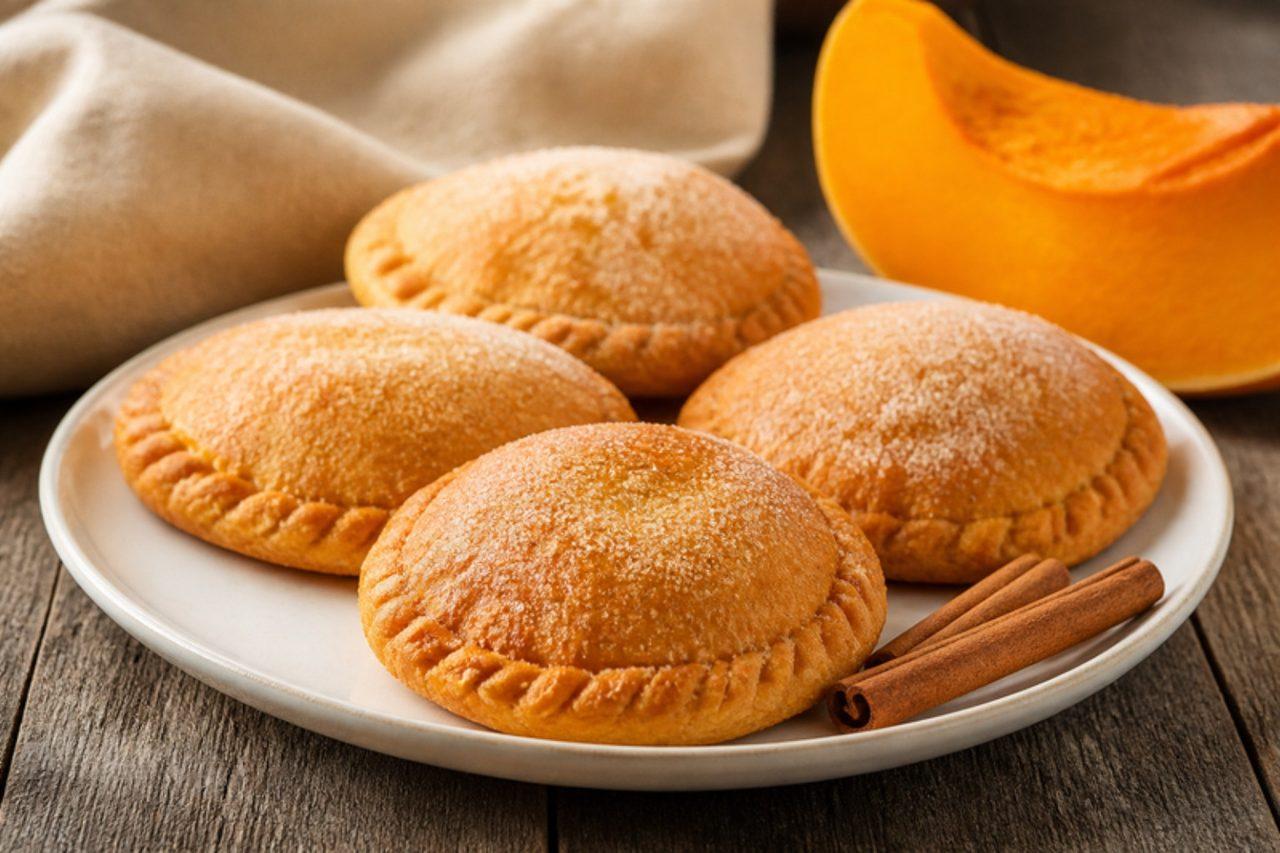
Pastissets de moniato

As Christmas nears, bakeries and home kitchens from Valencia to Alicante turn out trays of pastissets, little half-moon pies of crumbly olive-oil pastry wrapped around a filling of sweet potato cooked with sugar, lemon and cinnamon, finished with a snowy dusting of sugar. They are eaten with coffee or a glass of mistela after the big family meals, and also for All Saints in November. The pastry traditionally includes a splash of sweet mistela wine; orange juice works just as well for an alcohol-free version. A common mistake is overfilling, which splits the seams in the oven; a heaped teaspoon is enough. Chef's tip: chill the filling until firm before you shape, so it sits neatly in the centre and is easy to seal.

by KrazyBadal 0 views

Tortas de alma

In the province of Teruel, especially around Calamocha and the Jiloca valley, tortas de alma are made at the end of autumn when the pumpkins come in: crisp, flaky olive-oil pastry folded over "alma", a sweet filling of pumpkin cooked down with sugar, almond and cinnamon. They are eaten with coffee at the village festivals and given away by the dozen at All Saints and Christmas. Recipes vary from house to house; this one keeps to the simple, widely made version. A common mistake is a runny filling, which leaks and burns on the tray; cook it until it is thick enough to hold a clean line. Chef's tip: make the filling a day ahead and chill it; cold alma is far easier to spoon onto the pastry.

by KrazyBadal 0 views

Almojábanas

In Aragonese bakeries, almojábanas are the rings stacked by the till at Easter and for local fiestas: rings of choux-like dough that puff up hollow and airy in the oven and are then brushed with a white sugar glaze that cracks as you bite. The name comes from Arabic, and versions are found from Teruel to the Ribagorza, some flavoured with lemon and others with anise. They are best the day they are made, with a coffee or a glass of cold milk. A common mistake is opening the oven early: choux collapses if the steam escapes before the shells have set. Chef's tip: beat the eggs in one at a time and stop when the paste falls from the spoon in a thick, glossy V; you may not need the last egg.

by KrazyBadal 0 views

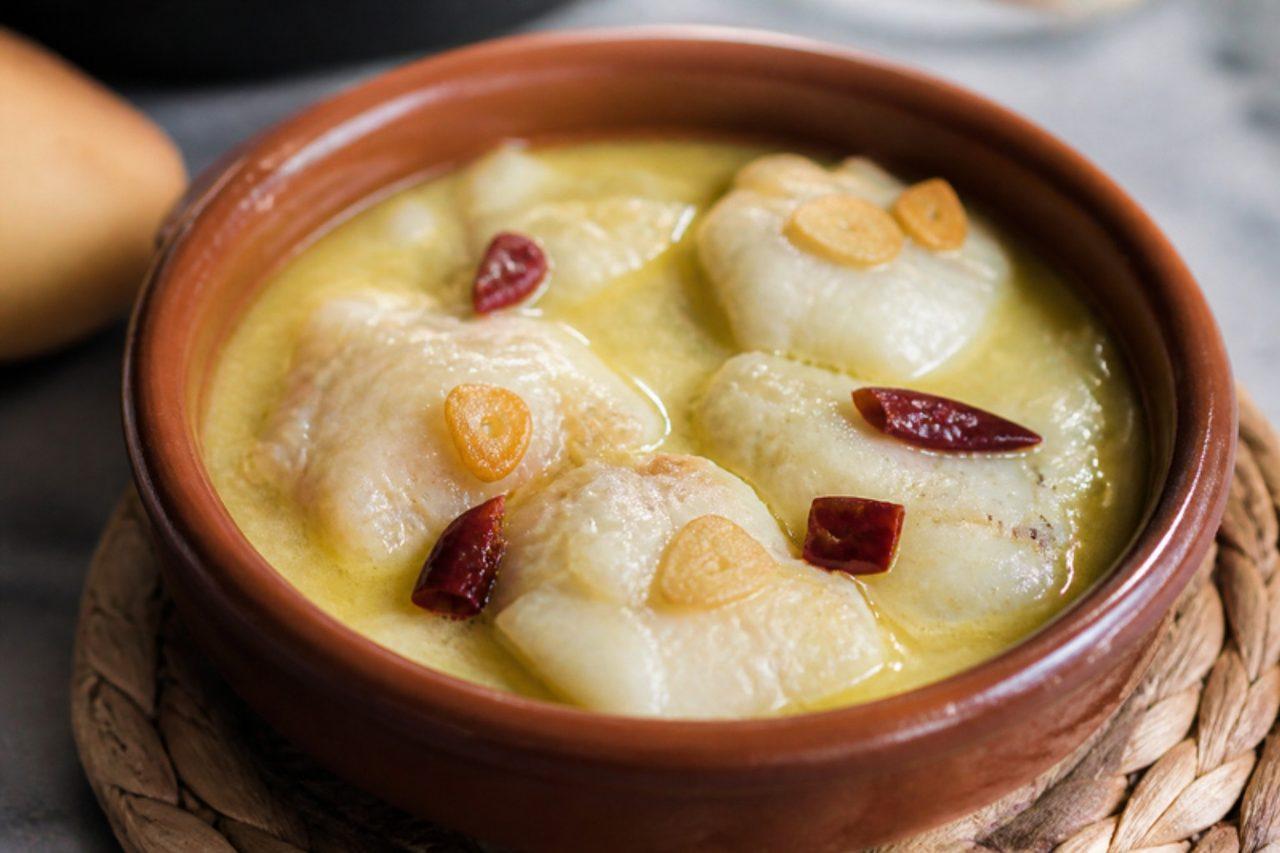
Bacalao al pil pil

Bacalao al pil pil belongs to Bilbao and the rest of Bizkaia, where it fills restaurant menus in Lent and Holy Week and reappears on Christmas Eve tables. It is made from just four things: desalted salt cod, olive oil, garlic and a dried chilli. The trick is the sauce. The cod gives off gelatine as it cooks gently in warm oil, and swirling the clay dish round and round turns that oil into a thick, pale, mayonnaise-like emulsion; the name comes from the 'pil pil' sound of it bubbling. Plan ahead, because thick salt cod needs 24–48 hours of soaking in the fridge. Chef's tip: buy thick, skin-on loins (lomos); the gelatine that makes the sauce comes from the skin.

by KrazyBadal 0 views

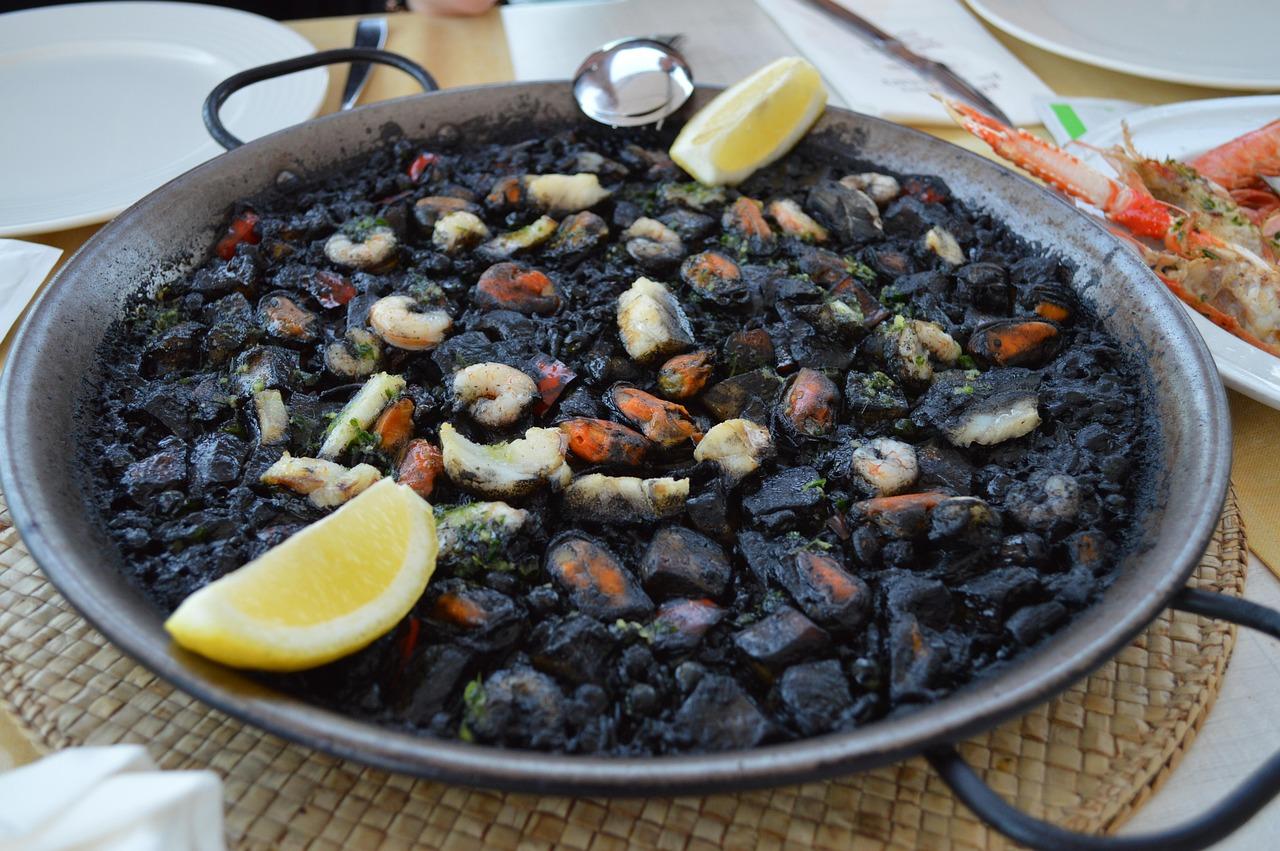
Arroz negro

Along the coast from Valencia up to the Costa Brava, arroz negro (arròs negre in Catalan and Valencian) is a seafront restaurant favourite, ordered for the table at lunchtime and brought out in its pan. Squid and its ink turn the rice glossy black and give it a deep taste of the sea, and every forkful gets a dab of garlicky all-i-oli. This version uses the traditional egg-free all-i-oli, just garlic, oil and salt pounded together; if you'd rather make the easier egg version, use a pasteurised egg, and note that raw egg is not suitable for pregnant women, young children, older people or anyone with a weakened immune system. Chef's tip: buy squid ink in sachets or small jars from a fishmonger or Spanish deli; the ink sac inside a whole squid is far too small to colour a whole pan.

by KrazyBadal 0 views

Goes well with mild olive oil