Skip to content

Recipes with napa cabbage leaves

3 recipes that use napa cabbage leaves, with photos, step-by-step instructions and cook times. The quickest, Beoseot jeongol, takes 40 minutes. It is most often cooked with ginger, sesame oil and spring onion.

Got a few things in the fridge? Search by everything you have

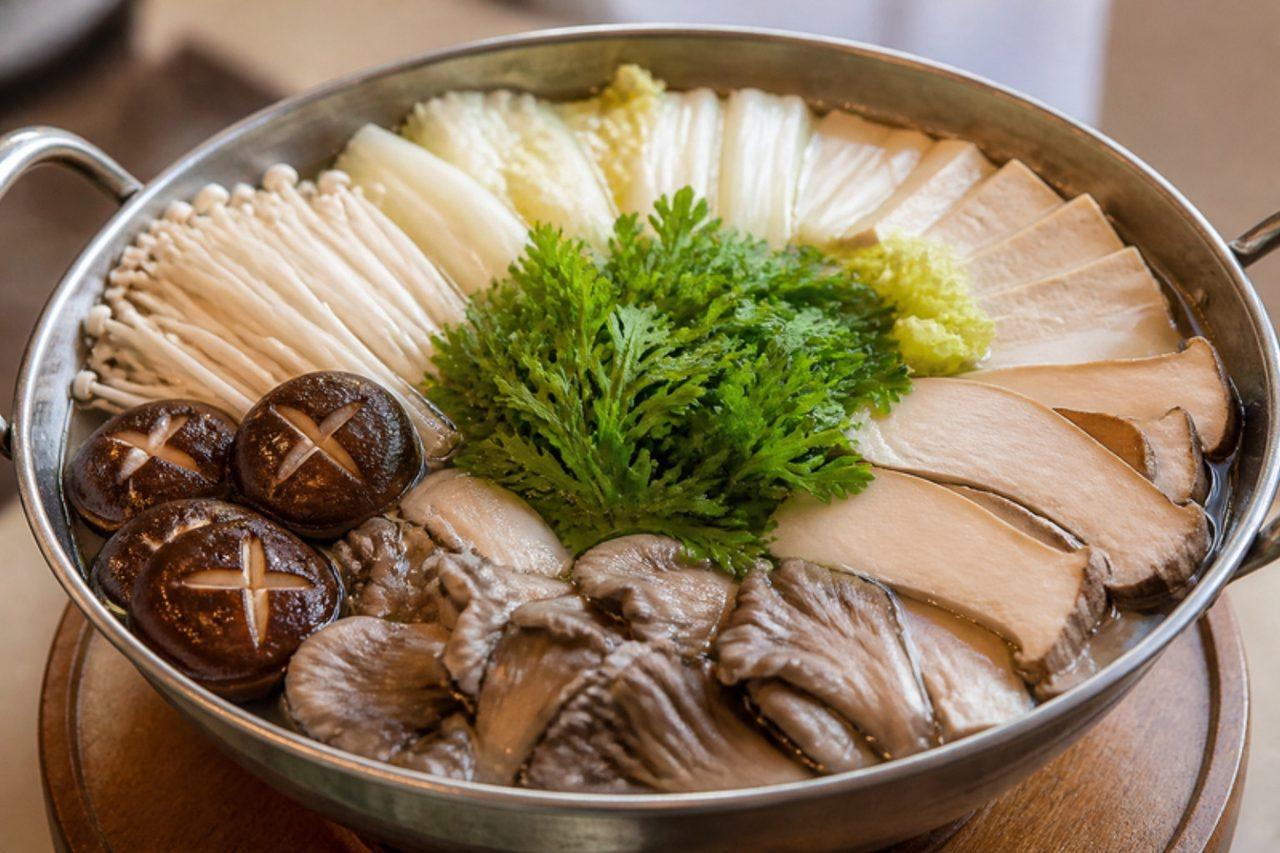
Beoseot jeongolMushroom hot pot

Beoseot jeongol is the mushroom hot pot that Korean temple kitchens and mountain restaurants around Odaesan and Songnisan serve in autumn, when wild mushrooms come down from the slopes. Fans of shiitake, oyster, enoki and king oyster mushrooms are arranged with tofu, cabbage and greens in a shallow pot and cooked at the table in a clear kelp and shiitake broth. It tastes deep, clean and woodsy, with no garlic or onion in the temple way. The common mistake is boiling it hard from the start, which turns the broth cloudy and the enoki stringy. Chef's tip: save the shiitake soaking water and add it to the broth; it doubles the savoury depth without any seasoning.

by KrazyBadal 0 views

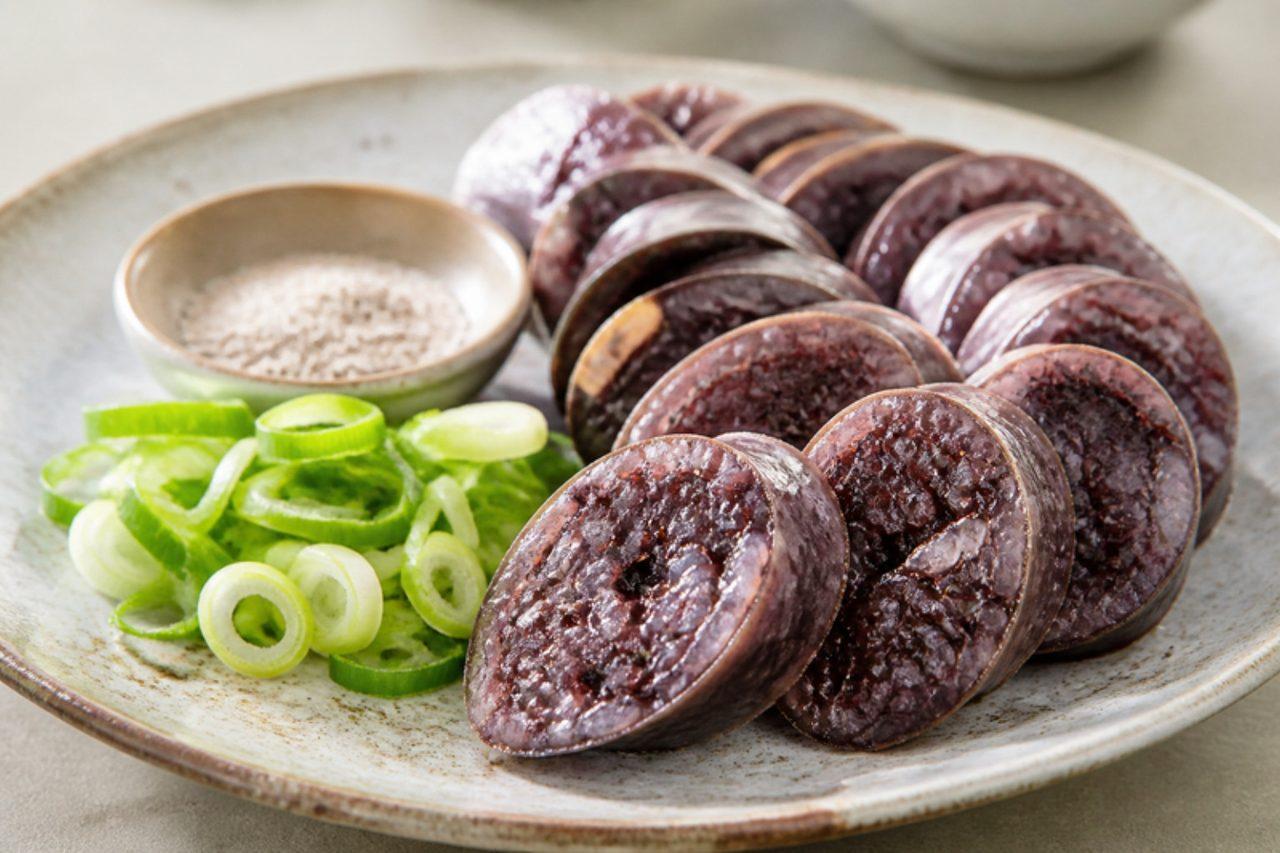
SundaeKorean blood sausage

Sundae is the steamed sausage sold sliced from big steaming trays in every Korean market, from Seoul's Sillim-dong sundae town to the Byeongcheon market in Cheonan, and eaten with salt and pepper, tteokbokki sauce or a bowl of soup. This home version fills cleaned pork casings with pork blood, glass noodles, sticky rice, cabbage and bean sprouts, then poaches them gently until firm, giving soft, savoury, slightly springy slices. It is pork through and through: pork blood and pork casings. Buy the blood fresh from a butcher, keep it chilled and use it the same day. The common mistake is boiling the water hard, which bursts the casings; keep it at a lazy simmer and prick any air bubbles. Chef's tip: fill the casings only about three-quarters full; the rice swells as it cooks and an overfilled sausage splits.

140 minKoreanMeat
by KrazyBadal 0 views

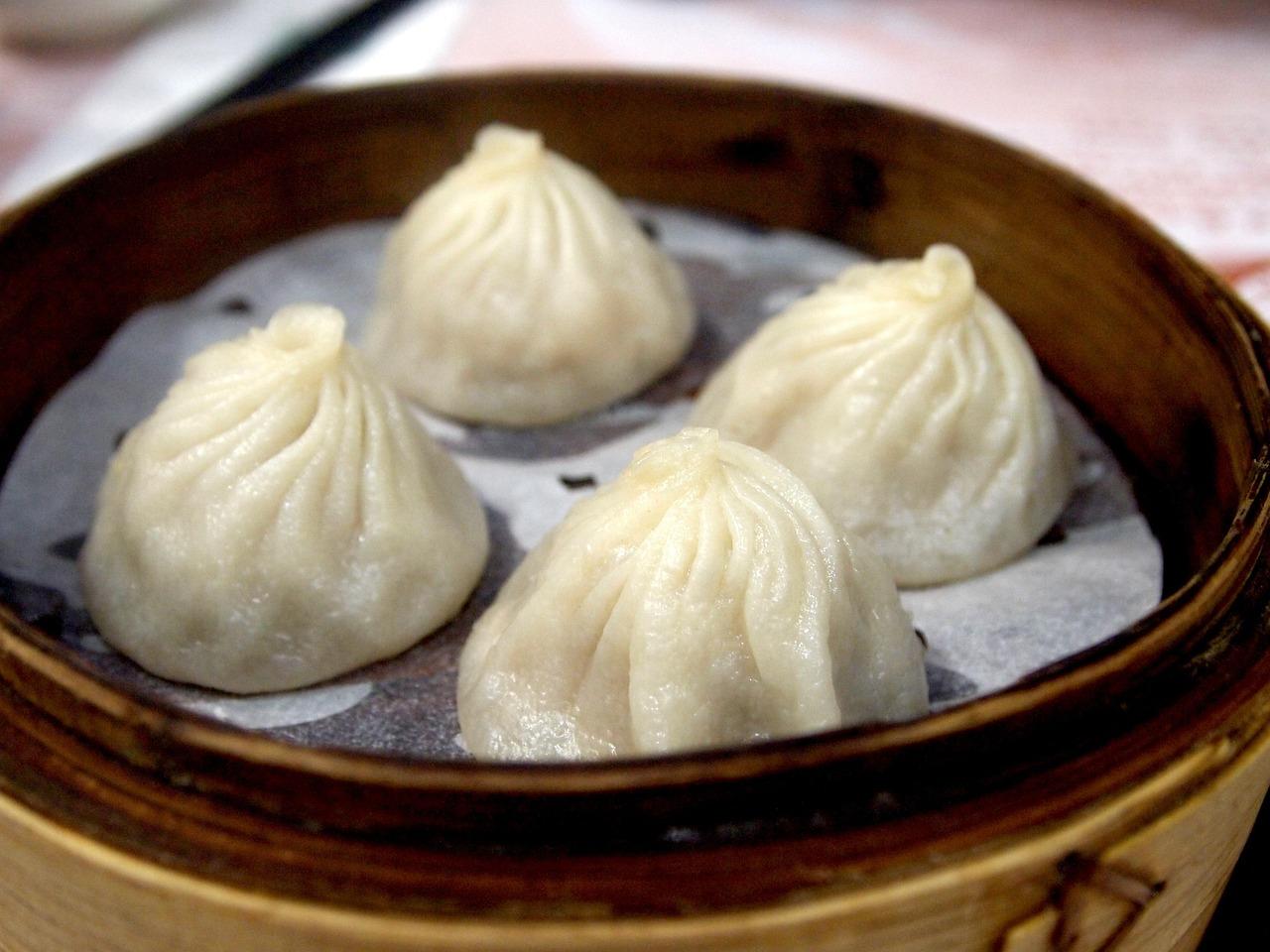
XiaolongbaoSoup dumplings

Bite carefully: inside each pleated parcel is a pork meatball floating in hot broth, which comes from a pork-skin jelly that melts as the dumplings steam. Shanghai's teahouses and the old town around Nanxiang have served them in bamboo baskets for well over a century, usually for breakfast or a late lunch with a saucer of black vinegar and threads of ginger. The wrapper should be thin enough to see the soup move but strong enough to lift with chopsticks. Make the jelly the day before (or use the gelatine shortcut in the ingredient note), then the folding takes about an hour with a little practice. Chef's tip: keep the filling in the fridge until the moment you wrap; cold jelly stays solid and the dumplings are far easier to pleat.

by KrazyBadal 0 views

Goes well with napa cabbage leaves