Skip to content

Recipes with potato starch

13 recipes that use potato starch, with photos, step-by-step instructions and cook times. The quickest, Kimchijeon, takes 20 minutes. It is most often cooked with garlic, plain flour and ginger.

Got a few things in the fridge? Search by everything you have

Kimchijeon

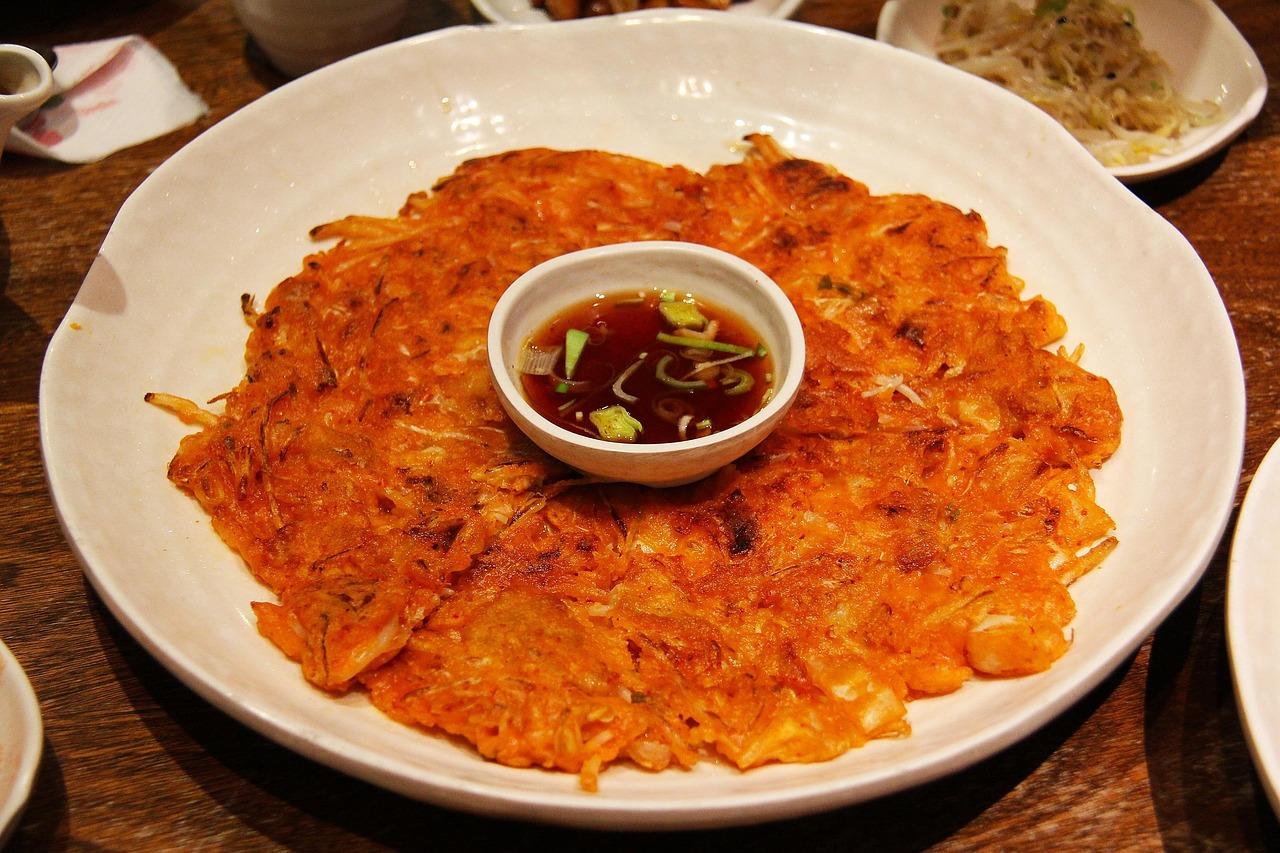
Kimchijeon (김치전) is a thin, crisp pancake made by stirring chopped sour kimchi and its juice into a simple flour batter. Cooks all over Korea make it to use up kimchi that has fermented a little too far, and it is a favourite rainy-day snack with a glass of makgeolli. The kimchi juice colours the batter red and seasons it, so you need little else. This version is egg-free; a spoonful of starch in the batter makes the edges extra crunchy. Use vegetarian kimchi made without fish sauce or shrimp. Chef's tip: be generous with oil and keep the pancake thin. The crisp, almost lacy edge is the best part, and a thick pancake steams instead of frying.

by KrazyBadal 0 views
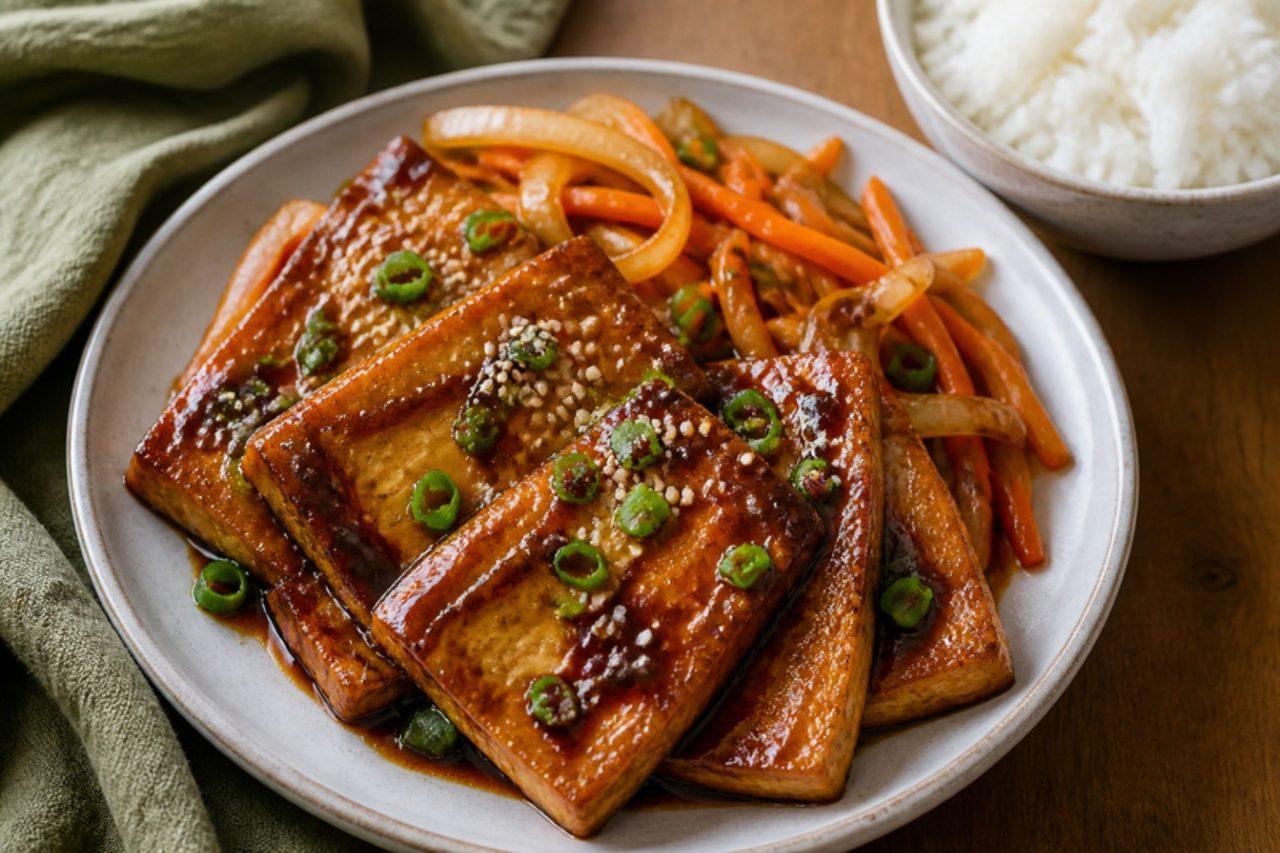
Tofu bulgogi

Tofu bulgogi (두부불고기) takes the famous sweet and savoury bulgogi marinade, usually made for thin slices of beef, and uses it on golden pan-fried tofu instead. It is a popular meat-free dish in homes and temple-style restaurants across Korea. Grated pear sweetens the soy and garlic sauce and makes it glossy, and the tofu is fried first so it holds its shape and soaks up the glaze. Serve with rice, lettuce leaves for wrapping and kimchi. Chef's tip: dry the tofu well and leave it alone in the pan until it releases by itself. A good golden crust is what lets it soak up the glaze without falling apart.

30 minVegetarianVegan
by KrazyBadal 0 views

Blueberry pierogi

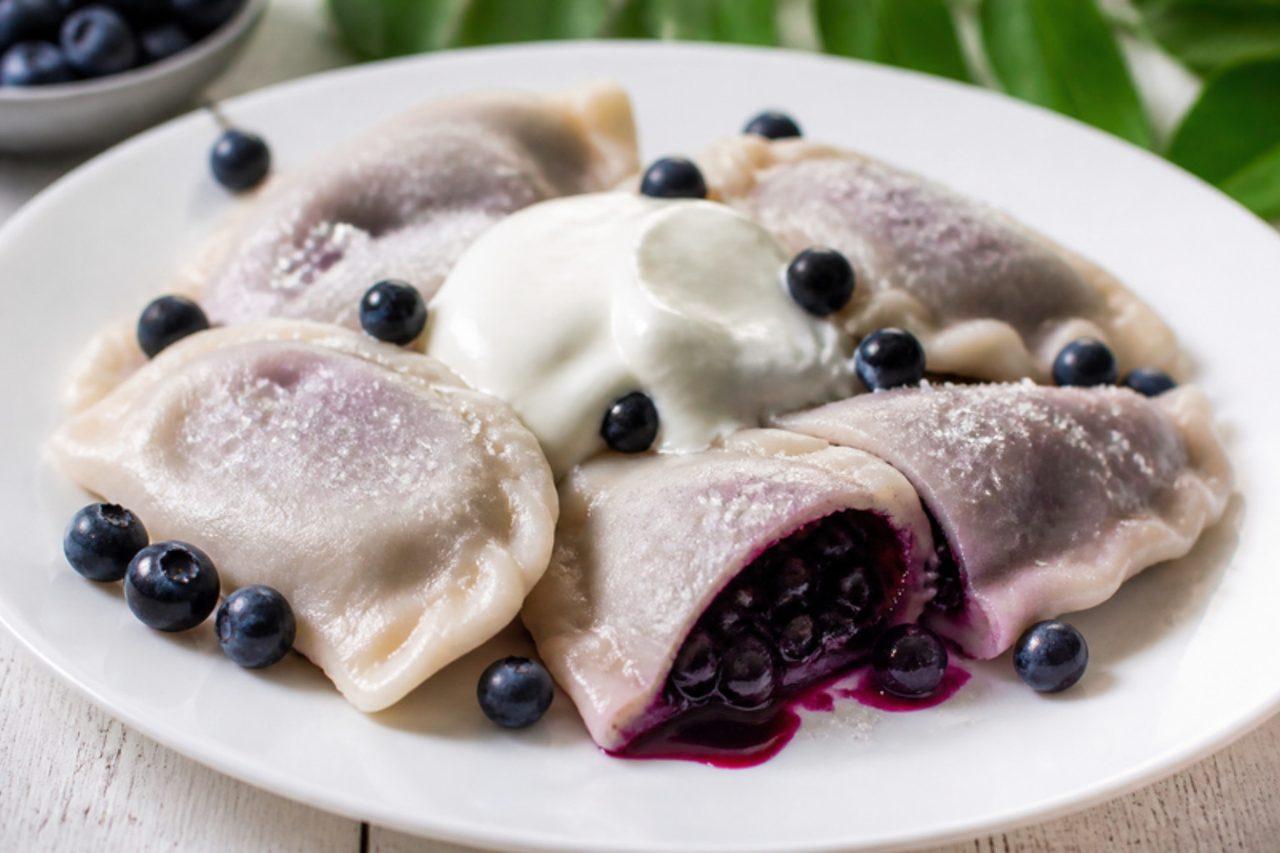
When wild bilberries ripen in the pine forests of Podlasie and Masuria in July, roadside sellers appear with jars of them and half of Poland makes pierogi z jagodami for lunch. The dumplings are boiled, so the berries burst into a hot, purple, jammy filling inside a soft dough, and they are eaten with cold sweetened soured cream and a dusting of sugar. Cultivated blueberries work well; frozen wild bilberries are closer to the original. Chef's tip: toss the berries with potato starch, but add the sugar only on top when you serve; sugared berries weep juice, and that juice is what makes the pierogi burst.

75 minDesserts
by KrazyBadal 0 views

Sernik

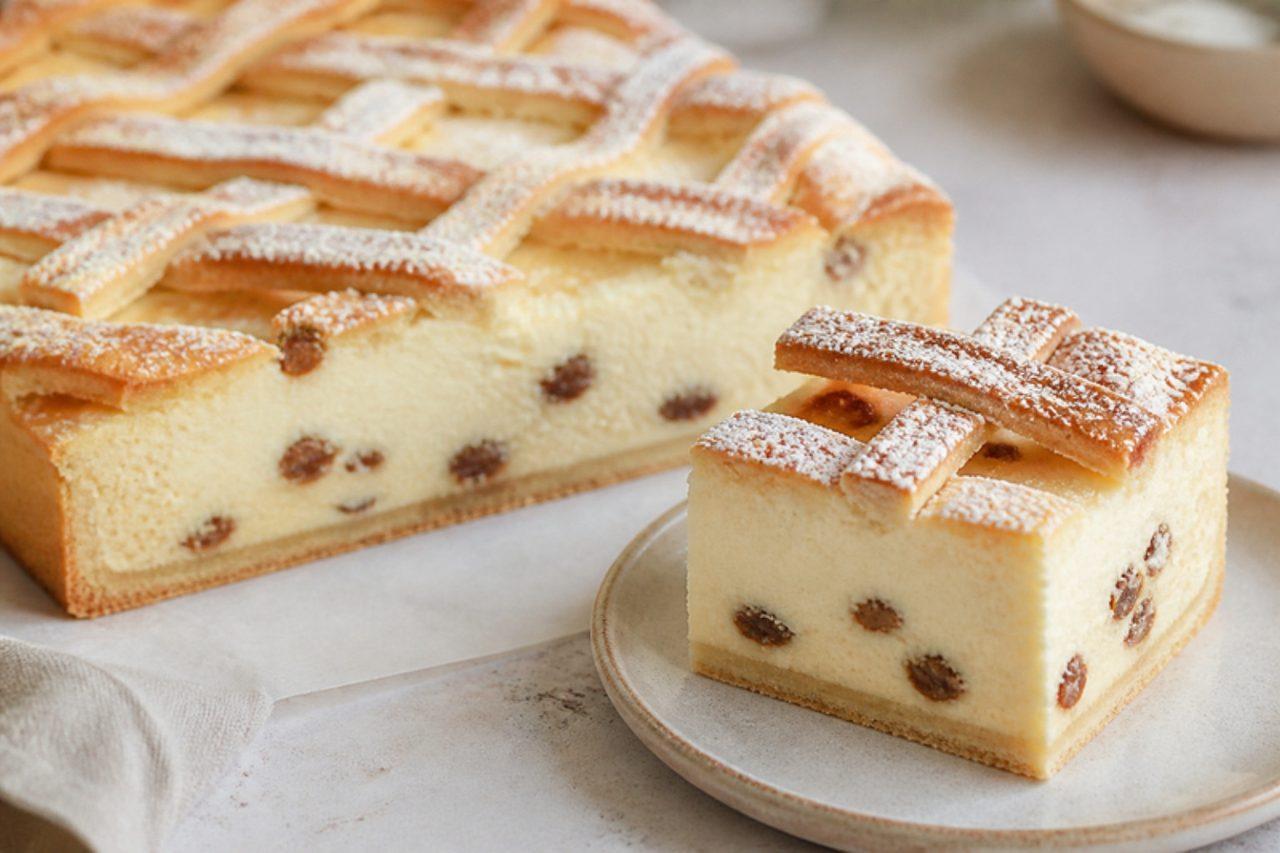
Sernik is the baked cheesecake Polish grandmothers make for Easter and Christmas, and in Kraków it often comes as sernik krakowski, with raisins in the filling and a lattice of pastry on top. Unlike the American kind it is made with twaróg, a dry, tangy curd cheese, so the filling is light and fine-grained rather than dense, set with eggs and a little potato starch, never gelatine. This version keeps a buttery shortcrust base and a smooth vanilla-lemon top. Chef's tip: the twaróg must be put through a mincer or sieve twice, or bought as ready-ground twaróg sernikowy in a tub; lumpy cheese gives a grainy cake.

110 minBaking
by KrazyBadal 0 views

Gamja ongsimi

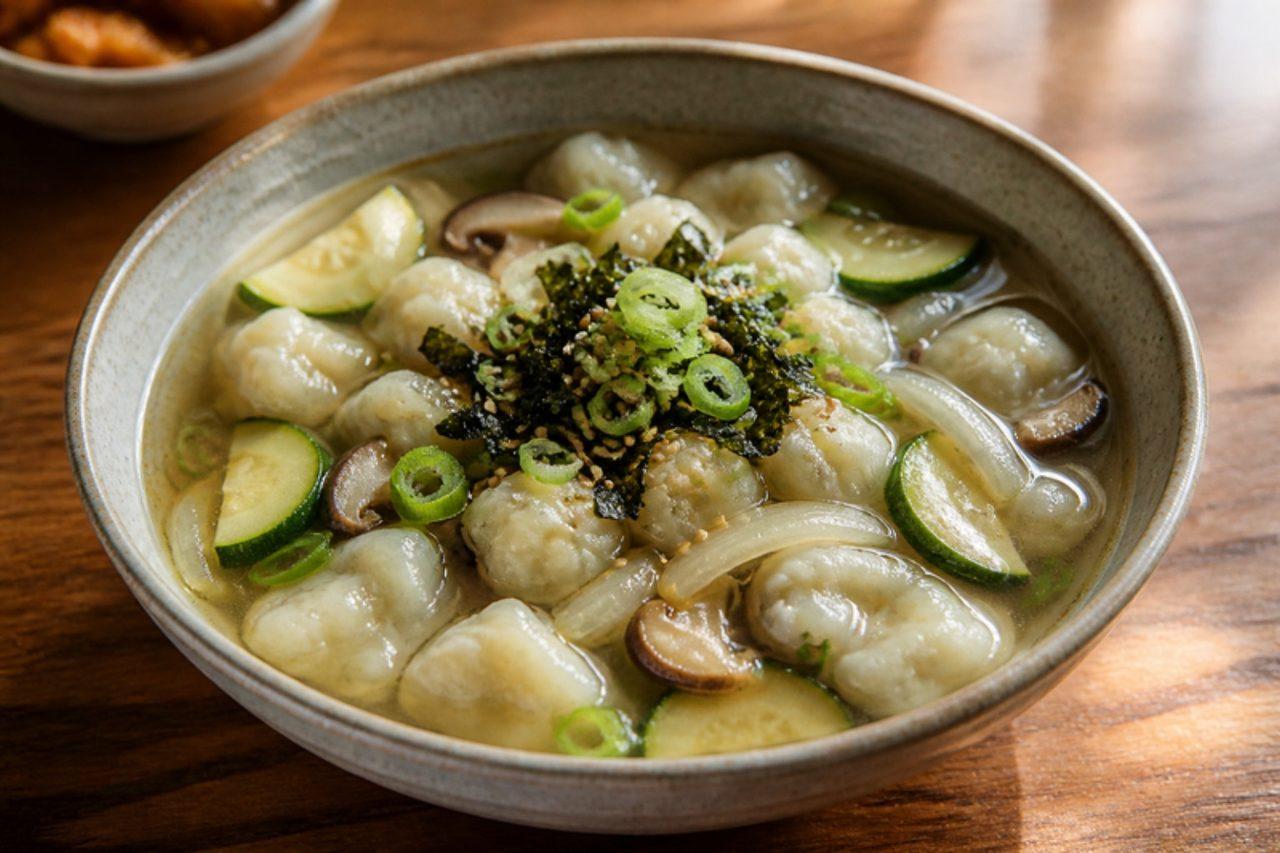
Ongsimi (옹심이) means 'little bird egg' in the Gangwon dialect, and it describes the small, chewy dumplings that Gangneung cooks make from grated potato and its own starch. Gangwon's mountains grow more potatoes than rice, and ongsimi restaurants around Gangneung still serve the dumplings in plain anchovy or kelp broth with courgette, sometimes with knife-cut noodles added. This version uses kelp and shiitake, so it is vegan and gluten free if you season with tamari. The dumplings are translucent, slippery and springy, nothing like gnocchi. Chef's tip: let the potato water stand until the white starch settles at the bottom, then add every bit of that starch back to the grated potato; it is what makes the dumplings chewy.

55 minSoupsVeganGluten free
by KrazyBadal 0 views

Ashlyan-fu

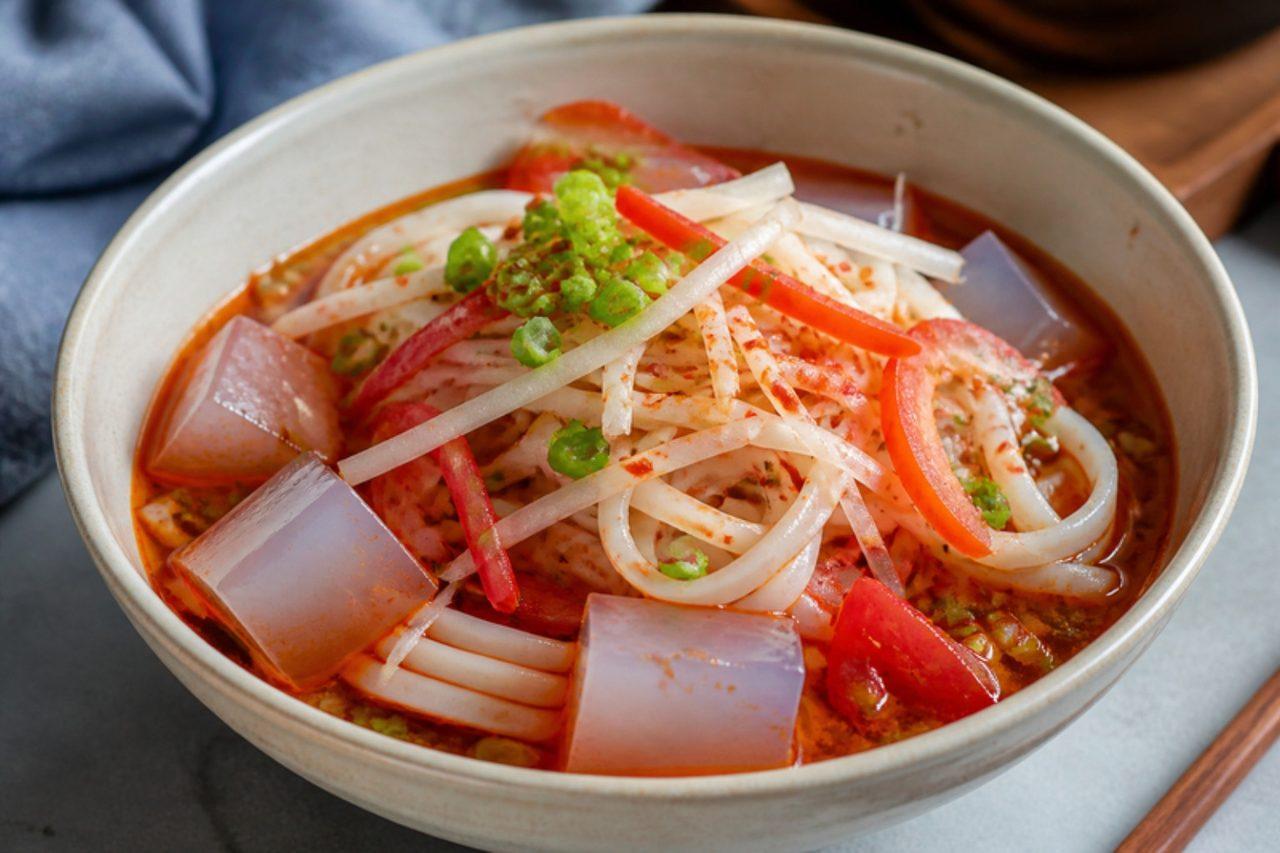
Ashlyan-fu is the street food of Karakol, the town on the eastern shore of Kyrgyzstan's Lake Issyk-Kul, brought by Dungan (Hui) families more than a century ago. Locals eat it for lunch on hot days at the 'ashlyan-fu row' near the bazaar: thick wheat noodles and cubes of wobbly starch jelly in a chilled, sour and fiery broth, with a strip of thin omelette, often alongside a fried potato pirozhok. It's eaten all over Kyrgyzstan and southern Kazakhstan now. This version uses a vegetable sauce rather than meat. Chef's tip: everything must be cold; chill the broth and the jelly properly, as lukewarm ashlyan-fu tastes flat.

by KrazyBadal 0 views

Prinsesstårta

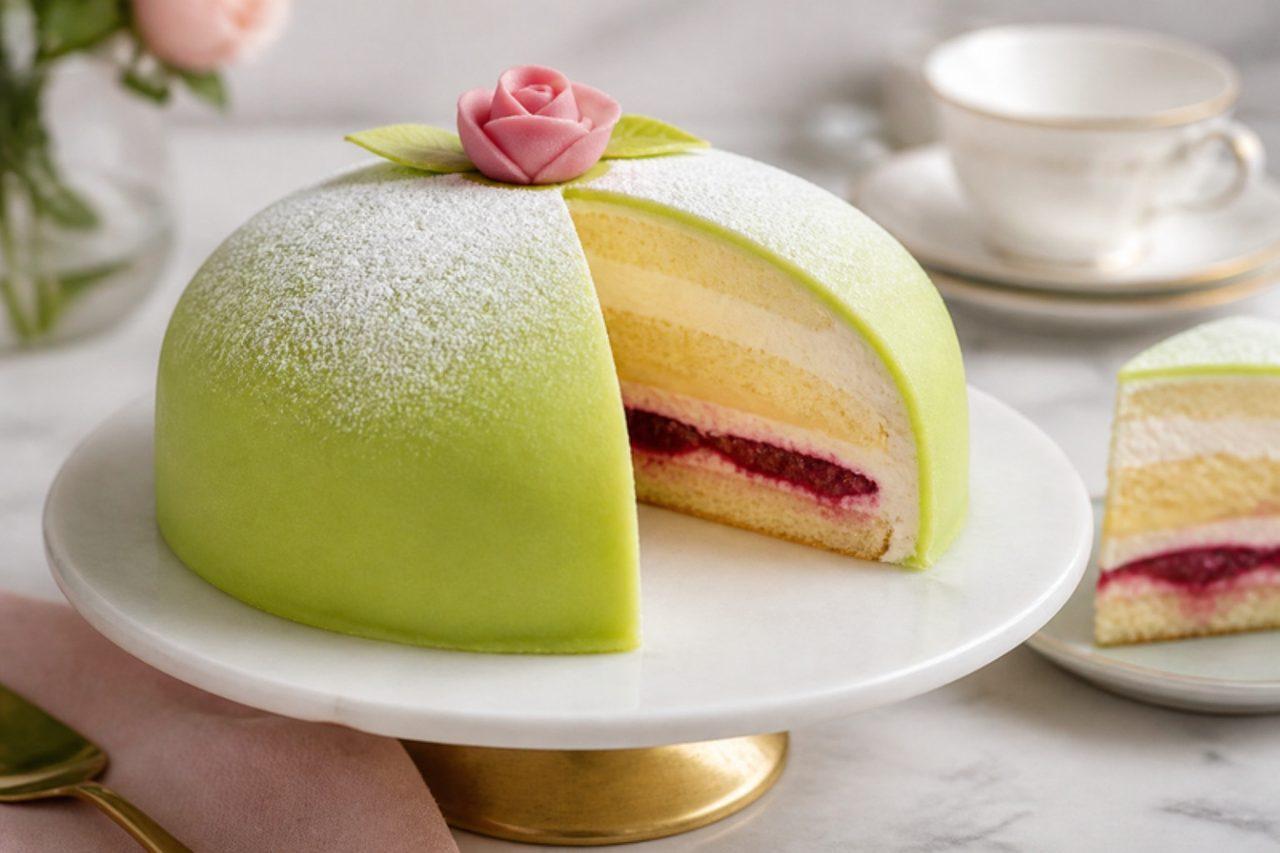
This domed green cake sits in every Swedish konditori window and is the cake for name days, birthdays and the last week of September, which Swedes call Prinsesstårtans vecka. It was first written down in the 1930s by Jenny Åkerström, cookery teacher to three young Swedish princesses, and they adored it. Under the smooth marzipan lie airy sponge layers, raspberry jam, thick vanilla custard and a tall mound of whipped cream. Shop versions often set the cream with gelatine; here the custard is firmed with cornflour and the cream with a little mascarpone, so it is fully vegetarian and still slices cleanly. Chef's tip: assemble the cake the day before you need the custard and sponge, but cover it with marzipan only a few hours before serving; marzipan sweats in the fridge overnight.

90 minDesserts
by KrazyBadal 0 views

Mustikkapiirakka

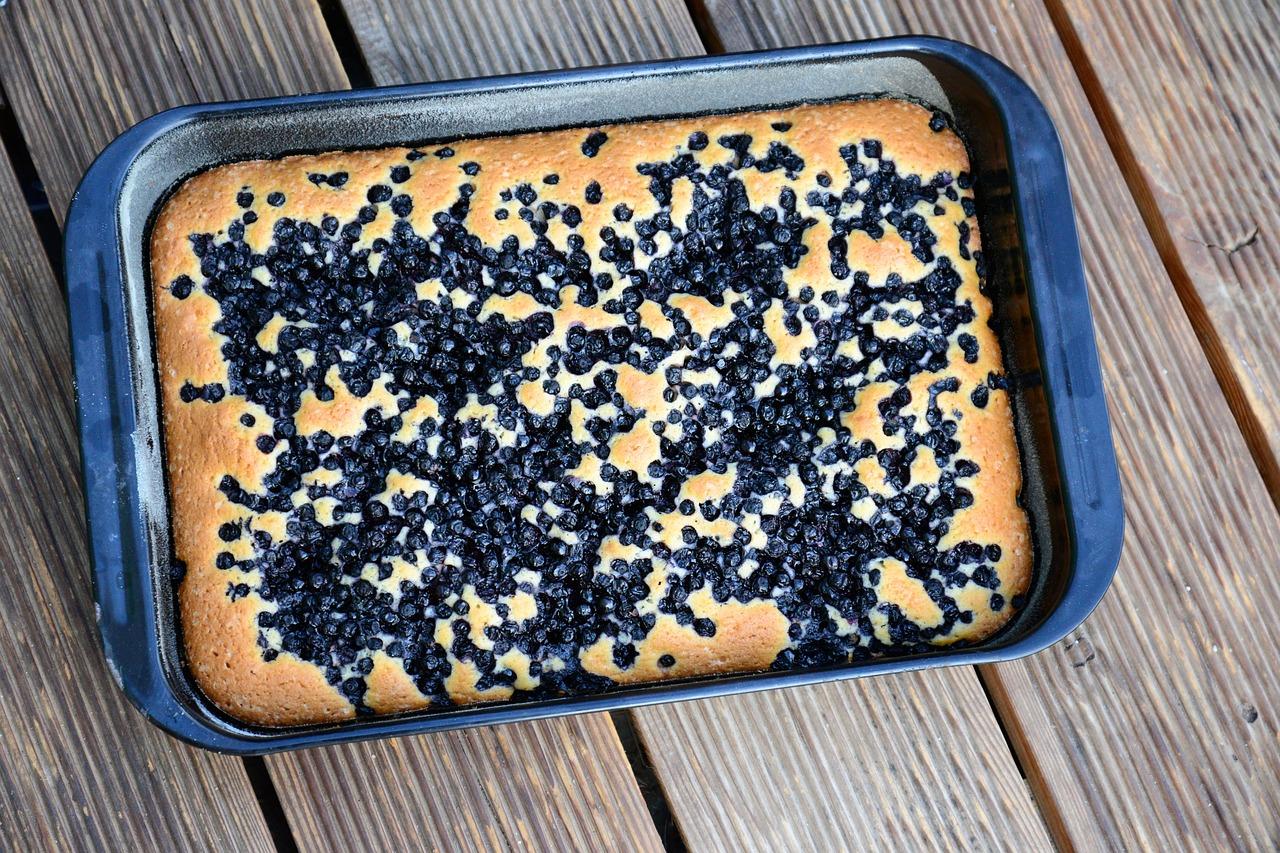
In late July and August, Finns head into the forests with buckets and come home with purple fingers, and the first thing many make is mustikkapiirakka. Finnish wild blueberries (mustikka) are small and blue right through, far more intense than cultivated ones. This is the version from Savo and central Finland: a soft, cakey shortcrust pressed into a tin, a deep layer of berries and a just-set topping of sour cream, egg and sugar. It is eaten at summer cottages (mökki) with coffee, warm or cool, often with vanilla sauce. Frozen wild blueberries from the freezer aisle work all year. Chef's tip: toss the berries with potato starch before they go into the crust; it catches the juice so the slices hold together instead of running purple.

55 minDesserts
by KrazyBadal 0 views

Chicken karaage

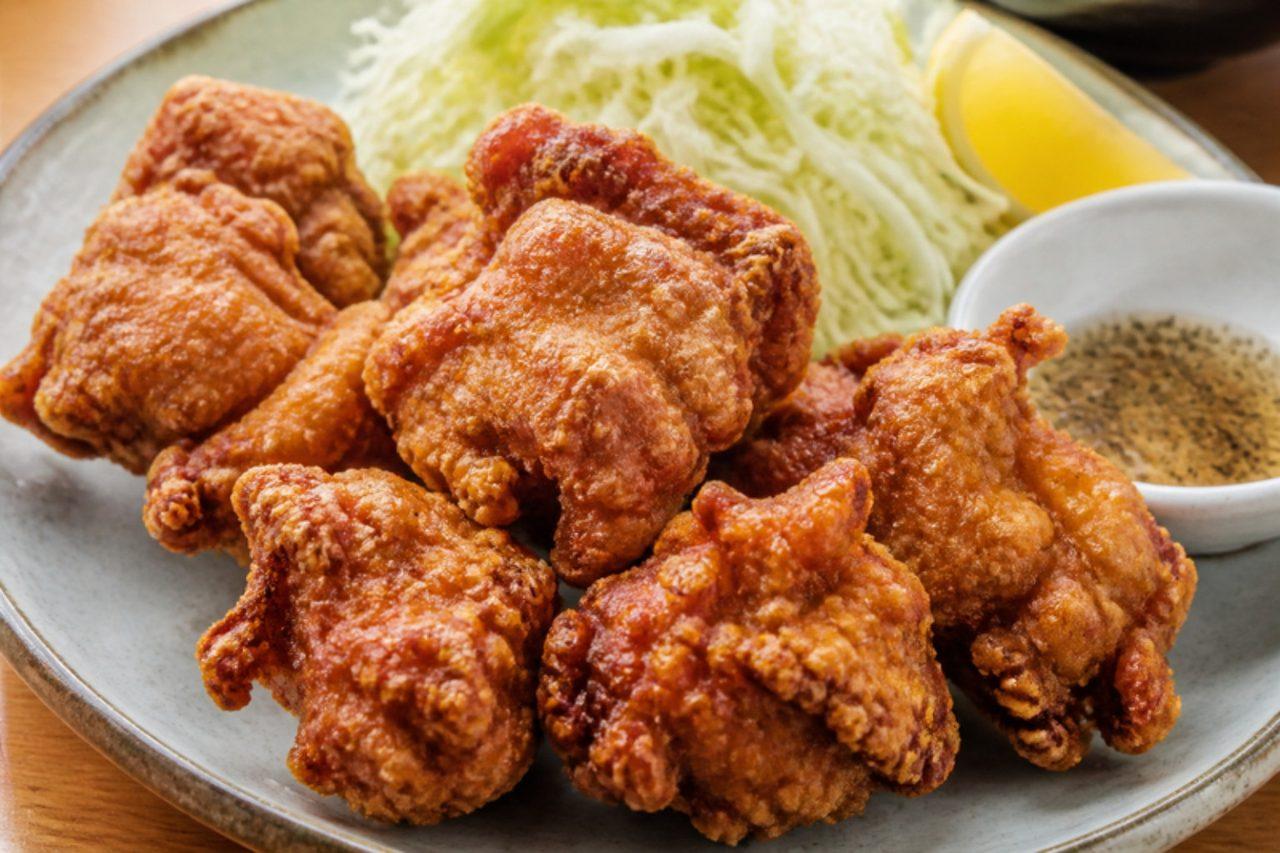
Nakatsu, a city in Oita prefecture on Kyushu, calls itself the capital of karaage and has dozens of takeaway shops selling it by weight. Across Japan, these bite-size nuggets fill school bento boxes, sit in the hot cabinet of every convenience store and arrive with a squeeze of lemon at izakaya bars. Boneless thigh soaks briefly in soy, ginger and garlic, then a dusting of potato starch fries into a thin, glassy crust. Frying twice keeps the meat juicy and the outside crisp for longer. Chef's tip: once you have tossed the chicken in starch, wait 5 minutes until the coating looks damp in patches, which is what gives that craggy, crunchy finish.

40 minChicken
by KrazyBadal 0 views

Zangi

Ask for fried chicken in Kushiro or Sapporo and you'll be handed zangi, which locals insist is not the same as karaage. A Kushiro restaurant says it coined the name around 1960, and today zangi shops, ski-lodge canteens and supermarket delis across Hokkaido sell it in big, bone-in pieces. The chicken soaks for hours in a punchy mix of soy, sake, garlic, ginger and oyster sauce with an egg beaten in, so the flavour runs right through the meat, and it often comes with a sharp dipping sauce of vinegar, soy and black pepper. The coating is a mix of flour and starch, so it fries darker and more savoury than karaage. Chef's tip: marinate it overnight in the fridge for the full Hokkaido flavour; 30 minutes works, but the difference is clear.

65 minChicken
by KrazyBadal 0 views

Yangnyeom chicken (Korean fried chicken)

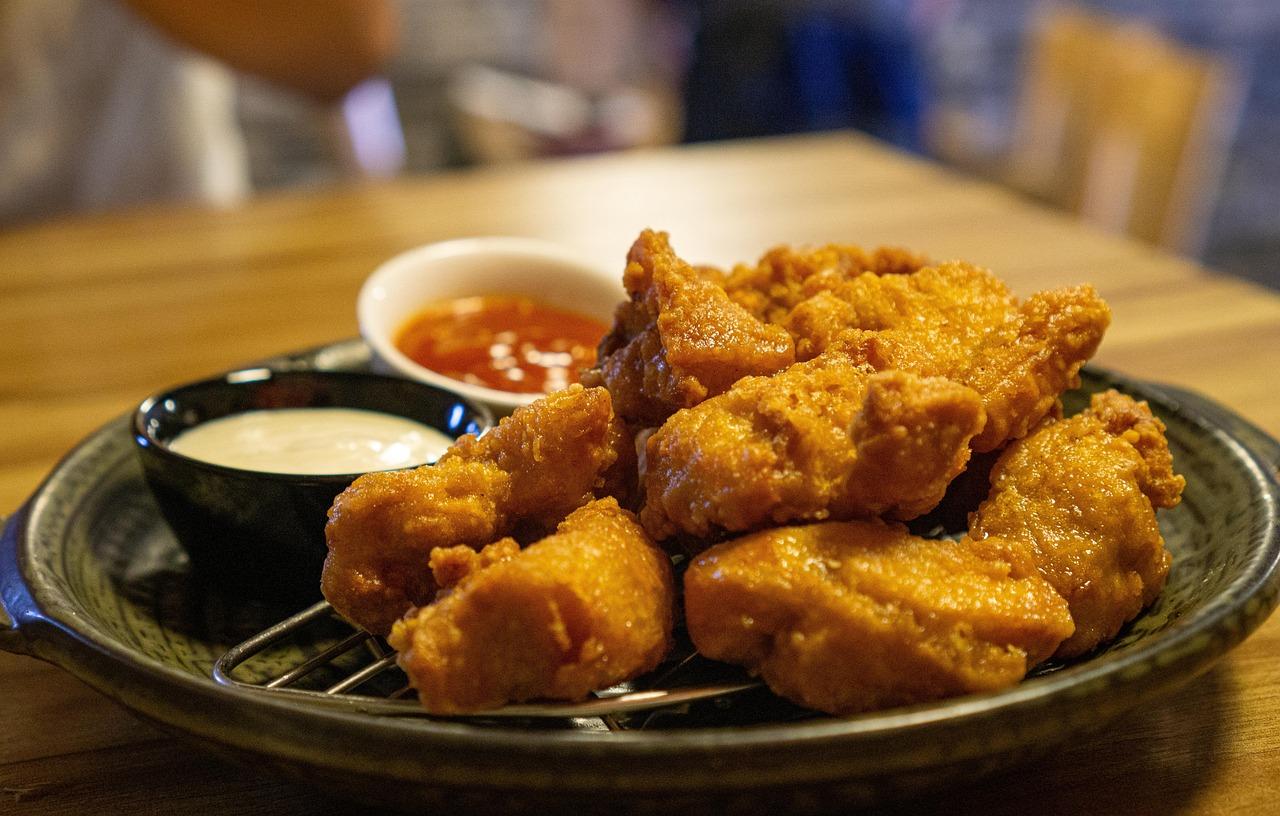
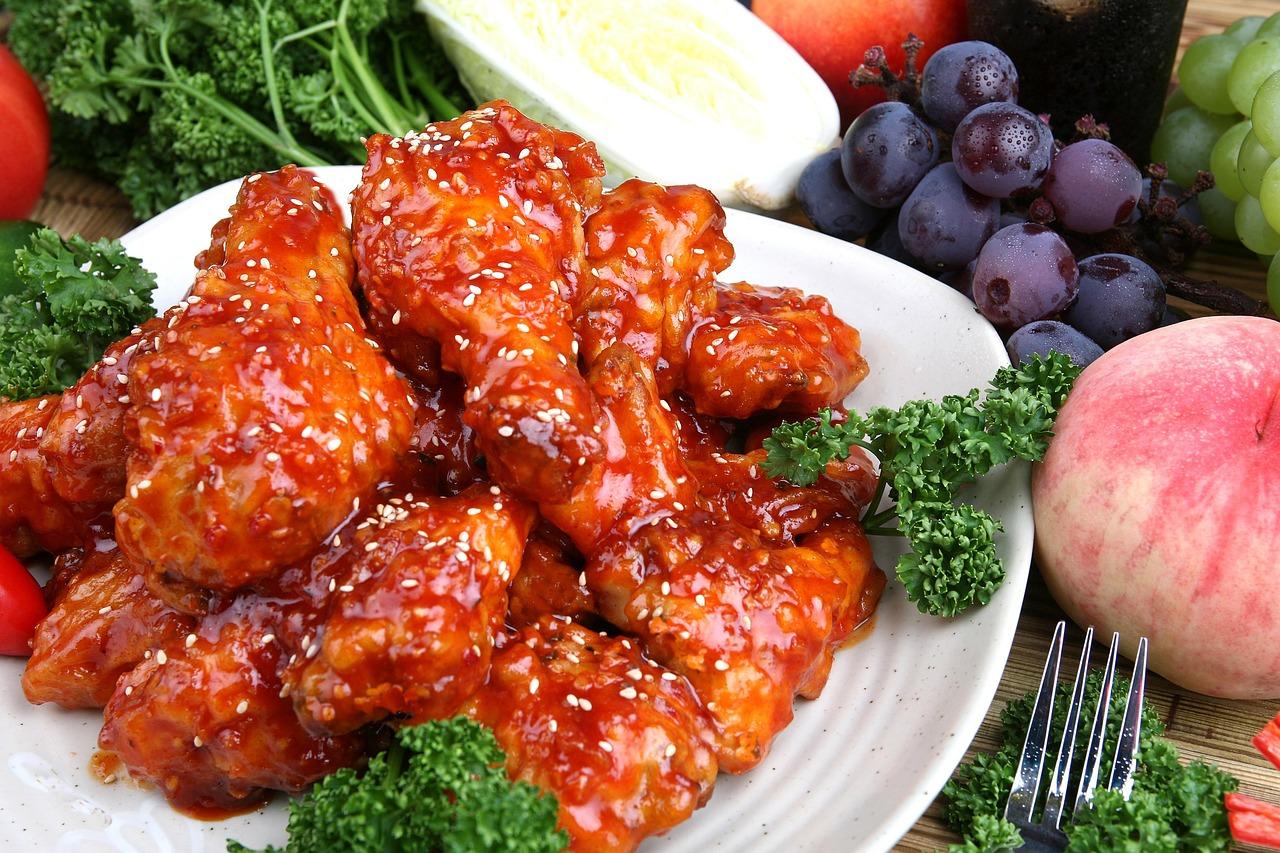
Fried chicken shops are on almost every street corner in Korea, and late-night delivery boxes are shared over sport on TV or by the river in summer. The pairing with beer even has its own word, chimaek, but an ice-cold alcohol-free beer, barley tea or a fizzy drink works just as well. Yangnyeom chicken is the glazed kind, tossed in a sweet, garlicky gochujang sauce, and it always comes with cubes of white pickled radish to cut the richness. Chef's tip: let the chicken rest for 5 minutes between the two fries; the moisture that rises to the surface is what the second fry turns into a shatteringly crisp shell.

60 minChickenSpicy
by KrazyBadal 0 views

Guo bao rou

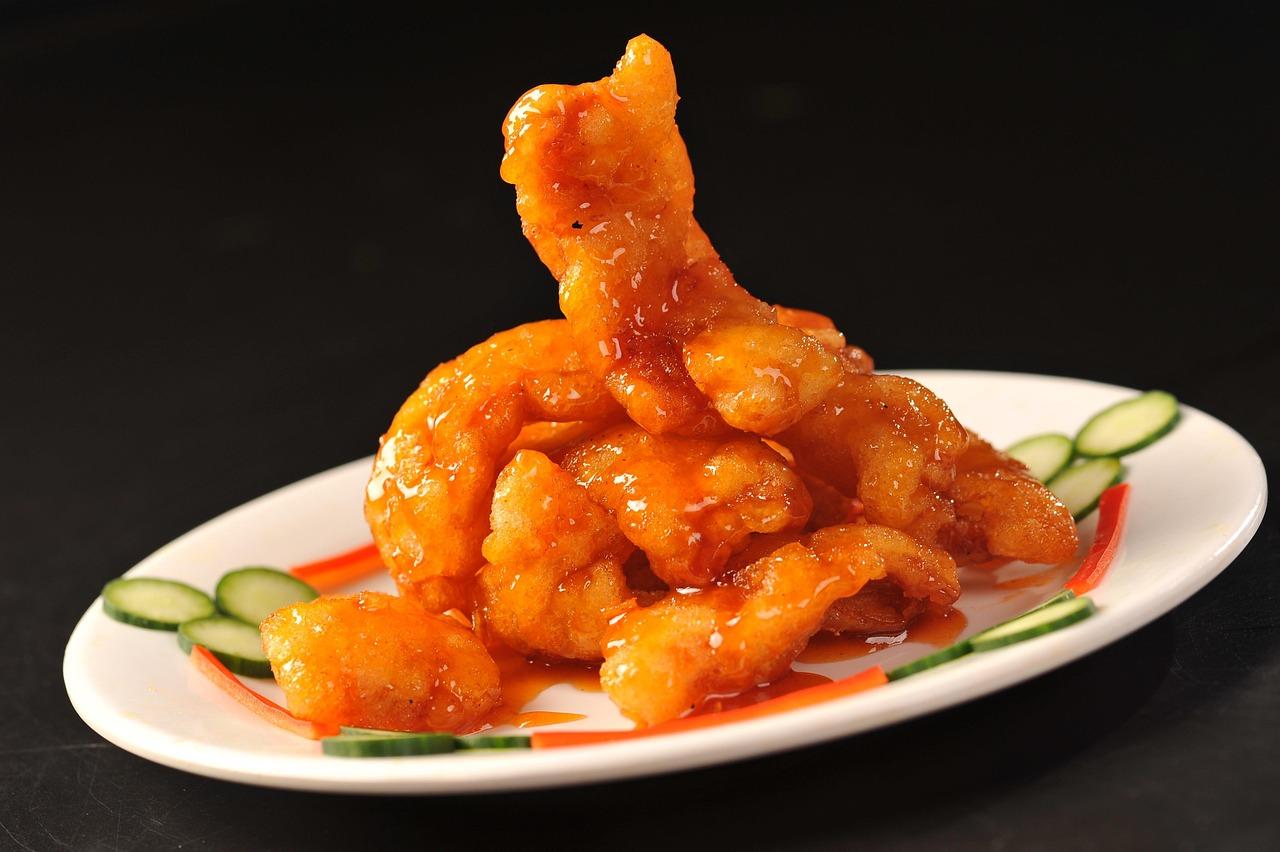
Created in a Harbin government kitchen in the early 1900s to please Russian guests, this is the north-east's own sweet-and-sour pork, and every Dongbei restaurant still serves a heaped plate of it. Large, thin slices of tenderloin go into a thick potato-starch coating, are fried twice until they shatter, then are tossed in a pale, sharp sugar-and-vinegar glaze with shreds of ginger, carrot and coriander. Unlike the red Cantonese version there is no ketchup and no pineapple; the flavour is cleaner and more sour. Bring it to the table the second it leaves the wok, alongside steamed rice and a cold cucumber salad. Chef's tip: soak the potato starch in water for an hour and pour off the clear liquid; the thick paste underneath gives the crispest coating.

45 minMeat
by KrazyBadal 0 views

Sweet and sour carp

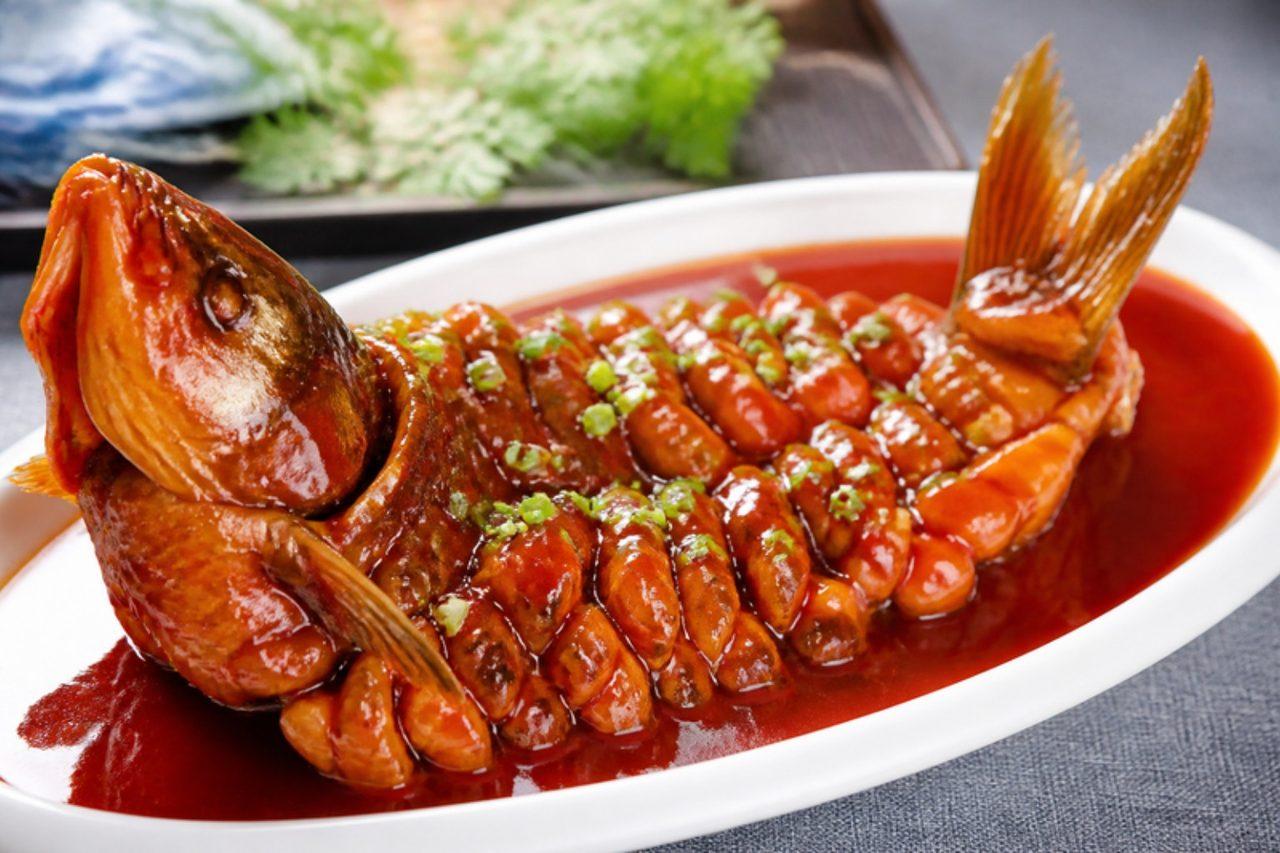
On Jinan's banquet tables a whole carp, its tail curled up as if leaping the Dragon Gate on the Yellow River, is a wish for success, so it turns up at weddings, exam celebrations and New Year. The fish is scored deeply, coated in a thin starch batter and fried until the skin crackles, then a hot glaze of sugar, vinegar and soy is poured over so it sizzles at the table. Inside, the flesh stays white and moist. Serve with steamed rice and a stir-fried green vegetable. Chef's tip: carp has fine bones, so if you are cooking for children use sea bass or tilapia; the method is the same.

50 minFish
by KrazyBadal 0 views

Goes well with potato starch