Skip to content

Recipes with shallot

361 recipes that use shallot, with photos, step-by-step instructions and cook times. The quickest, Sambal kecap, takes 5 minutes. It is most often cooked with garlic, sugar and turmeric.

Run out of shallot? Half an onion per 2 shallots.

Got a few things in the fridge? Search by everything you have

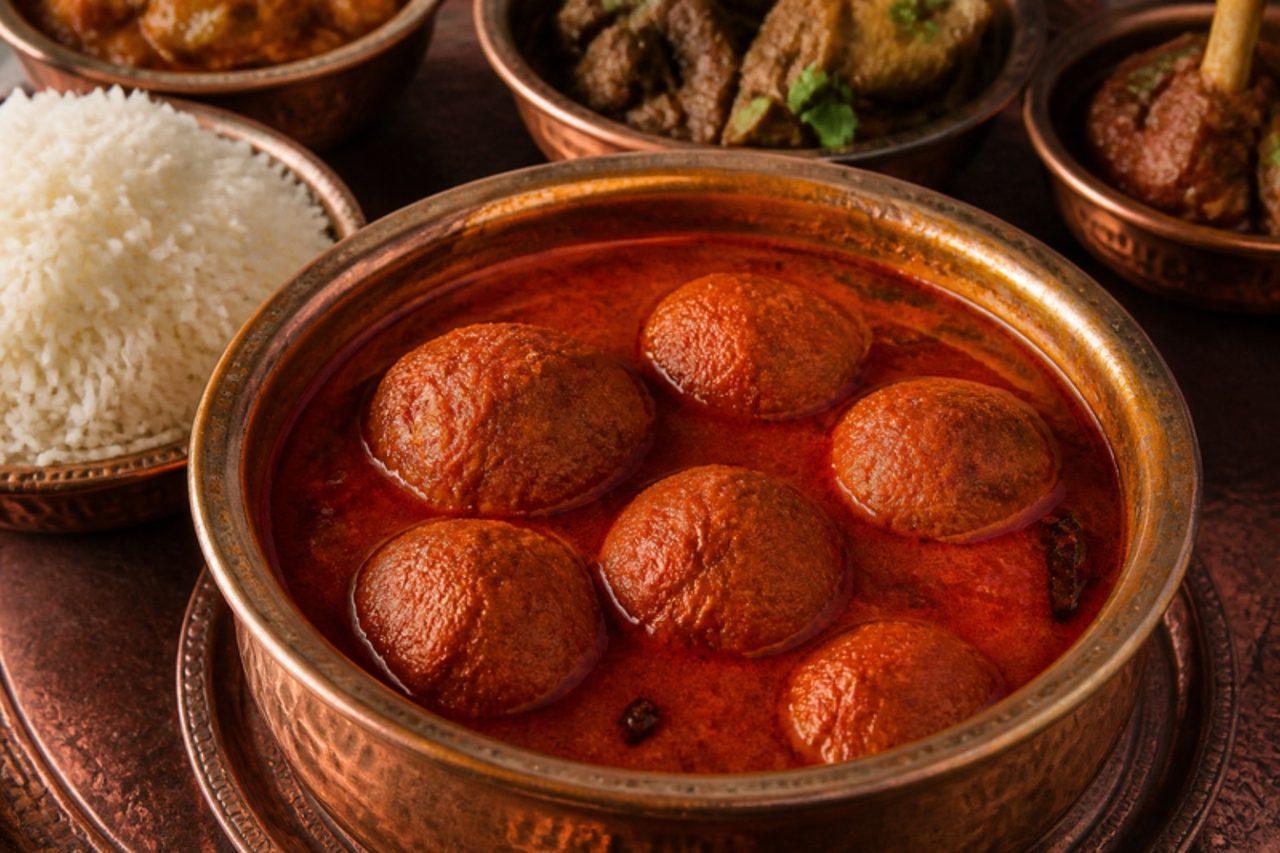
RistaMutton balls in red gravy

Rista is gushtaba's scarlet twin on the wazwan spread, smaller, softer meatballs of pounded mutton cooked in a thin, glowing red gravy instead of yogurt. The colour comes from Kashmiri chillies and mawal, dried cockscomb flower steeped in hot water, and the flavour from fennel, dry ginger and black cardamom fried in mustard oil; it is aromatic rather than brutally hot. Kashmiri families in Azad Kashmir and in Pakistani cities serve it at weddings and big lunches with mounds of steamed rice, and it is often the dish guests remember. Under-pounding is the classic mistake, because coarse meat gives chewy, grainy balls. Chef's tip: if you cannot find mawal, the gravy is still right without it; for extra colour, add one extra teaspoon of Kashmiri chilli rather than food colouring.

by KrazyBadal 0 views

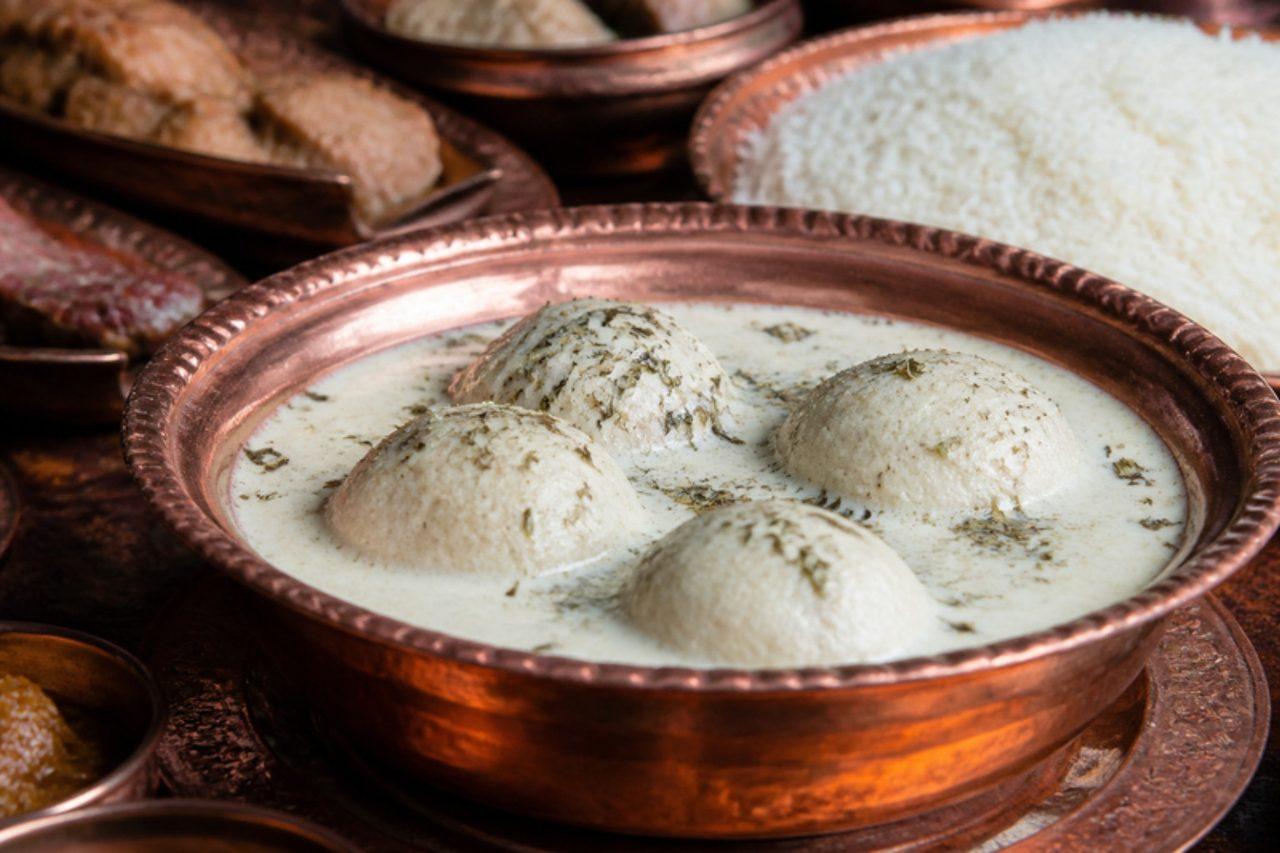
GushtabaMutton balls in yogurt gravy

No Kashmiri wedding feast ends without gushtaba. After hours of wazwan courses, the waza (master cook) brings out these large, pale balls of mutton pounded with fat until silky, swimming in a creamy yogurt gravy scented with fennel, dry ginger and cardamom, and its arrival tells guests the meal is over. Families of Kashmiri descent in Muzaffarabad, Mirpur and Rawalpindi still serve it at weddings and on special Fridays, with plain steamed rice. Good gushtaba is so smooth that it barely holds together on the spoon. Using lean meat is what lets people down: without about a quarter fat the balls turn grainy and hard. Chef's tip: traditionally the meat is pounded on a stone for an hour; at home, process it in short bursts with chilled fat and ice-cold water, stopping to scrape down, until it looks like a sticky, shiny paste.

by KrazyBadal 0 views

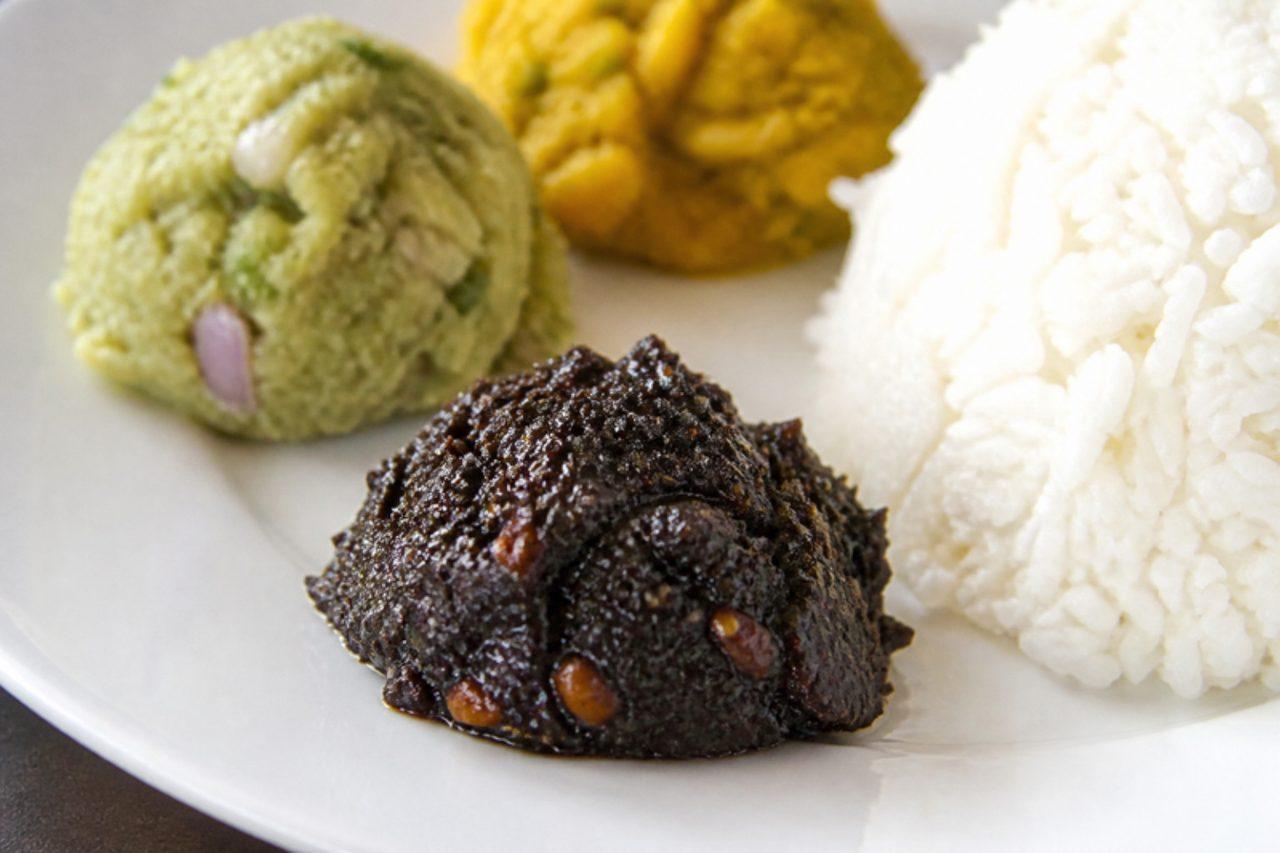
Kalo jeera bhortaNigella seed mash

A bhorta lunch spread in a Bangladeshi home always has one tiny, dark mound that people eat a pinch at a time, and that is kalo jeera bhorta. Nigella seeds are toasted until fragrant, then ground on the shil-pata, the stone slab and roller, with garlic, roasted dried chilli, onion and mustard oil into a coarse, almost black paste that is nutty, bitter and fiery all at once. Grandmothers serve it in winter, believing it wards off colds, and a little is mixed into the first handful of hot rice before moving on to fish or dal. Burnt seeds make it acrid, so the trap is toasting over too high a heat; stop as soon as they smell toasty and start to pop. Chef's tip: grind the seeds alone first, then add the garlic and oil, for a smoother paste in a small grinder.

by KrazyBadal 0 views

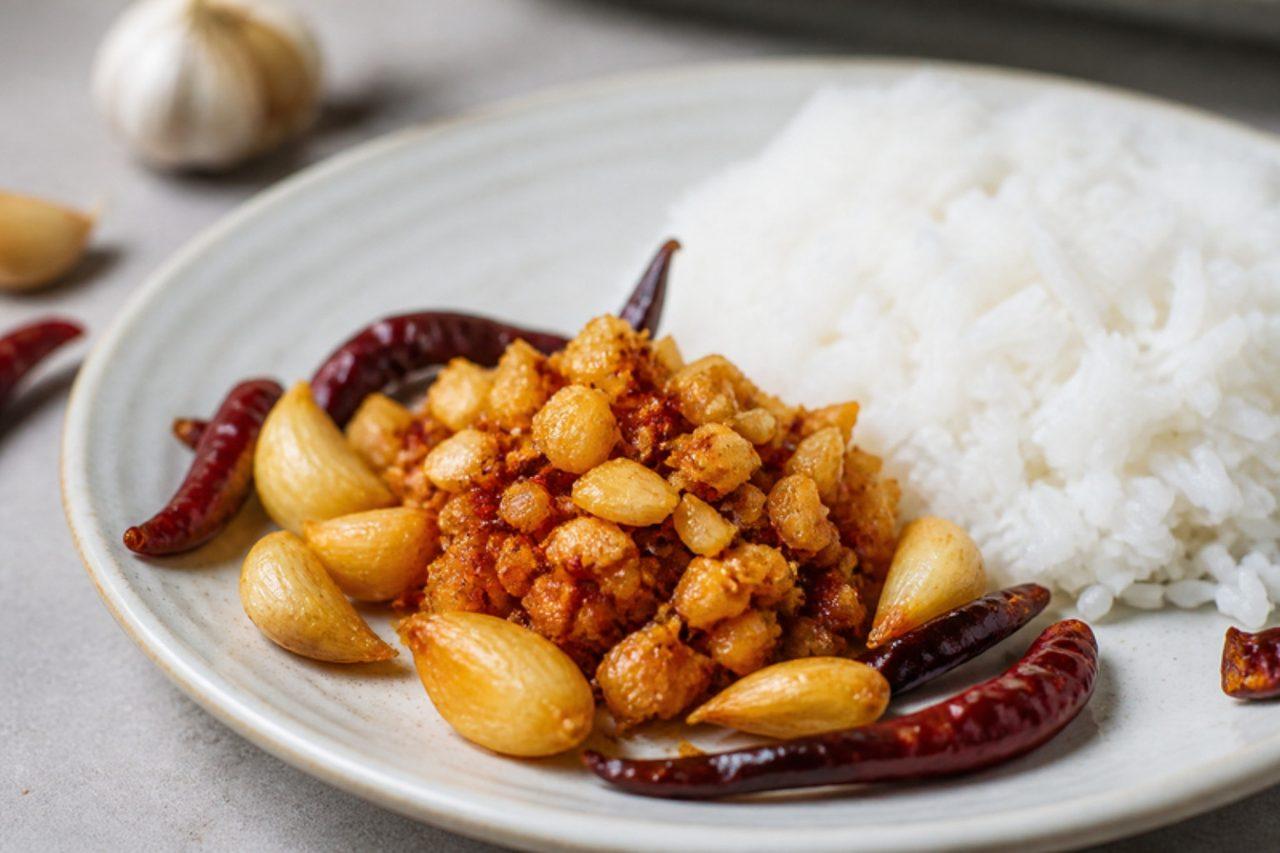
Rosun bhortaFried garlic and chilli mash

Strong enough to make your eyes water, rosun bhorta is the bhorta that farm workers in northern Bangladesh traditionally carried with panta bhat, because a small ball of it flavours a whole bowl of rice. Whole garlic cloves are fried slowly in mustard oil until sweet and golden, then pounded with dried red chillies that have been fried crisp in the same oil, and nothing else but salt. The result is sticky, hot, sweet and deeply savoury, and it sits on the side of the plate next to dal, rice and gentler bhortas. Burnt garlic tastes bitter, so the risk is impatience: keep the heat low and pull the cloves as soon as they are evenly golden. Chef's tip: cut very large cloves in half so they all cook at the same speed.

by KrazyBadal 0 views

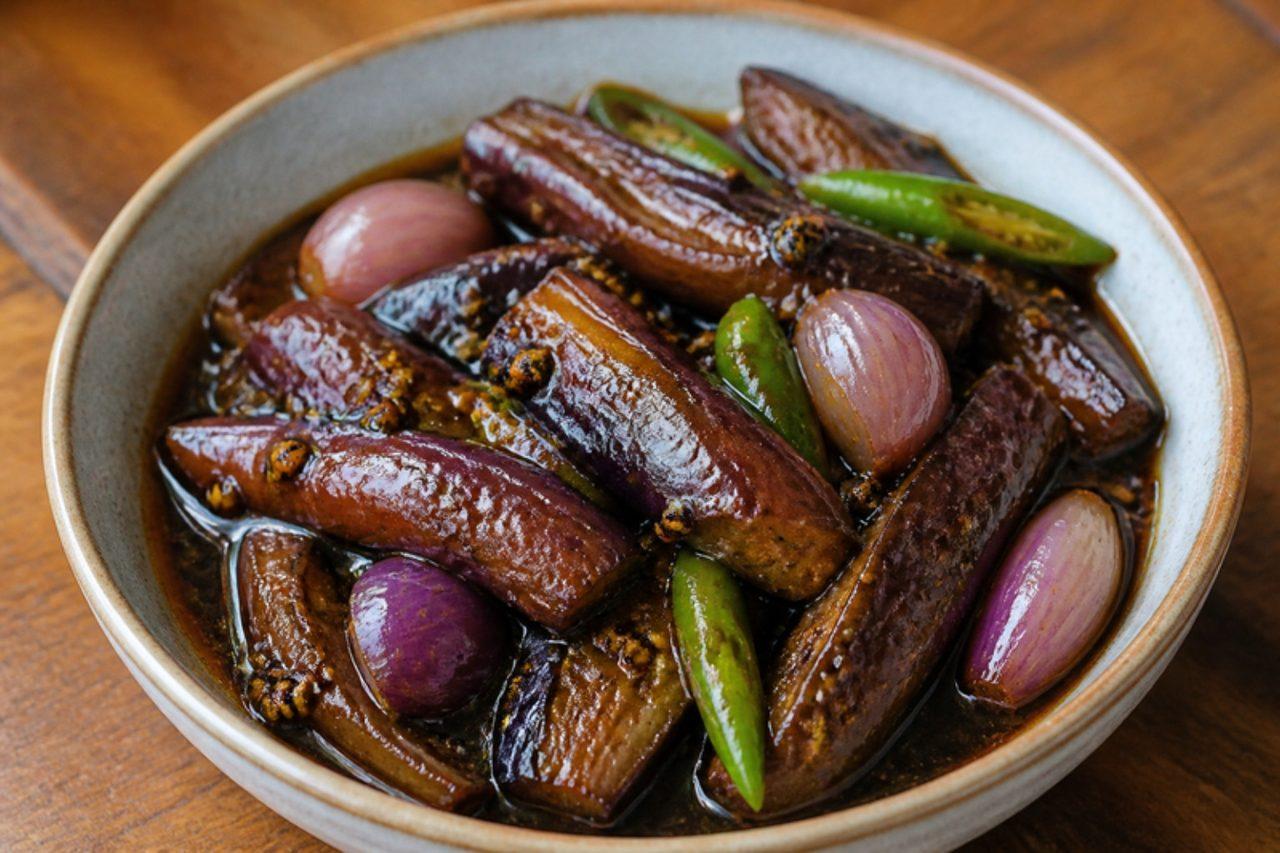
Wambatu mojuFried aubergine pickle

No wedding buffet or almsgiving lunch in the Colombo suburbs feels complete without a dish of wambatu moju, the dark, glossy aubergine pickle that people go back for long after the curries have run out. Strips of long purple aubergine are coloured with turmeric, fried until they shrink and turn deep gold, then tossed with whole shallots and green chillies in a hot, sweet-and-sour paste of ground mustard seed, vinegar and sugar. It is eaten in small spoonfuls with rice, and it tastes even better a day later, once the flavours have soaked in. The point that trips most cooks up is under-frying the aubergine: pale pieces soak up the vinegar like a sponge and go soggy, so fry until they are properly brown and slightly shrivelled. Chef's tip: grind the mustard seeds with some of the vinegar rather than buying ready-made mustard; the fresh paste gives the pickle its pleasant nose-tingling bite.

by KrazyBadal 0 views

Malay achcharuSweet sour vegetable pickle

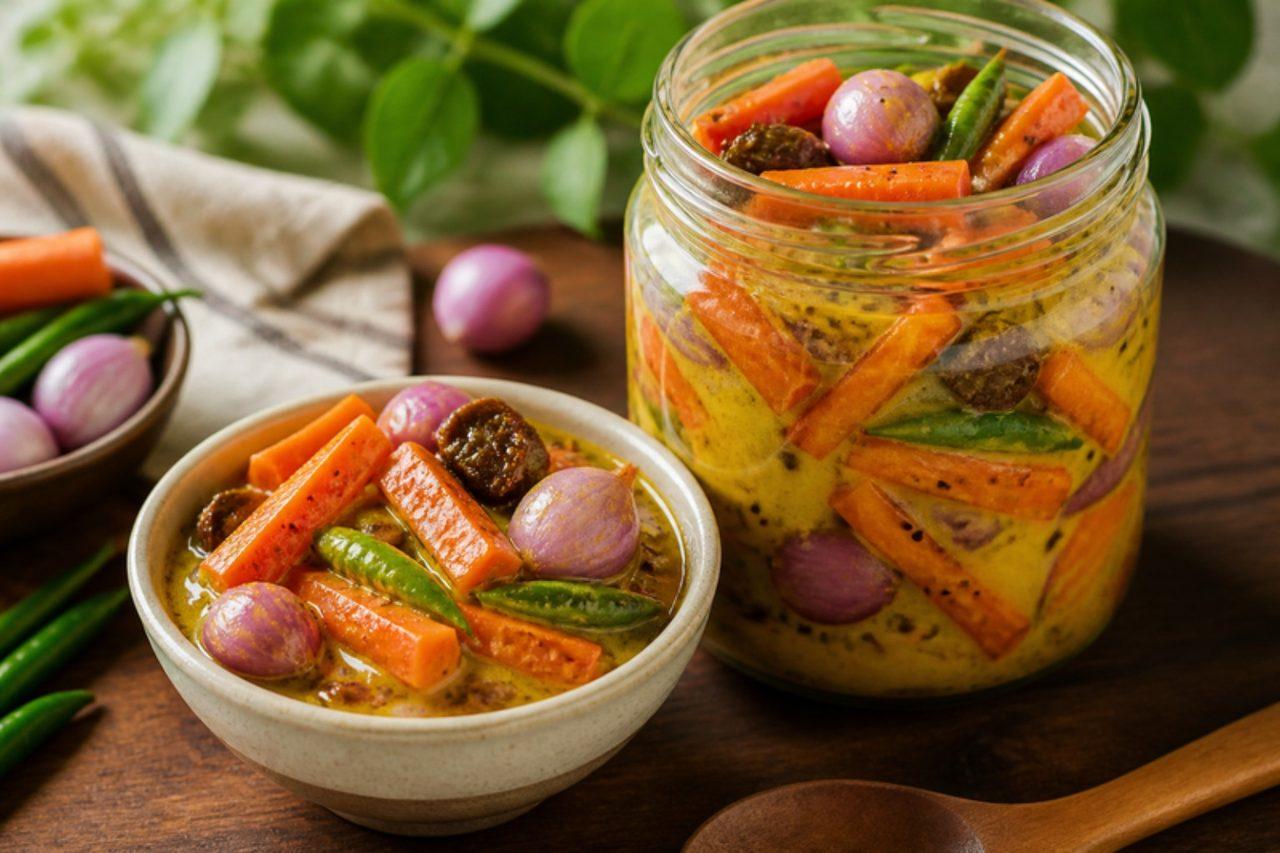
Sri Lanka's Malay community, whose ancestors came from Java and the Malay peninsula under Dutch rule, gave the island this vivid pickle, and today no Eid biryani in Colombo's Slave Island or Hambantota is served without a bowl of it beside the plate. Carrot sticks, whole shallots and green chillies are blanched in vinegar, then coated in a thick, mustard-yellow paste of ground mustard seed, garlic, ginger, chilli and sugar, with soft dates stirred through for sweetness. It is crunchy, sharp and sweet all at once, a perfect foil for rich rice dishes and fried food. Rushing it to the table is the error most people make; the pickle needs at least a day in the jar for the mustard to mellow and the dates to melt into the sauce. Chef's tip: soak the mustard seeds in vinegar for an hour before grinding, which softens them and gives a smoother, creamier paste.

by KrazyBadal 0 views

Hakka flat rice noodlesFlat rice noodle soup

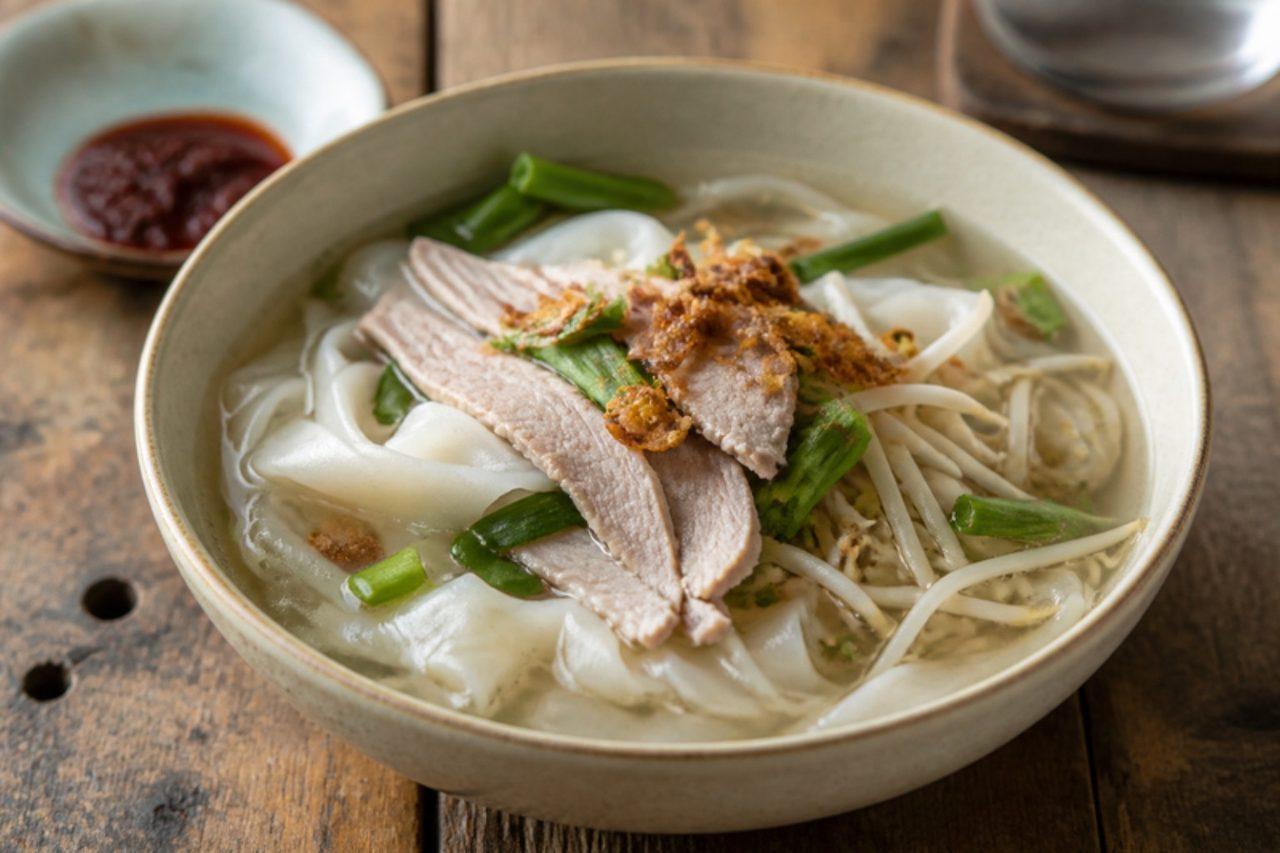
Meinong, a Hakka farming town in the hills of Kaohsiung, is famous for its ban tiao: broad, slippery rice noodles steamed fresh each morning and sold in roadside shops for lunch, either swimming in a clear pork broth or stir-fried with chives and bean sprouts. This is the soup version, light and savoury, with tender slices of pork, crunchy sprouts, garlic chives and plenty of shallot oil floating on top; Hakka cooks put a side plate of boiled pork with a salty-sour sauce next to it. Overcooking is the classic error here: fresh ban tiao only needs a dip in boiling water, and it falls apart if left in. Chef's tip: separate the sheets of noodle by hand before cooking; cold noodles straight from the pack stick together in thick clumps.

by KrazyBadal 0 views

Udang masak nanasPrawns in pineapple gravy

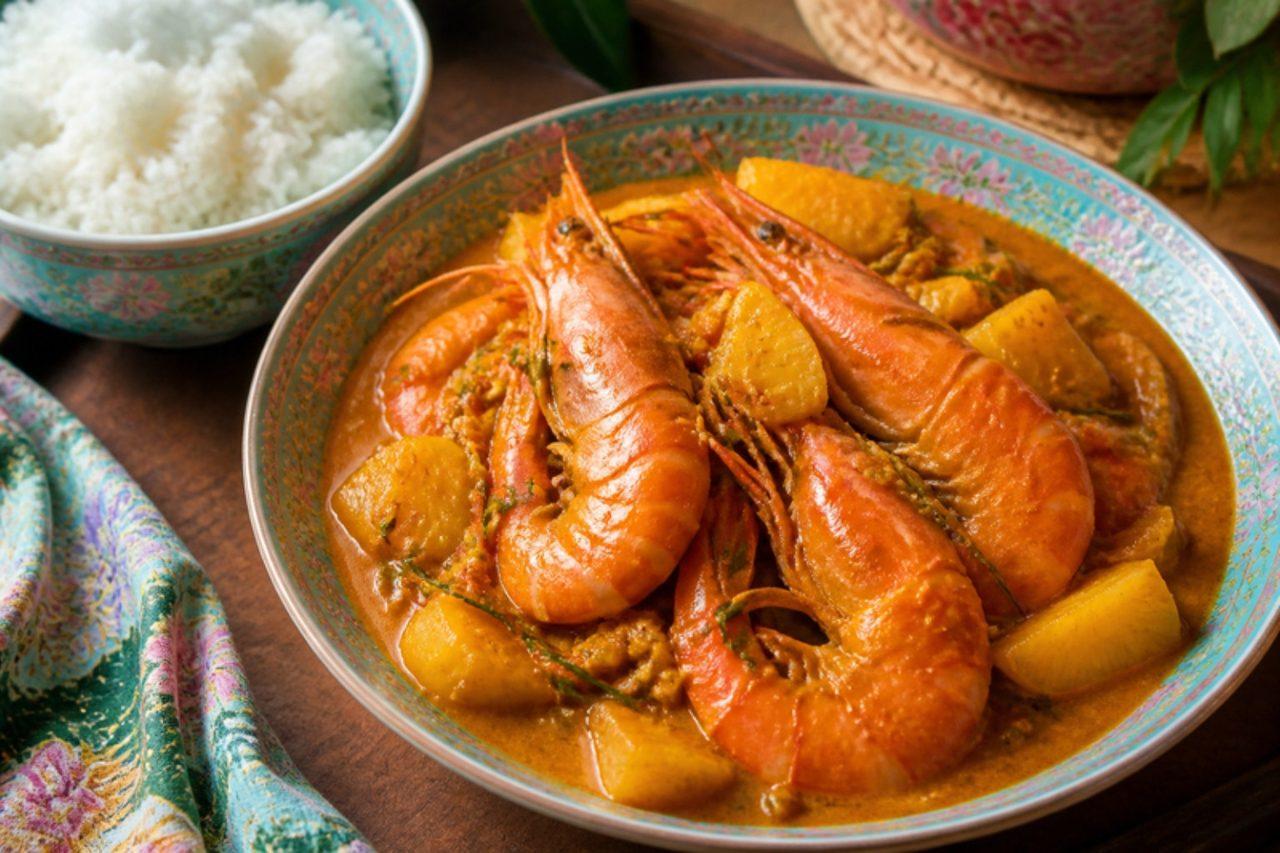
Sweet, sour and gently hot, this Nyonya prawn and pineapple curry turns up on Peranakan family tables in Singapore and Melaka as one of several dishes shared at a weekend lunch, often next to a coconut-rich curry it is meant to balance. Prawns and chunks of half-ripe pineapple simmer briefly in a thin, golden gravy of tamarind and a lightly fried rempah of chillies, shallots, lemongrass, turmeric and shrimp paste, so the sauce tastes bright and fruity rather than heavy. Eat it with plenty of steamed rice. Overcooking the prawns is the common slip; they need only 3 minutes and turn tough and dry if left to stew with the pineapple. Chef's tip: choose a pineapple that is still a little firm and tart, as fully ripe fruit makes the gravy too sweet and falls apart.

by KrazyBadal 0 views

Atjar tjampoerSweet-sour mixed vegetable pickle

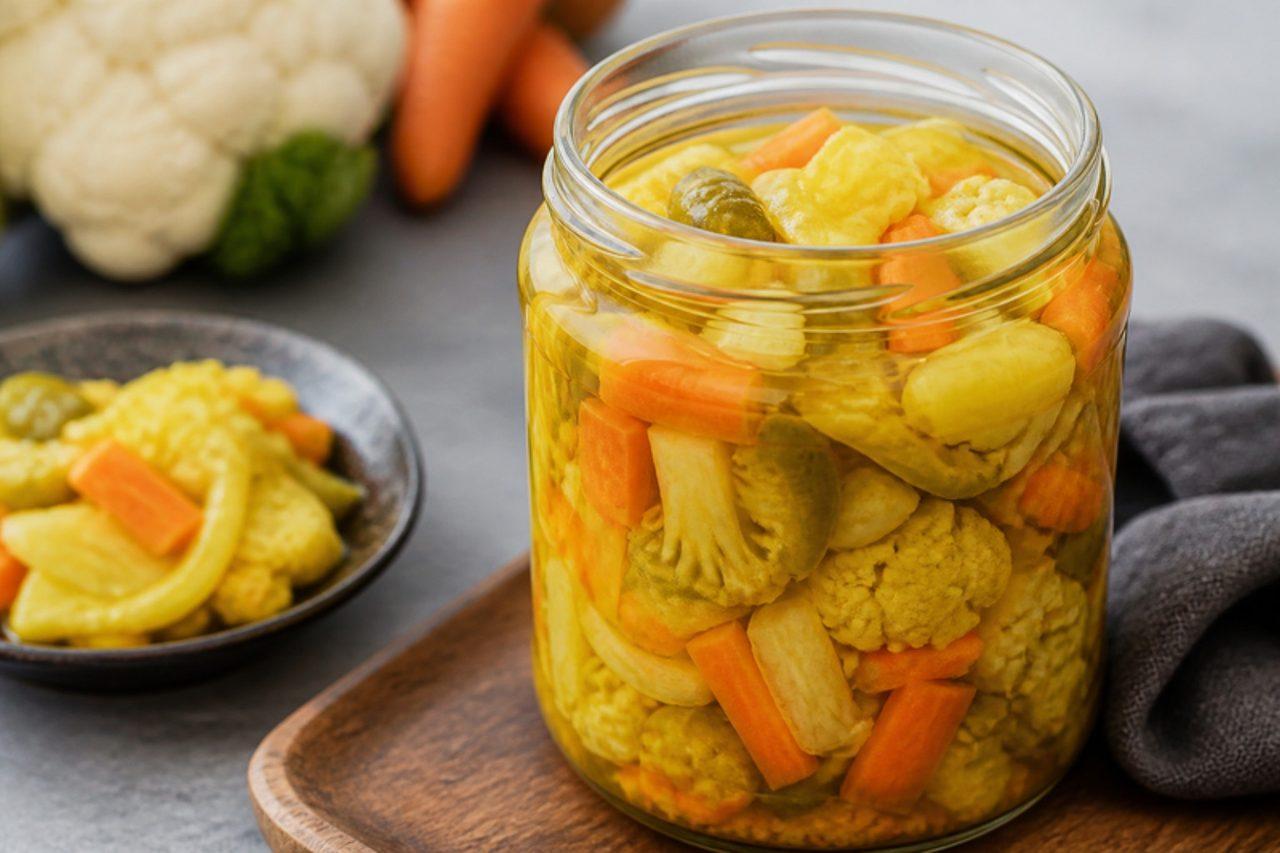
Atjar tjampoer is the bright yellow pickle in every Dutch-Indonesian toko and on every rijsttafel: crisp cucumber, carrot, cabbage, cauliflower and shallot pickled in a sweet-sour vinegar brine coloured with turmeric, with a little chilli and ginger. It cuts through rich satay and rendang. A common mistake is cooking the vegetables, which makes them soft; they should only be blanched or simply covered with hot brine. Chef's tip: salt the cucumber first and squeeze it, so it stays crunchy for days.

by KrazyBadal 0 views

Changhua ba-wanPork-filled starch dumplings

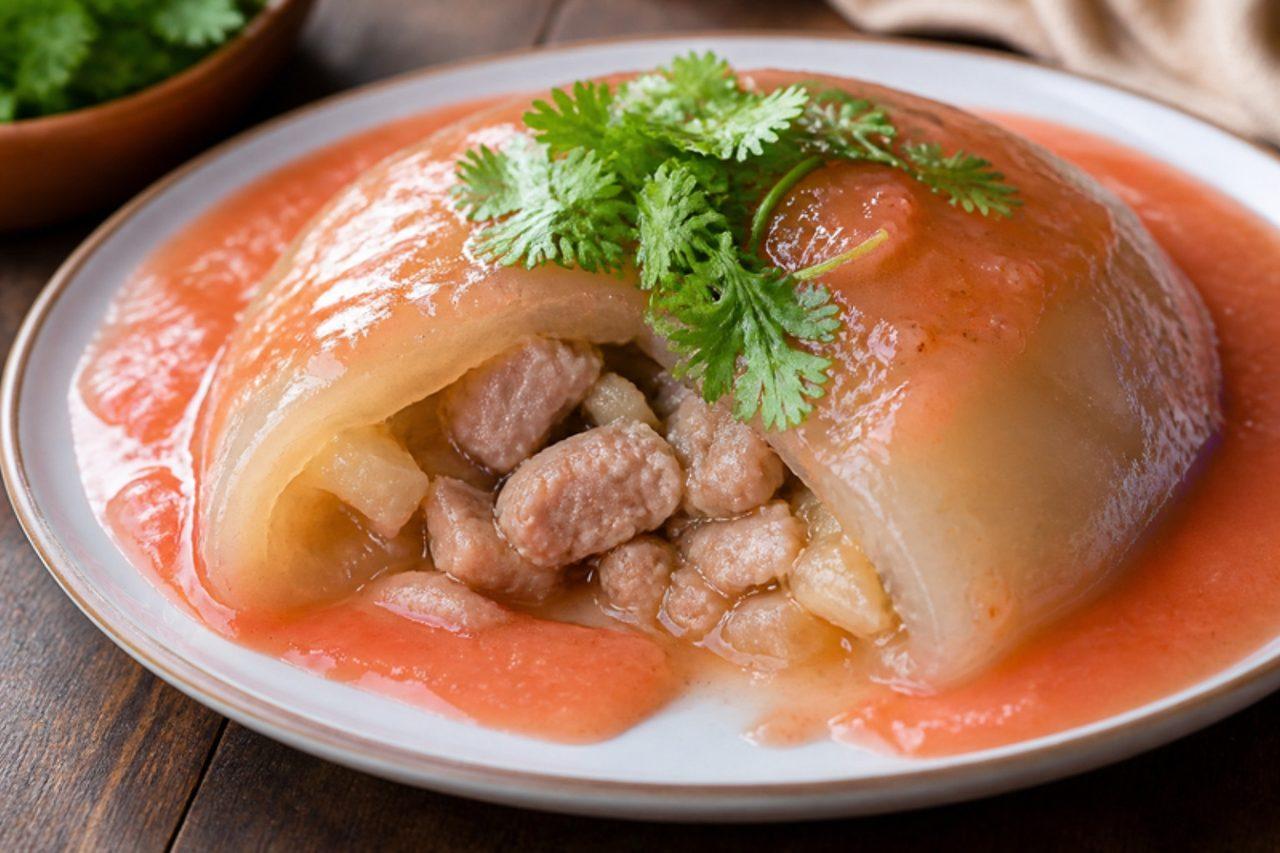
Changhua's old market streets are lined with shops whose woks are full of these dumplings sitting in warm oil, ready to be split open, sauced and eaten as a mid-morning or afternoon snack. The wobbly, translucent skin of sweet potato starch is chewy and slightly sticky, wrapped around a savoury filling of marinated pork, bamboo shoot and shiitake, and the whole thing is drenched in a sweet pink-brown sauce with garlic and coriander. The trickiest part is the wrapper: a dough made only of raw starch cracks and turns gluey, so cook part of it into a paste first. Make it gluten-free by using tamari or gluten-free soy sauce, as here. Chef's tip: oil the saucers well and keep your fingers wet when shaping; the starch dough is sticky, and water lets you smooth it into neat domes.

by KrazyBadal 0 views

Beef brisket noodles

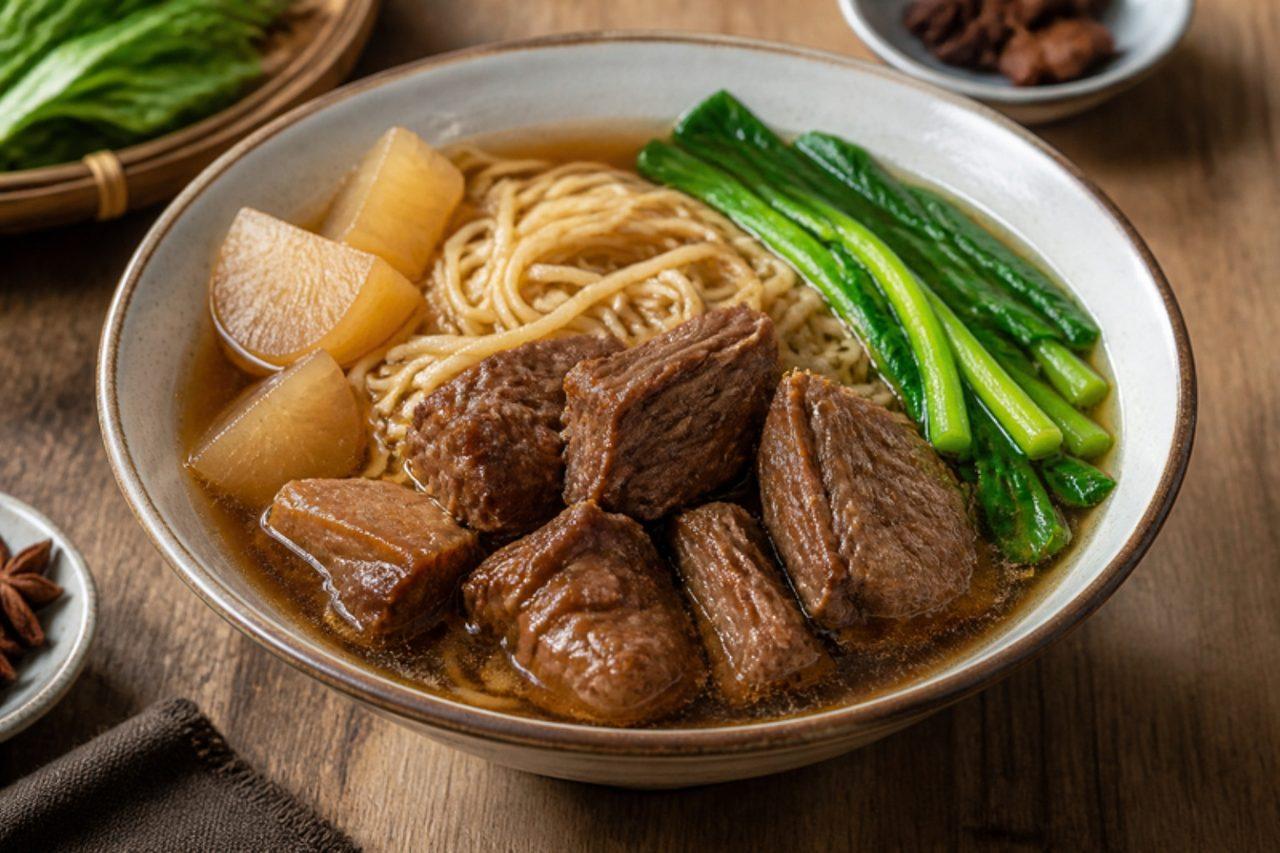
Queues form outside the brisket shops of Central and Sham Shui Po at lunchtime for a bowl of ngau naam min: wobbly chunks of beef brisket, braised for hours with chu hou paste, star anise, cinnamon and dried tangerine peel until the fat and sinew melt, set over springy egg noodles in a separate, clear, peppery broth with daikon. The braise is dark, sticky and aromatic, the broth light and clean, and you dip between them. A slosh of Shaoxing rice wine goes in the braise; an alcohol-free swap is in the ingredient list. Many home cooks cut the brisket before cooking into small cubes, which then shrink and dry out; braise it in big pieces and cut it afterwards. Chef's tip: the braise is better the next day, so make it ahead, chill it and lift off the fat before reheating.

by KrazyBadal 0 views

Orh neeSweet mashed taro paste

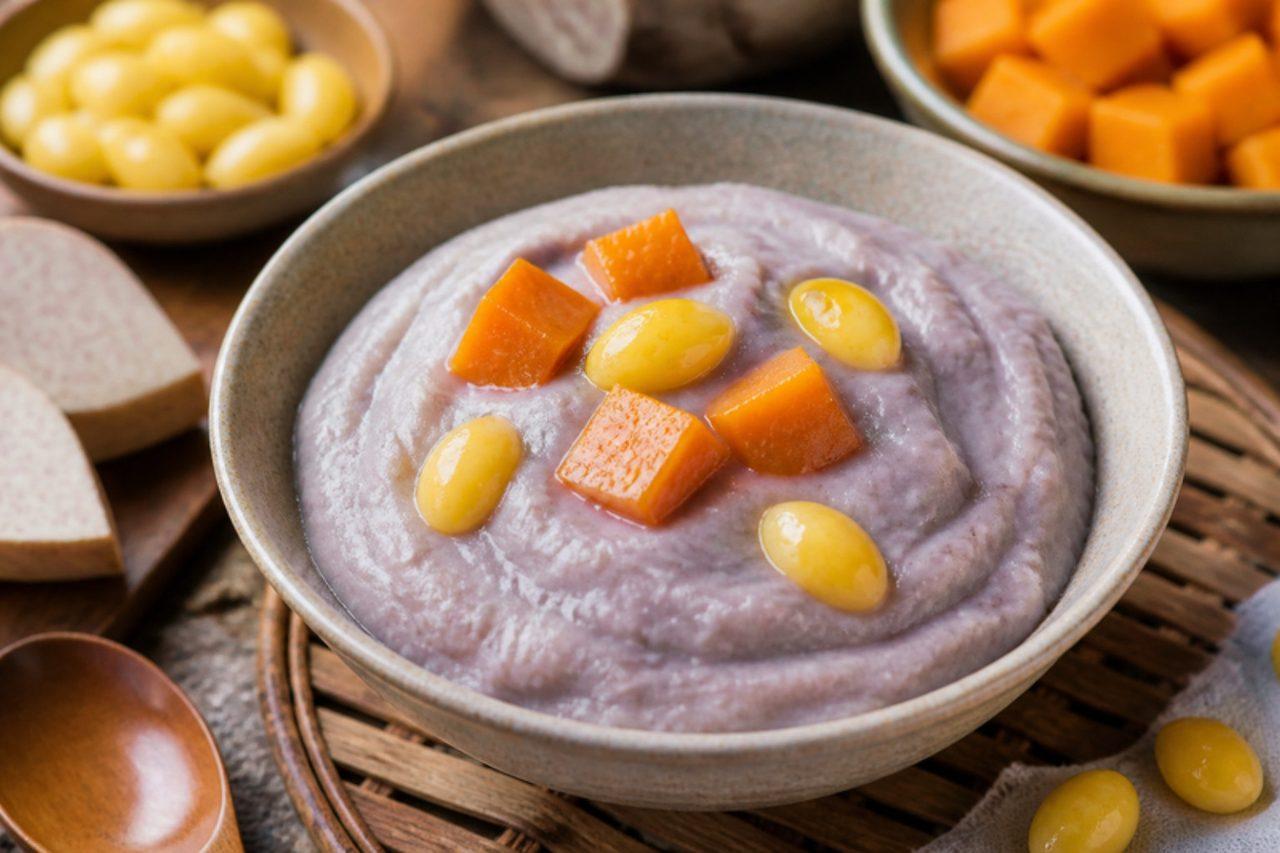
Teochew wedding banquets and Lunar New Year dinners in Singapore close with orh nee, a warm, dense, purple-grey taro paste that is smooth on the tongue and sweet with a savoury edge from fried shallot oil. Restaurants along Upper Thomson and in the old Teochew enclave at Boat Quay serve it in small bowls with candied gingko nuts and soft cubes of pumpkin on top, and some pour over a little coconut milk. The traditional fat is pork lard; this version uses shallot oil, which gives the same rich, toasty aroma and keeps it fully plant-based. The usual mistake is adding all the sugar and water at once and stirring briefly; orh nee needs long, patient stirring over a low heat until the paste turns glossy and pulls away from the pan. Chef's tip: mash the taro while it is still steaming hot and press it through a sieve if you want restaurant smoothness; cold taro goes gluey.

by KrazyBadal 0 views

SerundengToasted spiced coconut with peanuts

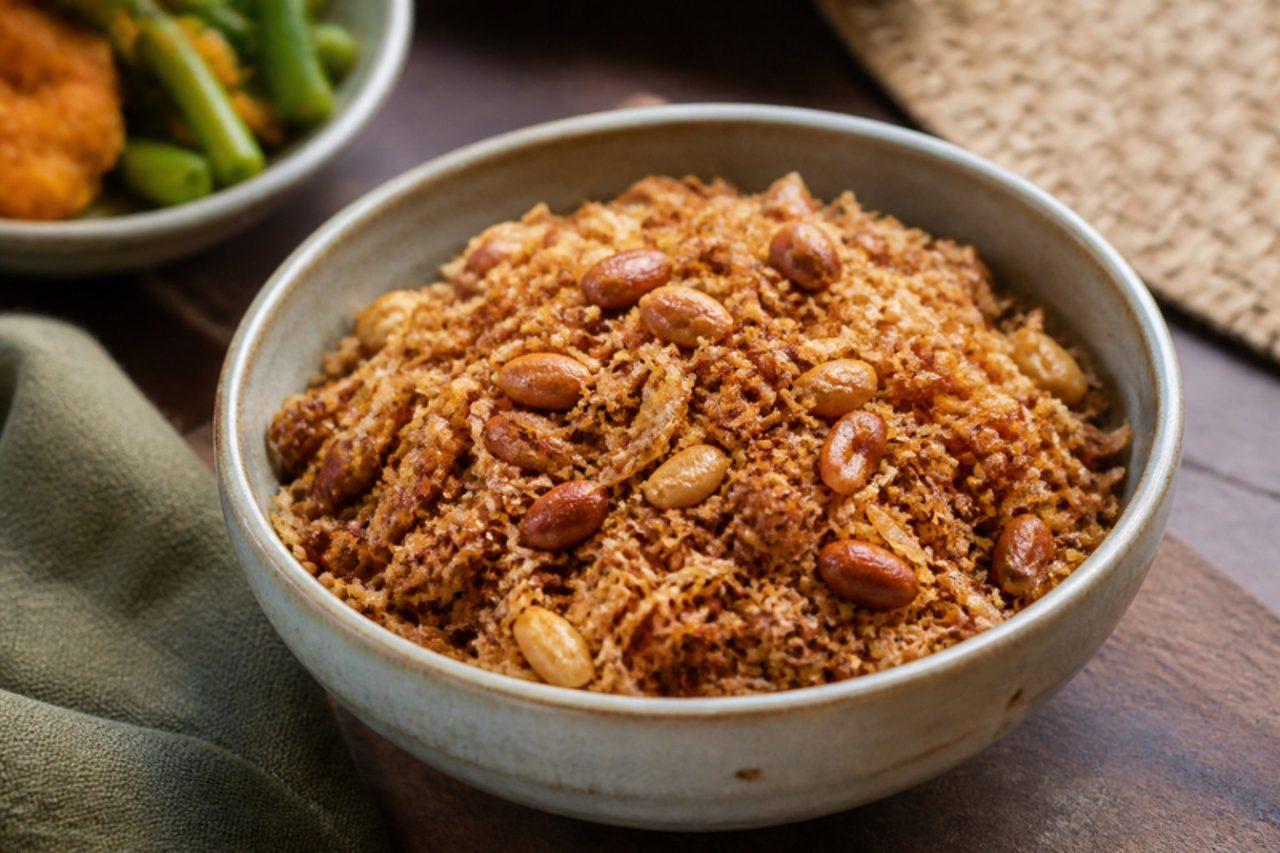
Serundeng is the crunchy, sweet-savoury sprinkle that comes in a little tub with every Indonesian takeaway in the Netherlands: grated coconut slowly toasted with a spice paste of shallot, garlic, coriander and cumin, palm sugar and tamarind until golden and dry, then mixed with fried peanuts. It is scattered over rice. Most versions use shrimp paste; this one is vegan. A common mistake is toasting over high heat, which burns the coconut in seconds. Chef's tip: keep stirring over a low heat for the full 20 minutes; the coconut turns golden slowly and evenly and stays crunchy for weeks.

by KrazyBadal 0 views

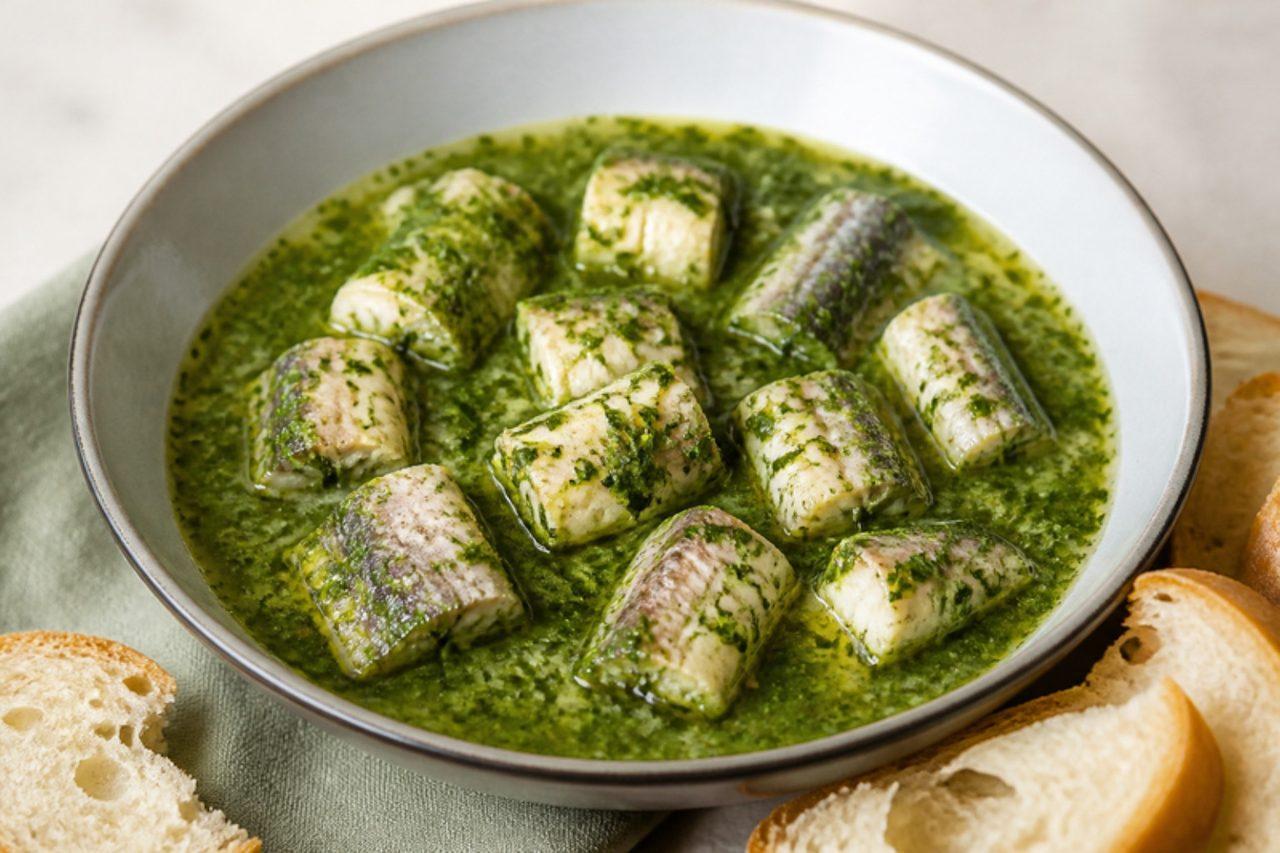
Paling in 't groenEel in green herb sauce

Paling in 't groen, 'eel in green', is the old riverside dish of the Scheldt valley between Antwerp and Ghent, served in summer in cafés along the river at places like Hamme and Lillo: pieces of eel cooked briefly in butter, then simmered in a vivid green sauce of sorrel, spinach, chervil, parsley, tarragon, mint and sage, thickened with egg yolk. It is eaten hot or cold with fries or bread. European eel is critically endangered, so buy only eel from a legal, responsibly managed source, cleaned and skinned by the fishmonger, or use thick pieces of another firm, oily fish such as mackerel. A common mistake is cooking the herbs for long, which turns the sauce khaki. Chef's tip: add the herbs only for the last 3 minutes, then bind with yolk off the heat. The fish is cooked when firm and opaque at the bone.

by KrazyBadal 0 views

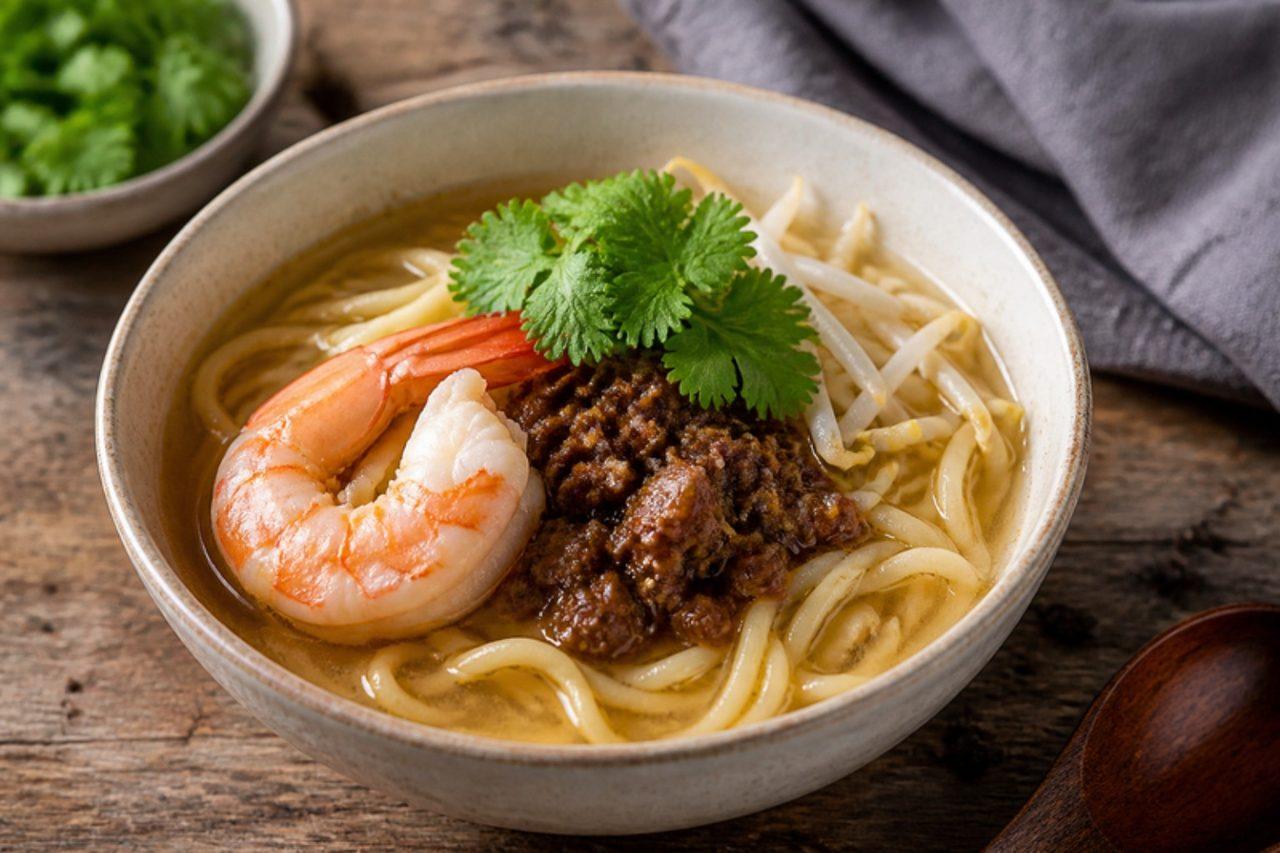
Danzai noodlesNoodles with prawn and minced pork

Tainan's most famous snack began with fishermen who, in the stormy months when boats stayed in harbour, carried noodles and broth through the streets on a shoulder pole. It is still served in deliberately small bowls, eaten as a between-meals bite rather than a dinner: springy yellow noodles and bean sprouts in a sweet, clear prawn-shell broth, crowned with a spoonful of slow-cooked minced pork, a single prawn, garlic paste and a dot of black vinegar. Pork is the heart of the topping, braised until sticky with shallots and five-spice. The mistake to avoid is drowning the bowl: use only enough broth to half-cover the noodles, so the meat sauce seasons it. Chef's tip: toast the prawn shells and heads in a dry pot until they turn bright red before adding water; it doubles the sweetness of the broth.

by KrazyBadal 0 views

Wu gok (crispy taro dumplings)

Few dim sum crack like wu gok: the shell of mashed taro puffs in the fryer into a golden, honeycomb lace so delicate it shatters at a touch, giving way to a soft, nutty taro layer and a juicy filling of diced pork, shiitake and oyster sauce. Hong Kong teahouses fry them to order through the morning and they are a must at Lunar New Year banquets. Eat them straight away, with a pot of jasmine tea to cut the richness. Lard is the traditional fat in the taro dough; vegetable shortening works too. The classic failure is oil that is too cool or too hot: below about 170 °C the dumplings fall apart, above 190 °C they brown before the lace forms. Chef's tip: chill the shaped dumplings for half an hour so the dough is firm and the lace blooms evenly.

by KrazyBadal 0 views

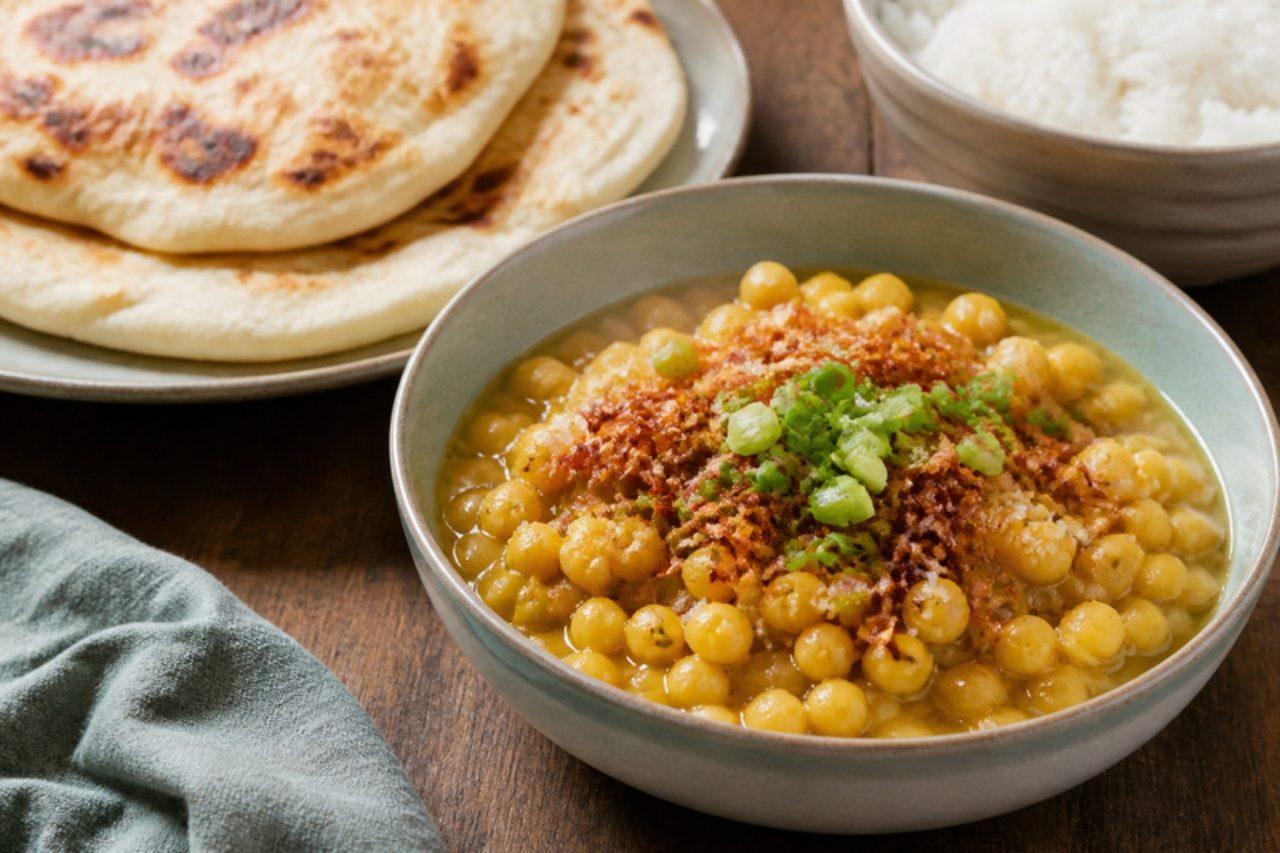
Pe pyot (boiled yellow peas)

Before the city wakes, pe pyot sellers pedal through Yangon's townships calling out from bicycle baskets of warm, steaming peas, scooping portions into leaf parcels for families to eat with fried rice, flatbreads or toasted naan. Dried yellow or white peas are soaked overnight and simmered until creamy inside but still whole, then seasoned simply with salt and a spoon of oil fried with shallots. The flavour is mellow, earthy and slightly sweet, and the texture is soft and fluffy, like a good baked potato. Too much bicarbonate of soda is the common slip: a pinch softens the skins, but more turns the peas to soapy mush. Chef's tip: make a double batch; pe pyot keeps for three days in the fridge and turns tomorrow's leftover rice into pea fried rice.

by KrazyBadal 0 views

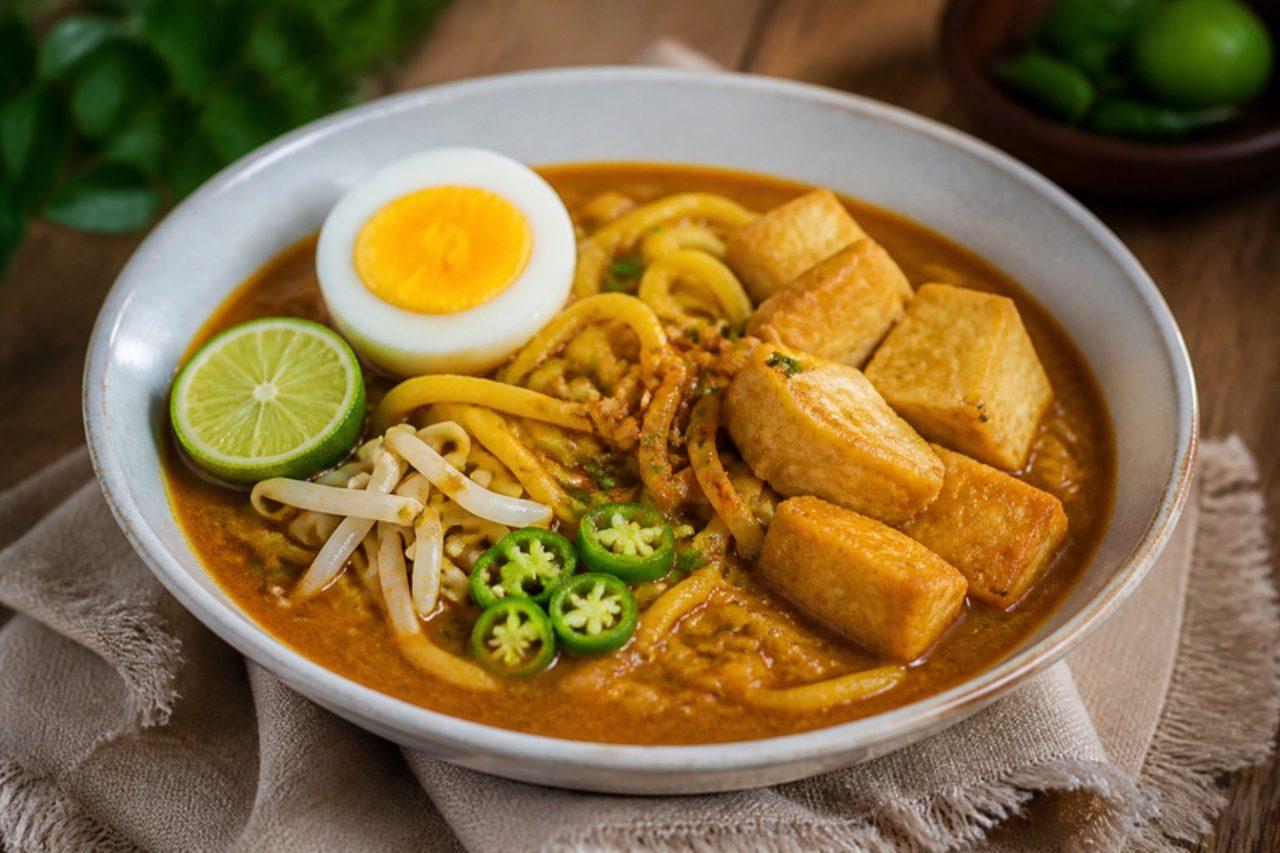
Vegetarian mee rebus

Malay hawker stalls at Geylang Serai and the old Adam Road food centre ladle mee rebus from a vat of thick, reddish-brown gravy that is sweet, gently spiced and earthy, poured over springy yellow noodles and heaped with halved boiled egg, fried tau kwa, bean sprouts, green chilli and a squeeze of calamansi. It is eaten any time, but especially on Hari Raya mornings and as a filling lunch. Many stalls build the gravy on dried shrimp and beef stock; this vegetarian version gets its body from mashed sweet potato, its savoury depth from fermented soybean paste (taucheo) and a well-fried spice paste, and uses vegetable stock. The usual mistake is under-frying the rempah, which leaves the gravy tasting raw and sharp; cook it until the oil separates and turns red. Chef's tip: the gravy thickens as it stands, so keep a kettle of hot stock nearby and loosen it to a pourable, velvety consistency just before serving.

by KrazyBadal 0 views

Singapore prawn noodle soup

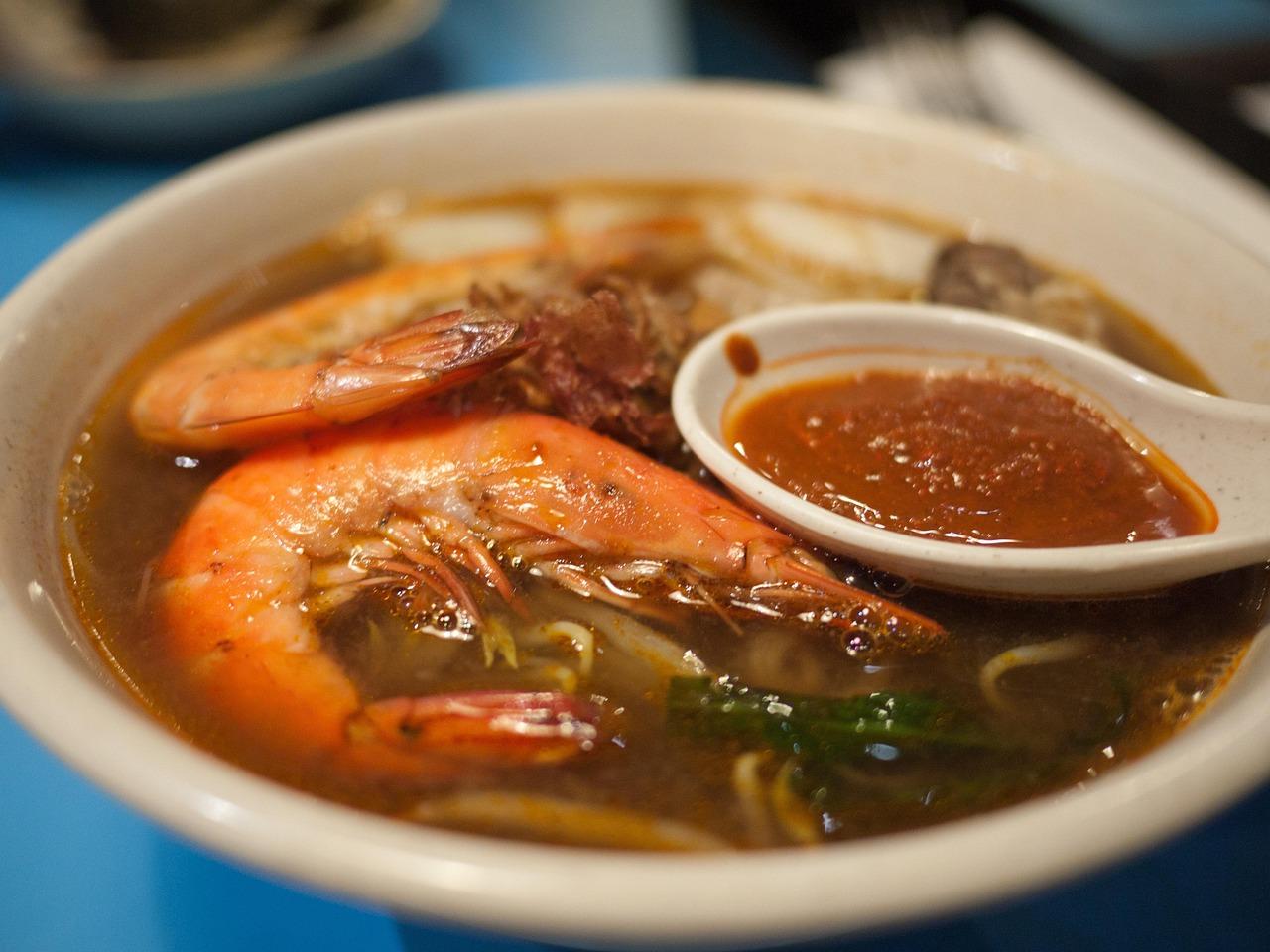
Long before lunch, the big pots at Singapore's prawn mee stalls have been bubbling with fried prawn shells and pork bones, and the regulars from Zion Road to Tiong Bahru arrive with one question: soup or dry? This is the soup version, which is different from the stir-fried Hokkien prawn mee: a sweet, briny, rust-coloured broth poured over yellow noodles and rice vermicelli, topped with halved prawns, tender pork ribs, kangkong and bean sprouts, finished with fried shallots and a dusting of chilli powder. A dish of sliced red chilli in soy sauce sits alongside. The most common mistake is boiling the shells without frying them first, which gives a pale, thin broth; the depth comes from shells toasted in oil until they are deep red and smell like the sea. Chef's tip: freeze prawn shells and heads from other meals over a few weeks so you have a big bag ready for the stock.

by KrazyBadal 0 views

Sambal stingray

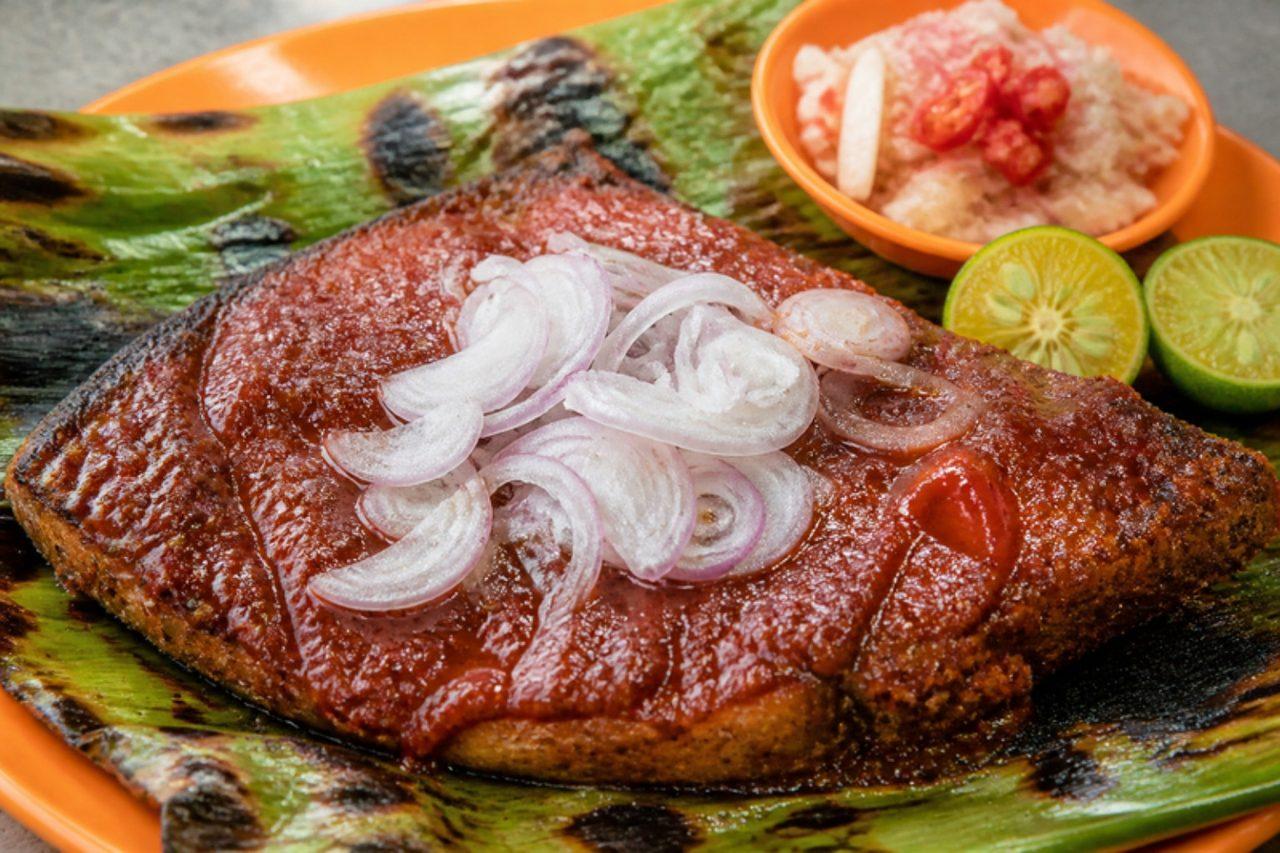
Weekend evenings at the seafood stalls of Newton, Chomp Chomp and East Coast Lagoon smell of charring banana leaf, and the dish sending up that smoke is usually sambal stingray. A fan-shaped stingray wing is spread thickly with a dark red, slow-fried sambal of chillies, shallots, candlenuts and toasted shrimp paste, laid on banana leaf and cooked over high heat until the sweet, delicate flesh pulls cleanly off the soft cartilage in strands. It comes with calamansi or lime, raw sliced shallots and a little dish of sour chinchalok, and a plate of steamed rice. Underfrying the sambal is the classic error: until the oil splits away and turns red, the paste tastes raw and harsh. If you can't find stingray, skate wing is the best substitute and cooks the same way. Chef's tip: score the thick end of the wing and push sambal into the cuts, so the flavour gets right into the flesh.

by KrazyBadal 0 views

Nyonya bak changPork rice dumplings

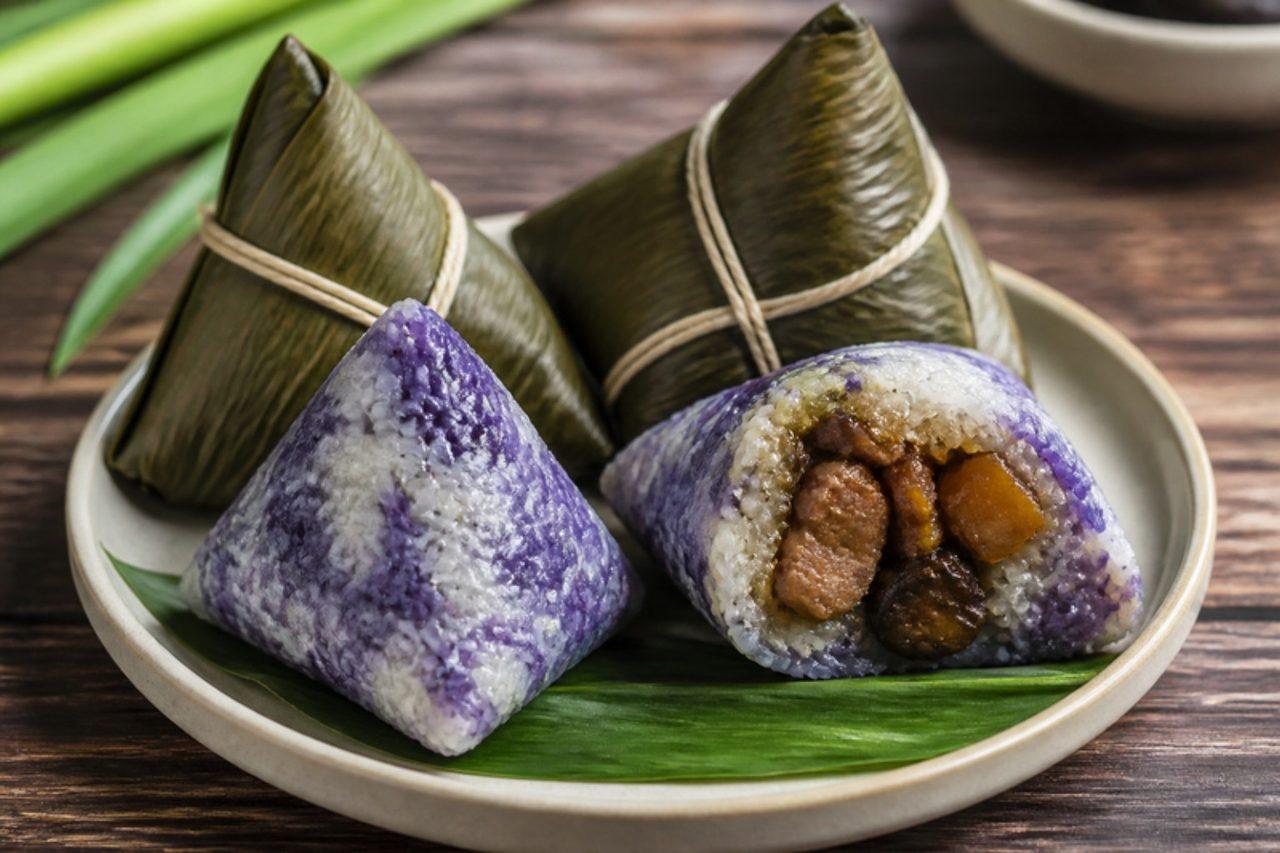
Every year in the run-up to the Dragon Boat Festival, on the fifth day of the fifth lunar month, Peranakan aunties in Singapore's Katong set up long tables and start wrapping. Their chang differ from Hokkien rice dumplings: the glutinous rice is part-tinted a soft blue with butterfly pea flowers and scented with pandan, and the filling of diced pork is sweet with candied winter melon and warm with ground coriander and white pepper. Cut open, each pyramid is speckled blue and white, sticky and fragrant, and is eaten warm or at room temperature with a dab of sambal or simply on its own. A common mistake is tying the dumplings too loosely, so water seeps in and the rice turns mushy; wrap tight and tie firmly. Chef's tip: fry the filling until it is fairly dry before wrapping, as any excess liquid makes the rice around it soggy.

by KrazyBadal 0 views

Tainan mi gaoSticky rice with braised pork

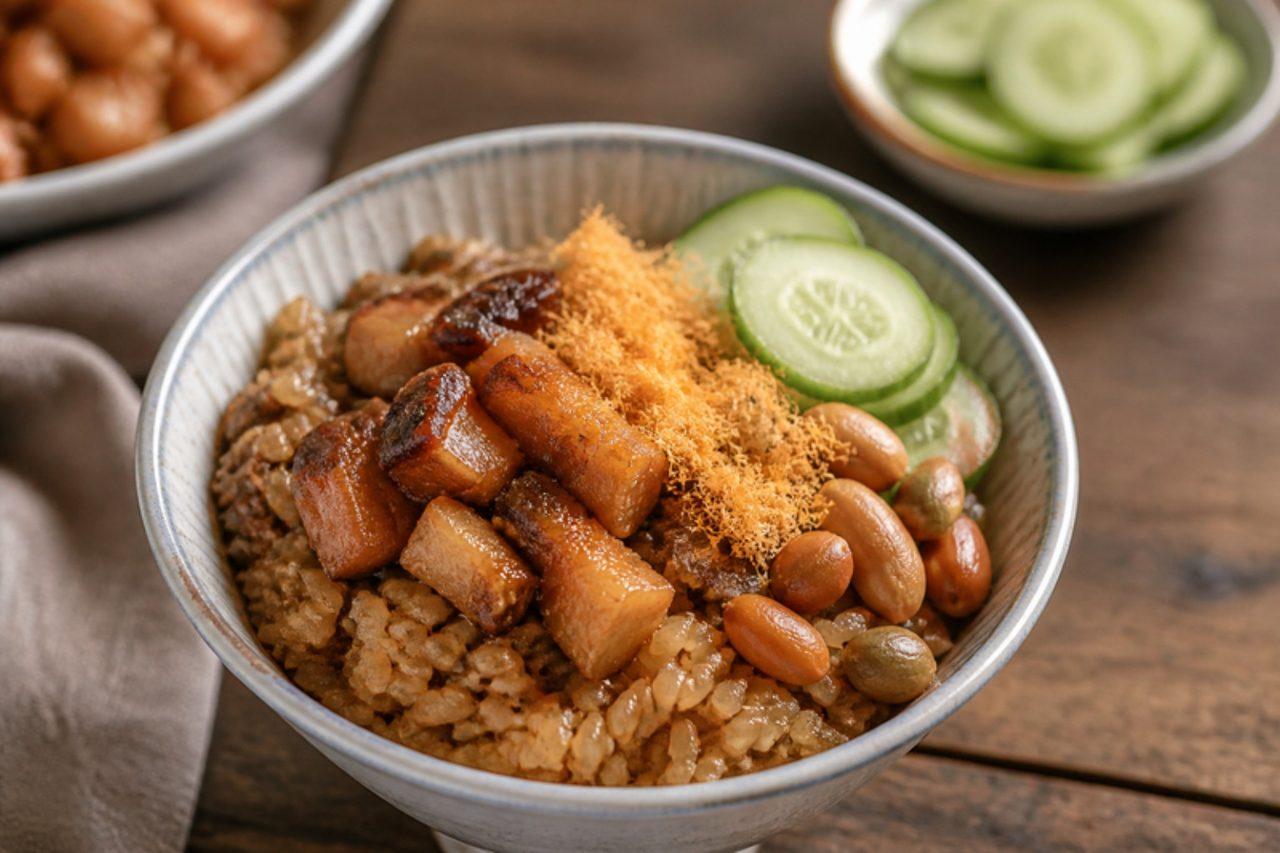
Order a bowl of this in Tainan, alongside a cup of fish ball soup, and you get a compact mound of glistening glutinous rice, chewy and seasoned with shallot oil and soy, topped with a spoonful of sticky braised pork, a tuft of sweet fish floss, soft boiled peanuts and a slice of cucumber pickle. Shops serve it from late morning into the night as a filling snack between meals. The rice must be soaked ahead, so start it the night before or in the morning. A frequent slip is boiling glutinous rice in water like ordinary rice, which turns it into paste; steam it instead. Chef's tip: sprinkle a few spoonfuls of the pork braising liquid over the rice halfway through steaming; the grains soak it up and turn glossy and amber.

by KrazyBadal 0 views

Chiayi turkey riceShredded turkey rice

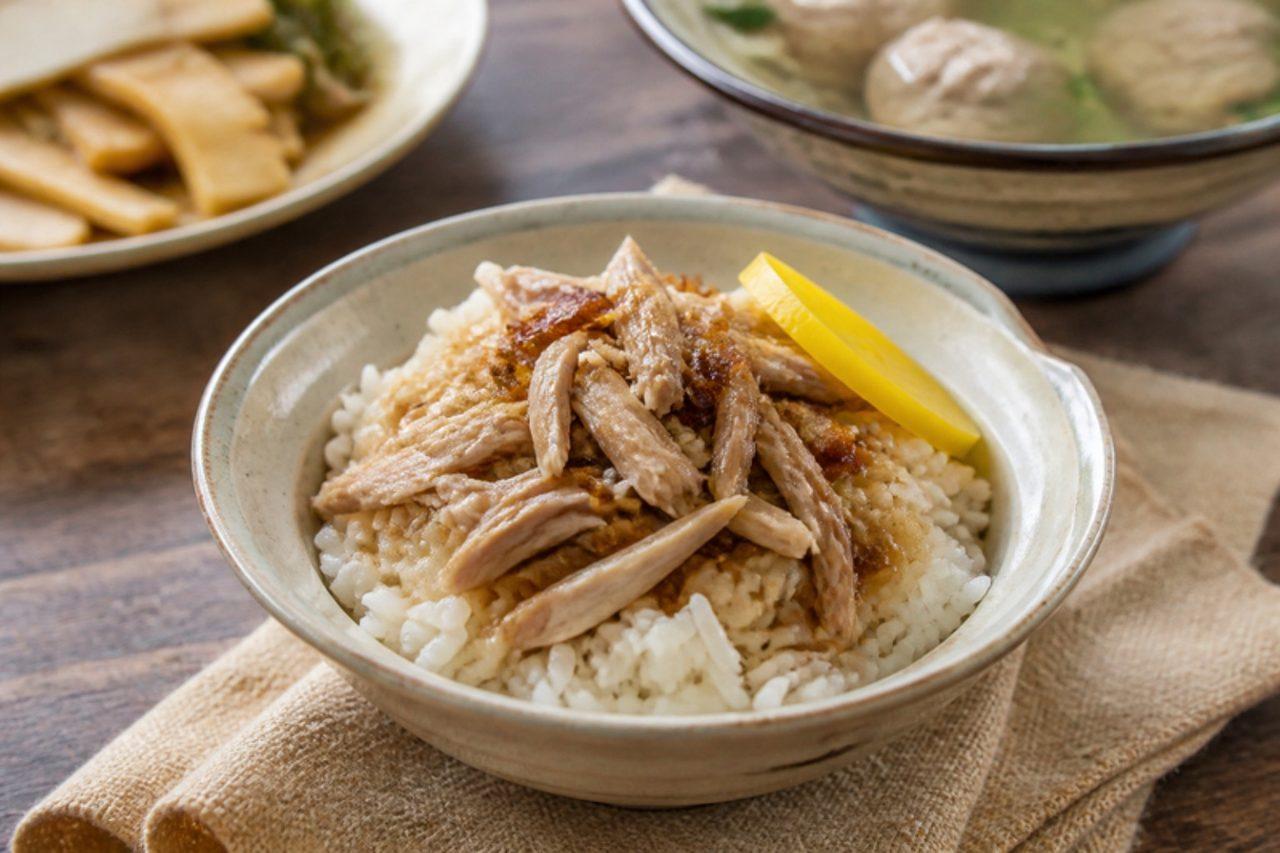
Chiayi, in the south-central plains, is the town that put turkey on Taiwan's lunch tables: every few streets there is a shop selling small bowls of hot rice heaped with pulled turkey, drizzled with golden turkey-fat shallot oil and a sweet soy sauce, eaten with a yellow pickled radish and a bowl of clear soup. It is lunch, a late breakfast and a midnight bite. The meat should be moist and pull into soft strands, the rice glossy rather than wet. The usual error is boiling the turkey hard, which leaves it dry and stringy; poach it gently and let it cool in the liquid. Chef's tip: render the turkey skin and fat slowly to fry the shallots, so the oil tastes of the bird; use chicken fat or neutral oil if your turkey is lean.

by KrazyBadal 0 views

Mee siamTamarind rice vermicelli

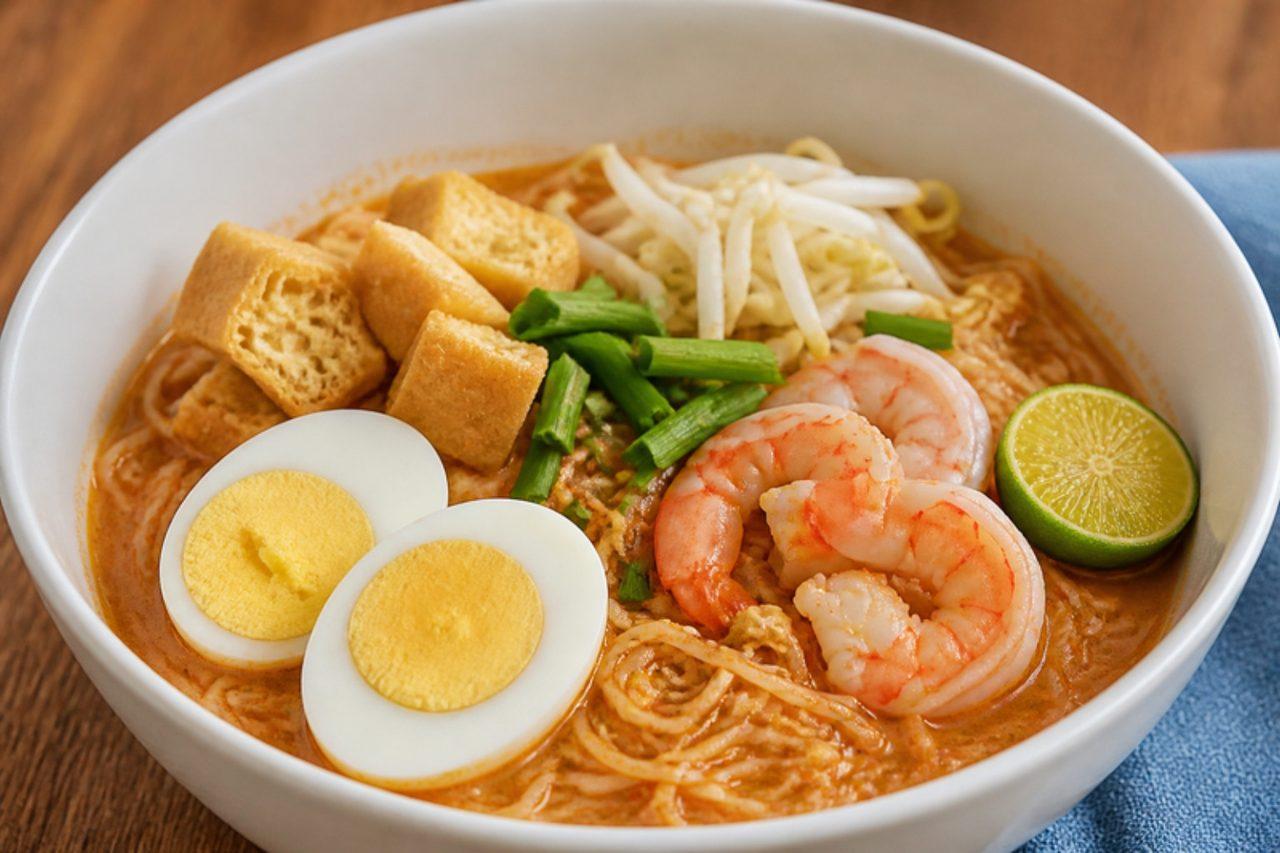
Malay breakfast stalls and nasi padang counters across Singapore sell mee siam from early morning, often packed in brown paper for the journey to work, and Peranakan homes make it for birthdays and Hari Raya open houses. Thin rice vermicelli is fried with a chilli and dried shrimp rempah until pink, then drowned in a sweet-sour tamarind gravy flavoured with fermented soybean paste, and topped with halved boiled eggs, fried tofu puffs, garlic chives and a squeeze of calamansi. It is light, tangy and moreish rather than rich. Note this version contains dried shrimp and shrimp paste, so it is not vegetarian. The mistake to avoid is oversoaking the vermicelli, which then breaks into mush in the wok; soak it only until pliable. Chef's tip: make the gravy the day before; the tamarind and soybean flavours settle overnight and it tastes rounder.

by KrazyBadal 0 views

Ayam buah keluakChicken with black keluak nuts

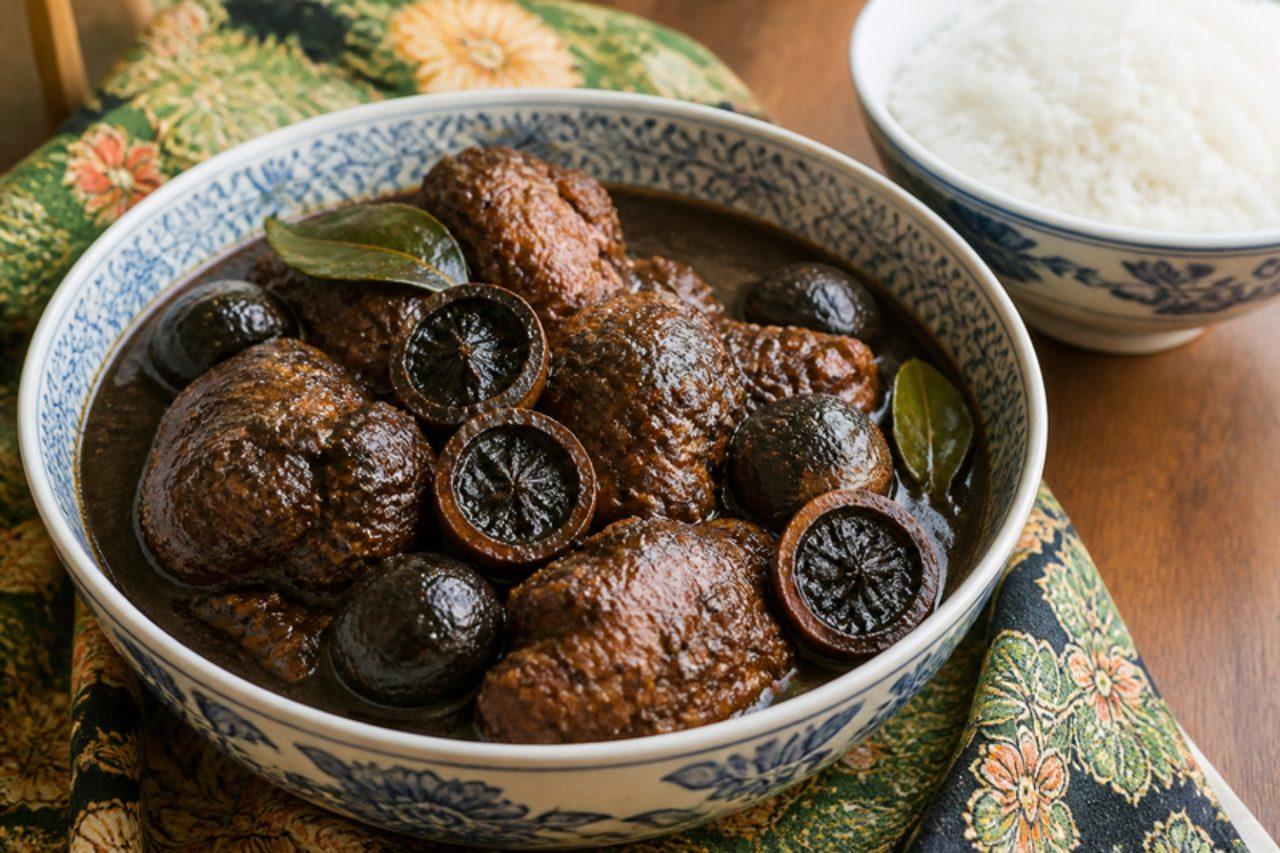
Ask any Peranakan family in Singapore which dish defines the Nyonya table and most will name this one, cooked for Chinese New Year, ancestral offerings and big birthday lunches. Chicken is braised in a sour tamarind gravy built on a long-fried rempah of chillies, shallots, galangal, lemongrass and shrimp paste, together with buah keluak, the hard black nut of the kepayang tree, whose inky flesh tastes of dark chocolate, mushroom and olive. Diners dig the paste out with a teaspoon and stir it into rice. Raw keluak nuts contain hydrogen cyanide and are poisonous: use only cleaned, pre-soaked nuts sold ready to cook, and still soak them for several days, changing the water every day, as the seller's instructions say. The mistake people regret is skimping on that soak, which leaves the nuts bitter as well as unsafe. Chef's tip: cook it a day ahead; the gravy darkens and the flavours deepen overnight.

by KrazyBadal 0 views

Cantonese roast goose

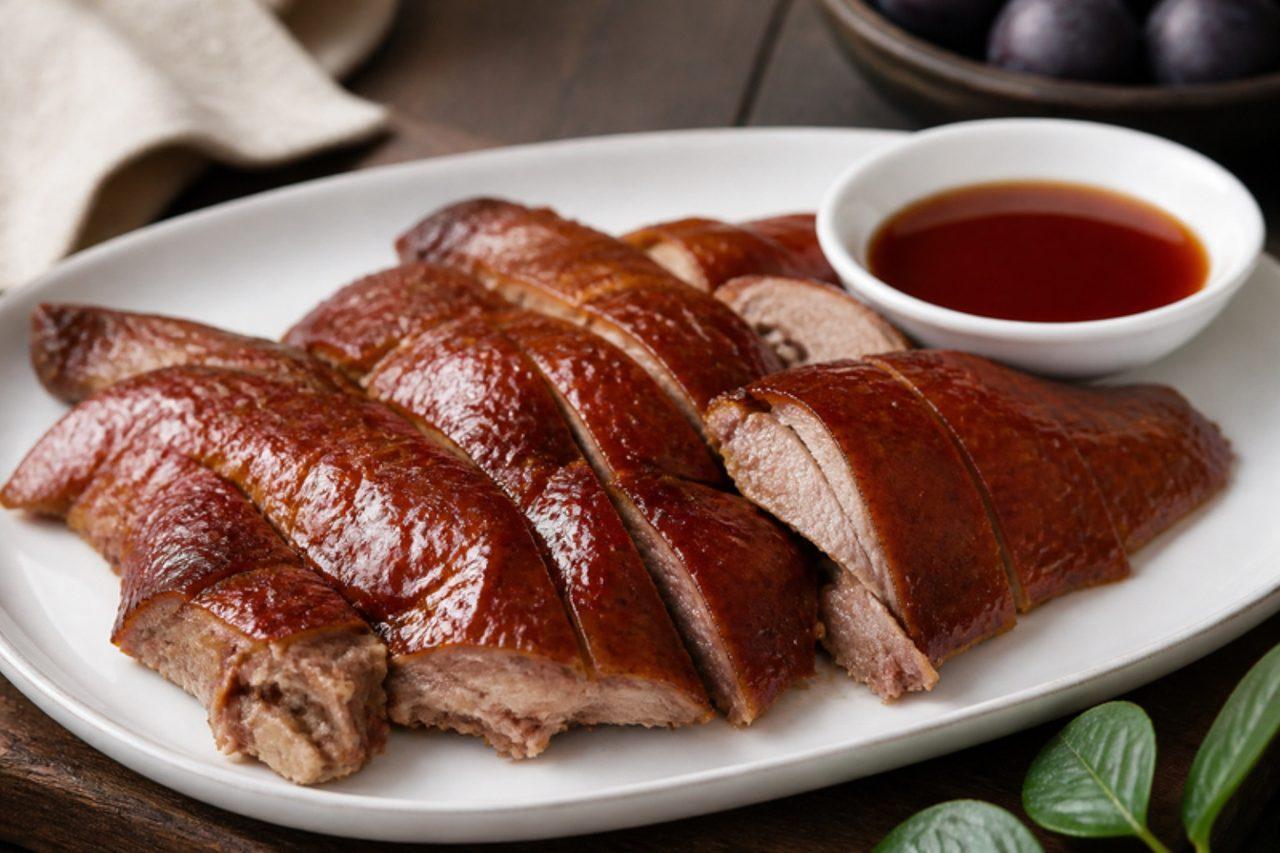
Drive out along the coast road to Sham Tseng in the New Territories and the restaurants there have been roasting geese for generations; Hong Kongers make the trip for a plate of it with lai fun noodles, or order a half goose for a family dinner. The skin is thin, crisp and deep mahogany, the meat dark, rich and juicy, scented from the inside with five-spice, bean paste and garlic. Sour plum sauce cuts through the fat. This home version uses an oven-ready goose (head already removed, as it is sold), dried overnight and roasted in a domestic oven. A frequent slip is roasting a goose straight from the wrapper: without its overnight drying and a glaze, the skin stays leathery. Chef's tip: pour off the rendered fat as it collects; it is superb for roasting potatoes or frying rice.

by KrazyBadal 0 views

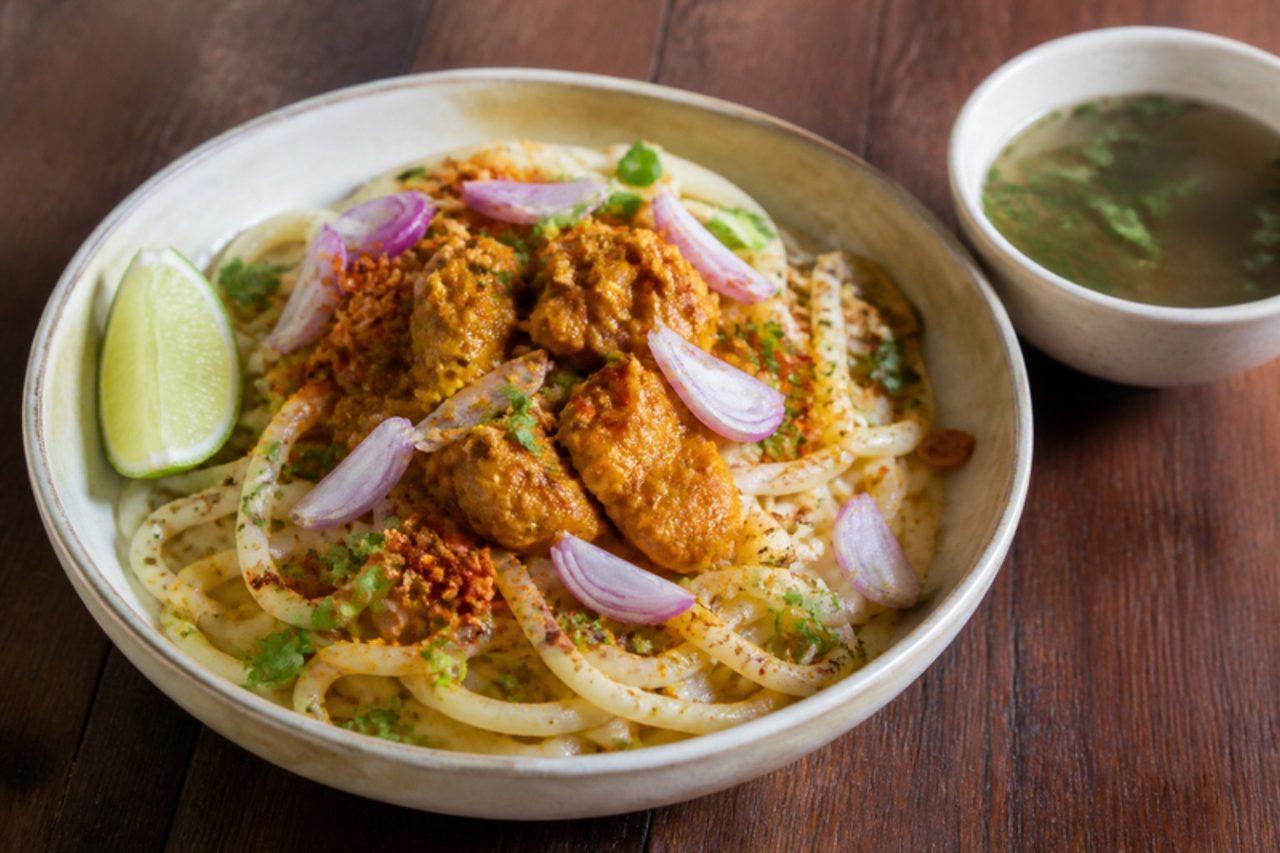
Mandalay mont diRice noodles with chicken curry

Mornings in Mandalay begin at low plastic tables near Zegyo market, where vendors toss mont di to order for students, monks' helpers and traders before the heat sets in. Round rice noodles, a little thicker than spaghetti, are mixed with a spoonful of lemongrass-scented chicken curry, toasted chickpea flour and a drizzle of 'fish oil': garlic fried in oil and sharpened with fish sauce. The result is slick, nutty and savoury, brightened by raw shallot, lime and coriander, with a small bowl of clear broth alongside. A common slip is dressing the noodles while they are wet; water dilutes the oil and the flavour slides off, so drain them really well first. Chef's tip: toast the chickpea flour slowly until it smells like roasted nuts; raw flour tastes chalky and clumps when you toss.

by KrazyBadal 0 views

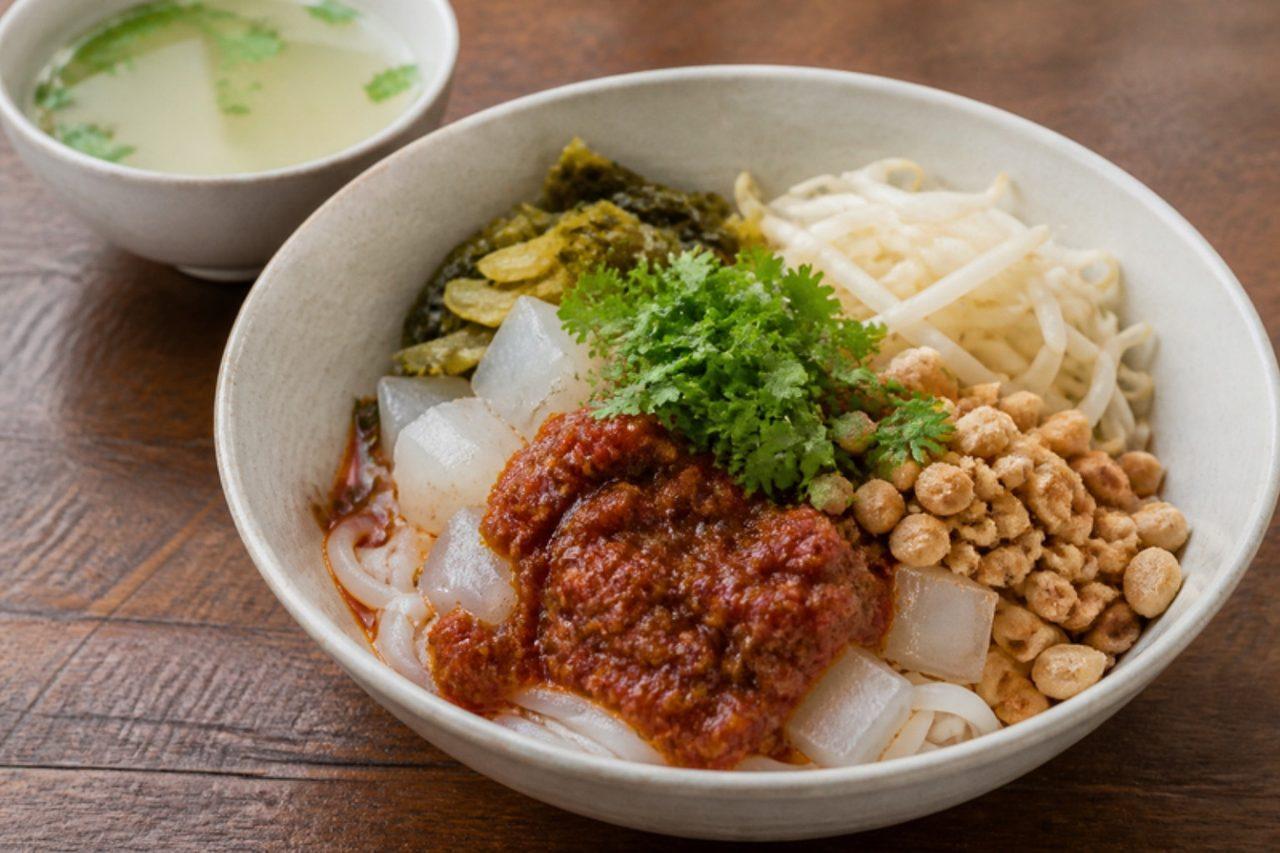
MeeshayRice noodles with pork sauce

Two places claim meeshay: Mandalay, where it is a teatime and late-afternoon snack sold from carts near the moat, and the Shan hills, where markets serve it in the morning. Soft rice noodles are dressed with soy, a splash of vinegar and garlic oil, then topped with a savoury minced pork sauce, crunchy bean sprouts, pickled mustard greens and strips of wobbly rice jelly that soak up the dressing. It tastes tangy, garlicky and comforting, with chilli oil and a cup of clear broth on the side. The most common slip is cutting the rice jelly before it has set; give it a full 30 minutes to cool so it slices cleanly. Chef's tip: dress the noodles at the table, not ahead: vinegar and soy added too early make the noodles soft and the jelly slippery.

by KrazyBadal 0 views

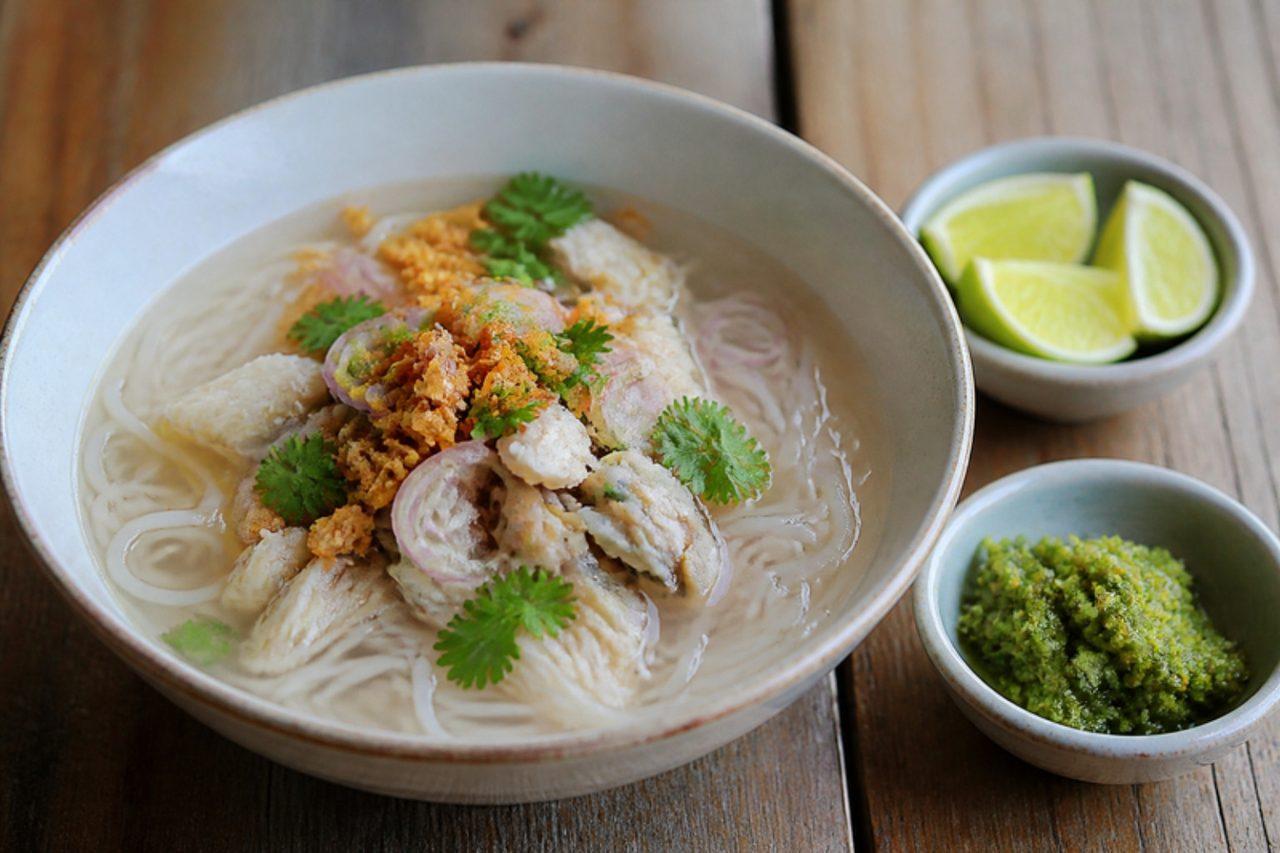
Rakhine mont diRice noodles in sour fish broth

Sittwe wakes up hungry, and its answer is a bowl of Rakhine mont di from the breakfast shops near the jetty and market: thin rice noodles under a clear, tart broth made from sea fish, lemongrass and a whisper of fish paste. The fish is flaked over the top with sliced shallot, coriander and crisp garlic, and the real fire comes from a pounded paste of raw green chillies and garlic that everyone stirs in to taste. It is lean, bright and searingly hot, nothing like the creamy noodles of the north, and people eat it with fritters or nothing at all. A frequent mistake is boiling the fish hard so it falls apart into the broth; poach it gently and lift it out the moment it flakes. Chef's tip: make the green chilli paste first and let it sit for 15 minutes; the garlic mellows and the paste turns a brighter, fresher green.

by KrazyBadal 0 views

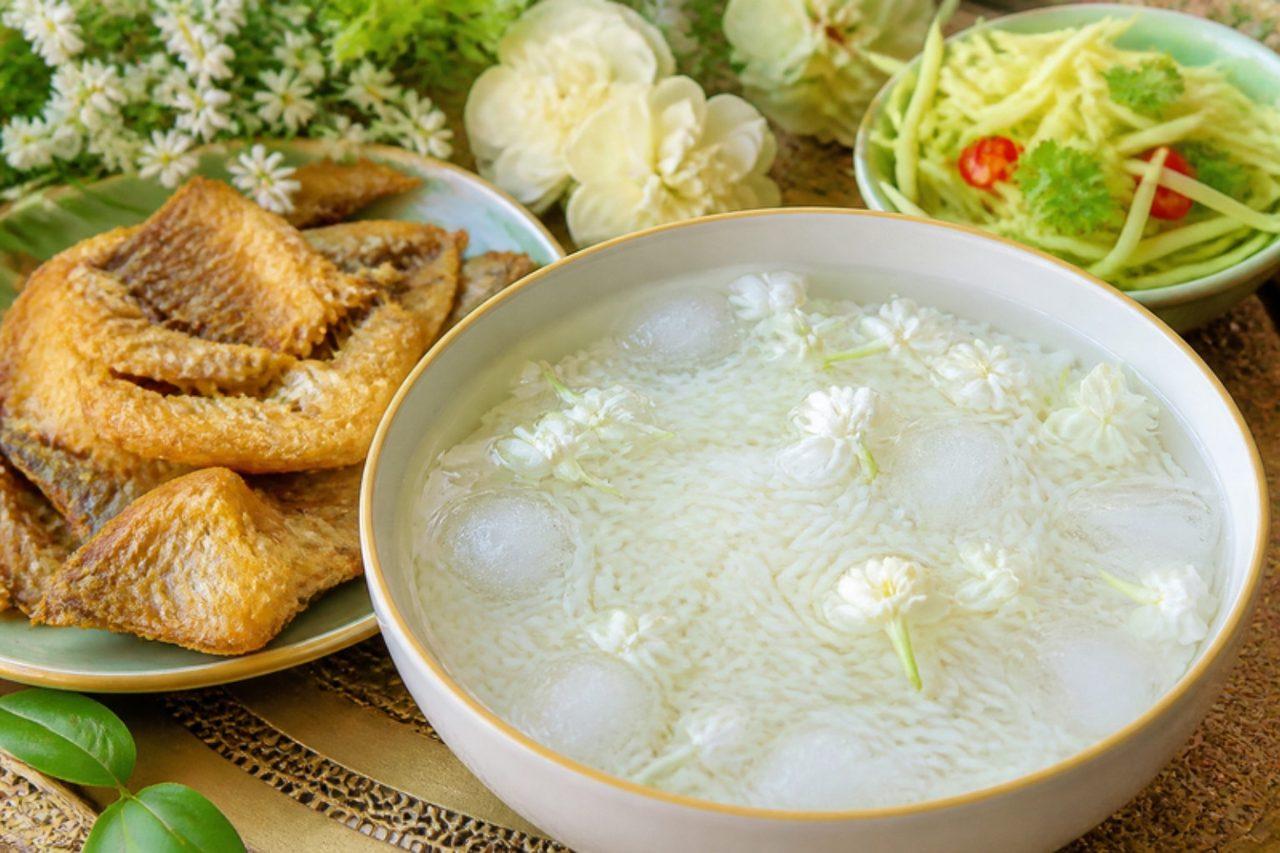
Thingyan riceJasmine water rice with dried fish

When the April water festival arrives and the heat is at its fiercest, Mon households in Mawlamyine and the villages around it prepare cool rice in jasmine-scented water, offer the first bowls to monks and elders, then share the rest with neighbours. The rice is cooked, rinsed until the grains are clean and separate, and served floating in chilled, flower-perfumed water; the same dish travelled to Thailand, where it became khao chae. Alongside go salty, crisp-fried dried fish, a sweet-sour green mango salad and fried shallots, and you take a little of each with every cold spoonful. Leaving the rice sitting warm on the counter before it is chilled is the mistake to avoid, both for safety and texture: cool it fast and keep it cold until serving. Chef's tip: use only unsprayed, edible jasmine flowers; if you can't find them, a few drops of food-grade jasmine water or a pandan leaf gives a gentle scent.

by KrazyBadal 0 views

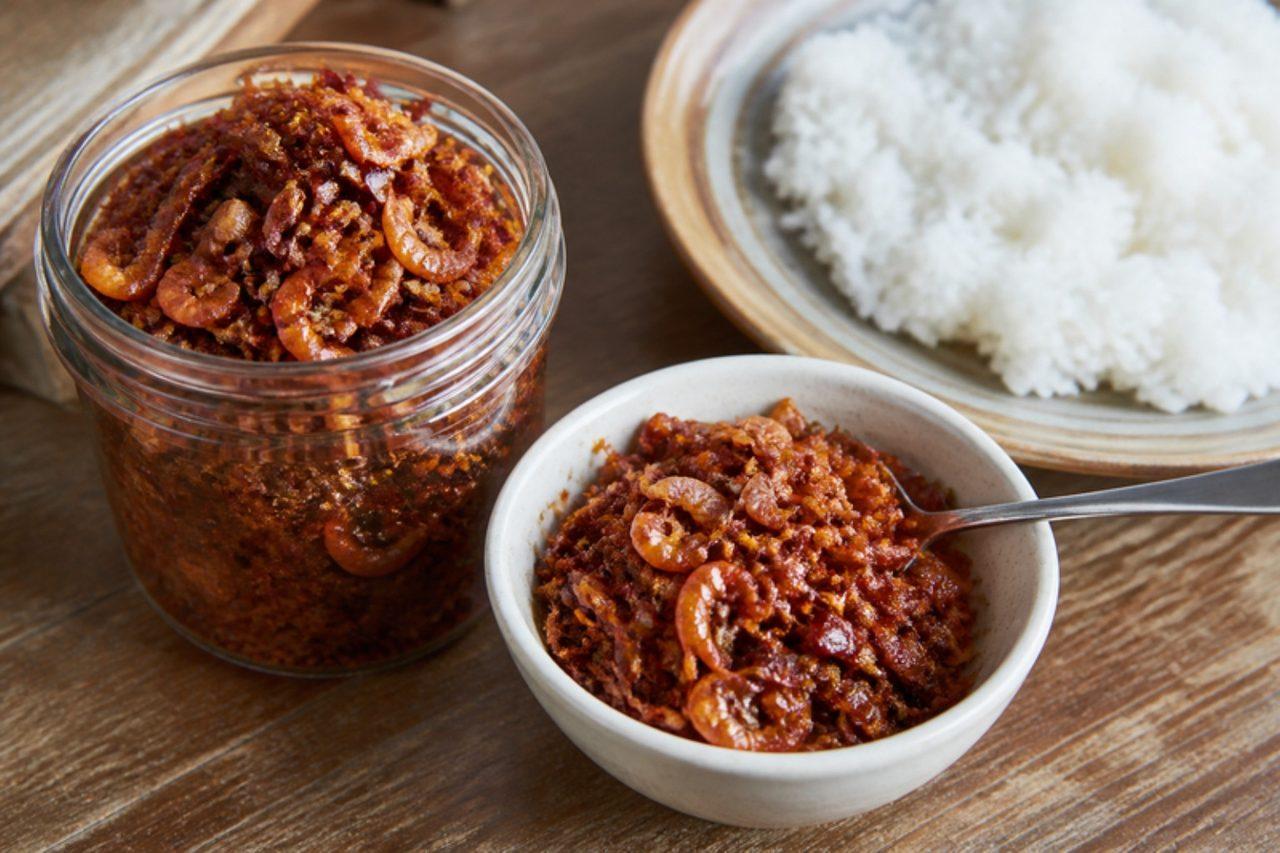
BalachaungDried shrimp relish

Every Burmese pantry keeps a jar of balachaung, and along the Rakhine coast, where the dried shrimp come from, families fry it in big batches after the dry-season catch. Pounded dried shrimp are fried slowly with crisp shallots, garlic, chilli and a dab of shrimp paste until the whole lot turns into a dry, golden, crackling floss that is salty, smoky, a little sweet and quite hot. A spoonful lifts plain rice, a fried egg, rice porridge or a bowl of noodles, and it travels well, so students and travellers pack a jar to take away from home. Rushing it over a high heat is where most batches go wrong: the shrimp scorch and turn bitter before they are crisp, so keep the heat at medium-low and stir patiently. Chef's tip: fry the shallots and garlic separately and stir them back in only when the shrimp are done, so they stay crunchy for weeks.

by KrazyBadal 0 views

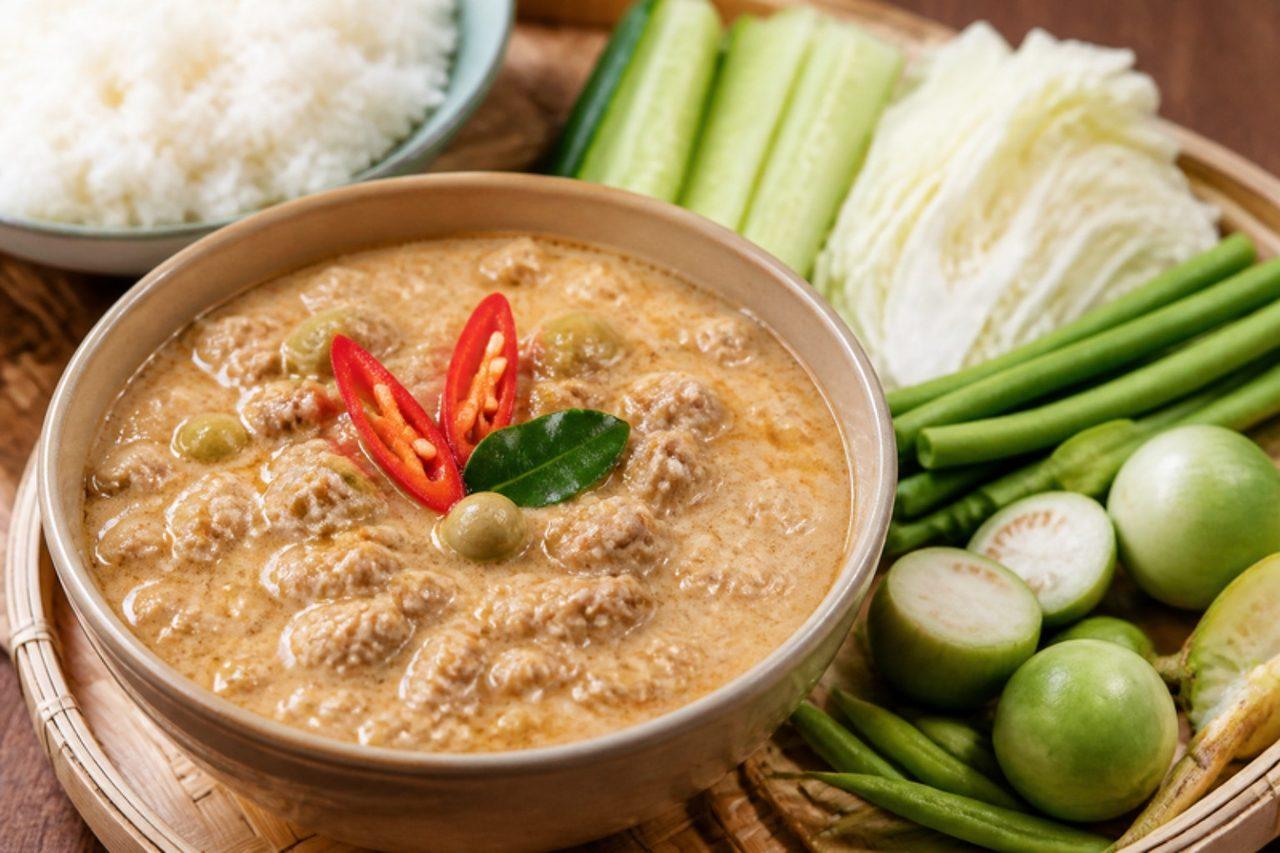
Prahok ktisFermented fish and pork dip

Prahok, the pungent fermented fish paste of the Tonlé Sap, is softened here into something mellow and moreish: it is simmered with coconut cream, minced pork, a fragrant lemongrass paste and pea aubergines until thick and orange-flecked. In Phnom Penh it is a family-table dish for lunch or a weekend feast, set in a bowl in the middle with a platter of crisp raw vegetables (cucumber, cabbage wedges, long beans, Thai aubergines) and steamed rice for everyone to scoop with. Salty, sweet, funky and creamy all at once, it tastes far gentler than the jar smells. Prahok tossed in at the end goes wrong: it stays harsh and is not cooked through, so it must simmer properly with the pork. Chef's tip: buy prahok in jars from an Asian grocer, mash it with a splash of hot water before adding, and let the dip simmer for a full 10 minutes after the pork is cooked.

by KrazyBadal 0 views

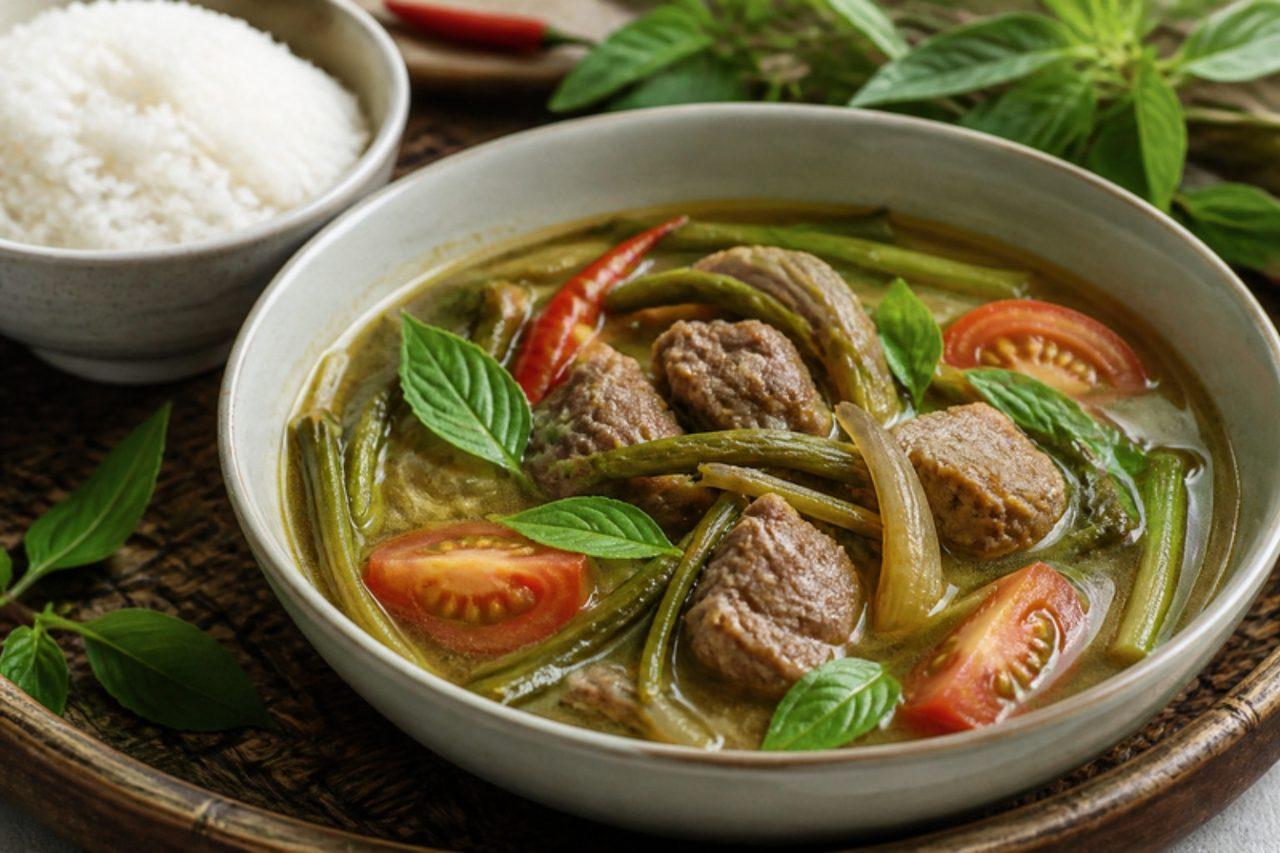
Samlor machu kroeungSour beef and lemongrass soup

Sour, herbal and gently golden from turmeric, samlor machu kroeung is one of the soups Phnom Penh families put on the table at lunch, ladled over rice with a side of something fried or grilled. Its base is a fresh kroeung of lemongrass, galangal, turmeric and kaffir lime, fried and simmered with slow-cooked beef until the broth turns aromatic, then soured with tamarind and finished with armfuls of crunchy morning glory. Many cooks use beef tripe; here it is braising beef, which turns spoon-tender. A slip that ruins it is adding the morning glory too early, so it turns khaki and slimy. Chef's tip: toast the kroeung in the beef fat until it darkens a shade and smells sweet; that is where the soup's depth comes from.

by KrazyBadal 0 views

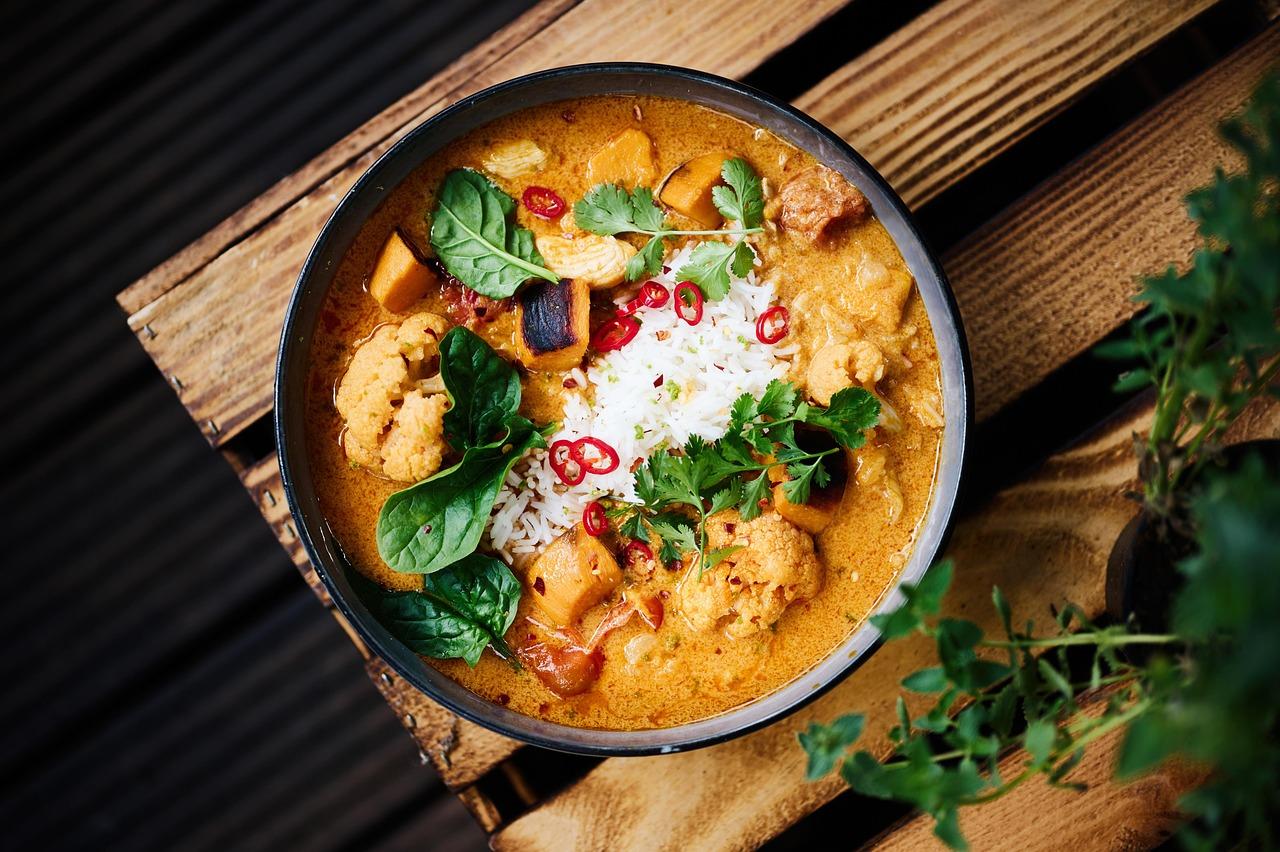
Khmer red chicken curry

When a Cambodian family celebrates (a wedding, Khmer New Year, the Pchum Ben days in autumn), a big pot of red curry is usually on the stove, and in Phnom Penh it is just as likely to be eaten for breakfast from a street stall with a crusty baguette for mopping. It is a gentle, fragrant curry rather than a fiery one: chicken on the bone simmered in coconut milk with a red kroeung of dried chillies, lemongrass and galangal, plus chunks of sweet potato, aubergine and long beans that soak up the orange-tinged sauce. Dropping all the vegetables in at once is the error to avoid; the aubergine collapses before the sweet potato is cooked. Chef's tip: make it a few hours ahead or the day before, as the flavours deepen and the sauce settles into a silky, spoonable gravy.

by KrazyBadal 0 views

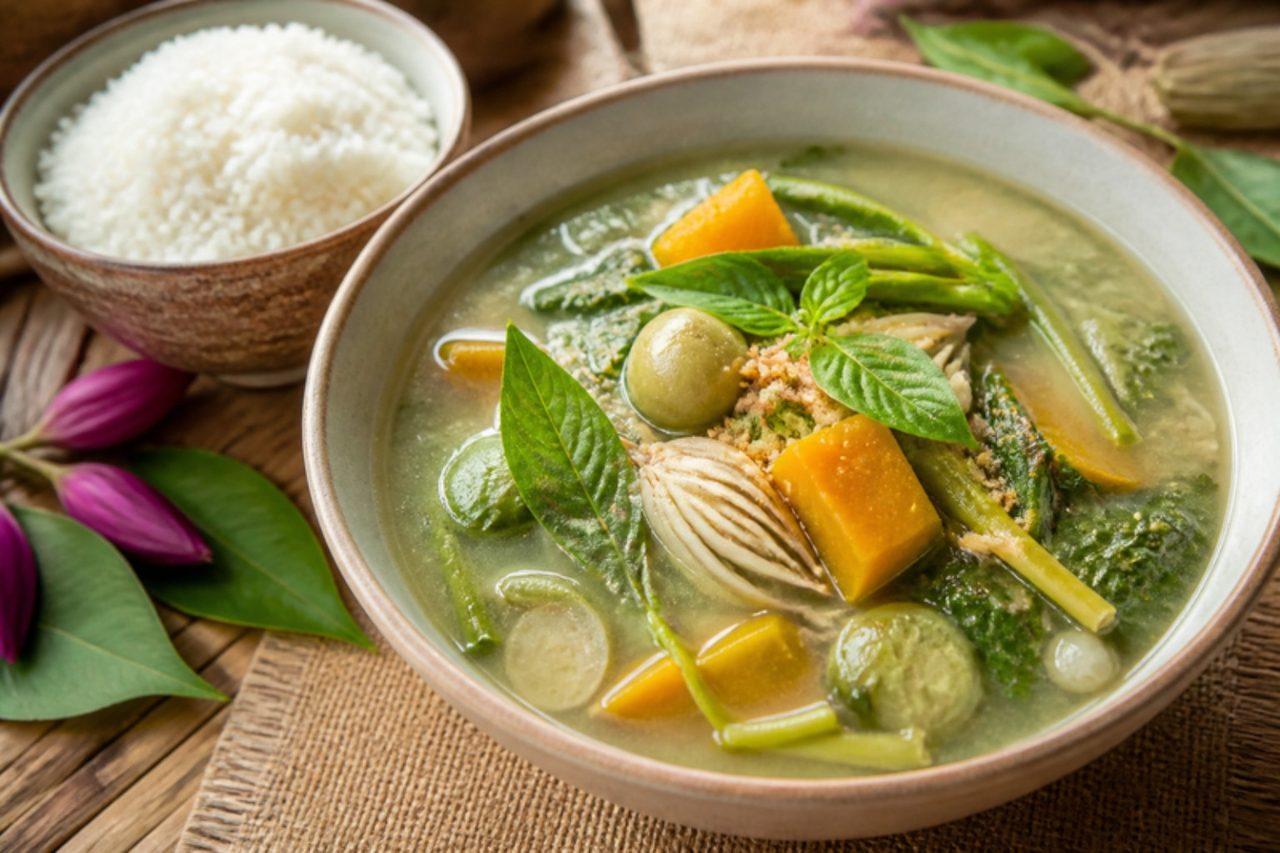
Samlor proherPumpkin and vegetable soup

Home cooks in the villages around Siem Reap make samlor proher when the garden is full: a light, clear soup crowded with pumpkin, banana blossom, long beans, little aubergines and leafy greens, seasoned with a lemongrass kroeung and a spoonful of prahok. Toasted ground rice is stirred in near the end, giving the broth a faint body and a nutty, popcorn-like aroma. It is everyday lunch food, eaten with steamed rice and perhaps a piece of grilled fish, and it tastes savoury, sweet from the pumpkin and gently earthy. Leaving the prahok raw is the big no; it must be mashed and boiled in the broth for at least 10 minutes, so it cooks through and its sharpness rounds out. Chef's tip: slice the banana flower straight into lime-acidulated water, or it will turn black within minutes.

by KrazyBadal 0 views

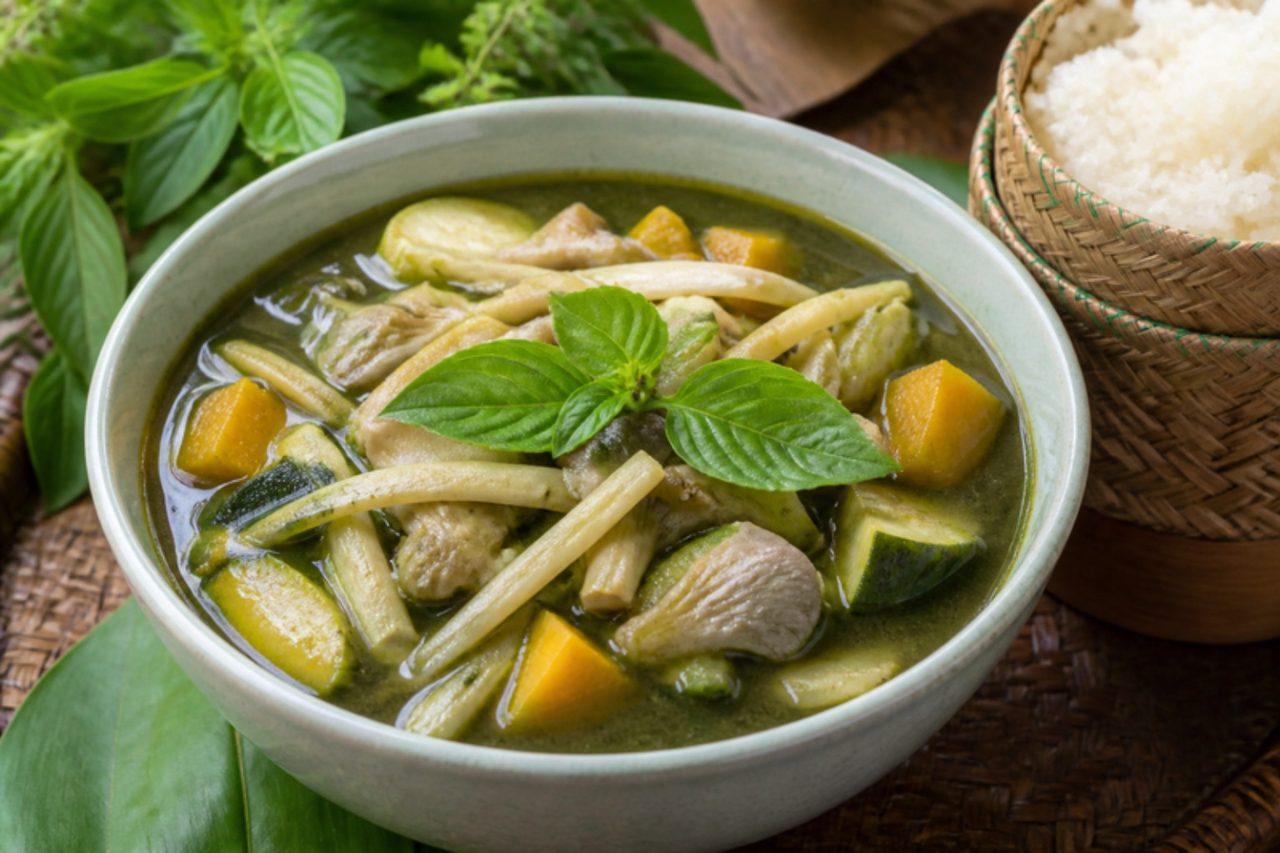
Lao bamboo shoot soup

When the rains arrive in June, Vientiane's morning markets fill with pale, freshly dug bamboo shoots, and pots of kaeng nor mai start simmering in kitchens across the city for the family lunch. The broth is a deep olive green, tinted by the juice squeezed from yanang leaves, and thickened with a spoonful of pounded soaked sticky rice so it coats the spoon. Earthy bamboo, sweet pumpkin and slippery mushrooms float in it with lemon basil on top, and a basket of sticky rice and a dish of jeow sit alongside. Skipping the pre-boil of the bamboo is where most cooks go wrong: raw shoots taste bitter and need cooking through to be safe, so always blanch fresh ones and drain. This version leaves out the fermented fish of village kitchens and seasons with salt and tamari. Chef's tip: squeeze the yanang leaves in cold water, never hot, or the broth turns brown and loses its grassy freshness.

60 minLaoSoupsVeganGluten free
by KrazyBadal 0 views

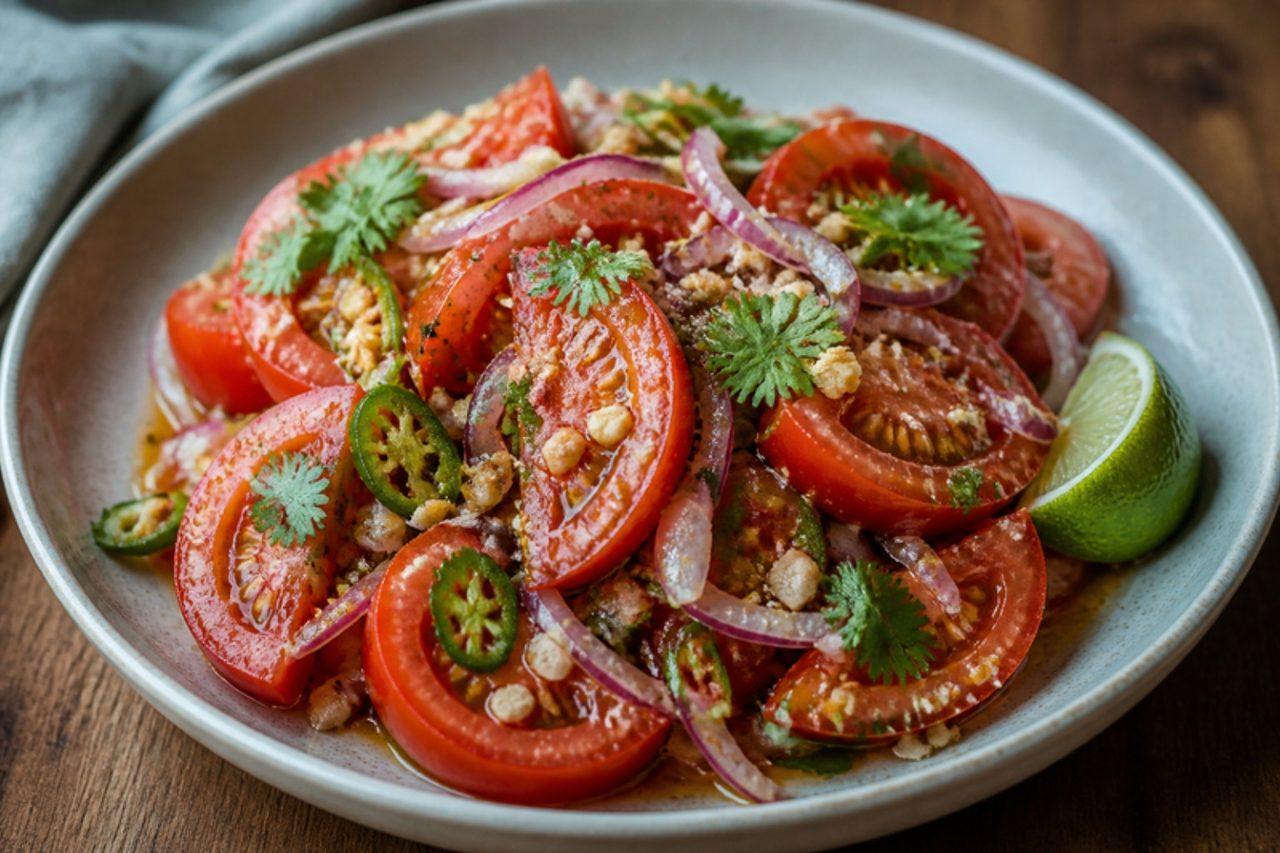
Burmese tomato salad

Come the cool season, when tomatoes are at their sweetest in Mandalay and the dry towns of Upper Burma, this thoke (a salad 'mixed by hand') is the quick dish that appears beside rice and curry at almost every meal. Slices of ripe tomato and onion are squeezed together with toasted chickpea flour, crushed peanuts and fried shallots in their oil, so the juices and flour turn into a light, nutty dressing that clings to every piece. Lime and fresh chilli sharpen it, and coriander lifts it. Home cooks often add fish sauce; this vegetarian version uses salt and a pinch of sugar. Dressing it too early is the most common mistake: salt pulls water from the tomatoes and leaves a soupy plate. Chef's tip: mix with your fingertips just before serving, pressing lightly so some tomato juice blends into the flour.

by KrazyBadal 0 views

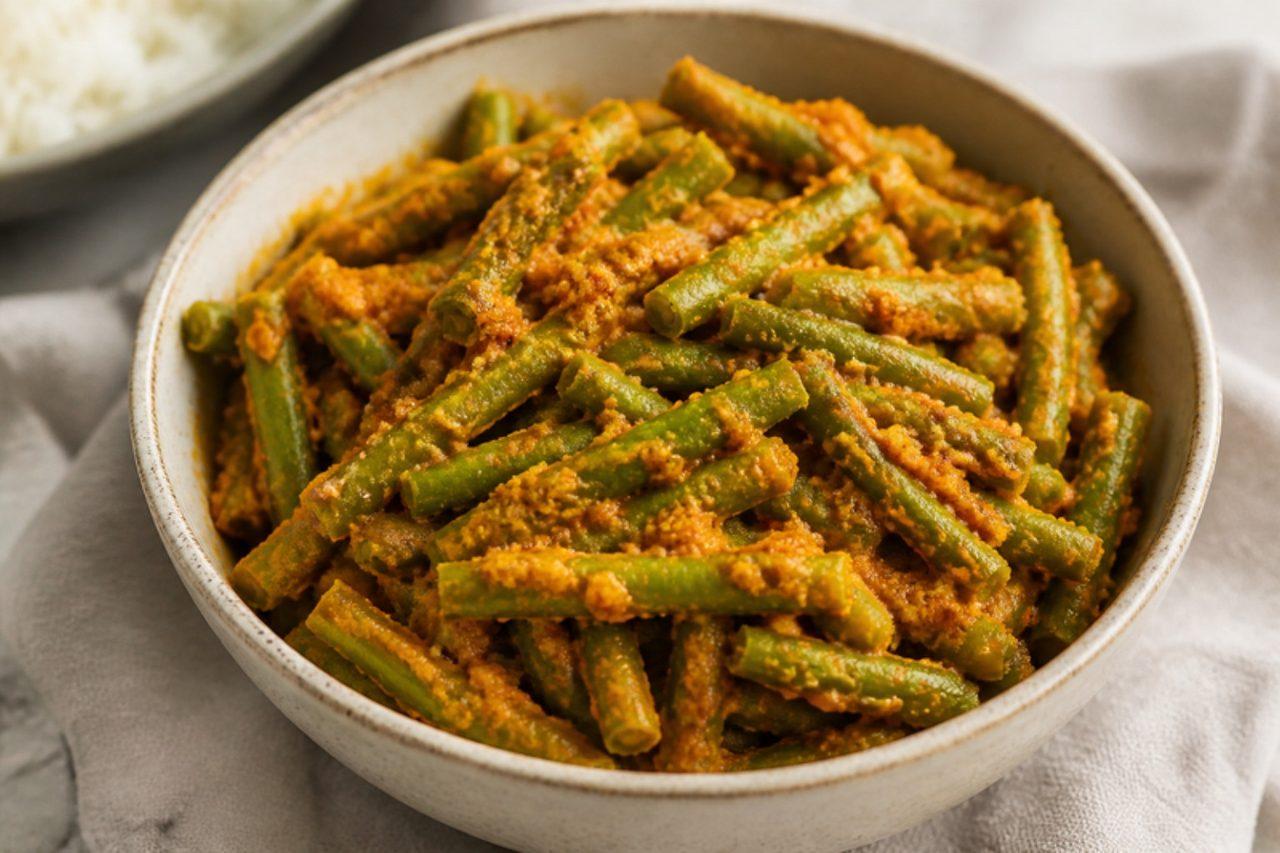
Sambal goreng boontjesGreen beans in coconut sambal

Sambal goreng boontjes is one of the most loved dishes in Dutch-Indonesian homes and toko takeaways: green beans fried in a spice paste of shallot, garlic, chilli and galangal, then simmered in coconut milk with lime leaves until just tender and coated in a rich, spicy, slightly sweet sauce. It is a regular part of a rijsttafel. Traditional versions include shrimp paste (trassi); this one is vegan. A common mistake is overcooking the beans until khaki. Chef's tip: fry the spice paste until the oil separates and it smells sweet, which takes the raw edge off the chilli and garlic.

by KrazyBadal 0 views

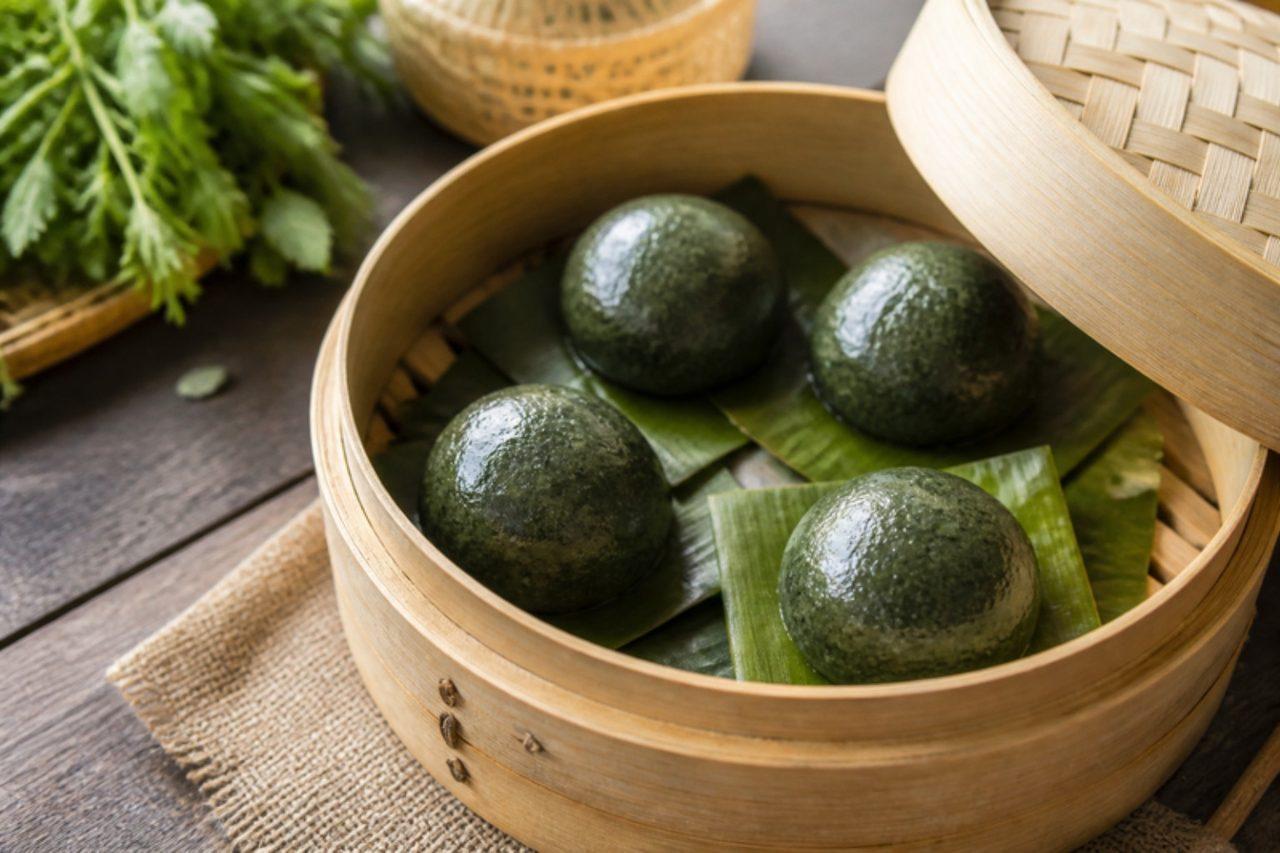
Hakka caozai guoHerb rice dumplings with radish

Around Qingming, the spring tomb-sweeping festival, Hakka households across Taoyuan, Hsinchu and Miaoli steam trays of these deep-green dumplings to carry to the family graves and share afterwards. The colour and grassy, slightly bitter perfume come from cudweed or mugwort kneaded into glutinous rice dough, and the chewy skin wraps a savoury filling of chopped dried radish and shiitake. The festival version has long been meatless, so this one needs no changes to be vegan. Without a cooked piece of dough kneaded back in, the skin cracks as you shape it; that small step is what makes it supple. Chef's tip: look for frozen mugwort or cudweed purée in Asian grocers; if you can only find fresh mugwort, blanch it with a pinch of bicarbonate of soda to keep it bright green.

by KrazyBadal 0 views

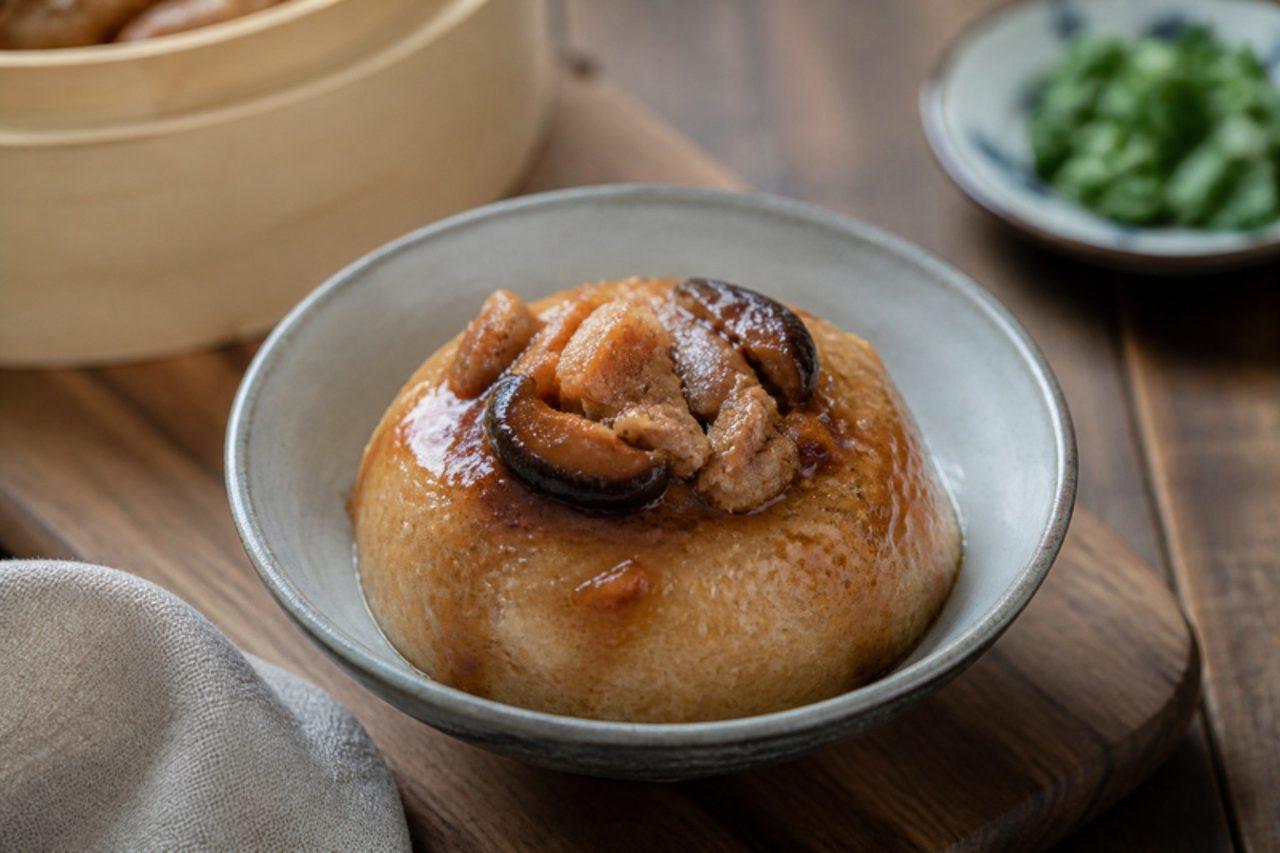
Tainan rice bowl cakeSteamed savoury rice bowl cakes

Small china bowls of this turn up at Tainan breakfast counters and temple-side stalls from early morning, each one turned out or eaten straight from the bowl with a bamboo spatula. The rice batter steams into a soft, slightly springy cake, tinted brown with shallot oil and soy, hiding a nugget of pork, shiitake and dried shrimp in its centre, and it is always doused in a thick, sweet soy sauce and a little garlic paste. People get it wrong by pouring raw, watery batter into the bowls, so the fillings sink and the cake turns out dense; cook it on the stove to a thin porridge first. For a truly gluten-free version, make the sauce with tamari or gluten-free soy sauce, as here. Chef's tip: steam on a steady medium heat and wrap the lid in a tea towel, so drips don't pit the smooth tops.

by KrazyBadal 0 views

Green bean casserole from scratch

Green bean casserole was invented in a test kitchen in the 1950s and spread across the Midwest via church cookbooks; today it is on most American Thanksgiving tables. This version skips the tins: fresh beans in a homemade mushroom cream sauce, topped with crisp shallots you fry yourself. Chef's tip: blanch the beans only until bright green and still squeaky, because they cook again in the oven.

by KrazyBadal 0 views

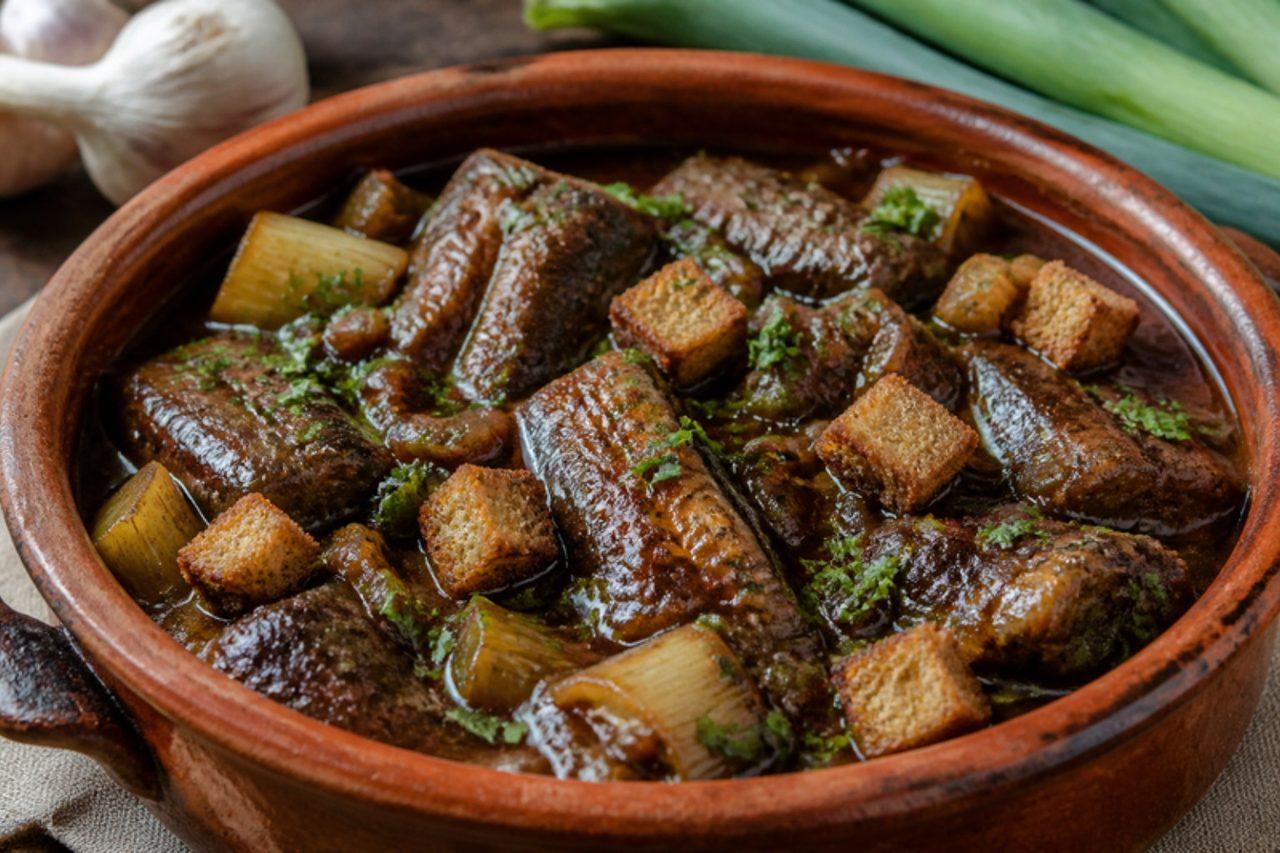
Lamproie à la bordelaise (with eel)Eel and leek red wine stew

In the Gironde, the spring run of lampreys up the Garonne and Dordogne is celebrated in Sainte-Terre and the villages of the Entre-deux-Mers, where the fish is stewed slowly in red wine with masses of leeks. Lamprey is rare, seasonal and protected in many places, so this is a practical version made with eel (or firm monkfish), which gives the same rich, dark, glossy stew; traditionally the sauce is thickened with the lamprey's own blood, and here a little roux and a square of dark chocolate do that job. It tastes deep and winey, with sweet melting leeks. The dish uses red wine; the ingredient note gives an alcohol-free version. Serve with garlic croutons or boiled potatoes. Chef's tip: ask the fishmonger to skin and cut the eel, and keep it cold until the moment it goes into the sauce.

110 minFrenchFish
by KrazyBadal 0 views

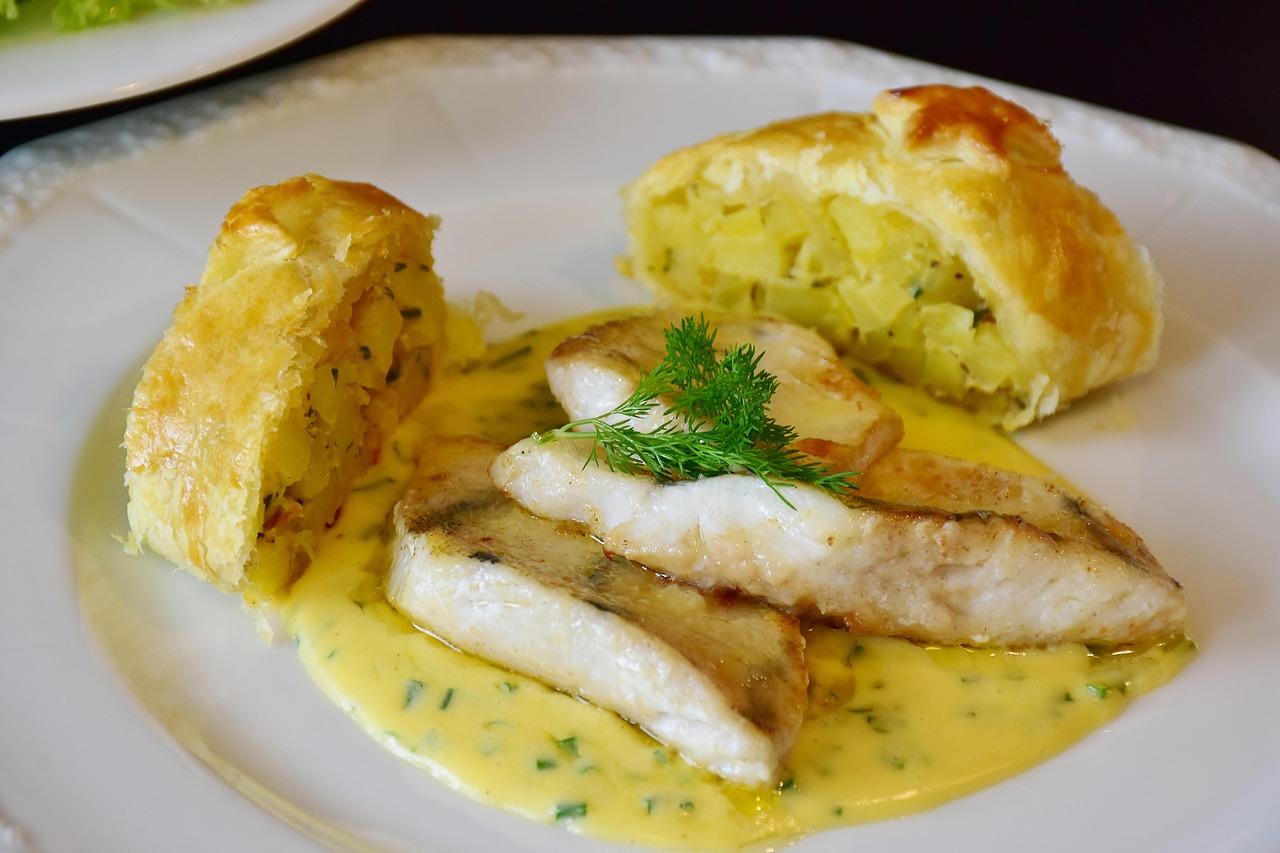
Sandre au beurre blancPike-perch with butter sauce

Beurre blanc was first whisked up on the banks of the Loire near Nantes, and riverside restaurants from Anjou to the Muscadet vineyards still serve it with sandre, the firm, mild pike-perch of the river. The sauce is nothing but shallots reduced in white wine and vinegar, then mounted with cold butter into a pale, foamy emulsion that tastes sharp and creamy at once. The crisp-skinned fish sits on top, with steamed potatoes or leeks alongside. The reduction uses dry white wine; an alcohol-free option is in the notes. If you can't find pike-perch, sea bass or hake fillets are good substitutes. Chef's tip: keep the butter fridge-cold and add it a few cubes at a time, and the sauce will never split.

30 minFrenchFishGluten free
by KrazyBadal 0 views

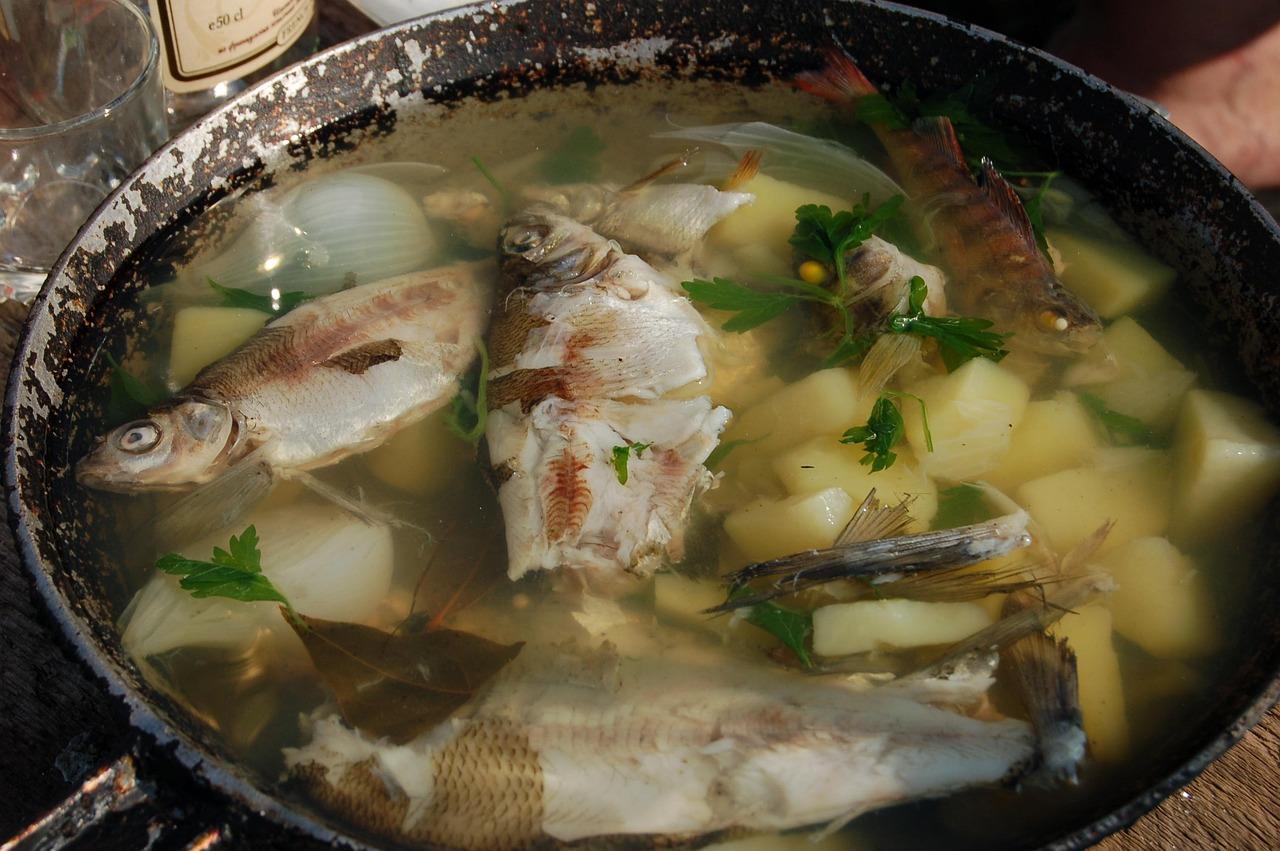
CotriadeFish and potato soup

Cotriade is the Breton answer to bouillabaisse, plainer and kinder on the purse, made in the ports of the south coast from Concarneau to Quiberon with whatever the boats could not sell. Chunks of several fish, both firm and oily, are poached with potatoes and onions in a thyme-scented broth, then served in two parts: the broth poured over toasted bread, and the fish and potatoes moistened with a sharp mustardy vinaigrette. The contrast of the soft, buttery broth and the bright dressing is the whole point. Serve it with good bread and salted butter. Chef's tip: add the firm fish first and the delicate ones last, so nothing falls to pieces in the pot.

by KrazyBadal 0 views

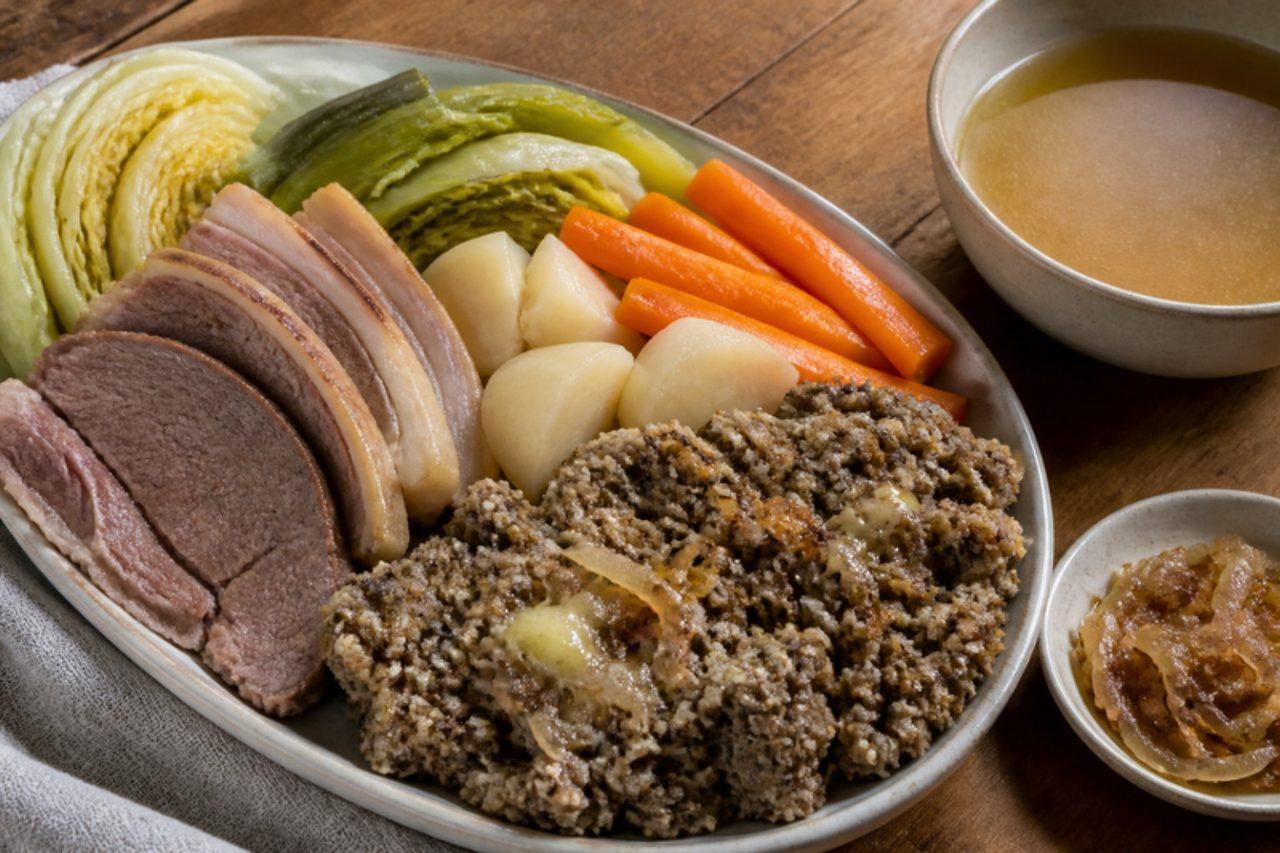
Kig ha farzBeef and pork with buckwheat pudding

Kig ha farz, "meat and stuffing" in Breton, belongs to the Léon country of north Finistère, where it is still the big shared dish of village fêtes, rugby-club dinners and family gatherings. Beef shin and salt pork belly simmer for hours with cabbage, carrots, leeks and turnips, and in the same pot sits a cotton bag of buckwheat batter that cooks into a dense, nutty pudding. The pudding is crumbled and served with the meats and vegetables, often with lipig, a sauce of shallots melted in butter. Chef's tip: tie the cloth bag loosely, leaving room for the batter to double, or the pudding turns heavy and rubbery.

250 minFrenchMeat
by KrazyBadal 0 views

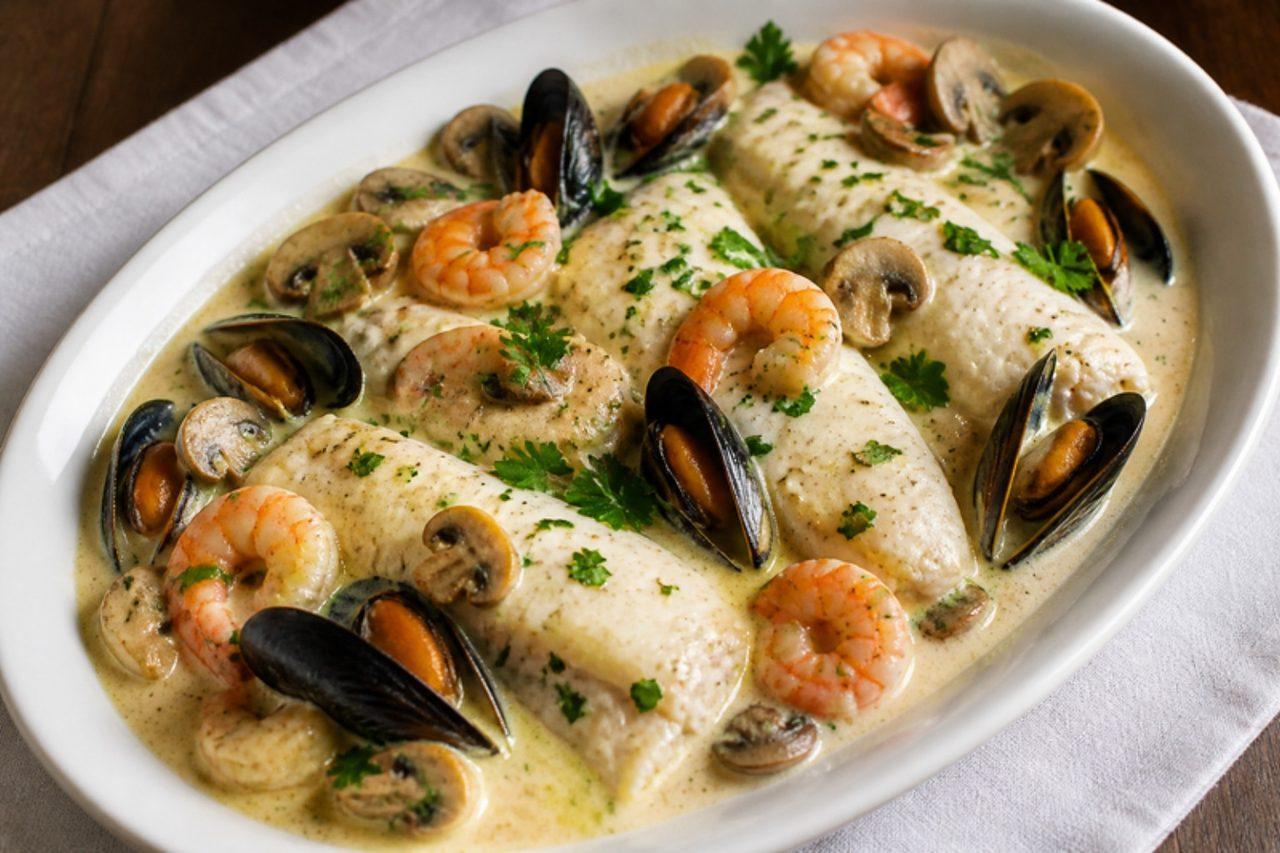
Sole normandeSole with mussels in cider cream

Sole normande was born in the fish restaurants of the Normandy coast, from Dieppe to Honfleur, where the catch, the local cream and cider met on one plate; Paris chefs later made it a grand-restaurant classic. Folded sole fillets are gently poached in cider and fish stock, then served under a silky, ivory cream sauce made from the poaching liquid and mussel juices, with mussels, pink prawns and button mushrooms around them. It is delicate and rich, best with plain boiled potatoes or rice to soak up the sauce. It uses dry cider or white wine; the notes give an alcohol-free option. Chef's tip: plaice or lemon sole fillets work perfectly well and cost far less than Dover sole.

55 minFrenchFishGluten free
by KrazyBadal 0 views

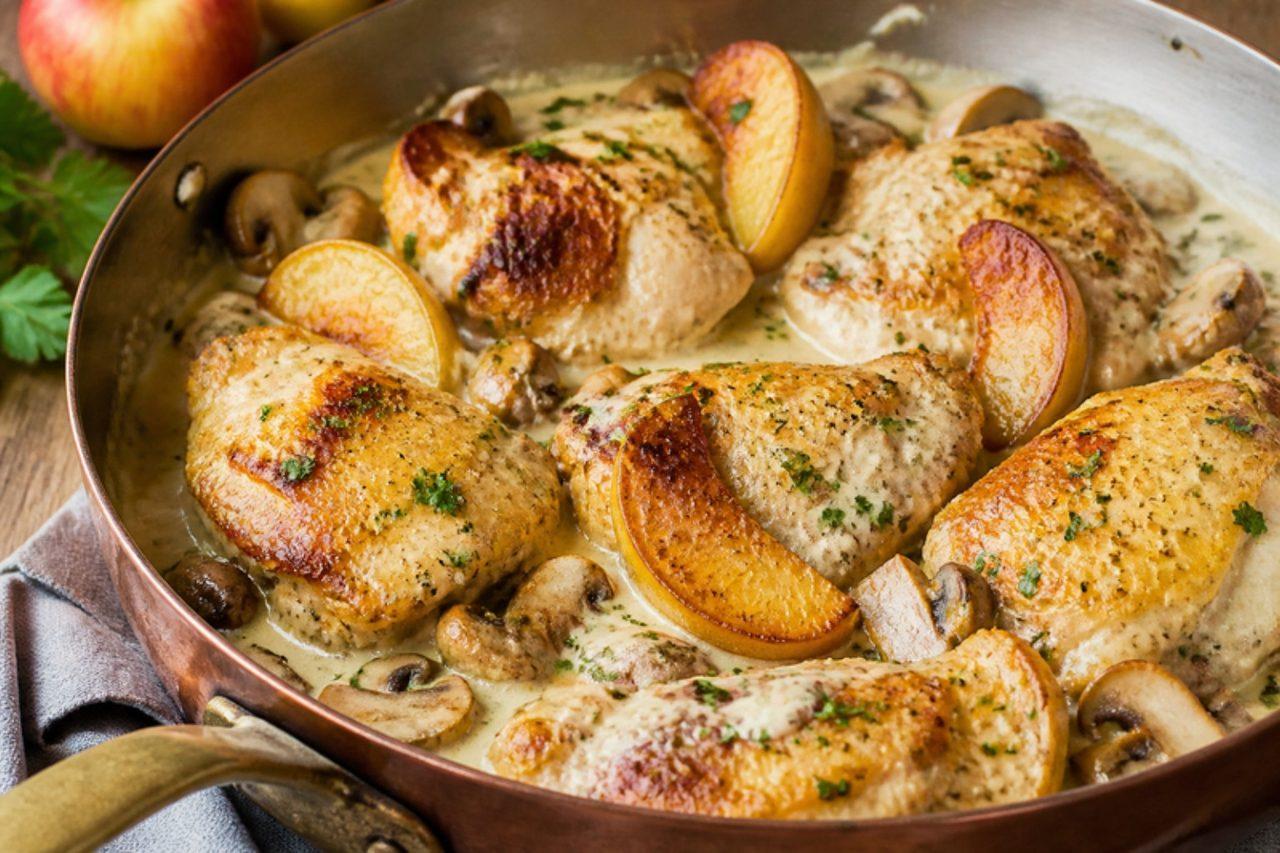
Poulet vallée d'AugeChicken in cider and cream sauce

The Pays d'Auge, the green orchard country around Lisieux and Pont-l'Évêque, puts its three great products into one pan here: apples, cider and thick Normandy cream. Chicken pieces are browned in butter, flamed with a splash of Calvados if you like, braised in dry cider with mushrooms and finished with crème fraîche, so the sauce is tangy, gently sweet and pale gold. It is a Sunday lunch dish, served with rice or steamed potatoes and wedges of apple caramelised in butter. The recipe uses cider and optional Calvados; alcohol-free swaps are in the ingredient notes. Chef's tip: choose a dry cider, because a sweet one makes the sauce cloying once it reduces.

by KrazyBadal 0 views

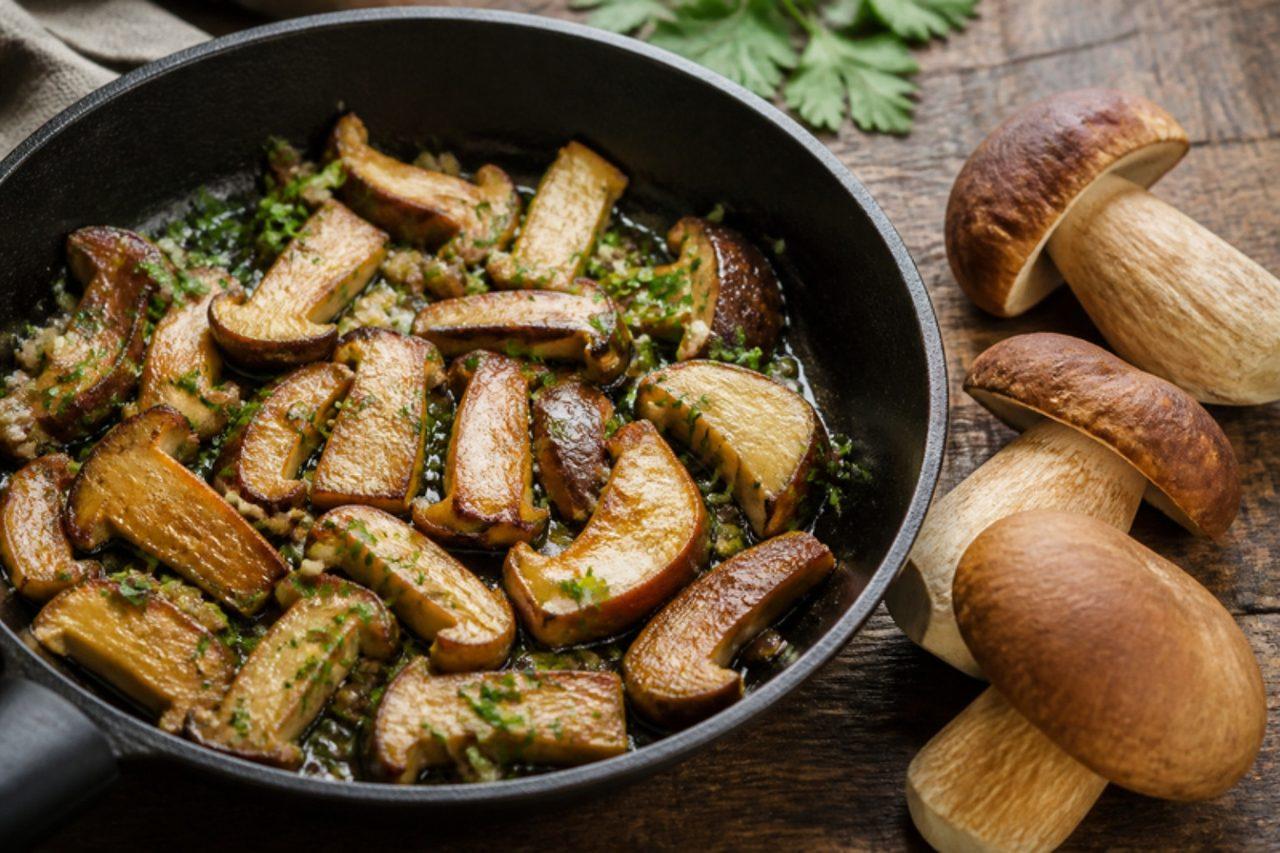
Cèpes à la bordelaisePorcini with garlic and parsley

In autumn, when cèpes push up through the pine forests of the Landes and the oak woods of the Gironde, Bordeaux families fry them the local way: thick slices browned hard in a hot pan, then tossed with shallot, garlic and plenty of parsley. They come to the table as a side for Sunday lunch, piled on toast for a starter, or beside an omelette for supper. Many cooks use duck fat; this version uses olive oil, so it is vegan. Out of season, use chestnut mushrooms with a few soaked dried porcini for flavour. Chef's tip: wipe the cèpes with a damp cloth instead of washing them; wet mushrooms steam instead of browning.

by KrazyBadal 0 views

Showing 48 of 361 recipes

Show more recipes

Page 9 of 16

Goes well with shallot