Skip to content

Recipes with swiss chard

9 recipes that use swiss chard, with photos, step-by-step instructions and cook times. The quickest, Torrejas de acelga, takes 30 minutes. It is most often cooked with garlic, onion and plain flour.

Got a few things in the fridge? Search by everything you have

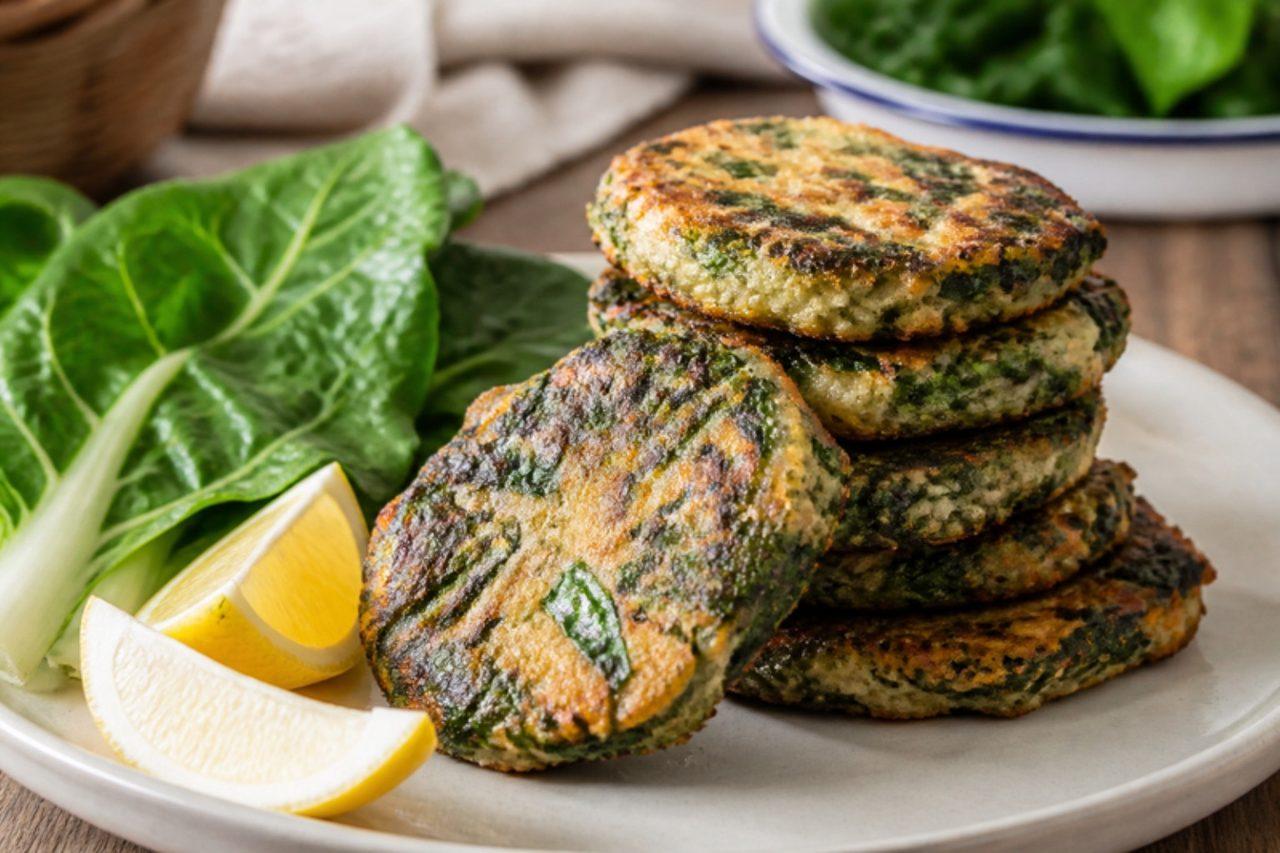
Torrejas de acelga

When a bunch of acelga (Swiss chard) is the cheapest thing at the verdulería, Buenos Aires home cooks turn it into torrejas: thin fritters of chopped chard bound with egg, a little flour, garlic and grated cheese, fried in shallow oil until the edges lace up and crisp. They are weekday food, eaten hot from the pan with a squeeze of lemon and a salad, or cold the next day in a sandwich, and children who won't touch greens tend to eat them. Inside they stay tender and green, outside nutty and golden. Wet chard is what ruins them: water left in the leaves makes the batter thin and the fritters spit and fall apart, so wring the blanched chard really dry. Grated hard cheese is often made with animal rennet; pick a vegetarian hard cheese if needed. Chef's tip: fry one small torreja first to check the seasoning and thickness, then adjust with a spoon of flour or a splash of milk.

by KrazyBadal 0 views

Arròs amb fesols i naps

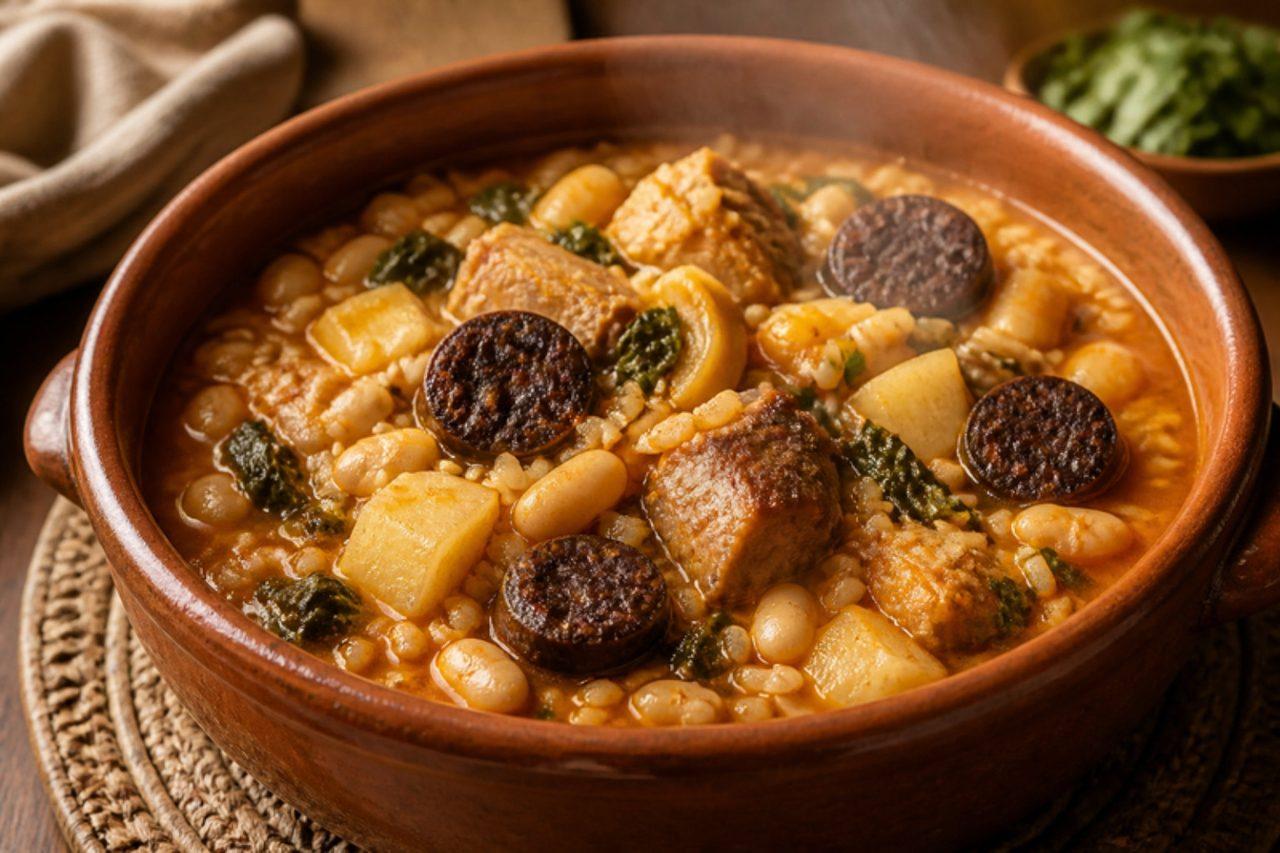
When the Valencian huerta turns cold in January, this brothy rice is what simmers on the stove for Sunday lunch: white beans, sweet turnips, chard and different cuts of pork cooked slowly with saffron, then rice added to the pot at the end, so it is a spoon dish rather than a dry paella. Each family has its own mix of meats; this version uses pork ribs, pork belly and onion morcilla. This contains pork (ribs, belly and black pudding). A common mistake is adding the rice too early; it should go in only once the beans are completely soft, and the pot should be served the moment it is done or the rice swells and drinks up the broth. Chef's tip: soak the beans with a pinch of bicarbonate of soda and start them in cold water; they cook more evenly and their skins stay on.

by KrazyBadal 0 views

Sopes mallorquines

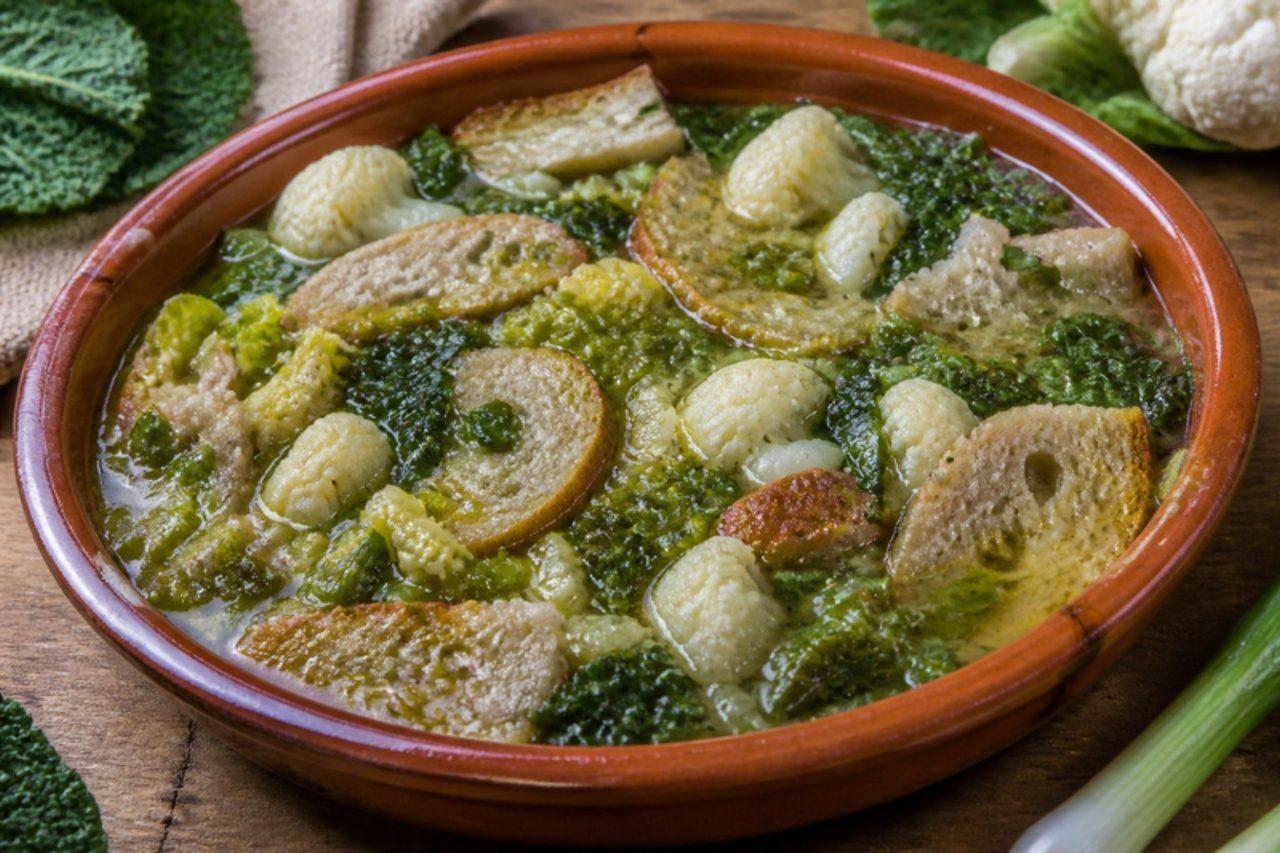
Sopes are a winter ritual in Mallorca, simmered in a wide clay greixonera and eaten for breakfast by country people and for Sunday lunch by everyone else. Cabbage, chard, cauliflower, artichoke and mushrooms cook in a garlicky, paprika-tinted broth, which is then poured over wafer-thin slices of dry brown bread until it soaks it all up into a spoonable mass, more stew than soup. Pork ribs often go in; this version is all vegetables. Serve with pickled chillies and black olives on the side. Chef's tip: buy the bread sliced for sopes at a bakery or slice a hard loaf on a mandolin, as thin bread is the whole texture of the dish.

by KrazyBadal 0 views

Adas bi hamod

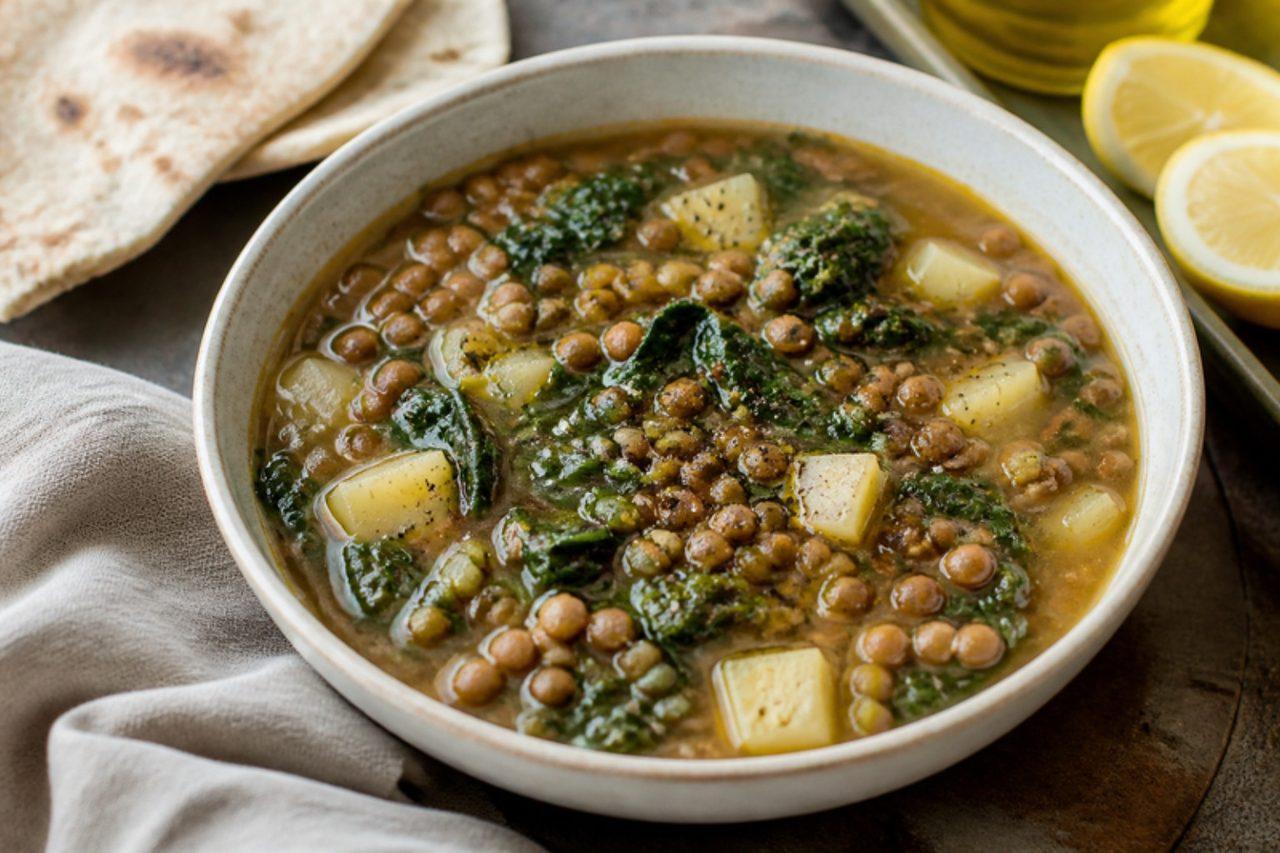
Adas bi hamod — 'lentils with sourness' — is a Lenten staple in Lebanese Christian homes and a thrifty weeknight pot everywhere else, especially in the south. Brown lentils simmer with chard, potato and a fried paste of garlic and coriander until the broth turns thick, then a generous amount of lemon makes it tangy and refreshing. It is somewhere between a soup and a stew and is just as good warm or at room temperature with bread. Common mistake: adding the lemon at the start; the acid stops the lentils softening, so add it at the end. Chef's tip: mash a ladleful of lentils against the side of the pot to give the broth body without any flour.

by KrazyBadal 0 views

Sumaghiyyeh

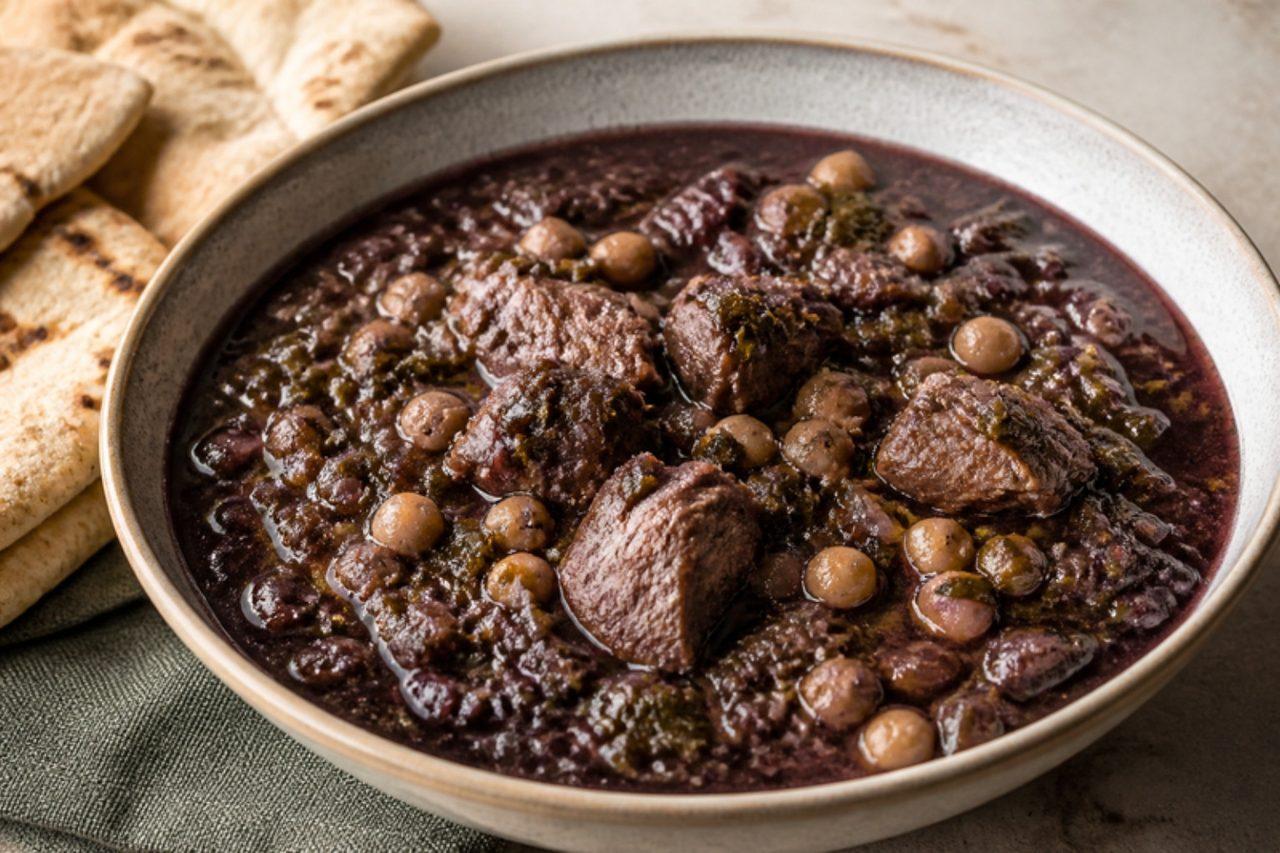
Sumaghiyyeh is Gaza's festive dish, cooked in big pots for Eid al-Fitr and eaten cold the next days with bread: chunks of lamb and chickpeas in a thick, purple-brown sauce of sumac, chard, tahini, garlic, dill and chilli. It tastes sour, nutty and herby all at once and is served at room temperature, sealed under a film of olive oil. Common mistake: using ground sumac straight into the pot, which leaves it gritty; soak the sumac and use the strained liquid. Chef's tip: make it a day ahead; the sauce sets and the flavours deepen, just as Gazan families serve it.

by KrazyBadal 0 views

Torta pasqualina

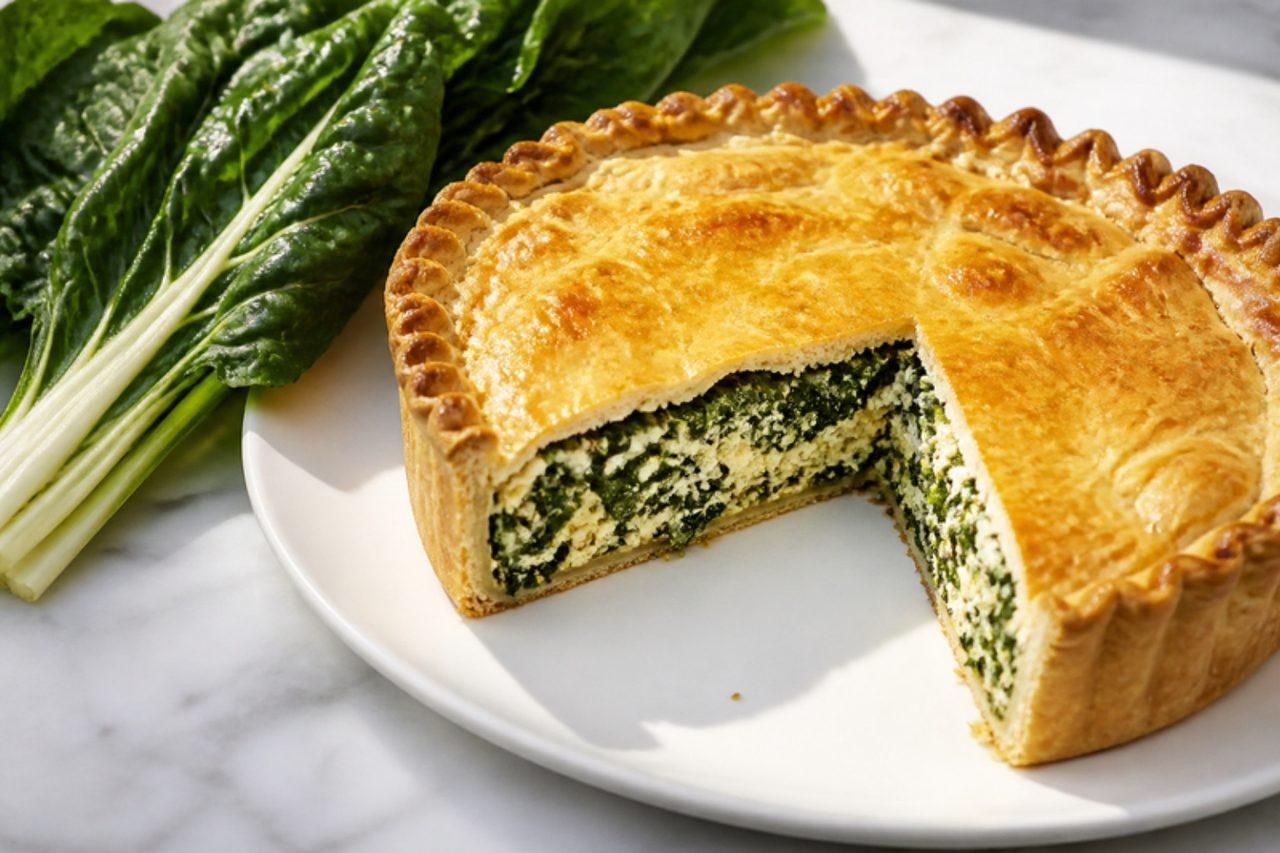
Genoese families bake torta pasqualina for Easter Monday picnics, and it is just as good cold the next day as warm from the oven. Paper-thin sheets of olive-oil pastry enclose a deep layer of chard and ricotta, and whole eggs are cracked into hollows in the filling so that every slice shows a neat yellow and white circle. Old recipes boasted 33 pastry layers, one for each year of Christ's life; four sheets top and bottom give a crisp, flaky crust at home. The taste is mild and green, lifted with marjoram and hard cheese. Chef's tip: stretch the dough on the backs of your hands like strudel rather than only rolling it, and brush every sheet with oil, so the layers separate in the oven.

by KrazyBadal 0 views

Erbazzone reggiano

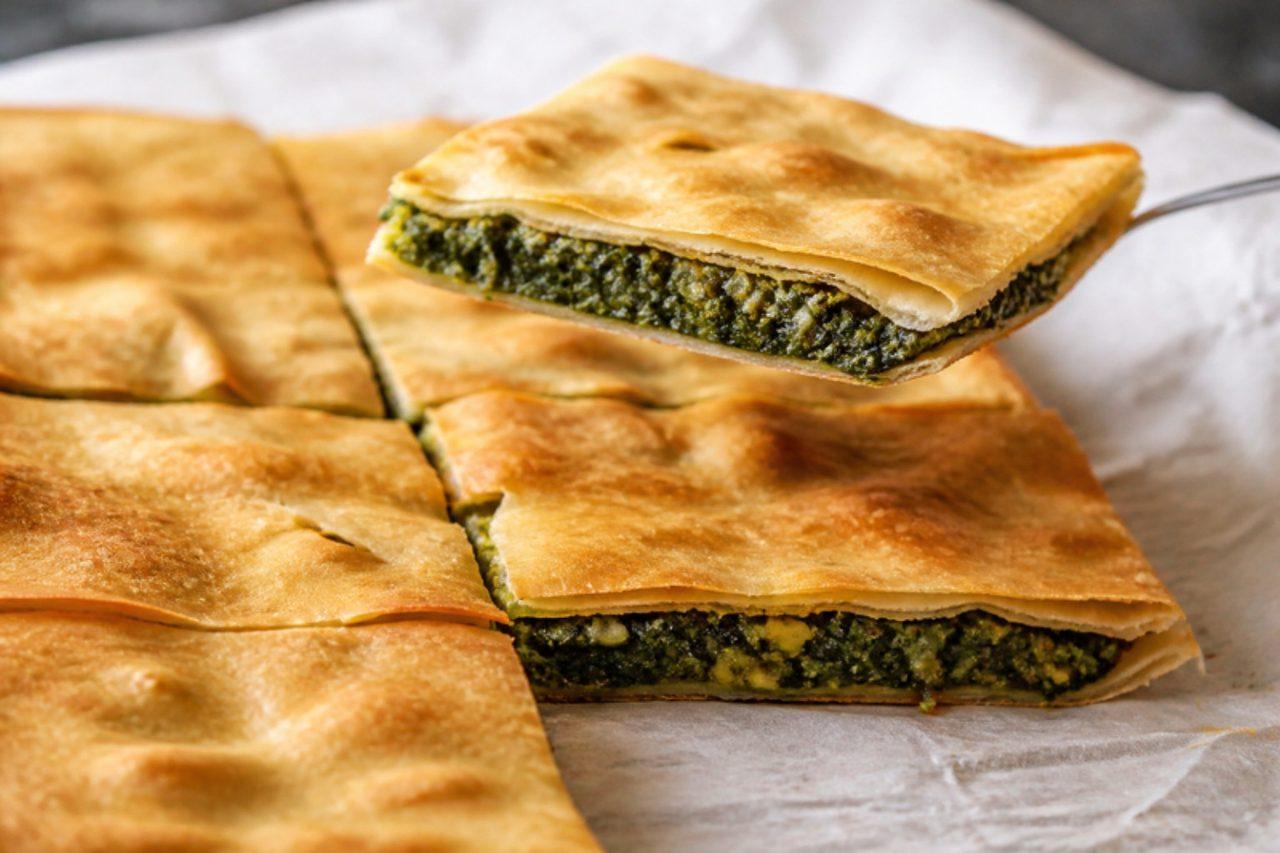
Bakeries in Reggio Emilia sell erbazzone in squares from big trays, and people eat it standing at the counter mid-morning or wrapped in paper for the walk home. It is a farmhouse pie of chard and spinach, sharp with spring onion and garlic and generous with Parmigiano, sealed in a very thin, crackly crust. The classic recipe uses lard in the pastry and often pancetta in the filling; both are left out here, and butter and olive oil make the crust. Serve it warm or at room temperature. Chef's tip: dry the greens thoroughly in the pan after blanching; erbazzone should be dense and green, never wet.

by KrazyBadal 0 views

Tarta de acelga

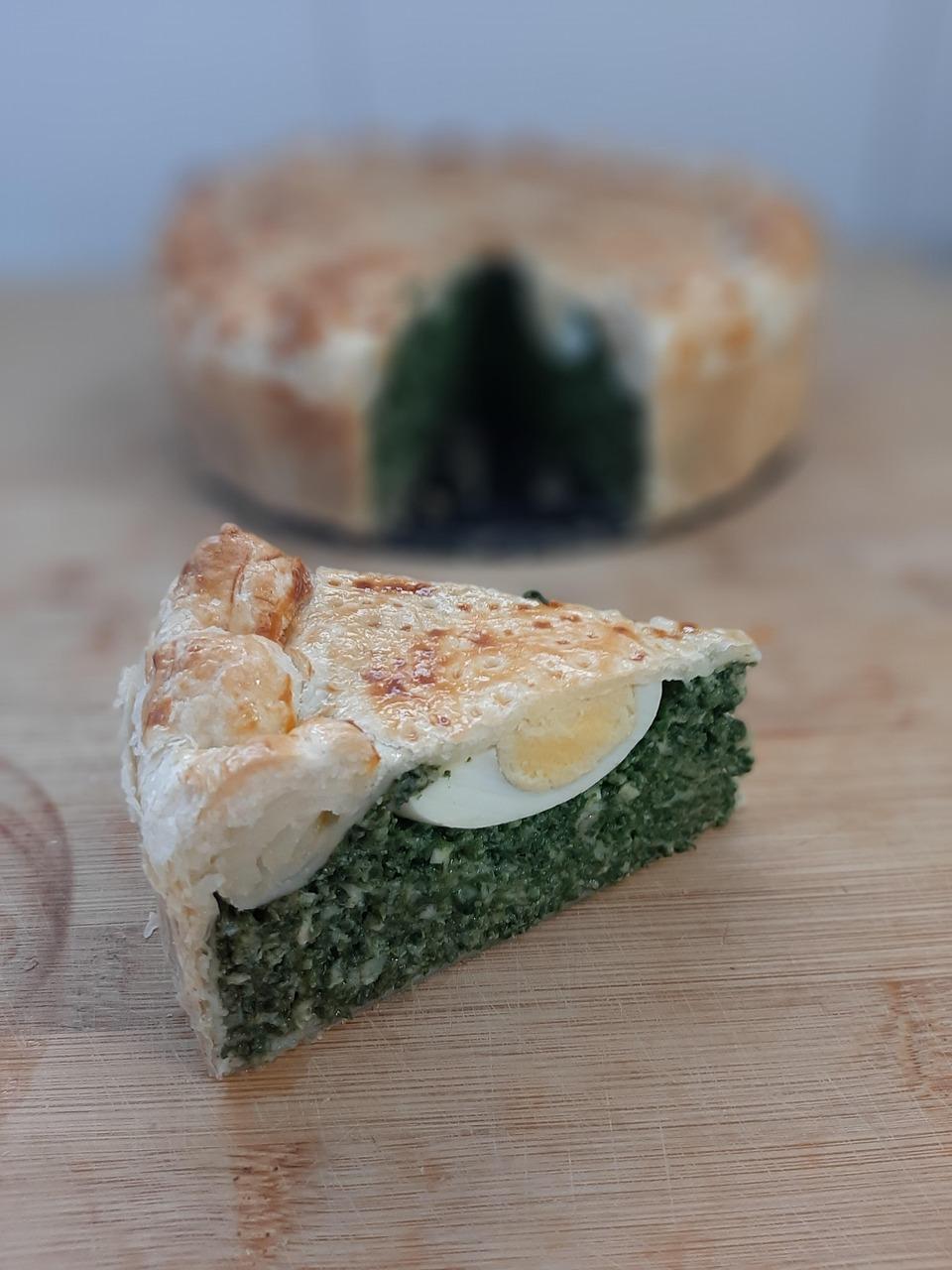
Tarta de acelga is the green, savoury pie found in every Argentine bakery window and on weeknight tables, a legacy of Italian torta pasqualina. Swiss chard is wilted with onion, bound with eggs and soft cheese, seasoned with nutmeg and baked between layers of pastry, sometimes with whole eggs hidden inside. It's eaten warm or cold, for dinner with a salad or packed for a picnic. Chef's tip: squeeze the cooked chard hard in your hands; any water left in it makes the pastry soggy.

by KrazyBadal 0 views

Hortopita

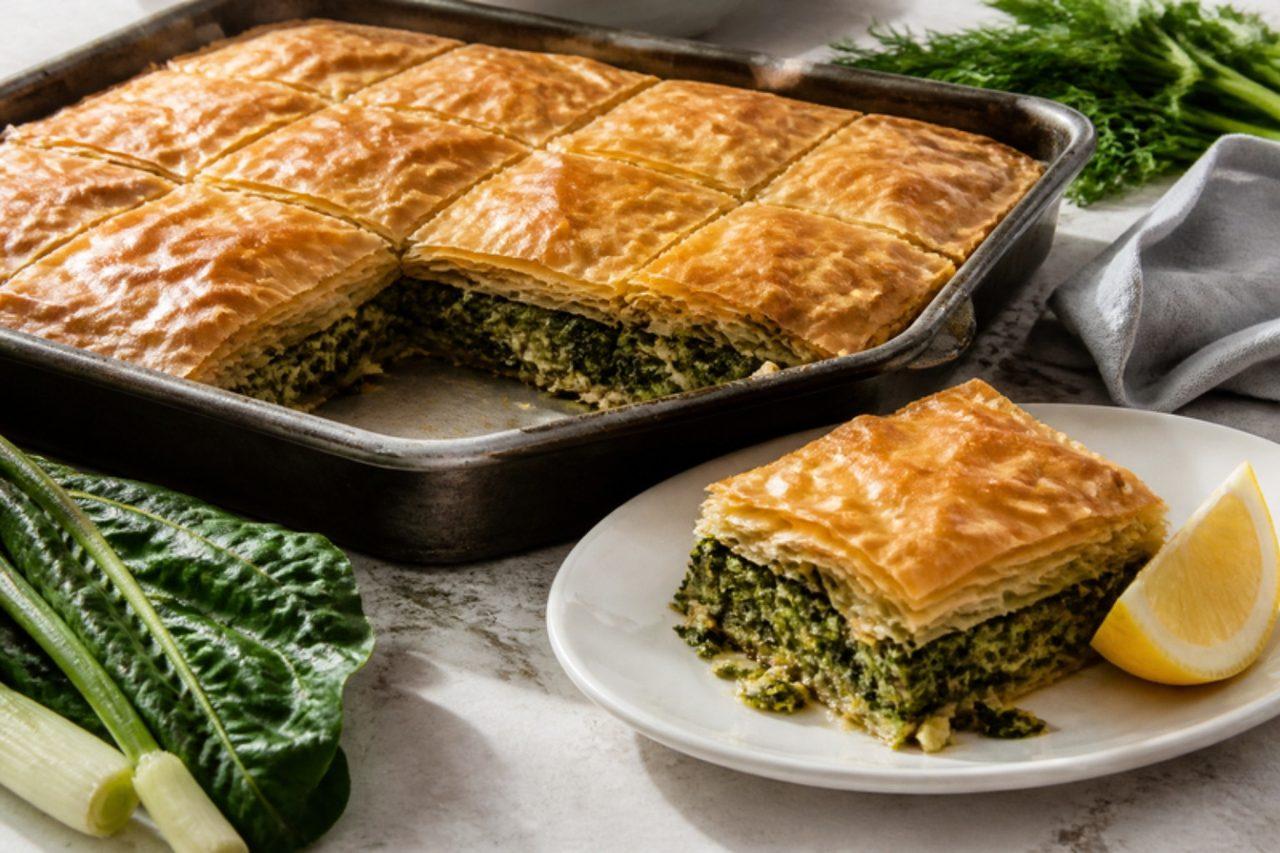
In the villages of Crete and the mountains of Epirus, hortopita is what cooks make from whatever greens are growing on the hillsides: wild fennel, sorrel, poppy leaves, nettles and chard. Many families bake it during Lent, when cheese and eggs are put aside, so the filling relies on olive oil, leeks and a big handful of herbs for flavour. It is earthy, a little bitter and very fresh. This version uses easy-to-buy chard, spinach, fennel fronds and leeks, with a spoonful of rice to soak up the juices. Serve warm or cold with olives and a glass of something cold. Most shop fillo is made without butter or egg, but check the label to keep it vegan. Chef's tip: salt the chopped greens and leave them for 20 minutes before squeezing; skipping this is the most common mistake, and it makes hortopita watery.

by KrazyBadal 0 views

Goes well with swiss chard