Skip to content

Recipes with thyme

45 recipes that use thyme, with photos, step-by-step instructions and cook times. The quickest, Azerbaijani black tea, takes 12 minutes. It is most often cooked with onion, garlic and carrot.

Got a few things in the fridge? Search by everything you have

Hot pizza gravy

A big batch of spicy pizza sauce with fresh oregano, thyme and basil, plus ginger, garlic and green chilli for an Indian-style kick. The tomatoes are cooked down, strained and simmered until thick, so the sauce won't make the base soggy. Freeze it in portions for quick pizzas, or use 2 tsp dried herbs in place of fresh.

90 minPizzaVeganGluten freeSpicy
by KrazyBadal 2 views

Rice and peas

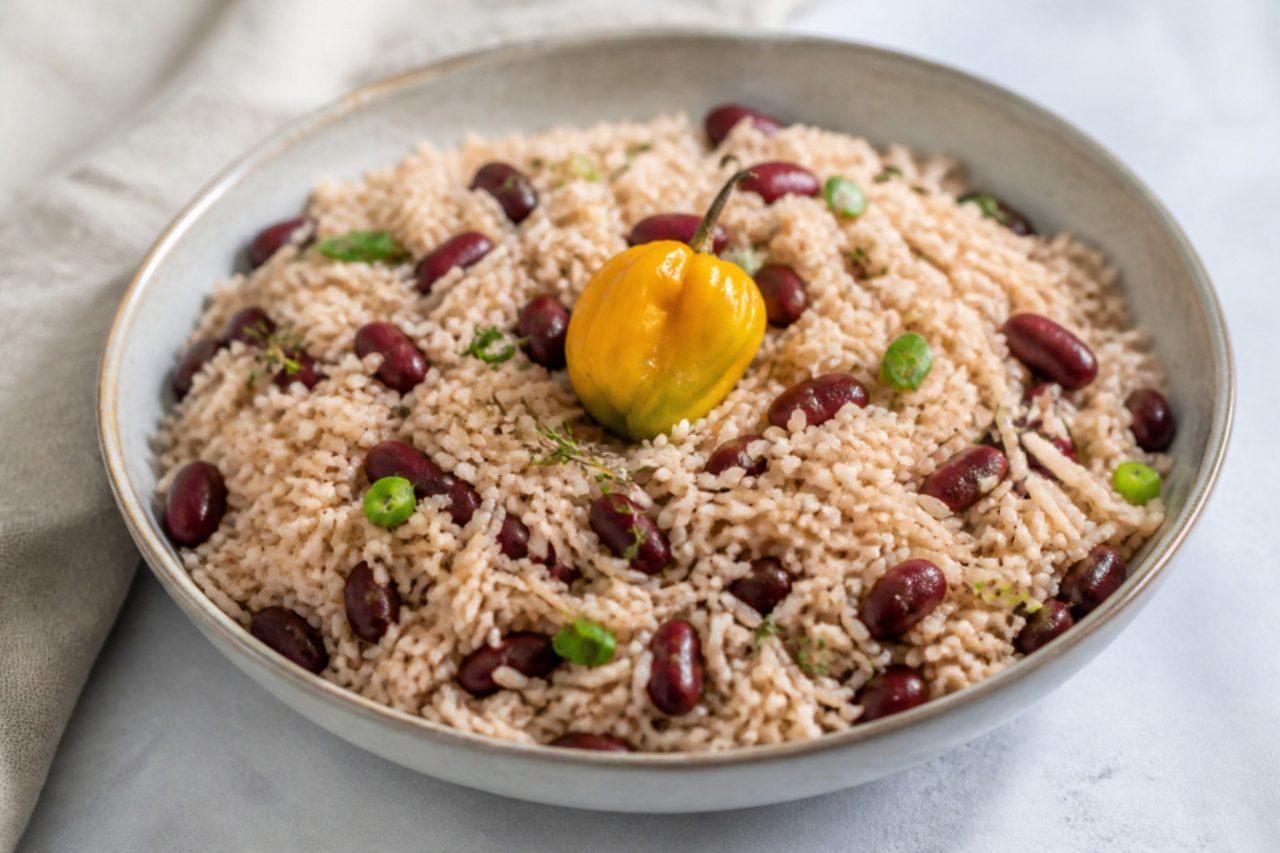
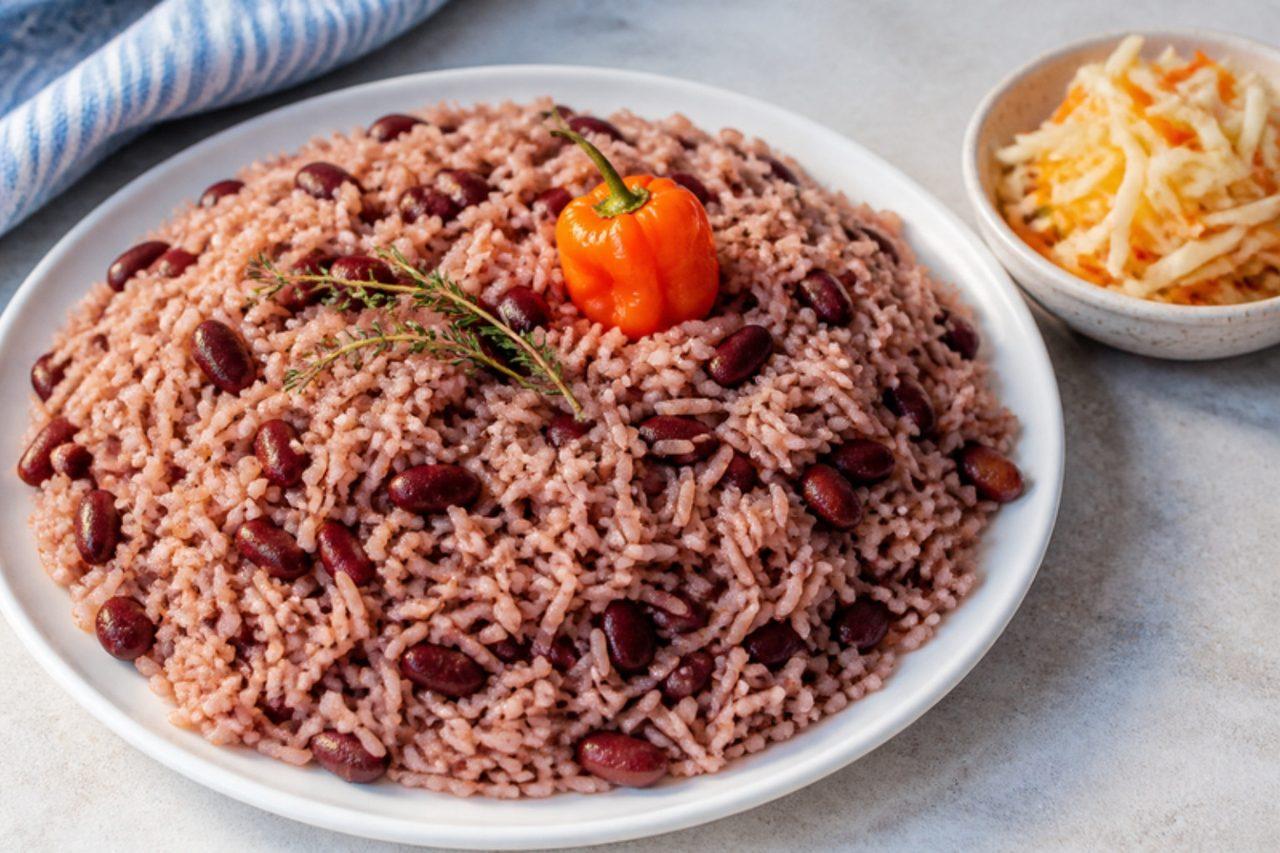
No Sunday dinner anywhere in Jamaica is complete without rice and peas, and 'peas' here means red kidney beans. The beans tint the rice a soft pinkish brown, the coconut milk makes it rich and creamy, and a whole scotch bonnet sitting on top perfumes the pot with fruity heat without burning anyone. Serve with jerk tofu, Ital stew, steamed cabbage and fried ripe plantain. This version uses tinned beans and their liquid for an everyday cook; with dried beans, soak 250 g overnight and simmer them for about an hour first, then use their cooking water. Chef's tip: once the rice goes in, don't stir it. Cover the pot tightly (a sheet of foil under the lid helps) and let the steam do the work, so the grains come out separate and fluffy instead of mushy.

by KrazyBadal 0 views

Ital stew

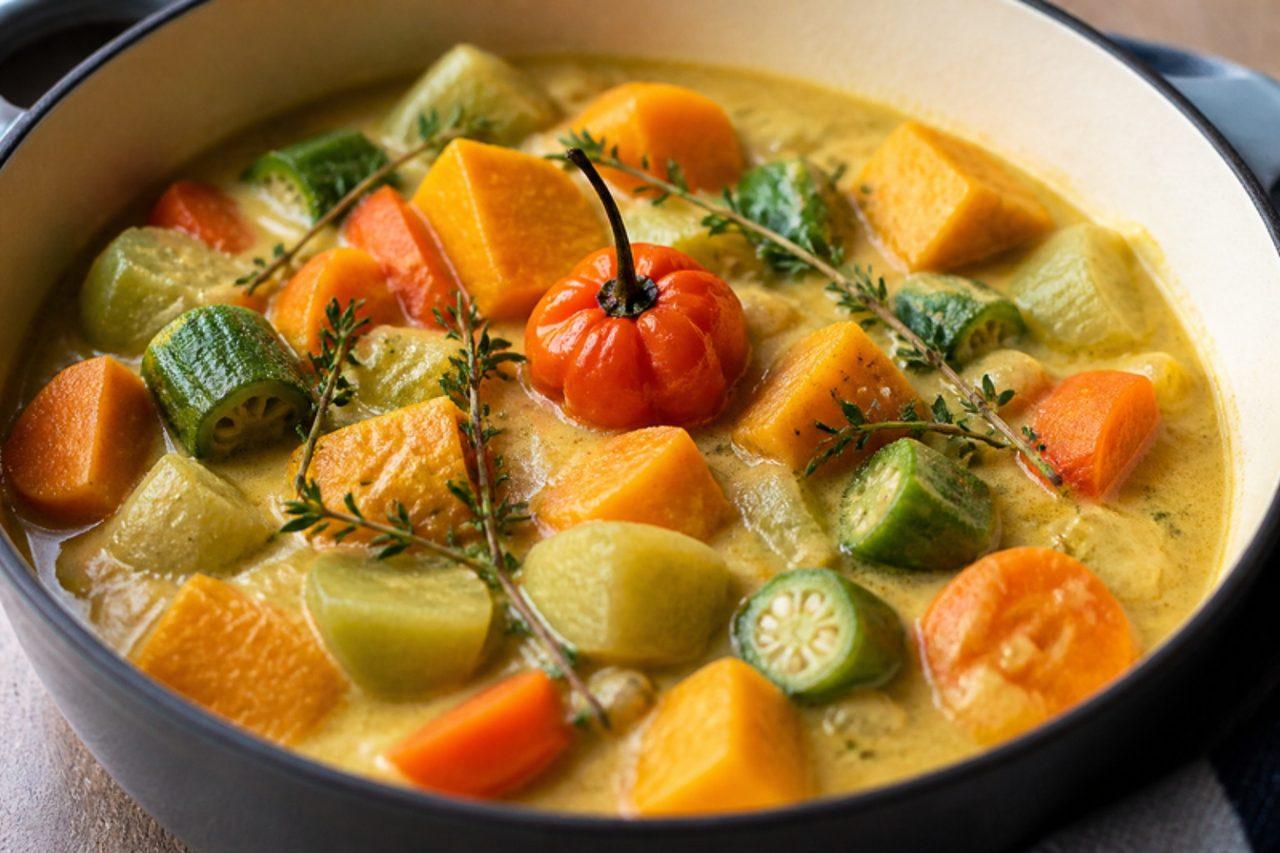
Ital food is the cooking of the Rastafari, found from the hills of St Andrew to roadside Ital shops in Westmoreland and St Thomas. It is plant-based, close to the earth and traditionally made without added salt, built on fresh 'food' (ground provisions) and greens. This stew is golden and gently sweet, thickened by melting pumpkin and silky okra, with coconut milk, thyme and pimento giving warmth and a whole scotch bonnet giving fruity heat. Serve with rice and peas or boiled green bananas. Chef's tip: cut half the pumpkin very small and the other half in big chunks. The small pieces collapse into the coconut milk and thicken it naturally, while the big ones hold their shape.

45 minCurriesVeganGluten free
by KrazyBadal 0 views

Jamaican callaloo

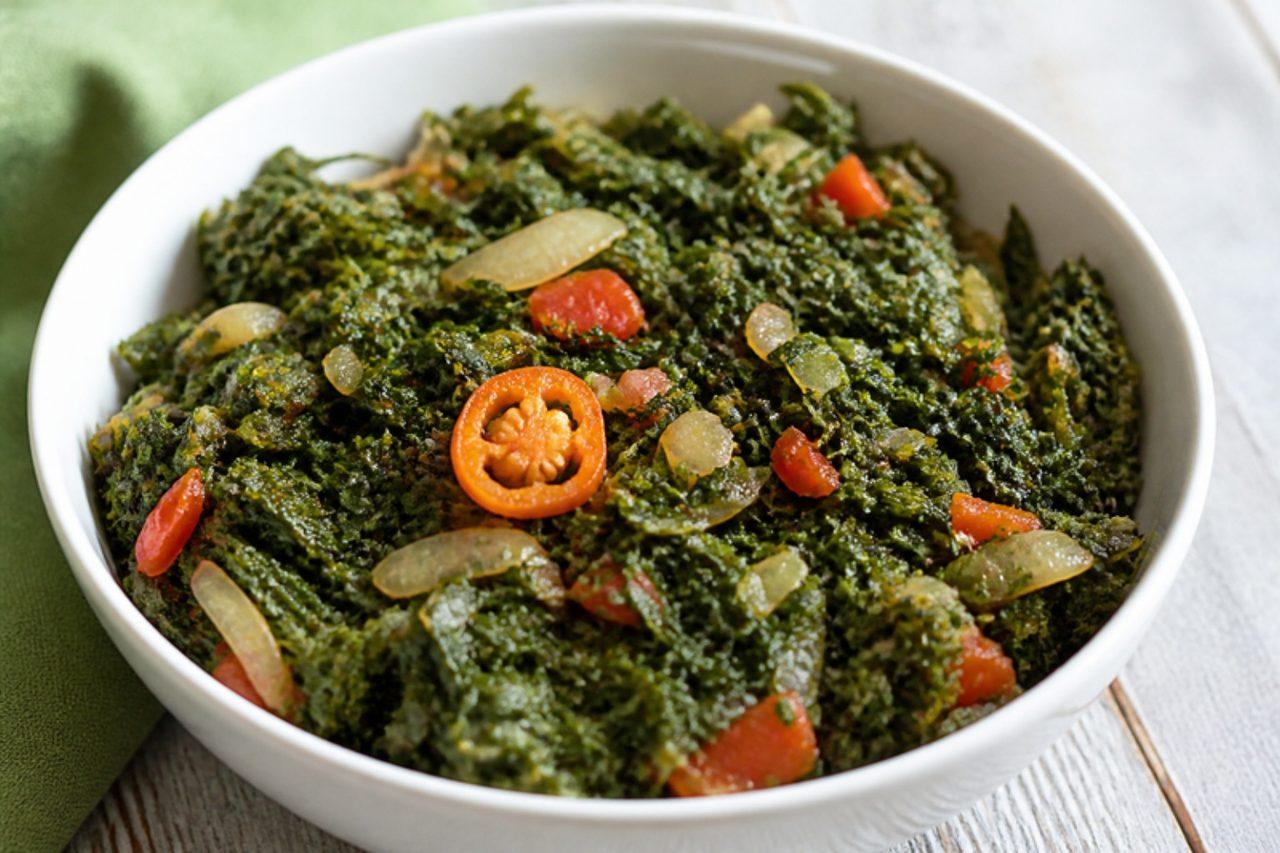
In Jamaica, callaloo means the leaves and tender stems of a type of amaranth, sold in big bundles in every market from Coronation Market in Kingston to Santa Cruz in St Elizabeth. It's steamed down with onion, tomato, garlic and thyme into soft, savoury greens with a mild mineral sweetness, and eaten at breakfast with fried dumplings, boiled green bananas or hard dough bread, or as a side at dinner. Spinach or Swiss chard can stand in if you can't find callaloo. Chef's tip: peel the fibrous skin from the thicker stems with a small knife and slice the stems and leaves finely across, about 1 cm wide. That's how Jamaican cooks get callaloo that's tender all the way through rather than stringy.

20 minSidesVeganGluten free
by KrazyBadal 0 views

Stew peas with spinners

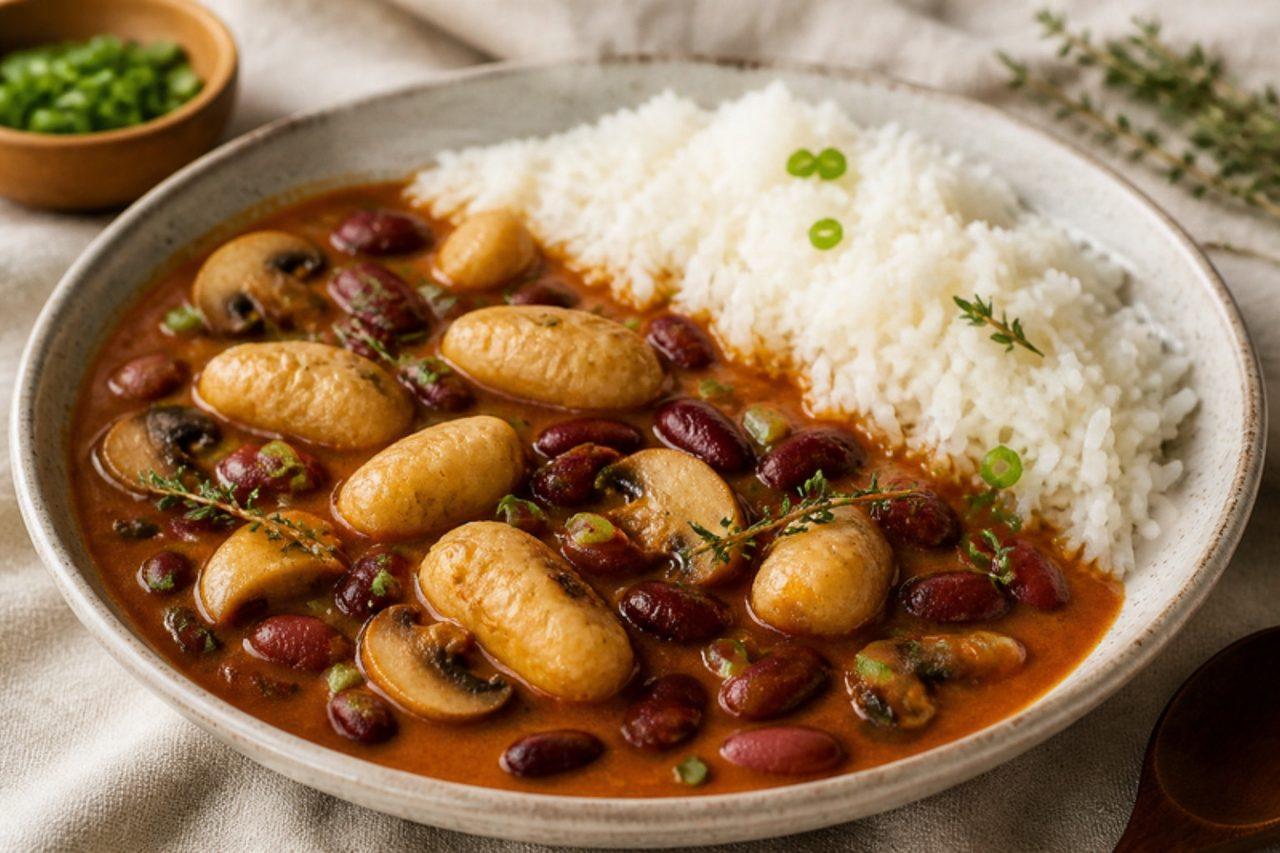
Stew peas is a thick, comforting Jamaican one-pot of red kidney beans simmered in coconut milk until creamy, studded with 'spinners', small hand-rolled dumplings. It's a classic Wednesday or Saturday dinner across the island, usually cooked with pig's tail and salt beef. Here mushrooms browned hard and a little smoked paprika bring the savoury depth instead, so nothing is missing. Serve over plain white rice. Chef's tip: when the beans are soft, crush a ladleful against the side of the pot. Stew peas should be thick enough to coat the back of a spoon, and the crushed beans give that body without any flour.

95 minCurriesVegan
by KrazyBadal 0 views

Steamed cabbage

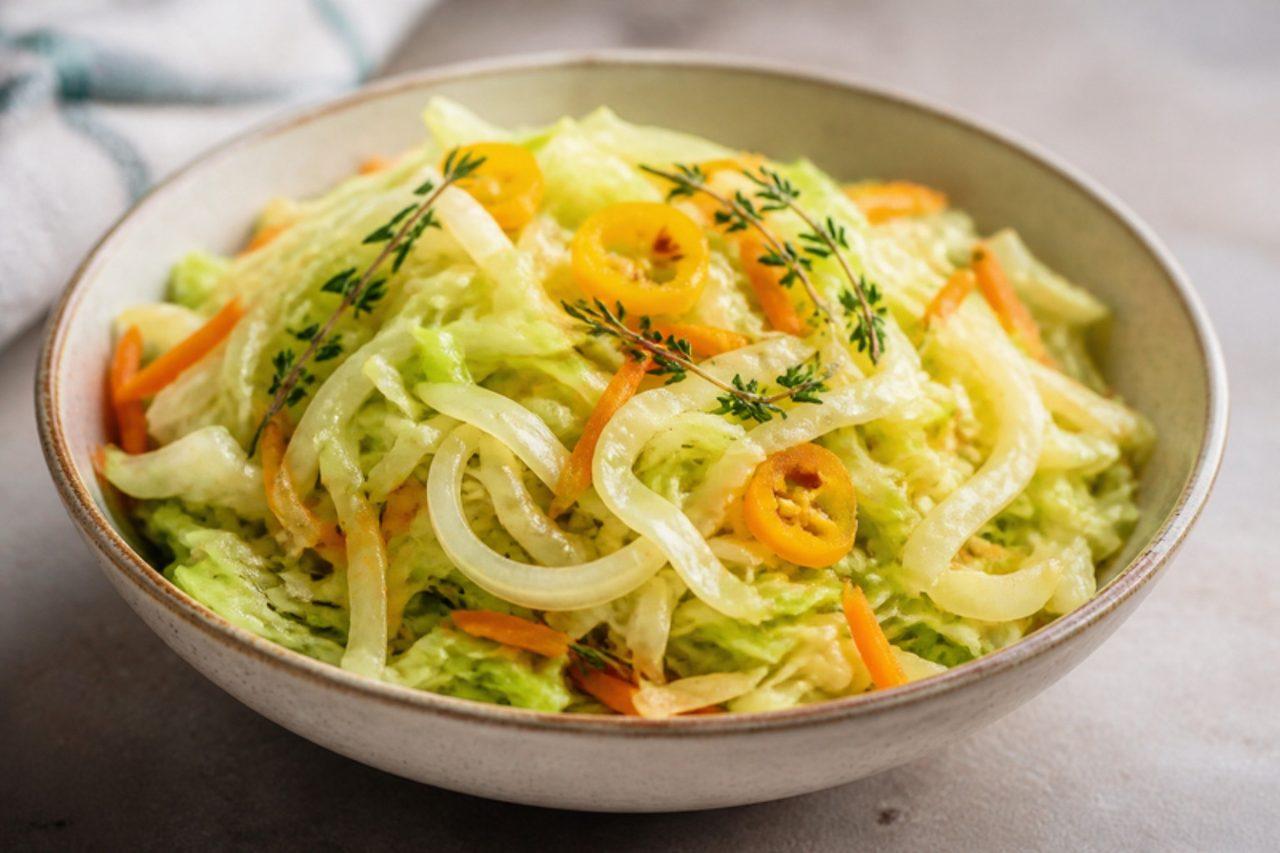
Steamed cabbage is the everyday side dish of Jamaican home cooking, served at breakfast with fried dumplings and at dinner beside rice and peas or stew peas. Shredded cabbage and carrot are cooked with very little water, so they steam in their own juices and turn sweet, peppery and glossy rather than soggy. Chef's tip: use only a splash of water and keep the lid on. The cabbage should be tender-crisp and still pale green, never boiled limp, so take it off the heat while it still has a little bite.

15 minSidesVeganGluten free
by KrazyBadal 0 views

Vegetable pelau

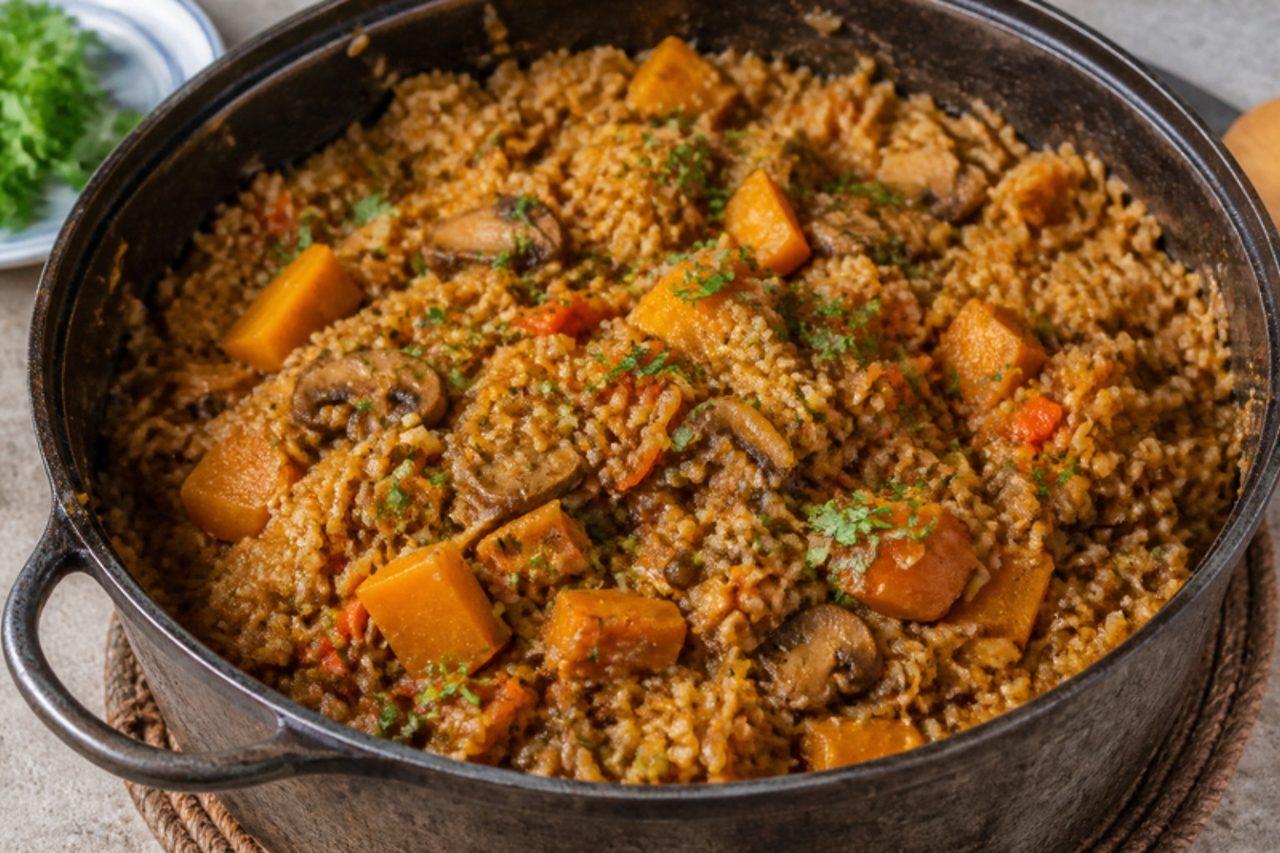
Pelau is the dish of the Trinidad beach lime and family gathering: rice and pigeon peas cooked in one big pot, coloured a deep brown by sugar caramelised in oil until almost burnt, then simmered with coconut milk, green seasoning and a whole hot pepper. It's usually made with chicken; here deeply browned mushrooms and chunks of pumpkin carry the savoury depth, so it's still rich, smoky-sweet and moreish. Serve with coleslaw, sliced cucumber and pepper sauce. Chef's tip: let the sugar go further than feels safe: it should melt, froth and turn the colour of dark chocolate, just starting to smoke, before anything goes in. Too pale and the pelau tastes sweet; too black and it's bitter.

by KrazyBadal 0 views

Trini callaloo soup

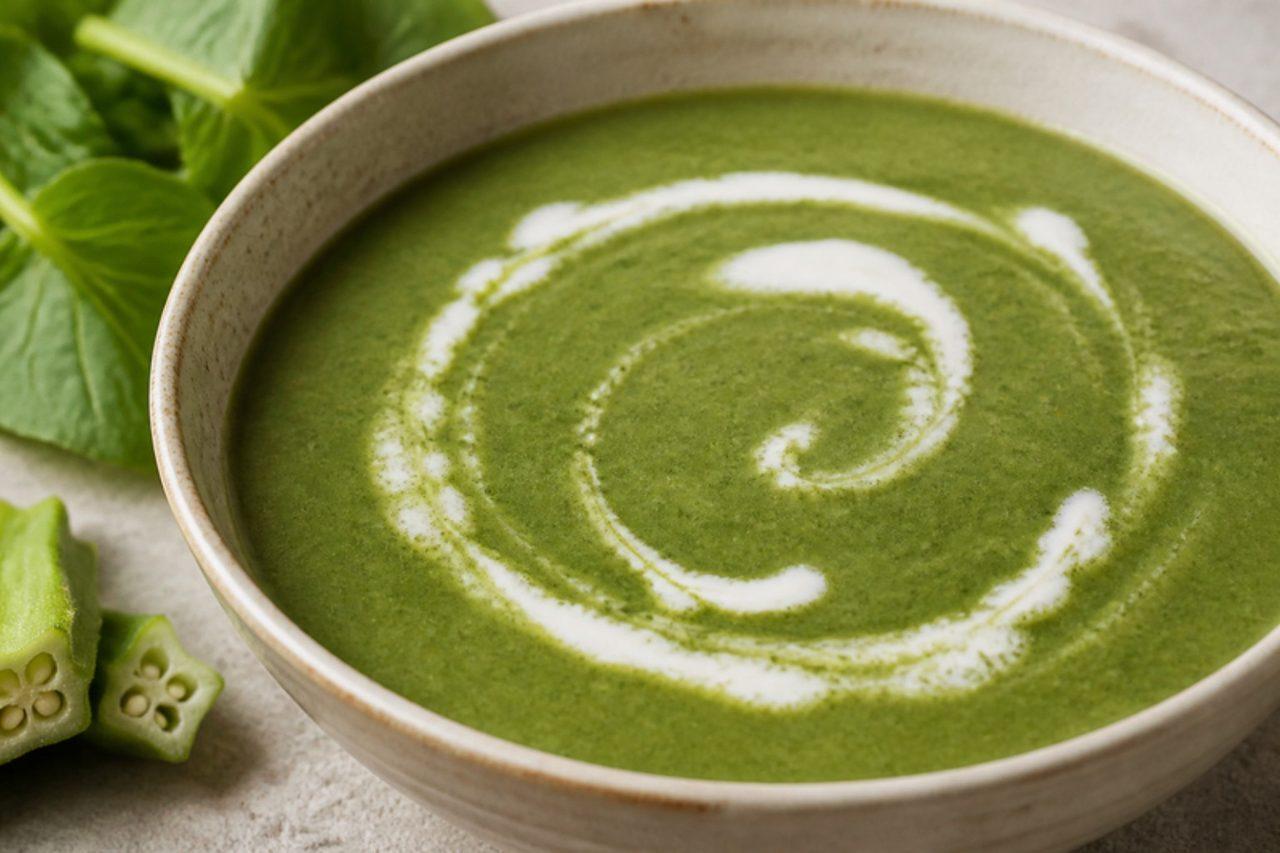
Callaloo is Trinidad and Tobago's national dish and part of the classic Sunday lunch, served beside rice, macaroni pie and stewed peas. Dasheen bush (young taro leaves) is simmered with okra, pumpkin, coconut milk, onion, garlic, chives and thyme, then beaten smooth with a wooden swizzle stick into a thick, velvety green soup. It's usually cooked with crab or salt pork; this vegetarian version leaves them out and adds a pinch of smoked paprika for depth. Spinach and Swiss chard can replace dasheen. Chef's tip: cook the dasheen leaves for at least 25–30 minutes. They must be very soft, both to swizzle silky smooth and because undercooked dasheen leaves make your throat itch.

50 minSoupsVeganGluten free
by KrazyBadal 0 views

Ribollita

Ribollita means 'reboiled': a Tuscan peasant soup of cannellini beans, cavolo nero and other vegetables, layered with stale bread and heated again the next day until thick enough to eat with a fork. Florentines eat it through the cold months, when cavolo nero is sweetest after the first frosts, finished with a green thread of new-season olive oil. Make it a day ahead, because the reboil is the point. Chef's tip: when reheating, let the bottom catch very slightly before stirring; that toasty edge is what Tuscans love about day-two ribollita.

90 minSoupsVeganItalian
by KrazyBadal 0 views

Polenta with mushrooms

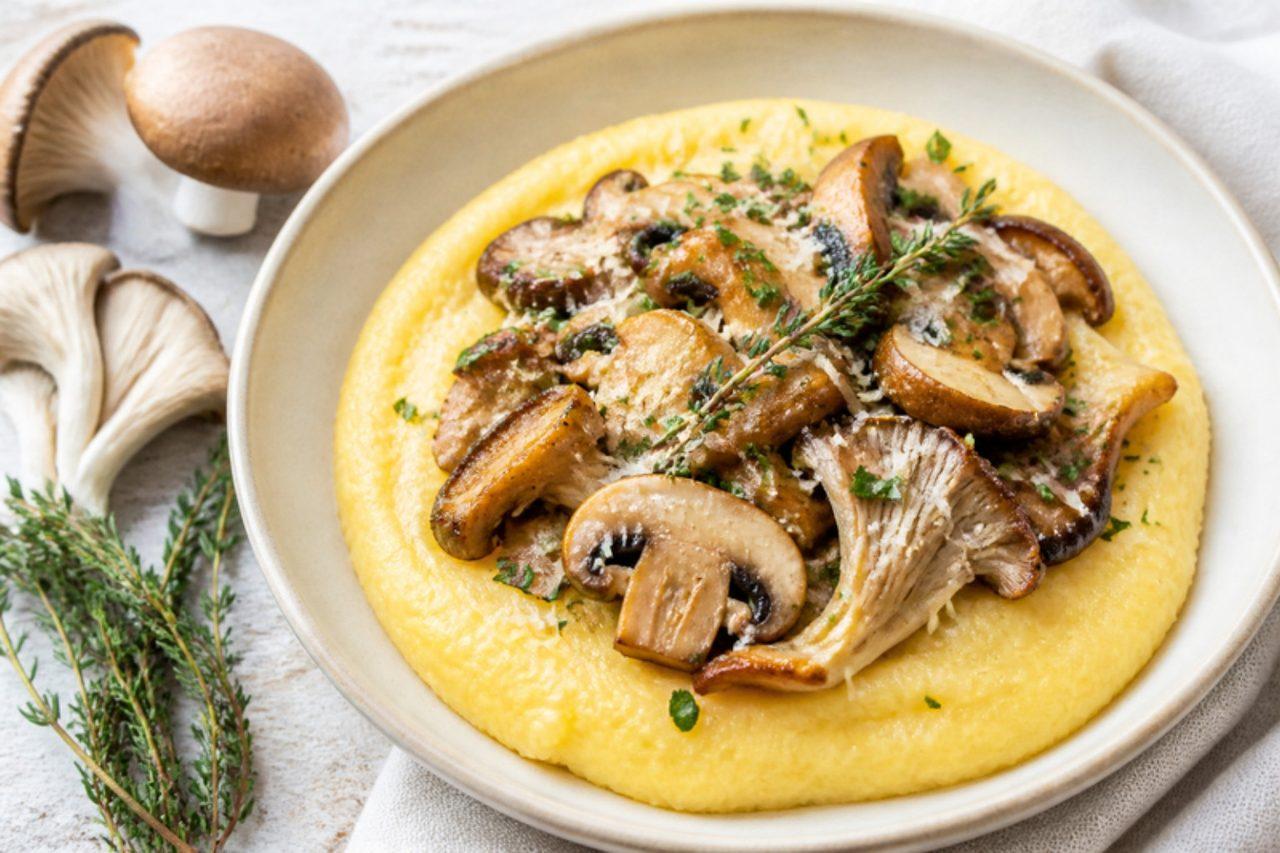
In the Veneto and the mountain valleys of the north-east, polenta is the old daily staple, poured steaming onto a wooden board in the middle of the table. Its classic autumn partner is funghi trifolati: mushrooms sautéed with garlic, parsley and a splash of white wine until glossy and deeply savoury. Soft polenta is spooned into bowls with the mushrooms on top, a warming supper for a cold night. Chef's tip: whisk the cornmeal into the water in a thin stream; if it goes in all at once, it lumps and no amount of stirring will fix it.

by KrazyBadal 0 views

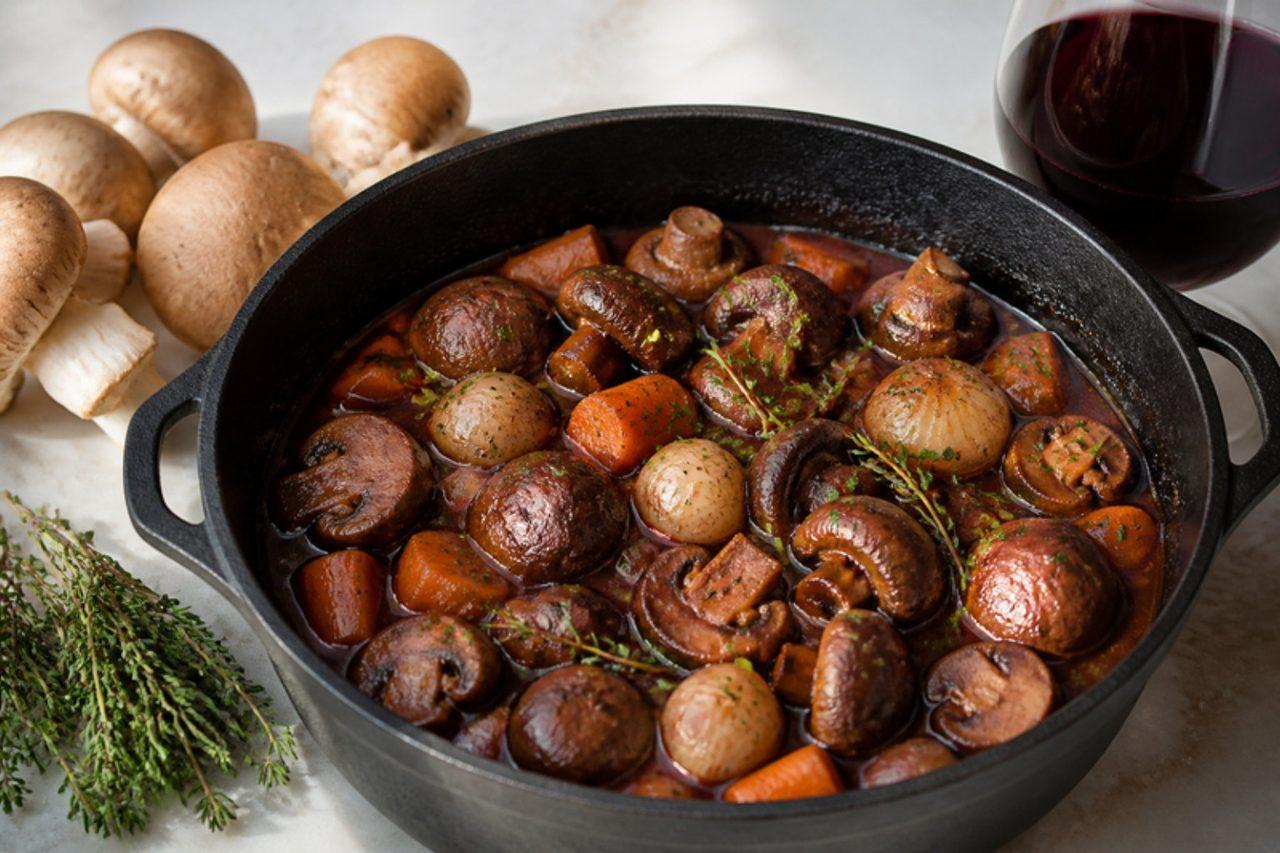
Mushroom bourguignon

Burgundy's famous stew is traditionally made with beef, but the flavours that make it special are all in the sauce: red wine from the region's vineyards, small whole onions, carrots, thyme and mushrooms. This meat-free version gives the mushrooms the starring role, browned hard so they turn meaty and dark, then simmered in a glossy wine sauce. It is a winter dinner in French homes, served over creamy mashed potatoes, buttered noodles or with a crusty baguette. Pick a vegan-friendly wine if that matters to you. Chef's tip: brown the mushrooms in a hot pan in batches until the liquid they release has evaporated; adding them all at once is the common mistake and they boil instead of browning.

60 minVegetarianVeganGluten freeFrench
by KrazyBadal 0 views

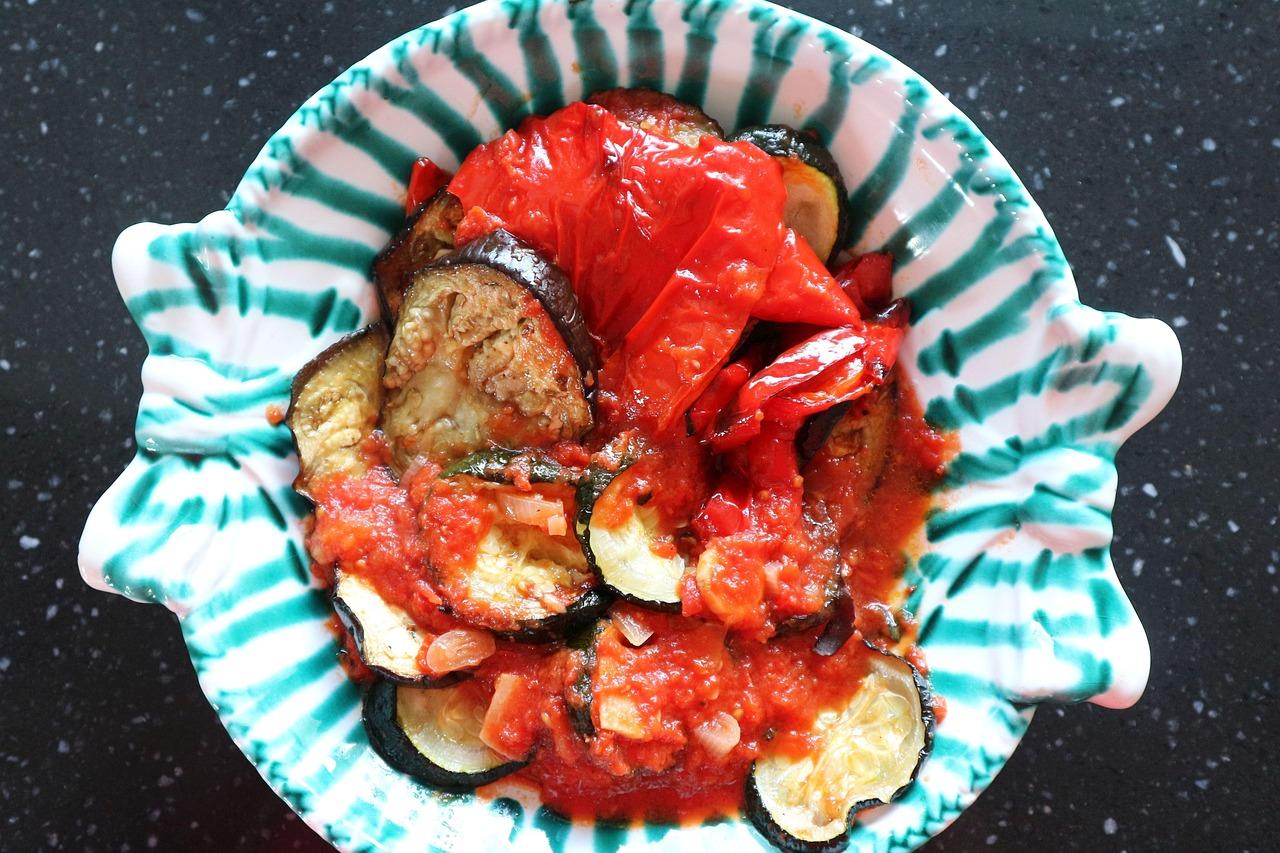
Ratatouille

Ratatouille comes from Nice, where it was a peasant stew of whatever the late-summer garden gave: aubergines, courgettes, peppers, onions and very ripe tomatoes, simmered in olive oil with garlic and thyme. Cooks in Nice argue about method, but the most respected version fries each vegetable on its own first, so each keeps its colour and shape before they are brought together in one pot. It's eaten warm with rice, cold the next day with bread, or as a side to an omelette. Chef's tip: brown the aubergine in batches and don't crowd the pan; piling it in is the common mistake that makes it steam into a grey mush.

75 minVegetarianVeganGluten freeFrench
by KrazyBadal 0 views

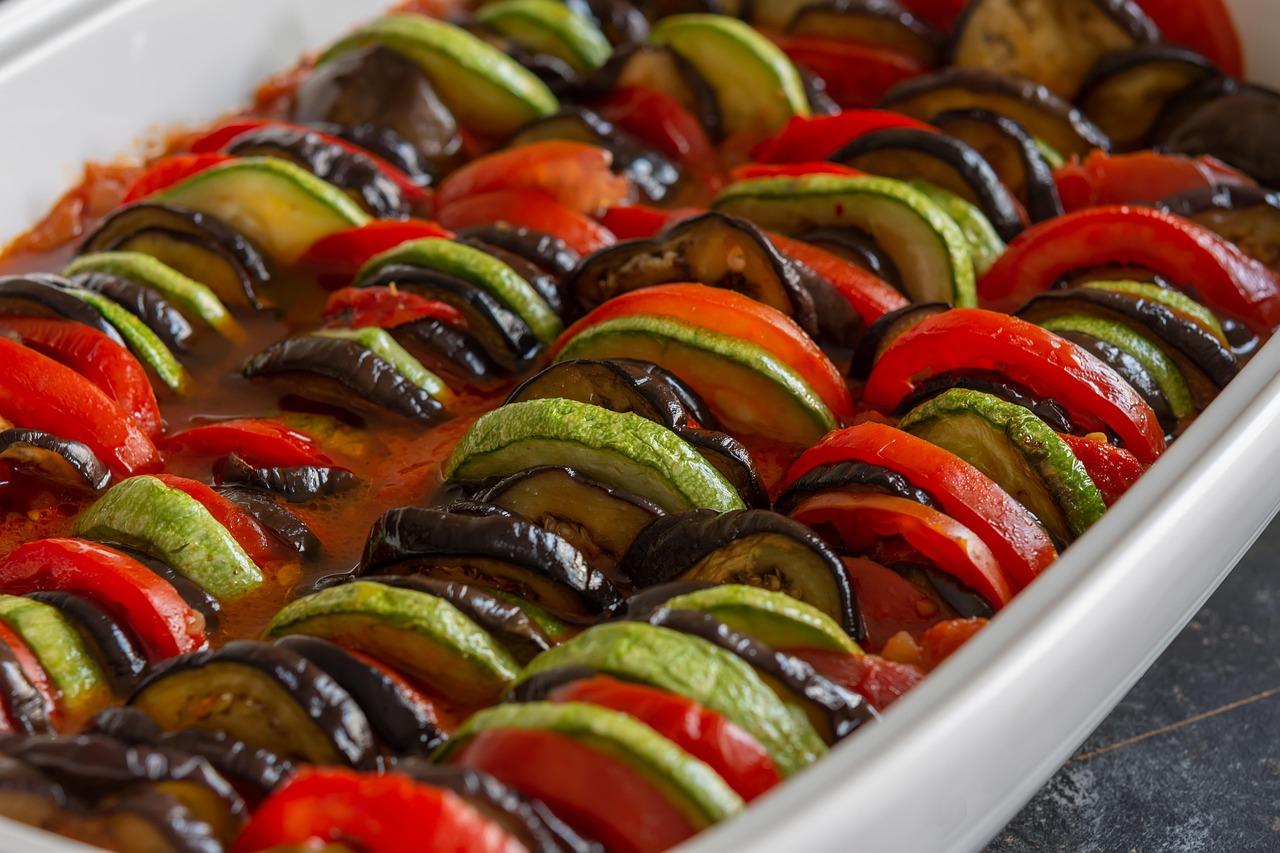
Tian provençal

A tian is named after the shallow earthenware dish Provençal cooks use to bake vegetables, and the most famous version lines up thin slices of courgette, aubergine, tomato and onion in tight rows like roof tiles. In Provence it's a Sunday side for the whole family and a light supper with a green salad in summer. The vegetables roast in their own juices with olive oil, garlic and thyme until soft, sweet and lightly browned on top. Unlike ratatouille, nothing is fried first, so it is lighter and more delicate. Chef's tip: choose vegetables of the same width and slice them all 3–4 mm thick; uneven slices are the common mistake and cook unevenly, some raw, some collapsed.

70 minVegetarianVeganGluten freeFrench
by KrazyBadal 0 views

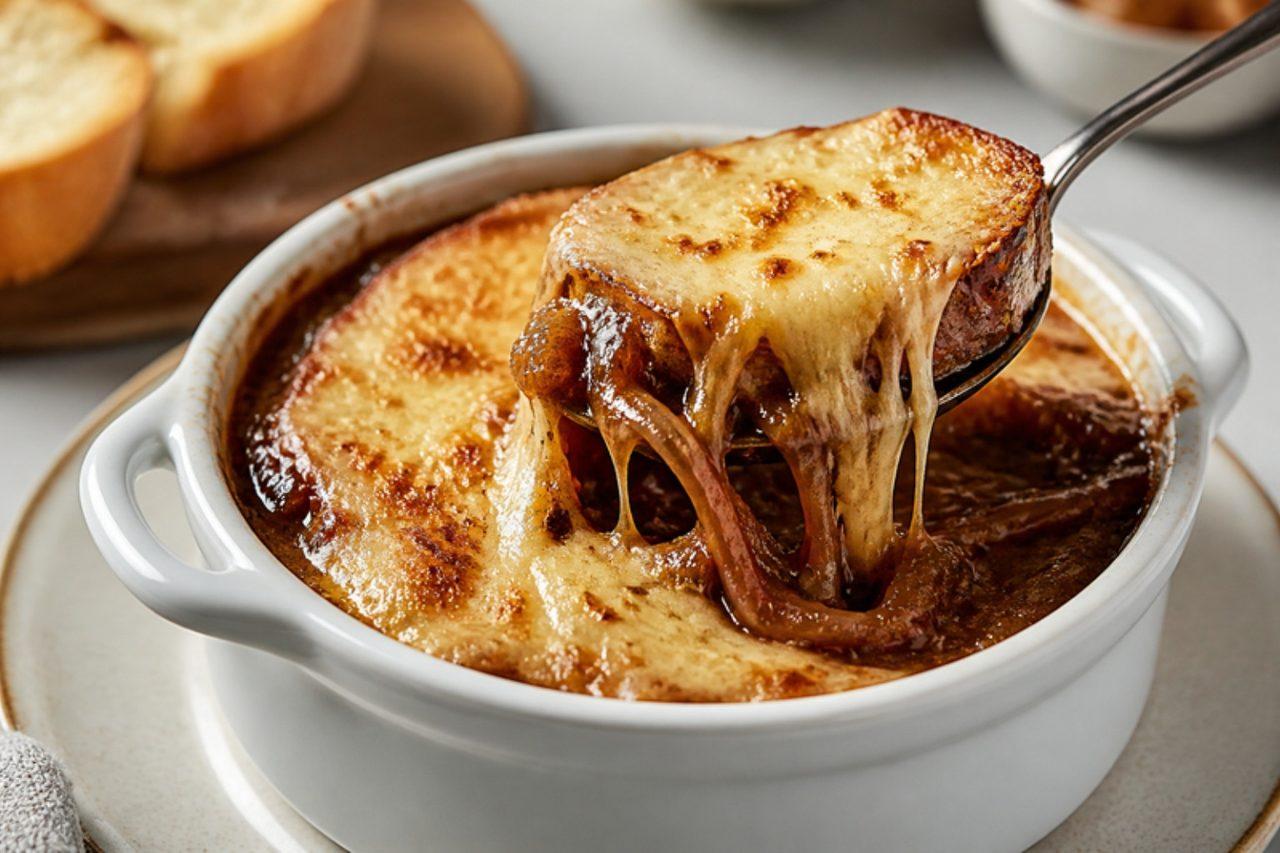
French onion soup

Soupe à l'oignon gratinée was the late-night meal of Les Halles, the old Paris food market, where porters and party-goers ate it at dawn; in Lyon, the city of onions, it's a winter bistro classic. Onions are cooked very slowly in butter until they turn a deep mahogany brown, then simmered in stock with a splash of wine and topped with toasted bread and melted cheese under the grill. The traditional soup uses beef stock; this version uses a rich vegetable stock and lets the deeply browned onions carry the flavour. Gruyère and Comté are made with animal rennet, so use a vegetarian alternative. Chef's tip: give the onions a full hour on a low heat; rushing them over a high heat is the common mistake and they burn before they sweeten.

90 minSoupsFrench
by KrazyBadal 0 views

Lentilles du Puy salad

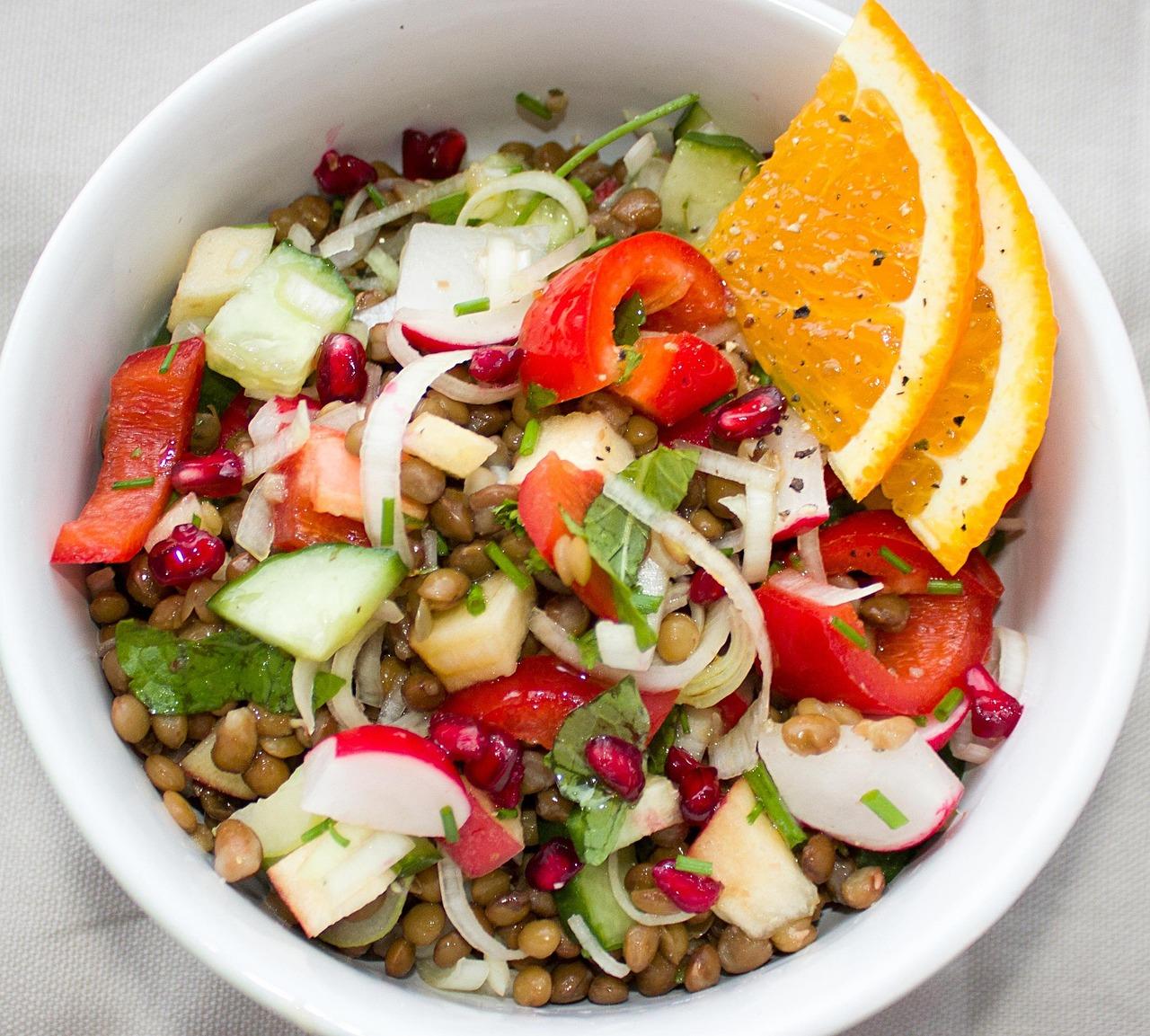
Le Puy-en-Velay, in the volcanic hills of the Auvergne, grows a small, slate-green lentil with its own protected name. Lentilles du Puy hold their shape when cooked and have a peppery, almost mineral taste, which makes them perfect for salad. In French homes and bistros this salad is dressed while warm with a sharp mustard vinaigrette, shallot, carrot and parsley, then eaten as a starter, a packed lunch or a side to a quiche. Chef's tip: dress the lentils while they're still warm so they absorb the vinaigrette; dressing them cold is the common mistake and the flavour just sits on the outside.

30 minSaladsVeganGluten freeFrench
by KrazyBadal 0 views

Azerbaijani black tea

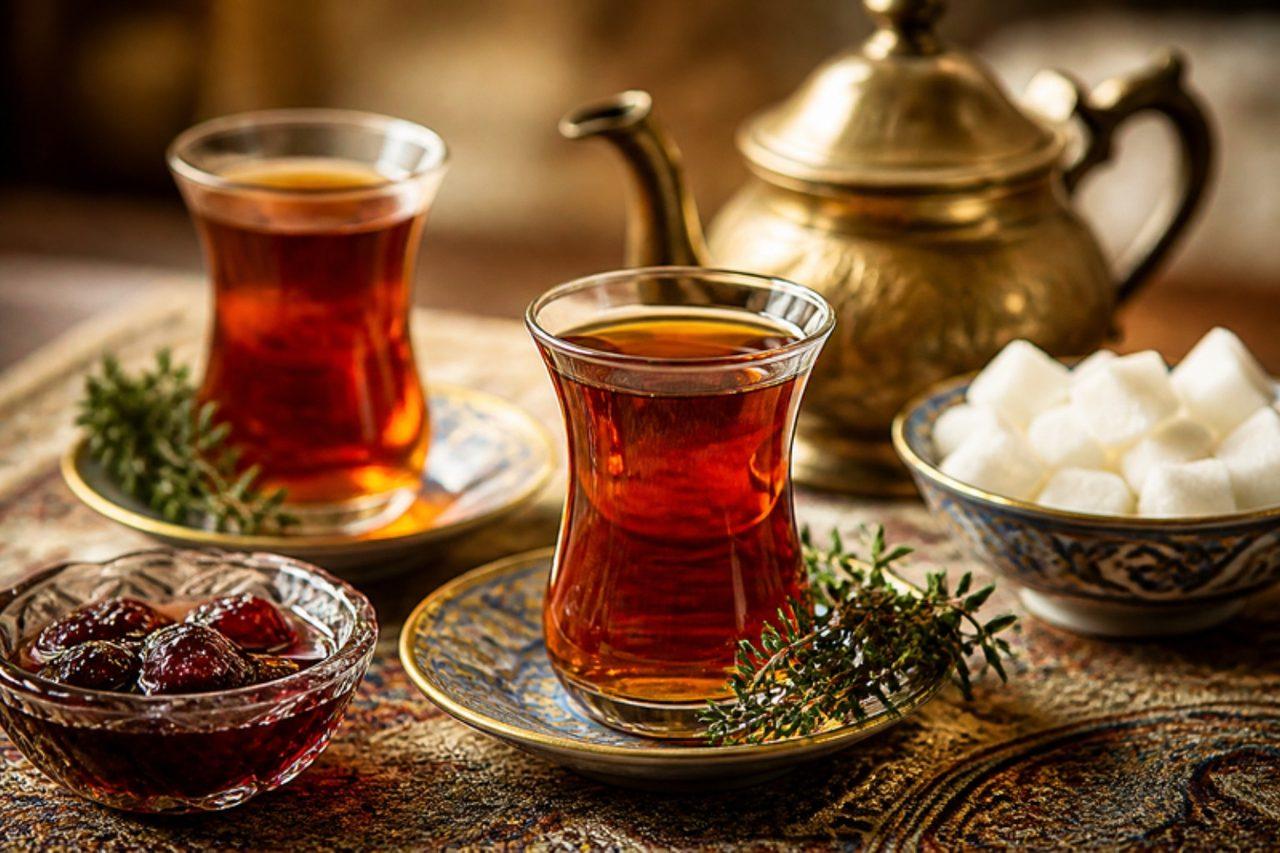
In Azerbaijan tea comes before, during and after everything, served in small pear-shaped armudu glasses in teahouses (çayxana) from Baku's boulevard to the hill towns of Lankaran, where most of the country's tea is grown. It is strong, clear and red-brown, often brewed with a sprig of mountain thyme (kəklikotu) or a crushed cardamom pod, and served with lemon, sugar cubes and little dishes of jam: cherry, quince, white cherry or even walnut. People sip the tea through a sugar cube held in the mouth or with a spoonful of jam, never stirring jam into the glass. It is also the drink that settles a match: tea served sweet at a matchmaking visit means yes. Chef's tip: warm the pot and glasses with boiling water first; tea brewed in a cold pot never reaches full colour.

12 minDrinksVeganGluten free
by KrazyBadal 0 views

Diri djon djon

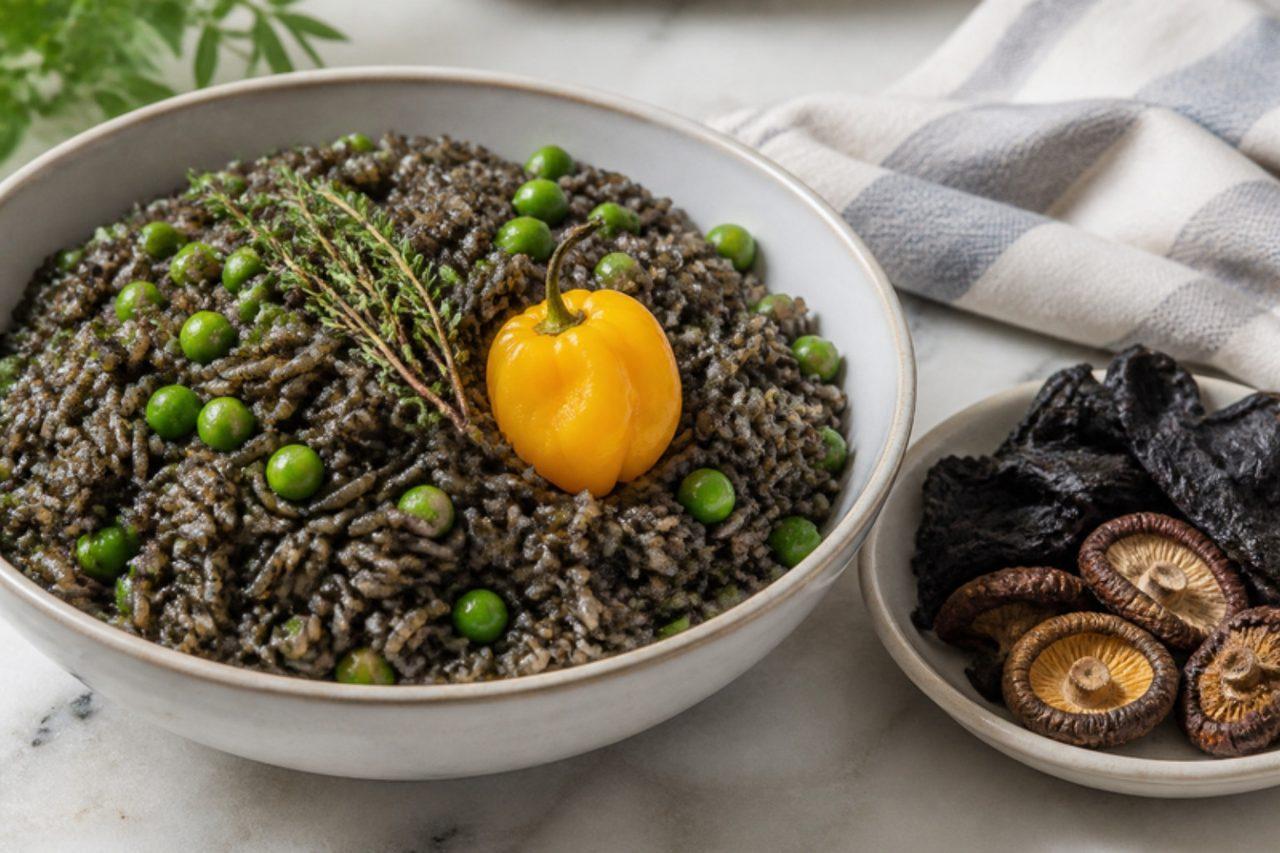
Diri djon djon comes from northern Haiti, around Cap-Haïtien, where the tiny black djon djon mushrooms are gathered and dried. Soaked in hot water, they give an inky liquid that turns rice a striking grey-black and makes it taste deeply earthy and savoury. It's the rice for weddings, baptisms and big Sunday lunches, cooked with epis, cloves and green peas or butter beans, a whole scotch bonnet laid on top for perfume. Dried djon djon is sold in Haitian and Caribbean shops and online. Chef's tip: avoid djon djon stock cubes, which are often made with chicken fat and add little real flavour; use the dried mushrooms, and add a few dried shiitake for even more depth.

by KrazyBadal 0 views

Diri kole ak pwa

Diri kole ak pwa, rice 'stuck together' with beans, is the plate Haitians call their national dish, cooked in homes from Jacmel to Gonaïves and served most days of the week. Unlike rice and peas from elsewhere in the Caribbean, there's usually no coconut milk: red beans are simmered first, then their dark, savoury cooking liquid goes into the rice with fried epis, thyme and cloves, so the grains turn a rich reddish-brown and taste of beans all the way through. A whole scotch bonnet adds fruity heat without fire. Chef's tip: fry the drained beans in the epis until their skins blister and catch slightly; that browning gives the rice its deep, almost smoky taste.

by KrazyBadal 0 views

Soup joumou

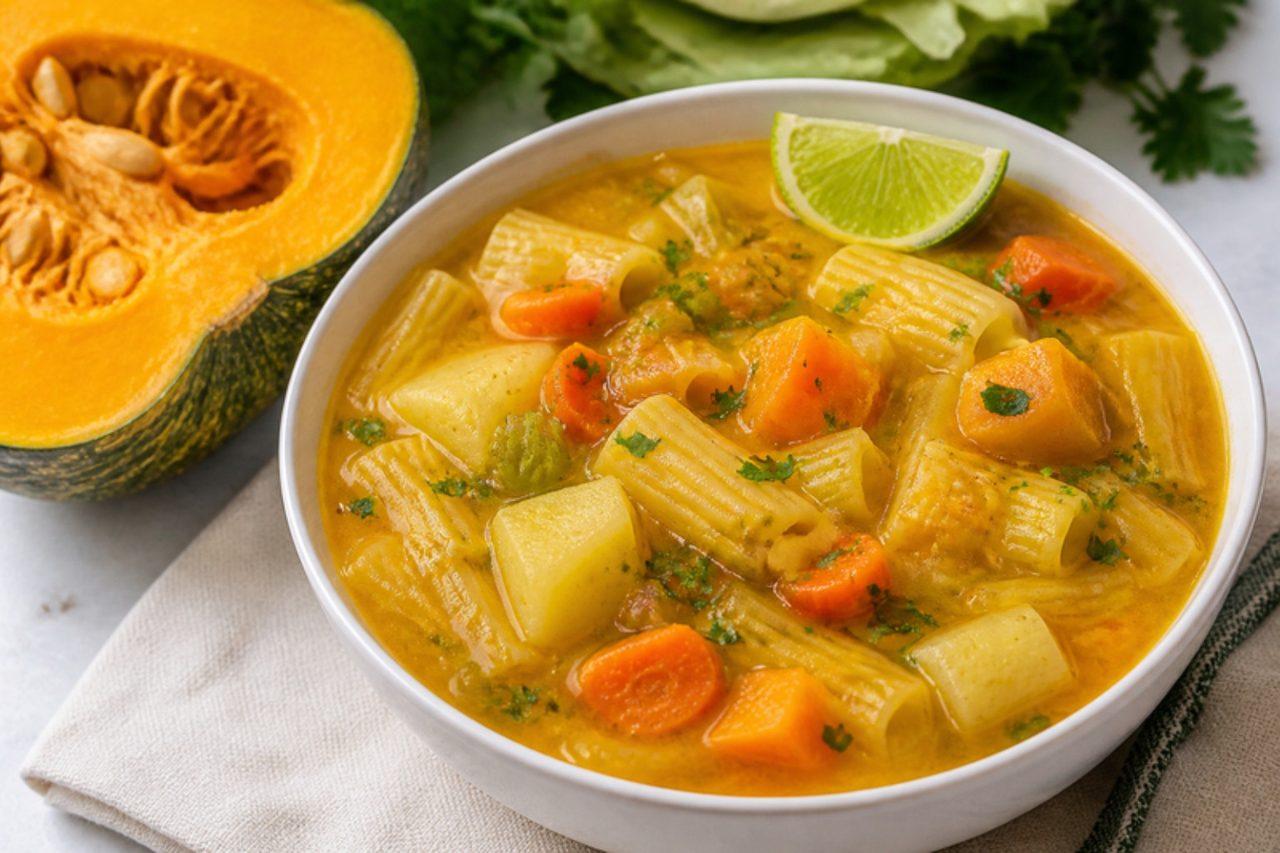
Every 1 January, Haitian families from Port-au-Prince to Brooklyn wake up to soup joumou. It marks independence from France on 1 January 1804: under French rule, enslaved Haitians cooked this pumpkin soup but were forbidden to eat it, so the free people of the new nation made it their own as a dish of freedom. In 2021 it was added to UNESCO's list of the intangible cultural heritage of humanity. The base is a velvety purée of joumou (Caribbean pumpkin) with epis, and in it simmer chunks of carrot, potato, cabbage, celery and turnip, with pasta and a squeeze of lime. It's usually made with beef; this vegetable version is full and golden, rich enough for the day. Chef's tip: roast half the pumpkin before puréeing it; the caramelised edges give the soup the depth that slow-cooked meat usually provides.

90 minSoupsVegan
by KrazyBadal 0 views

Legim

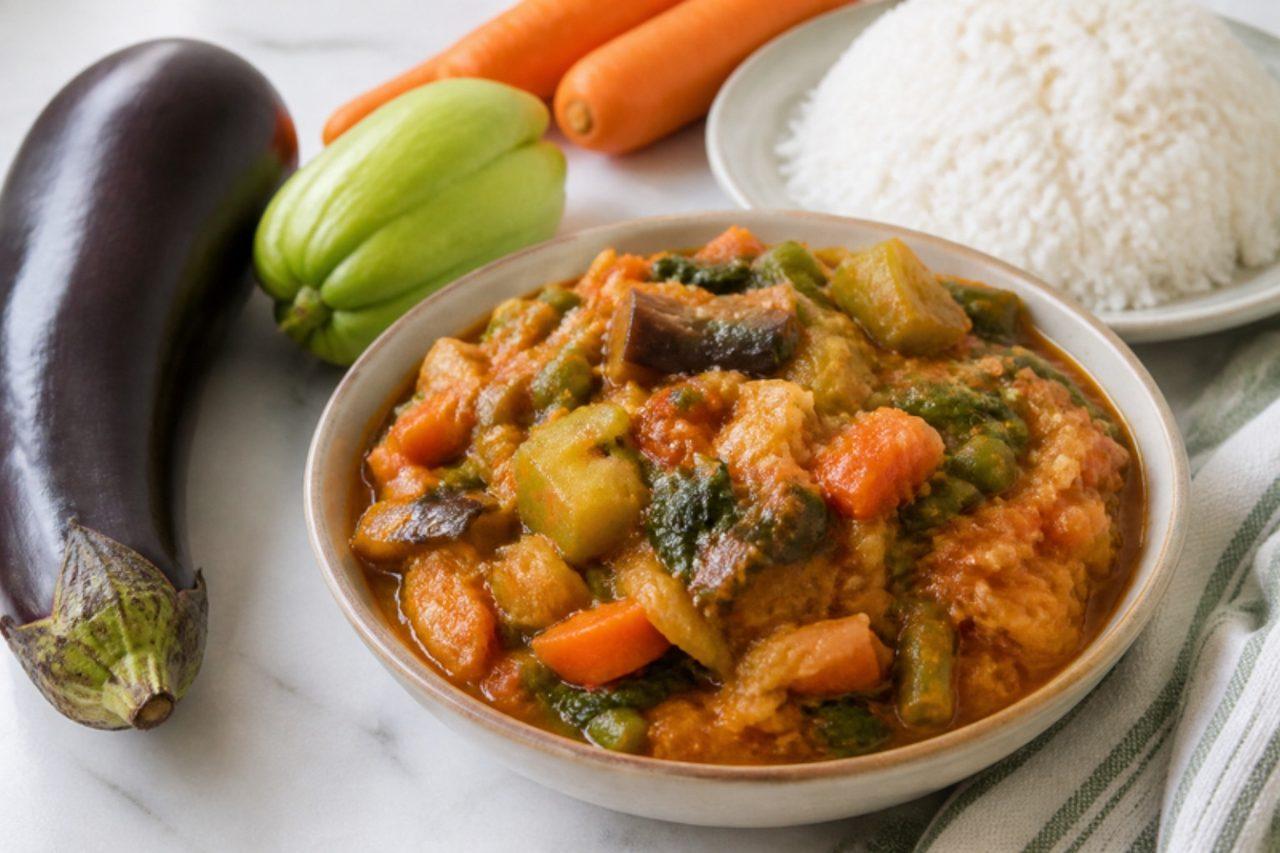
Legim (from the French légumes) is a Haitian Sunday dish, made in big pots in Port-au-Prince and the countryside and eaten with white rice or diri kole. Aubergine, cabbage, chayote (mirliton), carrots and spinach or watercress are cooked down slowly with epis and tomato paste until soft, then crushed with a pilon or spoon into a thick, rough, savoury mash. It's often cooked with beef or crab; this vegetable version is just as traditional for the days without meat. It tastes deep and green, gently sweet from the carrot and warm from clove and scotch bonnet. Chef's tip: cook it uncovered at the end until the liquid has almost gone and the oil shows at the edges; that's when the flavours concentrate and it stops tasting boiled.

75 minCurriesVeganGluten free
by KrazyBadal 0 views

Cou-cou with Bajan vegetable stew

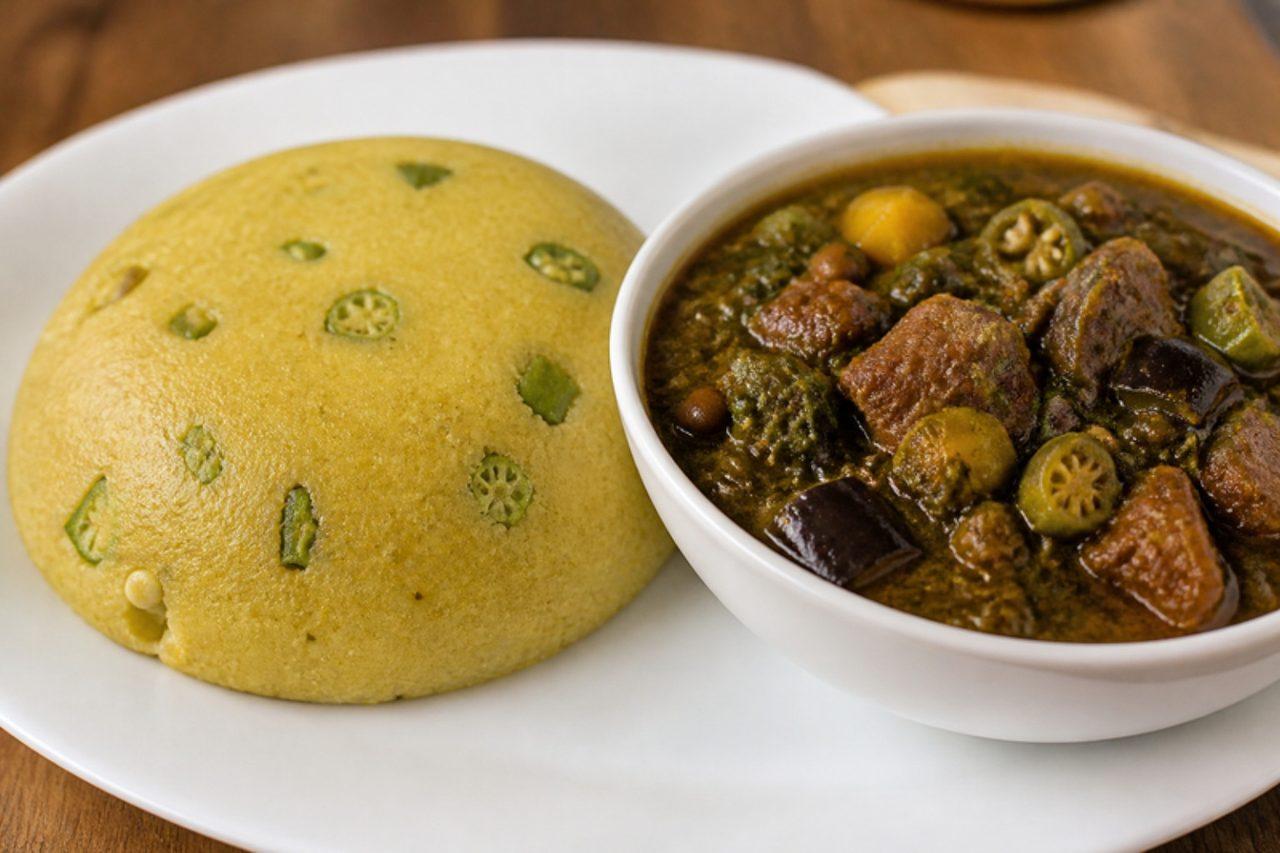
Cou-cou is Friday lunch in Barbados, and paired with flying fish it makes the island's national dish, served in homes and the fish fry stalls of Oistins. Fine cornmeal is stirred into okra and its cooking water with a flat wooden cou-cou stick until it is smooth, thick and pulls away from the pot, then shaped in a buttered bowl. It's soft, mild and comforting, made for soaking up the rich tomato gravy around it. Here the gravy is a stew of peppers, tomatoes, aubergine and butter beans cooked with Bajan seasoning; flying fish steamed in the same sauce is the classic for fish eaters. Chef's tip: whisk the cornmeal into cold water before it goes into the pot; adding it dry to boiling liquid is the fastest way to lumps.

65 minVegetarianGluten free
by KrazyBadal 0 views

Rougaille

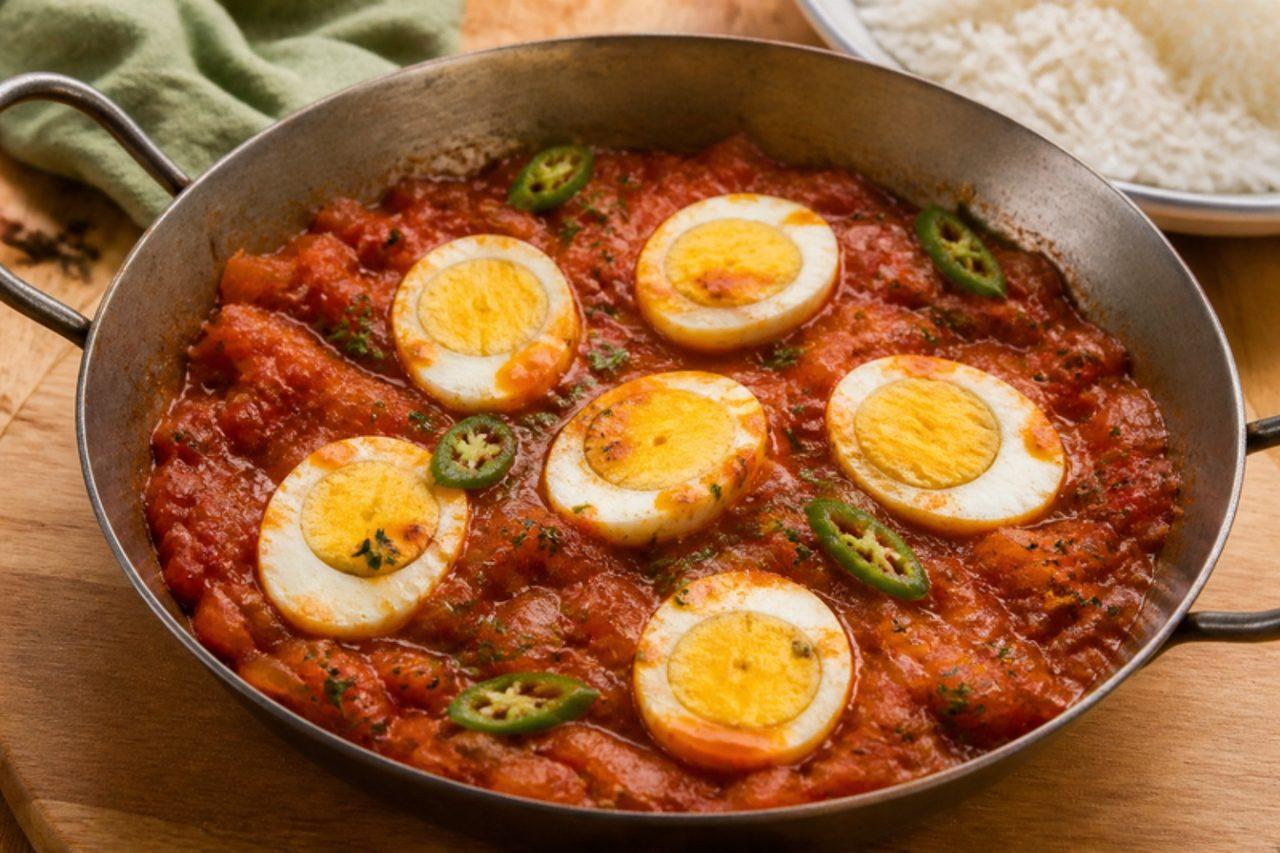
Rougaille is the Creole tomato sauce at the heart of Mauritian home cooking, made in every kitchen from Port Louis to Mahébourg and also in the Seychelles and Réunion. Tomatoes are cooked down with onion, garlic, ginger, thyme and chilli until thick, and then something is simmered in it: sausages, salted fish, or, in many homes on a weeknight, hard-boiled eggs. Serve with rice, lentils (dholl) and chatini. Chef's tip: cook the tomatoes until the oil separates at the edges; watery rougaille tastes thin.

35 minVegetarianGluten free
by KrazyBadal 0 views

Metemgee

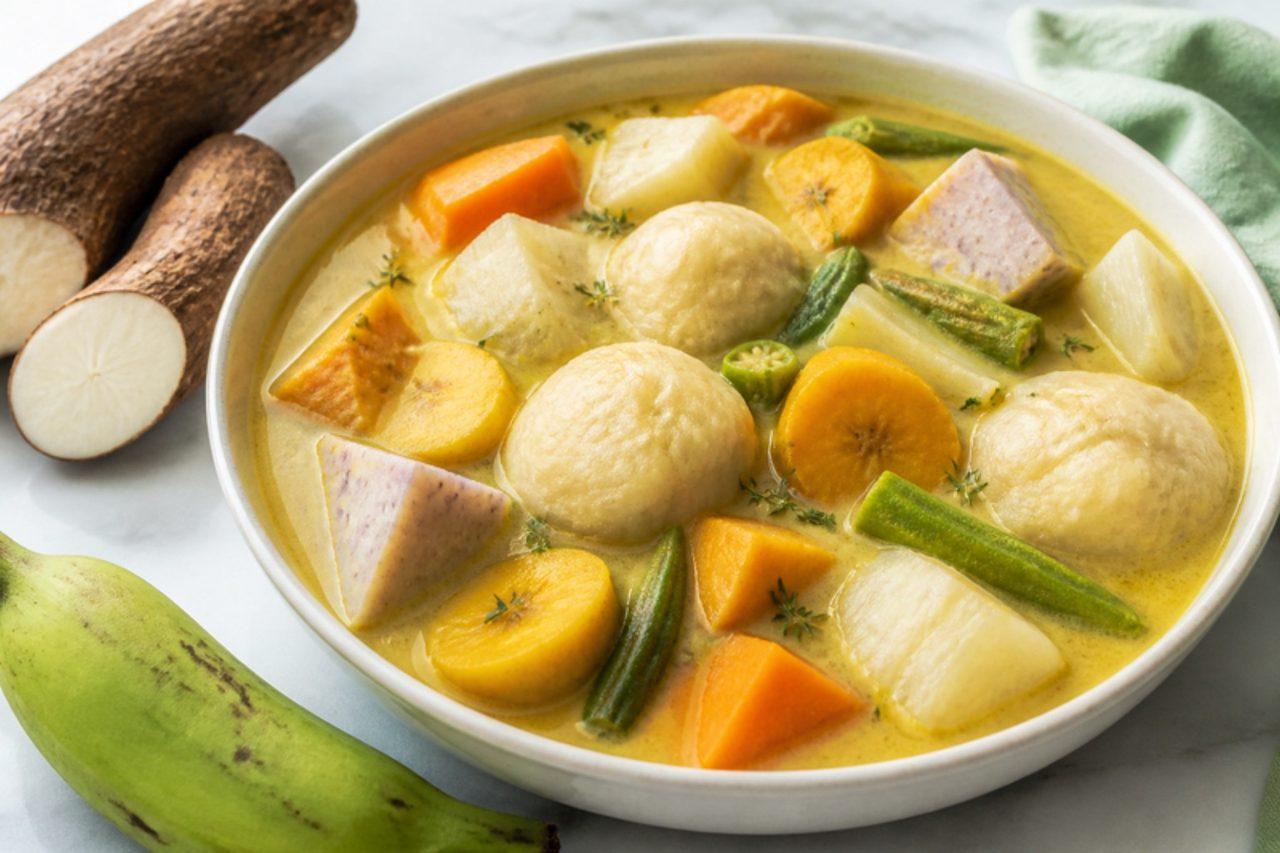
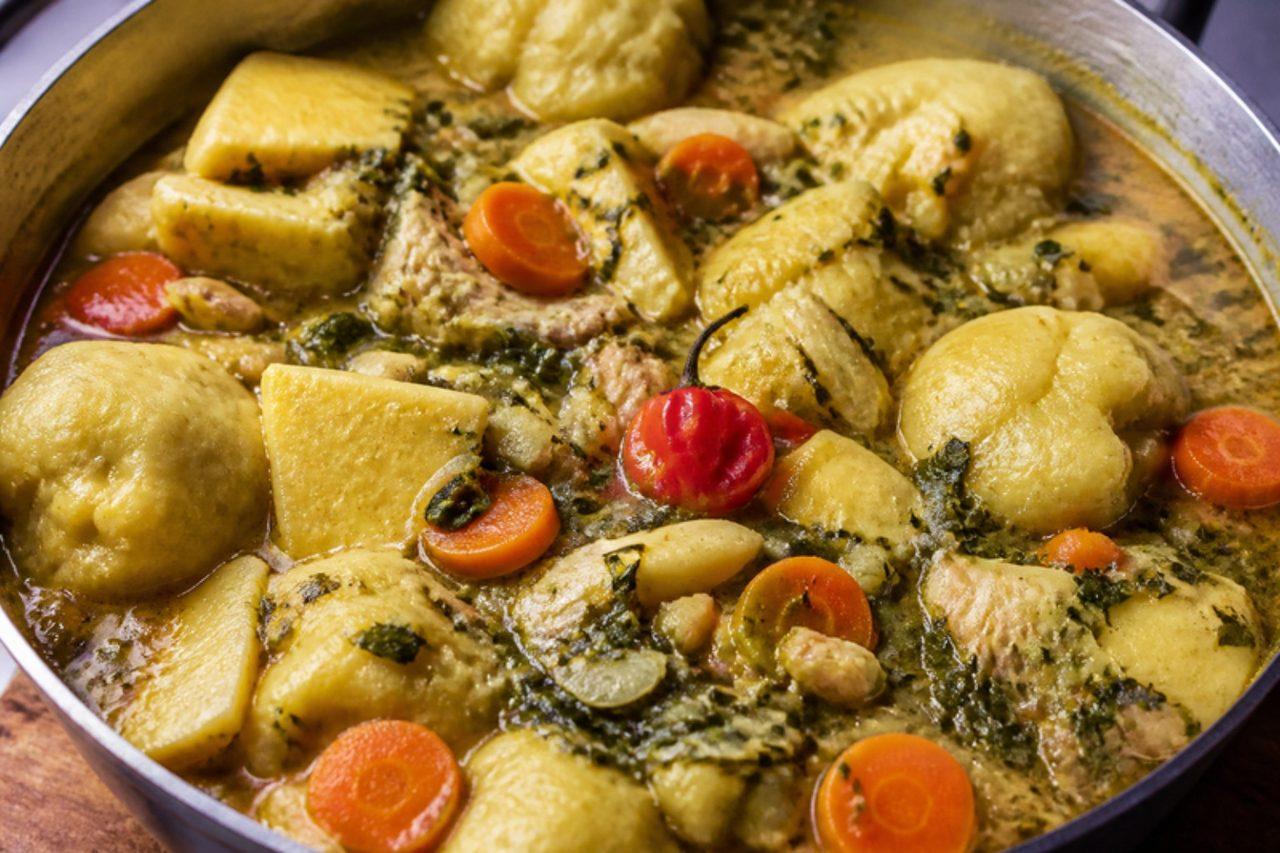
Metemgee (also mettagee or 'mettem') is Guyanese country food from the coastal villages: ground provisions, cassava, eddoes, sweet potato, yam and plantain, layered in a pot and cooked in coconut milk until soft, with duff (dumplings) steamed on top. The broth thickens from the starch into a creamy, thyme-and-pepper gravy. It's usually served with fried salt fish; here it's all vegetables, with okra added. Chef's tip: layer the hardest vegetables at the bottom and the softest on top, then don't stir; everything ends up cooked at the same moment.

75 minVegetarianVegan
by KrazyBadal 0 views

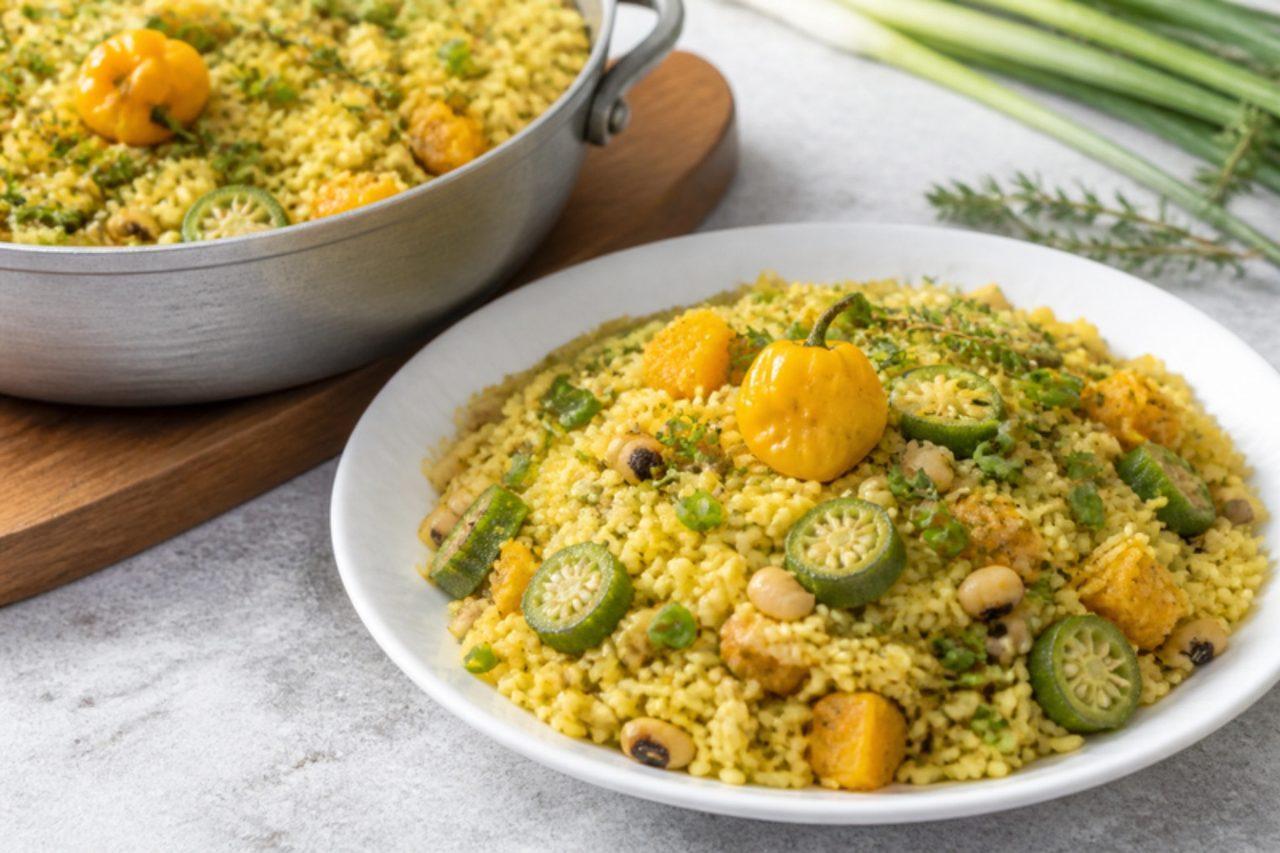
Guyanese cook-up rice

Cook-up rice is the dish Guyanese families make to see in the New Year, and on any Saturday when the week's odds and ends go into one pot. Rice, black-eyed peas and vegetables simmer in fresh coconut milk with fresh thyme, spring onion and a whole wiri wiri pepper (small, round and fiery) until every grain is soft and glossy. It's richer and wetter than Jamaican rice and peas, with the vegetables cooked right in. Chef's tip: let the pot sit covered off the heat for 10 minutes at the end; the rice finishes in the steam and a little crust forms on the bottom that people fight over.

by KrazyBadal 0 views

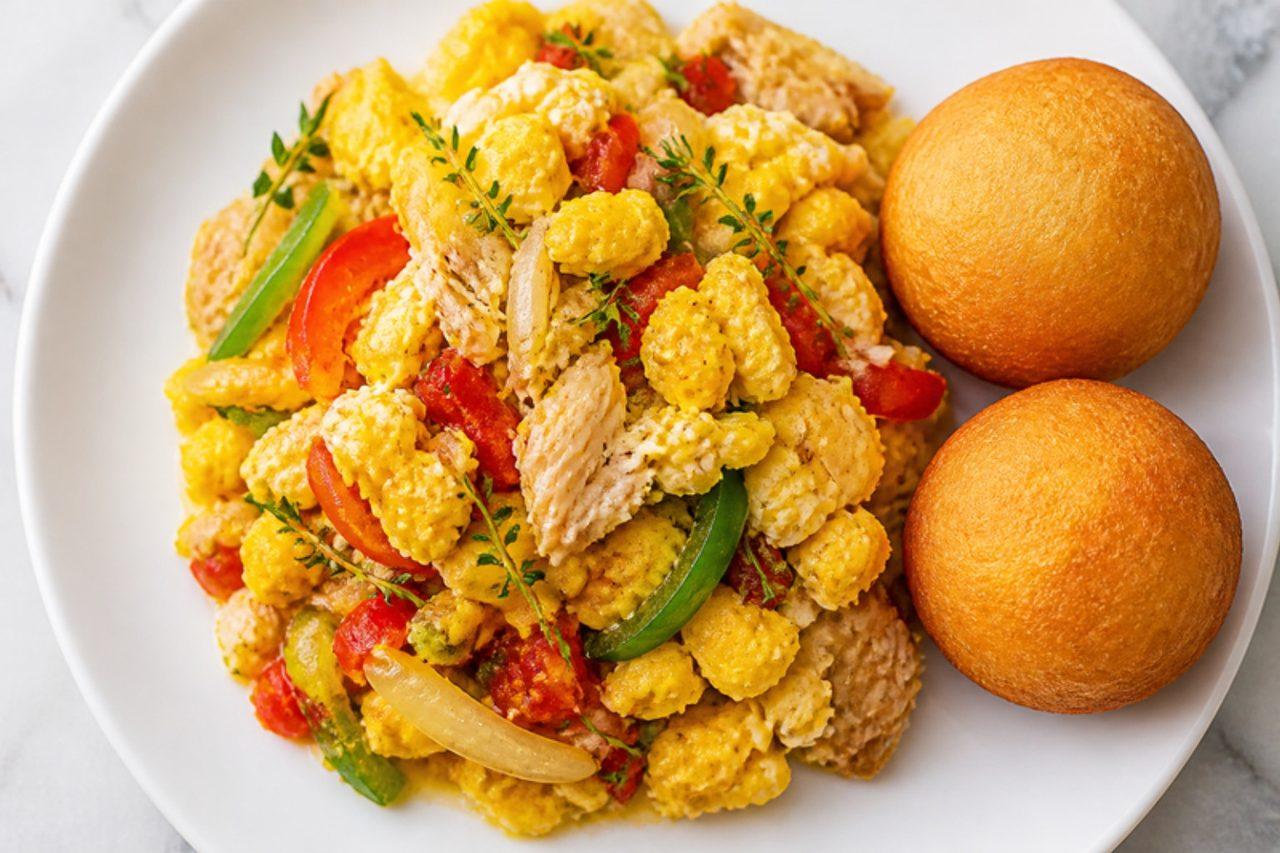
Ackee and saltfish

On a Jamaican Sunday morning, from Kingston yards to country kitchens in St Mary, the smell of salt cod frying with onion, thyme and scotch bonnet means breakfast is nearly ready. The ackee itself is a red tree fruit whose cream-coloured flesh cooks up soft and mild, a lot like scrambled egg, and it soaks up the salty fish and peppery oil around it. It is eaten with fried dumplings, boiled green banana, roast breadfruit or hard dough bread, and is just as welcome at lunch. A note on safety: ackee is only safe when the pod has ripened on the tree and opened by itself, and the black seeds and pink membrane are removed. Outside Jamaica, tinned ackee is the safe, easy choice and is what this recipe uses. Chef's tip: soak the saltfish overnight and then boil it once; taste a flake before it goes in the pan, because you can always add salt but you can't take it out.


50 minFishGluten free
by KrazyBadal 0 views

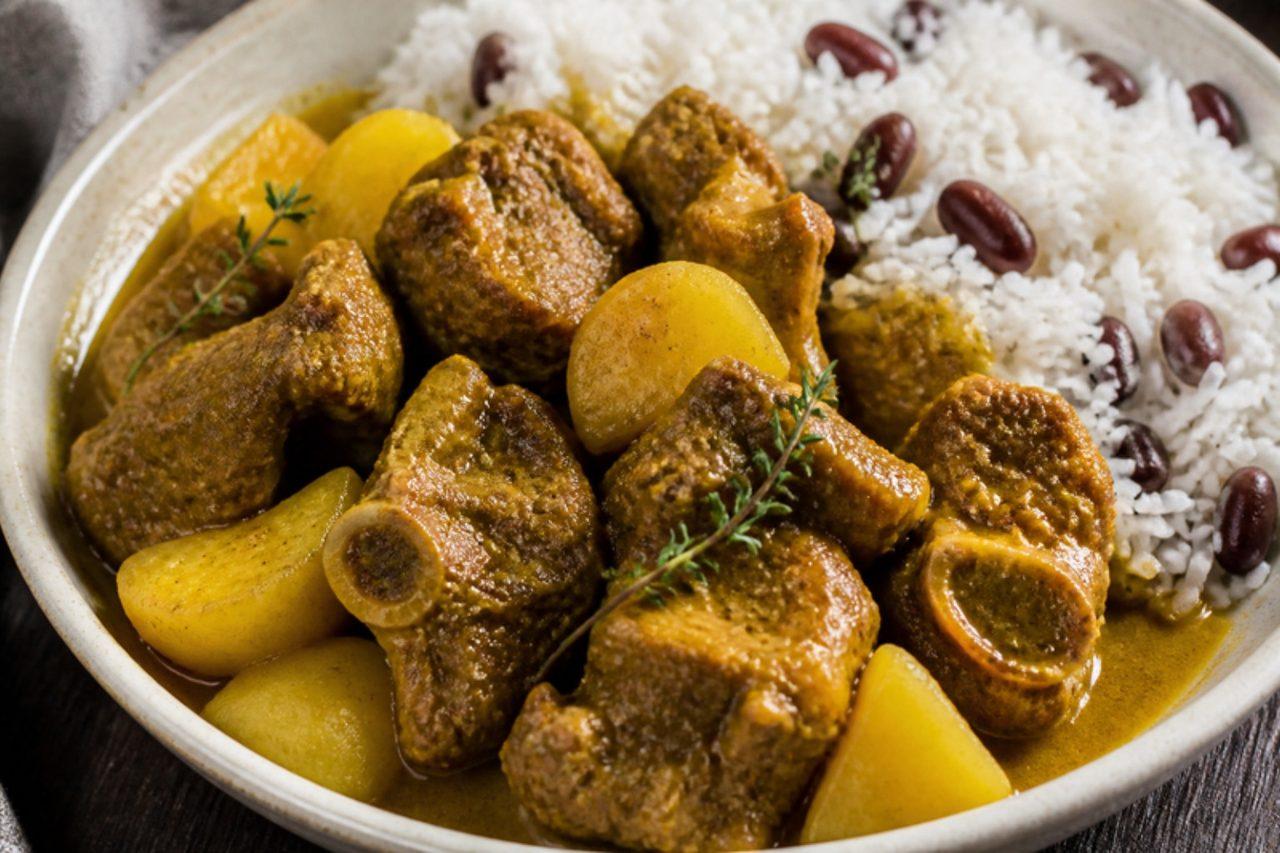
Jamaican curry goat

No Jamaican wedding, nine-night or big Sunday family lunch is complete without a pot of curry goat, often cooked outdoors in a huge pot by whoever has the steadiest hand with the seasoning. It came to the island with Indian indentured workers in the 1800s and became fully Jamaican with scotch bonnet, pimento and thyme. The bone-in pieces are seasoned overnight, browned with the curry powder until it darkens, then simmered for a couple of hours into a rich, brick-yellow gravy with soft potatoes that thicken it. Serve with white rice or rice and peas and a little fried plantain. If you can't find goat, bone-in mutton or lamb shoulder works the same way. Chef's tip: 'burn' the curry first; fry the curry powder in hot oil for a minute until it darkens and smells toasty before the meat goes in, and the gravy will never taste raw or chalky.
160 minCurriesGluten freeSpicy
by KrazyBadal 0 views

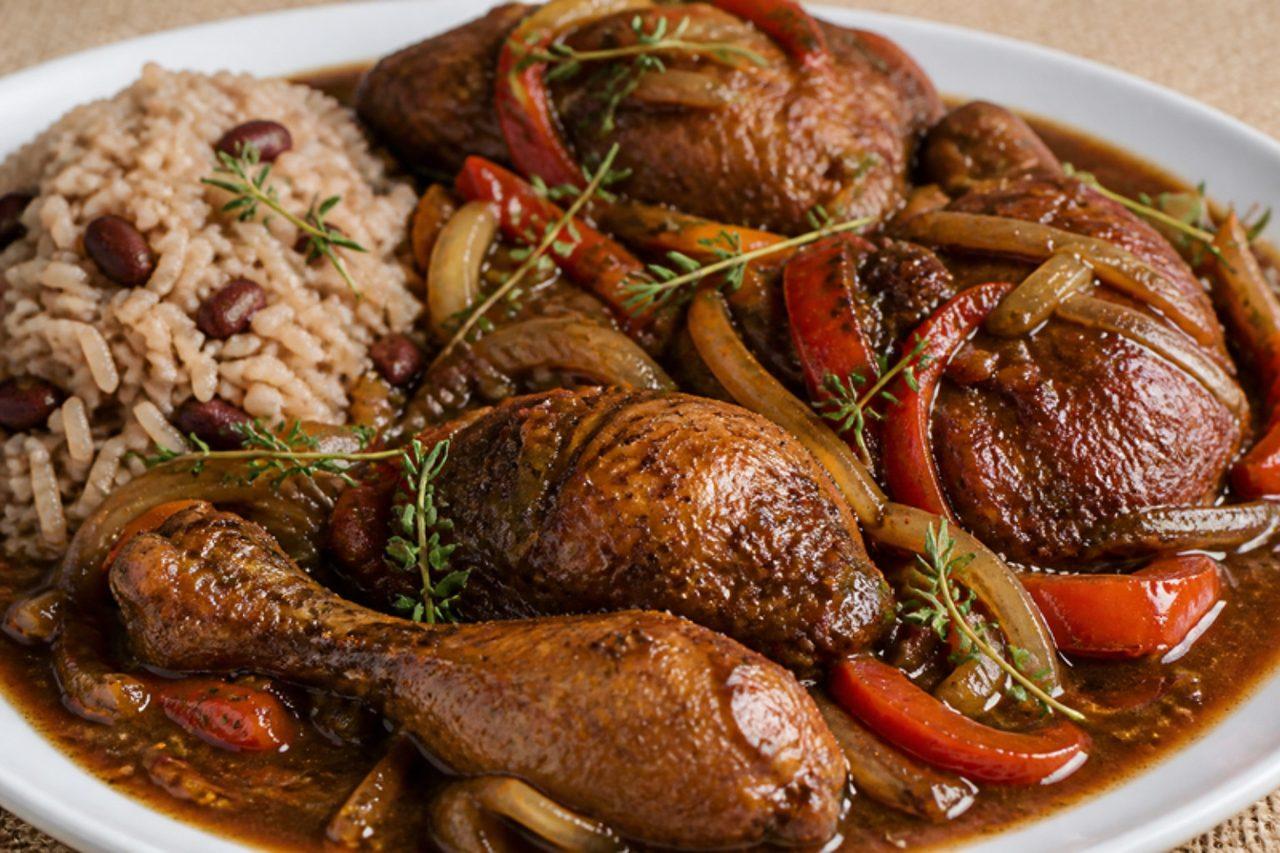
Brown stew chicken

Ask a Jamaican what was on the table for weekday dinner growing up and brown stew chicken will be near the top of the list, served at home and at every cookshop from Montego Bay to Spanish Town. The deep colour comes from 'browning': sugar caramelised in hot oil until it is dark, then the seasoned chicken is turned in it so every piece takes on a mahogany coat. Peppers, onion, tomato and thyme simmer down into a sticky, savoury gravy that begs for a pile of white rice, rice and peas or boiled dumplings. Chef's tip: season the chicken the night before and dry each piece well before it goes into the caramel; wet chicken spits violently and won't take on that deep brown colour.

70 minChickenGluten free
by KrazyBadal 0 views

Oxtail with butter beans

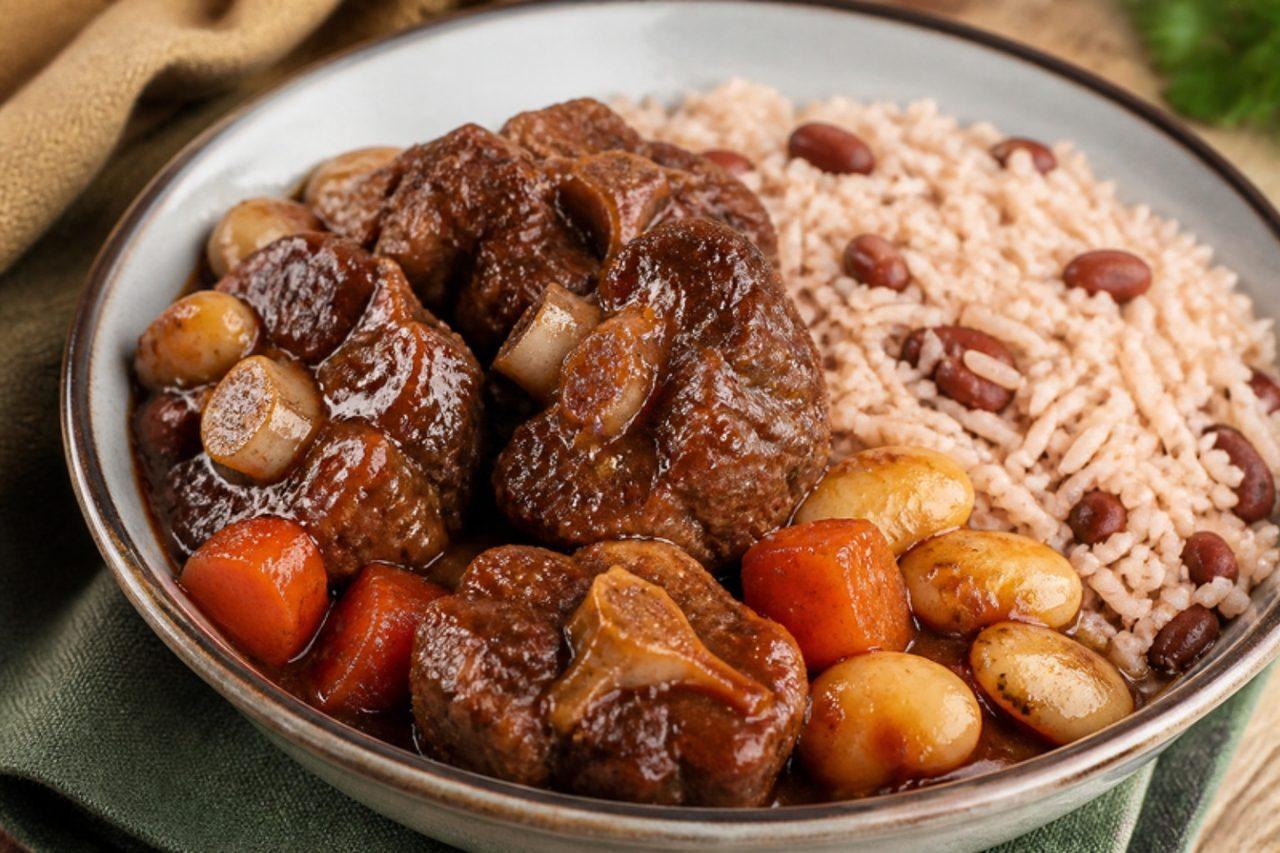
Oxtail started out as a cheap cut in Jamaica and is now the Sunday-best dish that cookshops in Kingston sell out of first, and that people across the diaspora queue for on Saturdays. The bony pieces are seasoned overnight, browned hard, then braised slowly for hours with pimento, thyme and whole scotch bonnet until the meat slides off the bone and the gravy turns glossy with gelatine. Butter beans go in near the end to soak up the gravy. Serve with rice and peas, steamed cabbage and fried plantain. Chef's tip: cook it a day ahead, chill, and lift off the hard layer of fat before reheating; the gravy is cleaner and the flavour deeper.

235 minMeat
by KrazyBadal 0 views

Bouillabaisse

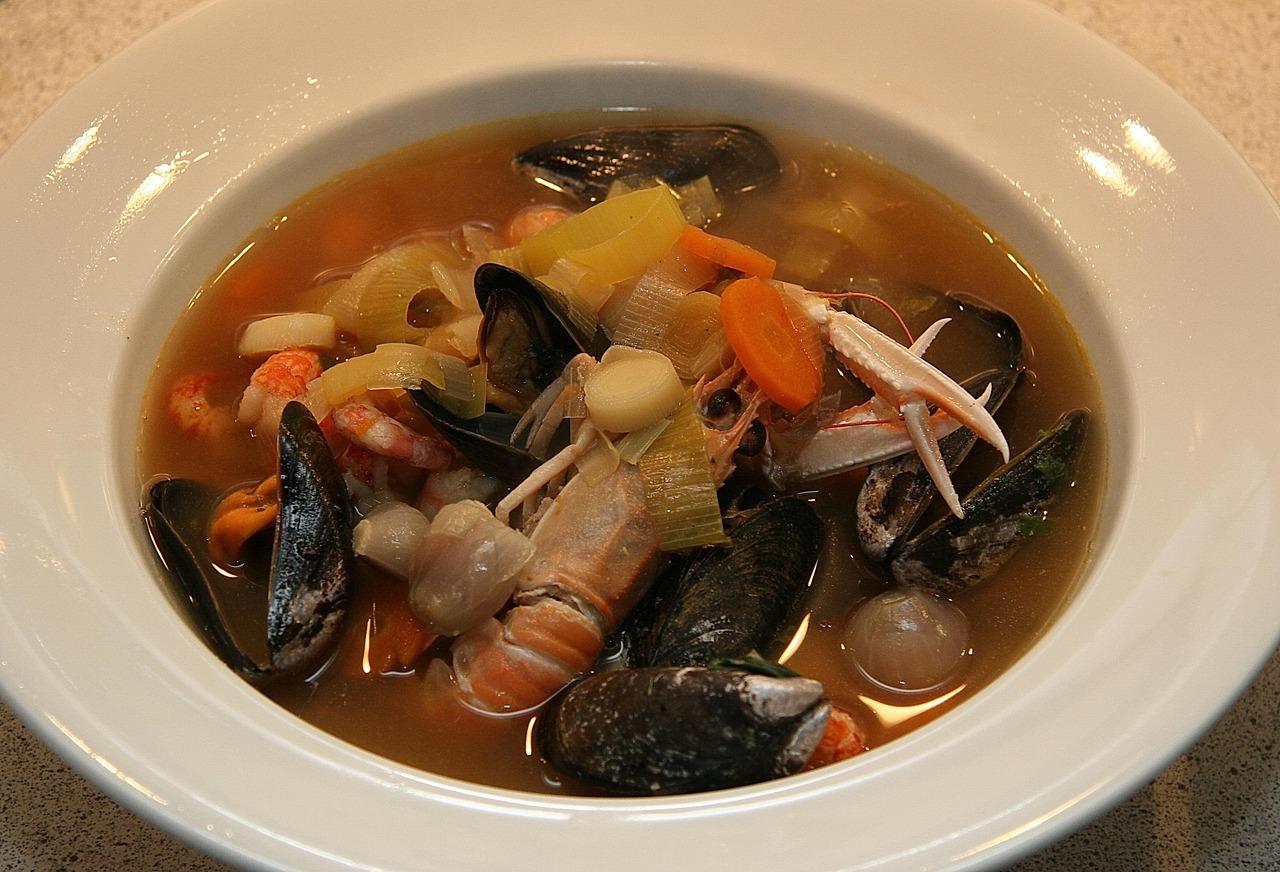
Bouillabaisse began as the fishermen's supper on the quays of Marseille's Vieux-Port, made from the bony rockfish nobody could sell, and today it is a long, slow Sunday lunch in Provence. A deep orange broth of fennel, tomato, orange peel and saffron is boiled hard so the olive oil emulsifies, then firm white fish and shellfish are poached in it at the last minute. In Marseille the broth is served first with garlicky rouille on toasted bread, then the fish on a platter. Chef's tip: add the fish in order of thickness, firmest first, so every piece finishes at the same moment.

110 minFishFrench
by KrazyBadal 0 views

Coq au vin

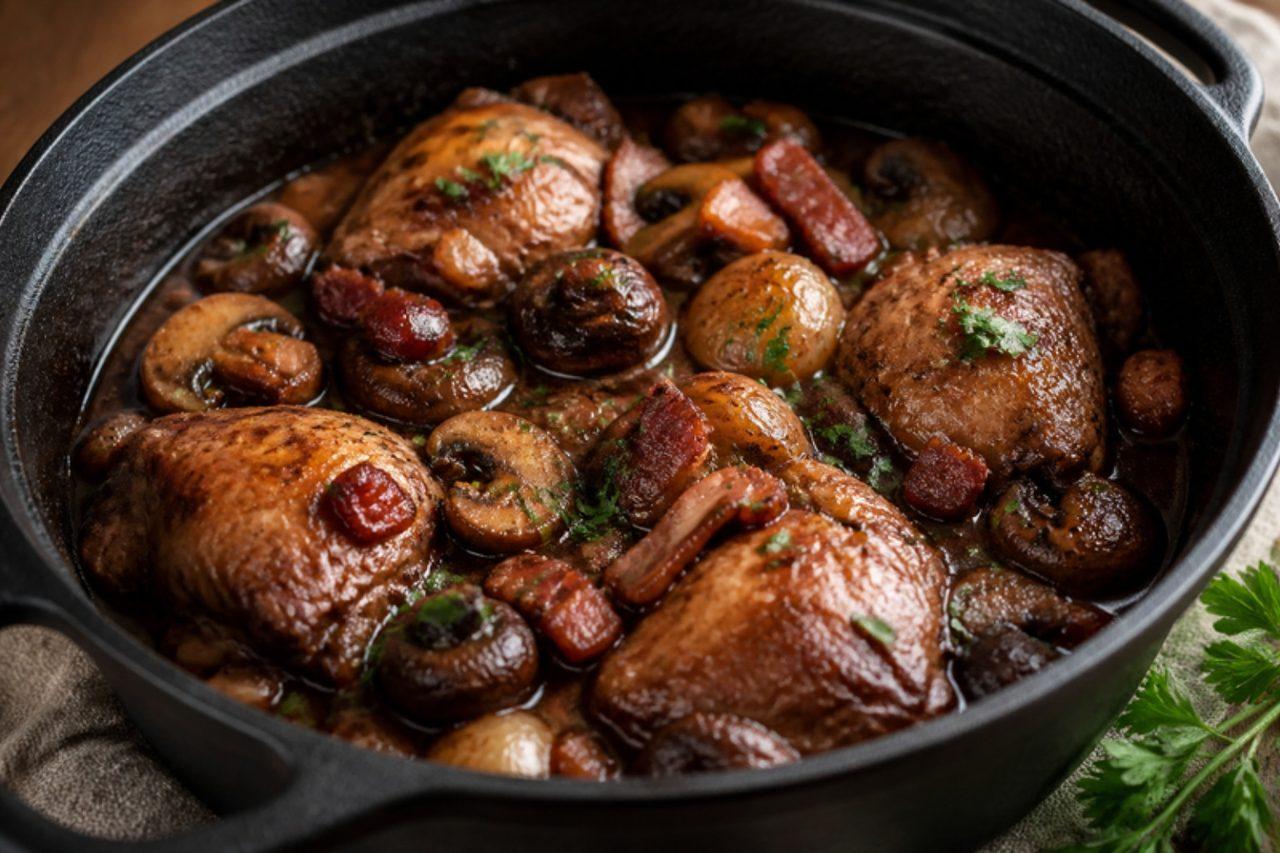
Coq au vin comes from Burgundy, where farm cooks once used the local red wine to soften a tough old rooster for a long Sunday lunch. This version uses chicken thighs and legs, which stay juicy, and contains pork (smoked lardons). The wine cooks for over an hour, so most of the alcohol is driven off but not all of it; for an alcohol-free version use 500 ml chicken stock with 100 ml red grape juice and 1 tbsp red wine vinegar. Serve with buttery mashed potatoes or boiled potatoes and a crusty loaf. Chef's tip: marinate the chicken in the wine overnight in the fridge; it colours the meat deep purple and seasons it right through.

130 minChickenGluten freeFrench
by KrazyBadal 0 views

Moules marinières

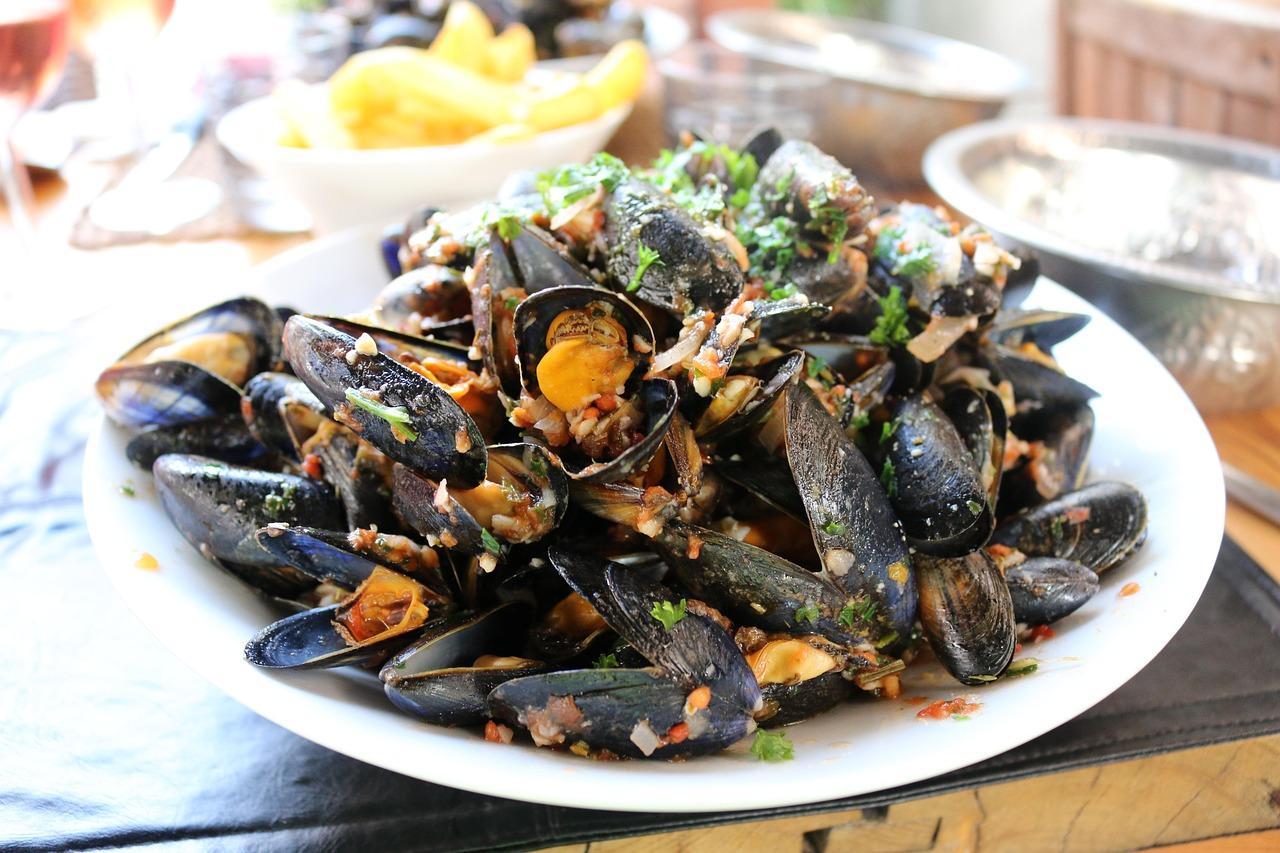
Along the coast of Normandy and Brittany, from Le Mont-Saint-Michel to Saint-Malo, summer means big black pots of moules marinières and a cone of frites, eaten at a seaside table with fingers and an empty shell as tongs. Fresh mussels steam open in minutes with shallot, garlic, thyme and white wine. The wine boils only briefly, so some alcohol stays; for an alcohol-free version use 150 ml fish or vegetable stock with 1 tbsp lemon juice. Chef's tip: buy mussels the day you cook them and keep them in the fridge in an open bowl covered with a damp cloth, never in water or a sealed bag.

25 minFishFrench
by KrazyBadal 0 views

Pissaladière

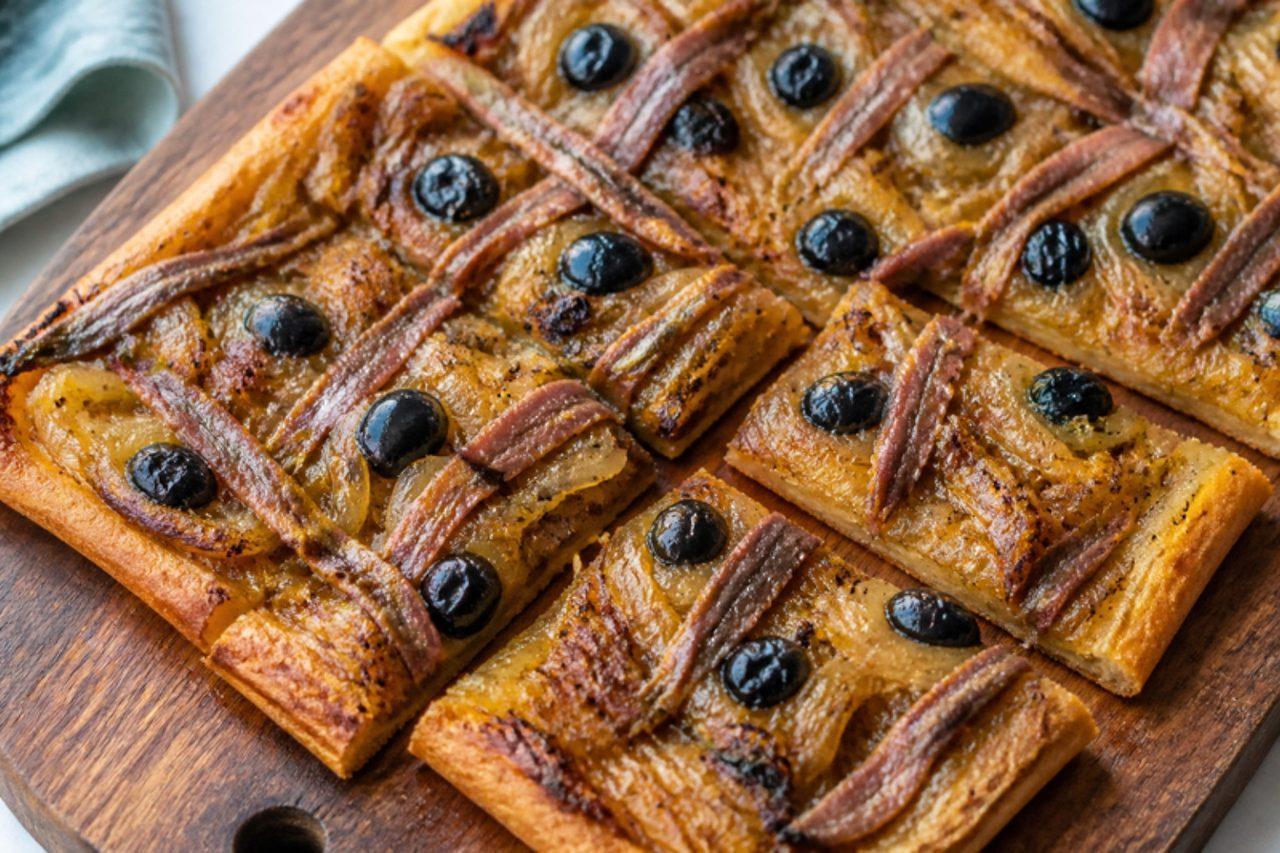
In the old town of Nice, pissaladière is sold by the square from bakeries and market stalls, a lunchtime slice or something to nibble with a drink before dinner. A thin bread dough is spread thickly with onions cooked down for almost an hour until soft and sweet, then crossed with salted anchovies and dotted with small black Niçoise olives. It is just as good at room temperature as warm. Chef's tip: cook the onions low and slow without letting them brown; they should be pale gold and jammy, not caramelised.

120 minBakingFrench
by KrazyBadal 0 views

New England clam chowder

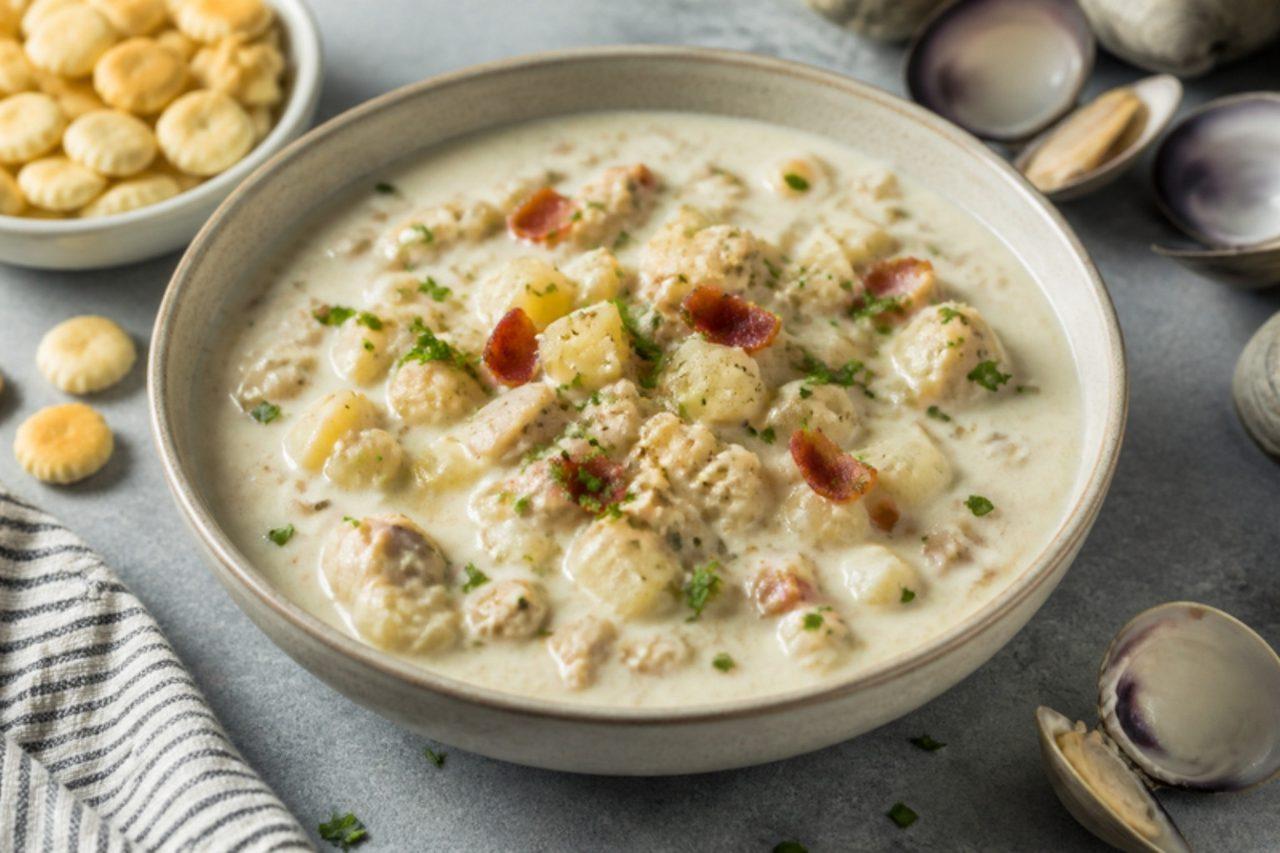
In Boston and along the Massachusetts and Maine coast, chowder is served in paper cups at the harbour, in bread bowls and at every clam shack with oyster crackers on the side. Fresh clams are steamed open, their briny juice becomes the stock, and potatoes, onion and a little smoky bacon (pork) simmer in it before cream goes in. It is creamy but not gluey. Chef's tip: thicken it only lightly; chowder should coat a spoon, not stand up in it.

60 minSoupsGluten free
by KrazyBadal 0 views

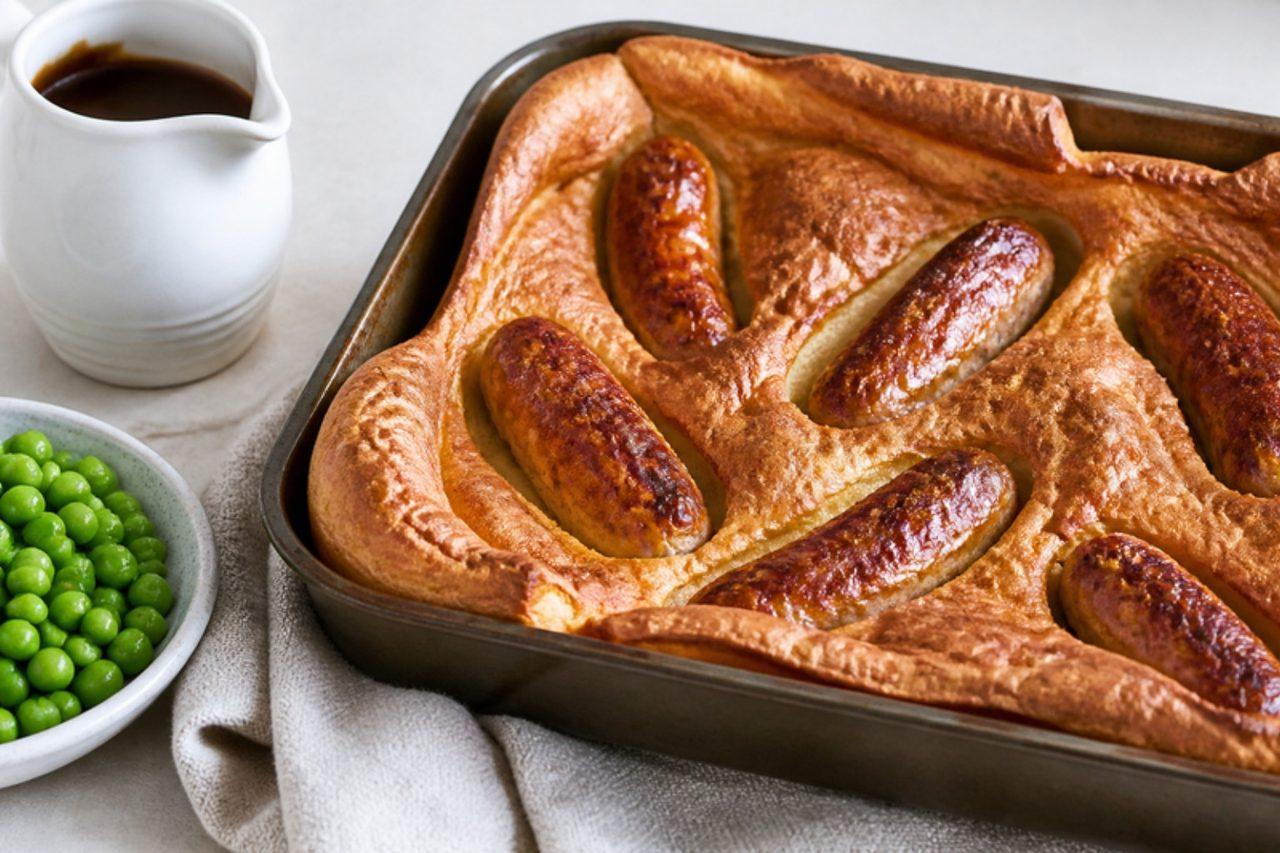
Toad in the hole

Toad in the hole has been a thrifty family supper across northern England for two centuries, and children still love it for the name as much as the taste. Plump pork sausages are browned in a hot tin, then a simple egg-and-milk batter is poured around them and puffs up into a golden, crisp Yorkshire pudding. It is always served with onion gravy and green vegetables. Chef's tip: the fat must be smoking hot when the batter goes in, and the oven door must stay shut for the first 25 minutes, or the batter will not rise.

60 minMeat
by KrazyBadal 0 views

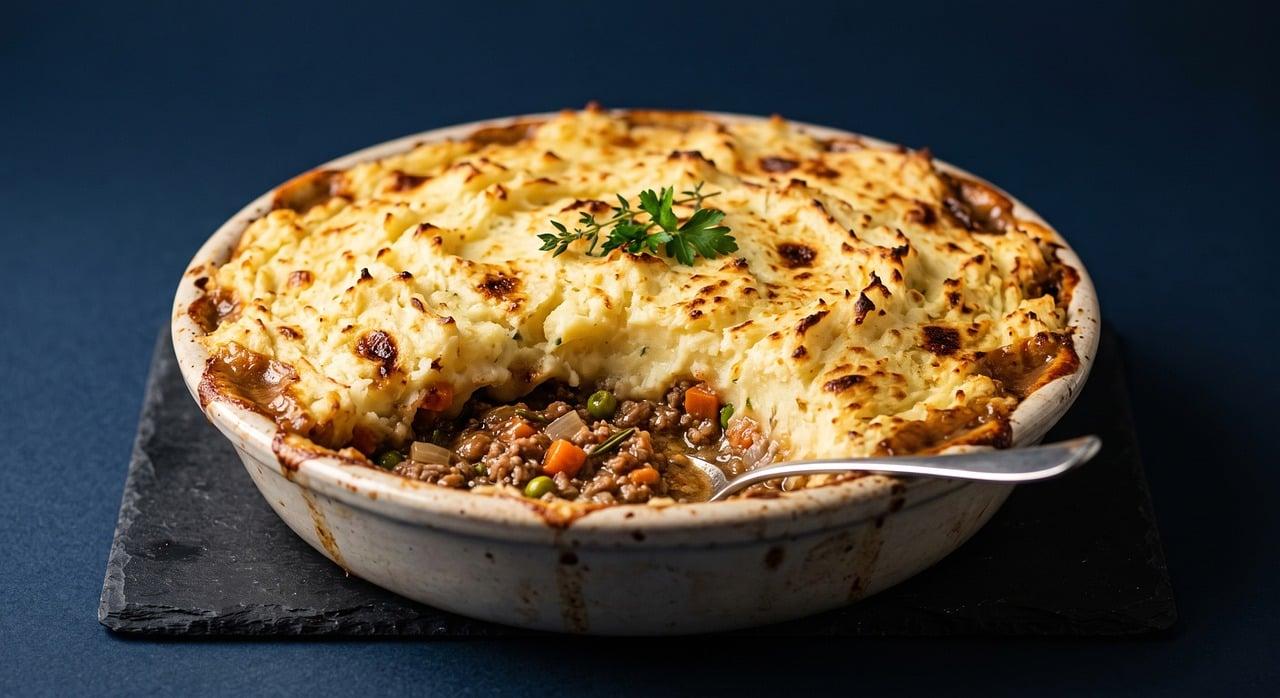
Shepherd's pie

Shepherd's pie comes from the sheep-farming hill country of northern England and Scotland, where Monday's pie once used up Sunday's roast lamb; with minced beef the same dish is called cottage pie. Minced lamb simmers with onion, carrot, a little tomato and Worcestershire sauce into a deep gravy, then hides under a thick layer of buttery mash that browns in the oven. A family supper all over Britain, it is served with peas or buttered cabbage. Chef's tip: rough up the top of the mash with a fork; the ridges catch the heat and turn crunchy.

100 minMeat
by KrazyBadal 0 views

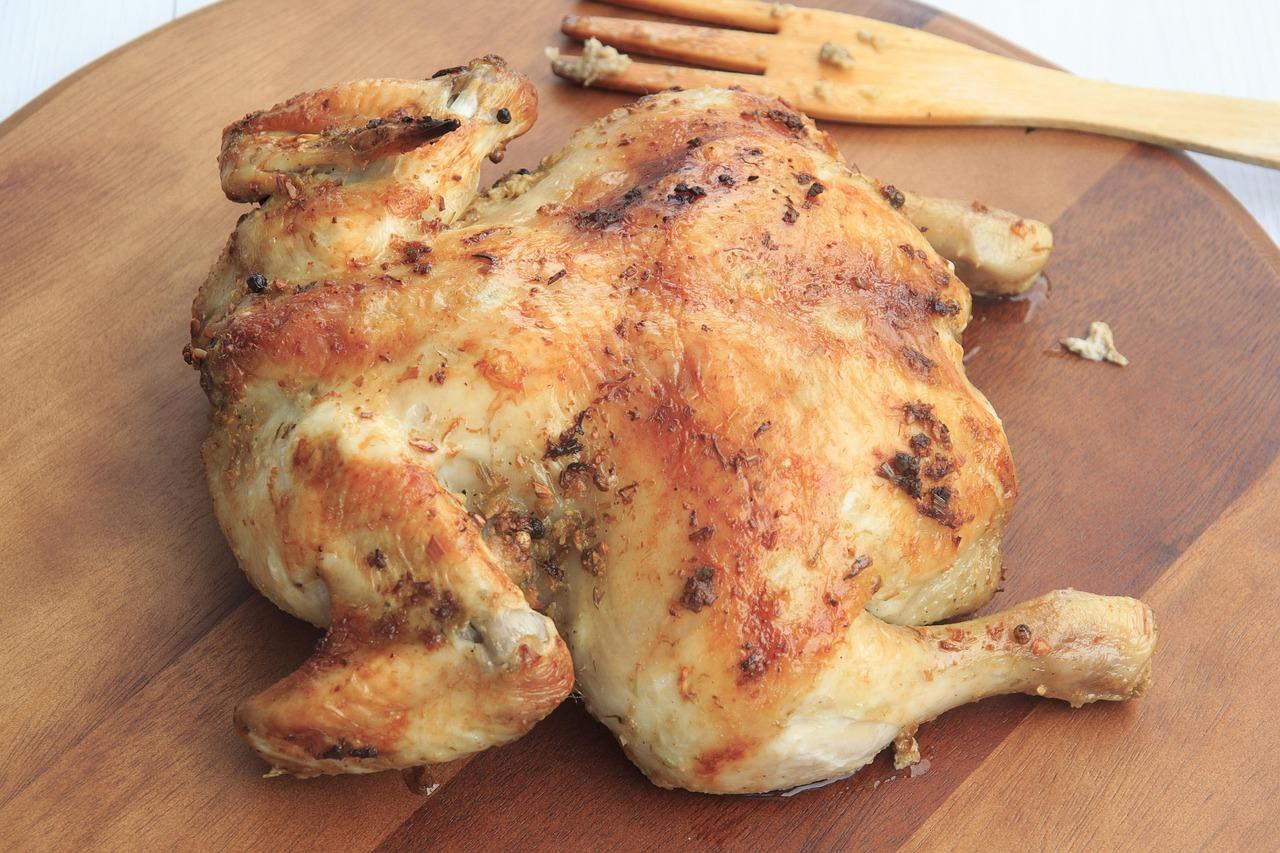
Sunday roast chicken

Sunday lunch across England and Wales means a roast, and a golden chicken is the most common one on family tables, with crisp roast potatoes, vegetables and gravy made in the roasting tin. A lemon and herbs perfume the bird from inside, and a sage-and-onion stuffing is baked alongside so the chicken cooks evenly. The stuffing can include sausage meat (pork) if you like; leave it out for a pork-free roast. Chef's tip: dry the skin with kitchen paper and leave the bird uncovered in the fridge overnight; dry skin is crisp skin.

130 minChicken
by KrazyBadal 0 views

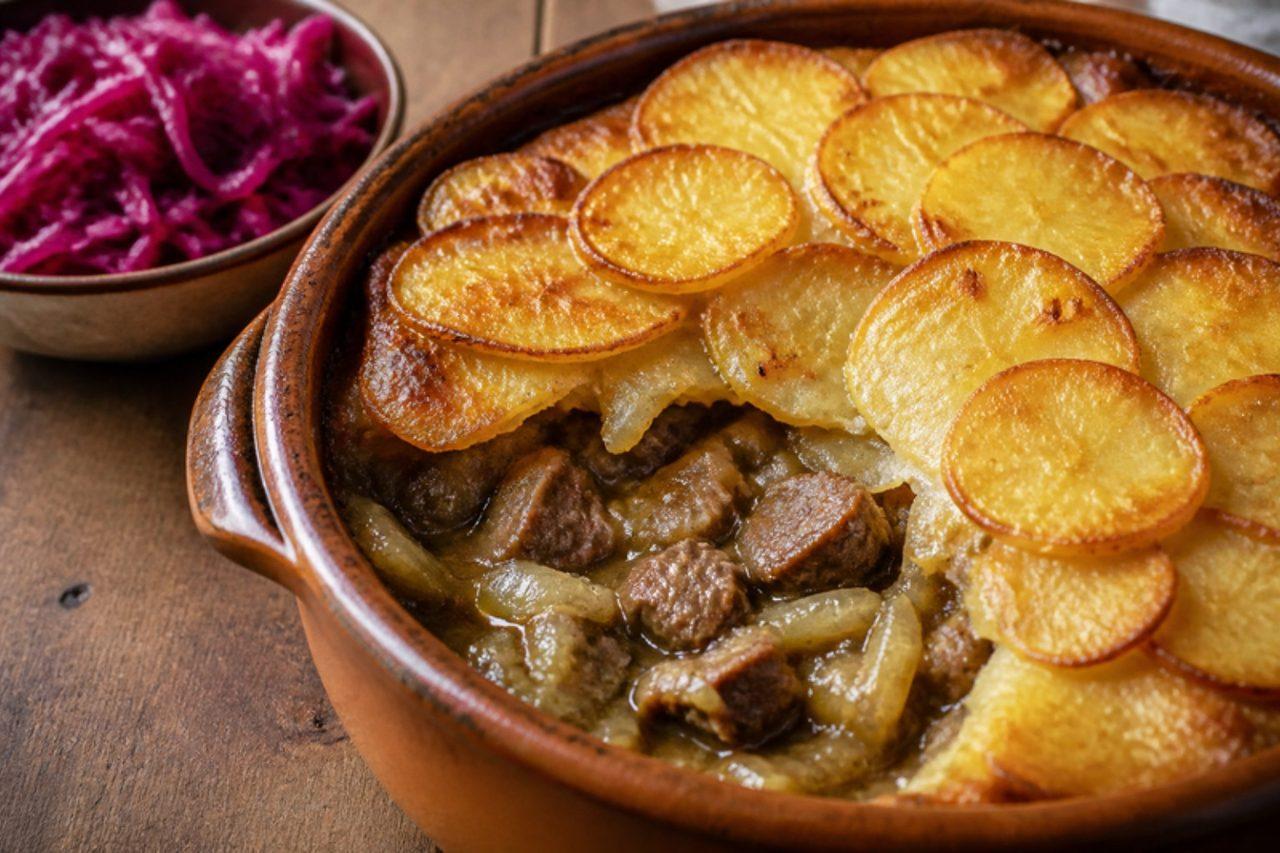
Lancashire hotpot

Lancashire hotpot was the slow supper of the cotton-mill towns of north-west England, left in a low oven while families worked long shifts, and it is still served in pubs and homes around Bolton and Preston with pickled red cabbage on the side. Chunks of lamb neck and lots of onion cook slowly in stock beneath overlapping slices of potato that turn golden and crisp on top and soft underneath. Chef's tip: brush the top layer with melted butter and take the lid off for the last 40 minutes; that is how the potatoes crisp.

180 minMeat
by KrazyBadal 0 views

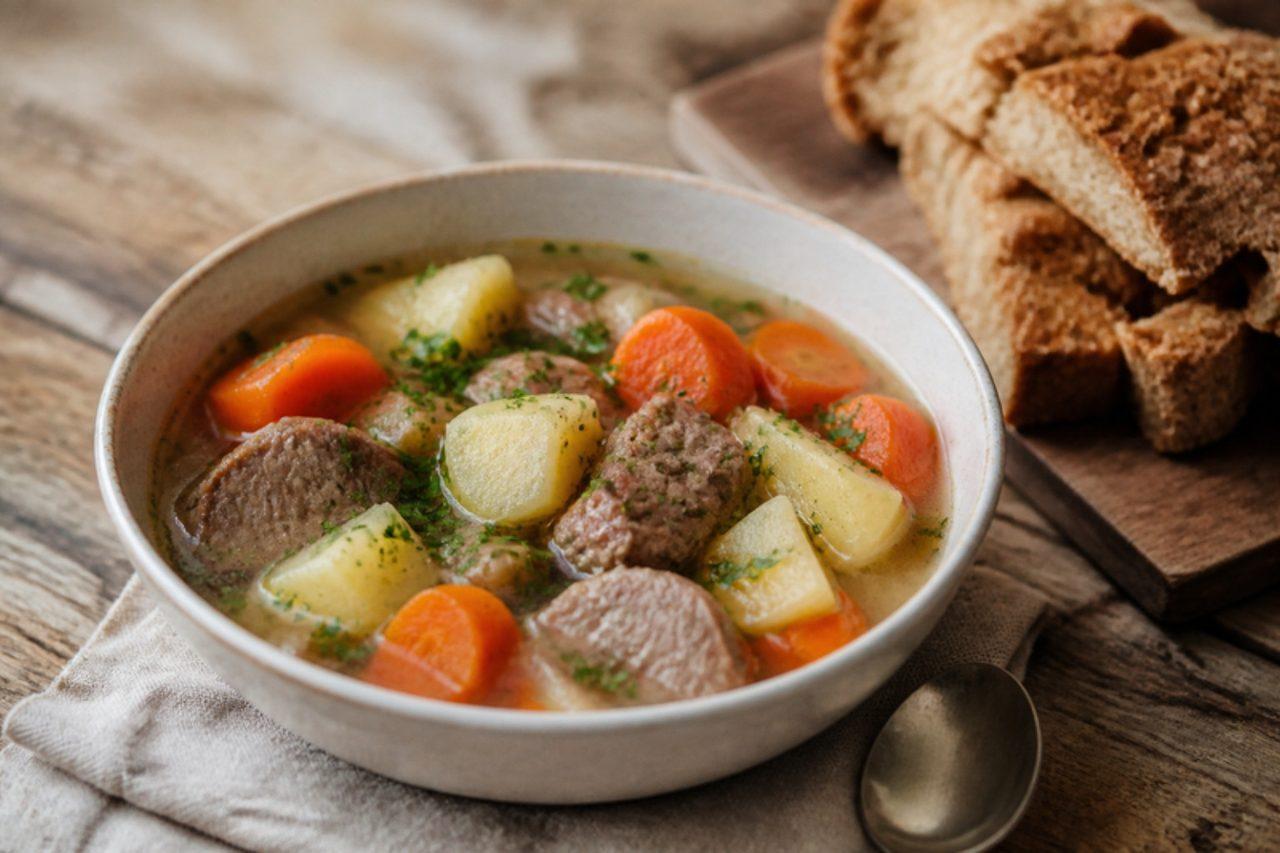
Irish stew

Irish stew, stobhach Gaelach, is the plain and honest pot of the Irish countryside, still made in farmhouse kitchens from Kerry to Donegal and served in Dublin pubs on St Patrick's Day. Lamb on the bone simmers slowly with onions, carrots and two kinds of potato: waxy ones that hold their shape and floury ones that melt and thicken the broth naturally, so no flour is needed. Thyme and parsley are the only seasoning. Chef's tip: use lamb neck or shoulder on the bone; the bones give body to the broth that lean leg never will.

145 minMeatGluten free
by KrazyBadal 0 views

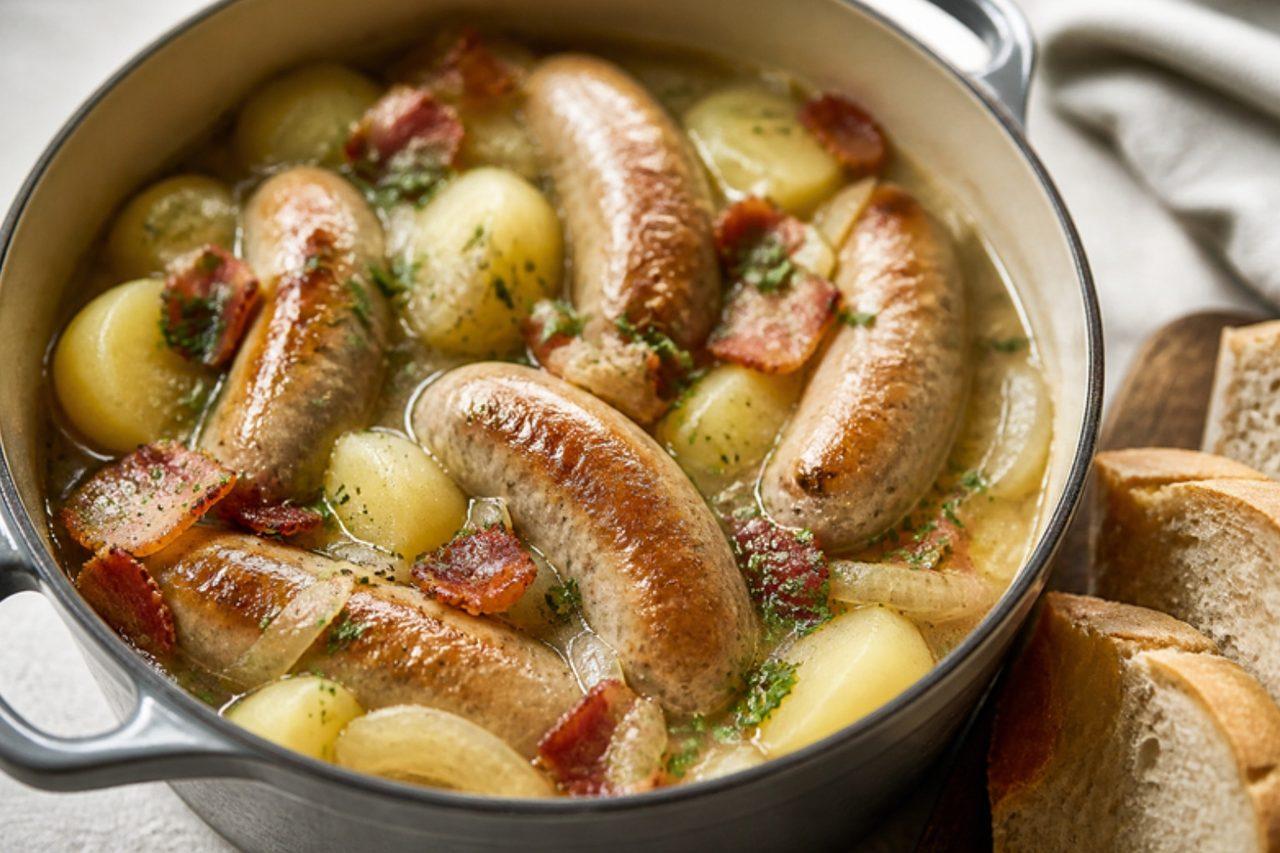
Dublin coddle

Coddle is Dublin's own dish, a Saturday-night pot from the city's old working-class neighbourhoods that would sit on a low heat until people came home. It is a pork dish: thick pork sausages and back bacon, with layers of onion and potato, gently stewed in stock so everything turns soft and savoury. Many Dublin families still make it on Saturdays. Serve with brown soda bread to mop up the broth. Chef's tip: brown the sausages first; the traditional pale coddle is authentic, but a little colour adds a lot of flavour.

95 minMeat
by KrazyBadal 0 views

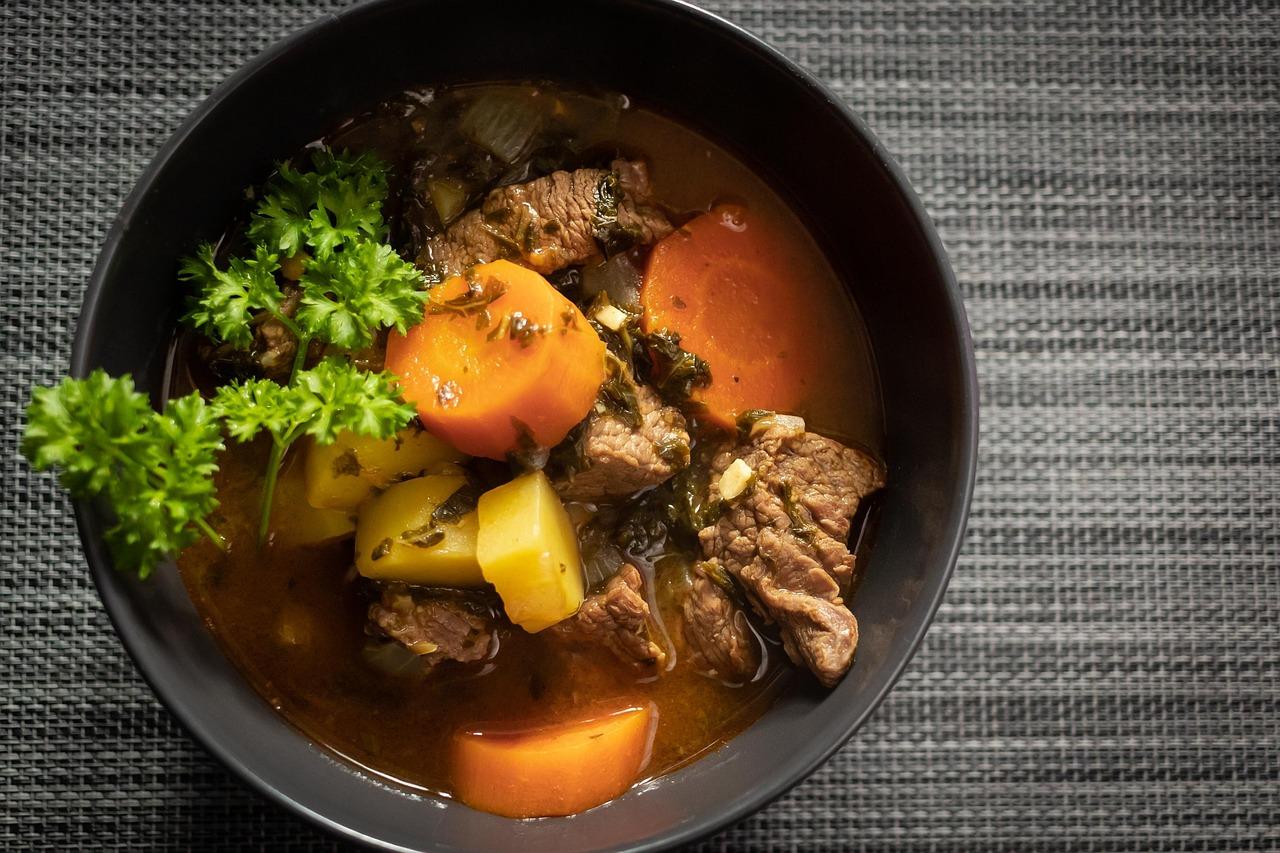
Irish stout beef stew

In pubs across Ireland, and in plenty of homes on a wet Sunday, beef stewed in dark stout is the dish that arrives with mash or a slab of brown bread. The stout (it contains alcohol, most of which cooks off but not all) gives the gravy a deep, slightly bitter malt flavour that a spoon of brown sugar balances. For an alcohol-free version use alcohol-free stout, or the same volume of extra beef stock with 1 tablespoon of black treacle. Chef's tip: brown the beef properly in batches; the dark crust on the meat is half the flavour of the gravy.

190 minMeat
by KrazyBadal 0 views

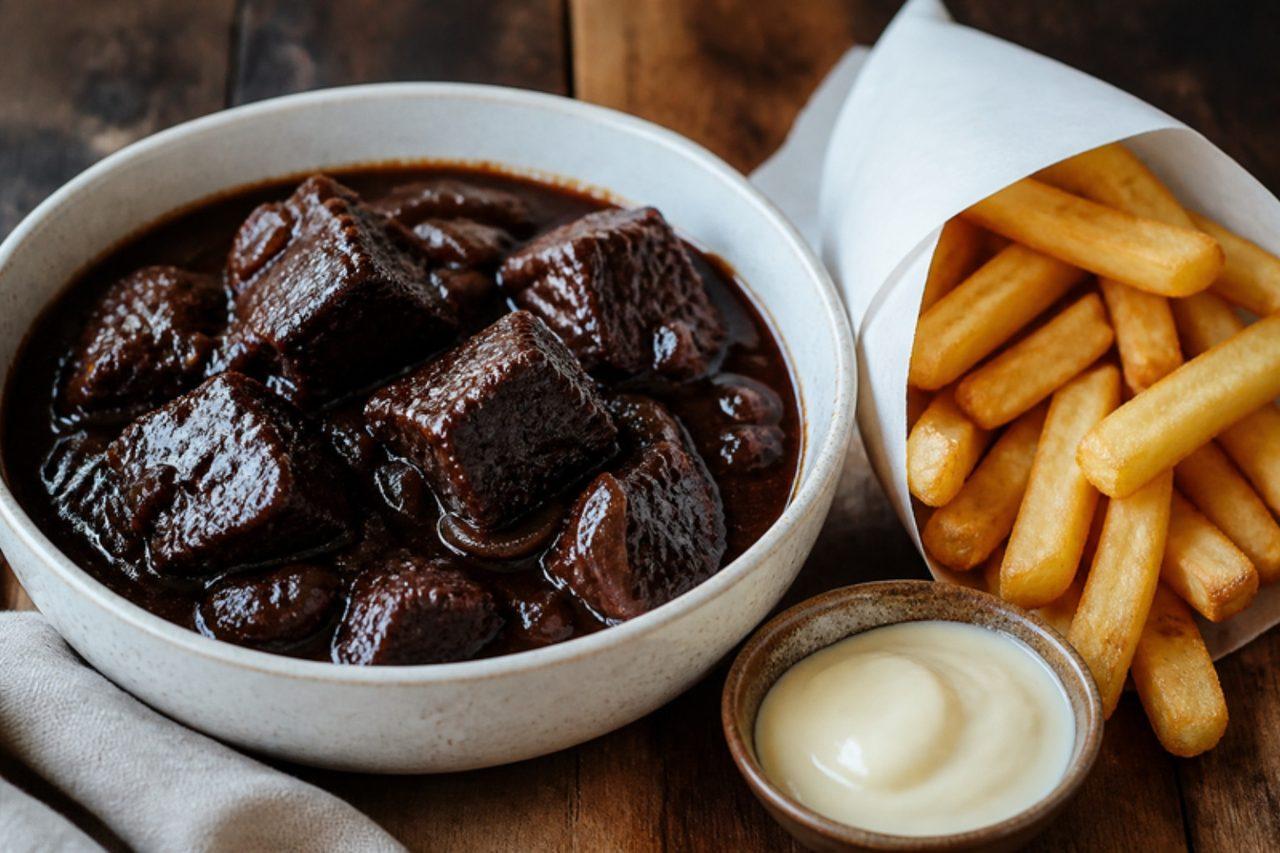
Stoofvlees

In Flanders, from Antwerp's frituren to Sunday kitchens in Bruges, stoofvlees is the stew that comes with a cone of double-fried chips and a spoonful of mayonnaise. Chunks of beef chuck are browned hard, then cooked slowly with lots of onion and a dark Belgian brown or abbey-style beer, thickened at the end by a slice of bread spread with mustard that melts into the sauce. The finished gravy is glossy, sweet-sour and deep, with a little brown sugar and vinegar to balance the bitterness. This recipe contains alcohol, though long cooking drives most of it off; for an alcohol-free version use the same amount of alcohol-free dark beer, or beef stock with a tablespoon of extra vinegar and a teaspoon of extra sugar. Browning the meat in one crowded batch is the classic mistake; it stews grey instead of searing. Chef's tip: cook it a day ahead and reheat gently; the flavour rounds out overnight.

205 minMeat
by KrazyBadal 0 views

Gentse waterzooi

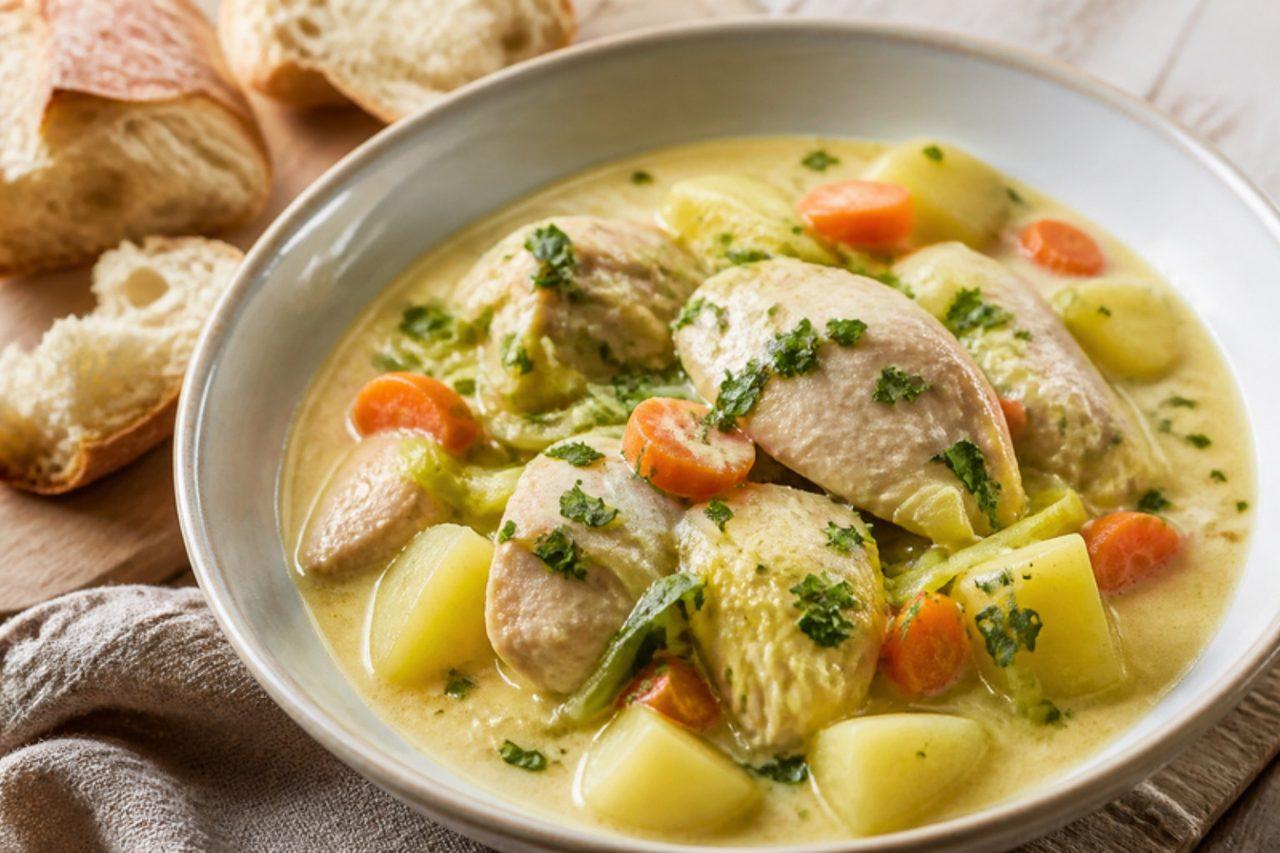
Ghent claims waterzooi as its own, and in the cafés around the Korenmarkt it is served in deep plates as a cross between soup and stew. Originally made with river fish, the city's version today is nearly always chicken, poached gently with leek, carrot, celery and potato, then the broth is enriched with cream and egg yolk until it turns silky and pale gold. It is eaten all year but tastes best on a damp Flemish evening, with crusty bread for the last of the broth. The mistake to avoid is boiling it after the yolks go in, which scrambles them; keep it below a simmer while it thickens. Chef's tip: cut the vegetables into fine, even julienne so they cook in the same time and look neat in the bowl.

75 minChickenGluten free
by KrazyBadal 0 views

Boulets liégeois

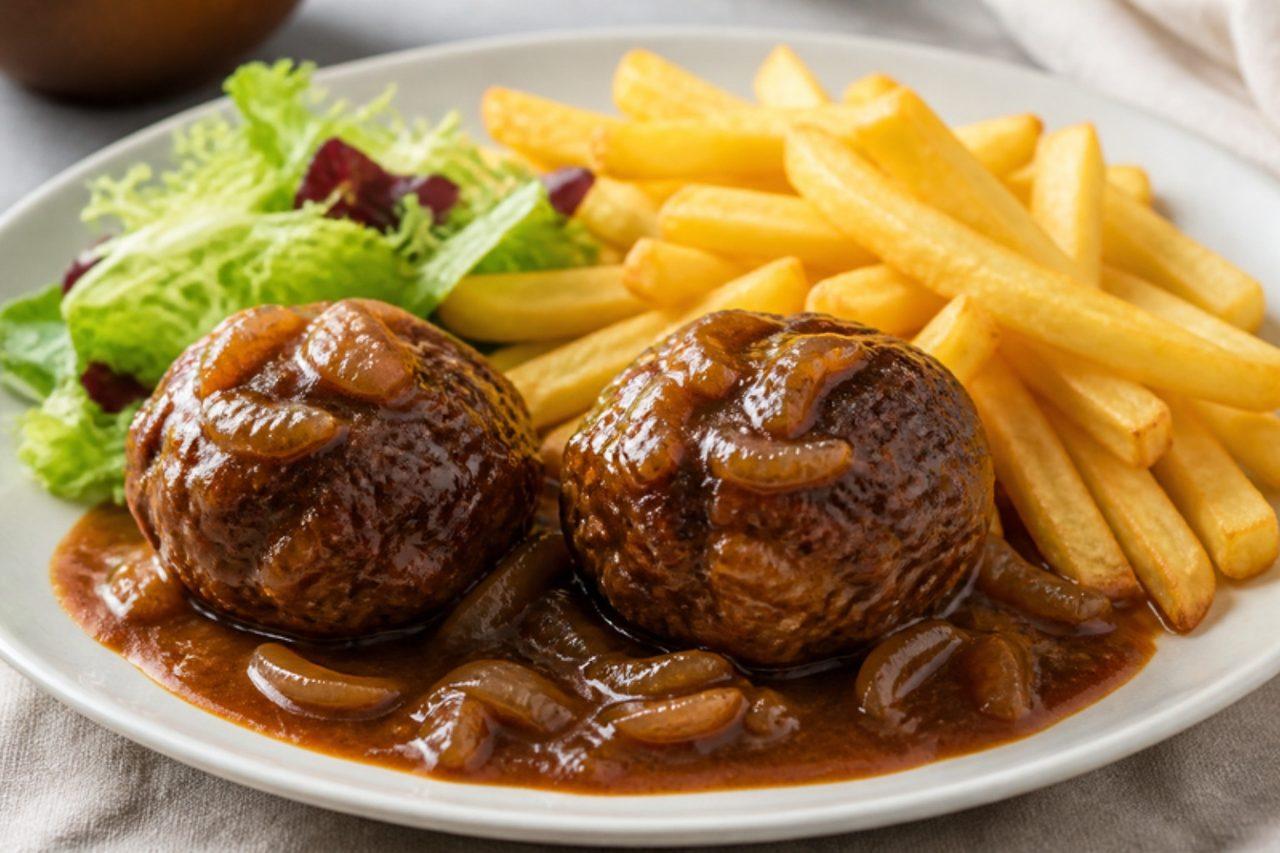
Liège is famous for its boulets: big, tennis-ball-sized meatballs served in a dark, sticky sauce made with sirop de Liège, the region's thick apple-and-pear syrup, with onions and a little vinegar. They are a brasserie staple across Wallonia, eaten with a mountain of chips and a side of salad, and families make them for Sunday lunch. The mix is half pork, half beef, so this is a pork dish. Rushing the onions is the step most people get wrong: they need a good 20 minutes to turn sweet before the sauce comes together. Chef's tip: if you cannot find sirop de Liège, use 3 tablespoons of apple butter or date syrup with 1 tablespoon of black treacle for the same dark, fruity tang.

75 minMeat
by KrazyBadal 0 views

Oil down

Oil down is what Grenadians cook on the beach, at village fêtes and on Sunday afternoons, often in a big iron pot over a wood fire with everyone waiting around it. Breadfruit, salt fish and soft flour dumplings are layered with callaloo and turmeric (called 'saffron' on the island), then steamed in coconut milk until the milk is drunk up and only a golden oil coats the pot, which gives the dish its name. Many cooks add salted pig tail or chicken; this version keeps to salt fish. The mistake to avoid is stirring, which breaks the layers into mush; shake the pot instead. Chef's tip: put the Scotch bonnet in whole and lift it out at the end, so it scents the pot without burning everyone's mouth.

95 minFish
by KrazyBadal 0 views

Fungee and pepperpot

Antiguans eat fungee and pepperpot on Saturdays and on holidays like Independence Day in November, and grandmothers still turn the fungee with a flat wooden 'fungee stick'. Pepperpot is a thick stew of beef, spinach, aubergine, okra and squash cooked down until the vegetables melt together; many cooks also add salted pig tail, which is left out here. The fungee is a smooth cornmeal and okra mash, shaped into balls with a buttered bowl and served beside the stew. The mistake people make is tipping the cornmeal in all at once, which makes lumpy fungee; add it in a slow stream while stirring hard. Chef's tip: pour off half the okra water before adding the cornmeal and keep it hot; you can work it back in if the fungee gets too stiff.

150 minMeatGluten free
by KrazyBadal 0 views

Goes well with thyme