Skip to content
WhatToEat.Today

All recipes

55

Vegetarian, or something you can't eat? Set your diet once and we'll hide recipes that don't fit.

OsterlammEaster lamb sponge cake

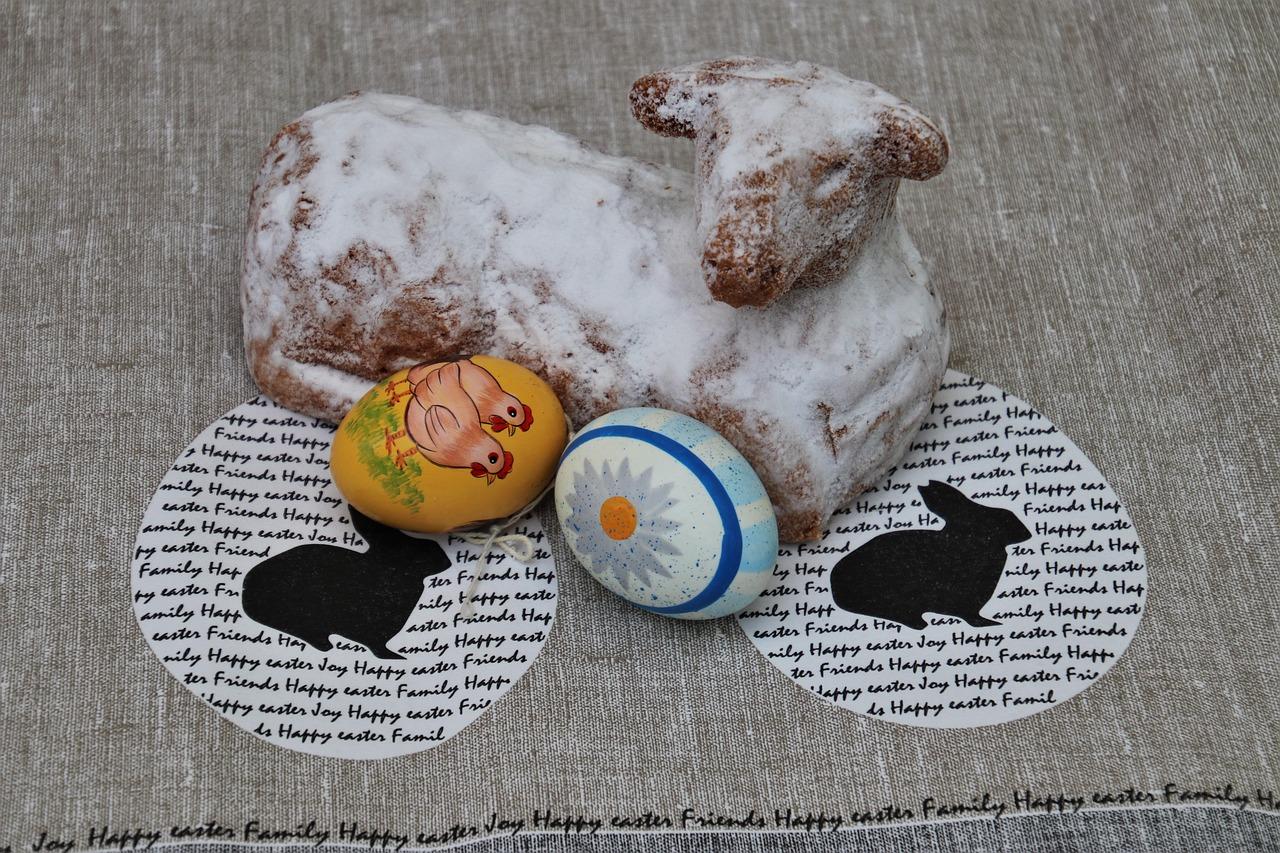
In Germany and Austria an Osterlamm, a light sponge baked in a two-piece lamb-shaped mould, stands on the Easter breakfast table, dusted with icing sugar with a ribbon and bell around its neck and sometimes a little flag. In Catholic regions it is taken to church on Holy Saturday to be blessed with the Easter basket. The cake is a buttery, lemony sponge, firm enough to keep its shape. You need a lamb cake mould, sold in kitchen shops before Easter. Chef's tip: grease the mould with soft butter and dust it with breadcrumbs or flour into every crevice, or the lamb's head stays in the tin.

by KrazyBadal 0 views

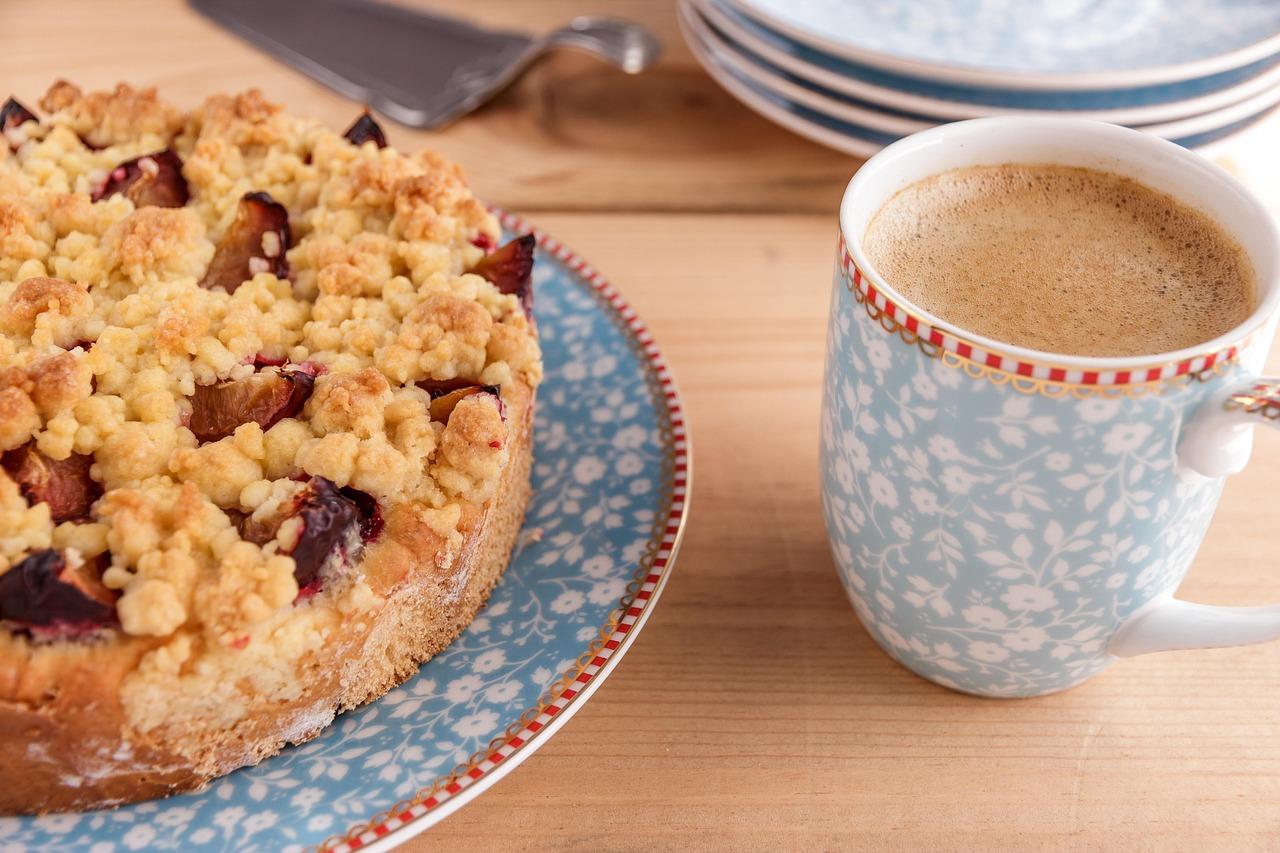
KirmeskuchenPlum streusel yeast cake

When the Kirmes, the yearly fair for a village church's patron saint, comes to the Rhineland and Hesse, families bake enormous trays of Kirmeskuchen to share with the relatives who come home for the fun-fair, the dancing and the procession. This version is the most loved: a soft, buttery yeast dough covered edge to edge with tightly packed plum halves and a thick, crumbly streusel. Cut it into squares and serve it with whipped cream and coffee in the afternoon. Chef's tip: stand the plum halves upright, cut side up and overlapping like roof tiles, so the juice stays in the fruit instead of soaking the dough.

by KrazyBadal 0 views

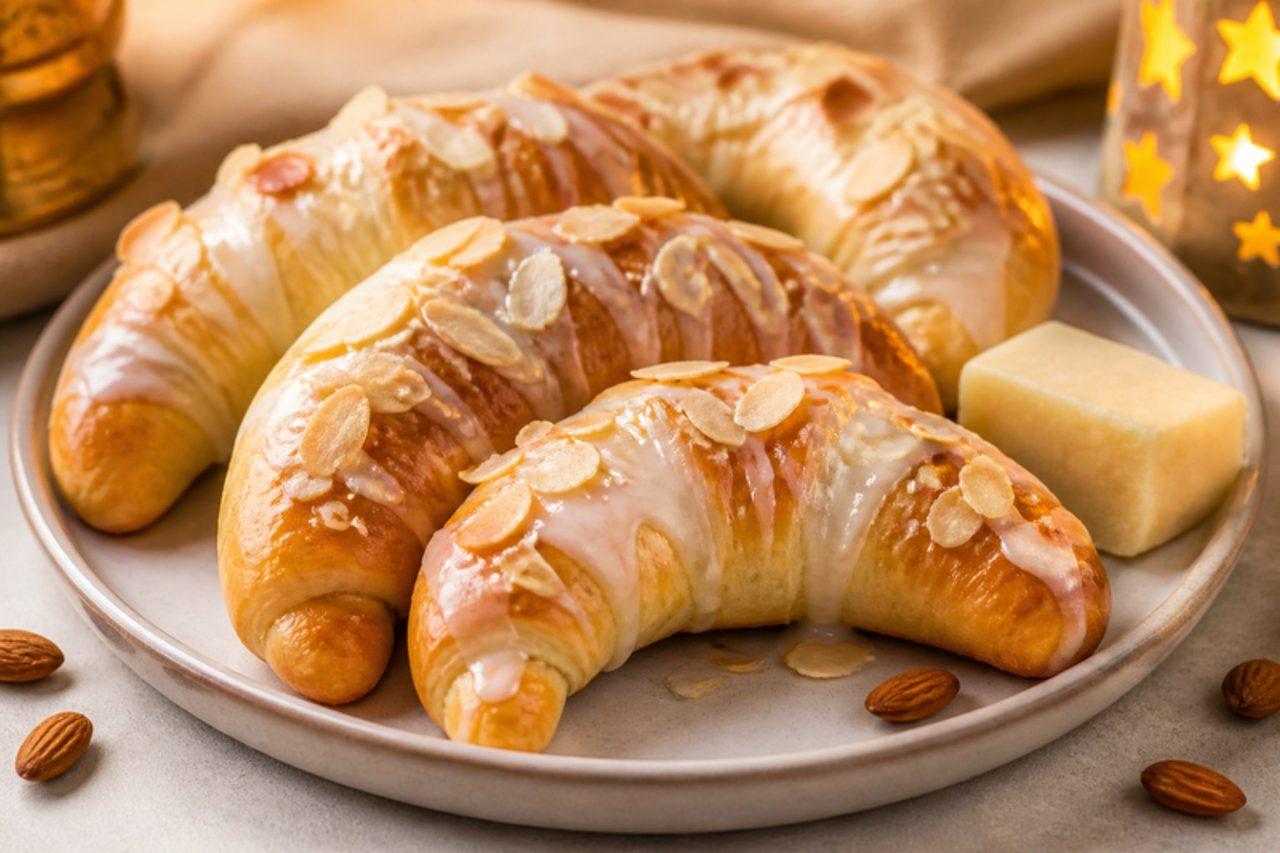
MartinshörnchenMarzipan crescent pastries

On 11 November children in Lower Saxony, Saxony and much of Germany walk through the dark streets with paper lanterns, singing songs for St Martin, the soldier who cut his cloak in half to share it with a beggar. Bakeries sell Martinshörnchen, sweet crescent-shaped yeast pastries, and many families break them in half to share, as St Martin did. This version is filled with soft marzipan and ground almonds and finished with a thin lemon glaze. Chef's tip: roll each wedge from the wide end with a gentle tug so you get at least three turns of dough, which gives the crescents their shape.

by KrazyBadal 0 views

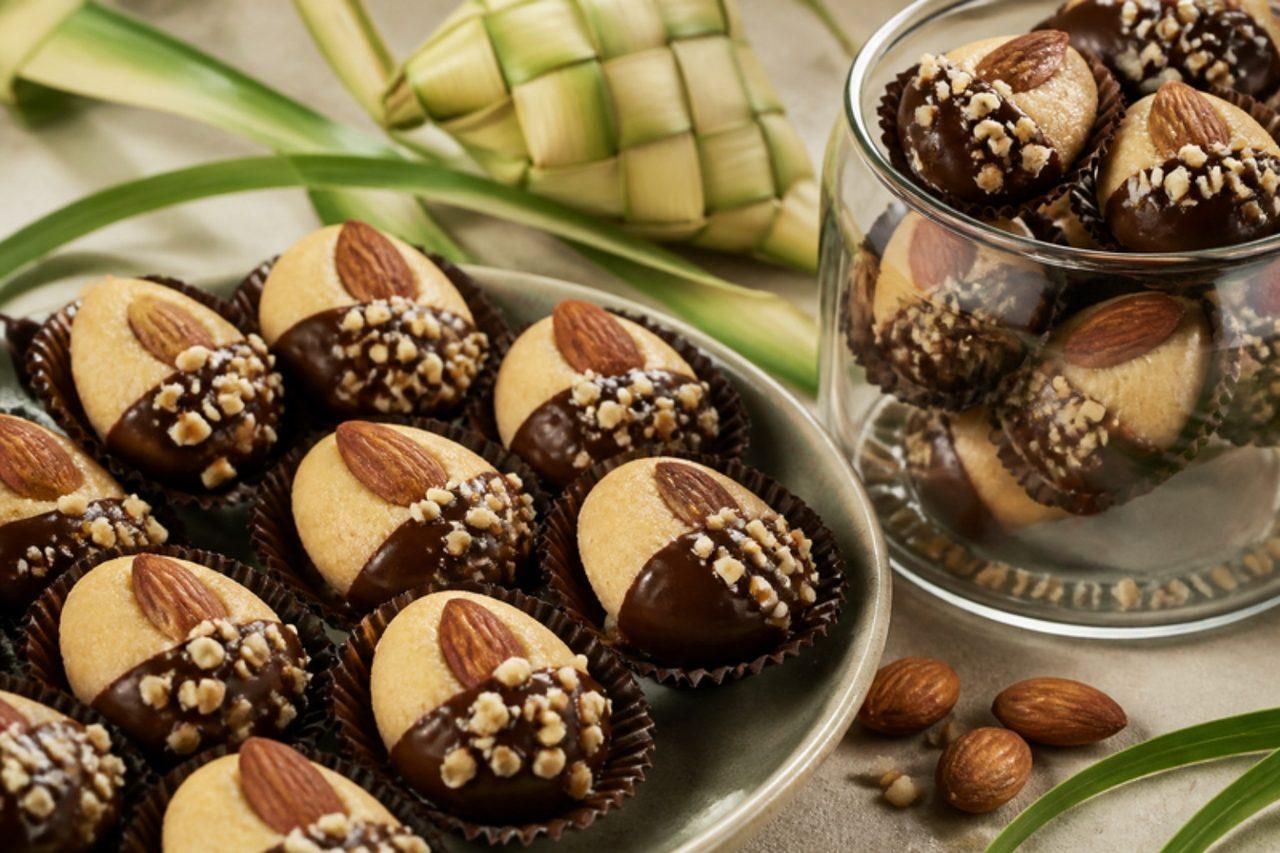
Almond LondonChocolate-dipped almond cookies

Almond London is a Hari Raya favourite in Singapore and Malaysia, a whole roasted almond hidden in buttery cookie dough, baked, dipped in chocolate and rolled in chopped nuts. Nobody is sure where the name came from, but every Malay household fills a jar of them for Raya visits, and children hunt for the almond inside. They are crunchy, rich and not too sweet. Chef's tip: let the cookies cool completely before dipping, or the chocolate slides off and turns streaky.

by KrazyBadal 0 views

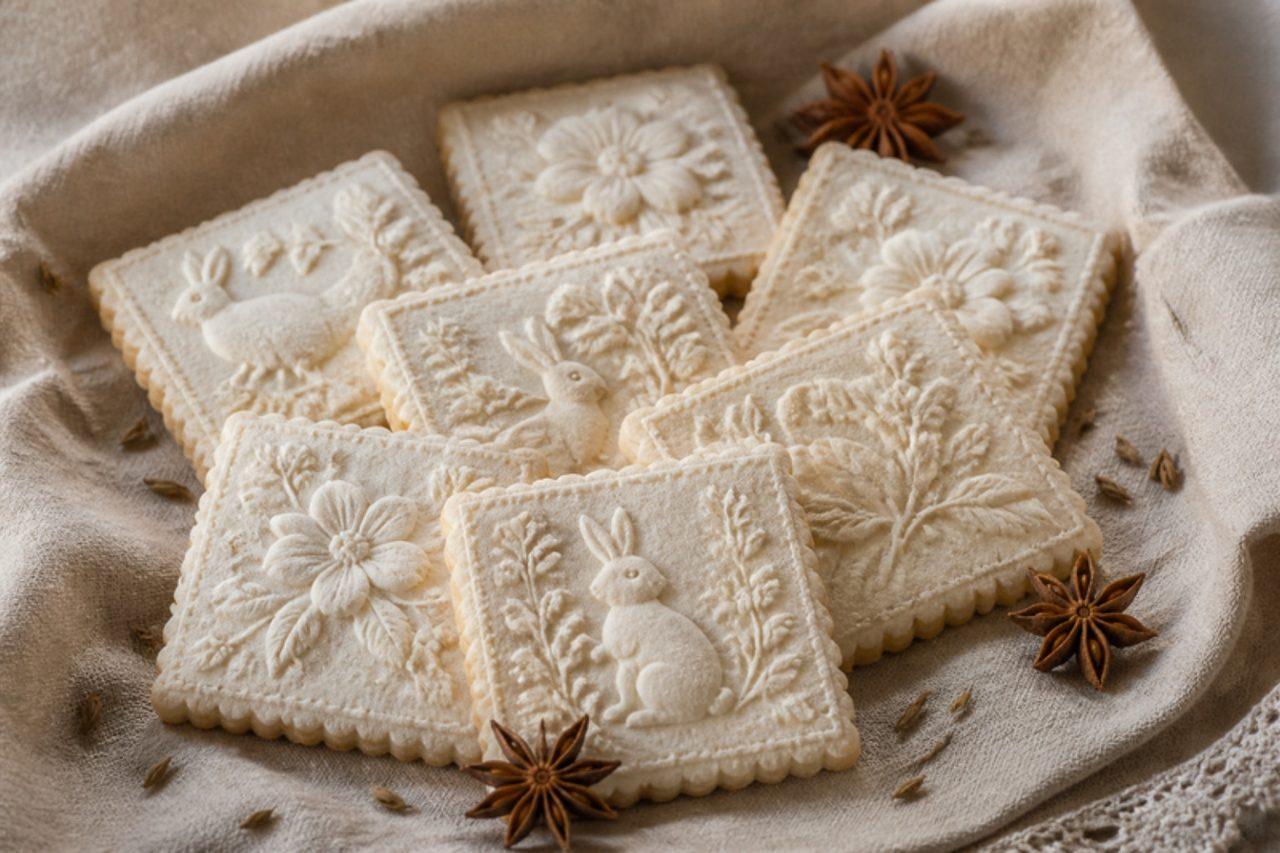
SpringerleAnise biscuits

Springerle are among the oldest Christmas biscuits of Swabia and Baden in south-west Germany, made in Advent with carved wooden moulds and boards handed down in families, which print scenes of angels, animals and flowers onto the dough. The dough is only eggs, sugar and flour with aniseed underneath. The pressed biscuits are left to dry overnight, so that in the oven the picture stays sharp on top while a little 'foot' rises underneath. They are hard when fresh and soften in a tin after a week. Chef's tip: dust the mould with flour and tap out the excess every time, or the dough sticks and the picture blurs.

by KrazyBadal 0 views

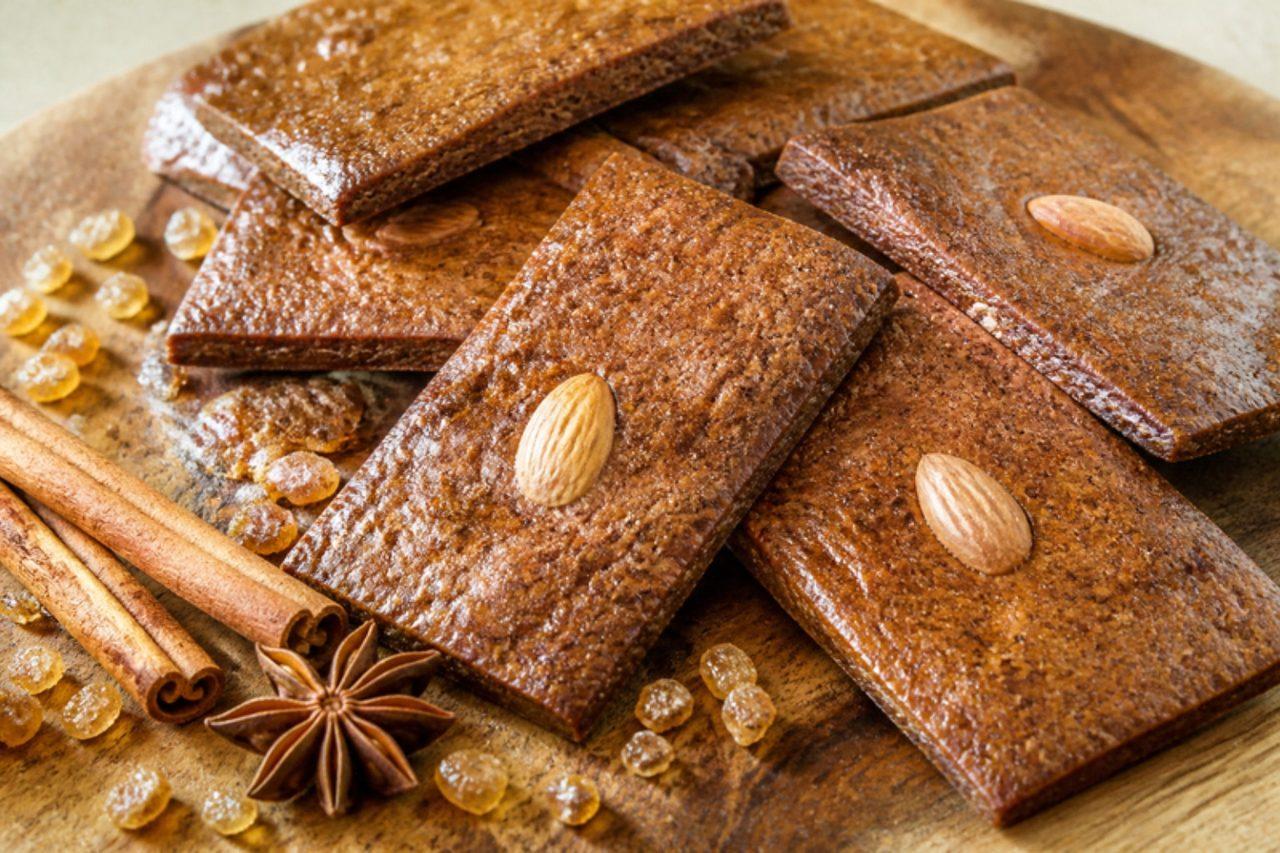
Aachener Printen (Aachen spiced gingerbread slabs)

The bakeries of Aachen have made Printen for centuries, and from late autumn through Christmas the city's shop windows fill with these narrow brown slabs. Unlike soft German Lebkuchen they are firm and snappy, sweetened with dark sugar-beet syrup and studded with little crunchy bits of rock sugar, and they carry a big blend of spices: cinnamon, aniseed, coriander, cloves, cardamom and allspice. The dough rests overnight to develop flavour, then is raised with potash, which gives the dense, crisp texture. Dunk them in coffee or tea, or serve with baked apples. Printen never contained egg: the thick beet syrup is both sweetener and binder, gluing the flour into a stiff dough that sets hard in the oven. Chef's tip: let the syrup cool to lukewarm before mixing in the flour; the common mistake is adding it hot, which starts cooking the flour and gives a tough, rubbery dough.

1465 minGermanBakingVegan
by KrazyBadal 0 views

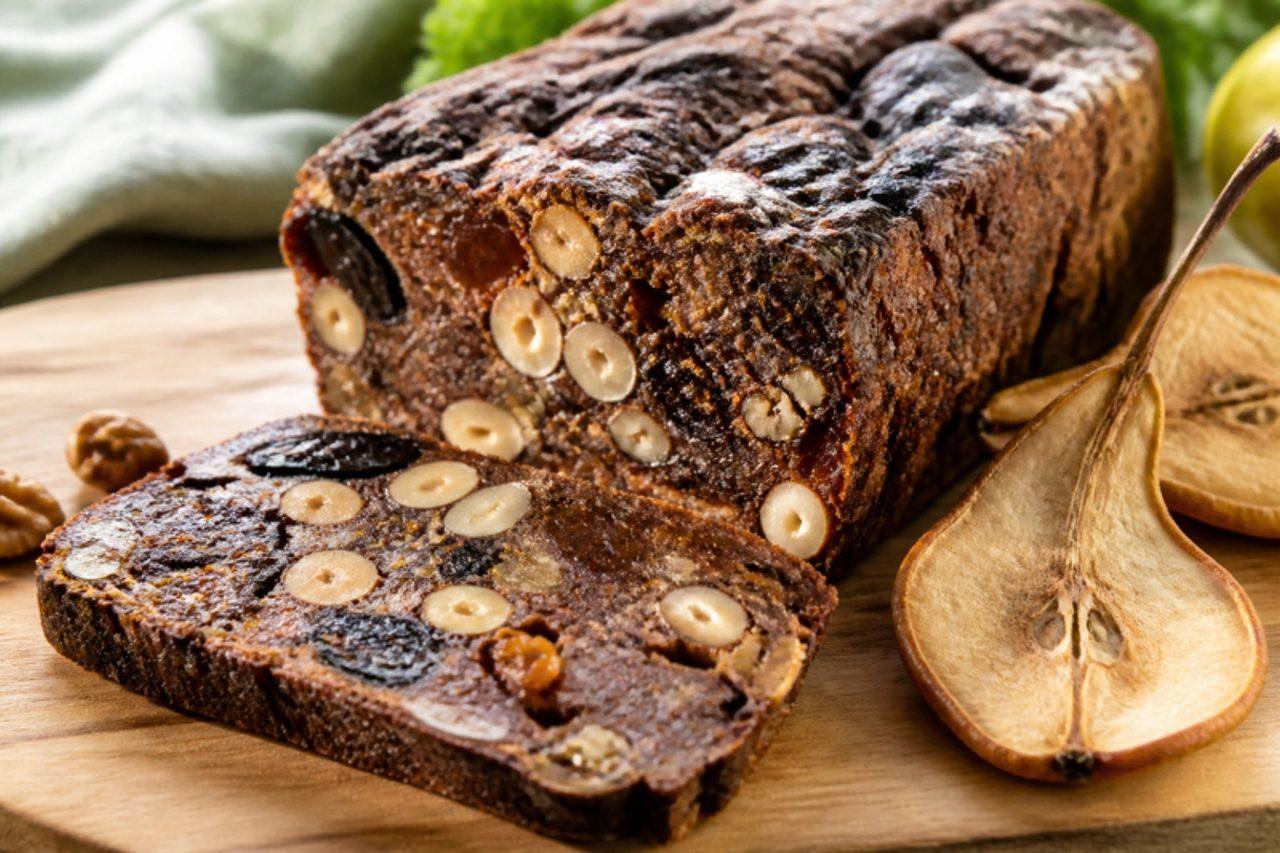
Hutzelbrot (Swabian dried-pear Christmas loaf)

In Swabia and Franconia, Hutzelbrot is baked in early December and sliced through Advent and Christmas, traditionally on St Thomas's Day, 21 December. Hutzeln are dried pears, and they are the heart of the loaf: soaked overnight and simmered, then mixed with figs, prunes, raisins, hazelnuts, walnuts and candied peel, bound with only enough spiced yeast dough to hold everything together. The result is dark, moist and dense, closer to fruit than to bread, fragrant with cinnamon, aniseed and cloves. Slice it thin and eat it plain, spread with butter or a nut butter, with coffee or a hot fruit tea. The loaf is naturally egg-free: the yeast dough, made with the sweet pear soaking water, is the glue, and the sticky fruit holds it moist for weeks. Chef's tip: wrap the cooled loaves tightly and leave them for 3–4 days before slicing; the common mistake is cutting it on day one, when it crumbles and the flavours have not settled.

900 minGermanBakingVegan
by KrazyBadal 0 views

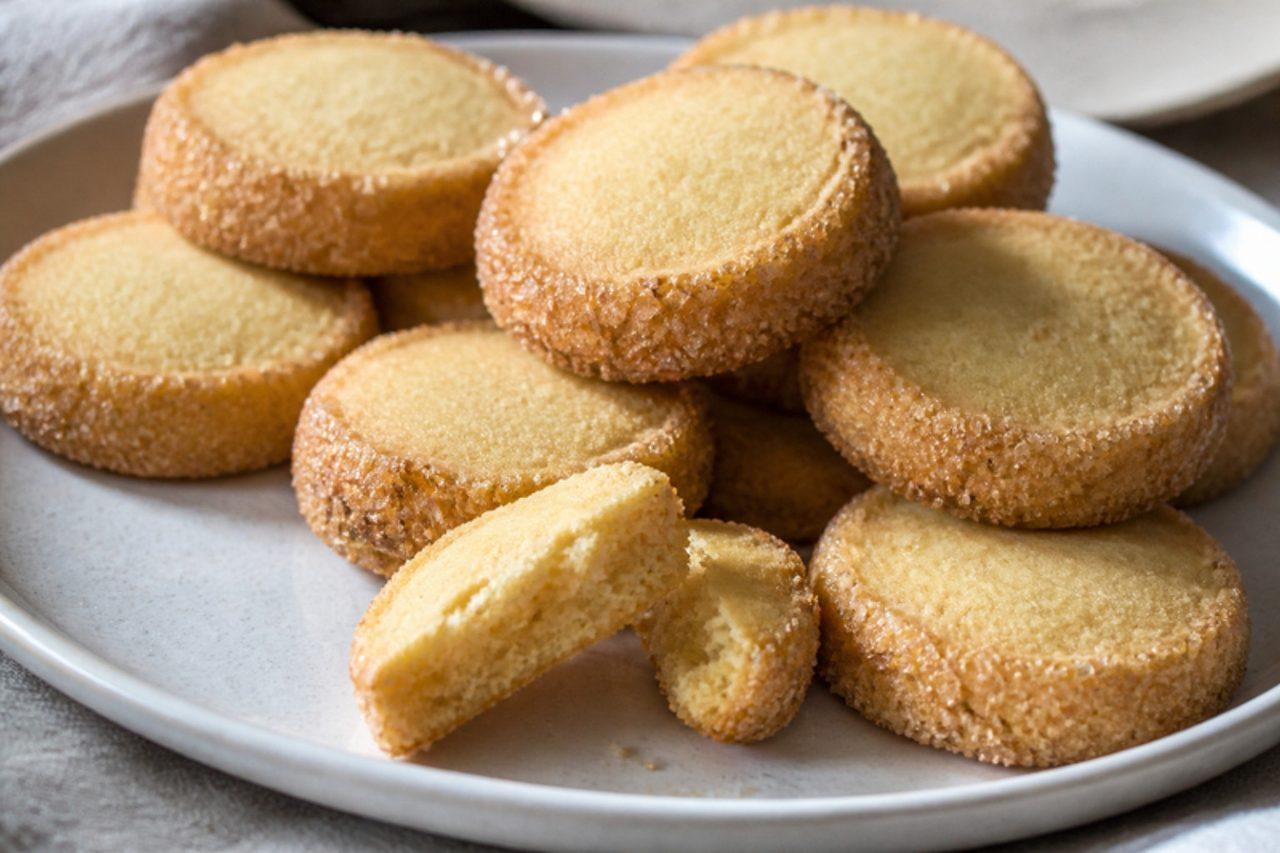
HeidesandBrown butter slice-and-bake cookies

The name means 'heath sand', after the pale sandy soil of the Lüneburg Heath in Lower Saxony, and the texture lives up to it: these little rounds crumble the moment you bite. Browning the butter first gives them a nutty, toffee-ish flavour that plain shortbread lacks. German families bake them in Advent alongside Vanillekipferl and cinnamon stars, but they are just as good with afternoon coffee in any season. There is no egg in the dough, only butter, sugar, flour and a splash of milk, and the log is rolled in coarse sugar so every slice has a glittering edge. Chef's tip: let the browned butter set back to a soft, spreadable paste before you cream it; if you beat in butter that is still liquid, the dough turns greasy and the cookies flatten in the oven.

by KrazyBadal 0 views

MandelhörnchenMarzipan almond crescents

Look along the glass counter of almost any German bakery and you will find these: fat crescents of almond paste, crusted in toasted flaked almonds, with both horns dipped in dark chocolate. Inside they stay soft and chewy, almost like a macaroon, while the outside crunches. People buy one to eat with a coffee on the way home rather than keeping them for a festival, though they turn up on Christmas plates too. They need no flour, so they are naturally gluten free. Chef's tip: take them out when the almond flakes are golden but the crescents still feel soft; overbaking is the common mistake, and they set hard as they cool.

by KrazyBadal 0 views

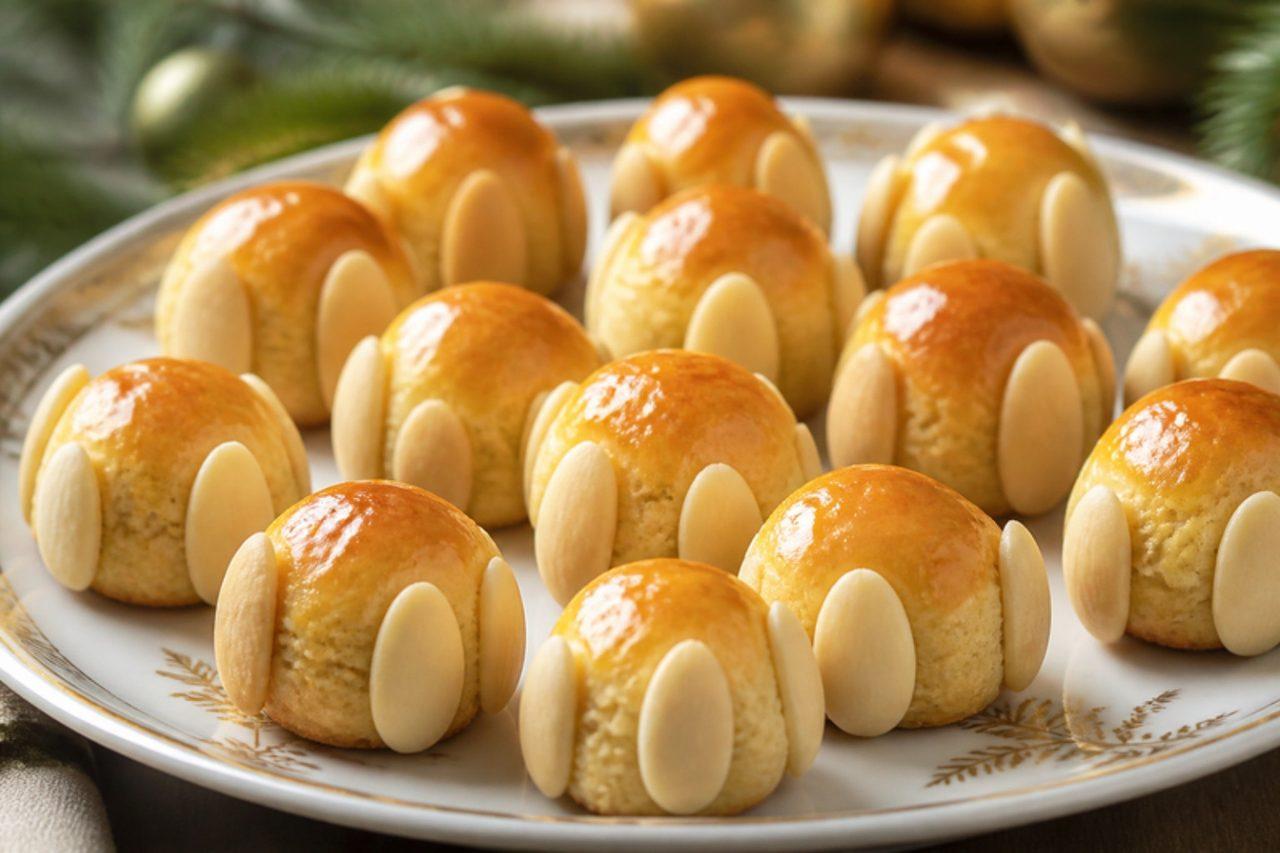
BethmännchenMarzipan almond balls

Frankfurt am Main claims these little domes as its own Christmas sweet, sold by the bag at the Römerberg Christmas market and in the city's cafés through Advent. The story goes that they were made for the banking family Bethmann, with four almonds for the four sons, and one was dropped when a son died; whatever the truth, they now carry three. The marzipan is mixed with a little rosewater and powdered sugar, then glazed with egg yolk so the tops bake golden while the inside stays soft. Serve them with tea or a mug of hot spiced apple juice. For an egg-free glaze, brush with a little cream or milk instead; the colour is paler but still pretty. Chef's tip: bake them on the middle shelf and watch from the 10-minute mark, because the almond tips scorch before the marzipan is golden if your oven runs hot.

by KrazyBadal 0 views

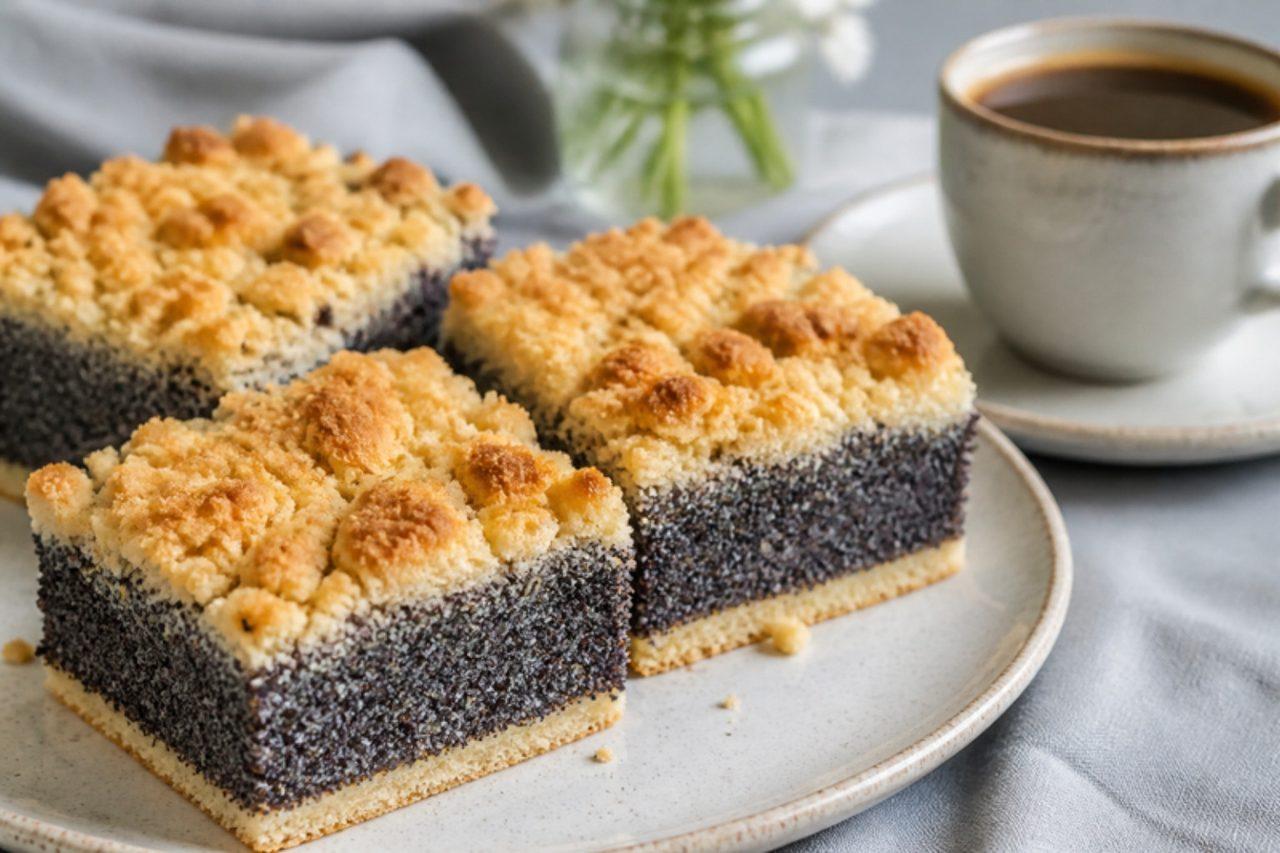
MohnkuchenPoppy seed crumble cake

Bavarian and Austrian bakeries, Saxon ones especially, cut Mohnkuchen from huge trays into thick, dark slabs that are eaten at the Sunday Kaffee und Kuchen table and at village fêtes. Under a sandy butter crumble sits a deep layer of ground poppy seeds cooked in milk with semolina and lemon, nutty and slightly bitter-sweet, on a thin shortcrust base. Some families add a splash of rum to the filling; it is written here without, and you can stir in 2 tablespoons with the lemon zest if you like. Whole seeds are the most common slip: they stay hard and gritty and never thicken the filling, so buy ready-ground poppy seed or grind it in a spice grinder. Chef's tip: let the filling cool before spreading it; hot filling melts the base and the cake splits from it when cut.

by KrazyBadal 0 views

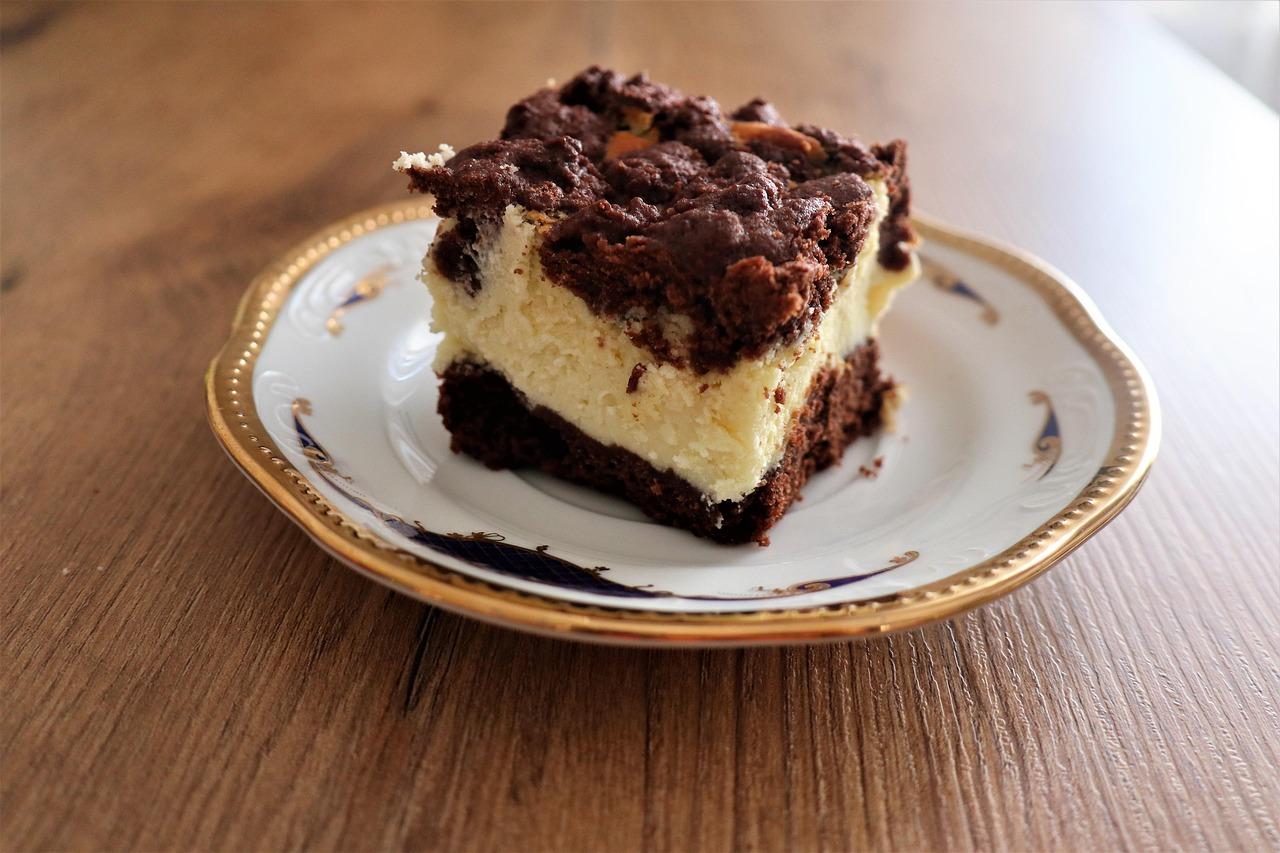
Russischer ZupfkuchenChocolate shortcrust cheesecake

Despite the name, Russischer Zupfkuchen is a West German invention, a 1990s café-counter hit that spread from a baking-powder company's recipe card into every coffee-and-cake afternoon from Hamburg to Munich. A crisp cocoa shortcrust holds a pale, creamy quark cheesecake, and torn pieces ('gezupft', plucked) of the same dark dough are scattered on top, where they bake into crunchy chocolate islands. Serve it cold, in tall wedges, with filter coffee. Cutting it warm is the common mistake: the filling slumps and the base cracks, so chill it for several hours first. Chef's tip: keep a third of the dough frozen for 15 minutes before tearing it; firm pieces hold their rough shape and don't sink into the filling.

105 minGermanBaking
by KrazyBadal 0 views

AmerikanerIced soft cakes

Amerikaner are a fixture of German bakery counters and children's birthday parties: soft, domed little cakes baked flat-side up, then turned over and iced on the smooth base, half in white lemon icing and half in chocolate. A pinch of custard powder in the dough gives their tender, slightly vanilla crumb. Children can ice them themselves at a party. They contain milk, egg and gluten. Chef's tip: ice the flat bottom of the cakes, not the domed tops; that's what gives the shiny, even finish.

by KrazyBadal 0 views

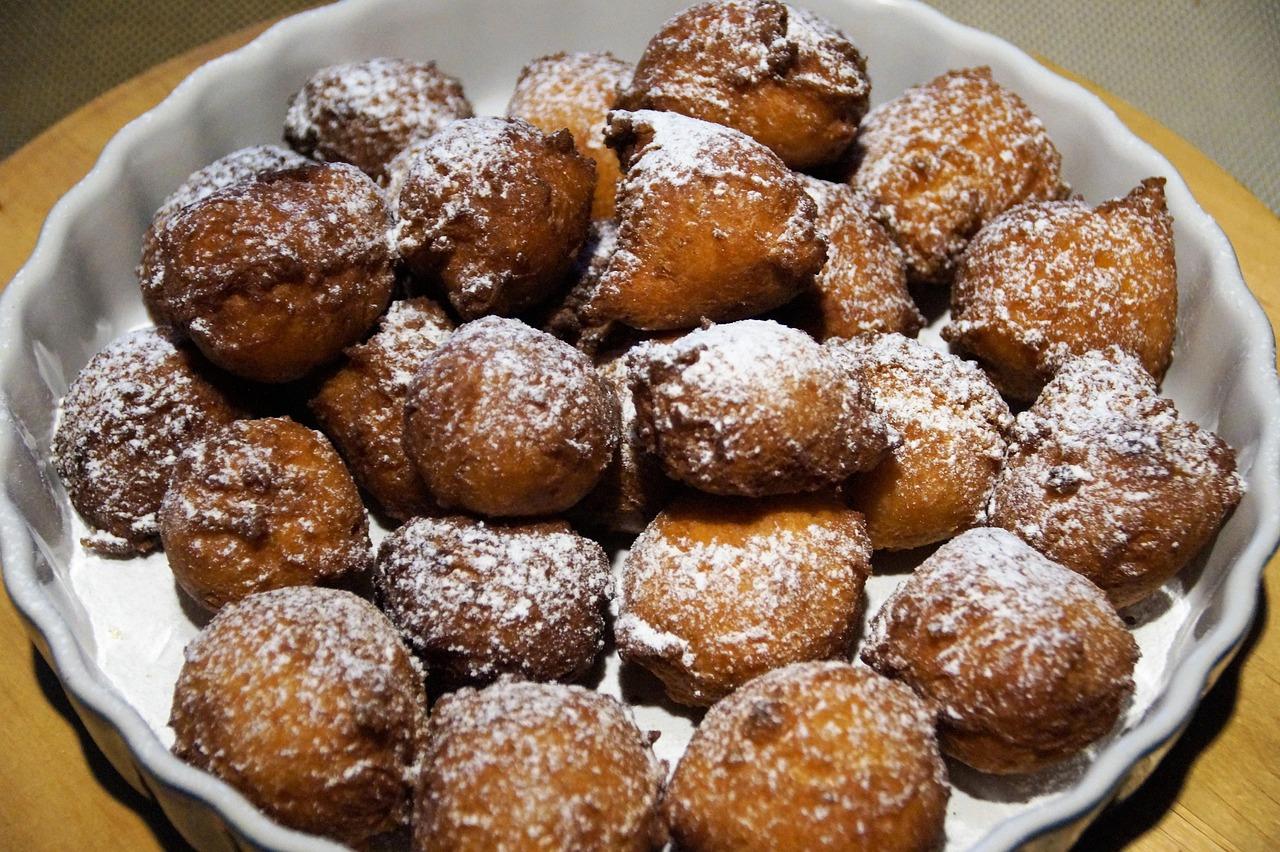
Quarkbällchen (German quark doughnut balls)

Quarkbällchen fill the trays of German bakeries all year and reach their peak at Fasching, the carnival season, and families in Berlin, Saxony and beyond make them at home for children's afternoon Kaffee und Kuchen. The quark dough needs no yeast, so they are quick: crisp and golden outside, soft and cake-like inside, with a light tang. They are rolled in sugar rather than drenched. They contain milk, egg and gluten. Chef's tip: keep the oil at 170 °C so they cook through; hotter oil browns them before the centre is done.

by KrazyBadal 0 views

KartoffelkrokettenPotato croquettes

Kartoffelkroketten belong to the German Sunday roast as surely as red cabbage, alongside Rinderrouladen in the Ruhr or venison in the Harz at Christmas. Dry mashed potato is bound with egg yolk, nutmeg and a little butter, rolled into small cylinders, breaded and fried until crunchy outside and fluffy within. Homemade ones taste far better than the frozen kind and can be shaped a day ahead. The usual mistake is a wet mash, which makes croquettes burst in the oil. Chef's tip: steam-dry the boiled potatoes in the hot pan for two minutes and press them through a ricer, never a blender, which turns them gluey.

by KrazyBadal 0 views

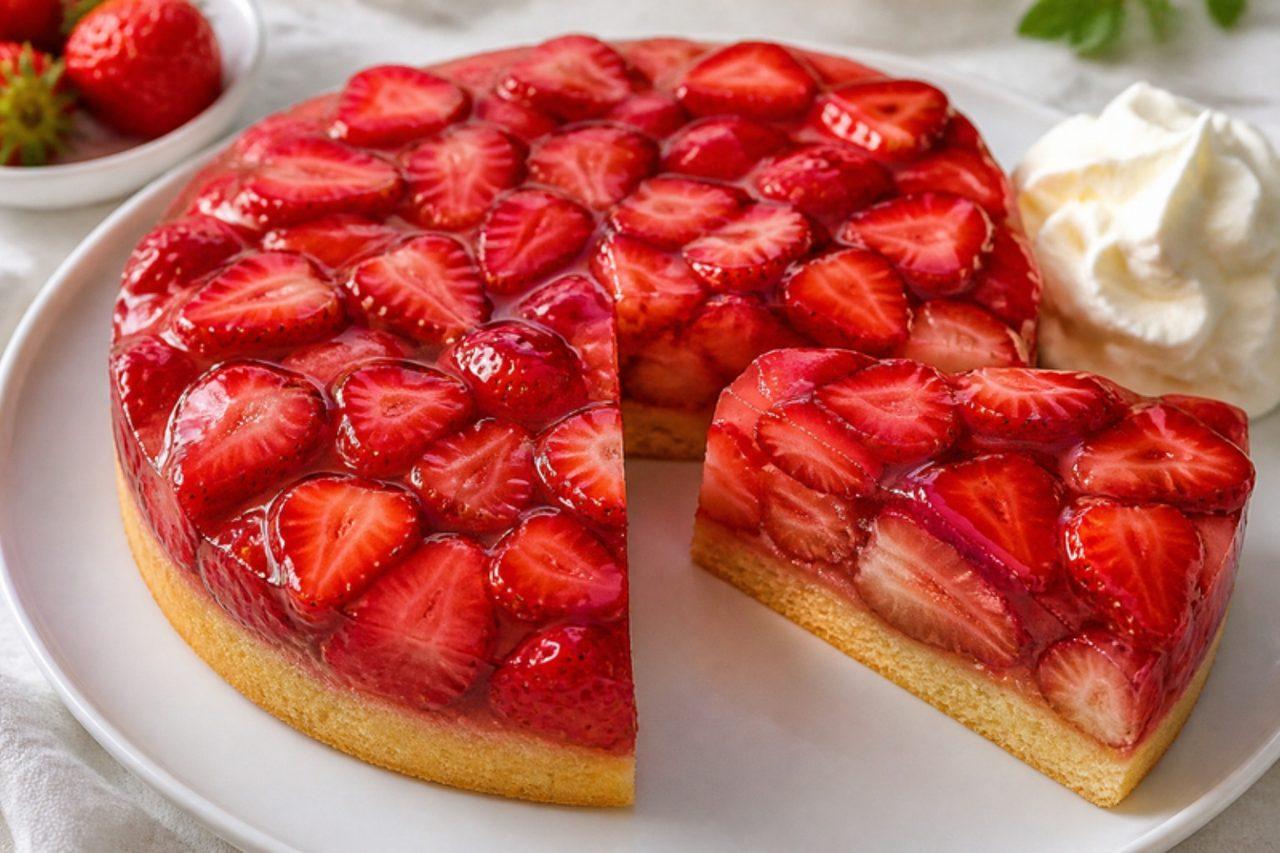
ErdbeerkuchenStrawberry flan

When strawberry stands pop up on every country road in June, bakeries from the Rhineland to Saxony fill their windows with Erdbeerkuchen, and families bake one for Sunday afternoon Kaffee und Kuchen. A light sponge is baked in a fluted flan tin with a raised rim, spread with a thin layer of custard or jam, covered with halved strawberries and set under a clear red glaze, then served with whipped cream. The mistake most people make is filling the base while it is still warm, which makes it soggy. Chef's tip: brush the cooled base with a little melted white chocolate or jam first; it seals the sponge against the fruit juice.

by KrazyBadal 0 views

Postre MassiniCustard sponge with burnt sugar top

Montevideo's birthday cake of choice since the early twentieth century, the Massini is two thin layers of sponge sandwiching a thick filling of whipped cream folded with egg-yolk custard, crowned with a thin glassy crust of torched yolk and sugar. Bakeries across Uruguay sell it on Sundays. Traditional versions sometimes add a sweet fortified wine to the custard; this one is alcohol-free. The custard is cooked to a safe 71 °C. The common mistake is assembling with warm custard, which melts the cream into a puddle. Chef's tip: if you don't have a blowtorch, put the sugared top under a very hot grill for a minute and watch it closely.

by KrazyBadal 0 views

Mandi'o chyryryFried cassava with onion and egg

Mandi'o chyryry means 'fried cassava' in Guaraní, and it is what rural Paraguayan families make from yesterday's boiled mandi'o: chunks crushed and fried in a big pan with onion until crisp in places, then scrambled with eggs. It comes out for breakfast with cocido or for a quick supper, and costs next to nothing. Use sweet cassava, the kind sold in supermarkets. The mistake is stirring constantly, which turns it to mush; let the cassava sit and brown. Chef's tip: the best chyryry starts with cold, day-old boiled cassava, which fries crisper than freshly boiled.

by KrazyBadal 0 views

MohnschneckePoppy seed rolls

Every German bakery counter has a tray of Mohnschnecken next to the cinnamon and nut snails, and they are bought by the bag for Saturday breakfast and afternoon coffee. A soft, buttery yeast dough is spread with a thick filling of ground poppy seeds cooked in milk with sugar and lemon, rolled up, sliced and baked, then brushed with a thin lemon glaze. The usual mistake is using whole poppy seeds straight from the jar: they must be ground (or bought ground, as "Mohn gemahlen") or the filling stays gritty and bland. Chef's tip: cool the poppy filling completely before spreading it, because a warm filling melts the butter in the dough and the spirals unroll in the oven.

by KrazyBadal 0 views

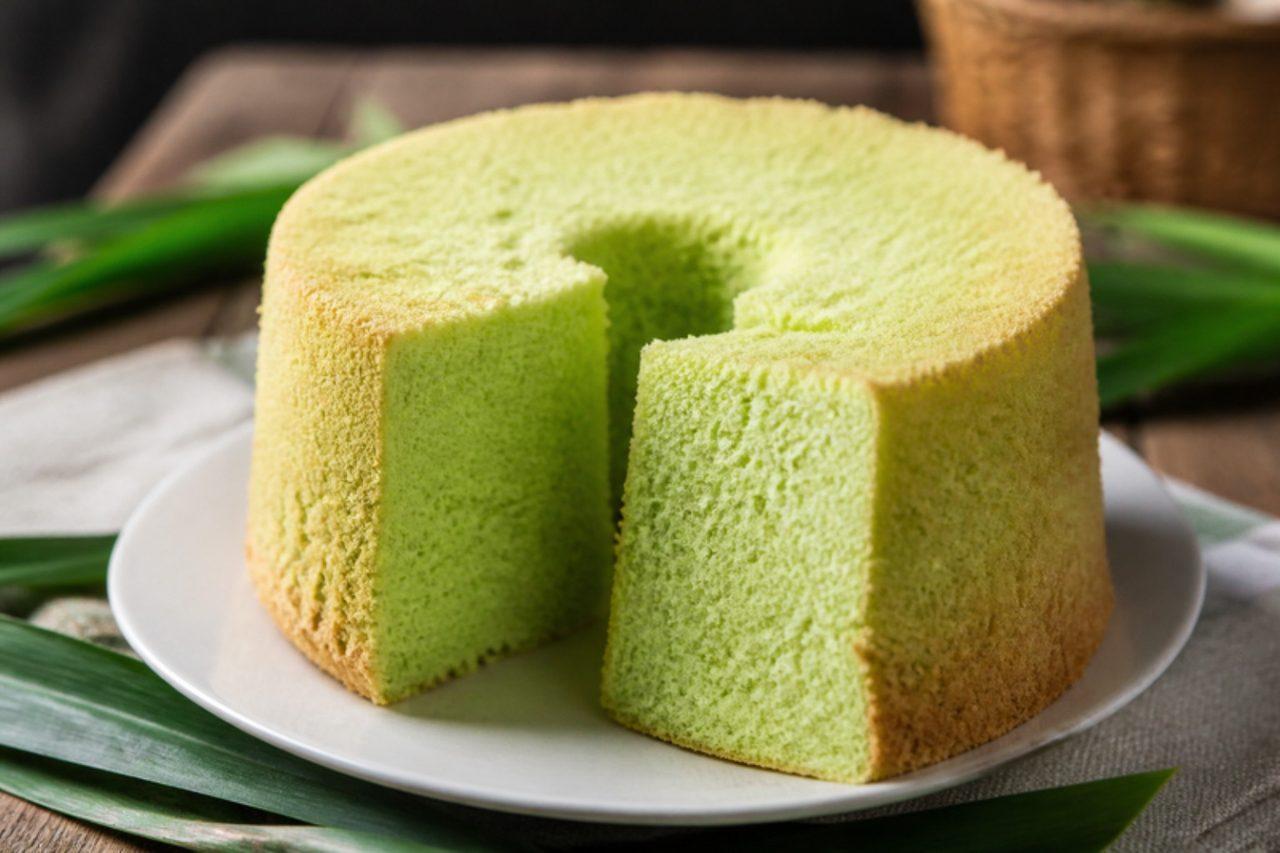
Pandan chiffon cake

No Singapore birthday table, office tea or visit to grandma's feels complete without a pandan chiffon cake, the pale green ring sold whole at heritage bakeries and neighbourhood confectioners and carried home in a box, and travellers fly home with one in their hand luggage. The crumb is cottony and springy, moist from coconut milk, and the flavour comes from juice squeezed from blended pandan leaves: grassy, vanilla-like and faintly nutty. It is served plain, in tall wedges, with kopi or tea. The usual mistake is greasing the tube pan; a chiffon needs to cling to bare metal to climb, and cooling it upside down is what keeps it tall. Chef's tip: beat the egg whites only to firm, glossy peaks that curl over at the tip; stiff, dry whites won't fold in smoothly and leave white streaks and holes.

by KrazyBadal 0 views

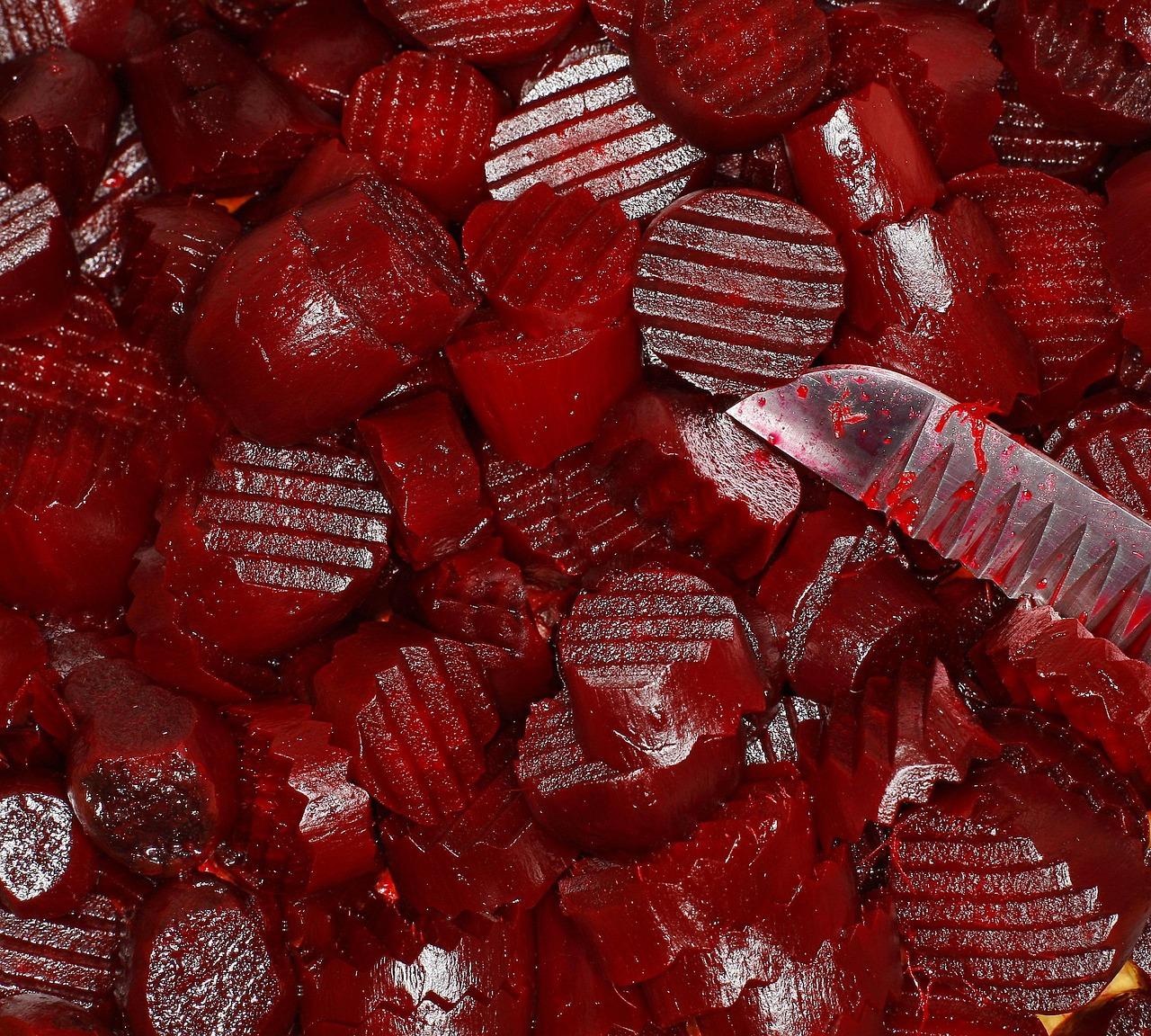
Eingelegte Rote BetePickled beetroot

In Hamburg, Bremen and across Schleswig-Holstein a jar of pickled beetroot sits on the table whenever there is Labskaus, herring or a cold meat platter, and many households still make their own each autumn when the beets come in from the fields. Earthy cooked beetroot is sliced and steeped in sweet-sour vinegar with onion, cloves and a little horseradish, turning gently spiced and jewel red. The mistake people often make is peeling or trimming beets before boiling, which lets the colour and flavour bleed into the water. Chef's tip: wear gloves and use a plastic board when slicing, and slice evenly at about 5 mm so every piece pickles at the same rate.

by KrazyBadal 0 views

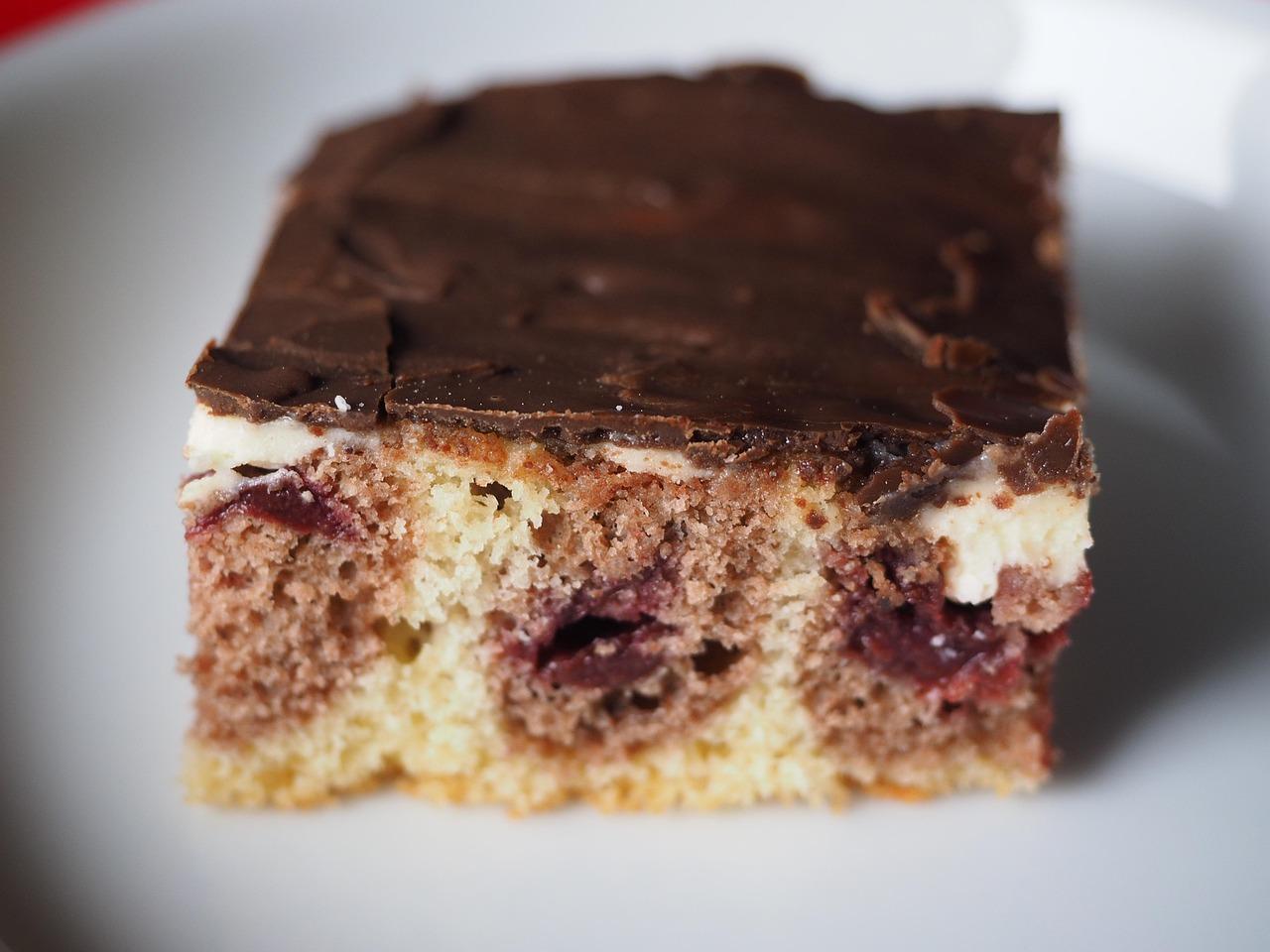
DonauwelleMarbled cherry sheet cake

Donauwelle, the 'Danube wave', is a German home-baker's favourite from the 1970s onwards, made on a tray for school fairs, birthdays and the Sunday coffee table. Cut a slice and you see the river: vanilla and chocolate sponge swirled into waves by sour cherries pushed into the batter, then a thick layer of vanilla buttercream and a dark chocolate top combed into ripples. A common mistake is pouring on the chocolate while the buttercream is soft, which melts the layers together; chill the cake well first. Chef's tip: warm a serrated knife in hot water and wipe it between every cut so the chocolate cracks cleanly instead of shattering.

by KrazyBadal 0 views

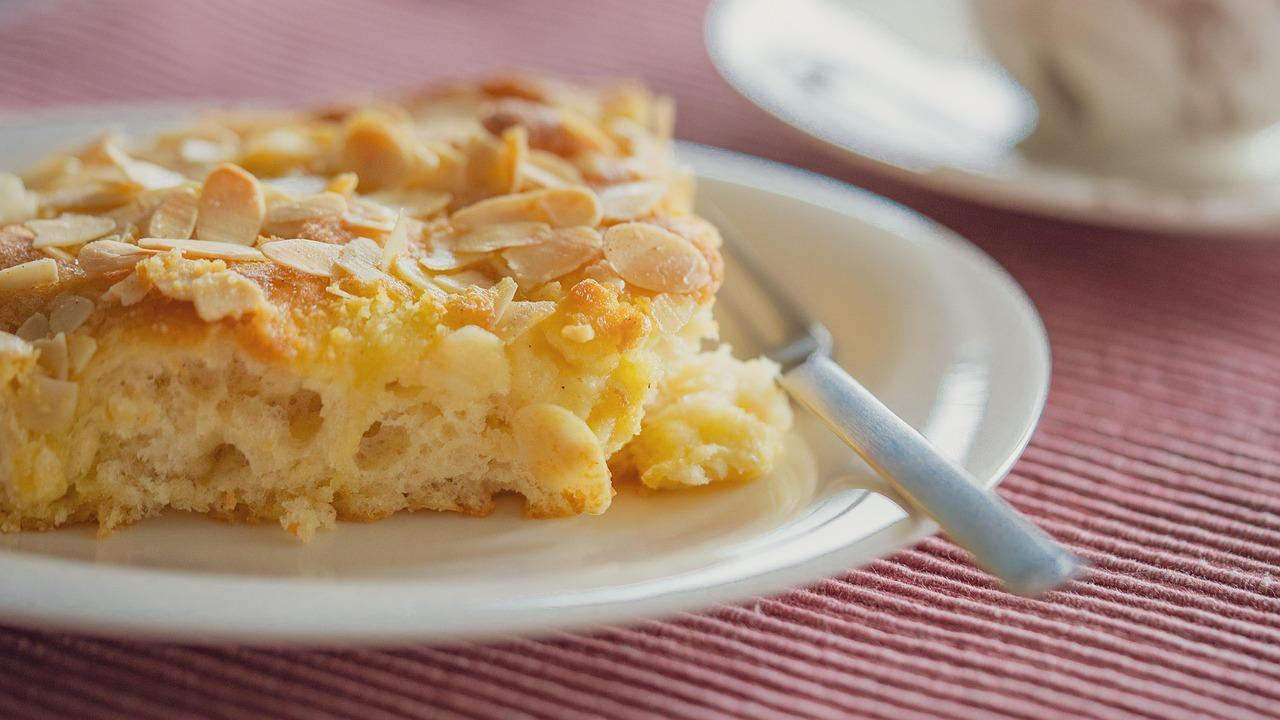
ButterkuchenButter and almond yeast cake

Butterkuchen is the cake of northern German celebrations: in Lower Saxony, Bremen and Holstein it is baked on huge trays for funerals, weddings and christenings, which is why it is also called Freudenkuchen, joy cake. A thin, soft yeast base is dimpled all over with your fingertips, the holes filled with butter, then the whole thing showered with sugar and flaked almonds. In the oven the butter and sugar melt into little caramel pools. A common mistake is making the dimples too shallow, so the butter just runs off; press right down to the tray. Chef's tip: as soon as the cake comes out, spoon a few tablespoons of cream over it; it soaks in and keeps the base tender for two days.

110 minGermanBaking
by KrazyBadal 0 views

BrezenknödelPretzel dumplings

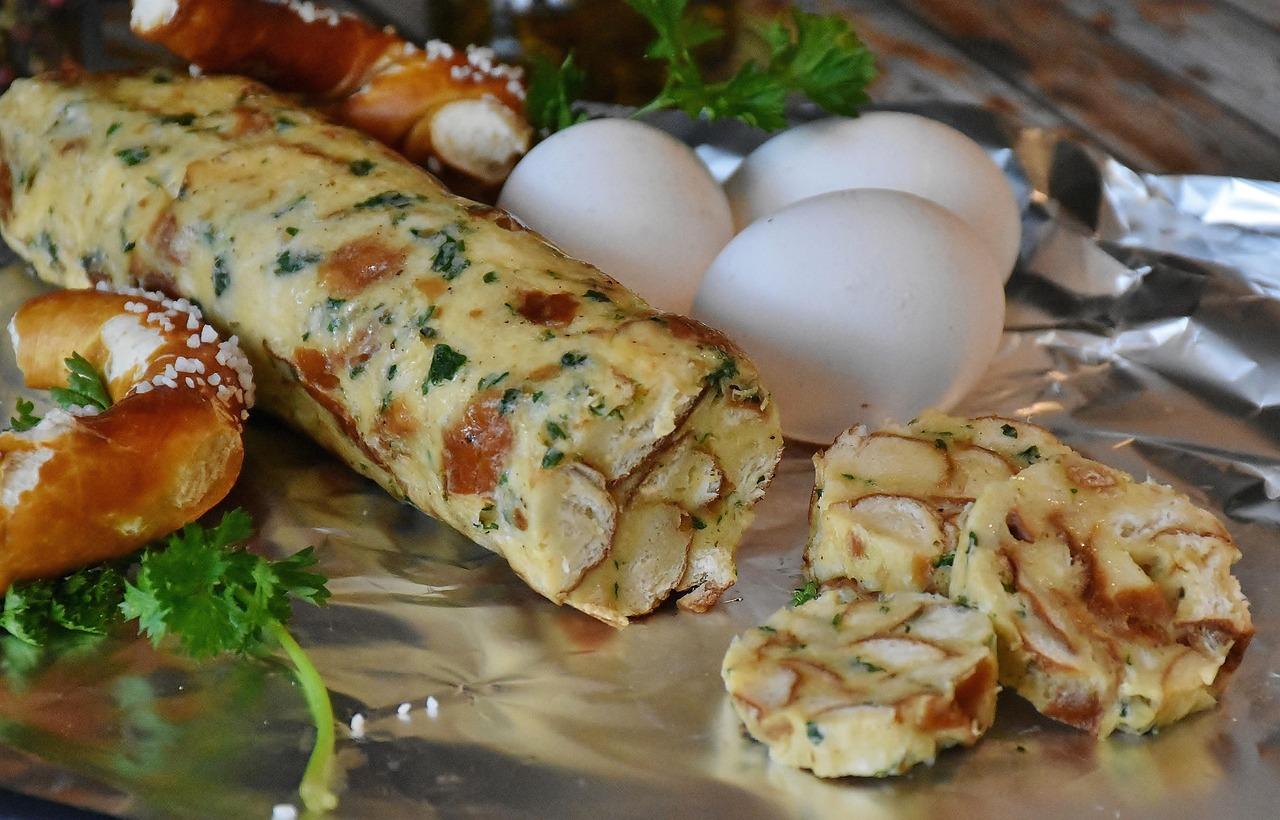
Brezenknödel are what thrifty Munich kitchens make from yesterday's pretzels: the cubes soak in warm milk with egg, onion and parsley, then are shaped into dumplings with a faintly salty, malty crust flavour running through them. They are served on Sundays in place of bread dumplings, alongside a creamy mushroom sauce or a pile of red cabbage, and leftovers are sliced and fried the next morning. The big mistake is adding too much milk: the mixture should hold when squeezed, not drip. Chef's tip: pick off most of the coarse salt before cubing the pretzels, otherwise the dumplings end up far too salty.

by KrazyBadal 0 views

Showing 24 of 55 recipes

Show more recipes

Page 1 of 3