Skip to content
Recipes

All recipes

Vegetarian, or something you can't eat? Set your diet once and we'll hide recipes that don't fit.

Pav bhaji masalaPav bhaji spice blend

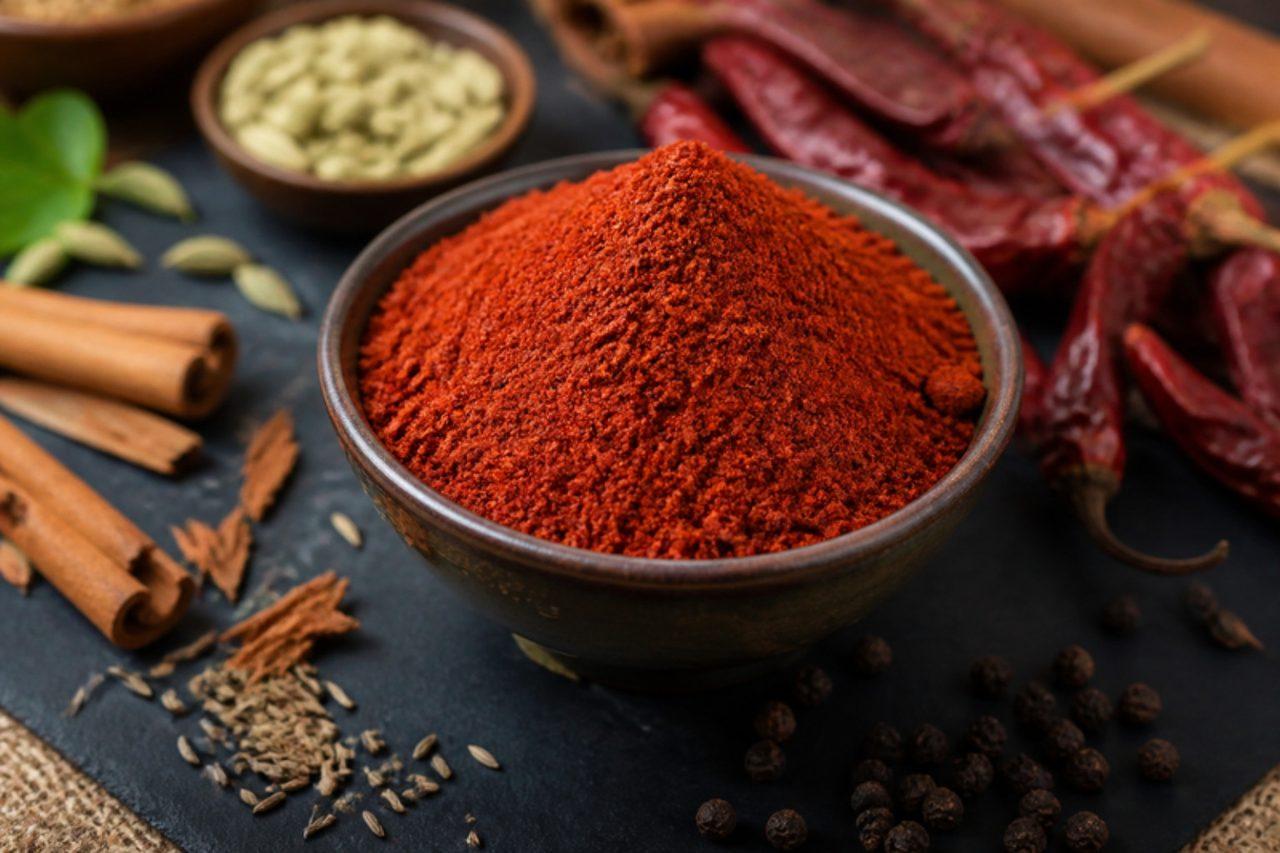
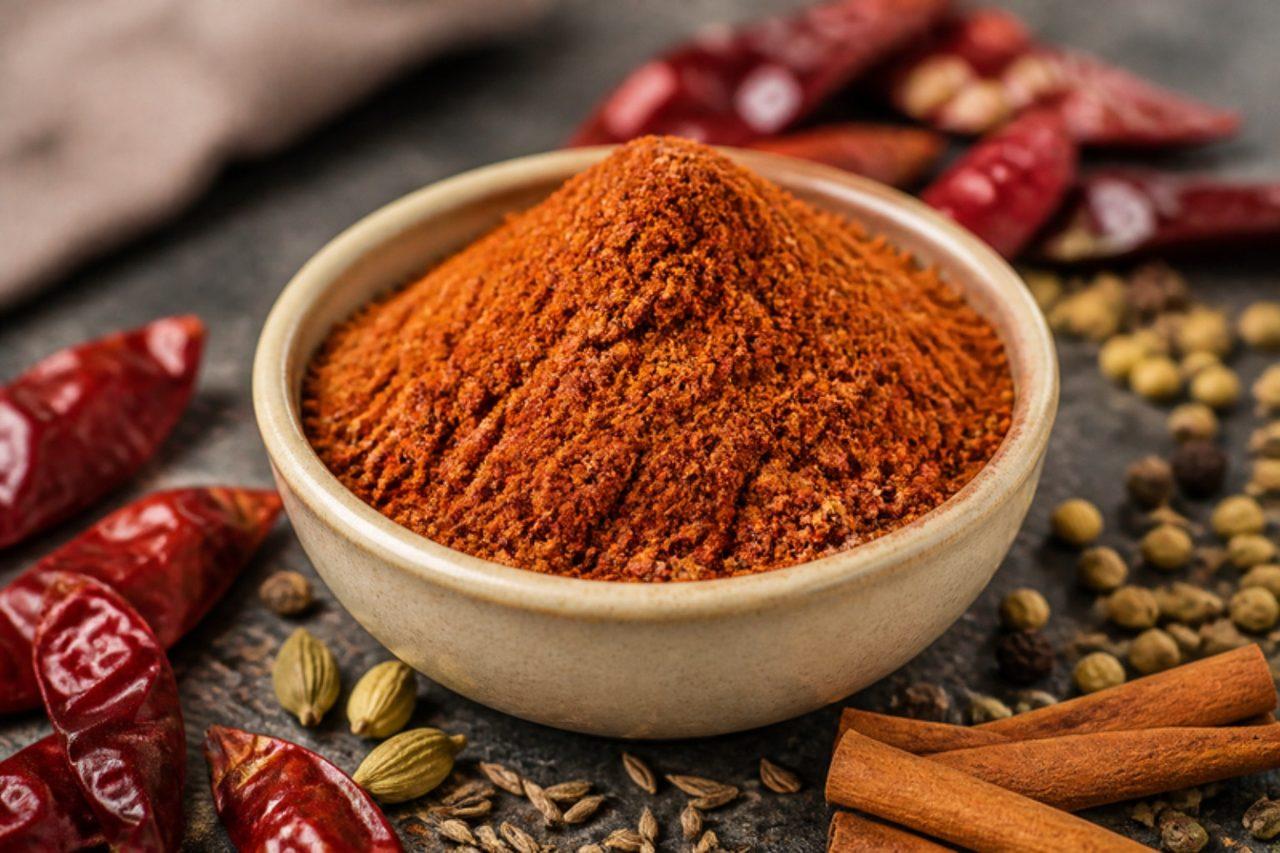
The bhaji at a Juhu Beach or Girgaum Chowpatty stall gets its unmistakable taste from a ready-made masala, but a home-roasted blend smells far brighter and lets you choose the heat. Whole coriander, cumin, fennel, cloves, cinnamon, cardamom and star anise are roasted, cooled and ground with Kashmiri chilli for colour, amchur (dry mango powder) for tang, kala namak (black salt) for that eggy, savoury depth, and dry ginger. A good pav bhaji masala is red, sour-salty and aromatic rather than very hot. It is also the quick way to give tawa pulao, masala toast and Bombay sandwiches their street flavour. Common mistake: stirring the masala into a dry, very hot pan; the amchur and chilli powder scorch in seconds. Chef's tip: add the masala once the tomatoes have broken down into the butter, and keep a spoonful back to sprinkle over the bhaji in the last minute for a fresh hit of aroma.

by KrazyBadal 0 views

Kashmiri ver masalaKashmiri spice cakes

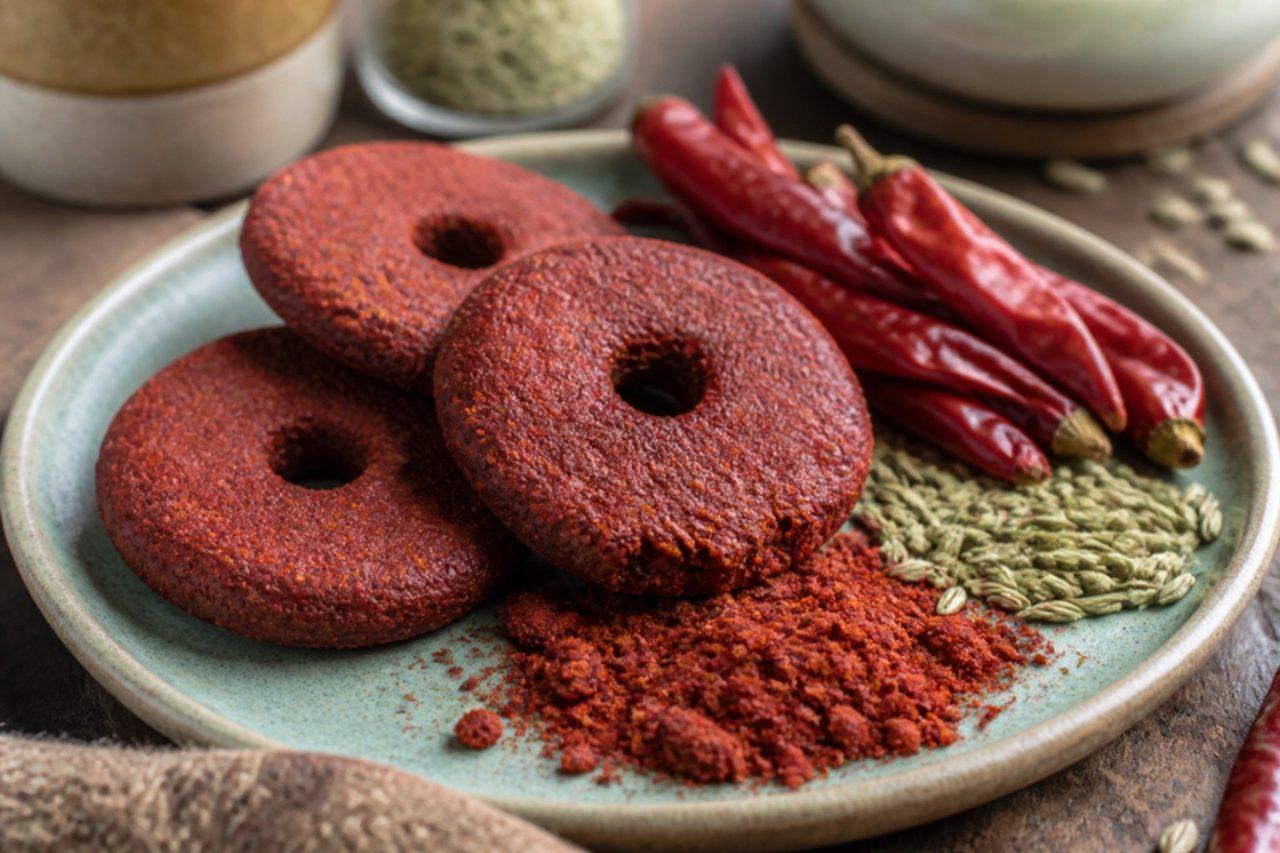
In Srinagar's old city, ver is still made at the end of summer and strung up to dry in kitchens: flat, ring-shaped cakes of ground spices bound with shallot paste and pungent mustard oil, dark red and rock hard. It was a way to store flavour for the long winter, when fresh ingredients were scarce. A piece grated into the pot gives Kashmiri food its typical deep red colour and its warm, sweet-hot fennel and dry ginger flavour, without tomatoes or onions: think dum aloo, nadru yakhni (lotus stem), haak (collard greens), chaman (paneer) and rogan josh. Kashmiri Muslim kitchens often add garlic; Pandit homes may leave the shallots out altogether. Common mistake: drying the cakes in a damp or closed spot; they stay soft inside and grow mould. Chef's tip: heat the mustard oil until it smokes and then cool it before mixing, to take away its raw, sharp bite.

by KrazyBadal 0 views

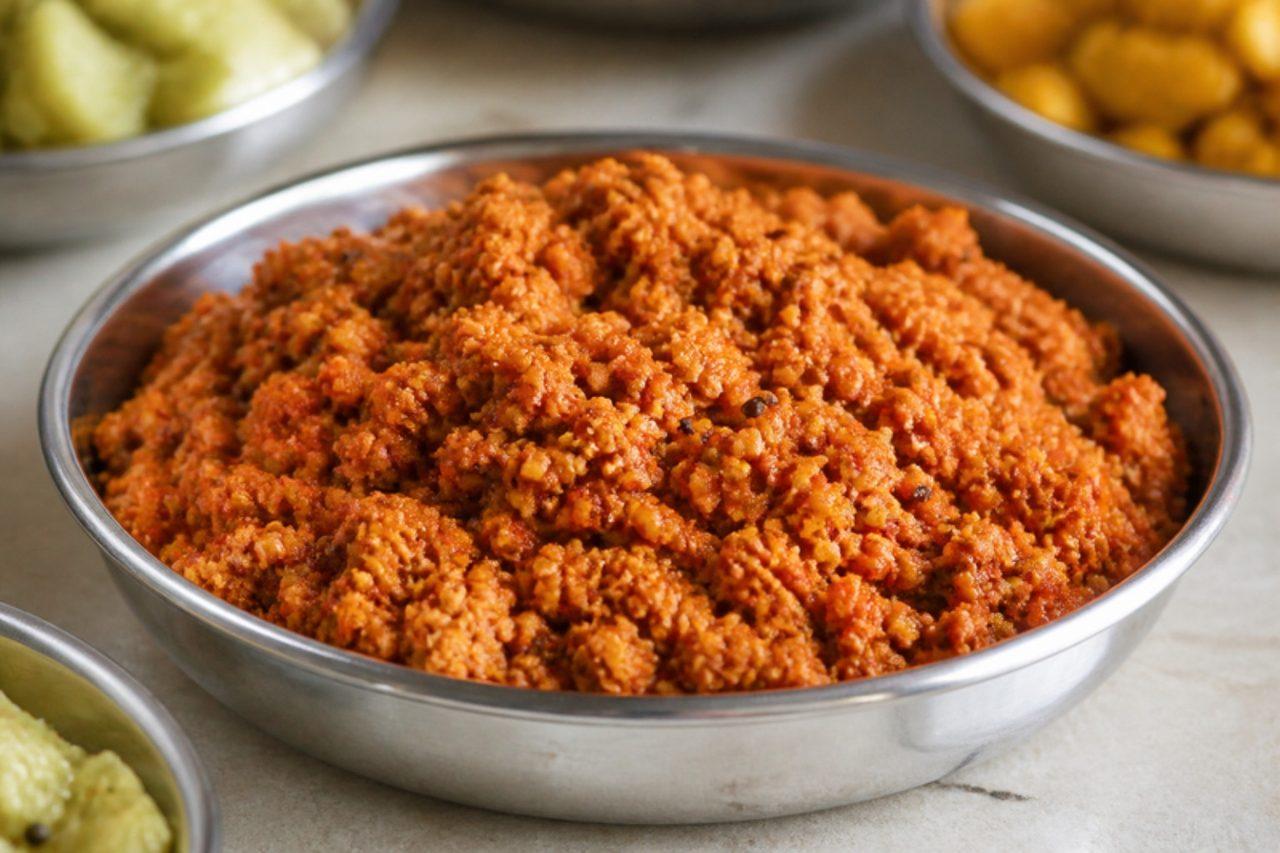
Kanda lasun masalaOnion and garlic spice blend

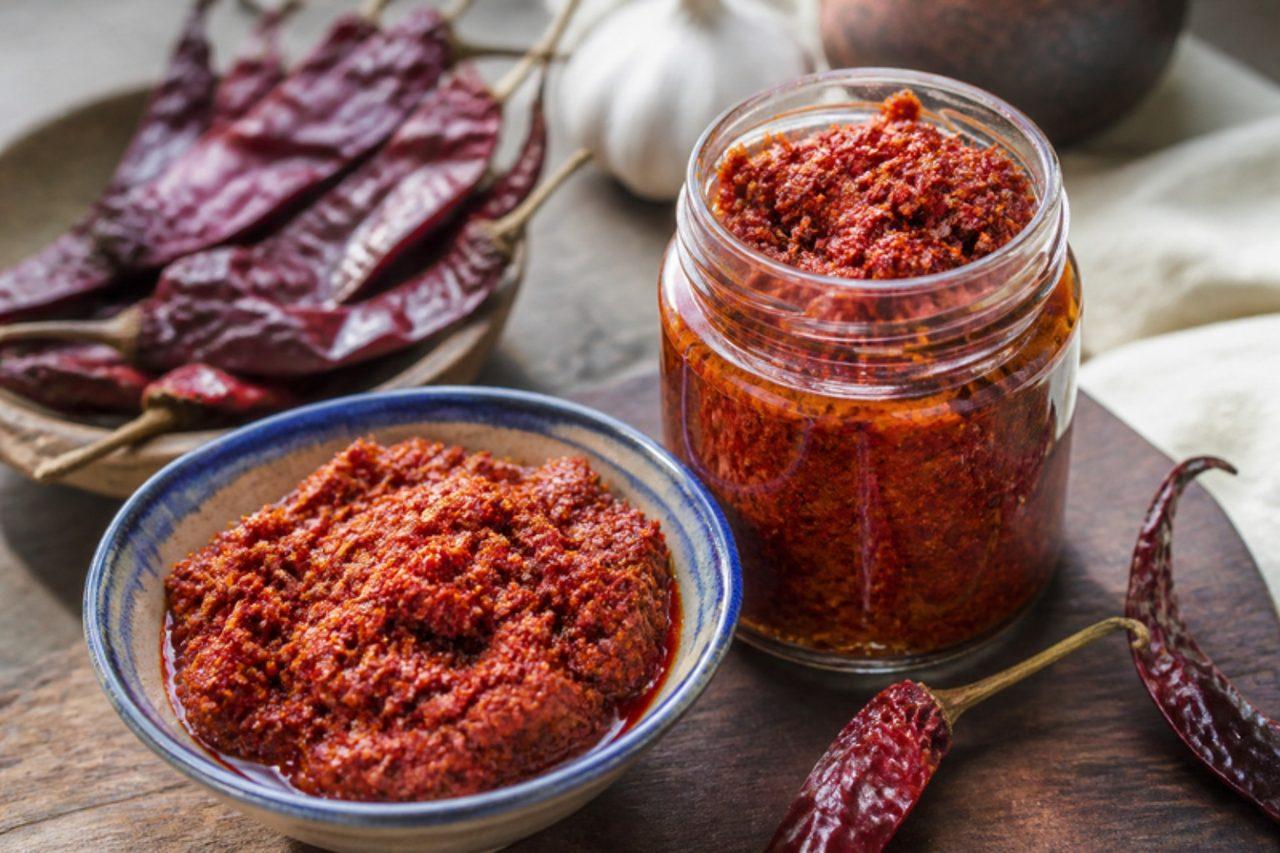
Kolhapuri women still make kanda lasun masala once a year, in the hot months, in a day-long session of frying, roasting and pounding, and the jar lasts until the next summer. The masala is a deep brick-red, oily paste-powder that smells of browned onion and garlic and sets your mouth on fire, thanks to plenty of hot chilli powder, traditionally from Sankeshwari or Lavangi chillies, plus milder Kashmiri for colour. A spoon or two transforms misal, kat (the spicy gravy for pav), batata bhaji, anda curry or the famous tambda rassa of mutton. Common mistake: frying the onions only until golden. They must be deep brown and crisp, with no moisture left, or the masala will turn mouldy within weeks. Chef's tip: dry the fried onion and garlic on paper for an hour before grinding, and keep the finished jar in the fridge if your kitchen is humid.

by KrazyBadal 0 views

Panch phoronFive-seed spice mix

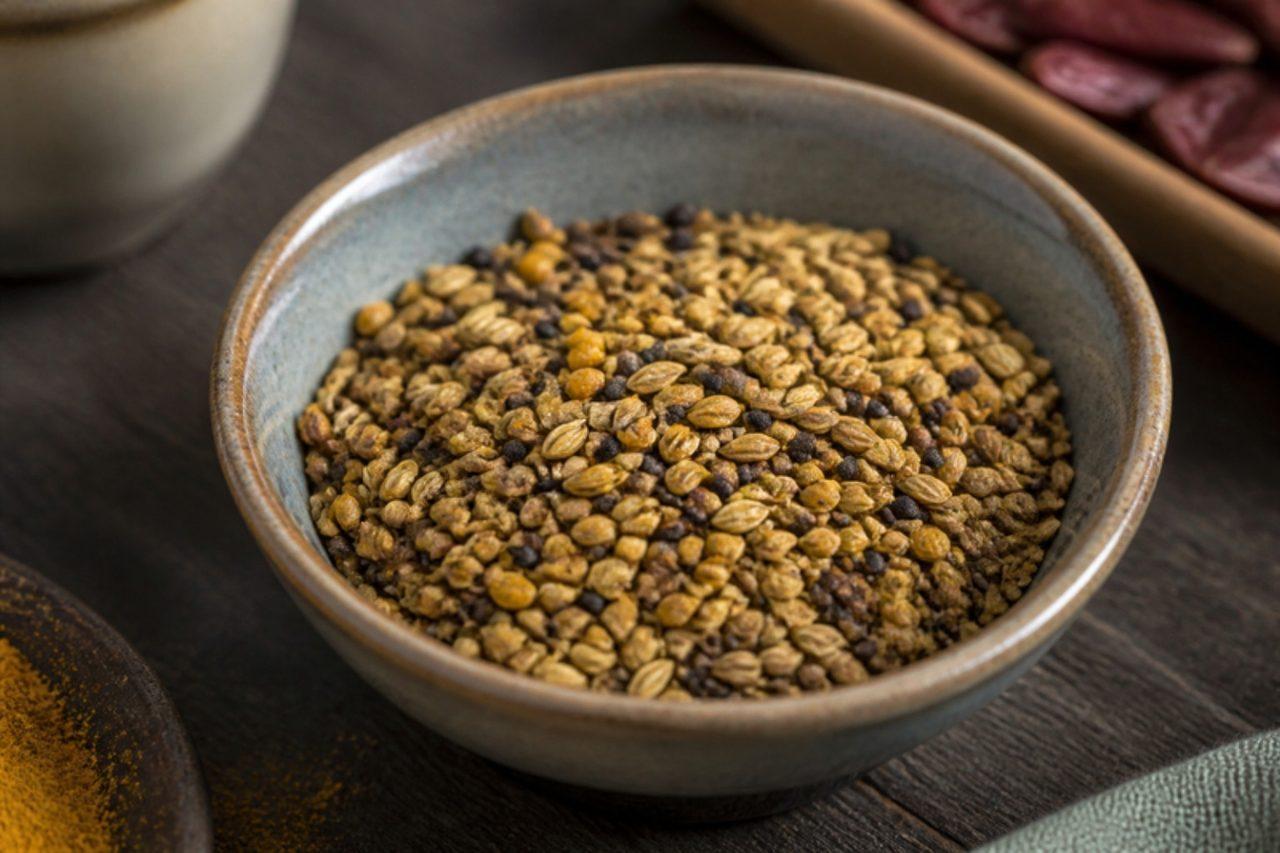
Every Bengali and Odia kitchen keeps a jar of panch phoron within reach of the stove, because so much of the cooking begins with a teaspoon of it crackling in hot mustard oil. The five seeds, in equal measure, are left whole and never roasted or ground ahead: bitter fenugreek, oniony nigella (kalonji), earthy cumin, sharp black mustard and sweet fennel. Together they give a layered, slightly bittersweet aroma that is the signature of tomato chutney, cholar dal, labra, chorchori and the sweet-sour vegetable dishes of a Bengali lunch. In some traditional homes radhuni, a wild celery seed, replaces the mustard. Common mistake: tempering over a high flame. The fenugreek blackens in seconds and the whole dish tastes bitter. Chef's tip: let the oil heat until it just shimmers, add the panch phoron, and the moment the mustard starts popping and the fenugreek is reddish brown, add the vegetables or dal.

by KrazyBadal 0 views

Malvani masalaKonkan spice blend

Head down the coast to Malvan, Vengurla or Devgad and every family has its own masala tin, ground in summer when the chillies are crisp and dry. Malvani masala is hotter and more aromatic than goda masala and uses no coconut: it is mostly Bedgi chillies (for a deep red colour and moderate heat) with a handful of fiery Sankeshwari, roasted with coriander and about fifteen whole spices including fennel, star anise, mace, nutmeg and stone flower. Fried in oil with coconut and onion, it becomes the base of kombdi vade (chicken curry with puris), bangda and surmai curries, prawn sukka, and vegetarian dishes like kala vatana usal and Malvani batata bhaji. The blend itself is vegan. Common mistake: leaving the stalks on the chillies; they grind into hard, woody bits and dull the colour. Chef's tip: dry the chillies in the sun or in a barely warm pan first, then roast them separately on low until they crackle, so they grind to a fine, bright powder.

by KrazyBadal 0 views

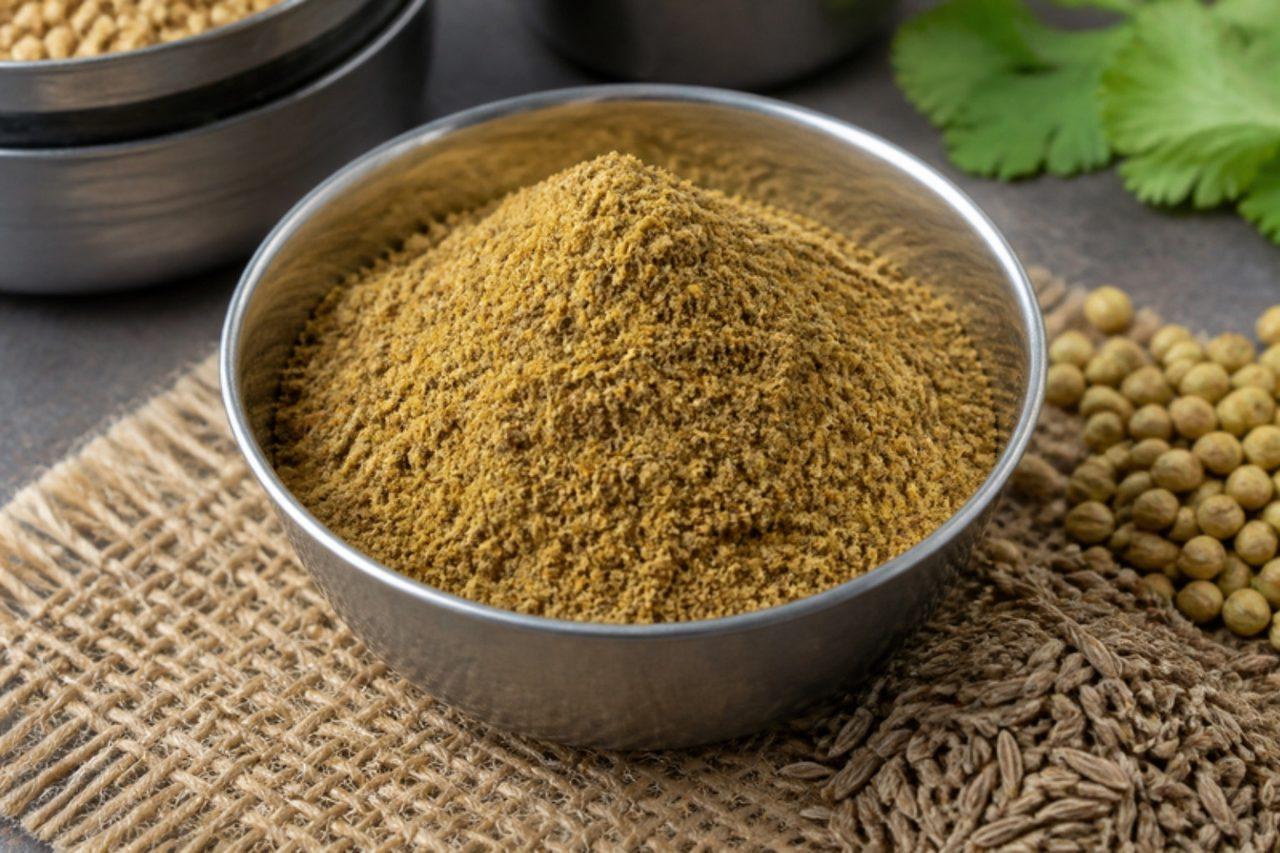
Dhana jiruCoriander and cumin powder

Open the masala dabba in any Gujarati kitchen, from Rajkot to Vadodara, and next to the haldi and marchu there will be a compartment of dhana jiru. It is the spice that goes into almost every shaak, dal and kadhi, often alongside red chilli and turmeric in the same pinch-and-throw rhythm. The ratio is roughly four parts coriander to one of cumin, giving a mild, citrusy, earthy powder that thickens and rounds out a dish rather than heating it. Many families buy it ready-ground, but a fresh home batch is so much more fragrant that it changes a plain potato shaak or tuver dal. Surti and Parsi kitchens roast it darker; most Gujarati homes keep it light. Common mistake: over-roasting, which kills the fresh lemony note of the coriander. Chef's tip: roast just until warm and fragrant, grind, then sift; the coriander husks stay in the sieve and the powder comes out soft and fine.

by KrazyBadal 0 views

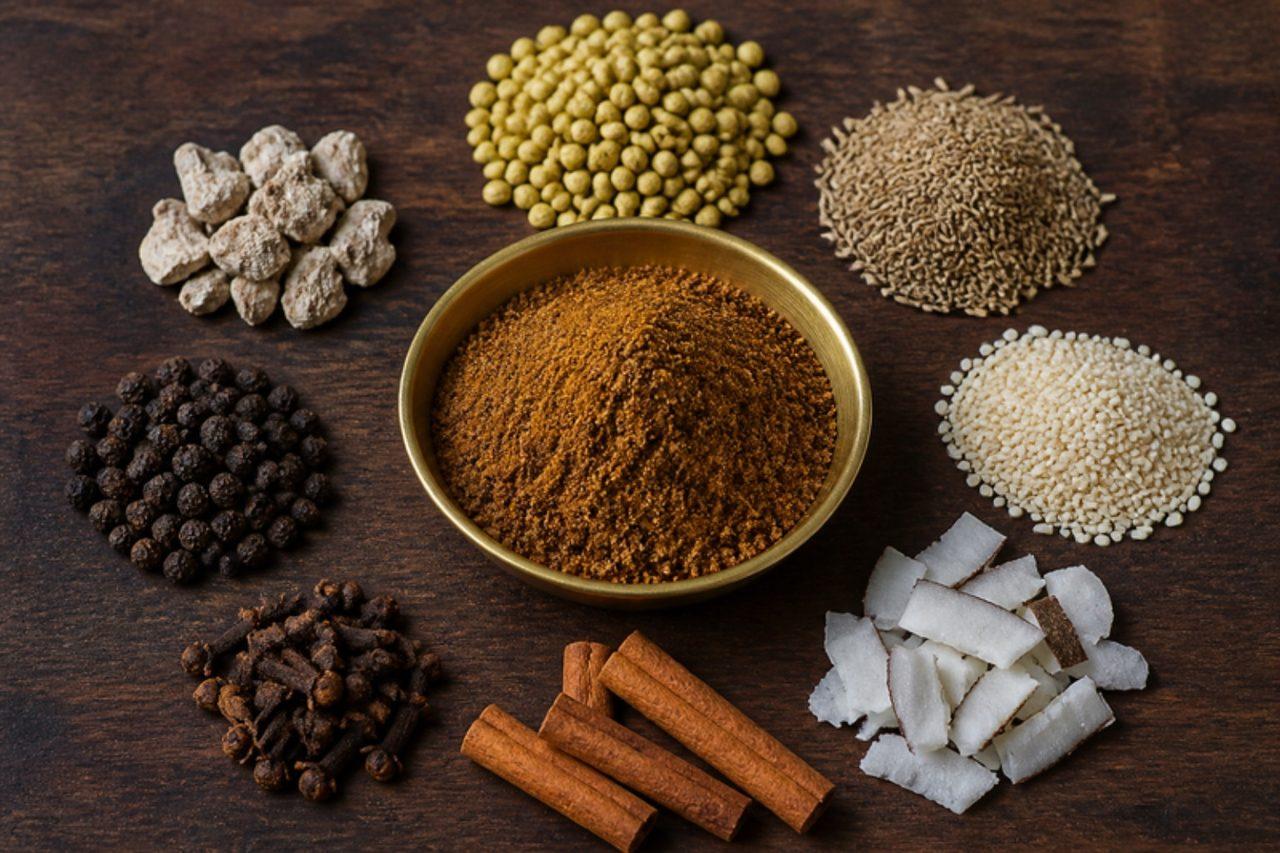
Goda masalaMaharashtrian spice blend

Goda means sweet in Marathi, and the word describes not sugar but the warm, rounded fragrance of this masala, which every Pune and Satara household roasts in small batches. It is the soul of Brahmin Maharashtrian cooking: masale bhaat at weddings, a spoonful in amti (tangy toor dal), bharli vangi (stuffed brinjal), and usal for misal. It is dark and aromatic rather than hot, built on coriander, dry coconut (kopra) and sesame, perfumed with cinnamon, cloves and cardamom, and given its earthy, slightly musky depth by dagad phool (stone flower, a lichen), with nagkesar and maratha moggu if you can find them at a Marathi grocer. Common mistake: roasting the coconut and sesame with the hard spices on a high flame; the coconut burns before the coriander is done and the whole batch tastes bitter. Chef's tip: roast each spice in a drop of oil until a shade darker, because that slow roasting is what gives goda masala its colour.

by KrazyBadal 0 views

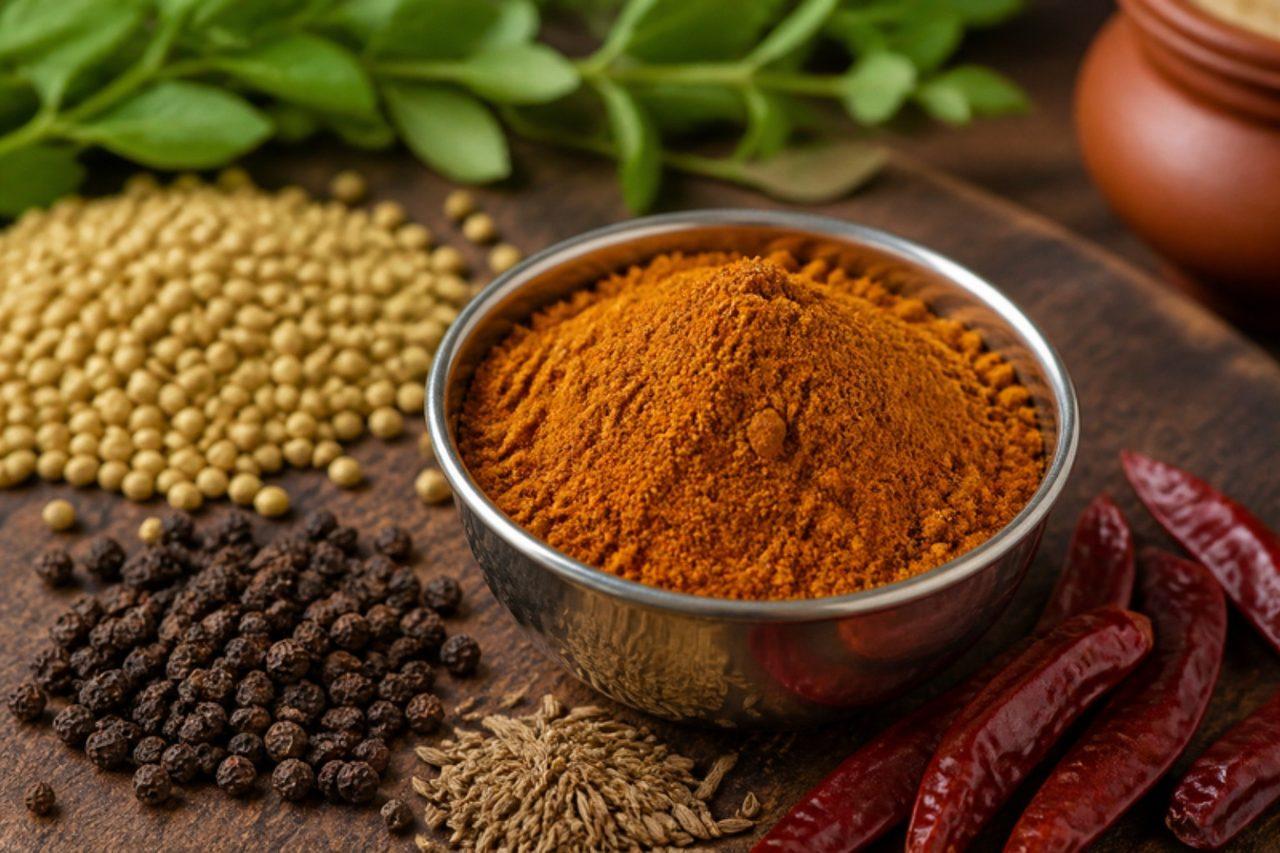
Rasam powderRasam spice powder

A spoon of rasam podi, a lime-sized ball of tamarind, a tomato and a ladle of cooked toor dal: that is lunch in countless Tamil homes, from Thanjavur to Tirunelveli, and the podi is what makes one family's rasam taste unlike the neighbour's. This version is peppery and cumin-forward, as rasam should be, with roasted coriander for body and a little toor dal that thickens the broth slightly and gives it a rounded, nutty base. It is meant for clear, thin rasams: tomato rasam, pepper rasam, lemon rasam, and the one you sip as a soup when you have a cold. Make a small batch, since the aroma fades after a couple of months. Common mistake: roasting the coriander seeds until dark brown; they turn bitter and the rasam tastes burnt. Chef's tip: add rasam powder at the end, when the tamarind water is already boiling, and switch off the heat as soon as the rasam froths; boiling it hard kills the pepper aroma.

by KrazyBadal 0 views

Methia masalaPickle spice mix

In Gujarati homes, methia masala (also called achar masala or sambhar masala in Kathiawad) is mixed each April before the mango pickling begins, and a jar of it lasts the year. It is built on methi kuria and rai kuria, split fenugreek and split mustard seeds sold at every Gujarati grocer, which are bloomed in smoking-hot groundnut oil with hing so they lose their raw bitterness, then mixed with Kashmiri chilli powder, turmeric and salt. That one masala makes instant pickles of carrot, gunda, raw mango or kerda in minutes, is spooned beside khichu, thepla and dhokla and goes into methia keri, the classic Gujarati mango pickle. Common mistake: pouring the oil over the chilli powder while it is smoking hot; the chilli turns black and bitter. Chef's tip: pour the hot oil over the kuria and hing only, wait until it is just warm, and only then stir in the chilli, turmeric and salt.

by KrazyBadal 0 views

Bisquets mexicanosFlaky biscuits

Mexico City cafés such as the old breakfast halls of the Centro serve bisquets split hot with butter and strawberry jam alongside café con leche. They are taller, sweeter and more cake-like than American biscuits, with a shiny egg-washed top and layers that pull apart. They contain wheat, egg and dairy. Chef's tip: cut straight down with a sharp cutter and never twist, so the sides stay open and the bisquets rise tall.

by KrazyBadal 0 views

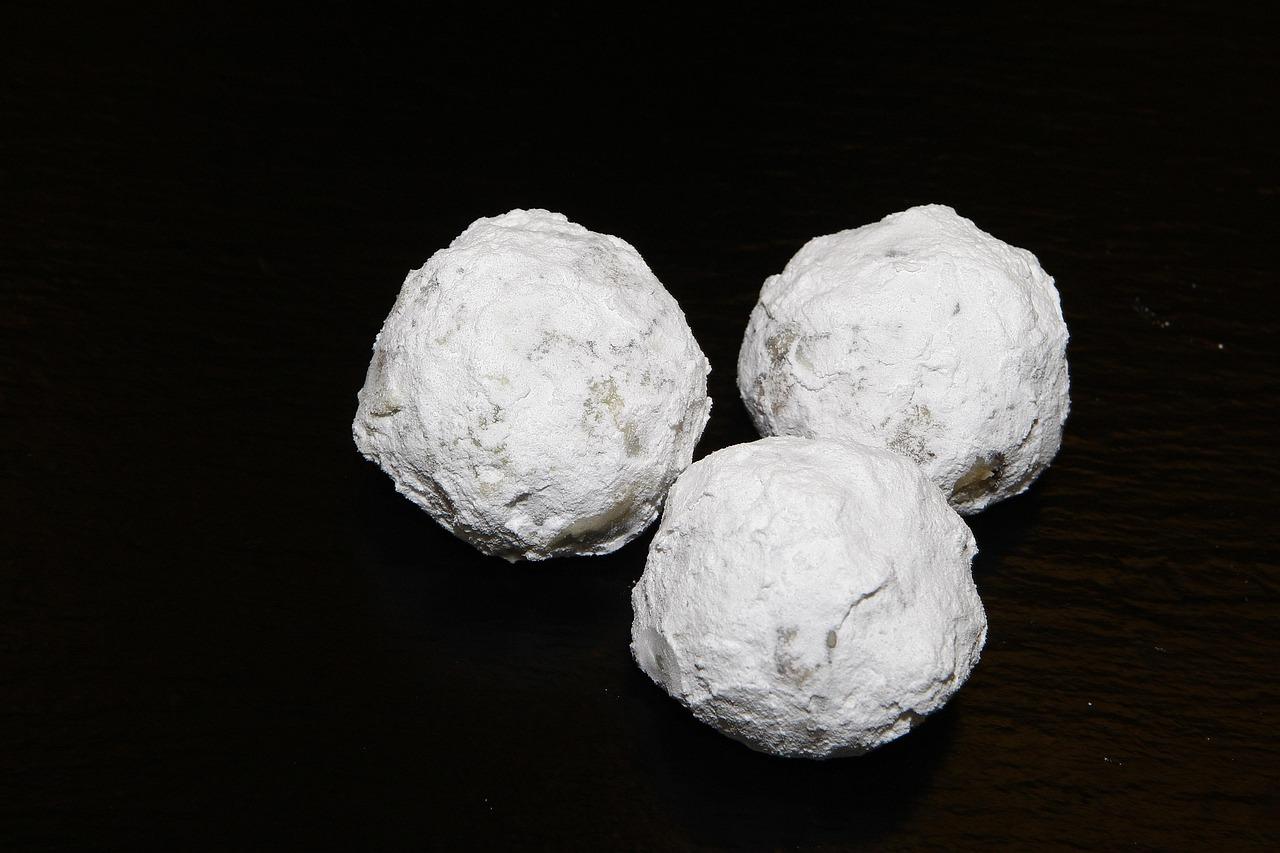
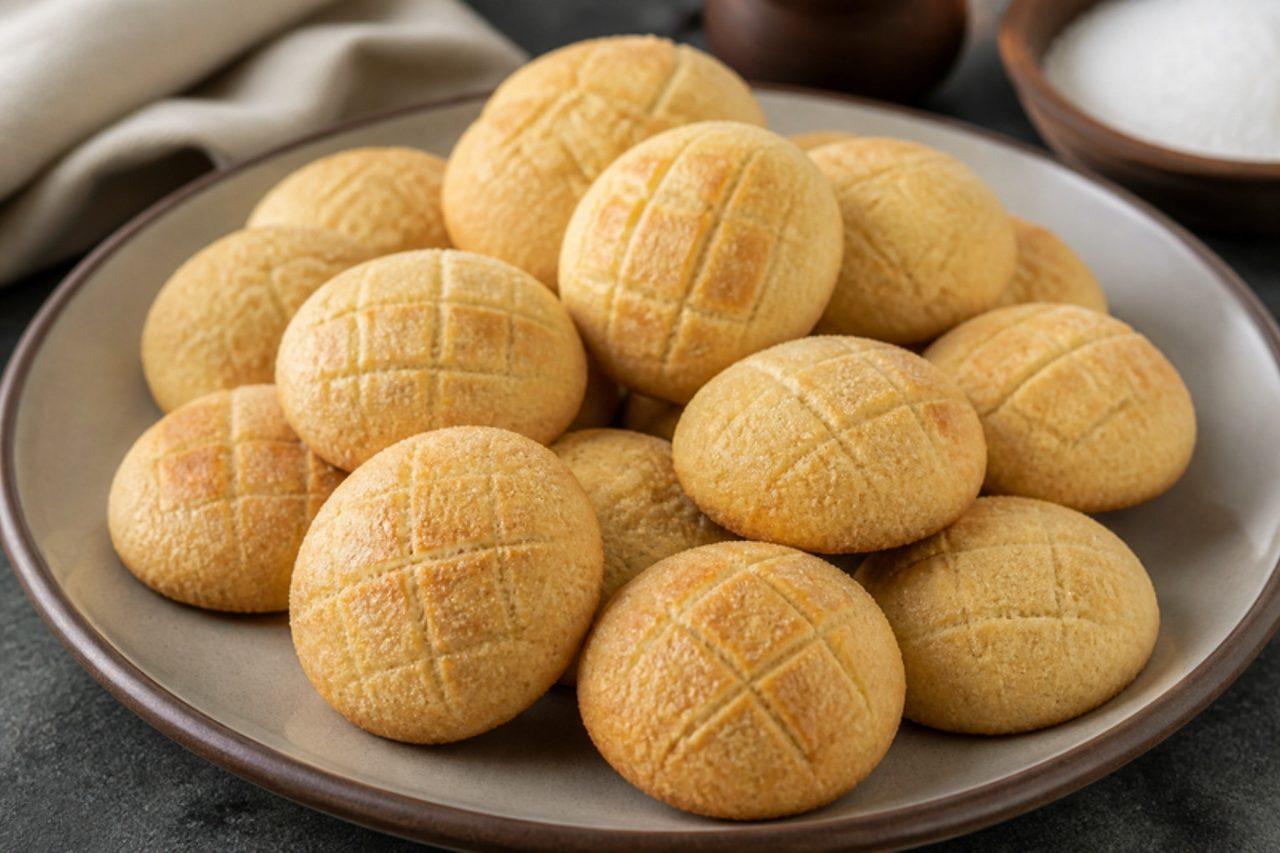
Polvorones de nuezPecan butter cookies

Christmas cookie tins, wedding tables and bakery counters all over northern and central Mexico hold polvorones, small domes of toasted pecan shortbread that crumble to dust in the mouth, which is how they got their name. They are rolled twice in icing sugar, once warm and once cold, so they look snowy. Old recipes used lard; this one uses butter, so it is vegetarian, and it contains wheat and tree nuts. Chef's tip: toast the pecans first, which turns a plain cookie into a deeply nutty one.

by KrazyBadal 0 views

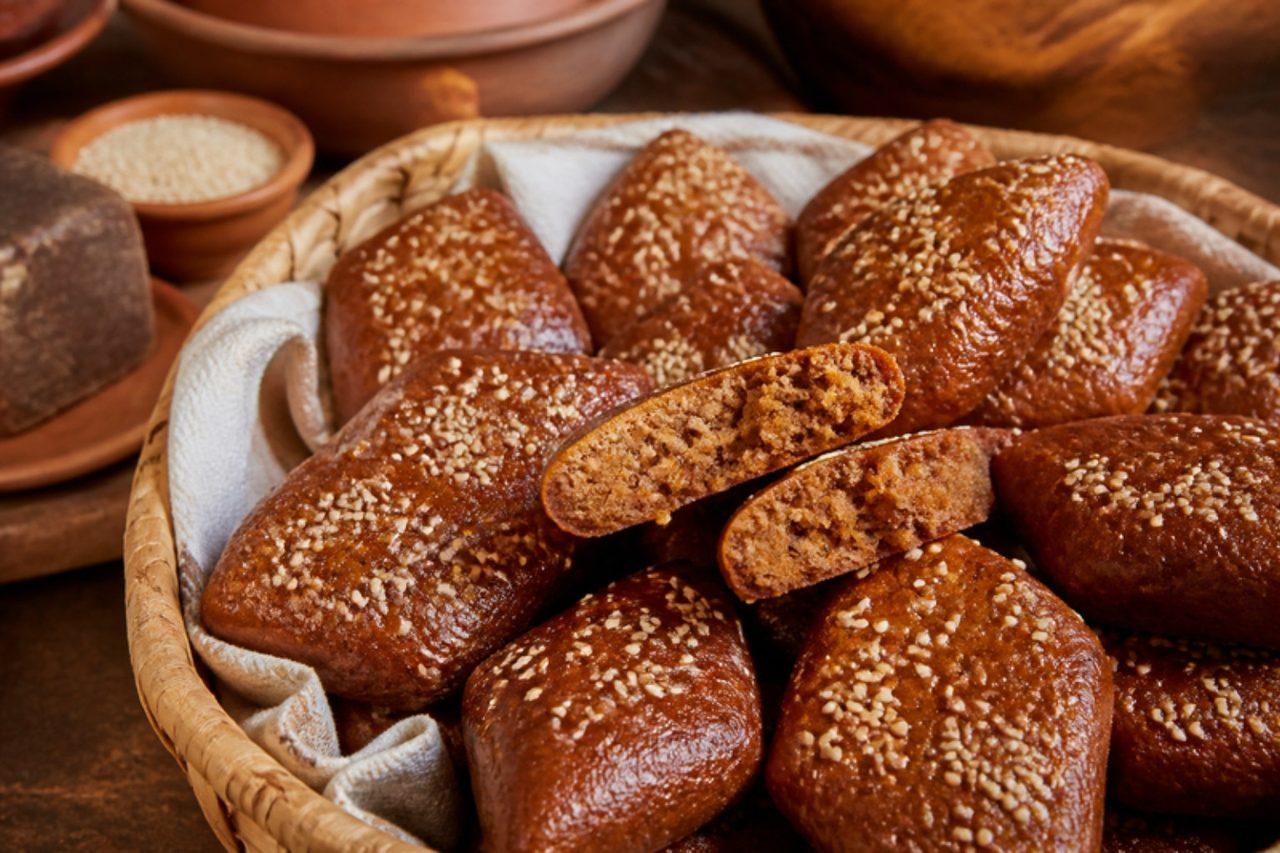
CocolesAnise sweet bread

In the markets of Puebla, Tlaxcala and Mexico City, cocoles are the plain, honest bread of the morning: diamond-shaped, deep brown from piloncillo, fragrant with anise and studded with sesame seeds on top. They are not very sweet, so people eat them with café de olla or split them for a cheese torta. Old bakers used lard; this version uses vegetable shortening, so it stays vegetarian and vegan. Chef's tip: steep the anise in the warm piloncillo syrup, so its flavour runs through every bite.

by KrazyBadal 0 views

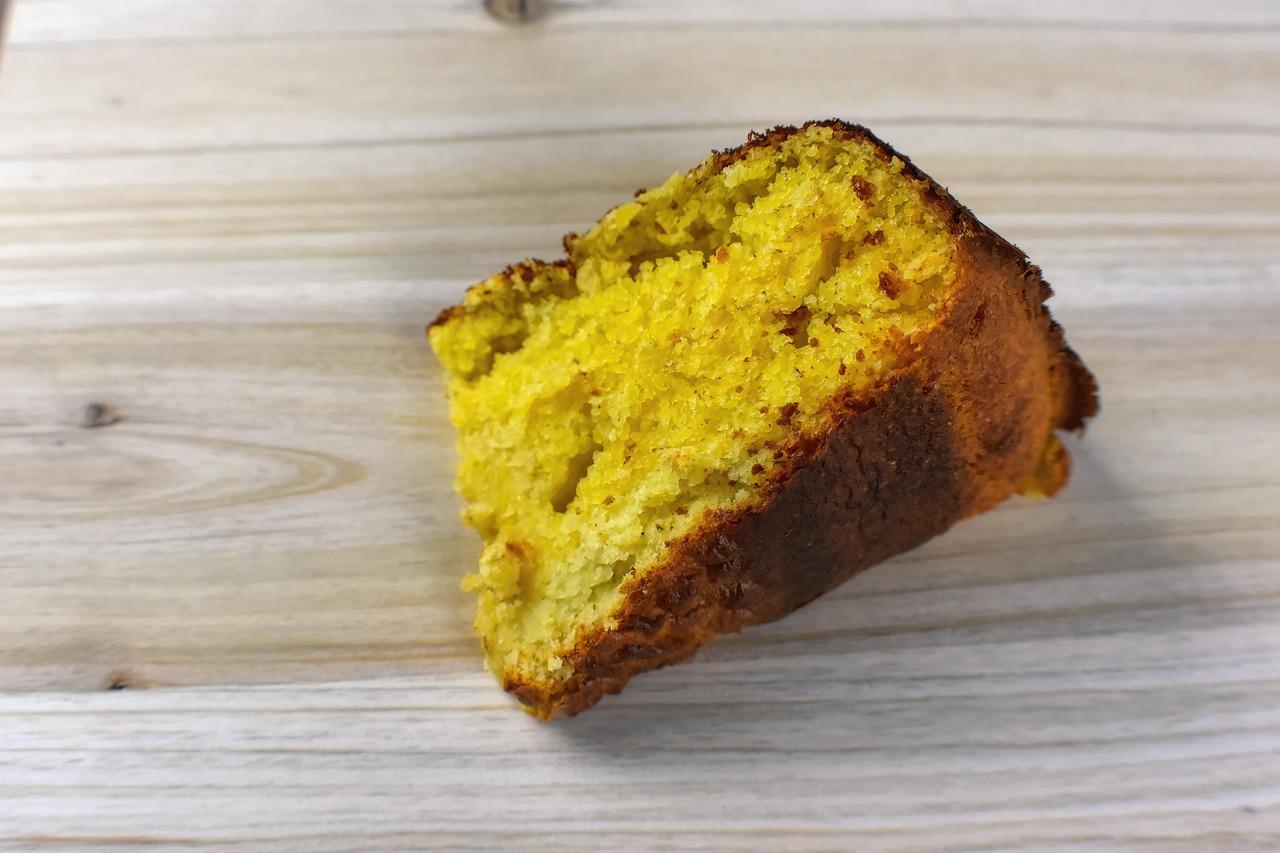
Pan de eloteFresh corn cake

Across central Mexico, from Morelos to the State of Mexico, pan de elote is baked when fresh corn is cheap in late summer and sold by the slice at market stalls. Despite its name it is more cake than bread: fresh kernels blended with butter, eggs and condensed milk bake into a dense, custardy, golden loaf that tastes of sweet corn. It contains wheat and egg. Chef's tip: use the starchiest, most mature corn you can find, because young sweetcorn makes a wetter, flatter cake.

by KrazyBadal 0 views

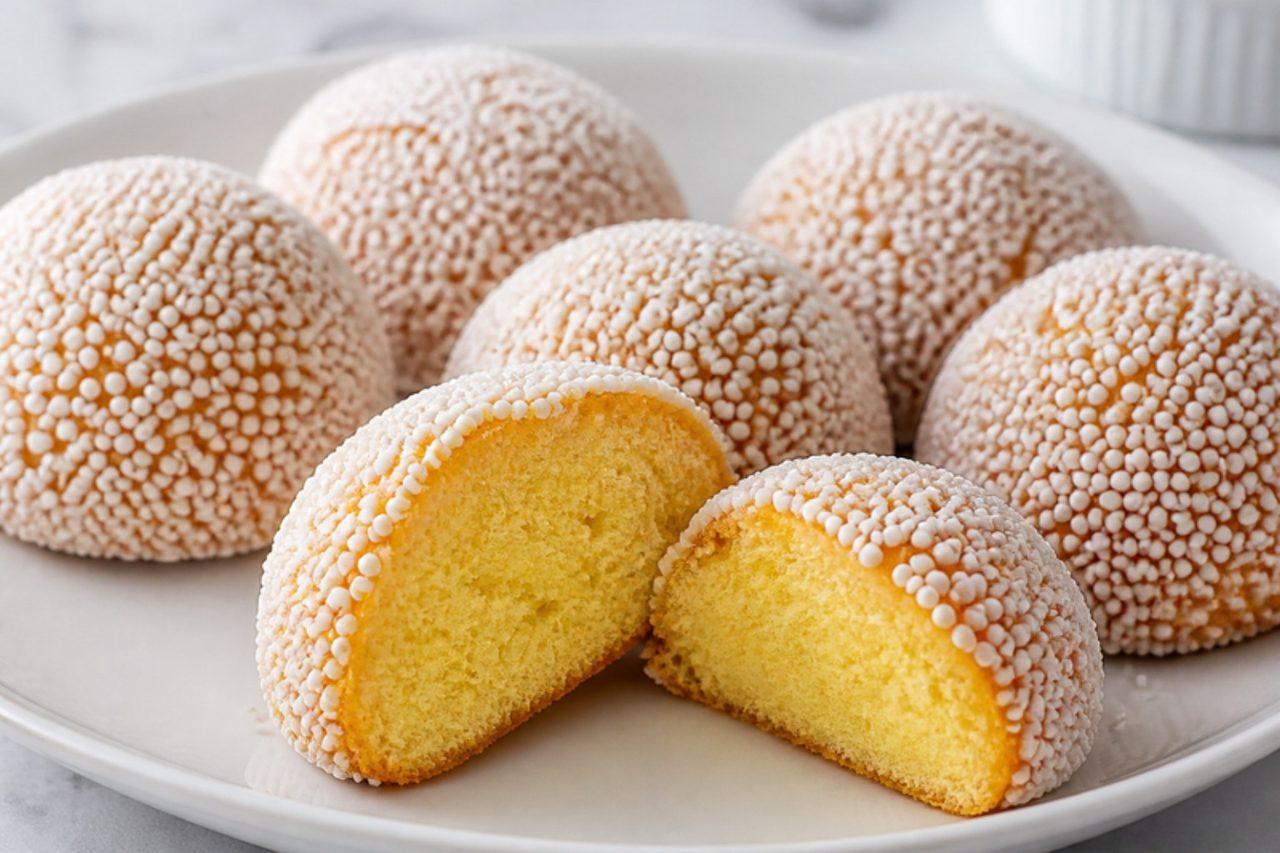
GaribaldisJam-glazed sprinkle cakes

Named after a famous old Mexico City bakery, garibaldis are little dome-shaped butter cakes coated in warm apricot jam and rolled in white nonpareils, so they look like snowballs on the counter. Chilangos buy them by the bag for afternoon coffee and school lunchboxes. The cake is dense and buttery, the jam gives a sharp, sticky contrast and the sprinkles a light crunch. Chef's tip: brush the jam on while the cakes are still warm, as the sprinkles then stick evenly.

by KrazyBadal 0 views

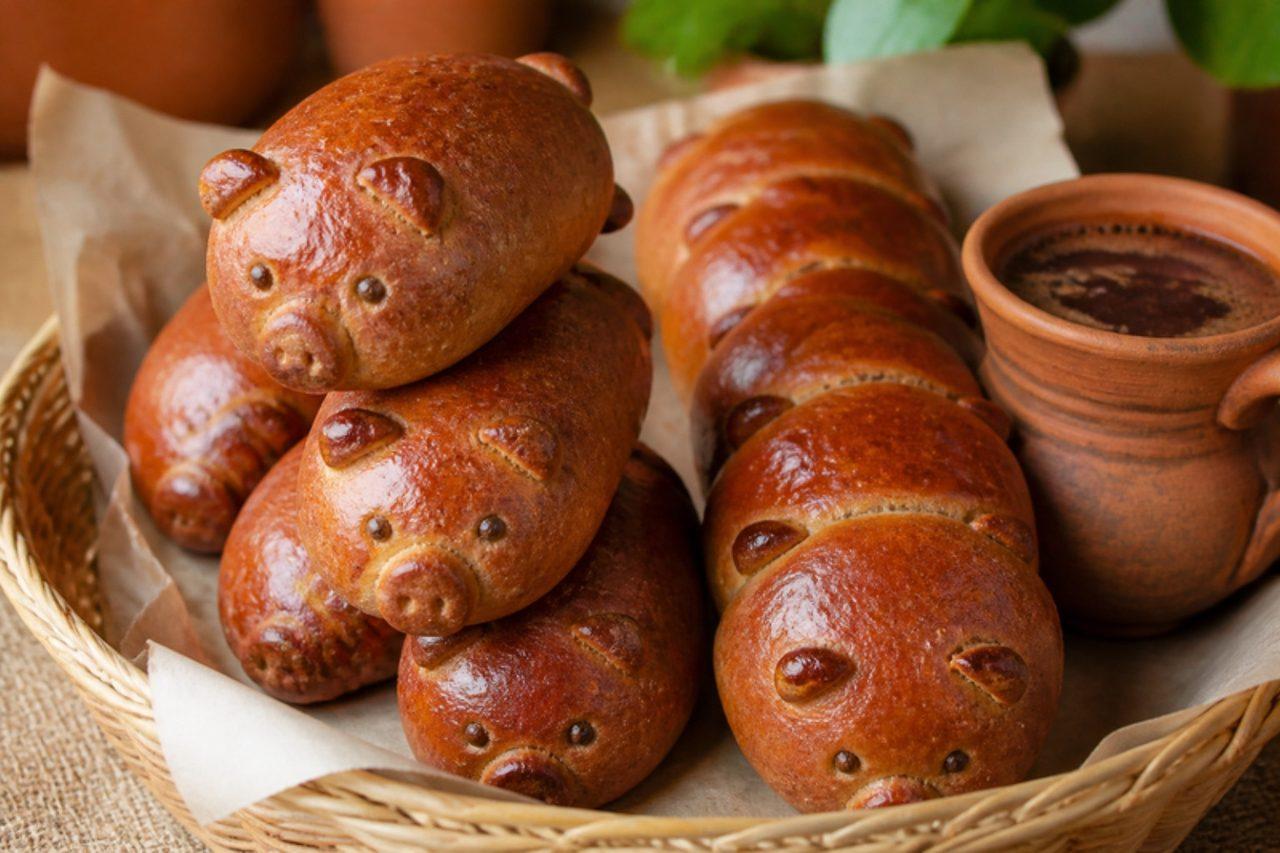
Marranitos de piloncilloPig-shaped gingerbread biscuits

Every pan dulce case in Mexico has a row of little brown pigs, called marranitos in the centre, cochinitos in the north and puerquitos in between. They are soft, cakey biscuits sweetened with dark piloncillo cane sugar, spiced with cinnamon and a touch of anise, and dunked into café de olla or cold milk in the afternoon. They are made here with butter, so they suit vegetarians, and contain egg and wheat. Chef's tip: roll the dough thick, about 1 cm, because thin pigs bake into hard crackers instead of soft cakes.

by KrazyBadal 0 views

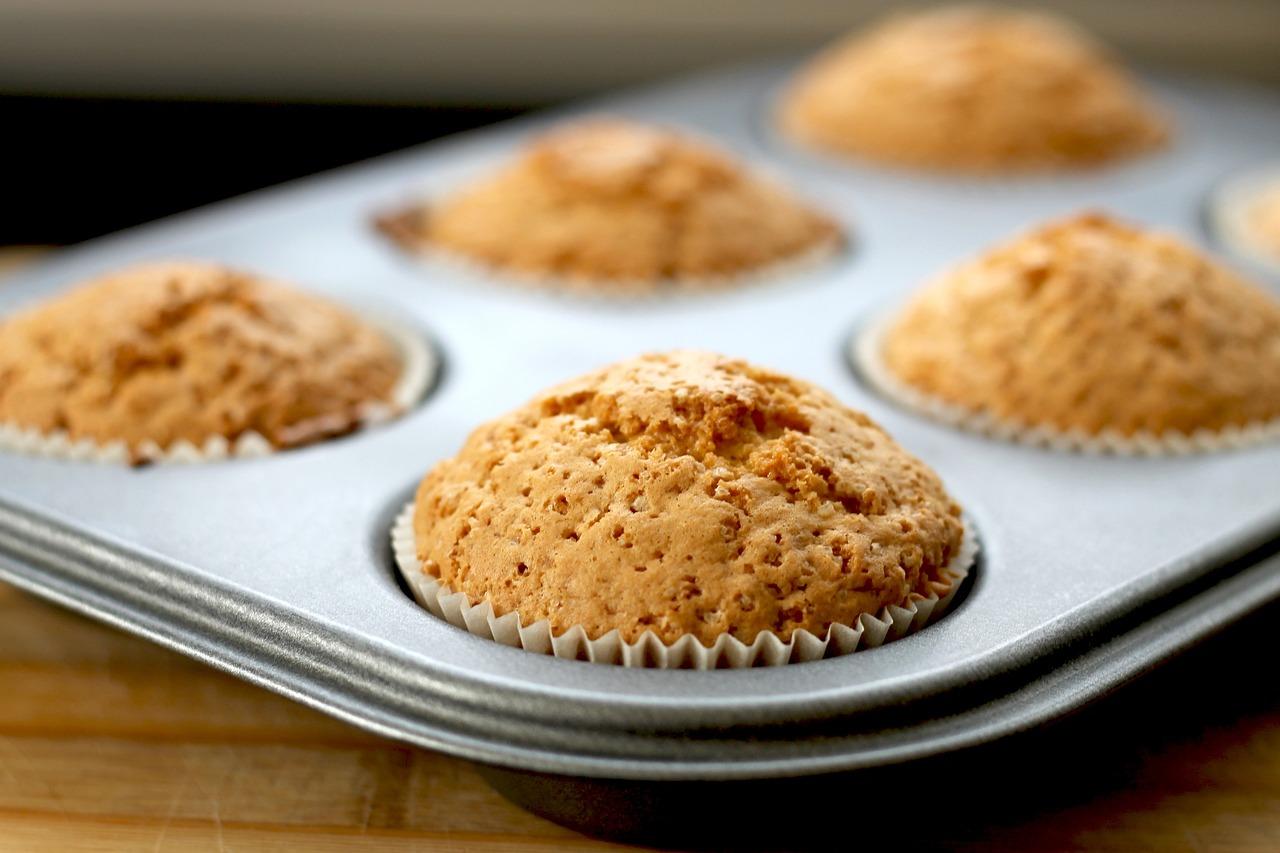
MantecadasMexican muffins

Red pleated paper cups give mantecadas away at once on the bakery tray, from Monterrey to Mérida. Inside is a tender, golden, slightly orange-scented sponge, richer than a cupcake and topped with a domed crust, eaten for breakfast or merienda with milky coffee. They contain egg, butter and wheat. Chef's tip: let the batter rest for 20 minutes before baking, which gives the tall, cracked dome bakery mantecadas are known for.

by KrazyBadal 0 views

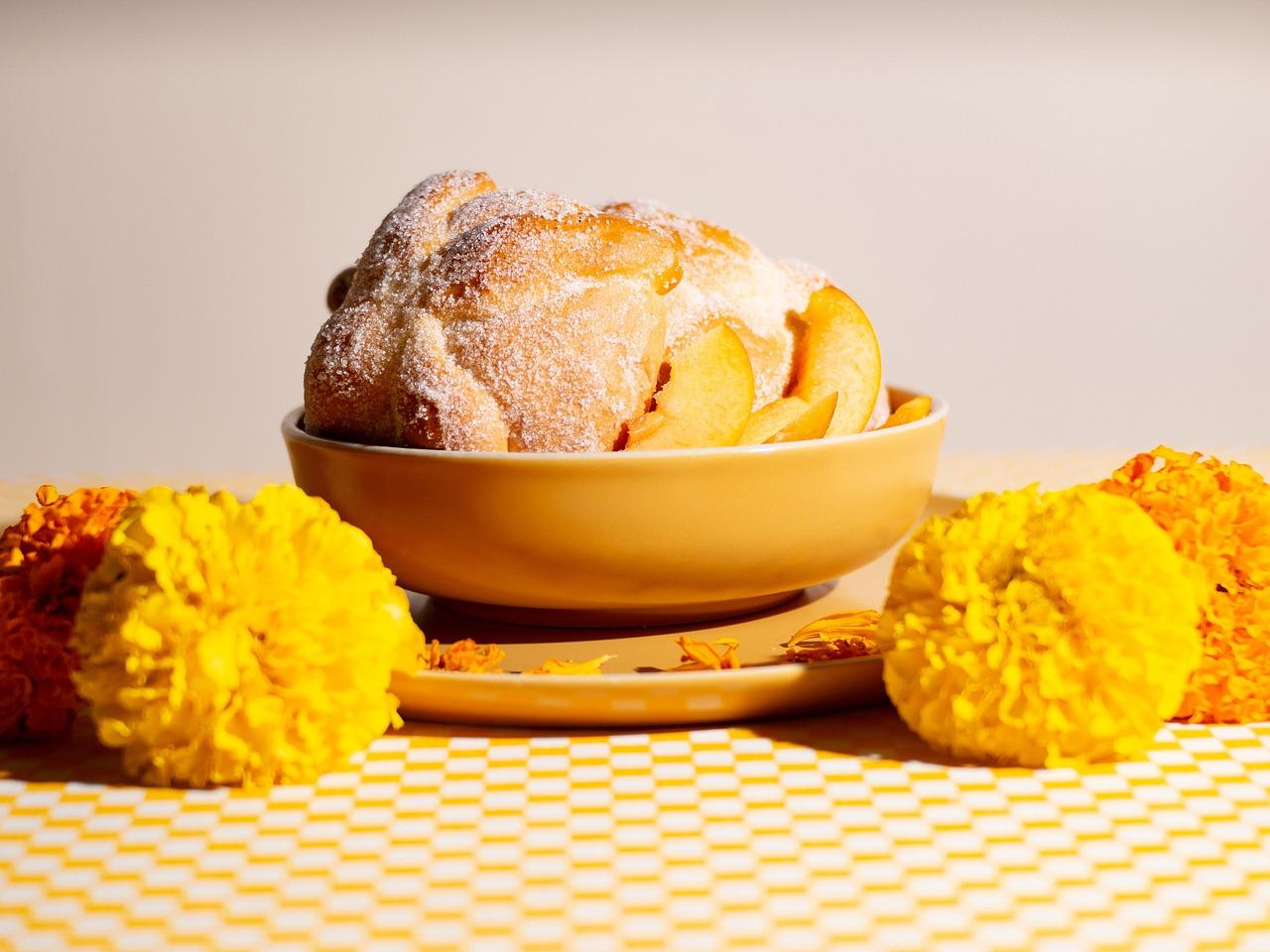
Pan de muertoDay of the Dead bread

From mid-October, bakeries from Mexico City to Puebla stack their shelves with these domed loaves, and families set one on the ofrenda for the souls who return on 1 and 2 November, then share the rest with hot chocolate. The crumb is soft and rich with butter and egg, scented with orange zest and orange-blossom water, and the knobbly strips across the top stand for bones, with a small ball for the skull. A sugar crust or a dusting of sesame finishes it. Chef's tip: shape the bones from dough you have held back and chilled, so they keep their ridges instead of melting flat in the oven.

by KrazyBadal 0 views

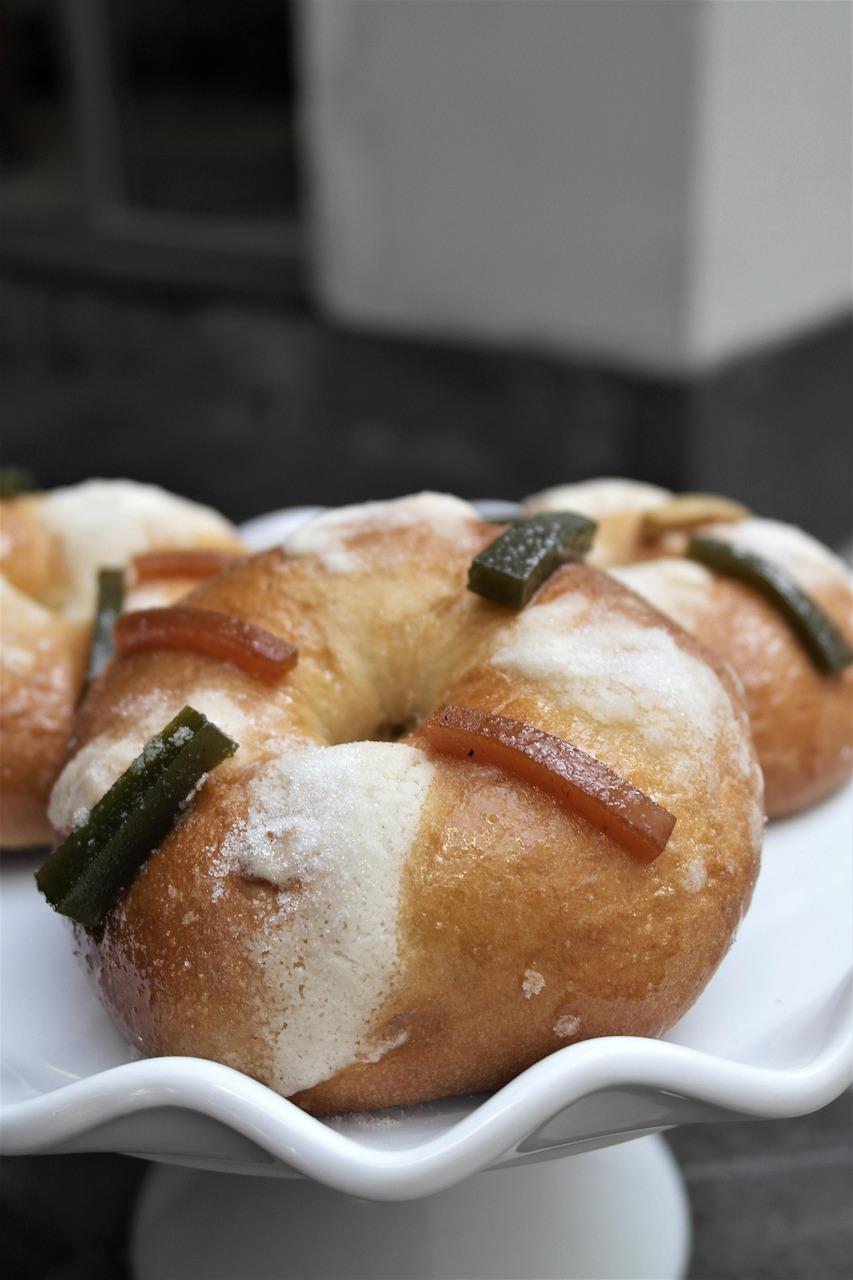
Rosca de reyesEpiphany bread ring

On the evening of 5 or 6 January, offices, schools and families all over Mexico cut a rosca de reyes for the Three Kings, washing it down with hot chocolate. The soft orange-scented ring is jewelled with candied fig, quince paste and cherries and striped with crunchy sugar paste; hidden inside is a tiny figure of the baby Jesus, and whoever finds it in their slice must host a tamales party on 2 February. Always tell guests there is a figurine and warn little children, as it is a choking risk; a whole almond is a safer stand-in. Chef's tip: push the figure in from underneath after baking, so it does not melt or show.

by KrazyBadal 0 views

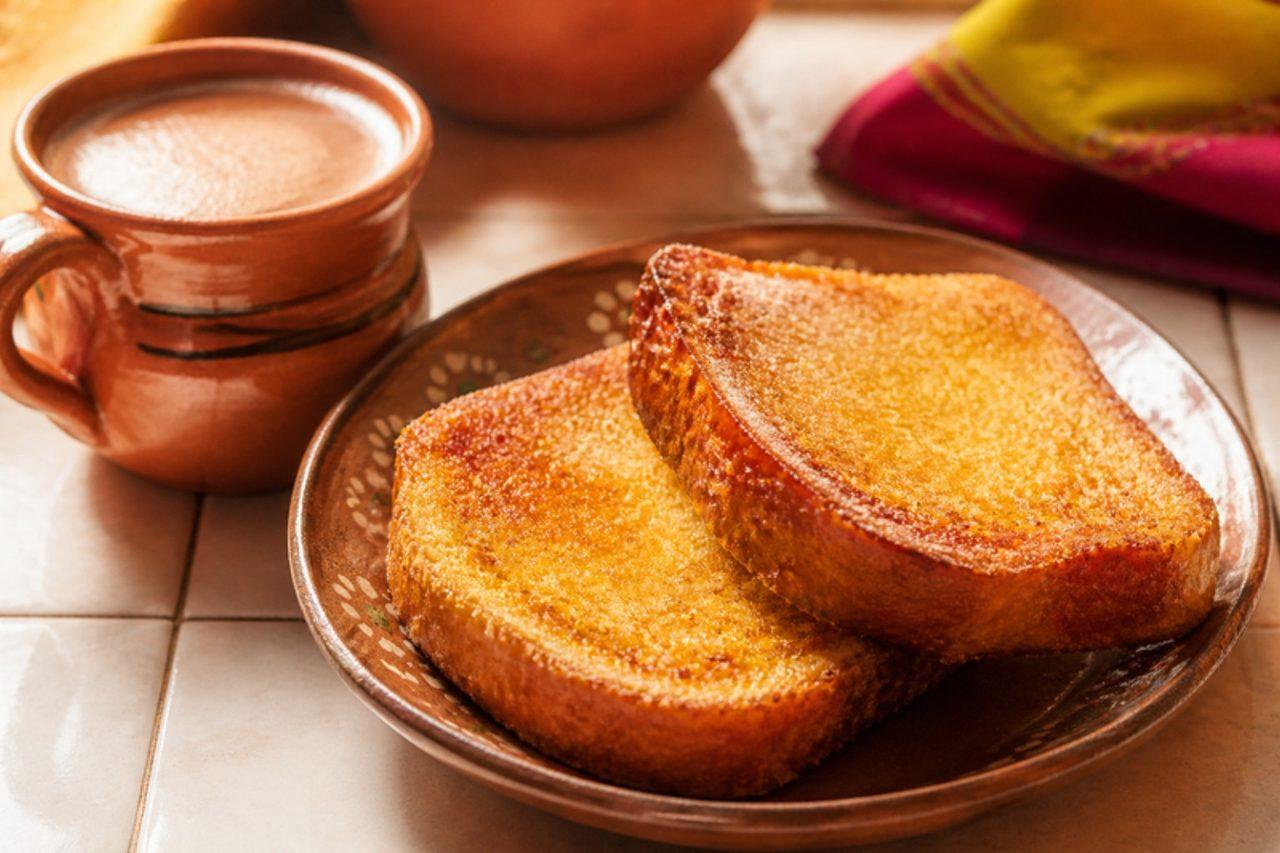
Rebanadas de mantequillaButtered sweet bread slices

When yesterday's pan dulce goes stale, Mexican bakeries slice it thick, spread it with butter, dust it with sugar and toast it until crisp, and the result, rebanadas, often sells out first. At home it is a ten-minute afternoon treat with hot chocolate or a glass of cold milk, and a good way to use up a loaf of brioche, a pan de yema or a few bolillos. This version uses butter, so it is vegetarian. Chef's tip: let the butter get really soft so it sinks into the bread instead of sitting on top.

by KrazyBadal 0 views

BolinhasSemolina and coconut cookies

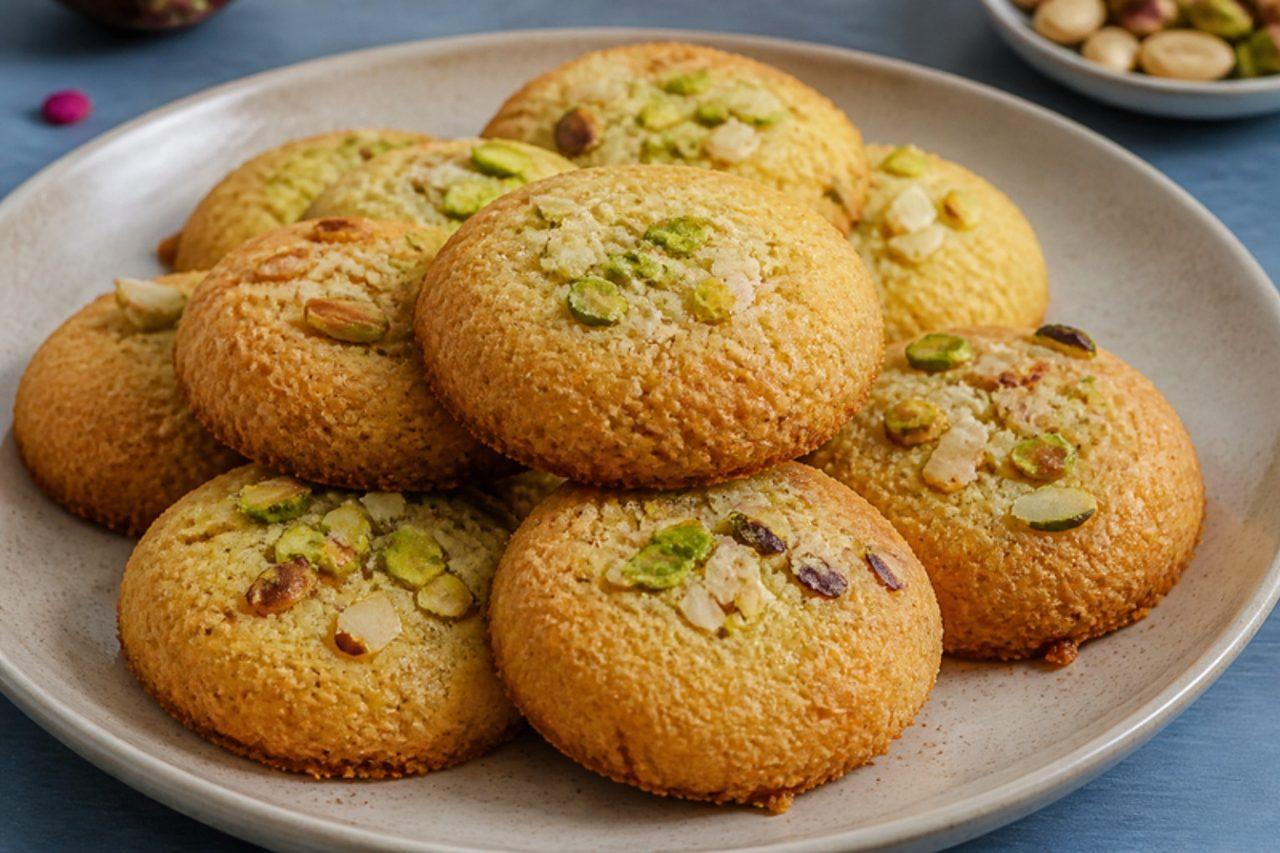
Bolinhas (small balls in Portuguese) are the cookies Goan Catholic families bake in batches for the Christmas kuswar, the tins of sweets sent to friends and neighbours in Panjim and Salcete in mid-December. Fresh coconut is cooked briefly in a sugar syrup, mixed with semolina and left overnight so the grains soften, then bound with butter and egg yolks, shaped into small balls, marked with a fork or a cross and baked until golden. The texture is sandy and crumbly outside with a chewy coconut centre, and they smell of cardamom and browned butter. They contain egg yolk, so they are vegetarian with egg, not vegan. The common mistake is baking them the same day: unsoaked semolina stays gritty and the cookies spread. Chef's tip: shape with slightly damp hands and keep them small, about 3 cm; they puff a little and need room on the tray.

by KrazyBadal 0 views

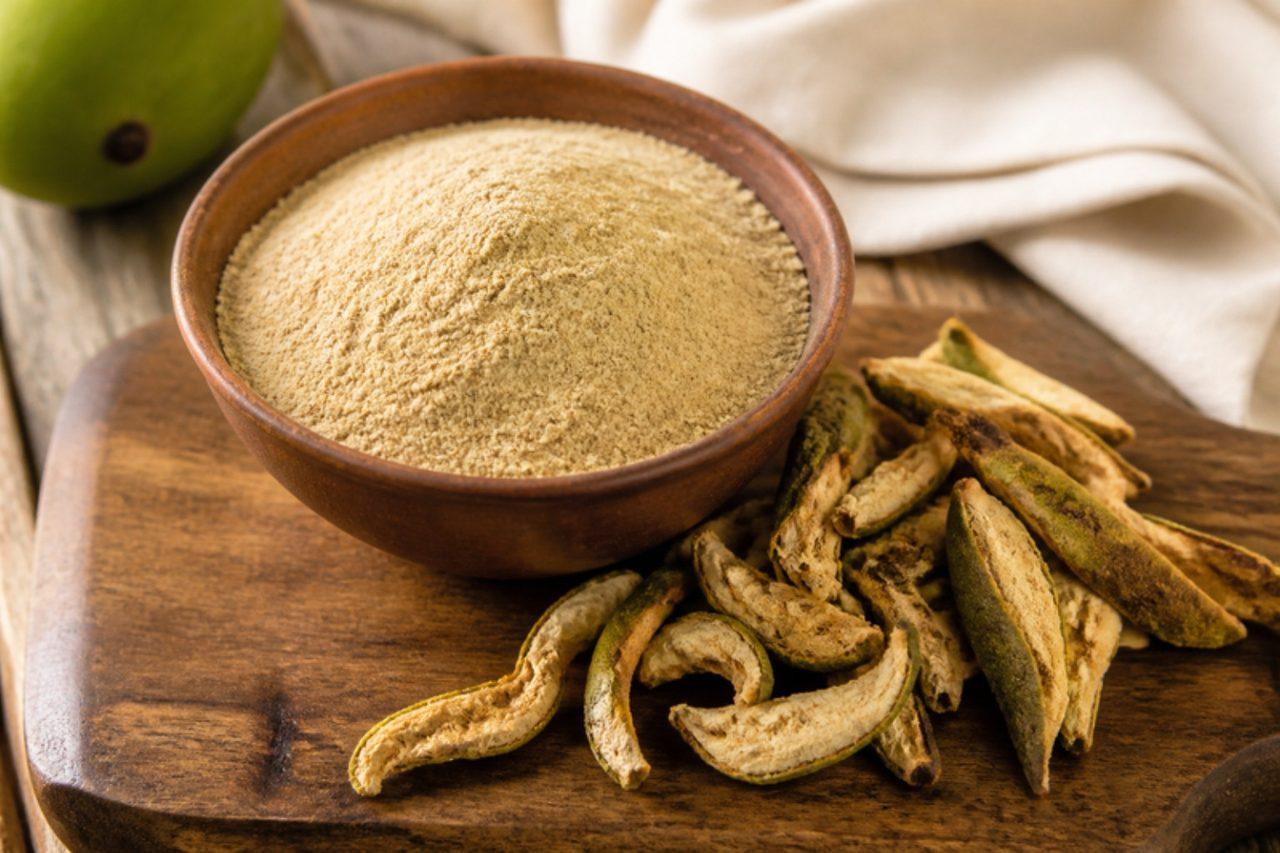
AmchurDry mango powder

Every Punjabi and UP kitchen keeps a jar of amchur next to the jeera and haldi, and the homemade version smells far fresher and sourer than most shop powder. In villages around Saharanpur and Malihabad, the raw mangoes that fall in early-summer storms are peeled, sliced and spread out to dry, and the brittle slices (amchur khatai) are either stored whole or ground. Amchur gives a fruity, mouth-puckering sourness without any liquid, which is why it goes into dry dishes where tomato or tamarind would make things soggy: bhindi masala, stuffed karela, samosa and kachori fillings, chole, chaat masala and pav bhaji masala. A kilo of mangoes gives roughly 100 g of powder. Common mistake: grinding slices that still bend; even slight moisture makes the powder clump into hard lumps in the jar. Chef's tip: choose small, rock-hard, very sour green mangoes with white flesh, not ones starting to turn yellow; riper fruit dries into a brown, sweetish powder.

by KrazyBadal 0 views

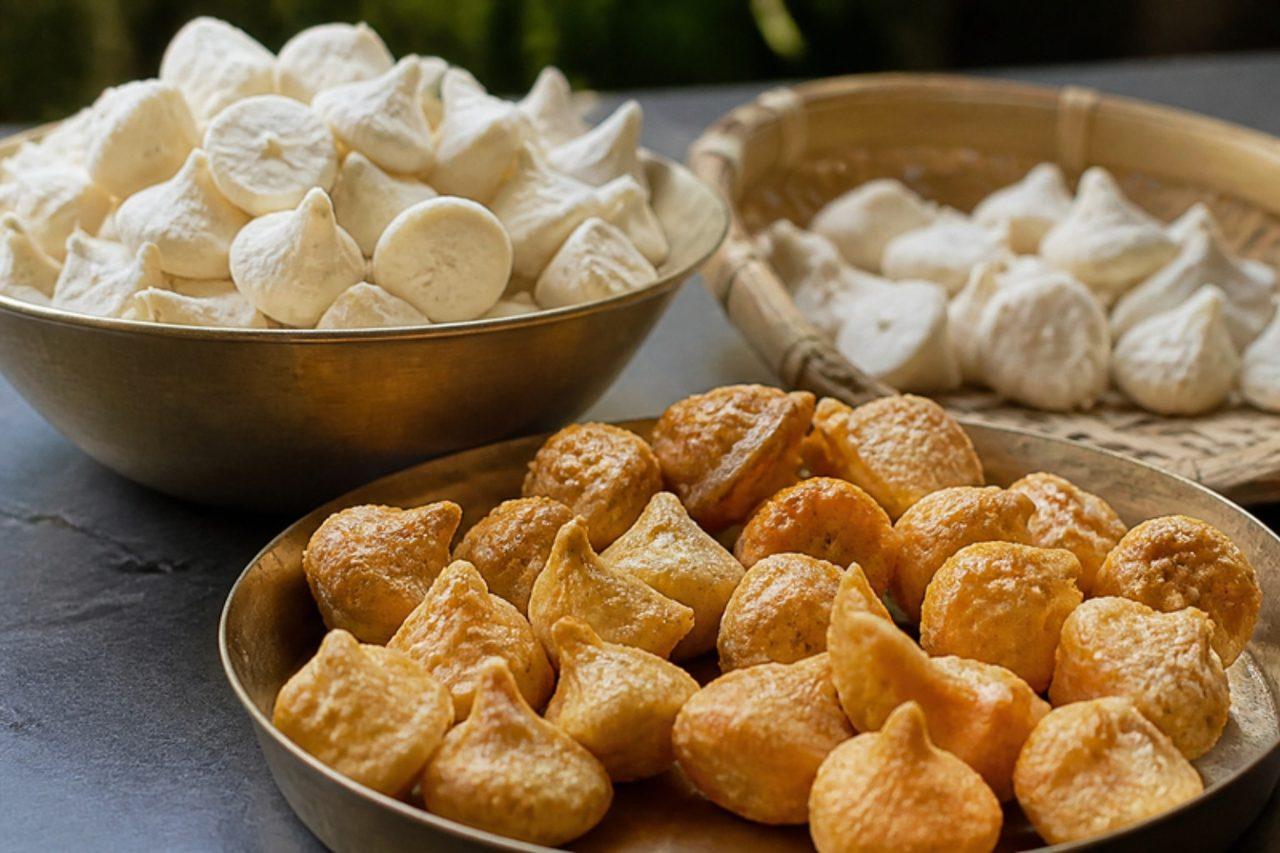
Bengali boriSun-dried lentil dumplings

Winter mornings in rural Bengal used to mean bori-making: the household gathered on the roof with a big bowl of freshly ground, hand-whipped urad dal and dropped little peaked dollops onto cloth in neat rows. In Medinipur the women even pipe them into lace-like gohona bori, a folk art of its own. The everyday kind is simpler, a cone the size of a marble, sun-dried until rock hard. Fried in mustard oil, a bori turns crisp and golden outside and slightly spongy inside, and it soaks up gravy beautifully. A handful goes into shukto, into a maacher jhol with potatoes, into lau ghonto (bottle gourd) or into a simple vegetable chorchori. Common mistake: grinding the dal with too much water; the paste then spreads flat on the cloth instead of holding a peak. Chef's tip: check the whipped paste by dropping a little into a bowl of water. If it floats, it has enough air and the bori will be light; if it sinks, keep beating.

by KrazyBadal 0 views

Dum ka roatBaked semolina and khoya cake

Dum ka roat is baked in Hyderabadi homes and bakeries in the first ten days of Muharram, and boxes of it are shared with neighbours and at majlis gatherings in the Old City. It is closer to a dense shortbread than a sponge: coarse semolina soaked overnight in ghee and milk, mixed with khoya, sugar, eggs, cardamom and nutmeg, then baked slowly until golden and crumbly with a crunchy almond top. It contains egg, so it is vegetarian with egg, not vegan. Each piece tastes of browned butter, milk and spice, and it keeps for a week in a tin. Eat it with Irani chai. The common mistake is skipping the overnight rest: the semolina stays gritty and the roat falls apart. Chef's tip: bake low and slow, at 160 °C, until the top is deep golden and a skewer comes out with moist crumbs; at higher heat the edges burn before the khoya centre has set.

by KrazyBadal 0 views

VattayappamSteamed rice and coconut cake

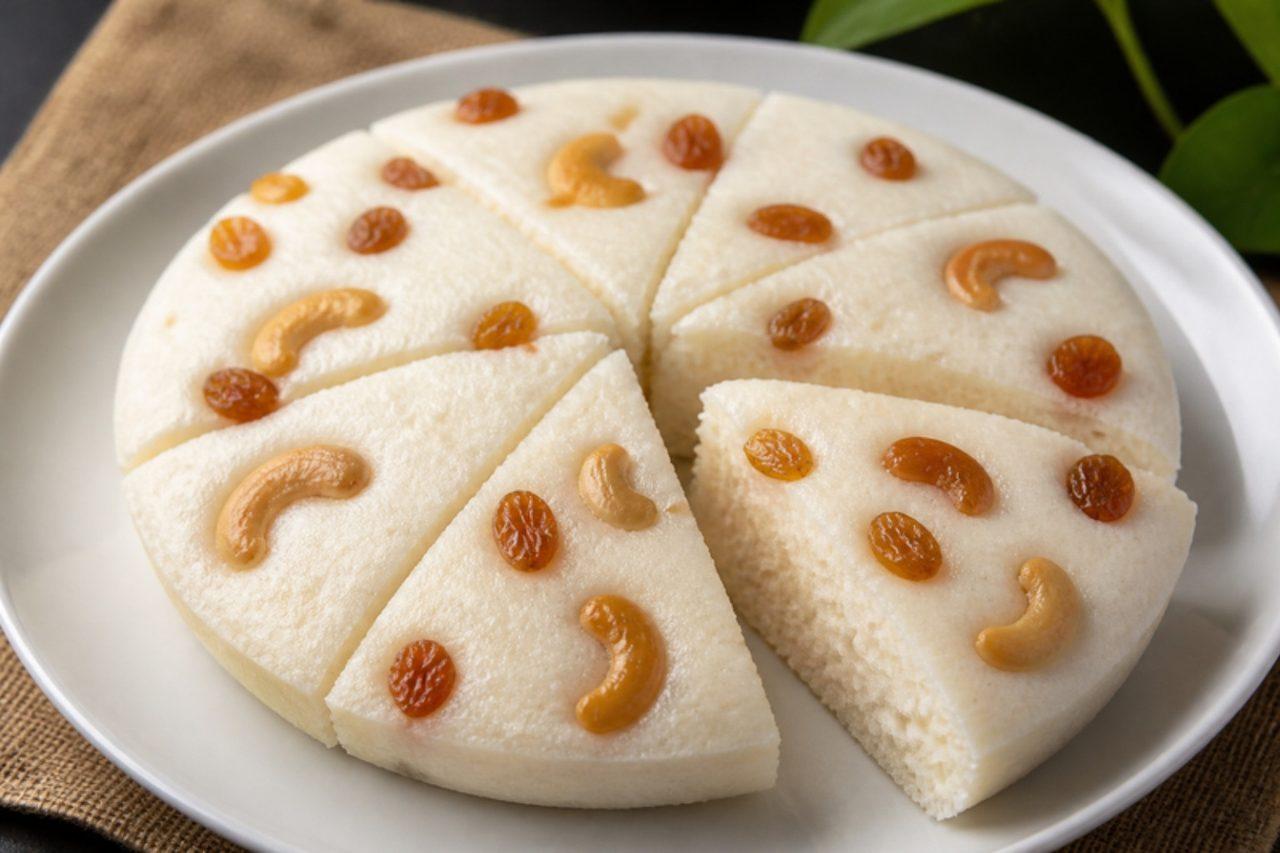
In Syrian Christian homes in Kottayam and Thiruvalla, vattayappam is the sweet that appears on Christmas and Easter mornings and goes in boxes to every neighbour. A batter of raw rice and coconut is fermented until airy, sweetened, flavoured with cardamom and steamed in a round plate until it rises into a fluffy, honeycombed cake. It is light, moist and gently sweet, with a faint tang from the ferment. Grandmothers used kallu (coconut toddy) to ferment it; this recipe uses dried yeast instead and contains no alcohol at all. Eat it warm with tea, or alongside chicken stew for breakfast. The common mistake is a batter that is too thick: it steams heavy and dense. It should pour like thick pancake batter. Rice and coconut only, so it is naturally gluten-free and vegan. Chef's tip: cook a spoon of the soaked rice into a soft porridge (kurukku) and grind it in; that is what gives vattayappam its fine, silky crumb.

by KrazyBadal 0 views

Showing 24 of 71 recipes

Show more recipes

Page 1 of 3