Skip to content
Recipes

All recipes

Vegetarian, or something you can't eat? Set your diet once and we'll hide recipes that don't fit.

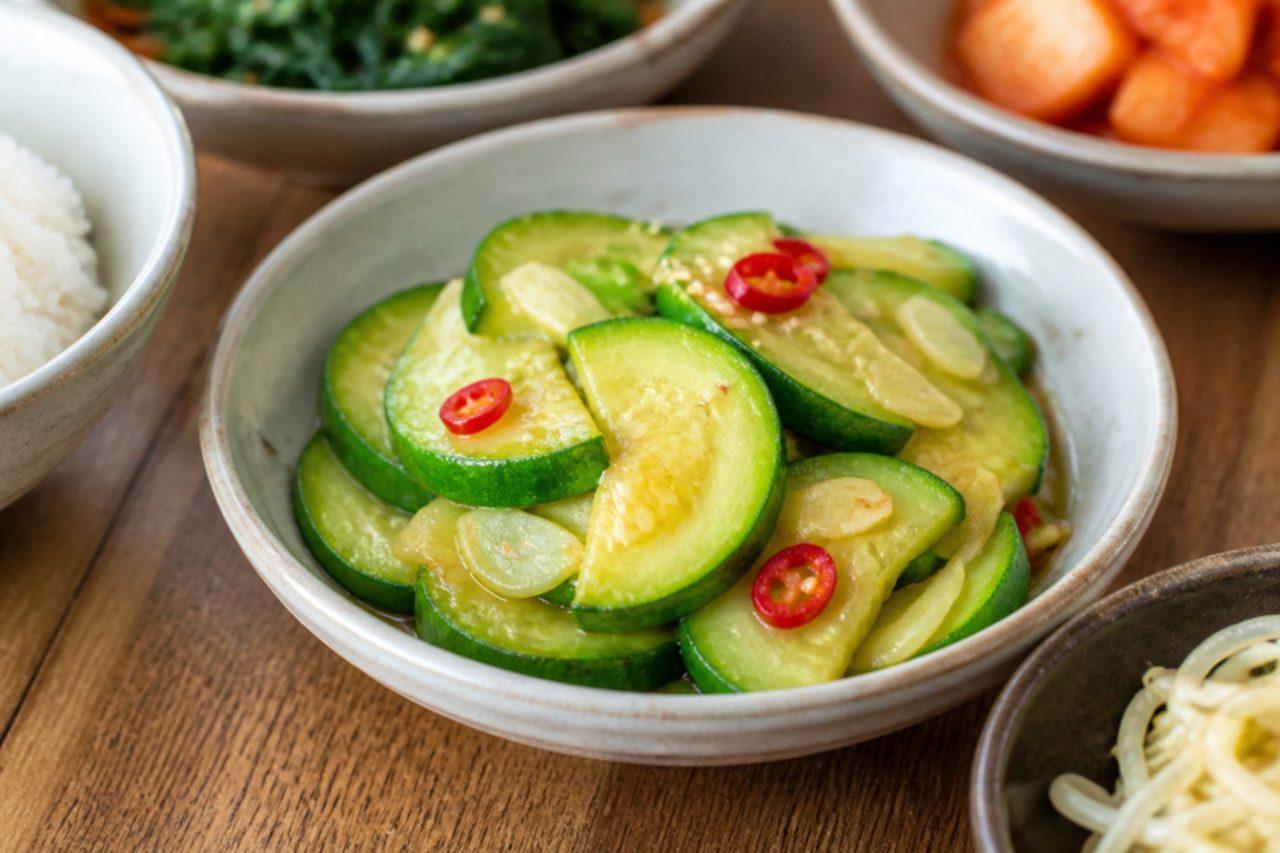
Aehobak bokkeumStir-fried courgette

Aehobak, the pale green Korean courgette, is in every market from Gwangjang in Seoul to Busan's Jagalchi all summer, and a quick stir-fry of it is one of the banchan most often on the family table and in school lunches. Half-moon slices are lightly salted, then stir-fried with garlic until just tender and glossy, and finished with sesame. Many homes season it with saeujeot, salted shrimp; this version uses salt and a little soy instead, so it is vegan. A portion is about 45 kcal. The common mistake is overcooking, which leaves limp, watery slices; cook it hot and fast and take it off while the slices still have a little bite. Chef's tip: salting the slices for 10 minutes and patting them dry keeps them firm and stops the pan filling with liquid.

by KrazyBadal 0 views

GrünkernsuppeGreen spelt soup

Grünkern is spelt harvested half-ripe and dried over beech smoke, a trick farmers in the Bauland and Odenwald of northern Baden and Lower Franconia used when wet summers threatened the crop. Around Boxberg and Walldürn the cracked grains still go into a thick, nutty soup for autumn and winter weekday lunches, often followed by something sweet. The grains simmer with leek, carrot and celeriac until they burst and thicken the broth, and a spoon of cream and plenty of parsley go in at the end. Chef's tip: toast the cracked Grünkern in the butter until it smells like smoky popcorn before adding any liquid; skipping this leaves the soup flat and grey.

by KrazyBadal 0 views

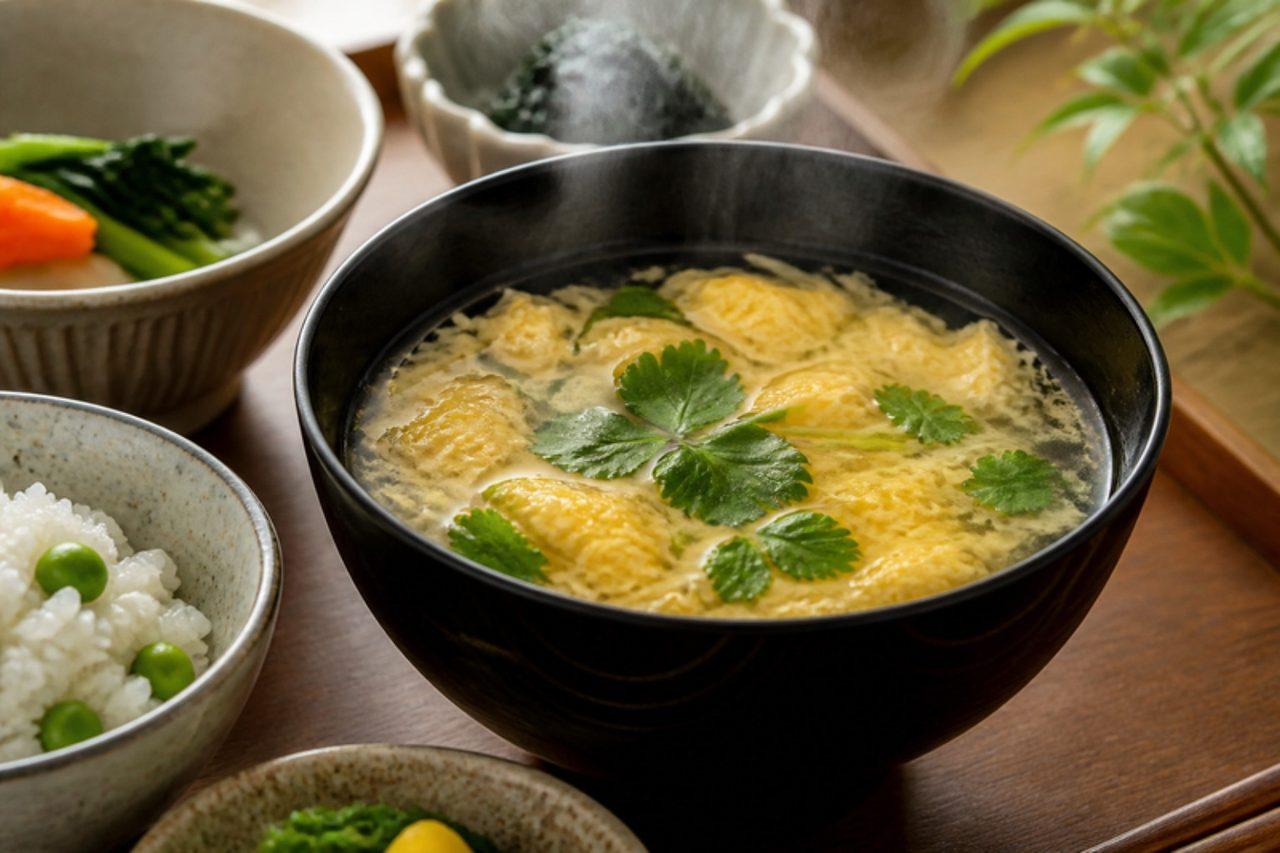
KakitamajiruEgg drop soup

When the miso pot is empty, or someone in a Japanese home is feeling poorly, kakitamajiru is the soup that comes out: a clear, gently seasoned dashi thickened very slightly with potato starch so that a stream of beaten egg sets into soft, floating ribbons. It is served in lacquer bowls alongside rice and a main dish at an ordinary dinner anywhere in Japan. This version uses vegetarian kombu-shiitake dashi. Eggs are an allergen. A bowl is about 55 kcal. The most common mistake is pouring the egg into soup that is not quite boiling, which makes it cloudy; the broth must be bubbling when the egg goes in. Chef's tip: pour the egg through the tines of a fork in a thin stream, moving round the pan; it gives the finest, fluffiest strands.

by KrazyBadal 0 views

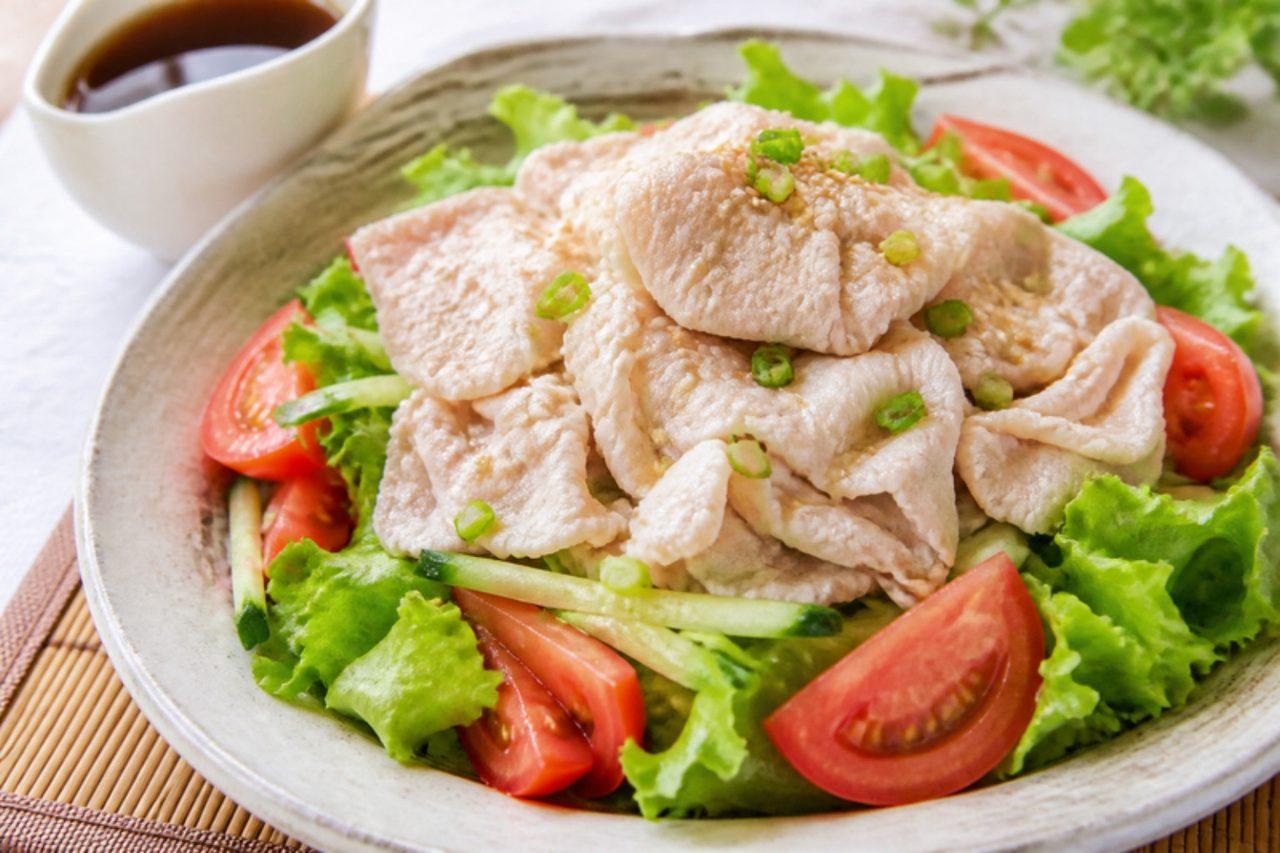
Rei-shabuChilled pork salad

In the heat of a Tokyo August, nobody wants a hot frying pan, and rei-shabu, "cold shabu-shabu", is what appears on dinner tables and in set lunches: paper-thin slices of pork loin or shoulder poached briefly in barely simmering water, cooled, and piled on a crisp salad of lettuce, cucumber and tomato with ponzu or a sesame sauce. It is light and refreshing. This is a pork dish. A portion is about 280 kcal. The most common mistake is plunging the cooked pork into iced water, which makes the fat set hard and the meat tough; let it cool on a sieve instead. Chef's tip: keep the water just below the boil, around 80 °C, with a splash of sake; the pork stays tender instead of going grey and stringy.

by KrazyBadal 0 views

RosółChicken broth

Sunday lunch in Poland, from Gdańsk tenements to Silesian family houses, still starts with rosół: a golden, crystal-clear chicken broth served with fine egg noodles, sliced carrot and parsley. It cooks for hours at the barest simmer with a charred onion, parsley root, celeriac and leek, and the leftover meat goes into pierogi or a salad. It is also the soup for colds and new mothers. A common mistake is letting it boil, which clouds the broth and makes it greasy. Chef's tip: start the chicken in cold water and skim carefully as it comes up to heat; the clearer the first 20 minutes, the clearer the finished rosół.

195 minPolishSoups
by KrazyBadal 0 views

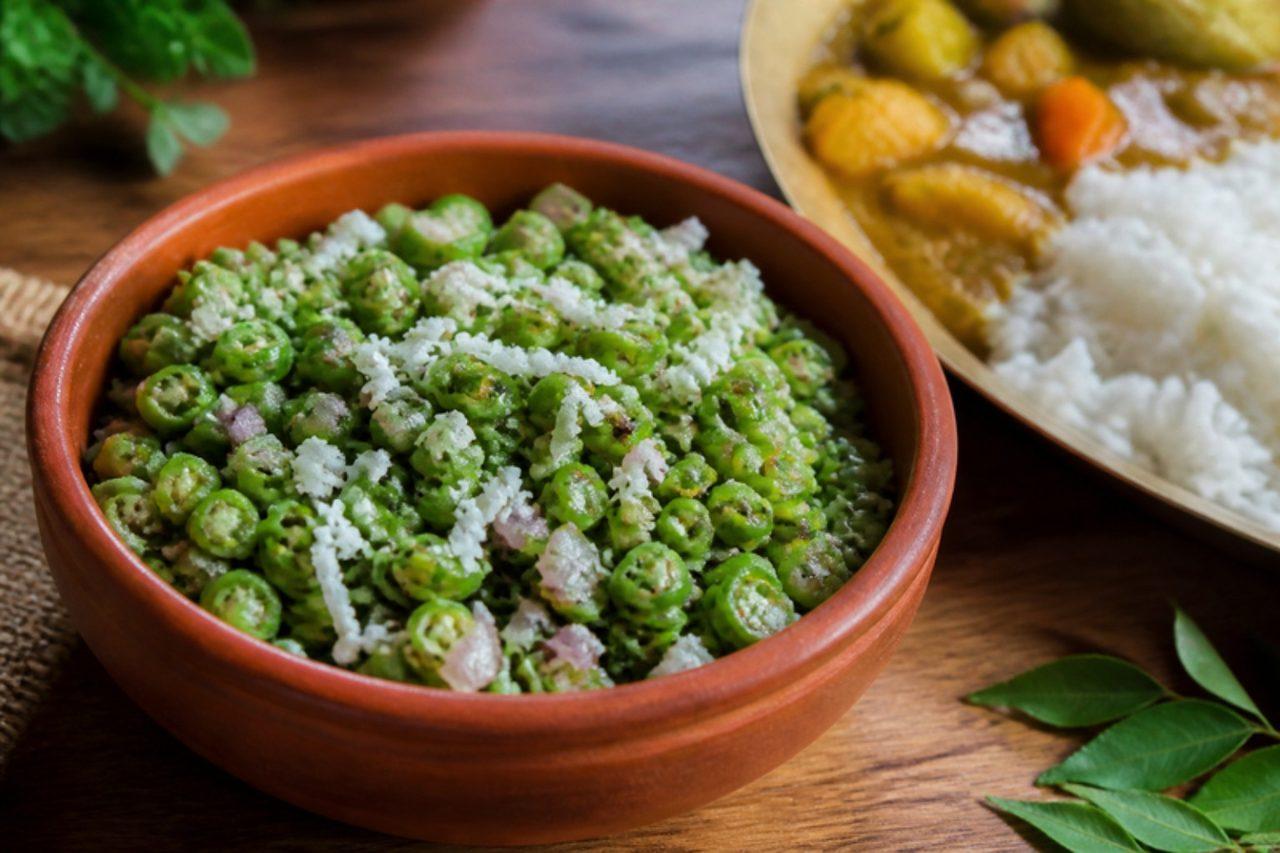
Beans foogathGreen beans with coconut

Foogath is the everyday vegetable of Goan Catholic homes in Margao and Panjim, a dry stir-fry of finely chopped beans, cabbage or gourd with onion, green chilli and plenty of freshly scraped coconut, eaten on the side of fish curry rice at Sunday lunch or with plain rice and dal at a weekday supper. It is mild, sweet and fresh-tasting. A portion is about 120 kcal. The common mistake is cooking the beans too long in a covered pan, which turns them khaki; cook them quickly and keep them bright green. Chef's tip: chop the beans very fine, almost into small rounds; that is the Goan way, and it lets them cook in a few minutes.

by KrazyBadal 0 views

MannikSemolina cake

In thousands of Russian kitchens, mannik is the cake you make when the cupboard is nearly bare: semolina, kefir, sugar, a couple of eggs and almost no flour. The semolina swells overnight in the kefir, and the result is a plain, damp, slightly springy cake with a golden crust, sliced at the tea table from Smolensk to Vladivostok with a spoon of jam or sour cream. The common mistake is skipping the soak, which leaves the cake gritty with hard grains. Chef's tip: soak the semolina in the kefir for at least an hour, or overnight in the fridge, before adding the rest.

by KrazyBadal 0 views

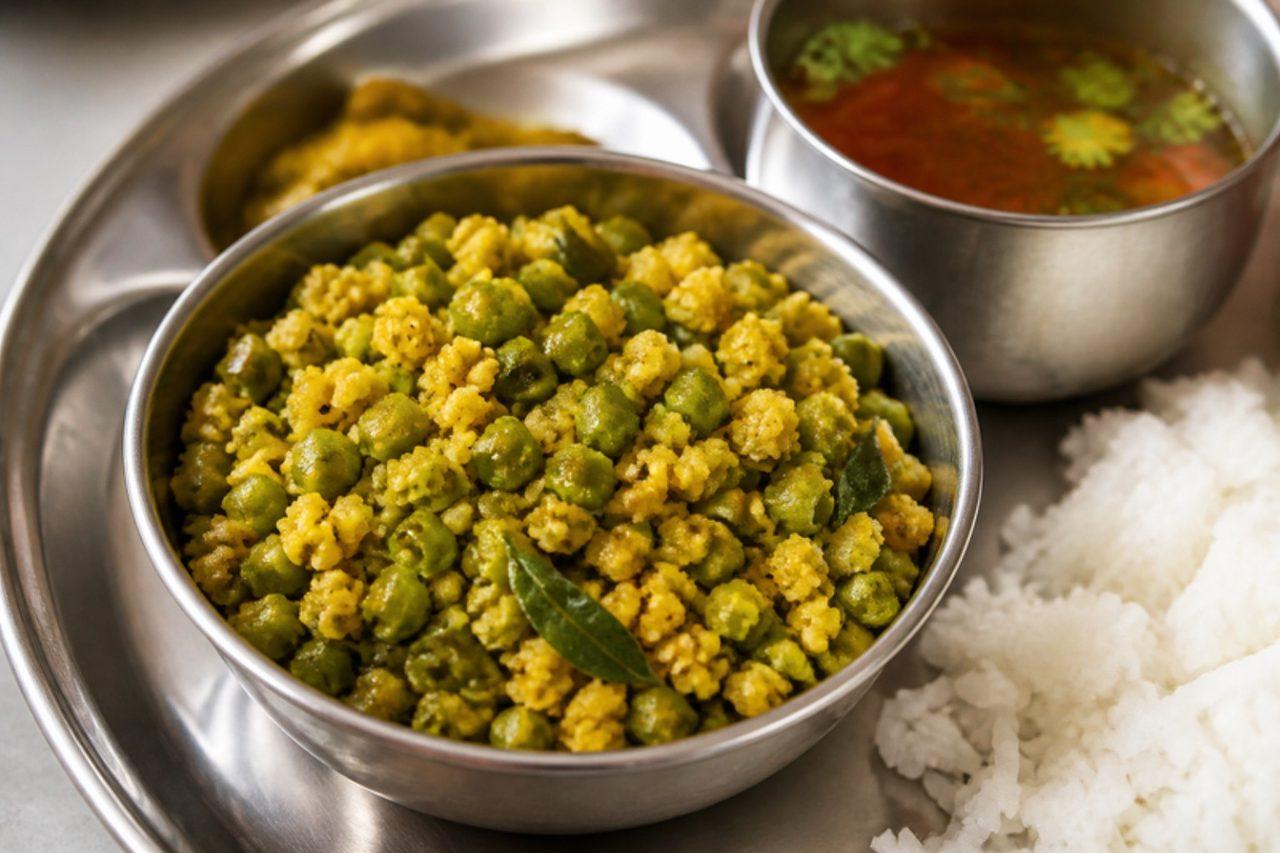
Paruppu usiliGreen beans with crumbled lentils

Paruppu usili is a Tamil Brahmin speciality, the dry dish that sits beside more kuzhambu or rasam on a Thanjavur lunch leaf at weddings and at home: chana and toor dal are soaked, ground coarsely with red chilli, steamed into a cake, crumbled, then fried with finely chopped green beans until the crumbs turn golden and crisp in places. The result is nutty, spicy and full of protein. A portion is about 220 kcal. The dals soak for 1 hour first (not counted in the times). The mistake most people make is grinding the dal to a smooth paste; it should be coarse like semolina, or the usili turns into lumps instead of crumbs. Chef's tip: steam the ground dal before frying, rather than frying it raw; it crumbles perfectly and needs far less oil.

by KrazyBadal 0 views

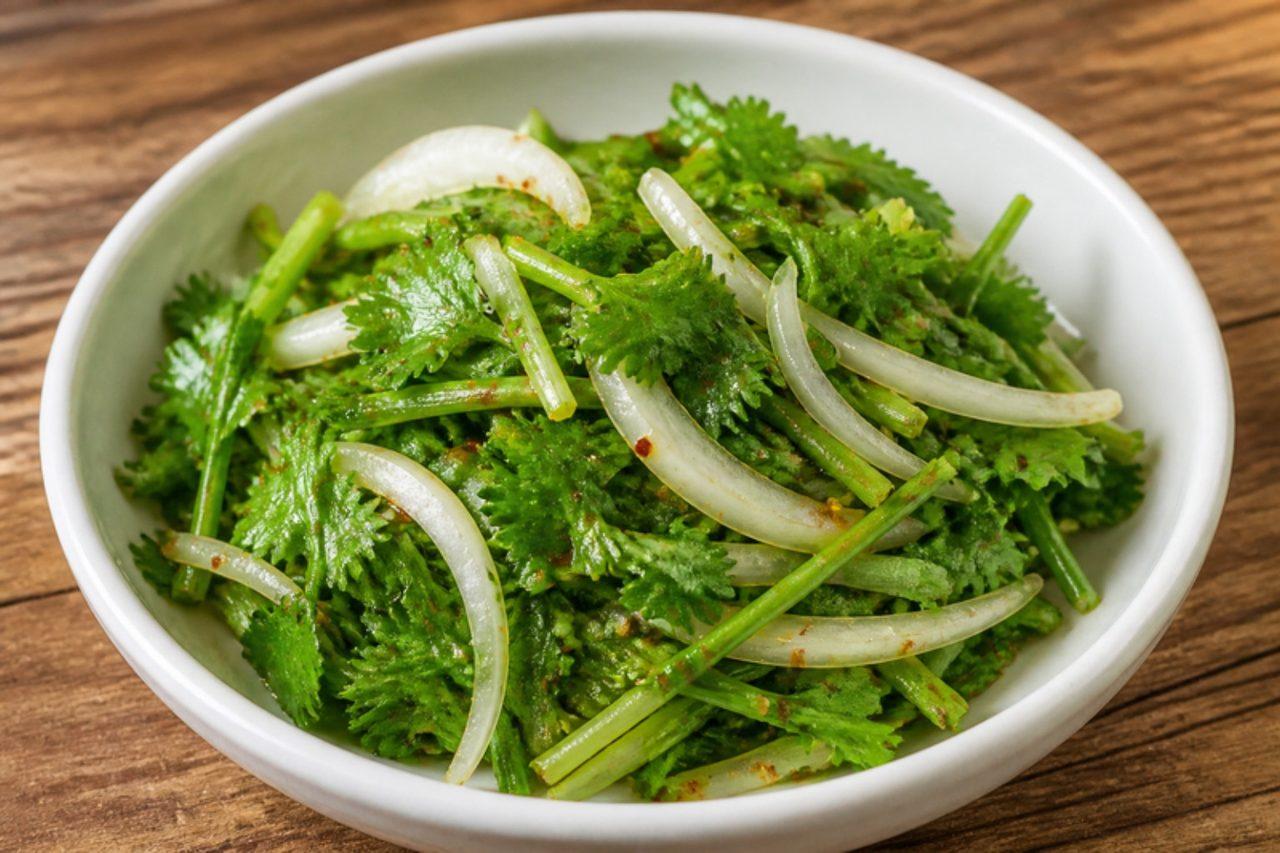
Minari muchimWater dropwort salad

Minari, Korean water dropwort, grows in the wet fields of Cheongdo and around Daegu, and in early spring Koreans eat it raw and crunchy as a sharp, peppery salad: the stems are tossed in a sweet-sour dressing of gochugaru, vinegar, garlic and a touch of sugar, with thinly sliced onion. It is served alongside grilled pork belly or a fish stew to freshen the palate. A portion is about 50 kcal. If minari is hard to find, use watercress or celery leaves with stems. The common mistake is dressing it too early: the leaves wilt and weep within half an hour, so toss it just before eating. Chef's tip: soak the cut minari in iced water for five minutes first; it turns very crisp.

by KrazyBadal 0 views

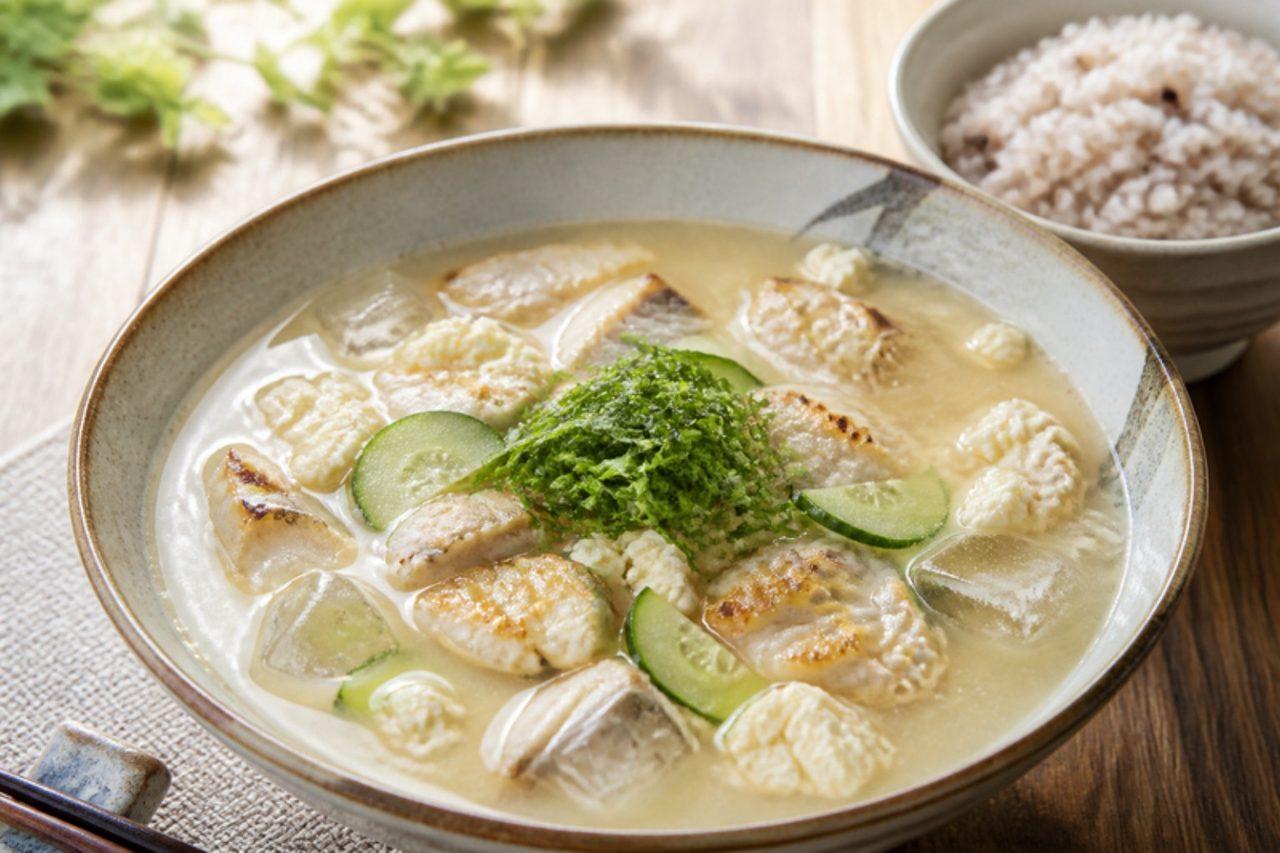
HiyajiruChilled miso soup

In Miyazaki, on the hot, humid east coast of Kyushu, farmers have eaten hiyajiru through the summer for centuries: grilled fish and sesame are pounded with barley miso in a mortar, the paste is toasted, then thinned with cold dashi and poured, with ice, over barley rice, with torn tofu, cucumber and shiso. It is cool, savoury and filling, a lunch that revives you in the heat. Eggs are not used; fish and soy are the allergens. A bowl with rice is about 340 kcal. The common mistake is skipping the toasting of the miso paste; it is what gives hiyajiru its deep, roasted flavour. Chef's tip: use day-old cold rice and rinse it briefly; warm, sticky rice turns the cold soup cloudy.

by KrazyBadal 0 views

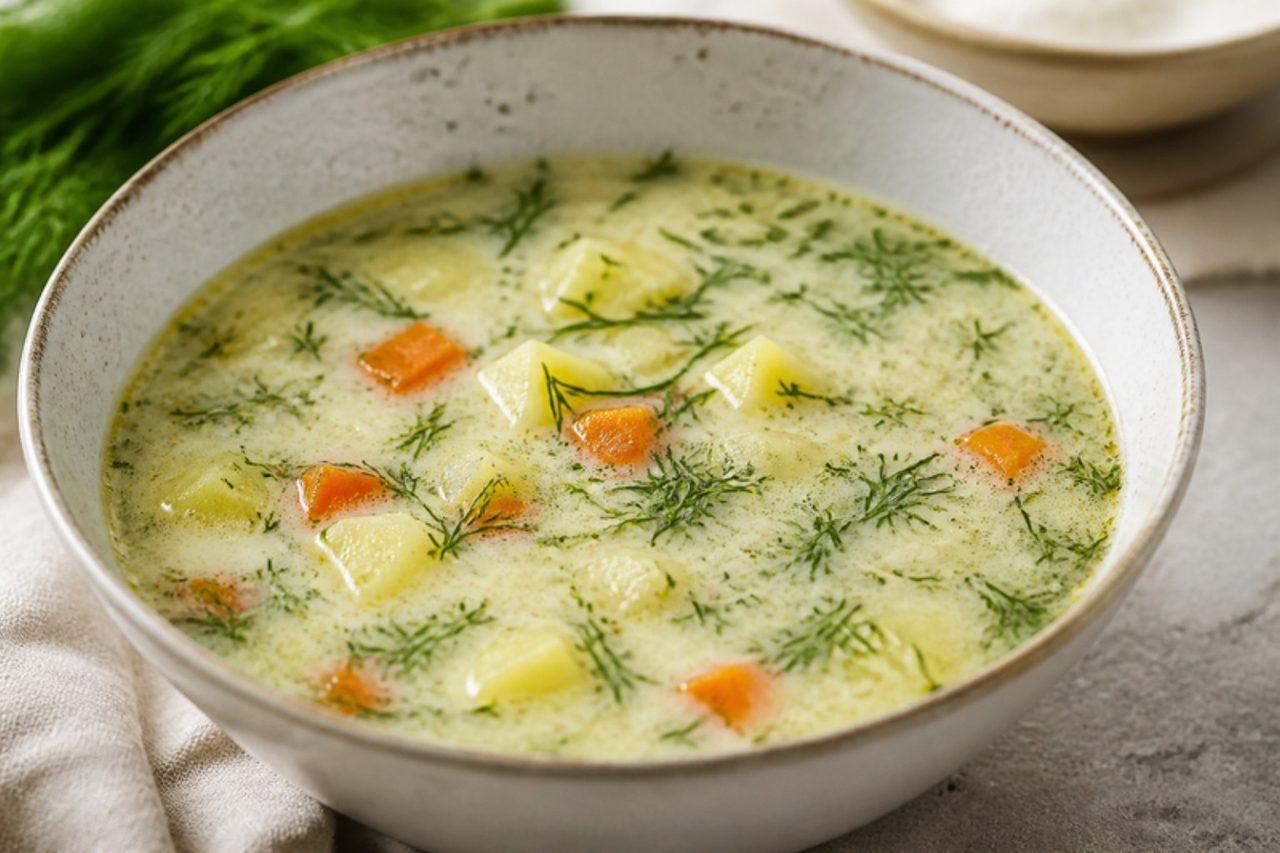
Zupa koperkowaDill and potato soup

In early summer, when bunches of dill tied with string pile up at Kraków's Stary Kleparz market, Polish cooks make zupa koperkowa: a light broth of potato, carrot and parsley root that gets almost a whole bunch of chopped dill at the end. It is a weekday lunch soup, often with a hard-boiled egg or a spoon of soured cream, and it tastes clean and green. A common mistake is cooking the dill with the vegetables, which turns it dull and grassy. Chef's tip: stir half the dill stalks in during simmering for depth, then add all the feathery leaves only once the pot is off the heat.

by KrazyBadal 0 views

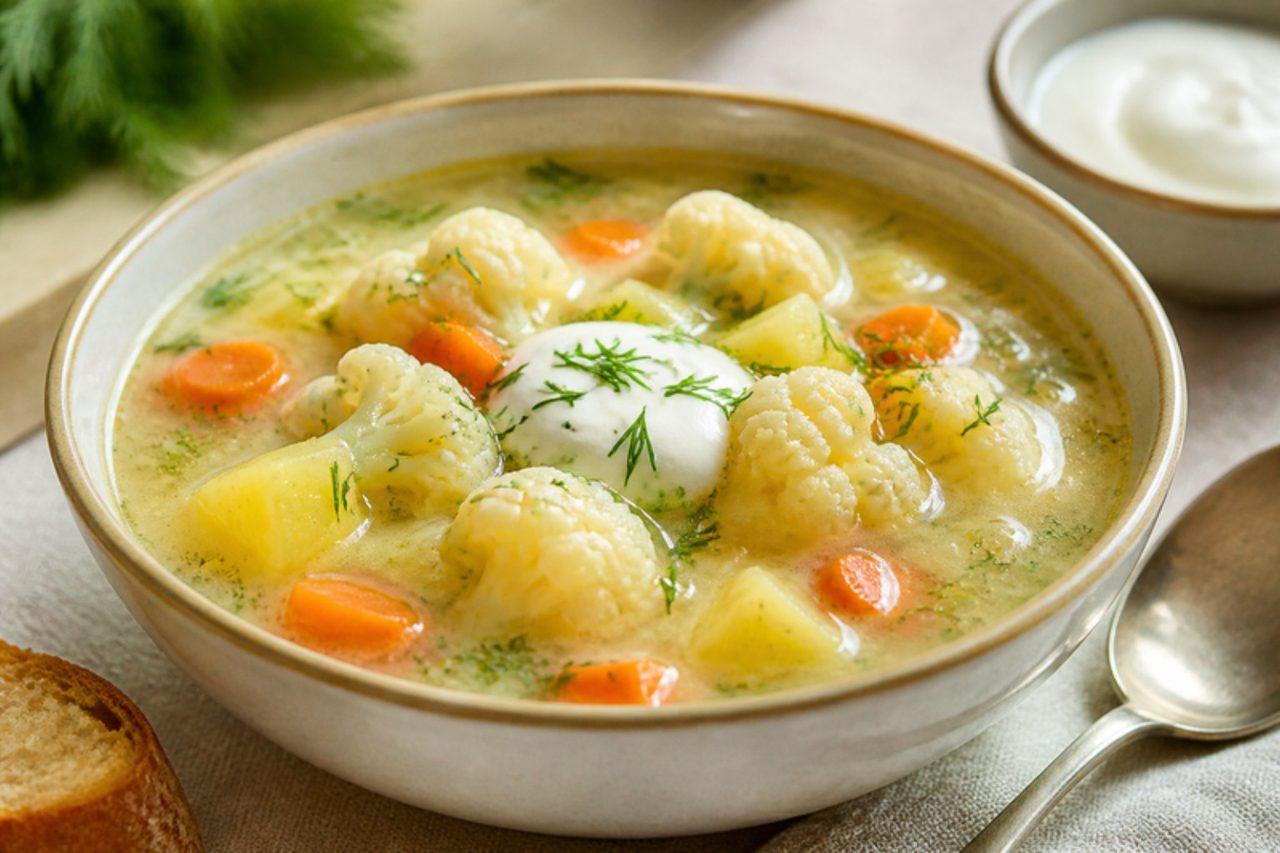
Zupa kalafiorowaCauliflower soup

Late-summer cauliflowers from the market gardens around Kalisz and Poznań end up in zupa kalafiorowa, a chunky, comforting soup that Polish families eat on a September weekday with fresh bread. Small florets, potato and carrot simmer in broth, and soured cream and dill turn it creamy and fresh at the end. It is not blended: the pleasure is in the soft florets. A common mistake is adding the cauliflower with the potatoes, so it falls apart into mush. Chef's tip: simmer the cauliflower stalk with the potatoes for flavour and add the florets for only the last 8–10 minutes.

by KrazyBadal 0 views

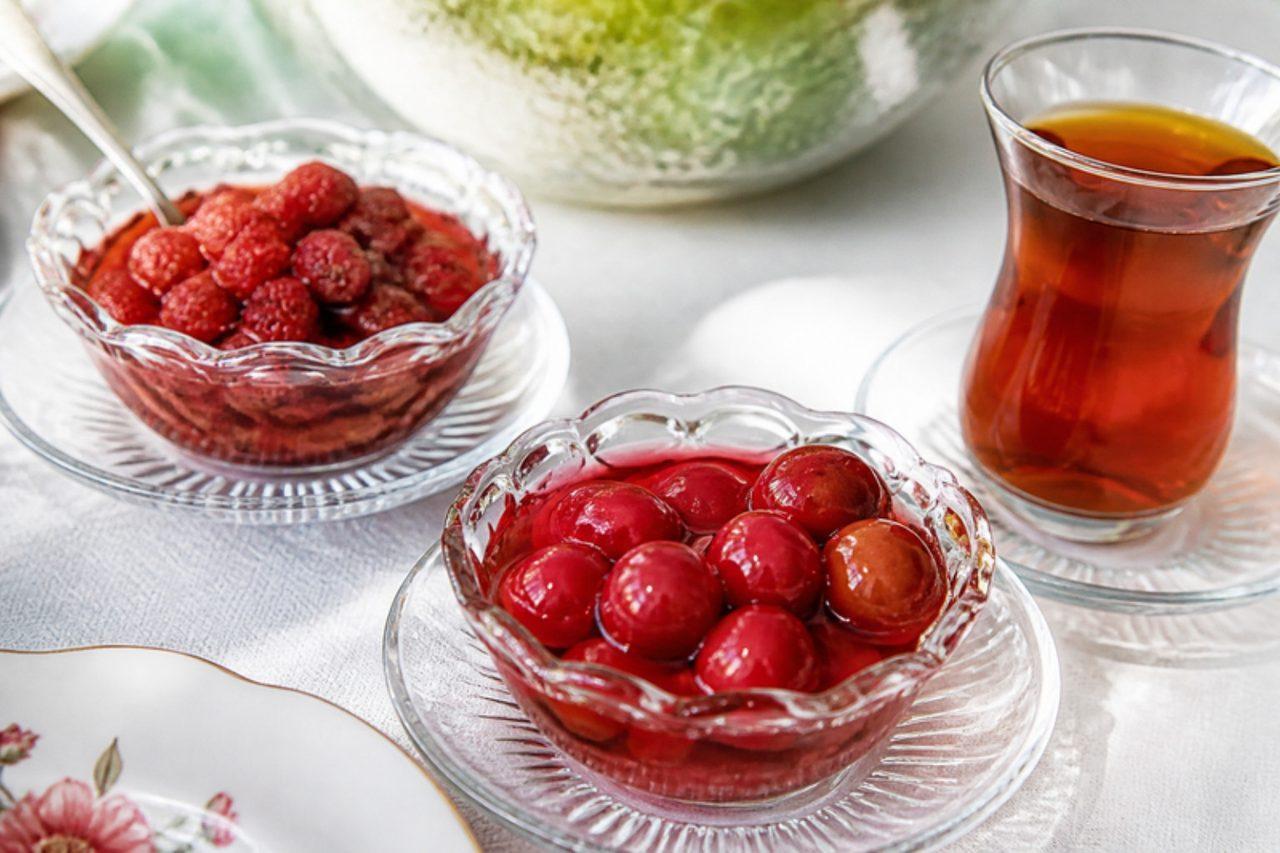
VarenyeFruit preserve in syrup

Varenye is not quite jam: whole berries or fruit are steeped and cooked in short bursts so they stay intact in a clear, glossy syrup. All summer at dachas around Moscow and Vladimir, copper basins of strawberry, cherry or gooseberry varenye bubble outside, and in winter it is spooned into tiny glass rosettes and eaten with tea, sometimes straight from the spoon between sips. The common mistake is boiling it in one long go, which turns the fruit to mush. Chef's tip: cook it in three short boils with long rests between; the fruit soaks up syrup slowly and stays whole.

by KrazyBadal 0 views

MuraveynikAnthill cake

Muraveynik is the 'anthill' that Soviet home bakers built for birthdays when shop cakes were hard to come by: crisp shortbread is baked, broken into crumbs, bound with boiled condensed milk and butter, then heaped into a little mountain and sprinkled with poppy seeds for the ants. It needs no tin and no layering, sets in the fridge, and is still a favourite at children's parties from Moscow to Omsk. The common mistake is crumbling the biscuit too fine, which makes a dense block instead of a craggy, crunchy heap. Chef's tip: break the dough through the coarse holes of a mincer or grater before baking so the crumbs are uneven and crisp.

by KrazyBadal 0 views

BudyńMilk pudding

Budyń is the pudding every Polish grandmother can make without a recipe, a soft spoonable milk custard thickened with potato starch or cornflour and set in glasses. Milk bars in Gdynia and Katowice sell it warm in winter and chilled in summer, often with a spoon of raspberry or cherry syrup on top, and children eat it after school. A common mistake is pouring the starch into hot milk without whisking it first in cold milk, which gives lumps. Chef's tip: once it bubbles, keep whisking for one more full minute; undercooked budyń tastes floury and goes thin as it cools.

by KrazyBadal 0 views

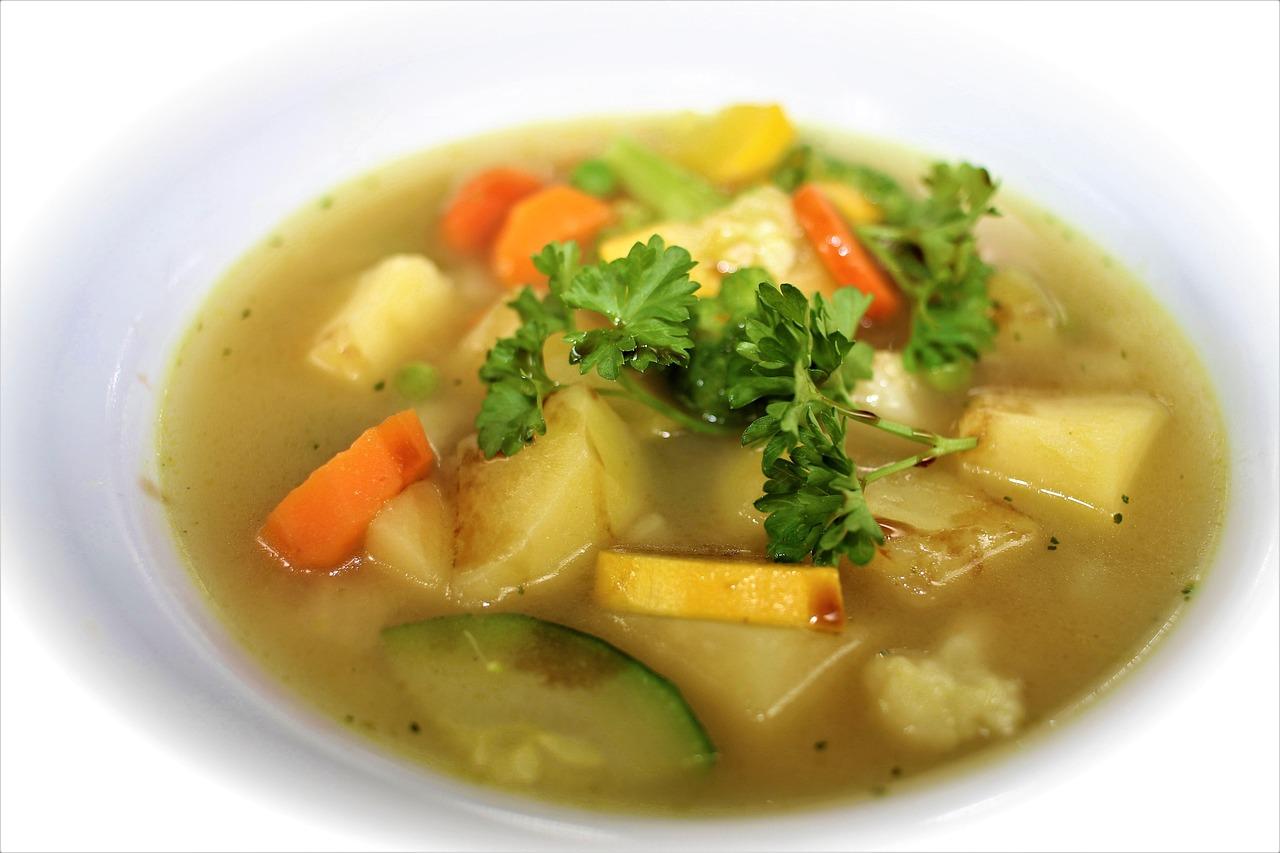
Zupa jarzynowaMixed vegetable soup

Zupa jarzynowa is what a Polish kitchen makes when the vegetable drawer needs clearing: carrots, parsley root, celeriac, potatoes, cauliflower, green beans and peas, all diced small and simmered in one pot. From Białystok to Szczecin it is the Monday soup, the canteen soup and the soup for anyone off their food, and it is eaten with bread and a swirl of soured cream. A common mistake is putting everything in at once, so the beans and peas turn khaki and soft. Chef's tip: add the vegetables in stages, roots first, green things last, and every spoonful has a bit of bite.

by KrazyBadal 0 views

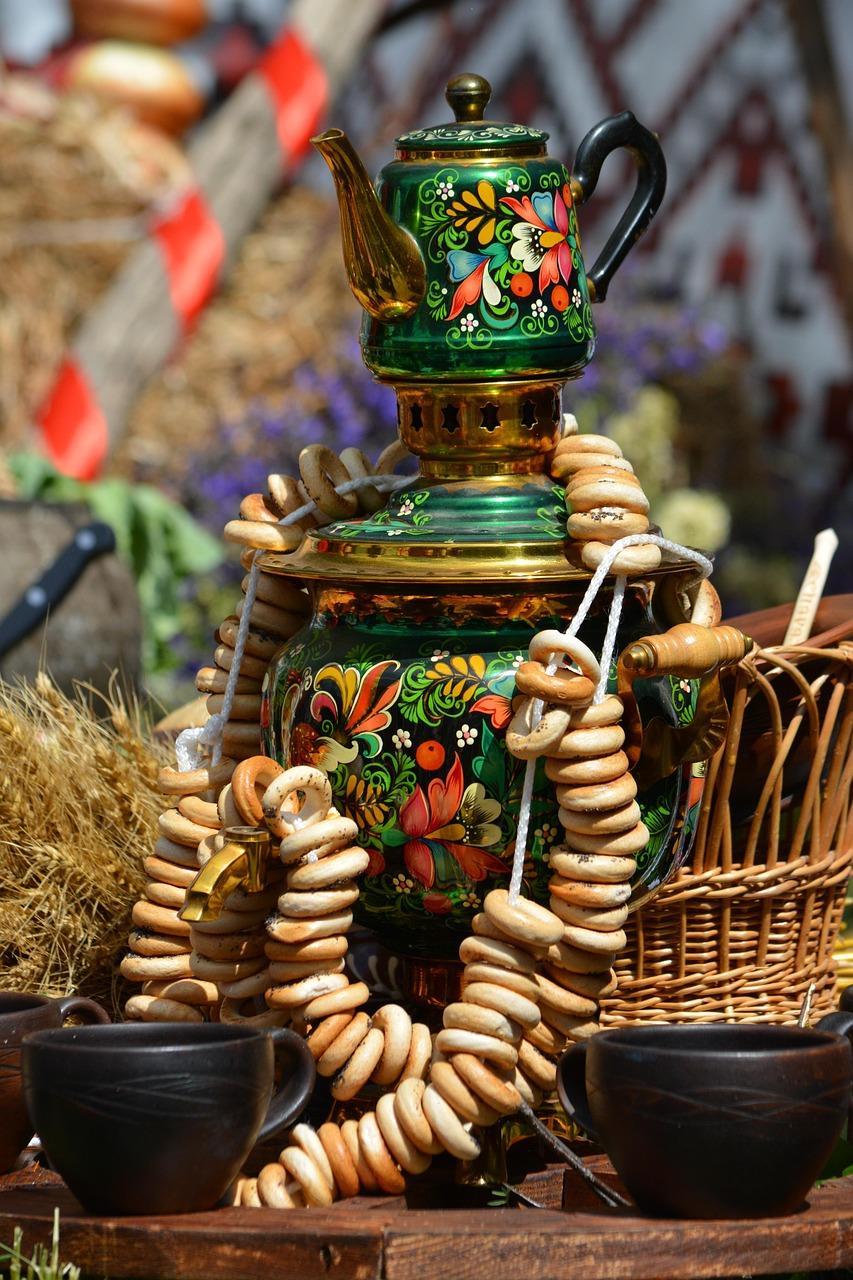
BarankiTea bread rings

Strings of baranki once hung on poles at every Russian fair, and you still see them threaded on twine in Moscow markets and station kiosks. The dough is boiled briefly like a bagel, then baked until hard, golden and glossy, so the rings keep for weeks and soften only when dunked in hot, sweet tea from the samovar. This version is vegan, made with oil instead of butter and eggs. The common mistake is a soft, wet dough, which makes puffy bread rolls instead of crunchy rings. Chef's tip: knead the dough stiff and leave the shaped rings uncovered for 20 minutes to form a skin before boiling; that gives the shine.

by KrazyBadal 0 views

MailänderliLemon butter cookies

Come December, almost every Swiss household bakes Mailänderli, the simplest and best-loved of the Weihnachtsguetzli: buttery, lemon-scented biscuits cut into stars, hearts and moons and painted with egg yolk so they bake to a deep shine. Children across German-speaking Switzerland help cut them out, and tins of them are swapped with neighbours and eaten all through Advent. Chef's tip: rest the dough in the fridge overnight, or for at least 2 hours; warm dough spreads and the shapes lose their sharp edges.

by KrazyBadal 0 views

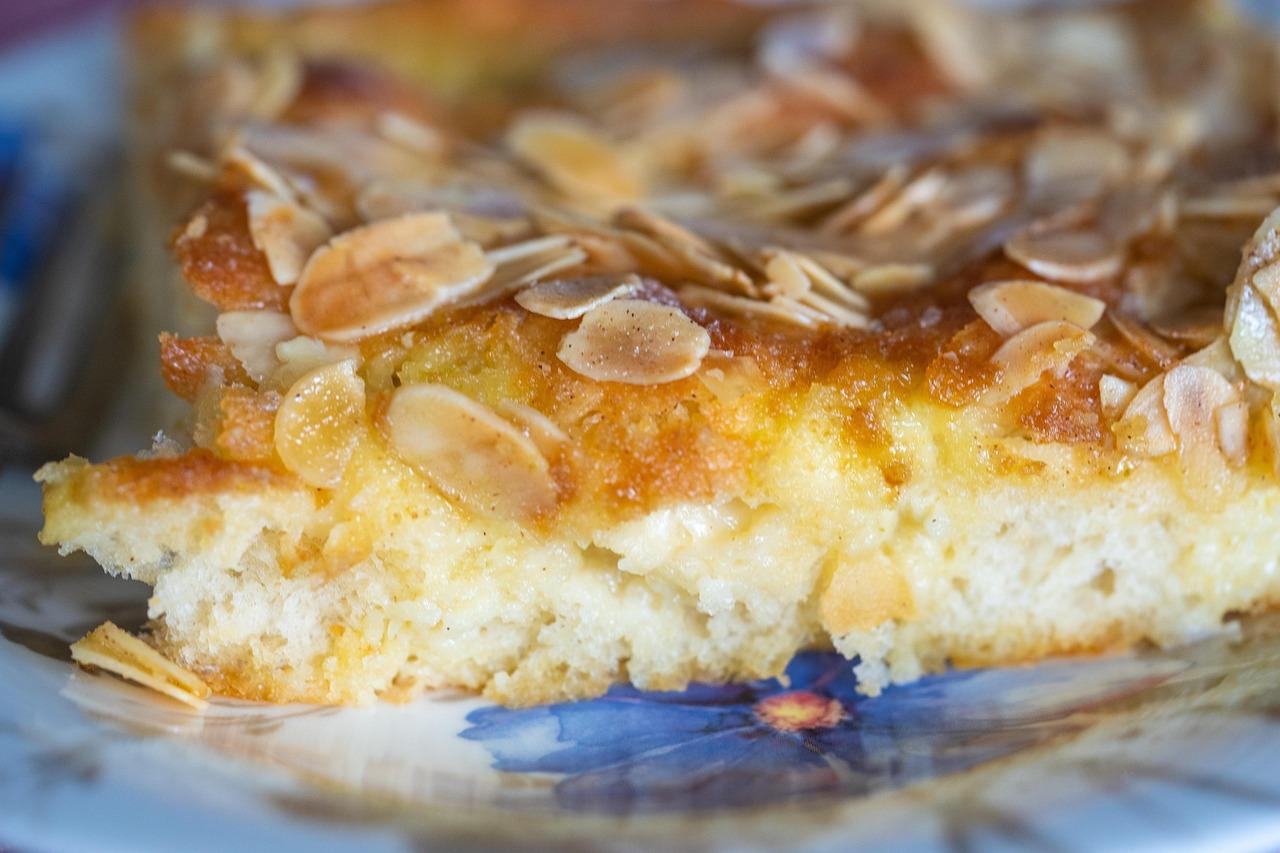
ToscakakaAlmond caramel butter cake

Toscakaka is the elegant fika cake of Swedish coffee afternoons, named after the opera and found in every old konditori in Stockholm and Gothenburg. Under a crunchy, toffee-like lid of flaked almonds cooked in butter, sugar and cream is a light, buttery sponge. It is at its best on the day it is made, with coffee. A common mistake is adding the topping too early, so it sinks into the raw sponge. Chef's tip: bake the cake until just set, then spread the hot topping over and return it to the oven until bubbling and amber.

by KrazyBadal 0 views

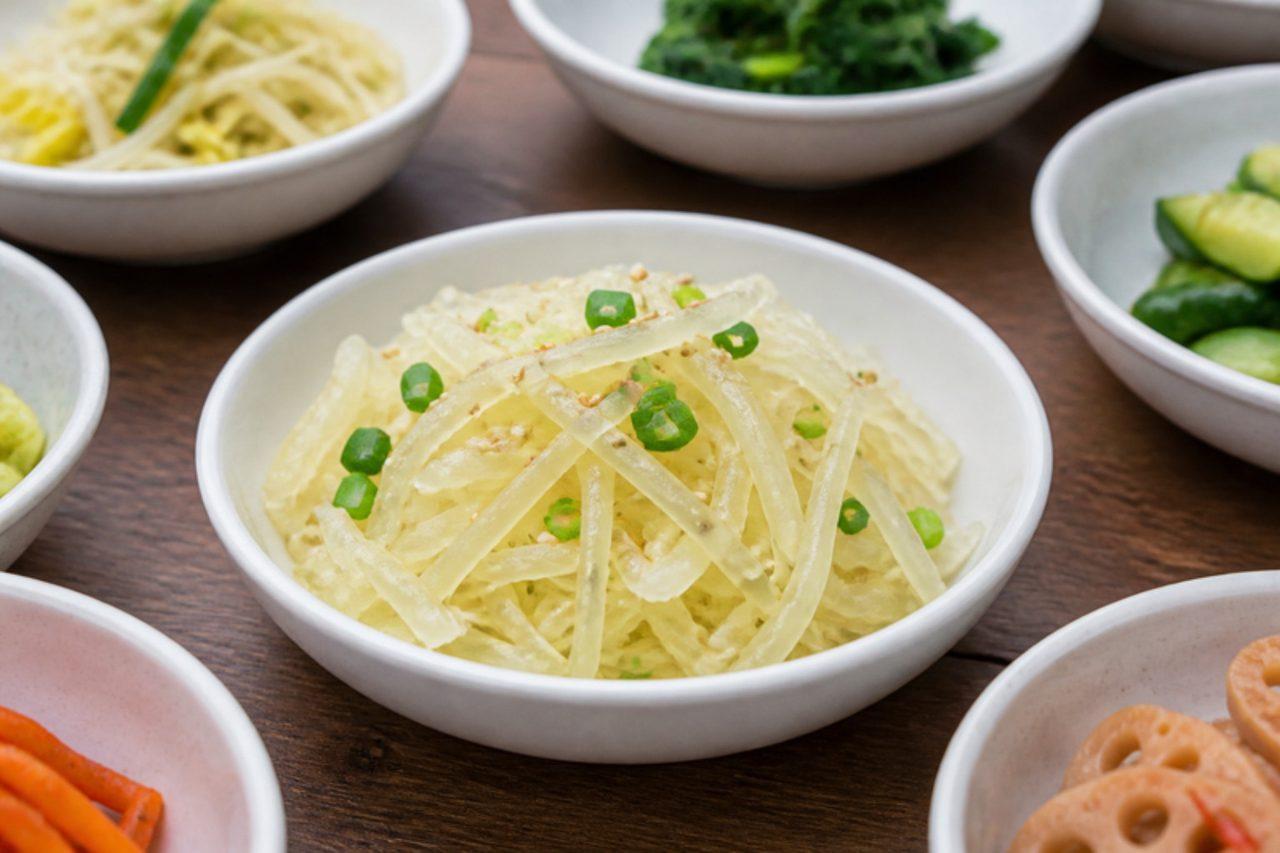
Mu namulStir-fried radish strips

Mu namul is the soft, white radish side dish that appears among the banchan of a Korean home table in autumn and winter, when the fat Korean radishes are at their sweetest, and it is always part of the namul set laid out for Chuseok and ancestral rites in Andong and Seoul. Thin matchsticks of radish are stir-fried with garlic and a pinch of salt, then steamed briefly in their own juice until tender and translucent, and finished with sesame. It is mild, sweet and very gentle on the stomach. A portion is about 50 kcal. The most common mistake is cutting the radish against the grain, so it breaks into short bits; cut lengthways, along the grain, so the strands stay long. Chef's tip: salt the radish first and let it sit for a few minutes; it releases water that it then cooks in, so you need almost no oil.

by KrazyBadal 0 views

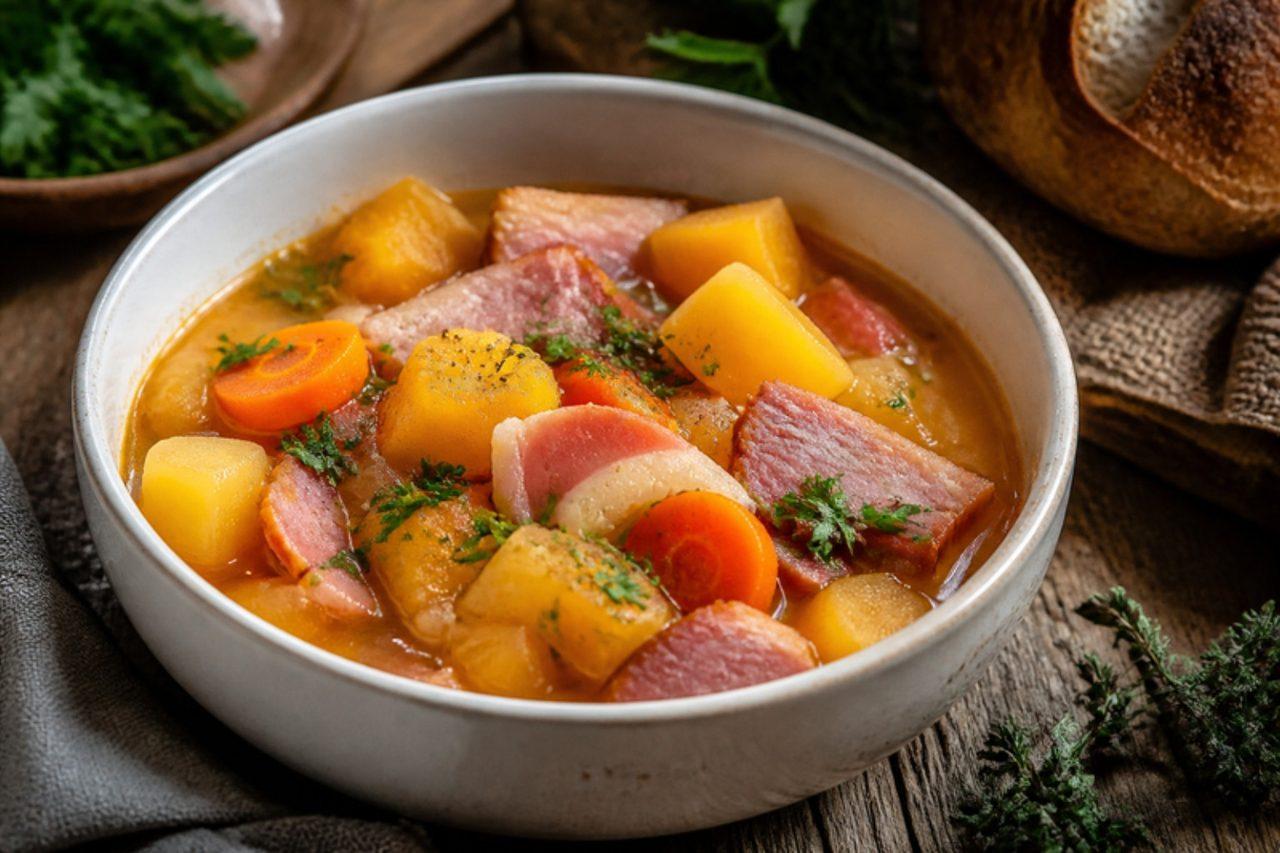
SteckrübeneintopfSwede stew

Swede carries hard memories in northern Germany, where it fed families through the 'turnip winter' of 1916–17, yet in Mecklenburg, Holstein and along the Elbe it is loved again as a sweet, golden winter stew. Chunks of swede, potato and carrot cook down in broth with smoked pork shoulder (Kasseler) until some of the vegetables collapse and thicken the pot, and it is ladled out on frosty days with mustard and dark bread. Expect a mellow, earthy sweetness. The usual mistake is cutting the swede too large; it takes longer than potato, so keep the cubes small. Chef's tip: mash a few ladles of vegetables against the side of the pot at the end for a thick, creamy stew without any flour.

by KrazyBadal 0 views

ParadiesäpfelCandy apples

Paradiesäpfel shine from the sugar stalls at German fairs and Christmas markets, from the Cannstatter Wasen to the Hamburg Dom: small tart apples on wooden sticks, dipped in a glassy red sugar glaze that cracks when you bite it. Children often get them on the way home from the rides in autumn. The glaze is just sugar, water and a drop of vinegar boiled to the hard-crack stage, so a sugar thermometer helps. The most common mistake is using wet or waxed apples, which makes the glaze slide off. Chef's tip: scrub the apples in hot water and dry them completely first, then dip quickly and twist so the excess drips back into the pan.

by KrazyBadal 0 views

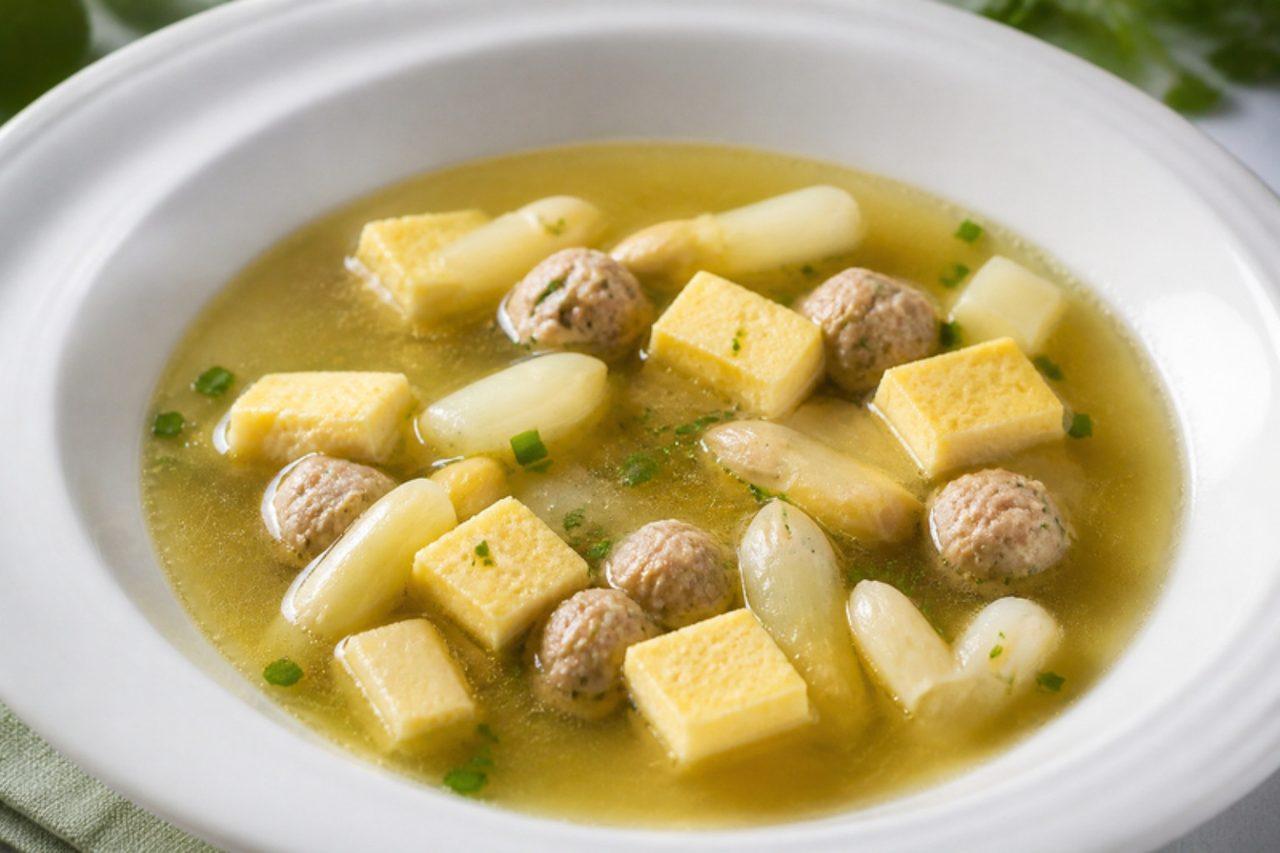
HochzeitssuppeWedding soup with meatballs

At weddings in Lower Saxony and Westphalia the meal begins with this soup, often served at village inns around Hanover and Münster long before the roast arrives. A clear beef broth carries three garnishes: tiny meatballs of beef and pork, cubes of Eierstich (a steamed egg custard) and pieces of asparagus or peas, so every spoonful has something different. It can be prepared in stages a day ahead, which is why it suits a crowd. A common mistake is boiling the meatballs hard, which clouds the broth. Chef's tip: poach the meatballs separately in salted water, then add them to the clear broth just before serving.

180 minGermanSoups
by KrazyBadal 0 views

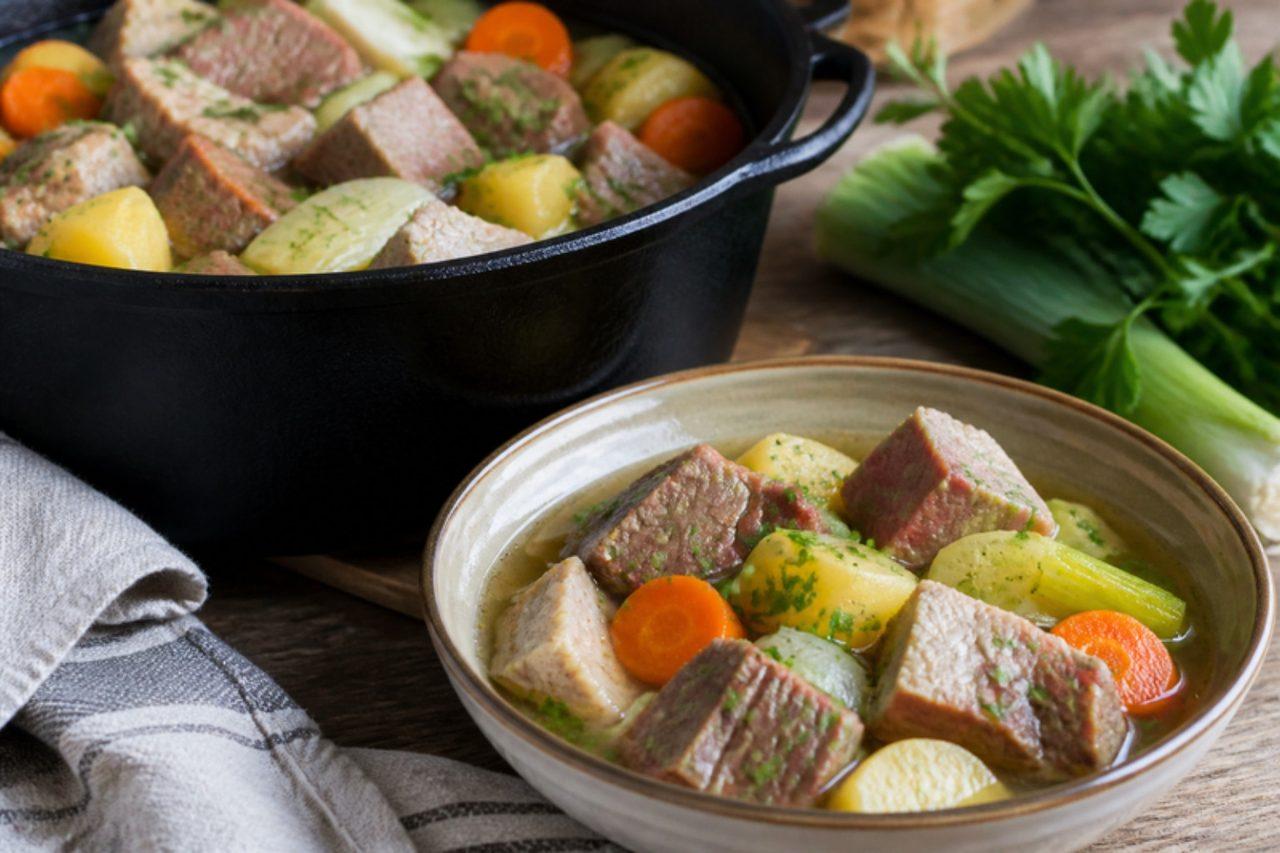
PichelsteinerBeef, pork and vegetable stew

Every summer the town of Regen in the Bavarian Forest holds a Pichelsteiner festival in honour of this layered stew, said to have been first cooked on the Büchelstein hill in the 1800s. Cubes of beef and pork shoulder are stacked in a heavy pot with potatoes, carrots, celeriac, leek and cabbage, a little marrow-bone fat or butter goes between the layers, and the whole thing cooks gently without stirring. Each spoonful mixes tender meat with soft vegetables in a clear, peppery broth. Stirring early is the classic mistake: the potatoes turn to mush. Chef's tip: brown the meat well first and the broth turns a rich amber instead of pale grey.

130 minGermanSoupsGluten free
by KrazyBadal 0 views

Showing 24 of 4,244 recipes

Show more recipes

Page 1 of 177