Skip to content
WhatToEat.Today

All recipes

124

Vegetarian, or something you can't eat? Set your diet once and we'll hide recipes that don't fit.

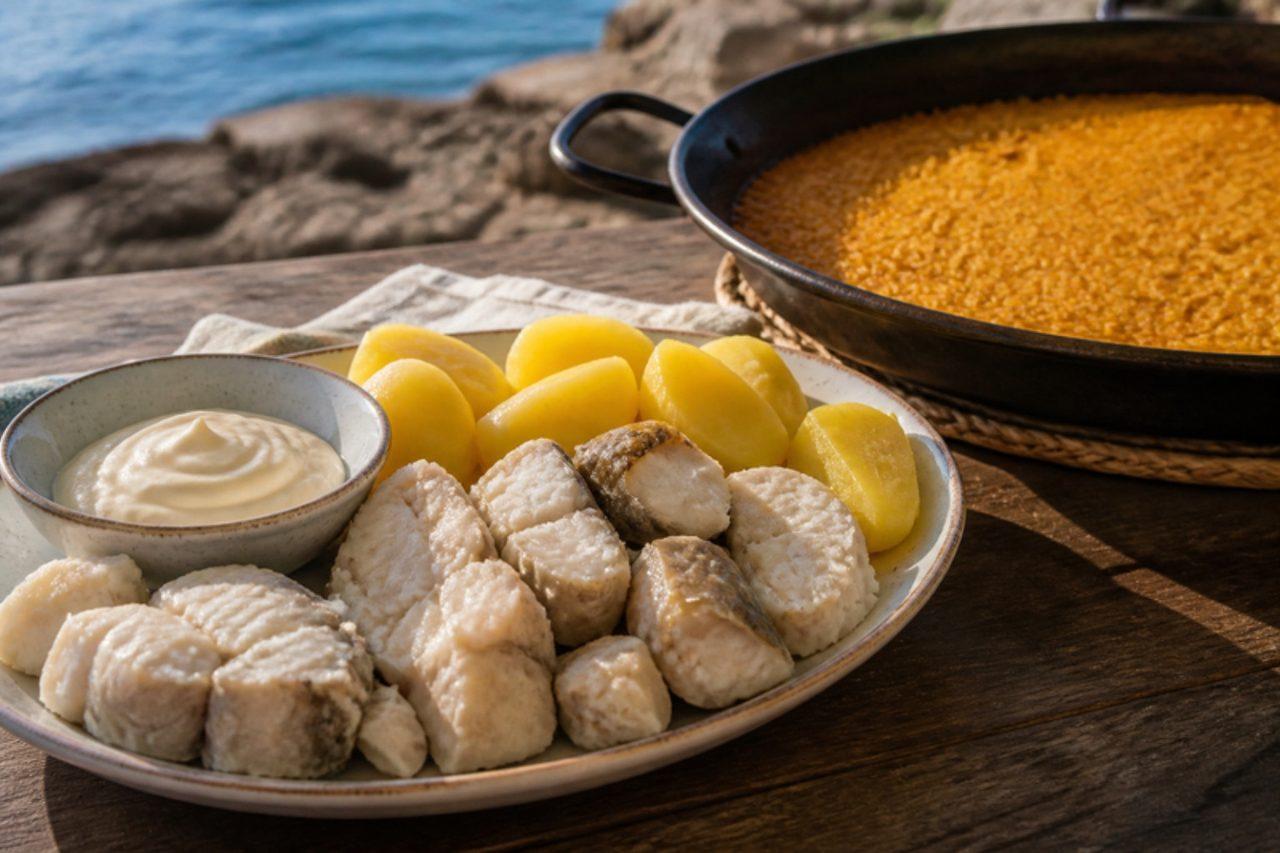
Bullit de peixFish and potatoes in saffron broth

Bullit de peix is Ibiza's two-course fishermen's lunch, still served at the beach restaurants of Cala Mastella and the fishing ports on long Sundays. First comes rockfish such as grouper, scorpionfish and John Dory, simmered with potatoes in a saffron broth and eaten with allioli; then the same broth cooks a second course, arròs a banda, rice served on its own. Use firm white fish that holds together. Chef's tip: keep the pot at a bare simmer once the fish goes in, so the pieces stay whole for the platter.

by KrazyBadal 0 views

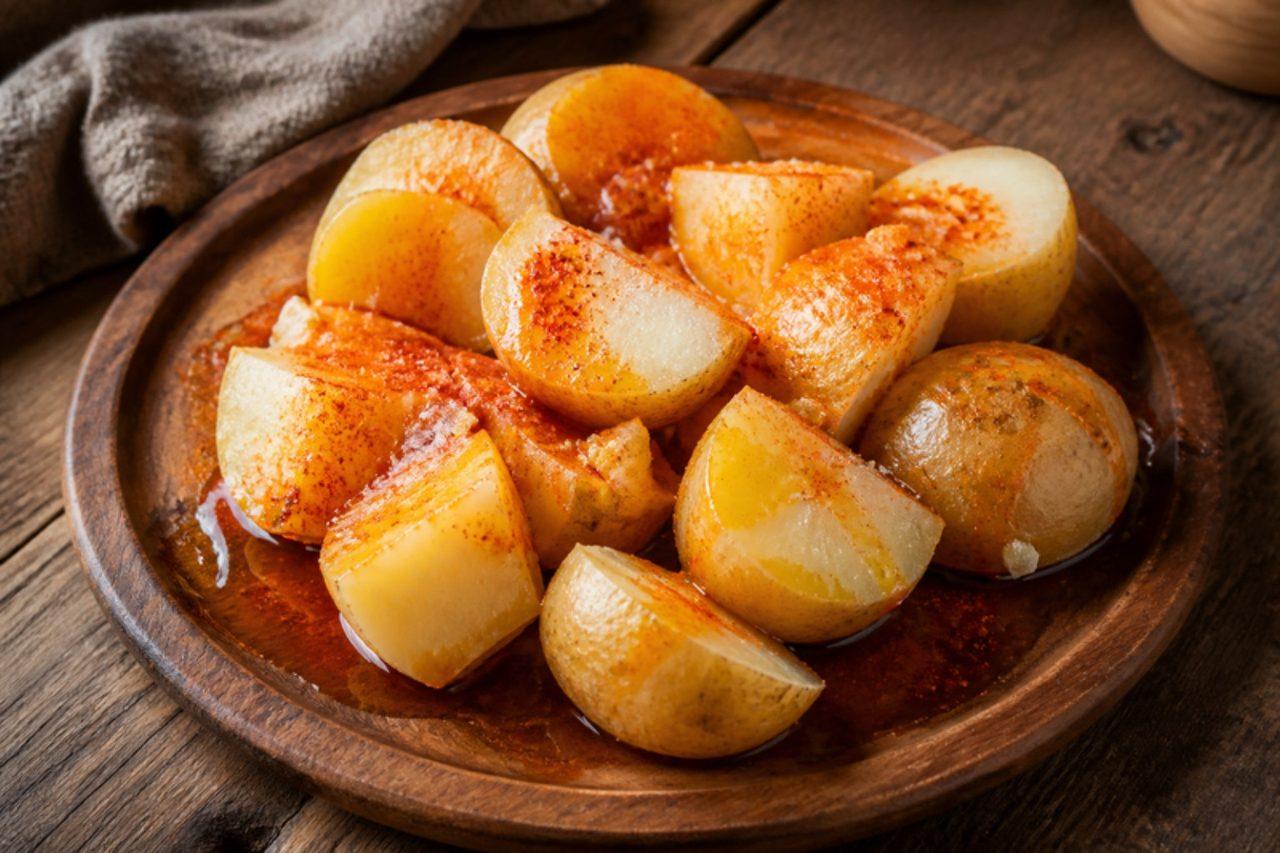
CachelosBoiled potatoes with paprika oil

At Galician fairs, and above all at O Carballiño's octopus festival every August, octopus is served on wooden plates with cachelos: potatoes boiled in their skins, cut into chunks and splashed with olive oil, coarse salt and paprika. They are just as good on their own, as a side for grilled fish or meat. A common mistake is adding paprika to sizzling oil, where it burns in seconds and turns bitter; warm the oil, take it off the heat, then stir it in. Chef's tip: boil the potatoes with a bay leaf and plenty of salt, and leave the skins on, so they stay whole and full of flavour.

by KrazyBadal 0 views
Rosquillas de San IsidroAniseed doughnut rings

Every 15 May, crowds head to the Pradera de San Isidro on Madrid's southern edge for the patron saint's festival, and stalls sell rosquillas by the dozen: plain "tontas" (silly ones) and iced "listas" (clever ones). Many families now bake them at home that week. Old recipes ice the listas with raw egg white; this one uses a lemon and icing-sugar glaze, which is safer and sets just as white. Chef's tip: oil your hands to shape the rings; the dough is soft and sticky by design.

by KrazyBadal 0 views
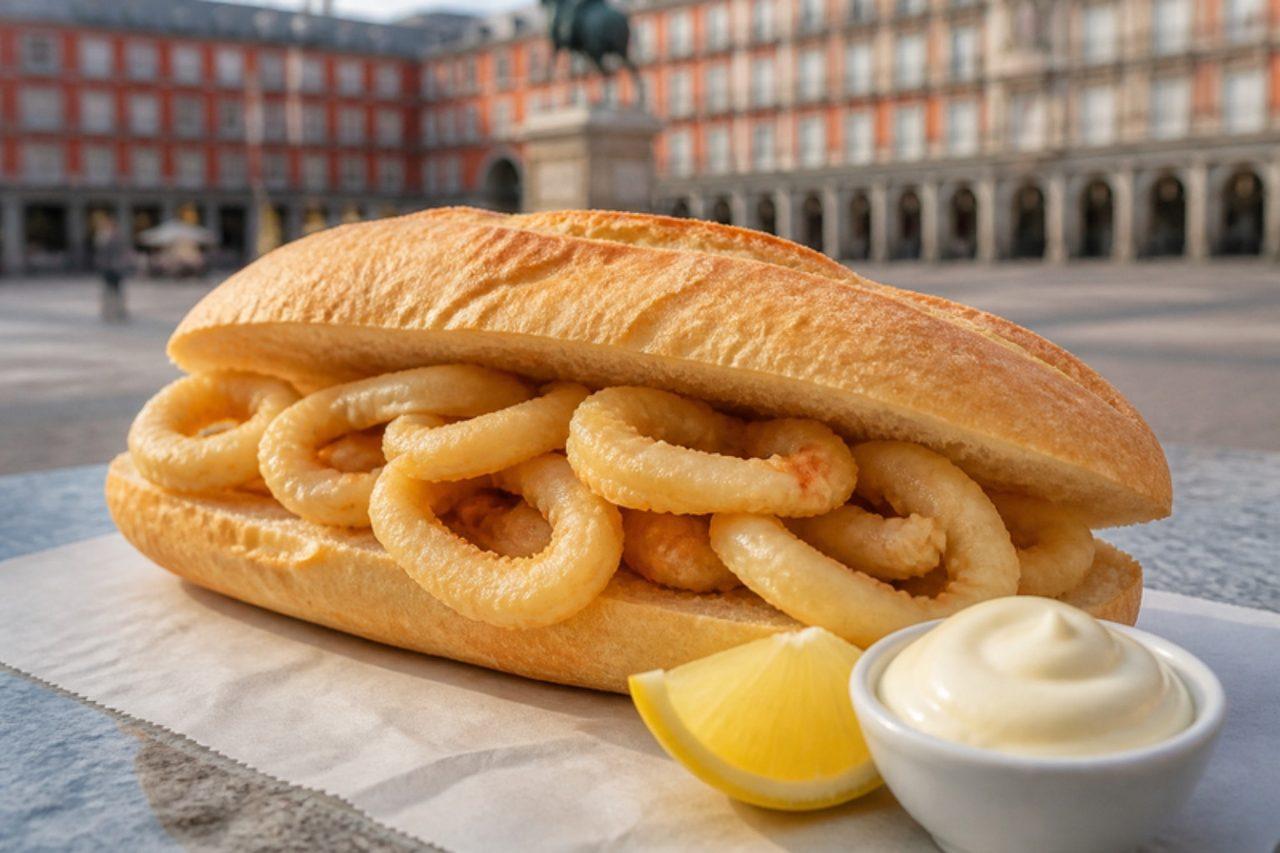
Bocadillo de calamaresFried squid sandwich

Madrid sits hundreds of kilometres from the sea, yet its most famous snack is a crusty roll stuffed with hot fried squid rings, eaten standing at the bars around the Plaza Mayor at any hour. Locals order one with a cold drink at the counter and squeeze over a little lemon; some add a smear of mayonnaise. Chef's tip: fry the squid in very hot oil and for barely a minute, so it stays tender inside a crisp coat.

by KrazyBadal 0 views
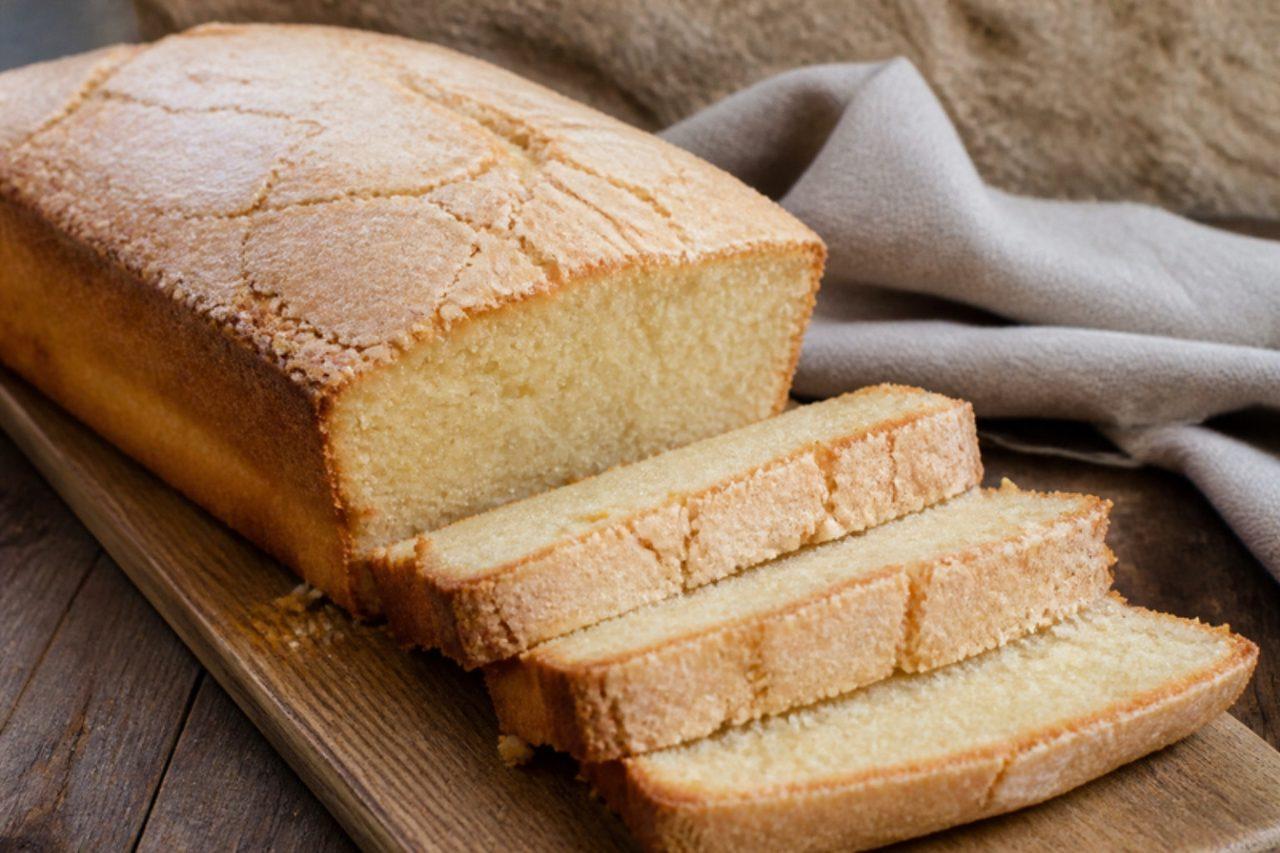
Bica de TrivesButtery cream cake

Pobra de Trives, a mountain town in Ourense, holds a festival every August in honour of its bica, a rich, close-textured cake made with fresh cream and butter from local dairies. It is baked in a rectangular tin, sold in paper and eaten in thick slices with coffee or a glass of milk. The sugar scattered on top bakes into a thin, crackly crust. A common mistake is overmixing once the flour goes in, which makes it tough; fold just until no streaks remain. Chef's tip: whip the egg whites separately and fold them in last for a lighter crumb.

by KrazyBadal 0 views
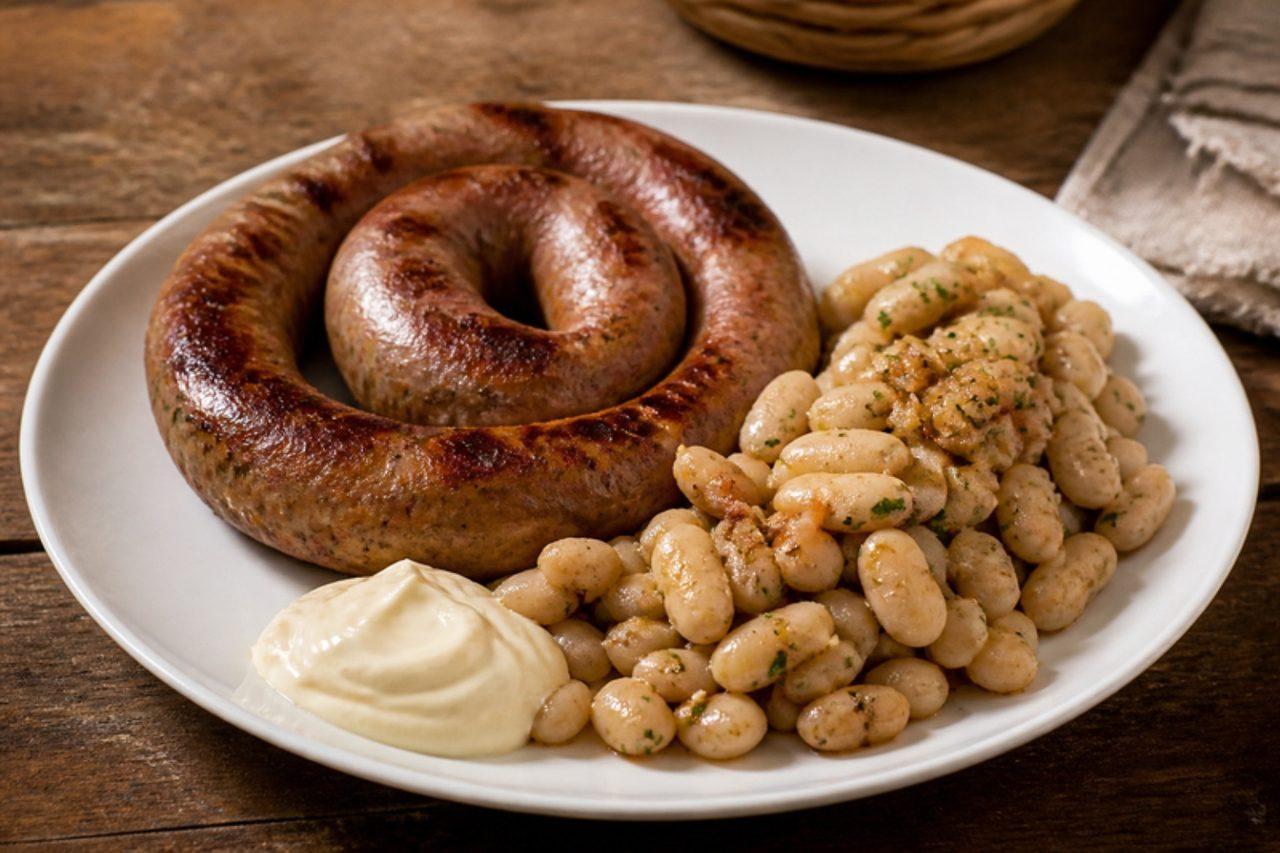
Botifarra amb mongetesPork sausage with white beans

This contains pork (botifarra sausage). Ask in any Barcelona neighbourhood restaurant for the most Catalan plate on the menu and you will probably get this: a coil of grilled botifarra, a fresh pork sausage seasoned with little more than salt and pepper, beside white beans sautéed with garlic and parsley until crisp at the edges. It is everyday lunch food, and often comes with allioli. If you cannot find botifarra, use coarse, plain fresh pork sausages. Chef's tip: let the beans sit untouched in the hot pan for a minute between stirs, so some of them catch and crisp.

by KrazyBadal 0 views
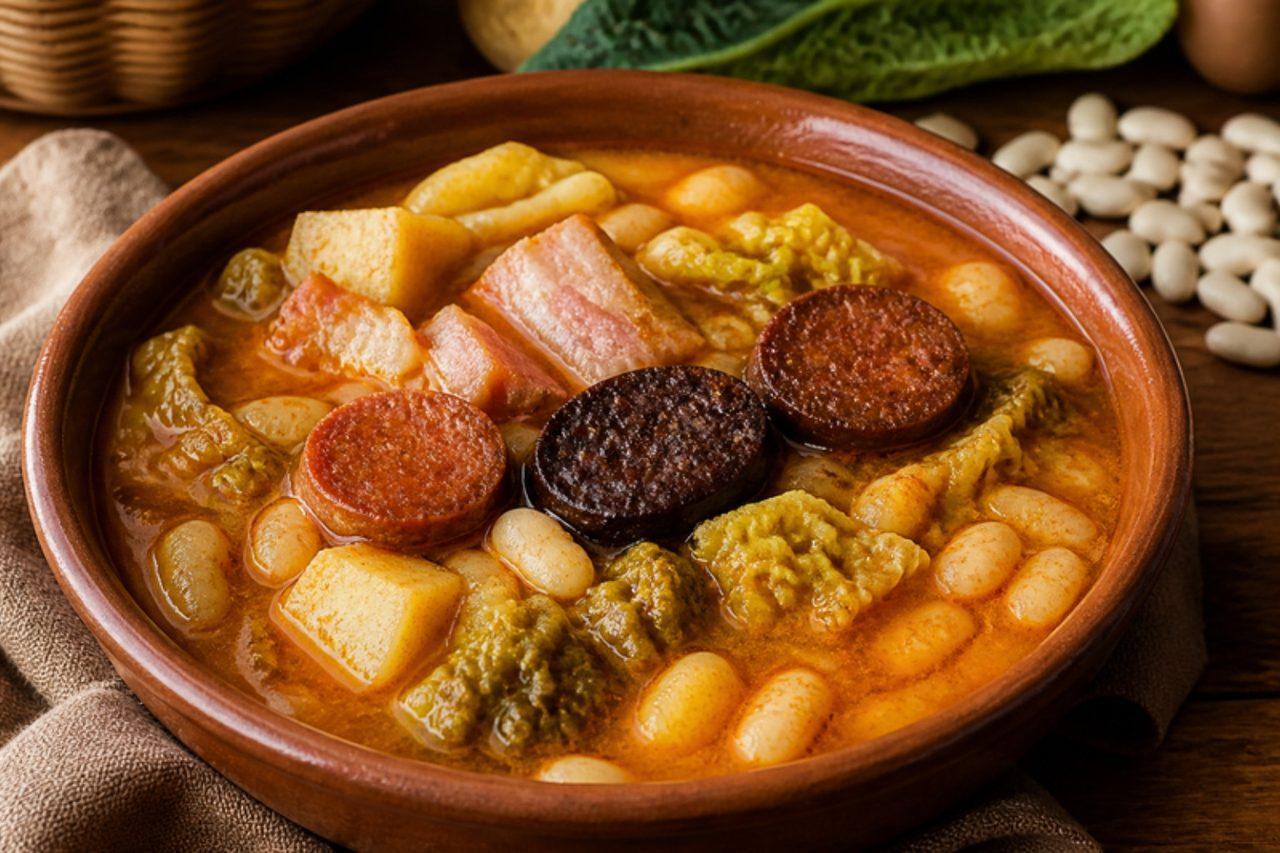
Pote asturianoWhite bean and cabbage stew

Before fabada became famous, pote was what simmered on every Asturian hearth: white beans, dark winter cabbage, potatoes and the cured pork mix the locals call compango. It is still the dish for a cold, wet weekday in the mining valleys around Mieres and Langreo, served from the pot with crusty bread. This contains pork (chorizo, morcilla, pork belly and ham hock). Chef's tip: add the morcilla only for the last 20 minutes and never stir hard after that, or it breaks up and clouds the broth.

185 minSpanishMeat
by KrazyBadal 0 views
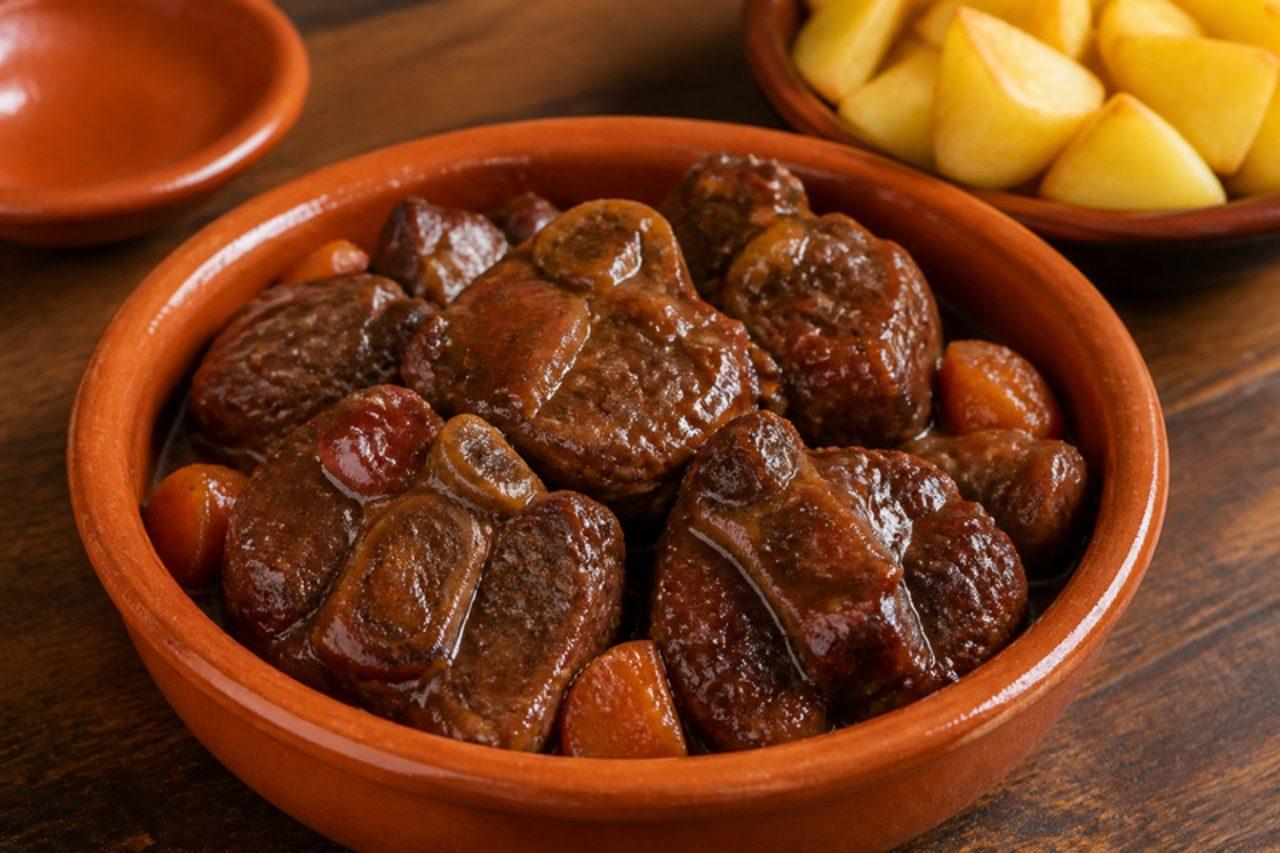
Rabo de toroRed wine braised oxtail

Córdoba claims rabo de toro as its own, and its taverns near the Mezquita serve it all year, though it is most at home on a cold winter Sunday. Once it was made with the tails of bulls from the ring; now it is beef or veal oxtail, browned and braised for hours in red wine with vegetables until the meat slips off the bone into a glossy, sticky sauce. This recipe uses wine; the alcohol-free option is in the ingredient list. Chef's tip: make it a day ahead, chill it and lift off the set fat; the sauce is cleaner and the flavour deeper.

240 minSpanishMeat
by KrazyBadal 0 views
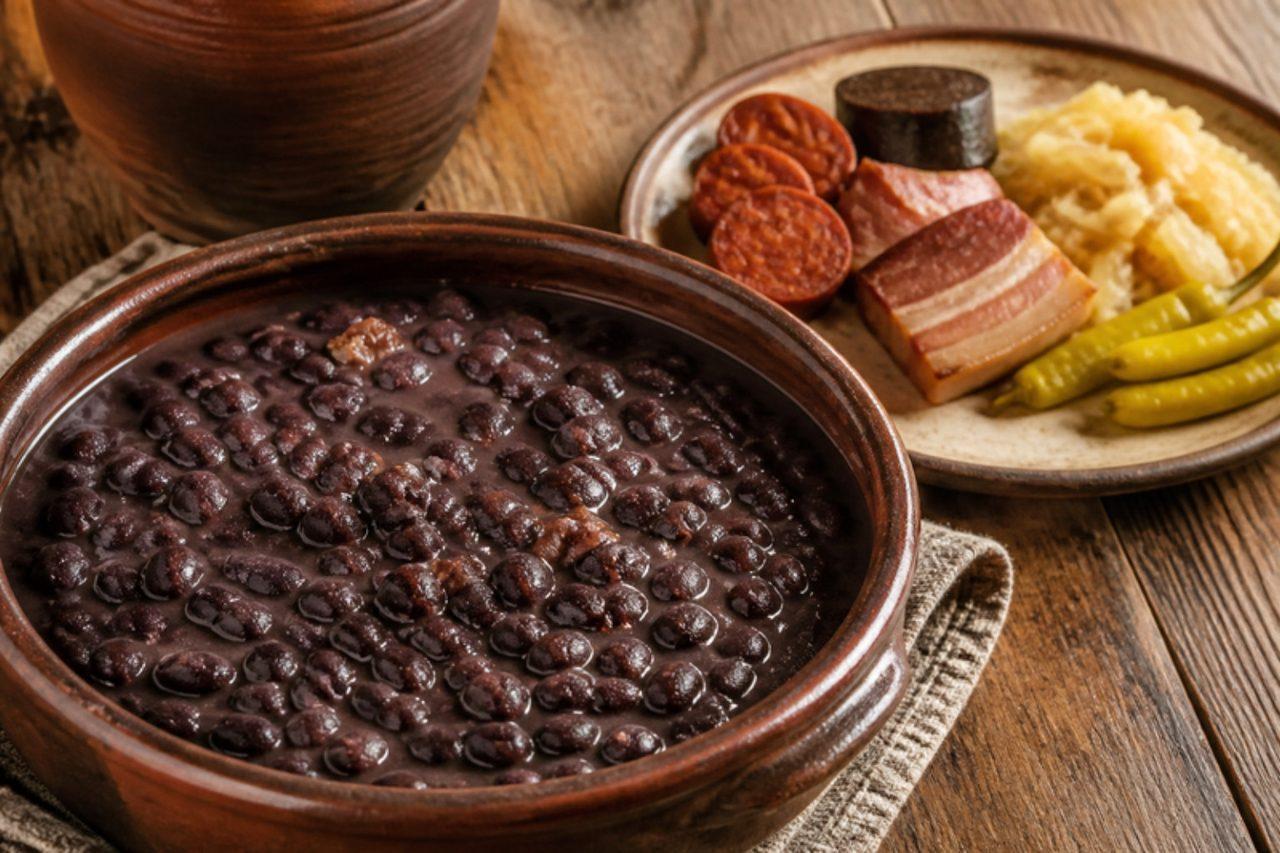
Alubias de TolosaBlack beans with chorizo and pork

Tolosa, in the Oria valley, celebrates its dark purple-black beans every autumn, and the town's restaurants serve them in clay pots with the 'sacramentos' on the side: chorizo, morcilla and pork belly, plus cabbage and pickled guindillas. This contains pork (chorizo, morcilla and pork belly). The beans are cooked very slowly with only onion and oil until creamy and the broth is thick and dark. A common mistake is boiling the beans hard, which splits their skins; they should barely tremble. Chef's tip: add a splash of cold water three times while they cook ('scaring' the beans), which keeps the skins tender and whole.

195 minSpanishMeat
by KrazyBadal 0 views
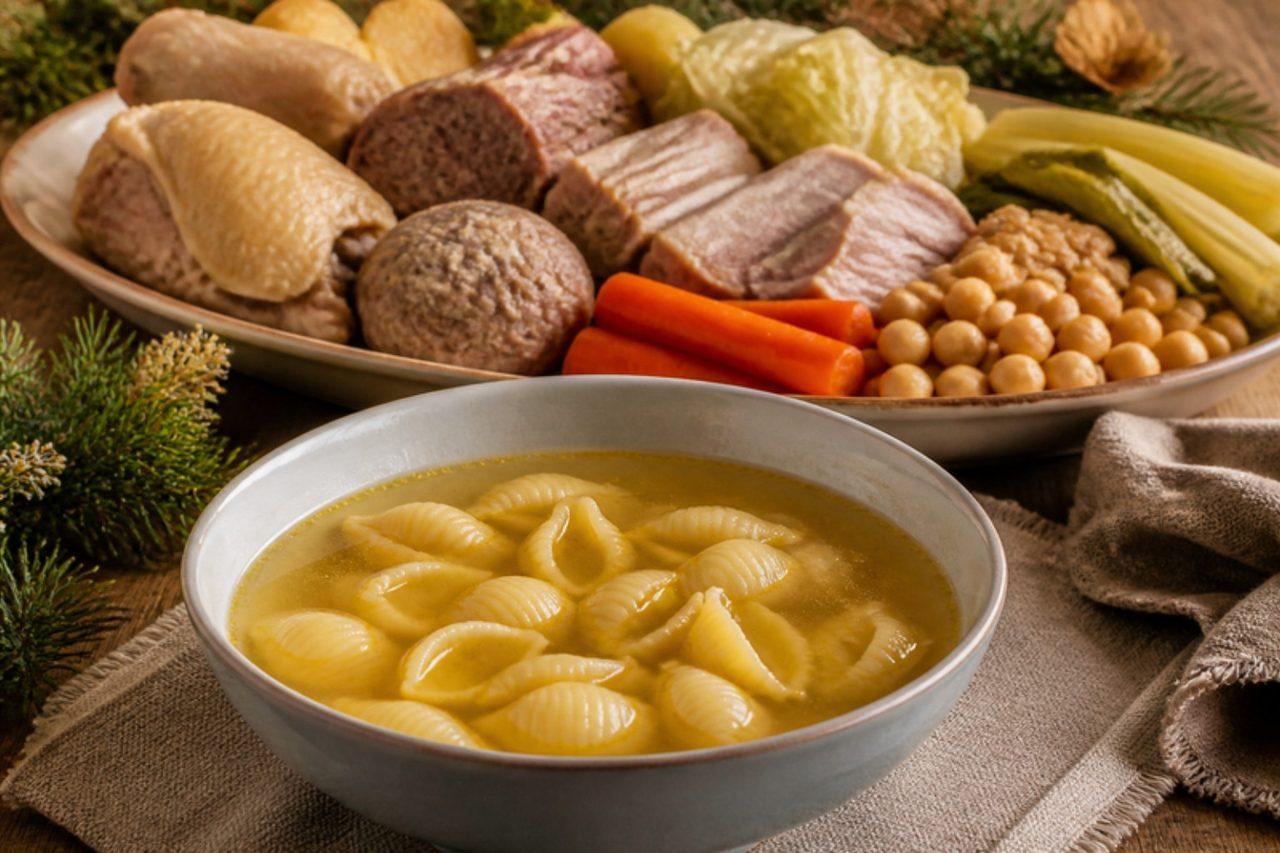
Escudella i carn d'ollaChristmas soup with giant pasta

This contains pork (pork belly and pork mince). On Christmas Day, Catalan families sit down to escudella i carn d'olla, served in two courses: first the broth with giant snail-shaped galets pasta, then the carn d'olla, a platter of the meats, chickpeas and vegetables that made it, including the pilota, a large herby meatball. The pot simmers for hours, and the leftovers become the next day's canelons. Chef's tip: start the meats in cold water and skim patiently as it comes to the boil; it is the only way to a clear, golden broth.

255 minSpanishSoups
by KrazyBadal 1 views

Ponche segoviano

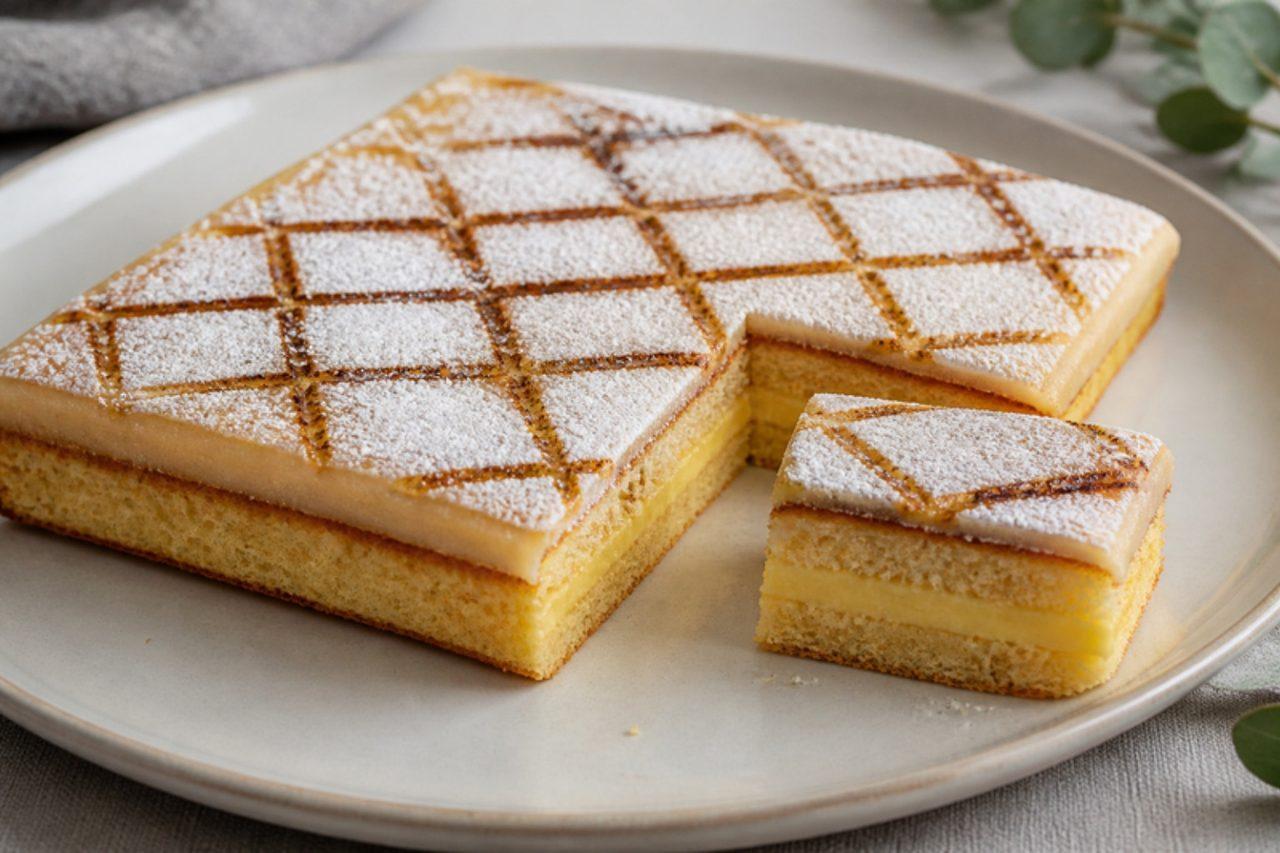
Segovia's confiterías have sold ponche since the 1920s: layers of light sponge brushed with syrup, sandwiched with thick custard and wrapped in a thin coat of marzipan whose sugared top is branded into a diamond lattice with a hot iron. It is the cake for a family celebration, or the sweet finish after a roast suckling-pig lunch in the old town. The syrup is traditionally laced with liqueur; leave it out, or swap it for orange juice, for an alcohol-free cake. Chef's tip: let the custard cool and set completely before assembling, or the layers slide.

by KrazyBadal 0 views

Bacalao al ajoarrieroSalt cod with garlic and pepper

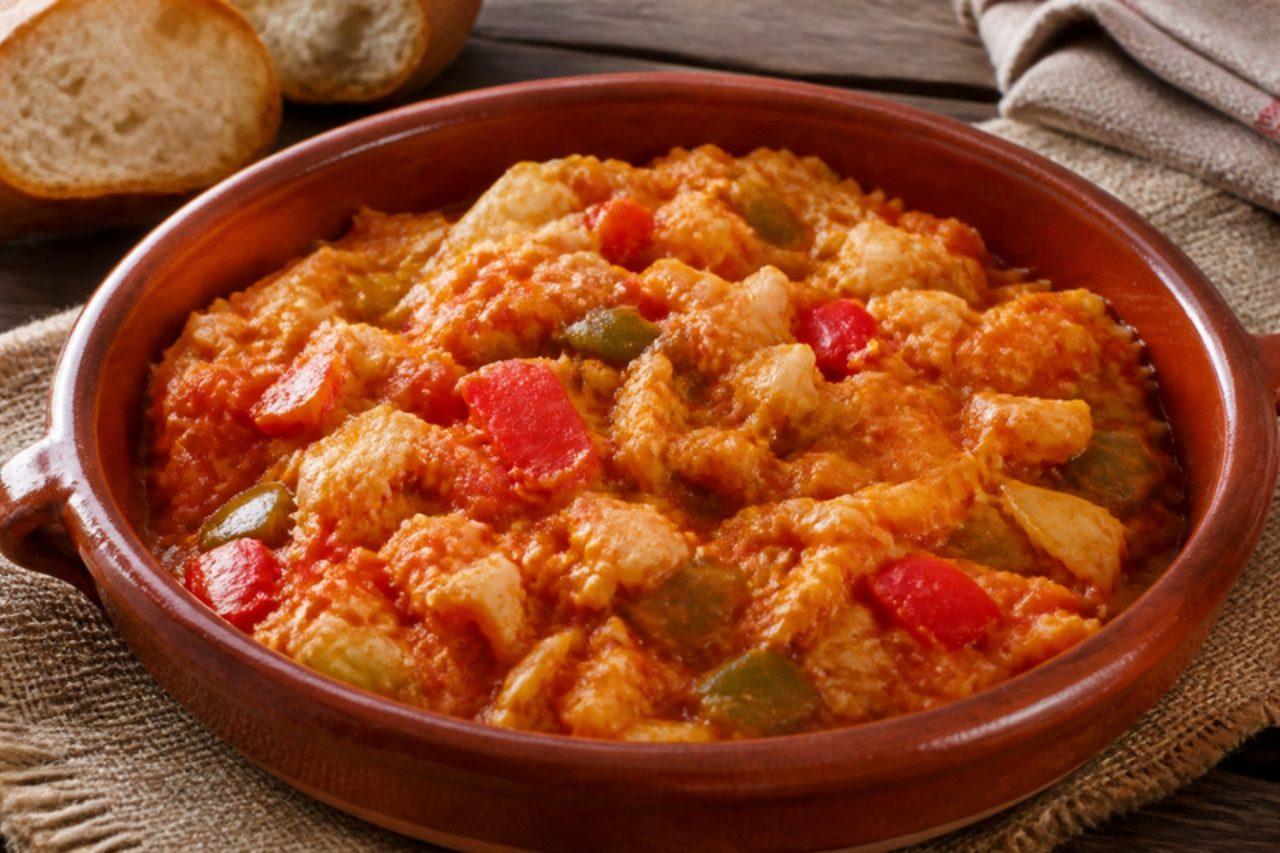
The muleteers who carried goods over the mountain roads into Pamplona, the arrieros, lived on salt cod because it kept for weeks, and the garlicky way they cooked it took their name. Today ajoarriero is ordered in the bars around Pamplona's Plaza del Castillo, especially during San Fermín, and served in small earthenware dishes with bread. The Navarrese version is red with peppers, tomato and dried choricero pepper, and many cooks stir in egg at the end. Chef's tip: taste the cod after soaking and only salt the dish at the very end, if at all.

by KrazyBadal 0 views

Gazpachuelo malagueñoHot fish soup with mayonnaise

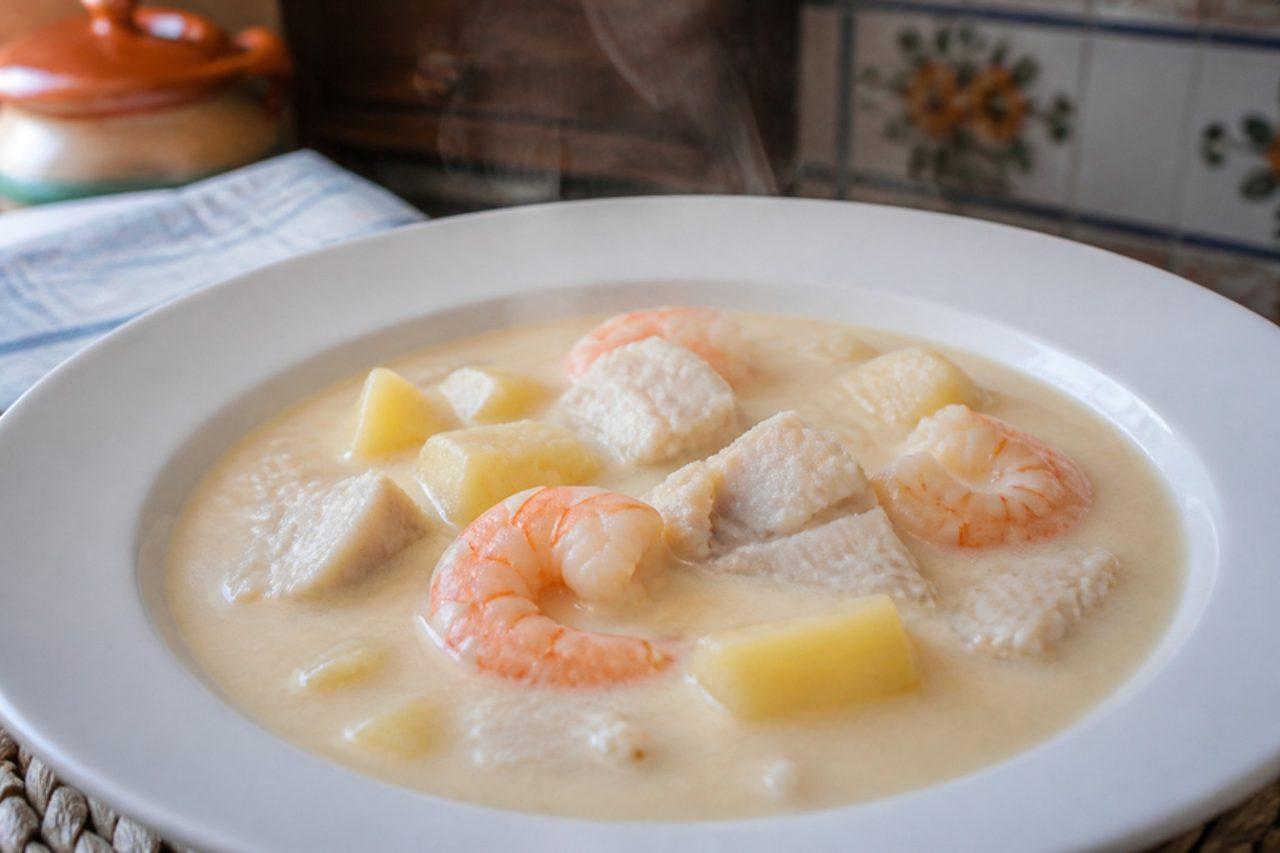
Málaga's fishermen once made gazpachuelo on the beach with whatever the nets brought in, and today it is a winter comfort soup in the city's homes and old-style taverns: a clear broth with potatoes, hake and prawns, slowly poured over a homemade mayonnaise until it turns pale and creamy. Done right it is silky, lemony and light. The eggs in the mayonnaise must be heated through properly, so this method brings the soup to 72 °C at the end without boiling it. Chef's tip: add the broth to the mayonnaise, never the other way round, and at first only a ladle at a time.

by KrazyBadal 0 views

All i pebreEel and potato paprika stew

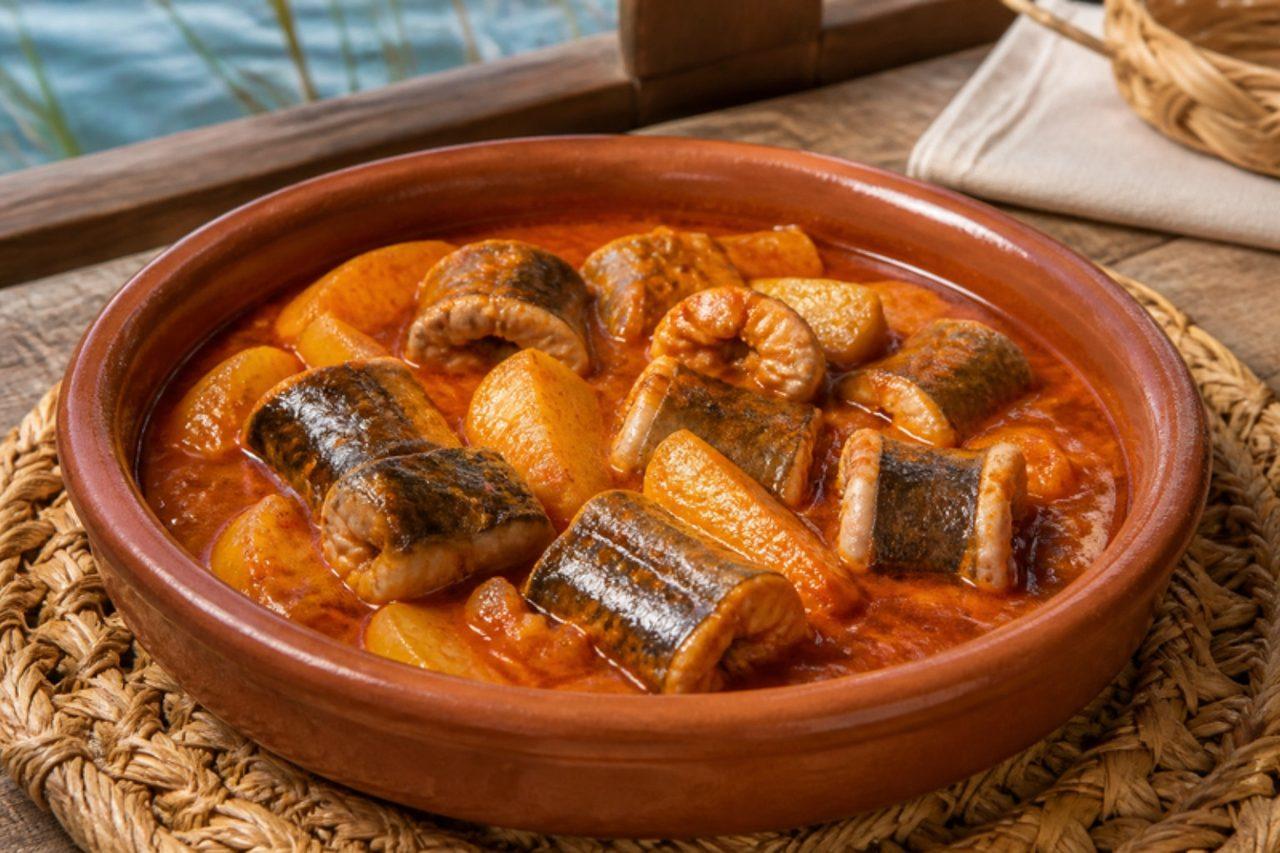
In El Palmar and the other villages around the Albufera lagoon south of Valencia, the restaurants that are famous for paella serve something older first: all i pebre, "garlic and pepper", a brick-red stew of lagoon eel and potatoes thickened with a pounded almond and fried-bread picada. It is rich, garlicky and gently hot, eaten with bread to mop up the sauce. Ask your fishmonger to skin and cut the eel, and handle it with gloves: raw eel blood is irritating, though harmless once cooked. If you can't find eel, monkfish or hake works well. A common mistake is letting the paprika burn; it turns bitter in seconds, so add it off the heat. Chef's tip: break the potatoes with a knife instead of cutting cleanly; the rough edges release starch and thicken the sauce.

by KrazyBadal 1 views

Almejas á mariñeiraClams in garlic and white wine

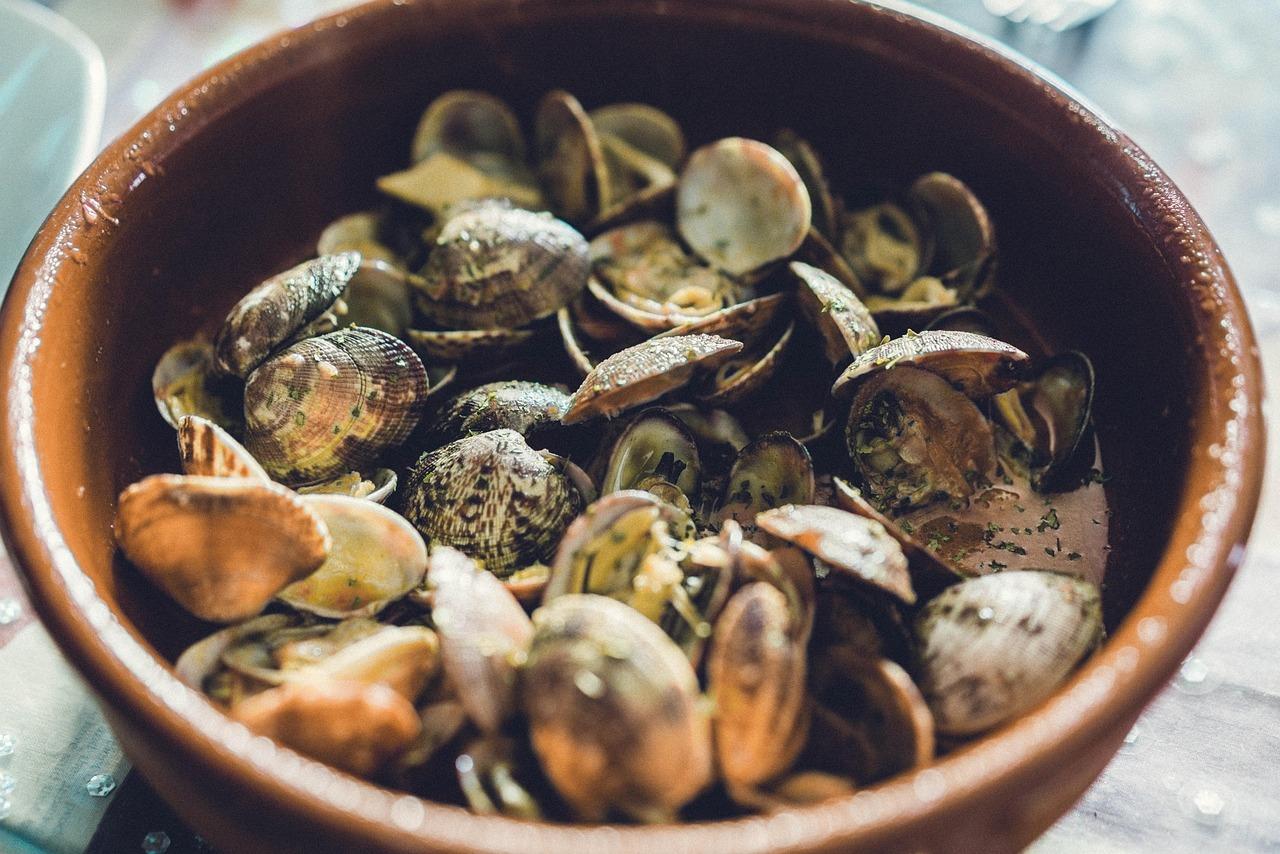
Carril, a fishing village on the Arousa estuary, is famous across Spain for its clams, and Galician bars serve them á mariñeira in small clay dishes with bread for the sauce. They are cooked with onion, garlic and a little paprika, and the sauce is lightly thickened with flour and loosened with white wine. This recipe contains alcohol (white wine); for an alcohol-free version, use fish stock with a squeeze of lemon. Throw away any clams with cracked shells, and any open ones that don't close when tapped, before cooking. A common mistake is overcooking: clams toughen once they open, so take them off the heat as soon as most are open. Chef's tip: soak the clams in salted water in the fridge for an hour so they spit out their sand.

by KrazyBadal 0 views

AlmojábanasGlazed choux rings

In Aragonese bakeries, almojábanas are the rings stacked by the till at Easter and for local fiestas: rings of choux-like dough that puff up hollow and airy in the oven and are then brushed with a white sugar glaze that cracks as you bite. The name comes from Arabic, and versions are found from Teruel to the Ribagorza, some flavoured with lemon and others with anise. They are best the day they are made, with a coffee or a glass of cold milk. A common mistake is opening the oven early: choux collapses if the steam escapes before the shells have set. Chef's tip: beat the eggs in one at a time and stop when the paste falls from the spoon in a thick, glossy V; you may not need the last egg.

by KrazyBadal 0 views

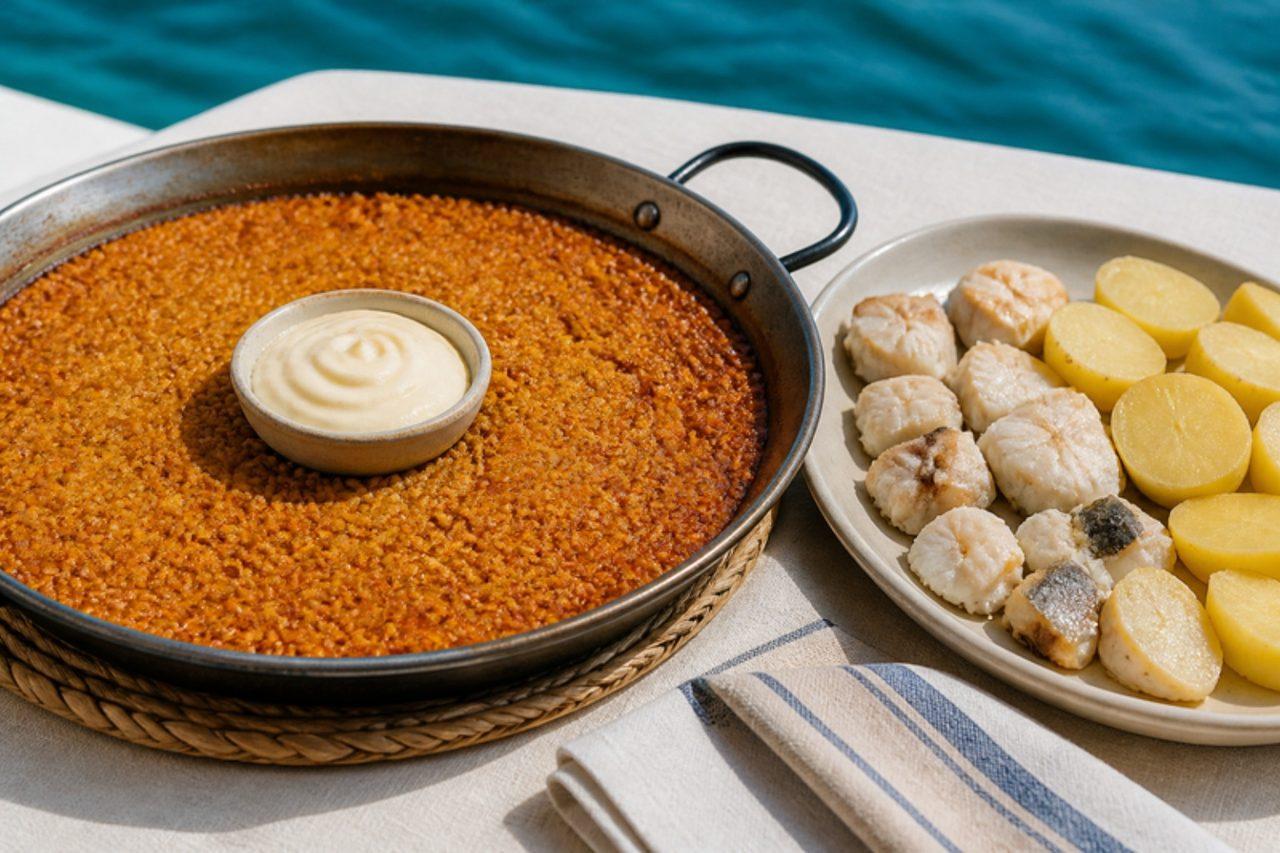
Arroz a bandaRice cooked in fish stock

Along the Alicante coast, from Santa Pola to Dénia, arroz a banda began as a fishermen's meal: the small, bony fish that wouldn't sell were simmered into a deep, rust-coloured stock, rice was cooked in it, and the fish was eaten "a banda", on the side. Today the rice comes first, thin, golden and intensely savoury, with a spoonful of allioli, and the poached fish and potatoes follow. A common mistake is a weak stock; the rice tastes of nothing more than what it cooks in, so use plenty of fish and reduce it well. The allioli here uses pasteurised egg; raw-egg allioli is not for pregnant women, young children or anyone with a weakened immune system. Chef's tip: let the rice catch slightly on the base in the last minute to form socarrat, the toasty crust everyone fights over.

115 minSpanishFishGluten free
by KrazyBadal 0 views

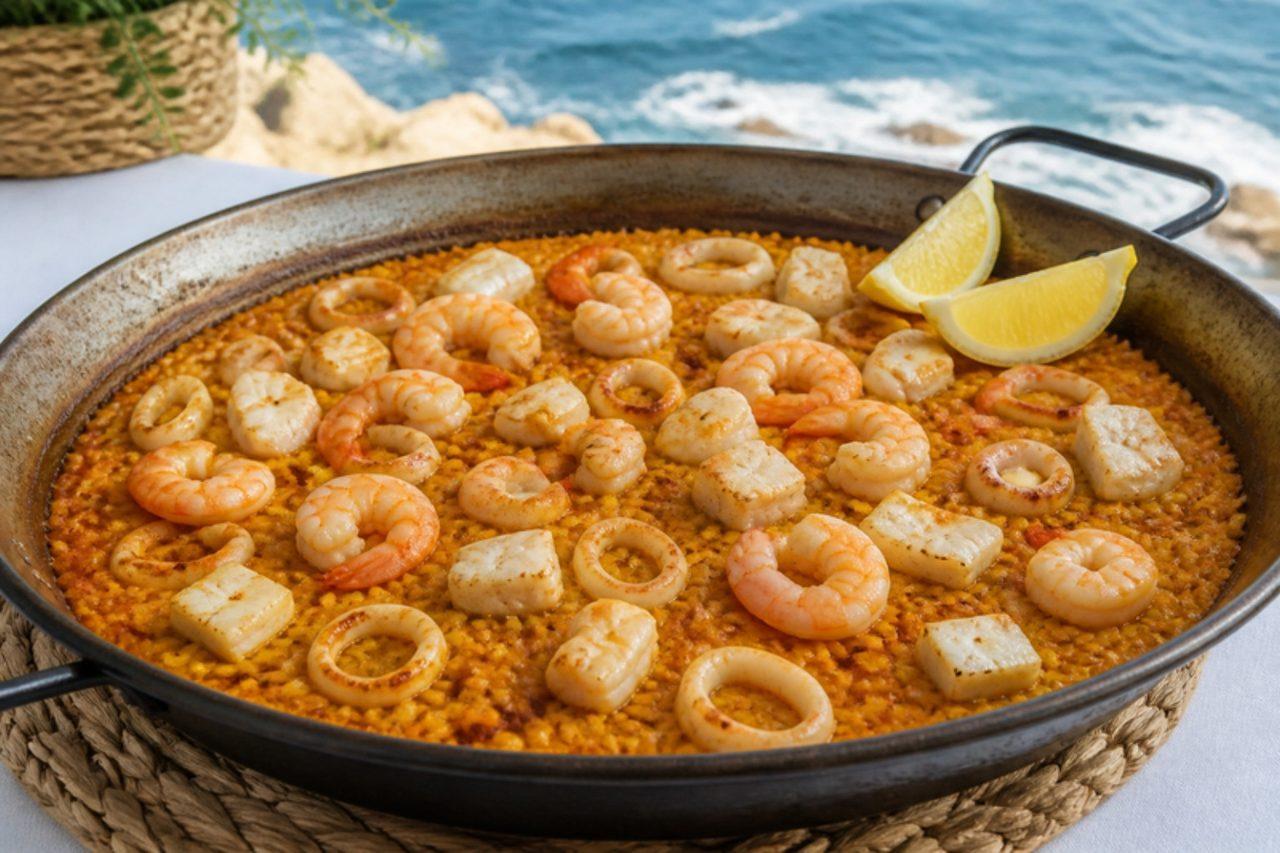
Arroz del senyoretPeeled seafood rice

The name means "the little gentleman's rice", after the well-to-do diners at Valencia's beach restaurants in Las Arenas and El Saler who refused to get their hands dirty peeling prawns. So every piece of seafood goes into the pan already peeled and cut to fork size, while the shells are fried into the stock to keep all their flavour. The result is a thin layer of saffron-gold rice dotted with sweet prawn, squid and monkfish, eaten straight from the pan on a summer Sunday. A common mistake is throwing the prawn shells away; they give the stock its depth. Chef's tip: grate the tomato rather than chopping it; the pulp melts into the sofrito and lets it darken quickly.

by KrazyBadal 0 views

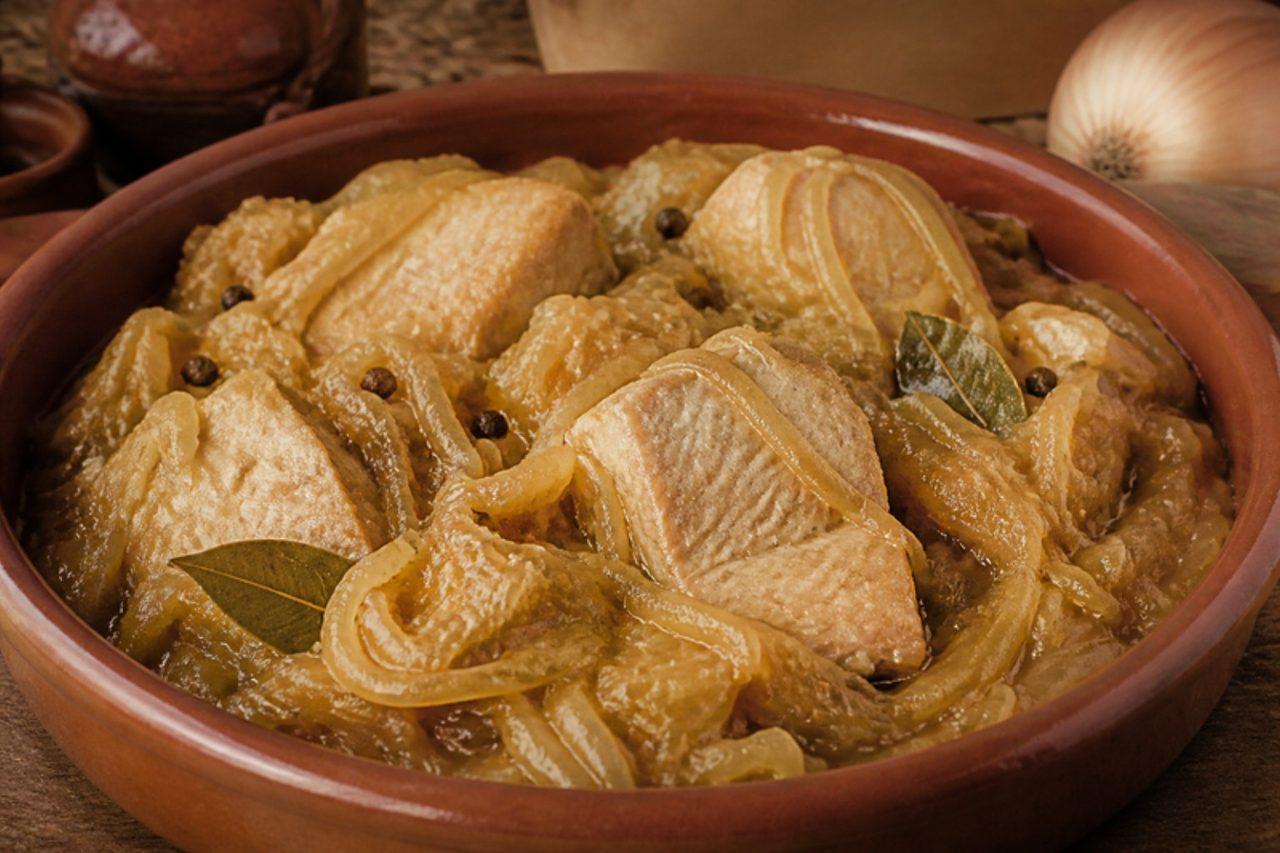
Atún encebolladoTuna stewed with onions

When the almadraba nets bring bluefin tuna ashore in Barbate and Zahara de los Atunes in May and June, households along the Cádiz coast make atún encebollado: chunks of tuna braised in a mountain of onions cooked down until sweet and golden, with bay, pepper and a splash of fino. Any good tuna steak works the rest of the year. This recipe uses wine; the alcohol-free option is in the ingredient note. Chef's tip: the onions take the time, the tuna does not; add it only for the last few minutes, or it turns dry and grey.

by KrazyBadal 0 views

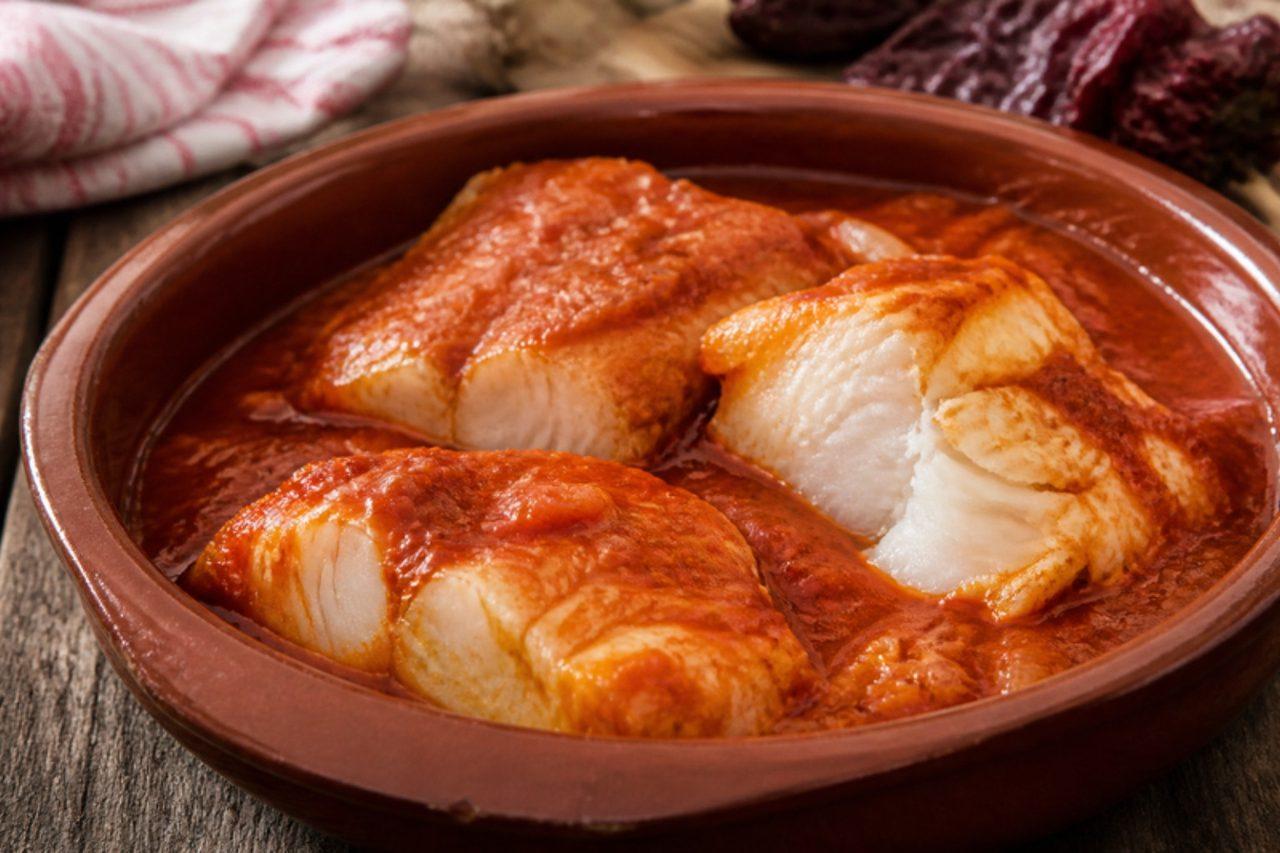
Bacalao a la vizcaínaSalt cod in red pepper sauce

Bilbao's great salt cod dish shows up every Lent and on Good Friday, and in the city's old taverns its sauce is judged as fiercely as the fish. The sauce is made only from onions cooked for a long time and the flesh of dried choricero peppers, with no tomato, which gives it its deep red colour and gentle sweetness. Salt cod needs 36–48 hours of soaking in the fridge, so start two days ahead. A common mistake is hurrying the onions: they need at least 40 minutes on a low heat to turn soft and sweet. Chef's tip: taste a flake of the soaked cod before cooking, and if it's still salty, soak it a few hours more.

105 minSpanishFishGluten free
by KrazyBadal 0 views

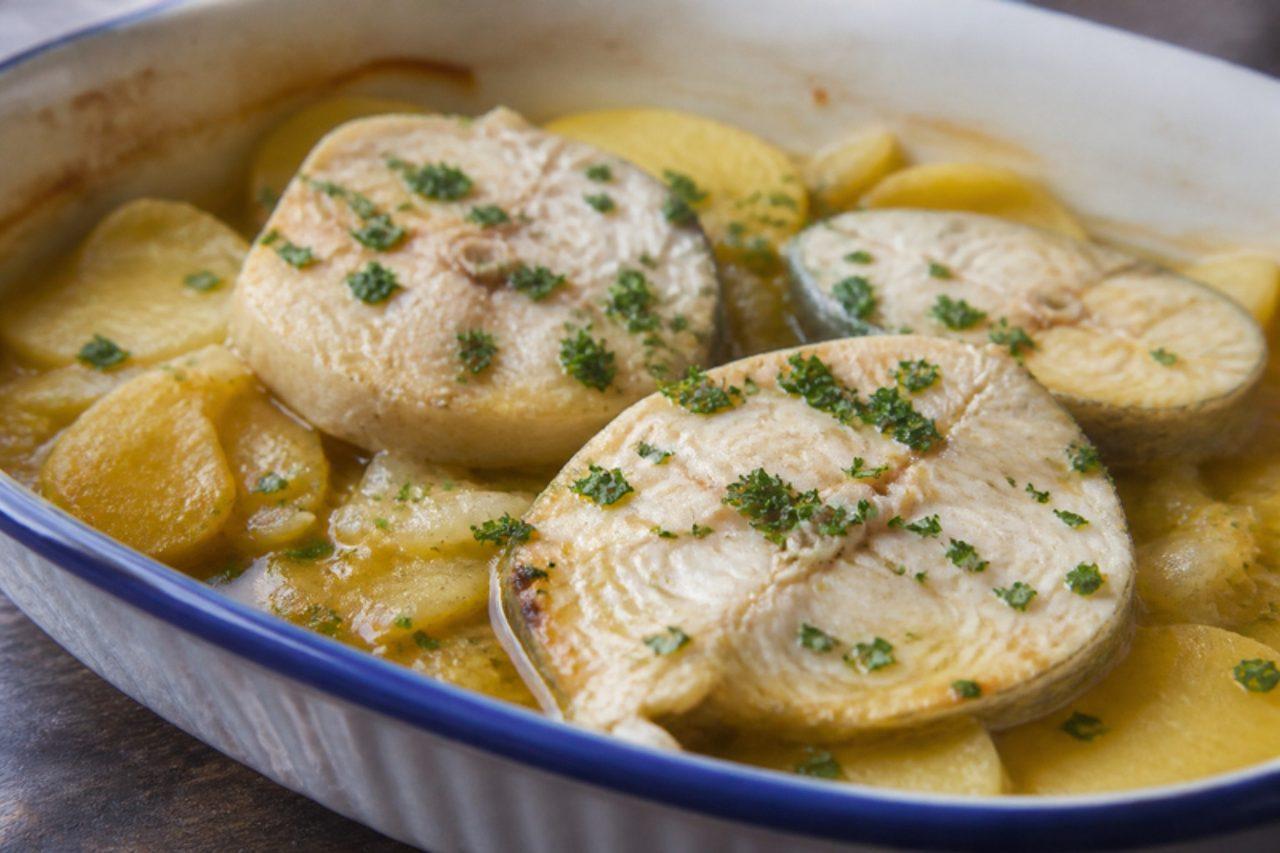
Merluza a la sidraHake baked in cider

Asturias has two great loves at table, the fish landed at ports like Cudillero and Avilés and the cider pressed from its orchards, and merluza a la sidra brings them together. Families cook it for Sunday lunch, the hake settled on a bed of soft onion and potato with cider poured over, until the sauce turns sweet-sharp. The cider is alcoholic; cloudy apple juice with a little cider vinegar makes a good alcohol-free swap. Chef's tip: add the hake only when the potatoes are nearly tender, so the fish stays juicy.

by KrazyBadal 0 views

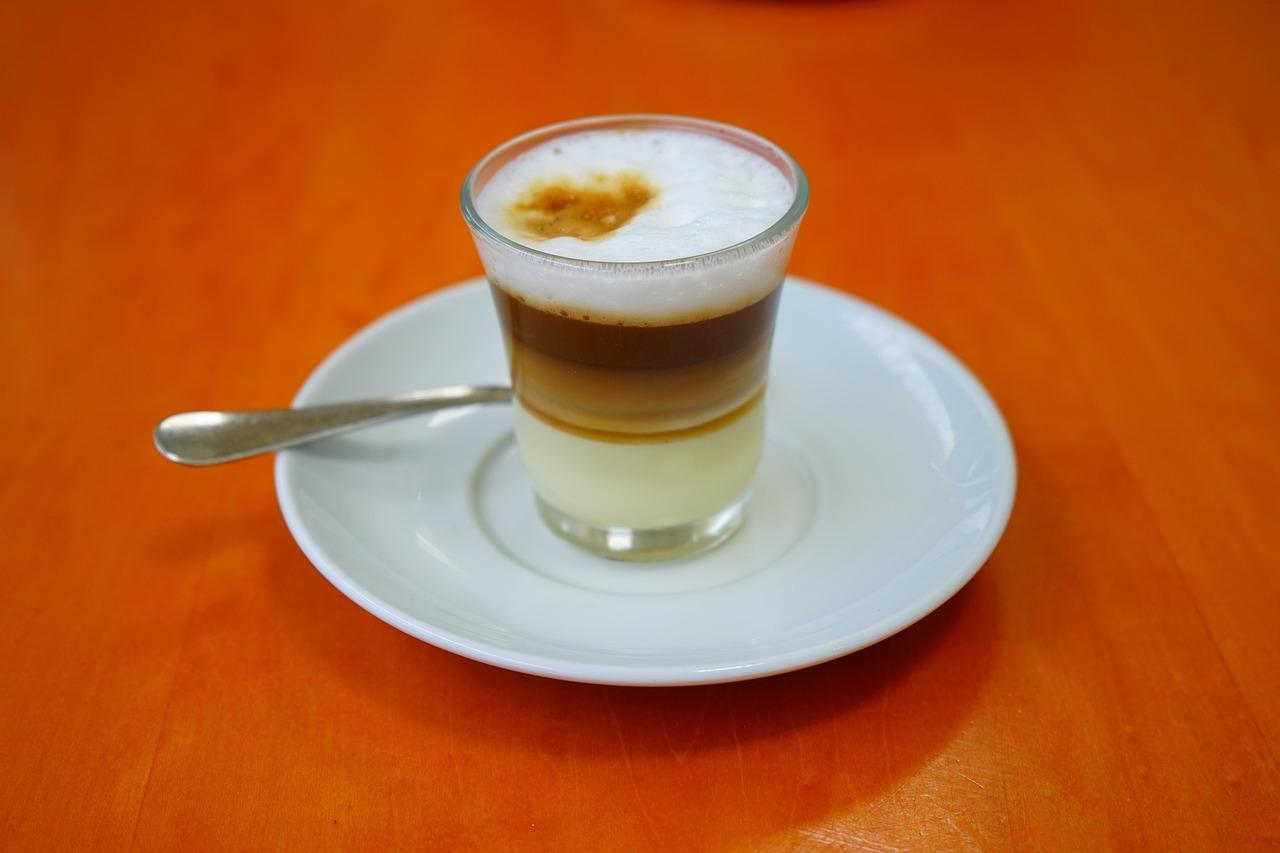
BarraquitoLayered coffee with condensed milk

Order a barraquito in any café in Santa Cruz de Tenerife or La Laguna and it comes in a small glass showing neat stripes: sweet condensed milk at the bottom, then espresso, then foamed milk, perfumed with lemon peel and cinnamon. The bar classic adds a measure of a vanilla-citrus Spanish liqueur between the layers, which makes it contain alcohol; this recipe leaves it optional, and without it the drink is often called a zaperoco or barraquito sin licor. Chef's tip: pour each layer slowly over the back of a spoon, so the layers sit on top of each other instead of mixing.

by KrazyBadal 0 views

Besugo a la donostiarraSea bream with garlic vinegar dressing

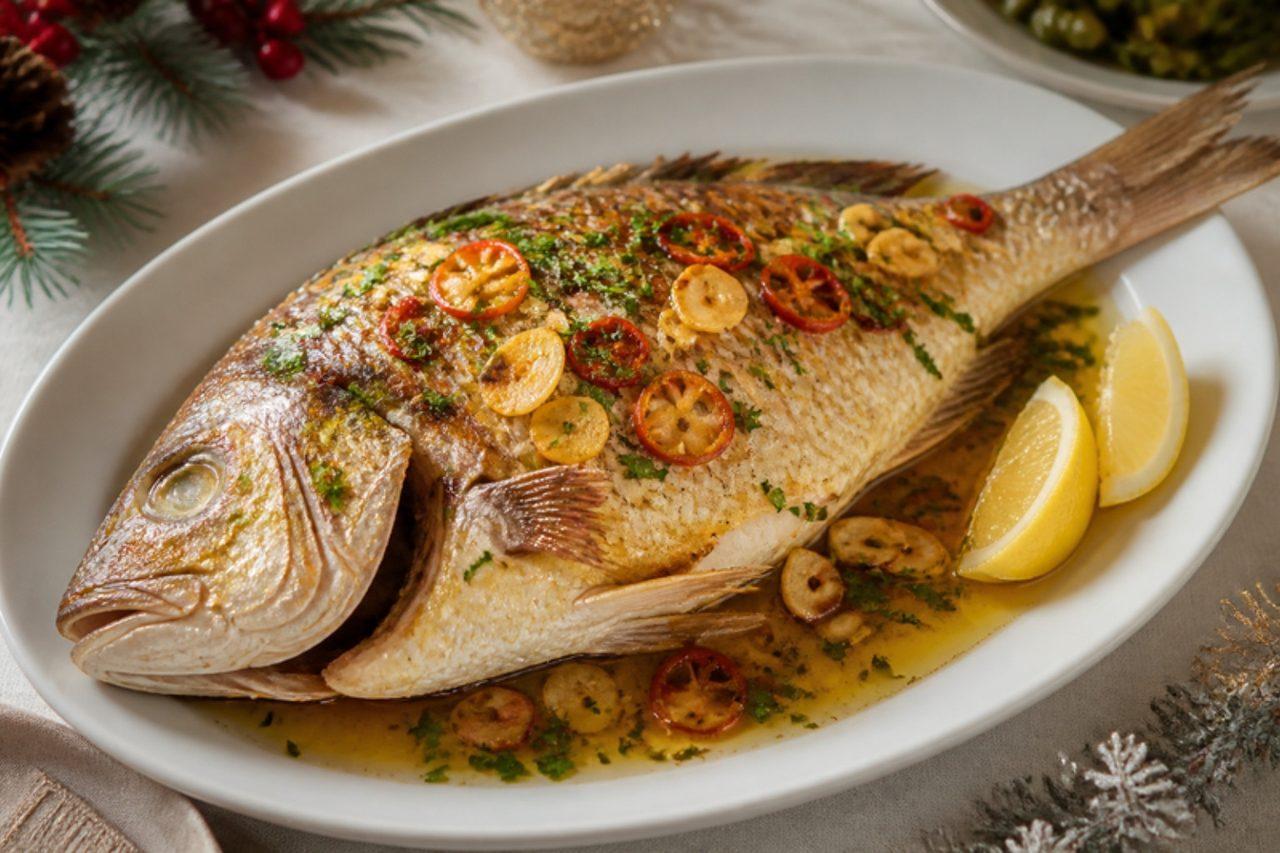
For many San Sebastián families, Christmas Eve dinner isn't complete without a whole sea bream, roasted or grilled and finished with a refrito: hot olive oil with sliced garlic, dried chilli and a splash of vinegar poured over at the table. The traditional fish is red sea bream (besugo), but gilt-head bream works well. A common mistake is letting the garlic go dark brown, which makes the dressing bitter; take it off when it is pale gold. Chef's tip: cut a few slashes into the thick part of the fish so it cooks evenly and the dressing soaks in.

by KrazyBadal 0 views

CachopoBreaded veal with ham and cheese

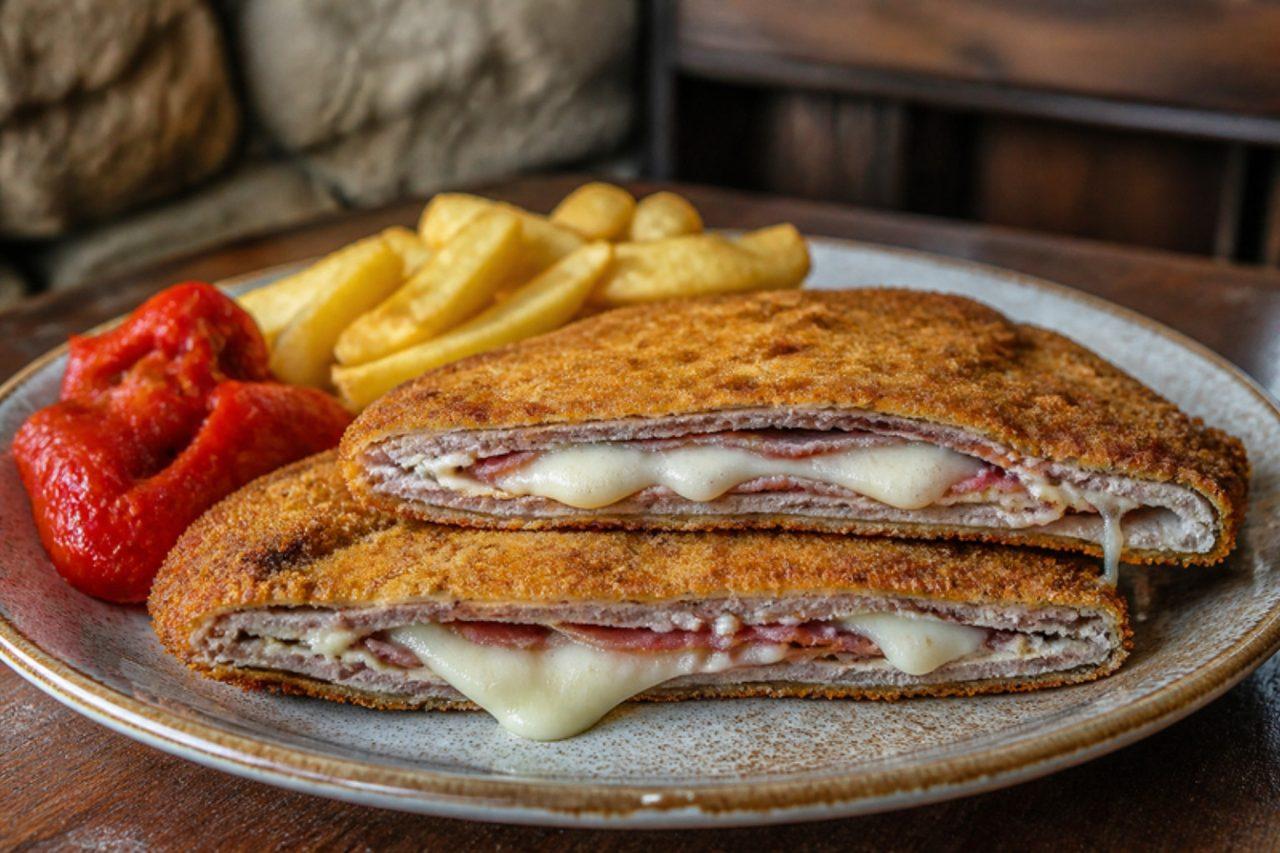
Asturias takes cachopo so seriously that Oviedo holds an annual contest for the best one, and some restaurants serve versions big enough to hang off the plate. At home it is a Friday-night or Sunday treat: two thin veal steaks enclosing serrano ham and a good melting cheese, breaded and fried, then cut at the table so the cheese oozes. This contains pork (serrano ham). Serve with chips and roasted green peppers. Chef's tip: chill the assembled cachopo for 20 minutes before frying so the crumb sets and the edges stay sealed.

by KrazyBadal 0 views

Showing 24 of 124 recipes

Show more recipes

Page 1 of 6