Skip to content
Recipes

All recipes

Vegetarian, or something you can't eat? Set your diet once and we'll hide recipes that don't fit.

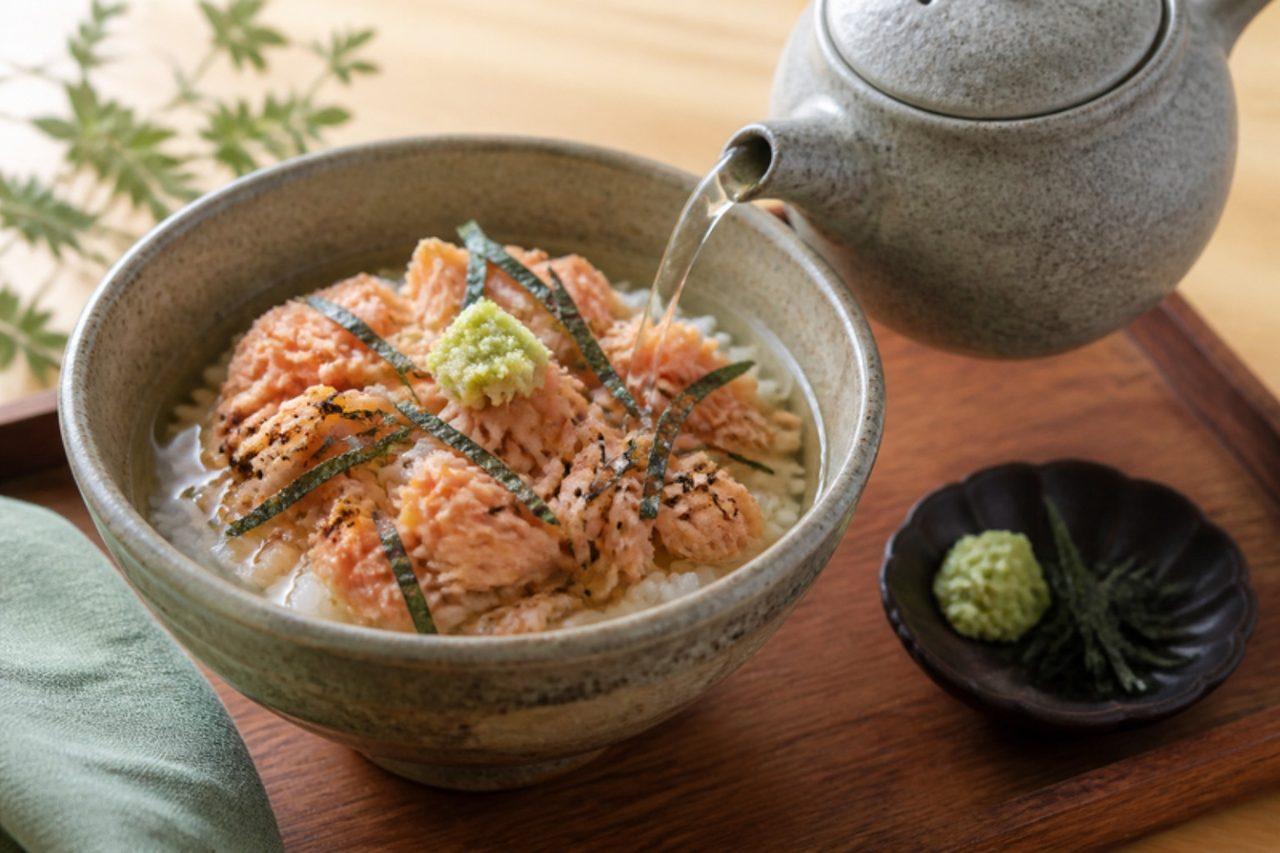
Salmon ochazuke (green tea over rice)

In Kyoto, where it is called bubuzuke, ochazuke is the light bowl offered late at night or at the very end of a meal, and in Tokyo it is the classic quick supper after a long day at work. Leftover rice is topped with flakes of grilled salted salmon, nori and sesame, then hot green tea is poured over so it becomes a fragrant, soothing soup. Grill the salmon until it is opaque and flakes easily, with crisp skin. The common mistake is using boiling-hot tea, which turns sencha bitter; let the water cool to about 80 °C. Chef's tip: salt the salmon the night before and keep it in the fridge; it firms up and takes on a deeper flavour.

by KrazyBadal 0 views

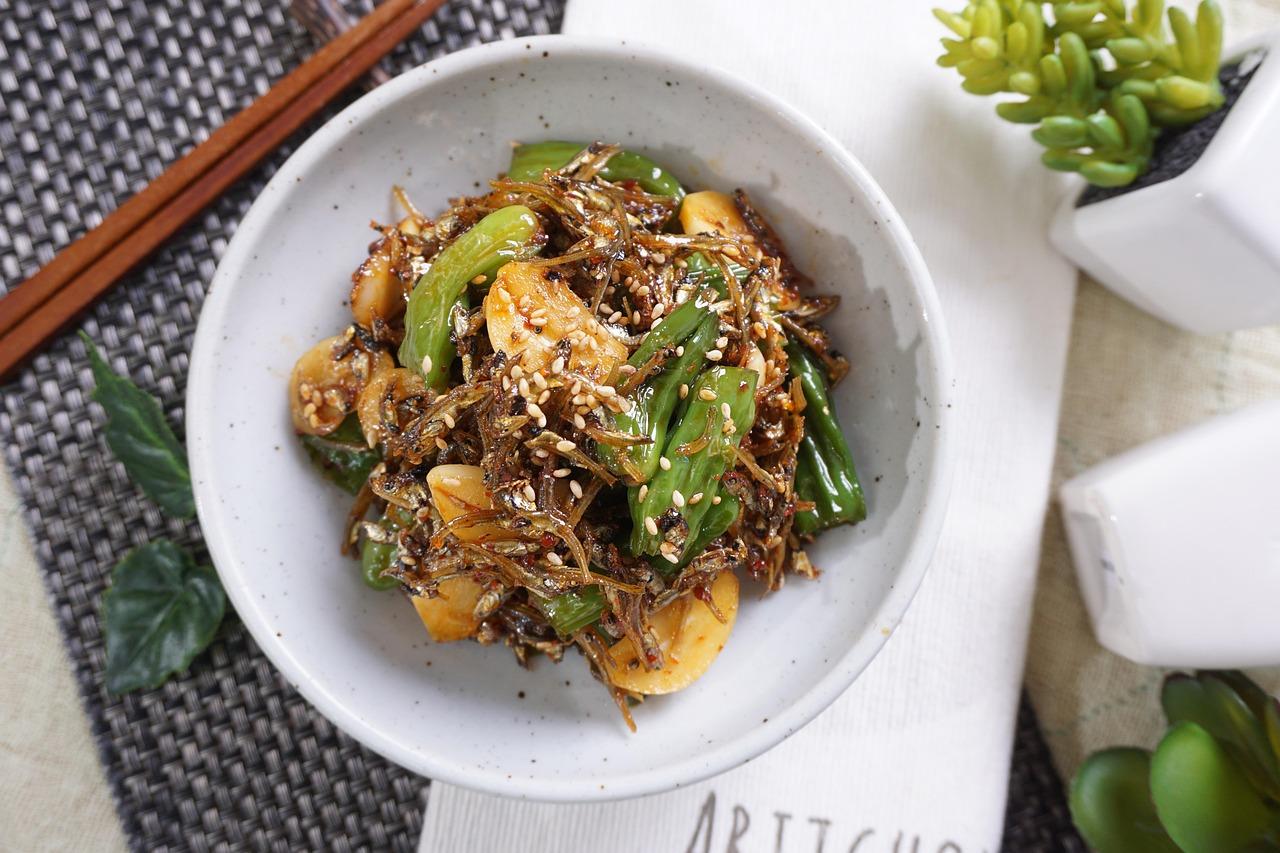
Myeolchi bokkeumSweet stir-fried anchovies

Myeolchi bokkeum is the lunchbox banchan of Korea, made with tiny dried anchovies landed and sun-dried on the southern coast around Tongyeong and Namhae, the country's anchovy heartland. The little fish are toasted in a dry pan, then tossed in garlic oil and a quick soy and rice-syrup glaze, so they end up crunchy, sweet, salty and deeply savoury. A small dish goes alongside rice at almost every Korean meal. The common mistake is adding the syrup over a high heat: it caramelises into a hard sheet that welds the anchovies into a brick. Chef's tip: take the pan off the heat before the syrup goes in and toss; the pan's leftover warmth is enough to glaze without hardening.

15 minKoreanFish
by KrazyBadal 0 views

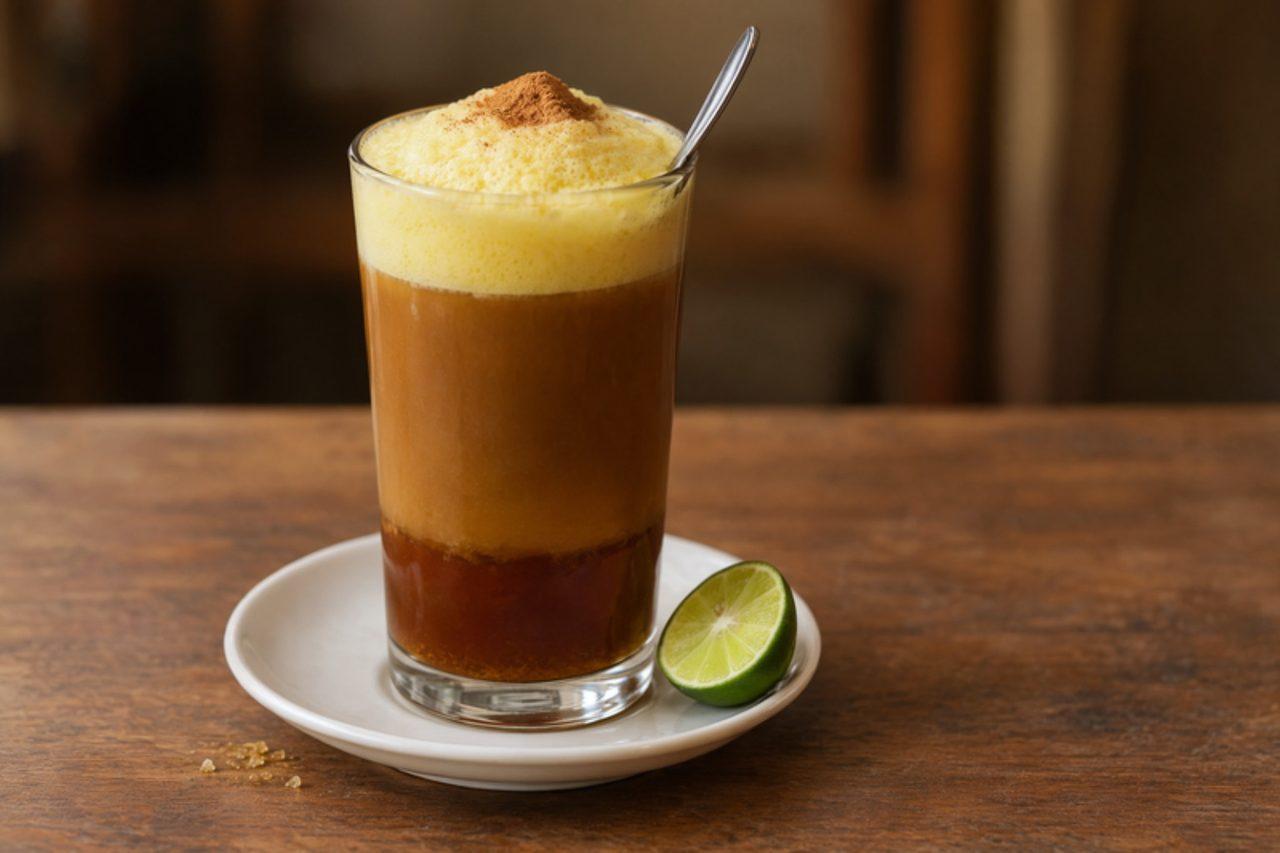
Teh talua (egg tea)

In the lapau coffee shops of Bukittinggi, Payakumbuh and Padang, the sound of a spoon or a small whisk clattering against a glass means someone has ordered teh talua. A raw egg yolk, traditionally from a free-range kampung hen or a duck, is whisked with sugar until thick and almost white, strong hot tea is poured on from a height, and a wedge of lime goes on the side. Minangkabau men drink it in the late afternoon or evening as a pick-me-up after work in the fields. It comes out with a creamy, caramel-coloured body under a deep layer of foam, rich like a light custard, with the lime cutting any eggy edge. The common mistake is whisking too little: the yolk stays yellow, the tea curdles it in strings and it smells of egg. Beat until the yolk has doubled in volume and falls in a thick ribbon. Use pasteurised eggs for anyone pregnant, babies and small children, older people or anyone unwell, as the yolk is only lightly warmed. Some lapau add condensed milk; this one is dairy-free. It contains caffeine. Chef's tip: pour the tea in a thin stream from high up while still stirring, to build the tallest foam.

by KrazyBadal 0 views

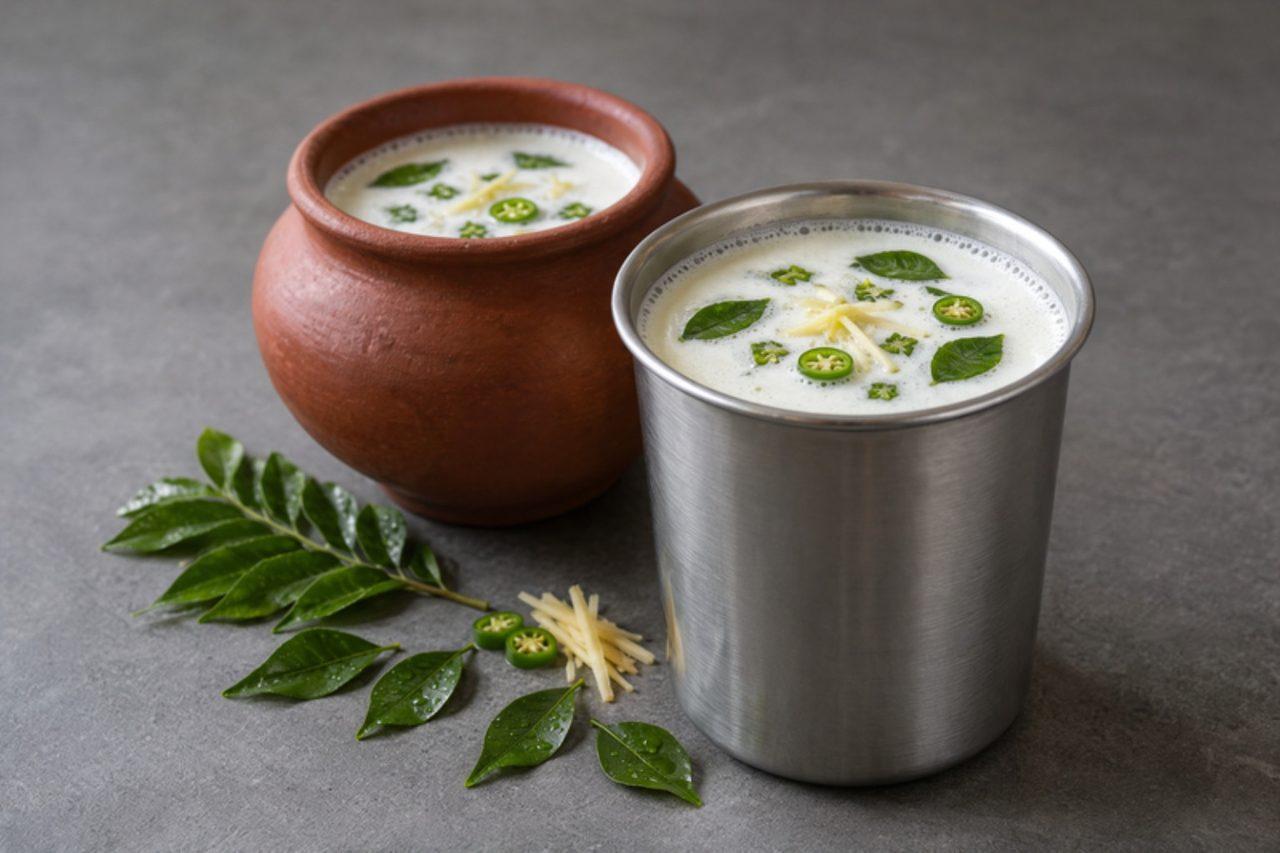
Neer mor (spiced buttermilk)

From April to June, when Chennai and Madurai bake at forty degrees, temples, shops and political parties set up 'thaneer pandhal' sheds by the roadside, offering free neer mor to every passer-by from great clay pots. At home it comes after a rice meal of sambar and rasam, or in the middle of the afternoon. The curd is churned and thinned with water until barely white, then seasoned with green chilli, ginger, curry leaves, coriander and a pinch of asafoetida, sometimes finished with a tempering of mustard seeds. It should be very thin, salty, tangy and herby, with a little chilli heat and a lingering savoury scent. The common mistake is using too little water: it then drinks like a heavy lassi rather than a thirst-quencher. Aim for about one part curd to four parts water. It is ready when the buttermilk is smooth, cold and pale green-flecked, and smells of curry leaf. It keeps a day in the fridge. Chef's tip: crush the ginger, chilli and curry leaves rather than chopping them; bruising releases far more flavour into the thin liquid.

by KrazyBadal 0 views

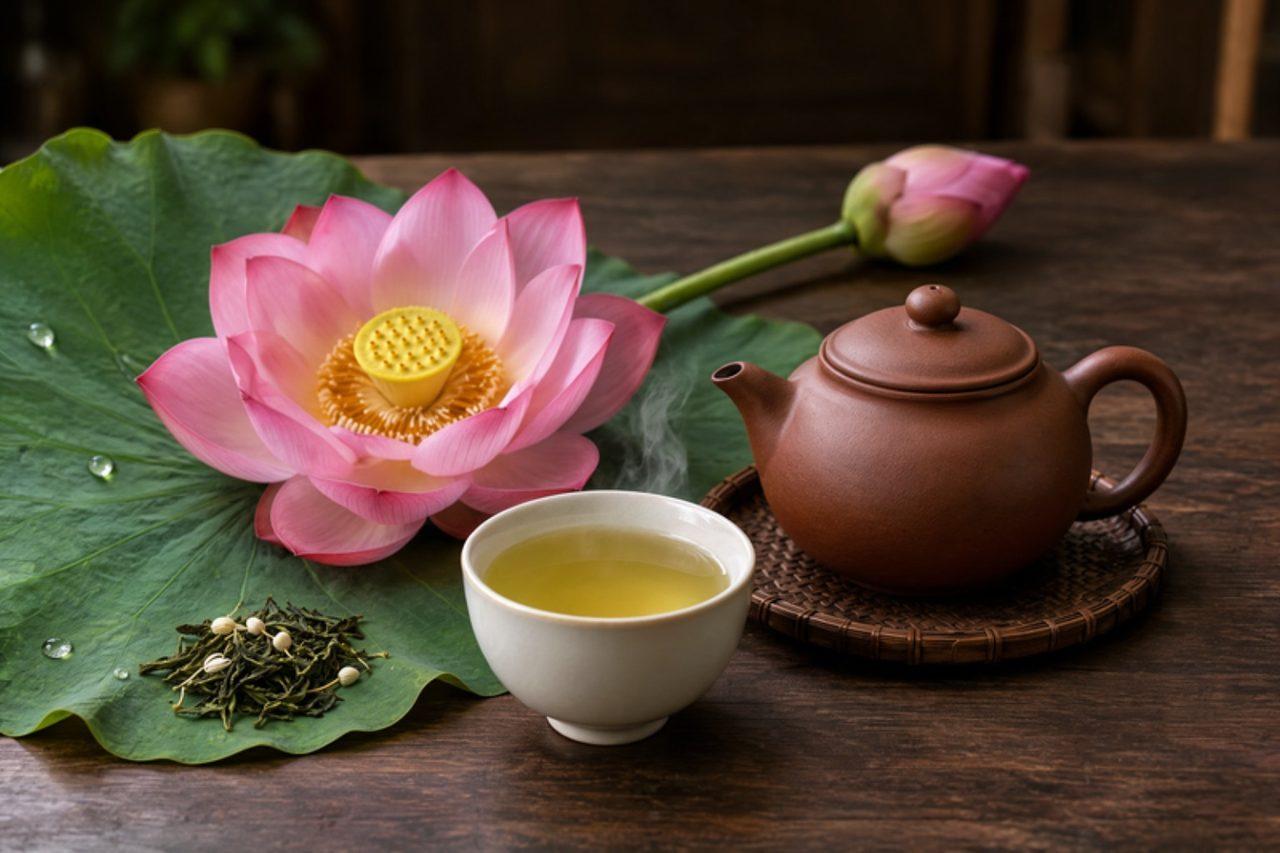
Trà sen (lotus tea)

Every June and July, before sunrise, boats slip between the pink lotus on Hanoi's West Lake to gather flowers for trà sen. The finest lotus tea is made by stripping the tiny white rice-like anthers from hundreds of blooms and layering them with green tea, a labour that makes it one of Vietnam's most expensive gifts, kept for Tết. Families do a simpler version at home: a spoon of Thái Nguyên green tea is tucked into the heart of a fresh flower in the evening, the petals closed and tied, and by morning the leaves have taken on a sweet, creamy, slightly vanilla-like perfume. It is brewed in a small clay pot and drunk in tiny cups in the early morning. The common mistake is brewing with boiling water, which flattens the lotus scent and makes the green tea bitter. Rinse the leaves quickly and brew at 80–85 °C. It is ready when the cup is pale gold and the steam smells of flowers before tea. No fresh lotus? Buy ready-made lotus-scented tea from Vietnamese shops and start at the brewing step. Chef's tip: pick a bud that is just about to open; a fully open bloom has already lost its scent.

by KrazyBadal 0 views

Chai nabat (saffron rock candy tea)

Pilgrims leaving Mashhad carry home boxes of saffron nabat, crystals of rock candy grown on a string and tinted gold with Khorasani saffron. Across Iran a glass of chai nabat is what you are handed when you feel unwell, after a shock, after an exam, or late at night when the evening meal sits heavy; it is traditionally drunk to settle the stomach and warm you up. The tea is brewed strong in a teapot that sits on top of the kettle, then poured clear and amber into small glasses, and the nabat stick is stirred until it softens the tea with a gentle, honeyed sweetness and a faint saffron aroma. Black tea has a moderate amount of caffeine, so give children a weaker glass. A common mistake is boiling the leaves or letting them steep on direct heat, which turns the tea bitter and murky; Persian tea is "dam" — brewed gently on steam. It is ready when the leaves have sunk, the tea is clear and reddish-amber and it smells of bergamot or cardamom. Chef's tip: hold the glass up to the light; if you can't see through it, top it up with hot water, as Iranians do.

by KrazyBadal 0 views

Ipoh white coffee

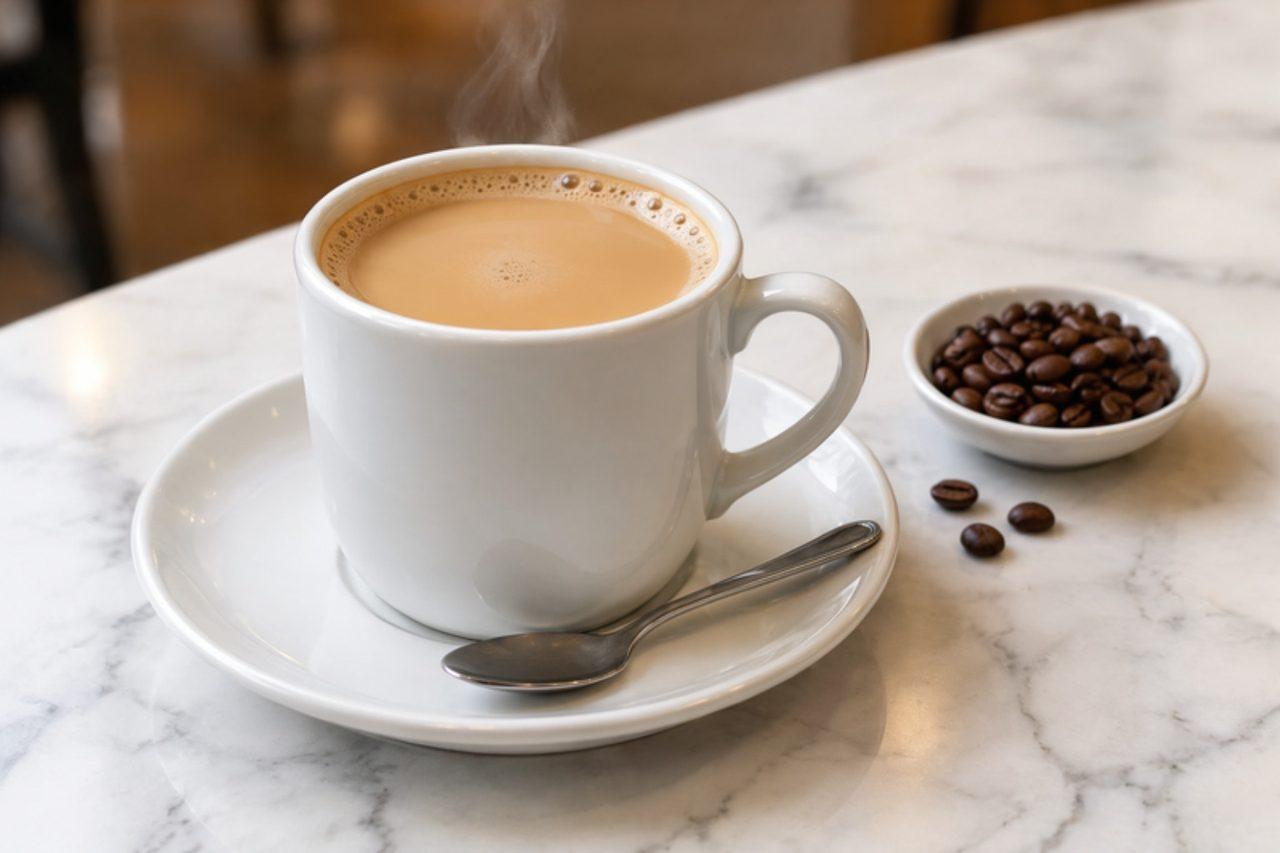
Ipoh's old town kopitiams, with their marble tables and morning crowds queueing for kai si hor fun and egg tarts, gave Malaysia its 'white coffee'. The name comes not from milk but from the roast: beans are roasted with palm-oil margarine, lighter than the dark, sugar-roasted kopi of the rest of the country, then brewed and served with condensed milk. It is smoother and less bitter than ordinary kopi, nutty and buttery, pale caramel in the cup, drunk hot at breakfast or iced in the afternoon heat. At home, buy ground Ipoh-style white coffee from an Asian grocer; you cannot easily reproduce the margarine roast in a kitchen. The common mistake is brewing it like espresso: forced extraction makes it bitter and kills the soft, toasty flavour. Steep it in a cloth sock or a coffee filter with water just off the boil. It is ready when the brew is reddish-brown and clear, not inky. This is a strong coffee with real caffeine, not for children. Chef's tip: warm the cups with hot water first; white coffee cools fast and loses its aroma.

by KrazyBadal 0 views

MoshOat and milk drink

In Guatemalan homes, mosh is what a mother hands a child on a chilly highland morning in Quetzaltenango or Huehuetenango: rolled oats cooked long and thin with water, milk, cinnamon and sugar, so it's drunk from a mug rather than eaten with a spoon. The common mistake is making it too thick like porridge; it should pour easily, so keep adding hot milk or water as the oats swell. Chef's tip: whisk it hard for a minute at the end; it breaks up the oats and makes the drink smooth and frothy.

by KrazyBadal 0 views

Lagmi (fresh palm sap)

In the oases of the Tunisian south, in Gabès, Tozeur, Nefta, Kebili and on Djerba, palm climbers cut a small wound at the crown of an ageing date palm and hang a clay pot under it overnight. By sunrise it holds lagmi: cloudy, ivory-white sap, cool and sweet, with notes of coconut water and fresh dates. It is sold in recycled bottles at the roadside and drunk the same morning, because the wild yeasts in it begin to ferment almost at once. By afternoon it is fizzy and sour, and by the next day it has become an alcoholic palm wine, also called lagmi, which is a different drink altogether. The common mistake is buying more than you can drink by lunchtime or leaving it in the sun: keep it on ice from the moment you get it. Fresh lagmi is ready to drink when it is sweet, smells clean and milky, and only a few tiny bubbles rise; once it tastes sour or prickles on the tongue, it has started to turn. It is raw and unpasteurised, so pregnant people, babies, older people and anyone unwell should skip it. Outside the oases, fresh coconut water is the closest stand-in. Chef's tip: chill the glasses too; lagmi is at its best ice-cold.

by KrazyBadal 0 views

Agua de tuna (prickly pear drink)

Late summer is tuna season across the central highlands, from Hidalgo and the Estado de México down to Puebla's Teotihuacán valley, and that is when the big vitroleros in markets and taquerías turn shocking pink. Agua de tuna is just the cactus fruit blended with water, lime and a little sugar, strained, and poured over ice with lunch. Red tunas give a vivid colour and a taste between watermelon and pear; green ones make a paler, more herbal drink. It should be light and thirst-quenching, never syrupy. The commonest mistake is blending too long: the hard seeds crack and the agua turns gritty and slightly bitter. Pulse briefly, just enough to free the pulp, then strain well. It is ready when the liquid runs smooth through the sieve and tastes clearly of fruit with only a lift of lime. Handle unpeeled tunas with tongs or gloves: even 'cleaned' ones keep tiny glochids. Chef's tip: chill the peeled fruit before blending; cold pulp keeps its colour bright and needs less ice to dilute it.

by KrazyBadal 0 views

Misutgaru (multigrain powder drink)

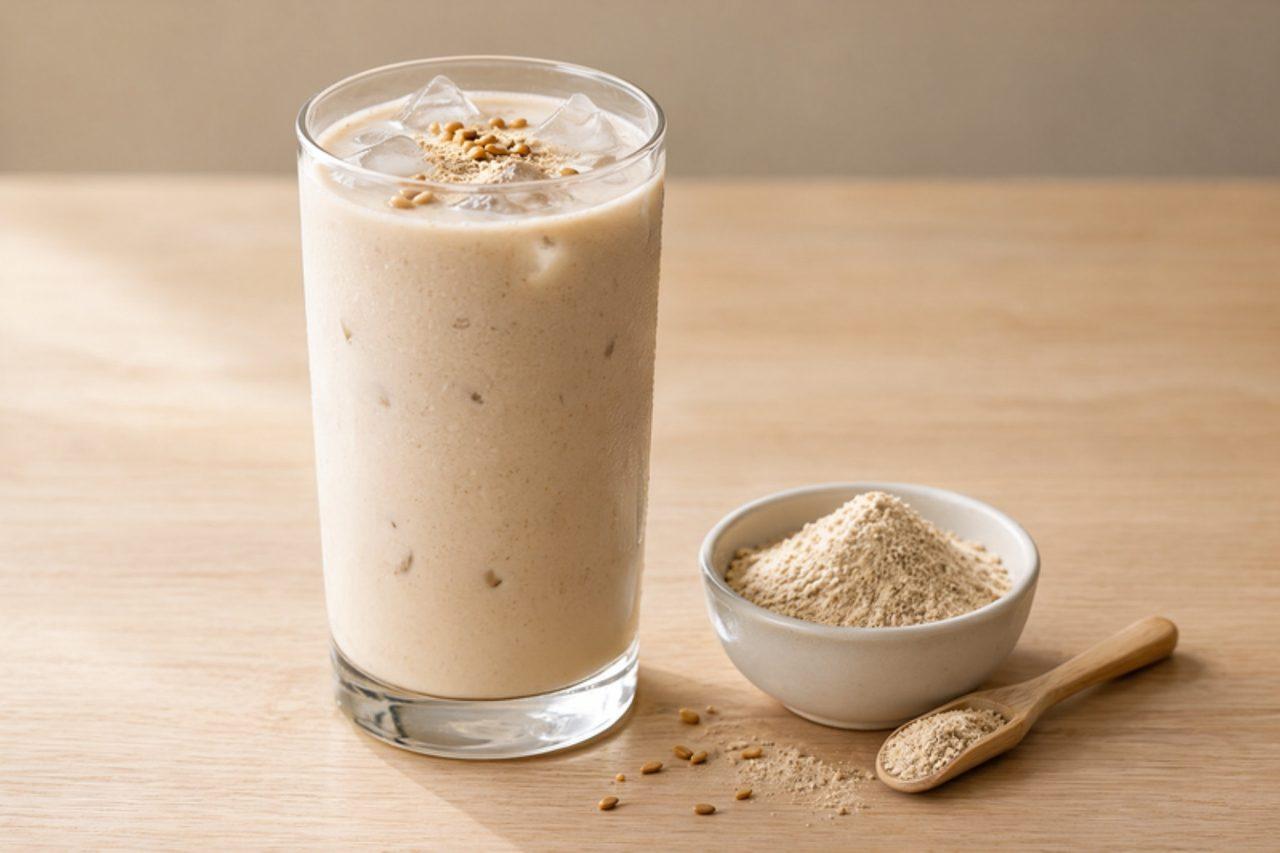
Misutgaru began as travellers' food, a powder of roasted grains that kept for weeks and could be stirred into water on the road. Today it is the drink of Korean summer: mothers shake it with cold milk for breakfast before school, office workers buy it as misutgaru latte from cafés, and farmers drink it at midday in the fields of July. The powder is a mix of roasted barley, glutinous and brown rice, black and yellow soybeans, and sesame, and it tastes of toasted cereal and peanut, lightly sweet, with a thick, creamy body that fills you up like a light meal. The common mistake is tipping the powder into a full glass of milk and stirring: it floats, clumps into dry balls and never fully mixes. Shake it in a jar with a little liquid first, or blend it, then add the rest. It is ready when the drink is smooth, beige and frothy with no dry flecks, and slightly thickened after a minute's rest. Use water or soy milk for a dairy-free version, and note that the barley means it is not gluten free. Chef's tip: a pinch of salt makes the grain flavour taste rounder and less flat.

by KrazyBadal 0 views

Leche con plátanoBanana milk

Ask anyone who grew up in Chile, from Arica to Punta Arenas, what they drank after school and many will say leche con plátano. It is made in a blender in two minutes, usually at onces, the late-afternoon tea, alongside marraqueta rolls with butter or avocado, and it is the first thing many children learn to make by themselves. It is pale, foamy and thick enough to leave a moustache, tasting simply of sweet ripe banana and cold milk, sometimes with a pinch of cinnamon. The common mistake is making it ahead: within half an hour the banana turns the milk greyish-beige and the foam collapses, so blend it just before drinking. It is ready when it is completely smooth, light and frothy, with no banana lumps at the bottom of the jug. Use bananas with a few brown freckles: they are sweet enough that you may need little or no sugar. Chef's tip: slice and freeze overripe bananas, then blend them straight from the freezer; the drink comes out icy and extra thick without any ice.

by KrazyBadal 1 views

Teh halia (ginger milk tea)

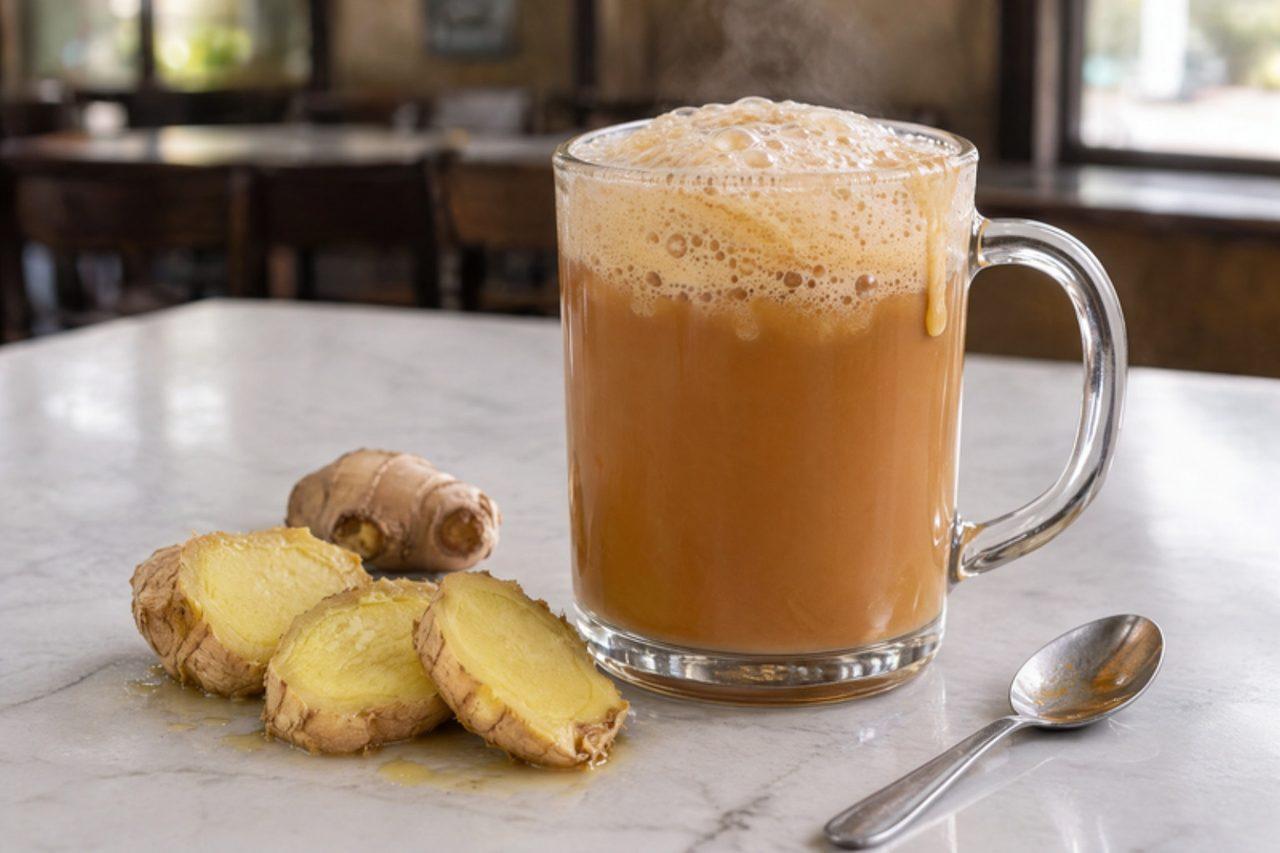
Sit down at any mamak stall in Kuala Lumpur, Penang or Johor Bahru, from breakfast roti canai to the after-football supper at 1 a.m., and someone at the table will order teh halia. It is teh tarik's spicier cousin: dust-fine black tea is boiled with plenty of crushed ginger, mixed with condensed and evaporated milk, then 'pulled' between two mugs from arm's length until a thick froth forms. The result is sweet, creamy and malty, with a ginger heat that catches your throat, most loved on wet monsoon evenings. The common mistake is adding ginger to tea at the end; it then tastes raw and thin. Boil the ginger in the water first for several minutes so the heat goes into the liquid. It is ready when the tea is the colour of milky caramel and a dense froth a few centimetres high sits on top. This contains caffeine, so it is not for children. Chef's tip: practise pulling with water over the sink first, then start low and raise the mug slowly as you pour.

by KrazyBadal 0 views

Paneer soda (rose soda)

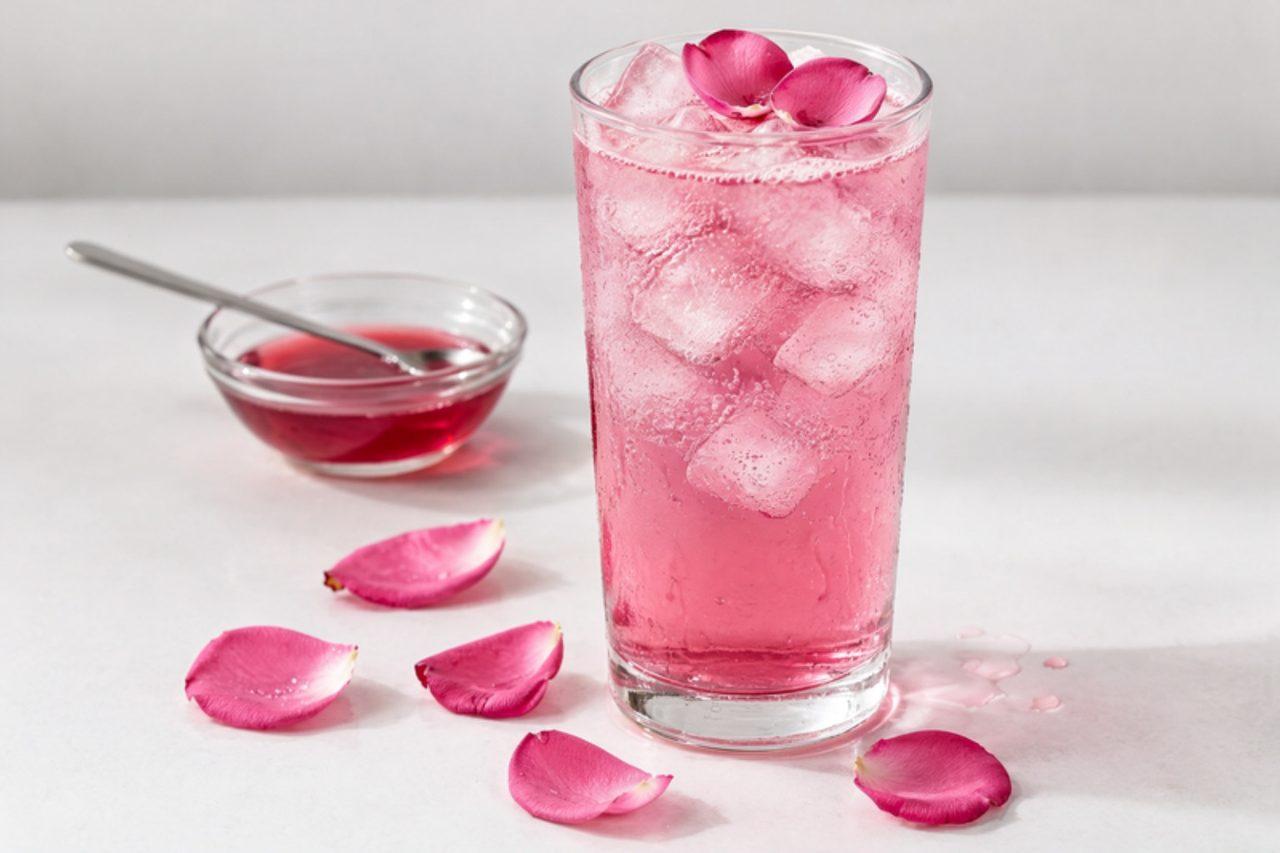
Every Tamil town once had a soda shop with crates of Codd-neck bottles sealed by a glass marble, and the pop of the marble being pushed down was the sound of a hot afternoon. Paneer here means rose water, not cheese, and paneer soda is rose syrup topped with that sharp local fizz, sold in Madurai, Tiruchi and Coimbatore by the bus stand and at temple festival stalls in Chithirai and Vaikasi, the hottest months. It is sweet and floral at first, then the bubbles and a touch of lime cut through and leave the mouth clean. The mistake most people make is boiling the rose water with the sugar: the scent cooks away and you are left with plain syrup. Make the syrup first, let it cool, and only then stir in the rose water. The syrup is ready when it is clear and slightly thickened, like thin honey, and the finished drink should be rosy pink and still foaming as you hand it over. Chef's tip: chill the syrup, the soda and the glasses well; warm soda loses its fizz the moment it meets the syrup.

by KrazyBadal 0 views

Jinmichae bokkeumGlazed dried squid strips

Jinmichae, shredded seasoned dried squid, is one of the most popular banchan in Korean lunchboxes: chewy, sweet and a little spicy, and it keeps for a week. Children across Korea find it in their dosirak and parents make a big tub on Sunday. The common mistake is glazing it over the heat, which turns the squid hard as wire; mix the strips into the warm sauce off the heat. Chef's tip: soak the squid briefly in water first and squeeze it out, so it stays tender even straight from the fridge.

15 minKoreanFishSpicy
by KrazyBadal 0 views

Urts tea (wild thyme tea)

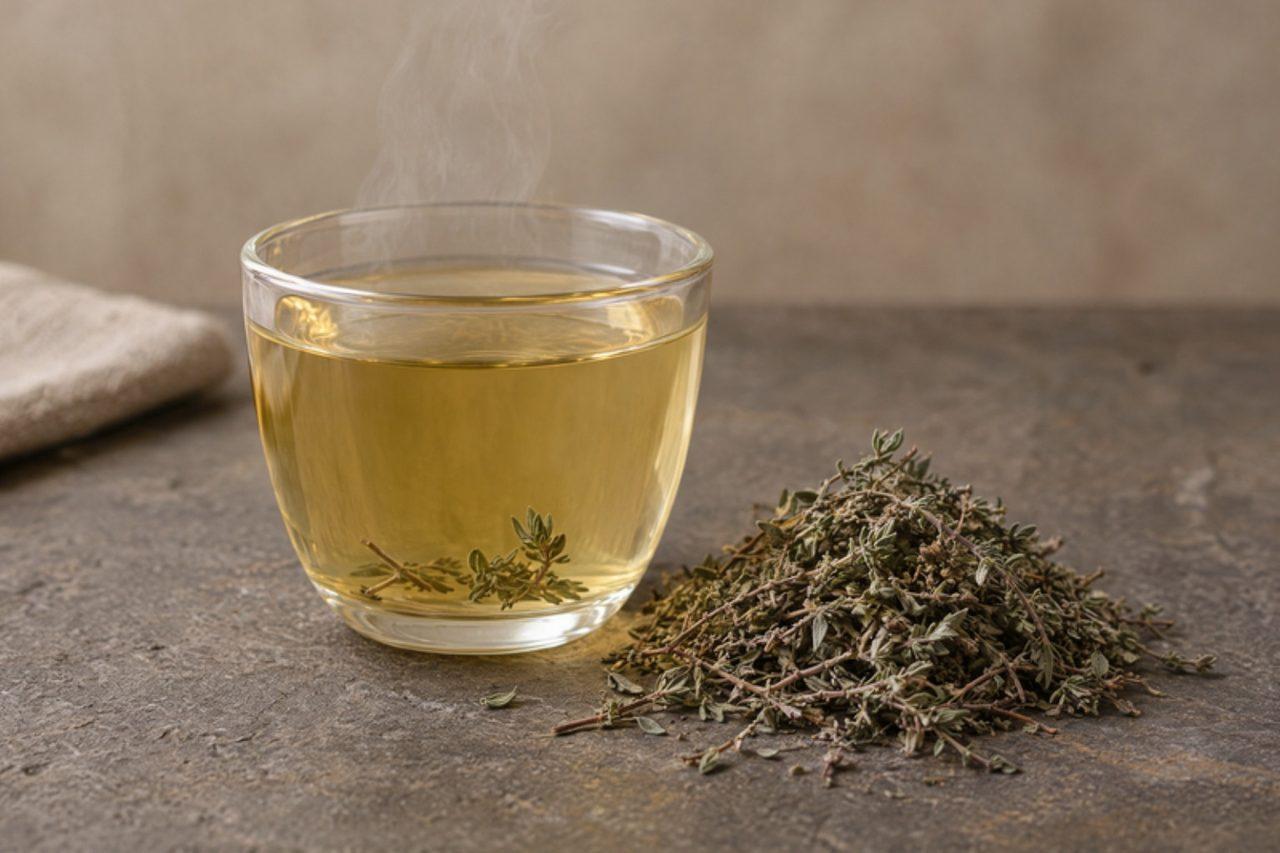
Urts, the wild thyme that carpets the summer meadows around Aragats and Lake Sevan, is picked in June and July when it flowers purple, then tied in bunches and hung to dry. Every Armenian market sells it, and it is the tea served in village homes after a heavy khorovats lunch, in the evening before bed, or with a plate of dried fruit and gata on a winter visit. It brews to a pale gold, smells of summer hillsides and tastes softly peppery and herbal, a little like oregano and lemon. The common mistake is boiling the herb: it turns harsh and medicinal and loses its sweet, floral notes. Pour on water just off the boil and cover the pot so the aromatic oils stay in the tea. It is ready after 5–7 minutes, when the colour is light gold and it smells of thyme the moment you lift the lid. Outside Armenia, use dried wild thyme or a mild garden thyme with flowers, about two-thirds the amount. It is traditionally drunk for a tired stomach or a cough; drink it in normal amounts and check with a doctor if you are pregnant or on medication. Chef's tip: add a few dried mint leaves or a sprig of dried rose petals for a village blend.

by KrazyBadal 0 views

Cà phê cốt dừa (coconut coffee)

Hanoi takes its coffee seriously, and in the last fifteen years coconut coffee has become one of the city's signatures, sold from Old Quarter cafés, lakeside balconies around Hoàn Kiếm and tiny stools on the pavement. It is a hot-weather drink, at its best on a sticky afternoon between May and September, eaten half with a spoon. Strong Vietnamese robusta drips slowly through an aluminium phin, then is poured over a pale slush of thick coconut cream, sweetened condensed milk and crushed ice, so you get bitter, dark coffee against something rich and cold that tastes like coconut ice cream. The common mistake is blending the slush too long or with too much ice, which leaves it thin and watery, and pouring the coffee in boiling hot so the slush collapses. Blend just until it looks like soft snow, and let the coffee cool for a minute or two. It is ready when the slush holds a spoon upright and the coffee sits in a dark layer on top. Robusta is high in caffeine and this is a strong drink, so it is not for children and one glass is plenty. Chef's tip: chill the coconut cream overnight; cold, thick cream gives a fluffier slush.

by KrazyBadal 0 views

Kaffeost (coffee with cheese)

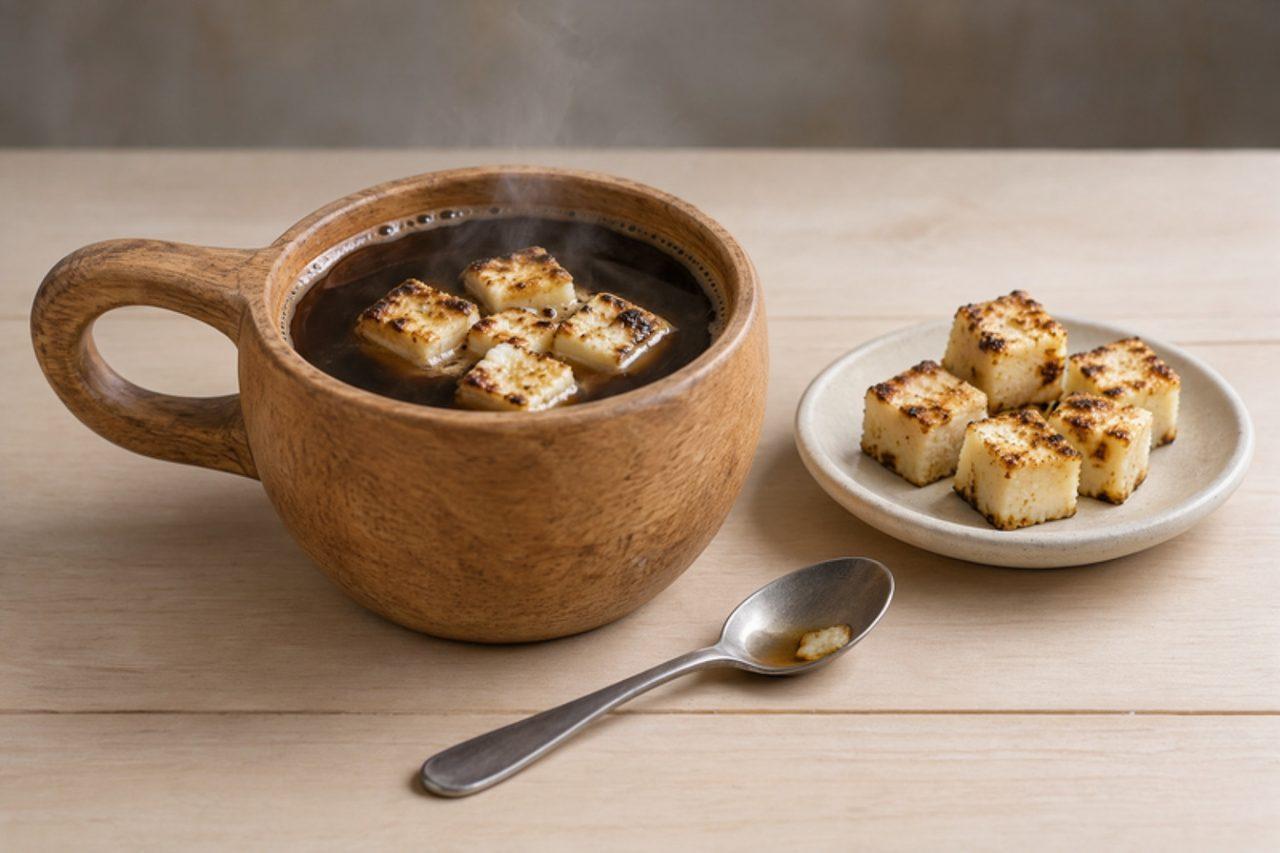
In the far north, across Swedish Norrbotten and Finnish Lapland, coffee comes with cheese in the cup. Leipäjuusto, a mild, squeaky cheese baked or grilled until spotted brown (called kaffeost or 'bread cheese'), is cut into cubes and put in a cup, often a carved wooden kuksa, then hot black coffee is poured over. Sámi reindeer herders and Tornedalen farmers have made it this way for generations; it is a fireside or mid-morning drink on a cold day, and in some families a little sugar or a slice of dried reindeer meat goes in as well. The cheese warms through, softens slightly and soaks up the coffee, so you drink the coffee and then spoon out the warm, chewy, milky cubes. The common mistake is using a soft or melting cheese: it collapses into strings. Use proper leipäjuusto or halloumi, which keep their shape. It is ready when the cubes are hot to the centre, about 2 minutes, and slightly puffed. Strong coffee means real caffeine here, so it is an adult drink. Leipäjuusto is sold in Nordic shops; halloumi is the nearest substitute. Chef's tip: warm the cheese on a dry pan first for extra browned flavour.

by KrazyBadal 0 views

Limau asam boi (lime with sour plum)

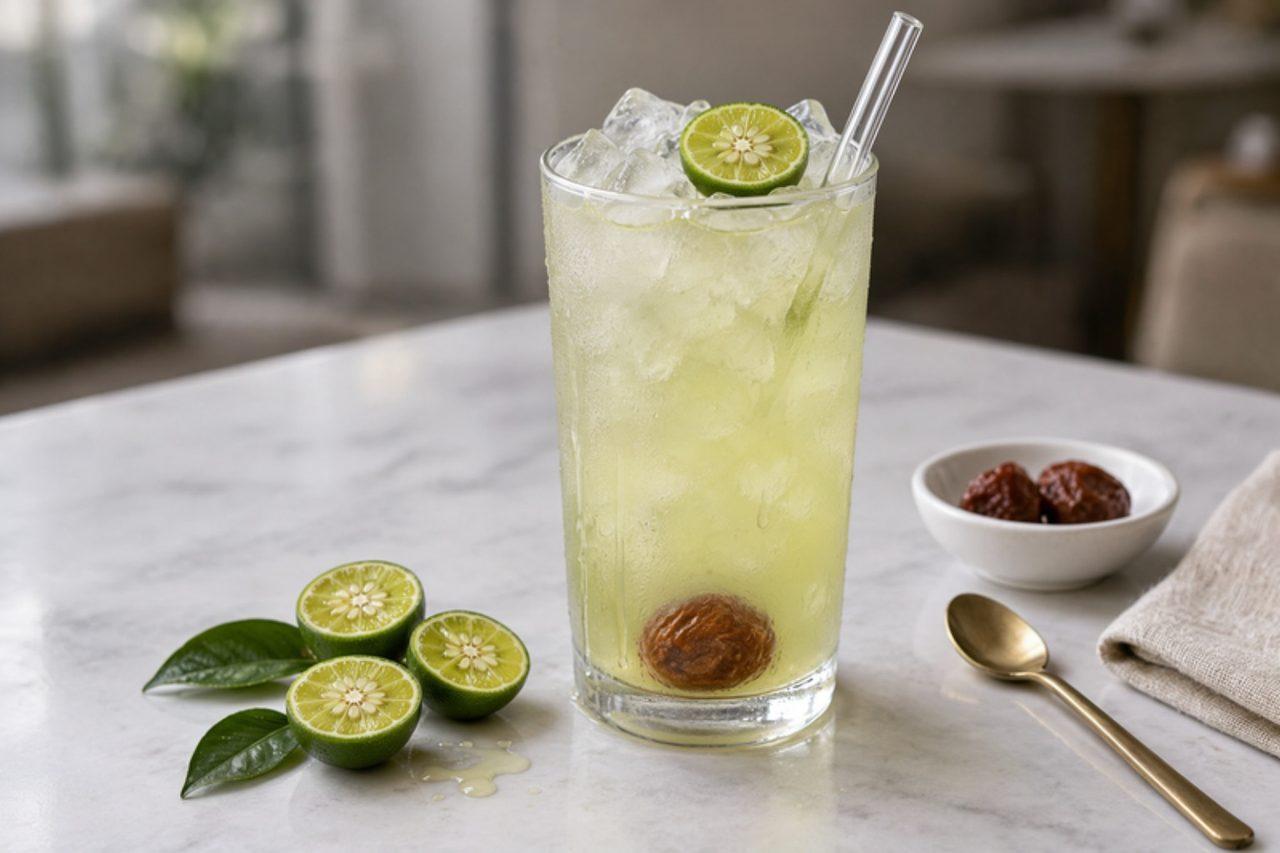
Order 'limau ais asam boi' at a kopitiam in Penang or a hawker centre in Kuala Lumpur at the hottest part of the afternoon and it arrives in a tall, sweating glass: freshly squeezed calamansi or small green limes, a little syrup, ice and one wrinkled, salted dried plum. The plum slowly leaches salt and fruity sourness into the drink, so every sip changes, starting bright and sweet and ending salty and tangy; you squash the plum with your straw halfway through for a stronger hit. It goes with char kway teow, nasi lemak or anything fried. The usual mistake is using bottled lime juice, which tastes flat and bitter against the plum. Squeeze fresh limes, and add the syrup gradually because asam boi is already salty-sweet. It is ready when the glass is frosted and the plum has started to plump up. Asam boi is sold in jars in Chinese and Southeast Asian groceries; Japanese umeboshi is saltier but works if you halve the amount. Chef's tip: make the lime-syrup base ahead and keep it cold, then pour over fresh ice only when you serve.

by KrazyBadal 0 views

Haldi doodh (turmeric milk)

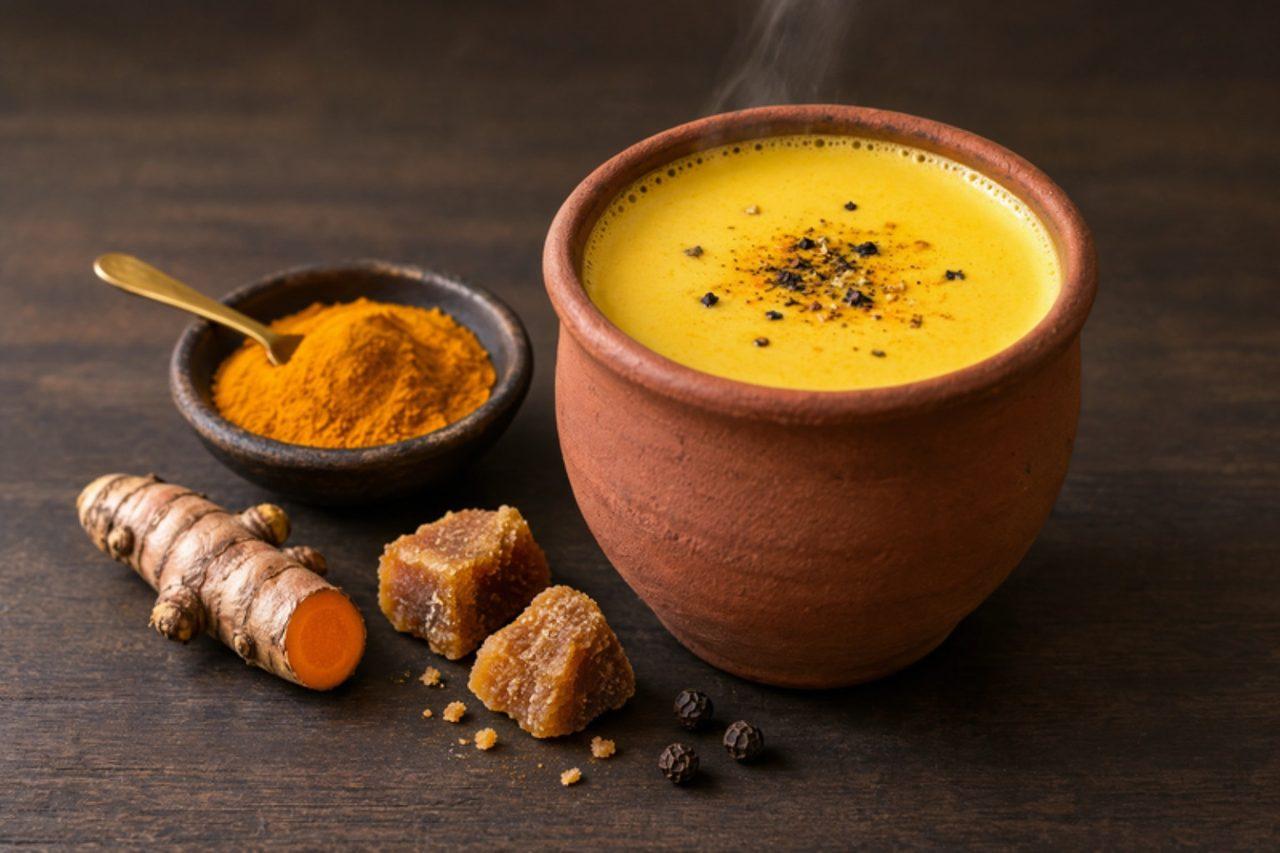
In homes from Punjab to Kerala, a mother or grandmother hands round haldi doodh on cold winter nights, after a fall in the playground or whenever someone starts sniffling; it is drunk at bedtime, steaming, in a steel tumbler. Milk is simmered with turmeric, a few grinds of black pepper and sometimes ginger or cinnamon, then sweetened with jaggery. It is golden, warming and gently earthy, with a soft peppery heat and a slightly grainy feel if the turmeric is fresh-ground. It is traditionally drunk for colds and aches, as a comfort rather than a cure. The common mistake is adding raw turmeric powder to hot milk at the end: it tastes chalky and bitter. Simmer it in the milk for a few minutes so the raw edge cooks out. It is ready when the milk turns an even deep yellow, smells mellow and has a thin skin forming on top. Add jaggery off the heat, as it can curdle boiling milk. Turmeric stains, so use a steel pan. Chef's tip: a teaspoon of ghee stirred in at the end makes it rounder and is how many families make it.

by KrazyBadal 0 views

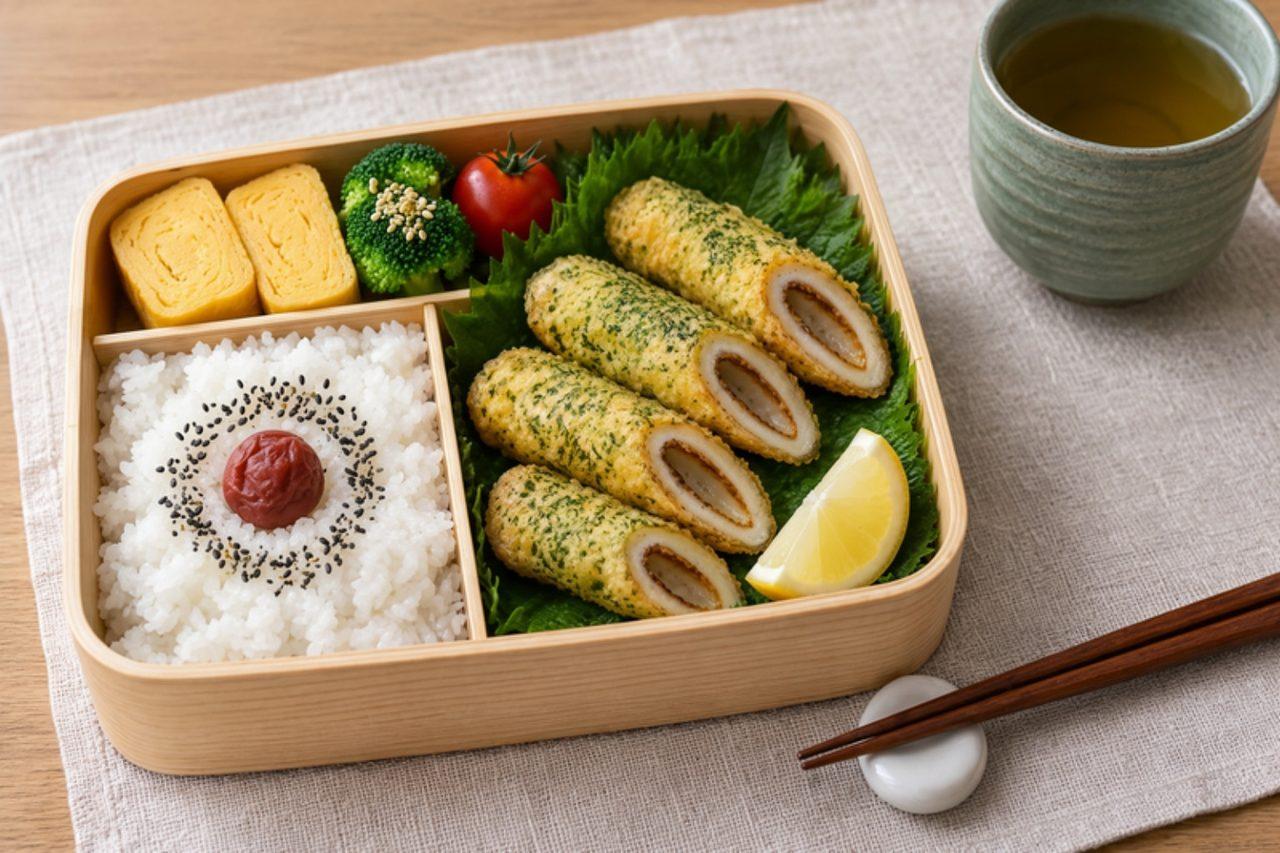
Chikuwa isobe-ageSeaweed-battered fish cake

Isobe-age, "fried in the style of the rocky shore", means anything coated in a batter speckled with green aonori seaweed, and chikuwa isobe-age is the one every Japanese parent tucks into a bento: tubes of chikuwa fish cake fried until puffed and crisp. It is just as good cold and takes ten minutes. The common mistake is a thick batter, which turns bready; it should be like single cream. Chef's tip: dust the chikuwa with a little flour before dipping, so the batter clings and does not slide off in the oil.

by KrazyBadal 0 views

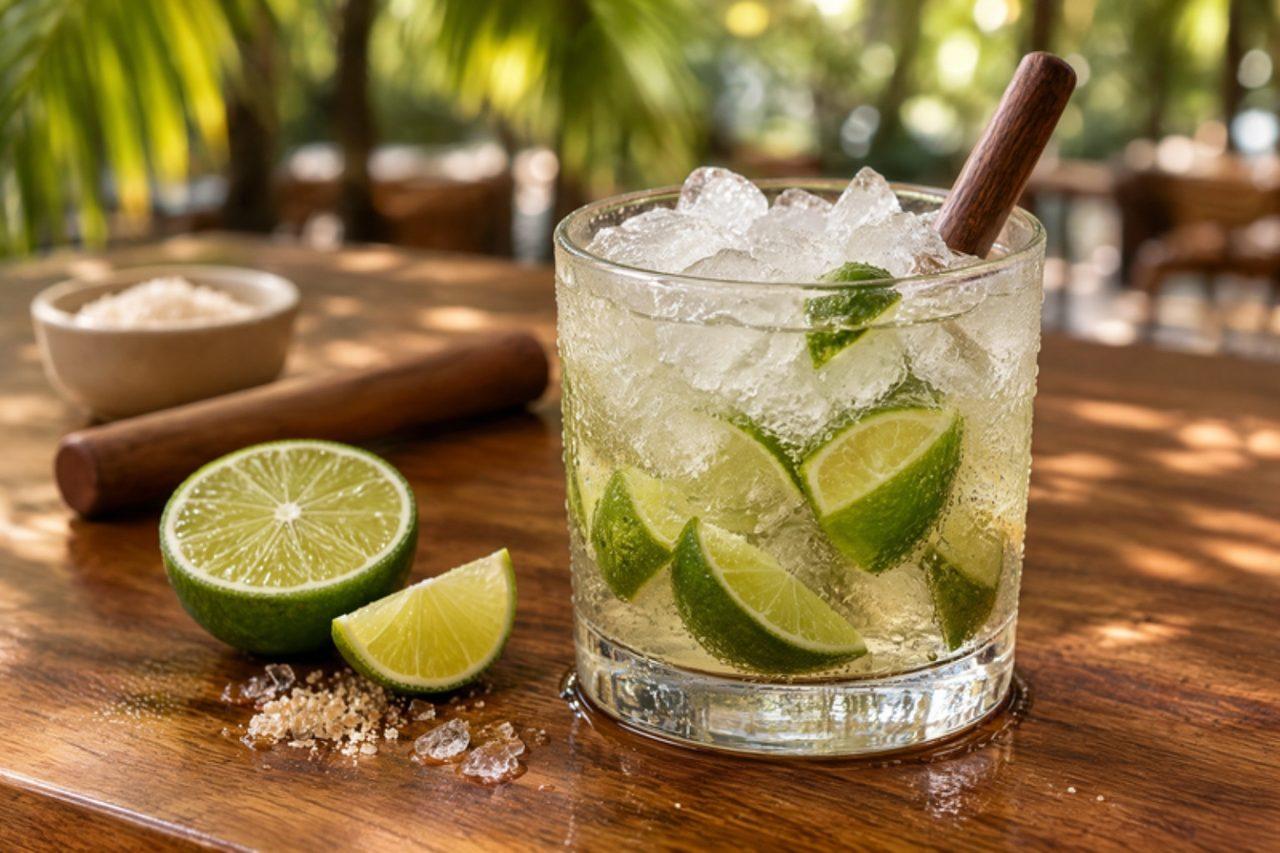
Caipirinha

Brazil's national drink lives on every boteco counter in São Paulo, but it tastes best on a hot Saturday beside a pot of feijoada, or handed over from a beach vendor's cart. It is a short, rough-cut drink for adults only: a whole lime chopped into wedges, crushed with sugar right in the glass, packed with crushed ice and drowned in cachaça, the sugarcane spirit with a grassy, faintly funky edge that rum does not have. Each sip moves from sharp lime oil to cold sweetness to a warm cane finish, with a little crunchy sugar at the bottom to stir back up. The usual mistake is pounding the lime to a pulp: the white pith and the core turn bitter within minutes. Cut out the central white strip, press each wedge only until the juice runs and the skin smells of lime oil, then stop. It is ready when the sugar has mostly melted into a cloudy syrup and the glass frosts on the outside. Cachaça is strong, so sip slowly and drink responsibly. Chef's tip: roll the lime hard on the board before cutting and choose thin-skinned, heavy limes; a thick-skinned lime makes a bitter caipirinha however gently you muddle.

by KrazyBadal 0 views

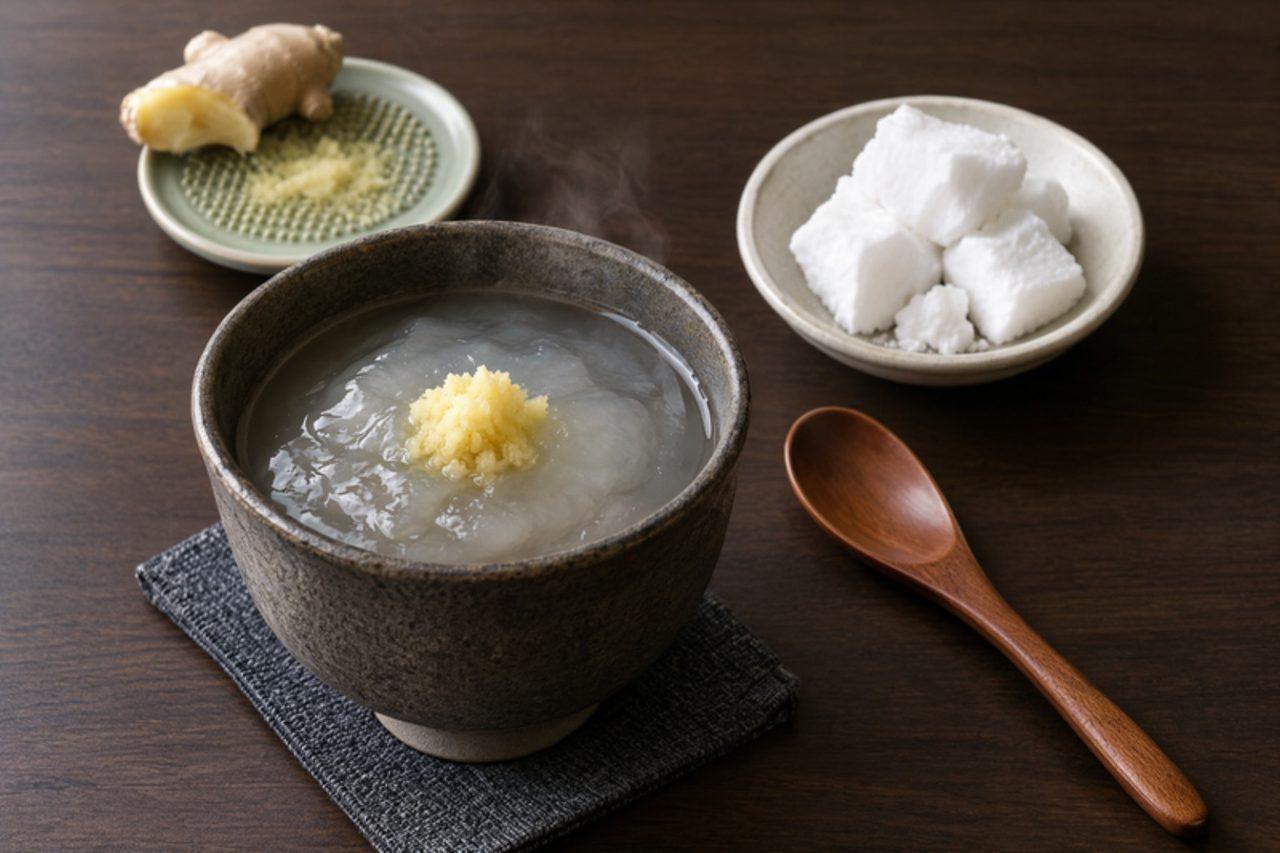
Kuzuyu (hot kudzu drink)

Kuzuyu is what Japanese mothers make when someone has a chill or an upset stomach, and what many people sip on a frosty winter evening, especially in Nara, whose Yoshino mountains have produced the finest hon-kuzu starch for centuries. Kudzu root starch is stirred into water with a little sugar and cooked until the milky liquid suddenly turns clear, glossy and gently thick, somewhere between a hot drink and a soft pudding you drink from the cup. Grated ginger warms it; some families add a spoon of matcha or a squeeze of yuzu. It tastes clean, mildly sweet and comforting, and it is traditionally given to people recovering from colds. The mistake almost everyone makes once is sprinkling kudzu into hot water, where it forms rubbery lumps at once. Always crush it and dissolve it completely in cold water first, then heat it while stirring without stopping. It is ready when there are no white streaks left, the drink is translucent and it coats the back of a spoon. Chef's tip: real hon-kuzu comes in chalky lumps; crush them with the back of a spoon in the cold water and they dissolve in seconds.

by KrazyBadal 0 views

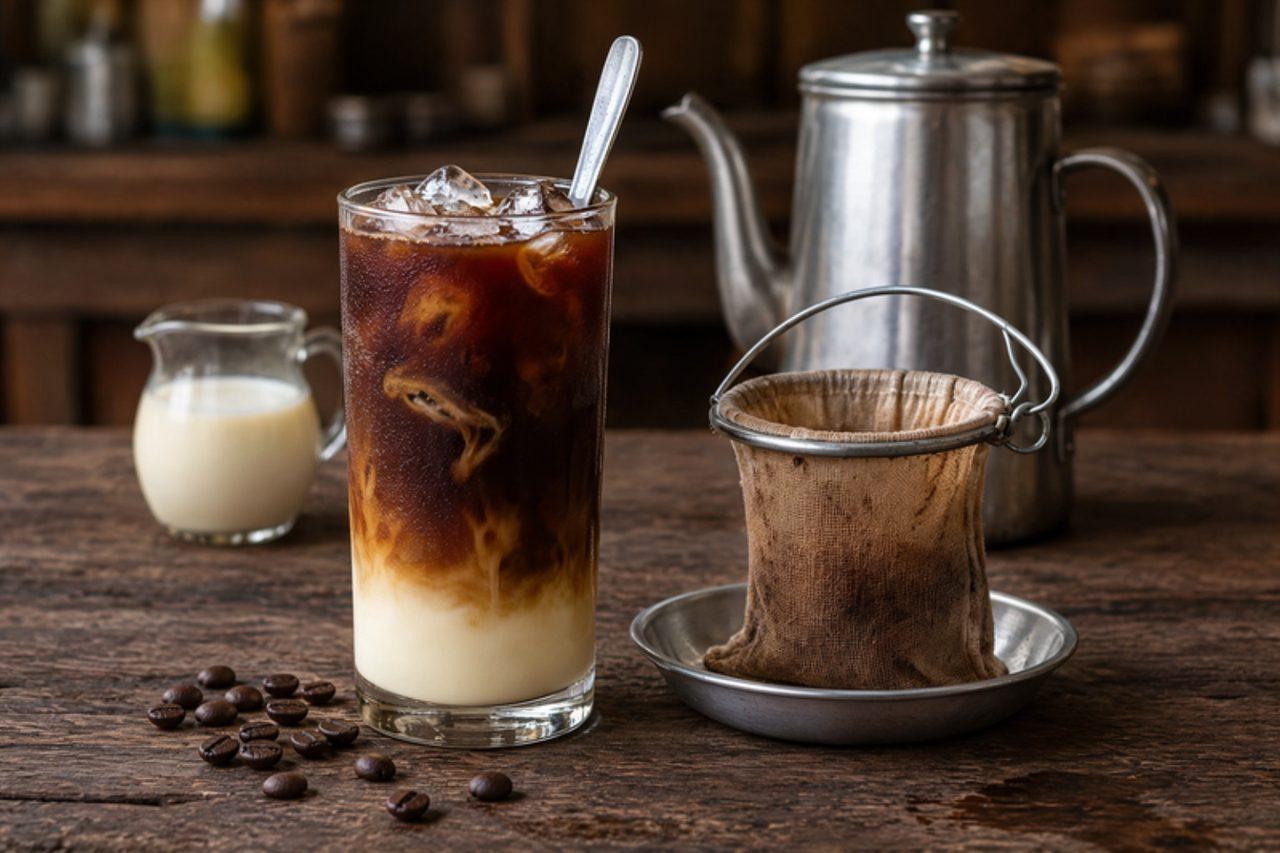
Kafae boran (old-style Thai coffee)

Before espresso bars reached Bangkok, coffee in Thailand meant kafae boran from Hainanese-Chinese shophouses and market carts: a dark robusta roast mixed with toasted grains, poured through a long cotton sock called a tung tom and stirred into thick sweetened condensed milk. Uncles still order it hot at 6 am with patongko dough sticks, and in the afternoon heat the same brew is poured over crushed ice and topped with evaporated milk as oliang or kafae yen. The taste is strong, roasty and slightly smoky, sweet and creamy, with a faint caramel-cereal edge from the grains; the iced version is silky and cold. The common mistake is brewing it like filter coffee with too little grounds: once milk and ice go in, it tastes thin. Use plenty, steep it in the sock and pour it through twice. The brew is ready when it is opaque, nearly black and leaves a brown film on a white spoon. It is high in caffeine, so not one for children or late evenings. Chef's tip: rinse the cloth sock in hot water only, never soap, and keep it in a jar of clean water in the fridge between uses so the coffee oils season it.

10 minThaiDrinksGluten free
by KrazyBadal 0 views

Showing 24 of 314 recipes

Show more recipes

Page 1 of 14