Skip to content
WhatToEat.Today

All recipes

18

Vegetarian, or something you can't eat? Set your diet once and we'll hide recipes that don't fit.

Tamales coloradosRed tamales

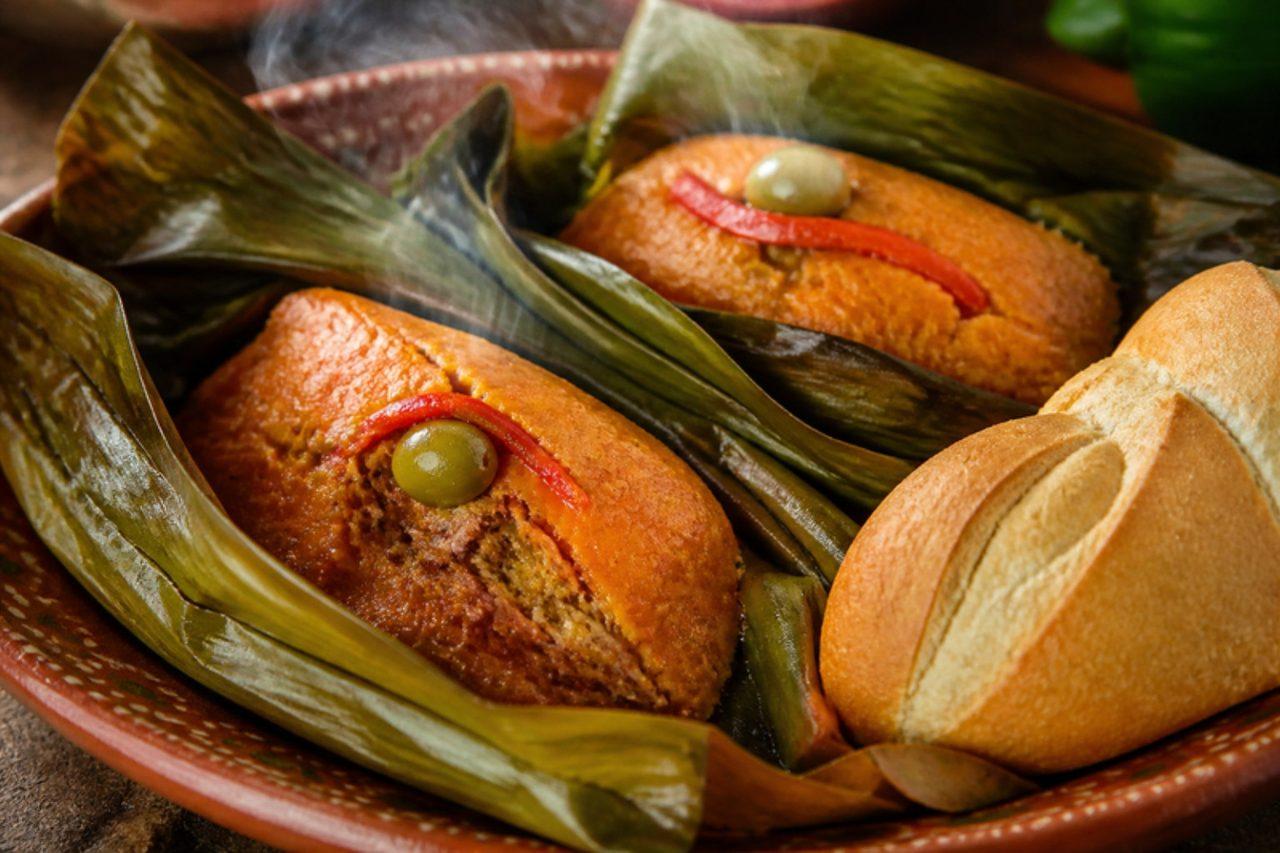
On Christmas Eve in Guatemala, families gather before midnight to eat tamales colorados, made in big batches the day before. Soft corn masa enriched with lard is filled with pork (or chicken) in a red recado sauce of tomato, dried chillies and toasted sesame and pumpkin seeds, topped with an olive, a strip of red pepper and a caper, then wrapped in banana leaves and steamed. They are eaten with bread and hot ponche. Chef's tip: beat the lard into the masa until a spoonful floats in water; that is how you know the tamales will be light.

by KrazyBadal 0 views
Pescado envuelto en huevoEgg-battered fish in tomato sauce

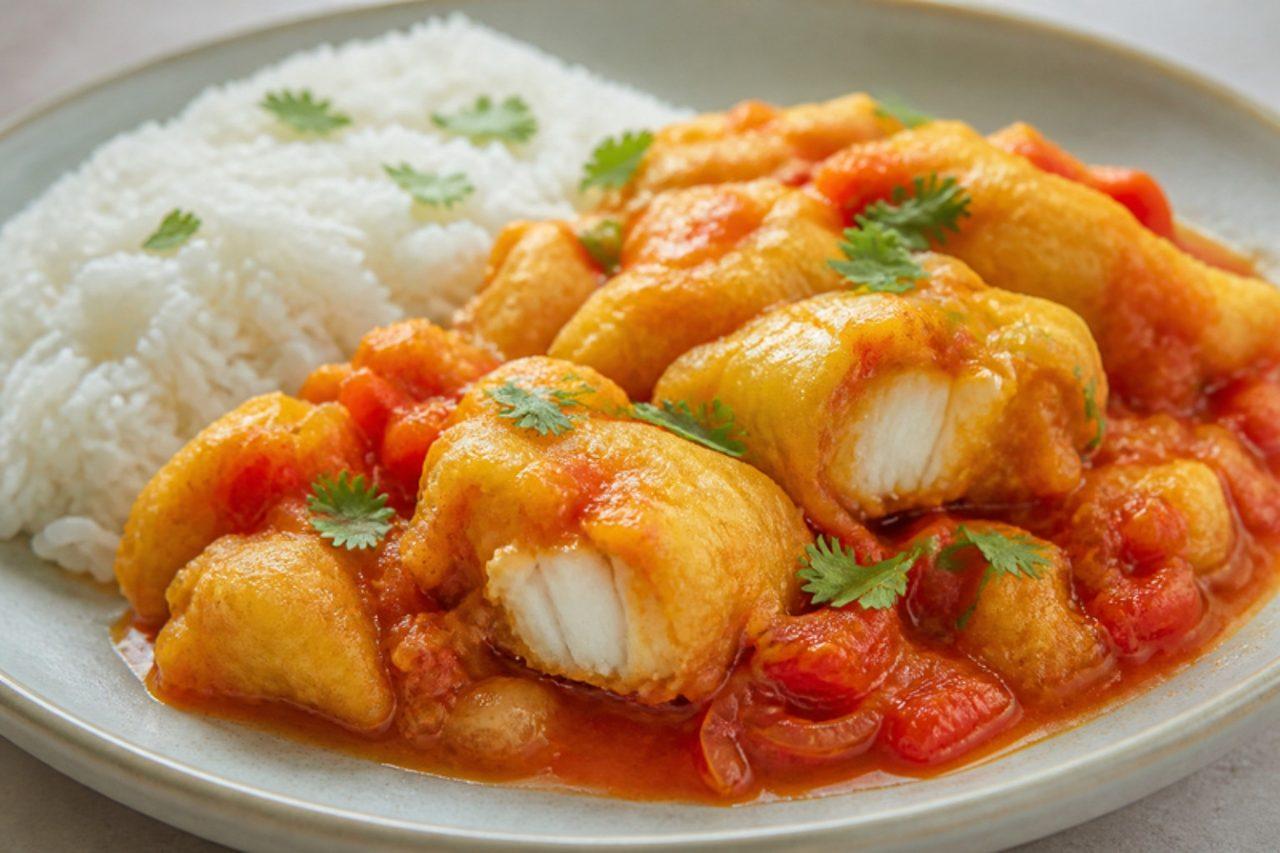
In Guatemala, Cuaresma and Semana Santa mean the smell of pescado seco envuelto en huevo: pieces of dried salted fish (usually cod) soaked, dipped in whipped egg batter, fried until puffy and golden, then served in a light tomato sauce with rice. It fills the house during the processions of Holy Week, when carpets of sawdust and flowers line the streets of Antigua. Soaked salt cod is the easiest to find abroad. Chef's tip: whisk the whites very stiff and fold in the yolks gently, so the coating puffs into a soft cloud.

by KrazyBadal 0 views

MarquesoteSugar-crusted sponge loaf

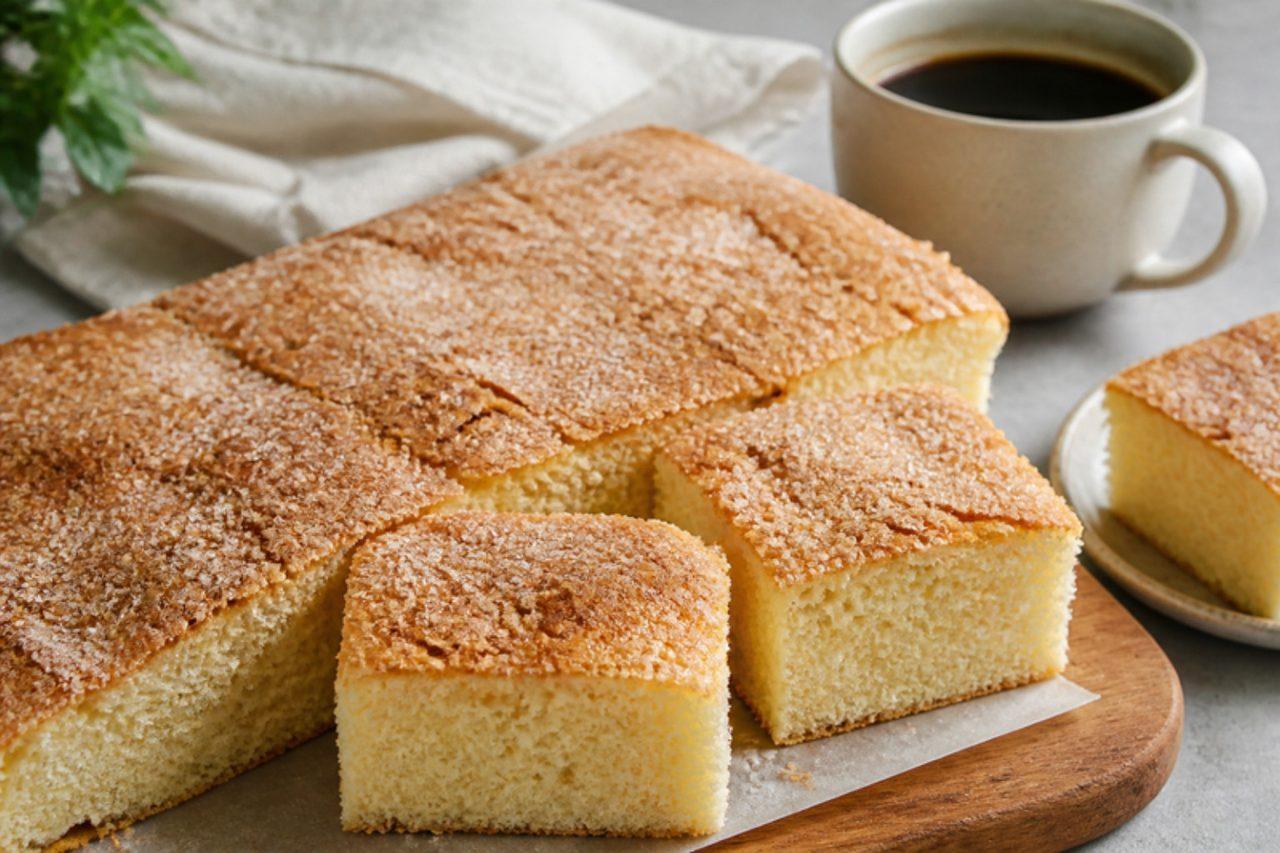
In Tegucigalpa, León and San Salvador, marquesote turns up on bakery shelves in big golden slabs, cut to order and wrapped in paper to dunk in morning coffee. It is a separated-egg sponge, very light and slightly dry, with a thin crackly crust from sugar sprinkled on before baking; Salvadoran bakers often add rice flour for a finer crumb. Around Holy Week in Nicaragua it is soaked in a cinnamon and clove syrup, and the syrup is given here as an option. Rough folding is what sinks it: beaten whites lose air fast, so fold in the flour with a light hand, just until it disappears. Chef's tip: line the tin with paper that stands 3 cm above the rim; the sponge climbs it, and you can lift the whole slab out to cool without squashing it.

by KrazyBadal 0 views
Salpores de arrozCrumbly rice flour cookies

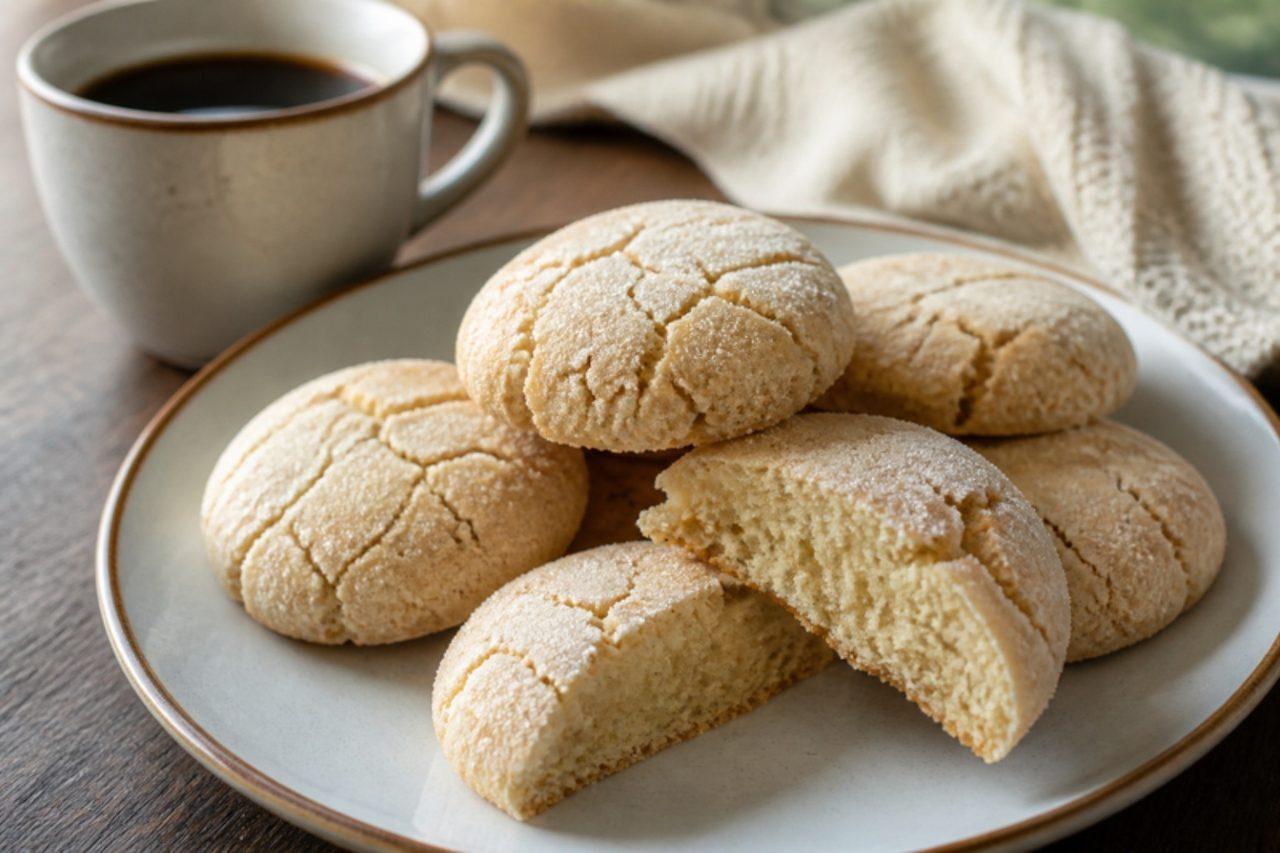
Ask in a Salvadoran panadería for pan dulce to go with the afternoon cafecito and you will be offered salpores, round cookies with a sugar-crackled top that break into soft, sandy crumbs. Salpores de arroz are made with rice flour instead of wheat, which gives them their fine, almost powdery texture and makes them naturally gluten free. They taste of butter and vanilla with just enough sugar. Families in San Salvador buy them by the bag for wakes, birthdays and Sunday visits, and they are made to be dunked. Chef's tip: use finely milled white rice flour, not glutinous rice flour, which turns the cookies gummy; and don't wait for colour on top, because salpores stay pale and an extra few minutes dries them out.

by KrazyBadal 0 views
ChampurradasCrisp sesame biscuits

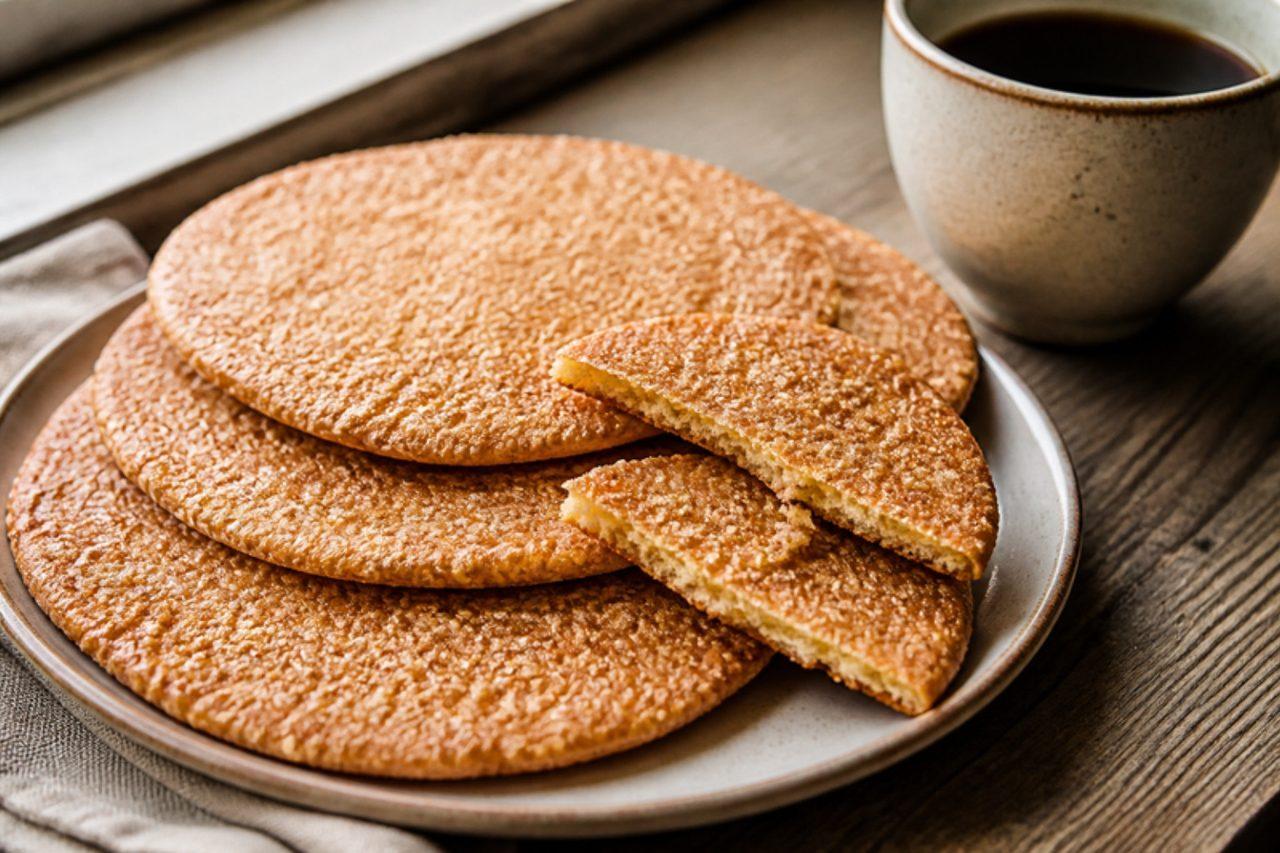
No breakfast table in Guatemala City or Antigua is complete without a basket of champurradas, saucer-sized biscuits scattered with sesame seeds and made thin enough to snap. Guatemalans dunk them in a mug of sweet black coffee or hot chocolate, and they are sold in stacks wrapped in paper at bakeries and markets. They taste of butter and toasted sesame, not too sweet, with a crisp, slightly blistered top. Being too timid with the rolling pin is where most people go wrong; thick champurradas come out like cake. Chef's tip: roll each ball out directly on the baking paper to about 3 mm, so you never have to lift a fragile disc.

by KrazyBadal 0 views
Tapado olanchanoSalted beef and root vegetable stew

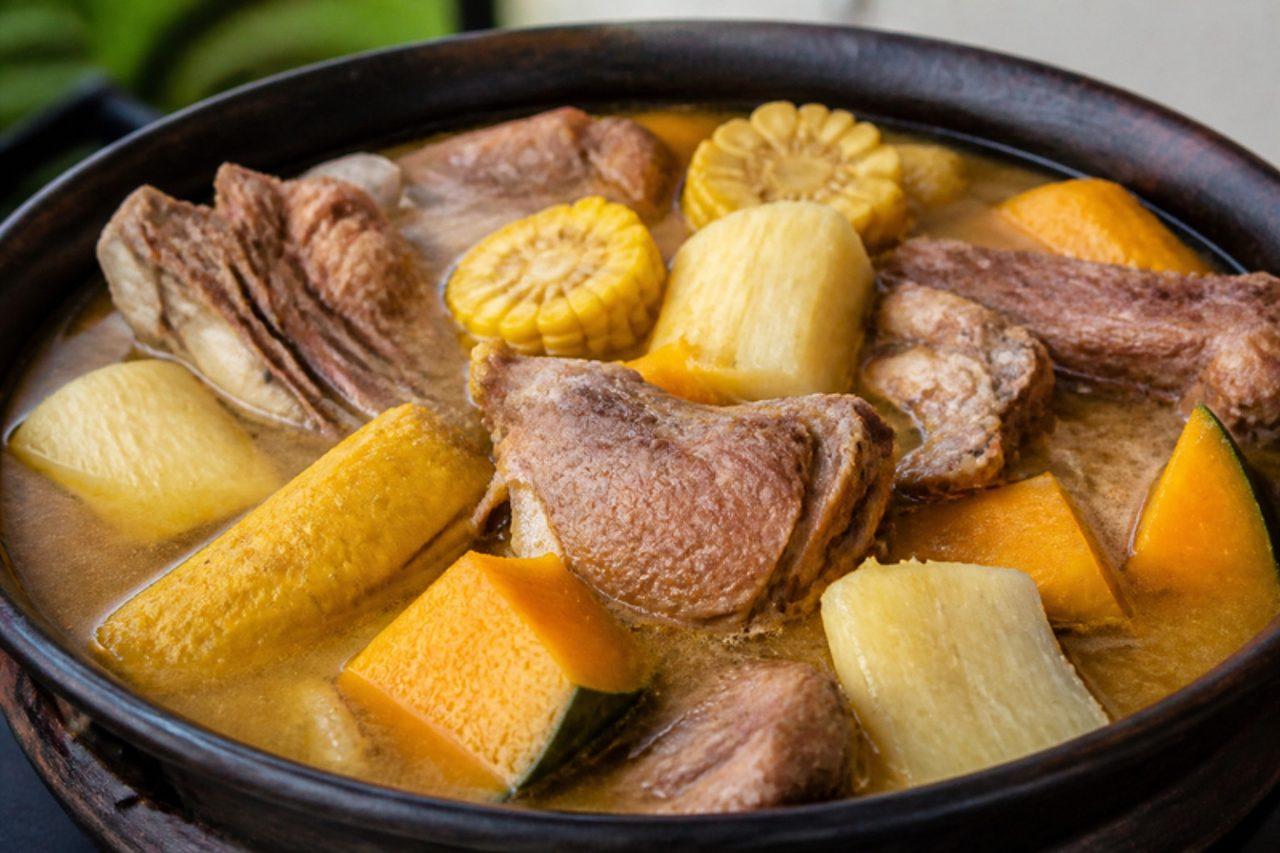
Cattle country in Olancho, eastern Honduras, gives its name to this big Sunday pot of salted beef, pork ribs, plantain, cassava, taro and vegetables, cooked slowly in one broth and eaten with corn tortillas and a hot sauce on the side. It is a filling, gently smoky stew where every root takes on the salty, meaty flavour of the beef. The pork is pork spare ribs; cook them until they pull away from the bone. The mistake to avoid is skipping the soak: salted beef straight from the packet makes the whole pot too salty to eat. Chef's tip: add the roots in order of hardness, cassava first and ripe plantain last, so everything is tender at the same moment.

by KrazyBadal 0 views
Indio viejoShredded beef in corn masa sauce

Masaya and Granada both claim indio viejo, a thick, tangy stew of shredded beef cooked into a sauce of corn masa, tomato, sweet pepper and achiote, sharpened with sour orange and scented with mint. It has the texture of a savoury porridge and is eaten for lunch with white rice and fried ripe plantain. The mistake that ruins it is tipping masa straight into the hot pot, where it forms lumps; whisk it into broth first. Chef's tip: add the sour orange juice only in the last few minutes, so it stays bright and fresh rather than flat.

by KrazyBadal 1 views

BahoSteamed beef, plantain and cassava

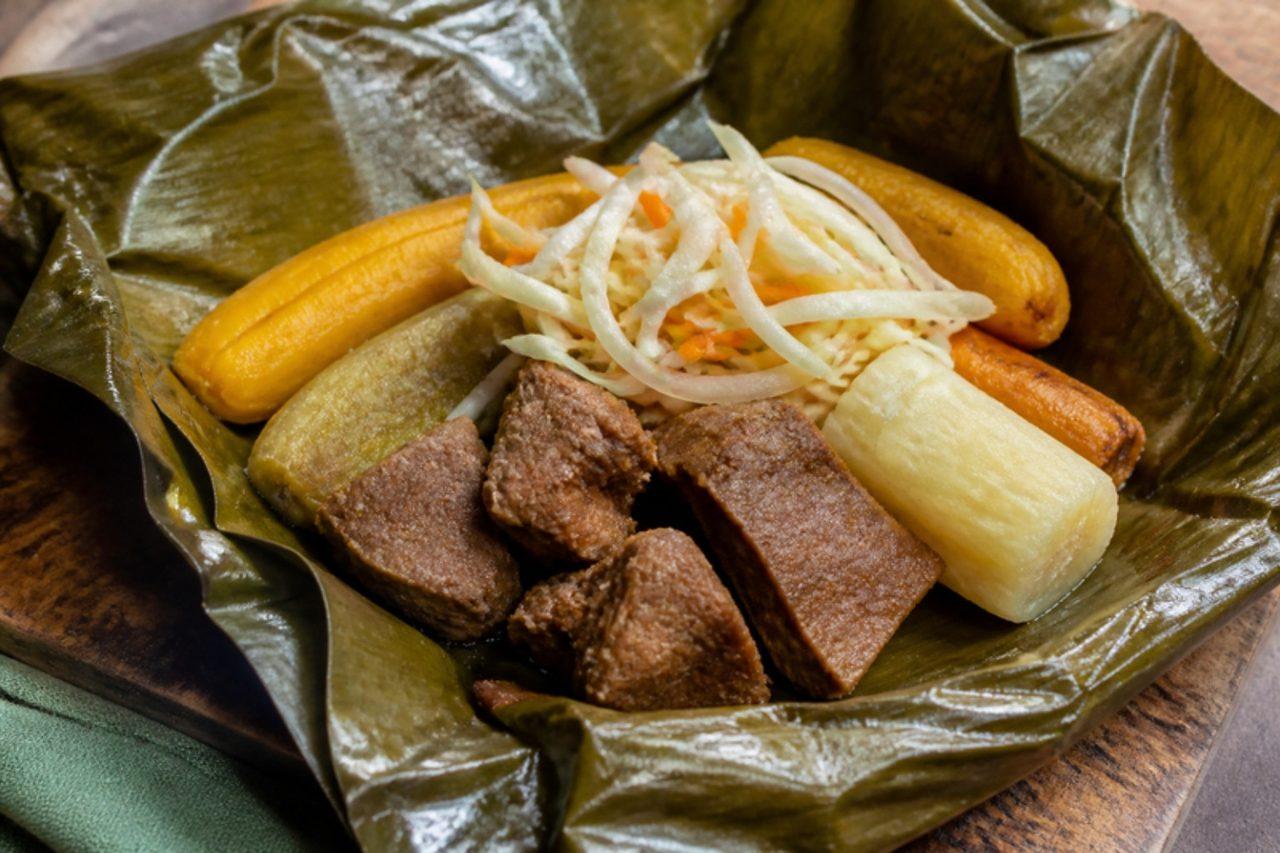
Baho, also spelled vaho, is the dish Nicaraguan families plan a Sunday around, especially in Granada and Managua: beef marinated overnight in sour orange and garlic, then steamed for hours in a big pot lined with banana leaves on a bed of green plantain, ripe plantain and cassava. Everything comes out tender and fragrant with the leaves, and it is served with a crunchy, vinegary cabbage salad to cut through the richness. Marinate the beef in the fridge, never at room temperature. The mistake that ruins it is letting the pot boil dry, which scorches the leaves and the plantain at the bottom; top up the water every hour. Chef's tip: keep a few banana leaves back to tuck over the top, so the steam stays trapped inside the parcel.

by KrazyBadal 0 views

HilachasShredded beef in tomato sauce

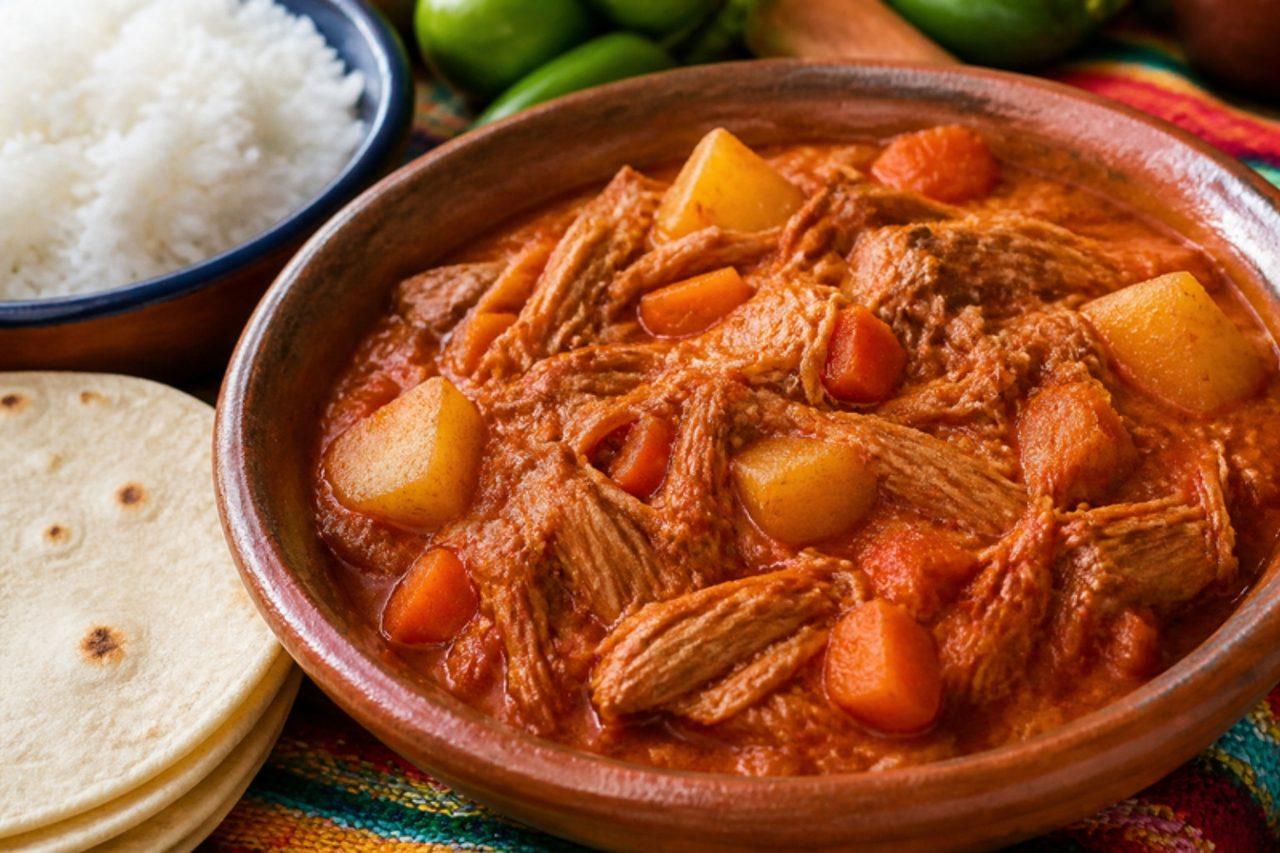
The name means 'threads', and that is how the beef should look: pulled into fine strands and simmered with potato and carrot in a brick-red sauce of tomato, tomatillo and dried guajillo chilli. Hilachas is everyday food in Guatemala City, served at lunch counters with white rice and tortillas, and it is a thrifty way to stretch a piece of flank. Rushing the first simmer is the classic mistake: if the beef doesn't fall apart easily, it shreds into chewy chunks instead of threads. Chef's tip: shred the meat along the grain with two forks while it is still warm; cold beef tears unevenly.

by KrazyBadal 0 views

Semita altaLayered sweet bread with pineapple jam

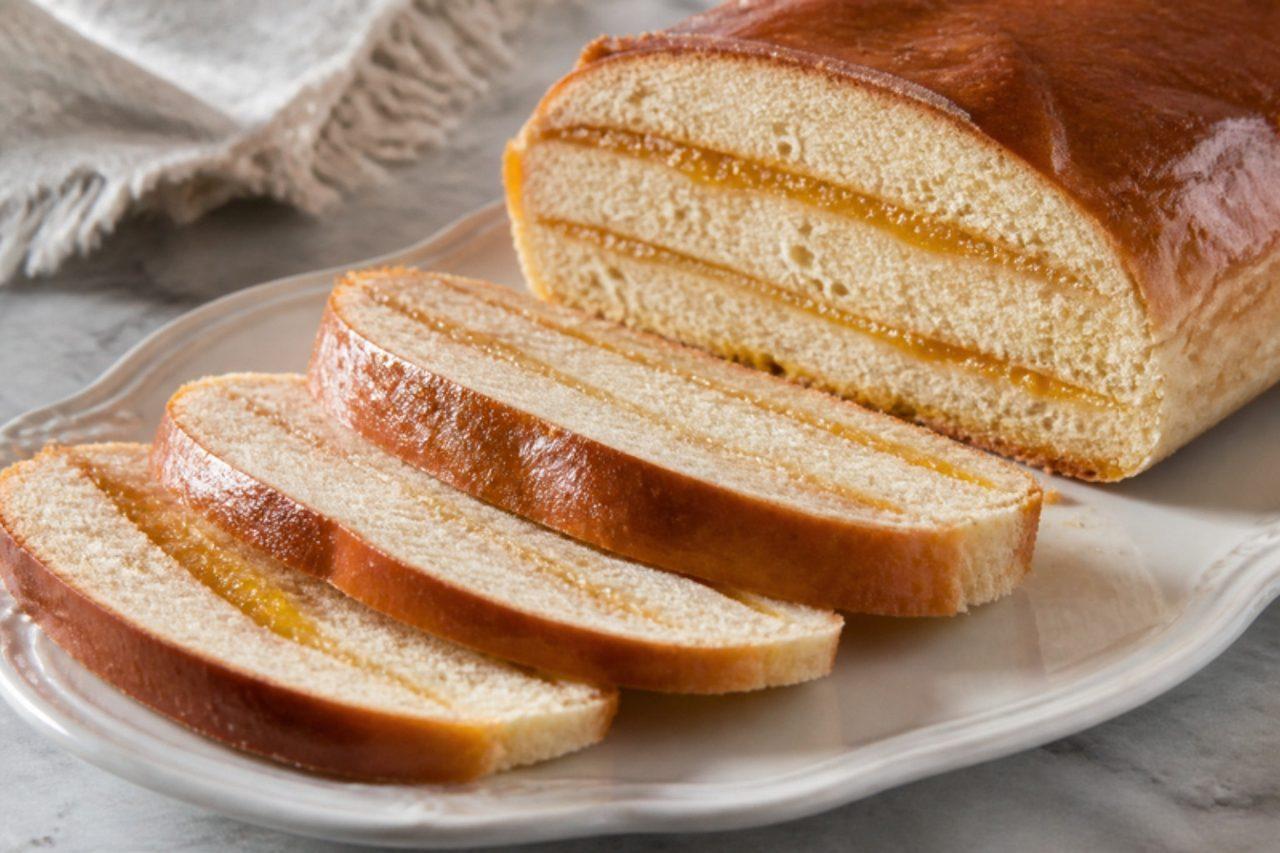
Salvadoran panaderías sell two semitas: the flat semita pacha and this tall one, built from soft sweet dough layered with pineapple or panela jam, so each slice shows dark stripes of fruit. It is bought by the slab for breakfast and afternoon coffee across the country. Dry dough is the common mistake; it should feel soft and slightly tacky, or the layers bake up like biscuit. Chef's tip: make the pineapple jam the day before and chill it; cold, thick jam spreads cleanly and doesn't leak out of the layers.

by KrazyBadal 0 views

Tapado garífunaSeafood and coconut stew

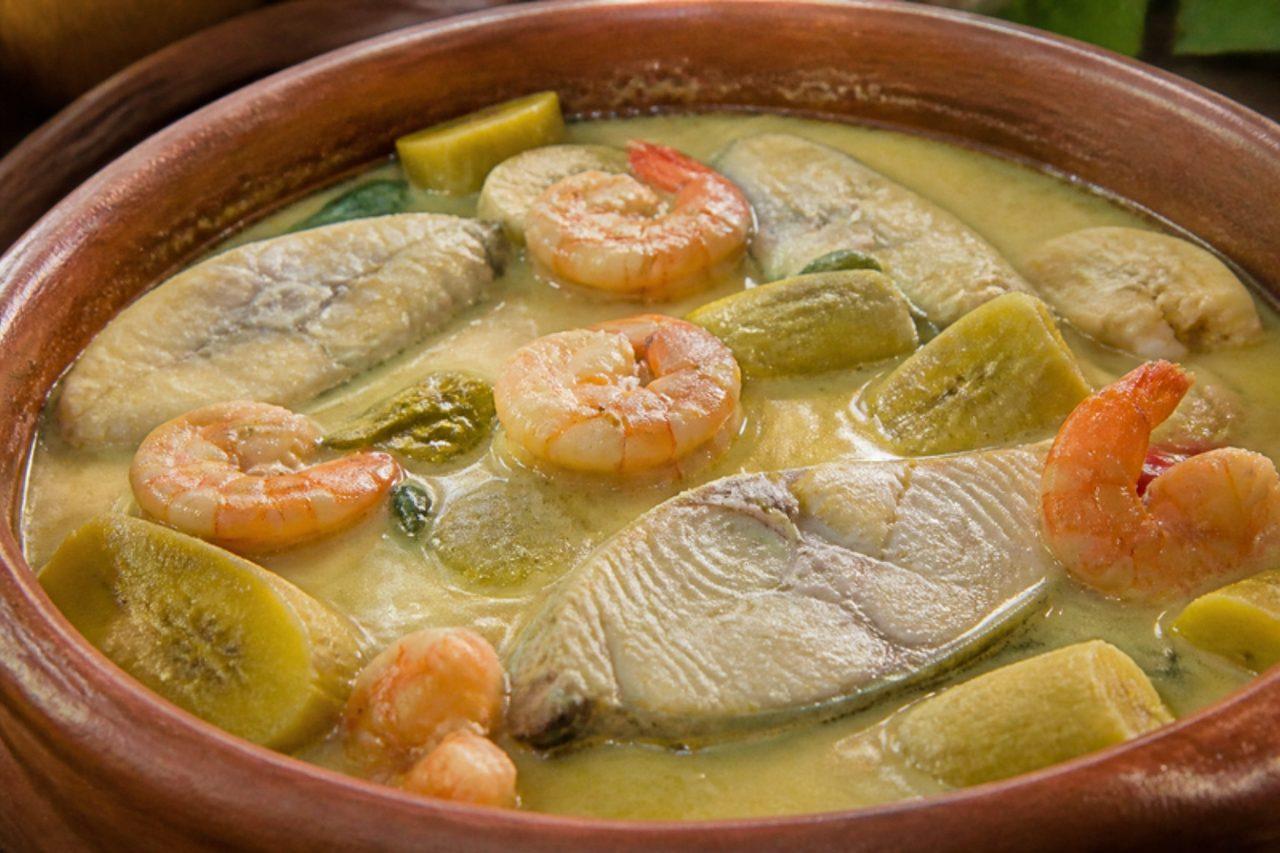
Livingston in Guatemala, Dangriga in Belize and Trujillo in Honduras all cook tapado, the Garifuna seafood stew where fish steaks, prawns and sometimes crab simmer in coconut milk with green and ripe plantain, basil and culantro. It is creamy, a little sweet from the ripe plantain, and fragrant with herbs, best eaten from a wide bowl with rice or pan de coco. Use raw prawns that smell of the sea and fish with bright flesh; if you add crab, buy cleaned raw crab pieces from the fishmonger. The common mistake is adding the fish too early, so it breaks into shreds; it goes in for the last few minutes only. Chef's tip: mash one cooked piece of green plantain into the broth to thicken it, the way Garifuna cooks do.

by KrazyBadal 0 views

Pan bonDark spiced fruit and cheese bread

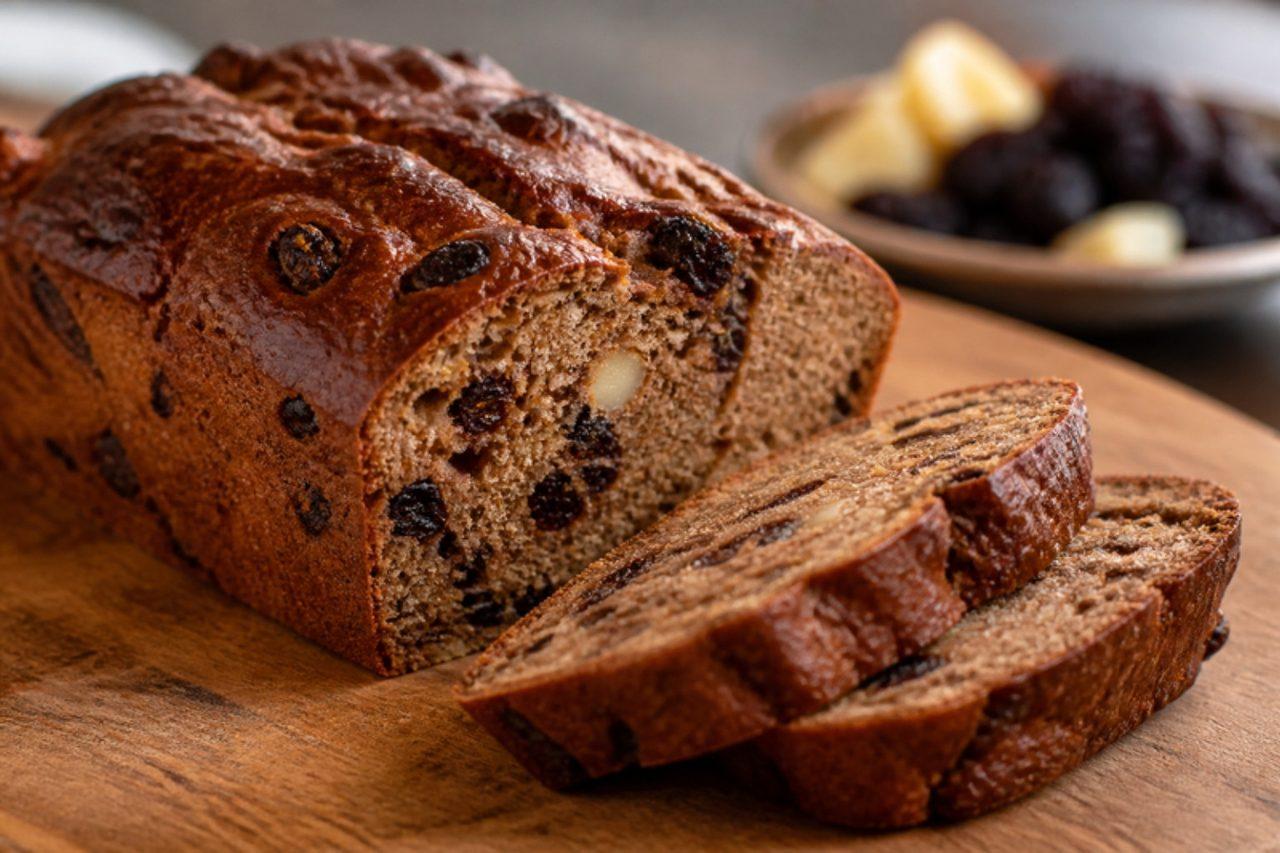
On Costa Rica's Caribbean coast, the Afro-Caribbean families of Limón and Cahuita bake pan bon for Easter, Christmas and any big gathering, a recipe brought by Jamaican railway workers in the late 1800s. The loaf is dark and fragrant with molasses and burnt-sugar syrup, studded with raisins, candied peel and little cubes of salty cheese that melt into pockets. It is sliced thick and eaten with coffee. Dense, heavy loaves usually come from adding the fruit and cheese too early; knead them in only after the dough is smooth. Hard cheese is often made with animal rennet, so pick a vegetarian one if needed. Chef's tip: brush the warm loaf with the burnt-sugar syrup straight from the oven for its signature sticky, shining crust.

by KrazyBadal 0 views

Pan de coco garífunaCoconut milk bread rolls

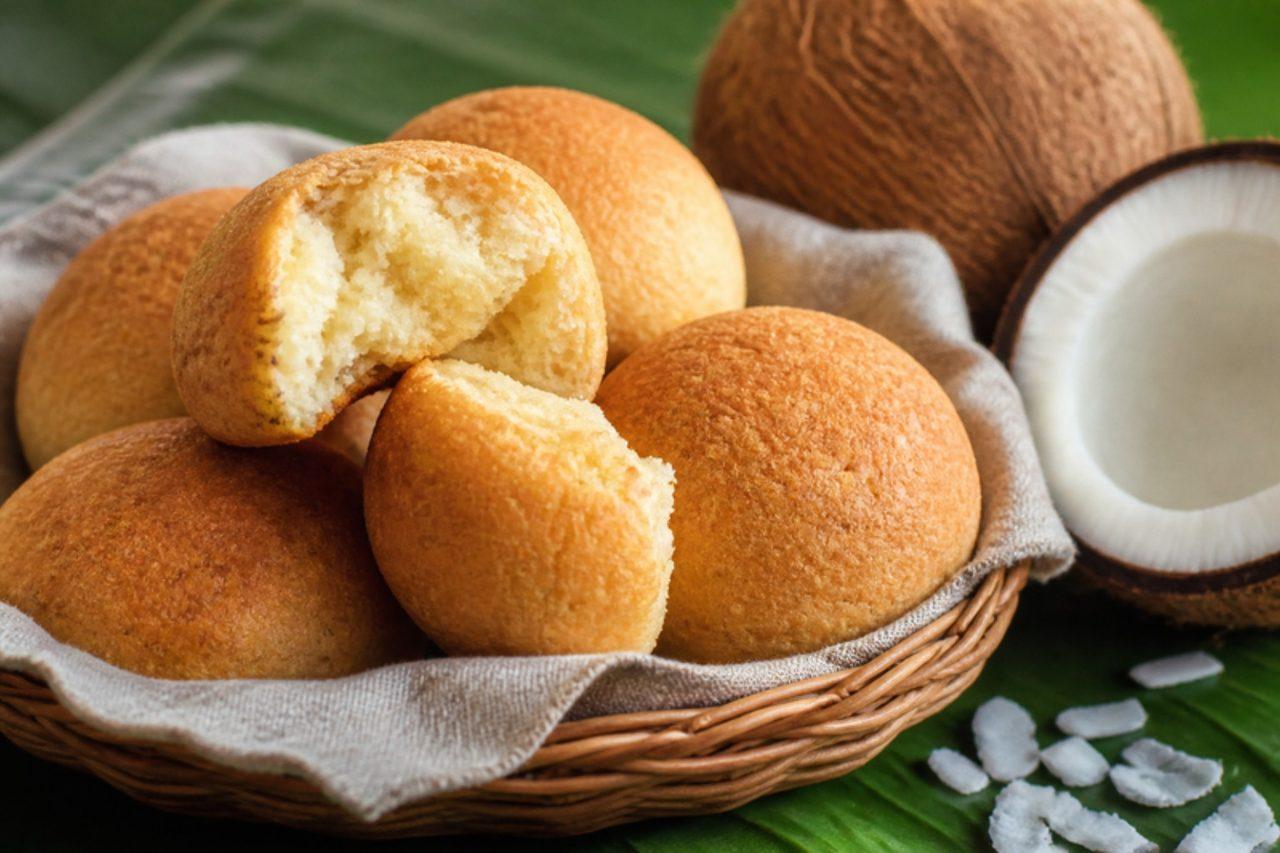
In Garifuna towns along the Caribbean coast, from Dangriga in Belize to Trujillo and La Ceiba in Honduras, pan de coco is baked almost every morning and eaten with fried fish, beans or a bowl of hudut. The dough is made with coconut milk in place of water, which gives soft, slightly sweet rolls with a golden crust and a faint coconut perfume; this version uses coconut oil and is fully vegan. The common mistake is using coconut milk that is too hot, which kills the yeast: it should feel just warm on your wrist. Chef's tip: if you can, grate a fresh coconut and squeeze it with hot water to make your own milk, as Garifuna bakers do; the flavour is noticeably richer.

by KrazyBadal 0 views

Powder bunsCoconut raisin buns

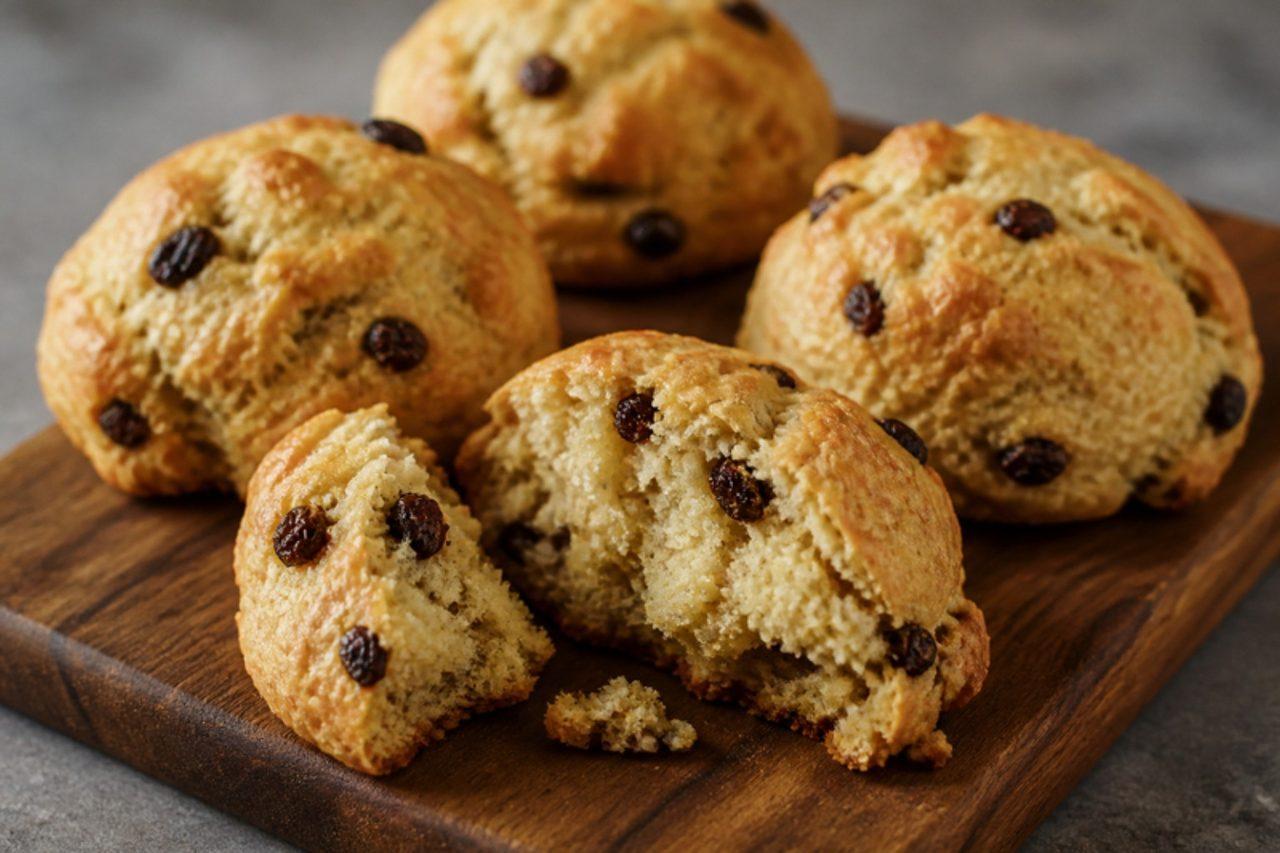
Called powder buns because baking powder, not yeast, makes them rise, these lightly sweet buns are what Belizean families in Belize City and the Cayo district bake for afternoon tea or a breakfast with coffee. They are halfway between a scone and a soft bread roll, scented with nutmeg and enriched with coconut milk, with plump raisins throughout. Overworking the dough is the mistake that makes them tough and flat; stop mixing as soon as it comes together. Chef's tip: grate the butter straight from the freezer into the flour, which gives a lighter crumb with less rubbing.

by KrazyBadal 0 views

Quesadilla salvadoreñaSweet cheese pound cake

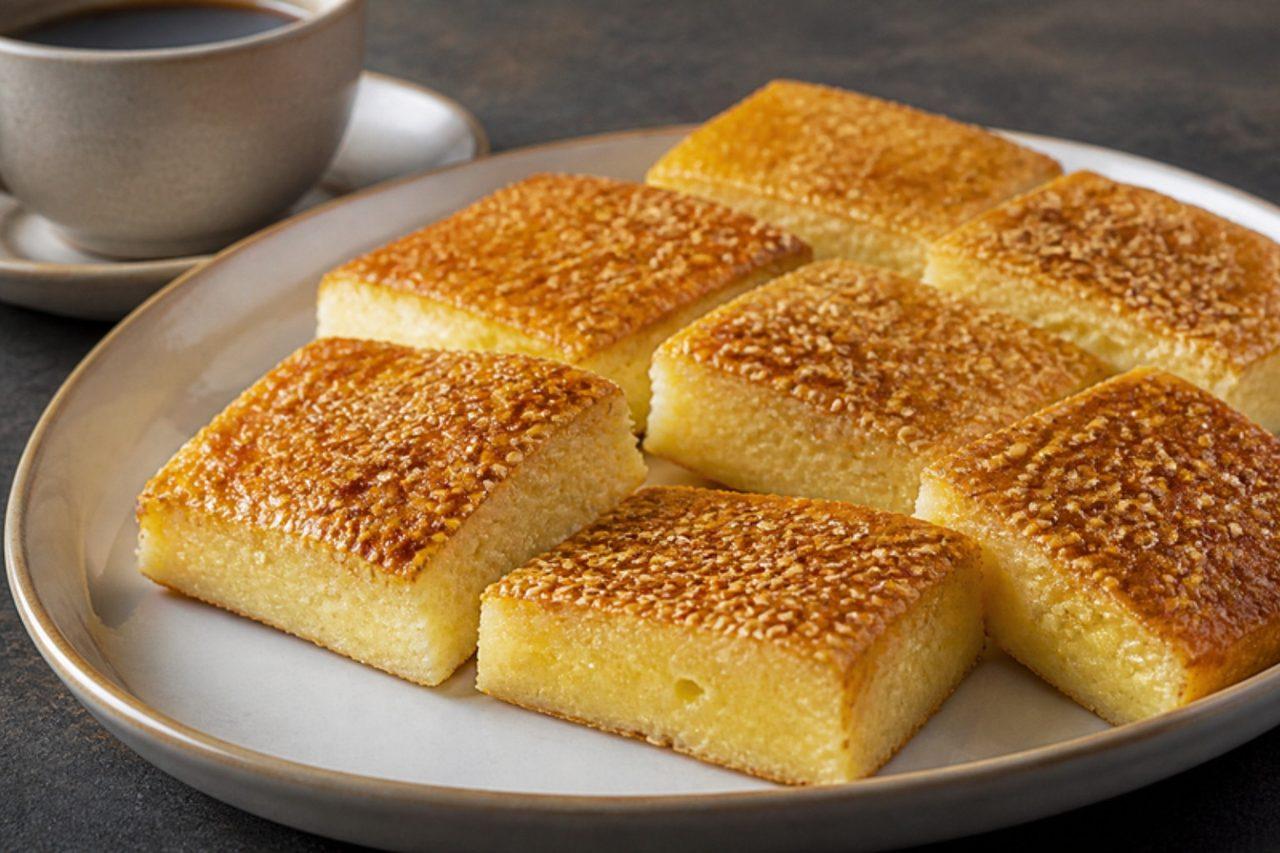
Ask for a quesadilla in San Salvador and you get cake, not a folded tortilla: a dense, buttery loaf made with rice flour, thick cream and grated hard cheese, with a crackly top of sesame seeds. Salvadoran families eat a slice with hot coffee on Sunday afternoons, and every bakery has its own version. It is sweet and salty at once, moist and close-textured. The usual mistake is overmixing after the flour goes in, which makes it rubbery. Hard cheeses like parmesan and many queso duro are made with animal rennet, so choose a vegetarian hard cheese if needed. Chef's tip: check your baking powder is gluten free if you are baking for a coeliac; the rice flour already is.

by KrazyBadal 0 views

Salpicón nicaragüenseMinced beef with onion and lime

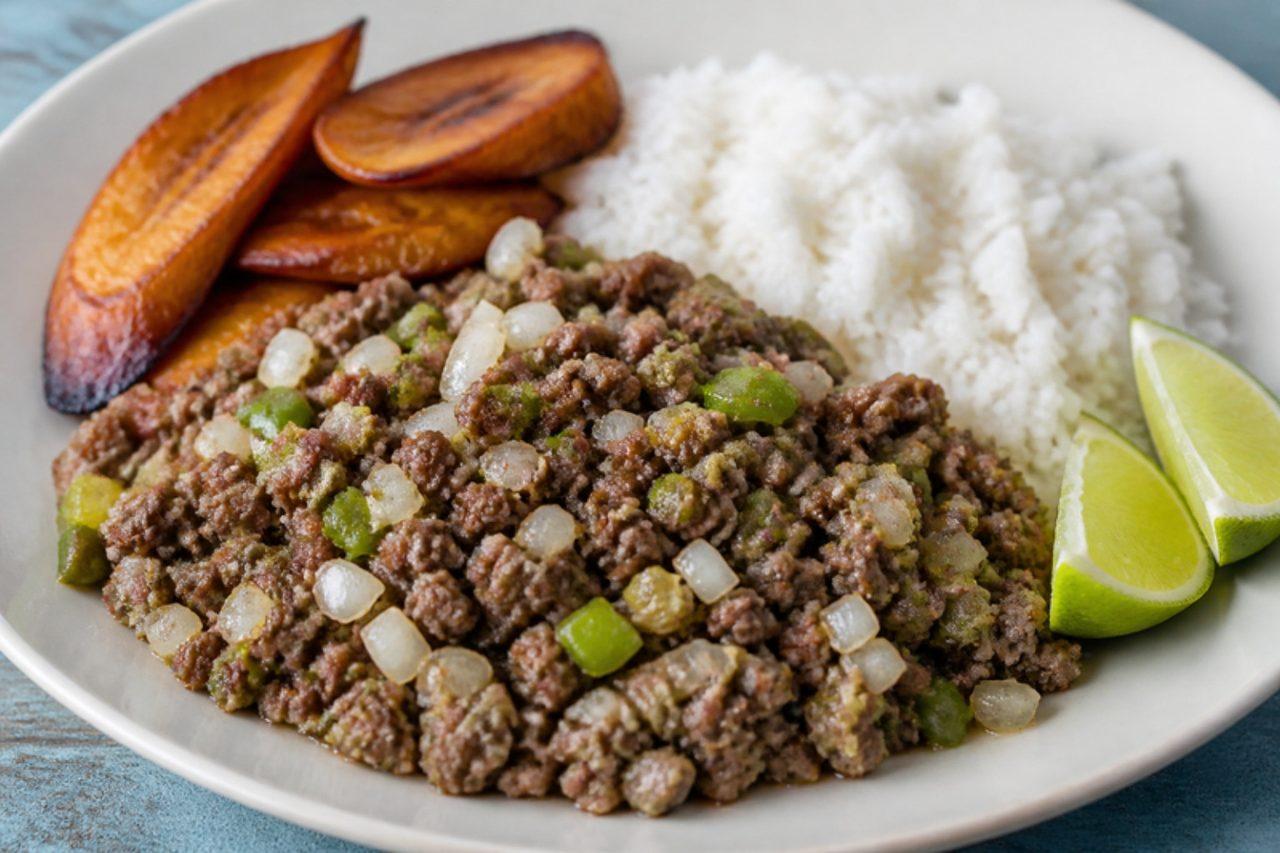
On lunch plates in León and Managua, salpicón is the quiet star next to rice, gallo pinto and fried ripe plantain: boiled beef chopped very finely and tossed with heaps of onion, sweet pepper and lime juice, eaten cold or at room temperature. It is fresh, zesty and light, more like a beef salad than a stew. Making it in a food processor is the common mistake, because the meat turns to paste instead of fine, separate crumbs. Cool the cooked beef within 2 hours and keep it in the fridge until you mix it. Chef's tip: some cooks fry the salpicón briefly in a hot pan before serving, which gives crispy edges; try half each way.

by KrazyBadal 0 views

NacatamalLarge pork tamal in banana leaf

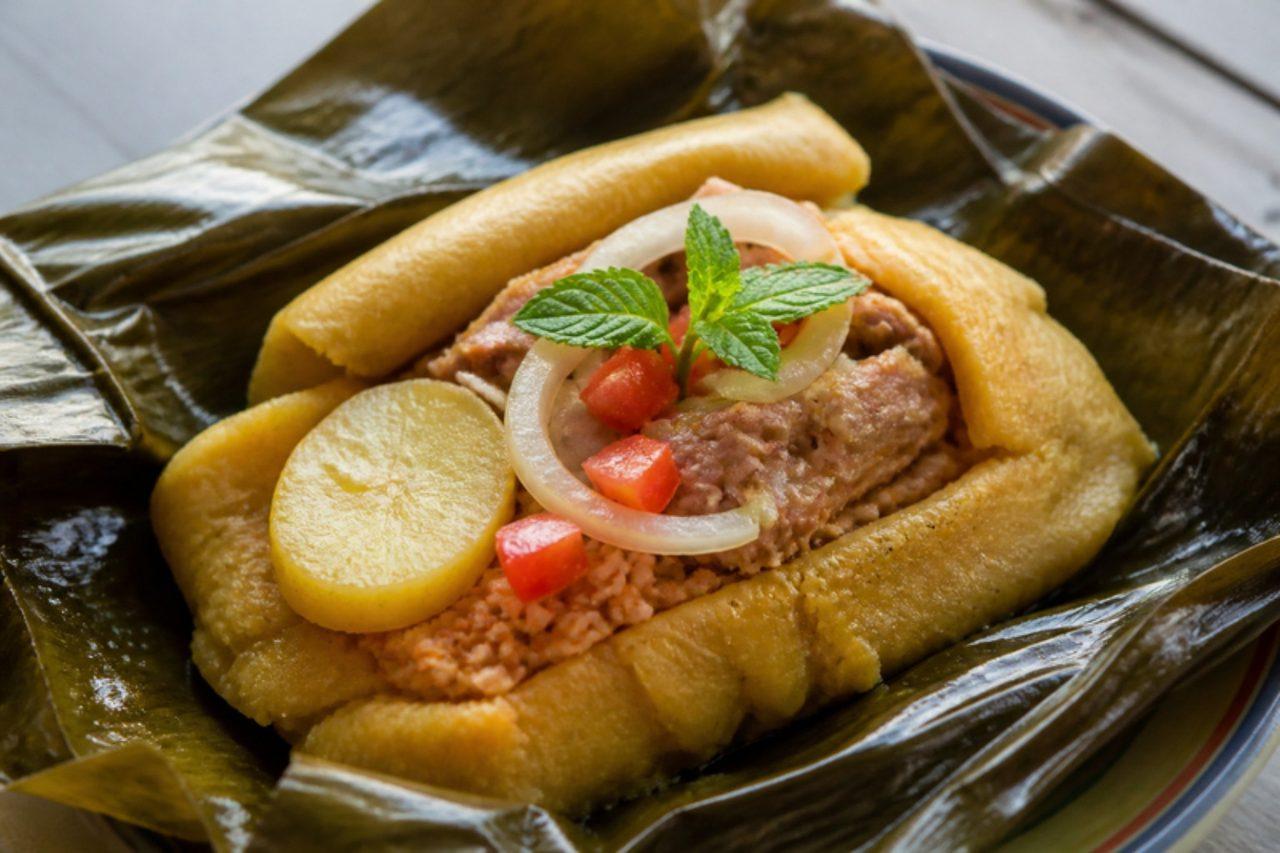
Nacatamales are the Saturday and Sunday breakfast of Nicaragua, bought from neighbours who make them on Friday nights or steamed at home for Christmas: a large, soft masa dough enriched with lard and sour orange, wrapped round marinated pork, rice, potato, tomato, onion, sweet pepper and mint, then tied in banana leaves and steamed for hours. This dish contains pork. They are eaten with bread and black coffee. The mistake is a dry masa: it should be soft and spreadable, almost like thick mashed potato, or the tamal turns hard. Chef's tip: wipe the banana leaves and pass them briefly over a flame so they become supple and don't split.

by KrazyBadal 0 views

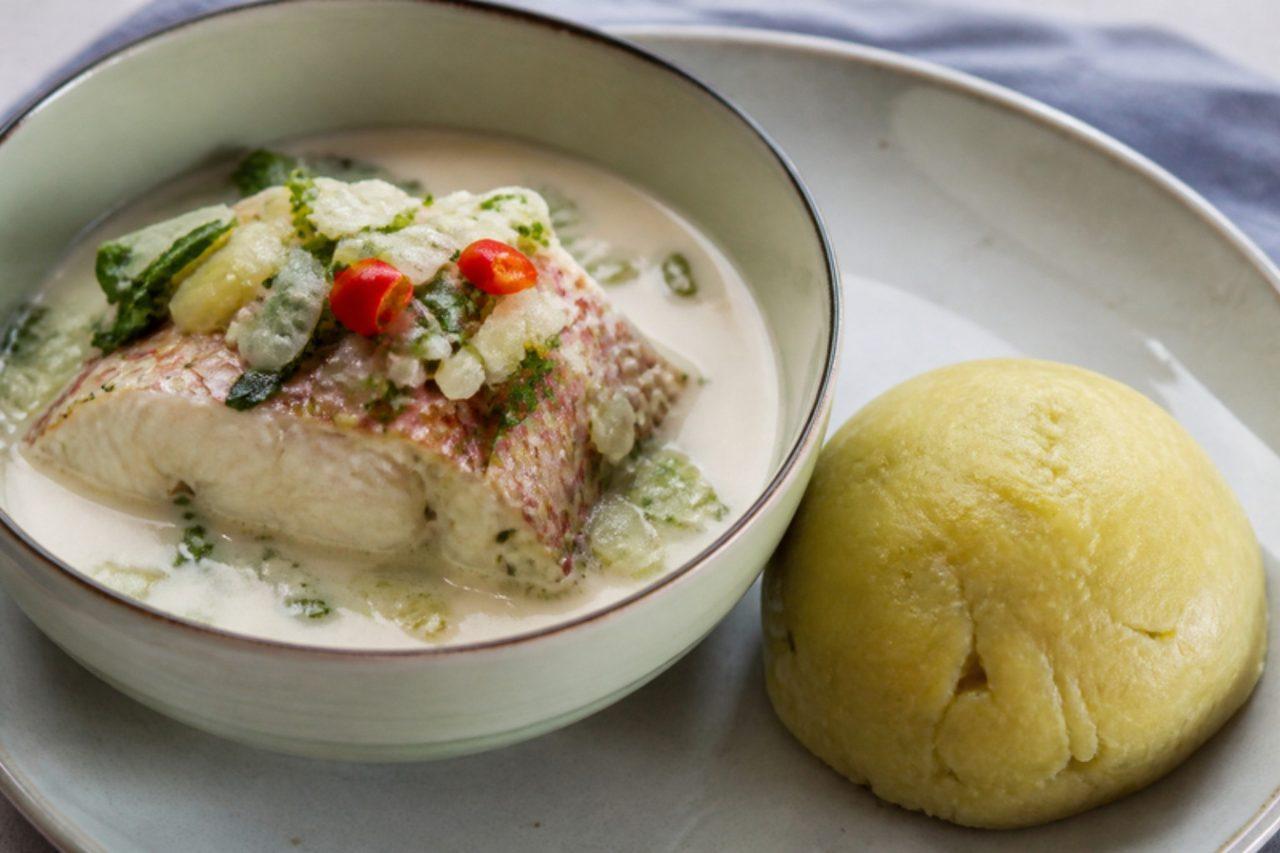
HudutFish in coconut broth with plantain

Hudut is the heart of Garifuna cooking on the Caribbean coast of Honduras, in towns such as Trujillo and La Ceiba, and in Belize and Guatemala's Livingston: whole fish or fish steaks simmered in a coconut broth (sere) with garlic, onion and herbs, served with a pounded mash of green and ripe plantains (fufu) that is dipped into the soup. The mistake is mashing only green plantain, which is heavy; a mix of green and a few ripe ones gives a slightly sweet, smooth mash. Chef's tip: fry the fish briefly before it goes into the broth so it holds its shape.

by KrazyBadal 0 views