Skip to content
Recipes

All recipes

Vegetarian, or something you can't eat? Set your diet once and we'll hide recipes that don't fit.

Tortitas de Santa Clara

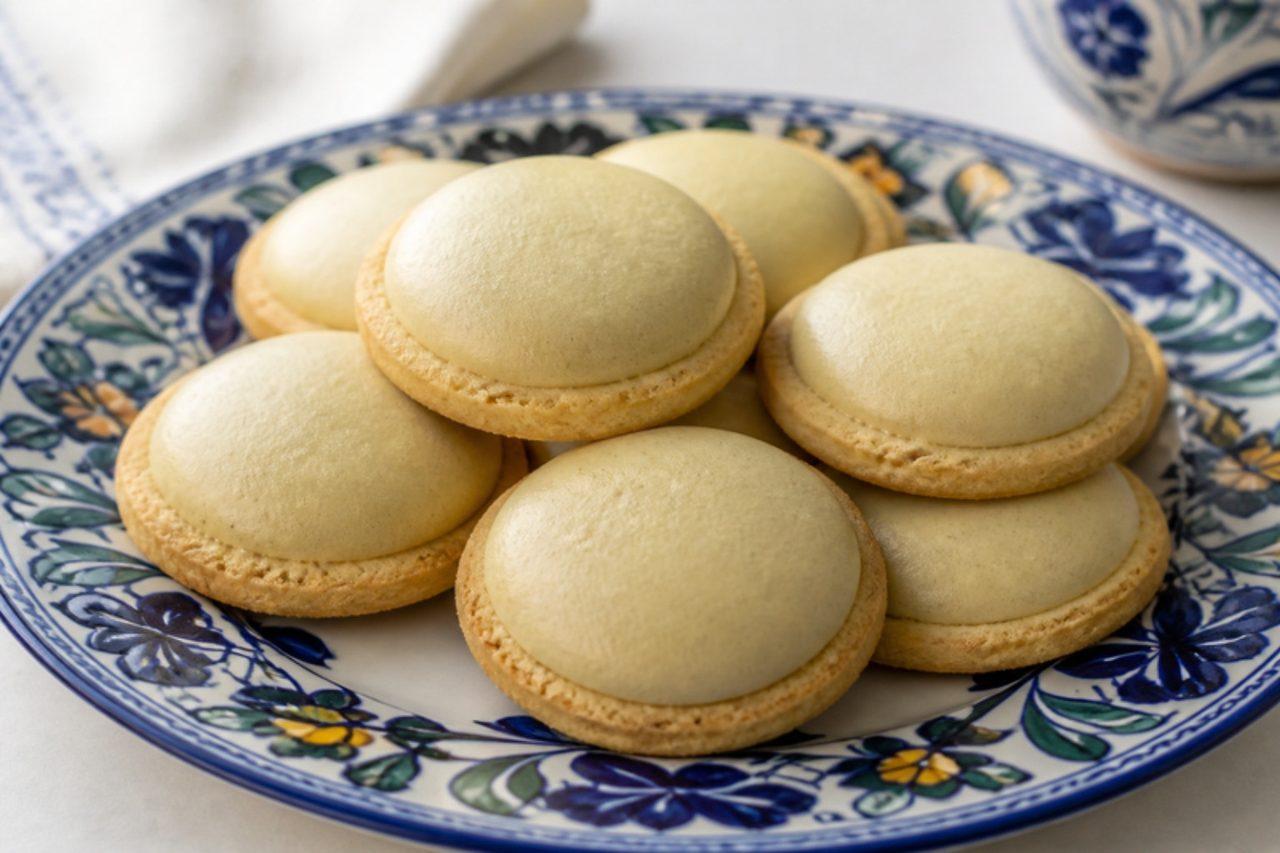
The nuns of the Santa Clara convent in Puebla are credited with this biscuit, and the city's Calle de los Dulces still sells it in boxes stacked beside camotes and jamoncillos. It is a crumbly, lightly sweet shortbread round, covered with a thick, pale cream made from ground pumpkin seeds, sugar and milk, which sets to a soft fudge-like layer. They are eaten with coffee in the afternoon and taken home as a gift from Puebla. Chef's tip: grind the peeled pumpkin seeds as fine as you can before cooking; any coarse bits make the topping gritty.

by KrazyBadal 0 views

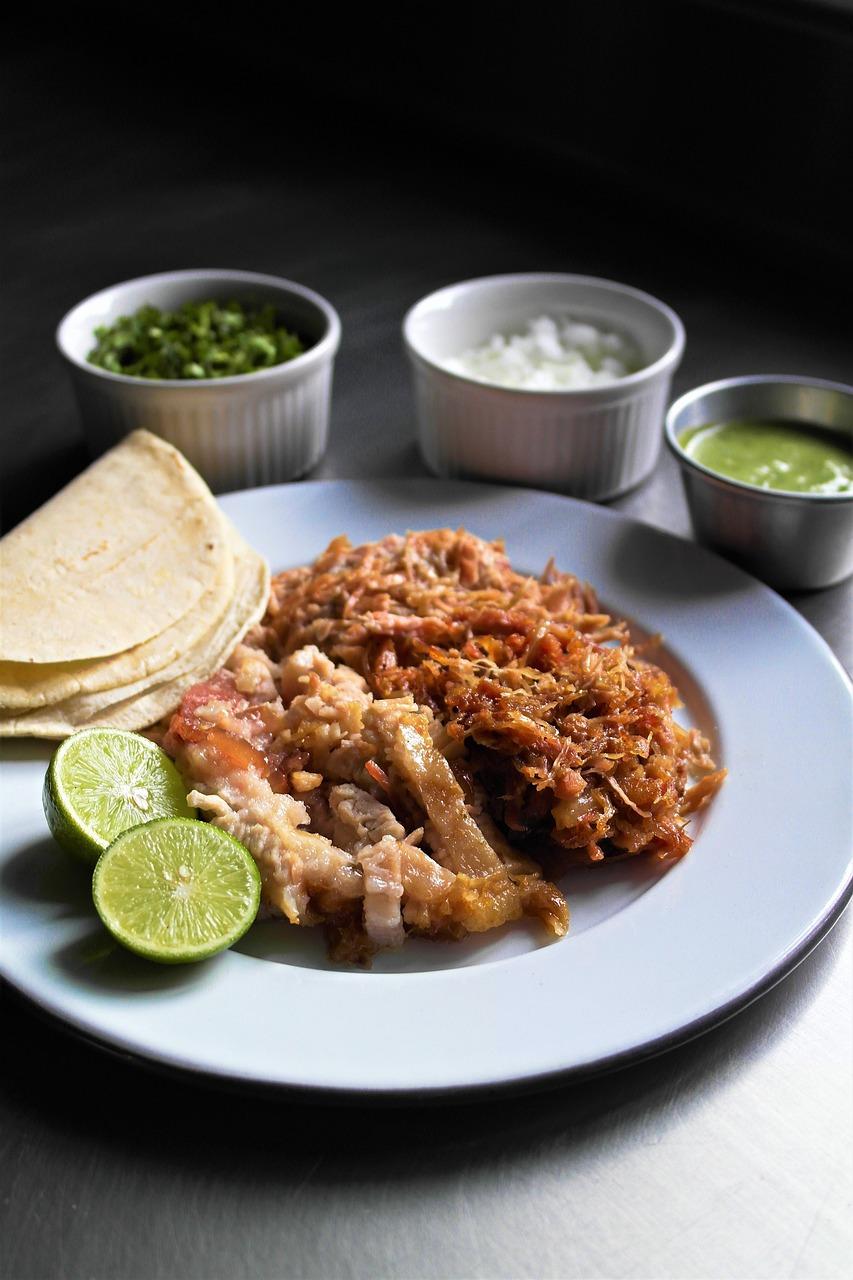
Carnitas

Quiroga, a lakeside town in Michoacán, is the capital of carnitas: on weekends the plaza fills with stalls simmering huge copper pots of pork, sold by the kilo with warm tortillas, salsa verde and lime. This pork dish uses shoulder cooked gently in its own fat and lard with orange and garlic, so it turns soft inside and then browns into crisp, golden edges at the end. Pile it into tacos with onion, coriander and salsa, or keep it for tortas ahogadas. Chef's tip: when the meat is tender, turn the heat up for the last 10–15 minutes and stir; this final fry in hot lard is what gives carnitas their crackly edges.

195 minMexicanMeatGluten free
by KrazyBadal 0 views

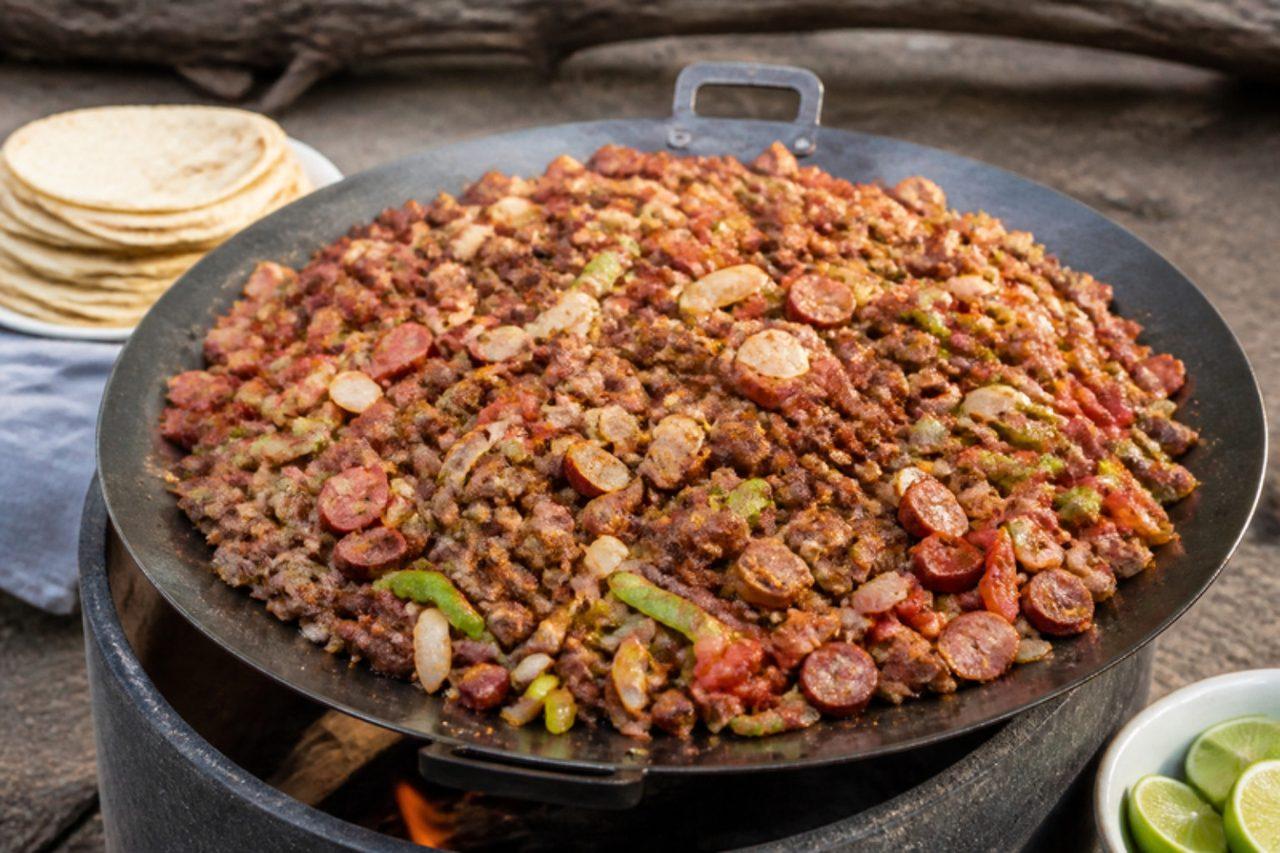
Discada norteña

In Chihuahua and across the northern ranchlands, discada is party food: a worn-out plough disc is set over a wood fire and filled, one by one, with bacon, pork chorizo, beef, ham and sausages, then peppers, onions and tomatoes, while everyone stands around with tortillas. It is a big, smoky, pork-heavy dish, made with pork bacon, pork chorizo and ham, and many cooks splash in beer near the end, for which stock is a fine alcohol-free swap. At home, a large wok or your widest heavy skillet does the job. Serve it straight from the pan with corn tortillas, salsa and lime. Chef's tip: add the meats in order, fattiest first, so each one browns in the fat of the last.

by KrazyBadal 0 views

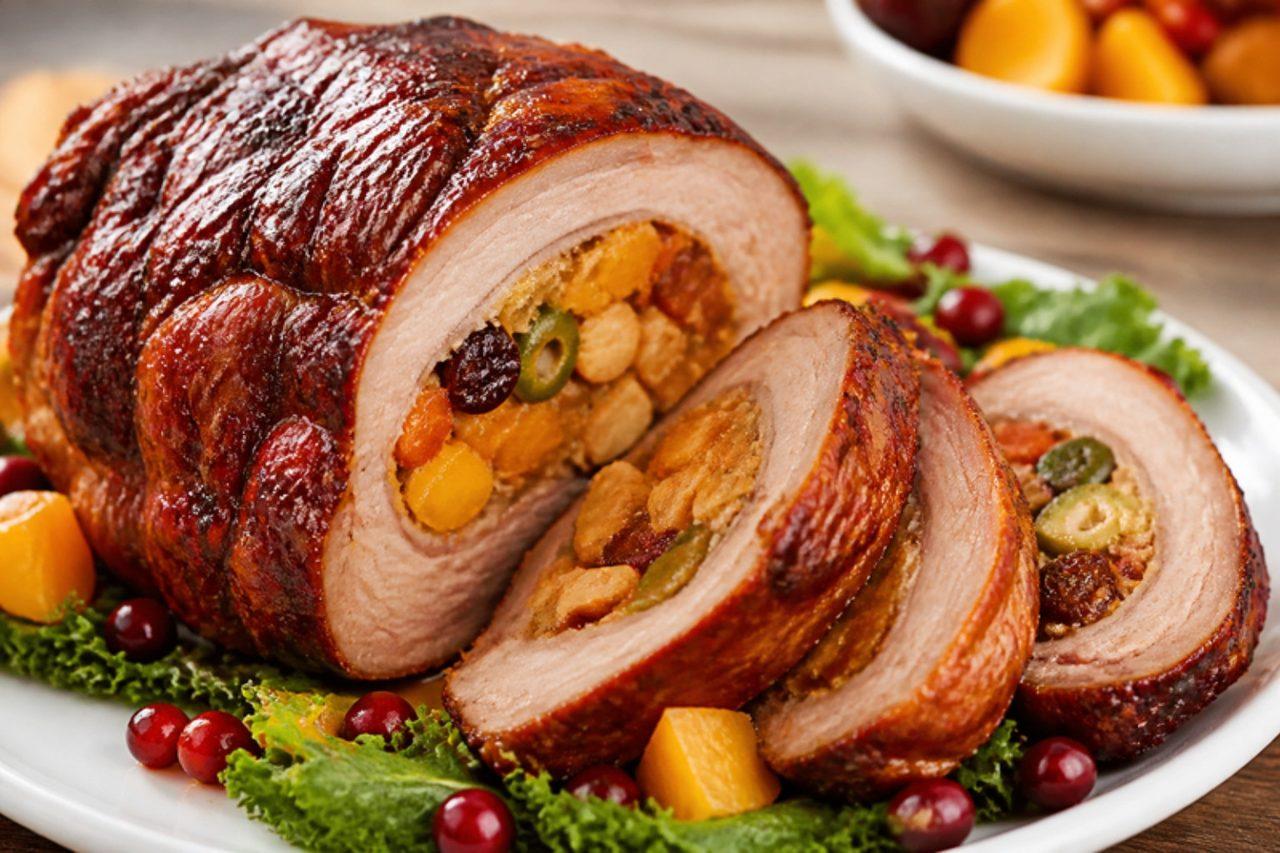
Relleno de cerdo

In Guerrero's Tierra Caliente, around Ciudad Altamirano, relleno de cerdo is the centrepiece of weddings and saints' days: a whole pig is stuffed with fruit, vegetables and its own chopped meat, rubbed with chilli and roasted for hours, then served in tortas or tacos. This home version is a pork dish for an ordinary oven, using a boned pork shoulder rubbed with a guajillo adobo and rolled around a stuffing of ripe plantain, potato, carrot, olives, raisins and almonds, so you get the same sweet, salty and spicy mix. Slice it thickly with its juices, warm tortillas, rice and pickled jalapeños. Chef's tip: ask the butcher to butterfly the shoulder evenly to about 3 cm thick; an even slab rolls neatly and cooks at the same rate all through.

300 minMexicanMeatGluten free
by KrazyBadal 0 views

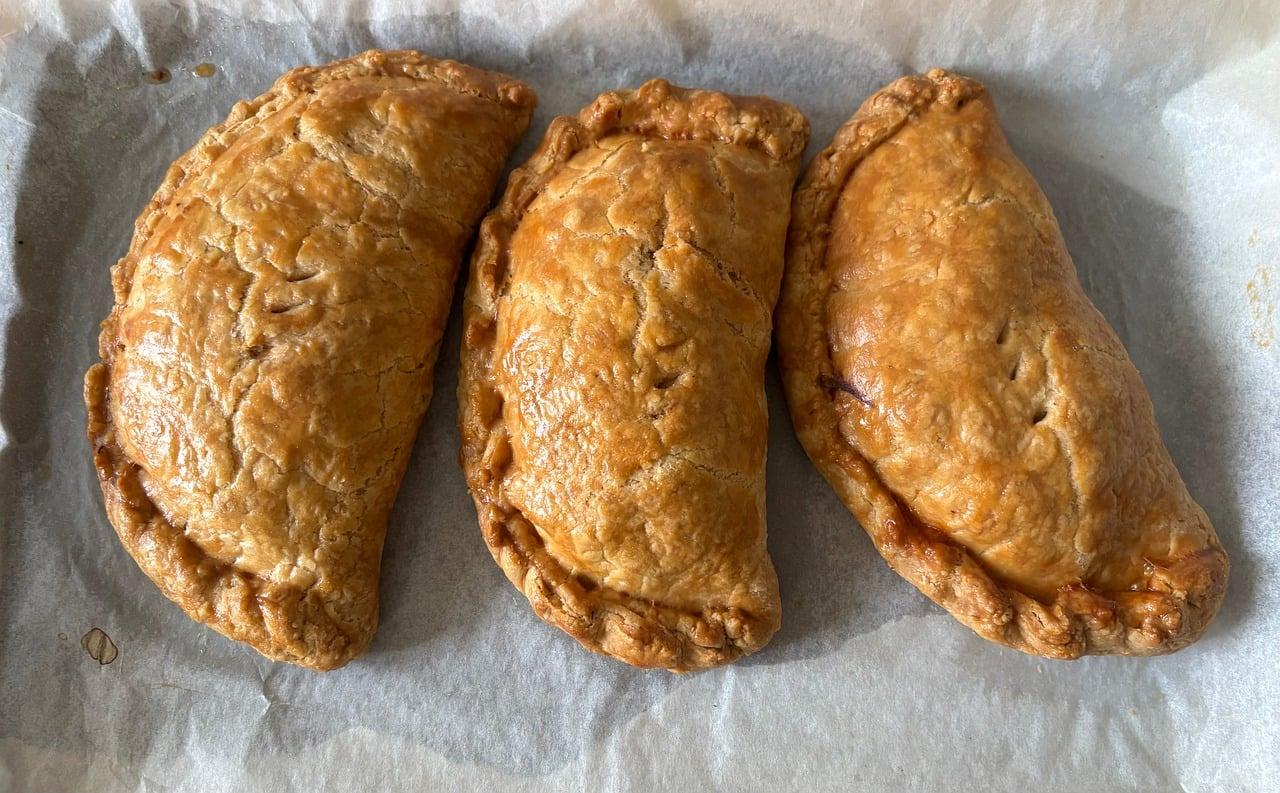
Pastes de Real del Monte

Cornish miners arrived in the silver mines around Real del Monte and Pachuca in the 1820s, and their pasties stayed: today the hilltop town in Hidalgo has paste shops on every street, selling them warm from the oven to visitors and locals all day. The classic filling is close to the original, diced beef, potato, onion and parsley seasoned with plenty of pepper, sealed in a short, buttery crust and baked until the juices turn to gravy inside; Mexican kitchens added a little chilli and many other fillings, including chicken in mole, which you can use instead of the beef. Eat them with a hot salsa or alone, with coffee. Chef's tip: cut the beef and potato small and evenly, about 1 cm; it all cooks raw inside the pastry, so even pieces are what make it tender.

by KrazyBadal 0 views

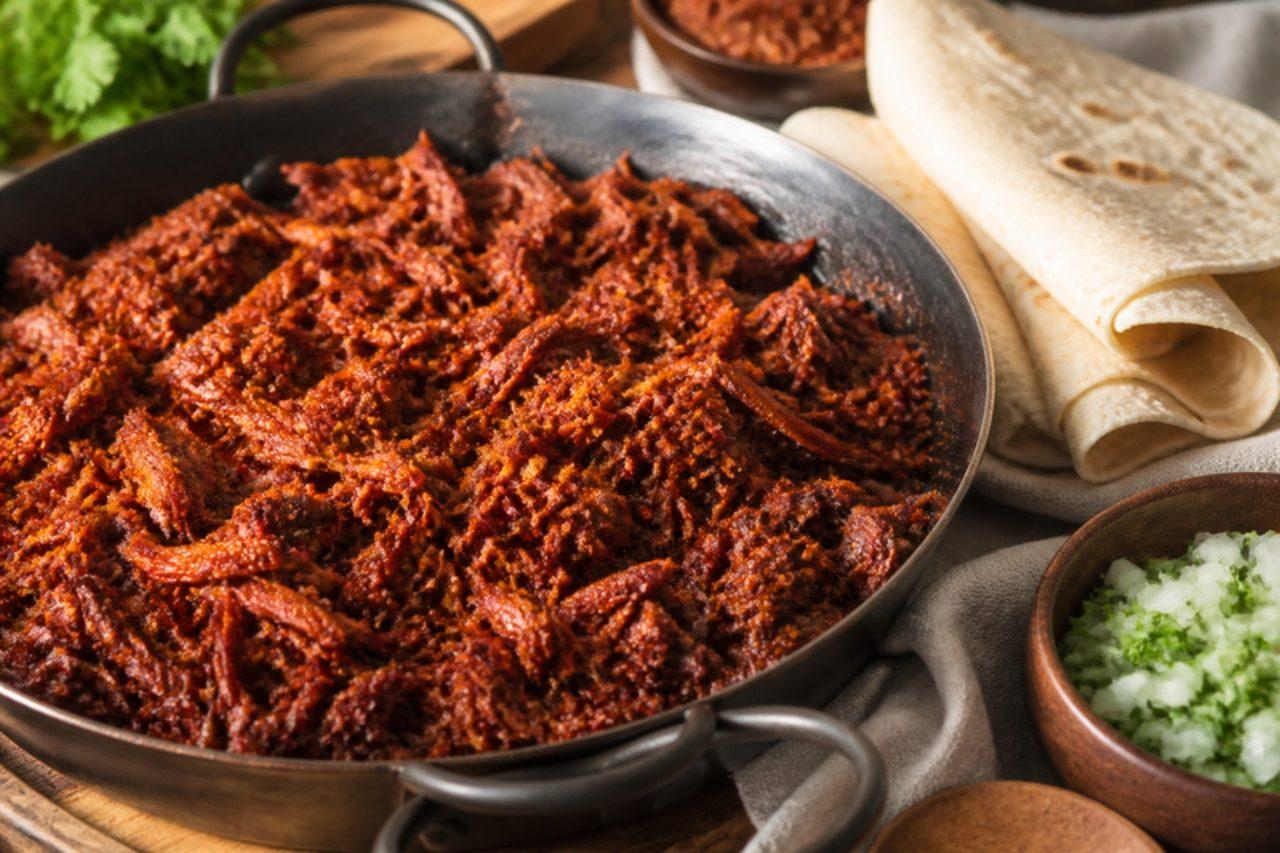
Chilorio

Chilorio is Sinaloa's great pork dish: pork shoulder simmered until it falls apart, shredded and then fried in pork lard with a vinegary paste of ancho and guajillo chillies until almost dry and deeply brick-red. Ranch cooks around Culiacán made it to keep, and it is still packed into jars and sold in markets across the north. It is rich, tangy and gently spicy rather than fiery, and it fills flour tortillas for burritos, tops scrambled eggs at breakfast or goes into tortas with refried beans. Chef's tip: fry the shredded pork in the lard for a few minutes before the chilli goes in, so the edges crisp and the paste clings instead of stewing.

175 minMexicanMeatGluten free
by KrazyBadal 0 views

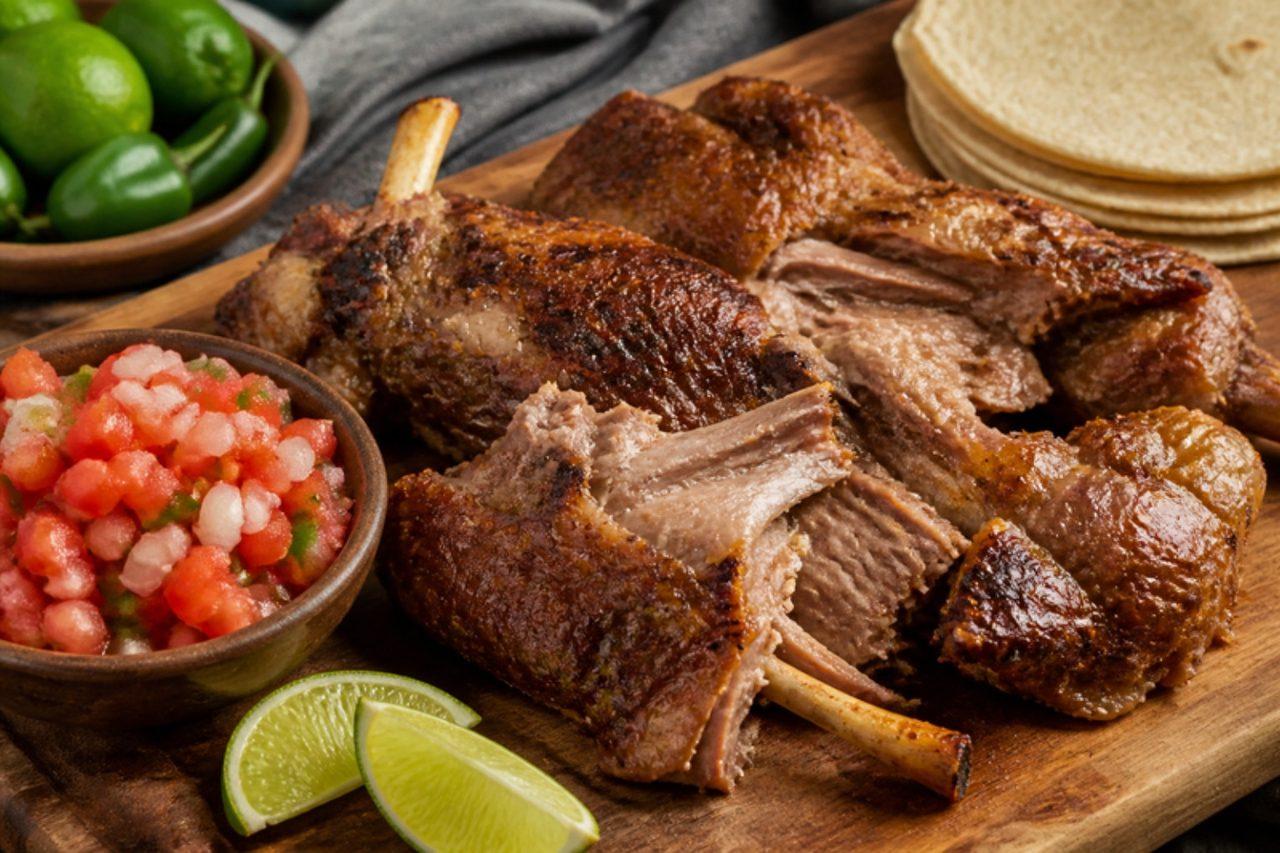
Cabrito al pastor

Monterrey is the capital of cabrito: young milk-fed goat spread on a stake and roasted slowly beside glowing wood embers, the speciality of the city's big grill restaurants and of weekend family feasts in Nuevo León. The meat is pale, delicate and juicy with crackly, salty skin, and it comes with salsa, flour tortillas, guacamole and a bowl of frijoles charros. Kid goat is hard to find, so this home-oven version also works with a bone-in lamb shoulder, which is a little fattier but just as good; ask a halal or specialist butcher for goat. Chef's tip: roast it covered and low first, then uncover and blast it at the end; starting at high heat is what dries out lean goat.

240 minMexicanMeatGluten free
by KrazyBadal 0 views

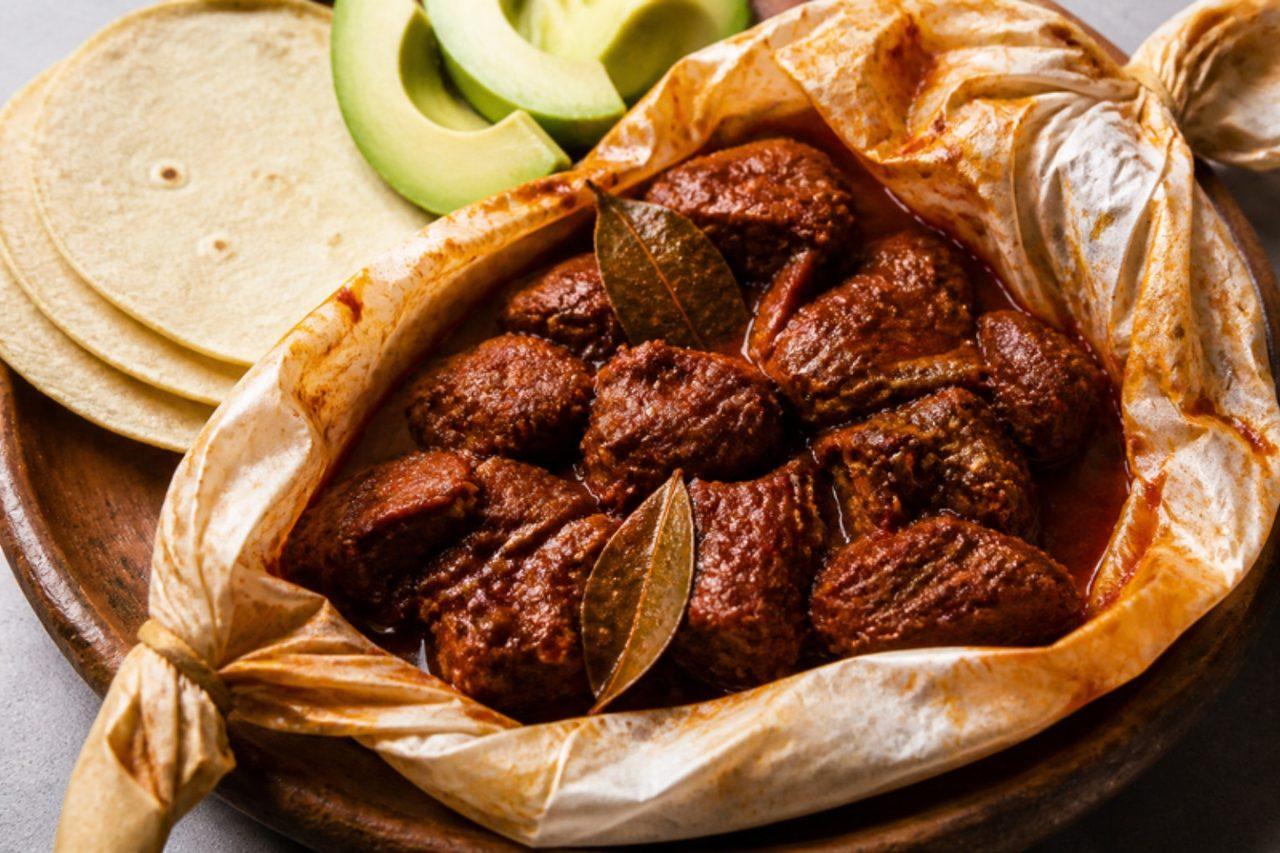
Mixiotes

Mixiotes belong to the high plains of Hidalgo and Tlaxcala, where they are a Sunday and fiesta dish sold from steaming pots at weekly markets. Chunks of lamb (or chicken) are soaked in a dark, aromatic paste of guajillo and ancho chillies with garlic, cumin and cloves, wrapped in parcels and steamed until the meat collapses into its own rich red juices. The traditional wrapper is mixiote, the thin skin peeled from maguey leaves, which is now protected and hard to buy, so this recipe uses baking parchment tied with string. The lamb marinates in the fridge for at least 4 hours or overnight. Open the parcels at the table and serve with corn tortillas, salsa verde and avocado. Chef's tip: twist and tie the parcels tightly so no steam gets in; a sealed parcel keeps the sauce thick and concentrated.

420 minMexicanMeatGluten freeSpicy
by KrazyBadal 0 views

Seco de chabelo

Piura's picanterías, near the dry northern border, serve this rough, savoury mash at lunch: green plantains, roasted or boiled and pounded, mixed with fried strips of carne seca (salted dried beef) and a quick sofrito of onion, tomato and ají amarillo. It is dense, salty and smoky, with the plantain's starchy sweetness, and is eaten with salsa criolla and fried ripe plantain or chifles (plantain crisps). The legend says it was invented for a soldier called Chabelo in the War of the Pacific. Use carne seca or cecina from Latin shops, or unseasoned beef jerky. Pounding the plantains smooth is the classic mistake: chabelo should be lumpy and rustic. Chef's tip: soak the dried beef in warm water for 30 minutes and taste a piece; if it's still very salty, change the water and soak again.

by KrazyBadal 0 views

Kispiño

Pressed in a fist so each one carries the marks of the cook's fingers, kispiño are small, dense quinoa cakes from the Puno highlands, steamed and then left to dry so they keep for weeks on journeys, herding trips and pilgrimages. Traditional ones are bound with a little lime water (from cal, the mineral) and fat; this home version uses oil and a pinch of aniseed and sugar, so they're vegan and pleasantly savoury-sweet. They're firm and chewy, a little like a grain cake, and good with hot tea, coca tea or a soup on a cold day. The common mistake is making the dough too wet, so the cakes slump in the steamer; it should feel like damp sand that holds its shape when squeezed. Ground quinoa is quinoa flour; grind your own from rinsed, dried and toasted grain, or buy it ready ground. Chef's tip: toast the ground quinoa in a dry pan first until it smells nutty, which takes away any bitterness.

by KrazyBadal 0 views

King kong

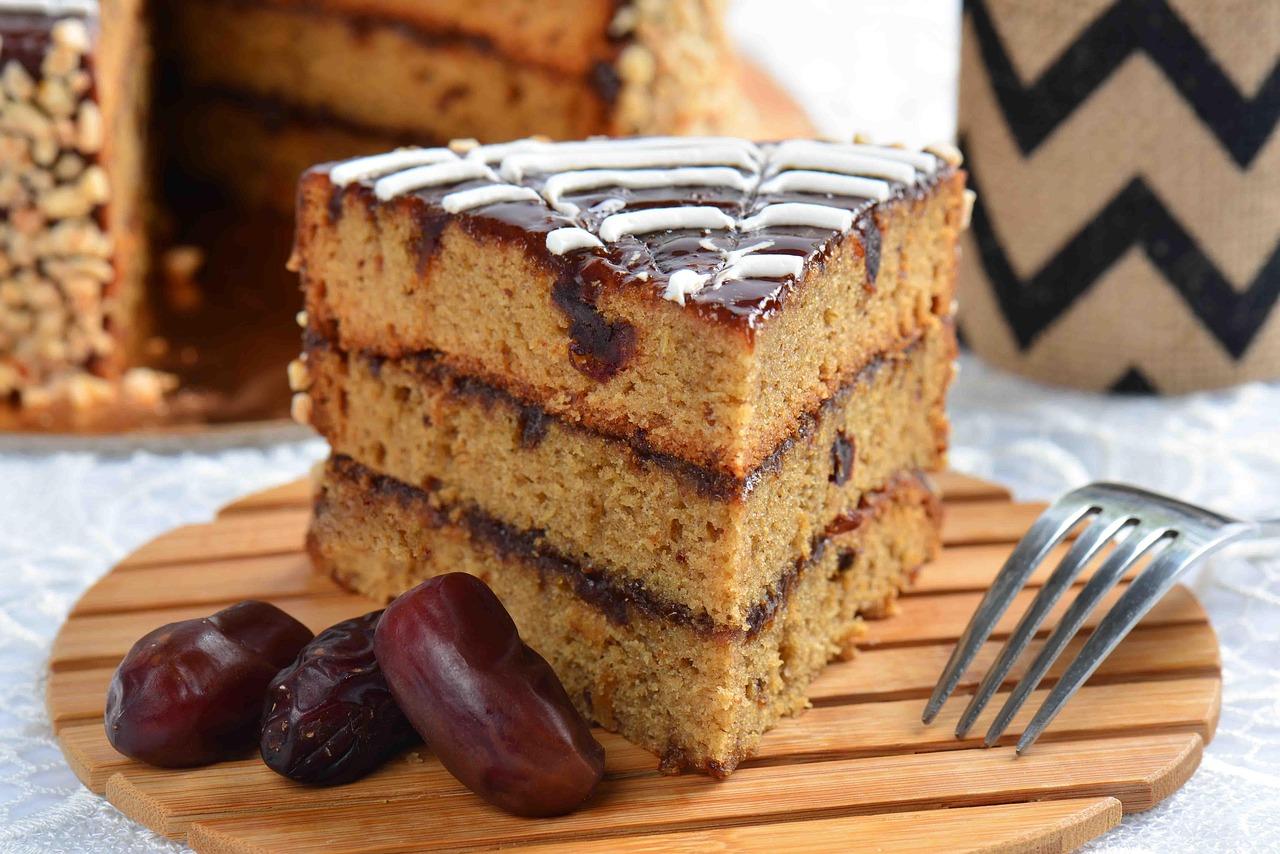
Named, the story goes, after the giant ape because of its size when the film reached Peru, the king kong is Lambayeque's proudest sweet: thick, crumbly biscuit layers stacked with manjar blanco, a sticky pineapple jam and a peanut fudge, then cut into heavy slabs. Shops in Lambayeque and Chiclayo sell them by the kilo in boxes, and travellers carry them home as gifts. It is very sweet, buttery and dense, so a slice goes a long way with black coffee. This home version makes the manjar blanco from condensed and evaporated milk to save hours, then turns half of it into the peanut layer. The usual mistake is overbaking the biscuit until it is hard; take it out as soon as the edges are pale gold, as it firms up while it cools. It is a project, so make the fillings first and let them cool. Chef's tip: wrap the finished king kong and leave it overnight before cutting; the layers settle and soften into each other.

by KrazyBadal 0 views

Turrón de Doña Pepa

Every October, the month of the Señor de los Milagros processions in Lima, bakeries and street sellers pile their trays with turrón de Doña Pepa: layers of crumbly anise-flavoured sticks drenched in a dark syrup of chancaca cooked with fruit and spices, topped with a storm of coloured sprinkles. Popular lore credits it to Josefa Marmanillo, a woman from the Cañete valley who is said to have made it in thanks after the procession. It is sticky, crunchy and soft at once, with orange and clove in the syrup. Its downfall is usually runny syrup that soaks the sticks into mush; it needs to reach a thick, threading stage before it goes on. Chancaca is sold as cones or blocks in Latin shops; panela or dark muscovado also work. Some coloured sprinkles contain gelatin, so check the label. Chef's tip: make it a day ahead; the syrup sets and the sticks soften just enough to slice neatly.

by KrazyBadal 0 views

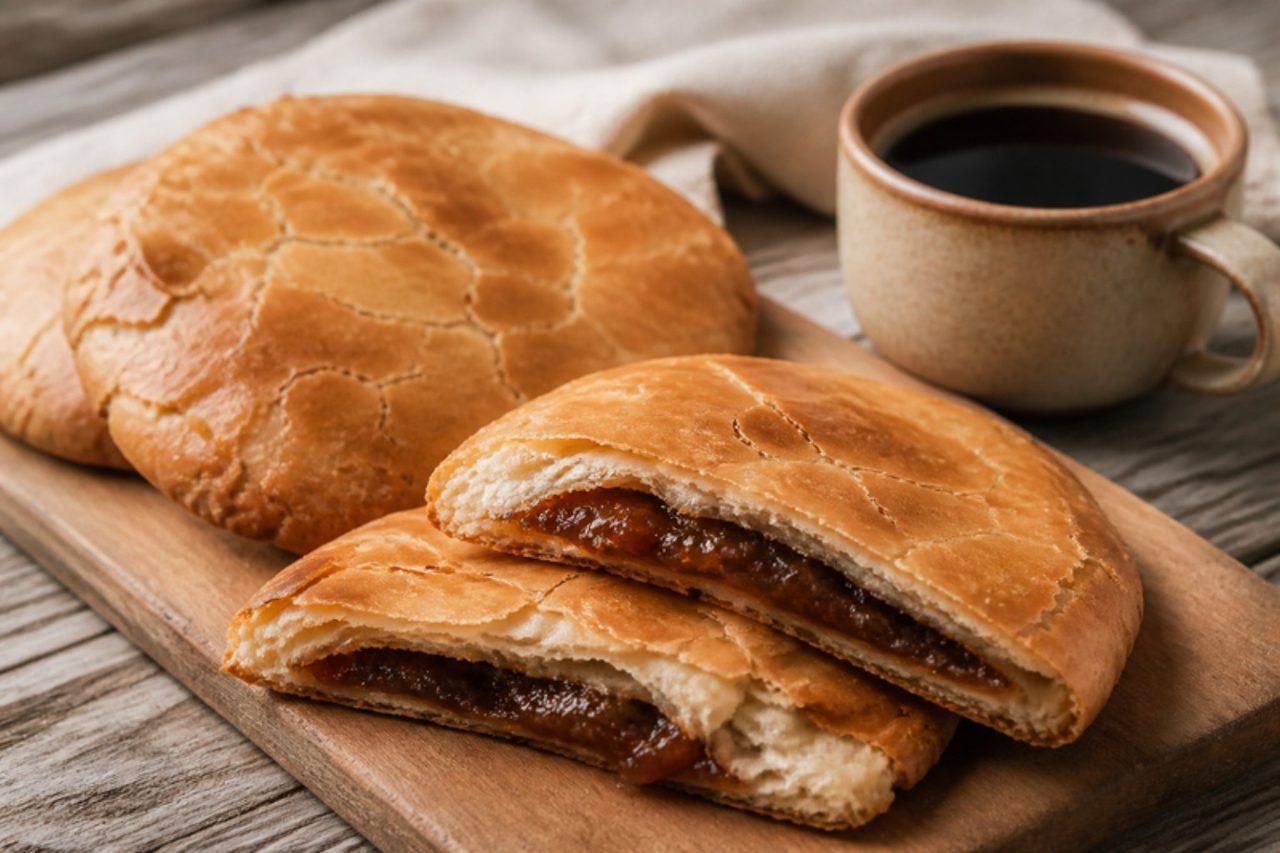
Coyotas

Coyotas were first baked in the Villa de Seris neighbourhood of Hermosillo, and today Sonorans buy them by the dozen in paper bags to eat with morning coffee or take as a gift when they travel. They are flat, round, pale pastries with a crisp, crumbly crust and a thin layer of molten piloncillo inside, like a giant cookie with a toffee middle. Some bakers add guava or cajeta, but brown sugar loaf is the classic. Chef's tip: pinch the edges firmly and prick the tops; otherwise the hot sugar bubbles out and burns on the tray.

by KrazyBadal 0 views

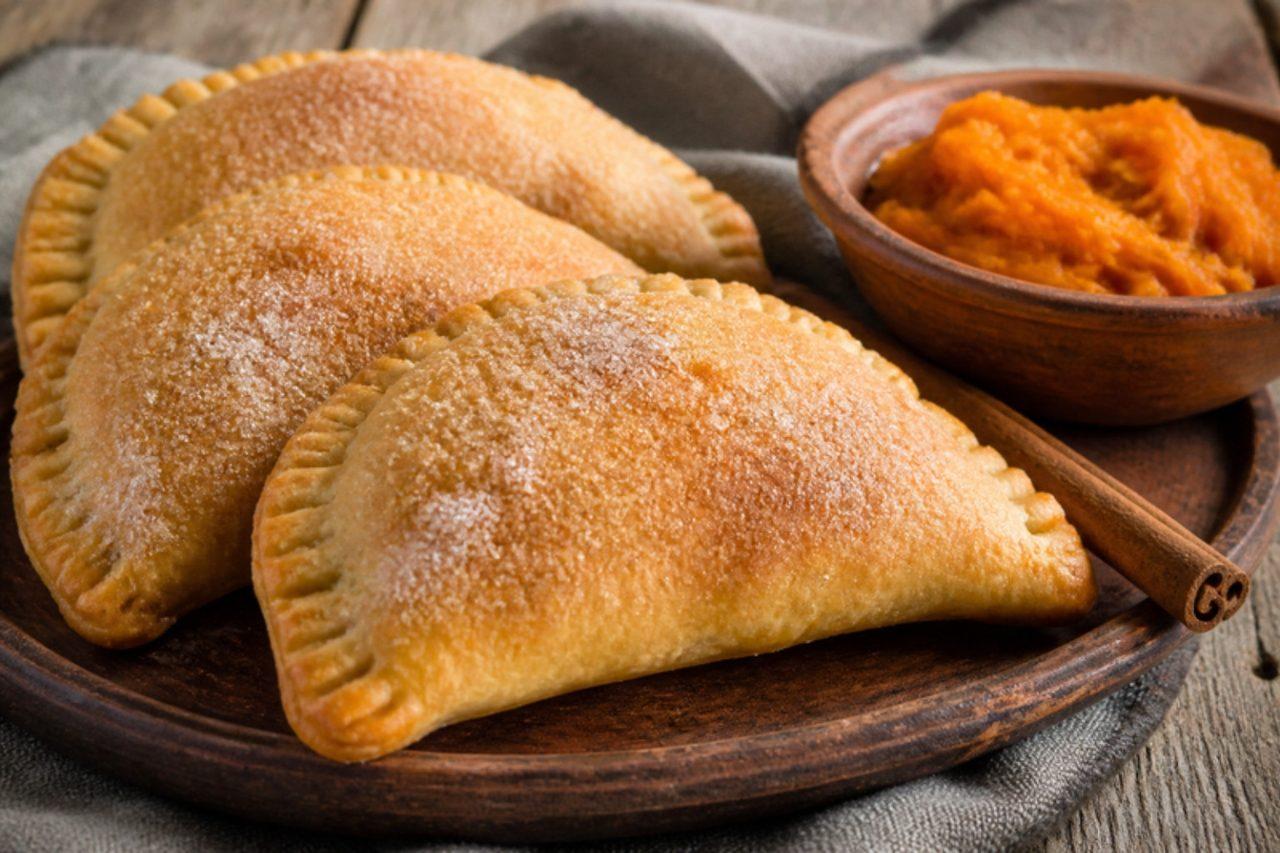
Empanadas de calabaza

When the cold fronts reach Monterrey in November, panaderías start stacking trays of empanadas de calabaza next to the conchas, and families bake them at home for Day of the Dead and Christmas. A tender, lightly sweet pastry is folded around a thick purée of pumpkin cooked with piloncillo, cinnamon and anise, so each half-moon tastes like a spiced pumpkin pie you can hold. They are eaten with café de olla or a glass of milk. Chef's tip: cook the filling until a spoon leaves a trail across the pan; watery pumpkin turns the pastry soggy.

by KrazyBadal 0 views

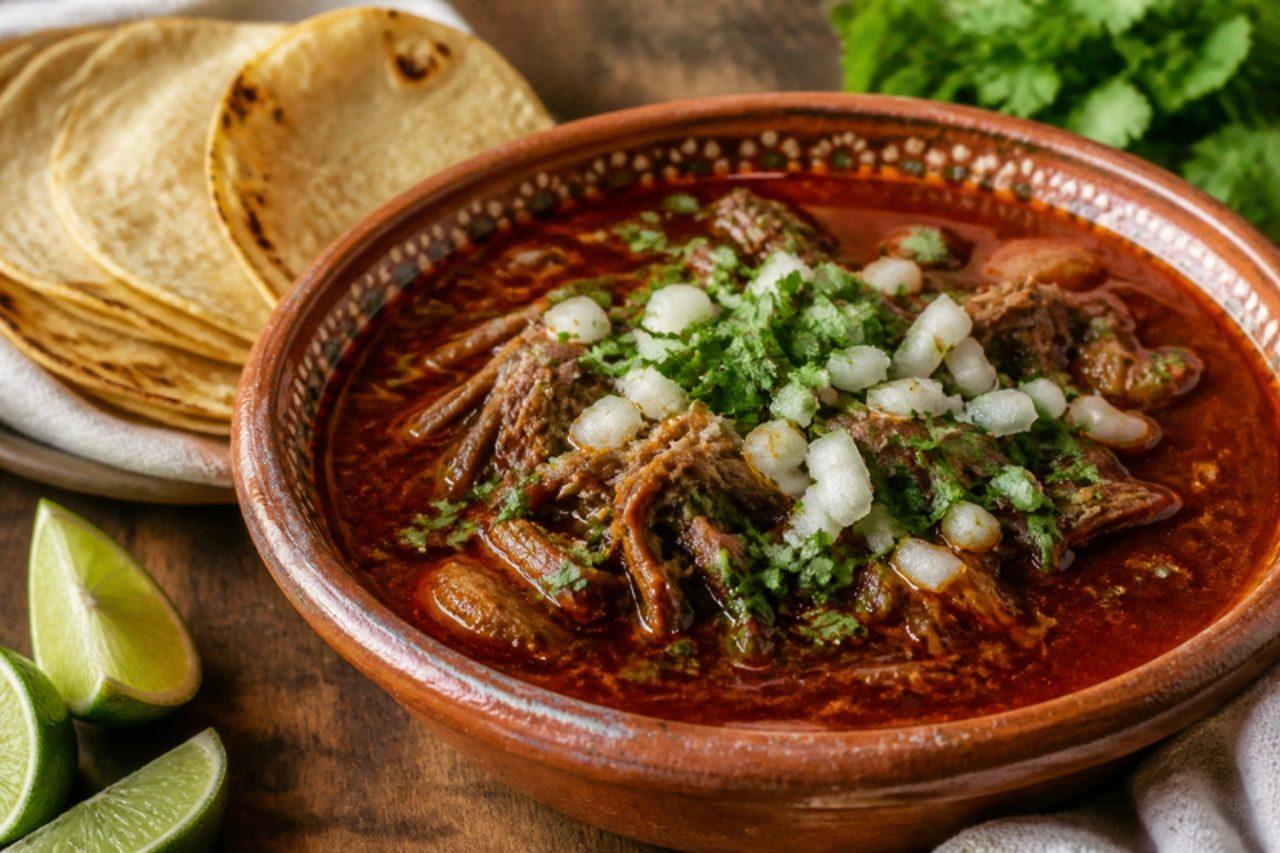
Birria de res

Birria comes from Jalisco, where it is the dish of weddings, baptisms and Sunday mornings after a long night, ladled out at market stalls in Guadalajara from dawn. Beef on the bone is rubbed with a paste of guajillo and ancho chillies, vinegar, garlic and warm spices, left overnight in the fridge, then braised for hours until it falls into soft, glossy strands. The cooking liquid becomes the consommé: sip it from a cup, spoon it over the meat in a bowl, or dip tortillas in its red fat and fry them with the beef and a little cheese for crisp-edged tacos. Serve with chopped onion, coriander, lime and a fiery chile de árbol salsa. Chef's tip: skim the red fat off the top of the finished consommé and keep it for frying the tortillas; it gives the tacos their colour and crunch.

285 minMexicanMeatGluten freeSpicy
by KrazyBadal 0 views

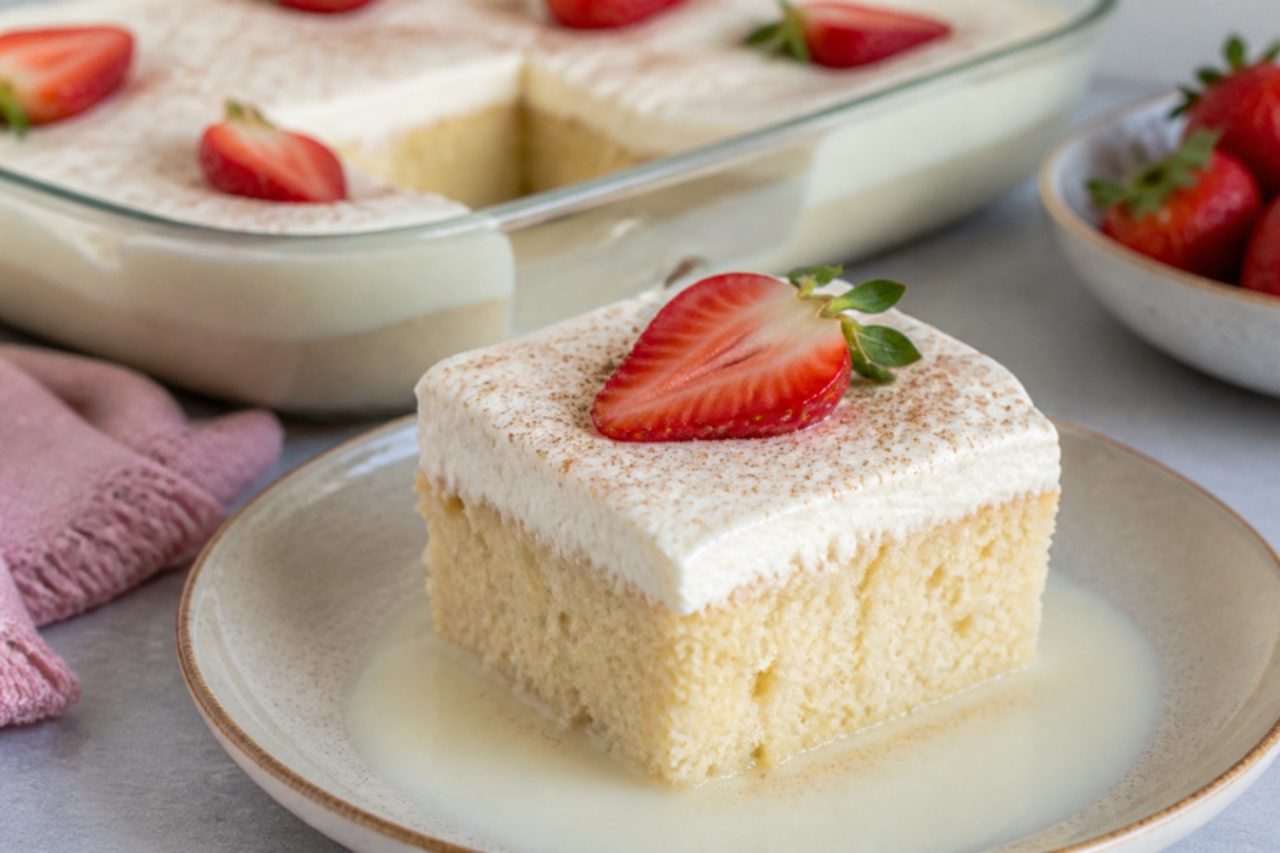
Pastel tres leches

Pastel de tres leches is the birthday and celebration cake of Mexico and much of Latin America: a light, airy sponge drenched in a mixture of three milks (evaporated milk, sweetened condensed milk and cream) until it is soaked through but still holds its shape, then topped with whipped cream. It is cold, milky and sweet, and every bakery from Mexico City to Guadalajara sells it by the slice. The sponge is made with whisked eggs for lightness, so it drinks up the milk without collapsing. Chef's tip: let the cake soak in the fridge for at least 4 hours, ideally overnight; the milk needs time to work its way into the centre and the cake slices far more neatly when cold.

by KrazyBadal 0 views

Conchas

Conchas are the most famous pan dulce (sweet bread) in Mexico, piled high in every panadería and eaten for breakfast or merienda with hot chocolate or coffee. The bun is soft, slightly sweet and enriched with egg and butter, and it wears a crunchy, crumbly topping of sugar, fat and flour scored into the seashell pattern that gives it its name. Make some vanilla and some chocolate topping for the classic mix. Chef's tip: shape the dough into very tight balls before adding the topping; the tension makes them rise up instead of spreading out, so the shell cracks into neat stripes.

by KrazyBadal 0 views

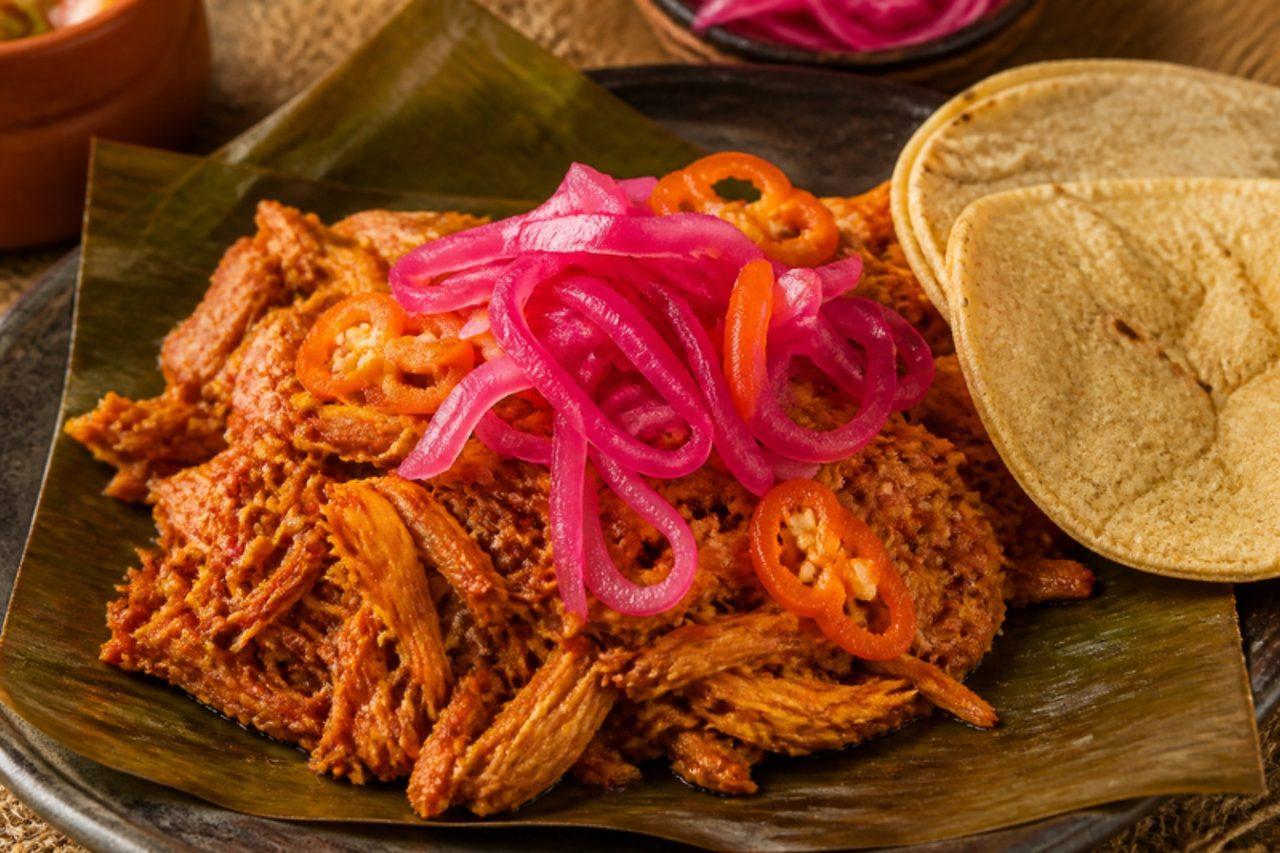
Cochinita pibil

The Maya of the Yucatán peninsula cooked pork in a pib, a pit lined with hot stones, and in Mérida cochinita pibil is still sold at dawn from market stalls, piled into tacos and tortas for breakfast. Pork shoulder sits overnight in a brick-red paste of achiote and sour orange juice, then roasts slowly wrapped in banana leaves until it pulls apart, soaking in its own tangy juices. It goes into warm tortillas with bright pink pickled onions and, for the brave, a habanero salsa. Chef's tip: if you can't find bitter Seville oranges, mix sweet orange juice with lime juice; the sourness is what tenderises and balances the pork.

270 minMexicanMeatGluten free
by KrazyBadal 0 views

Chajá

Chajá was created in 1927 at a bakery in Paysandú, a city on the Uruguay River, and named after a local bird whose feathers look as fluffy as its crumbly meringue coat. Today it's Uruguay's birthday and celebration cake: layers of light sponge soaked in peach syrup, filled with whipped cream, peaches and dulce de leche, then covered in crushed meringue. It's sweet, soft and crunchy at once, best on the day it's assembled. Chef's tip: soak the sponge but not too much; it should feel moist, not wet, or the layers slide.

by KrazyBadal 0 views

Asado uruguayo

Sunday in Uruguay means asado: in Montevideo backyards and the cattle towns of the interior, beef ribs (asado de tira), chorizo and morcilla cook slowly over the embers of a wood fire, with only coarse salt, while the family waits. The parrillero rakes coals under the grill and keeps the heat low and even. This recipe includes pork chorizo. The mistake is cooking over flames; the fire should burn down to embers you can hold your hand above for 6–8 seconds. Chef's tip: salt the meat only when it goes on the grill, with coarse salt, never fine.

by KrazyBadal 0 views

Anticuchos de corazón

As night falls in Lima, anticucheras set up charcoal grills on street corners and fan the smoke towards passers-by; the October processions of the Señor de los Milagros are lined with them. The skewers are traditionally beef heart, a lean, firm and surprisingly mild meat, soaked in a dark-red marinade of ají panca, vinegar, cumin and garlic. They come with a boiled potato, a piece of choclo (large-kernel corn) and a spicy green ají sauce. If you can't get heart, sirloin steak works well. Chef's tip: baste the skewers with the leftover marinade and oil using a few coriander stalks tied together as a brush, the way the street cooks do.

by KrazyBadal 0 views

Pachamanca a la olla

In the highlands around Huancayo and Ayacucho, families mark harvests and saints' days by burying marinated meats, potatoes, sweet potatoes, broad beans and humitas under hot stones and earth for a pachamanca, an 'earth pot'. City cooks get close to it with a heavy pot: the same green marinade of huacatay (black mint), chincho, ají and garlic, layered with meats and roots and steamed in their own juices under banana or corn leaves. Chef's tip: layer the hardest things lowest, potatoes on the bottom and chicken nearest the lid, just as the stones are packed in the field.

135 minPeruvianMeatGluten free
by KrazyBadal 0 views

Arabian date pinwheels

Crumbly, buttery biscuit dough is rolled out, spread with a soft date filling flavoured with cinnamon and lemon, rolled into logs, sliced and baked into pretty pinwheels. They make a big batch of 50 and keep well in an airtight tin. Serve with tea, or with ice cream as a dessert.

by KrazyBadal 0 views

Lebanese date cake

A soft, moist cake made without eggs: self-raising flour and brown sugar are rubbed with butter, then mixed with milk and sour cream and studded with chopped dates, raisins and pistachios, with a warm hint of nutmeg and vanilla. Lovely with tea or served warm with cream.

by KrazyBadal 0 views

Showing 24 of 26 recipes

Show more recipes

Page 1 of 2