Skip to content
Recipes

All recipes

Vegetarian, or something you can't eat? Set your diet once and we'll hide recipes that don't fit.

TtoroBasque fish soup

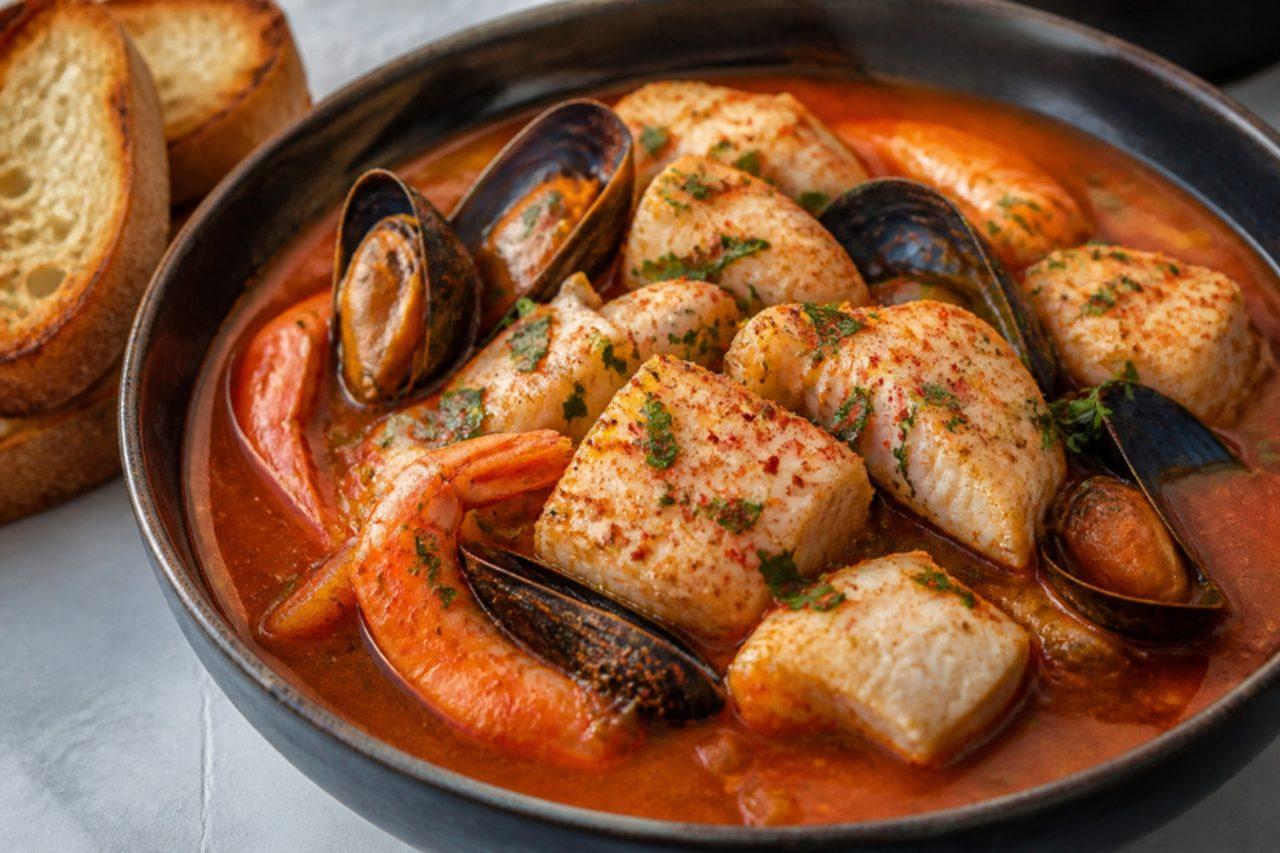
Ttoro was the meal Basque fishermen in Saint-Jean-de-Luz and Ciboure made from the part of the catch they couldn't sell, and the town still holds a ttoro festival every autumn. A deep red broth of peppers, tomato and Espelette pepper is poured over pieces of hake and monkfish, mussels and prawns, with garlic toast on the side for dunking (use gluten-free bread if needed). A portion gives about 32 g of protein, from the fish and shellfish, for around 360 kcal. The common mistake is boiling the fish in the broth: it breaks into flakes, so the pieces are seared first and then only poached gently on top for a few minutes. Discard any mussel that stays open when tapped before cooking or stays shut after. Chef's tip: dust the fish in rice flour before searing; the light crust protects the fish in the broth and thickens it slightly.

70 minFrenchFishGluten free
by KrazyBadal 0 views

Pindang seraniFish in sour turmeric broth

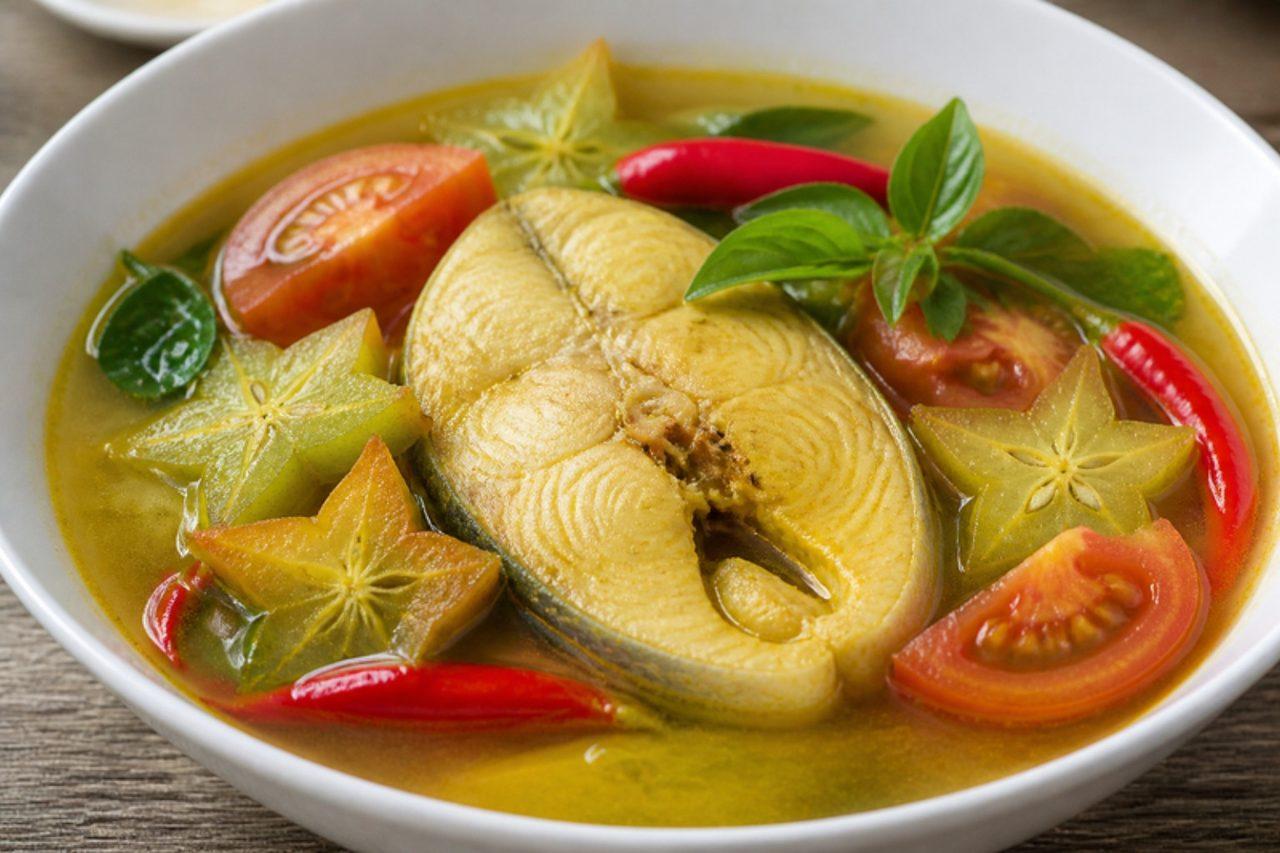
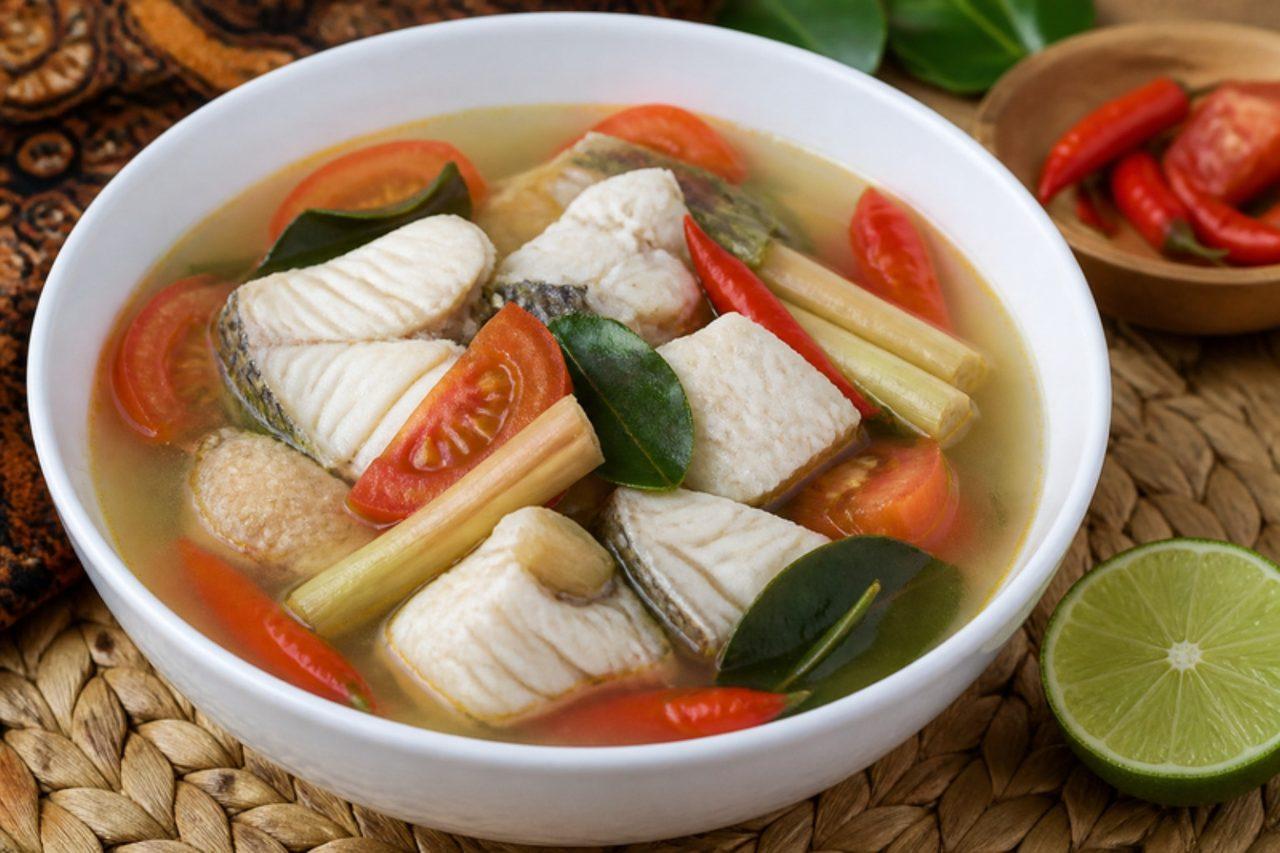
Pindang serani belongs to Jepara and the fishing towns of the north coast of Central Java, where it is cooked at home for lunch and served at seaside warungs. Traditionally it is made with milkfish (bandeng) or grouper simmered in a pale yellow broth of turmeric, galangal and lemongrass, soured with sour starfruit and sharpened with chilli and basil. It is light and restoring, with about 28 g of protein a portion from the fish. Milkfish is very bony, so sea bass or grouper steaks are easier at home. The common mistake is boiling the soup hard once the fish is in, which clouds it and breaks the flesh. Chef's tip: bruise the turmeric, galangal and ginger rather than grinding them, so the broth stays clear.

by KrazyBadal 0 views

Bánh tro (bánh gio, amber glutinous rice cakes in leaves)Lye water glutinous rice cakes

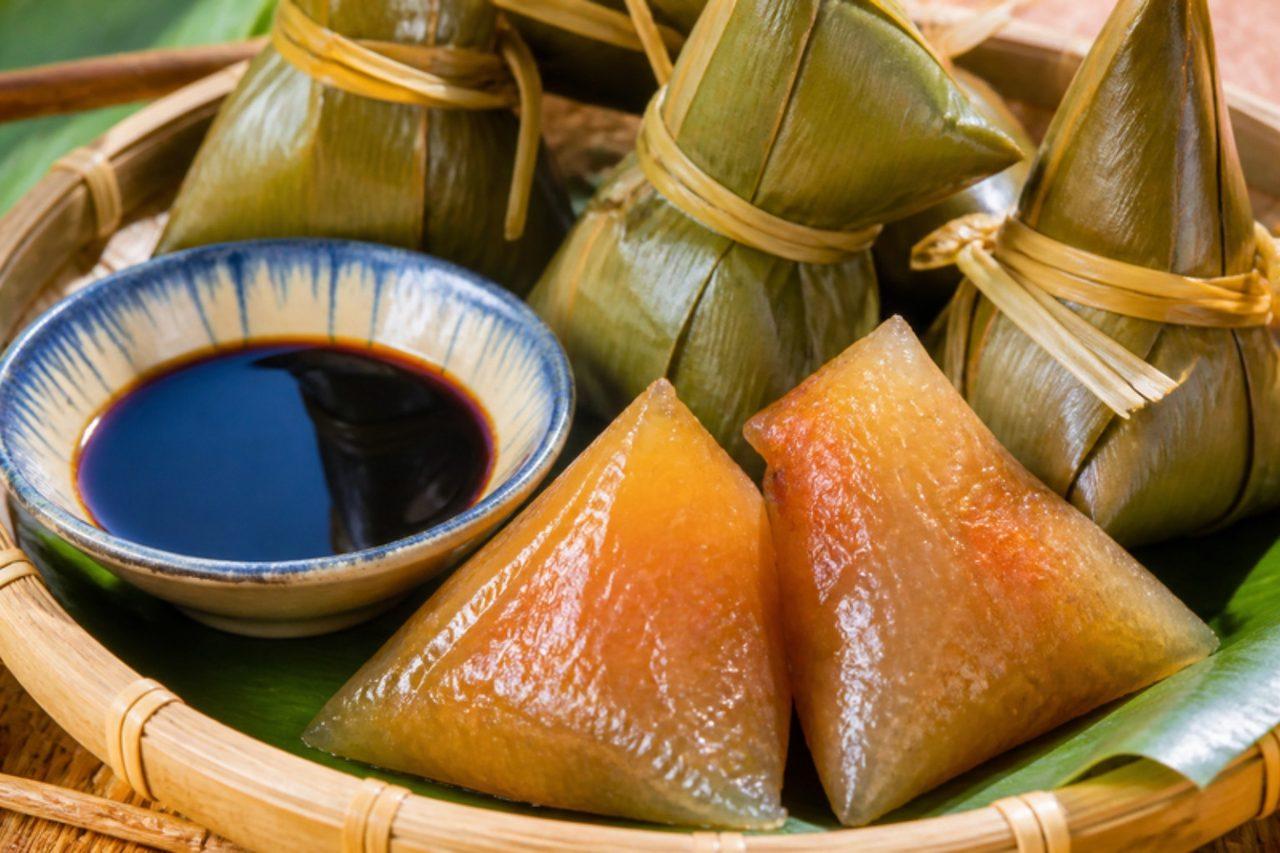
On Tết Đoan Ngọ, the fifth day of the fifth lunar month, families in northern and central Vietnam eat bánh tro first thing in the morning, believing it cools the body as summer heat arrives. Glutinous rice is soaked in alkaline water, which was once made by steeping plant ash, then wrapped in leaves and boiled for hours. It turns amber, translucent and jelly-soft with a clean, faintly mineral flavour, and is eaten cold, dipped in sugarcane molasses or palm-sugar syrup. Bánh tro is naturally egg-free: the alkali softens the rice grains so their own starch melts together into a firm, sliceable cake. We use food-grade lye water (an alkaline solution of potassium carbonate and sodium bicarbonate sold in Asian shops for noodles and mooncakes). Handle it with care: wear gloves, keep it away from children, never use drain cleaner or caustic soda, and always dilute it as written. Chef's tip: the common mistake is skipping the rinse; wash the soaked rice twice so the cakes taste clean, not soapy.

by KrazyBadal 0 views

Fagioli e cozzeMussels and cannellini beans

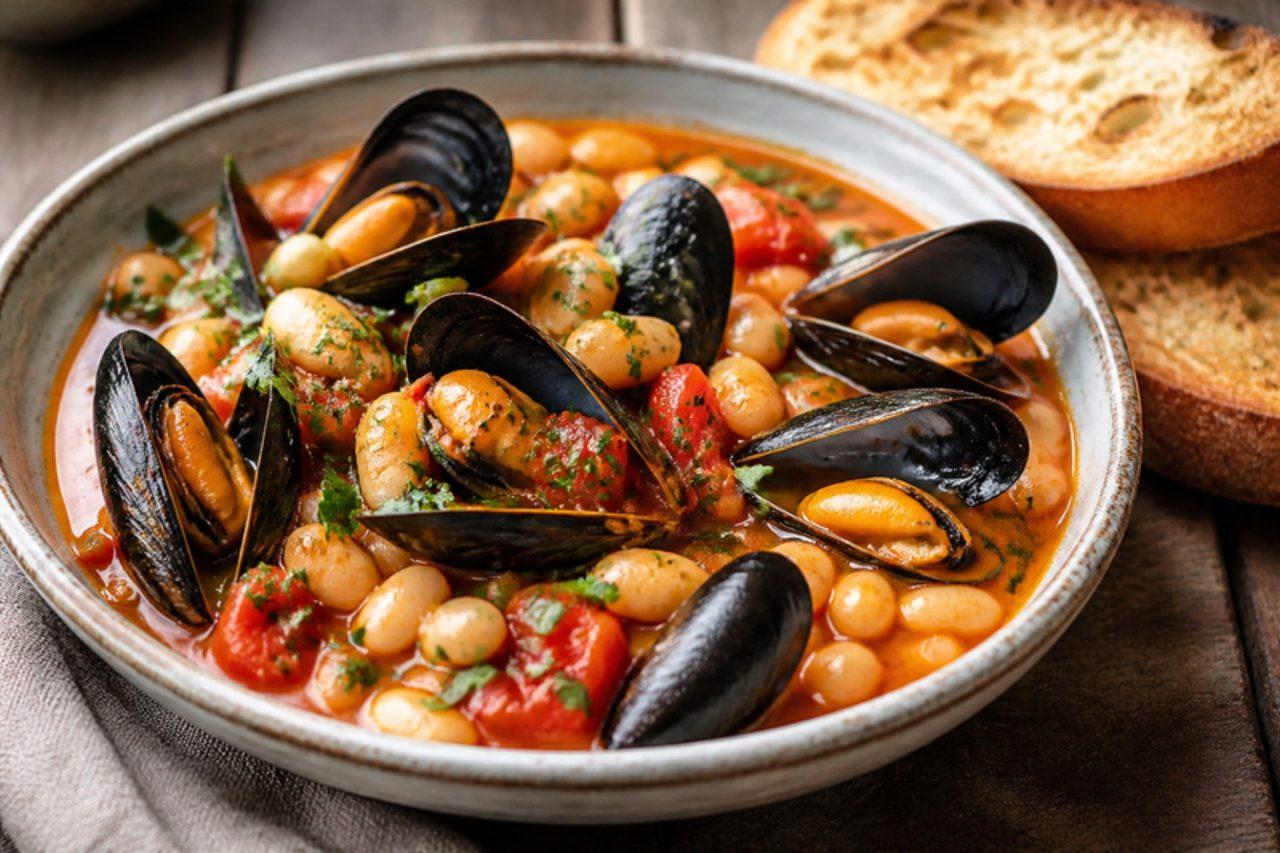
In Naples, fagioli e cozze is the trattoria lunch of late spring and summer, when the mussels from the bay are plump and cheap, and it also turns up on the Christmas Eve table across Campania. Creamy cannellini and sweet mussels share one pan with garlic, chilli and a few cherry tomatoes, so the mussel juices turn the beans into a light, briny stew you mop up with toasted bread. A portion gives about 24 g of protein, from the mussels and the beans, for roughly 330 kcal. The common mistake is salting before the mussels open: their liquor is already salty, so taste only at the end. Before cooking, throw away any mussel with a cracked shell or one that stays open when tapped, and after cooking throw away any that stay shut. Chef's tip: crush a ladle of the beans against the side of the pan before the mussels go in; the starch thickens the broth so it clings to every shell.

by KrazyBadal 0 views

OmenaFried silver fish with tomato

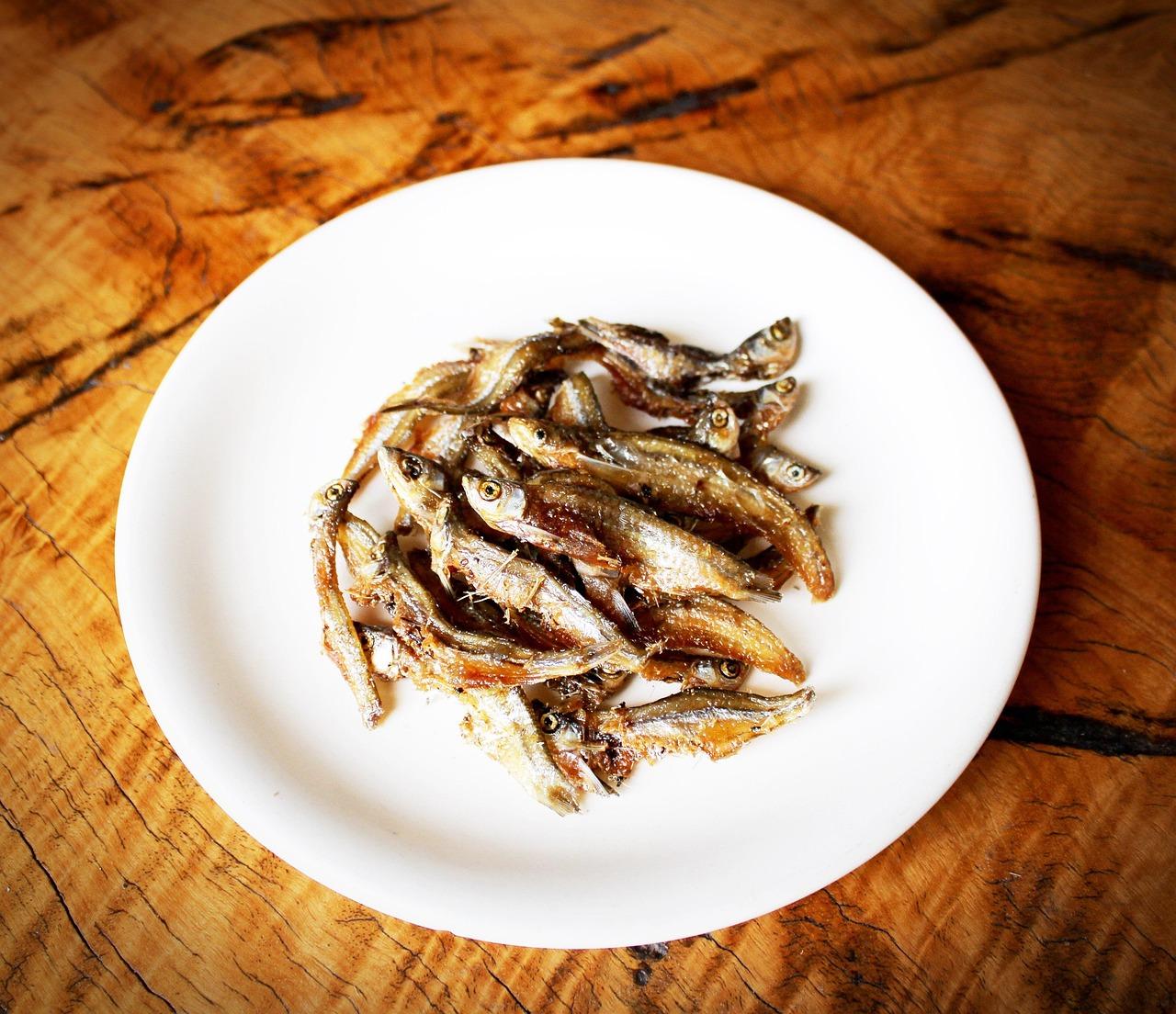
Omena are tiny silver cyprinid fish netted at night on Lake Victoria and sun-dried on the shores around Kisumu and Homa Bay; in western Kenya they are a cheap, protein-rich weeknight dinner, fried crisp and then simmered briefly in onion and tomato and eaten with ugali and sukuma wiki. They are eaten whole, bones and all, like whitebait. The common mistake is skipping the rinse: dried omena carry sand from the drying beaches, so soak and swish them in several changes of warm water. Chef's tip: fry the drained fish on their own until crisp and fragrant before the tomato goes in; it takes away the strong 'lake' smell and keeps them from going mushy. Look for dried omena (also sold as dagaa) in African grocers.

by KrazyBadal 0 views

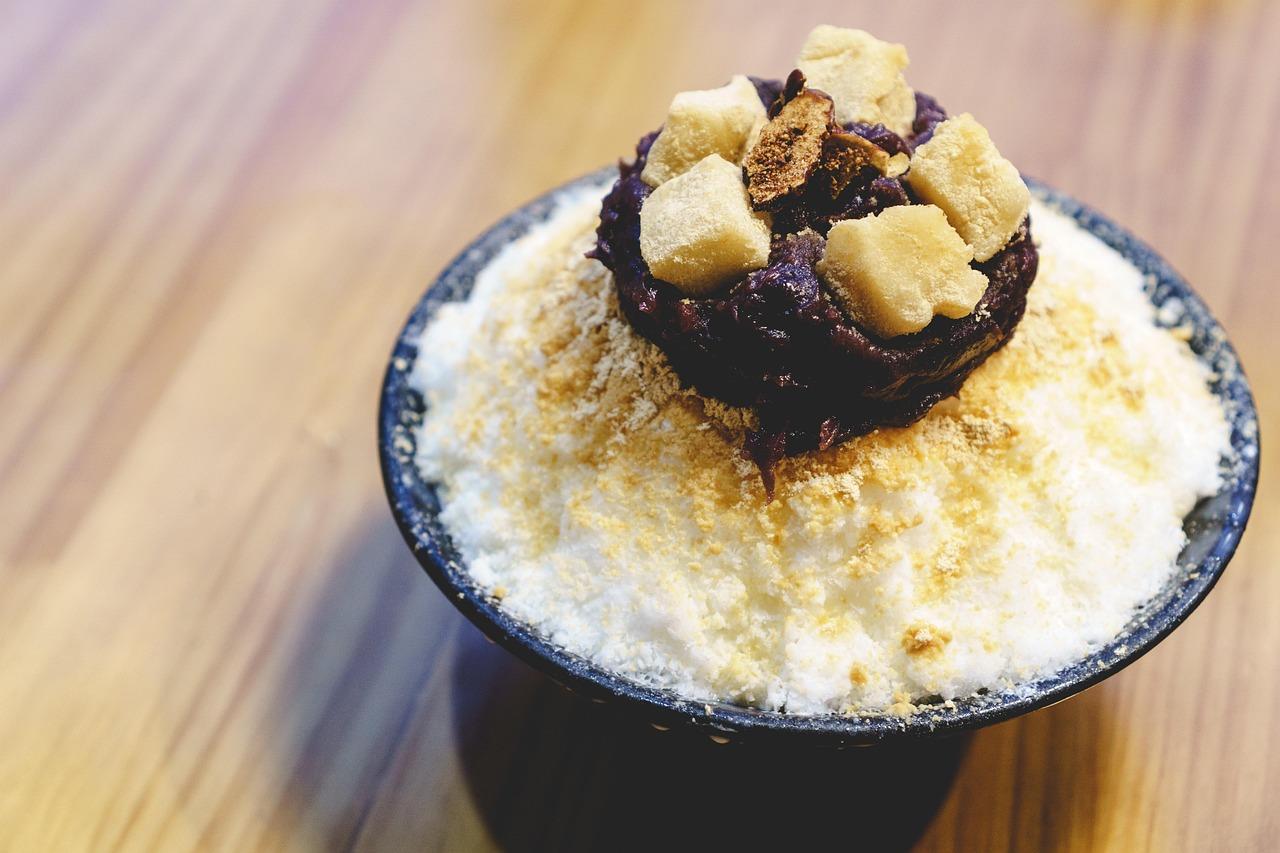
팥빙수 (Patbingsu, Korean red bean shaved ice)

Patbingsu is the great Korean summer dessert, eaten nationwide from the start of the rainy season until autumn, usually shared from one big bowl in a café after lunch or on a hot evening. Under the mound of milk ice sits the heart of it: sweet, soft red beans cooked until they almost melt, with chewy little rice cakes dusted in roasted soybean powder and a thread of condensed milk. Fluffy, creamy and earthy-sweet. There are no eggs anywhere: the ice is milk and condensed milk frozen in a thin layer, and the condensed milk's sugar keeps the crystals fine so the shavings are soft and snowy rather than crunchy, while the beans thicken with their own starch. Make the beans and the ice a day ahead. Chef's tip: freeze the milk thin in a flat tray and scrape it with a fork; the common mistake is freezing it in a deep tub, which sets too hard to shave.

by KrazyBadal 0 views

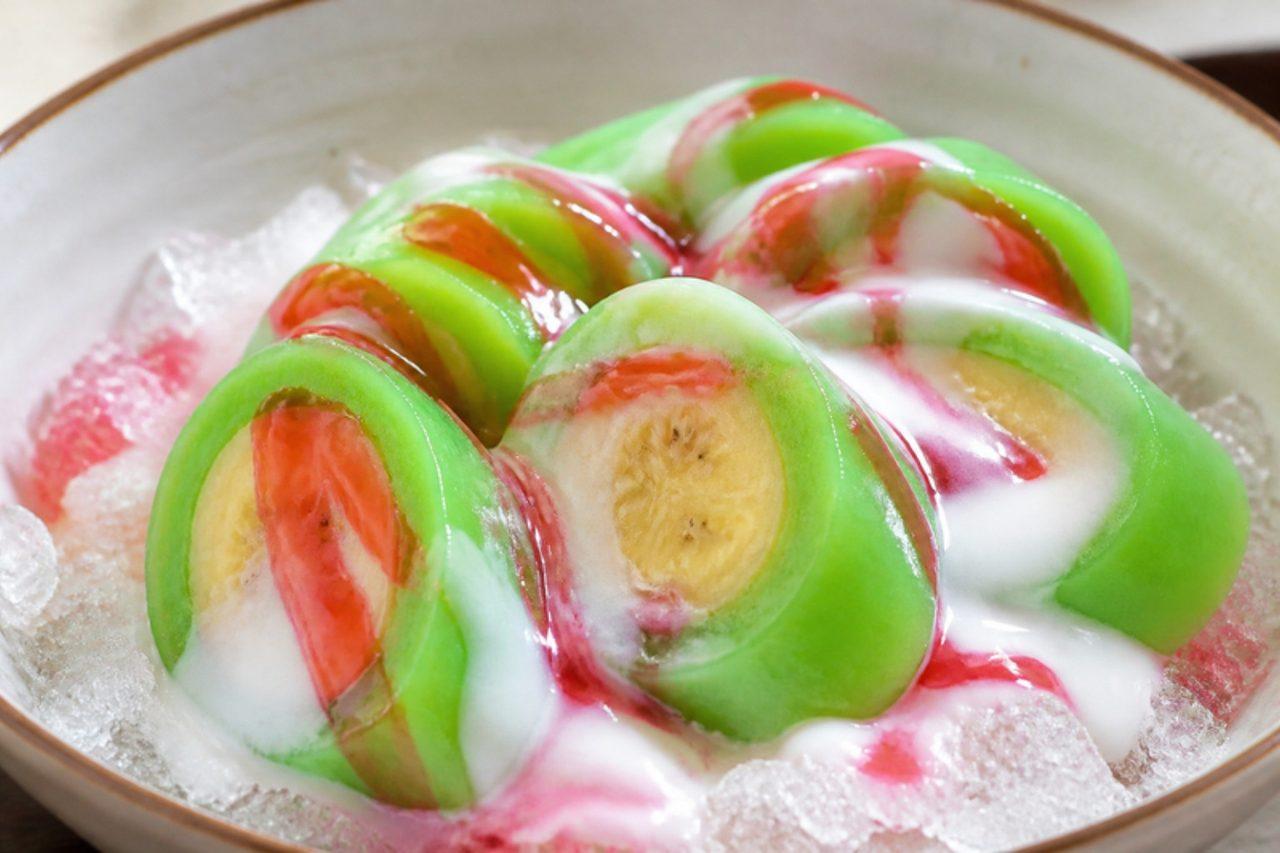
Es pisang ijo (Makassar green banana dessert)

Es pisang ijo, green banana ice, is the pride of Makassar in South Sulawesi. It is everywhere during Ramadan as the sweet that breaks the fast at sunset, and sold year-round from stalls by the Losari waterfront. A whole steamed banana is wrapped in a thin, soft jacket of pandan-green rice-flour dough, sliced, laid on a pool of warm salty coconut porridge sauce, then buried under shaved ice and a sharp pink syrup. Cold, warm, salty, sweet and fragrant, all in one bowl. It is naturally egg-free: rice flour cooked with coconut milk and pandan juice makes a smooth, pliable dough that binds without any egg, and a little more rice flour thickens the sauce. Chef's tip: use firm but ripe bananas with a few freckles; the common mistake is very soft ones, which turn to mush inside the dough while steaming.

by KrazyBadal 0 views

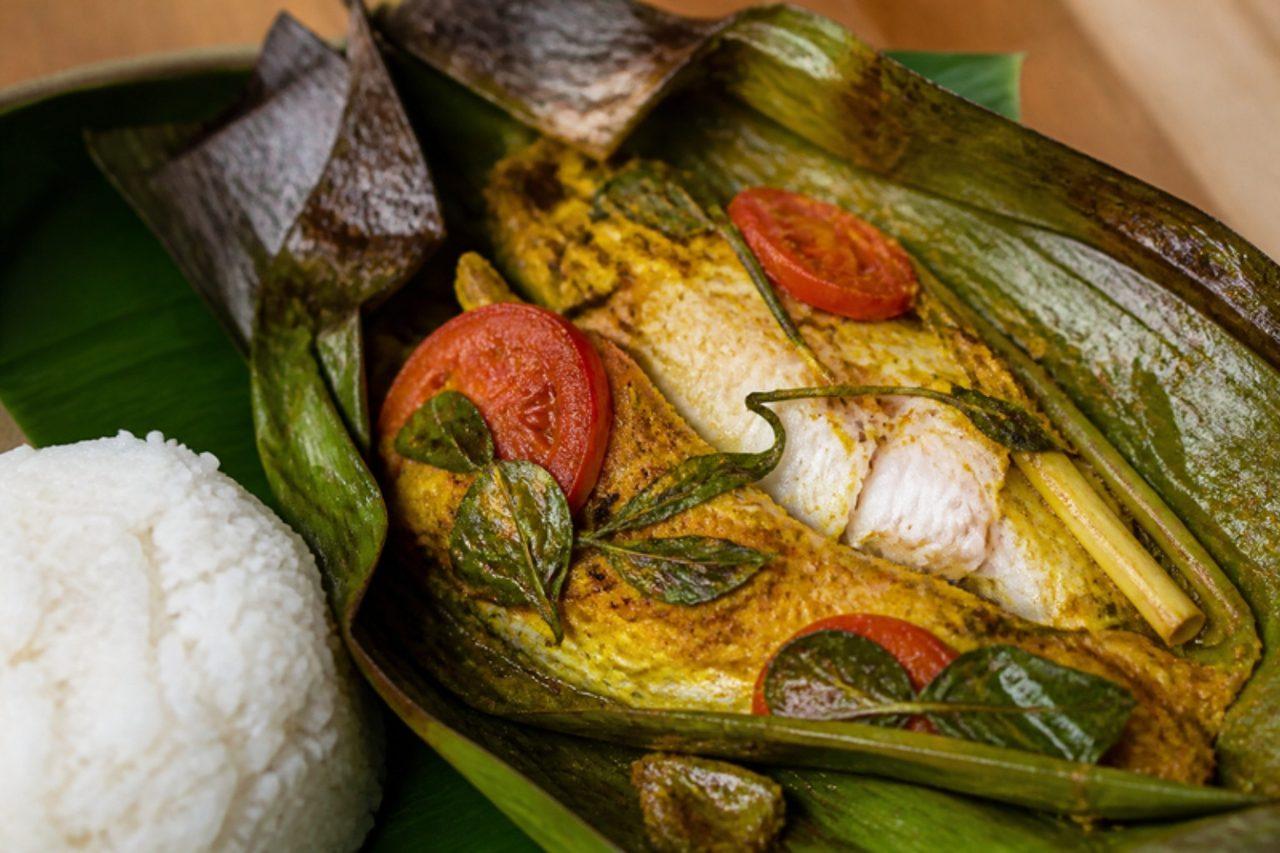
Pepes ikanFish steamed in banana leaf

Pepes ikan is everyday Sundanese cooking from Bandung and the hills of West Java, made in the morning and eaten with rice, sambal and raw vegetables at lunch. Fish is rubbed with a yellow paste of turmeric, shallot, candlenut and chilli, scattered with lemon basil, wrapped in banana leaf and steamed, then charred briefly on a grill so the leaf smokes and perfumes it. The flesh comes out moist and fragrant. A portion has about 30 g of protein from the fish. The usual mistake is skipping the steaming and grilling straight away: the outside burns before the fish is cooked. Chef's tip: lemon basil (kemangi) is the signature; if you can't get it, use Thai basil with a little lemon zest.

by KrazyBadal 0 views

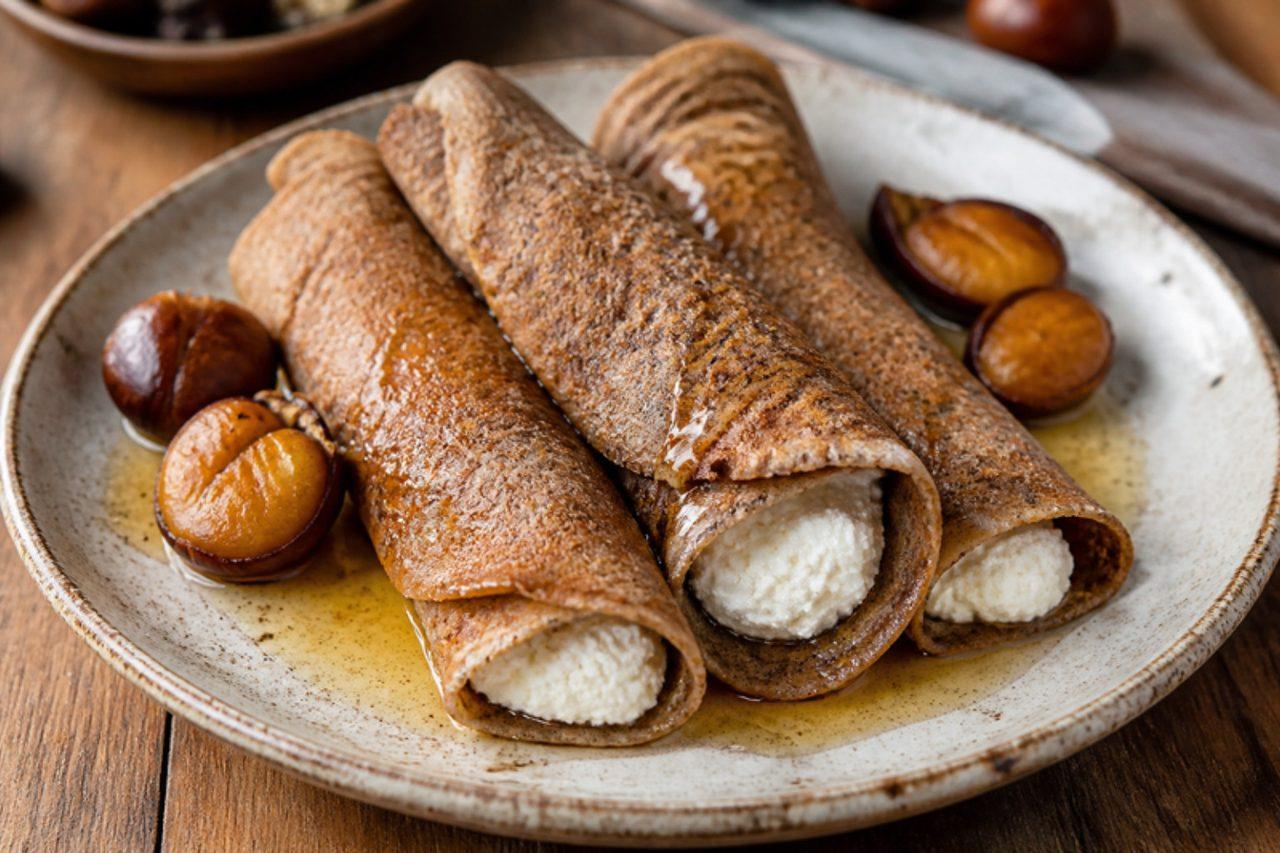
Necci (Tuscan chestnut-flour pancakes with ricotta)

In the chestnut woods of the Garfagnana above Lucca and the hills around Pistoia, necci arrive with the new season's chestnut flour in late autumn and stay through winter, cooked at village fairs and at home as a sweet snack or a light supper. The batter is nothing but sweet chestnut flour, water and a pinch of salt; traditionally it was poured between pairs of hot iron or stone discs lined with chestnut leaves, but a non-stick crêpe pan does the job. The pancakes are soft, faintly smoky and naturally sweet, with an earthy taste, and are rolled around cold fresh ricotta. Serve two or three each, with a drizzle of honey or a cup of coffee alongside. They are naturally egg-free: the fine starch and sugar in chestnut flour set the batter on the heat by themselves, so it holds together without eggs. Chef's tip: sieve the flour and whisk the batter until it is as smooth and thin as single cream; the common mistake is a thick batter, which gives heavy, gummy necci that crack when rolled.

by KrazyBadal 0 views

Cá hấp gừngGinger steamed whole fish

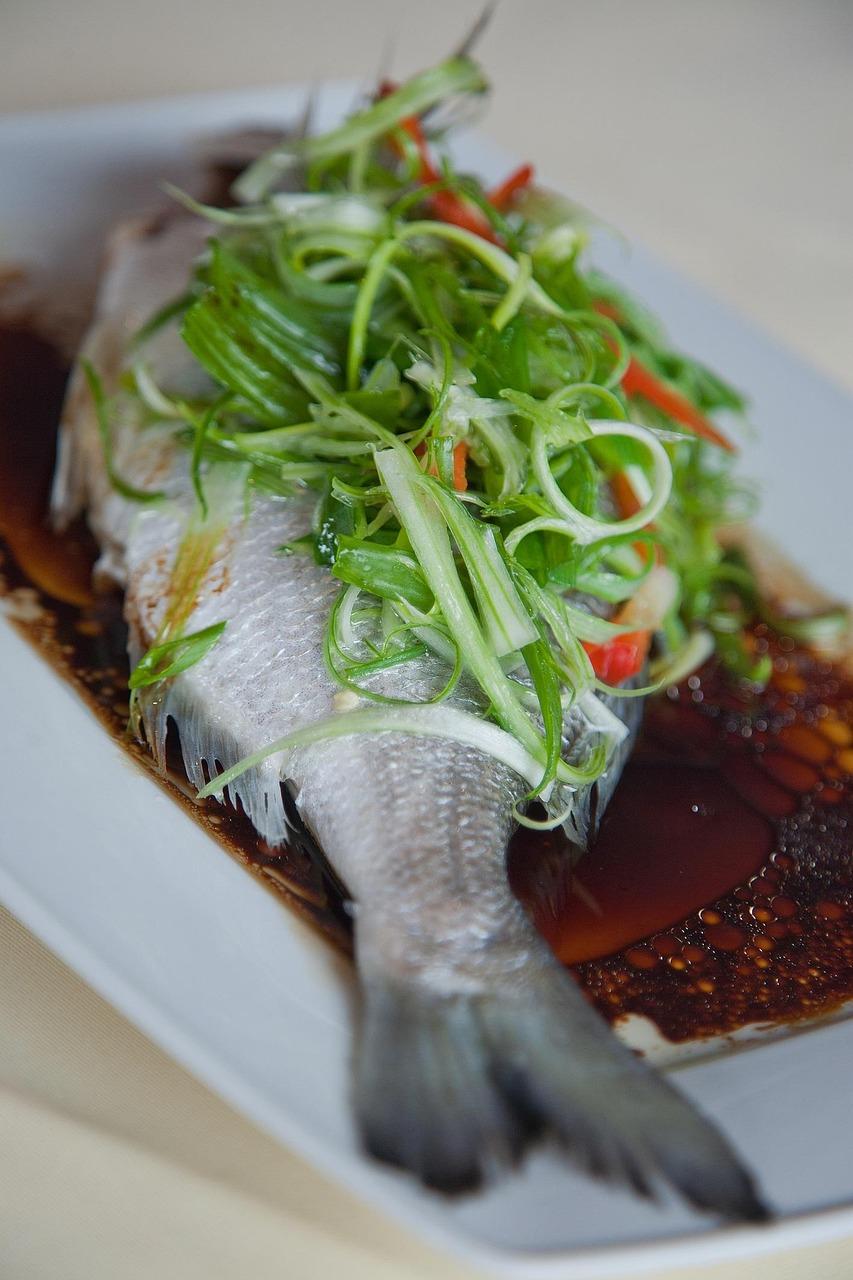
Cá hấp gừng is a family dish across Vietnam, from Hanoi to the Mekong Delta, put in the middle of the table for a weekend lunch or a Tết dinner and shared with rice and greens. A whole fish is steamed over ginger, then heaped with ginger and spring onion shreds and dressed with sizzling oil and a light soy and fish sauce. The flesh comes out silky and delicate. A portion has about 25 g of protein from the fish. The common mistake is oversteaming: thin parts go dry and woolly. Take it off as soon as the flesh at the thickest point pulls cleanly from the bone. Chef's tip: score the fish to the bone on both sides so it cooks evenly and the sauce gets in.

by KrazyBadal 0 views

冰粉 (Bingfen, Sichuan ice jelly)Ice jelly with brown sugar syrup

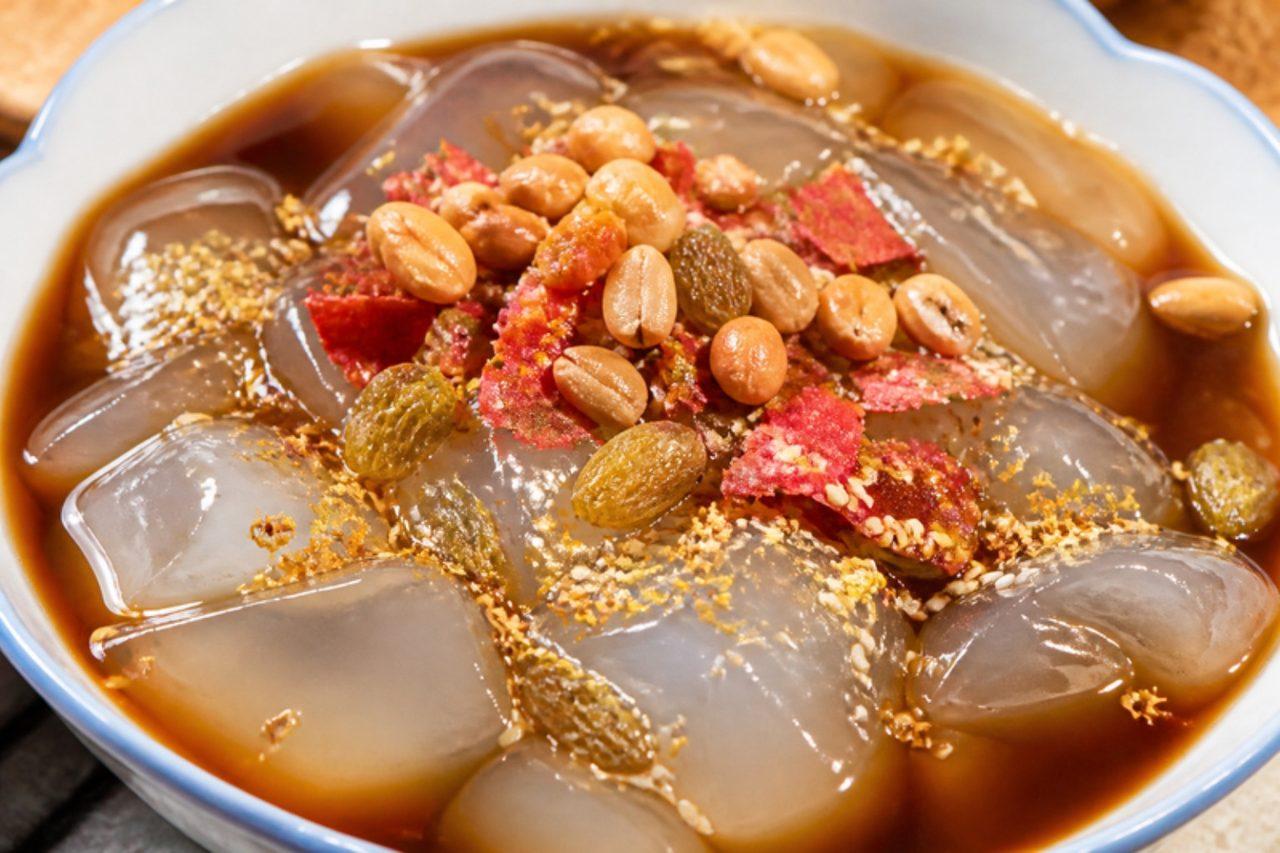
Bingfen is what Chengdu reaches for after a numbing hotpot or on a sticky summer night: a bowl of wobbly, glass-clear jelly, cold from the fridge, splashed with dark brown-sugar syrup and scattered with hawthorn flakes, raisins, peanuts and sesame. It is sold at night markets and hotpot restaurants all over Sichuan and Chongqing, and the jelly itself tastes of almost nothing, just cool and soothing, so the syrup and toppings bring the flavour. It is naturally egg-free and plant-based. The jelly traditionally comes from shoo-fly plant seeds rubbed in water; here it is made with ice-jelly powder, a plant-based setting powder sold in Chinese grocers, which sets clear as it cools. Chef's tip: let the jelly set undisturbed; the common mistake is stirring or moving it while it is half-set, which leaves it cloudy and weeping.

by KrazyBadal 0 views

Mizu shingen mochi (Yamanashi raindrop cake)

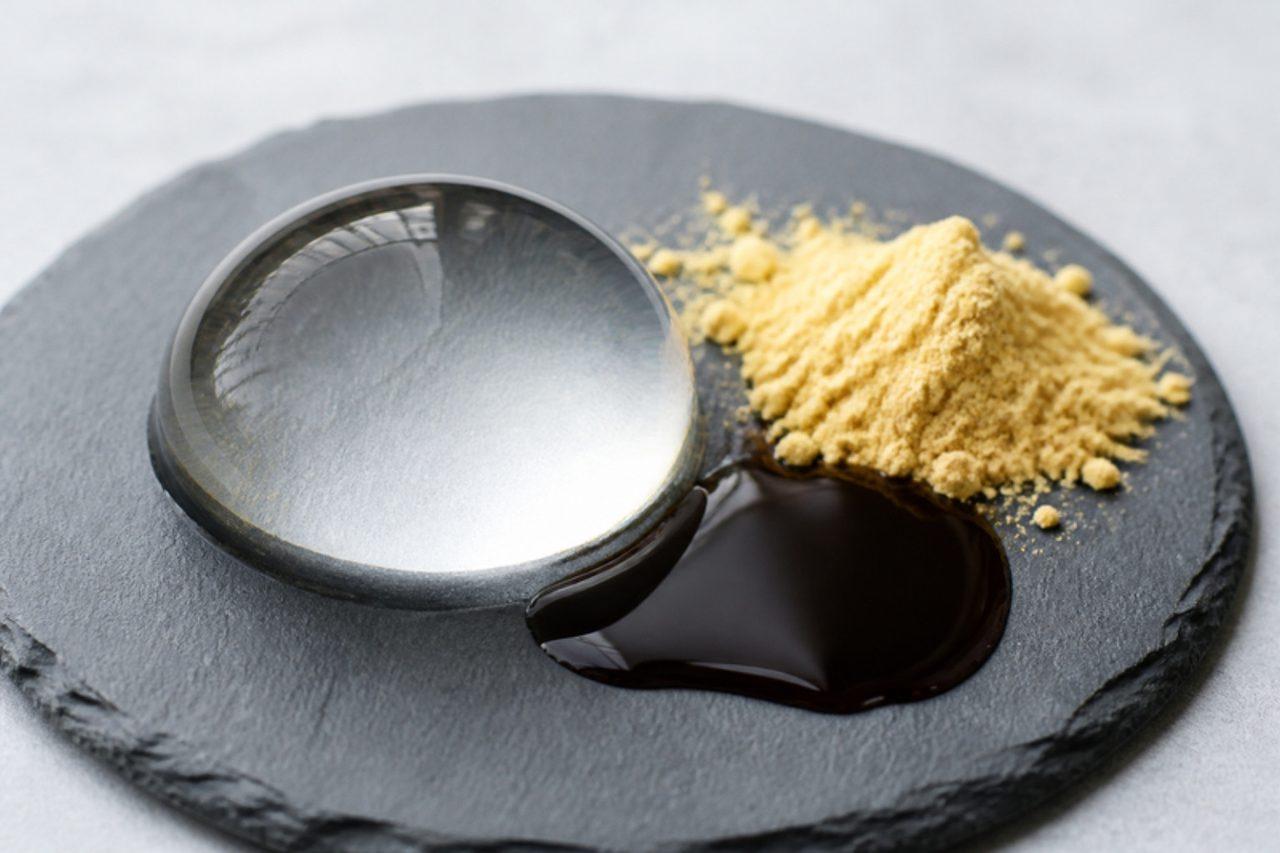
Mizu shingen mochi comes from Hokuto in Yamanashi, at the foot of the Southern Alps, where a sweet shop first set the local spring water into a trembling, glass-clear dome. It is a summer sweet, eaten in the heat of July and August, and it has to be eaten within half an hour of being made, before it starts to weep. There is almost no flavour of its own: the point is the cool, melting texture, with nutty kinako and dark kuromitsu syrup poured over at the table. Despite the name it is not a rice mochi at all, and it is naturally egg-free. Agar, a seaweed setting agent, holds the water in shape; using just enough to set it makes it melt on the tongue. Serve with green tea. Chef's tip: boil the agar hard for a full 2 minutes; just warming it is the common mistake, and the domes stay liquid in the mould.

by KrazyBadal 0 views

Kokt torskPoached cod with potatoes

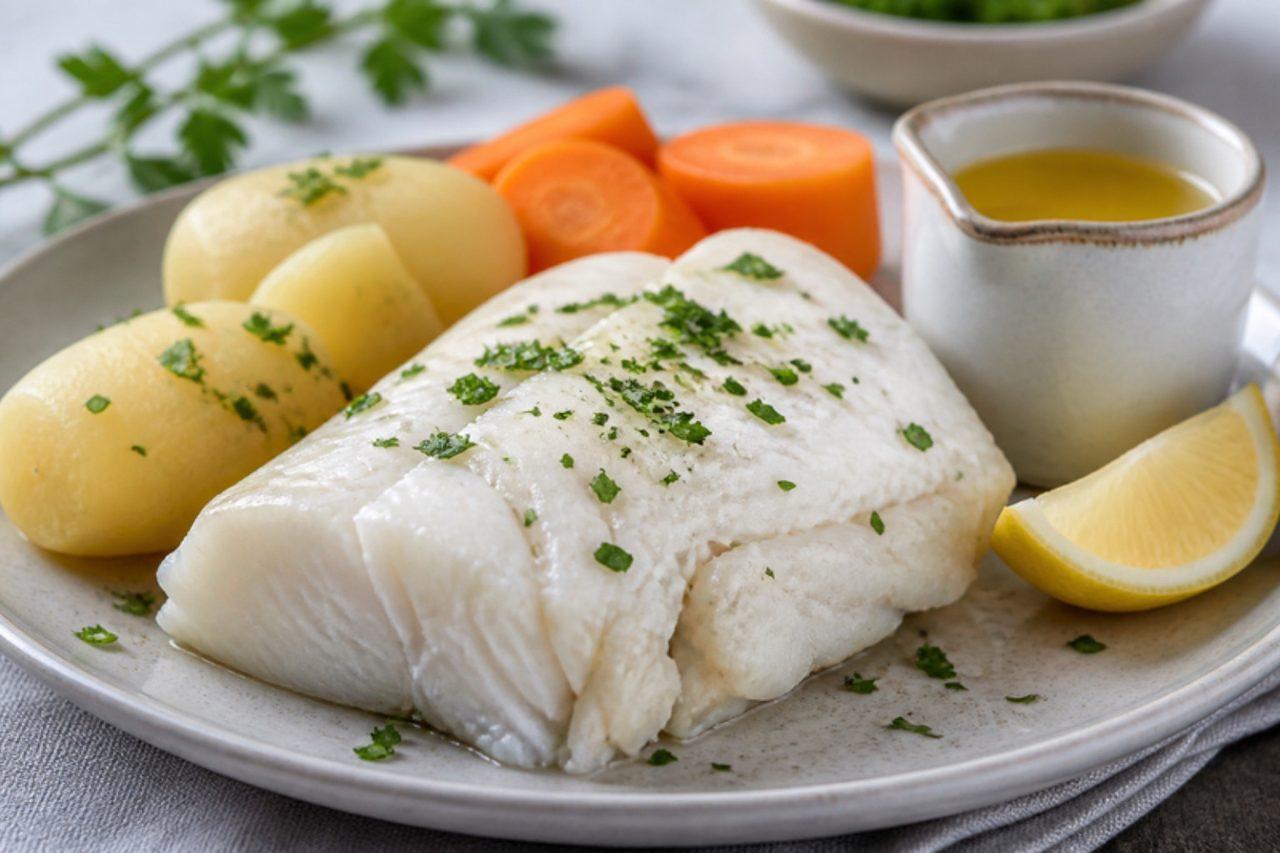
From January to April, when the spawning skrei cod arrive at the Lofoten Islands, Norwegian homes eat kokt torsk at least once a week: thick cod loins poached in well-salted water, served plainly with boiled potatoes, carrots and a little melted butter. It is clean, gentle food, and the whole plate comes to around 430 kcal with about 40 g of protein, almost all from the cod. The common mistake is boiling the fish: the water should barely tremble, which Norwegians say makes it "smile", or the flakes tighten and turn woolly. Cook it until it is opaque and the flakes separate at a light press, about 60–63 °C in the thickest part. Chef's tip: salt the poaching water as heavily as the sea, about 60 g to a litre; it seasons the cod all the way through in the few minutes it cooks.

by KrazyBadal 0 views

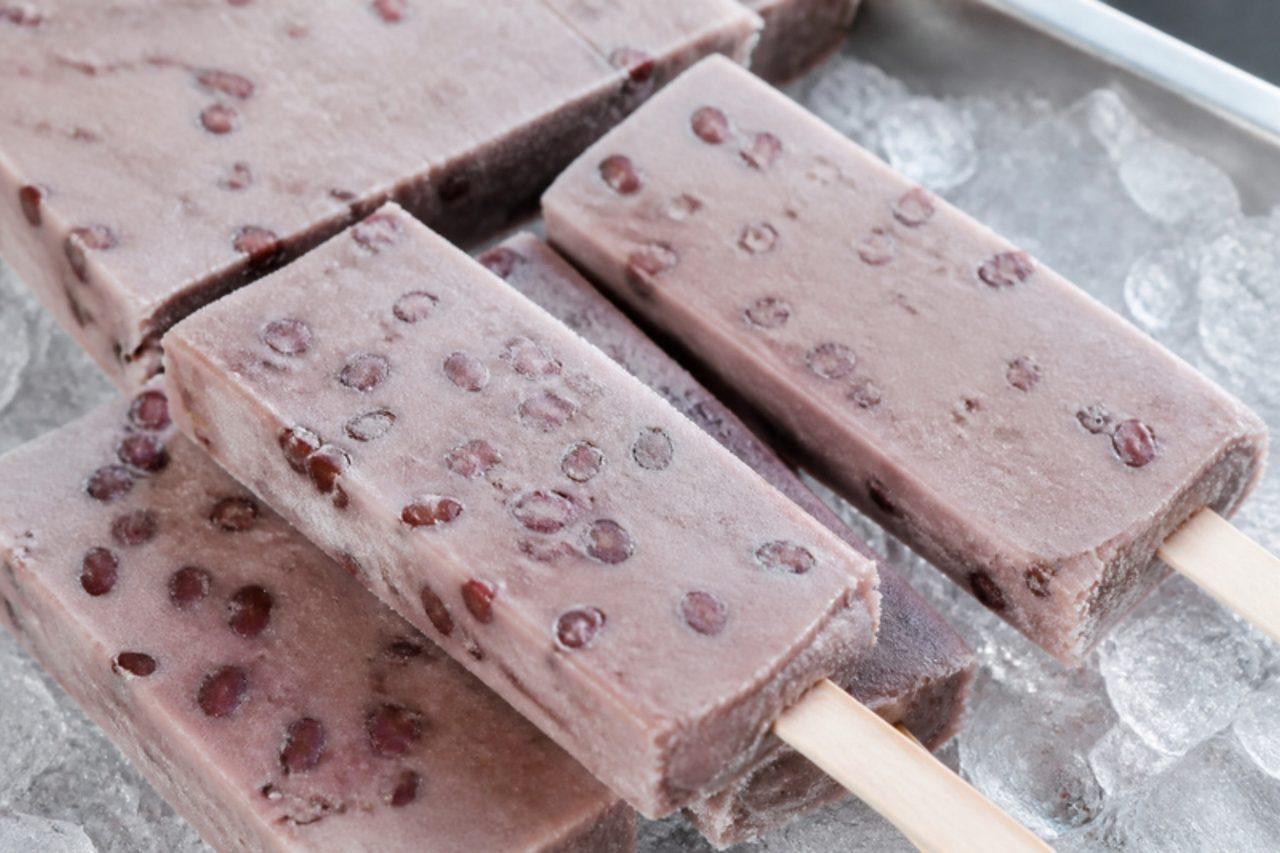
Aiskrim potong (Malaysian red bean ice-cream bars)

Aiskrim potong, literally cut ice cream, comes from the days when Malaysian factories froze long blocks of dense ice cream that vendors sliced into bars to order. It is still sold nationwide from motorbike freezers and kampung shops, especially in the afternoon heat after school, in flavours like coconut, sweet corn, yam and durian, with red bean as the classic. It is firmer and denser than scooped ice cream and melts slowly in the hand. There is no egg: the base is cornflour cooked into coconut milk and milk, with a little condensed milk. The cooked starch gives the bars their chewy, close bite and keeps them smooth because it ties up the water before it can form big crystals. Chef's tip: stir the half-frozen block once so the beans don't all sink; the common mistake is pouring and leaving it, which gives a bean-heavy bottom and a plain top.

by KrazyBadal 0 views

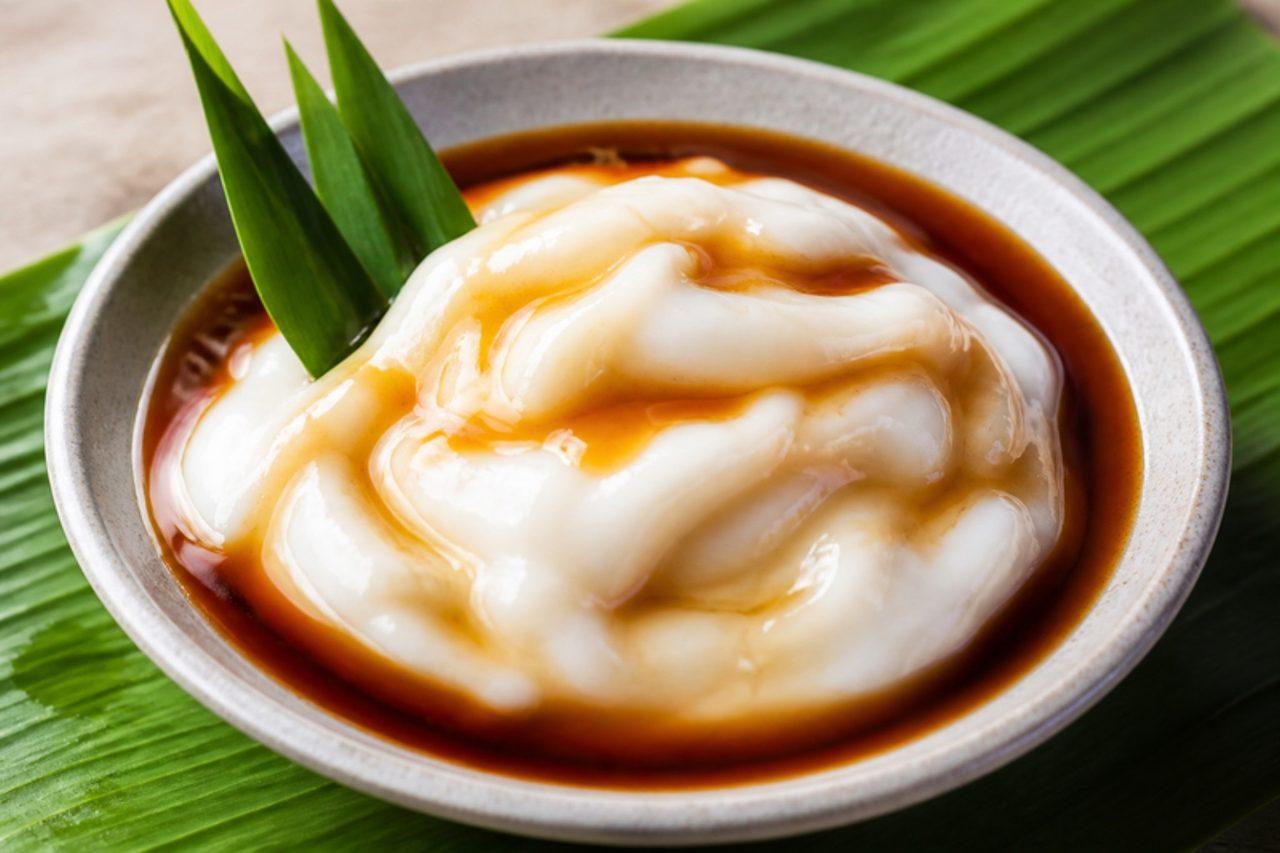
Bubur sumsum (Javanese rice-flour pudding with palm-sugar syrup)

Bubur sumsum, named after bone marrow for its colour and softness, is one of Java's best-loved jajan pasar, sold from carts in the morning and in the late afternoon as a sweet bite. In Javanese custom it is also cooked after a wedding or a big celebration to thank those who helped, as a gentle food for tired bodies. The pudding is pure white, silky and barely salty, and it comes drenched in kinca, a warm syrup of palm sugar and pandan. Serve it warm or at room temperature in small bowls, on a banana leaf if you have one. It is naturally egg-free: rice flour cooked in coconut milk swells and sets it to a soft, spoonable pudding, the way cornflour sets a blancmange. Chef's tip: whisk the rice flour into cold coconut milk before it goes on the heat; adding it to hot liquid is the common mistake that leaves lumps you can't whisk out.

by KrazyBadal 0 views

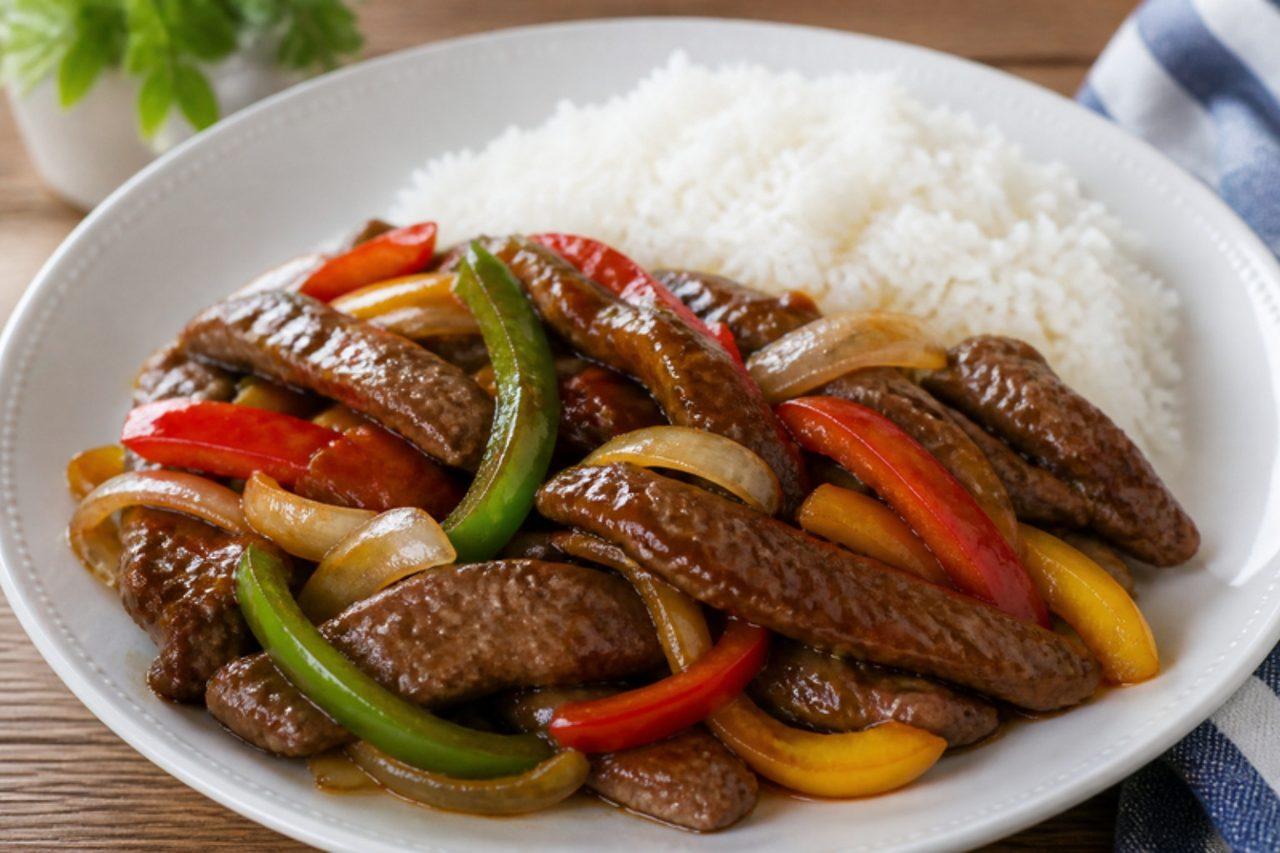
Jamaican pepper steak

Pepper steak came to Jamaica with the Hakka Chinese families who opened groceries and restaurants in Kingston, and it is now a takeaway favourite and a fast weeknight dinner across the island, eaten over white rice or rice and peas. Thin strips of beef are seared hard, then tossed with bell peppers and onion in a glossy soy, ginger and garlic sauce, with a little Scotch bonnet for warmth. The common mistake is crowding the pan, which steams the beef grey and tough; sear it in two batches over a high heat. Chef's tip: slice the beef across the grain while it is very cold or half-frozen; you'll get thin, even strips that stay tender.

by KrazyBadal 0 views

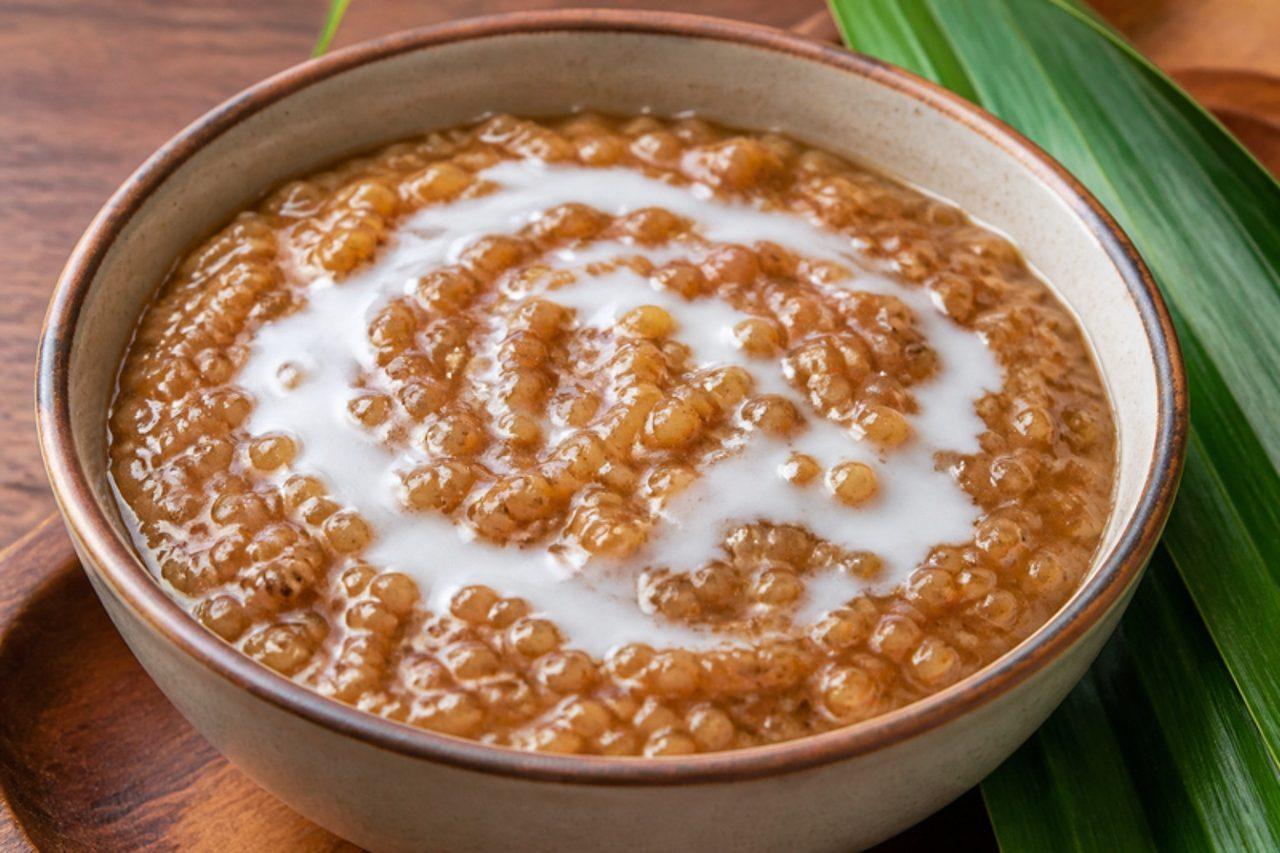
Bubur gandum (wheat pudding with coconut milk and palm sugar)

In Malaysia bubur gandum belongs to Ramadan: it is ladled out at the bazaars that open before sunset and cooked in giant pots at mosques for breaking the fast, and it appears again at Hari Raya open houses. Pearled wheat is simmered until the grains burst and turn chewy, then cooked with gula Melaka, pandan and coconut milk into a thick, toffee-brown porridge. The texture is somewhere between rice pudding and soft barley, with a sweet, smoky, coconut flavour. Serve it warm, or at room temperature on a hot evening. The pudding has always been egg-free, because the starch released by the wheat thickens the coconut milk as it simmers, so nothing else is needed to bind it. Chef's tip: cook the wheat in water until fully soft before adding the sugar and coconut milk; the common mistake is adding them too early, which keeps the grains hard however long you cook them.

by KrazyBadal 0 views

Ikan kuah asamFish in clear sour broth

Across Ambon in Maluku and the coasts of North Sulawesi, ikan kuah asam is the soup families eat almost daily with papeda or rice, made from whatever fish came in that morning. The broth is thin and clear, bright with lime and tomato, warm with chilli and lemongrass, with chunks of fish poached just until they flake. It is light but filling, with about 28 g of protein a portion from the fish. The common mistake is adding the lime juice too early and boiling it: it turns bitter, so squeeze it in at the end. Chef's tip: use a firm, meaty fish such as tuna, mackerel or snapper, cut into large chunks, so it holds together in the broth.

by KrazyBadal 0 views

Es doger (Bandung pink coconut shaved ice)

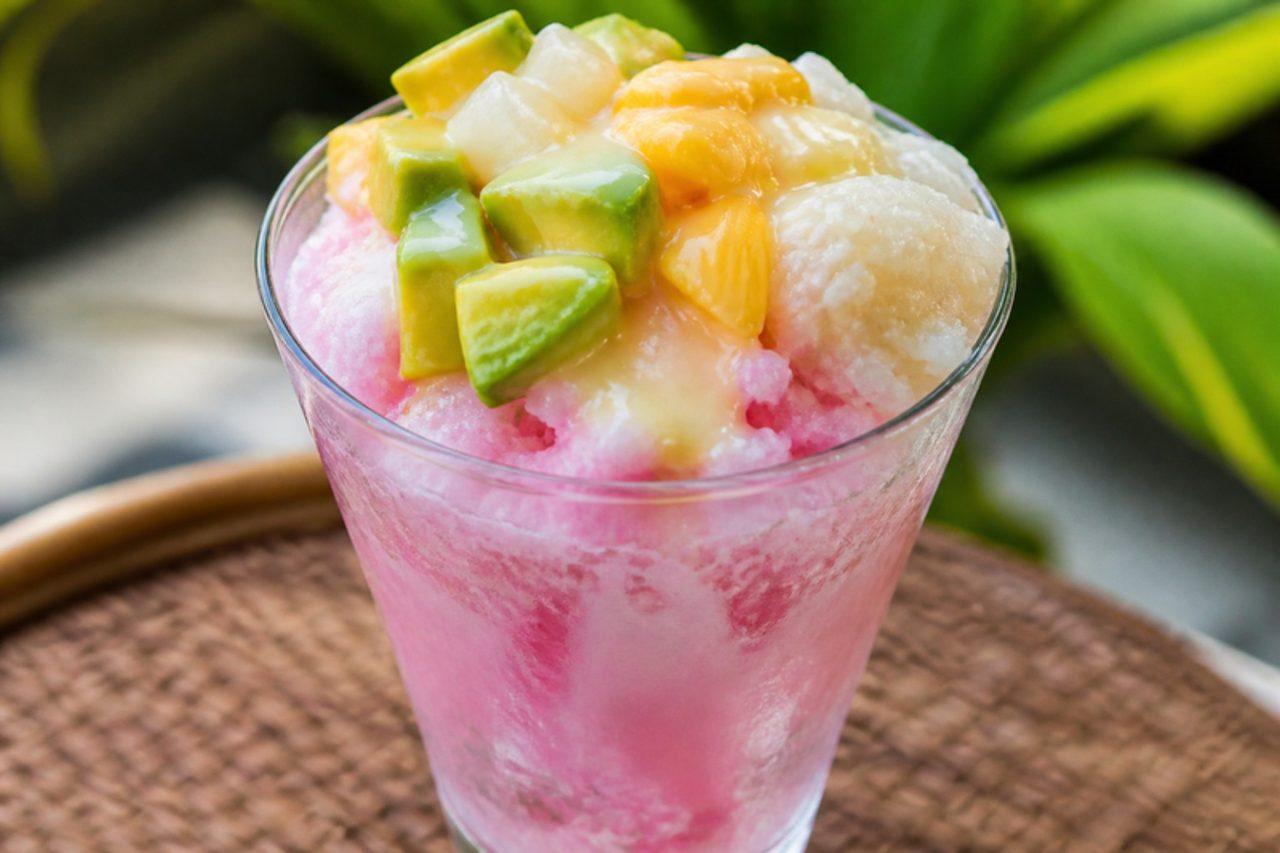
Es doger began on the streets of Bandung in West Java, where carts painted with bright patterns still sell it through the afternoon heat. The base is coconut milk and milk, coloured pink with red syrup and frozen or blended with ice into a soft slush, then piled into glasses with whatever the vendor has: cassava, avocado, jackfruit, sticky rice, tapioca pearls, and a ribbon of condensed milk over the top. It is sweet, creamy and cool, more a drink you eat with a spoon. It is naturally egg-free: the coconut milk gives body, the condensed milk binds it into a creamy slush, and the fruit and starchy cassava fill it out. Street versions use fermented cassava, which is lightly alcoholic; this recipe uses plain steamed cassava with sugar instead. Chef's tip: blend the ice in short bursts; the common mistake is running the blender until the slush melts into a milky drink.

by KrazyBadal 0 views

Asam pedas ikanSour spicy tamarind fish

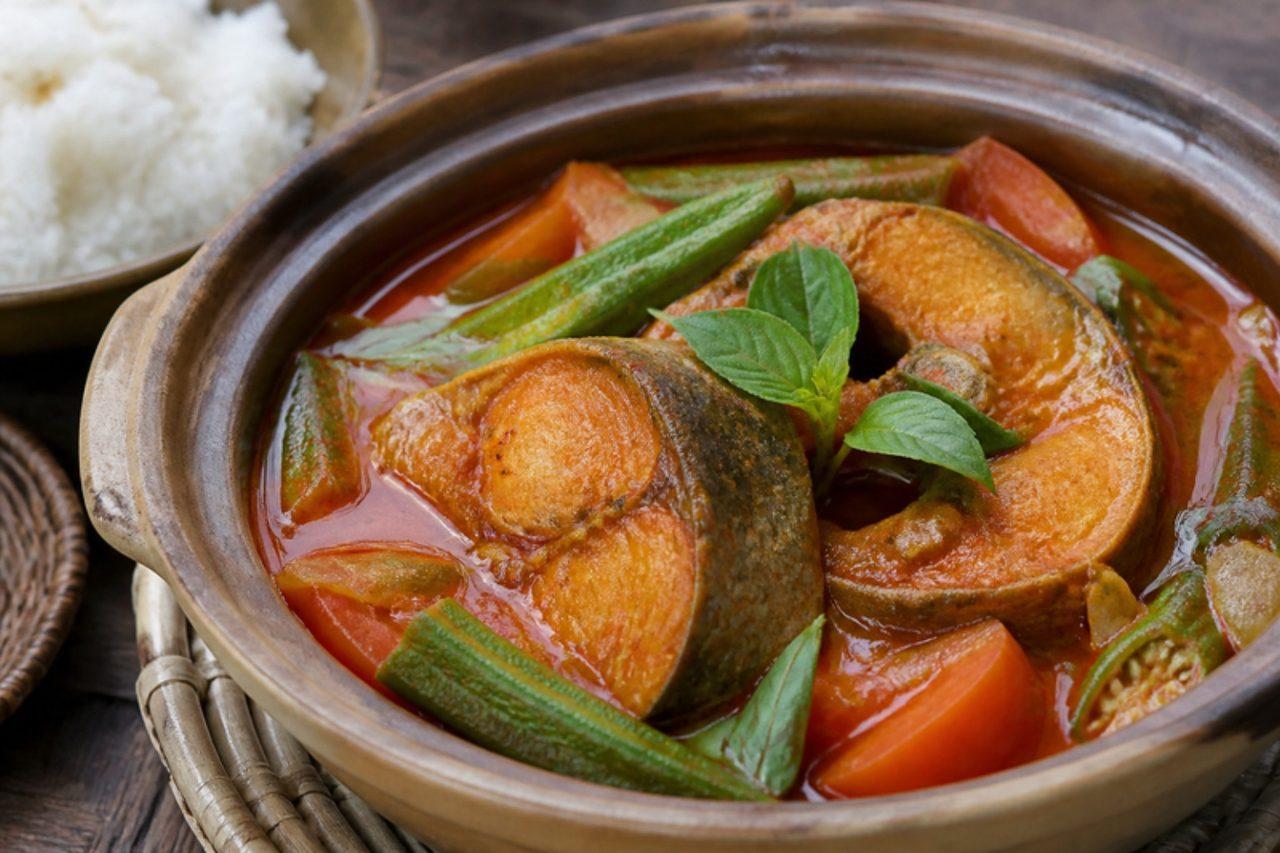
Asam pedas, "sour and spicy", is the pride of Malay kitchens in Melaka and Johor, cooked for everyday lunches and sold at rice stalls with a dozen other dishes. Fish steaks simmer in a thin, brick-red gravy of dried chilli, shallot and belacan soured with tamarind, with okra and tomato soaking up the sauce and Vietnamese mint scenting it. It is fiery, tangy and light, with about 29 g of protein a portion from the fish; eat it with plenty of plain rice. The common mistake is rushing the chilli paste: if it isn't fried until the oil separates, the gravy tastes raw and harsh. Chef's tip: use oily, firm fish such as Spanish mackerel or stingray, which stand up to the sour broth.

by KrazyBadal 0 views

Fak thong kaeng buat (Thai pumpkin in coconut milk)

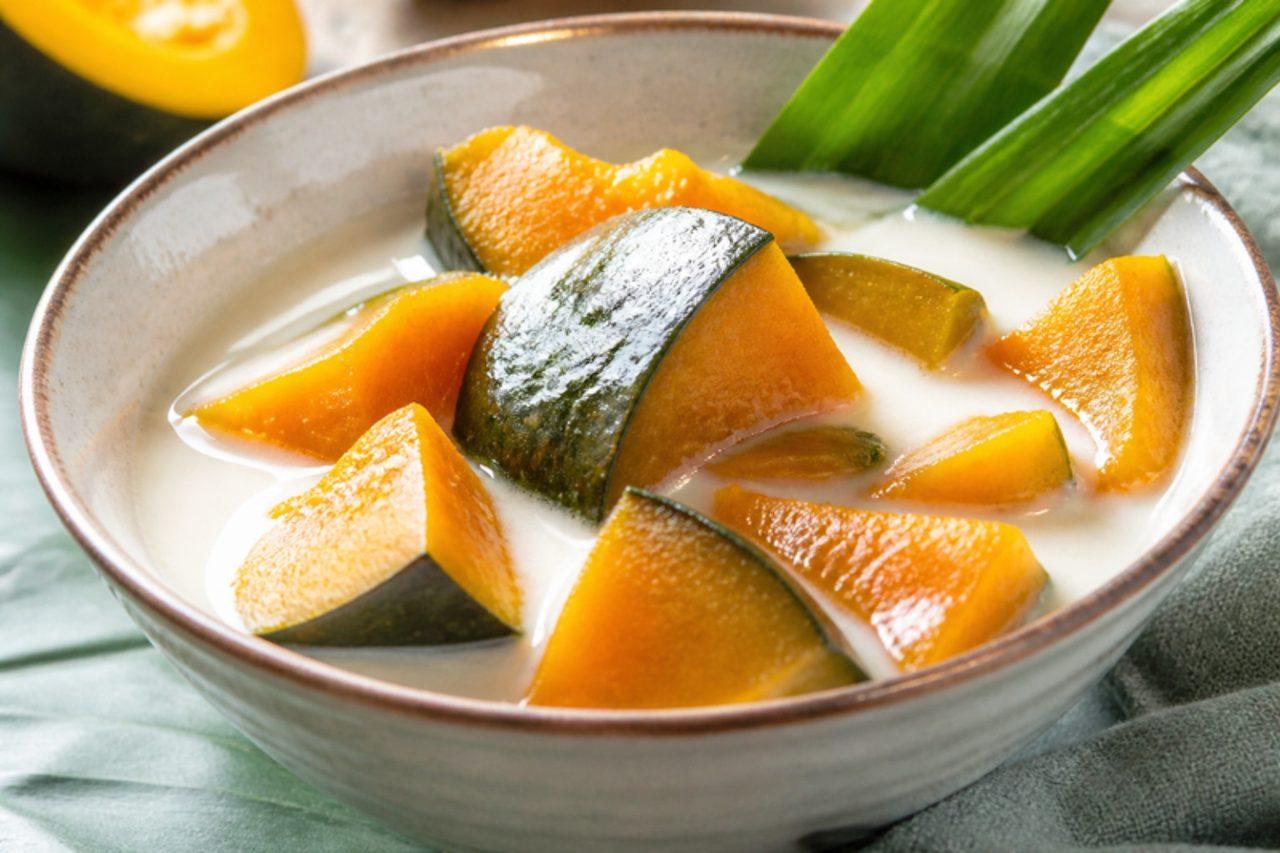
When the rains end and pumpkins pile up in the markets of central Thailand, kaeng buat is what cooks make with them: chunks of dense kabocha simmered in coconut milk sweetened with palm sugar and sharpened with a pinch of salt. It is a homely, everyday dessert, sold warm from big pots at markets in the afternoon and also cooked at Ok Phansa, the end of Buddhist Lent. The pumpkin turns velvety but keeps its shape, and the thin, creamy, caramel-scented broth is meant to be drunk from the spoon. Eat it warm or at room temperature, in small bowls. There is no egg in it and never was: nothing needs setting or binding, as the pumpkin's own starch gives the coconut milk a light body as it cooks. Chef's tip: pick a dry, orange-fleshed kabocha and keep the coconut milk at a bare simmer; letting it boil hard is the common mistake that splits the milk and breaks the pumpkin into mush.

by KrazyBadal 0 views

葛切り (Kuzukiri, Kyoto kudzu noodles)

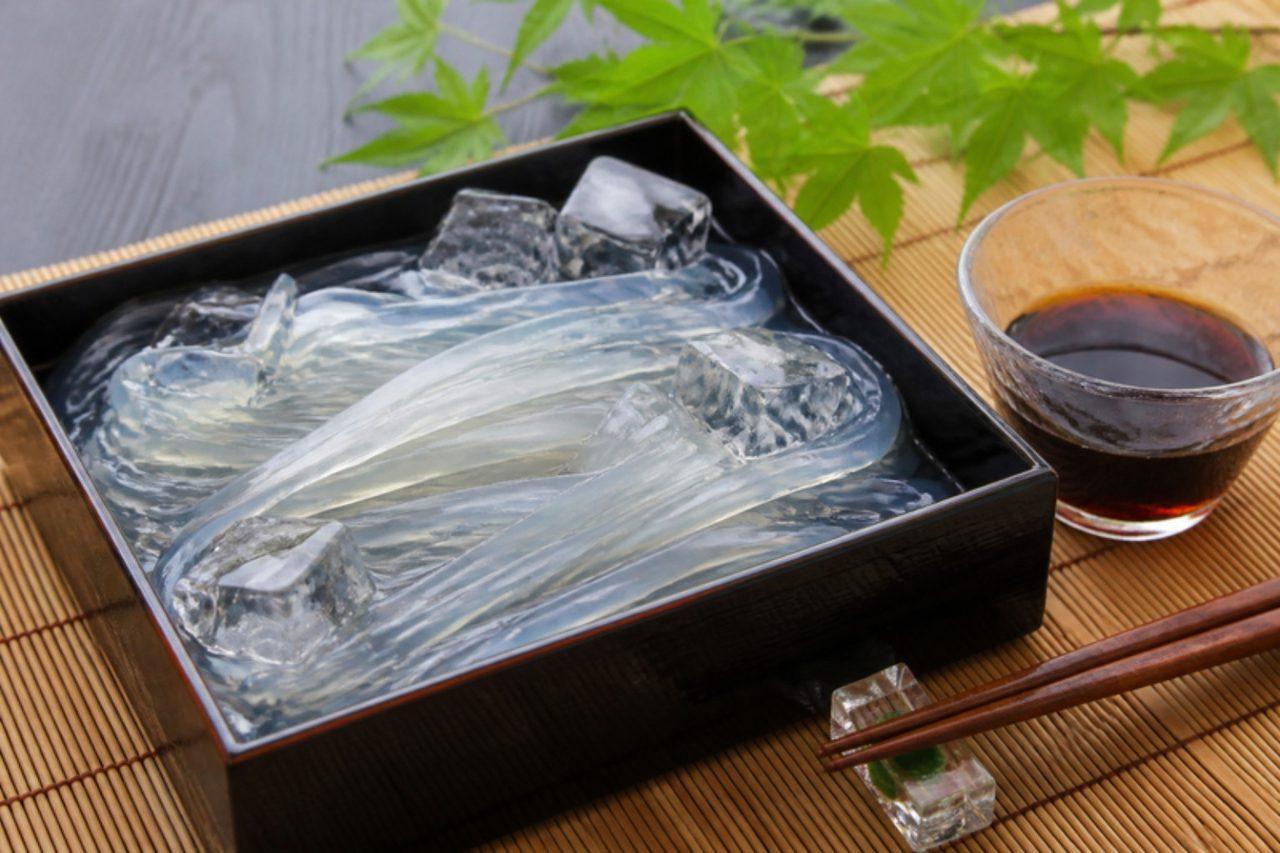
Kuzukiri is a summer sweet of Kyoto, served most famously in the old tea houses of Gion: a lacquered box of clear, flat noodles floating in iced water, with a cup of dark kuromitsu black-sugar syrup to dip them in. It is eaten in the hottest months as a refreshing afternoon dessert with green tea. The noodles are cool, springy and smooth, with a clean, faintly sweet taste, and the syrup is deep, smoky and molasses-rich. It is naturally egg-free and plant-based: pure kudzu starch mixed with water sets into a firm, glass-clear sheet when it is cooked in a thin layer over boiling water, the starch alone doing the binding. Serve it within half an hour of making it. Chef's tip: buy pure kudzu starch rather than a blend; the common mistake is making kuzukiri ahead, because within an hour or two it turns cloudy and stiff.

by KrazyBadal 0 views

Aji no tatakiChopped horse mackerel with ginger

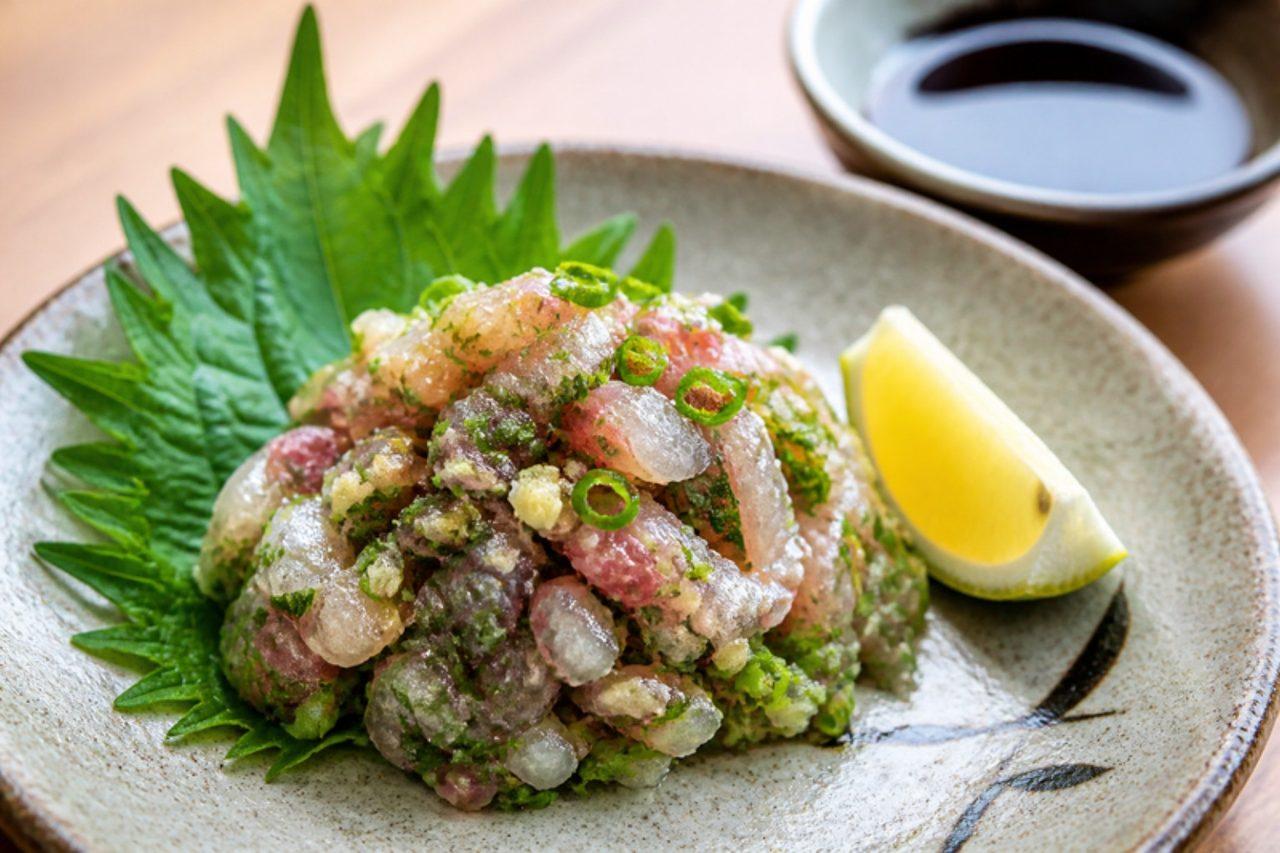
Aji no tataki is a dish of Japan's fishing ports, from the Izu peninsula to Kyushu, eaten as a summer lunch over rice or a starter with cold drinks when the horse mackerel come in fresh. The raw fillets are skinned and chopped with a knife, then mixed with grated ginger, spring onion and shiso, so the fish is soft, cool and clean-tasting with a sharp herbal bite. As a main over rice, a portion has about 28 g of protein from the fish. This is raw fish: buy only sashimi-grade fish from a fishmonger you trust, keep it ice-cold, and freeze it at −20 °C for at least 24 hours first to kill parasites; anyone pregnant, very young, older or with a weak immune system should not eat it. The common mistake is chopping it into a paste: keep small pieces with some texture. Chef's tip: chill the board and the bowl, and work quickly, so the fish never warms up.

by KrazyBadal 0 views

Pescado empapeladoFish baked in paper parcel

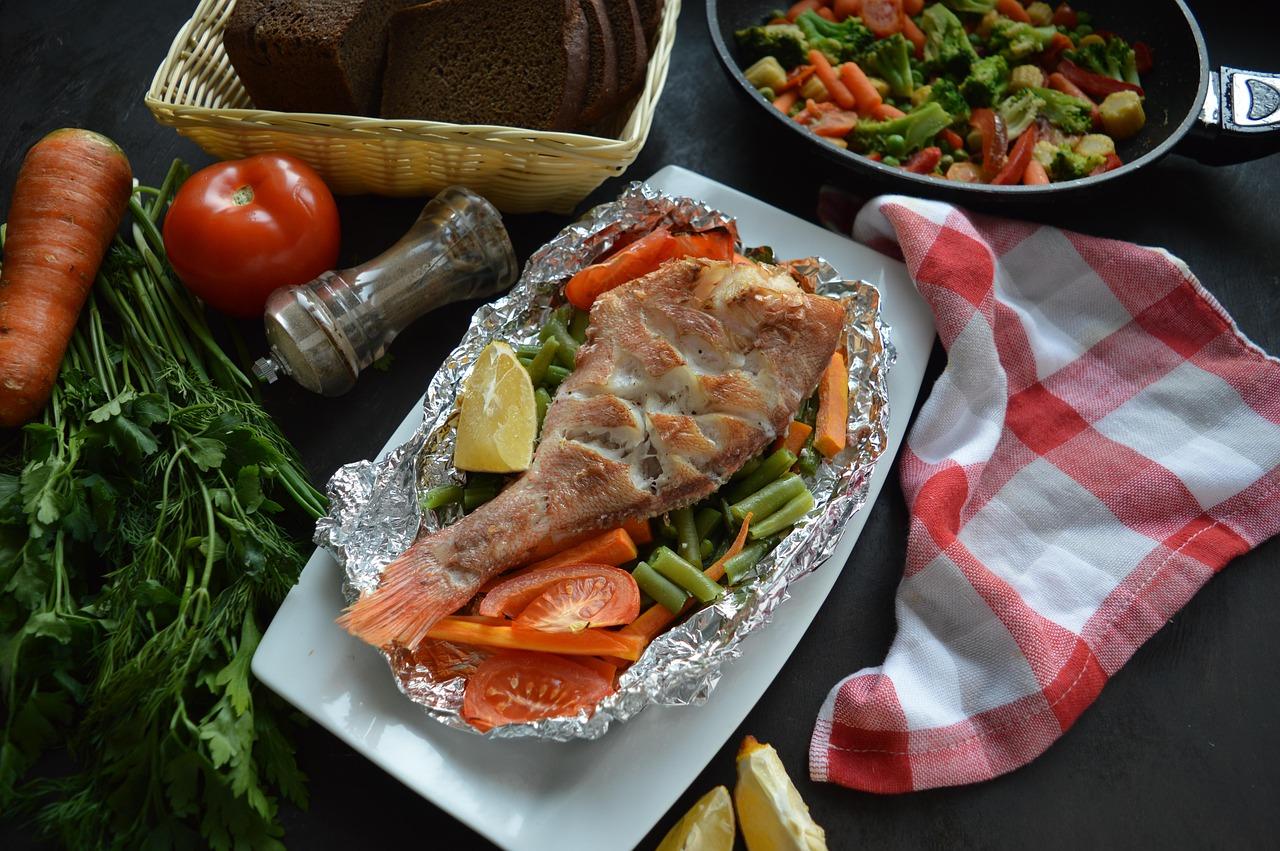
Along the Gulf coast of Veracruz, pescado empapelado is a weekday lunch and a Lenten Friday favourite: a fillet of snapper or other white fish is sealed in paper or foil with tomato, onion, peppers, olives, capers and herbs, then baked so it steams in its own juices. Each person opens their own fragrant parcel at the table. A portion gives about 32 g of protein, from the fish, for around 250 kcal. The common mistake is a loose parcel: if the edges aren't crimped tightly the steam escapes and the fish bakes dry, so fold and pinch the edges all the way round. The fish is done when it is opaque and flakes easily at the thickest point (63 °C). Chef's tip: slice the vegetables thinly and lay them under the fish as well as on top; they cook in the same 15 minutes and keep the fillet off the hot paper.

by KrazyBadal 0 views

Showing 24 of 4,195 recipes

Show more recipes

Page 1 of 175