Skip to content
Recipes

All recipes

Vegetarian, or something you can't eat? Set your diet once and we'll hide recipes that don't fit.

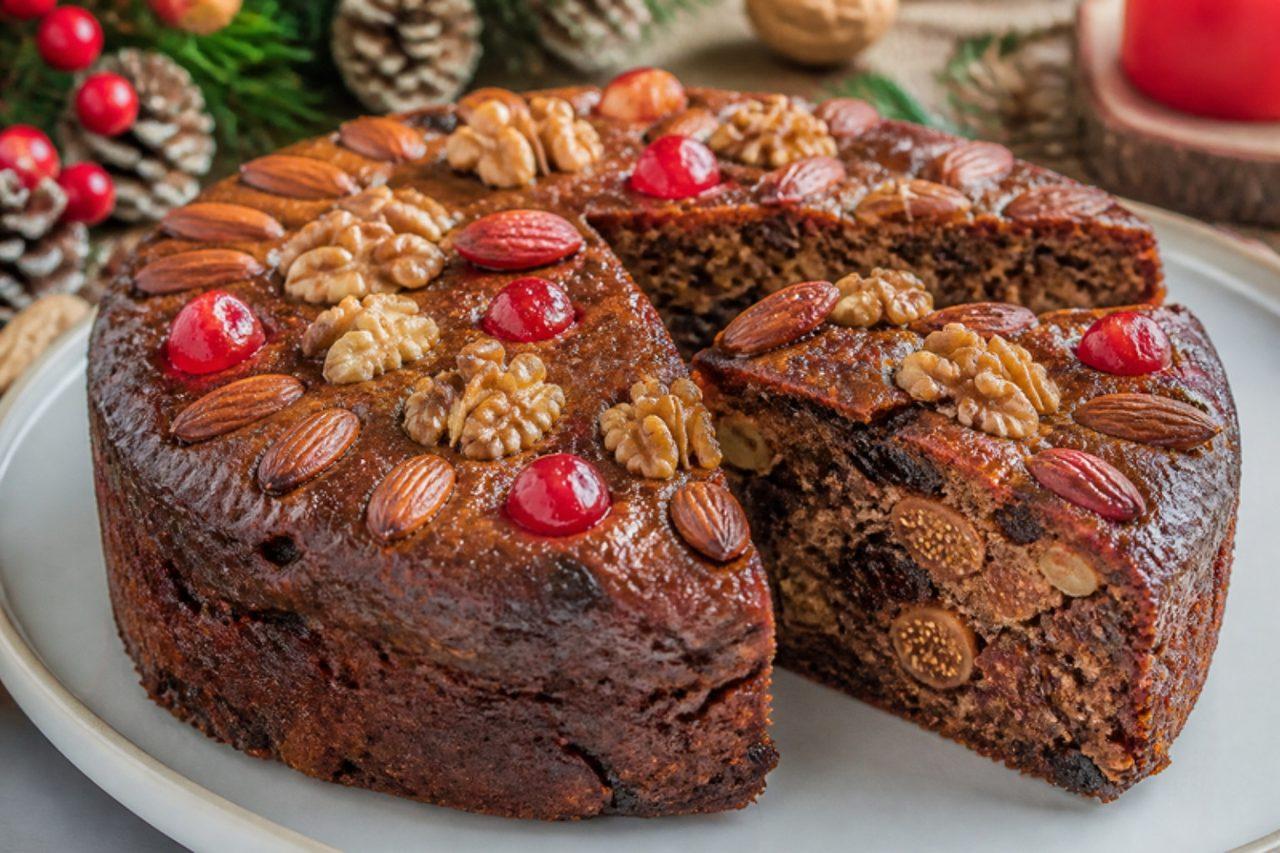
ZeltenFig, walnut and raisin Christmas loaf

Zelten comes from the Alpine valleys of Trentino and South Tyrol, where it is baked around St Lucy's Day and eaten slowly until Epiphany, a slice at a time after Christmas dinner. The Trentino version is a dark, dense cake packed with dried figs, raisins, walnuts and pine nuts in just enough soft yeasted dough, topped with a pattern of whole nuts and cherries. Grappa or rum is usually poured over the fruit; here it is soaked in warm orange juice, and adults can add 2 tbsp rum to the soak. It keeps for 3 weeks wrapped. Chef's tip: press the decorative nuts in firmly before baking, or they pop off as the loaf rises.

by KrazyBadal 0 views

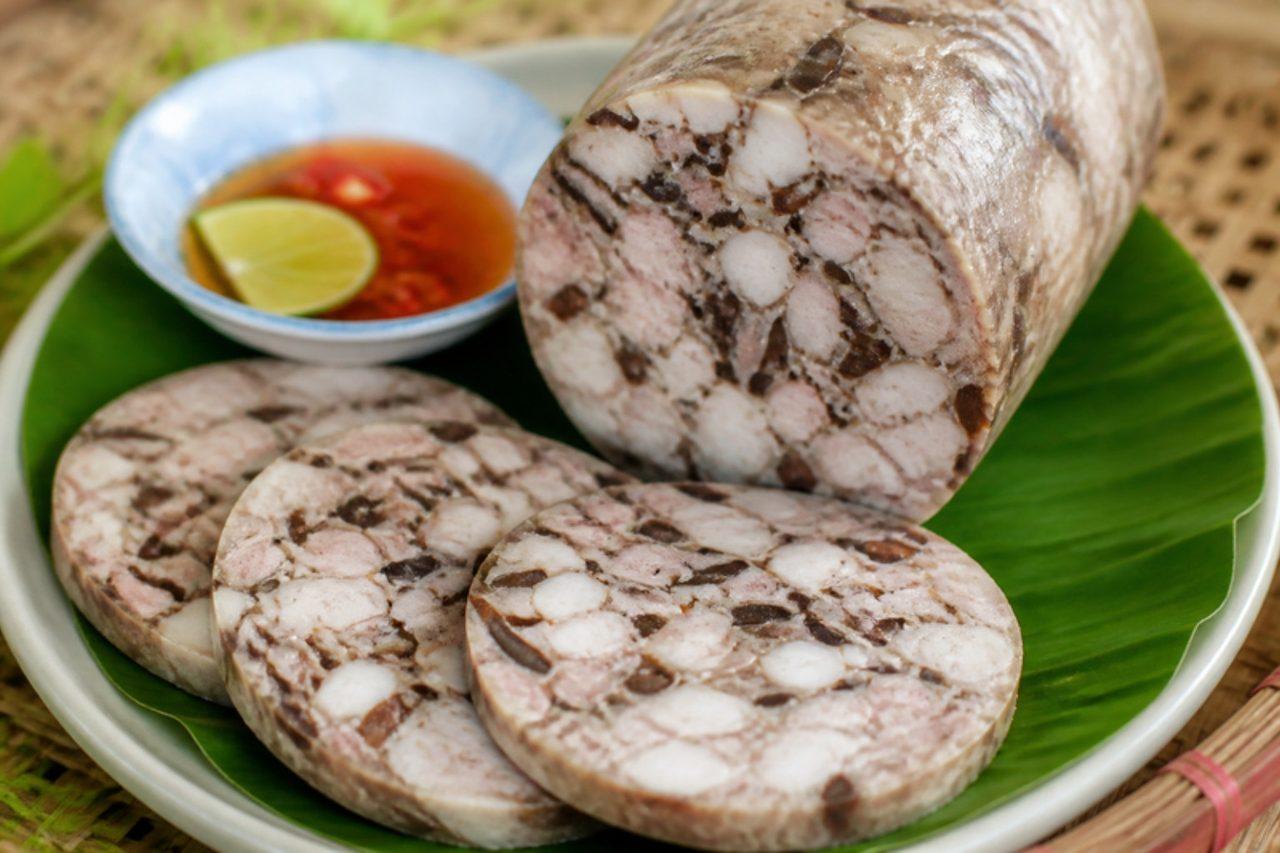
Giò thủ (pressed pork roll)

Giò thủ is a northern Tết classic, a mosaic roll made from pork ear, pork tongue and boneless pork cheek meat with crunchy wood ear mushrooms and plenty of black pepper. Using these cuts is an old way of honouring the whole animal at the year's biggest feast, and the roll's neat round slices are a wish for a complete, well-ordered year. The pieces are boiled, sliced, stir-fried with fish sauce and packed hot into banana leaf, where their natural gelatine binds them as they cool. Every slice is crunchy, chewy and peppery; serve with pickled shallots, fish sauce with lime and chilli, and bánh chưng. Chef's tip: pack and press the filling while it is still very hot; once it cools the gelatine sets and the roll will not hold together.

by KrazyBadal 0 views

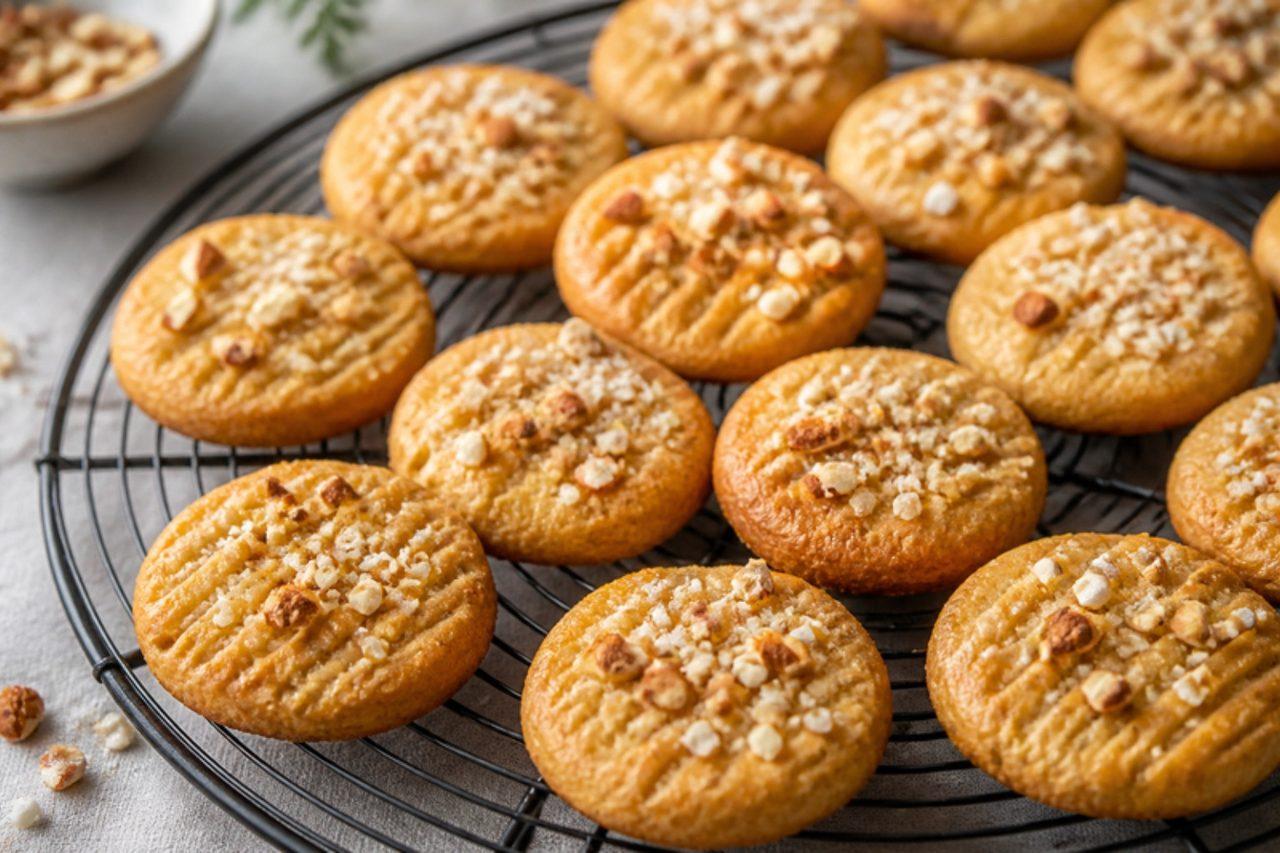
SerinakakerAlmond and pearl sugar butter biscuits

Serinakaker are the easiest of the Norwegian seven Christmas biscuits, so they are often the first one children help to bake in Advent. Small balls of rich butter dough are flattened with a fork, brushed with egg and topped with chopped almonds and pearl sugar, then baked until the edges just colour. They taste of butter and vanilla, with a crunch on top. Chef's tip: use baker's ammonia (hjortetakksalt) if you can find it for the traditional crisp-light snap; baking powder works too but gives a softer biscuit.

by KrazyBadal 0 views

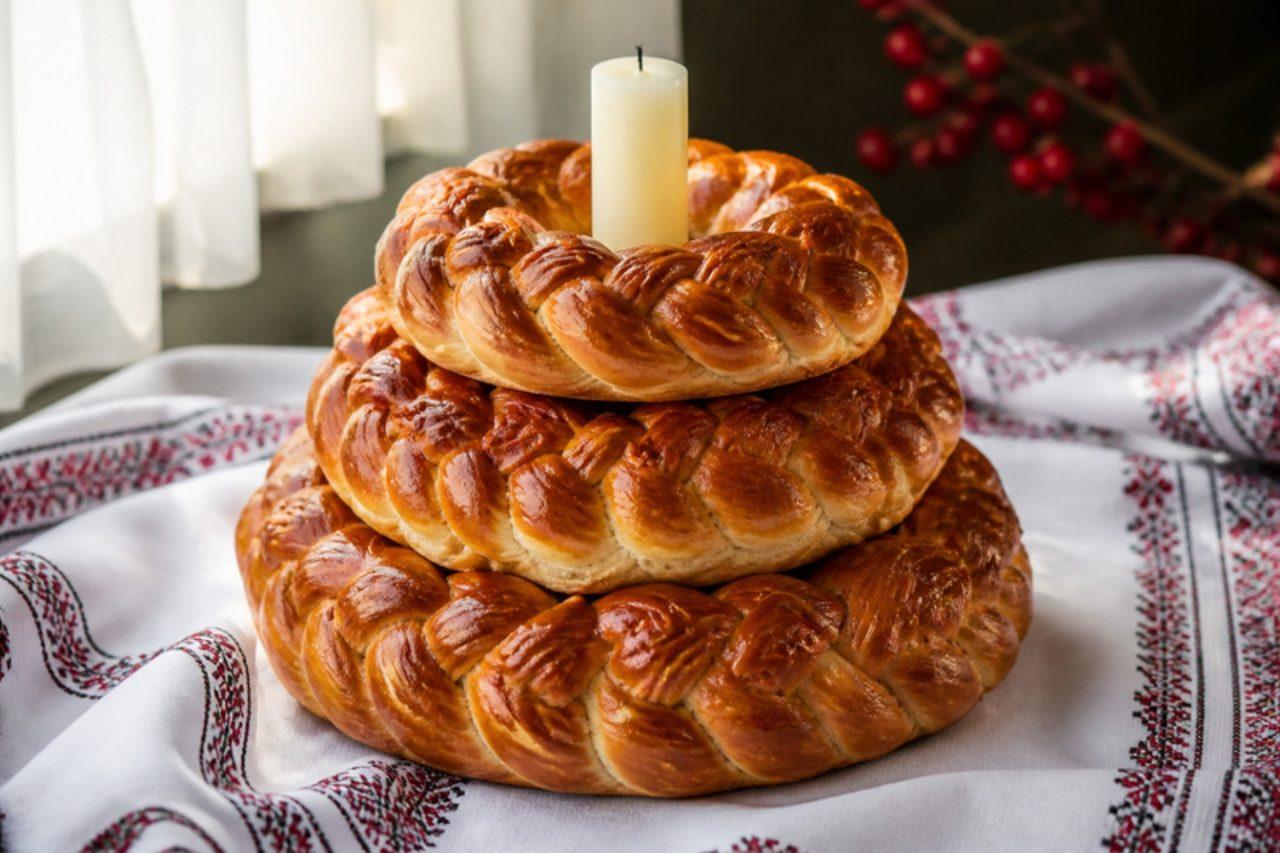
KolachBraided Christmas ring bread

Kolach is the bread at the centre of the Ukrainian Christmas Eve table: three braided rings of rich white dough stacked on top of each other, for the Holy Trinity, with a candle set in the middle. It stays there all through the Holy Supper and is shared afterwards. The dough is lightly sweet with egg and butter, and the braids bake to a deep, glossy brown. A single ring is fine for a smaller household. Chef's tip: braid the strands loosely, as they need room to swell; tight braids tear open in the oven.

by KrazyBadal 0 views

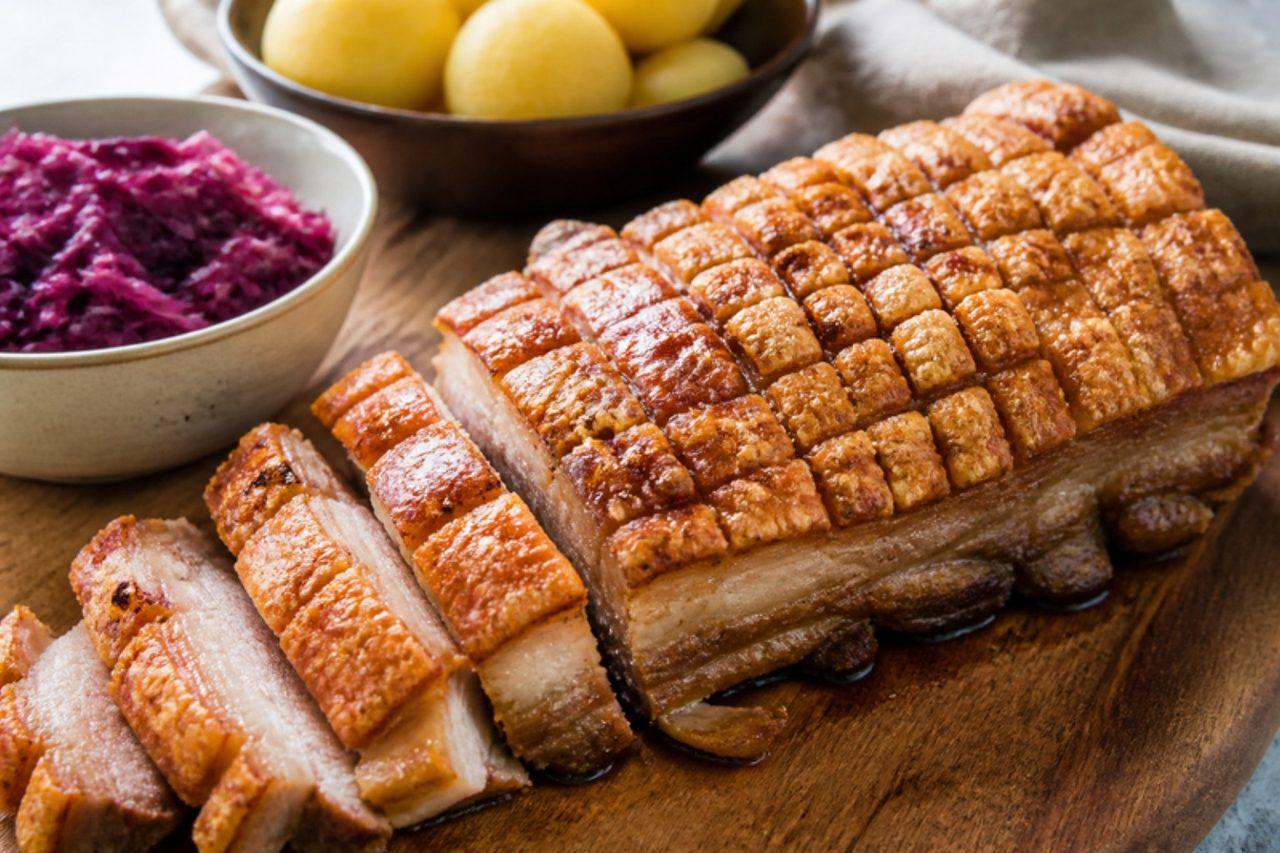
JuleribbeRoast pork belly with crackling

In much of Norway, Christmas Eve means ribbe: a slab of pork belly with the ribs left in, roasted until the scored rind puffs into crackling and the meat beneath is soft and juicy. It is served with medisterkaker, tangy caraway sauerkraut, red cabbage, boiled potatoes and gravy from the pan. Butchers sell ribbe ready scored in squares at Christmas. Chef's tip: salt the rind and leave it uncovered in the fridge for 1–2 days; a dry rind is the secret of the crackling.

by KrazyBadal 0 views

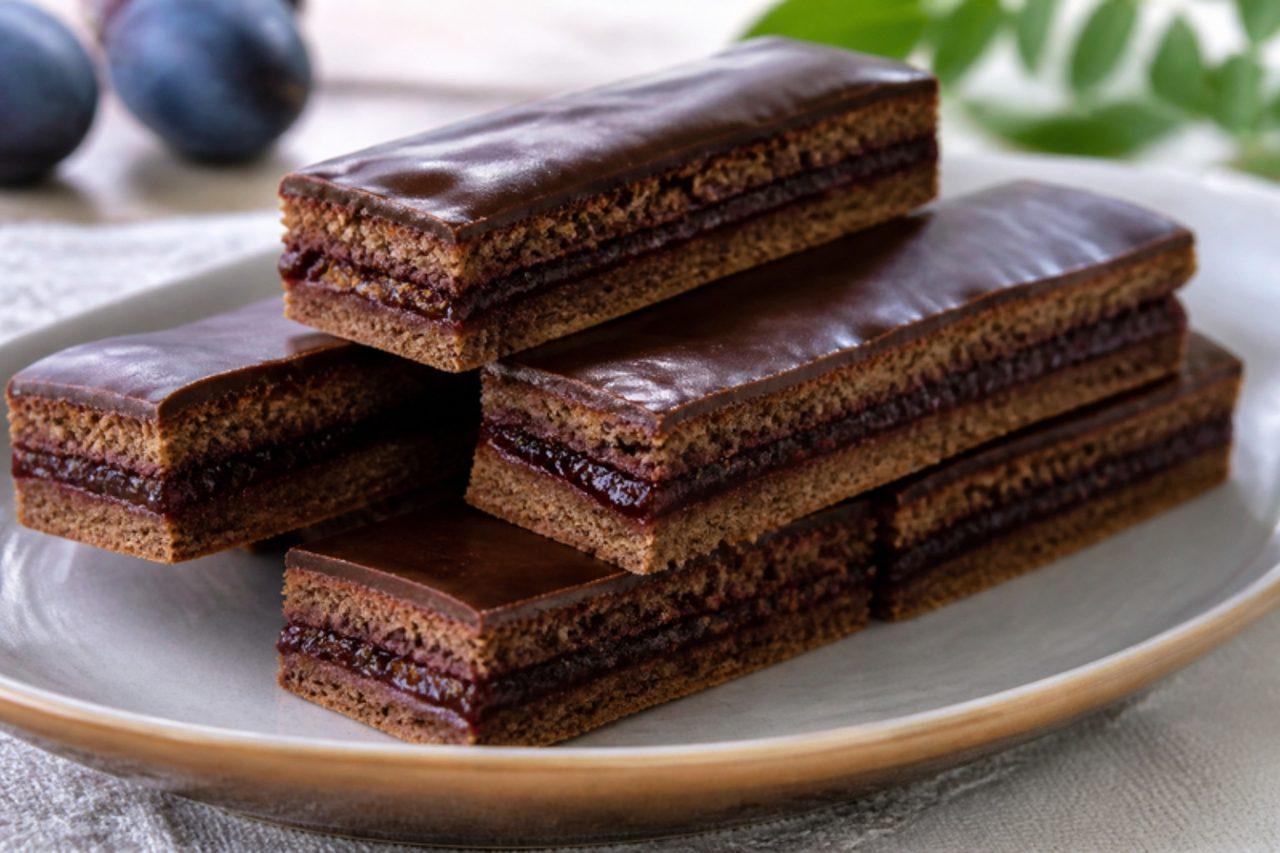
Piernik staropolskiHoney spice cake with plum jam

Piernik staropolski is the grand Polish Christmas gingerbread, and the old tradition is to mix the honey dough in November (once even at a child's birth) and leave it to mature for weeks in a cool place, which deepens the spice and makes the cake tender. It is baked a few weeks before Christmas, split into layers with powidła (thick plum butter), glazed with chocolate and left to soften again. This home version rests the dough for at least 3 days. Chef's tip: wrap the baked layers and let them sit for 3 days before filling; fresh piernik is hard, and it softens as it absorbs moisture from the jam.

by KrazyBadal 0 views

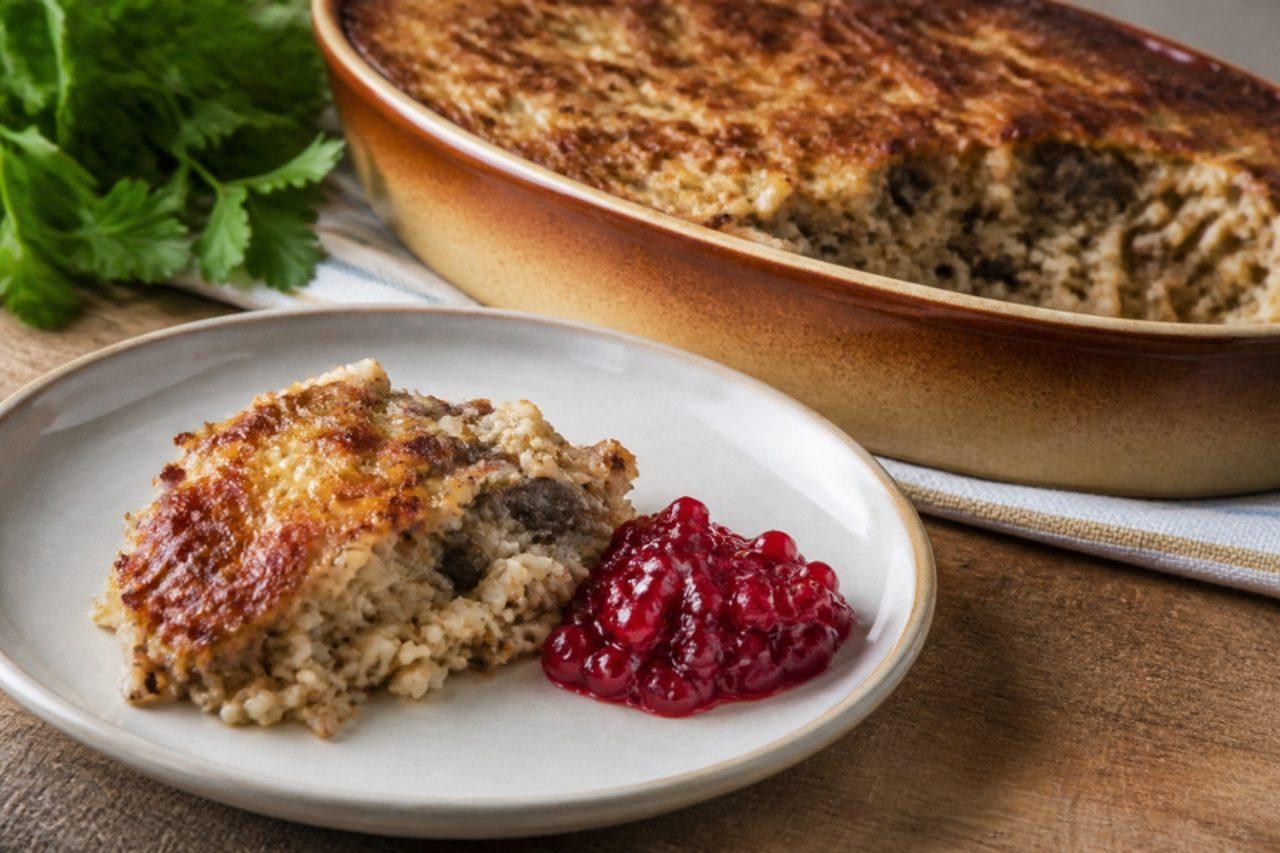
MaksalaatikkoLiver and rice casserole

Maksalaatikko is a baked casserole of rice, milk, minced liver, onion, raisins and a little syrup, and it is one of the old dishes on the Finnish Christmas table, eaten all year too. It sounds unusual, but the liver softens into a mild, savoury custard and the raisins and syrup give a gentle sweetness, all cut by sharp lingonberry jam. This version uses pork or calf's liver, minced or very finely chopped; pork liver is the most traditional. Chef's tip: soak the minced liver in milk while the rice cooks, which mellows the flavour.

by KrazyBadal 0 views

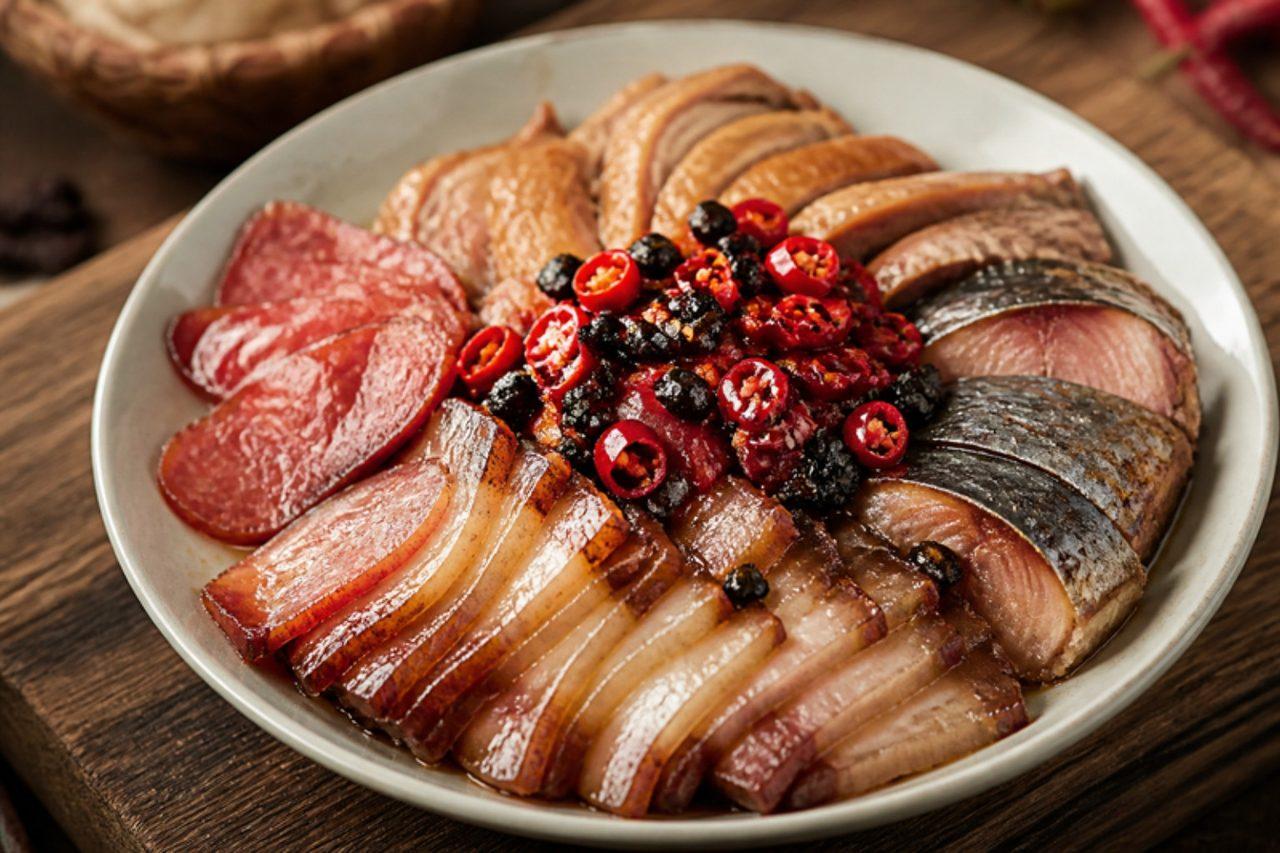
La wei he zheng (Hunan steamed cured meats)

La wei he zheng, 'cured flavours steamed together', is a showpiece of Hunan's Spring Festival table: a bowl of smoky cured pork belly, cured chicken and dried fish, layered and steamed until their juices mingle. Cured meats are made in the coldest month to last through the holiday, so a heaped bowl promises a family that will never go short. The fat turns melting and translucent, the fish smoky and firm, and fermented black beans and chilli give a salty, fiery lift. The easy route is shop-bought Chinese cured pork belly and sausage from an Asian grocer; many brands contain a little rice wine, so check the label if you avoid alcohol. Serve with plenty of plain rice and a stir-fried green. Chef's tip: steam everything whole first, then slice; cured meat cut cold and hard shreds instead of slicing neatly.

by KrazyBadal 0 views

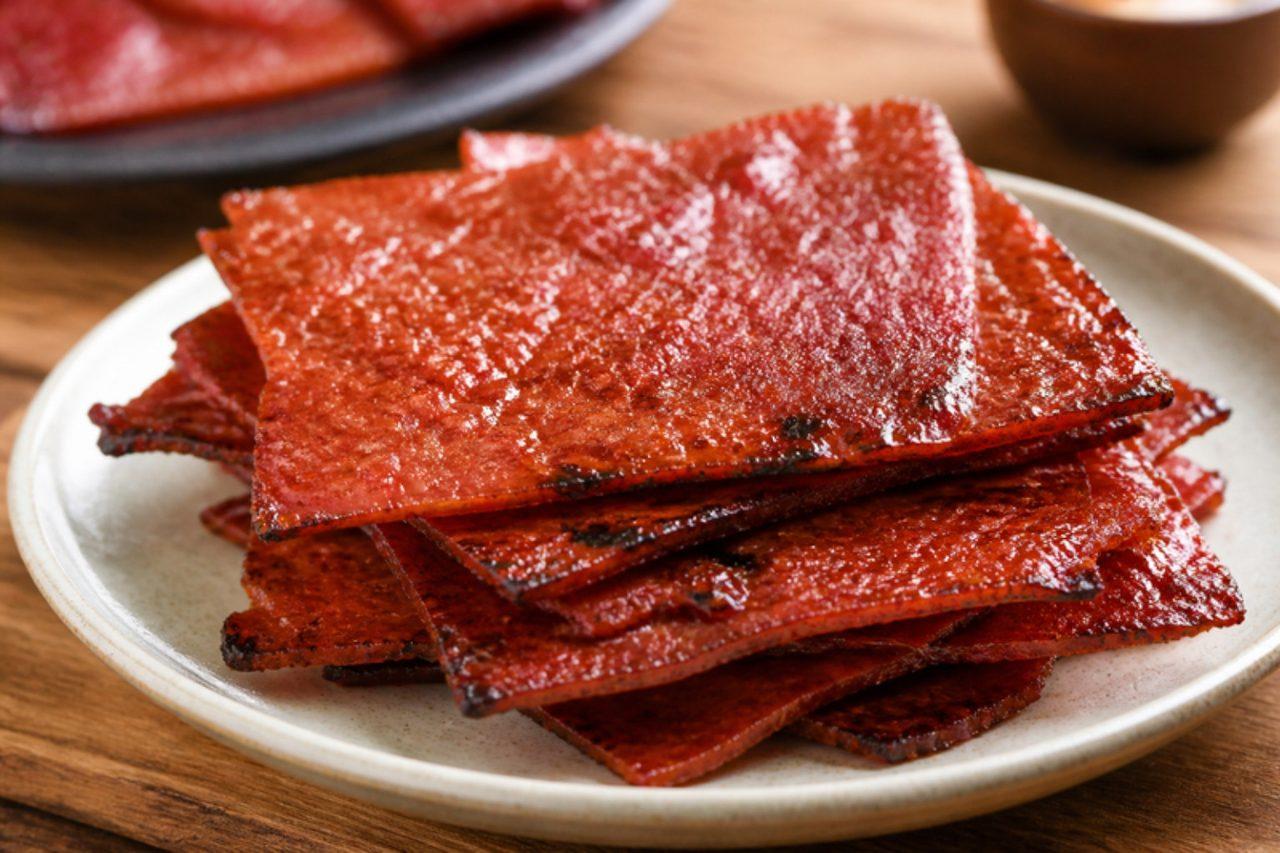
Bak kwa (barbecued dried pork)

Before Chinese New Year, queues snake round the bak kwa shops of Singapore and Malaysia, because these sweet, smoky sheets of pork are the gift everyone brings when visiting family; their deep red colour stands for luck. At home you can make them from minced pork mixed with sugar, soy, fish sauce and a splash of Shaoxing rice wine, spread thin, dried in a low oven and then grilled until caramelised and blistered at the edges, chewy and sticky-sweet. For an alcohol-free version, swap the Shaoxing wine for the same amount of unsalted stock with a few drops of rice vinegar. Eat it warm on its own, or tucked into a soft white bun. Chef's tip: roll the mince between two sheets of baking paper to 2–3 mm; any thicker and it stays soft in the middle instead of turning into proper jerky.

by KrazyBadal 0 views

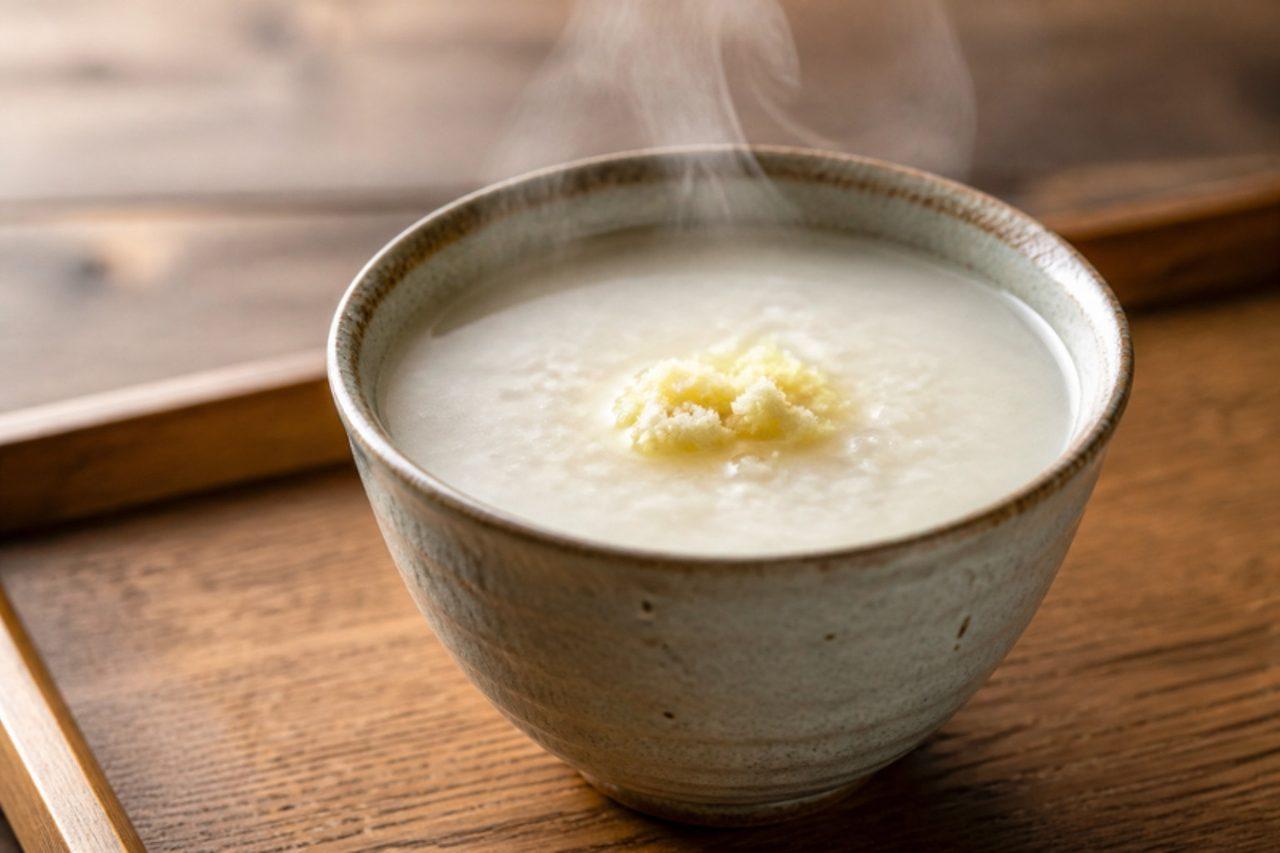
Amazake (sweet koji rice drink)

On New Year's Day, crowds queuing for hatsumōde, the first shrine visit of the year, warm their hands on cups of amazake, and shrines all over Japan ladle it out as a welcome. This is the koji kind: cooked rice is held warm with rice koji, whose enzymes turn the starch into sugar, so the drink is sweet with no added sugar and contains no alcohol (unlike the other amazake made from sake lees). It is thick, creamy and gently fragrant, a little like rice pudding you can drink. Serve it hot with a pinch of grated ginger, or chilled in summer. Chef's tip: a cheap probe thermometer is the whole secret; keep the mixture at 55–60 °C and it will turn sweet every time.

by KrazyBadal 0 views

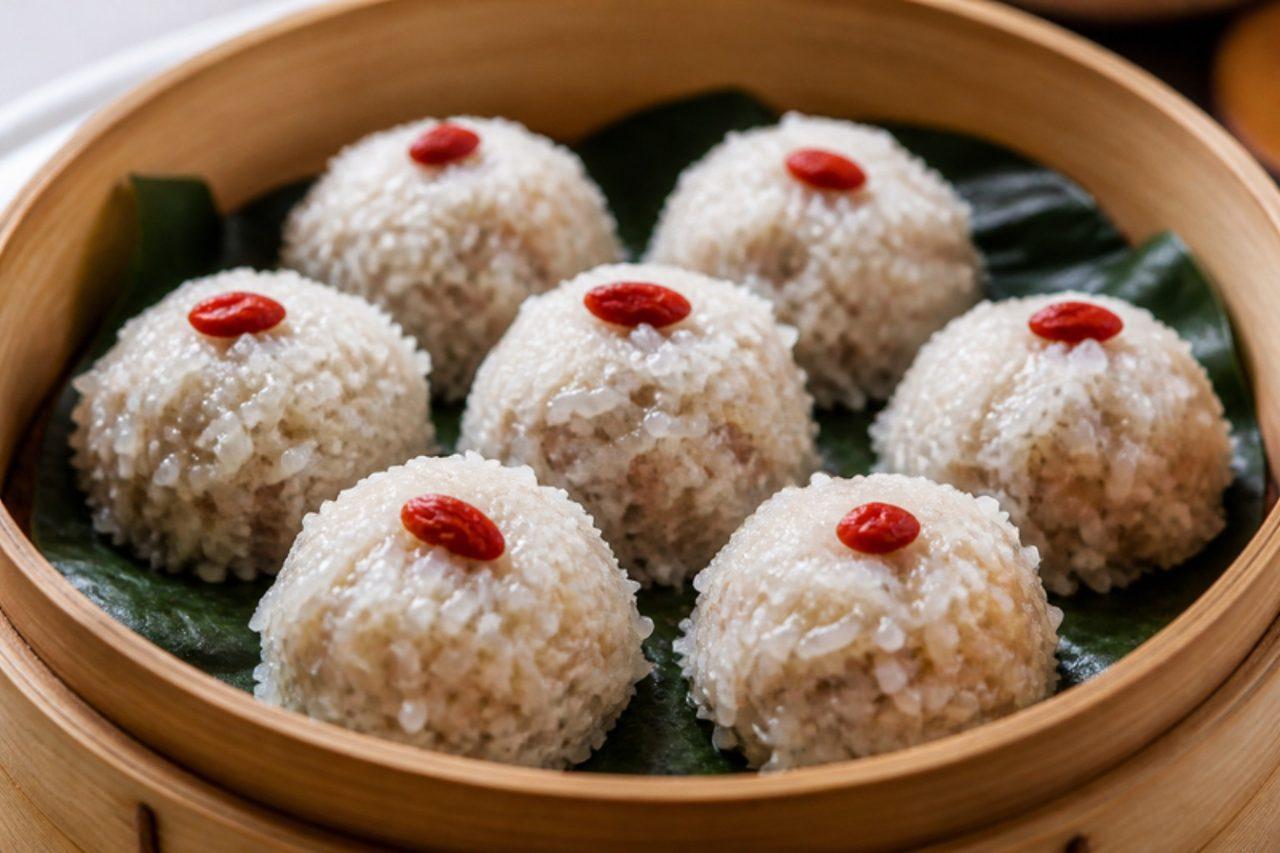
Zhenzhu wanzi (pearl meatballs)

Pearl meatballs come from Mianyang in Hubei, where they are a fixture of the Spring Festival banquet: round shapes stand for a family gathered whole, and the gleaming grains of rice for pearls and wealth. Steaming turns the glutinous rice coating translucent and slightly chewy, while the pork inside stays tender and juicy, with crunch from water chestnuts. They are mild and soft, so children love them, and they look beautiful on a steamer of mixed dim sum or as one of the many dishes at the reunion dinner. Tamari keeps them gluten free; ordinary light soy sauce works if that does not matter to you. Chef's tip: beat the pork in one direction until sticky before shaping; it keeps the meatballs bouncy and stops the rice from falling off.

by KrazyBadal 0 views

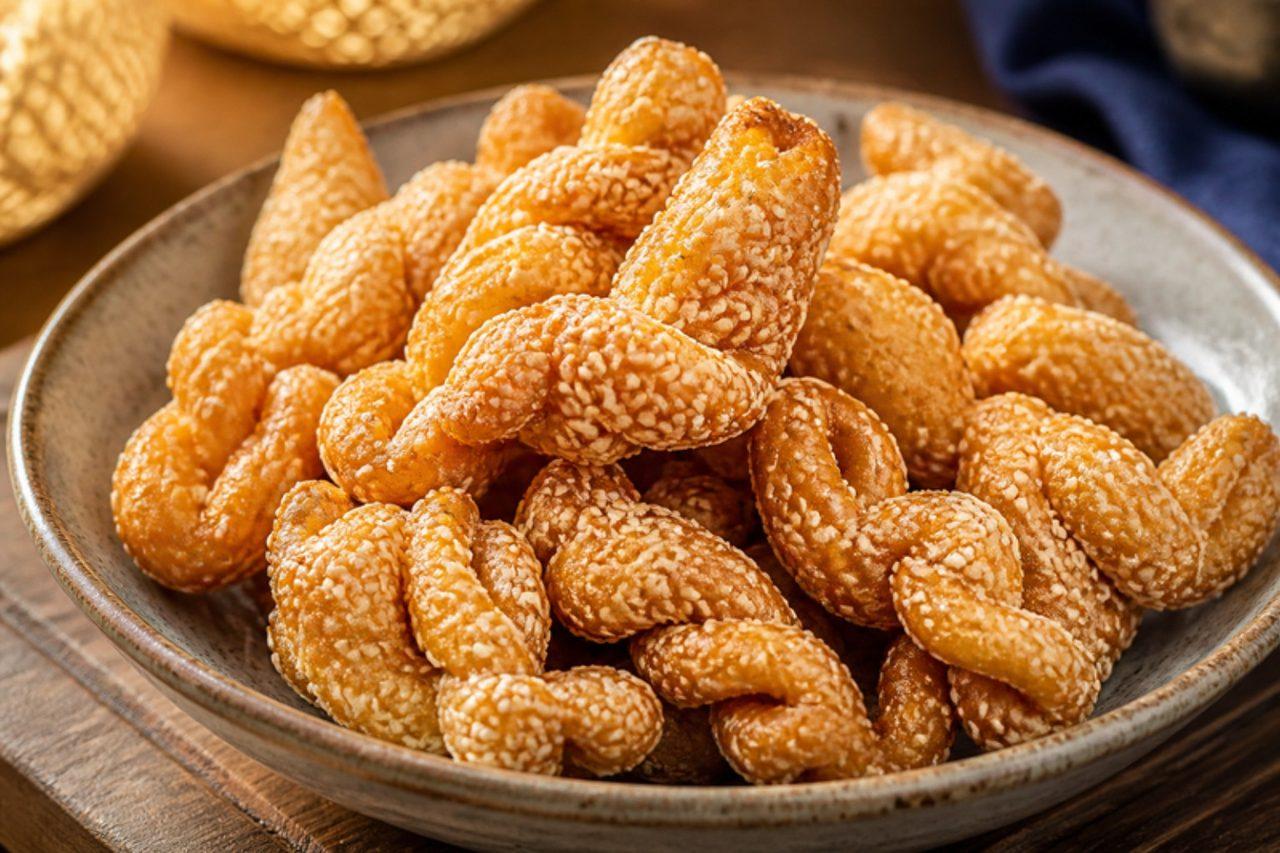
Qiaoguo (Qixi fried pastries)Sesame sugar fried dough knots

Qiaoguo, 'skill fruits', are fried for Qixi on the seventh night of the seventh lunar month in Zhejiang and Jiangsu. The festival celebrates the Weaver Girl and the Cowherd, the star-crossed lovers who meet once a year, and girls once set out these pastries and asked the Weaver Girl to make them clever with their hands; the neat twists and cut-out shapes show off that skill. They are crunchy, lightly sweet and toasty with sesame, like a delicate biscuit. Serve a plate under the evening sky with tea, melon and fruit. Chef's tip: roll the dough thin, about 2 mm; thicker pieces stay hard in the middle instead of crisp.

by KrazyBadal 0 views

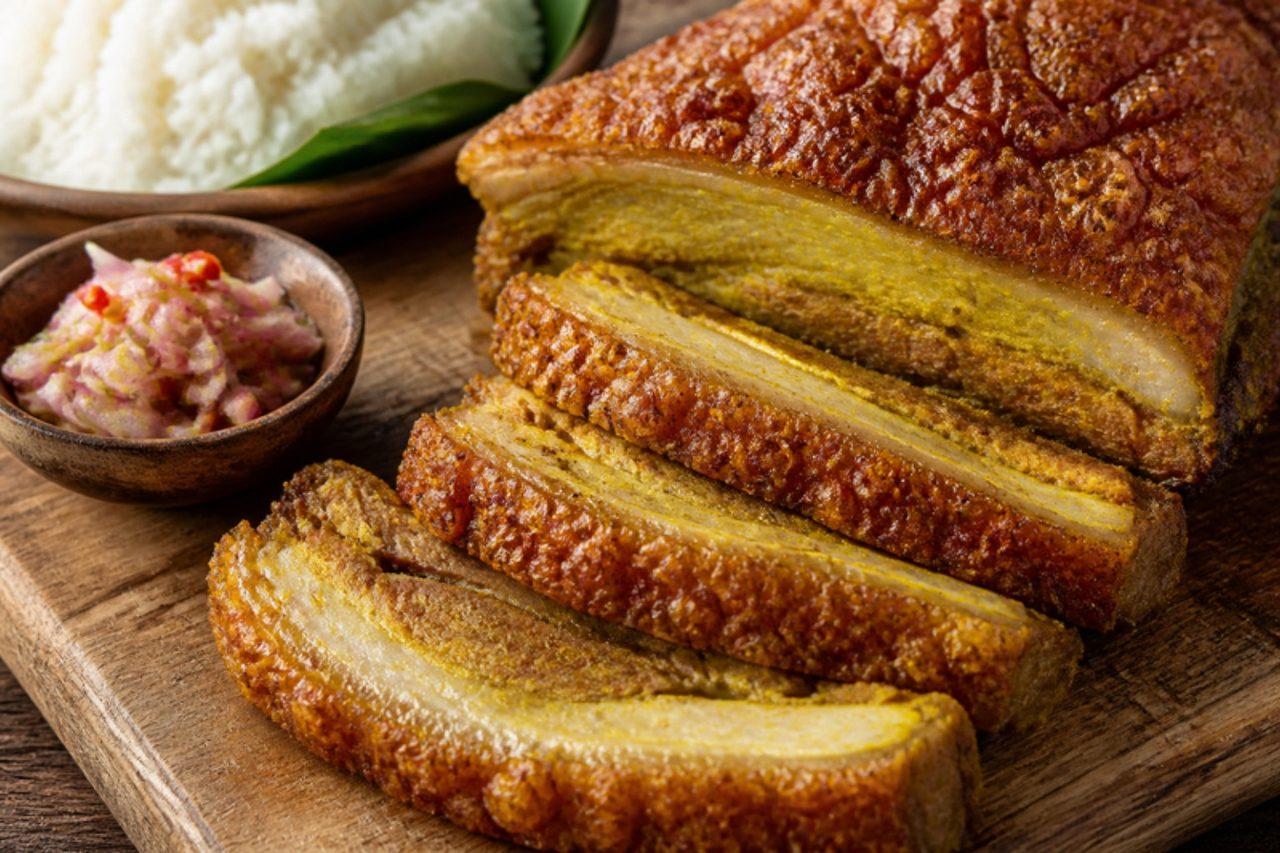
Balinese spiced roast pork belly (babi guling style)

Babi guling is the great feast dish of Bali for Galungan and temple ceremonies: at the festival, a whole pig is stuffed with spice paste and turned on a spit over a wood fire for hours. This home version uses a slab of skin-on pork belly instead, with the same base genep stuffing rubbed into the meat and the same goal: tender, spice-soaked pork under crisp, golden crackling. Turmeric, galangal, lemongrass and chilli give it heat and a bright yellow colour, and the pork fat keeps every slice juicy. Serve it sliced with steamed rice, a little of the cooked spice from the tin, long beans and a sharp, fresh sambal matah. Chef's tip: leave the skin uncovered in the fridge overnight; a really dry skin is the secret of crackling that shatters.

by KrazyBadal 0 views

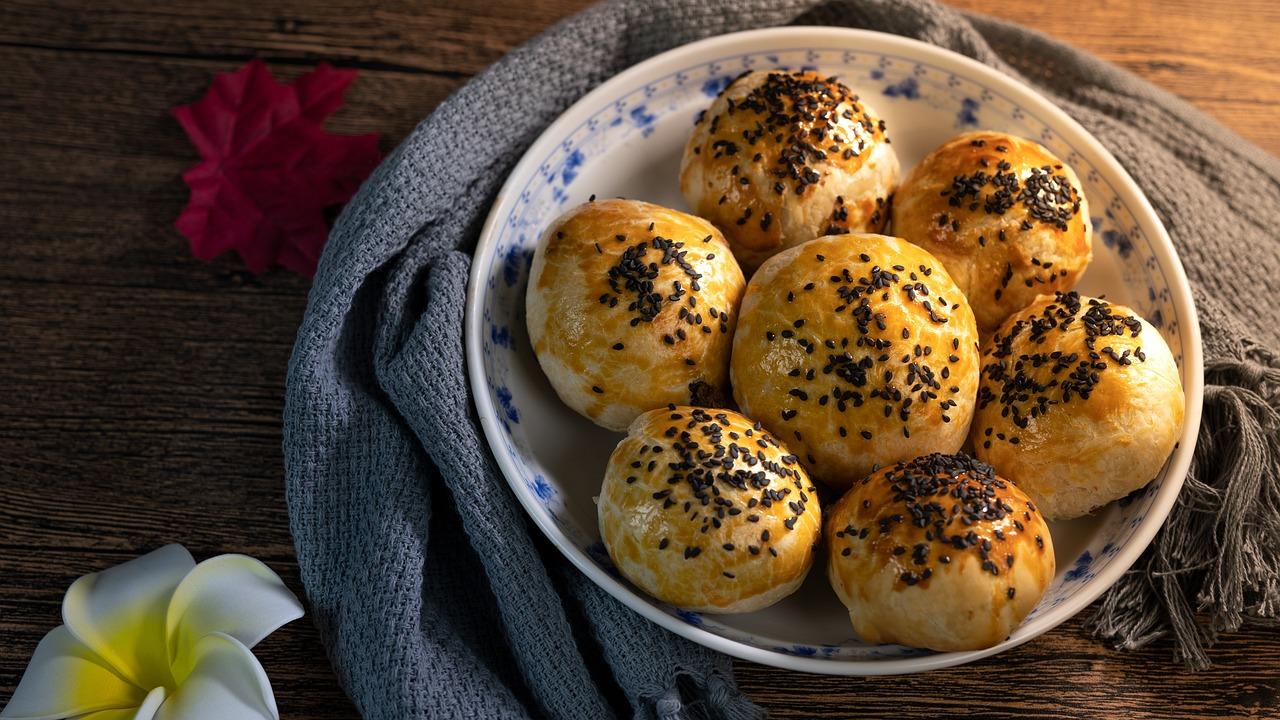
Dan huang su (egg yolk pastry)Salted egg yolk pastry

Dan huang su is Taiwan's favourite Mid-Autumn pastry, given in gift boxes across the island in the weeks before the festival. The whole golden yolk hidden in the centre stands for the full moon, and the round, glossy pastries look like little moons themselves when you share them at the family reunion. Under a shell of dozens of flaky layers sits sweet red bean paste and a salty, rich, slightly crumbly duck egg yolk. Bakeries traditionally use lard in the pastry; this version uses butter, so it is vegetarian. Serve with oolong tea under the moon, cut in half to show the yolk. Chef's tip: roast the salted yolks first until they look oily and set, which takes away any eggy smell and gives the best flavour.

by KrazyBadal 0 views

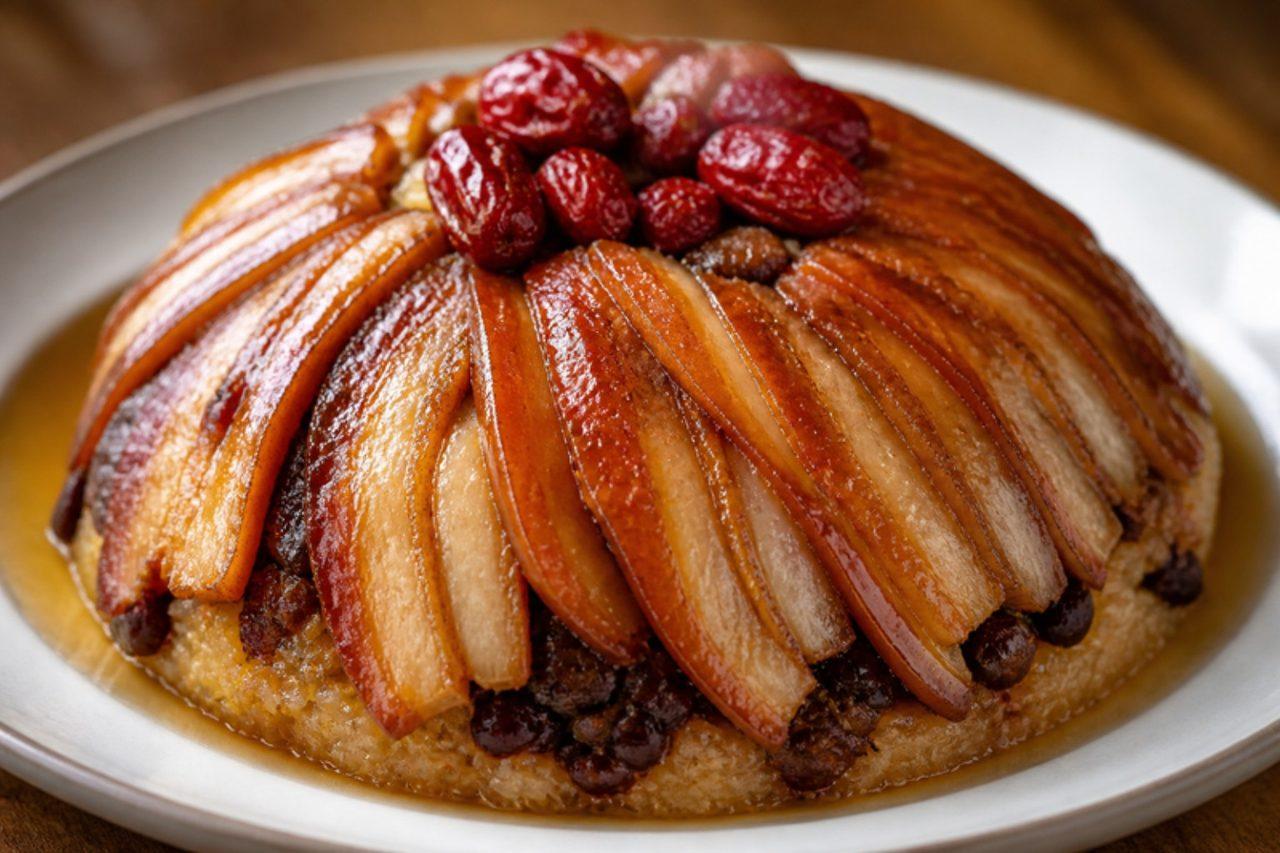
Tian shao bai (sweet pork belly over sticky rice)

Tian shao bai is one of the 'three steamed bowls' of a Sichuan countryside banquet, and no Spring Festival feast there is complete without it. Thick slices of pork belly are cut into hinged pockets, filled with sweet red bean paste and packed into a bowl over glutinous rice with brown sugar, then steamed for hours and turned out as a glossy dome: sweetness for the year ahead and a richness that says the harvest was good. The pork fat melts into the rice, the skin turns soft and wobbly, and the bean paste and sugar make it rich and sticky like a pudding. Serve it towards the end of the meal in small portions with tea. Chef's tip: chill the boiled belly before slicing; cold pork cuts into clean, even slices that hold together.

195 minChineseMeat
by KrazyBadal 0 views

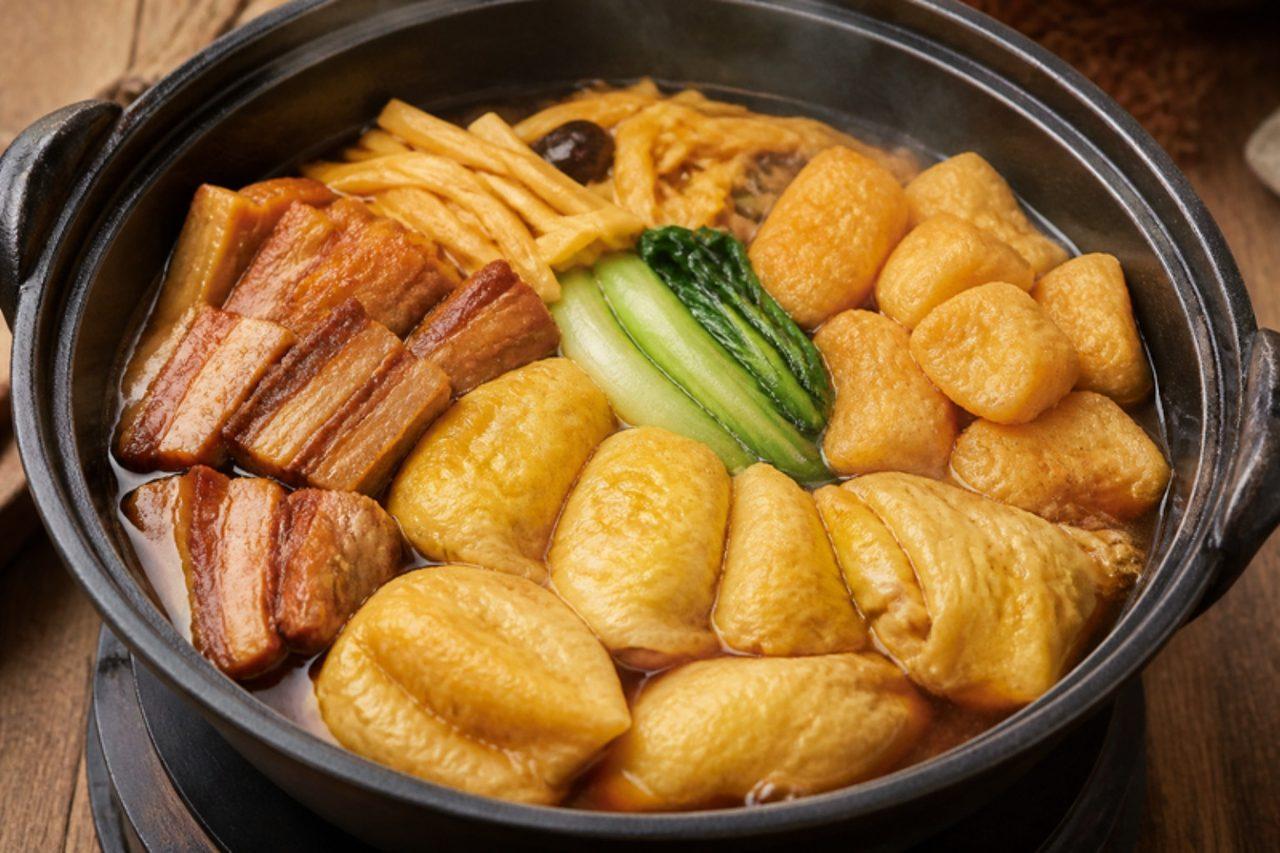
Huizhou yi pin guo (layered New Year one-pot)Layered pork and tofu pot

In the Huizhou hill villages of southern Anhui, the Spring Festival centrepiece is yi pin guo, 'first-rank pot', named after the highest rank of imperial official and served as a wish for success in the coming year. Everything goes into one wide pot in layers: dried bamboo shoots at the bottom, then pork belly, fried tofu, egg dumplings filled with pork, and greens on top, so the juices of each layer drip down and season the one below. The result is rich and savoury, the bamboo soaked with pork fat, the tofu spongy with broth. Bring the pot to the table and let everyone dig down through the layers, with rice on the side. Chef's tip: soak the dried bamboo shoots overnight and boil them well; underprepared dried shoots stay leathery and sour.

180 minChineseMeat
by KrazyBadal 0 views

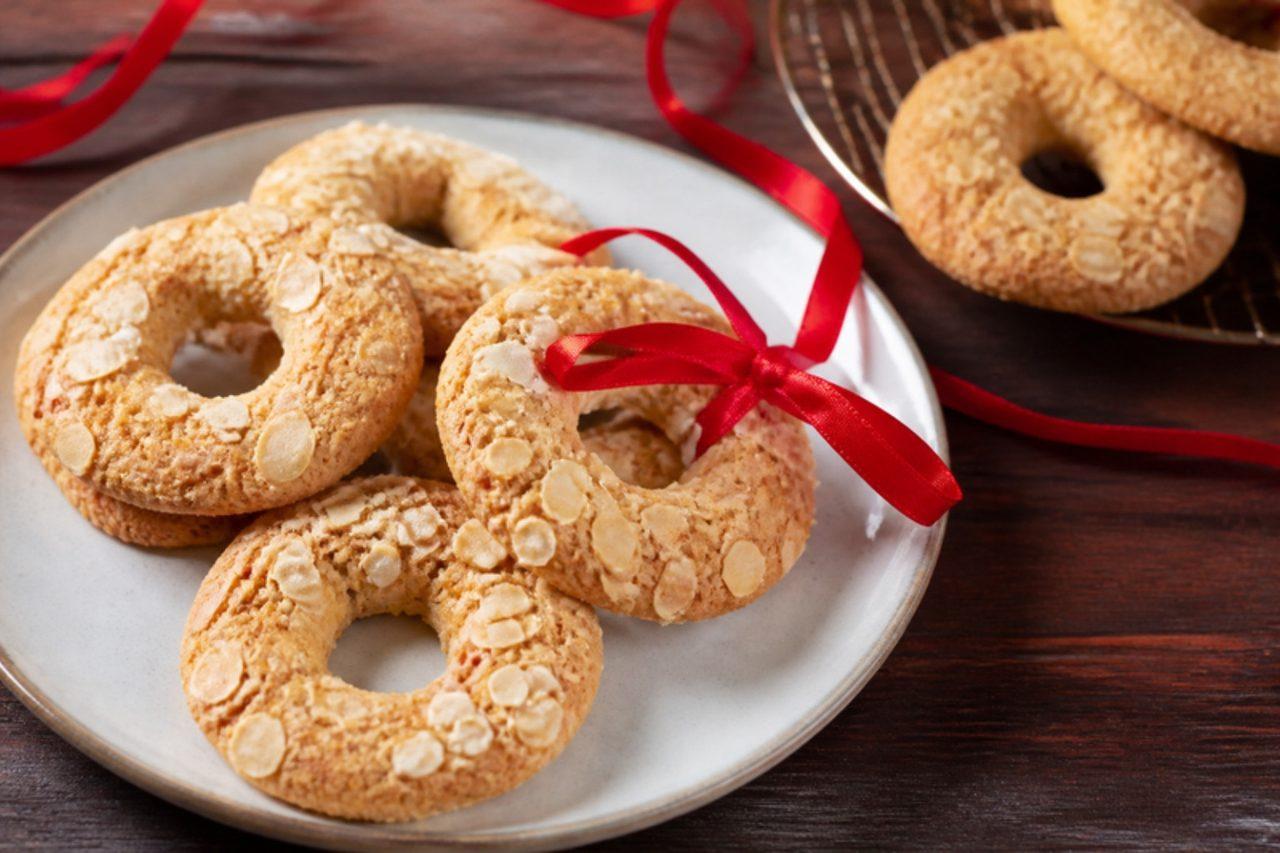
KerstkransjesAlmond butter ring biscuits

In the Netherlands, kerstkransjes are small, ring-shaped butter biscuits topped with flaked almonds and pearl sugar, traditionally threaded with a ribbon and hung on the Christmas tree for children to pick off. They are tender and buttery with a lemony crumb and a crunchy top, and keep well in a tin through the holidays. They take about 45 minutes from start to finish. Chef's tip: punch the centre hole slightly bigger than you want; it shrinks as the biscuits bake.

by KrazyBadal 0 views

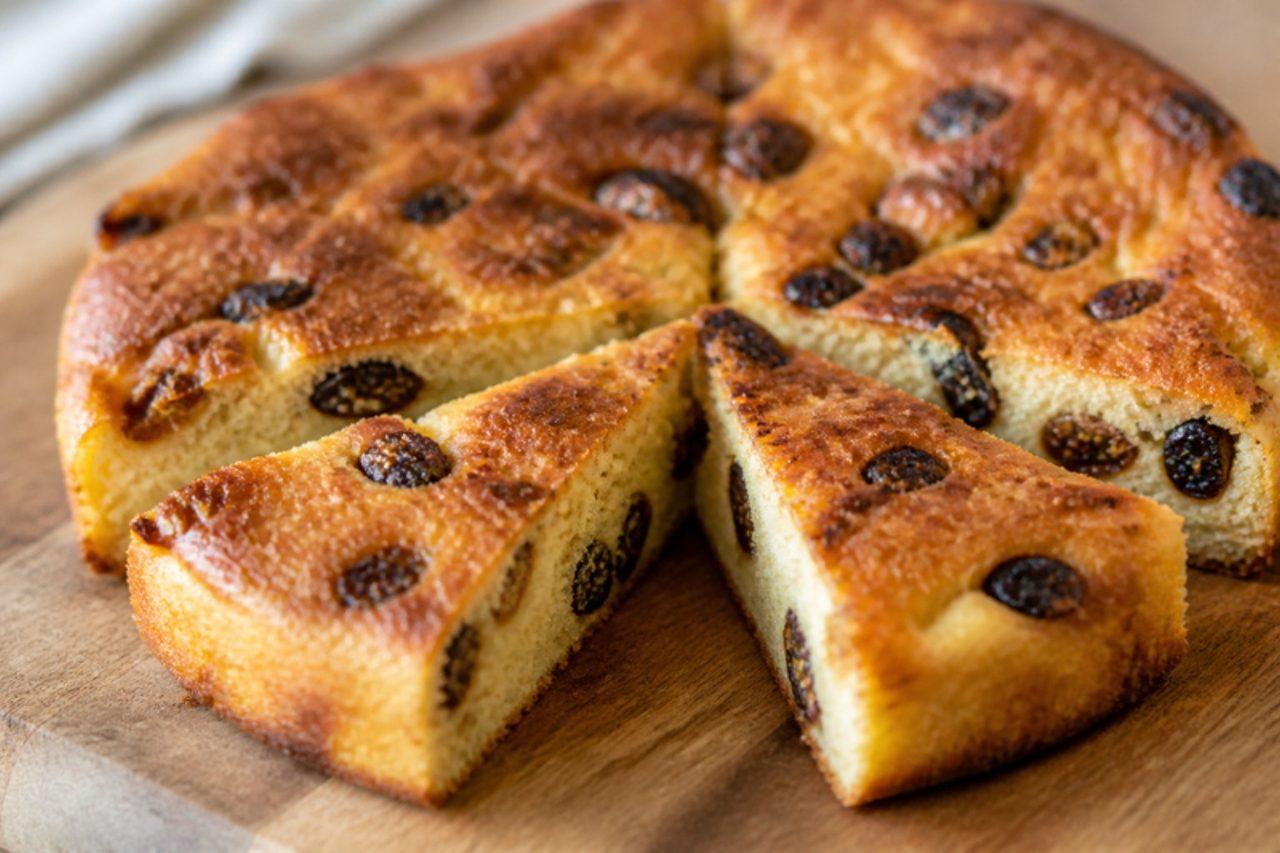
Pinza venetaPolenta and fig Epiphany cake

Pinza belongs to the eve of Epiphany in the Veneto and Friuli, when bonfires called panevin are lit in the fields and the smoke is read for the coming harvest; slices of pinza and mulled wine are handed round beside them. It is a dense, moist country cake of polenta and wheat flour, sweetened with dried figs, raisins and a little sugar, and scented with fennel seed and orange. Old recipes soak the raisins in grappa; here they are soaked in warm milk, keeping it alcohol-free. Serve it warm or cold in fat wedges. Chef's tip: cook the polenta into a soft porridge first, as dry cornmeal stirred straight into the batter stays gritty.

by KrazyBadal 0 views

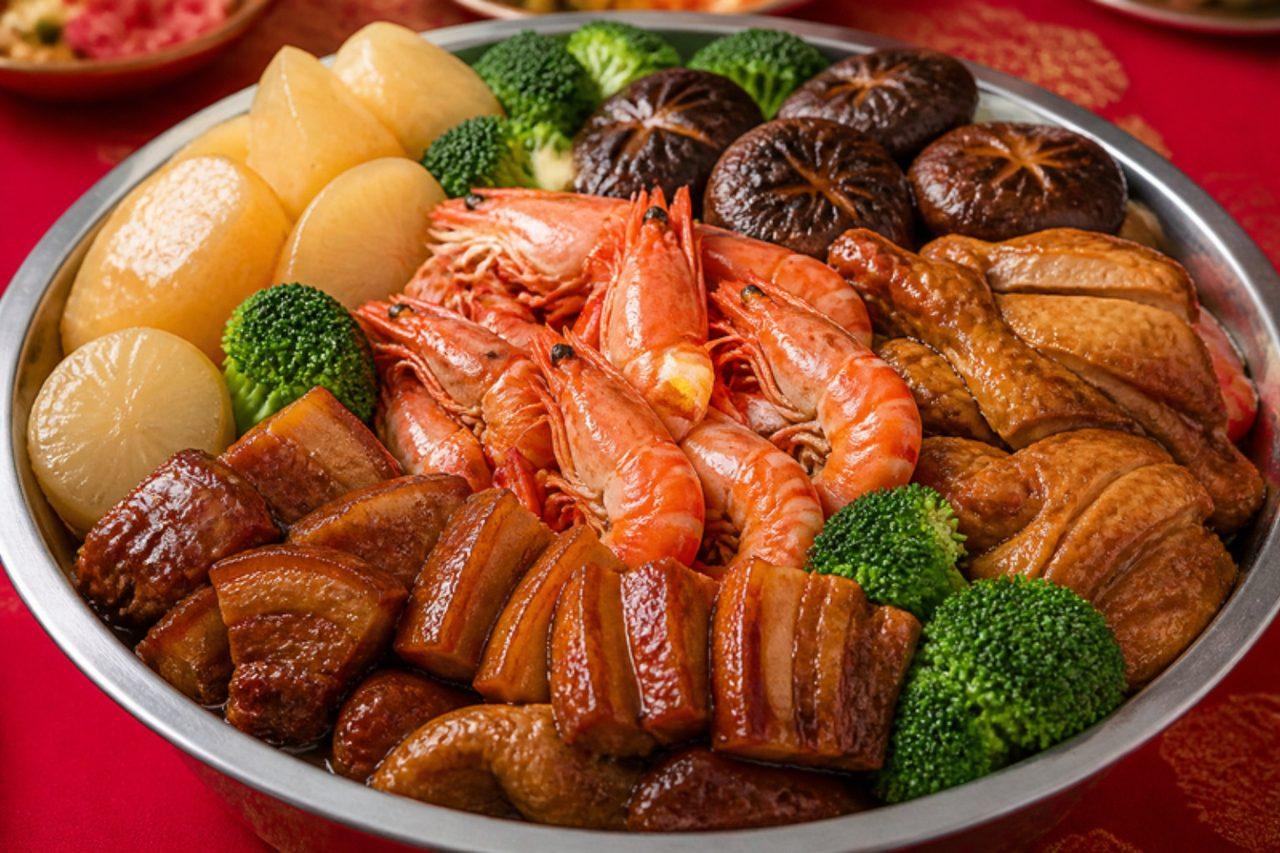
Poon choi (basin feast)Layered braised meat and seafood basin

Poon choi comes from the walled villages of Hong Kong's New Territories, where the whole clan eats from one great basin at Lunar New Year and other village celebrations; sharing a single pot stands for unity, and the layers piled to the brim for plenty. Each layer is cooked on its own and stacked so the sauces trickle downwards: soft braised pork belly and soy chicken near the top, prawns and mushrooms in the middle, and radish, tofu skin and cabbage at the bottom soaking up everything. The home version here leaves out shark fin, uses canned abalone only if you want it, and is made for 8 in a large flameproof casserole. Bring the whole basin to the table bubbling and serve with steamed rice. Chef's tip: pack the absorbent vegetables at the bottom and the showy pieces at the top; the radish should finish as the tastiest thing in the pot.

by KrazyBadal 0 views

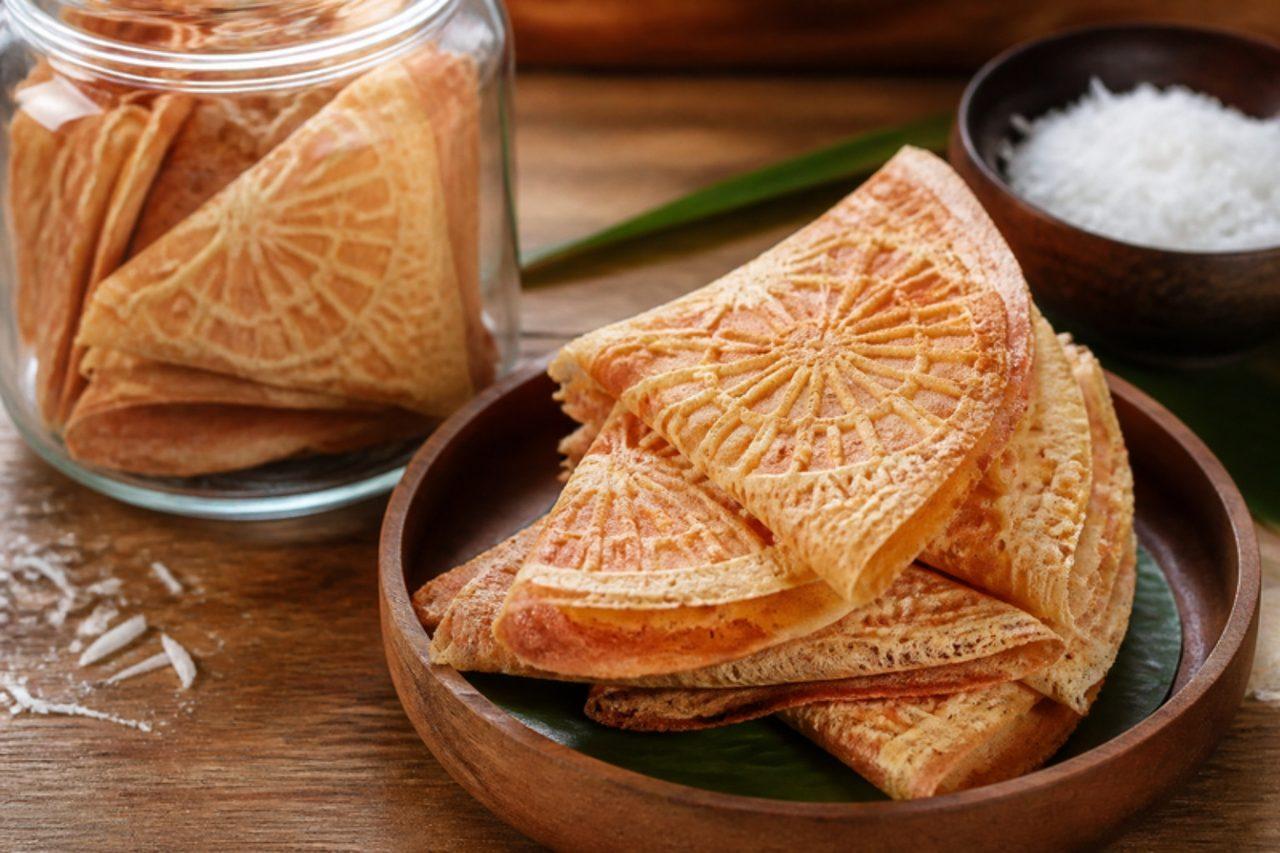
Kuih kapit (love letters)

Kuih kapit, known in English as love letters, are the crisp coconut wafers that fill tins on coffee tables across Malaysia, especially in Penang, at Chinese New Year. Their folded shape is said to hold a sweet secret message, and the patterned moulds often carry lucky symbols, so a tin of them is a wish for a sweet, happy year. Each one is a thin batter of coconut milk, eggs, sugar and rice flour cooked between hot patterned irons and folded quickly while soft, cooling into a light, shattering wafer that tastes of toasted coconut and caramel. Serve with tea, and keep the tin tightly closed. Chef's tip: the first few wafers are always for testing; adjust the heat until each one is pale gold in about 30 seconds a side.

by KrazyBadal 0 views

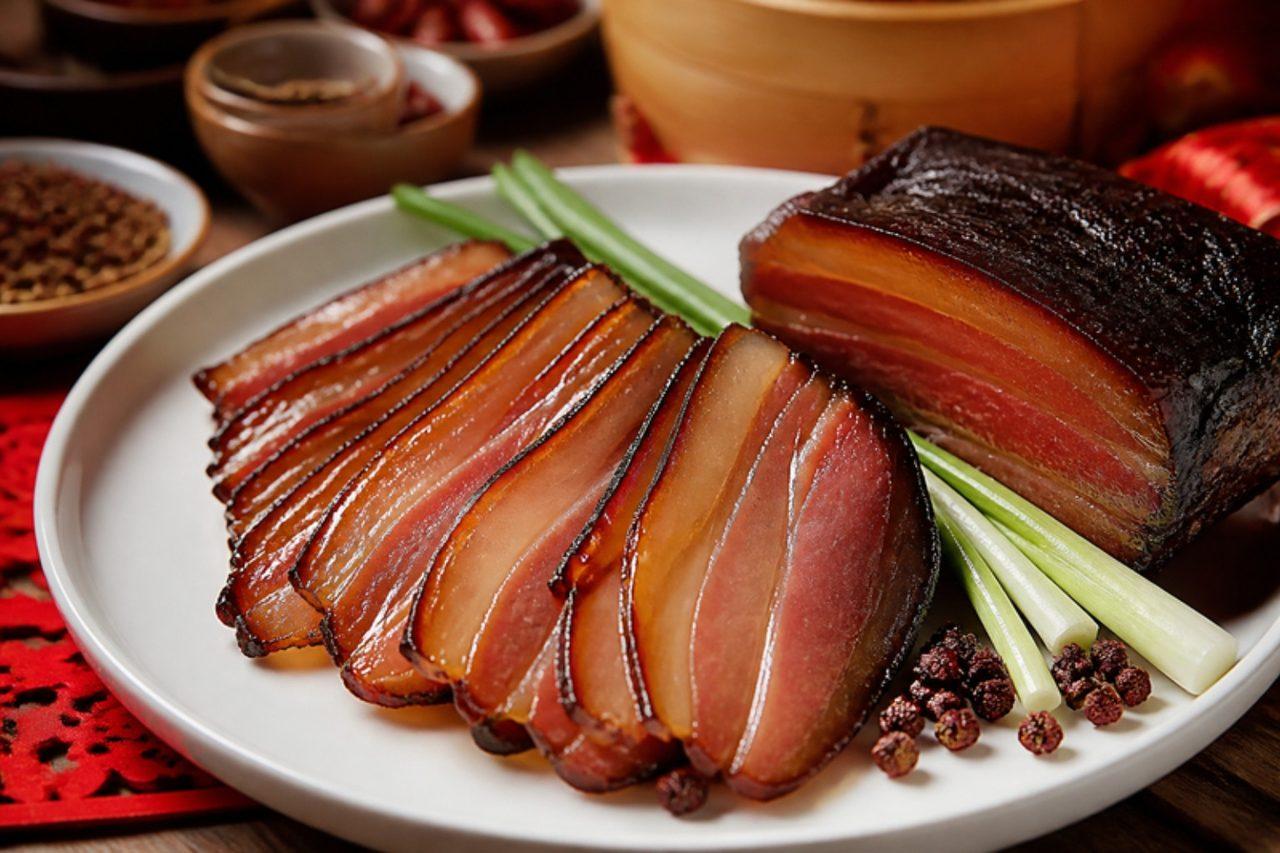
Sichuan la rou (smoked cured pork belly)

In the twelfth lunar month, balconies across Sichuan and Chongqing fill with strips of pork belly hanging to cure, and by the Spring Festival they have become la rou: smoky, salty and deeply savoury, the taste of a full larder and a prosperous year. The pork is rubbed with salt and toasted Sichuan pepper, left to cure, dried, then smoked; traditionally over cypress branches, here in a foil-lined wok with rice, sugar, tea and wood chips. Steamed and sliced thin, the fat turns translucent and the lean a deep ruby red. Serve it on its own with rice, or stir-fry the slices with garlic shoots or leeks. This home version uses pink curing salt for safety, cures and dries in the fridge, and must always be cooked before eating. Chef's tip: weigh the curing salt on scales accurate to 0.1 g; too much is harmful, too little is unsafe.

180 minChineseMeatGluten free
by KrazyBadal 0 views

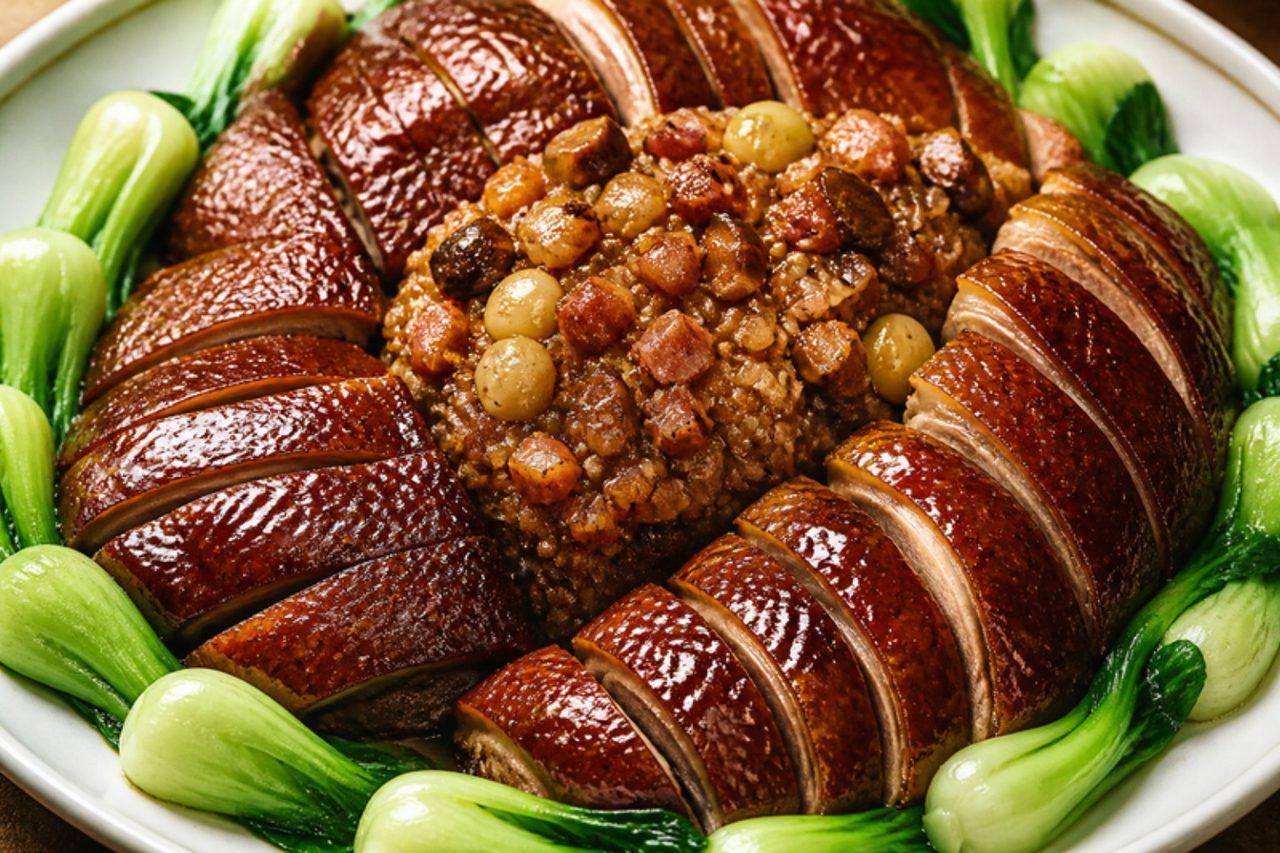
Ba bao ya (eight-treasure duck)

Ba bao ya, eight-treasure duck, is the grand centrepiece of a Shanghai or Suzhou Spring Festival dinner: eight being the luckiest number, the duck is filled with eight good things for eight kinds of fortune. A whole duck is boned so the skin stays in one piece, then packed with glutinous rice, dry-cured ham, chestnuts, shiitake, lotus seeds, bamboo shoots and dried shrimp, and braised in soy and rock sugar until deep mahogany. Cut into thick slices, it shows a mosaic of stuffing held by tender, sticky-glazed meat. The stuffing uses Chinese dry-cured ham and the braise uses Shaoxing wine; for an alcohol-free version use unsalted stock with a few drops of rice vinegar. Serve carved at the table with steamed greens. Chef's tip: ask your butcher to bone the duck and remove the head, leaving the skin intact; it saves an hour and any tears.

240 minChineseMeat
by KrazyBadal 0 views

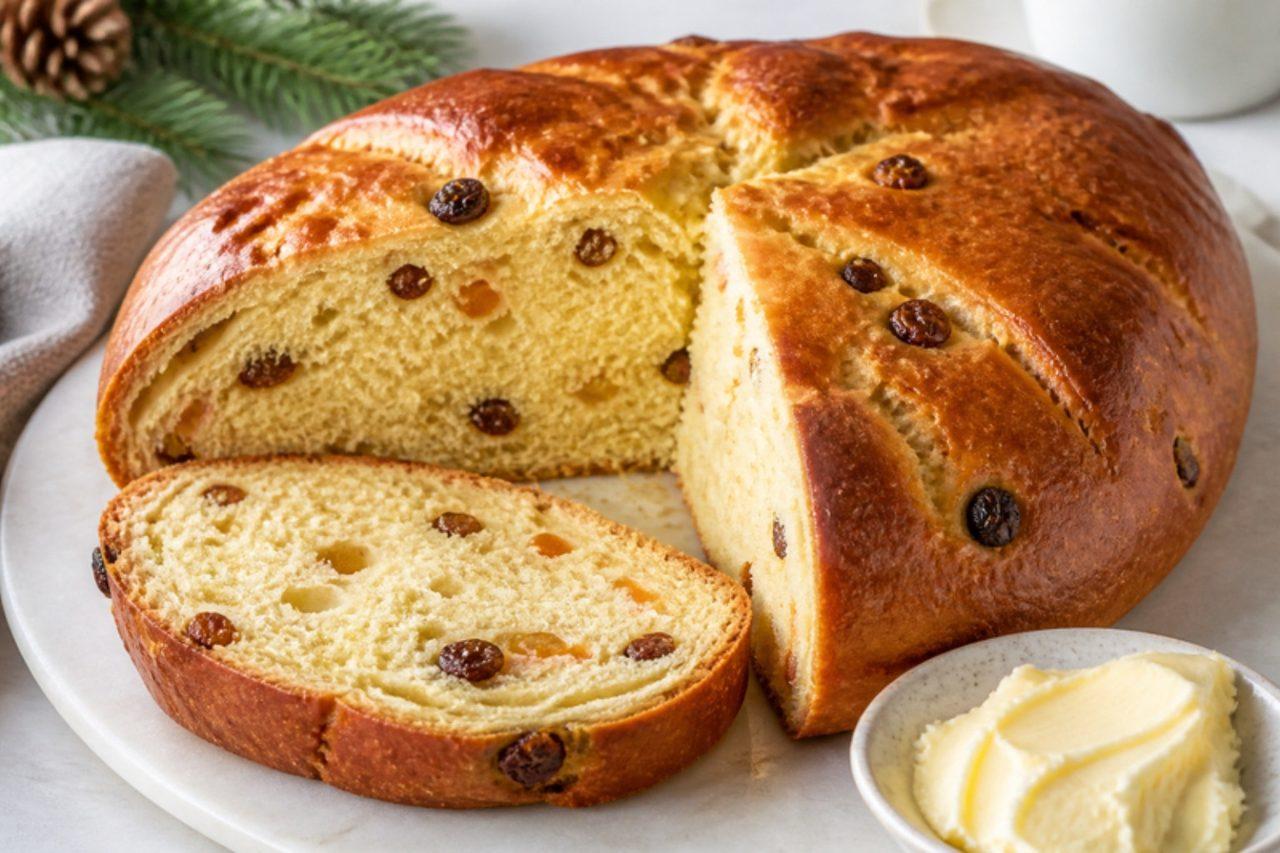
JulekakeCardamom raisin Christmas bread

Julekake is the Christmas bread of Norway, baked in the days before Christmas Eve and eaten for breakfast on Christmas morning, sliced and spread with butter and brown goat's cheese (brunost). It is a soft, round, golden loaf enriched with milk and butter, perfumed with freshly ground cardamom and dotted with raisins and candied citrus peel. It is plain enough to enjoy every day of the holidays, and leftovers make wonderful toast. Chef's tip: crush whole cardamom seeds yourself just before baking; ready-ground cardamom loses its scent within weeks.

by KrazyBadal 0 views

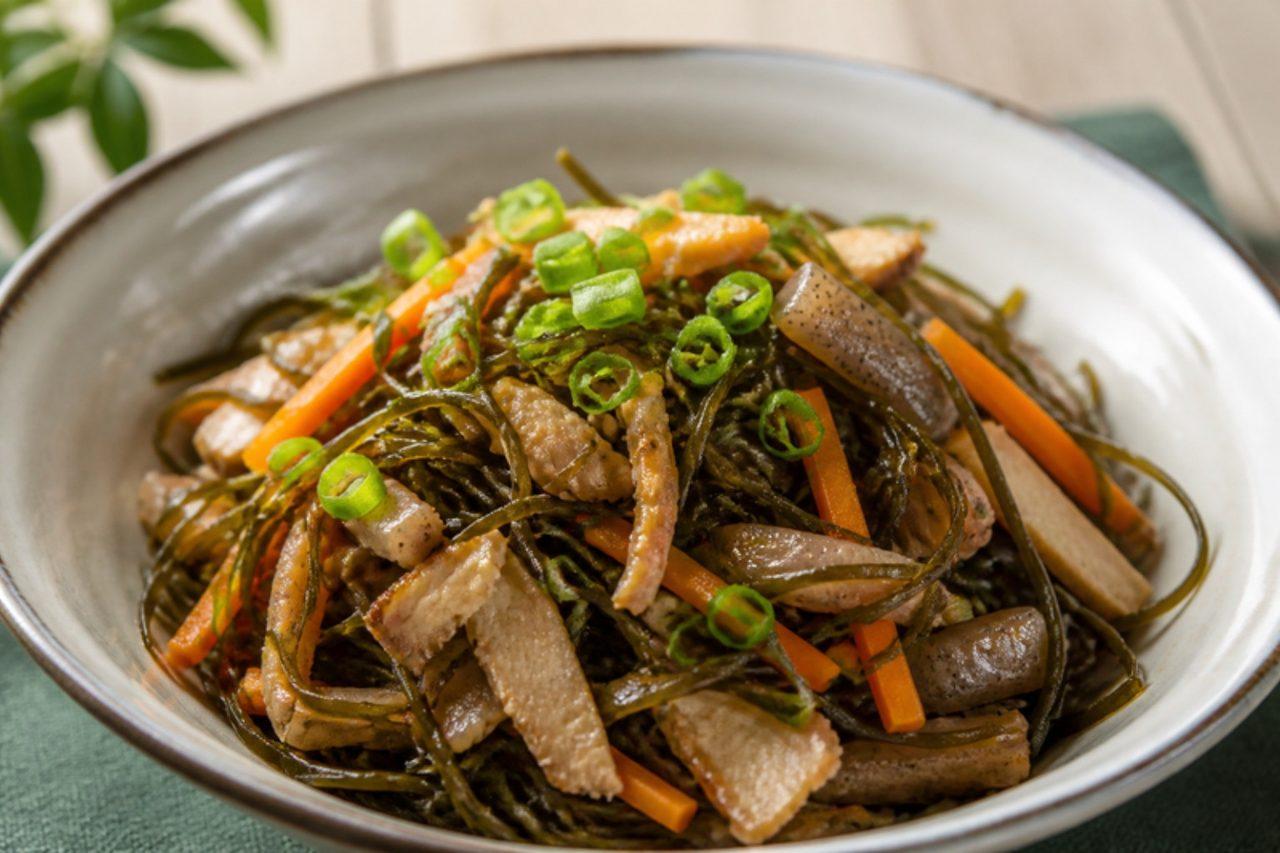
Kubu irichi (Okinawan kombu stir-fry)

In Okinawa, kubu irichi is cooked for Obon (here called Shōmō or Ukui), when families welcome the spirits of their ancestors home with offerings, and it reappears at every big family gathering. Kombu, 'kubu' in the island dialect, sounds like 'yorokobu', to rejoice, and Okinawa has loved it for centuries thanks to the old kelp trade from Hokkaido. Strips of pork belly are stir-fried until their fat runs, then the kelp, konnyaku and carrot simmer in pork-scented stock until the liquid is absorbed, giving a soft, savoury, gently sweet tangle full of the sea. Serve with rice, as part of an Obon spread or a bentō. Chef's tip: keep some of the kombu soaking water; it is the stock that gives the dish its depth.

by KrazyBadal 0 views

Showing 24 of 3,057 recipes

Show more recipes

Page 2 of 128