Skip to content
Recipes

All recipes

Vegetarian, or something you can't eat? Set your diet once and we'll hide recipes that don't fit.

CampechanasFlaky sweet pastries with sugar top

Campechanas take their name from the port of Campeche, but now they shatter all over the coffee tables of Mexico City and Veracruz: oval, paper-thin layers of dough with a glossy, caramelised sugar crust that cracks as you bite. Mexicans buy them in the evening from the panadería, along with conchas, to dunk in café de olla or hot chocolate. They are traditionally made with lard; this version uses vegetable shortening, which gives the same light flakiness and keeps them vegan. Butter also works but browns faster. The trap is a timid oven: below full heat the sugar stays grainy and white instead of turning to glass. Chef's tip: press the sugar firmly into the top before baking so it melts into an even shiny layer.

by KrazyBadal 0 views

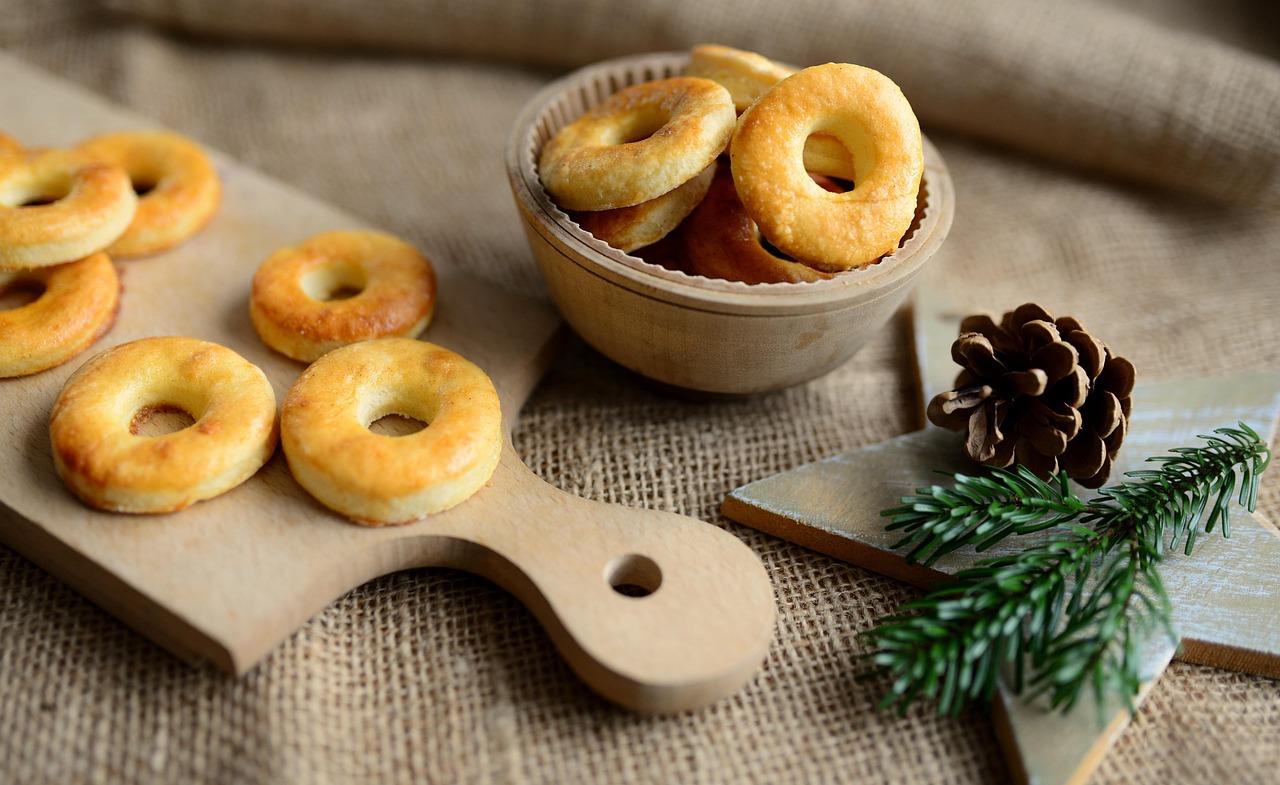
CoricosCornmeal cinnamon ring cookies

Coricos come from Sonora in Mexico's northwest, where maize has always been ground for more than tortillas. They are rings of sweet corn dough flavoured with cinnamon, baked until golden: firm and a little crunchy on the outside, with the slightly gritty, toasty taste of corn inside. Families make them by the dozen for coffee in the afternoon and for visitors, and Sonoran panaderías sell them in plastic bags by the counter. They are traditionally made with lard; this recipe uses butter (vegetable shortening works too), so they are vegetarian. A little wheat flour keeps the rings from cracking. Chef's tip: if the ropes split when you join them into rings, the dough is too dry; work in milk a teaspoon at a time until it bends without breaking.

by KrazyBadal 0 views

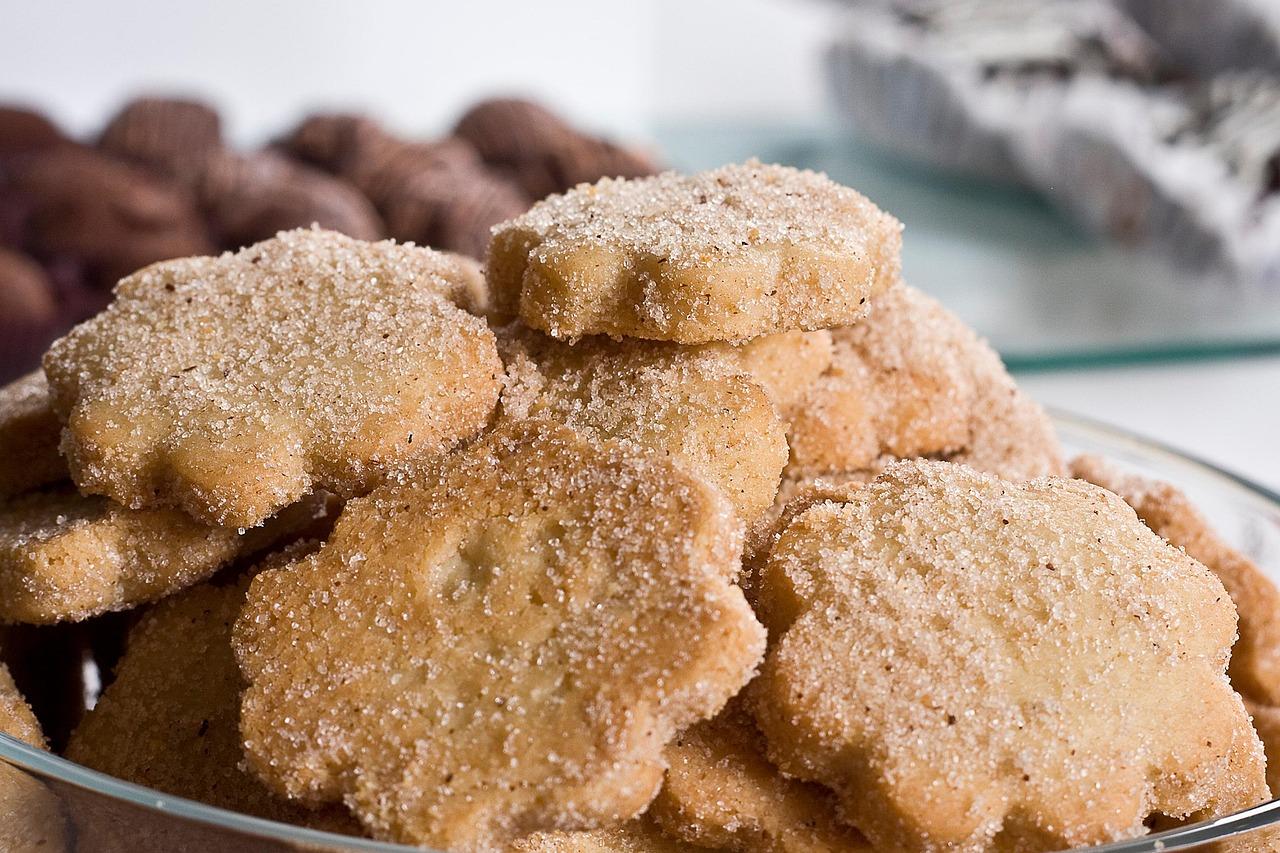
HojarascasCinnamon sugar crumble cookies

At weddings, quinceañeras and Christmas gatherings in Nuevo León and Coahuila, someone always brings a platter of hojarascas, the name meaning 'fallen leaves' because they crumble as lightly as dry leaves underfoot. The cookies are short and sandy, spiced with cinnamon, and rolled while warm in more cinnamon sugar so they look frosted. Monterrey families serve them with café de olla or hot champurrado. They are traditionally made with lard; this version uses vegetable shortening, which gives the same tender crumb and makes them vegan, or you can use butter for a richer taste. Overworking the dough once the flour is in is the classic mistake, because it develops gluten and makes them tough. Chef's tip: steep a cinnamon stick in the water first and use that tea to bind the dough, which doubles the spice flavour without bitterness.

by KrazyBadal 0 views

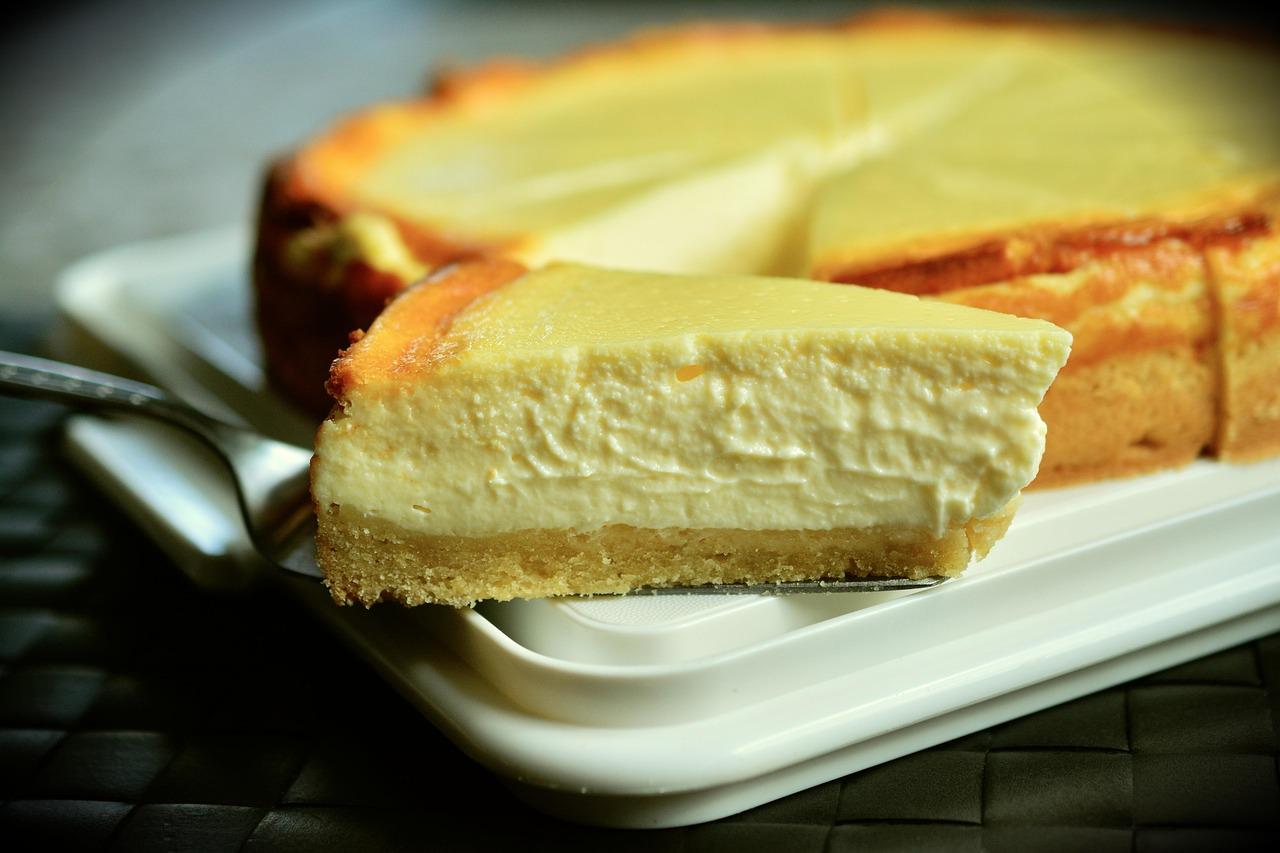
Pay de quesoCreamy cheesecake

Mexican cafés, school bake sales and Sunday family lunches all have a pay de queso, the country's own take on cheesecake. Cream cheese, condensed milk and evaporated milk are whizzed in a blender with eggs and vanilla, poured onto a crust of crushed plain tea biscuits and baked into a dense, creamy slice with a caramel note from the condensed milk. Serve it chilled with coffee, or with strawberries or a spoon of cajeta on top for a party. The usual mistake is blending at full speed for too long, which whips in air and makes the top rise and crack. Chef's tip: blend on low just until smooth, then tap the filled tin on the worktop a few times to bring big bubbles to the surface.

by KrazyBadal 0 views

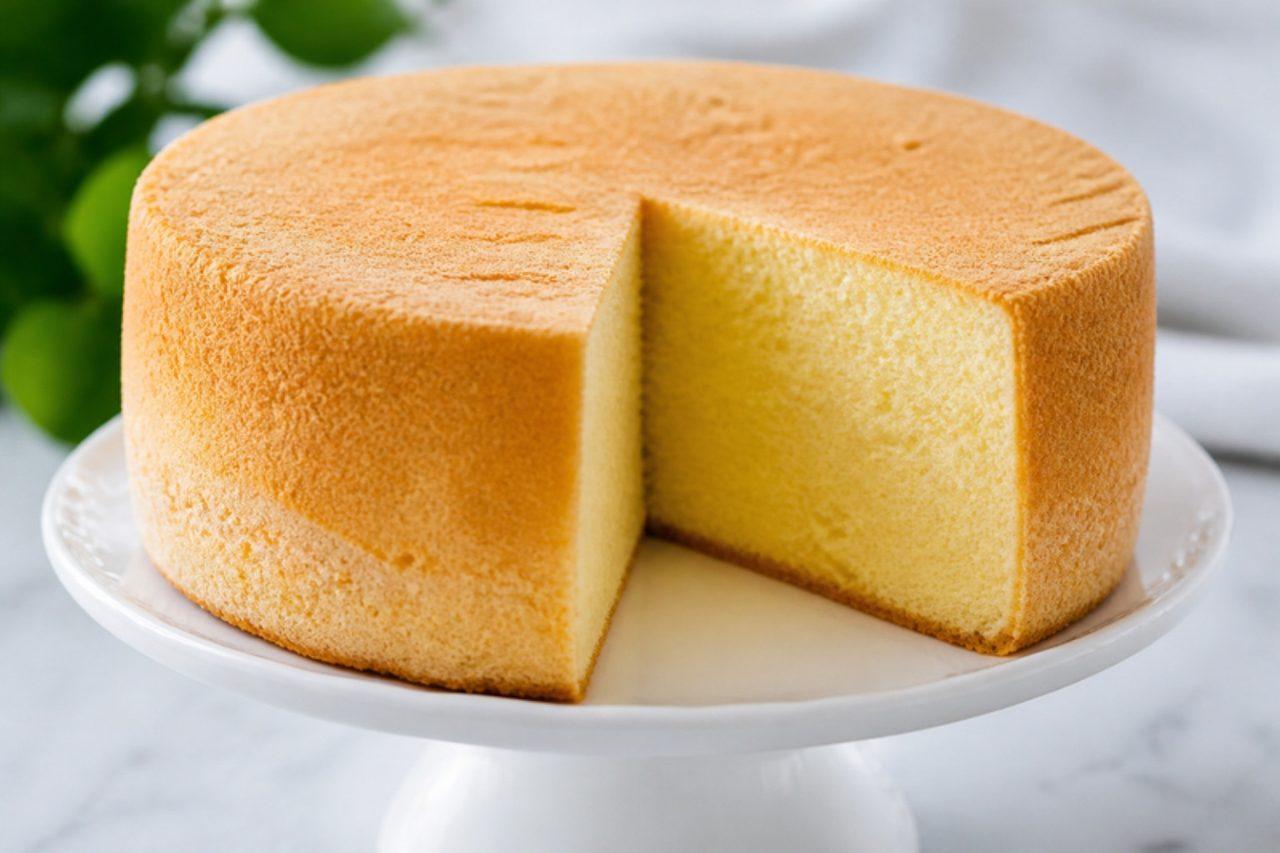
Bánh bông lan (Vietnamese sponge cake)

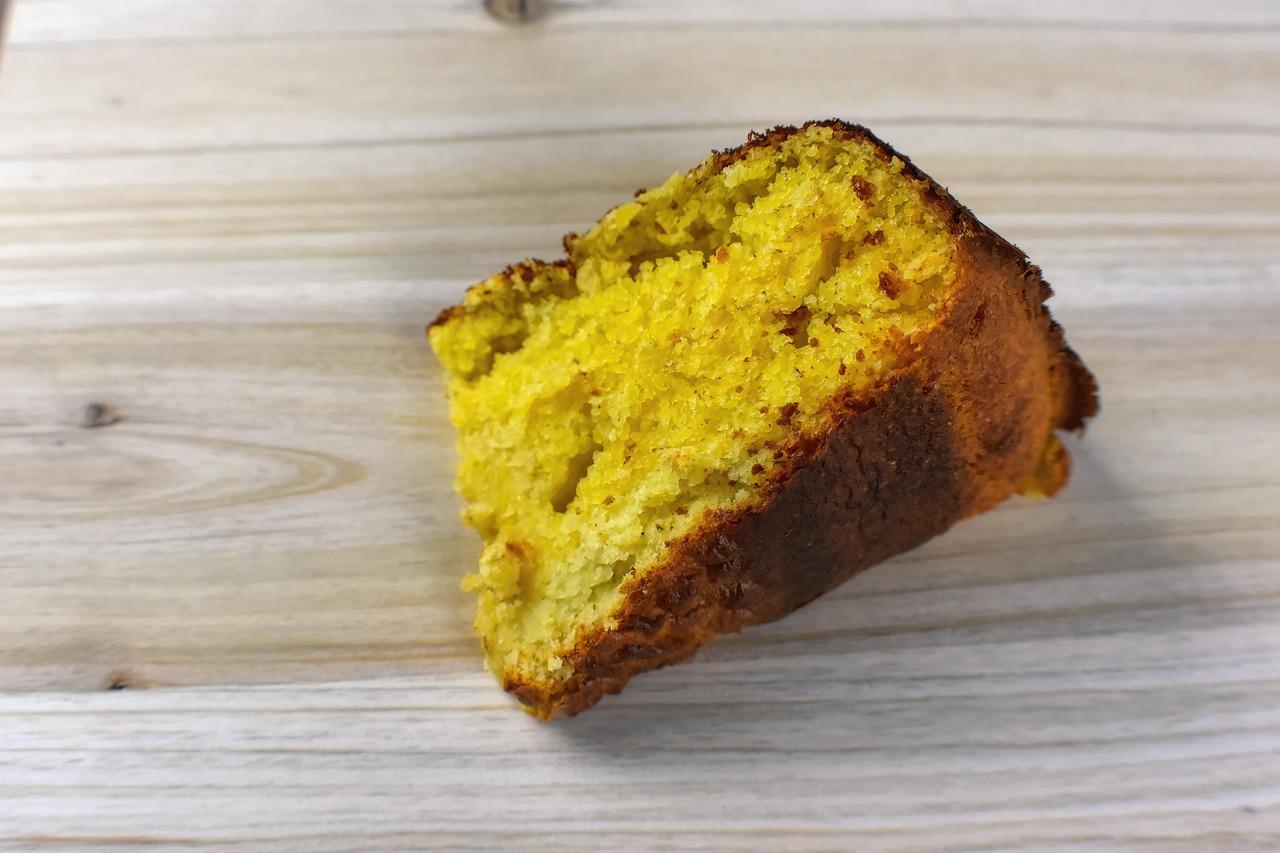
Bánh bông lan is the soft, golden sponge sold in every Vietnamese bakery, eaten with coffee or as an after-school snack, and it is also the cake under the cream and fruit at most children's birthdays from Hanoi to Saigon. Made with oil instead of butter, it stays moist and springy for days and is free of milk. It contains egg and gluten. Chef's tip: whisk the whites in a spotlessly clean bowl; a trace of yolk or grease stops them rising.

by KrazyBadal 0 views

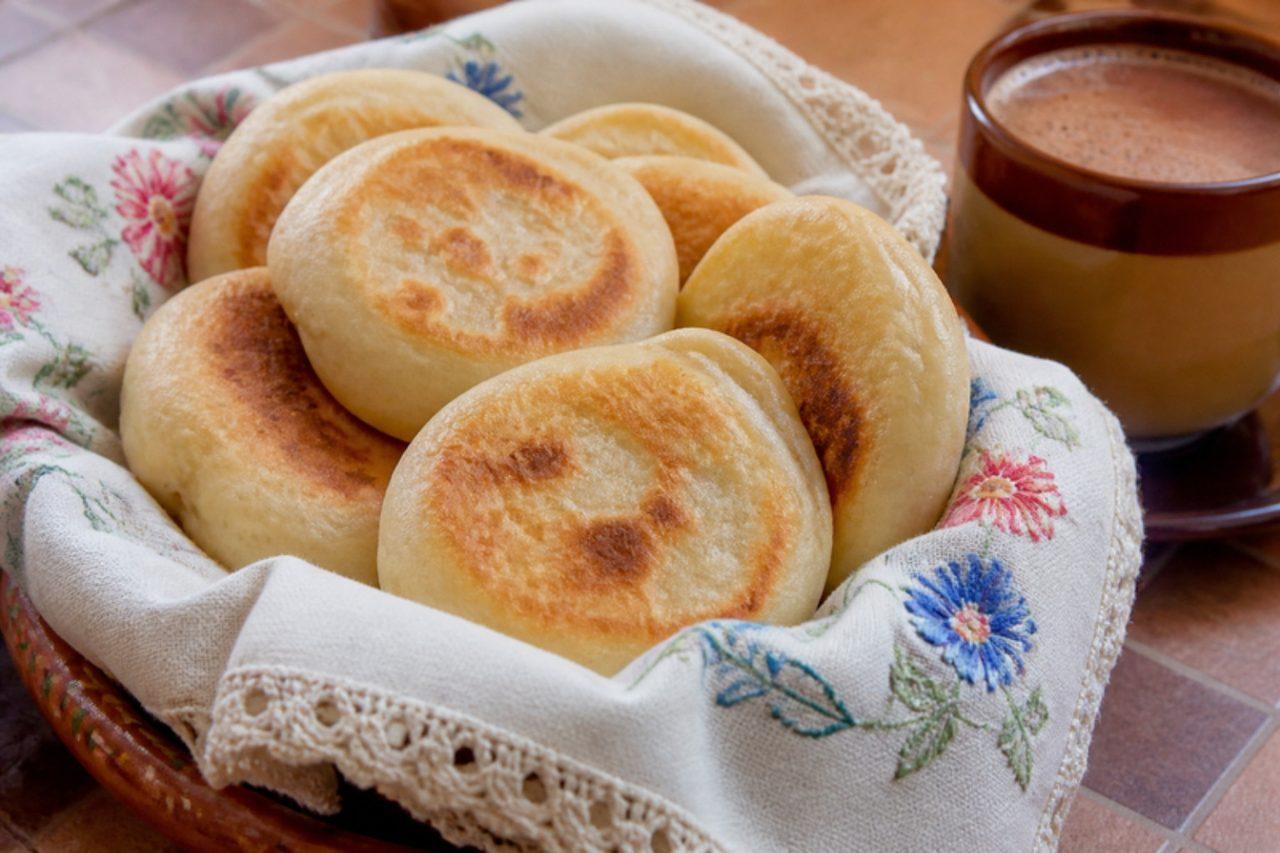
Gorditas de nataSweet cream griddle cakes

In central Mexico, from Mexico City markets to kitchens in Hidalgo and Puebla, gorditas de nata were traditionally made with the thick skin of cream (nata) skimmed from boiled milk, and grandmothers still cook them on the comal for an afternoon merienda with hot chocolate or milky coffee. They are soft and cakey inside with a lightly crisp, golden face, somewhere between a scone and a pancake. Double cream stands in for nata here. They contain gluten, milk and egg. Chef's tip: keep the comal on a low-medium heat; these brown quickly because of the cream and sugar.

by KrazyBadal 0 views

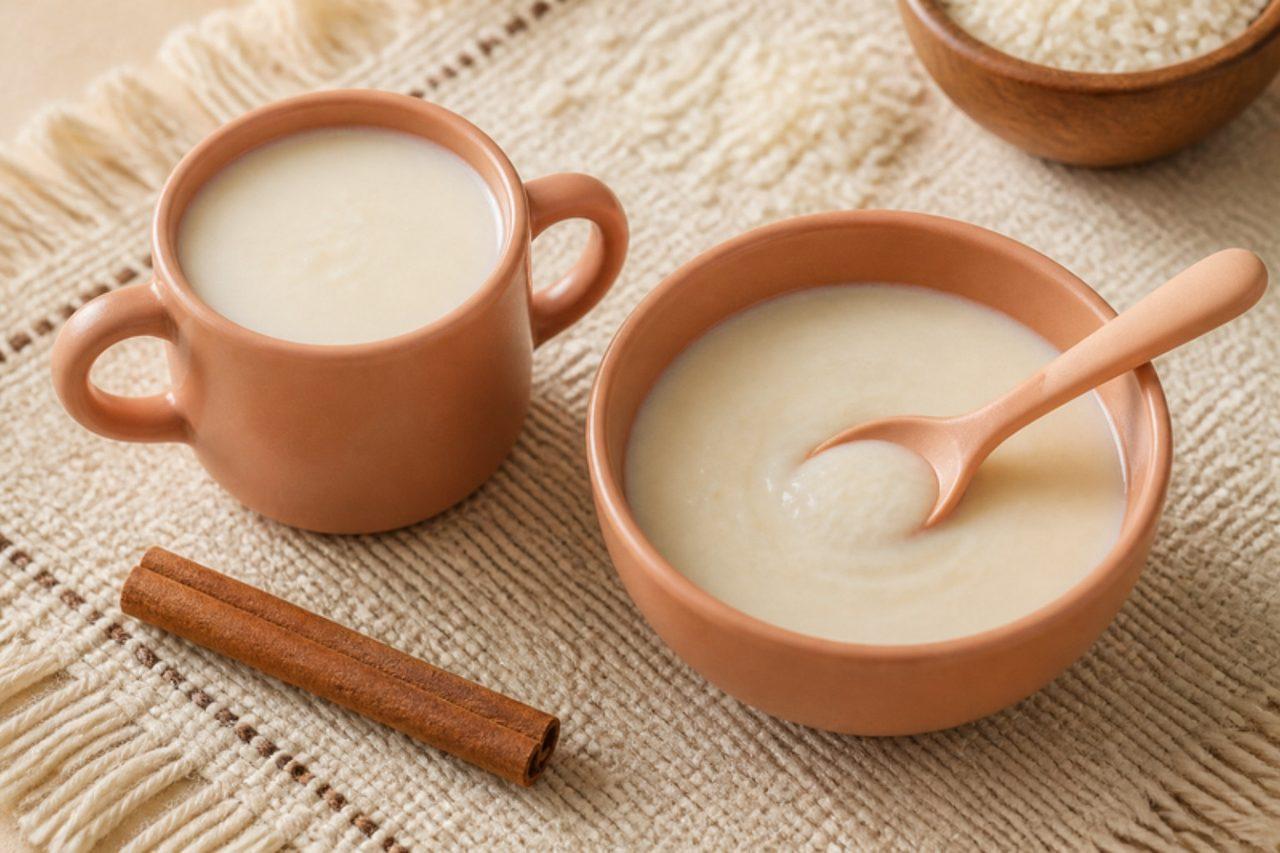
Rice atole for babies (atole de arroz)

Atole is the warm, thick drink Mexicans have sipped since before the conquest, and in many homes the first version a baby tastes is atole de arroz, ground rice cooked with a stick of true cinnamon. For grown-ups it is sweetened with piloncillo and drunk at breakfast or on cold evenings around Día de Muertos; for babies the sugar stays out and it is thickened enough to eat from a spoon. It contains milk; there is no egg, gluten, nuts, soya, sesame or fish. Chef's tip: grind the rice yourself in a spice grinder; shop-bought rice flour works, but freshly ground rice tastes sweeter.

by KrazyBadal 0 views

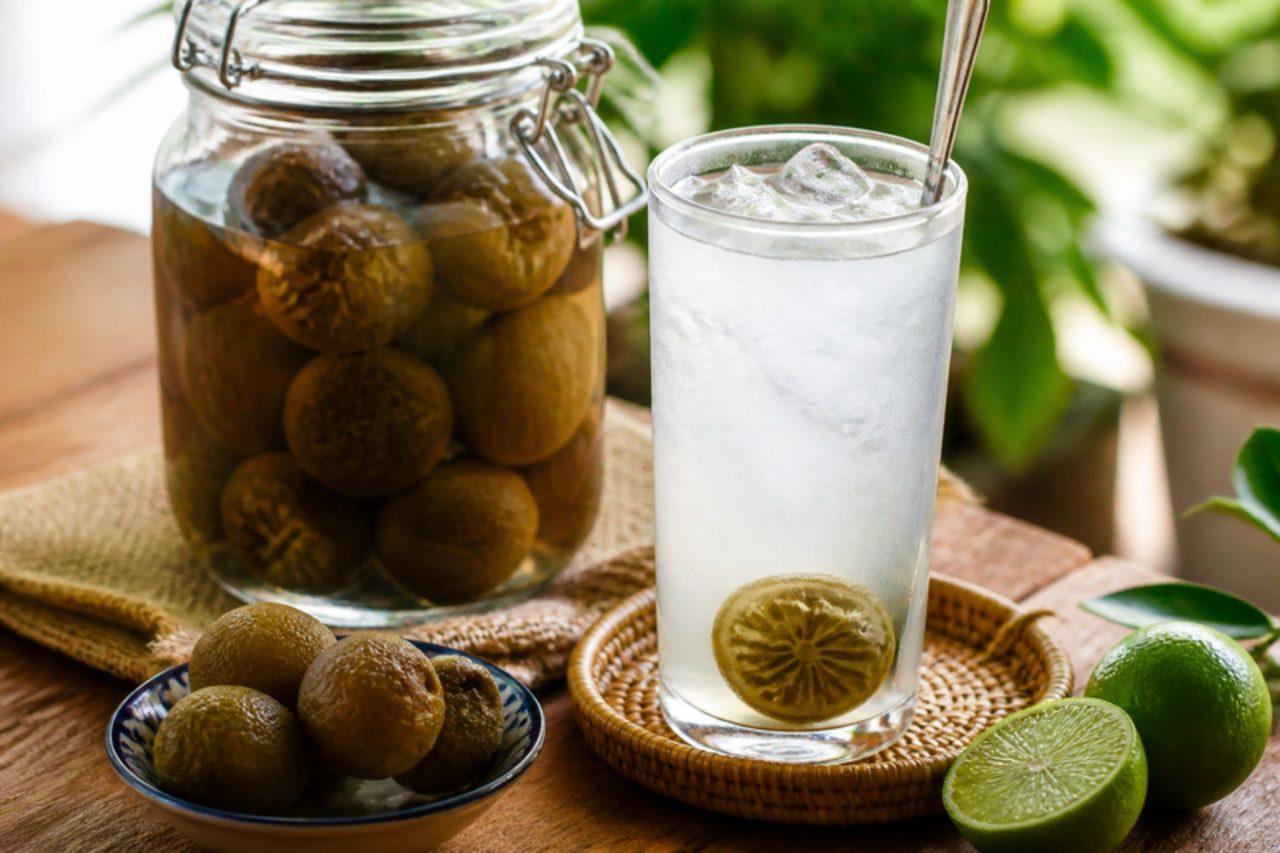
Chanh muốiSalted lime drink

Vietnamese households keep a jar of chanh muối, limes cured in salt until they turn soft and olive-brown, on a sunny shelf for months; on a sweltering day a lime or two is muddled with sugar and topped up with ice water or soda water. The drink is salty, sour and sweet all at once, and grandmothers swear by it for sore throats and after a bout of sun. This recipe makes the jar of cured limes (allow four weeks before the first glass) and then the drink itself. Chef's tip: dry the limes completely after blanching; any water left on the skins lets mould take hold in the jar.

by KrazyBadal 0 views

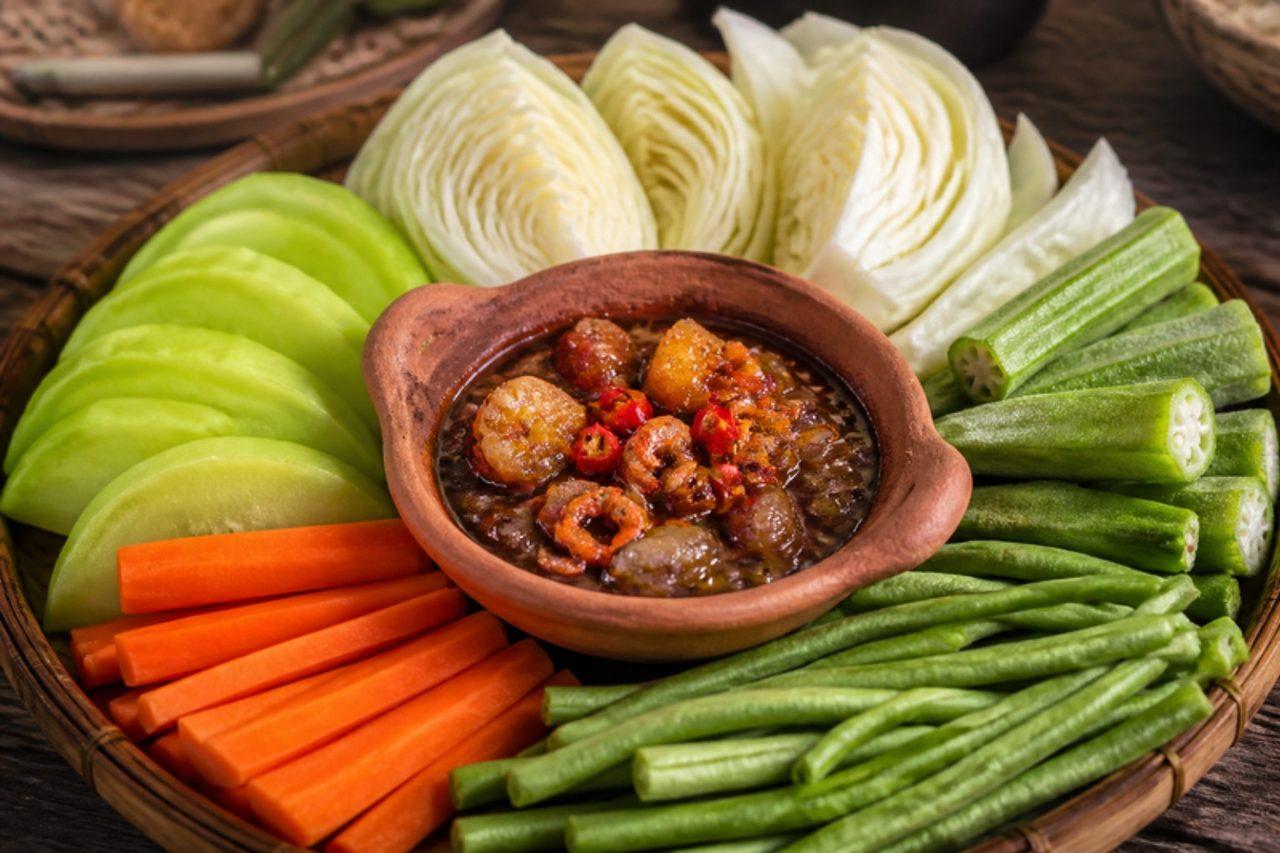
Rau luộc chấm kho quẹtBoiled vegetables with dipping sauce

Farm families in the Mekong Delta, in Đồng Tháp and Cần Thơ, used to stretch a few spoonfuls of salty kho quẹt across a whole basket of boiled garden vegetables, and it is now a nostalgic favourite in Saigon restaurants. The dip is pork fat rendered into crisp cracklings, then fish sauce, sugar, shallot, dried shrimp and black pepper bubbled down until thick and sticky enough to 'scrape' (quẹt) with a vegetable. The vegetables do most of the work, so the plate stays light. Chef's tip: take the dip off the heat while it still looks a little loose; it sets as it cools and, cooked too far, it burns bitter and turns rock-hard.

by KrazyBadal 0 views

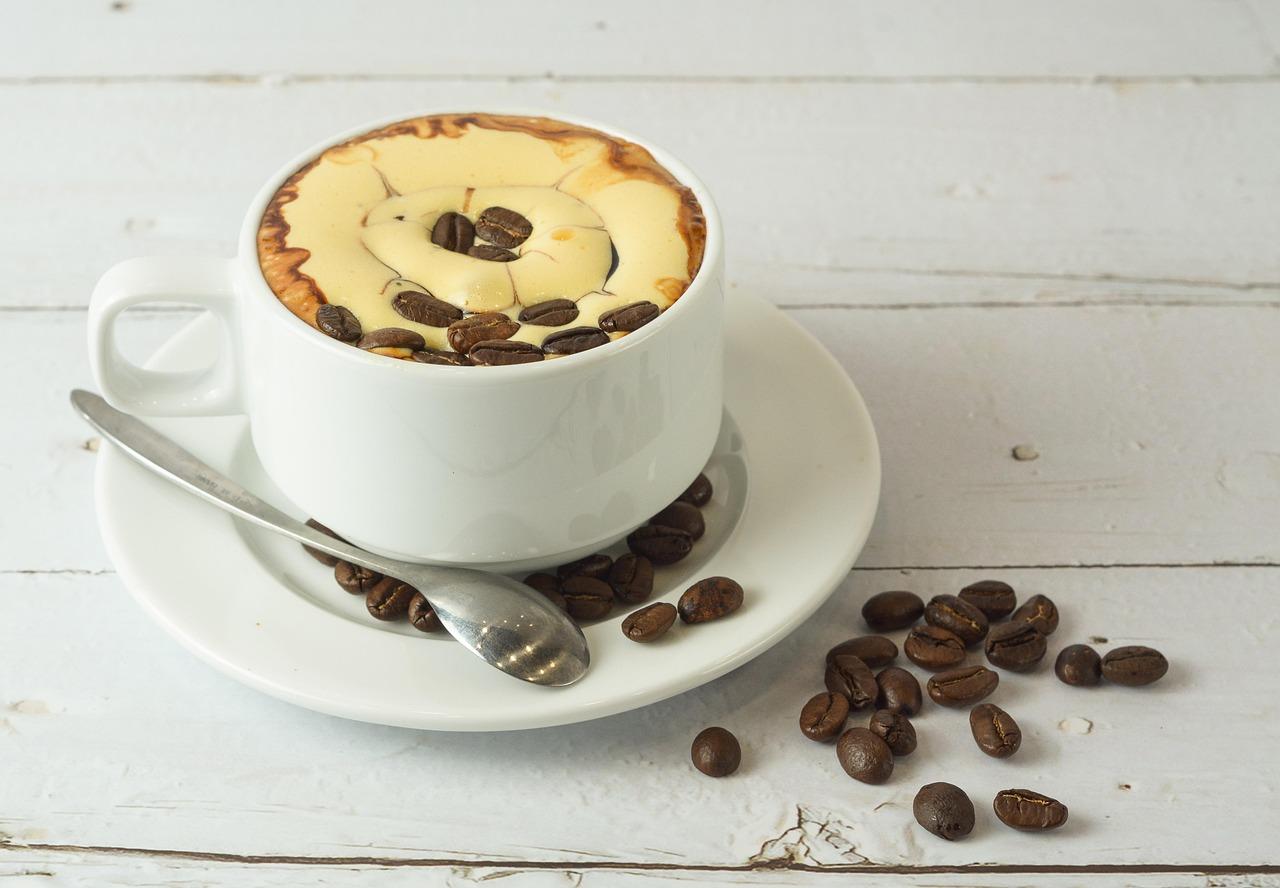
Cà phê trứngEgg coffee

Hanoi's old-quarter cafés, up narrow stairs and in tiny back rooms, serve cà phê trứng in a small cup set in a bowl of hot water so it stays warm while you spoon through the custardy foam into bitter coffee below. The topping is egg yolk whisked with condensed milk until pale and thick, a trick that began when fresh milk was scarce in the 1940s. Because the yolk is not cooked, use pasteurised eggs for pregnant women, young children, older people or anyone with a weakened immune system. Chef's tip: whisk longer than you think; under-beaten yolk tastes eggy and sinks straight into the coffee instead of sitting on top.

by KrazyBadal 0 views

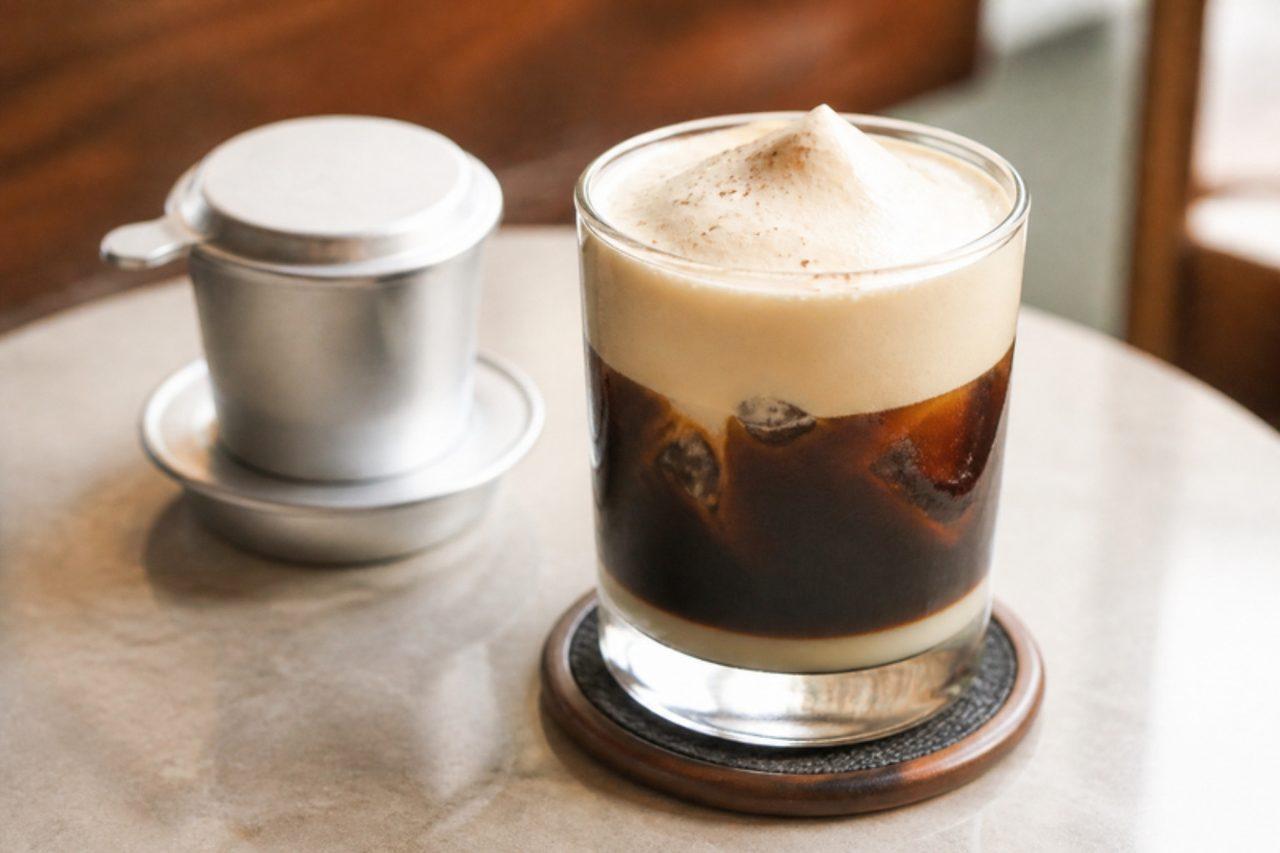
Cà phê muốiSalt coffee

A family café in Huế's citadel quarter began topping its coffee with salted cream, and now cà phê muối is served across central Vietnam and in trendy cafés in Saigon and Hanoi. Sip it without stirring: first the cool, faintly salty cream, then sweet condensed milk and strong phin coffee, the salt rounding off the bitterness much like a pinch in caramel. It is good hot or poured over ice. Chef's tip: use only a small pinch of salt per glass; too much and the drink tastes like seawater rather than salted caramel.

by KrazyBadal 0 views

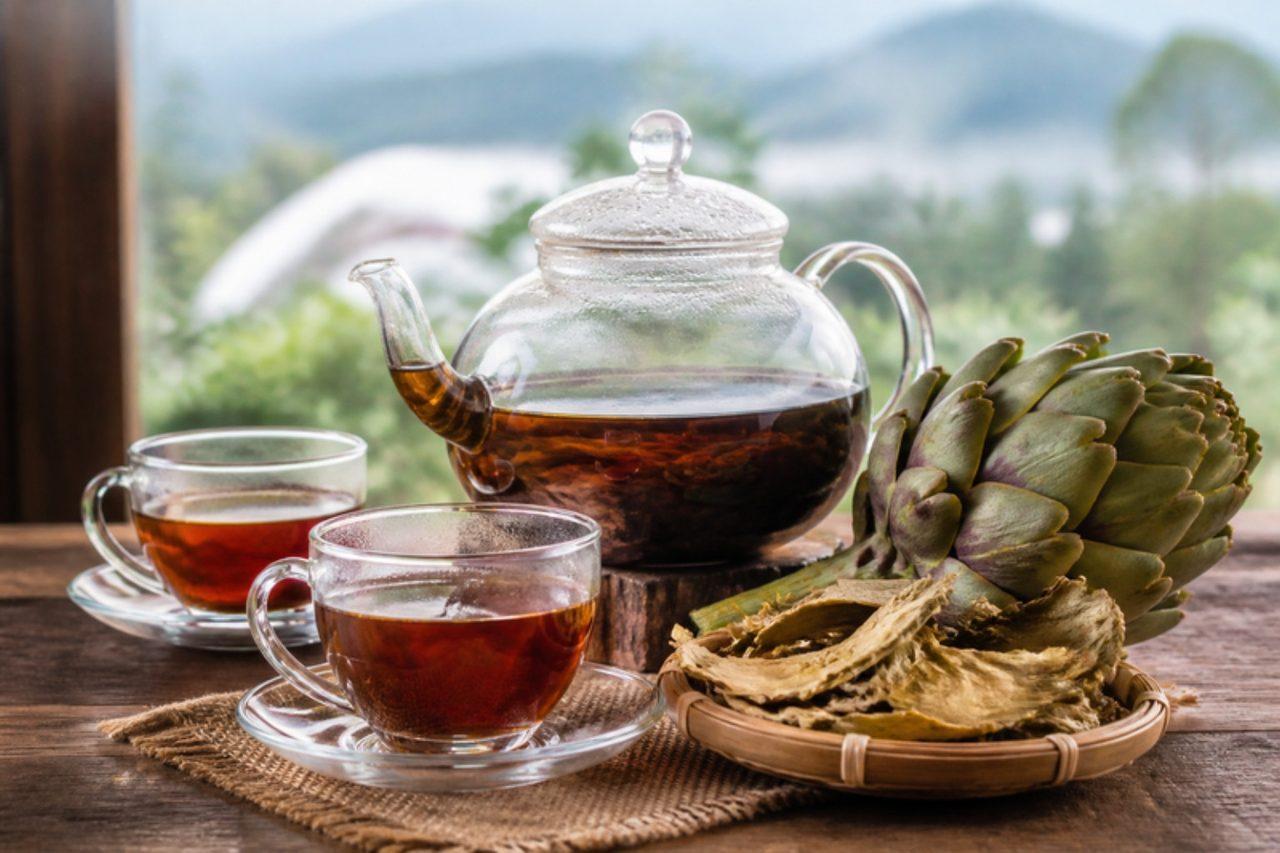
Trà atisôArtichoke tea

Artichokes arrived in the cool Đà Lạt highlands with French planters, and today the town's markets sell dried artichoke leaves, stems and flower buds for tea along with fresh heads for soup. Local cafés serve it hot on misty mornings and iced in the afternoon, slightly sweet, earthy and pleasantly bitter, and many Vietnamese drink it as a gentle tonic after rich meals. This version brews fresh globe artichokes with their stems; a 30 g bag of dried trà atisô works the same way. Chef's tip: skip the aluminium pan; artichokes react with it and the tea turns grey and metallic.

by KrazyBadal 0 views

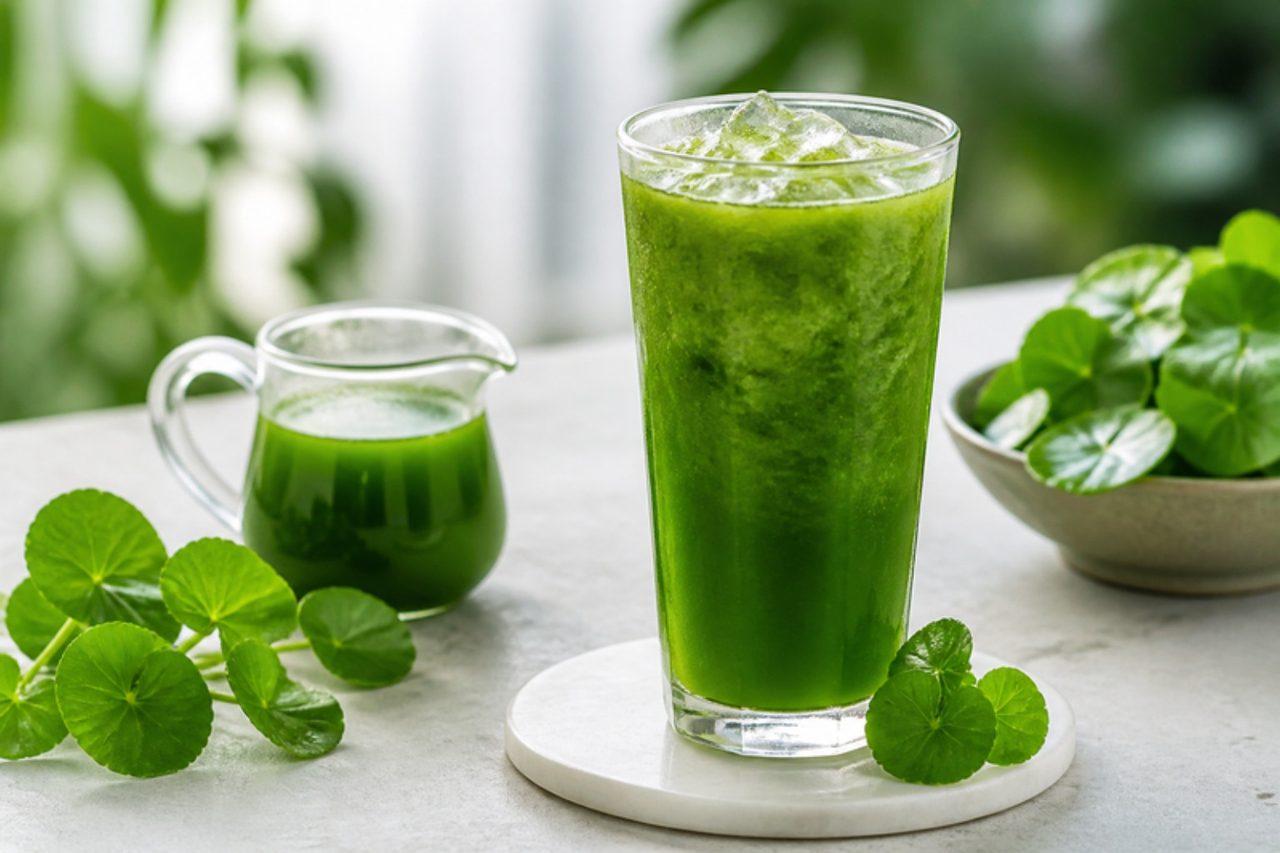
Nước rau máPennywort juice

Saigon street carts blend nước rau má to order through the hottest part of the afternoon, pouring the bright green juice into plastic cups over crushed ice for office workers and students. Pennywort (rau má) tastes fresh, grassy and very slightly bitter, and southerners drink it to 'cool the body' in the dry season; some stalls blend in cooked mung beans or a splash of coconut milk to make it richer. Look for bunches of rau má in Vietnamese and South Asian grocers, where it is also sold as gotu kola. Chef's tip: strain twice through a fine cloth and drink it within the hour; left standing, it separates and darkens to a dull khaki.

by KrazyBadal 0 views

Nước sâmCooling herbal drink

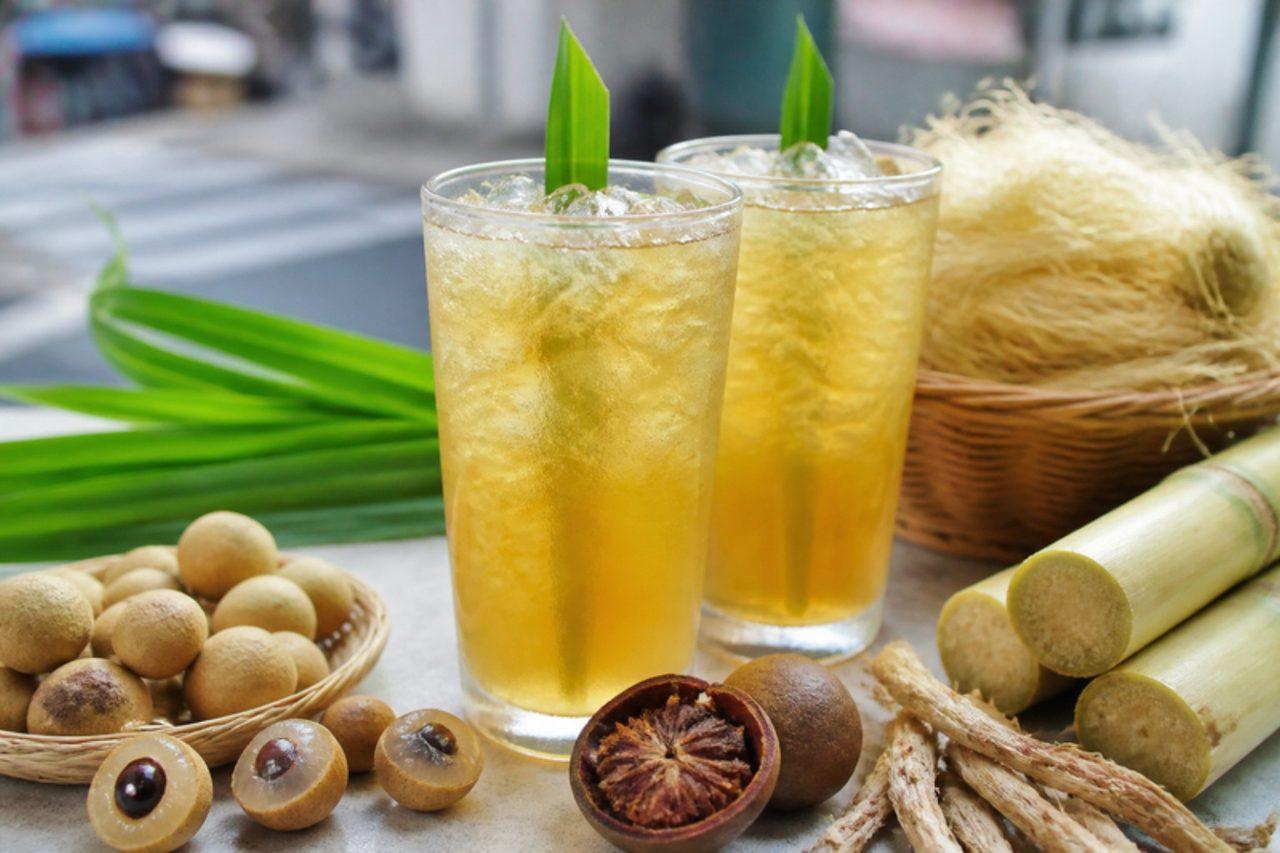
Big glass jars of amber nước sâm sit on pavement stalls all over Hồ Chí Minh City, ladled over ice for anyone who has eaten too much fried food or spent too long in the sun. The brew is gently sweet and earthy, with honeyed dried longan, the liquorice note of monk fruit and fresh sugarcane, and Chinese-Vietnamese herbalists sell ready-mixed bags of the dried roots. Make a big pot: it keeps for four days in the fridge. Chef's tip: simmer, never boil hard; a rolling boil pulls bitterness out of the roots and turns the drink cloudy.

by KrazyBadal 0 views

Bisquets mexicanosFlaky biscuits

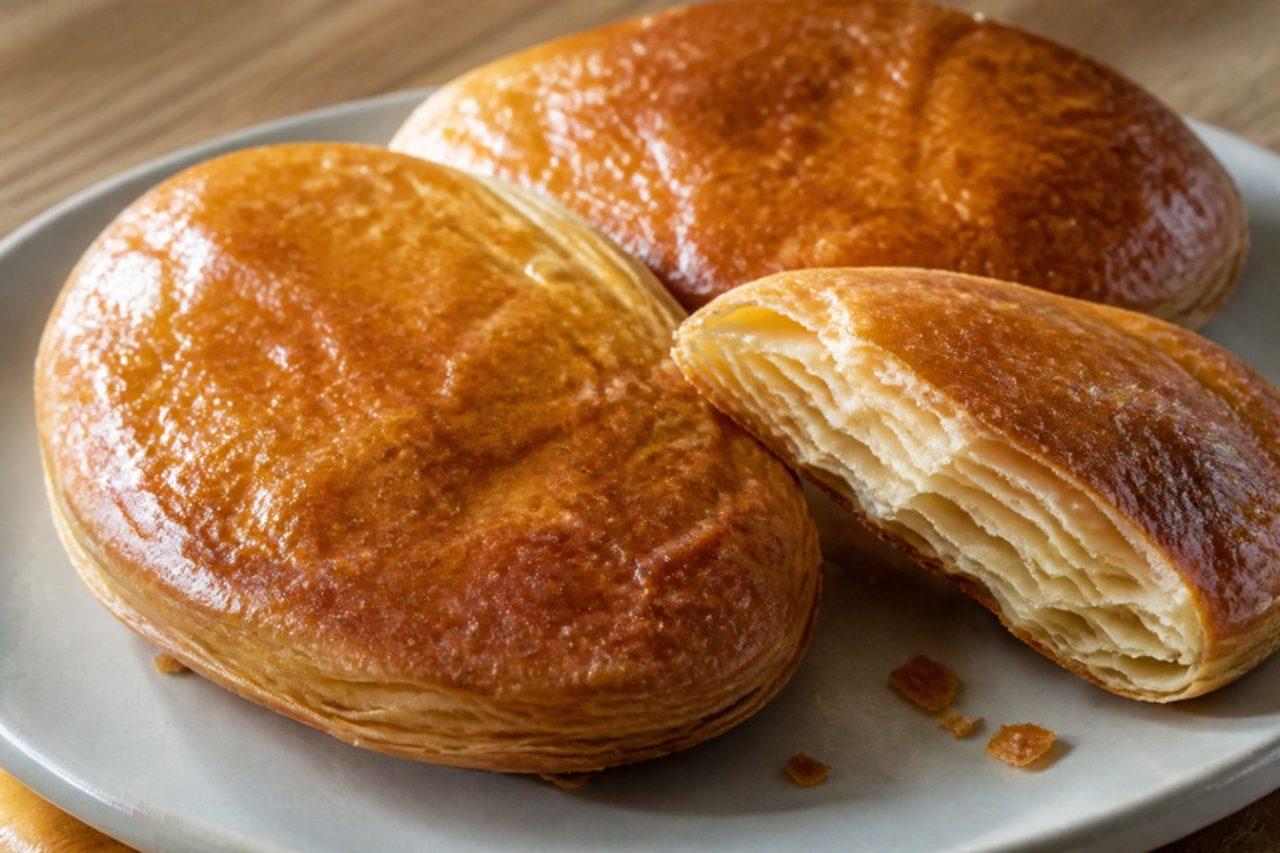
Mexico City cafés such as the old breakfast halls of the Centro serve bisquets split hot with butter and strawberry jam alongside café con leche. They are taller, sweeter and more cake-like than American biscuits, with a shiny egg-washed top and layers that pull apart. They contain wheat, egg and dairy. Chef's tip: cut straight down with a sharp cutter and never twist, so the sides stay open and the bisquets rise tall.

by KrazyBadal 0 views

Agua de sandíaWatermelon drink

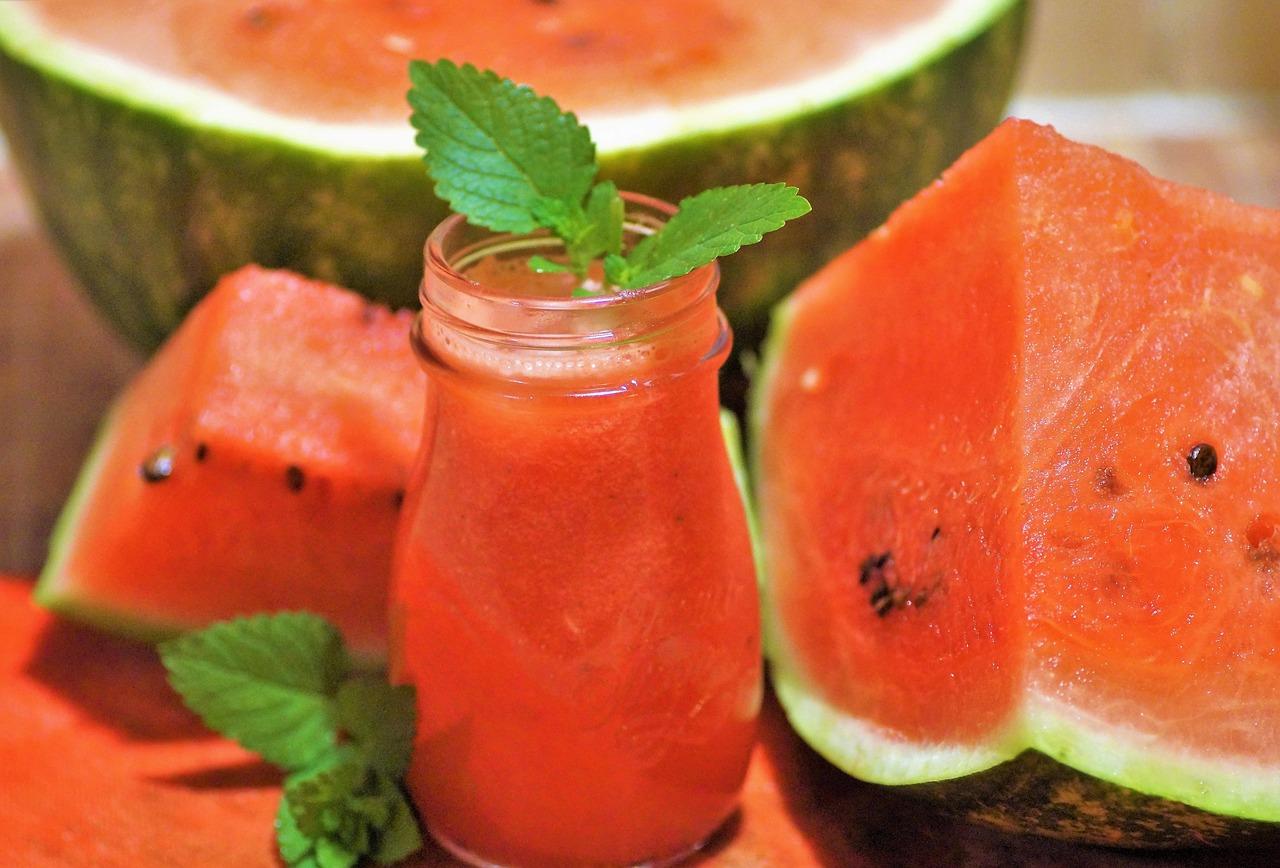
When watermelons are piled high in the markets of Jalisco and Sonora in summer, almost every taquería has a jar of bright pink agua de sandía next to the horchata. It needs only ripe watermelon, water, a squeeze of lime and a touch of sugar, and children love it. Chef's tip: a very ripe melon may need no sugar at all, so taste before you sweeten.

by KrazyBadal 0 views

Pan de muertoDay of the Dead bread

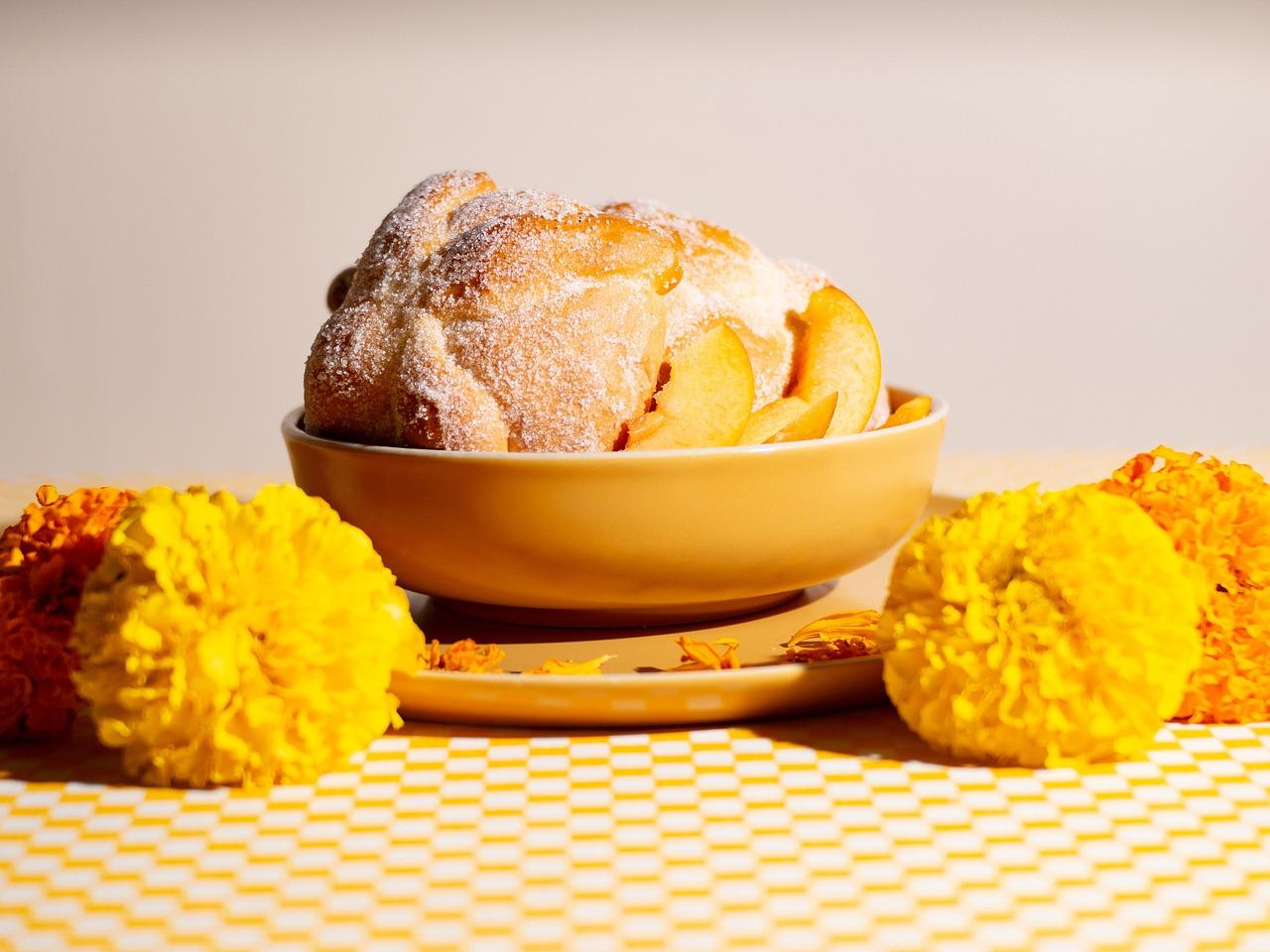
From mid-October, bakeries from Mexico City to Puebla stack their shelves with these domed loaves, and families set one on the ofrenda for the souls who return on 1 and 2 November, then share the rest with hot chocolate. The crumb is soft and rich with butter and egg, scented with orange zest and orange-blossom water, and the knobbly strips across the top stand for bones, with a small ball for the skull. A sugar crust or a dusting of sesame finishes it. Chef's tip: shape the bones from dough you have held back and chilled, so they keep their ridges instead of melting flat in the oven.

by KrazyBadal 0 views

Agua de melónCantaloupe drink

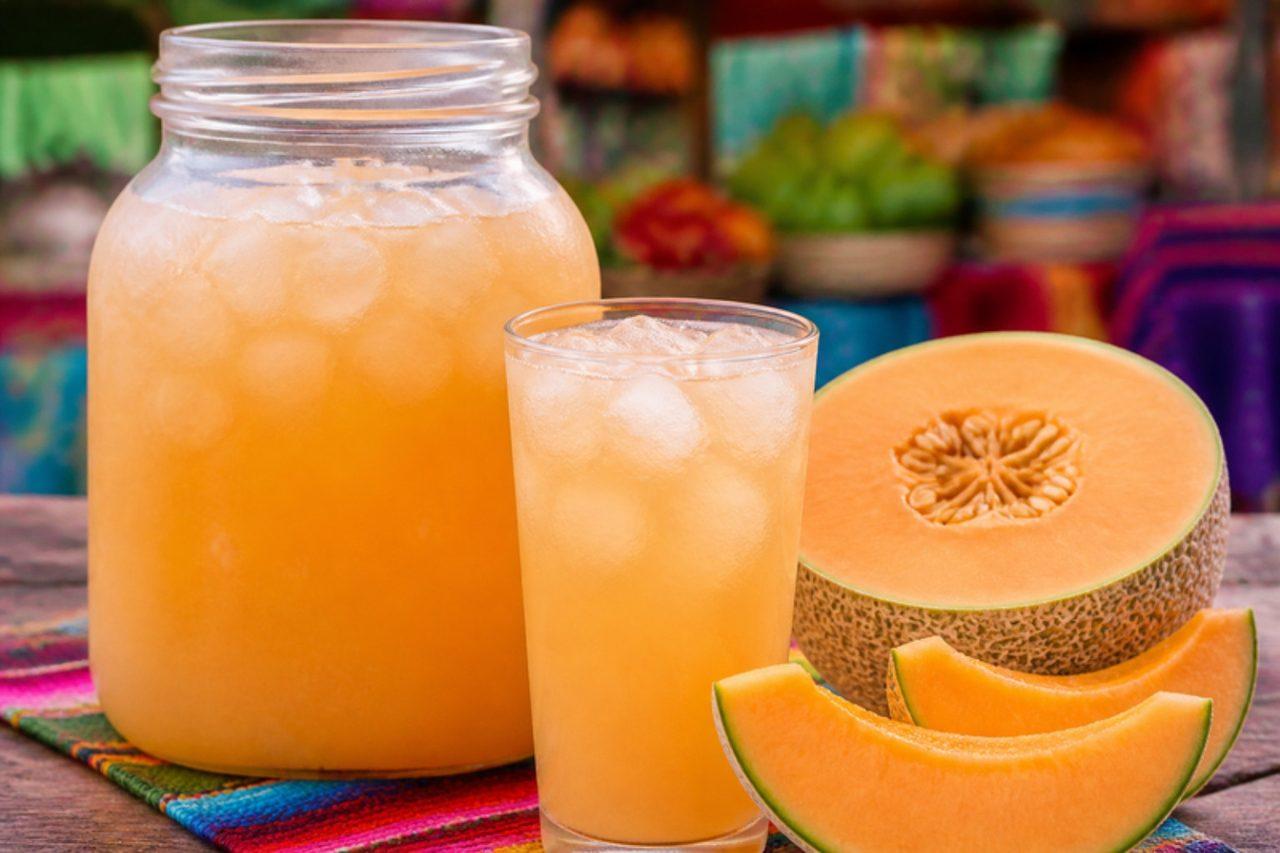
Mexican market juice stalls make agua de melón with the ripest, most fragrant cantaloupes, and many cooks blend in the seeds and the soft pulp around them, which adds a creamy body and a nutty flavour. It's served in tall glasses on hot afternoons from Guanajuato to Veracruz and is a favourite with kids. Chef's tip: smell the stalk end of the melon before you buy it; if it smells sweet, the drink will too.

by KrazyBadal 0 views

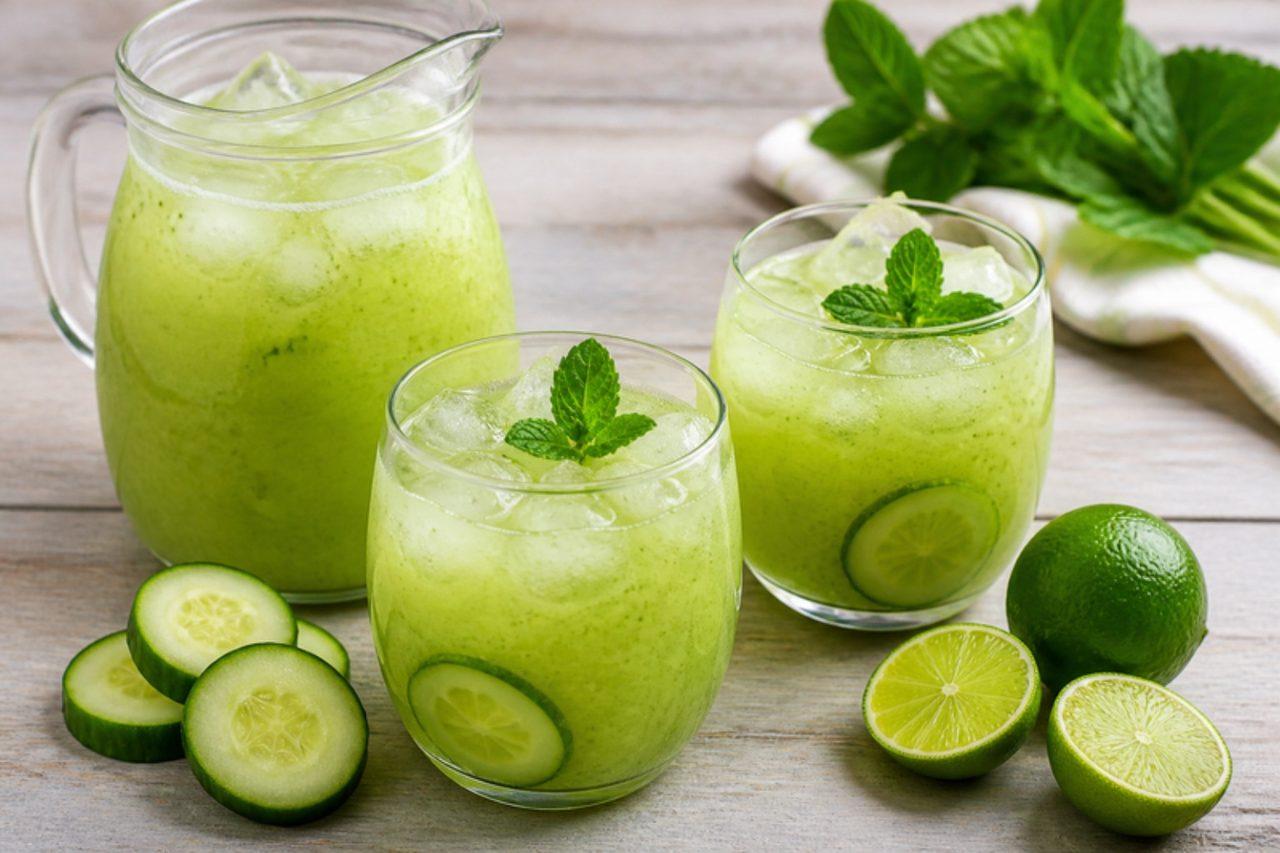
Agua de pepino con limónCucumber lime drink

Pale green and very refreshing, agua de pepino is the cooler sold from market juice stands in Mexico City and Oaxaca when the afternoon heat builds, and families blend a jug for comida on hot days. Cucumber, lime and a few mint leaves give a clean, light taste with very little sugar. Chef's tip: leave some of the peel on the cucumber for colour, but strain the drink so it stays silky.

by KrazyBadal 0 views

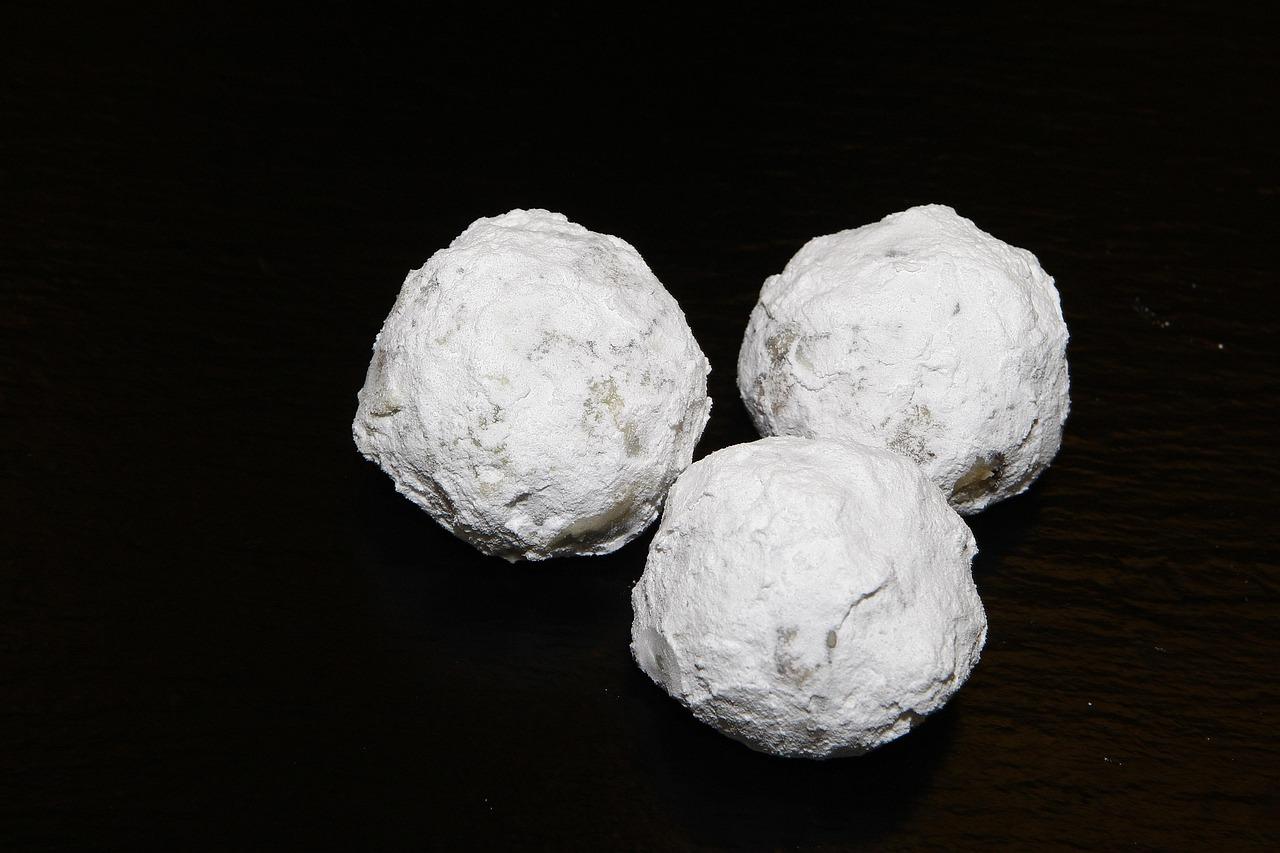
Polvorones de nuezPecan butter cookies

Christmas cookie tins, wedding tables and bakery counters all over northern and central Mexico hold polvorones, small domes of toasted pecan shortbread that crumble to dust in the mouth, which is how they got their name. They are rolled twice in icing sugar, once warm and once cold, so they look snowy. Old recipes used lard; this one uses butter, so it is vegetarian, and it contains wheat and tree nuts. Chef's tip: toast the pecans first, which turns a plain cookie into a deeply nutty one.

by KrazyBadal 0 views

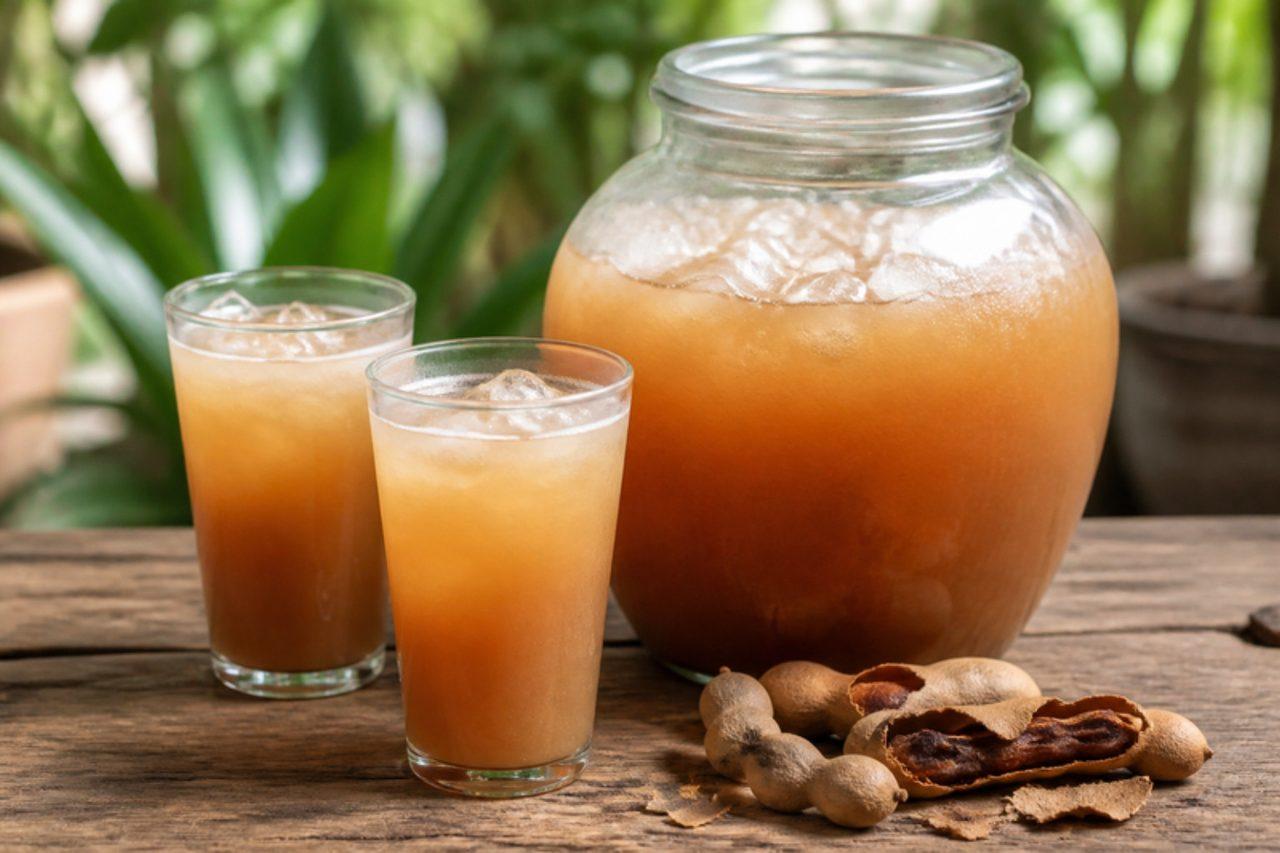
Agua de tamarindoTamarind drink

Brown, cloudy and gloriously tart, agua de tamarindo fills the big glass vitroleros at taquerías and fondas across Mexico, especially in hot Guerrero, Colima and the Yucatán, and it is the drink most people reach for with a plate of tacos de guisado. The pods are peeled, simmered and rubbed through a sieve, so it tastes far fresher than paste or concentrate. Chef's tip: soak the pulp in the hot cooking water before you rub it, which loosens every bit from the seeds.

by KrazyBadal 0 views

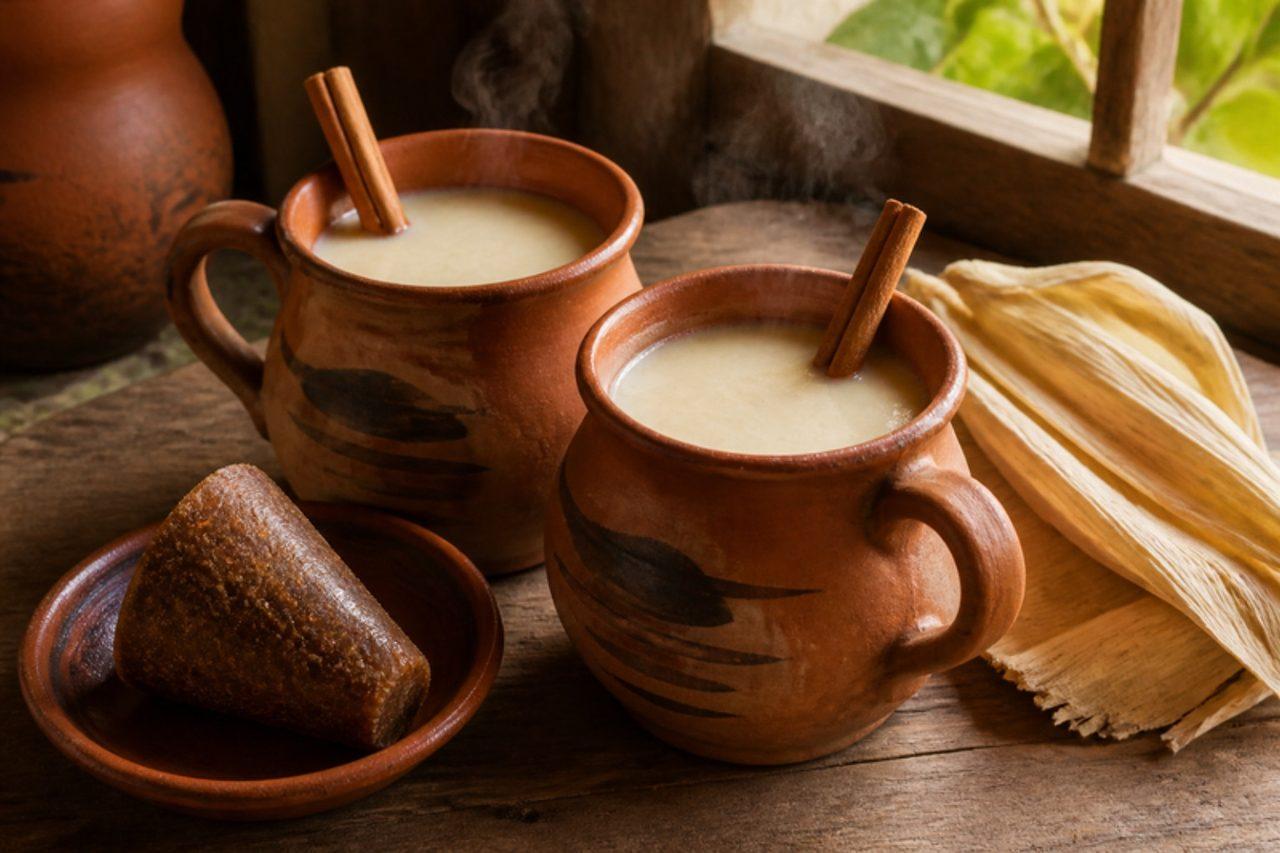
Atole blancoWarm masa drink

Long before coffee arrived, atole was the morning drink of central and southern Mexico, and in villages of Oaxaca, Puebla and Tlaxcala plain atole blanco is still drunk hot with tamales at breakfast or on cold evenings. Fresh masa is whisked into water and cooked until it thickens to a silky, gently sweet drink with a toasty corn taste. Made with water it is vegan. Chef's tip: strain the masa before cooking, so the atole is smooth with no lumps.

by KrazyBadal 0 views

Atole de fresaStrawberry masa drink

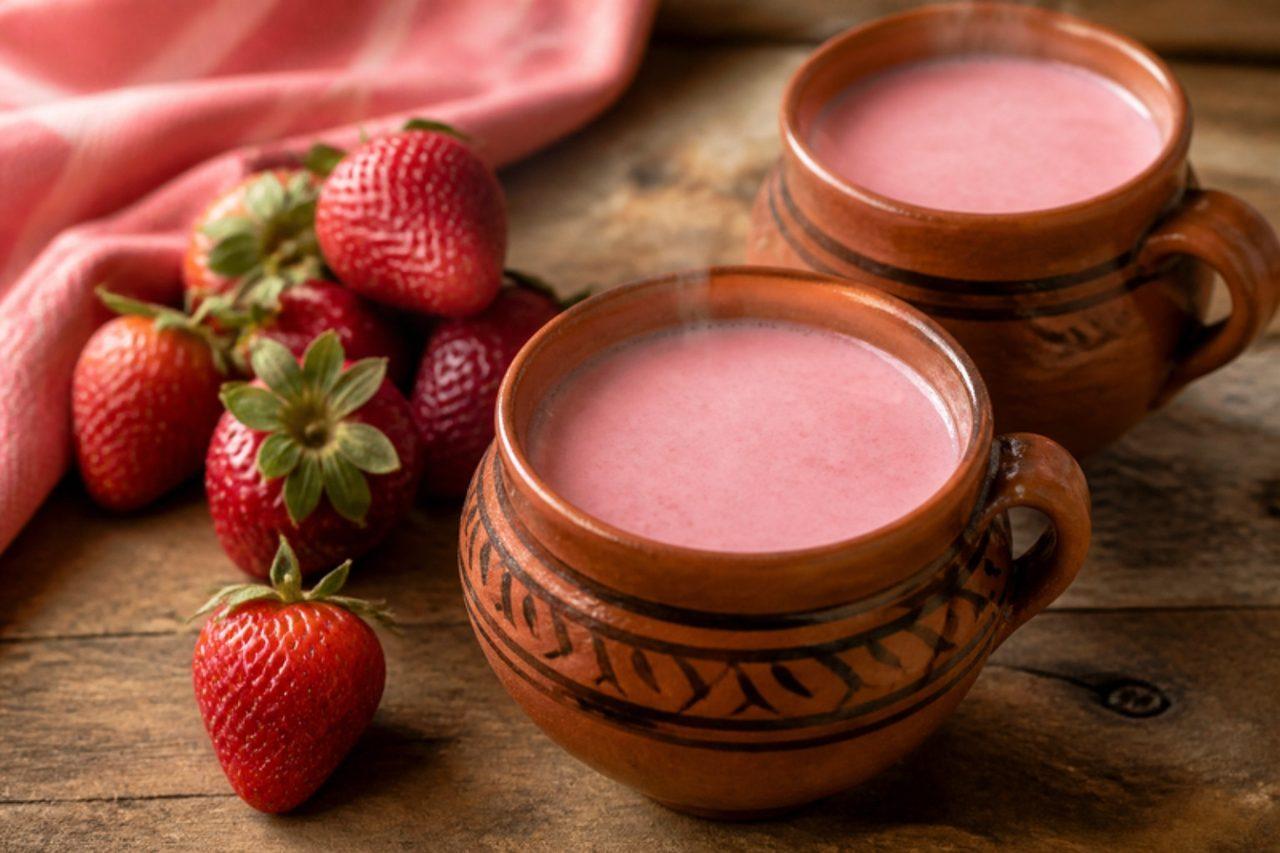
Pink, warm and sweet, atole de fresa is a children's favourite in Mexico City and Irapuato, the strawberry capital of Guanajuato, sold in polystyrene cups alongside tamales for breakfast. Fresh strawberries are blended with milk and thickened with a little masa, which gives a gentle corn flavour under the fruit. It contains dairy. Chef's tip: blend the strawberries raw and add them at the end, so the drink keeps its bright colour.

by KrazyBadal 0 views

Pan de eloteFresh corn cake

Across central Mexico, from Morelos to the State of Mexico, pan de elote is baked when fresh corn is cheap in late summer and sold by the slice at market stalls. Despite its name it is more cake than bread: fresh kernels blended with butter, eggs and condensed milk bake into a dense, custardy, golden loaf that tastes of sweet corn. It contains wheat and egg. Chef's tip: use the starchiest, most mature corn you can find, because young sweetcorn makes a wetter, flatter cake.

by KrazyBadal 0 views

Showing 24 of 97 recipes

Show more recipes

Page 1 of 5