Skip to content
Recipes

All recipes

Vegetarian, or something you can't eat? Set your diet once and we'll hide recipes that don't fit.

Jukut ares (Balinese banana stem soup with chicken)

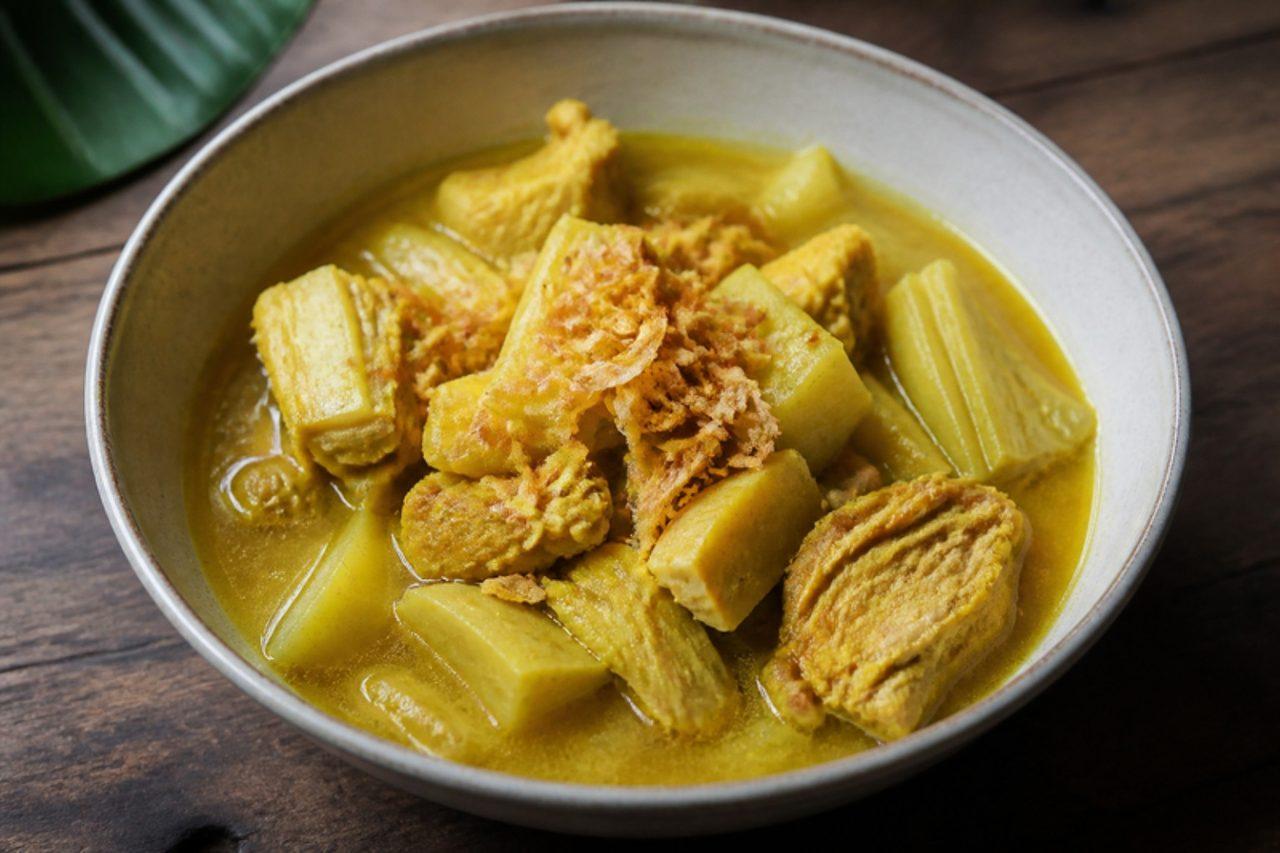
Jukut ares is cooked in Bali for Galungan and the ceremonies around it, when families gather at home and the kitchen turns out dishes for days; the humble banana tree, which gives fruit, leaves and stem, stands for the generosity of the land. The soft white core of the trunk is sliced thin and simmered in a broth built on base genep, the island's master spice paste, until it is tender and slightly silky, like a cross between bamboo shoot and leek. Villages often use pork bones; this version uses chicken thighs, which make a lighter, golden, peppery broth. Serve it in bowls with steamed rice and sambal. Chef's tip: soak the sliced stem in salted water and pull off the stringy fibres as you go, or the soup turns grey and stringy.

by KrazyBadal 0 views

BeraweckaDried fruit and nut Christmas loaf

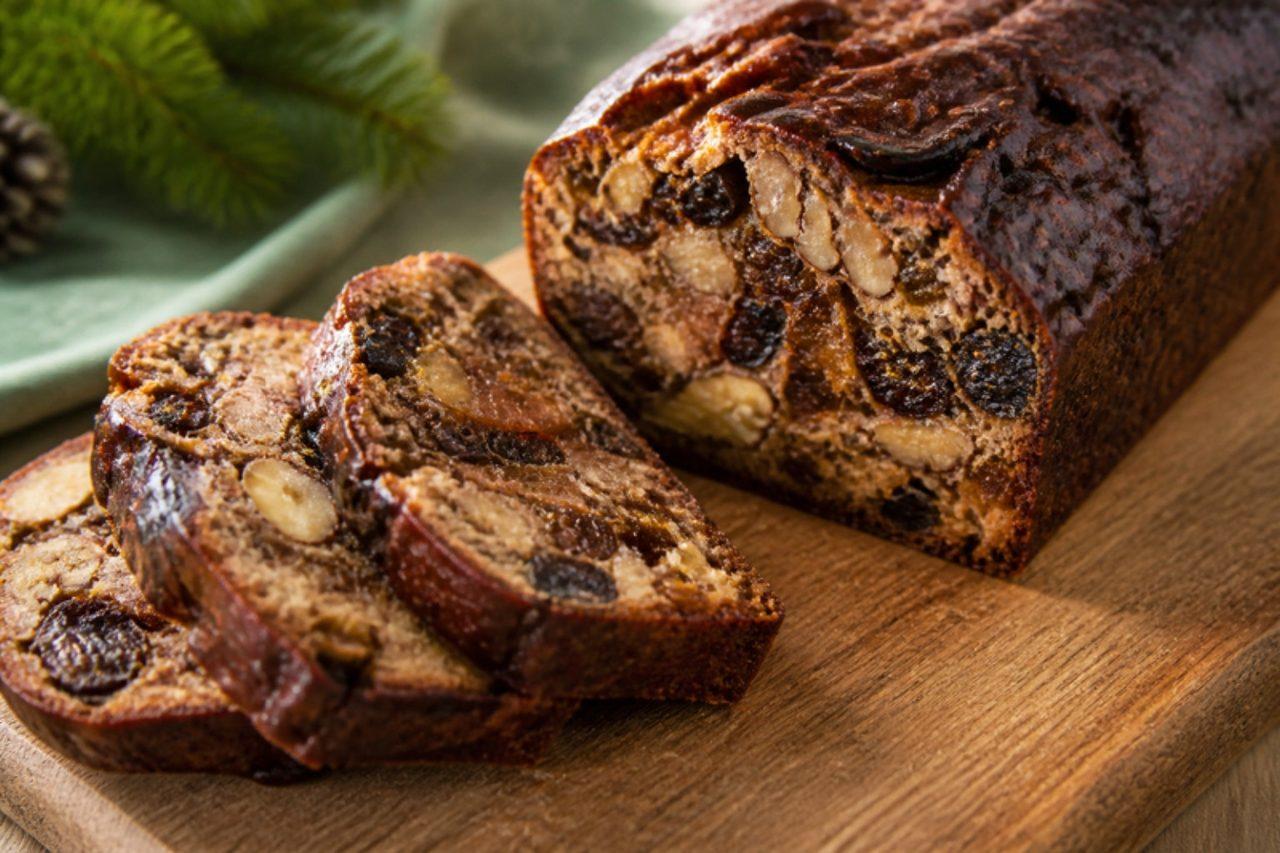
In Alsace, berawecka (the name means 'pear loaf') is baked in early December and sliced thinly through Advent, often handed to neighbours and godchildren. It is mostly fruit: dried pears, figs, prunes, raisins and walnuts held together with just enough bread dough, spiced with cinnamon, star anise and clove. Alsatian families soak the fruit in kirsch; this version uses strong black tea, which keeps the loaf moist and alcohol-free, and you can add 3 tbsp kirsch to the soak for adults if you like. It is vegan, keeps for weeks wrapped in foil, and is lovely buttered with a cup of tea. Chef's tip: cut the pears and figs the same size as the raisins, so every slice holds a mosaic of fruit instead of big lumps that tear the loaf.

100 minFrenchBakingVegan
by KrazyBadal 0 views

Aguadito de polloCoriander chicken rice soup

Aguadito is the soup Lima serves in the small hours: at the end of a wedding, after New Year's Eve and at weekend family lunches, it is ladled out thick and steaming to revive everyone. Rice simmers in chicken broth coloured deep green with blended coriander and warmed with yellow ají amarillo, along with peas, carrot, pepper, sweetcorn and potato. A portion gives about 24 g of protein, from the chicken with a little from the rice and peas, for around 480 kcal. The common mistake is adding the coriander purée too early: cooked for long it turns khaki and loses its fresh taste, so stir it in for the last 10 minutes. The chicken must reach 74 °C at the bone. Chef's tip: blend a handful of spinach with the coriander; it keeps the colour vivid green without changing the flavour.

by KrazyBadal 0 views

Chilcano de pescadoClear fish broth

In the fishermen's terminals of Chorrillos and Callao, chilcano is what you drink on a Sunday morning after a long night: a clear, gingery broth made from the heads and bones left over from cleaning fish for ceviche, with chunks of fish, red onion, chilli and a squeeze of lime in the bowl. It is light and warming, around 160 kcal a bowl, and still gives about 24 g of protein from the fish fillet and the broth. The common mistake is squeezing the lime into the pot while it boils, which turns it bitter; add it to each bowl at the table. Don't boil the bones for more than 30 minutes either, or the broth turns cloudy and harsh. Chef's tip: ask the fishmonger for heads and frames from mild white fish like sea bass or cod, and leave out oily fish such as mackerel, which makes the broth strong and fishy.

by KrazyBadal 0 views

Sayur asemSour tamarind vegetable soup

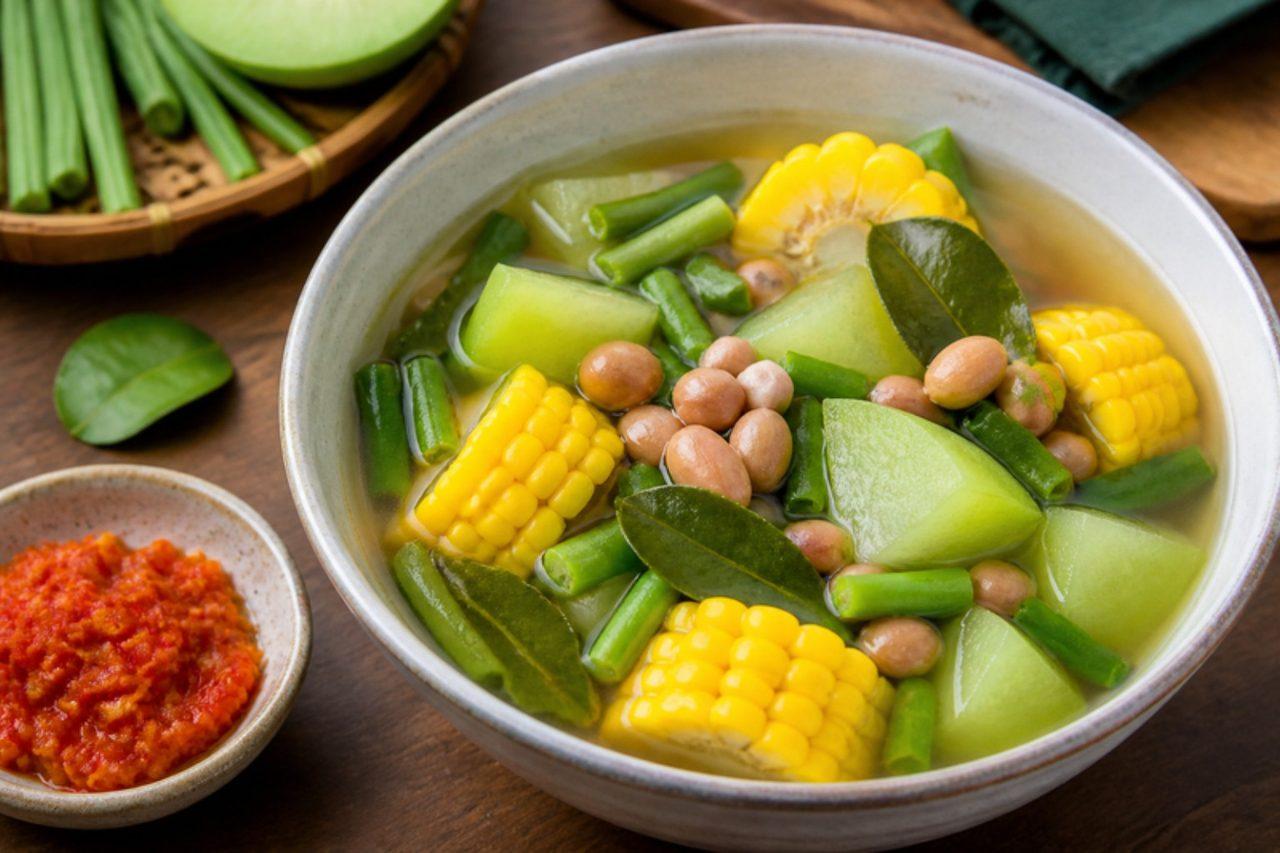
Sayur asem is the soup that sits beside fried tempeh, rice and sambal on lunch tables across Jakarta and West Java, and it is most loved in the hot months, when its sharp, sweet-sour broth cools you down. Chunks of sweetcorn, chayote, long beans, raw peanuts and young melinjo leaves simmer in a clear broth soured with tamarind and rounded with a little palm sugar. It is light, with about 5 g of protein per portion, mostly from the peanuts; serve it with tempeh or tofu if you want a full meal. The most common mistake is adding all the vegetables at once: the corn and peanuts need a head start, while the long beans and leaves turn grey and soft if they boil too long. Chef's tip: dissolve the tamarind in a little hot water and add it in stages, tasting as you go, because tamarind blocks vary hugely in strength.

by KrazyBadal 0 views

Tahu campurFried tofu and beef noodle soup

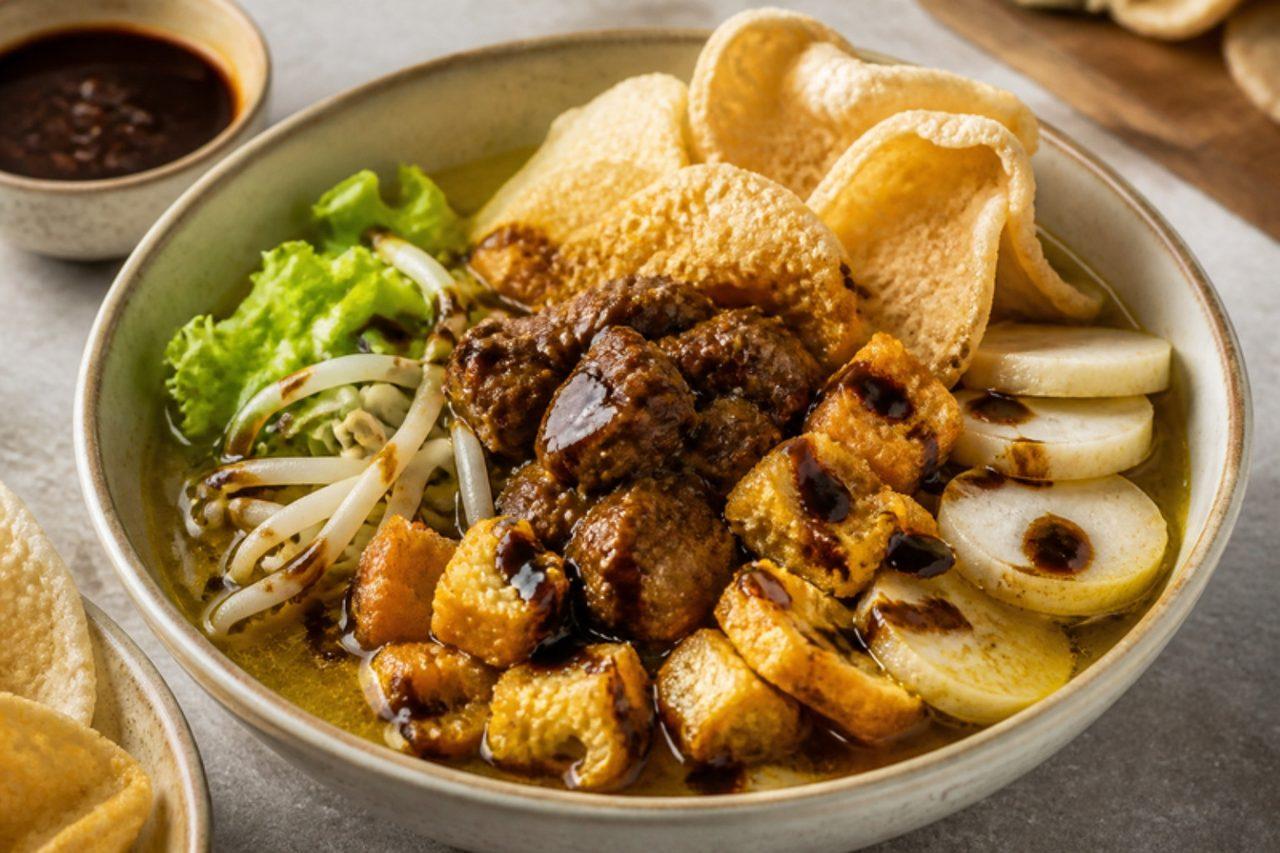
Tahu campur comes from Lamongan in East Java, and its vendors carry it all over Surabaya, where it is a filling lunch or early supper eaten from a deep plate. Golden fried tofu, slices of rice cake, beef, bean sprouts and lettuce sit in a light, spiced beef broth, and a spoon of black petis (fermented shrimp paste) mashed with chilli, garlic and sweet soy is stirred through at the table. This version uses beef shin, which gives a clear broth and tender meat. A portion has about 30 g of protein, from the beef and the tofu. The common mistake is boiling the broth hard: it turns cloudy and greasy, so keep it at a gentle simmer and skim it. Chef's tip: thin the petis with a little hot broth before you add the chilli and lime, or it stays in sticky lumps.

by KrazyBadal 0 views

Sayur sopClear vegetable soup

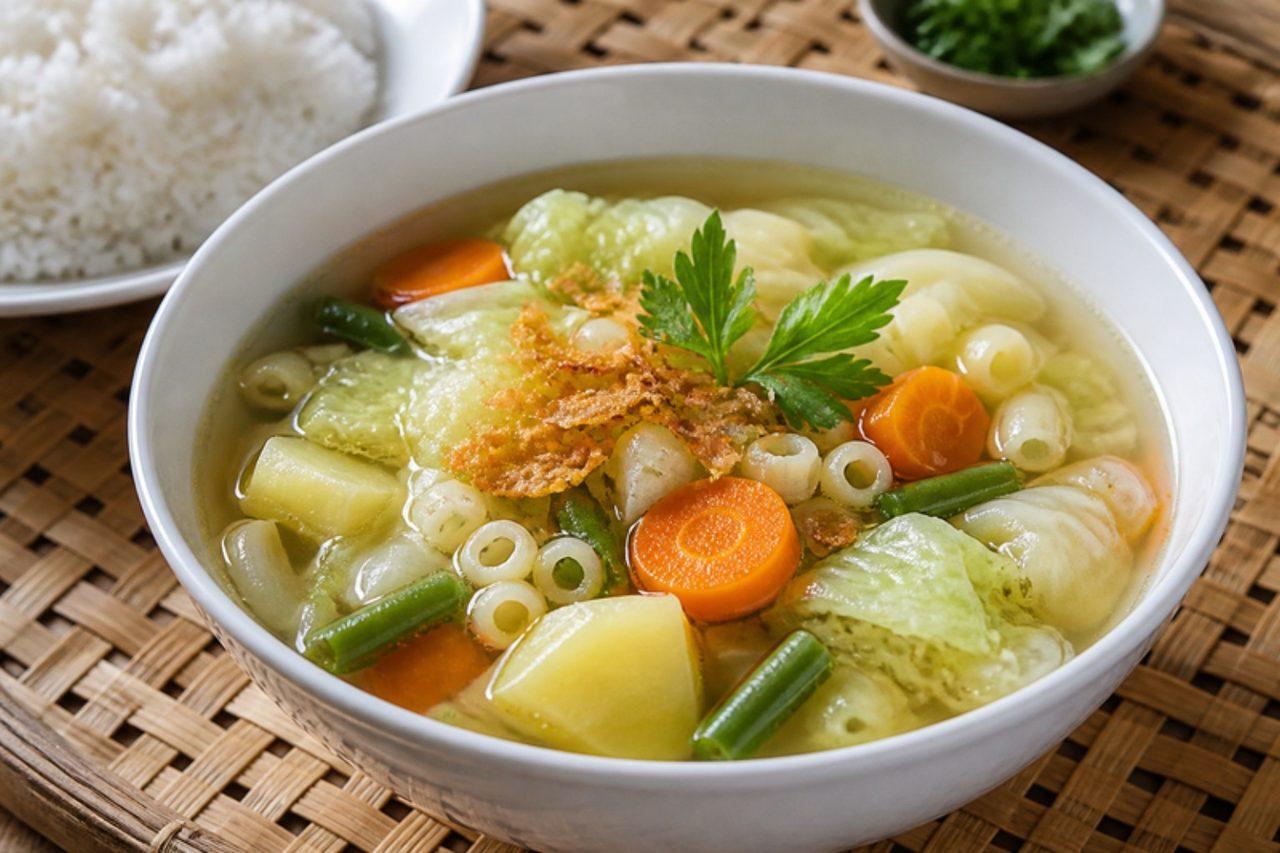
Sayur sop is the clear vegetable soup cooked in homes all over Indonesia, from Medan to Surabaya, on any ordinary weeknight and whenever a child is poorly; it is spooned over rice beside fried tofu or tempeh. Most families make it with chicken stock, so this is the vegetarian version, built on vegetable stock with fried shallots and celery leaf for depth. It is gentle, savoury and fragrant with nutmeg and white pepper, and children love it. It has about 4 g of protein per portion, from the vegetables and macaroni; add cubes of firm tofu for more. The common mistake is boiling it hard, which clouds the broth and breaks the potato; keep it at a lazy simmer. Chef's tip: fry the garlic and shallot in a little oil before they go in, rather than adding them raw, for a broth that tastes much richer than it is.

by KrazyBadal 0 views

Potage cultivateurFarmer's vegetable soup

Potage cultivateur is the farmhouse soup of France, made in kitchens from Normandy to the Auvergne on cold evenings and eaten as a light supper with bread. The vegetables are cut into small, thin squares (the 'paysanne' cut), sweated slowly in butter, then simmered in water, so the broth stays clear and every spoonful has carrot, turnip, leek and potato. The old versions add bacon; this one is vegetarian. It is light, with about 4 g of protein per bowl; add a handful of white beans or serve with cheese on toast for more (choose a vegetarian cheese if you avoid animal rennet). The most common mistake is browning the vegetables: they should sweat gently until soft and shiny, never coloured. Chef's tip: cut every vegetable the same size, about 1 cm square and 3 mm thick, so they all cook in the same time.

by KrazyBadal 0 views

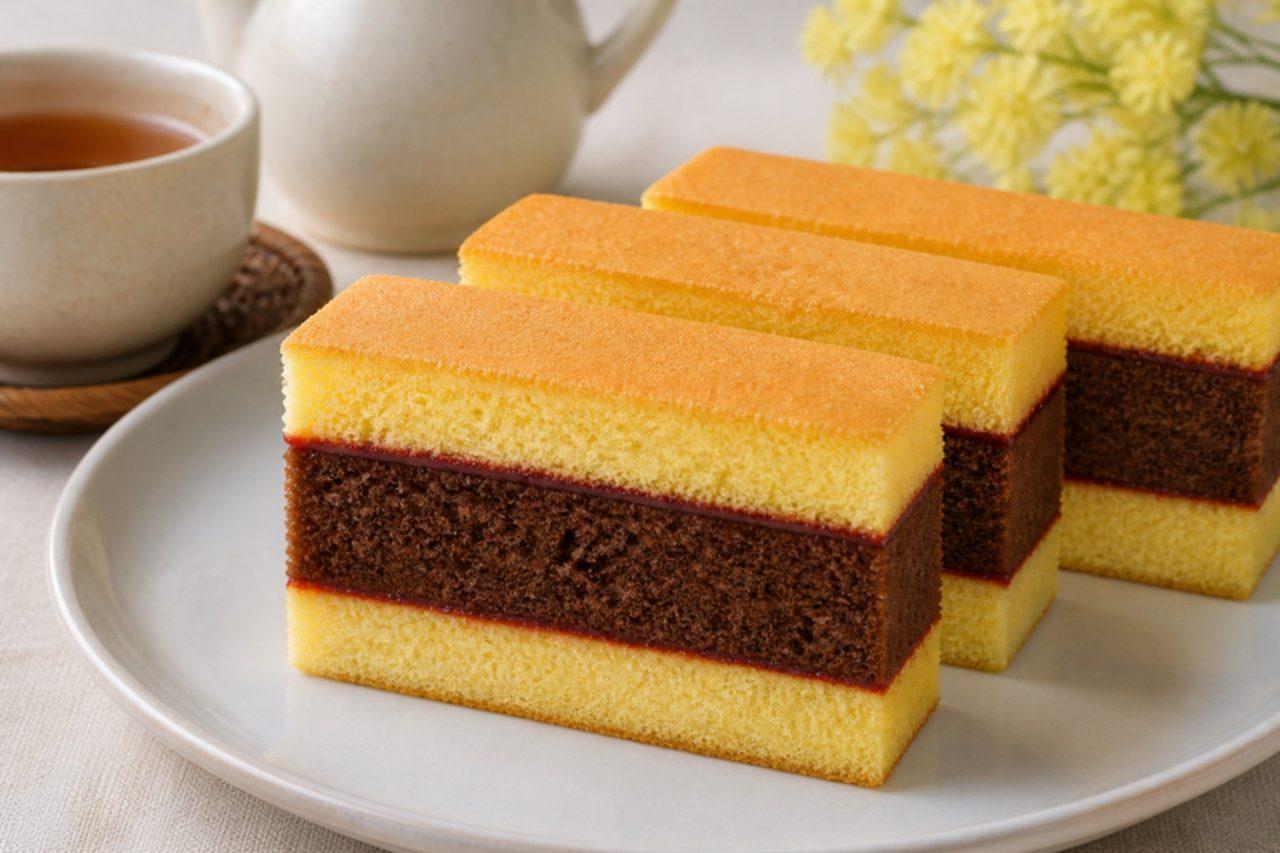
Spiku (lapis Surabaya)Three-layer butter sponge with jam

Visitors leaving Surabaya are expected to carry home a box of spiku as oleh-oleh, the gift from your travels, and it also turns up for Lebaran and Chinese New Year. The name comes from the Dutch spekkoek, but this is a different cake: three thick layers of rich, yolk-heavy butter sponge, two plain and one chocolate, stuck together with apricot or strawberry jam. The crumb is soft, tight and buttery, best in thin slices with tea. Folding the melted butter in roughly or too fast lets it sink and bake into a greasy band at the bottom, so add it in a thin stream and fold just until it vanishes. Chef's tip: bake the three layers at the same time in three identical tins; weigh the batter into them so the layers come out even.

by KrazyBadal 0 views

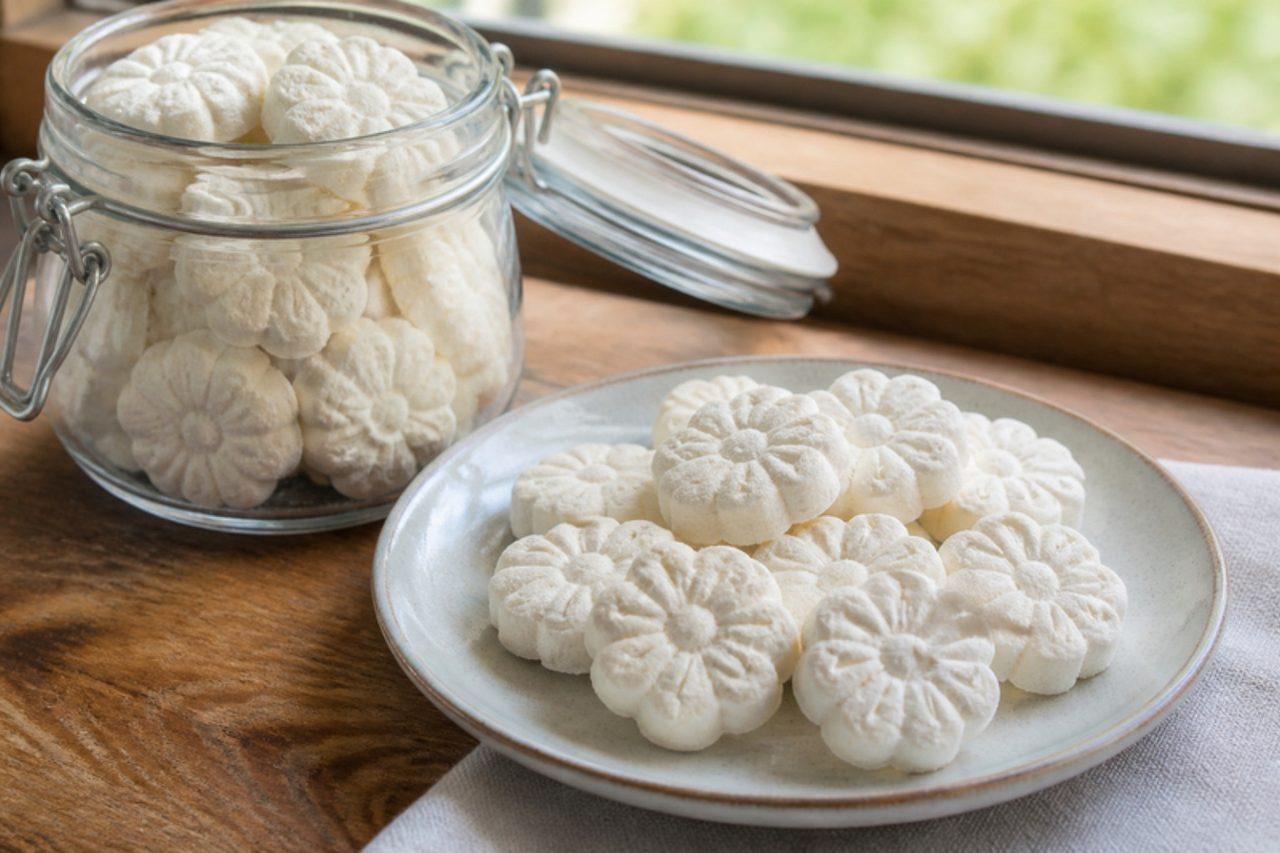
Kue bangkitTapioca coconut flower cookies

Jars of kue bangkit sit on coffee tables across Riau and the Sumatran coast at Lebaran, and Chinese-Indonesian families bake the same little white flowers for Lunar New Year. They are made from tapioca starch slowly roasted with pandan leaves, then bound with sugar, egg yolk and thick coconut milk and pressed into tiny flower shapes. When they are right they feel crisp and light in the hand and then dissolve instantly on the tongue, leaving the taste of coconut and pandan. The step people rush is roasting the starch; it must be dry-fried until feather-light, or the cookies bake hard and chalky. Chef's tip: keep the dough covered with a cloth while you work, because tapioca dough dries in minutes and then crumbles in the mould.

by KrazyBadal 0 views

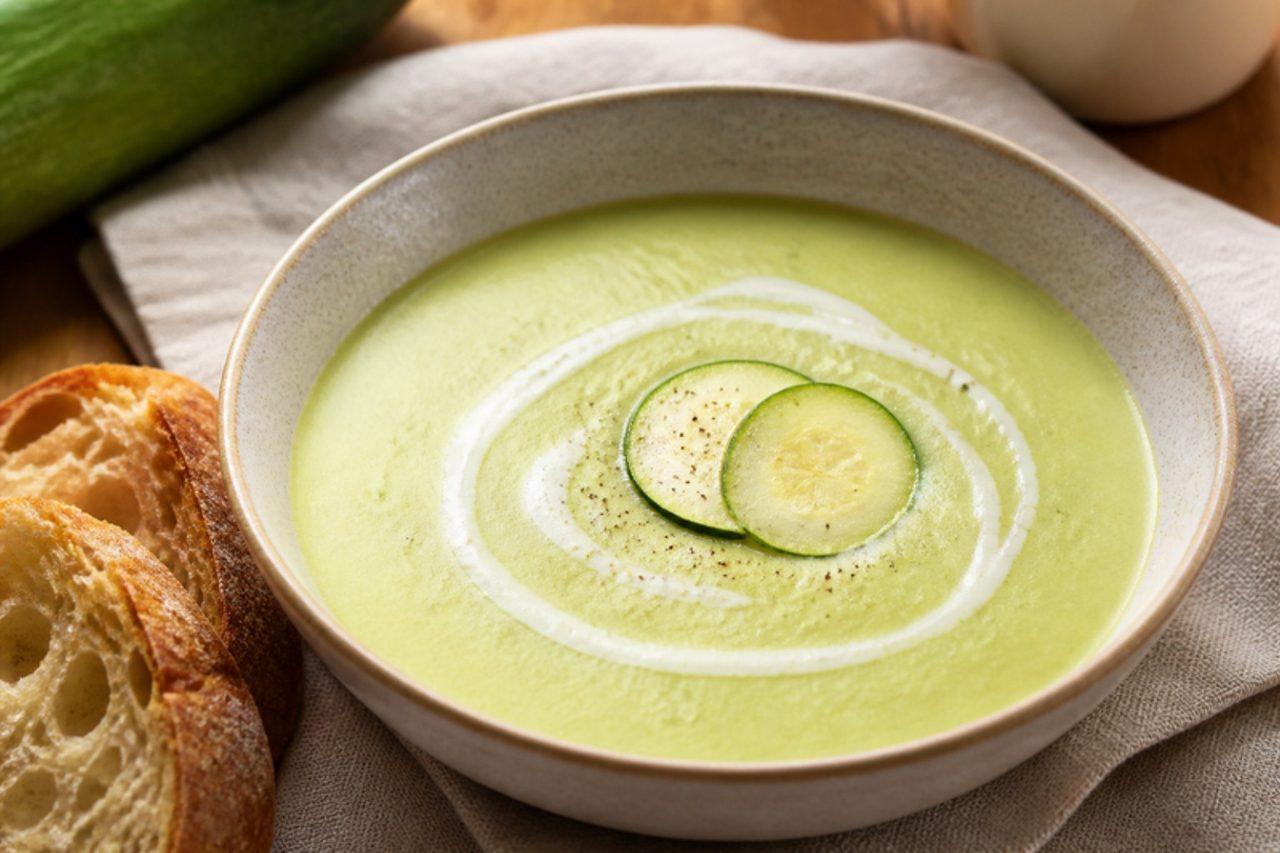
Velouté de courgettesSmooth courgette soup

French families make velouté de courgettes on summer and early-autumn evenings, when courgettes are cheap and plentiful, often blending in a few wedges of soft triangle cheese or a spoon of cream so children drink it happily. It is pale green, silky and mild, and ready in under half an hour; serve it with crusty bread and a piece of cheese. Some soft cheeses are made with animal rennet, so check the label or use a vegetarian cream cheese. The most common mistake is boiling the courgettes too long, which turns the soup a dull khaki; simmer only until just tender. Chef's tip: leave some of the green skin on but peel in stripes, so the colour stays bright without any bitterness.

by KrazyBadal 0 views

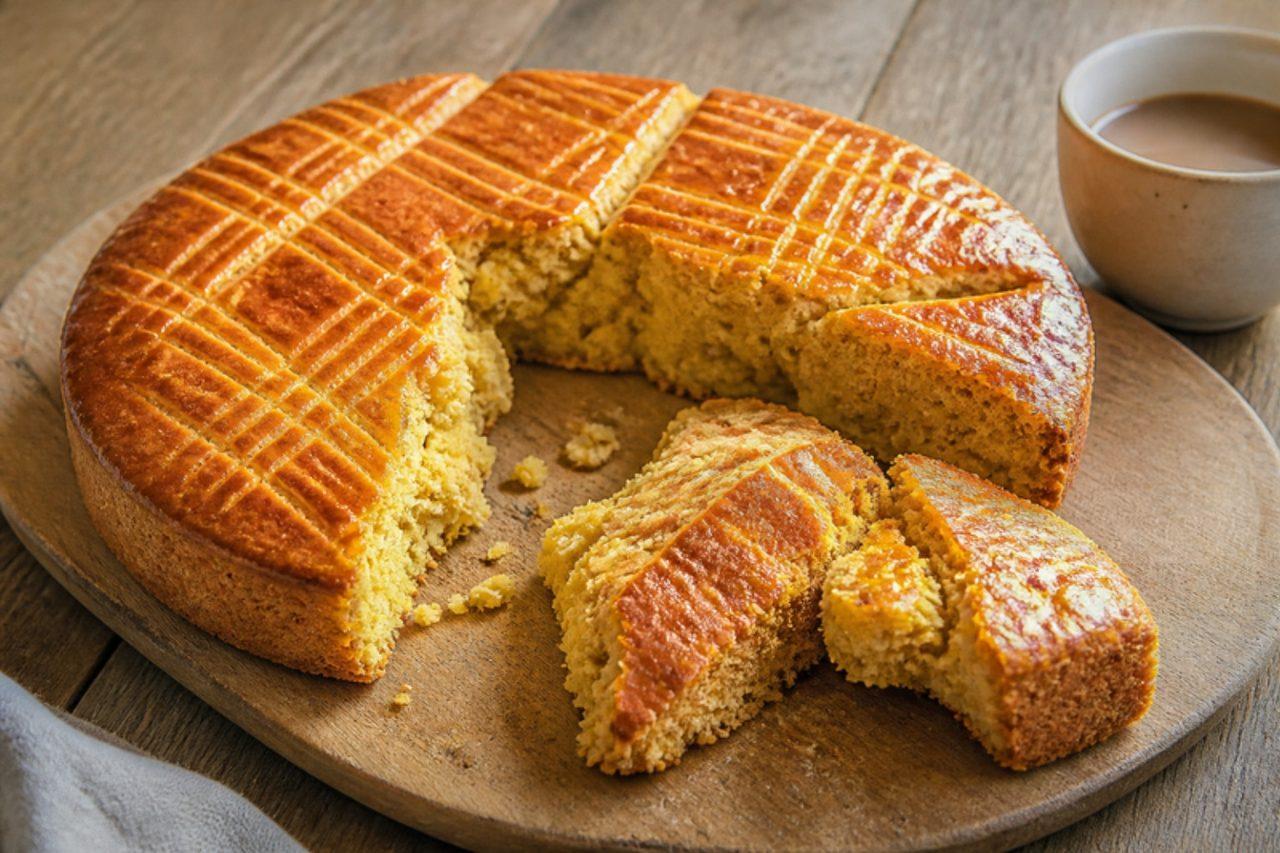
Broyé du PoitouGiant butter biscuit

From the Poitou-Charentes region of western France, broyé is one huge, thick butter biscuit baked in a round and carried whole to the table. Tradition says you break it in the middle with a firm blow of the fist, and everyone grabs a jagged piece; farmhouse cooks served it at weddings and family lunches, and it still ends meals there with coffee or a glass of local pineau. It is crisp at the edges, slightly tender in the middle and tastes of salted butter. Some families add chopped candied angelica from Niort. The top is glazed with egg yolk for its shine; milk gives a softer sheen if you prefer no egg wash. Chef's tip: mark the top with a fork in a diamond pattern and press quite deep, because the lines spread as it bakes; a pale broyé is the common mistake, so bake on until it is evenly golden all over.

by KrazyBadal 0 views

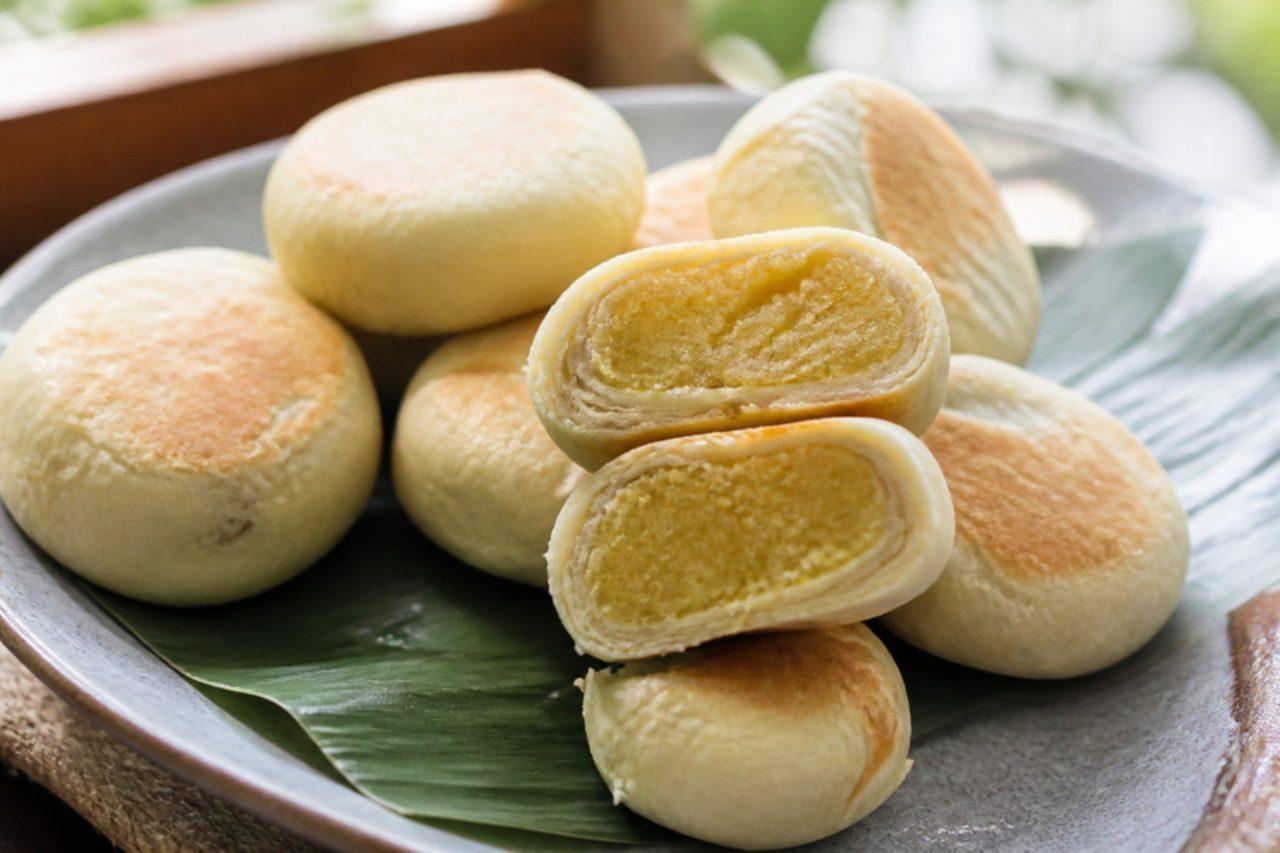
BakpiaMung bean pastries

Nobody leaves Yogyakarta without a cardboard box of bakpia; the Pathuk neighbourhood, a short walk from Malioboro, is lined with family bakeries turning them out for visitors as oleh-oleh, the snacks Indonesians bring home from a trip. These are small, round and slightly puffed, with a thin, flaky skin that goes golden in spots and a smooth, lightly salted sweet mung bean centre. They came to Java with Chinese bakers (the name comes from Hokkien bak pia) and are eaten with sweet hot tea or a glass of kopi. Using too much filling is the usual problem; the skin should wrap it with no stretching. Chef's tip: cook the mung beans with a knotted pandan leaf for the classic fragrance, and keep the pastry balls under a damp cloth so the skins stay supple while you work.

by KrazyBadal 0 views

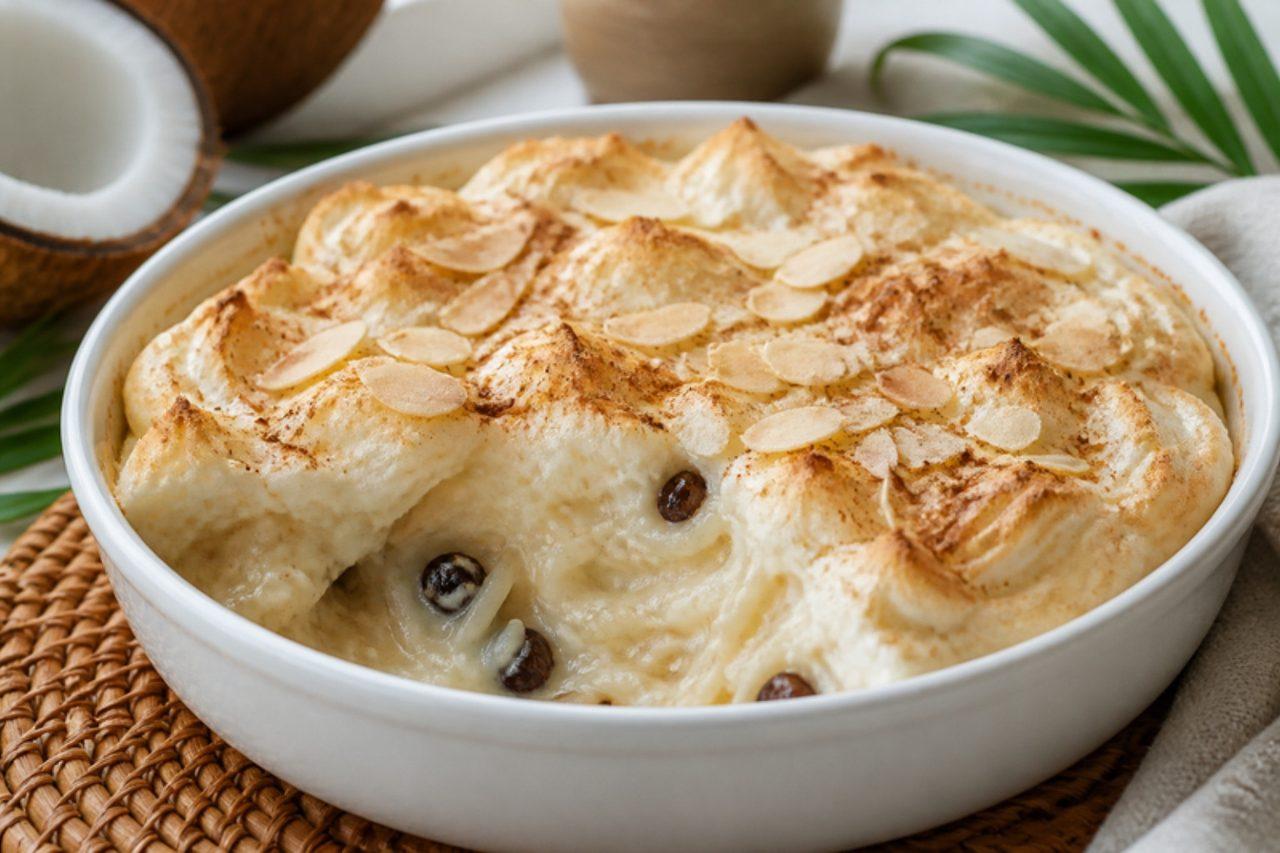
KlappertaartBaked young coconut custard

Manado, at the northern tip of Sulawesi, inherited klappertaart from its Dutch colonial kitchens (klapper is old Dutch for coconut), and it is still the dessert North Sulawesi families bring to birthdays, Christmas and church gatherings. Soft strips of young coconut flesh are folded through a creamy, cinnamon-scented milk custard with raisins, then baked under a sprinkle of almonds until barely set and bronzed on top. It is eaten warm or cold, spooned straight from the dish. Many recipes soak the raisins in rum or add a splash to the custard; this one is alcohol-free, with the rum as an option. Overbaking it until firm is the mistake to avoid; it should be soft and spoonable. Chef's tip: use the jelly-soft flesh of young coconuts (or frozen young coconut strips); grated mature coconut makes the custard dry and chewy.

by KrazyBadal 0 views

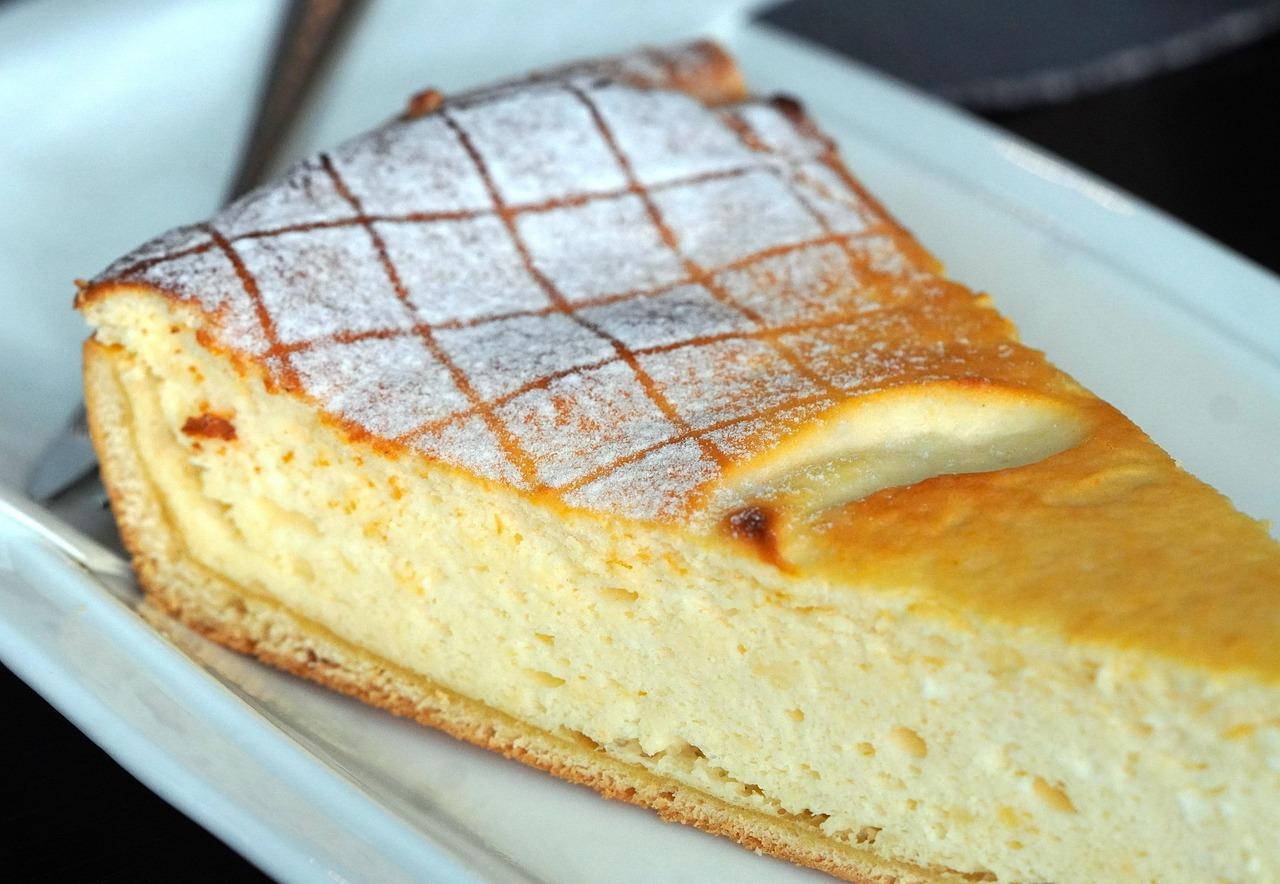
Tarte au fromage blancBaked cheesecake tart

Alsatians call it Käsküeche, and it is the cake their pâtisseries in Strasbourg and Colmar sell by the tall wedge on Sunday mornings, to take home for dessert after lunch. Fromage blanc, eggs and a little crème fraîche are baked in a high-sided pastry case until the filling puffs well above the rim like a soufflé, then settles into a light, creamy, gently lemony cheesecake. It is much less sweet than an American cheesecake and is eaten plain, maybe with a coffee or a glass of cold milk. Taking it out of a hot oven straight into a cold kitchen is what makes it crack and sink badly. Chef's tip: switch the oven off at the end, prop the door open with a wooden spoon and let the tart cool inside for an hour.

by KrazyBadal 0 views

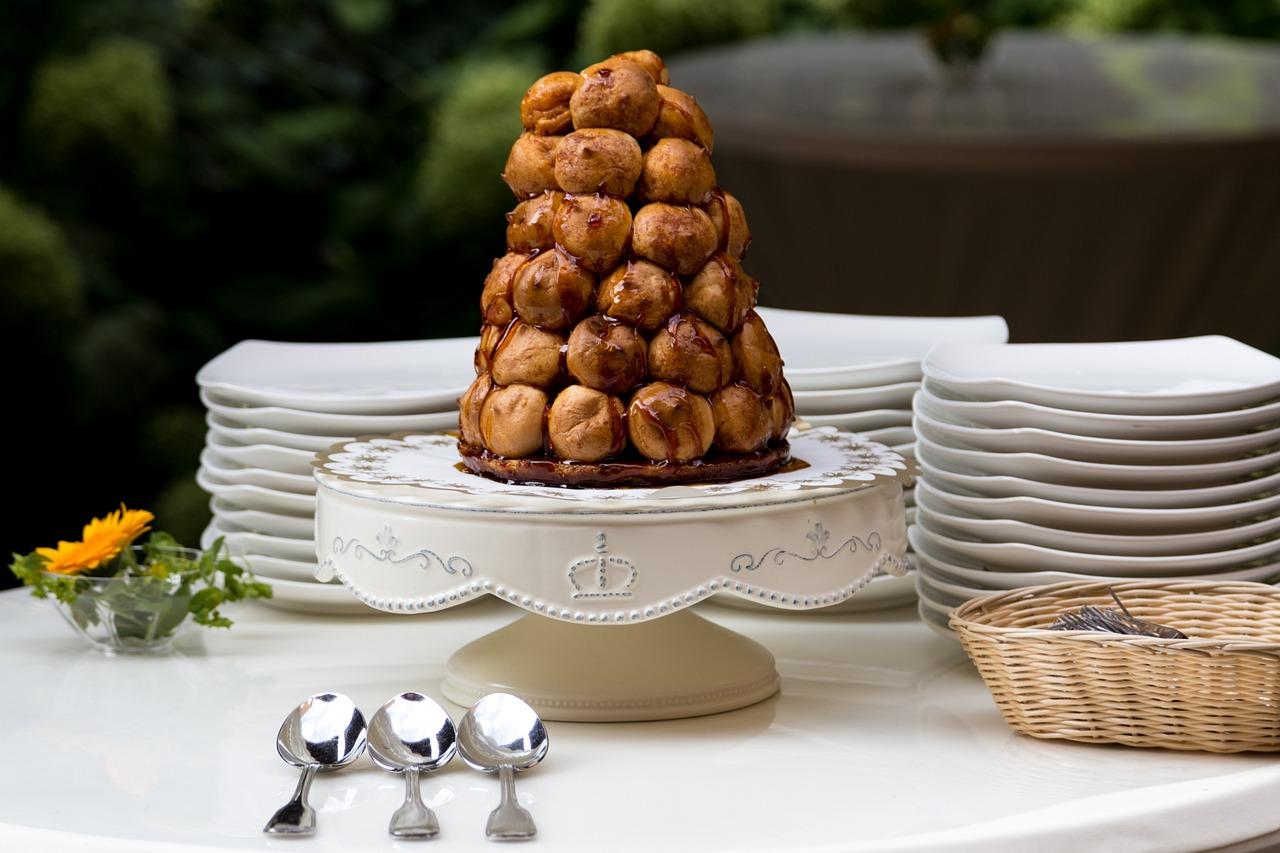
CroquemboucheCaramel-bound choux puff tower

At a French wedding, christening or first communion, the croquembouche ('crunch in the mouth') arrives at the end of the meal: a tall cone of choux puffs filled with vanilla pastry cream, stuck together with amber caramel and wrapped in spun sugar threads. Guests crack puffs off with a knife or the back of a spoon, so each bite is crisp caramel, light pastry and cold, smooth cream. Pâtissiers often flavour the cream with orange liqueur; it is written here with vanilla only, and you can add 2 tablespoons of liqueur to the cooled cream. Underbaked choux is the classic mistake, because pale puffs go soft and collapse under the weight, so bake them until they are deep golden and dry inside; and since hot caramel burns badly, keep a bowl of iced water beside you and work with care. Chef's tip: build the tower on the day, no more than 4 hours before serving; the caramel softens in the fridge and humid air.

210 minFrenchBaking
by KrazyBadal 0 views

Gâteau à la brocheSpit cake

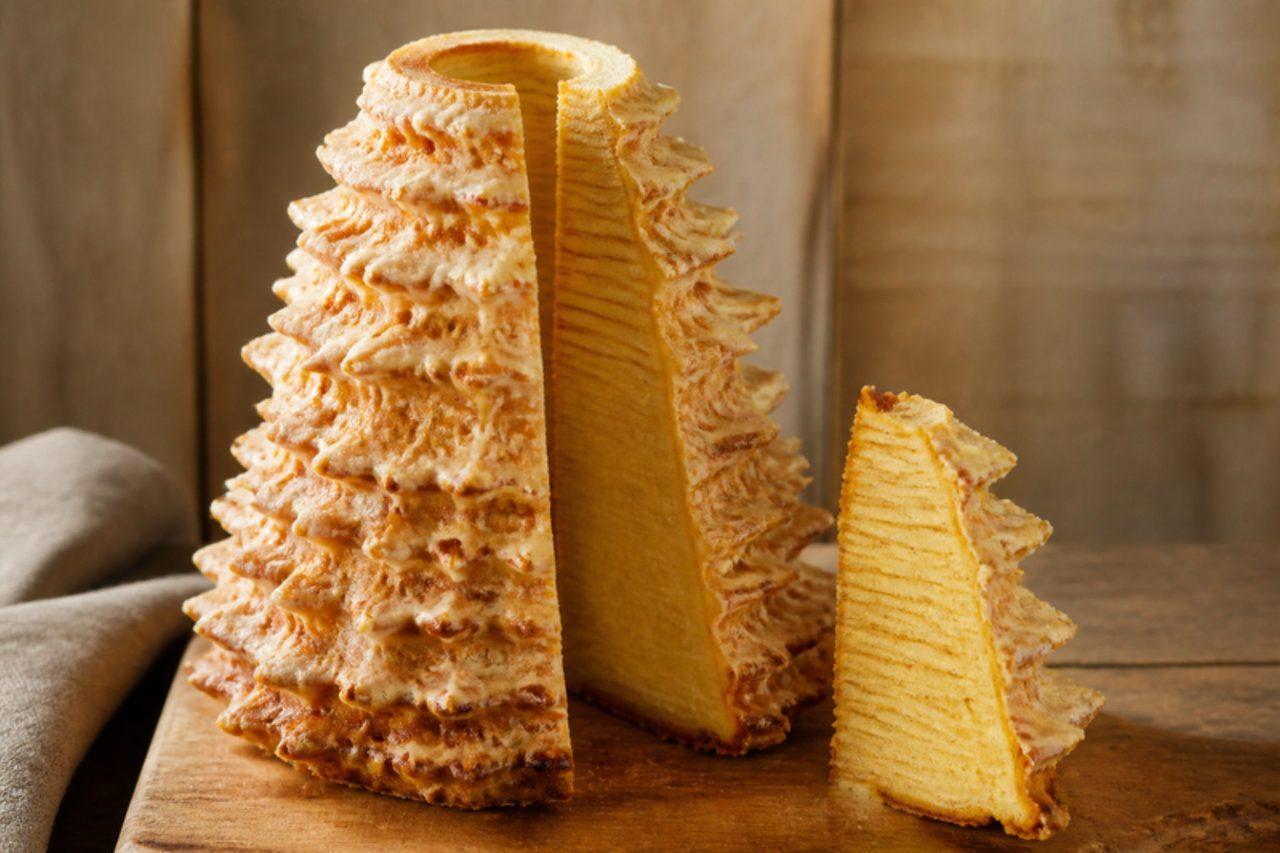
At weddings and village fairs in the Aveyron and the Pyrenees, gâteau à la broche is a performance: a wooden cone turns on a spit in front of a wood fire while a cook ladles batter over it, layer after layer, for hours. The drips set into the spiky ridges that make the tall, hollow cake look like a fir tree. Slices have thin golden rings, a soft, buttery, eggy crumb and a scent of orange-flower water; it is eaten at the end of the feast with sweet wine for the adults or coffee. Older recipes use rum where this one uses orange-flower water and lemon, and at home a foil-wrapped rolling pin turned under a hot grill does the job of the spit. Pouring too much batter at once is the easy mistake: thick layers stay raw inside, so ladle thinly and let each one colour. Chef's tip: keep the batter at room temperature and stir it each time; cold batter clings badly and drips off in sheets.

140 minFrenchBaking
by KrazyBadal 0 views

Gâteau battuTall egg-rich brioche cake

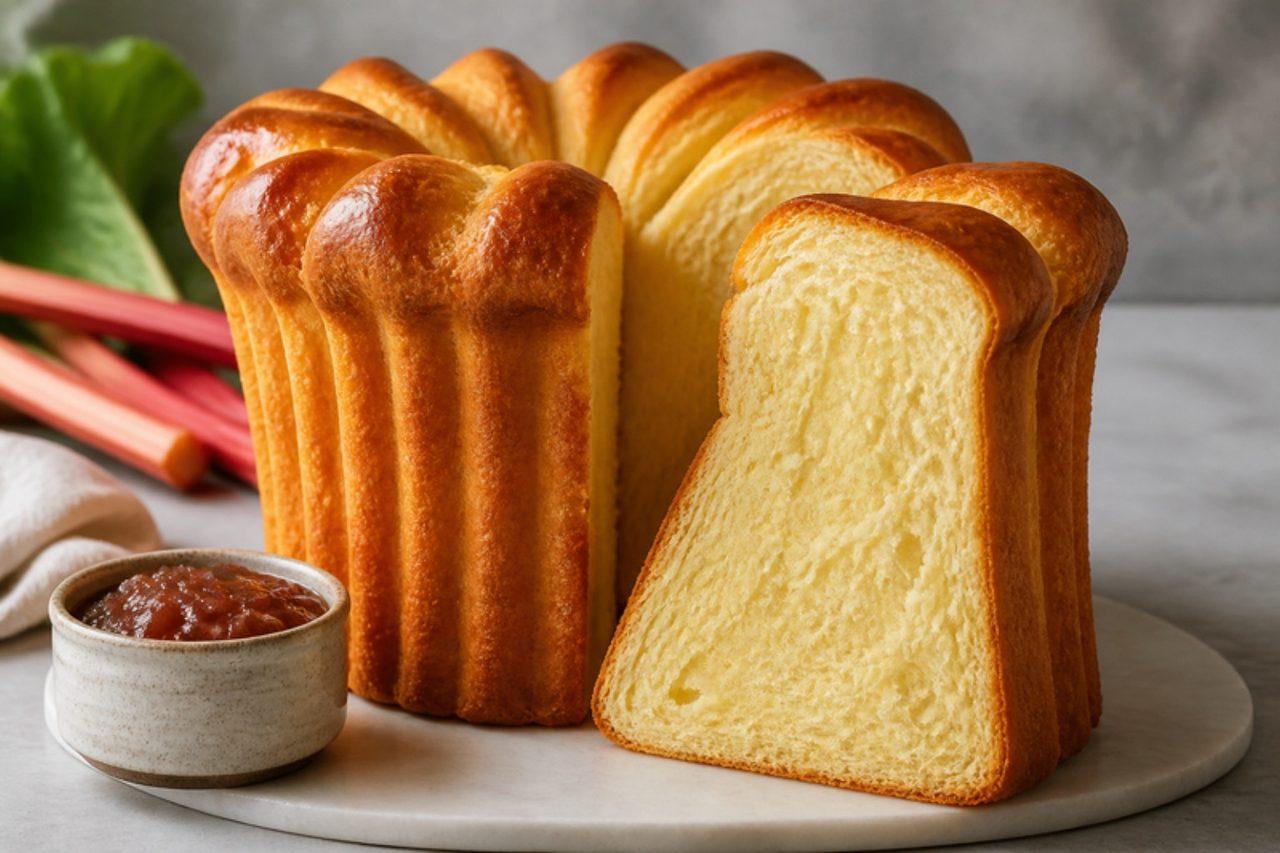
Picardy's tall, fluted gâteau battu ("beaten cake") gets its name from the long beating its dough needs: so many egg yolks and so much butter go in that it is closer to a thick batter than a bread dough. In the Somme it is the cake of family celebrations, first communions and weddings, and of Sunday breakfast, and it is baked in a distinctive tall, ridged mould that gives it the look of a chef's toque. The crumb is yellow, very light, buttery and only gently sweet. Serve it in slices with rhubarb jam, poached fruit or crème anglaise, or toasted the next day. Unmoulding too soon is how it collapses: the crumb is so tender that it needs 10 minutes to firm in the tin. Chef's tip: let the dough rise slowly until it reaches the rim of the mould, even if that takes 3 hours; rushing it gives a dense, cakey bottom.

300 minFrenchBaking
by KrazyBadal 0 views

Kue putri saljuSnowball crescent cookies

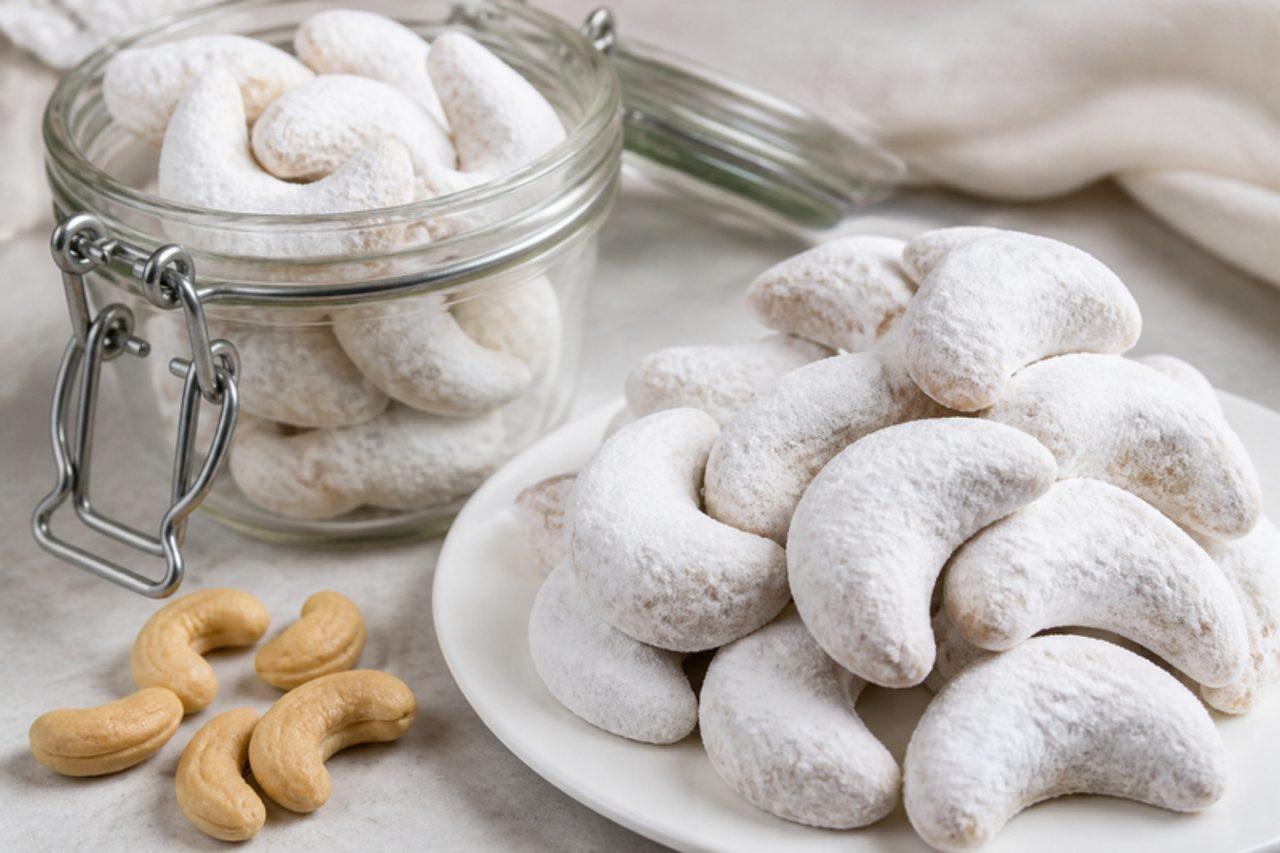
'Snow princess' cookies are a Lebaran favourite in every Indonesian city, set out in jars for the stream of visiting relatives during the first days of Syawal. Little crescents of buttery, nutty shortbread made with ground cashews melt the moment you bite them, under a thick snowy coat of icing sugar. Children love helping to roll the crescents. Chef's tip: dust them twice, once while warm so a thin layer melts on and once when cold for the snowy finish; dusting only hot cookies leaves them patchy and damp.

by KrazyBadal 0 views

Kue kastengelCheese biscuit sticks

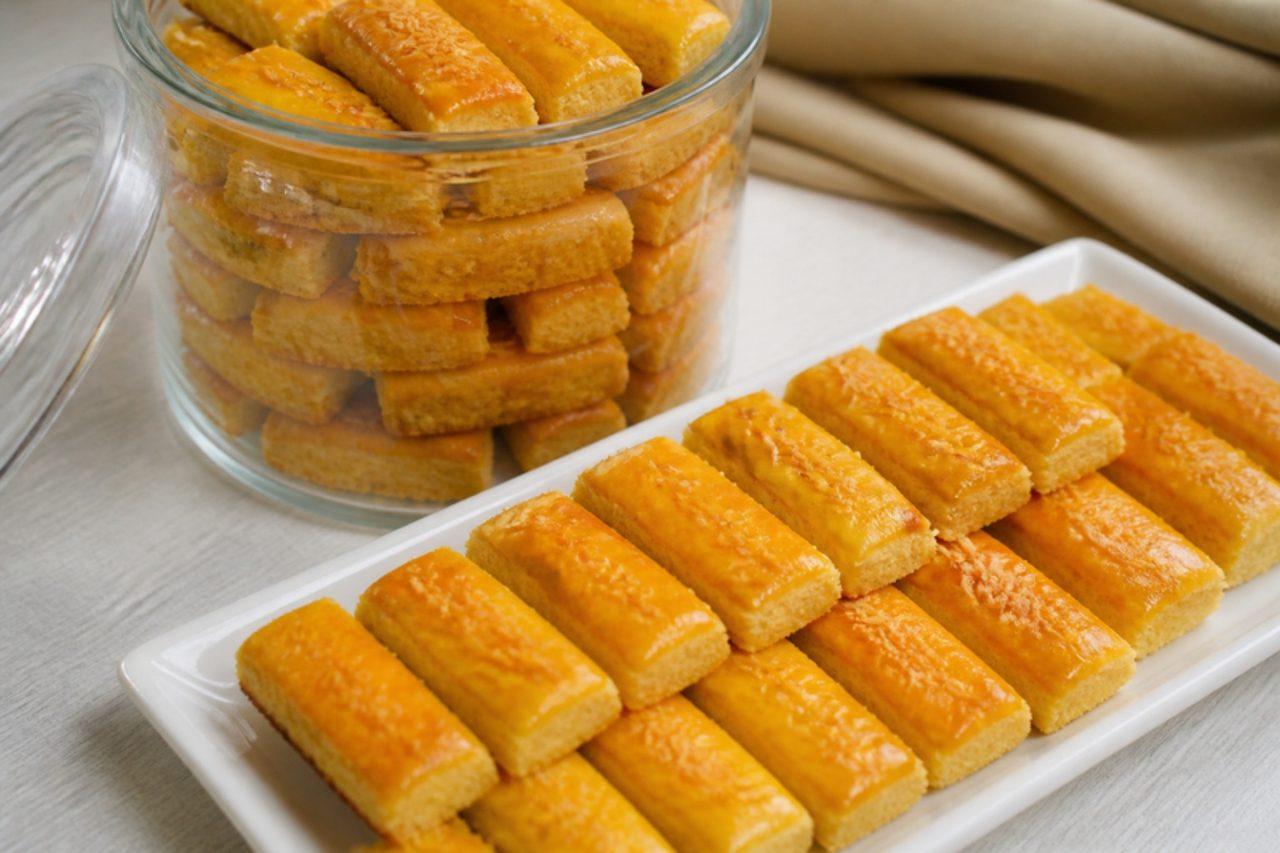
From Medan to Makassar, Lebaran open houses set out glass jars of kue kering, and kastengel (from the Dutch kaasstengels) are always among the first to go. These short, crumbly fingers are rich with butter and grated aged edam, glazed with yolk and topped with more cheese, so they bake into a salty, savoury biscuit that balances the sweet nastar and putri salju beside them. Chef's tip: don't overwork the dough once the flour goes in; kneading makes the sticks tough and they shrink in the oven instead of staying short and sandy.

by KrazyBadal 0 views

Lapis legitThousand-layer spice cake

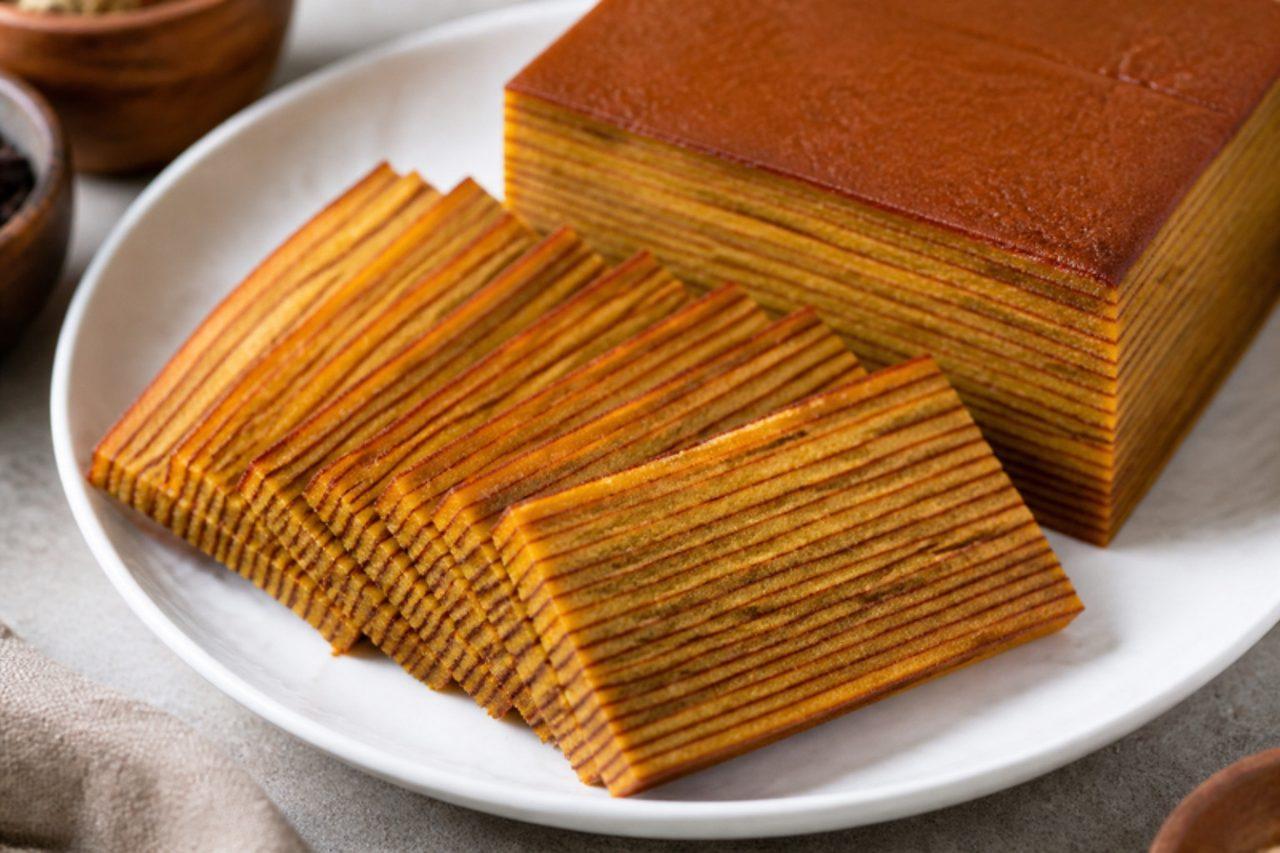
Indonesian Chinese and Dutch-descended families bake lapis legit for Christmas, Imlek and Lebaran, and in Jakarta a whole cake is a prized gift that can cost a small fortune. Rich batter of butter and a great many egg yolks, scented with cinnamon, clove, nutmeg and cardamom, is grilled one thin layer at a time, giving perfect tree-ring stripes when sliced. It takes an afternoon, but it is mostly patience. Slice it thinly; it is very rich. Chef's tip: press each layer gently with a flat spoon to burst air bubbles before adding the next; skipping it leaves holes and the layers separate when cut.

by KrazyBadal 0 views

Langues de chatCat's tongue biscuits

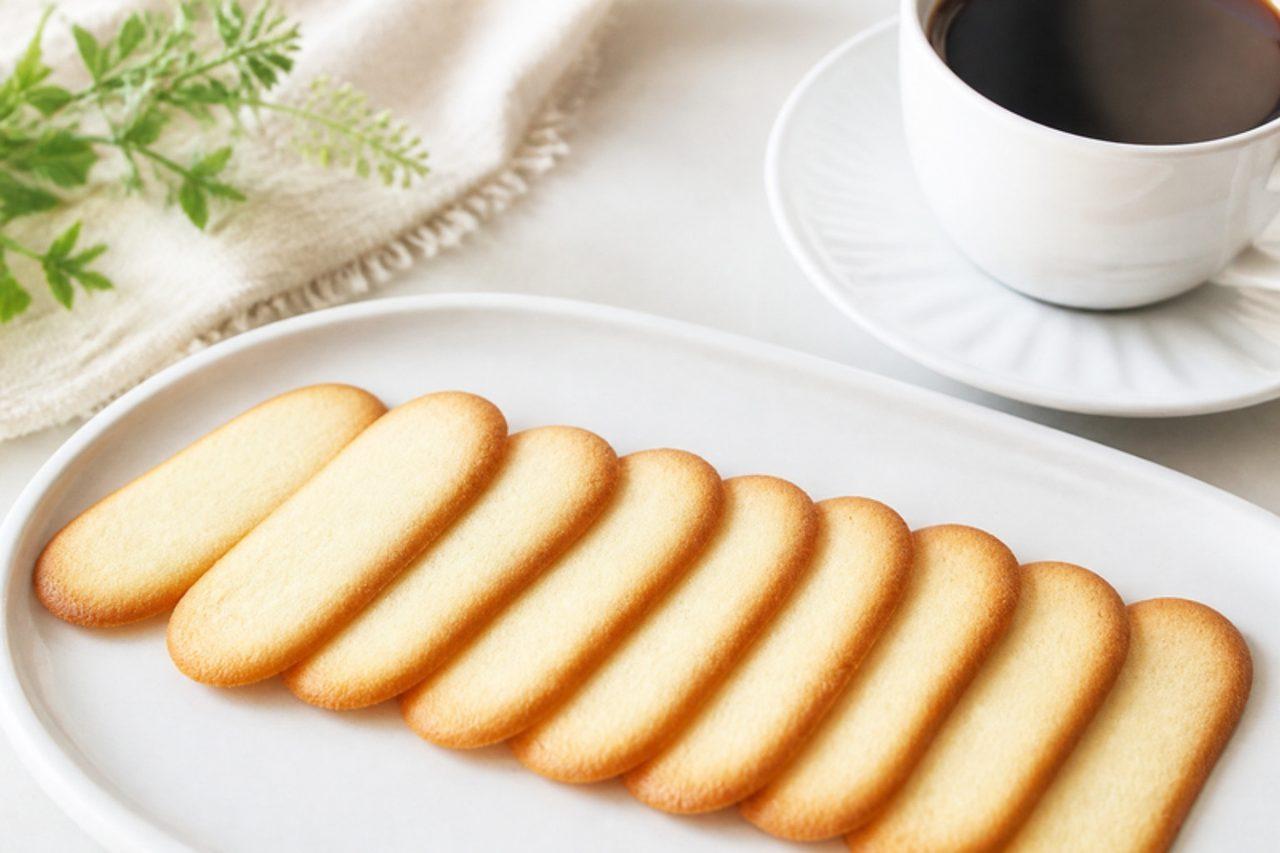
Langues de chat, "cat's tongues", are long, thin butter biscuits with golden edges, served with coffee, ice cream or a bowl of chocolate mousse in French homes and cafés; they keep well in a tin and children love them. A simple batter of butter, sugar, egg white and flour is piped in strips and baked until the edges just brown. The common mistake is piping them too close together; they spread. Chef's tip: tap the tray firmly on the worktop after piping so the strips flatten evenly.

by KrazyBadal 0 views

OranaisApricot custard pastry

The oranais, also called abricotine, is a French bakery pastry that is said to come from the city of Oran in Algeria, brought back by returning pieds-noirs in the 1960s, and it is now found in boulangeries all over France for breakfast and goûter. A square of puff or croissant dough has its corners folded over a spoonful of pastry cream and two apricot halves, so it looks like a pair of eyes. The common mistake is using wet canned apricots, which make the pastry soggy. Chef's tip: drain the apricots on kitchen paper and glaze them with warm apricot jam after baking for a jewel-like shine.

by KrazyBadal 0 views

Velouté de topinamboursJerusalem artichoke soup

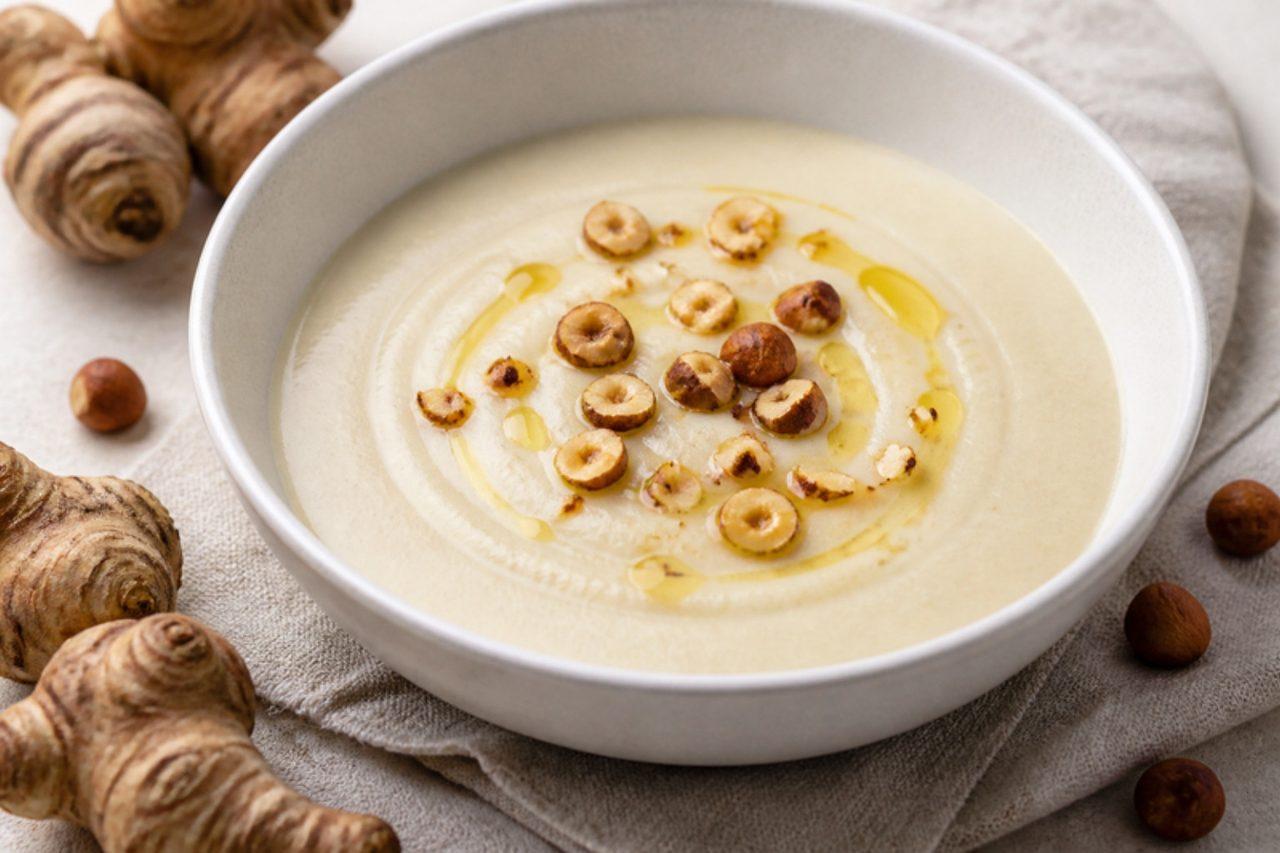
Velouté de topinambours is a winter soup French cooks rediscovered in the last twenty years; the knobbly Jerusalem artichoke was wartime food for older generations and is now a favourite at markets and bistros from November to March. Simmered with leek and potato and blended smooth, it has a sweet, nutty flavour close to artichoke and hazelnut. The common mistake is leaving the peeled roots in the air, where they turn grey; drop them straight into lemon water. Chef's tip: finish each bowl with a few drops of hazelnut or walnut oil to bring out the nutty taste.

by KrazyBadal 0 views

Showing 24 of 159 recipes

Show more recipes

Page 1 of 7