Skip to content
Recipes

All recipes

Vegetarian, or something you can't eat? Set your diet once and we'll hide recipes that don't fit.

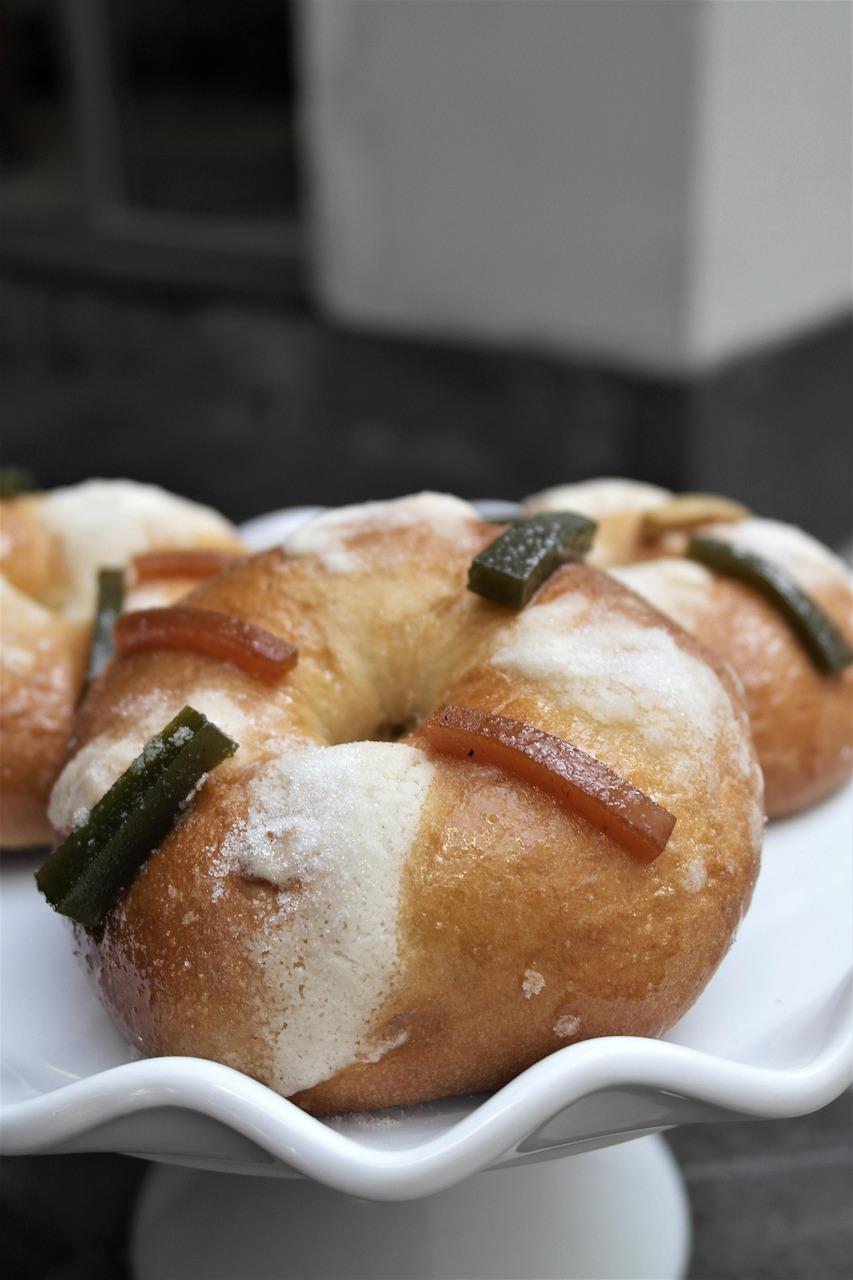
Rosca de reyesEpiphany bread ring

On the evening of 5 or 6 January, offices, schools and families all over Mexico cut a rosca de reyes for the Three Kings, washing it down with hot chocolate. The soft orange-scented ring is jewelled with candied fig, quince paste and cherries and striped with crunchy sugar paste; hidden inside is a tiny figure of the baby Jesus, and whoever finds it in their slice must host a tamales party on 2 February. Always tell guests there is a figurine and warn little children, as it is a choking risk; a whole almond is a safer stand-in. Chef's tip: push the figure in from underneath after baking, so it does not melt or show.

by KrazyBadal 0 views

MantecadasMexican muffins

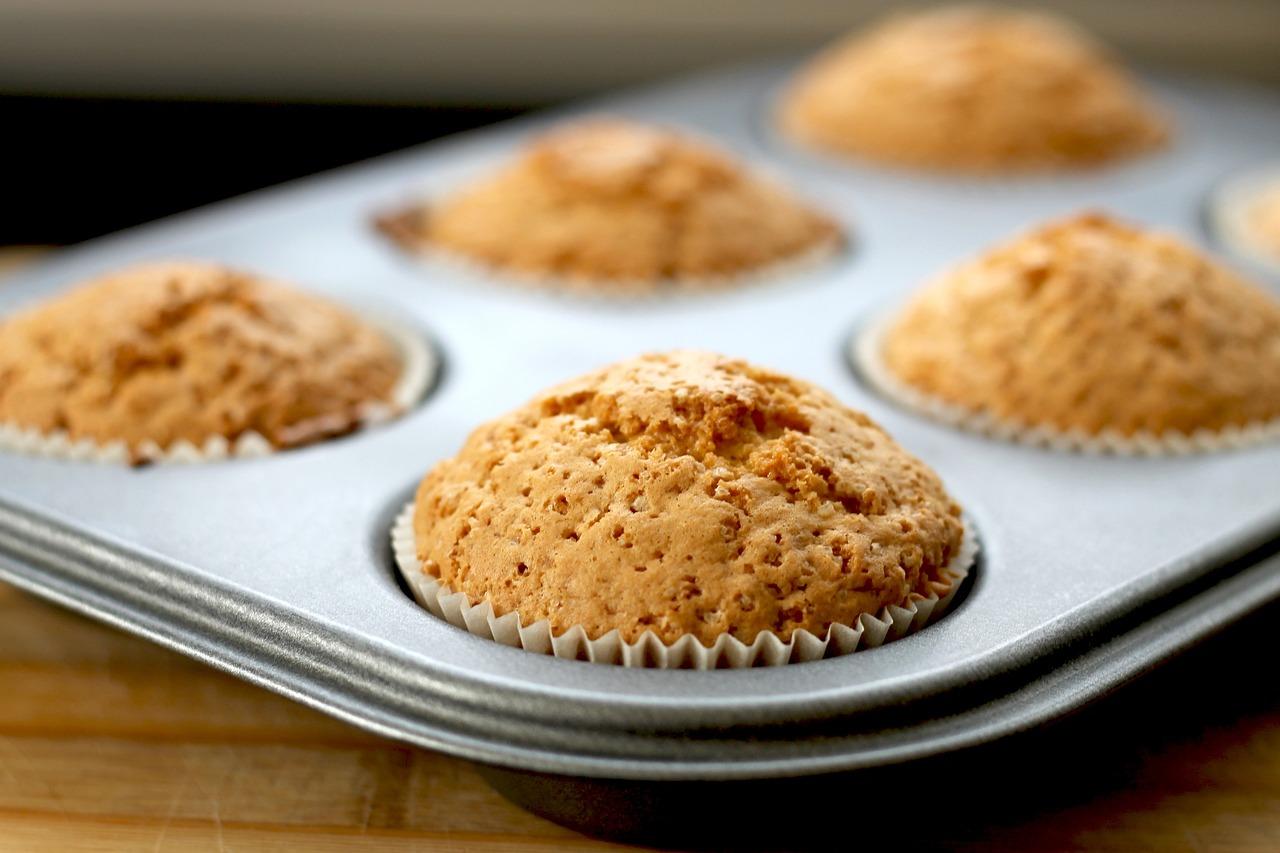
Red pleated paper cups give mantecadas away at once on the bakery tray, from Monterrey to Mérida. Inside is a tender, golden, slightly orange-scented sponge, richer than a cupcake and topped with a domed crust, eaten for breakfast or merienda with milky coffee. They contain egg, butter and wheat. Chef's tip: let the batter rest for 20 minutes before baking, which gives the tall, cracked dome bakery mantecadas are known for.

by KrazyBadal 0 views

Marranitos de piloncilloPig-shaped gingerbread biscuits

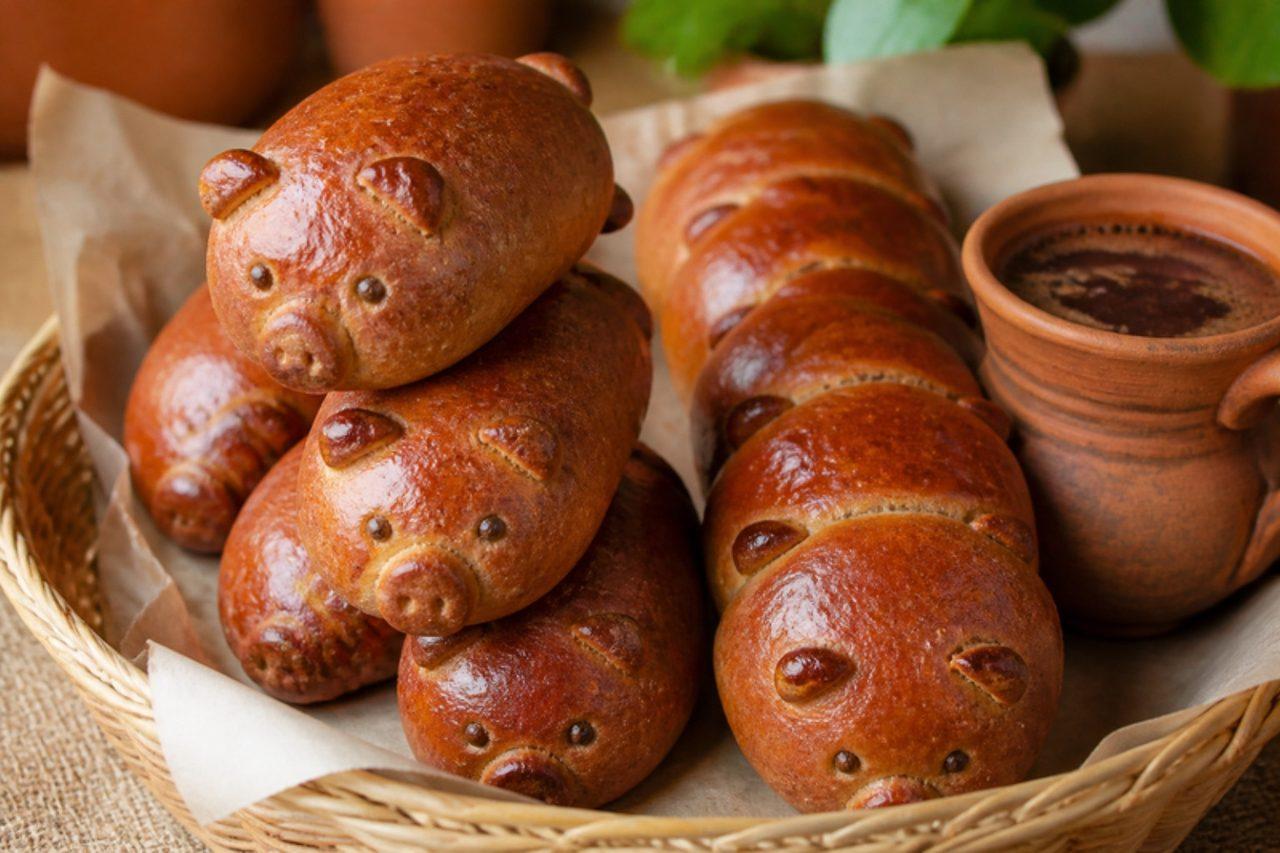
Every pan dulce case in Mexico has a row of little brown pigs, called marranitos in the centre, cochinitos in the north and puerquitos in between. They are soft, cakey biscuits sweetened with dark piloncillo cane sugar, spiced with cinnamon and a touch of anise, and dunked into café de olla or cold milk in the afternoon. They are made here with butter, so they suit vegetarians, and contain egg and wheat. Chef's tip: roll the dough thick, about 1 cm, because thin pigs bake into hard crackers instead of soft cakes.

by KrazyBadal 0 views

Pan de eloteFresh corn cake

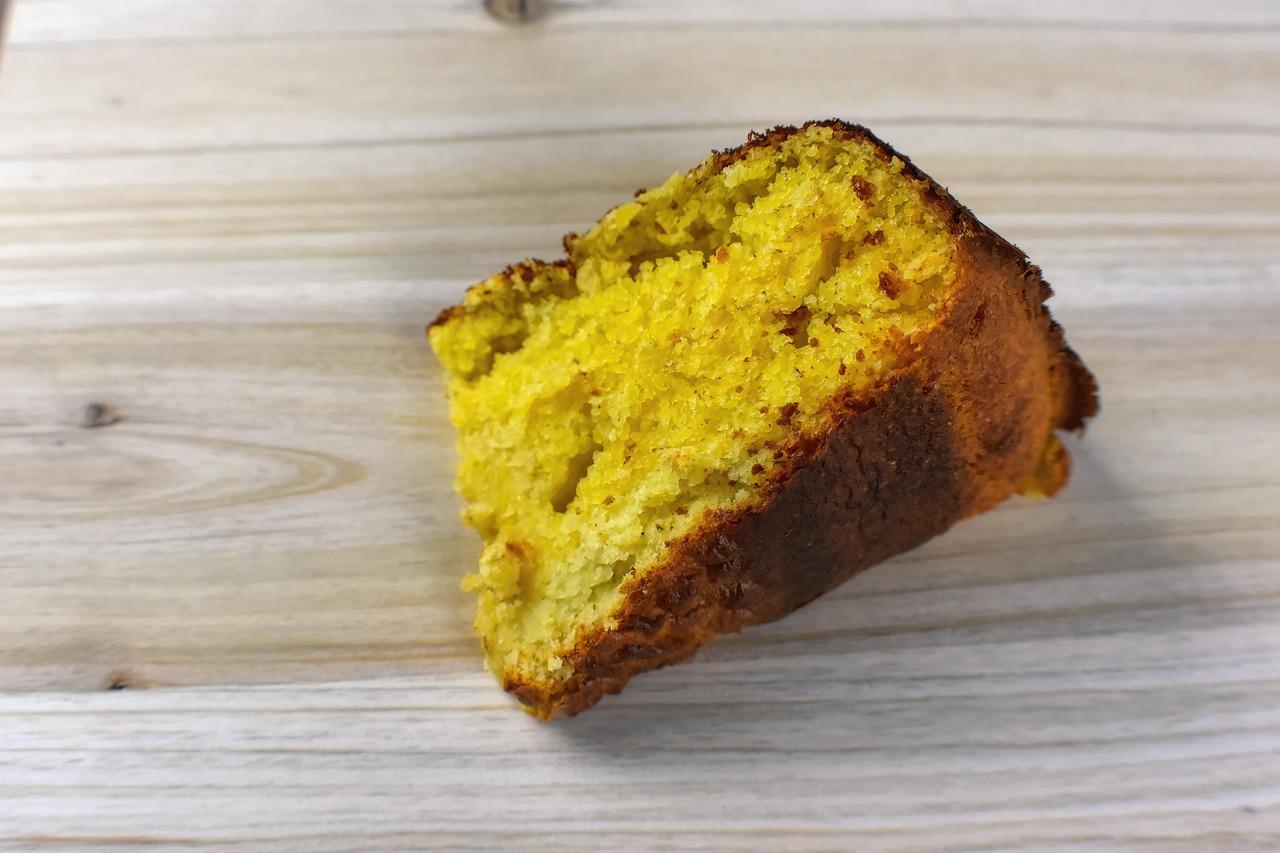
Across central Mexico, from Morelos to the State of Mexico, pan de elote is baked when fresh corn is cheap in late summer and sold by the slice at market stalls. Despite its name it is more cake than bread: fresh kernels blended with butter, eggs and condensed milk bake into a dense, custardy, golden loaf that tastes of sweet corn. It contains wheat and egg. Chef's tip: use the starchiest, most mature corn you can find, because young sweetcorn makes a wetter, flatter cake.

by KrazyBadal 0 views

Rebanadas de mantequillaButtered sweet bread slices

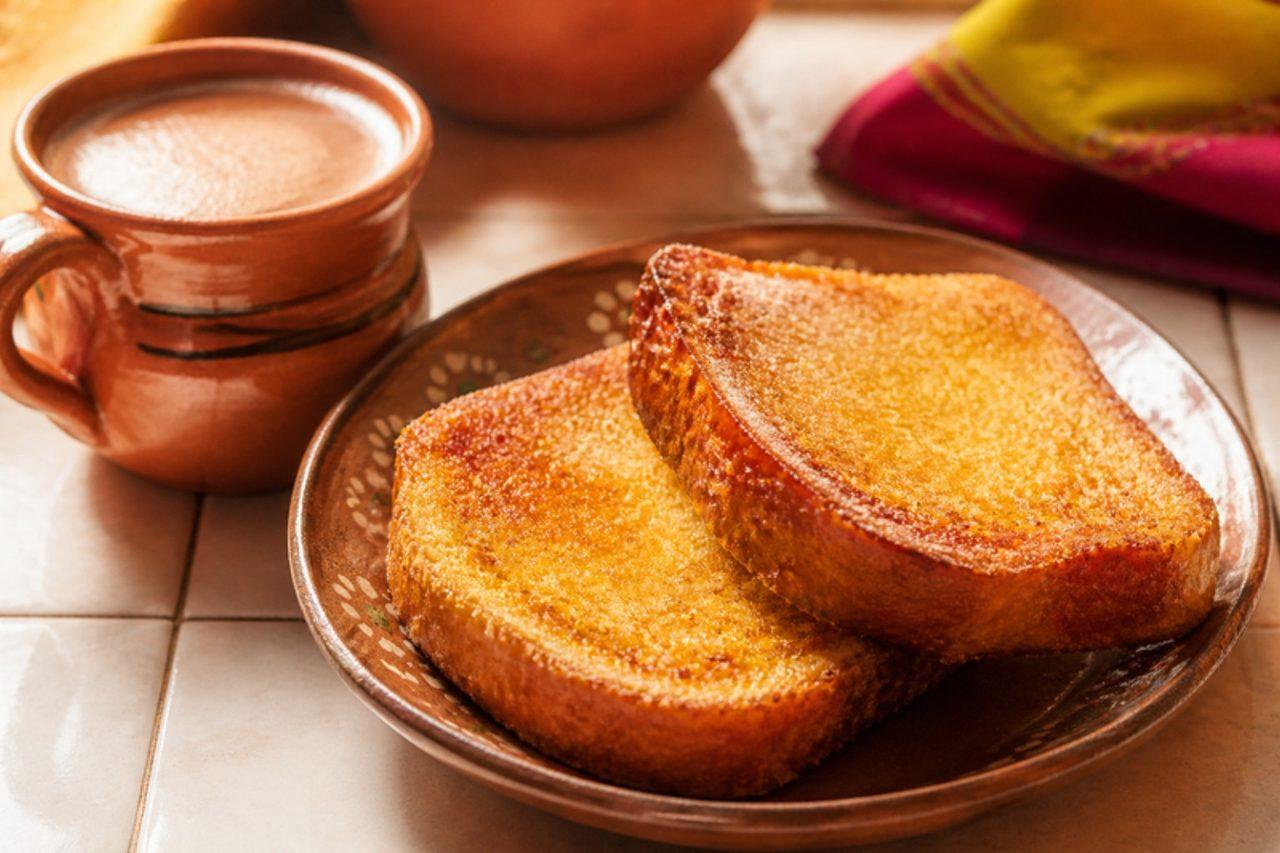
When yesterday's pan dulce goes stale, Mexican bakeries slice it thick, spread it with butter, dust it with sugar and toast it until crisp, and the result, rebanadas, often sells out first. At home it is a ten-minute afternoon treat with hot chocolate or a glass of cold milk, and a good way to use up a loaf of brioche, a pan de yema or a few bolillos. This version uses butter, so it is vegetarian. Chef's tip: let the butter get really soft so it sinks into the bread instead of sitting on top.

by KrazyBadal 0 views

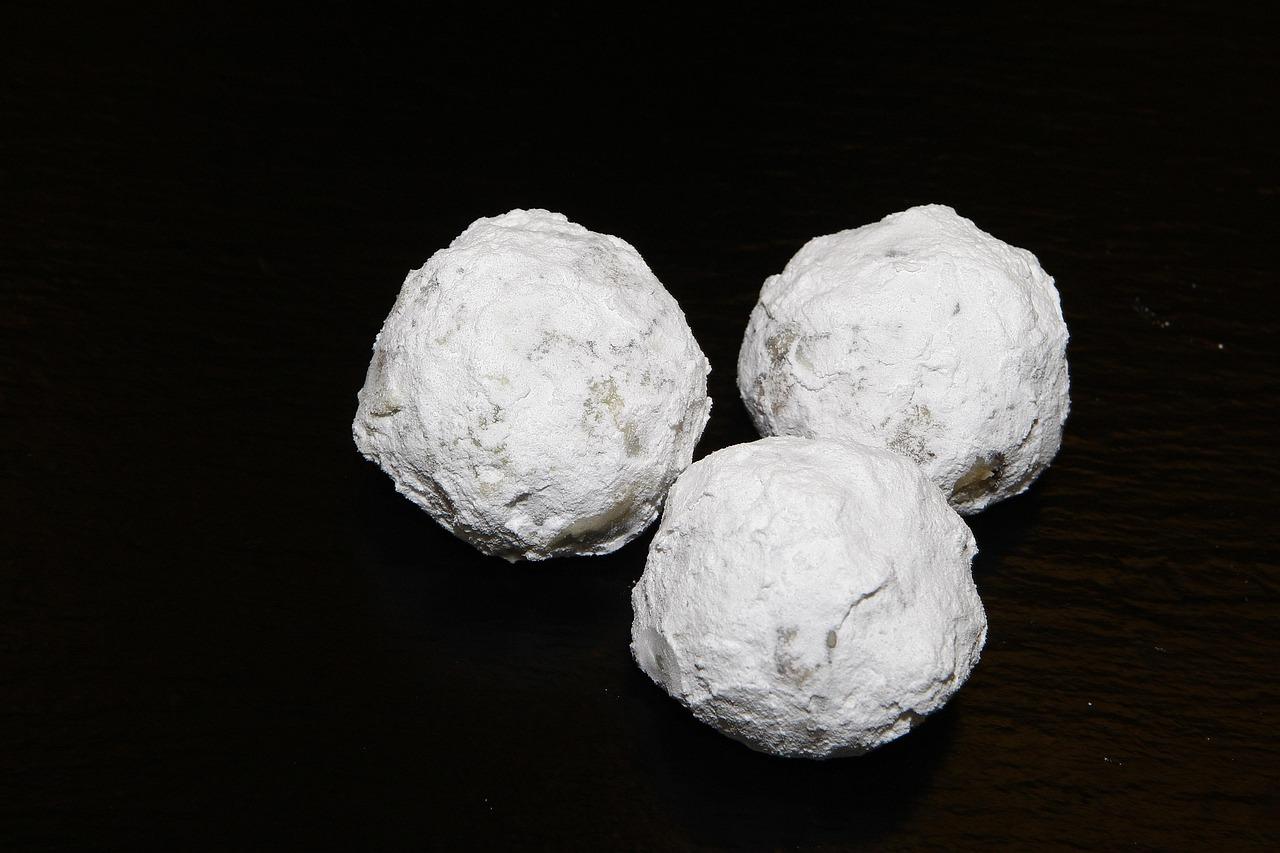
Polvorones de nuezPecan butter cookies

Christmas cookie tins, wedding tables and bakery counters all over northern and central Mexico hold polvorones, small domes of toasted pecan shortbread that crumble to dust in the mouth, which is how they got their name. They are rolled twice in icing sugar, once warm and once cold, so they look snowy. Old recipes used lard; this one uses butter, so it is vegetarian, and it contains wheat and tree nuts. Chef's tip: toast the pecans first, which turns a plain cookie into a deeply nutty one.

by KrazyBadal 0 views

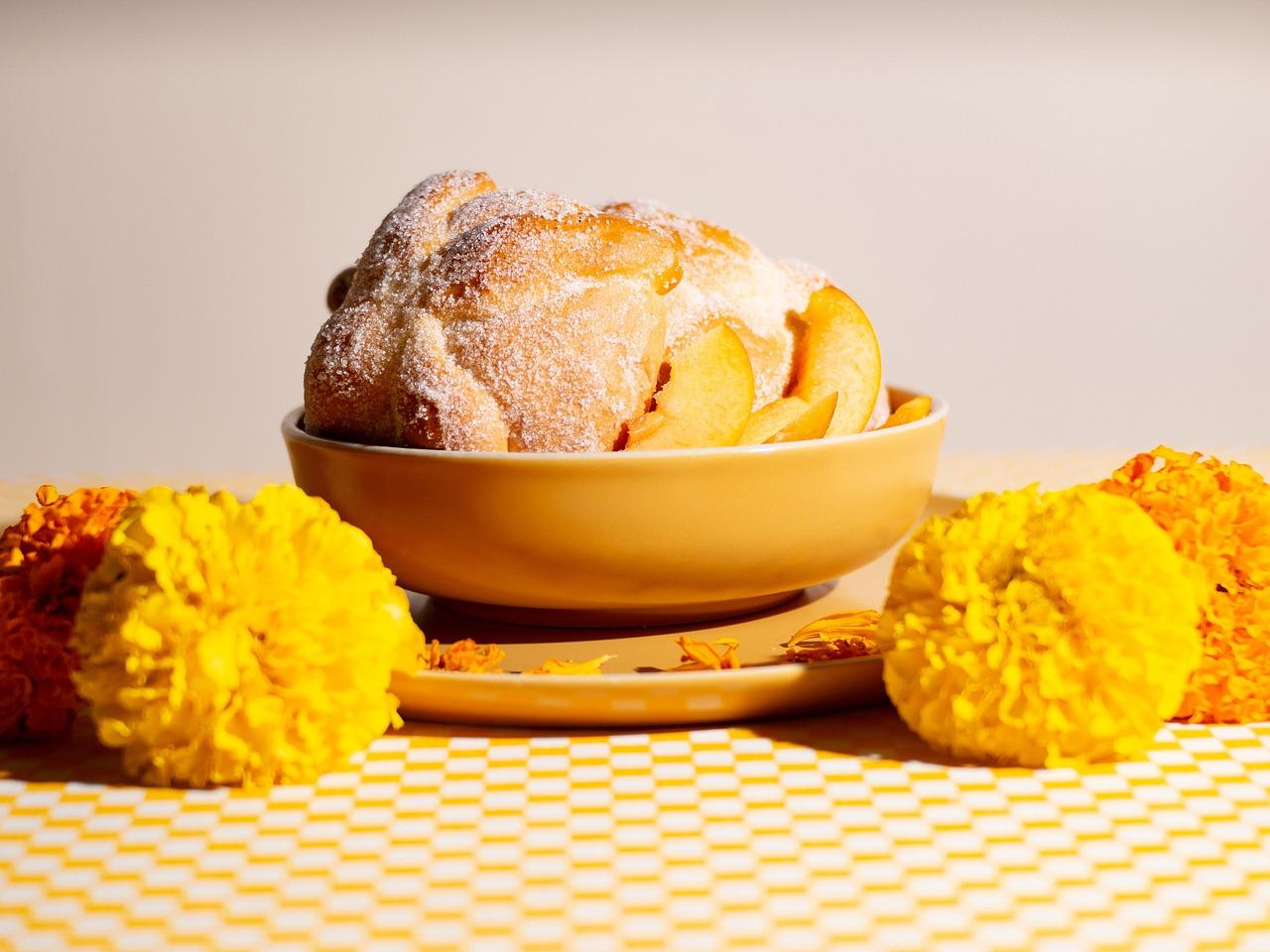
Pan de muertoDay of the Dead bread

From mid-October, bakeries from Mexico City to Puebla stack their shelves with these domed loaves, and families set one on the ofrenda for the souls who return on 1 and 2 November, then share the rest with hot chocolate. The crumb is soft and rich with butter and egg, scented with orange zest and orange-blossom water, and the knobbly strips across the top stand for bones, with a small ball for the skull. A sugar crust or a dusting of sesame finishes it. Chef's tip: shape the bones from dough you have held back and chilled, so they keep their ridges instead of melting flat in the oven.

by KrazyBadal 0 views

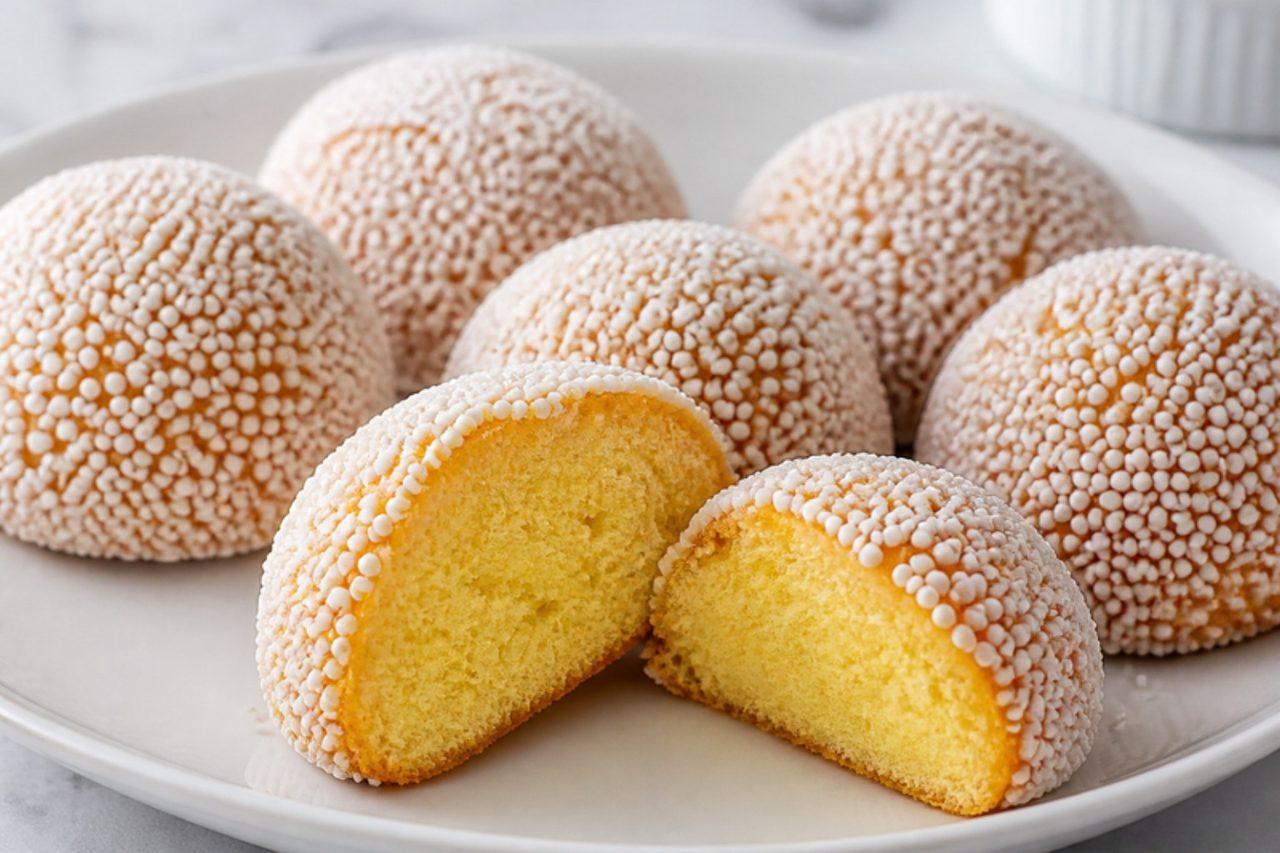
GaribaldisJam-glazed sprinkle cakes

Named after a famous old Mexico City bakery, garibaldis are little dome-shaped butter cakes coated in warm apricot jam and rolled in white nonpareils, so they look like snowballs on the counter. Chilangos buy them by the bag for afternoon coffee and school lunchboxes. The cake is dense and buttery, the jam gives a sharp, sticky contrast and the sprinkles a light crunch. Chef's tip: brush the jam on while the cakes are still warm, as the sprinkles then stick evenly.

by KrazyBadal 0 views

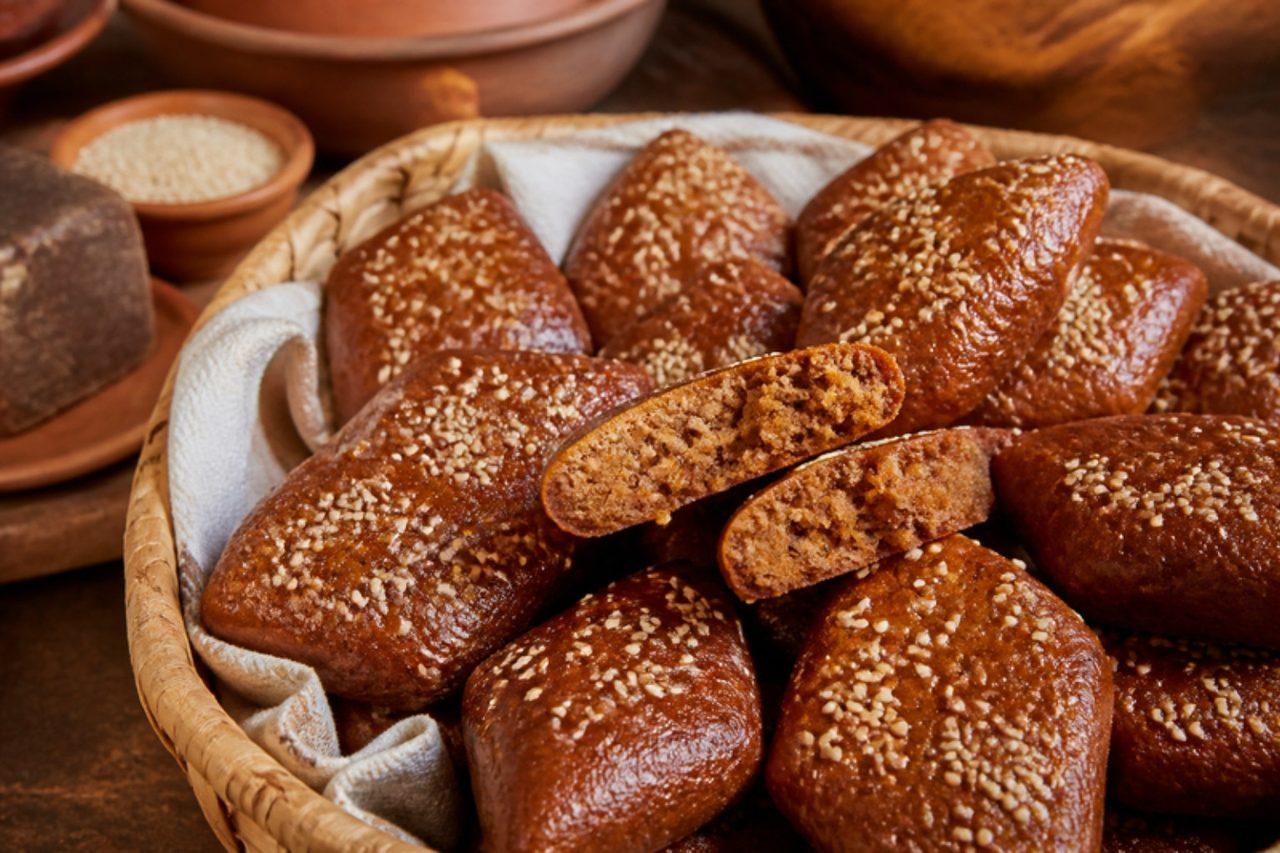
CocolesAnise sweet bread

In the markets of Puebla, Tlaxcala and Mexico City, cocoles are the plain, honest bread of the morning: diamond-shaped, deep brown from piloncillo, fragrant with anise and studded with sesame seeds on top. They are not very sweet, so people eat them with café de olla or split them for a cheese torta. Old bakers used lard; this version uses vegetable shortening, so it stays vegetarian and vegan. Chef's tip: steep the anise in the warm piloncillo syrup, so its flavour runs through every bite.

by KrazyBadal 0 views

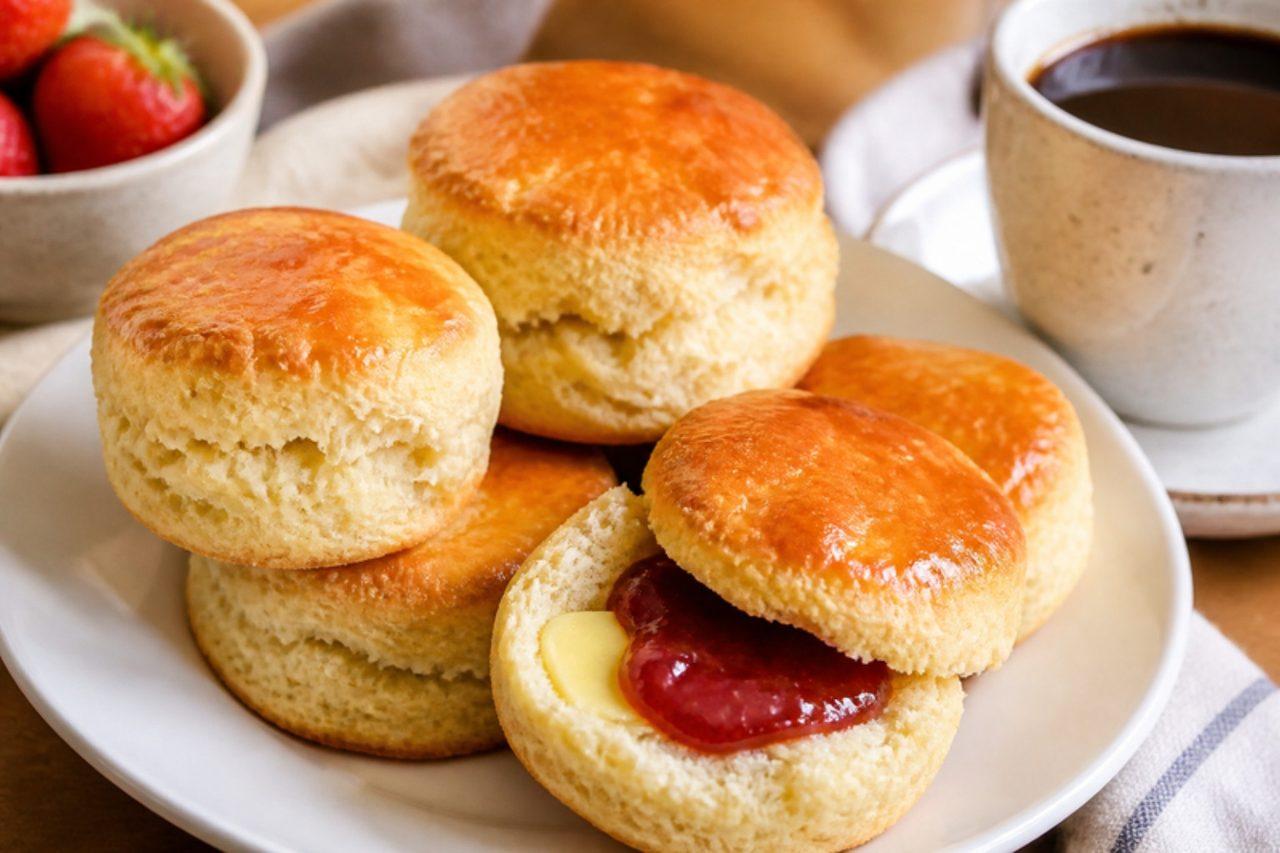
Bisquets mexicanosFlaky biscuits

Mexico City cafés such as the old breakfast halls of the Centro serve bisquets split hot with butter and strawberry jam alongside café con leche. They are taller, sweeter and more cake-like than American biscuits, with a shiny egg-washed top and layers that pull apart. They contain wheat, egg and dairy. Chef's tip: cut straight down with a sharp cutter and never twist, so the sides stay open and the bisquets rise tall.

by KrazyBadal 0 views

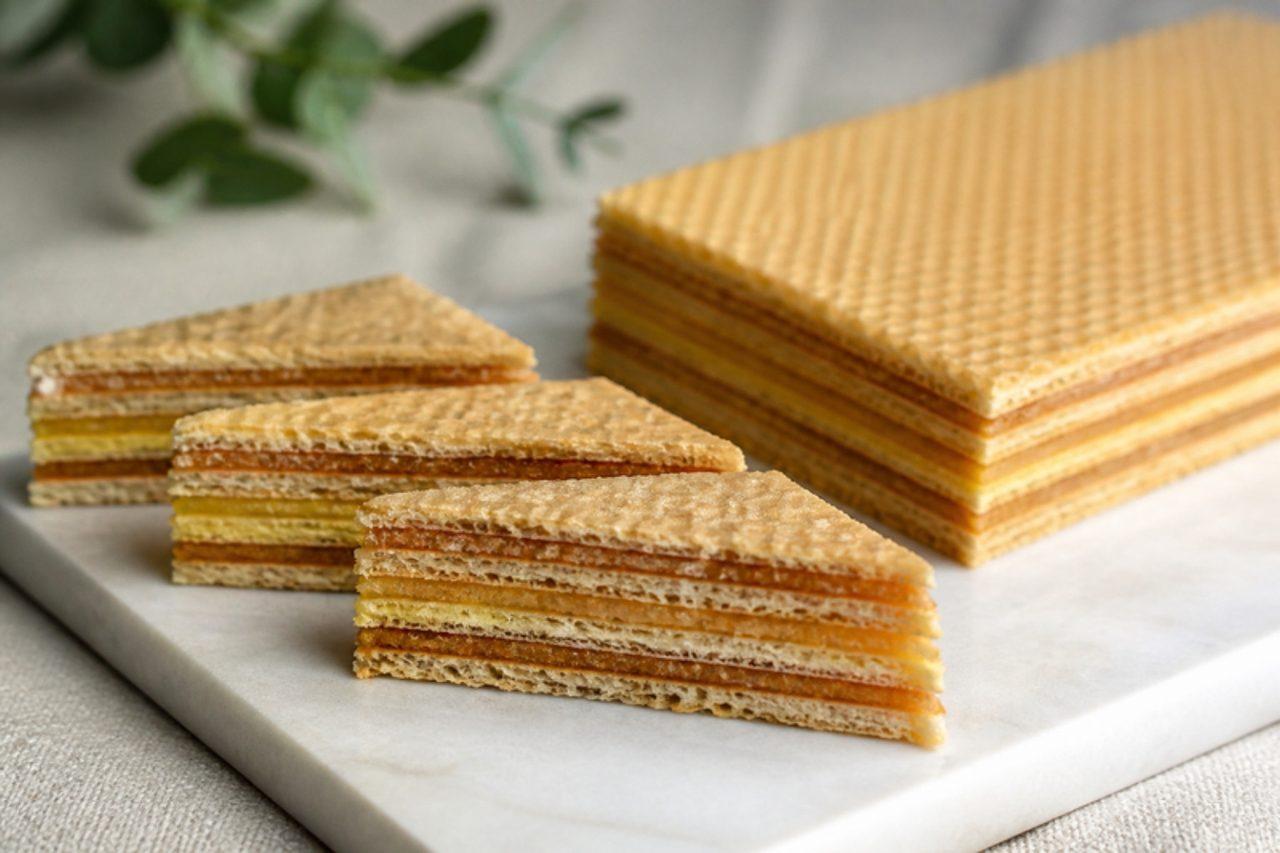
ChumbequeLayered honey biscuit

Iquique's Chinese community began baking chumbeque in the port's corner shops more than a century ago, and today it is the city's edible souvenir: crisp, honey-sweet pastry stacked in thin layers with a sharp lemon filling and a sticky guava one, cut into small bricks. People take it home from the Zofri market or nibble it with tea at once. At home, bake it as one slab and slice it when cold. Many people roll the dough too thick, which gives a cakey, dry bar instead of fine layers; aim for 3 mm. Chef's tip: chill the rolled sheets for 10 minutes before you stack them so they don't stretch out of shape.

by KrazyBadal 0 views

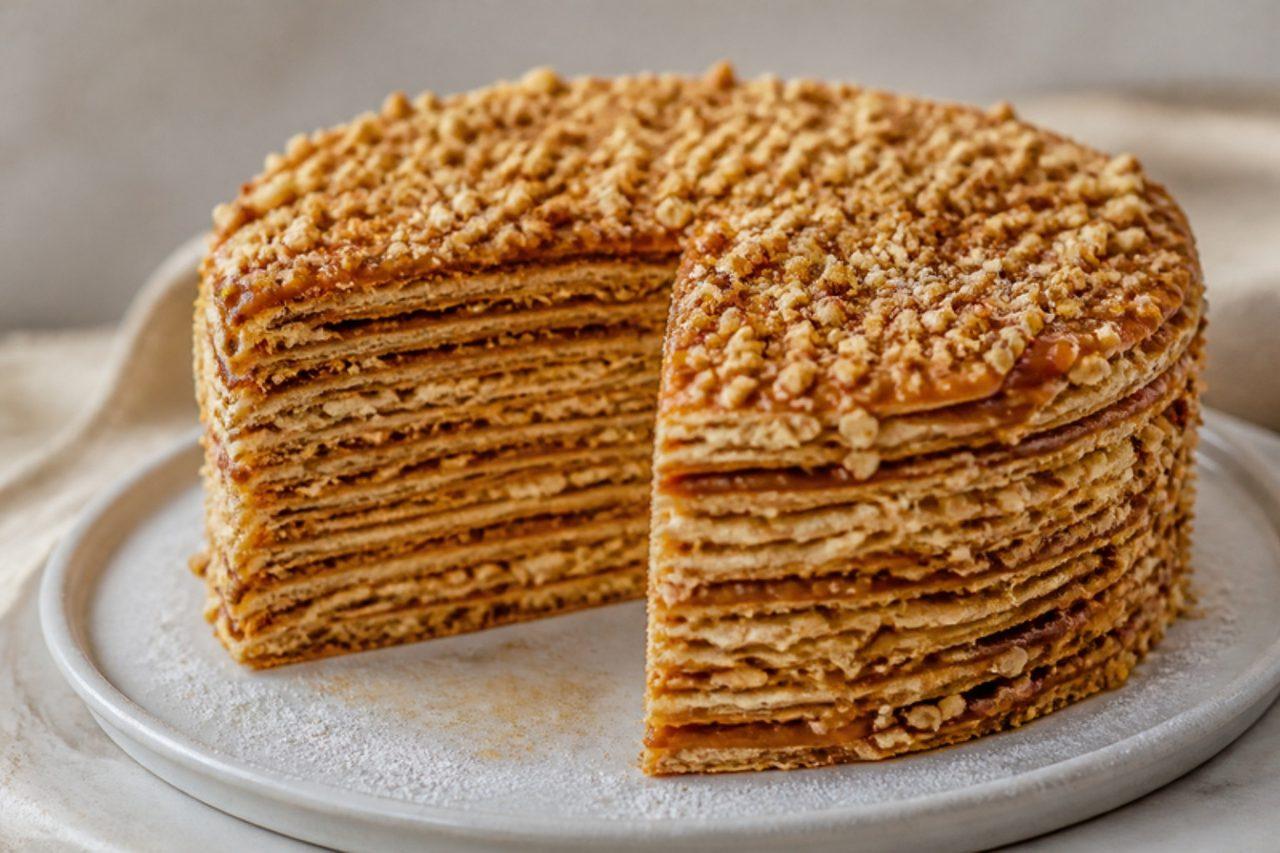
Torta de mil hojasThousand-layer cake

Torta de mil hojas is the cake that turns up at Chilean birthdays, christenings and New Year: ten or more crisp, paper-thin pastry rounds stacked with manjar and chopped walnuts, which soften overnight into a cake that cuts cleanly yet still crunches. It is a labour of love, so families make it a day ahead and keep it cold. The common mistake is assembling and cutting it straight away: it shatters. Let it rest overnight in the fridge. Chef's tip: roll each sheet on its own piece of baking paper and bake it on that paper, so the thin rounds never have to be lifted raw. Walnuts are a tree nut: leave them out for anyone with an allergy.

by KrazyBadal 0 views

Postre MassiniCustard sponge with burnt sugar top

Montevideo's birthday cake of choice since the early twentieth century, the Massini is two thin layers of sponge sandwiching a thick filling of whipped cream folded with egg-yolk custard, crowned with a thin glassy crust of torched yolk and sugar. Bakeries across Uruguay sell it on Sundays. Traditional versions sometimes add a sweet fortified wine to the custard; this one is alcohol-free. The custard is cooked to a safe 71 °C. The common mistake is assembling with warm custard, which melts the cream into a puddle. Chef's tip: if you don't have a blowtorch, put the sugared top under a very hot grill for a minute and watch it closely.

by KrazyBadal 0 views

Brazo de reinaSponge roll with dulce de leche

The 'queen's arm' sits in the glass cabinet of every Chilean bakery: a light sponge rolled around a thick layer of manjar (Chilean dulce de leche) and dusted with icing sugar. At home it is the cake for a birthday tea or an unexpected visitor, because it bakes in 10 minutes. The common mistake is overbaking: a dry sponge cracks as you roll it. Take it out the moment it springs back. Chef's tip: roll the sponge up in a sugared tea towel while it is still hot and let it cool that way; it remembers the shape and won't crack when you fill it.

by KrazyBadal 0 views

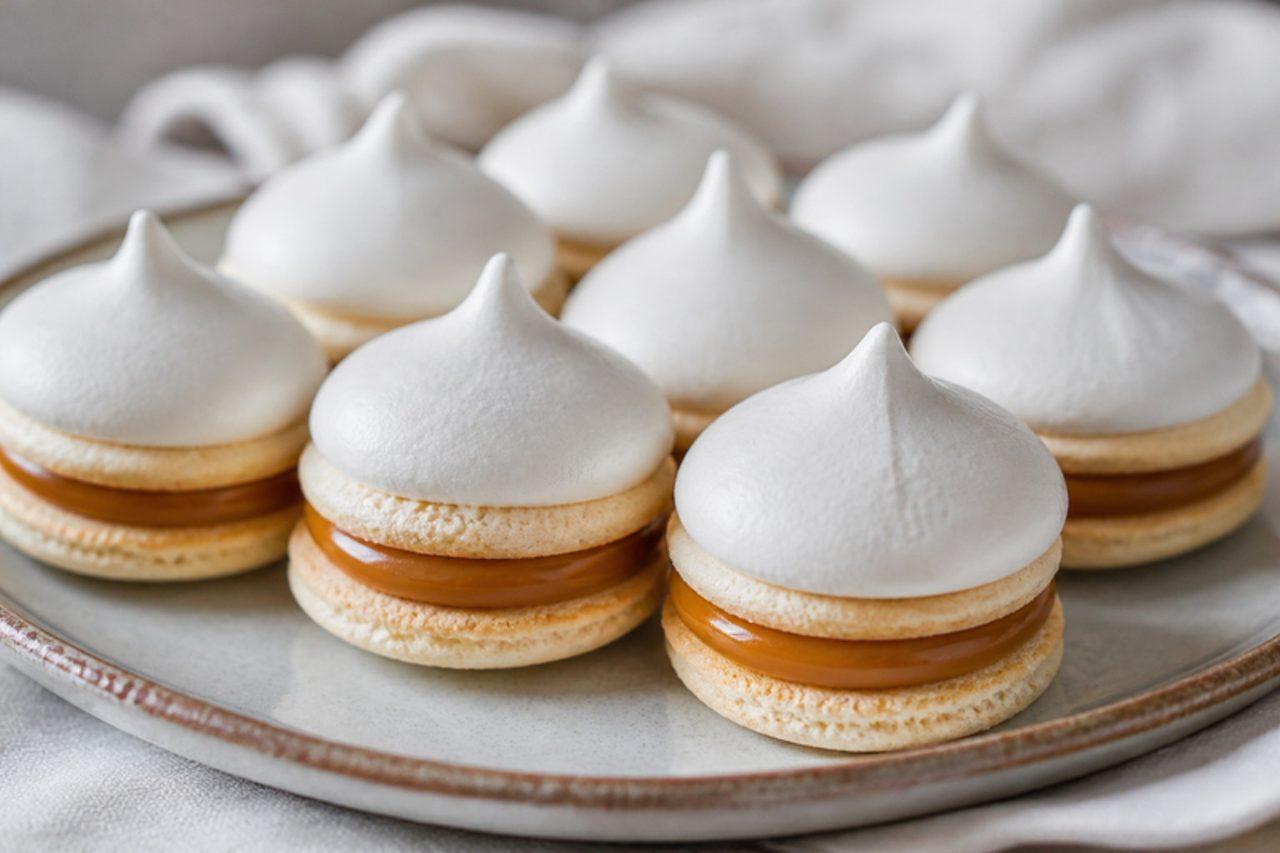
ChilenitosDulce de leche biscuit sandwiches

Chilenitos are small, fragile sweets from the bakeries and convent traditions of Chile's countryside: two paper-thin, crisp biscuits sandwiched with manjar and coated on top with a glossy white meringue. They are a fixture of once, christenings and the sweets table at weddings. The biscuits must be rolled almost transparent; thick dough gives a hard, dry chilenito. Chef's tip: use an Italian meringue (whites whisked with hot sugar syrup); it sets smooth and shiny and the eggs are cooked by the syrup, so it is safe to serve to everyone.

by KrazyBadal 0 views

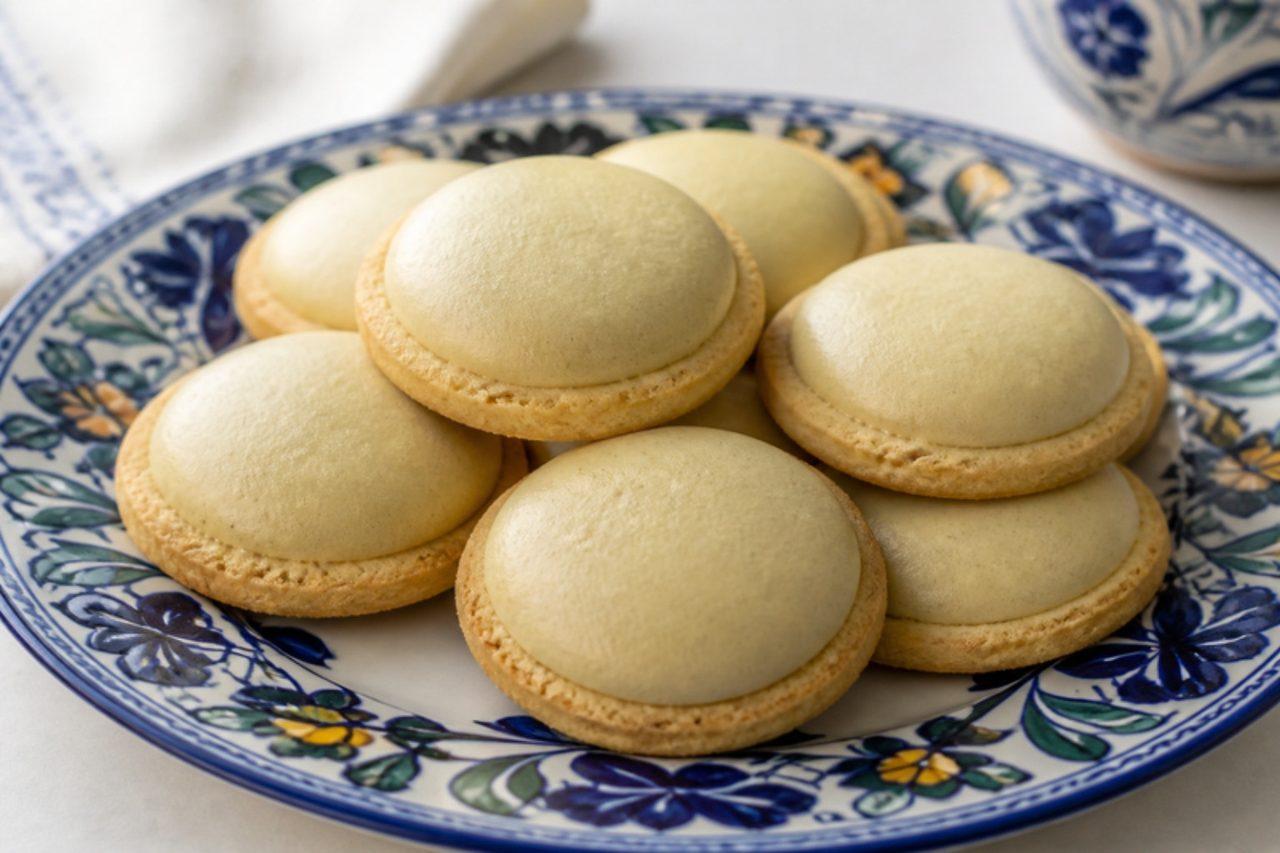
Tortitas de Santa ClaraShortbread with pumpkin seed cream

The nuns of the Santa Clara convent in Puebla are credited with this biscuit, and the city's Calle de los Dulces still sells it in boxes stacked beside camotes and jamoncillos. It is a crumbly, lightly sweet shortbread round, covered with a thick, pale cream made from ground pumpkin seeds, sugar and milk, which sets to a soft fudge-like layer. They are eaten with coffee in the afternoon and taken home as a gift from Puebla. Chef's tip: grind the peeled pumpkin seeds as fine as you can before cooking; any coarse bits make the topping gritty.

by KrazyBadal 0 views

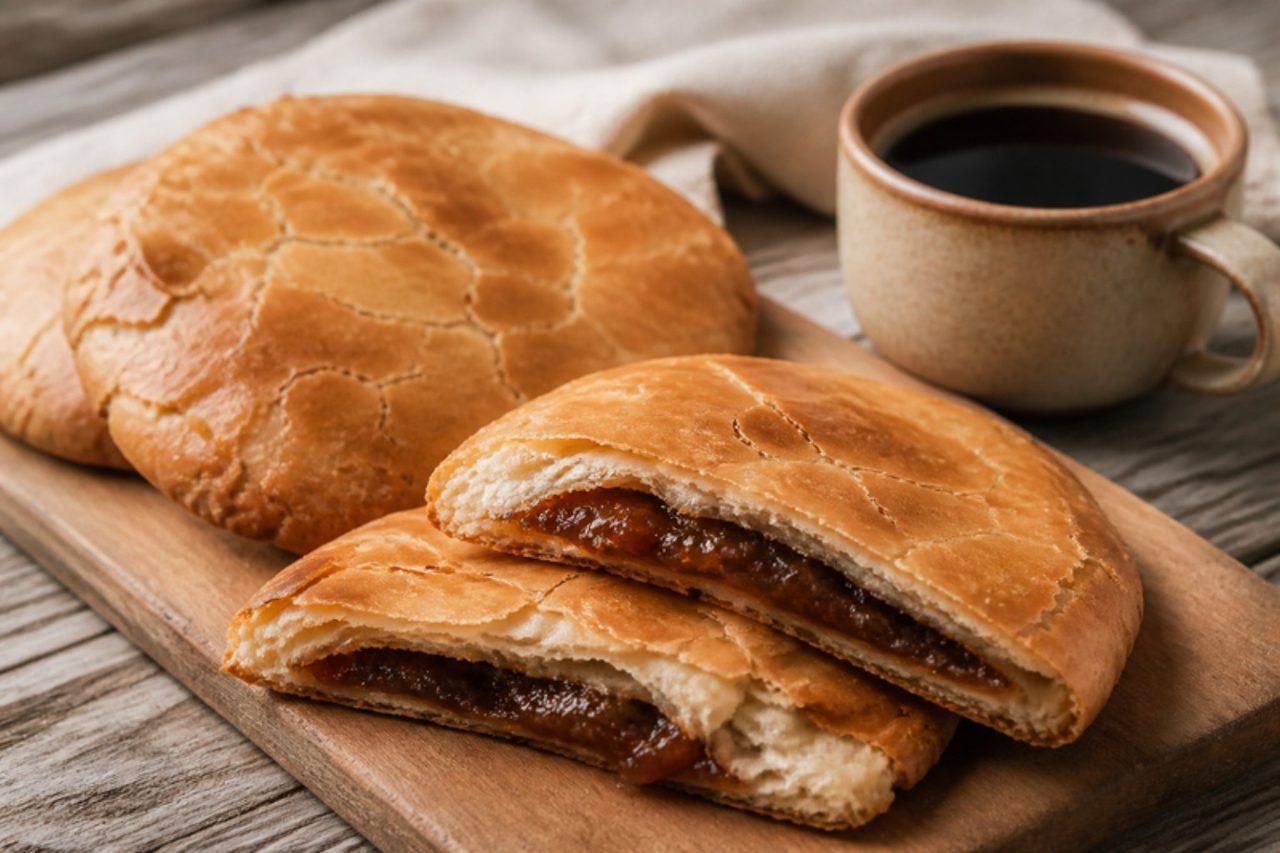
CoyotasPiloncillo-filled turnovers

Coyotas were first baked in the Villa de Seris neighbourhood of Hermosillo, and today Sonorans buy them by the dozen in paper bags to eat with morning coffee or take as a gift when they travel. They are flat, round, pale pastries with a crisp, crumbly crust and a thin layer of molten piloncillo inside, like a giant cookie with a toffee middle. Some bakers add guava or cajeta, but brown sugar loaf is the classic. Chef's tip: pinch the edges firmly and prick the tops; otherwise the hot sugar bubbles out and burns on the tray.

by KrazyBadal 0 views

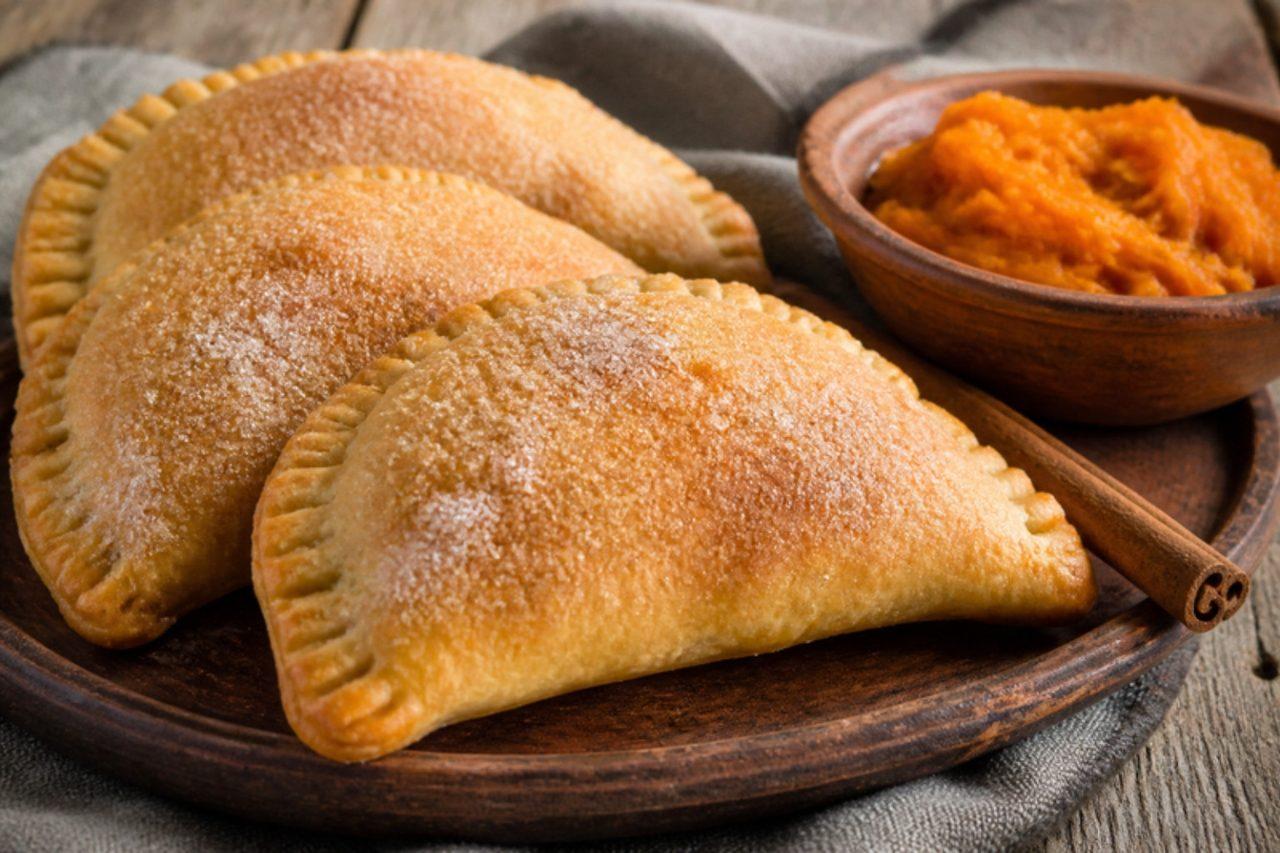
Empanadas de calabazaSweet pumpkin turnovers

When the cold fronts reach Monterrey in November, panaderías start stacking trays of empanadas de calabaza next to the conchas, and families bake them at home for Day of the Dead and Christmas. A tender, lightly sweet pastry is folded around a thick purée of pumpkin cooked with piloncillo, cinnamon and anise, so each half-moon tastes like a spiced pumpkin pie you can hold. They are eaten with café de olla or a glass of milk. Chef's tip: cook the filling until a spoon leaves a trail across the pan; watery pumpkin turns the pastry soggy.

by KrazyBadal 0 views

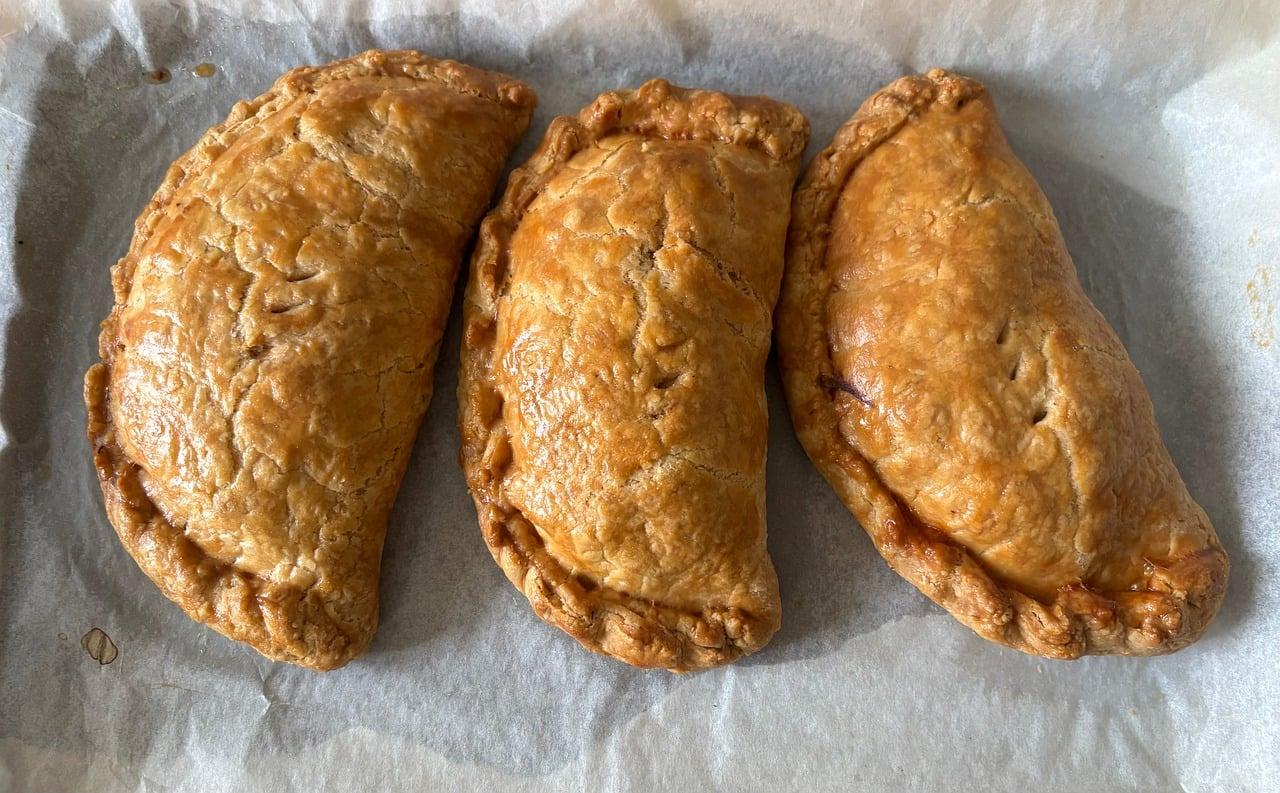
Pastes de Real del MonteBeef and potato pasties

Cornish miners arrived in the silver mines around Real del Monte and Pachuca in the 1820s, and their pasties stayed: today the hilltop town in Hidalgo has paste shops on every street, selling them warm from the oven to visitors and locals all day. The classic filling is close to the original, diced beef, potato, onion and parsley seasoned with plenty of pepper, sealed in a short, buttery crust and baked until the juices turn to gravy inside; Mexican kitchens added a little chilli and many other fillings, including chicken in mole, which you can use instead of the beef. Eat them with a hot salsa or alone, with coffee. Chef's tip: cut the beef and potato small and evenly, about 1 cm; it all cooks raw inside the pastry, so even pieces are what make it tender.

by KrazyBadal 0 views

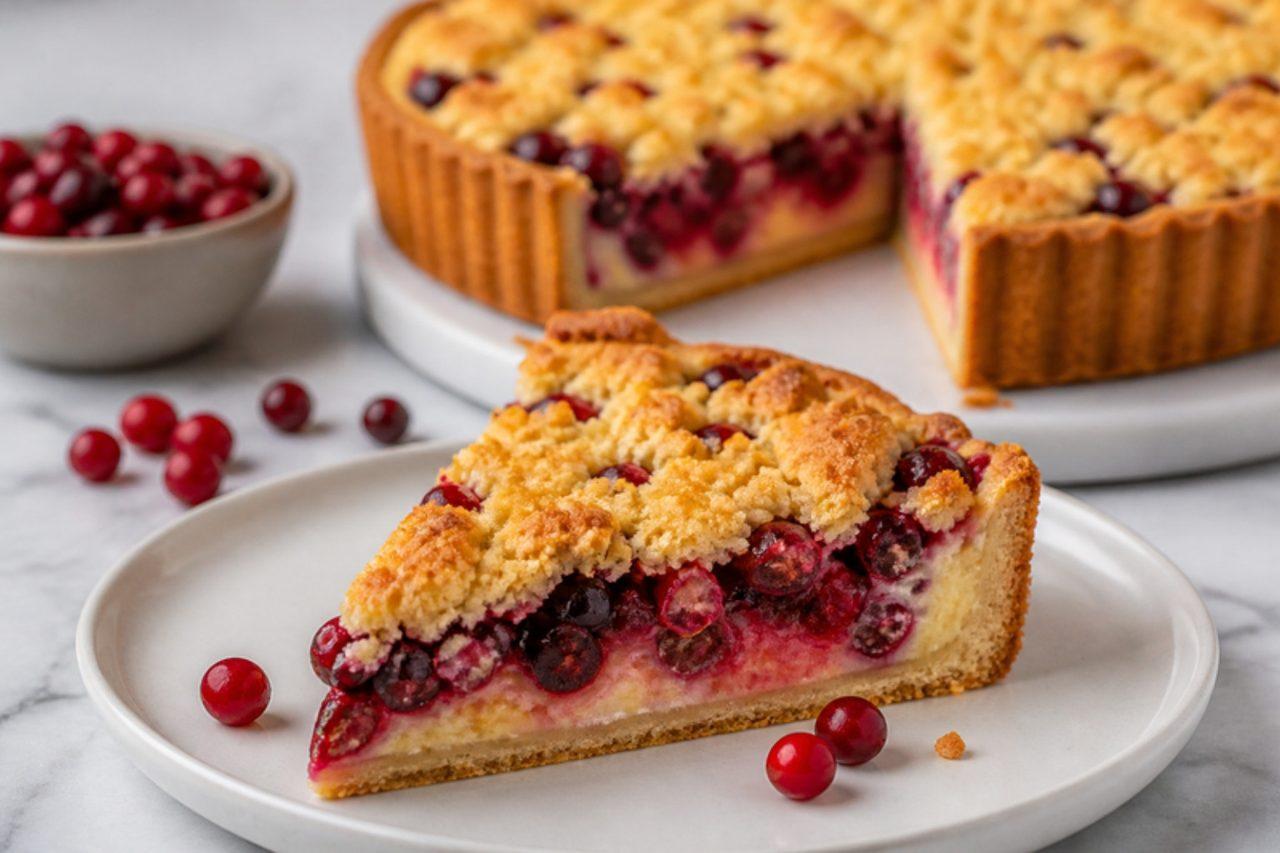
Kuchen de murtaBerry custard tart

Around Lake Llanquihue, in Frutillar and Puerto Varas, German settlers of the 1850s left Chile a love of kuchen, now served with coffee in every café of the south. The Chilean twist is the fruit: murta (Chilean guava), a small, red, perfumed berry that grows wild there in autumn. A buttery base holds the berries in a light custard under a crumble of butter and sugar. Outside Chile, cranberries with a few blueberries give a similar sharp-sweet balance. Chef's tip: blind-bake the base for 10 minutes first; a pre-set base stays crisp under the wet custard.

by KrazyBadal 0 views

ChajáSponge, peach and cream cake

Chajá was created in 1927 at a bakery in Paysandú, a city on the Uruguay River, and named after a local bird whose feathers look as fluffy as its crumbly meringue coat. Today it's Uruguay's birthday and celebration cake: layers of light sponge soaked in peach syrup, filled with whipped cream, peaches and dulce de leche, then covered in crushed meringue. It's sweet, soft and crunchy at once, best on the day it's assembled. Chef's tip: soak the sponge but not too much; it should feel moist, not wet, or the layers slide.

by KrazyBadal 0 views

ConchasSweet bread buns

Conchas are the most famous pan dulce (sweet bread) in Mexico, piled high in every panadería and eaten for breakfast or merienda with hot chocolate or coffee. The bun is soft, slightly sweet and enriched with egg and butter, and it wears a crunchy, crumbly topping of sugar, fat and flour scored into the seashell pattern that gives it its name. Make some vanilla and some chocolate topping for the classic mix. Chef's tip: shape the dough into very tight balls before adding the topping; the tension makes them rise up instead of spreading out, so the shell cracks into neat stripes.

by KrazyBadal 0 views

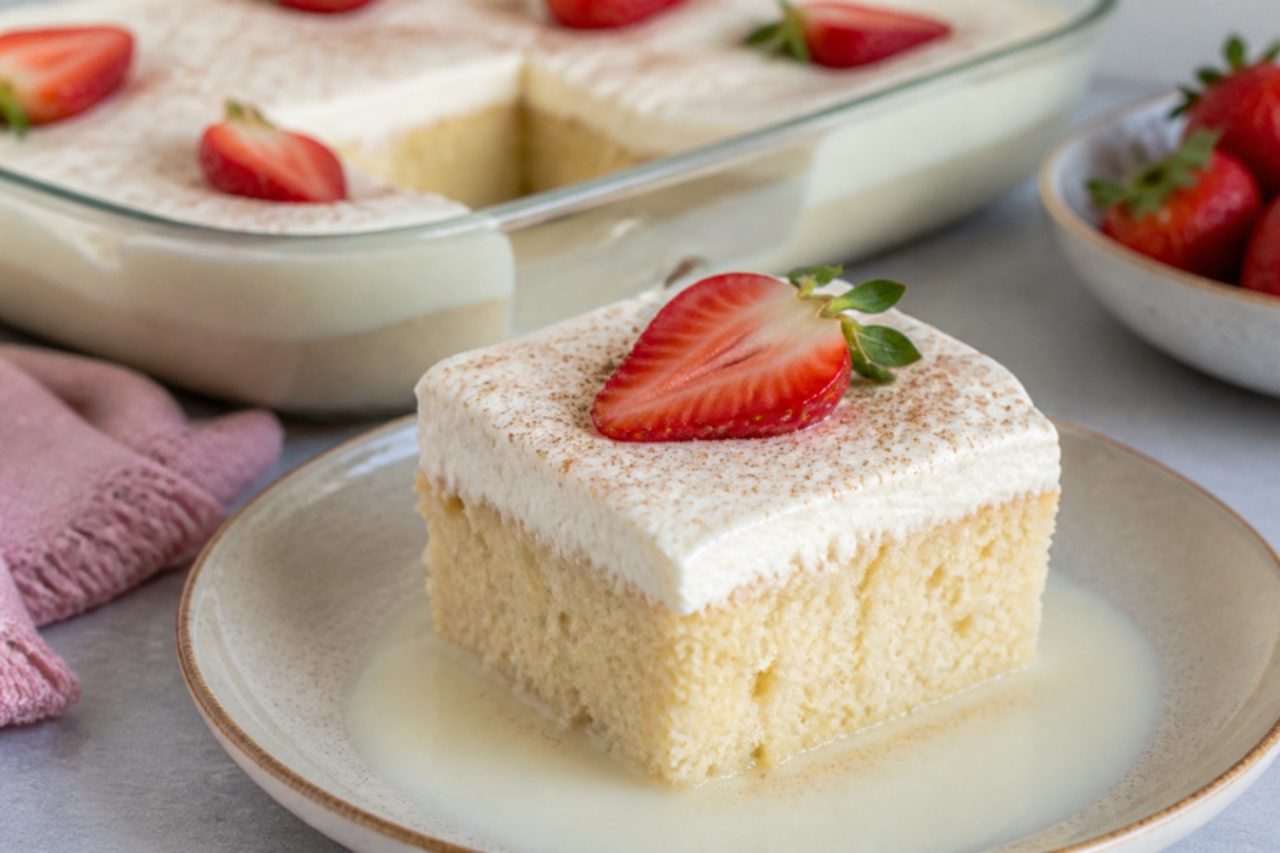
Pastel tres lechesThree milks cake

Pastel de tres leches is the birthday and celebration cake of Mexico and much of Latin America: a light, airy sponge drenched in a mixture of three milks (evaporated milk, sweetened condensed milk and cream) until it is soaked through but still holds its shape, then topped with whipped cream. It is cold, milky and sweet, and every bakery from Mexico City to Guadalajara sells it by the slice. The sponge is made with whisked eggs for lightness, so it drinks up the milk without collapsing. Chef's tip: let the cake soak in the fridge for at least 4 hours, ideally overnight; the milk needs time to work its way into the centre and the cake slices far more neatly when cold.

by KrazyBadal 0 views

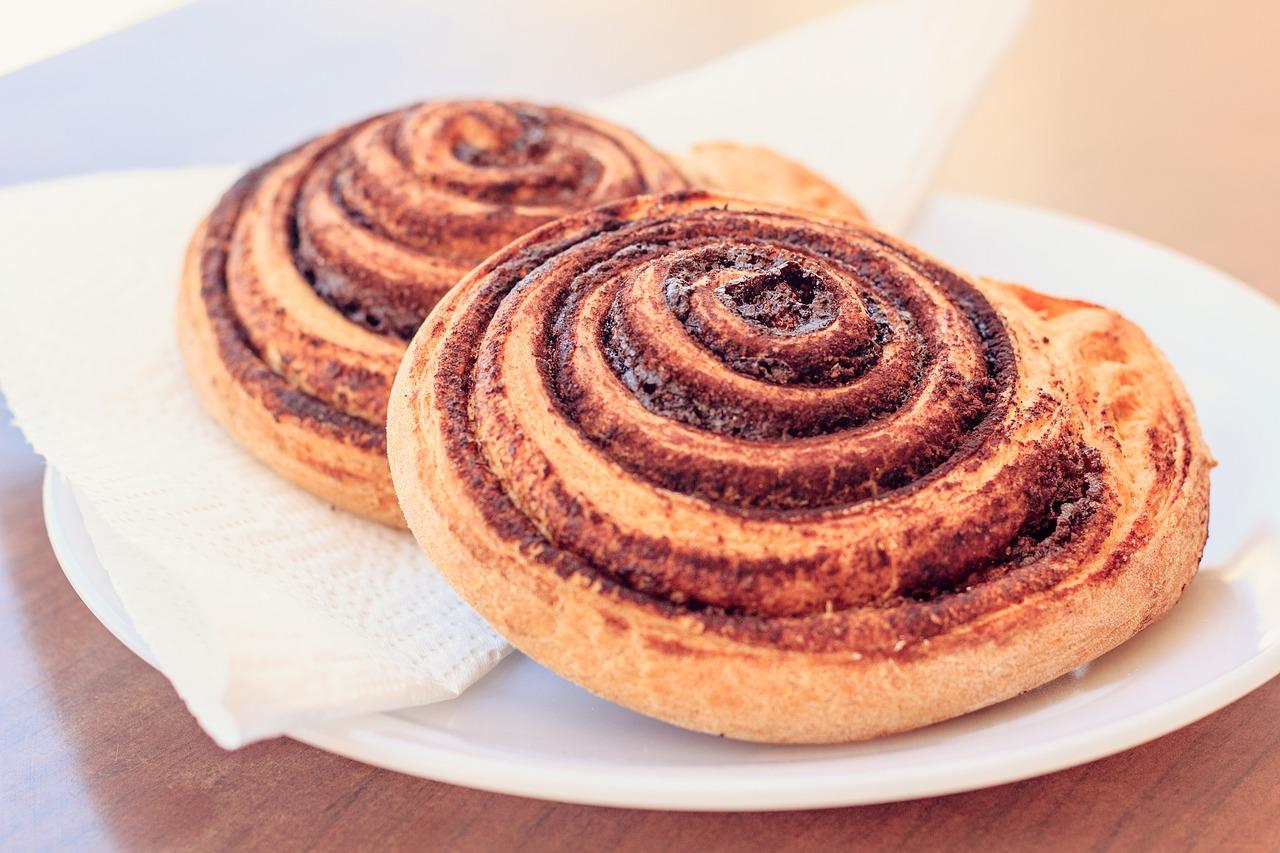
Arabian date pinwheels

Crumbly, buttery biscuit dough is rolled out, spread with a soft date filling flavoured with cinnamon and lemon, rolled into logs, sliced and baked into pretty pinwheels. They make a big batch of 50 and keep well in an airtight tin. Serve with tea, or with ice cream as a dessert.

by KrazyBadal 0 views

Showing 24 of 27 recipes

Show more recipes

Page 1 of 2