Skip to content
WhatToEat.Today

All recipes

48

Vegetarian, or something you can't eat? Set your diet once and we'll hide recipes that don't fit.

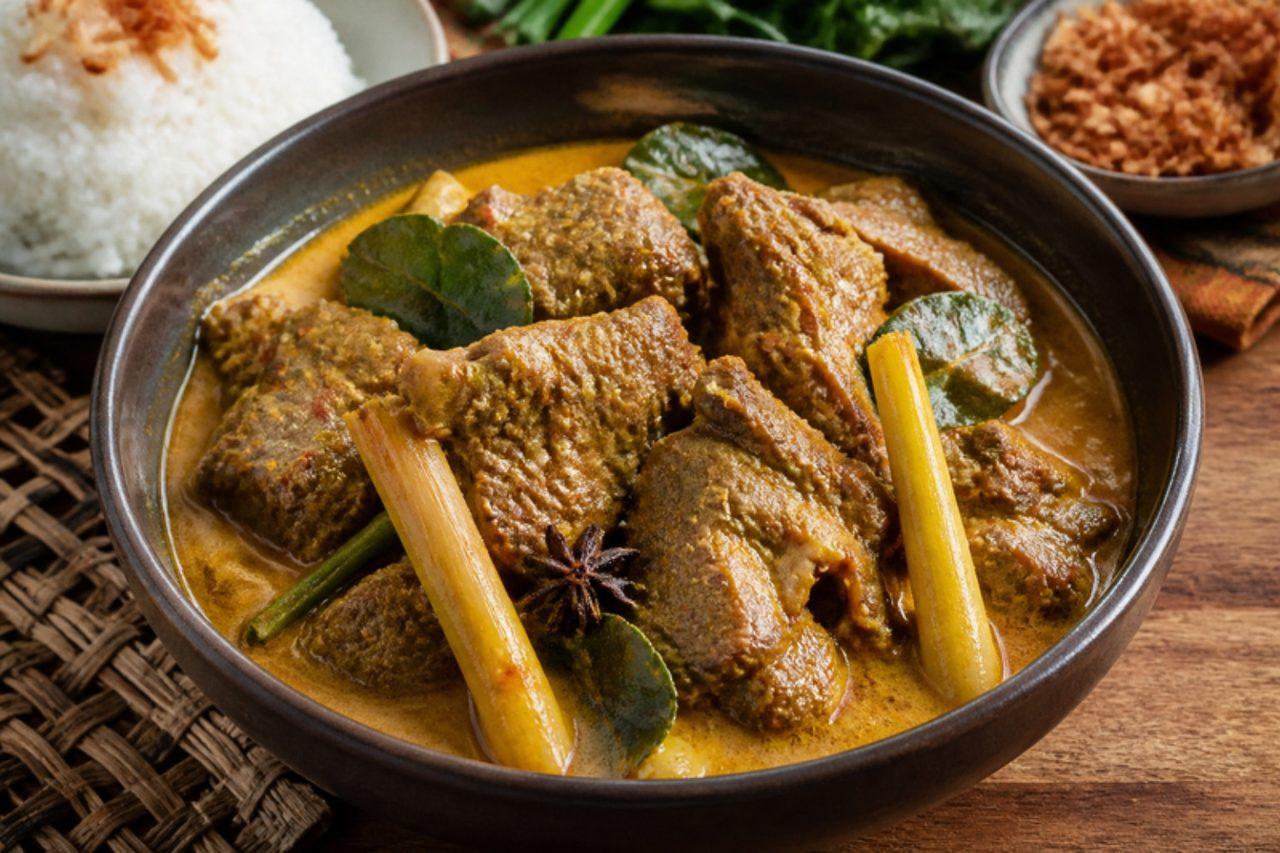
Gulai kambingGoat in yellow coconut curry

When the sacrifice of Idul Adha is shared out in Sumatran and Javanese neighbourhoods, many kitchens turn their portion of goat into gulai kambing: chunks of meat simmered slowly in a golden coconut gravy perfumed with turmeric, lemongrass, kaffir lime and whole spices. The sauce is rich, fragrant and only gently hot, and it is eaten with plain rice, sambal and fried shallots, often by families who rarely eat goat the rest of the year. Chef's tip: blanch the goat first and throw that water away, which removes the strong smell and gives a cleaner gravy.

by KrazyBadal 0 views
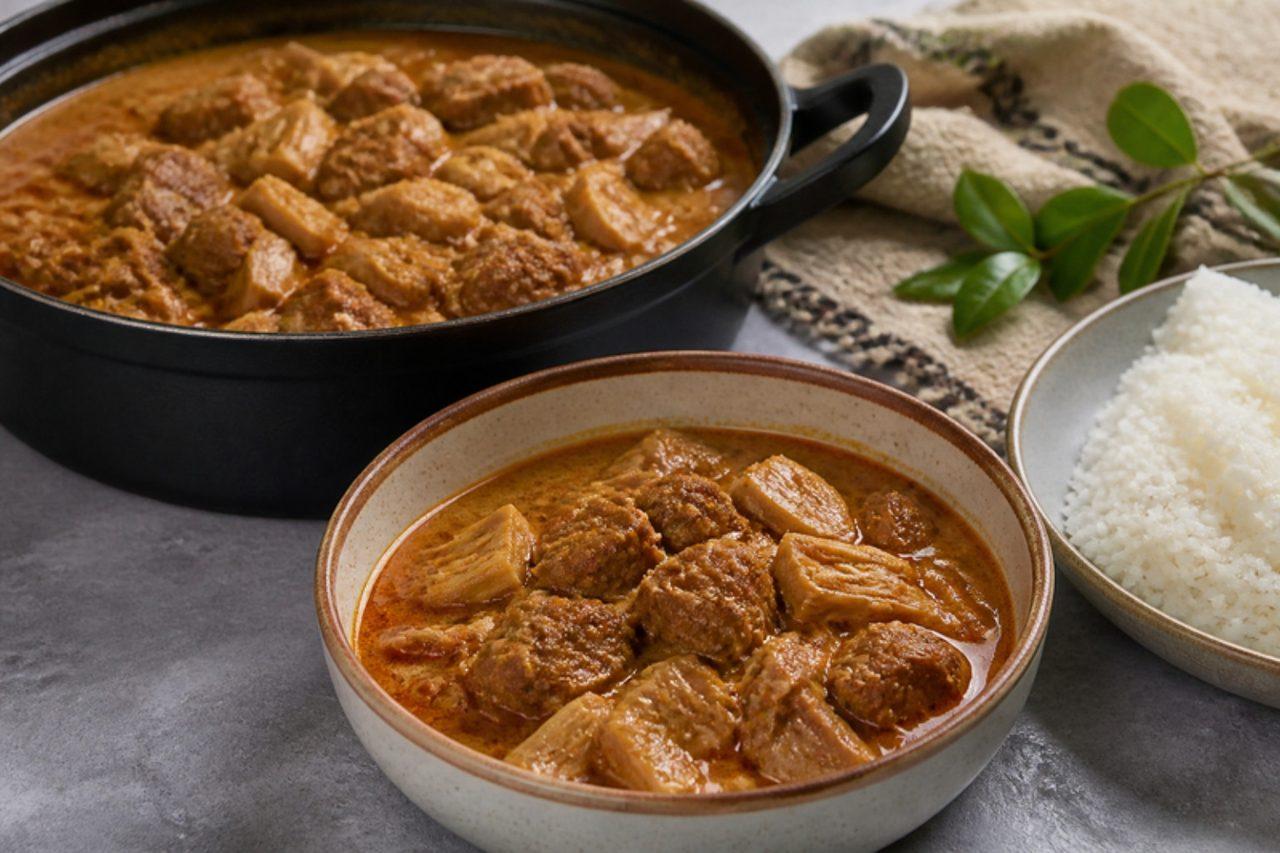
Kuah beulangongGoat and young jackfruit curry

In Aceh, the days of Meugang before Ramadan and Idul Adha are marked by men cooking kuah beulangong in huge cauldrons (beulangong) in the village square, so that every household, rich or poor, eats meat at the feast. Goat or beef is cooked with young jackfruit in a dark, nutty curry thickened with roasted coconut paste (u neulheu) and plenty of chilli and spice. This version scales the cauldron down to a family pot. Chef's tip: roast the coconut slowly until it is the colour of dark chocolate, because the deep toasted flavour is what makes this curry Acehnese.

by KrazyBadal 0 views
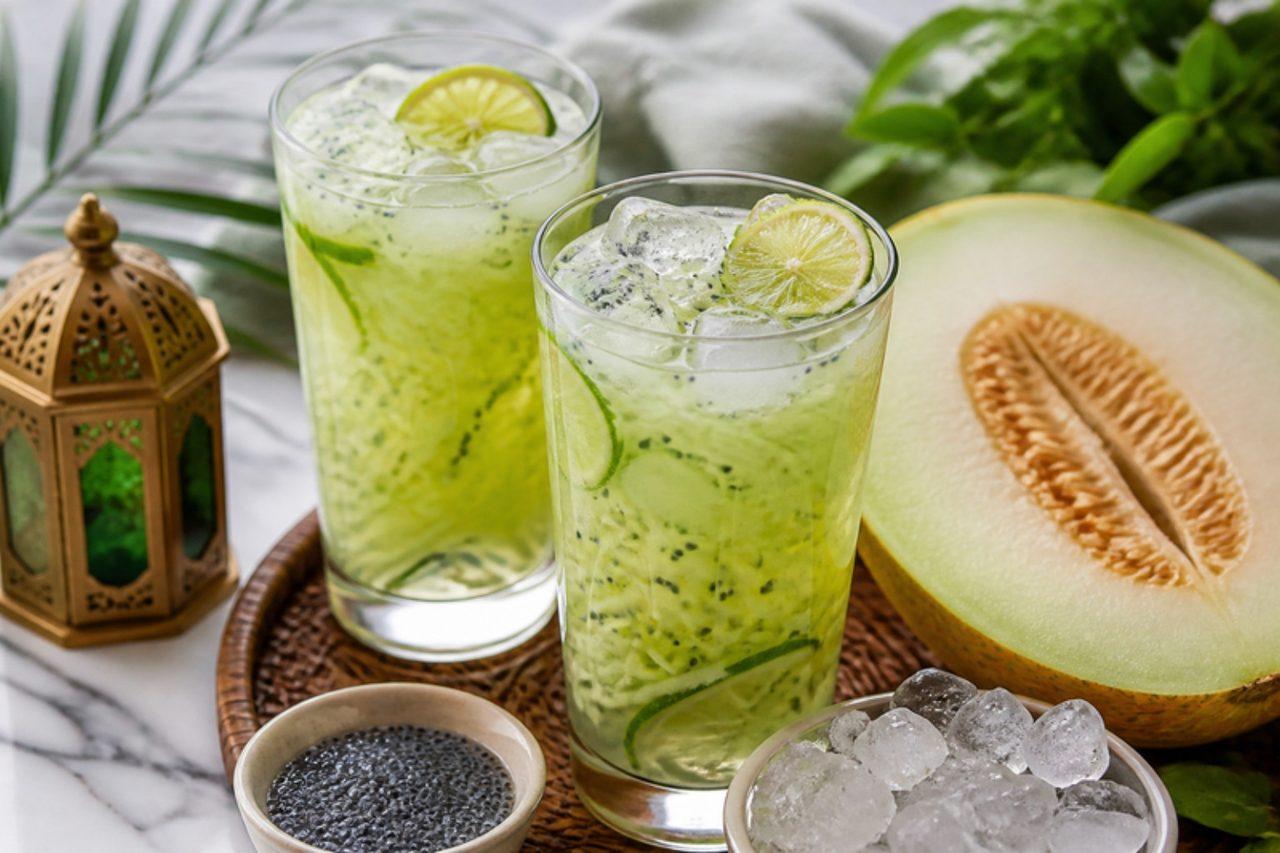
Es timun suriIced cucumber melon drink

Timun suri, a large cucumber-melon, appears in Indonesian markets only during Ramadan, piled high at roadside stalls for families to buy before iftar. Scraped into strands and floated in iced syrup with basil seeds and lime, it makes es timun suri, one of the most refreshing ways to break the fast. It tastes gently sweet, melony and cool. Cantaloupe or galia melon is a good stand-in outside Indonesia. Chef's tip: soak the basil seeds fully before adding them, as dry seeds clump into hard lumps in cold syrup.

by KrazyBadal 0 views
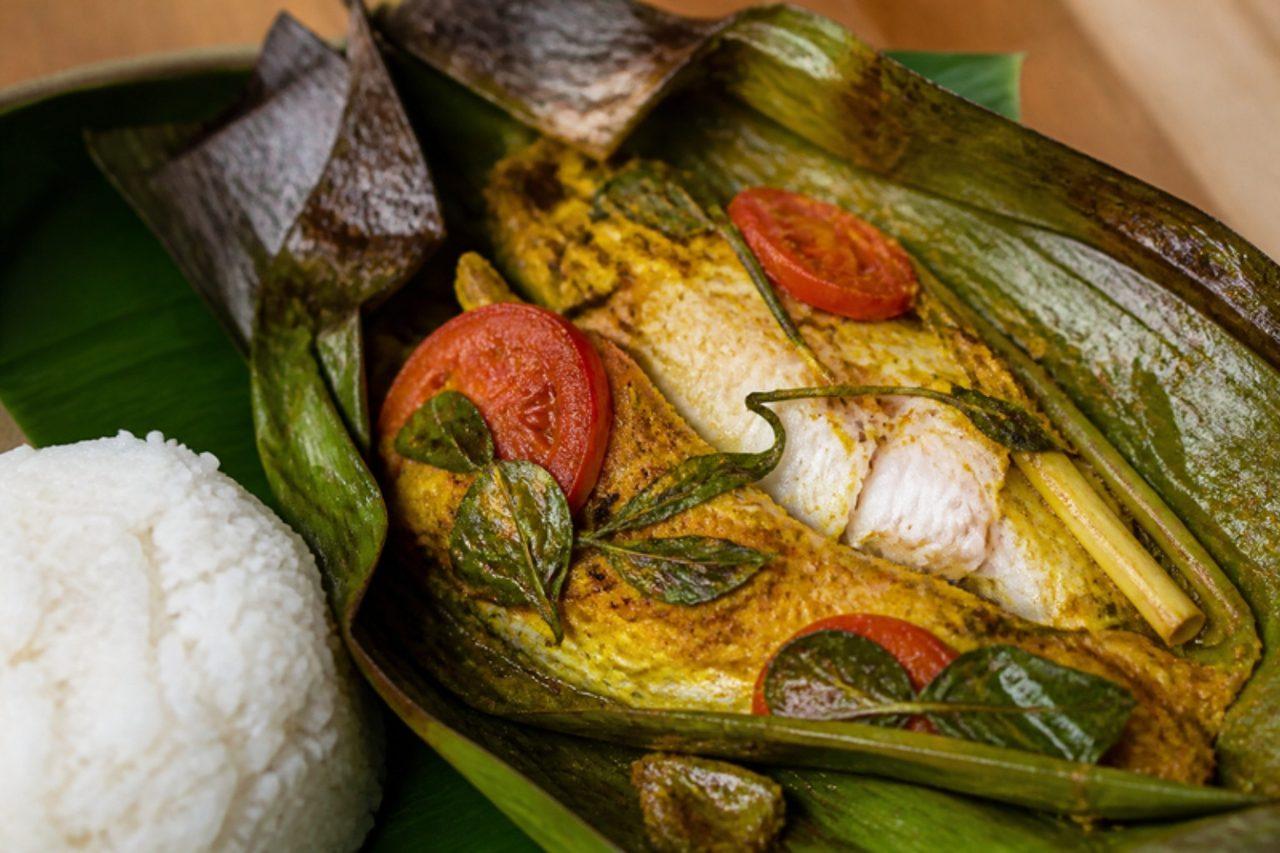
Pepes ikanFish steamed in banana leaf

Pepes ikan is everyday Sundanese cooking from Bandung and the hills of West Java, made in the morning and eaten with rice, sambal and raw vegetables at lunch. Fish is rubbed with a yellow paste of turmeric, shallot, candlenut and chilli, scattered with lemon basil, wrapped in banana leaf and steamed, then charred briefly on a grill so the leaf smokes and perfumes it. The flesh comes out moist and fragrant. A portion has about 30 g of protein from the fish. The usual mistake is skipping the steaming and grilling straight away: the outside burns before the fish is cooked. Chef's tip: lemon basil (kemangi) is the signature; if you can't get it, use Thai basil with a little lemon zest.

by KrazyBadal 0 views
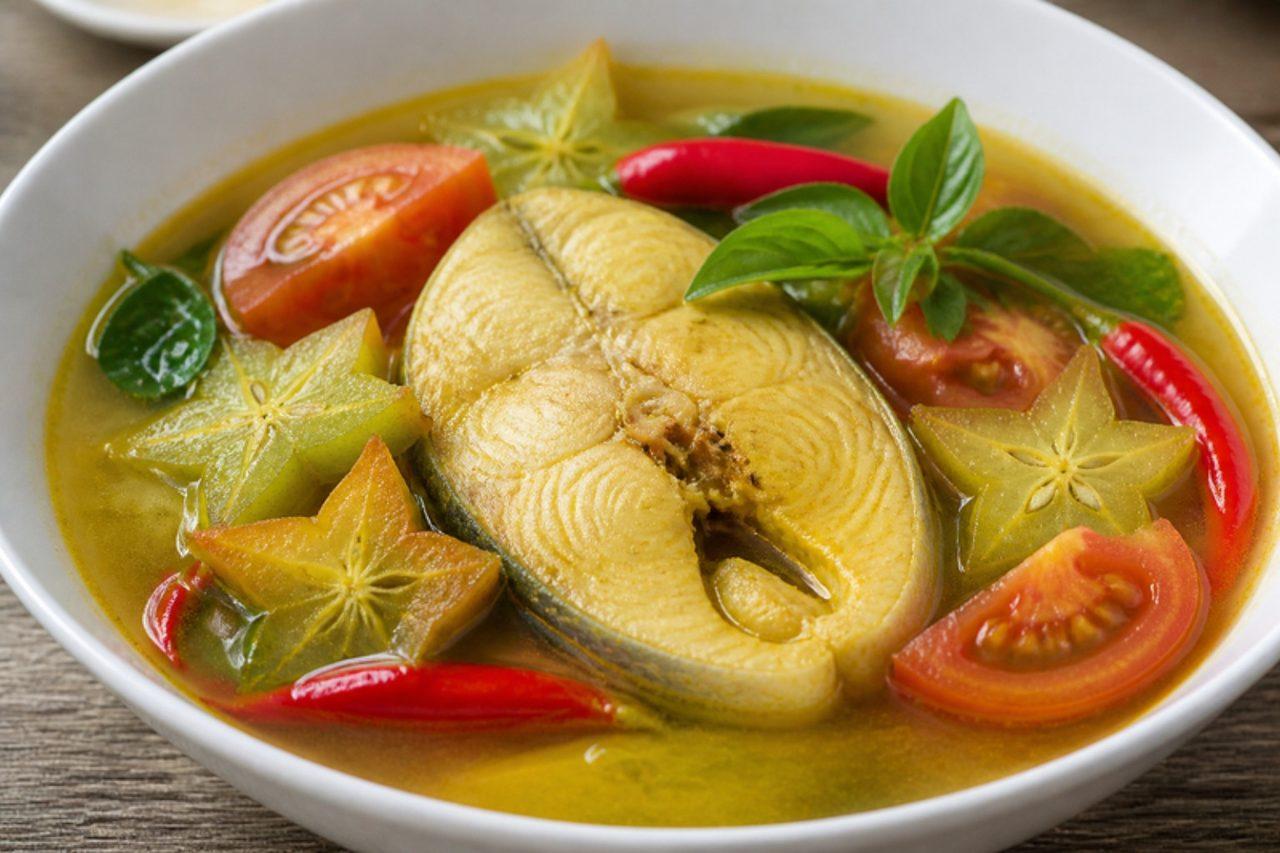
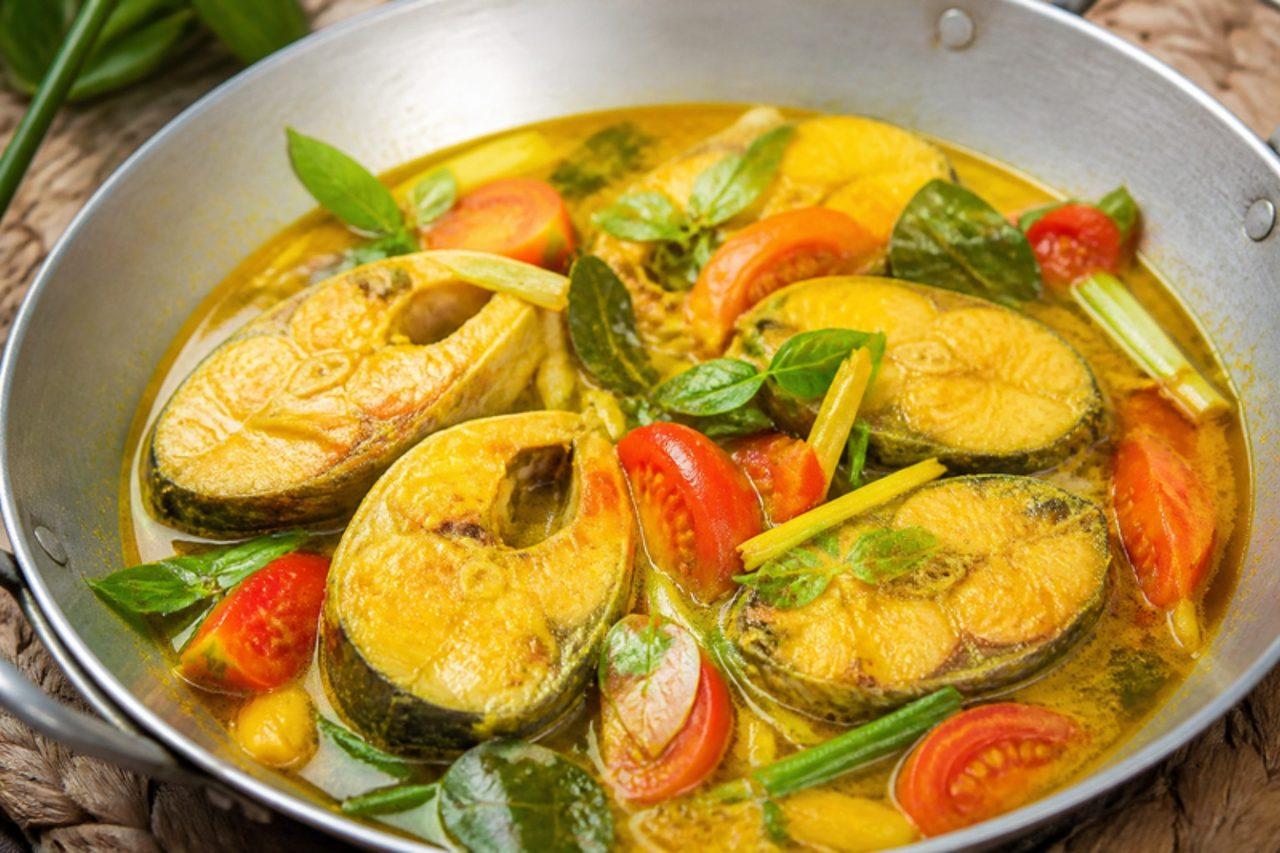
Pindang seraniFish in sour turmeric broth

Pindang serani belongs to Jepara and the fishing towns of the north coast of Central Java, where it is cooked at home for lunch and served at seaside warungs. Traditionally it is made with milkfish (bandeng) or grouper simmered in a pale yellow broth of turmeric, galangal and lemongrass, soured with sour starfruit and sharpened with chilli and basil. It is light and restoring, with about 28 g of protein a portion from the fish. Milkfish is very bony, so sea bass or grouper steaks are easier at home. The common mistake is boiling the soup hard once the fish is in, which clouds it and breaks the flesh. Chef's tip: bruise the turmeric, galangal and ginger rather than grinding them, so the broth stays clear.

by KrazyBadal 0 views
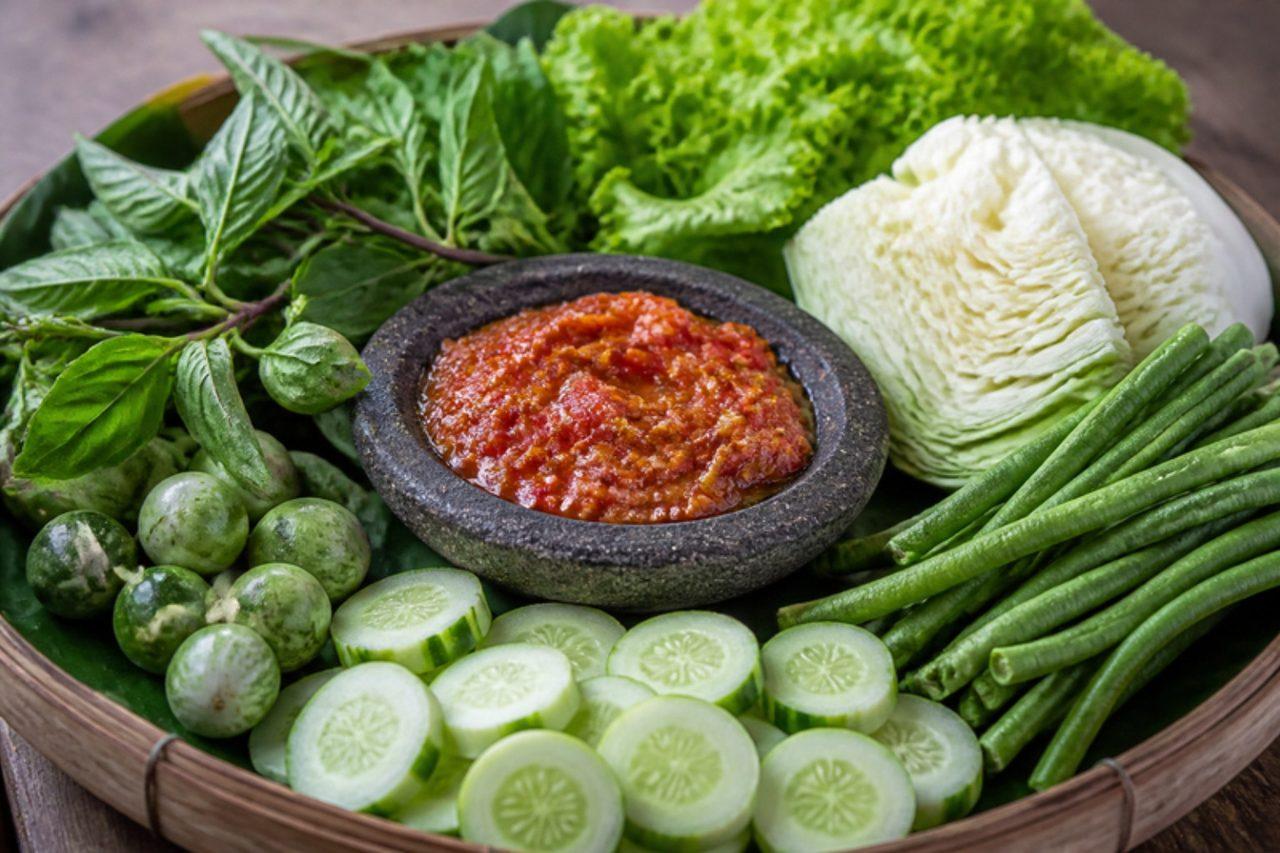
Lalapan with sambal tomatRaw vegetables with tomato sambal

In Sundanese homes and warung across West Java, from Bandung to Bogor, lalapan sits on the table at nearly every rice meal: a plate of raw cucumber, cabbage, long beans, Thai basil, lettuce and sometimes small green aubergines, dipped one by one into fiery sambal. It is about freshness and crunch more than cooking. The usual sambal terasi uses shrimp paste, so here it is a vegetarian sambal tomat of fried chilli, shallot, garlic and tomato, ground with palm sugar and lime. A portion gives only about 3 g of protein, so pair it with fried tofu or tempeh and rice for a full meal. The most common mistake is serving limp vegetables: wash them, then crisp them in iced water and dry them well. Chef's tip: fry the sambal ingredients until the tomato skins split and the shallots catch at the edges; that charring gives the depth shrimp paste usually brings.

by KrazyBadal 0 views
Ikan kuah asamFish in clear sour broth

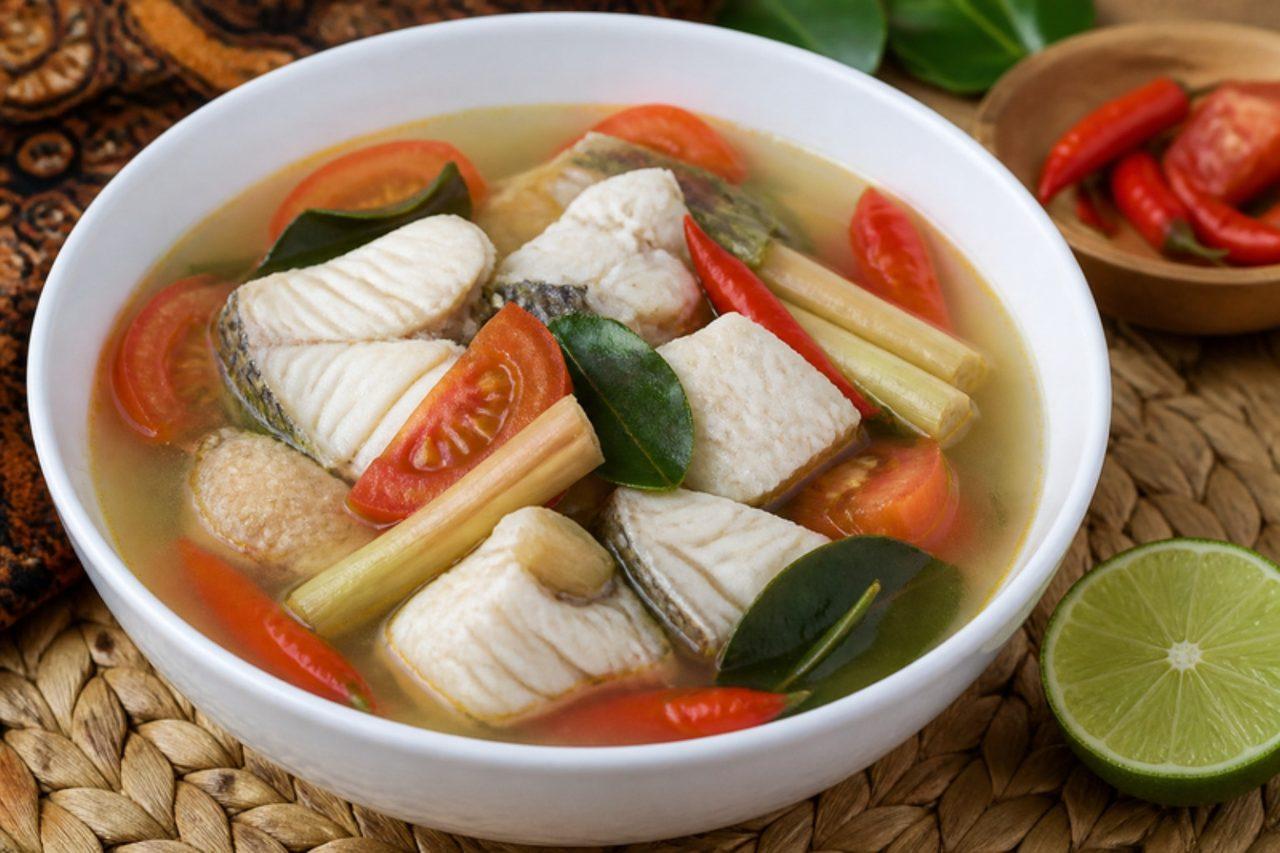
Across Ambon in Maluku and the coasts of North Sulawesi, ikan kuah asam is the soup families eat almost daily with papeda or rice, made from whatever fish came in that morning. The broth is thin and clear, bright with lime and tomato, warm with chilli and lemongrass, with chunks of fish poached just until they flake. It is light but filling, with about 28 g of protein a portion from the fish. The common mistake is adding the lime juice too early and boiling it: it turns bitter, so squeeze it in at the end. Chef's tip: use a firm, meaty fish such as tuna, mackerel or snapper, cut into large chunks, so it holds together in the broth.

by KrazyBadal 0 views
Brongkos with tofu and tempehTofu and tempeh black nut stew

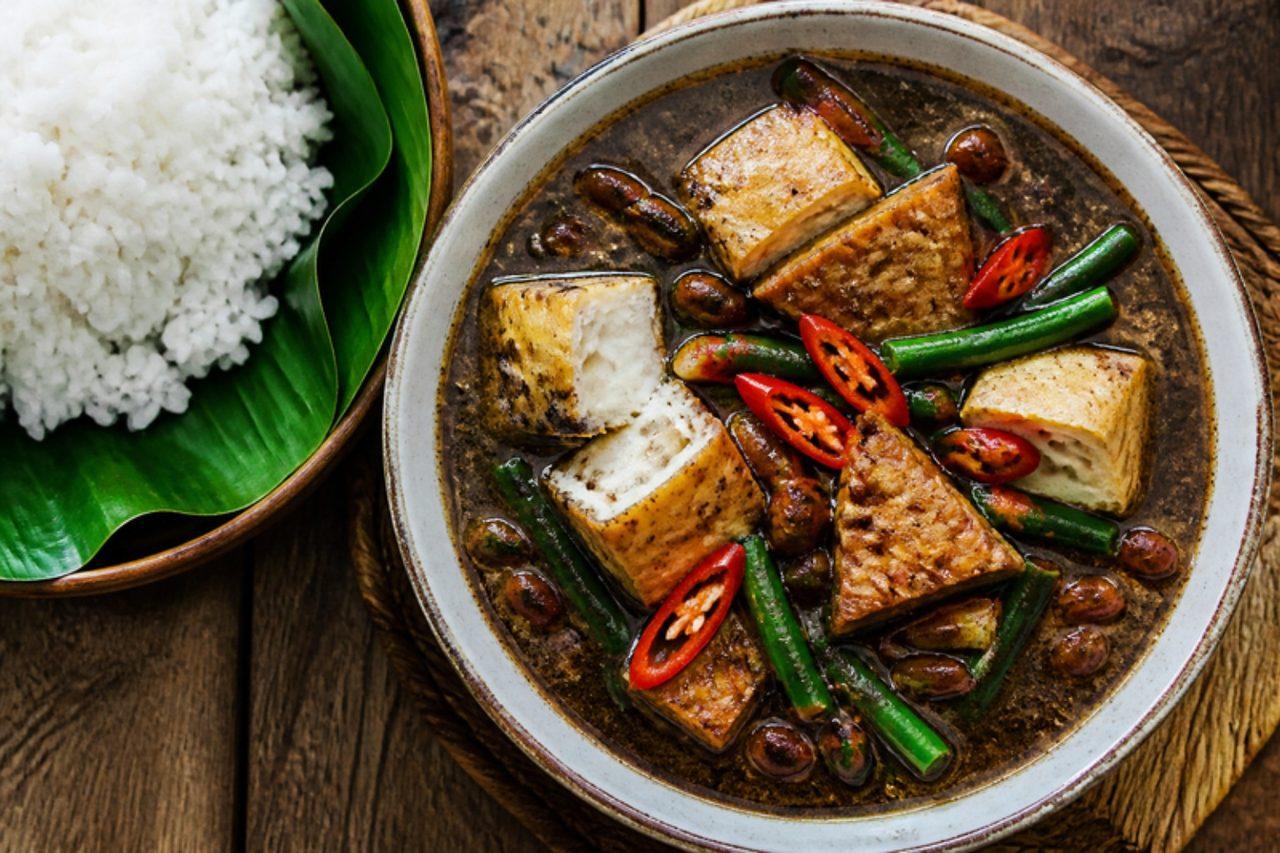
Brongkos is one of Yogyakarta's old royal-kitchen dishes, a near-black stew of keluak nut paste and coconut milk eaten at lunch with rice, often alongside gudeg. The classic pot holds beef with tofu and cowpeas; this is a vegetarian version, using tofu, tempeh and red cowpeas only, which many Jogja families also cook. The keluak gives a deep, earthy, almost chocolatey flavour, softened by coconut milk and a little palm sugar. A portion gives about 29 g of protein, from the tofu, tempeh and cowpeas. The dried cowpeas need soaking for 8 hours or overnight first, which is not counted in the times. The common mistake is using keluak that has gone bad: crack each nut and smell it; the flesh should be dark and smell earthy, never sour or mouldy. Chef's tip: brongkos is better the next day, when the beans and tofu have soaked up the sauce.

by KrazyBadal 0 views
Tumis daun pepayaStir-fried papaya leaves

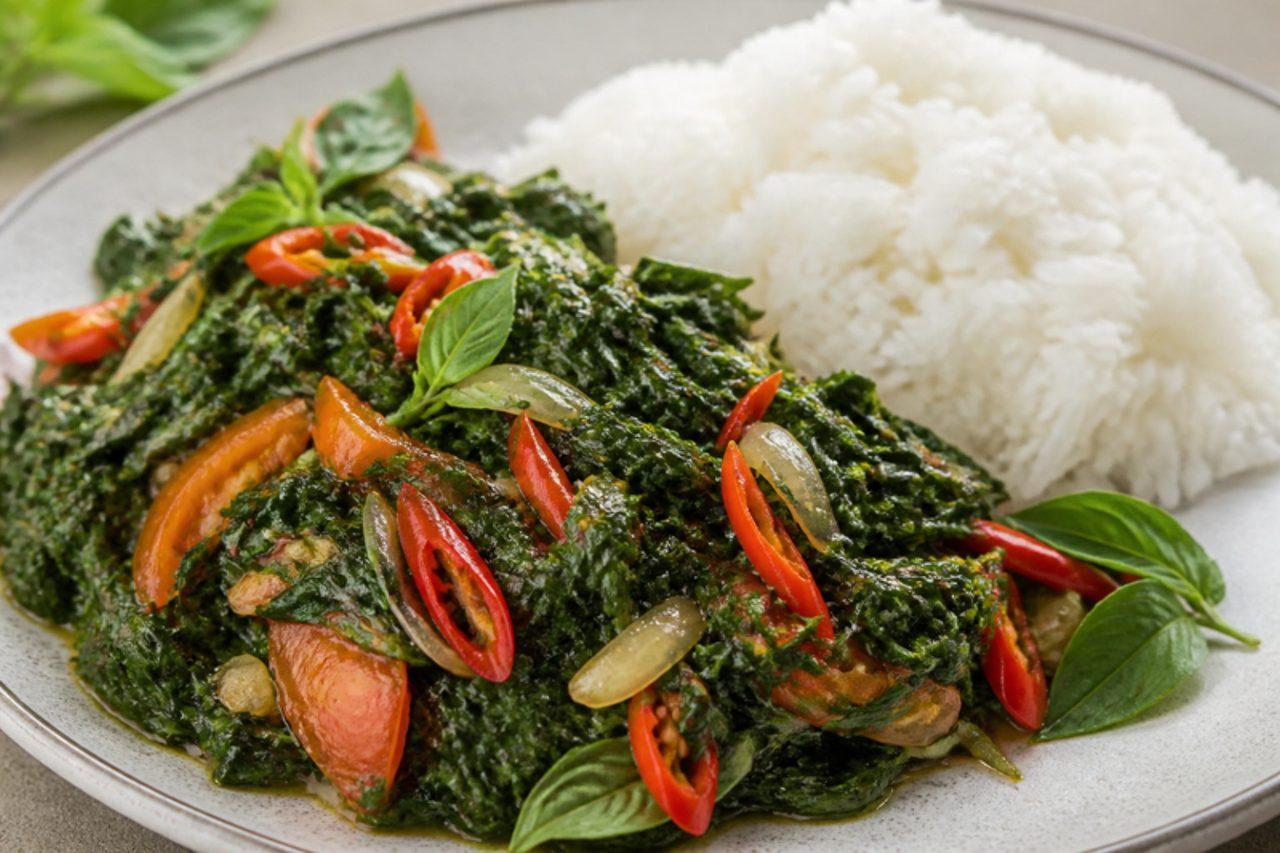
In Manado and across North Sulawesi and Maluku, a plate of tumis daun pepaya sits beside rice, grilled corn and sambal at everyday lunches and at big family gatherings, where its clean bitterness cuts through rich coconut dishes. The leaves are boiled first to tame them, then stir-fried hot with shallot, garlic, chilli and lemon basil until glossy. Many cooks add a little dried anchovy or fish; this version is vegetarian and gets its savouriness from a spoon of soy sauce and the fried aromatics. It is a light side with about 4 g of protein per portion, from the leaves themselves, so serve it with tofu, tempeh or beans if you want a full meal. The common mistake is skipping the pre-boil: raw papaya leaves are harshly bitter. Chef's tip: squeeze the boiled leaves hard and fry them in a hot, dry-ish pan so they take on a little colour rather than stewing.

by KrazyBadal 0 views
Ikan wokuFish in lemongrass basil paste

Woku is the signature sauce of Minahasa cooking around Manado in North Sulawesi, where fish woku is cooked for Sunday lunches after church and for family gatherings. Fish steaks simmer briefly in a bright yellow paste of turmeric, chilli, shallot and ginger, smothered in lemongrass, lime leaves, pandan, spring onion and handfuls of lemon basil, so the sauce is hot, herbal and sharp with lime. A portion has about 30 g of protein from the fish; eat it with plenty of rice. The common mistake is stirring hard once the fish goes in, which breaks it up; shake the pan instead. Chef's tip: add the basil only at the very end, off the heat, so it stays green and perfumed.

by KrazyBadal 0 views

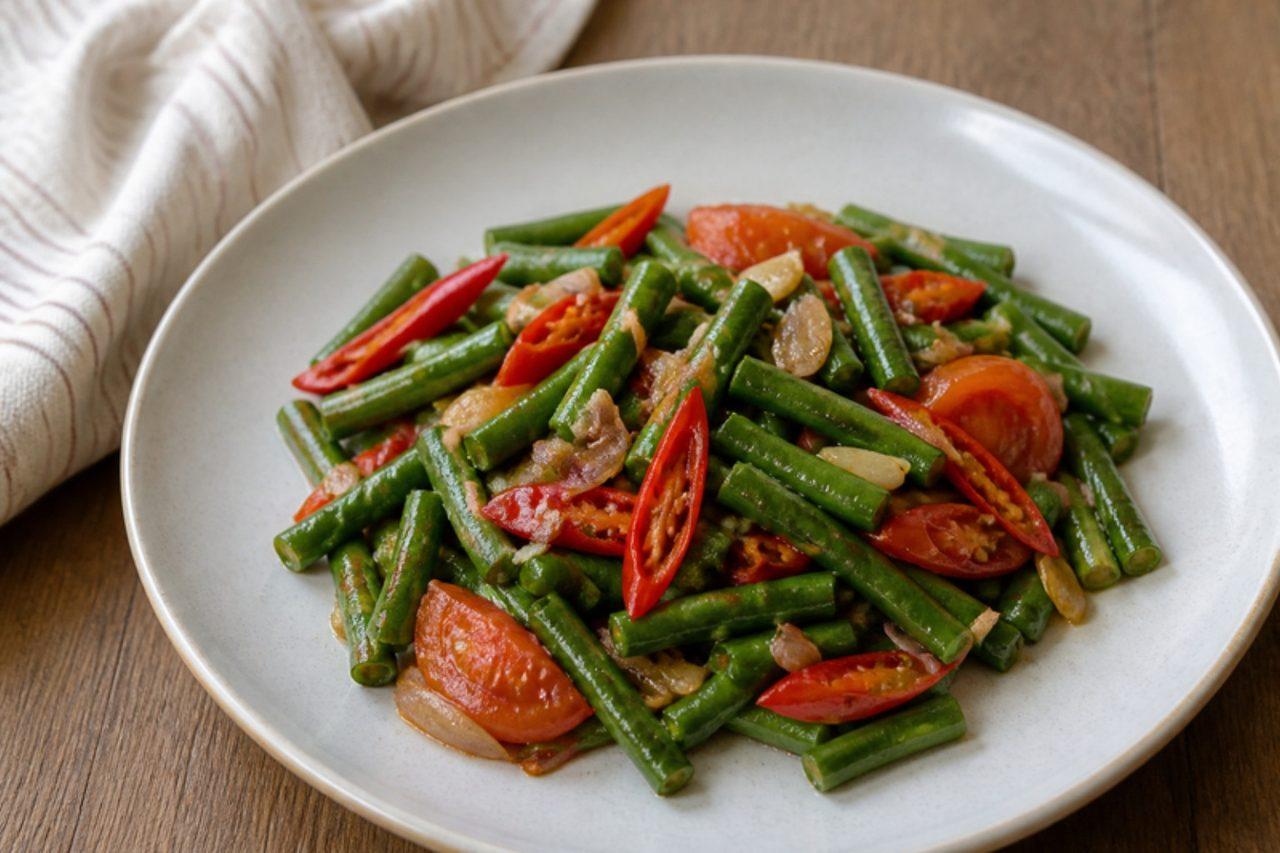
Tumis kacang panjang (Indonesian stir-fried long beans)

In Javanese homes and warungs, tumis kacang panjang is one of the quickest vegetable dishes on the table, cooked in minutes at dinner time and eaten with rice, fried tempeh and sambal. The beans keep a little bite, the tomato breaks down into a light, savoury gloss, and the chilli gives gentle heat. Plenty of cooks stir in a little terasi (shrimp paste); here it is left out to keep the dish vegan, with a pinch of sugar for balance. The common mistake is adding a lot of water and covering the pan, which boils the beans grey; a splash and a hot pan are enough. Chef's tip: cut the beans on a slant so more surface touches the pan and they cook faster.

by KrazyBadal 0 views

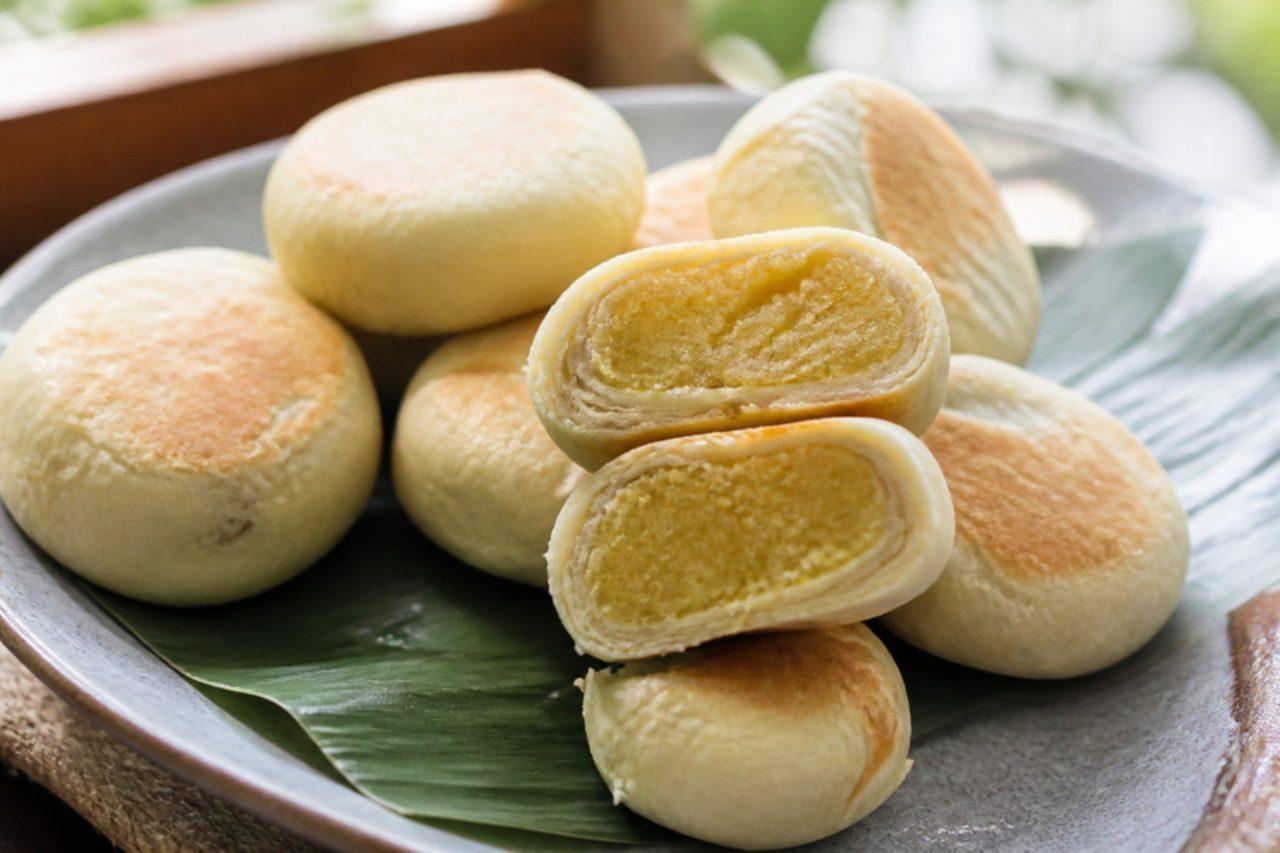
BakpiaMung bean pastries

Nobody leaves Yogyakarta without a cardboard box of bakpia; the Pathuk neighbourhood, a short walk from Malioboro, is lined with family bakeries turning them out for visitors as oleh-oleh, the snacks Indonesians bring home from a trip. These are small, round and slightly puffed, with a thin, flaky skin that goes golden in spots and a smooth, lightly salted sweet mung bean centre. They came to Java with Chinese bakers (the name comes from Hokkien bak pia) and are eaten with sweet hot tea or a glass of kopi. Using too much filling is the usual problem; the skin should wrap it with no stretching. Chef's tip: cook the mung beans with a knotted pandan leaf for the classic fragrance, and keep the pastry balls under a damp cloth so the skins stay supple while you work.

by KrazyBadal 0 views

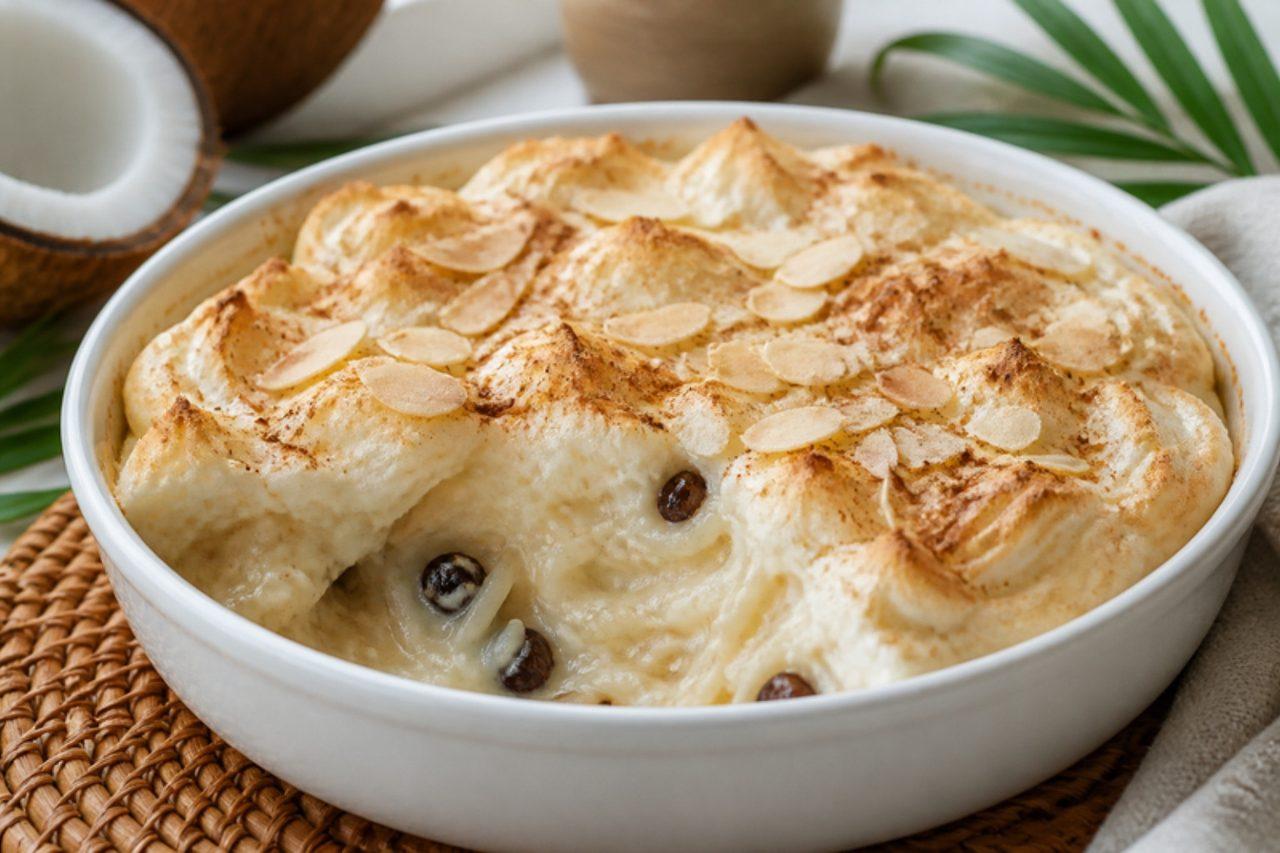
KlappertaartBaked young coconut custard

Manado, at the northern tip of Sulawesi, inherited klappertaart from its Dutch colonial kitchens (klapper is old Dutch for coconut), and it is still the dessert North Sulawesi families bring to birthdays, Christmas and church gatherings. Soft strips of young coconut flesh are folded through a creamy, cinnamon-scented milk custard with raisins, then baked under a sprinkle of almonds until barely set and bronzed on top. It is eaten warm or cold, spooned straight from the dish. Many recipes soak the raisins in rum or add a splash to the custard; this one is alcohol-free, with the rum as an option. Overbaking it until firm is the mistake to avoid; it should be soft and spoonable. Chef's tip: use the jelly-soft flesh of young coconuts (or frozen young coconut strips); grated mature coconut makes the custard dry and chewy.

by KrazyBadal 0 views

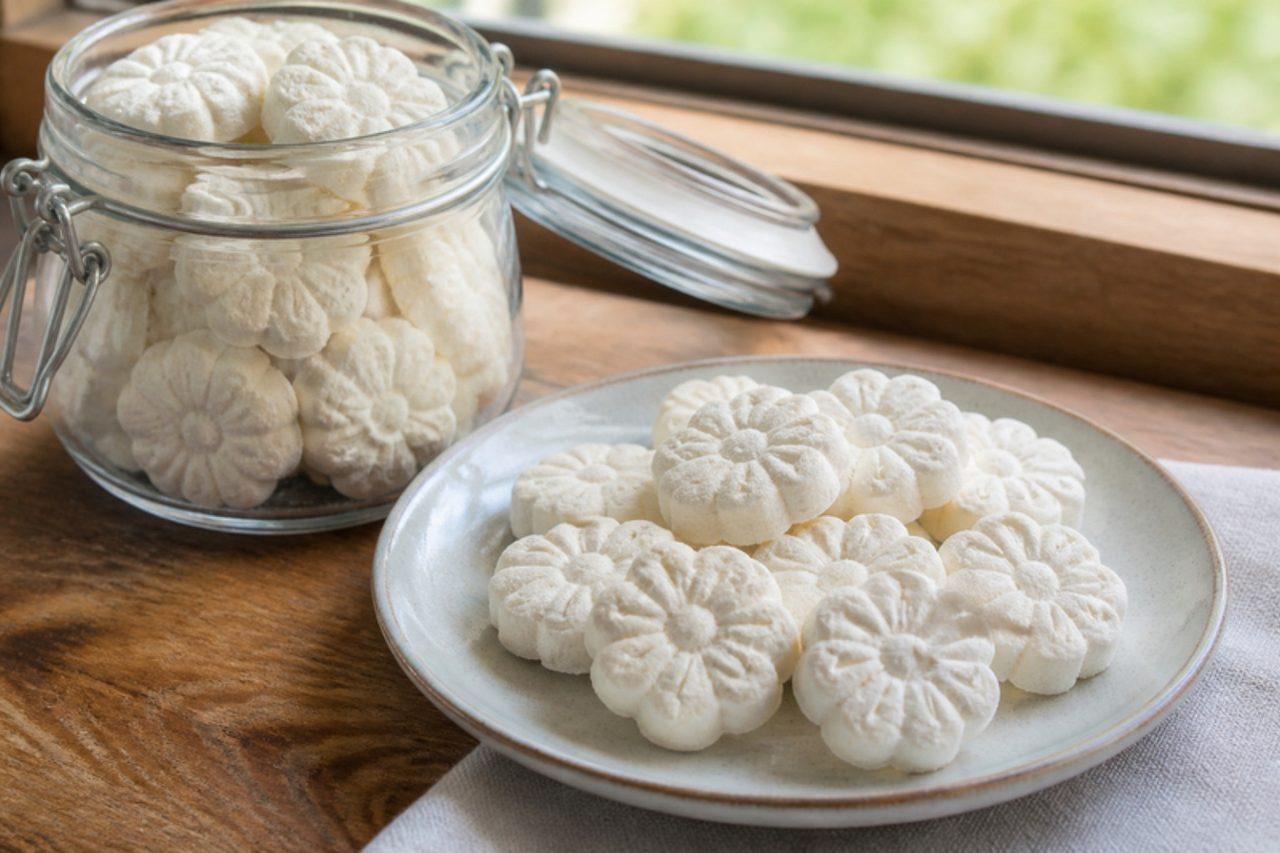
Kue bangkitTapioca coconut flower cookies

Jars of kue bangkit sit on coffee tables across Riau and the Sumatran coast at Lebaran, and Chinese-Indonesian families bake the same little white flowers for Lunar New Year. They are made from tapioca starch slowly roasted with pandan leaves, then bound with sugar, egg yolk and thick coconut milk and pressed into tiny flower shapes. When they are right they feel crisp and light in the hand and then dissolve instantly on the tongue, leaving the taste of coconut and pandan. The step people rush is roasting the starch; it must be dry-fried until feather-light, or the cookies bake hard and chalky. Chef's tip: keep the dough covered with a cloth while you work, because tapioca dough dries in minutes and then crumbles in the mould.

by KrazyBadal 0 views

Spiku (lapis Surabaya)Three-layer butter sponge with jam

Visitors leaving Surabaya are expected to carry home a box of spiku as oleh-oleh, the gift from your travels, and it also turns up for Lebaran and Chinese New Year. The name comes from the Dutch spekkoek, but this is a different cake: three thick layers of rich, yolk-heavy butter sponge, two plain and one chocolate, stuck together with apricot or strawberry jam. The crumb is soft, tight and buttery, best in thin slices with tea. Folding the melted butter in roughly or too fast lets it sink and bake into a greasy band at the bottom, so add it in a thin stream and fold just until it vanishes. Chef's tip: bake the three layers at the same time in three identical tins; weigh the batter into them so the layers come out even.

by KrazyBadal 0 views

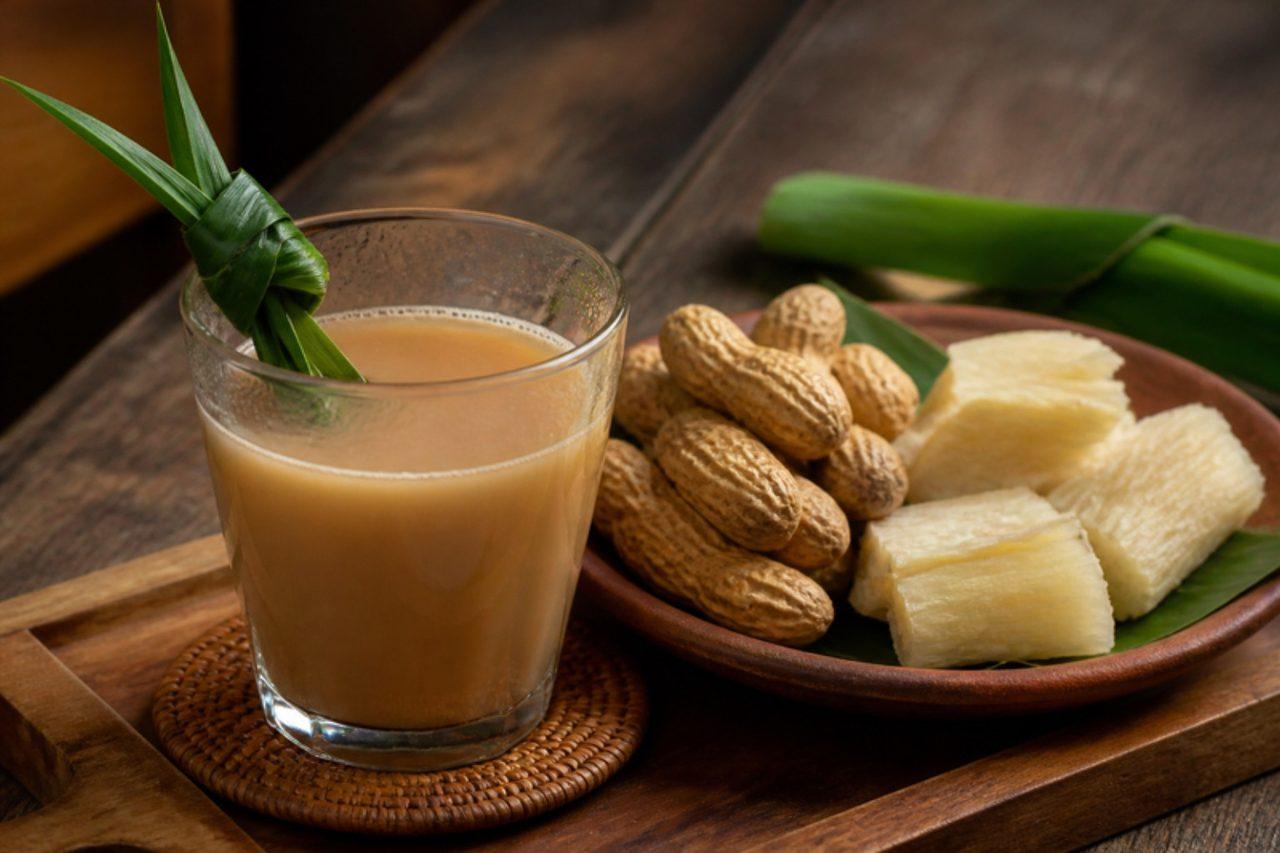
BajigurCoconut palm sugar drink

Bajigur carts in Bogor and Bandung come out in the late afternoon, steaming pots of coconut milk with palm sugar, ginger and pandan served alongside boiled peanuts, cassava and sweet potato. It is creamy and caramel-sweet with a warm ginger finish, a drink to wrap your hands round on a cool highland evening. Some sellers add a spoon of coffee; this version leaves it out. Chef's tip: keep it below a boil once the coconut milk is in; boiling makes it grainy and an oily film forms on top.

by KrazyBadal 0 views

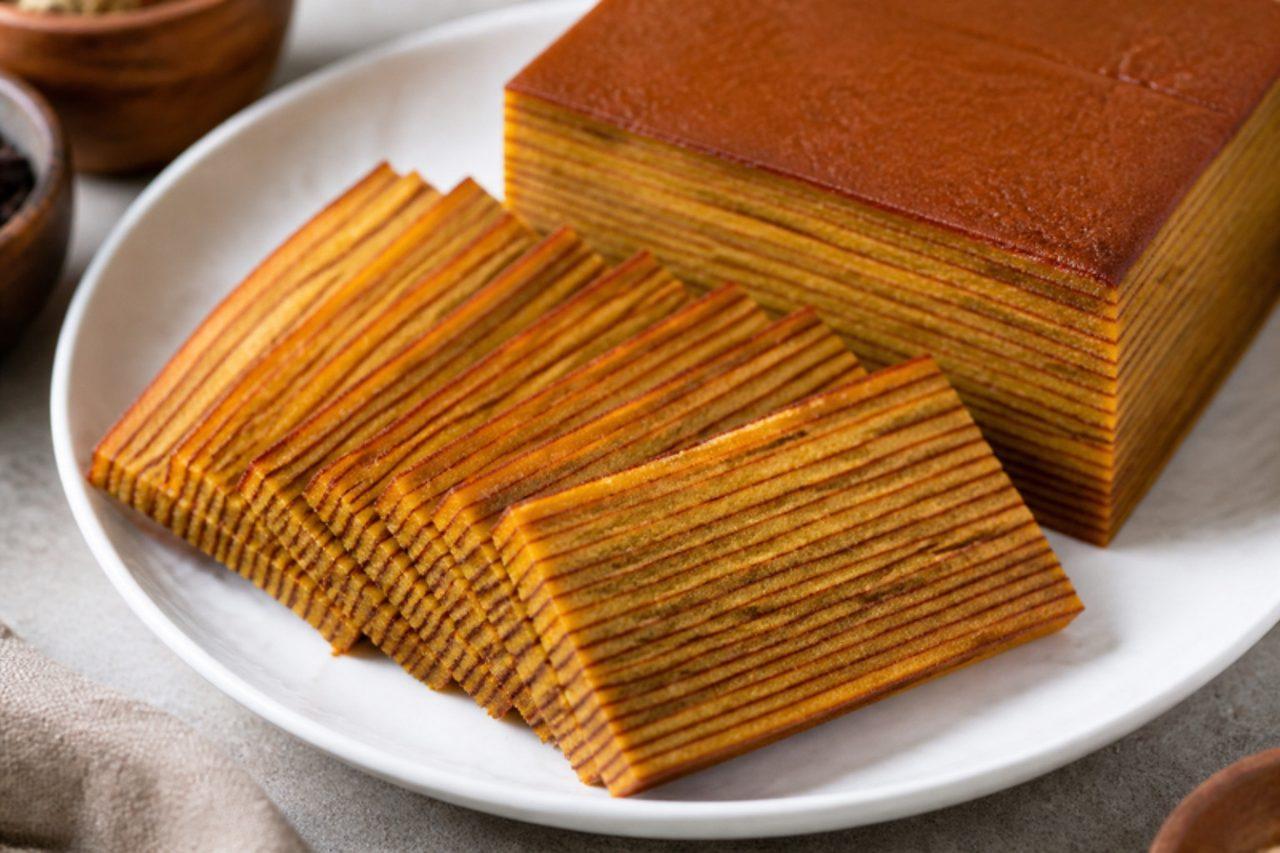
Lapis legitThousand-layer spice cake

Indonesian Chinese and Dutch-descended families bake lapis legit for Christmas, Imlek and Lebaran, and in Jakarta a whole cake is a prized gift that can cost a small fortune. Rich batter of butter and a great many egg yolks, scented with cinnamon, clove, nutmeg and cardamom, is grilled one thin layer at a time, giving perfect tree-ring stripes when sliced. It takes an afternoon, but it is mostly patience. Slice it thinly; it is very rich. Chef's tip: press each layer gently with a flat spoon to burst air bubbles before adding the next; skipping it leaves holes and the layers separate when cut.

by KrazyBadal 0 views

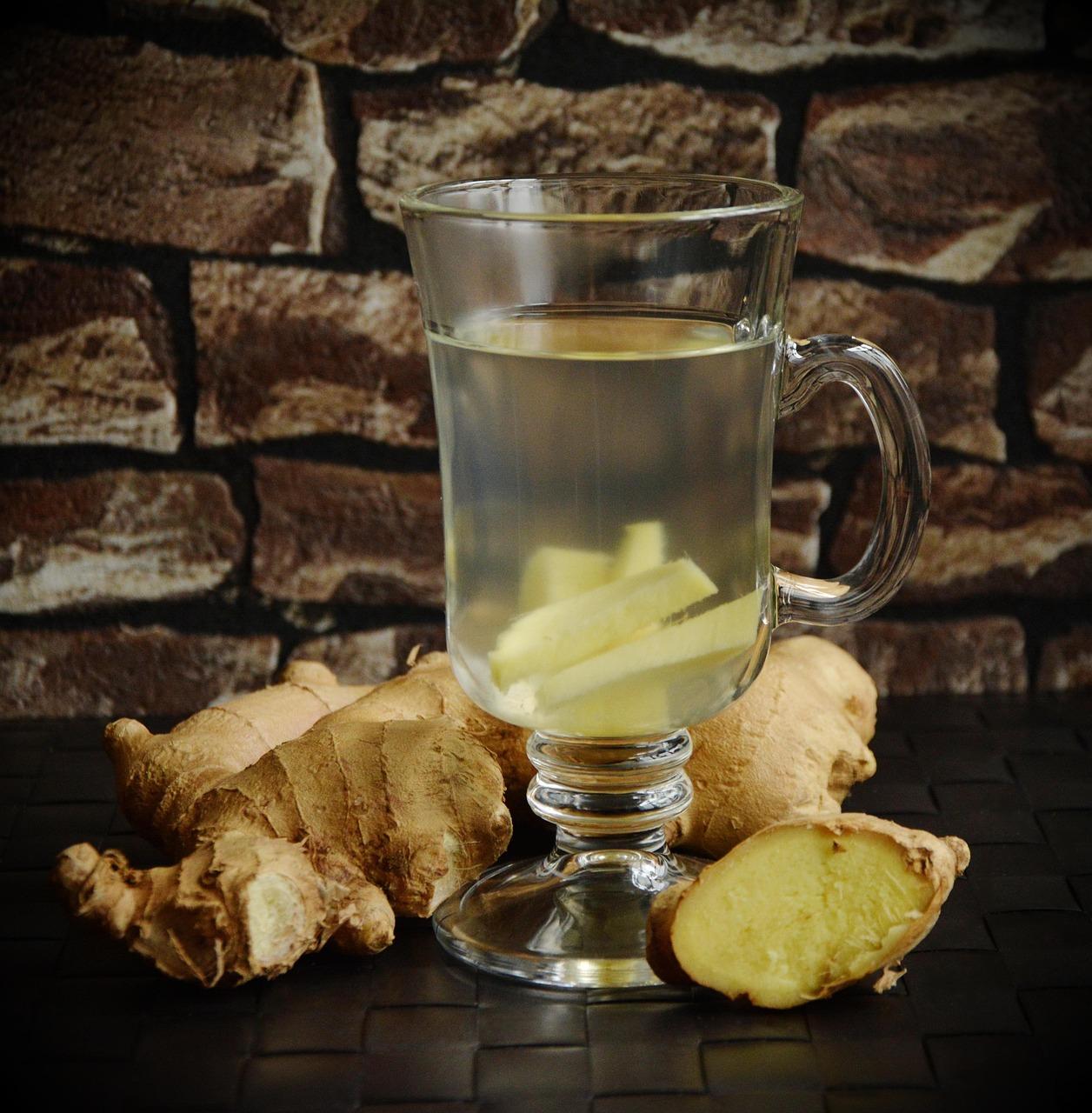
Wedang jaheHot ginger drink

When the evening rain comes in over Yogyakarta, angkringan street stalls start ladling out wedang jahe, a fiery hot drink of grilled, bruised ginger and lemongrass simmered with palm sugar. It is sipped slowly from glasses alongside sticky rice snacks and fried tofu, and families make it at home whenever the weather turns cool. Chef's tip: grill or dry-roast the ginger until scorched before bruising it; raw ginger gives a sharper but flatter drink, without the smoky depth.

by KrazyBadal 0 views

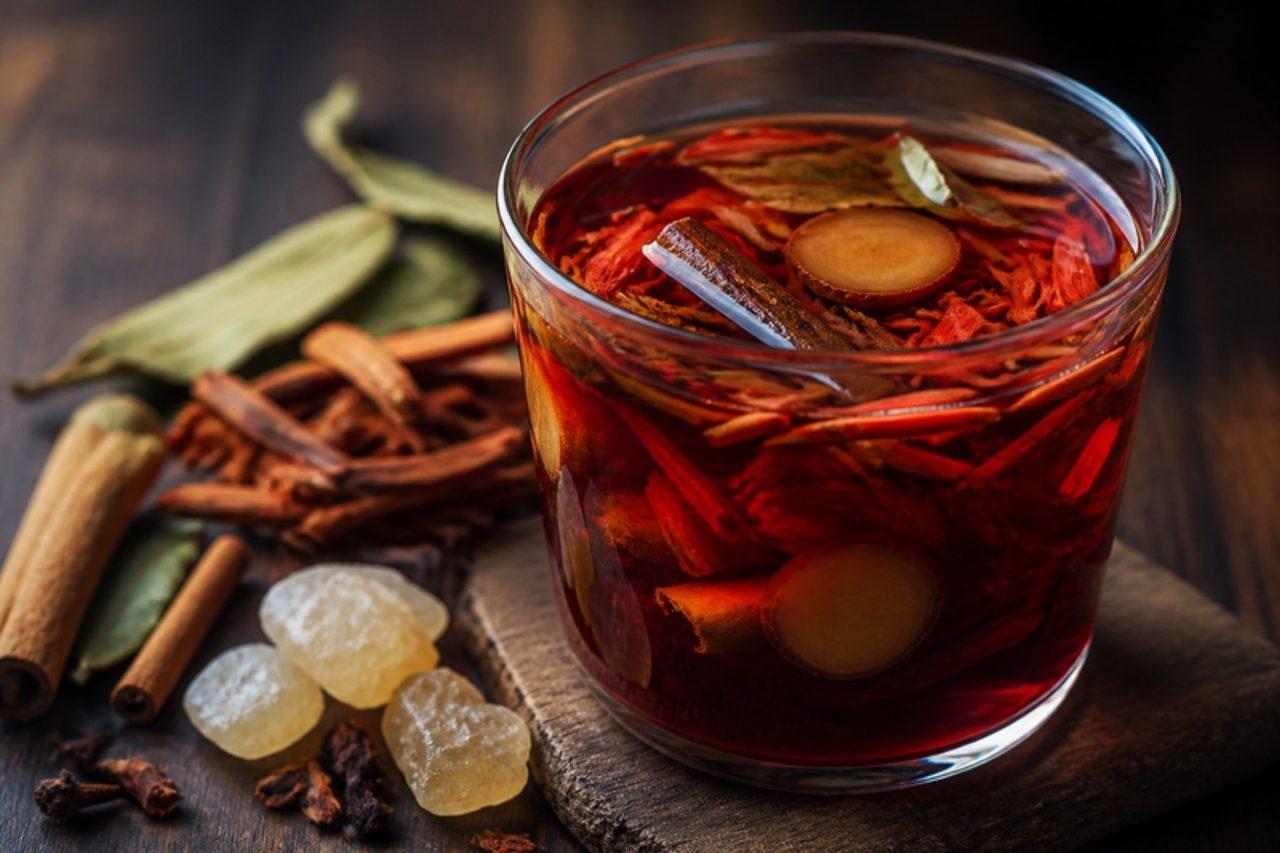
Wedang uwuhSpiced herbal infusion

The name means 'rubbish drink', because a glass looks like a jumble of twigs and leaves, but around the royal tombs at Imogiri, south of Yogyakarta, wedang uwuh is a point of pride. Chips of sappan wood stain hot water a deep ruby red, while ginger, clove, cinnamon, nutmeg leaf and rock sugar give a sweet, woody spice. It is sold by roadside warung as a dry pack to brew at home. Chef's tip: steep it, don't boil it for long; sappan wood turns from red to a muddy brown and tastes tannic if cooked hard.

by KrazyBadal 0 views

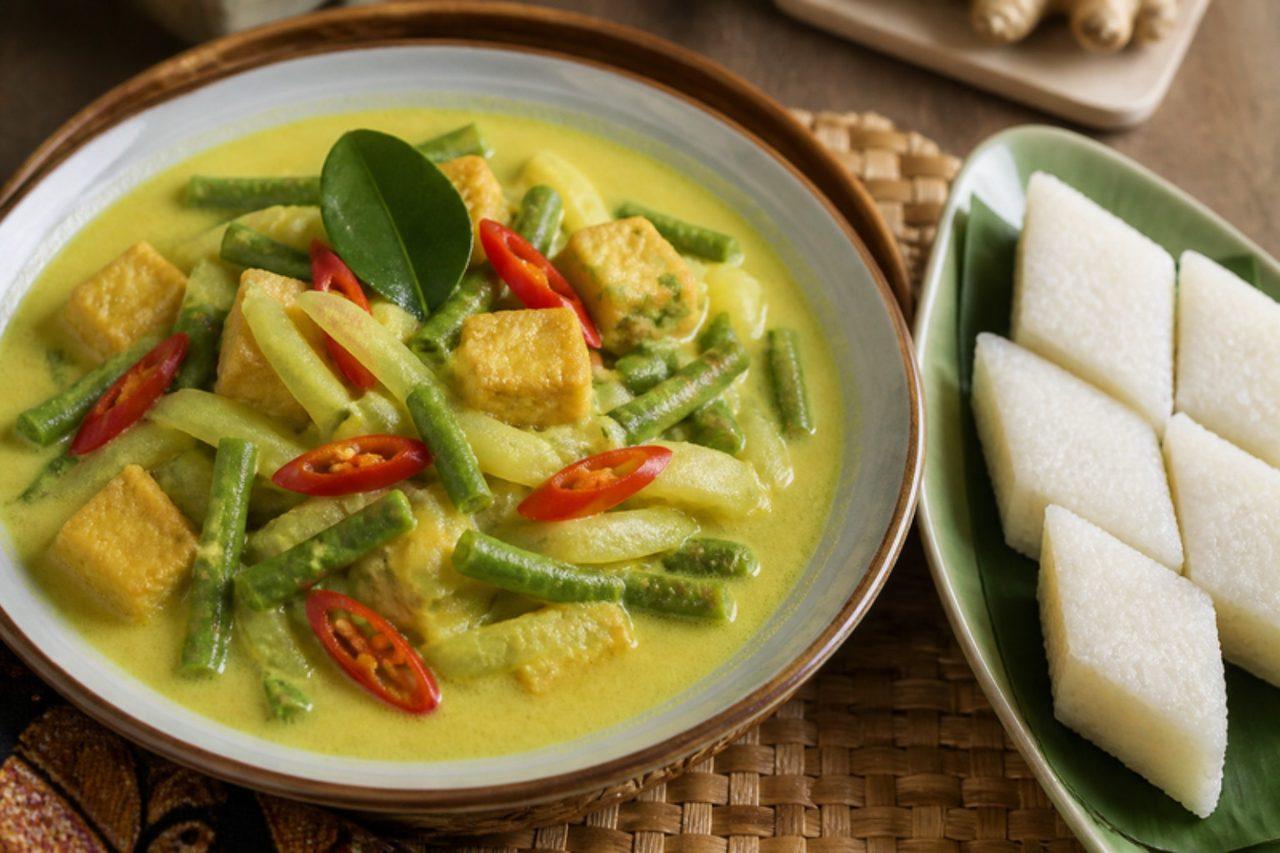
Sayur labu siamChayote and tofu coconut curry

On Lebaran morning in Java and Jakarta, sayur labu siam is the mild, soupy vegetable ladled over cut ketupat beside the richer opor and sambal goreng. Crisp-tender chayote, long beans and fried tofu simmer in a thin, pale-gold coconut broth fragrant with turmeric, galangal and salam leaf; it also makes an easy weeknight lontong sayur. This version is vegan, while many home cooks add a little terasi and dried shrimp to the spice paste. Chef's tip: let the broth simmer gently after the coconut milk goes in; a hard boil splits it into oily curds.

by KrazyBadal 0 views

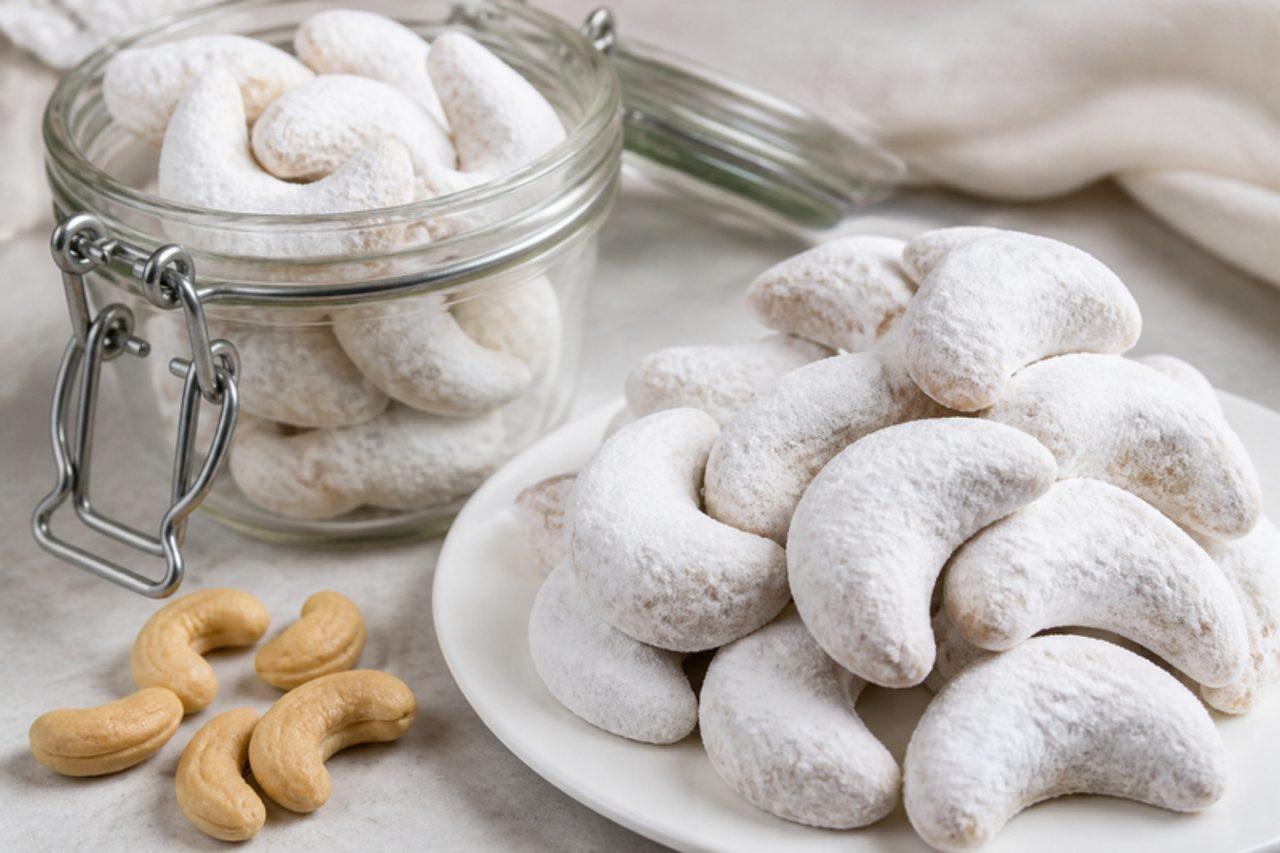
Kue putri saljuSnowball crescent cookies

'Snow princess' cookies are a Lebaran favourite in every Indonesian city, set out in jars for the stream of visiting relatives during the first days of Syawal. Little crescents of buttery, nutty shortbread made with ground cashews melt the moment you bite them, under a thick snowy coat of icing sugar. Children love helping to roll the crescents. Chef's tip: dust them twice, once while warm so a thin layer melts on and once when cold for the snowy finish; dusting only hot cookies leaves them patchy and damp.

by KrazyBadal 0 views

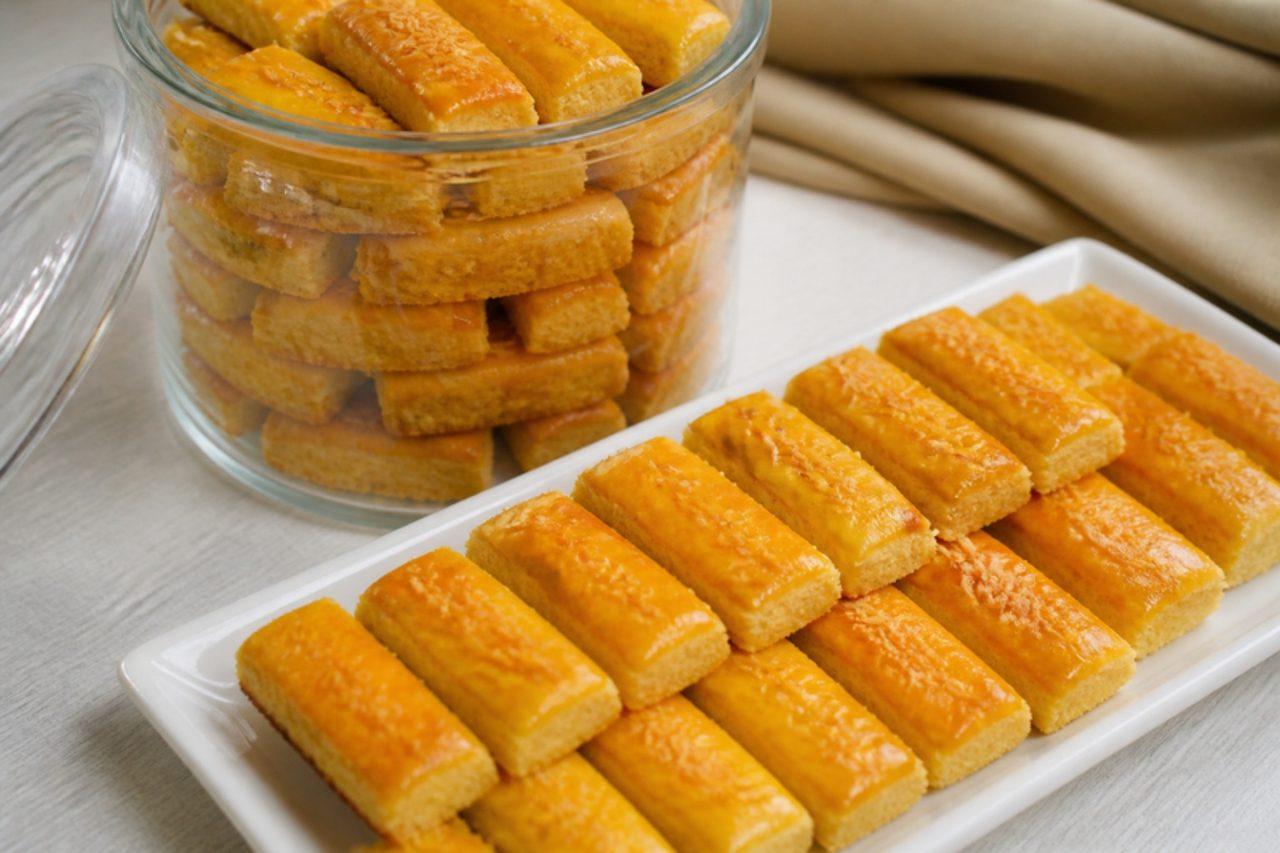
Kue kastengelCheese biscuit sticks

From Medan to Makassar, Lebaran open houses set out glass jars of kue kering, and kastengel (from the Dutch kaasstengels) are always among the first to go. These short, crumbly fingers are rich with butter and grated aged edam, glazed with yolk and topped with more cheese, so they bake into a salty, savoury biscuit that balances the sweet nastar and putri salju beside them. Chef's tip: don't overwork the dough once the flour goes in; kneading makes the sticks tough and they shrink in the oven instead of staying short and sandy.

by KrazyBadal 0 views

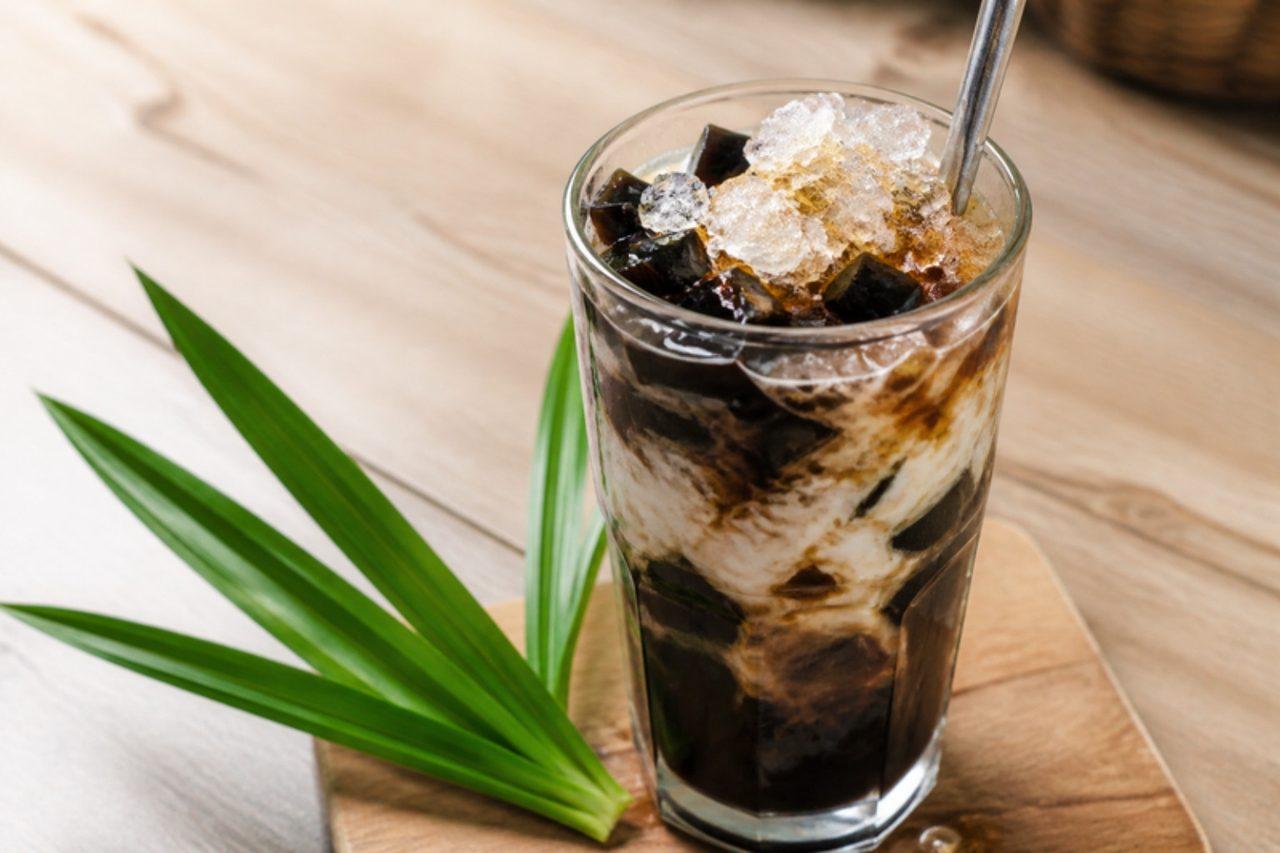
Es cincauGrass jelly drink

Glasses of es cincau are handed out at Ramadan iftar tables across Java and sold from roadside carts all year on hot afternoons. Cubes of black grass jelly, with its slightly bitter, herbal taste, sit in pale coconut milk and dark palm-sugar syrup over crushed ice, and the contrast is the whole joy of it. Ready-made grass jelly in tins is fine; this recipe sets your own from grass jelly powder. Chef's tip: let the jelly set fully and cold before cutting; cut warm, it tears and melts into the drink.

by KrazyBadal 0 views

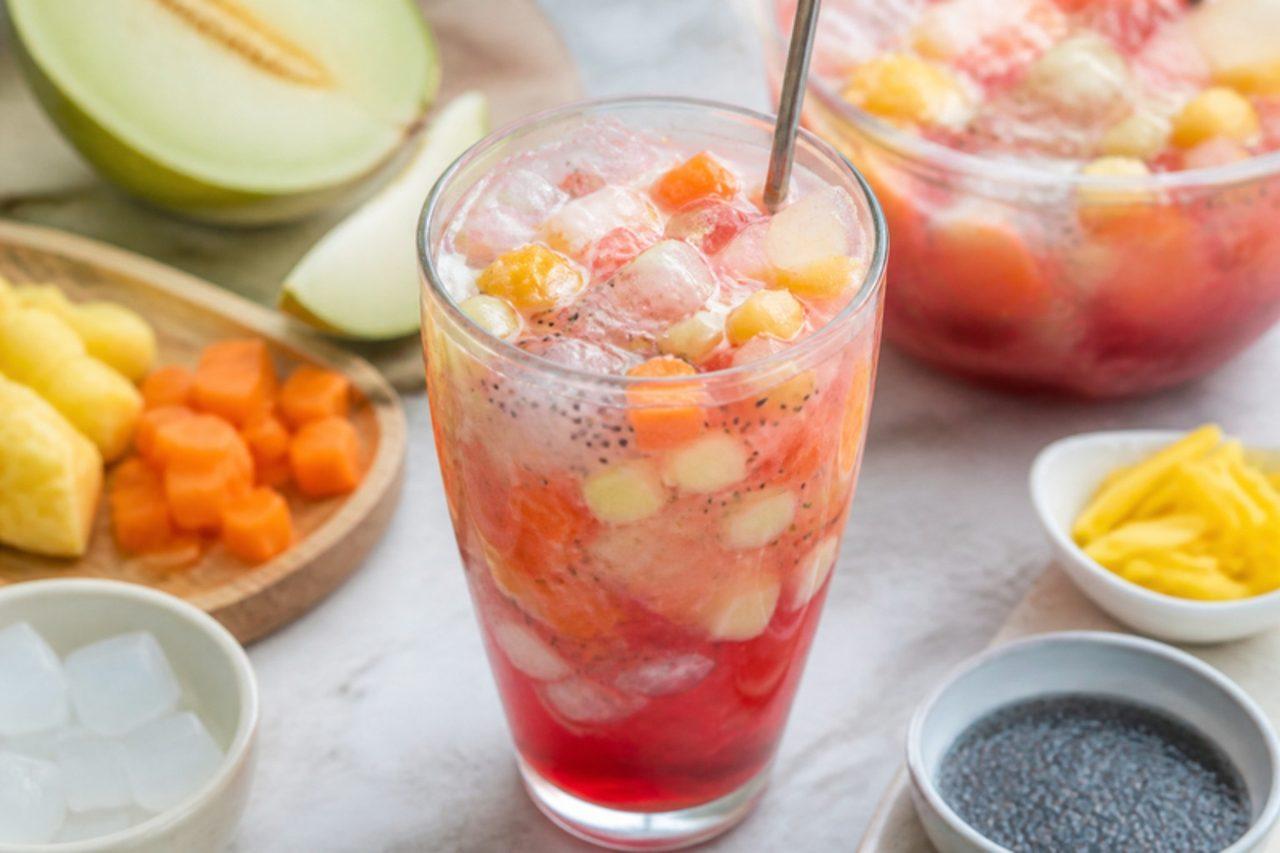
Es buahIced fruit cocktail

Ramadan evenings in Jakarta mean queues at the es buah carts, where melon, papaya, pineapple, jackfruit and nata de coco are scooped into glasses with swollen basil seeds, red rose syrup and a ribbon of condensed milk over crushed ice. It is drunk with a spoon at iftar, after dates, and it is just as welcome on any hot afternoon. Use whatever ripe fruit you have. Chef's tip: soak the basil seeds fully before adding them; dry seeds clump and stay gritty in the cold syrup.

by KrazyBadal 0 views

Showing 24 of 48 recipes

Show more recipes

Page 1 of 2