Skip to content
Recipes

All recipes

Vegetarian, or something you can't eat? Set your diet once and we'll hide recipes that don't fit.

Indori shikanji

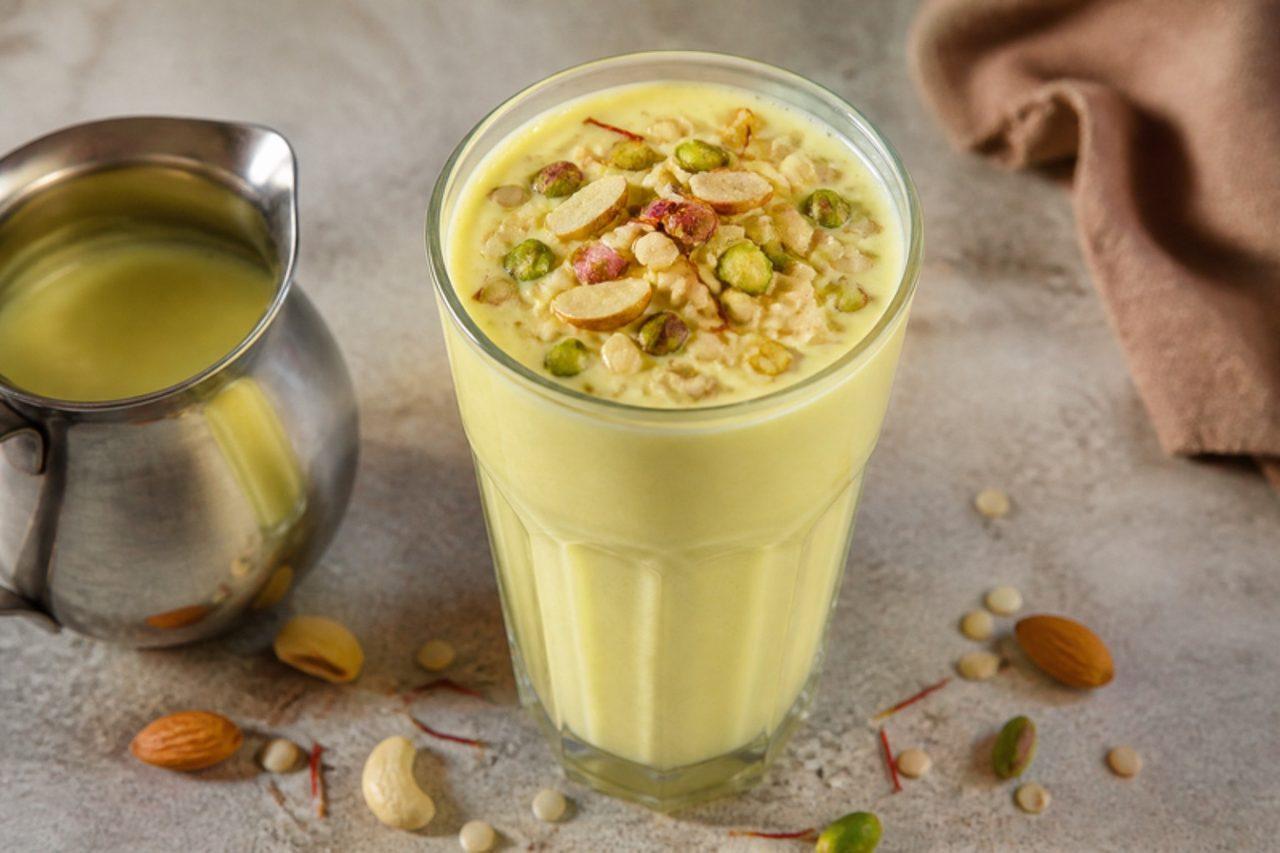
Anyone who orders shikanji in Indore expecting lemonade gets a surprise: here it is a spoonably thick drink of slow-reduced milk, saffron and cardamom, with a gentle tang from thick yogurt and plenty of chopped dry fruit. It is a late-night treat at Sarafa and Chhappan Dukan, poured from steel jugs into glasses after a round of savoury snacks. Think of it as somewhere between a lassi and a cold rabri. Chef's tip: the milk must be completely cold before the yogurt goes in, or the drink splits into grainy curds.

by KrazyBadal 0 views
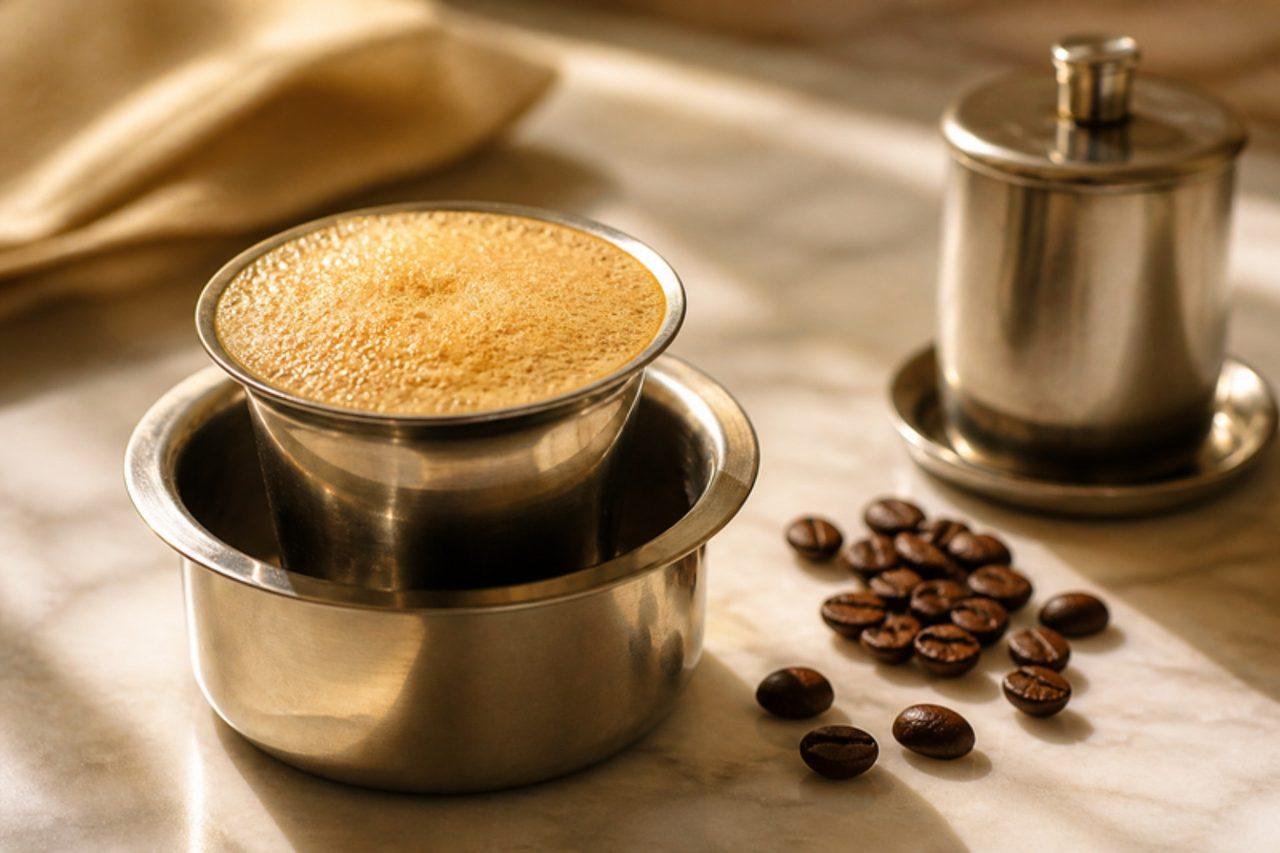
Filter coffee

In Tamil Nadu the day starts with filter coffee: a strong decoction dripped slowly through a two-tier steel filter, mixed with plenty of hot, boiled milk and sugar, and frothed by pouring it from a height between a steel tumbler and its little bowl, the davara. It's served at every Chennai and Kumbakonam 'hotel' and in nearly every home, and it's thick, sweet and slightly bitter from the chicory in the coffee powder. Chef's tip: press the coffee only lightly in the filter and pour the water in slowly; packed too tight, it drips for an hour, and too loose, the decoction is thin.

by KrazyBadal 0 views
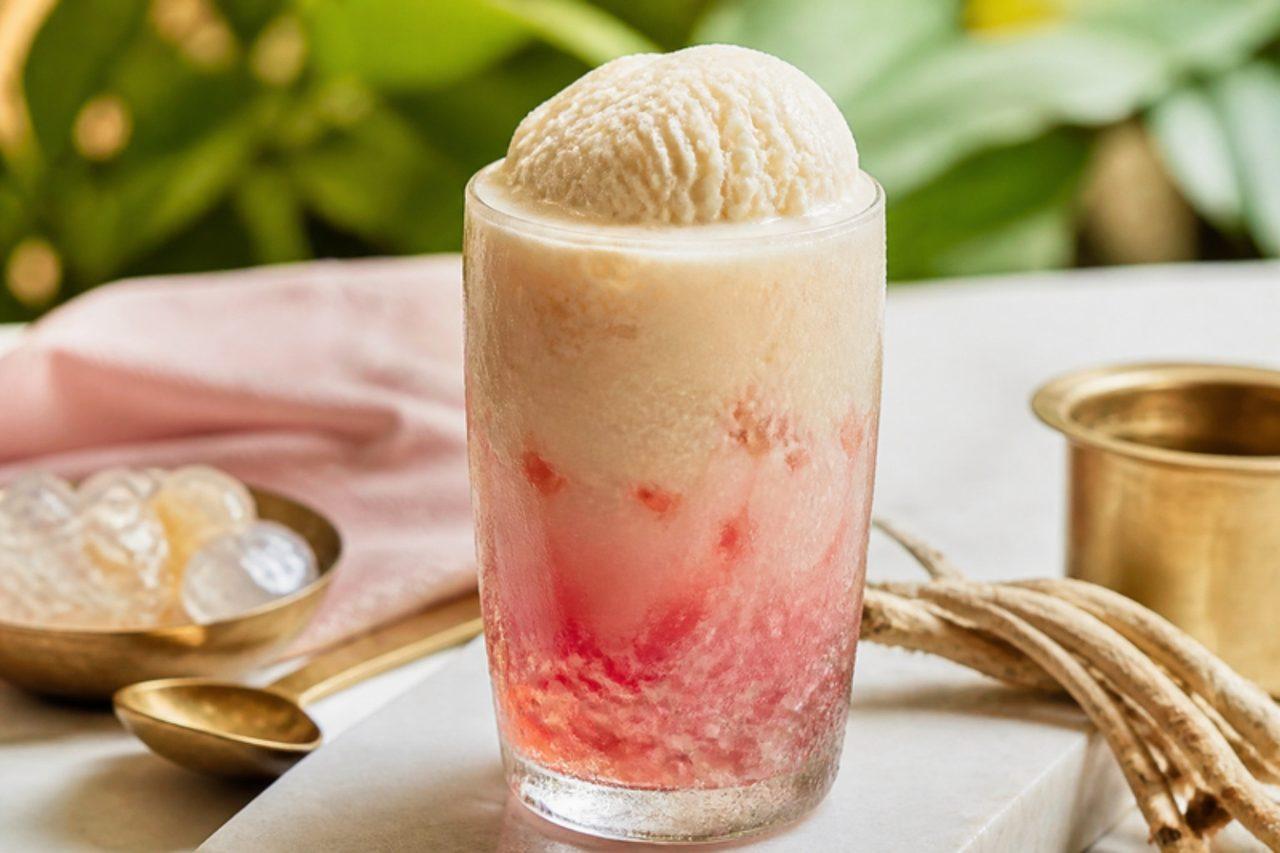
Jigarthanda

Jigarthanda means 'cool heart', and on a hot evening in Madurai crowds queue around the carts near the Meenakshi temple for a tall glass of it. It's layered rather than blended: a spoonful of soaked almond gum (badam pisin), a glug of nannari (Indian sarsaparilla) syrup, chilled milk reduced until creamy and lightly caramel-coloured, then a scoop of vanilla ice cream on top. The result is cold, floral, wobbly and rich all at once. This home version uses shop-bought vanilla ice cream; check that yours is eggless and gelatine-free. Chef's tip: let the reduced milk chill overnight; cold, thick milk is what makes it taste like the street version rather than flavoured milk.

by KrazyBadal 0 views
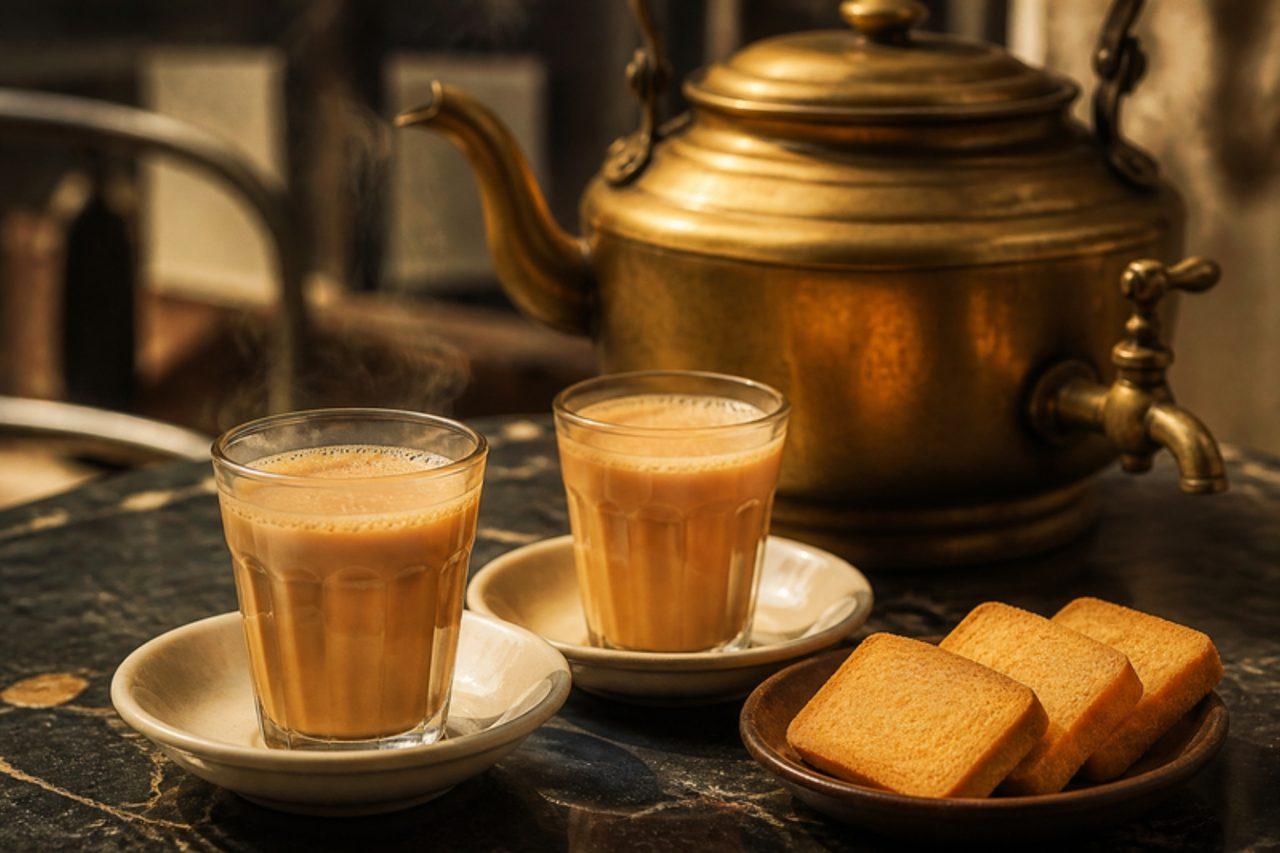
Hyderabadi Irani chai

Irani chai came to Hyderabad with Persian migrants who opened cafés across the old city, and it is now the city's signature drink, poured at all hours in places around the Charminar, often with Osmania biscuits or a bun maska. Unlike masala chai, it has no spices: strong tea is brewed slowly in a sealed pot (dum), while full-fat milk is simmered separately with a little khoa until thick and creamy. The two are mixed only in the cup, giving a rich, mellow, slightly sweet tea. Chef's tip: seal the tea pot lid with a little dough or foil, as the cafés do, so the brew steeps without losing steam or strength.

by KrazyBadal 0 views
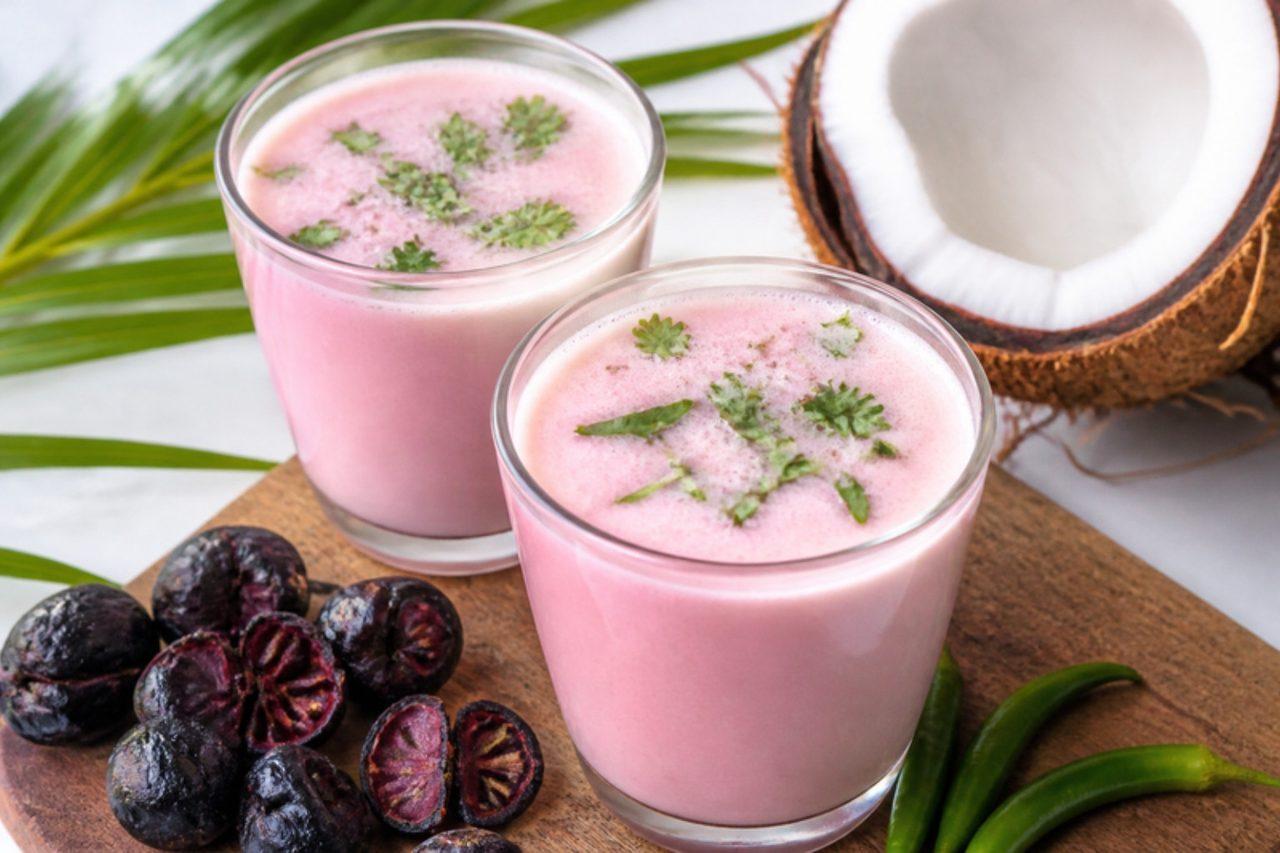
Sol kadhi

Sol kadhi is the pale pink drink served at the end of every meal along the Konkan coast, from Malvan to Ratnagiri. Fresh coconut milk is mixed with the deep purple soaking water of kokum, a sour fruit that grows in the coastal hills, and seasoned with a little garlic, green chilli and salt. It's cool, tangy and gently creamy, and it soothes the stomach after a spicy Malvani thali. Drink it from a small glass or pour it over rice as the last course. Chef's tip: make it with fresh coconut if you can; the milk you squeeze yourself is lighter and sweeter than tinned and gives the classic blush-pink colour.

by KrazyBadal 0 views
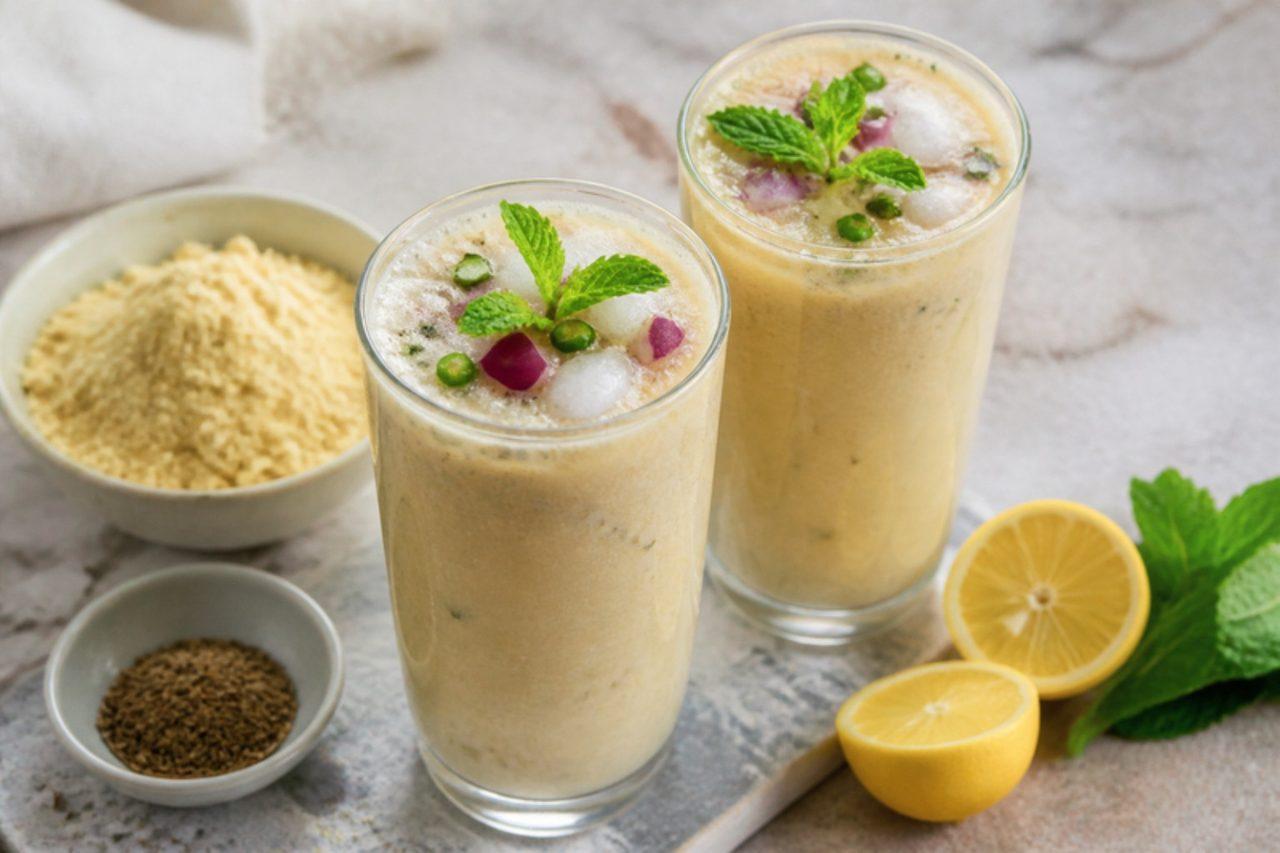
Sattu sharbat

On scorching May afternoons in Patna, handcarts with steel pots and heaps of lemons sell sattu sharbat by the glass: roasted gram flour whisked into cold water with black salt, roasted cumin, lemon and a bit of raw onion and chilli. It is filling enough to stand in for lunch and is the drink rickshaw pullers and farm workers swear by to beat the loo, the hot summer wind. It tastes savoury, nutty and sharp all at once. Chef's tip: whisk the sattu into a little water first to a smooth paste, then dilute it; tipping it straight into a full glass leaves dry lumps.

by KrazyBadal 0 views
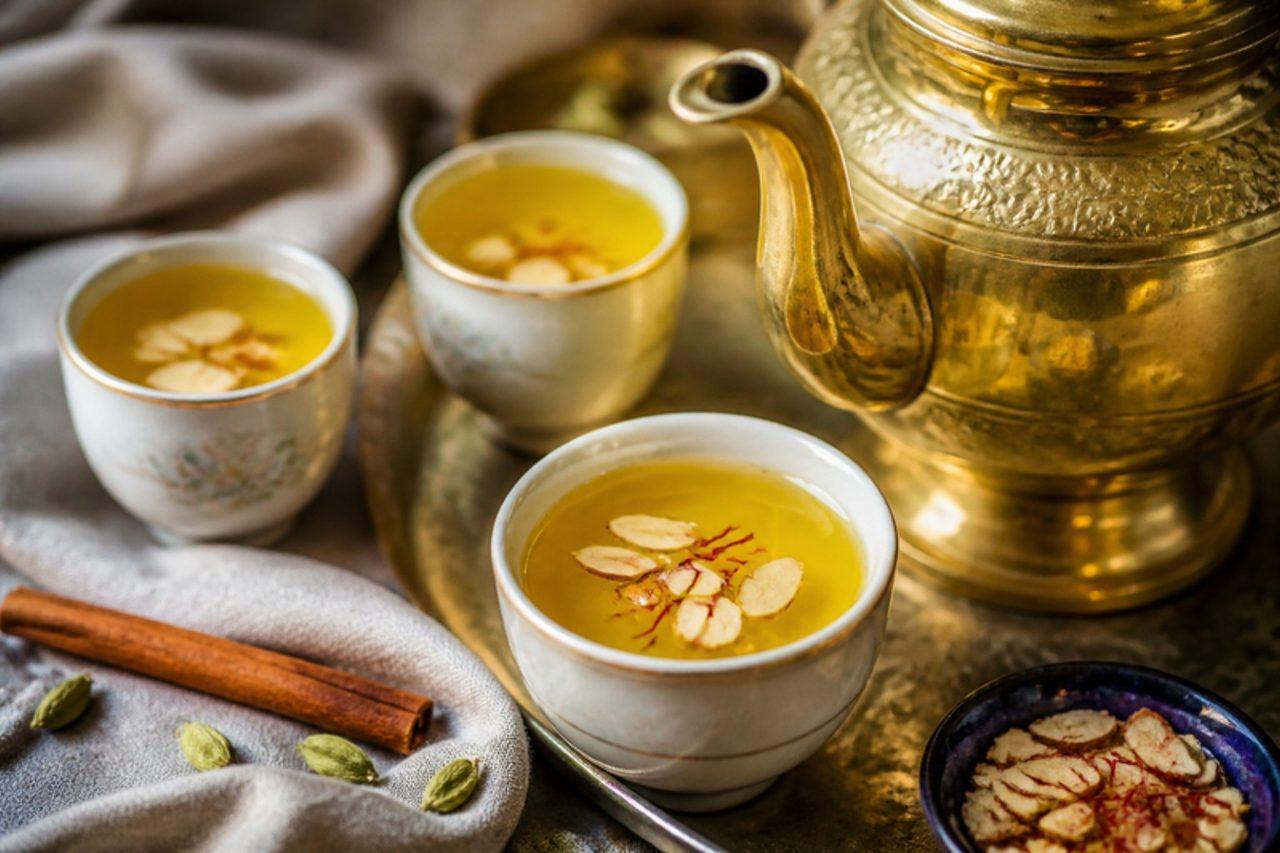
Kahwa

Kahwa is the warming green tea of Kashmir, traditionally brewed in a brass samovar and poured for guests on cold winter days. Green tea leaves are infused with saffron, green cardamom and cinnamon, sweetened lightly and served with slivered almonds in each cup. It's golden, fragrant and soothing, and is drunk after heavy meals to help digestion. Chef's tip: never boil the tea leaves; simmer the spices first, then let the tea steep off the heat for just 2 minutes or it turns bitter.

by KrazyBadal 0 views
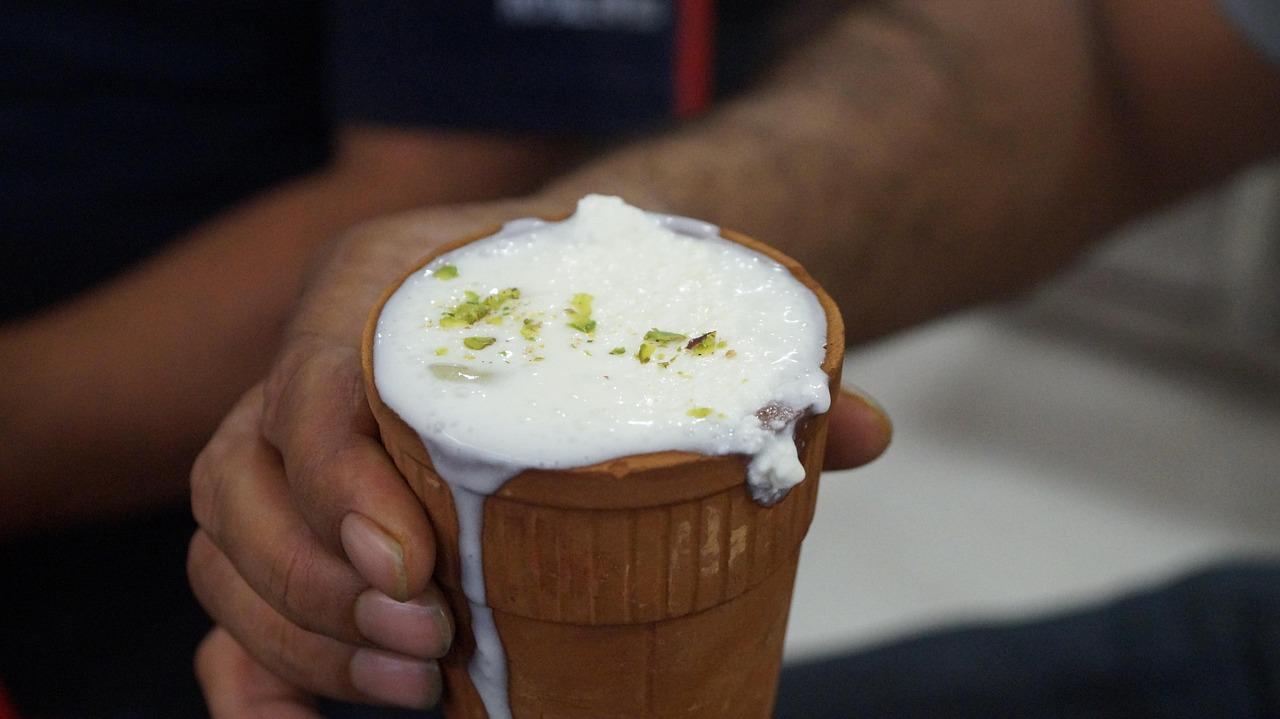
Punjabi lassi

In Amritsar and on the highways across Punjab, lassi comes in a tall steel or brass glass, churned so thick a spoon nearly stands up in it, with a raft of malai (clotted cream) floating on top. It is a summer drink, but Punjabis drink it all year with a stuffed paratha breakfast or after a heavy lunch. This is the plain sweet kind, with no fruit, so the tang of good full-fat yogurt is the whole point. Chef's tip: chill the yogurt, milk and glasses beforehand; cold lassi stays thicker.

by KrazyBadal 0 views
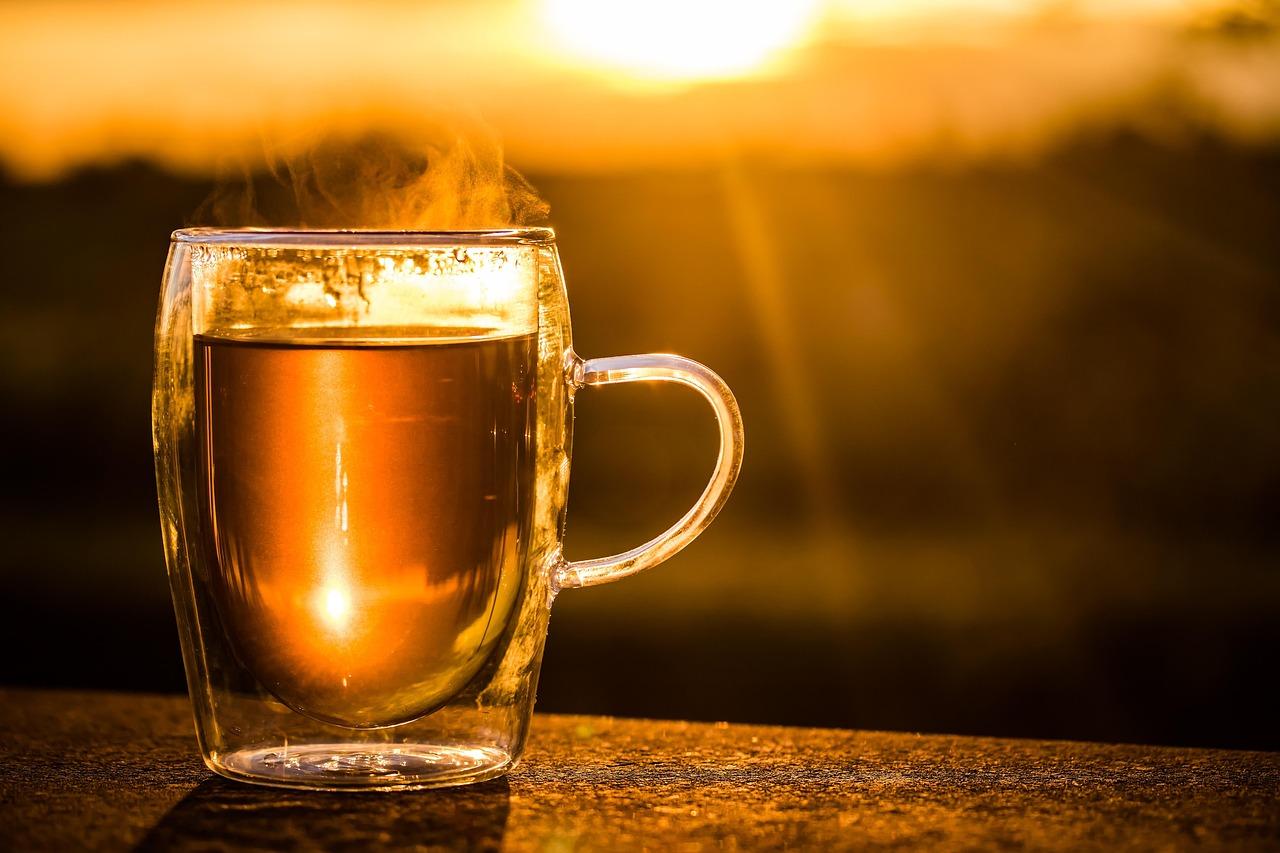
Lal sah

In Assam, the home of half of India's tea, the everyday cup is lal sah, 'red tea': strong CTC or orthodox Assam leaf brewed briefly, poured off, sweetened and drunk black. It is what tea-garden workers, Guwahati office-goers and grandmothers drink from morning till evening, often with a slice of lemon, a crushed piece of ginger or, in upper Assam, a bay leaf. Its colour is a deep, clear red and its taste is malty and brisk, never stewed. Chef's tip: take the pan off the heat before adding the leaves; boiling them makes the tea harsh and cloudy.

by KrazyBadal 1 views

Darjeeling first flush tea

Darjeeling's first flush is picked in March and April on estates clinging to the hills above the town, and in Darjeeling's tea rooms it is served plain: pale gold, flowery and slightly astringent, with a 'muscatel' note in the later second flush. It is the opposite of a strong breakfast tea, so it is never boiled, stewed or given milk. Hill families drink it from morning till dusk, and it is a souvenir every visitor buys from Chowrasta. Chef's tip: use water just off the boil (about 90°C) and time the brew; overheated or overbrewed first flush turns bitter and loses its scent.

by KrazyBadal 0 views
Mango lassi

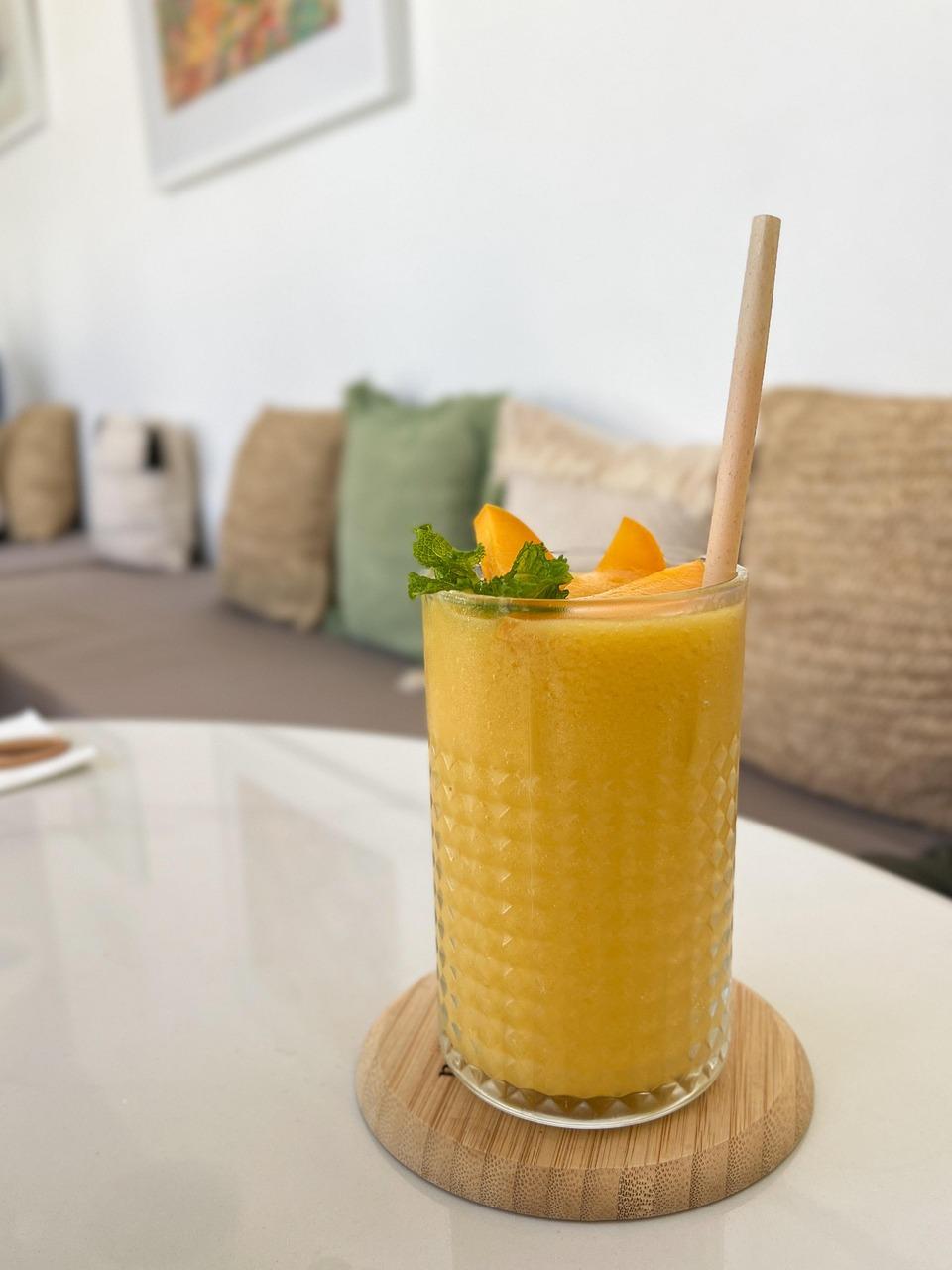
A refreshing, lighter mango lassi made with low-fat yogurt: ripe mangoes, yogurt, a little sugar and rose water are blended with water until smooth and frothy, chilled and poured over crushed ice. Perfect on a hot day or with a spicy meal.

by KrazyBadal 0 views

Cottage cheese (hung yogurt)

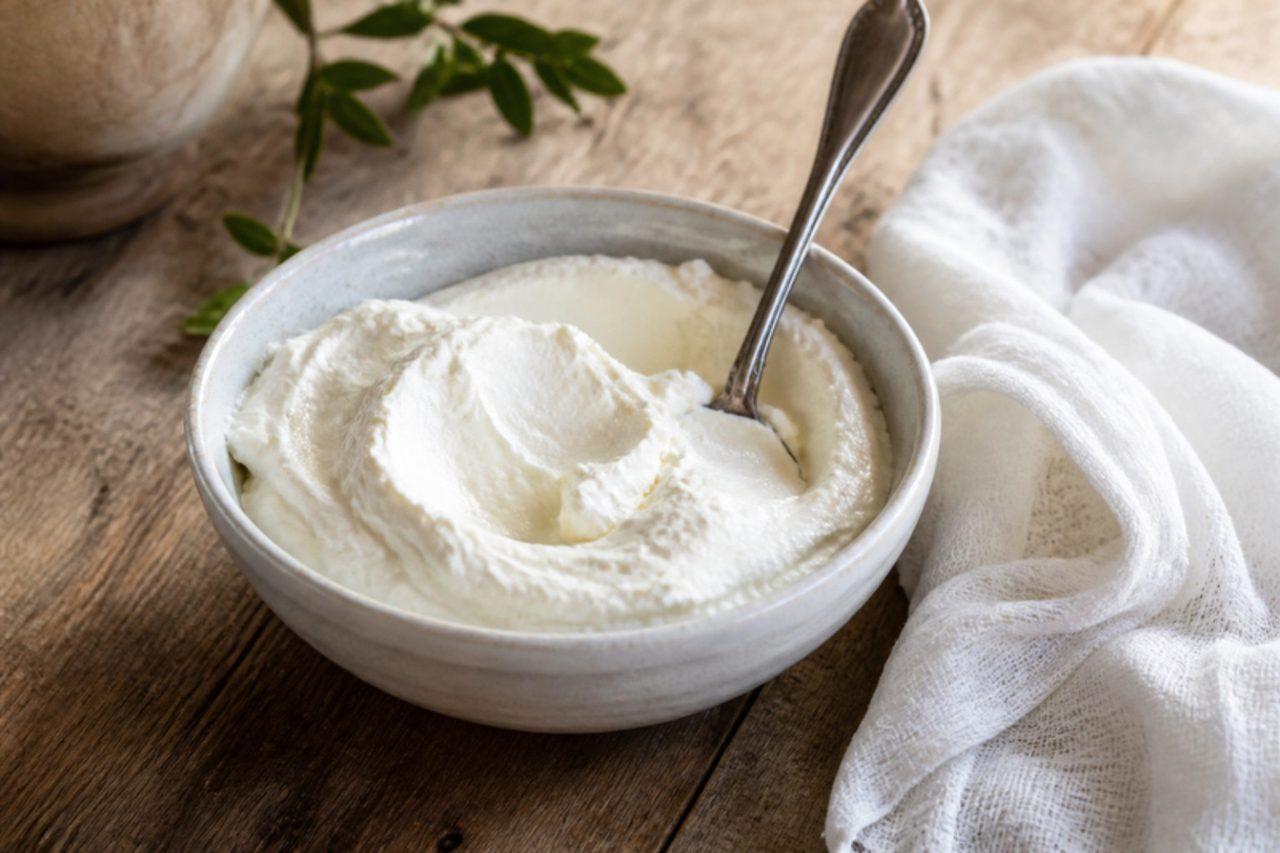
This is home-made yogurt hung in muslin until all the whey drips away, leaving a thick, spreadable cheese a little like labneh. Use it for dips, sandwich spreads, shrikhand and cheesecakes. Pressing it through a sieve before you use it makes it silky-smooth.

by KrazyBadal 0 views

Sugar syrup

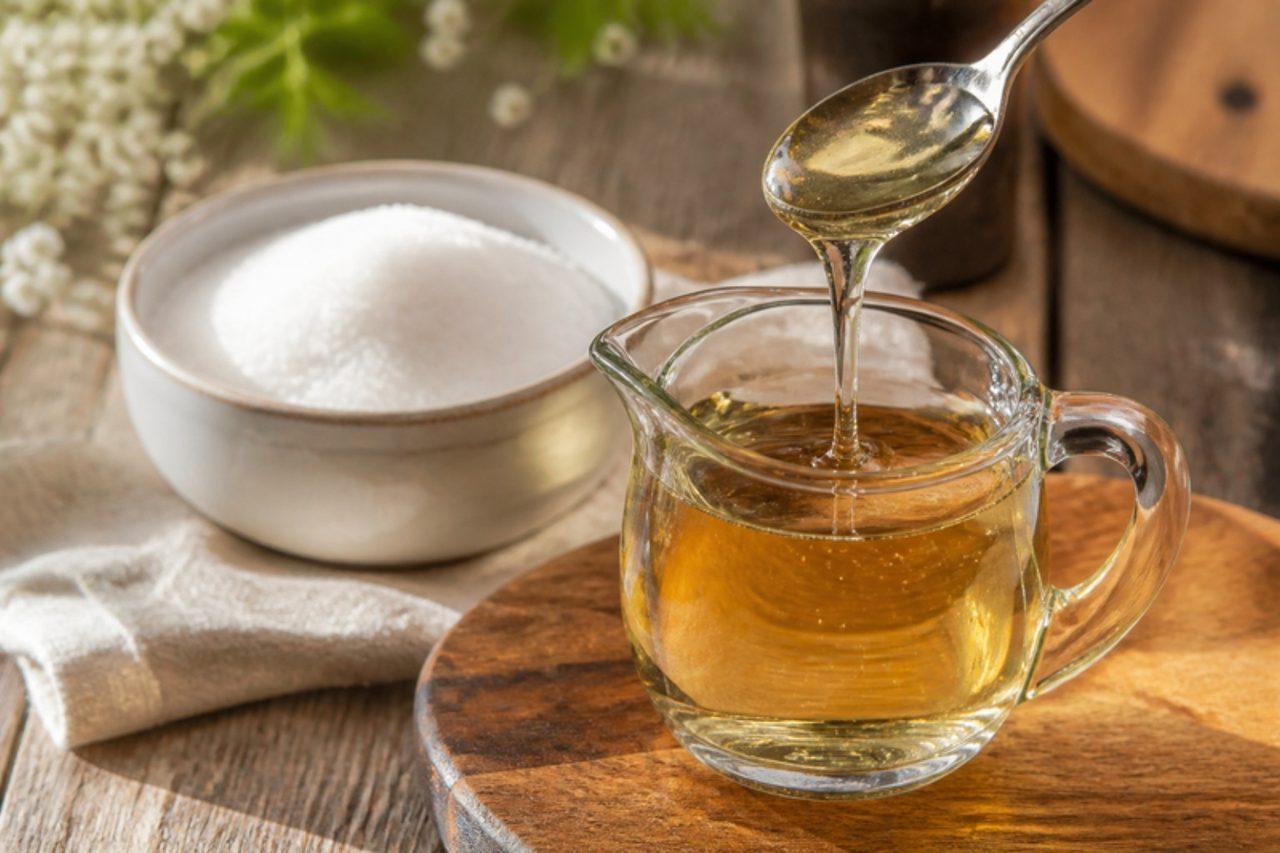
Sugar syrup (chashni) is the base of many Indian sweets, and recipes ask for it at different stages. A light syrup is for soaking sweets and sweetening drinks. One-thread and two-thread syrups are boiled longer so the sweet sets. You can make it with milk instead of water for some sweets.

by KrazyBadal 1 views

Samosa chapaties (samosa pastry)

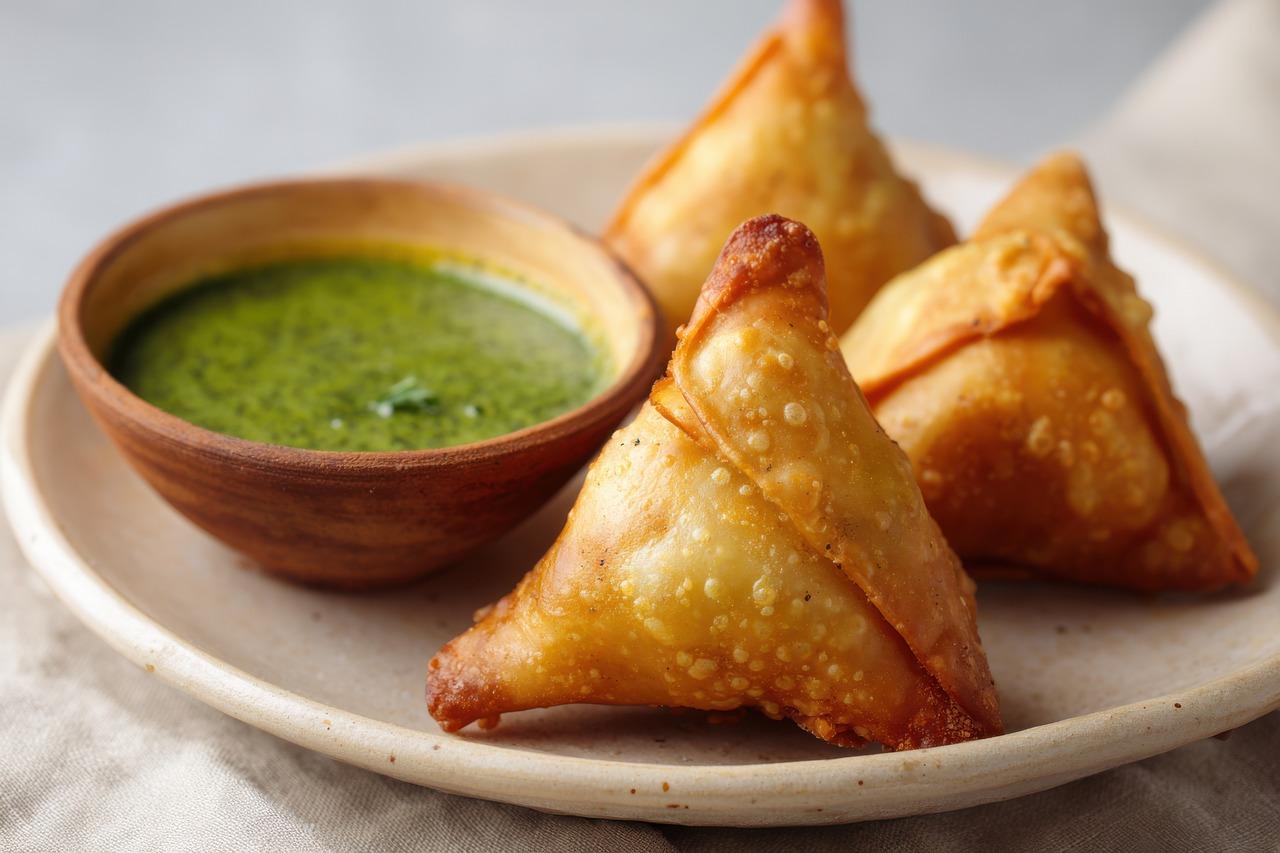
Samosa chapaties (patti) are paper-thin wrappers for crisp samosas. Two rounds are rolled out together with oil and flour between them, lightly roasted, then peeled apart into two very thin sheets. Cut them into strips for samosas, or squares for spring rolls.

by KrazyBadal 0 views

Chaat masala

Chaat masala is the tangy, salty, slightly sulphurous sprinkle that makes chaat taste like chaat. Dried mango (amchur) gives the sourness and black salt the distinctive savoury edge. Sprinkle it over fruit, salads, raita, chips and street-food snacks.

by KrazyBadal 1 views

Tea masala

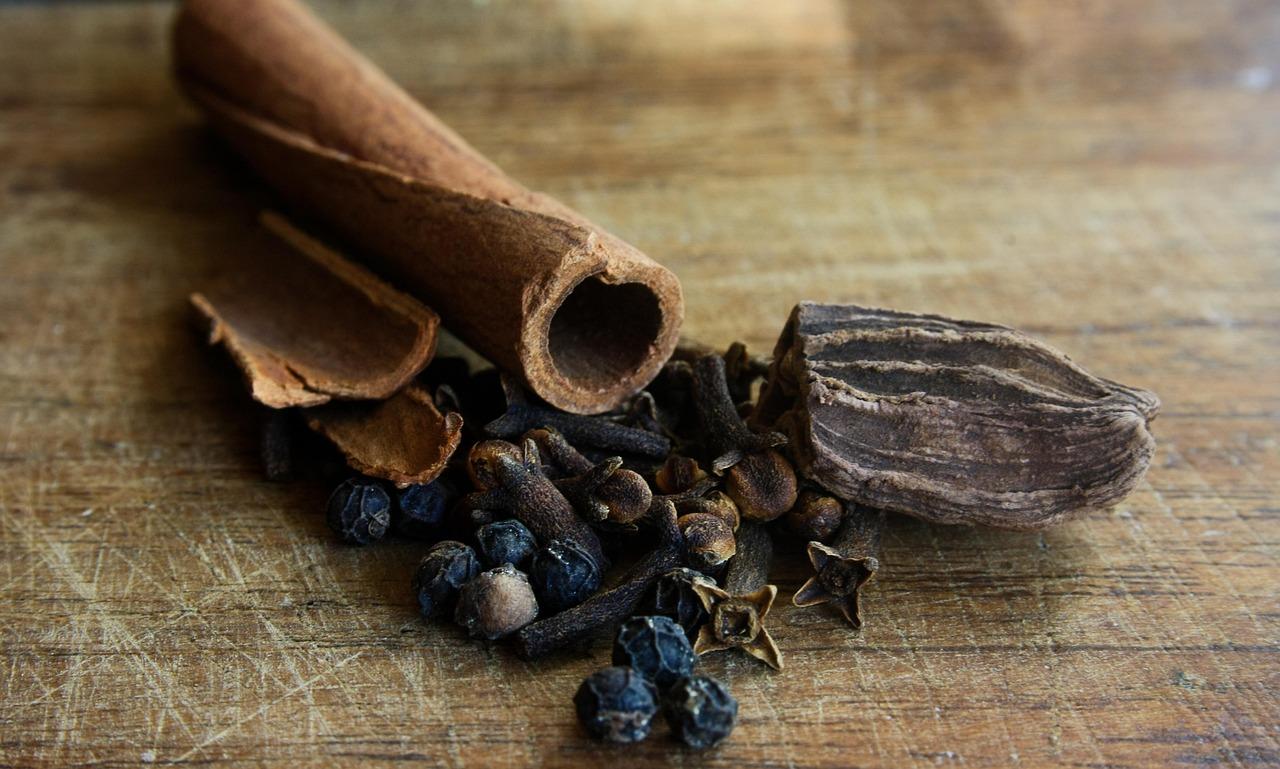
The spice blend that turns a cup of tea into masala chai. It's built on cardamom, with ginger, cinnamon, cloves, pepper and nutmeg. Add a pinch (about ¼ tsp per cup) to tea while it boils.

by KrazyBadal 0 views

Sambhar masala powder

The South Indian spice powder that gives sambhar its body and flavour. Roasted lentils add a nutty thickness, with coriander, red chillies, curry leaves and sesame seeds. Use it in the sambhar served with idli and dosa.

by KrazyBadal 0 views

Dal masala

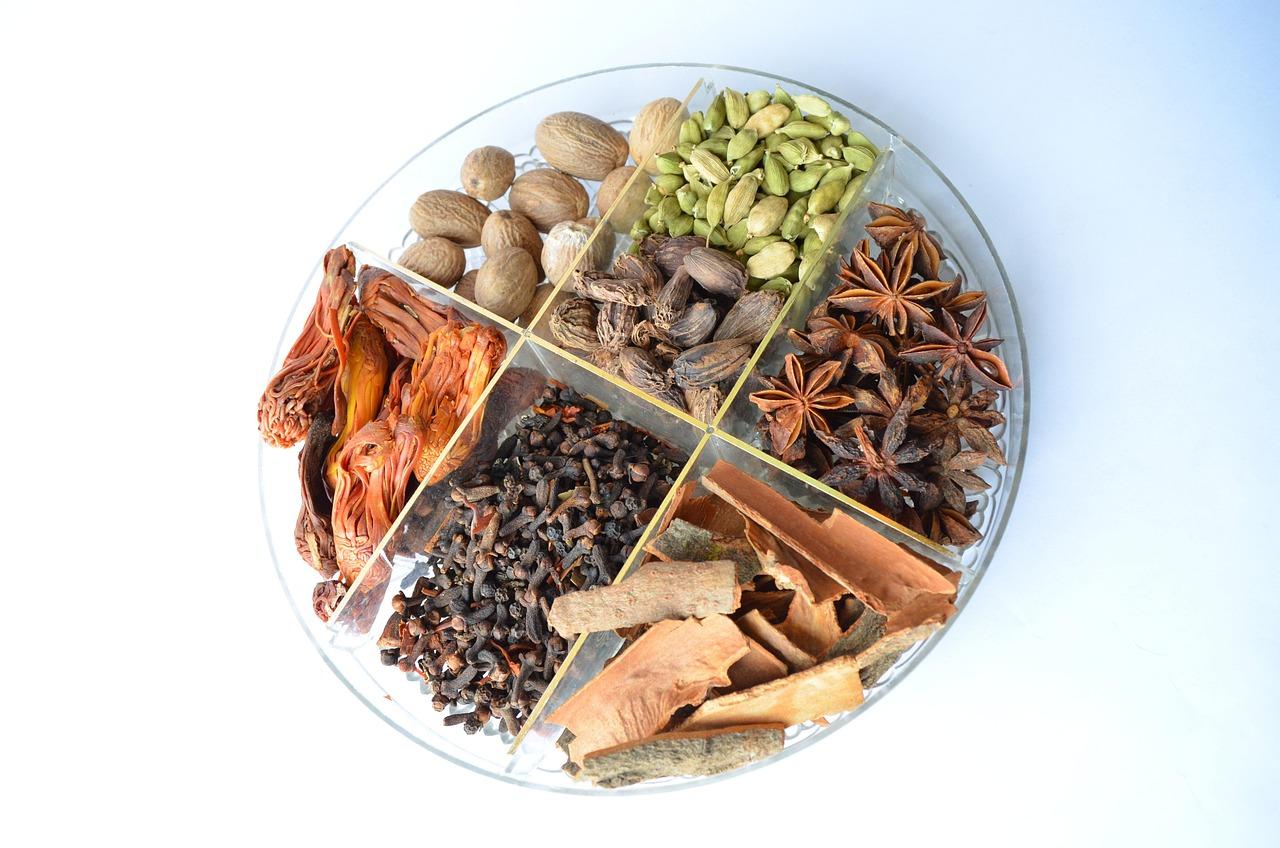
A Gujarati dal masala with whole spices roasted in a little oil, plus star anise, black cardamom and dagad phool (stone flower) for depth. A teaspoon gives dals, kadhi and khichdi a warm, rounded flavour. The recipe makes a big batch, so it's worth making once a season.

by KrazyBadal 1 views

Mild curry masala

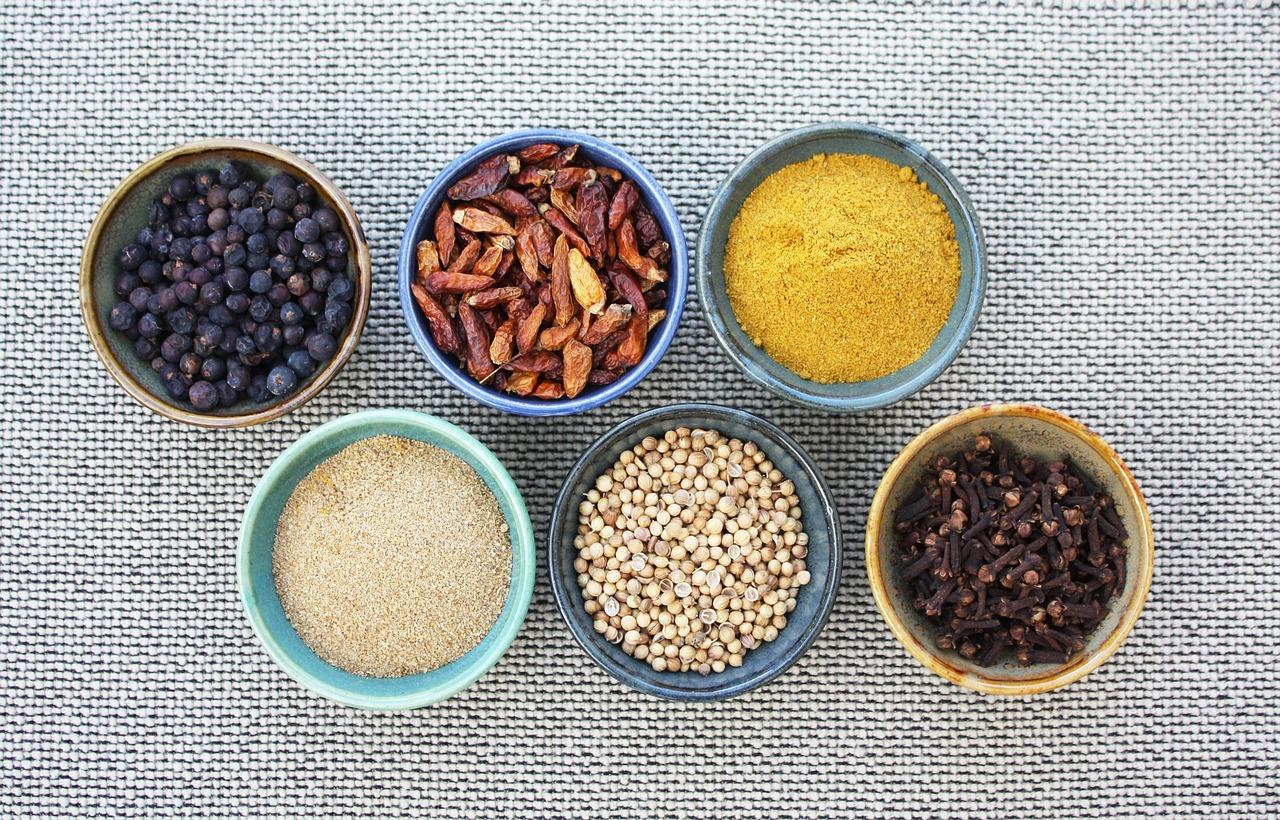
An everyday curry powder that's built on coriander seeds, so it's fragrant rather than fiery. Fennel, star anise and bay give it a sweet warmth, with just two red chillies for heat. Season curries with it when you want flavour without much heat.

by KrazyBadal 0 views

Punjabi garam masala

A heady North Indian garam masala heavy with cardamom, cumin and pepper, rounded out with mace, nutmeg and fennel. The spices are ground raw rather than roasted, so the blend stays bright and perfumed. Use it in rich Punjabi curries such as chole, rajma and paneer makhani.

by KrazyBadal 0 views

Garam masala

Home-made garam masala is far more fragrant than shop-bought. The whole spices are roasted until crisp, then ground, giving a warm, slightly hot blend with dry ginger and red chilli. Add a pinch to curries, dals and rice dishes towards the end of cooking.

by KrazyBadal 0 views

Bean sprouts

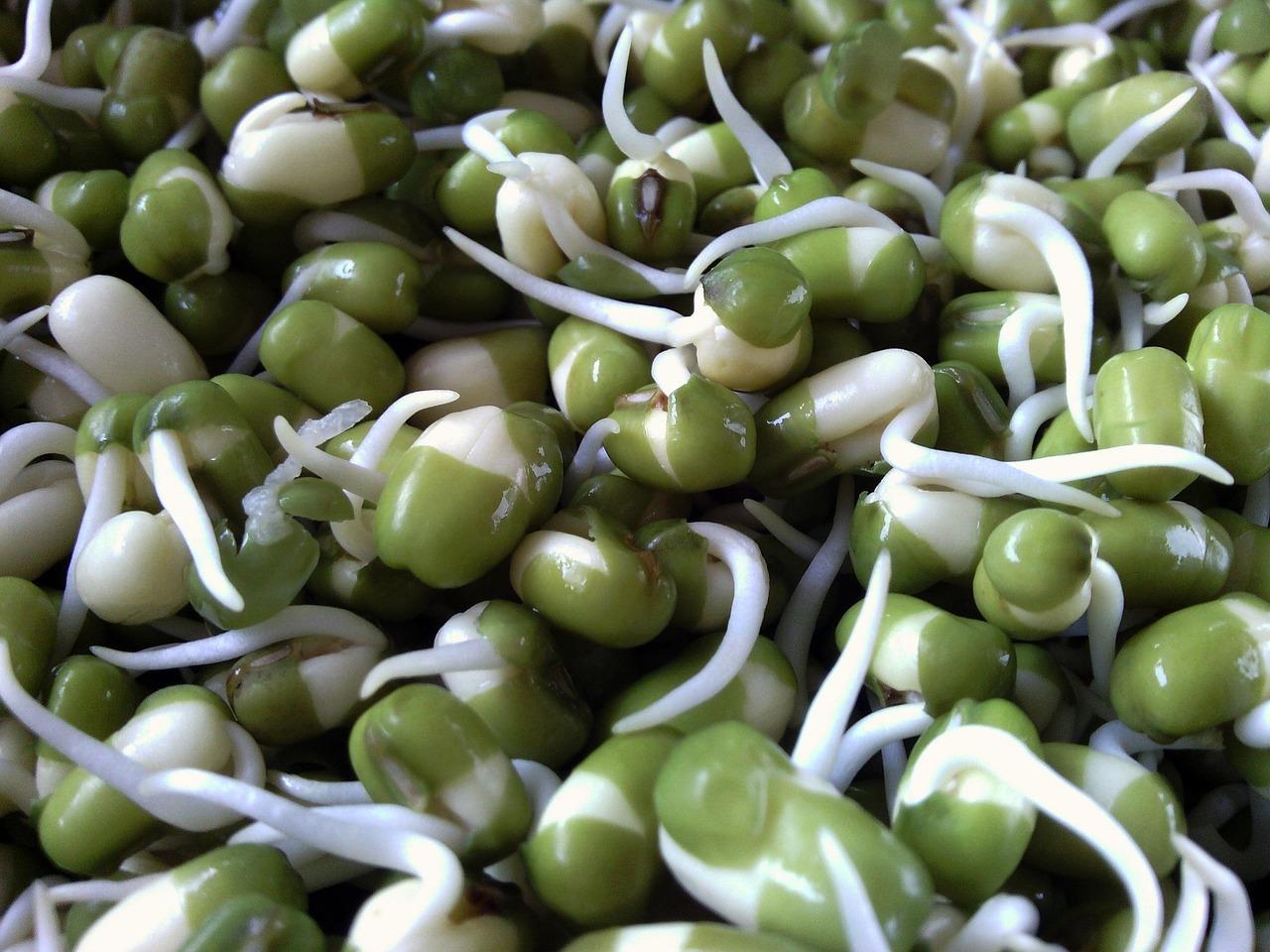
Sprouting whole green grams makes them crunchier, quicker to cook and more nutritious. All you need is muslin, water and a warm spot, and they're ready in 3–4 days. Use them in salads, bhel, usal and stir-fries. Any other whole pulse sprouts the same way.

by KrazyBadal 1 views

Home-made yogurt

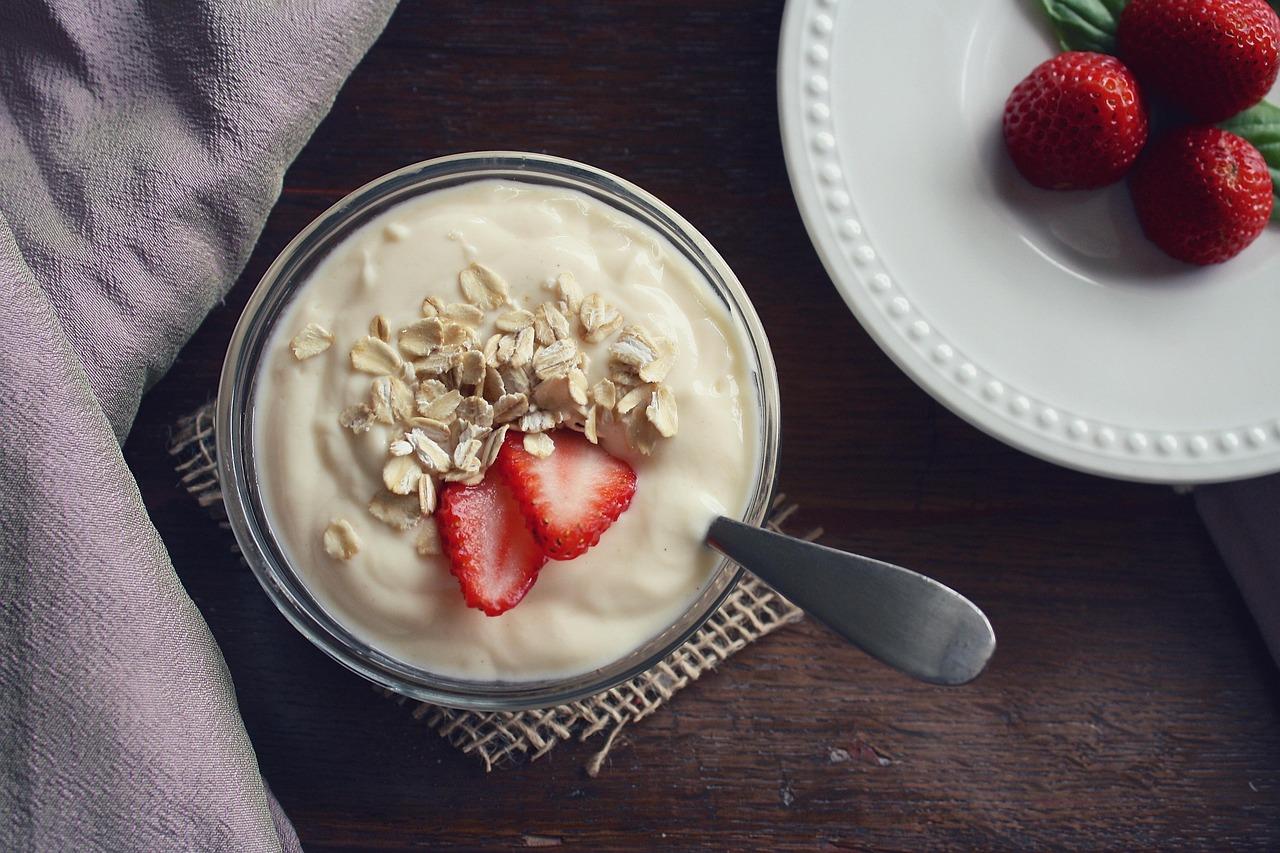
Set yogurt (dahi) at home with just milk and a spoonful of yogurt from the last batch as the culture. It sets overnight in a warm spot. Scale it up to any amount of milk: allow ½ tsp of yogurt for each cup.

by KrazyBadal 0 views

Paneer

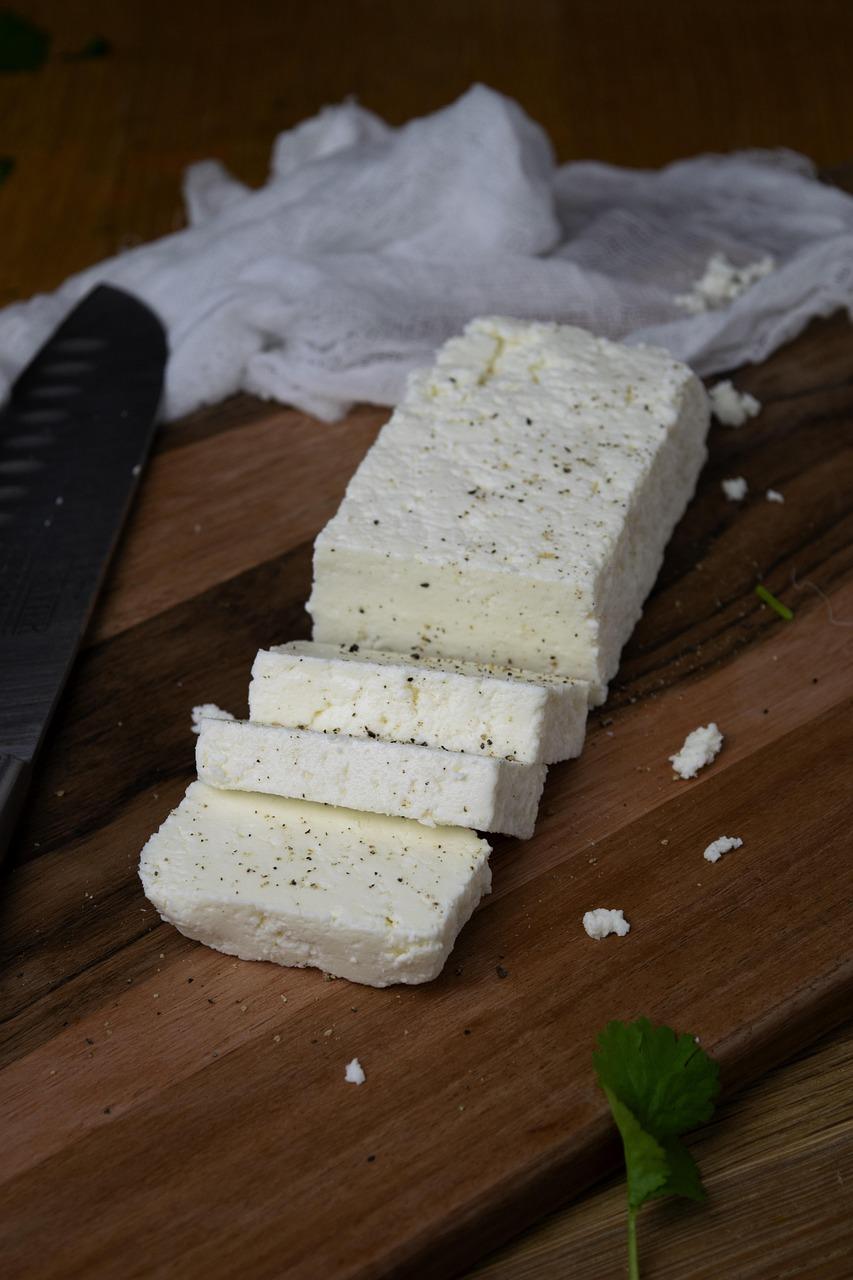
Home-made paneer is softer and creamier than shop-bought, and it takes just milk and a little citric acid. Hot milk is curdled, the whey drained off and the curds pressed into a block that slices cleanly into cubes. Use it in curries such as paneer makhani and mutter paneer, in parathas or in tikka.

by KrazyBadal 0 views

Showing 24 of 25 recipes

Show more recipes

Page 1 of 2