Skip to content
Recipes

All recipes

Vegetarian, or something you can't eat? Set your diet once and we'll hide recipes that don't fit.

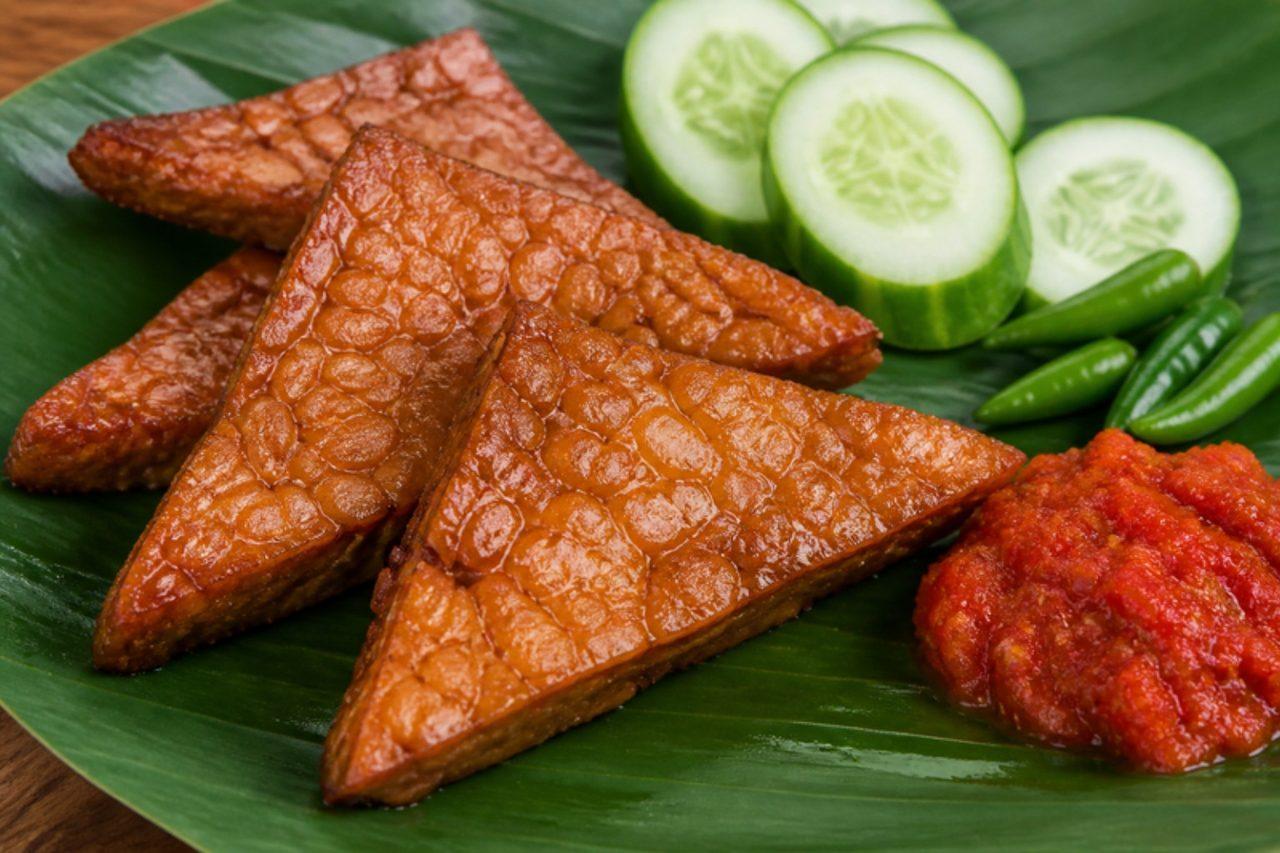
Tempe bacemSweet braised tempeh

Every warung in Yogyakarta and Solo has a tray of tempe bacem on the counter, dark, sticky and sweet, eaten at lunch with rice, sambal and a few raw cucumber slices, or packed for journeys because it keeps so well. The tempeh is simmered slowly in coconut water with palm sugar, galangal, coriander seed and bay leaf until the liquid has gone and every slab is glazed, then seared briefly so the edges caramelise. A portion of about 150 g of tempeh gives roughly 28 g of protein, nearly all from the fermented soybeans. The common mistake is turning the heat up to hurry the braise: the sugar catches and turns bitter before the tempeh has soaked anything up. Chef's tip: make it a day ahead; bacem tastes deeper after a night in the fridge and sears better cold.

by KrazyBadal 0 views

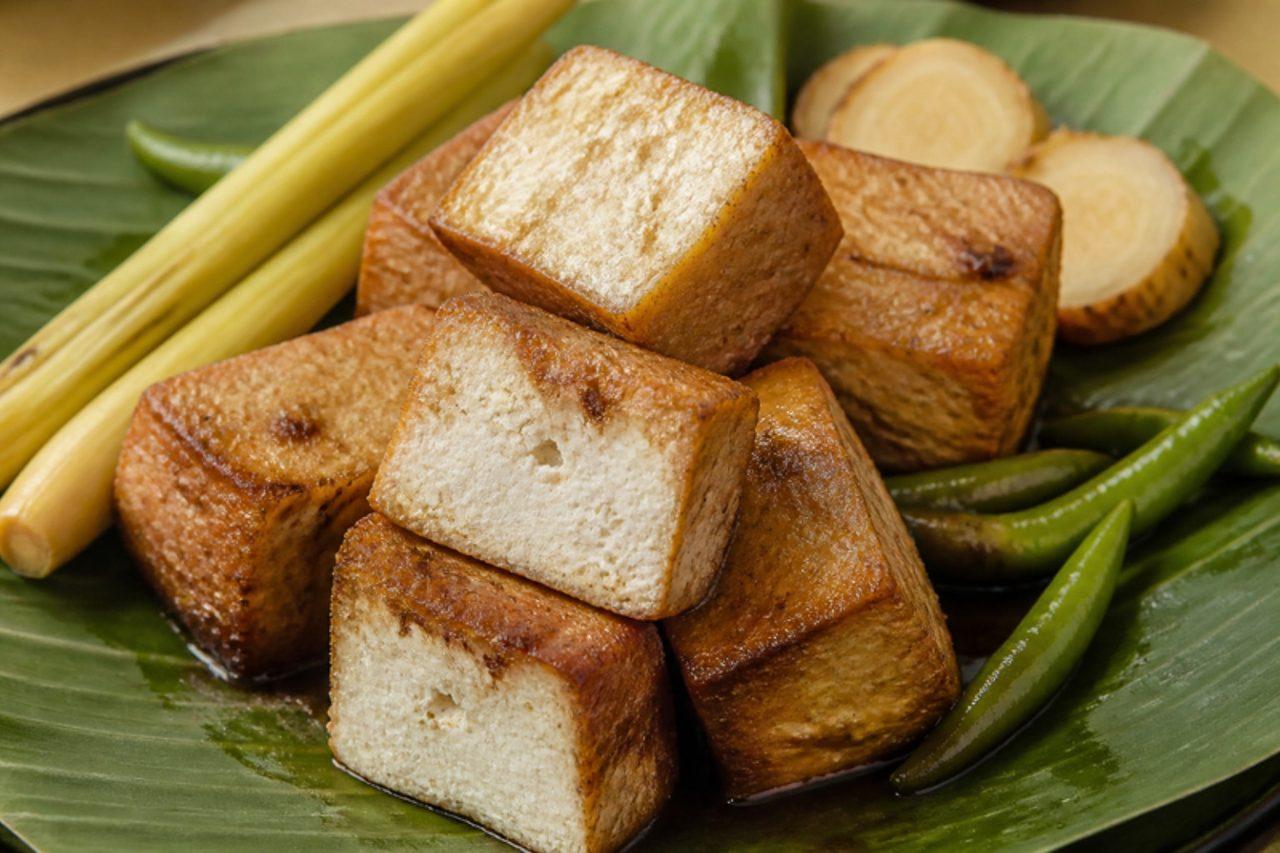
Tahu bacemSweet braised tofu

Tahu bacem is tempe bacem's softer sister, sold side by side on the gudeg stalls of Yogyakarta and Klaten and cooked at home on Sundays to see the family through the week. Firm tofu soaks up a braise of coconut water, palm sugar, coriander and galangal until it turns the colour of caramel all the way through, and a quick sear gives it a thin, chewy skin. A portion of about 200 g of tofu gives roughly 26 g of protein, from the soybeans in the tofu. The usual mistake is using silken or soft tofu, which breaks apart during the long simmer; buy firm or extra-firm. Chef's tip: press the tofu for 15 minutes before braising; the drier it is, the more of the sweet, spiced liquid it drinks in.

by KrazyBadal 0 views

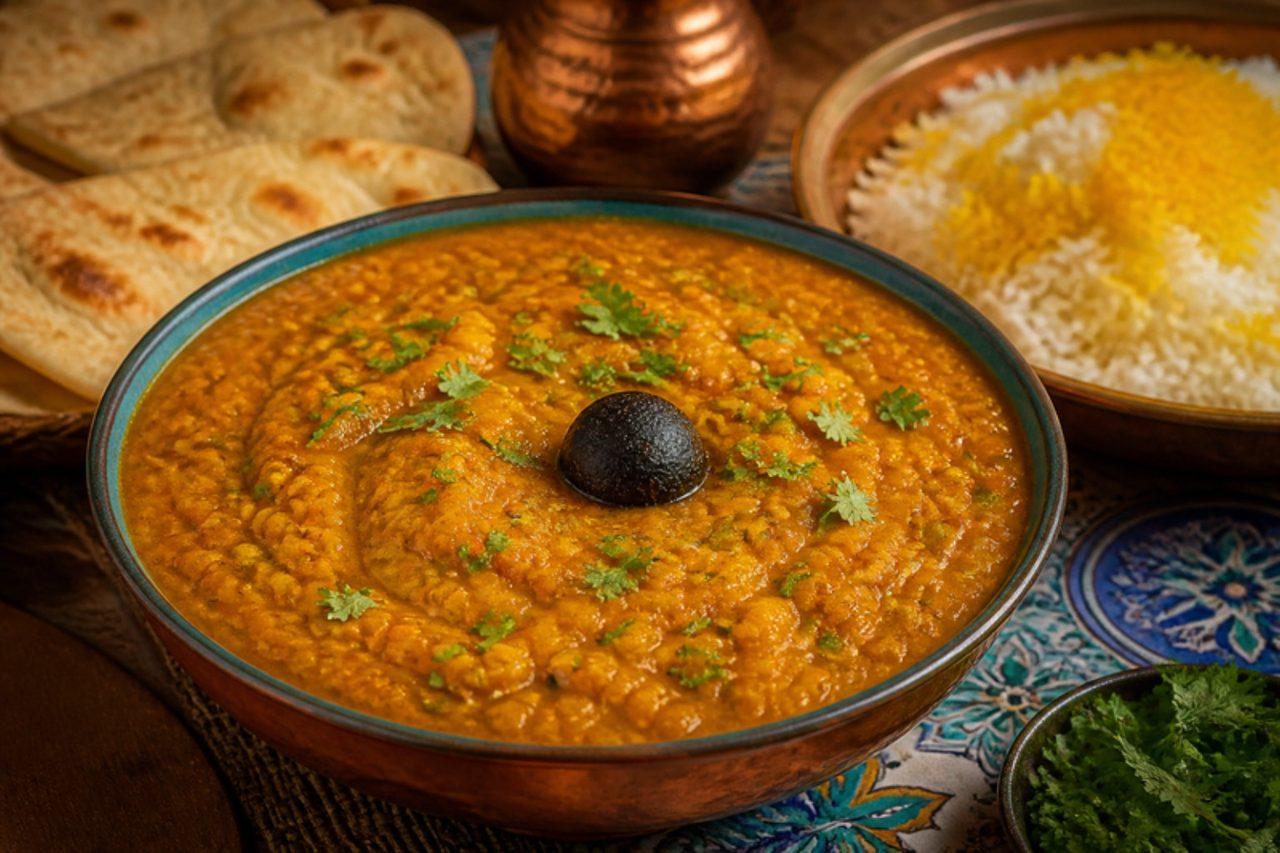
Dal adasRed lentil curry with dried lime

Along the Persian Gulf coast in Bushehr, Bandar Abbas and the towns of Hormozgan, centuries of trade with India gave rise to dal adas, a red lentil curry that is now a favourite lunch and a popular vegetarian dish in Muharram nazri cooking. The lentils cook down with onion, garlic, turmeric and warm curry spices into a thick, golden stew, sharpened with tamarind and the musky sourness of dried lime, and are eaten with rice or flatbread. A portion gives about 21 g of protein from the red lentils, with a little more from the potato. The most common mistake is leaving the dried limes in too long or uncracked: they turn the dal bitter, so pierce them and lift them out once the sourness is right. Chef's tip: fry the spices in the oil with the onions for a full minute before the lentils go in; the curry flavour depends on it.

by KrazyBadal 0 views

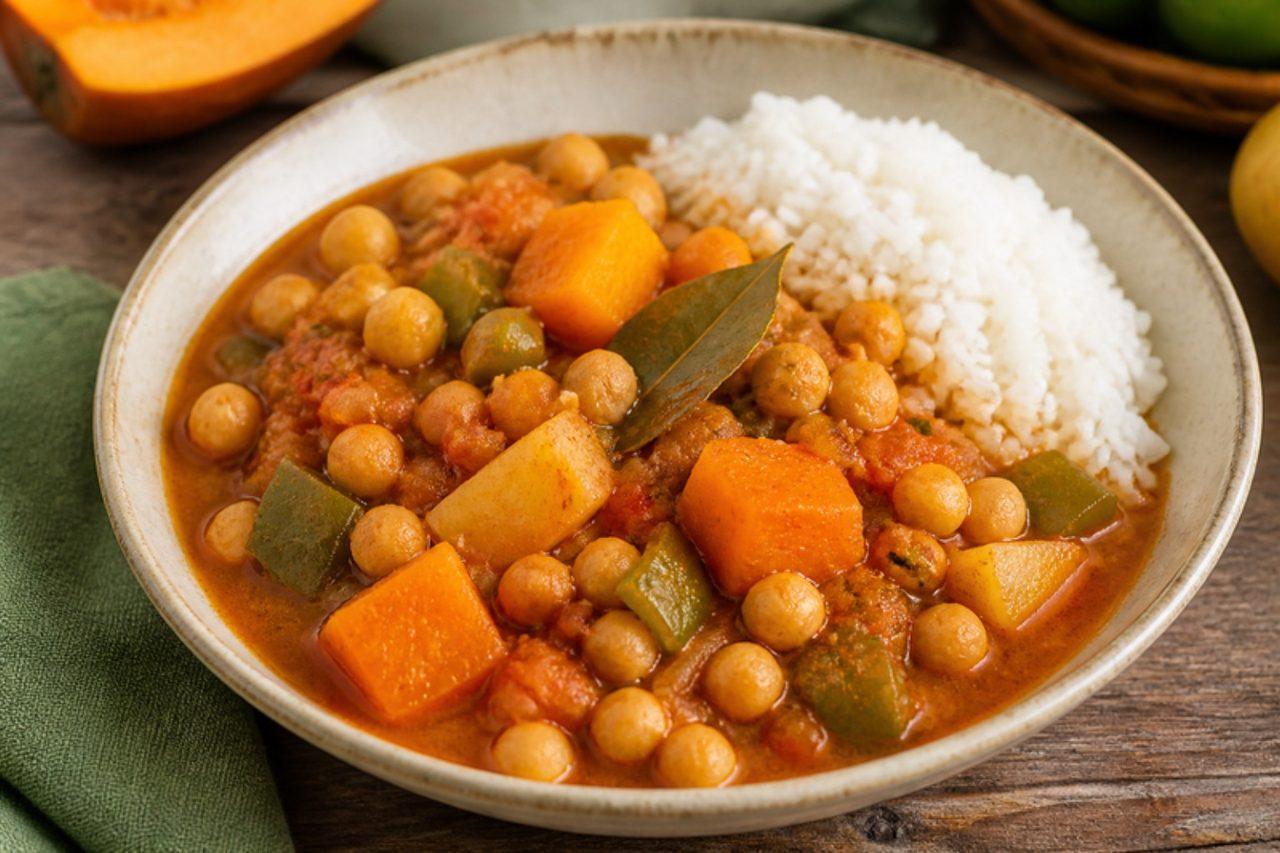
Cuban potaje de garbanzos (vegetarian)Chickpea and pumpkin stew

In Havana and across Cuba, a pot of potaje de garbanzos simmers on the stove for the main meal of the day, and is ladled over white rice with a few slices of fried ripe plantain on the side. Chickpeas cook until creamy with chunks of calabaza (West Indian pumpkin) and potato, then a sofrito of onion, green pepper, garlic and tomato turns the broth thick and orange. Most Cuban cooks add chorizo; this is the vegetarian version, with smoked paprika giving the smoky warmth instead, and it is fully vegan. A bowl gives about 21 g of protein from the chickpeas. Soak the chickpeas for 12 hours first; that time is not counted below. The most common mistake is adding the pumpkin at the start: it dissolves completely, so add it once the chickpeas are nearly tender. Chef's tip: let the potaje rest for half an hour before serving; it thickens and tastes even better the next day.

120 minCubanCurriesVeganGluten free
by KrazyBadal 0 views

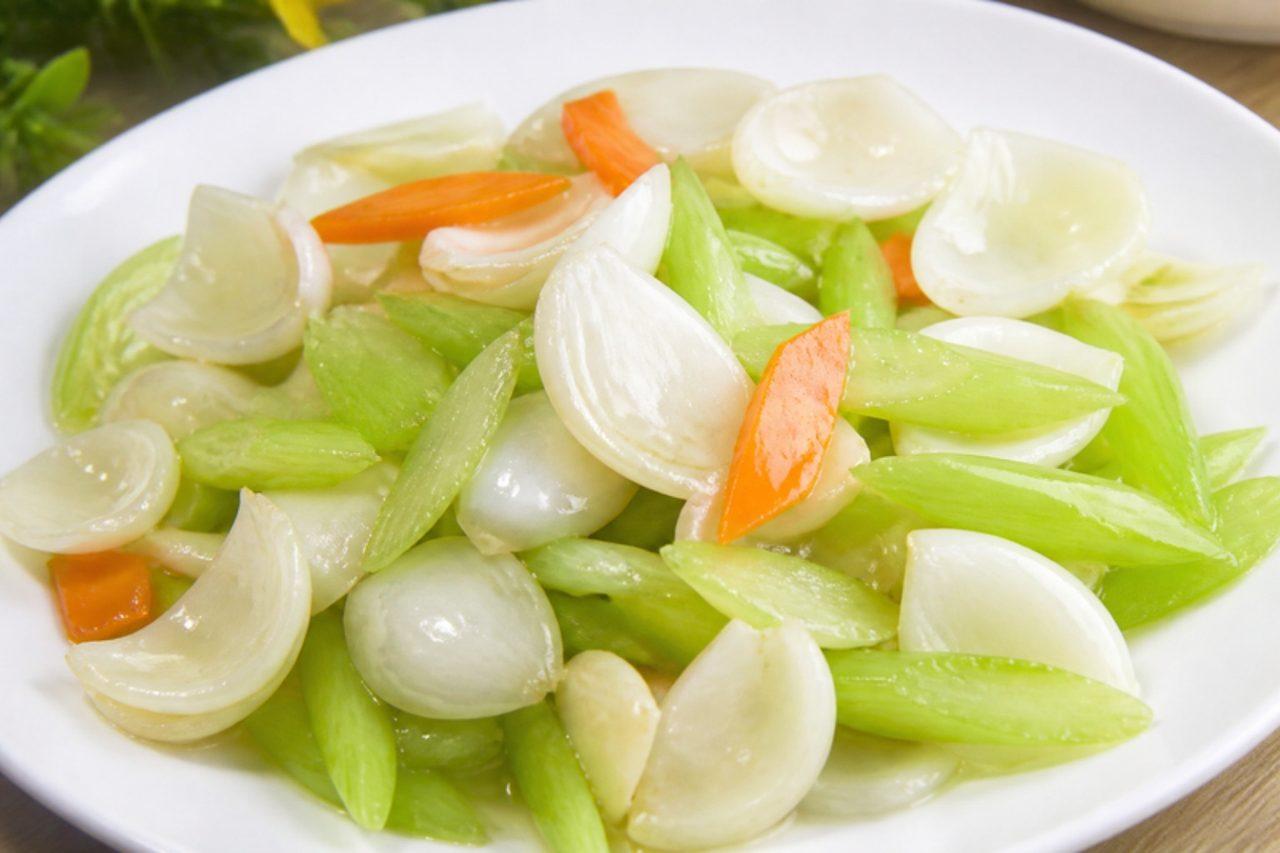
Xiqin chao baiheCelery and lily bulb stir-fry

In Guangdong homes and dim sum restaurants this pale green and ivory stir-fry is served as a cooling dish in the dry autumn months, when lily bulb is said to soothe the lungs. Celery is cut on the slant and stir-fried hot with garlic, then the sweet, starchy petals of fresh lily bulb go in for the last minute, with a glossy thin sauce. It is vegan and light, with about 3 g of protein per portion. The common mistake is cooking the lily bulb too long: it turns floury and falls apart, so add it last. If you can't get fresh lily bulb, use soaked dried lily bulb or water chestnuts for crunch. Chef's tip: blanch the celery for 30 seconds first; it keeps its jade colour and only needs a quick toss in the wok.

by KrazyBadal 0 views

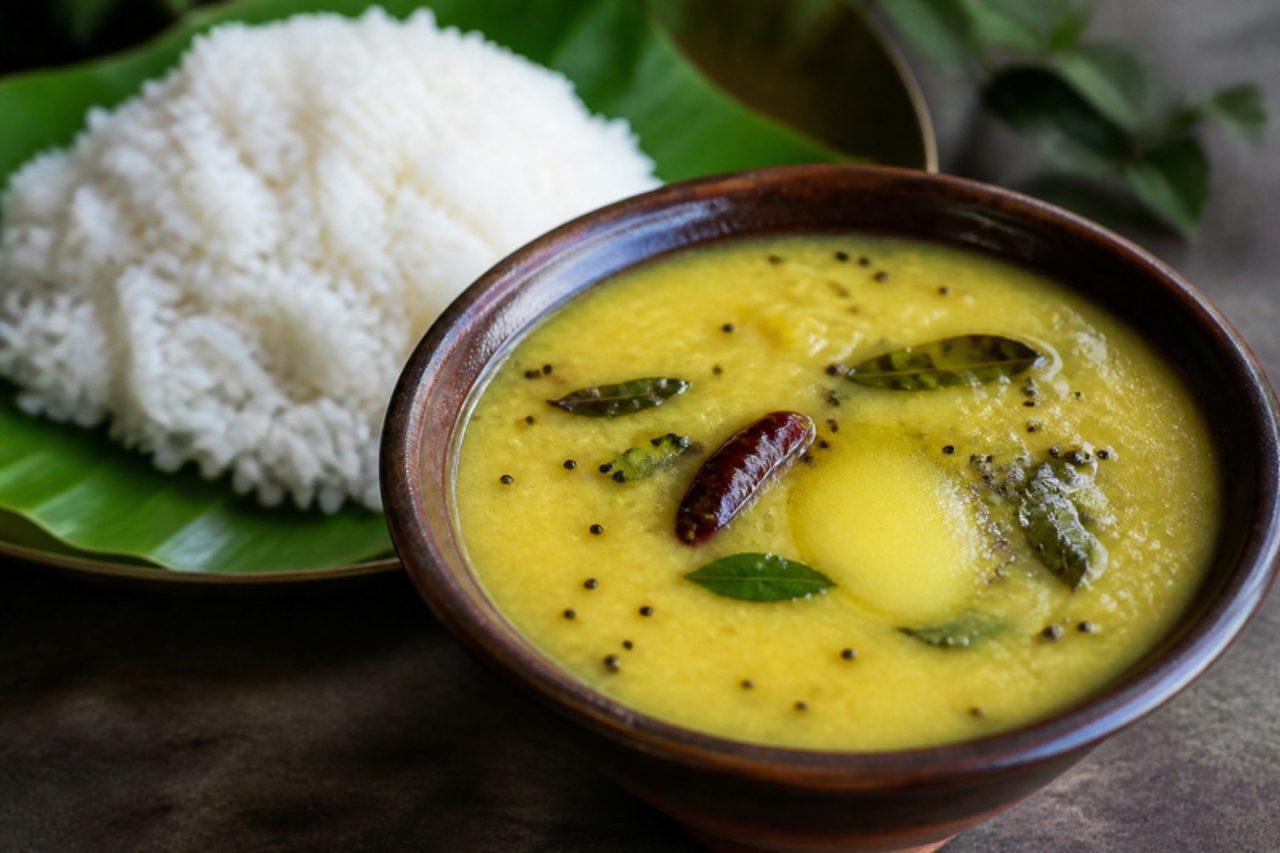
DalithoyMild toor dal with mustard

Dalithoy is the comfort dal of Konkani-speaking families in Goa, Mangalore and Udupi, eaten almost daily at lunch with red rice, and the first thing many make for someone recovering from illness. It is deliberately simple: toor dal cooked very soft with ginger and green chilli, thinned to a pourable soup and finished with coconut oil, mustard seeds, curry leaves and a good pinch of asafoetida. A portion gives about 19 g of protein from the toor dal, or about 23 g with a plate of rice, for about 330 kcal. With a pressure cooker it is on the table in half an hour. The most common mistake is skimping on the asafoetida or burning it: it is the main flavour here, so add it off the heat at the end of the tempering. Chef's tip: whisk the cooked dal until it is completely smooth before thinning it; dalithoy should be silky, with no whole grains left.

by KrazyBadal 0 views

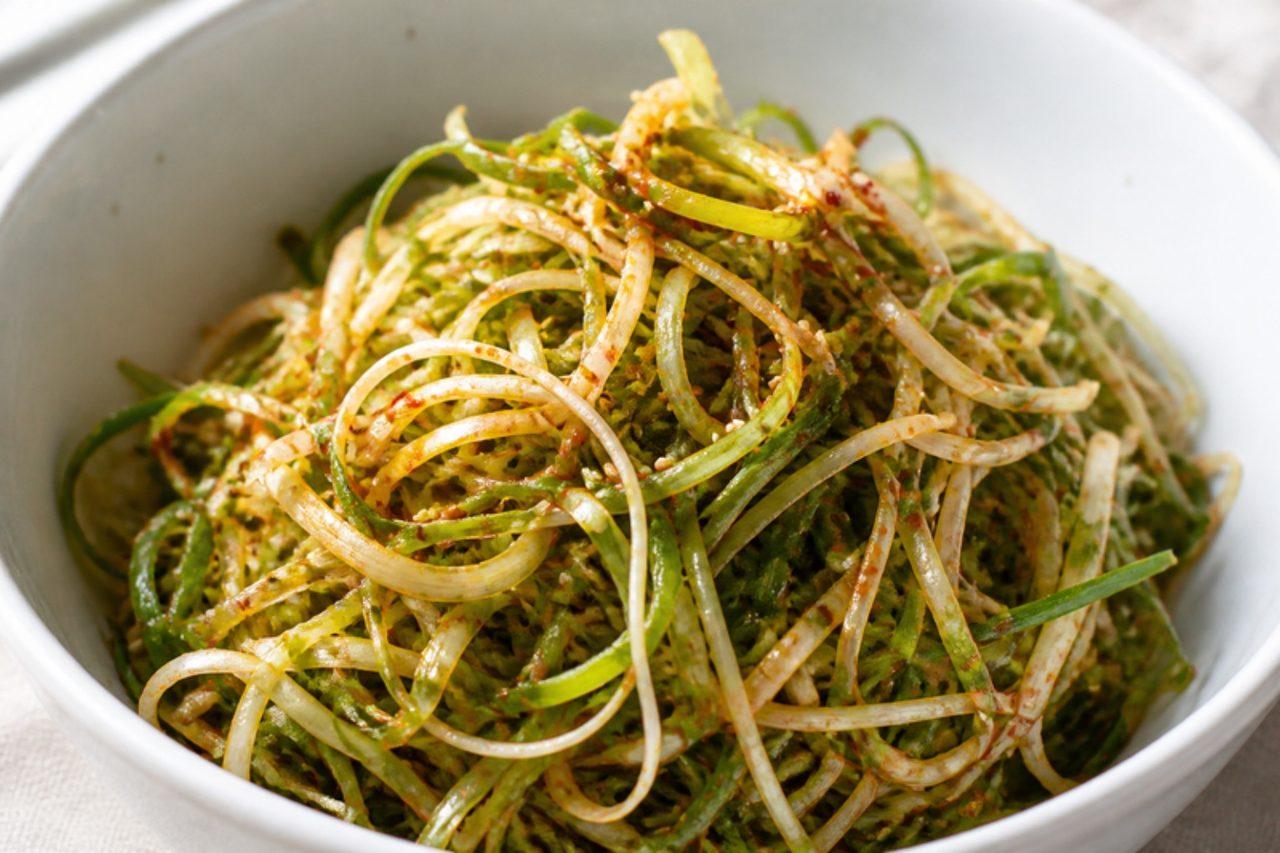
Pa muchimSpring onion salad

Pa muchim is the tangle of sharp, spicy spring onion that arrives with barbecue in restaurants all over Korea, from Seoul to Busan, and it is just as good at home beside grilled tofu, mushrooms or a rice bowl. Spring onion is shredded into long, thin threads, rinsed in cold water to tame its bite, then dressed at the last moment with chilli flakes, vinegar, soy, sugar and sesame. It is a light, vegan side with about 2 g of protein per portion. The common mistake is dressing it too early: after 10 minutes the onion wilts and weeps. Chef's tip: soak the shredded onion in iced water for 10 minutes before dressing; it curls, crisps and loses its harsh raw heat.

by KrazyBadal 0 views

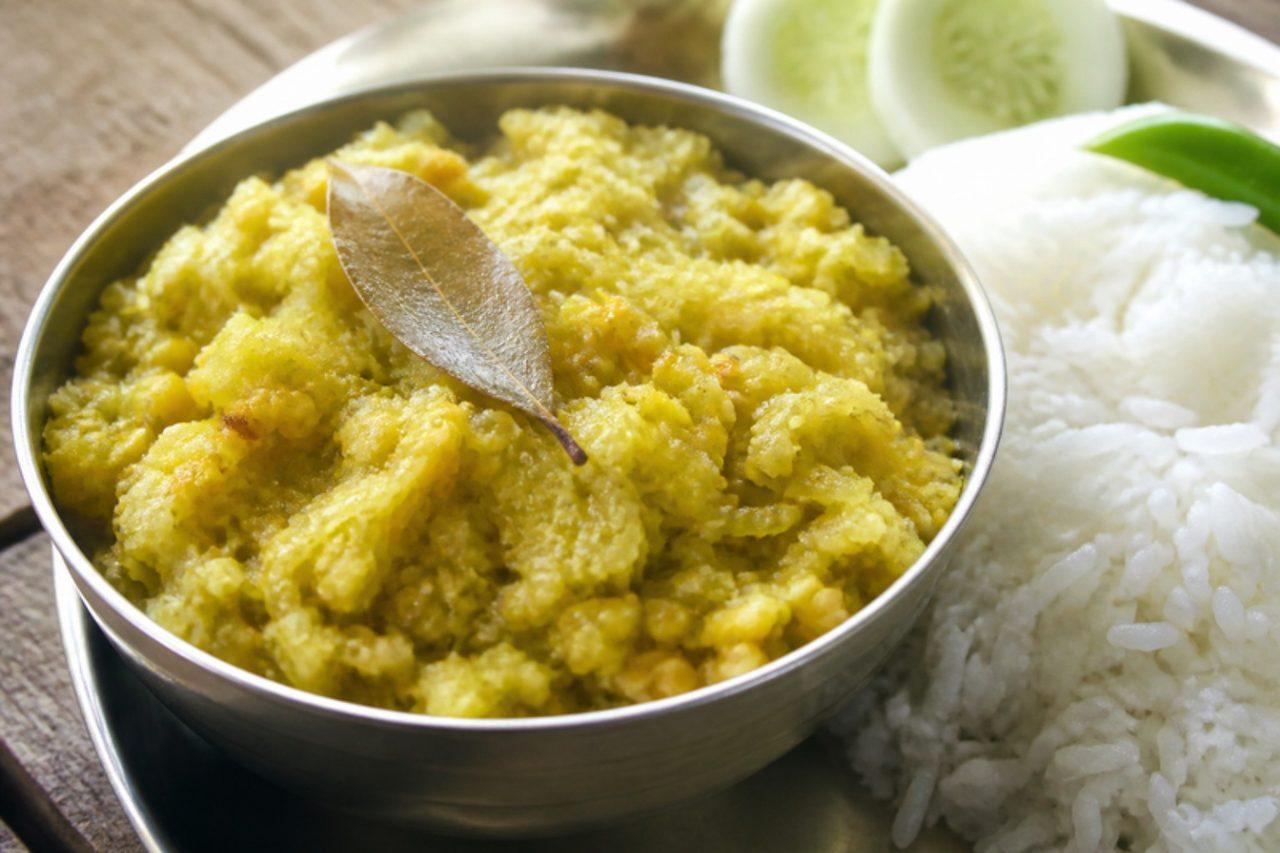
Lau ghontoBottle gourd with moong dal

Lau ghonto is a gentle summer dish from Dhaka and Kolkata kitchens, served in the first courses of a Bengali lunch with plain rice, when the bottle gourds are young and sweet. The gourd is grated, cooked down in its own juice with a handful of roasted moong dal, ginger and a little cumin until soft and almost creamy, and seasoned with a pinch of sugar. It is light, about 190 kcal a portion, and gives about 8 g of protein from the moong dal, so it is a vegetable side rather than a protein dish and is not tagged High protein. The most common mistake is adding water: bottle gourd releases plenty of its own, and extra water turns the ghonto into a soup. Chef's tip: choose a gourd that feels heavy, with pale, fuzzy skin you can dent with a fingernail; older gourds have hard seeds and turn bitter.

by KrazyBadal 0 views

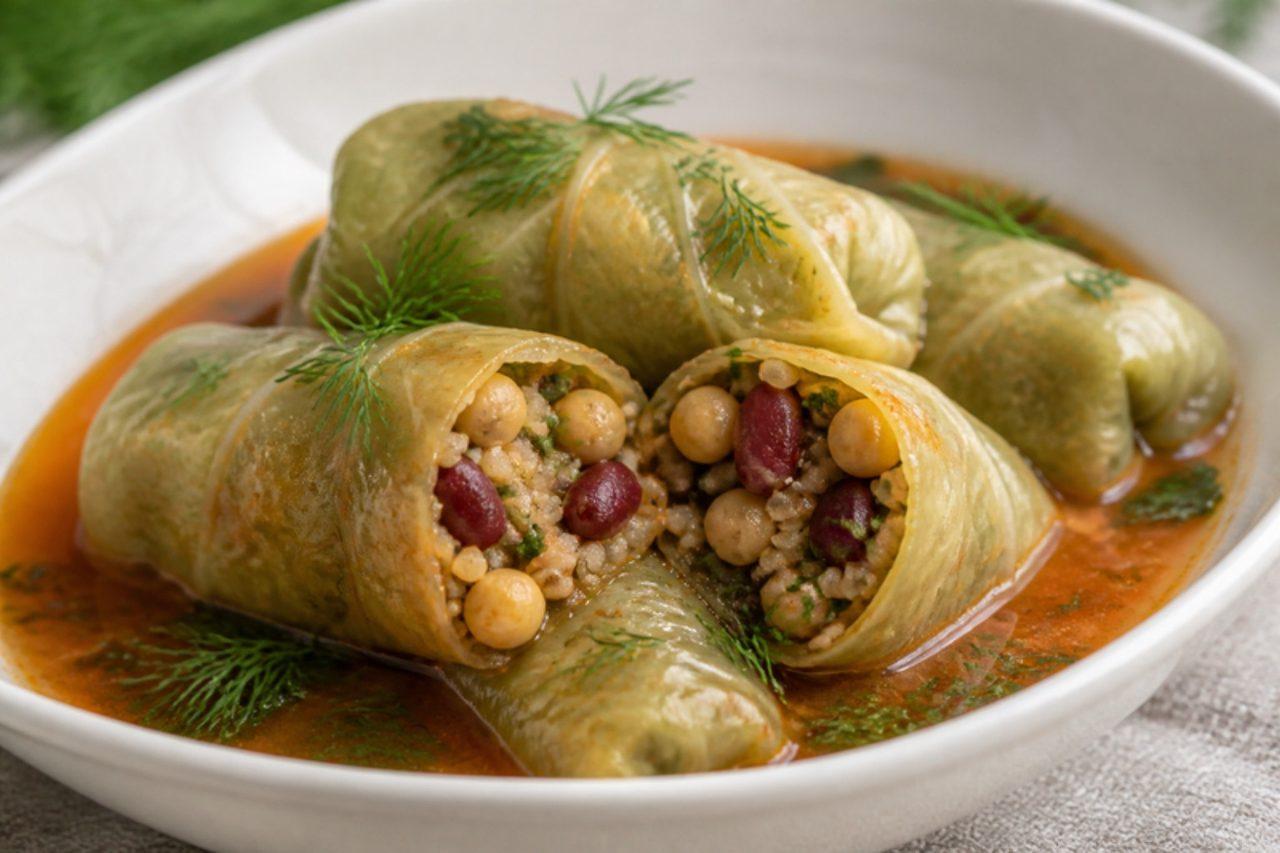
Pasuts tolmaBean and bulgur cabbage rolls

Across Armenia, from Yerevan kitchens to village homes in Shirak, pasuts tolma is the dish of the long Lenten fast before Easter, and many families also make it for the first days of the new year: cabbage leaves wrapped around a thick filling of red beans, lentils, chickpeas and bulgur, simmered in a tangy tomato broth. The rolls come out soft and savoury, with a gentle sourness, and are just as good cold the next day with a spoonful of garlic yoghurt for those who eat dairy (leave it out to keep the dish vegan). A portion of about six rolls gives roughly 22 g of protein, all from the beans, lentils, chickpeas and wheat. The beans and chickpeas must soak for 12 hours first; that time is not counted below. The most common mistake is rolling the parcels loosely: they open in the pot and the filling drifts into the broth. Chef's tip: cook the legumes until just tender, not soft, because they keep cooking inside the leaves for another hour.

by KrazyBadal 0 views

Oseng tempeStir-fried tempeh with chilli

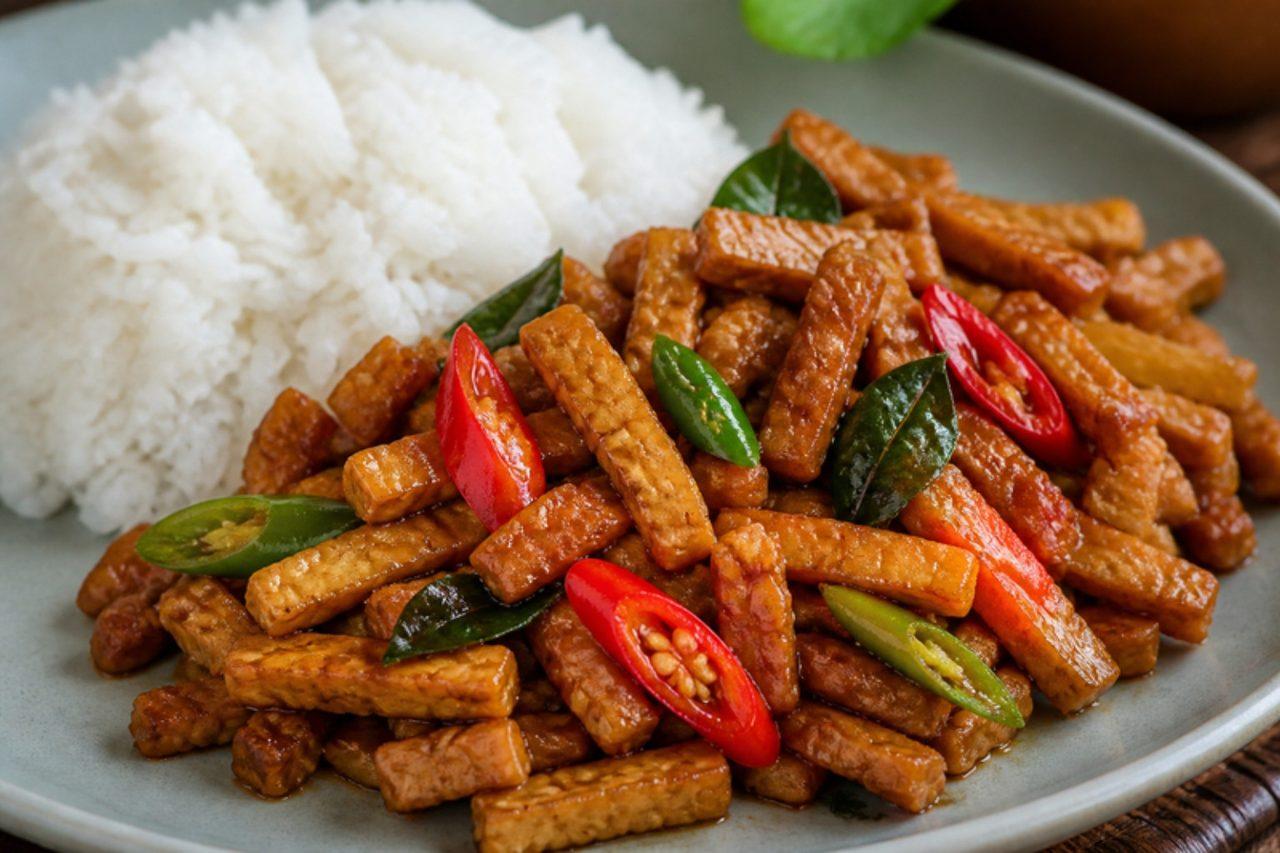
Oseng tempe is the quick fix of Javanese home cooking, made in Semarang, Surabaya and every student boarding house in between for weekday lunch or dinner with plain rice. Thin matchsticks of tempeh are fried until crisp-edged, then tossed with shallot, garlic, sliced chilli, galangal and bay leaf in sweet soy sauce until sticky, sweet, salty and hot. A portion with about 125 g of tempeh gives roughly 24 g of protein, almost all from the tempeh. The common mistake is adding the sweet soy too early, before the tempeh has browned: it soaks in, burns and turns the strips soft. Chef's tip: fry the tempeh separately first, then build the sauce and return it at the end, so every strip stays a little crunchy.

by KrazyBadal 0 views

Chana ghassiBlack chickpea coconut curry

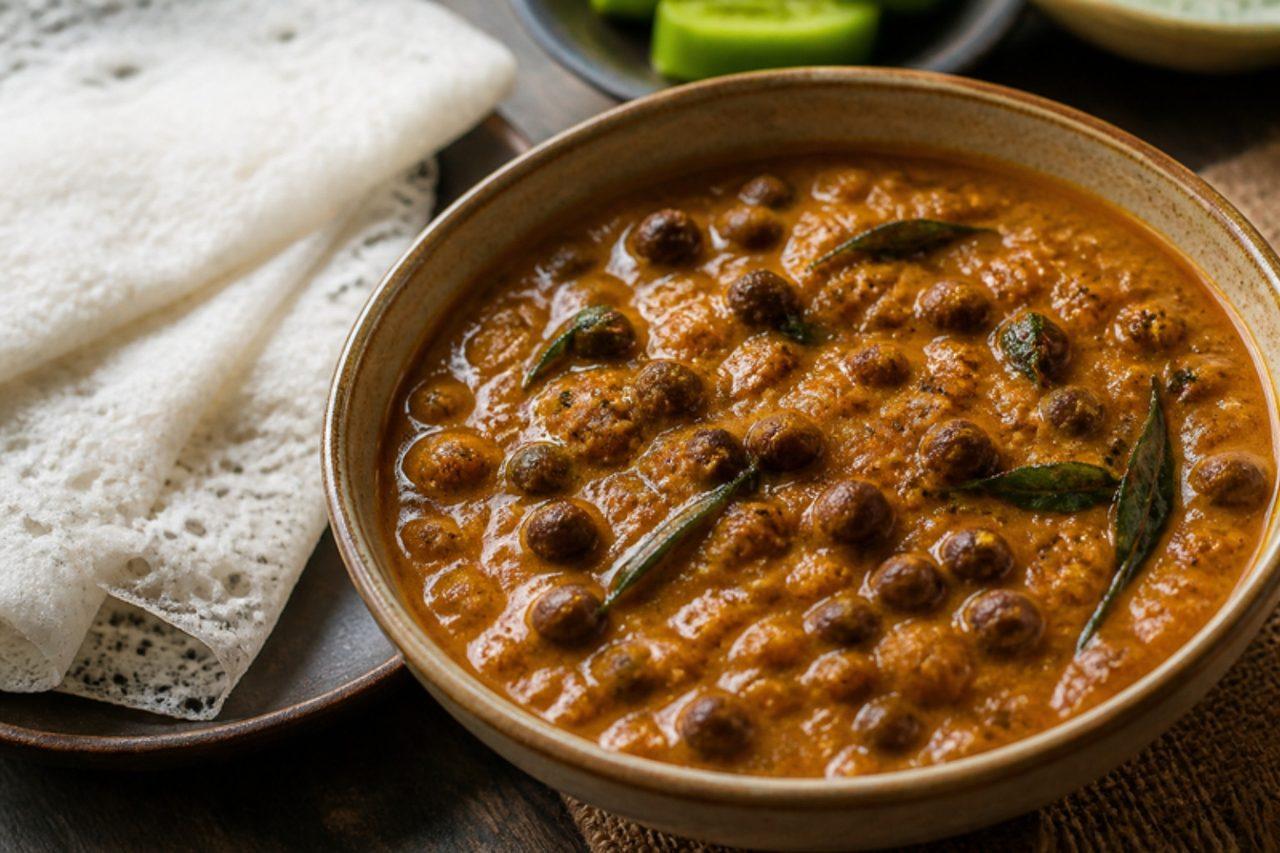
Chana ghassi is a Mangalorean and Udupi favourite, cooked for Sunday breakfast with soft neer dosa or for a weekday lunch over boiled rice. Small black chickpeas are simmered until tender and then cooked in a russet gravy of coconut and spices roasted in coconut oil, sharpened with tamarind and finished with fried onion and curry leaves. A portion gives about 21 g of protein, mostly from the black chickpeas with a little from the coconut. The chickpeas need 8 hours of soaking first (overnight is easiest), which is not counted in the times. The most common mistake is under-roasting the coconut and spices: the gravy then tastes raw and flat instead of deep and toasty. Chef's tip: roast the dried chillies, coriander and fenugreek first and the coconut last, until it turns an even reddish brown; grind it with a little of the chickpea cooking water for the smoothest gravy.

by KrazyBadal 0 views

Gongura pappuLentils with sour roselle leaves

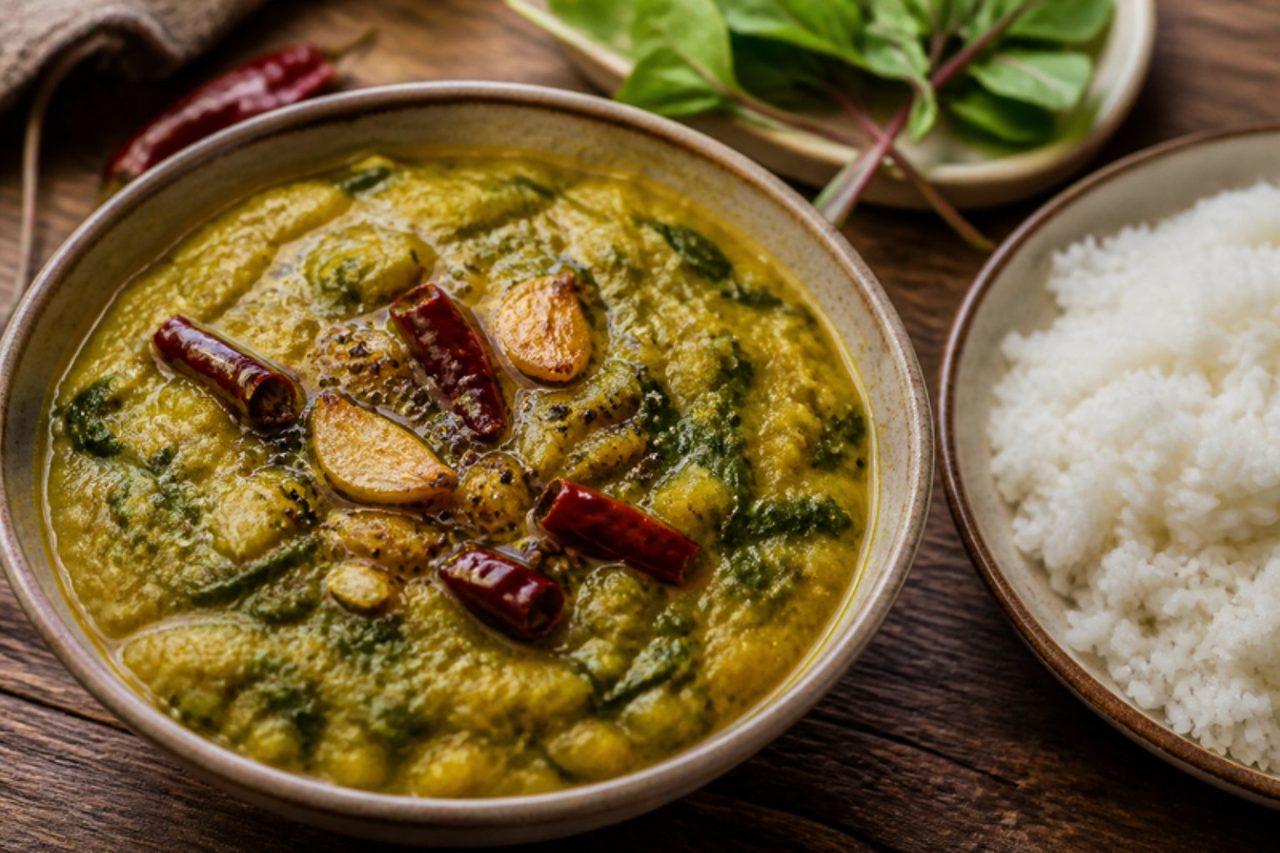
In Guntur, Vijayawada and across Telangana, gongura pappu is the everyday lunch dal that people who move away miss most: toor dal cooked soft with handfuls of sour roselle leaves, which melt into a tangy, olive-green purée, then finished with a sizzling tempering of garlic and dried red chillies. It is eaten mixed into hot rice with a spoon of ghee or oil and a crisp papad. A portion gives about 20 g of protein, almost all from the toor dal, and about 23 g with a plate of rice. Gongura is sold in Indian grocers in bunches; you need only the leaves. The most common mistake is cooking the leaves in an aluminium or iron pan: their acid reacts with the metal and the dal turns dark and tastes metallic, so use a steel or enamelled pot. Chef's tip: mash the dal and wilted leaves together hard with a whisk or wooden masher before tempering; a smooth, creamy pappu carries the sourness evenly instead of in stringy patches.

by KrazyBadal 0 views

Methi dalLentils with fenugreek leaves

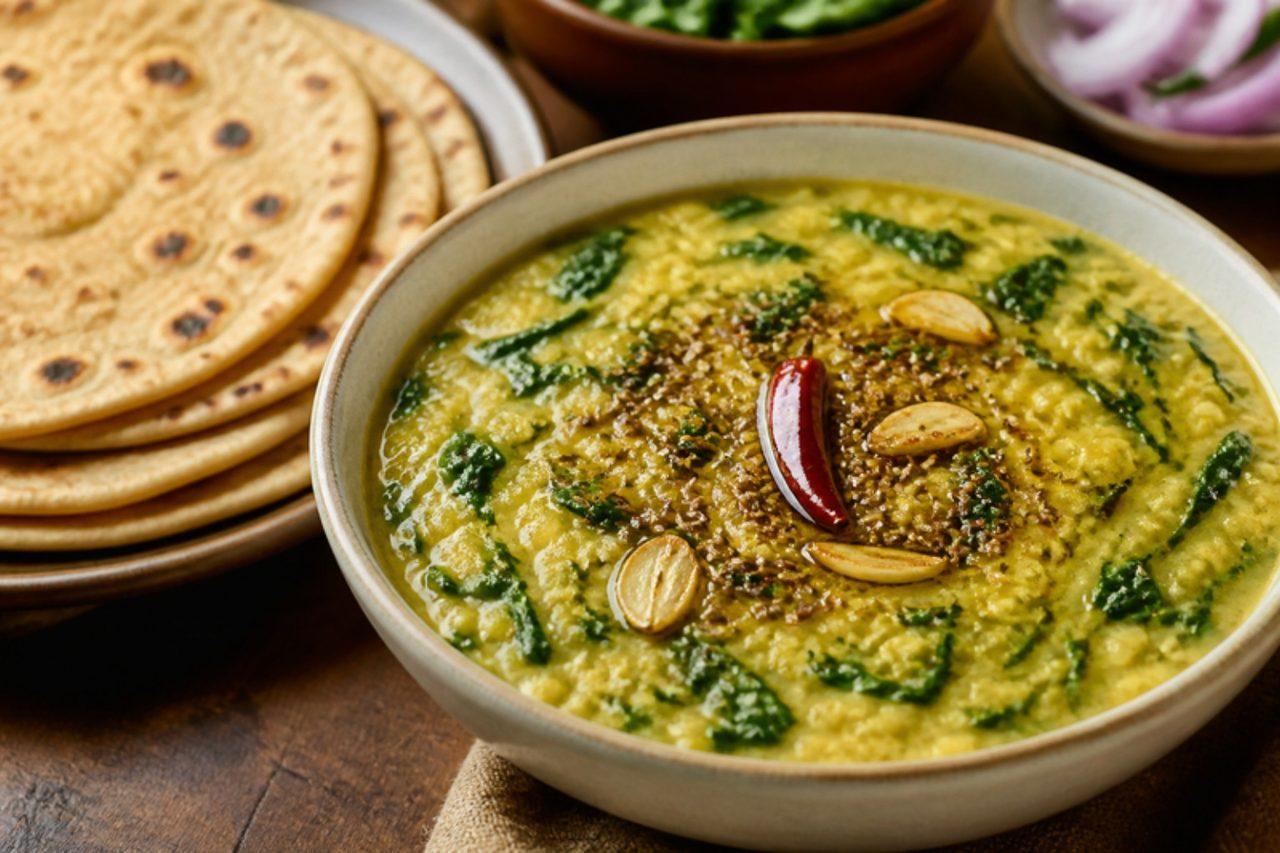
In Punjab, Rajasthan and Delhi homes, methi dal arrives in late autumn and winter, when bunches of fresh fenugreek are cheap and fragrant at every vegetable cart. The leaves are stirred into a pot of soft toor and moong dal, where their gentle bitterness balances the earthy lentils, and a cumin and garlic tadka goes over the top. It is a light everyday dinner with phulka or rice. A portion gives about 21 g of protein from the two dals, for about 350 kcal. The most common mistake is cooking the leaves for too long or chopping in the thick stems, which makes the dal bitter and stringy: use only leaves and tender tips and add them for the last few minutes. Chef's tip: toss the chopped leaves with a pinch of salt, leave them for 10 minutes and squeeze out the green juice; it takes the harsh edge off the bitterness without losing the flavour.

by KrazyBadal 0 views

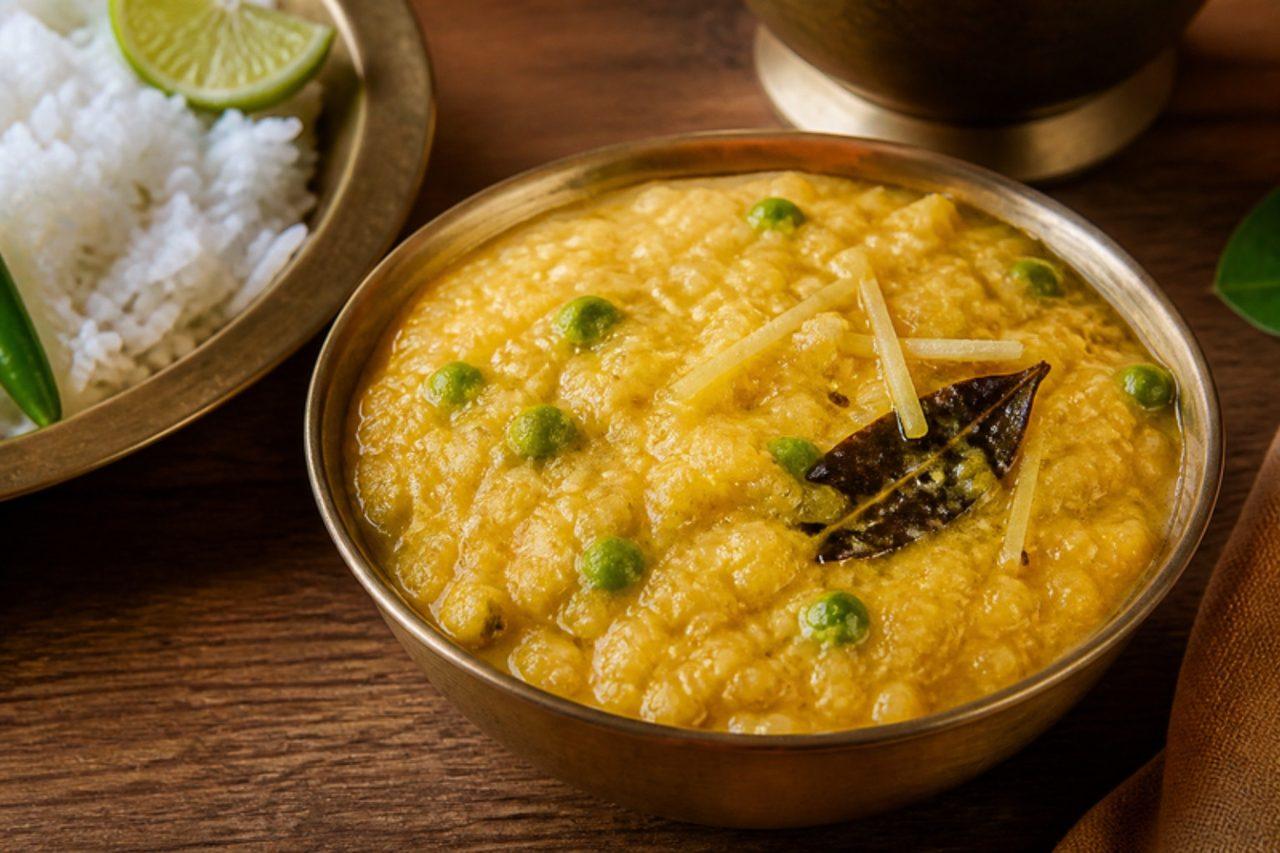
Bhaja muger dalRoasted moong dal with ginger

Bengali households in Kolkata make bhaja muger dal on winter weekdays, and it is a fixture of the vegetarian bhog served at Durga Puja and Saraswati Puja. The moong is dry-roasted in a heavy pan until it smells nutty, then cooked soft with ginger and green peas and finished with ghee, bay leaf and a whisper of sugar. The roasting gives it a toasty, almost sweet depth that plain moong dal never has. A portion gives about 21 g of protein from the moong and peas, for about 360 kcal. Serve it with rice and a fried vegetable such as begun bhaja. The most common mistake is roasting over too high a heat: the outside browns while the inside stays raw, and the dal tastes burnt and never softens evenly. Chef's tip: roast only until the dal is a couple of shades darker, pale gold, and you can smell it from the next room; stop the moment you see the first brown spots.

by KrazyBadal 0 views

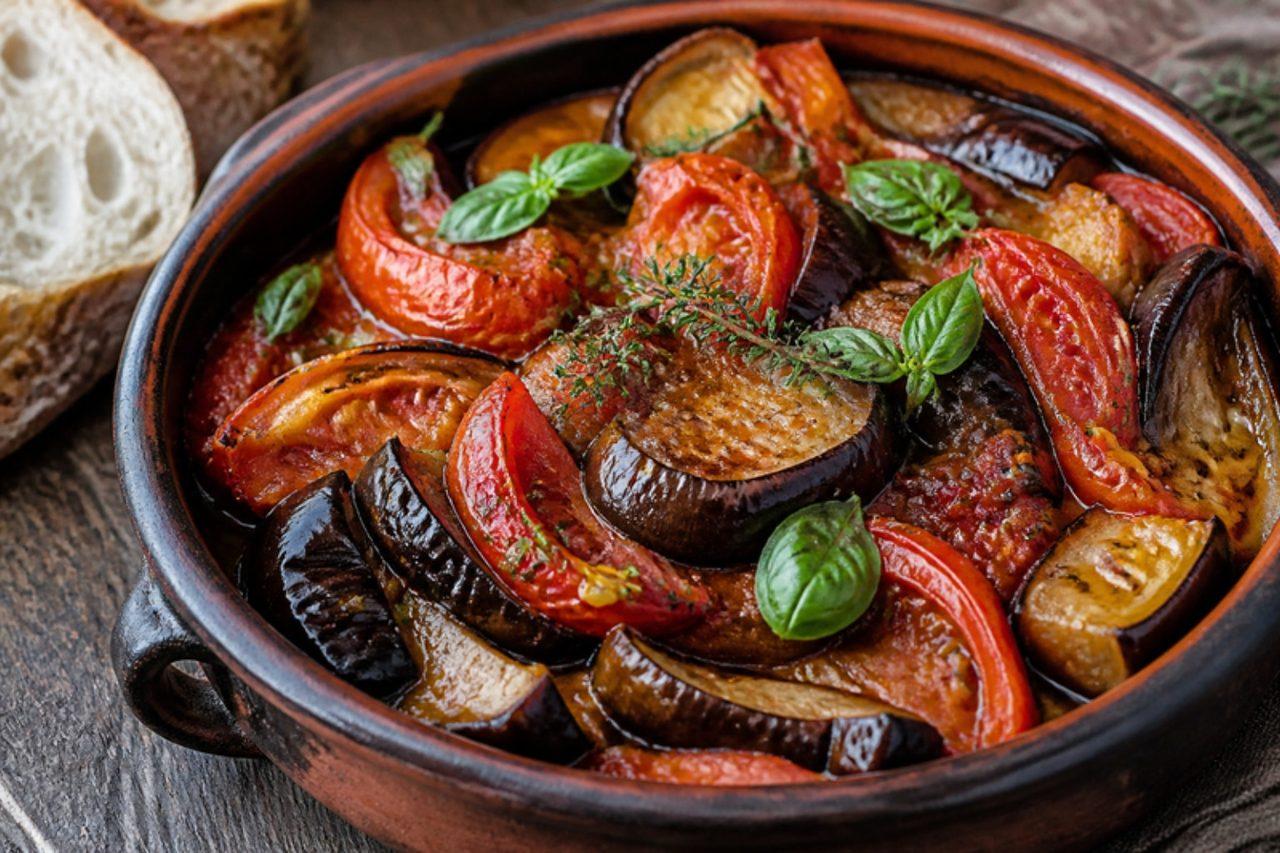
BohémienneAubergine and tomato stew

Bohémienne is the older, simpler cousin of ratatouille, cooked in Avignon and the Vaucluse villages at the end of summer when aubergines and tomatoes are cheap and ripe. Just those two vegetables, with onion, garlic and plenty of olive oil, are stewed slowly until they melt into a soft, jammy confit that is eaten warm with bread, cold on toast, or beside an omelette. It is vegan and light, with about 3 g of protein per portion. The common mistake is hurrying it over a high heat: the aubergine catches before it softens, so keep the heat low and stir gently. Chef's tip: salt the aubergine cubes for 20 minutes and pat them dry; they then take up less oil and keep a silky texture.

by KrazyBadal 0 views

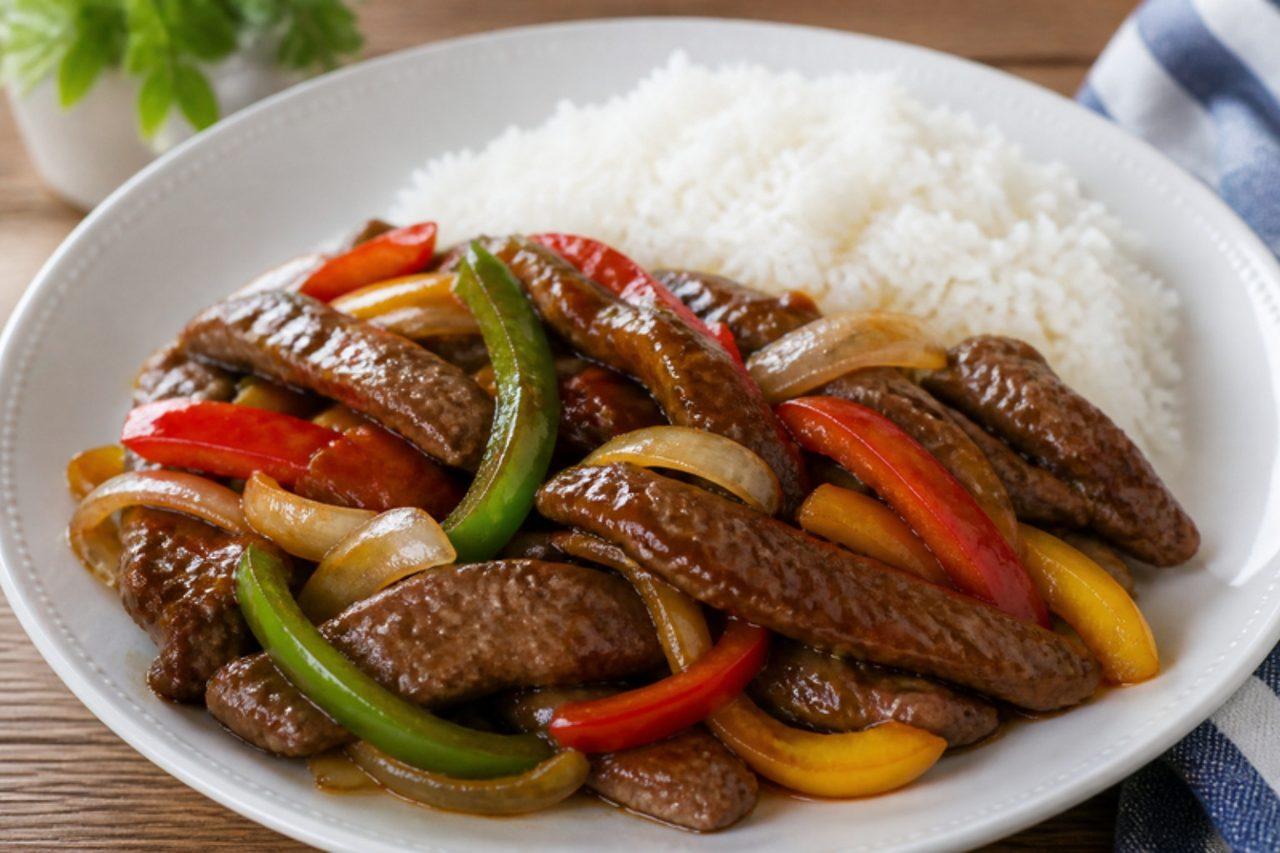
Jamaican pepper steak

Pepper steak came to Jamaica with the Hakka Chinese families who opened groceries and restaurants in Kingston, and it is now a takeaway favourite and a fast weeknight dinner across the island, eaten over white rice or rice and peas. Thin strips of beef are seared hard, then tossed with bell peppers and onion in a glossy soy, ginger and garlic sauce, with a little Scotch bonnet for warmth. The common mistake is crowding the pan, which steams the beef grey and tough; sear it in two batches over a high heat. Chef's tip: slice the beef across the grain while it is very cold or half-frozen; you'll get thin, even strips that stay tender.

by KrazyBadal 0 views

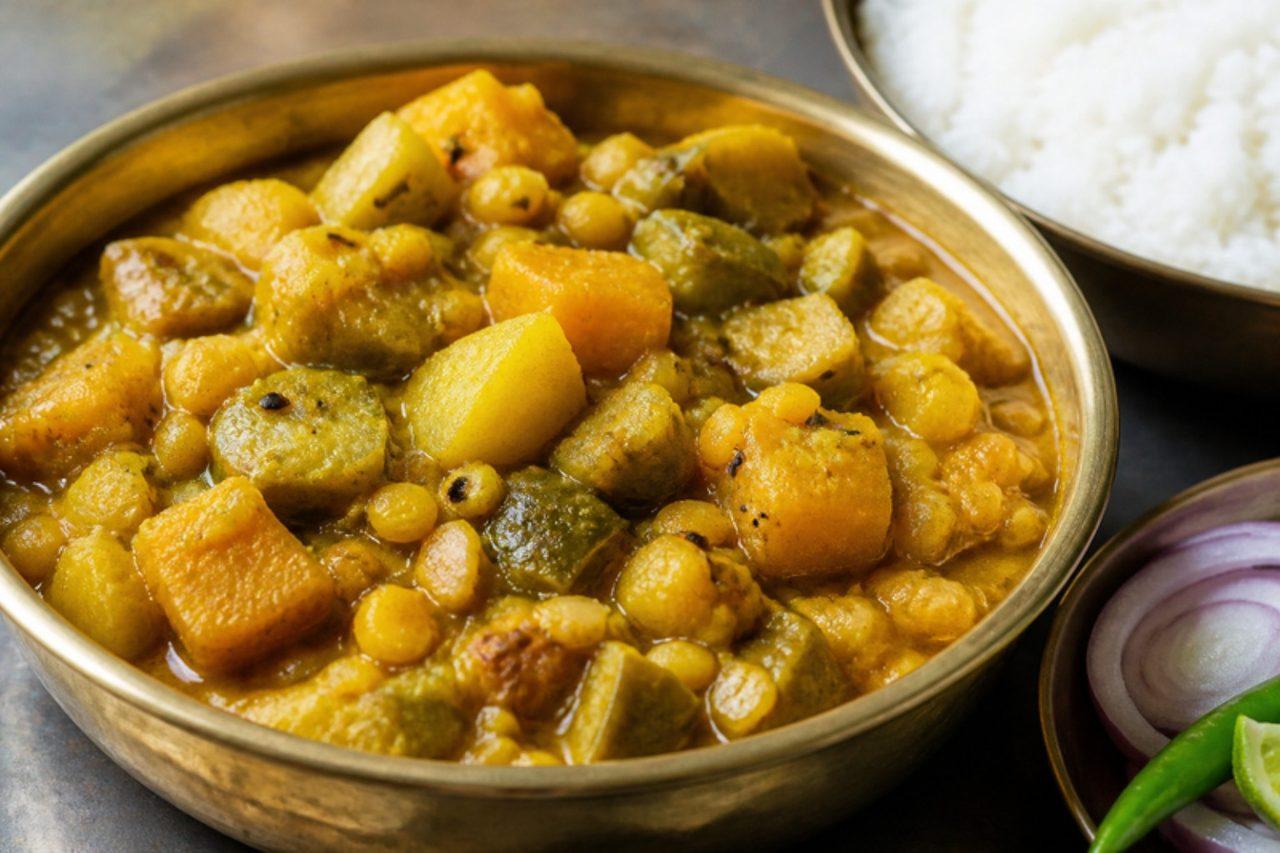
Ghanta tarkariMixed vegetables with dried peas

Ghanta is the Odia one-pot of everything the winter market offers, cooked in Bhubaneswar and Cuttack homes for festival days and pujas, and in a similar form in the temple kitchens at Puri. Pumpkin, raw banana, sweet potato, aubergine and beans are cooked with soaked dried peas and chana dal until the pulses thicken it into a soft, chunky stew, seasoned with ginger, cumin and a light panch phoron tempering. A portion gives about 20 g of protein from the dried peas, chana dal and vegetables. The dried peas and chana dal need 8 hours of soaking first (overnight), which is not counted in the times. The most common mistake is adding all the vegetables at once: pumpkin melts to mush while the raw banana is still hard, so add them in two stages. Chef's tip: grind the ginger and cumin with a little water to a fresh paste rather than using powder; it is what gives ghanta its clean, warm flavour.

by KrazyBadal 0 views

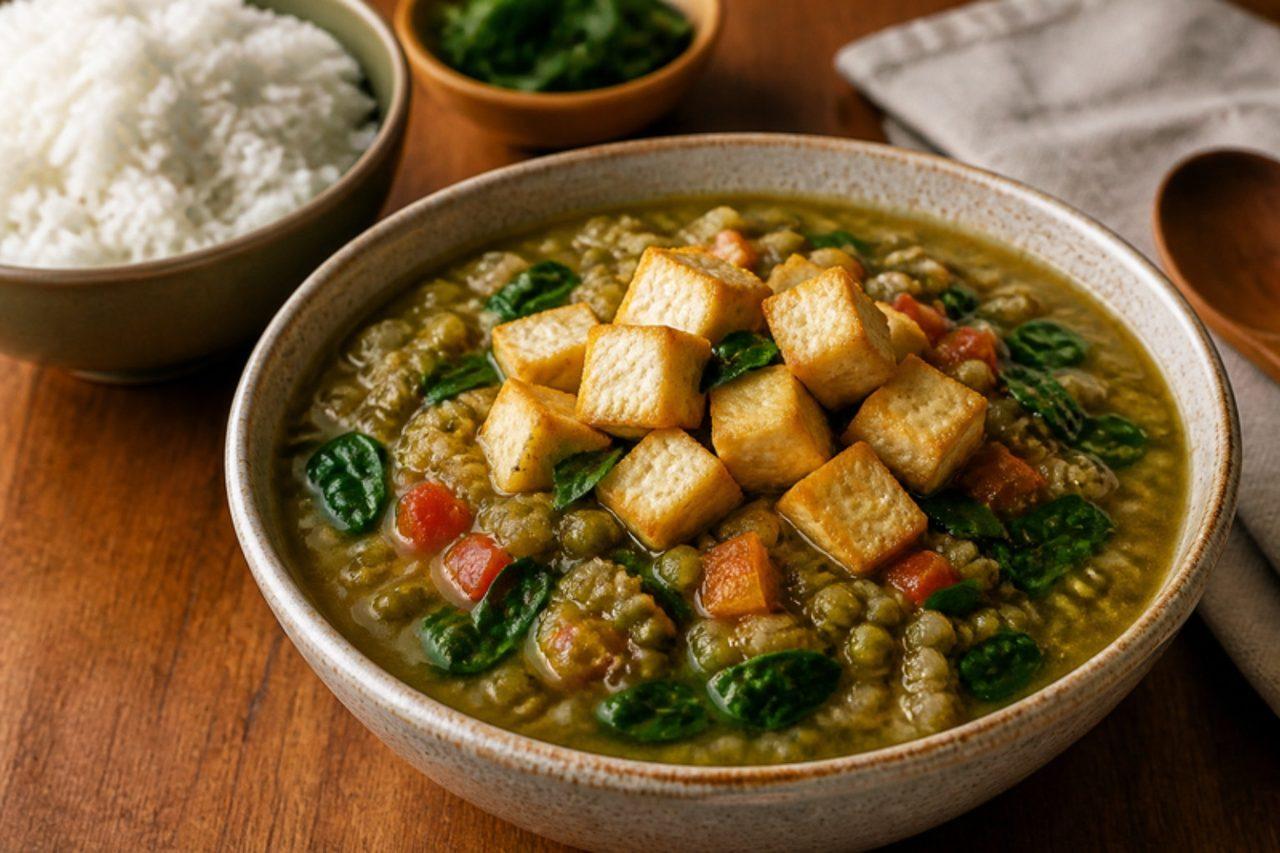
Vegetarian ginisang monggoSautéed mung bean stew with tofu

All over the Philippines, ginisang monggo is what's on the table on Friday, a habit from the days of meatless Fridays that never went away. Whole green mung beans are simmered until they burst into a thick, savoury stew with lots of garlic, onion and tomato and finished with malunggay (moringa) or spinach leaves. Home cooks usually add pork or dried shrimp and season with fish sauce; this vegetarian version uses golden fried tofu and soy sauce instead. A portion gives about 25 g of protein from the mung beans and tofu, and it is filling enough to eat with rice as a whole meal. The most common mistake is adding the greens too early, so they turn grey and slimy; put them in at the very end and turn off the heat. Chef's tip: let the beans simmer until most have split their skins and some collapse into the liquid; that is what makes the stew creamy without any thickener.

by KrazyBadal 0 views

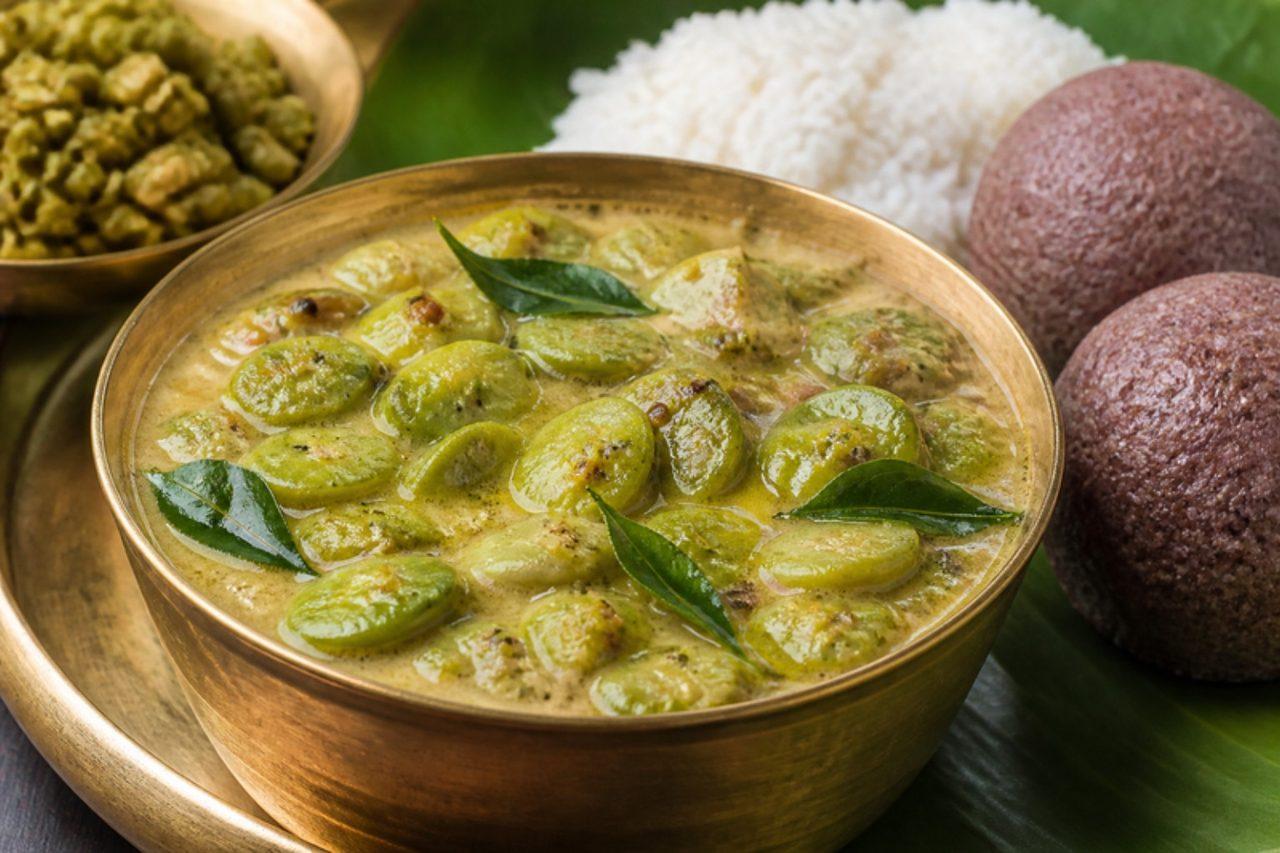
Avarekalu saaruField bean and coconut curry

When the avarekai (hyacinth bean) season comes to Bengaluru and Mysuru in December and January, the city celebrates with a whole street festival of avarekalu dishes, and this thin, fragrant saaru is the one cooked at home for lunch with ragi mudde or rice. The tender beans, popped out of their pods, are simmered in a gravy of coconut, roasted spices and a little tamarind and jaggery. Fresh beans are watery, so a portion gives about 12 g of protein, from the beans, a little toor dal and the coconut; that is why it is not tagged High protein. Frozen shelled avarekalu from Indian grocers works well out of season. The most common mistake is undercooking the beans: like all hyacinth beans they must be cooked until completely soft, never eaten raw or half-cooked. Chef's tip: for the classic hitikida flavour, soak the shelled beans in warm water for 30 minutes and squeeze each one out of its skin; it takes time but gives a creamier, sweeter saaru.

by KrazyBadal 0 views

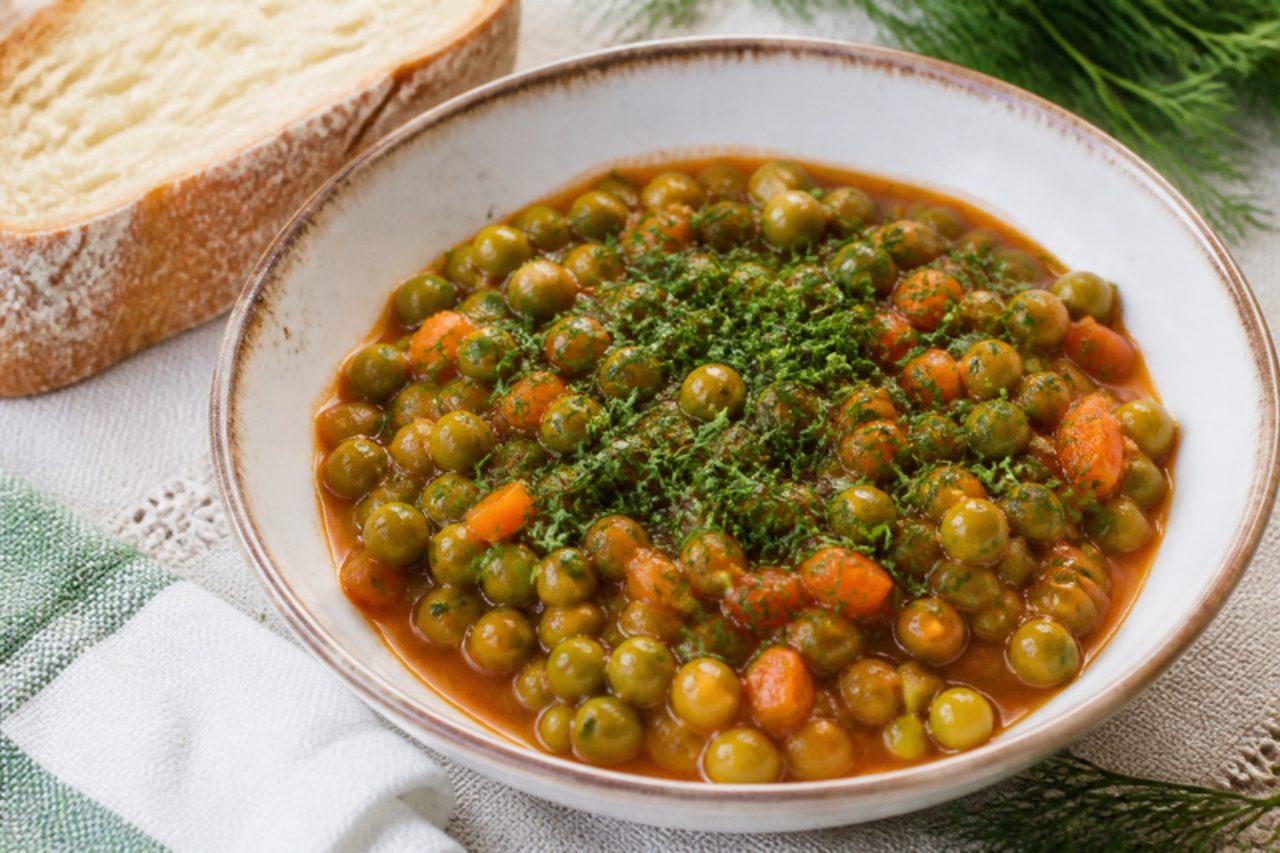
Mâncare de mazăreStewed green peas

In Romanian homes from Bucharest to the villages of Moldavia, mâncare de mazăre is a weekday lunch all year and a mainstay of the Orthodox fasting days, when the table is meat-free; it is eaten with mămăligă (polenta) or bread and a pickle or two. Peas simmer gently with soft onion and carrot in a light tomato sauce, and a handful of dill goes in at the end. A portion gives about 14 g of protein from the peas, so it isn't a high-protein dish on its own; serve it with polenta and a chunk of bread, or a fried egg on top if you eat eggs. The most common mistake is boiling the peas for too long, which turns them khaki and mushy. Chef's tip: thicken the sauce with a teaspoon of flour fried in the oil before the tomato goes in, as Romanian cooks do, or leave it out to keep the dish gluten free.

by KrazyBadal 0 views

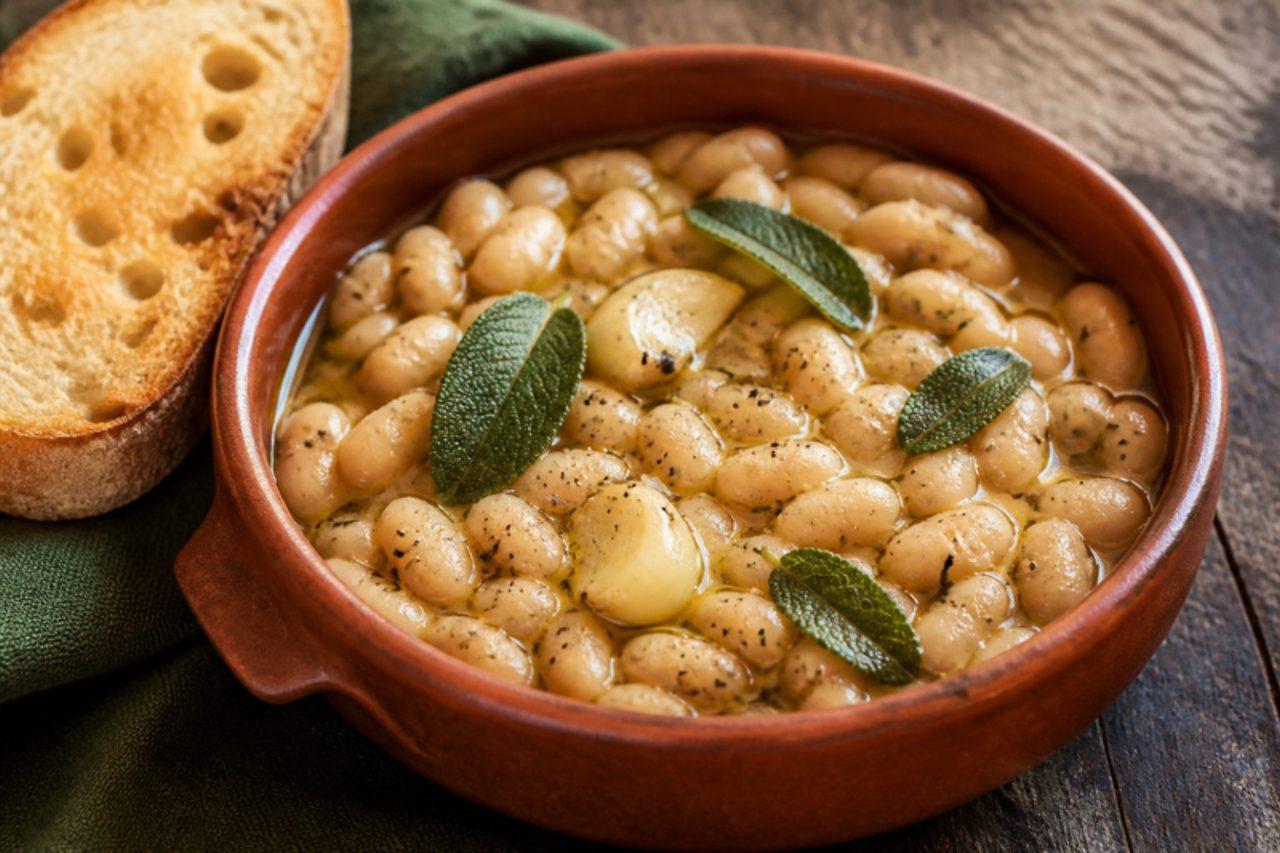
Fagioli al fiascoSlow-cooked cannellini beans with sage

In Tuscany, and above all in Florence and the Chianti hills, beans were once cooked overnight in an old glass wine flask set in the dying embers of the hearth, and fagioli al fiasco are still made in autumn when the new season's peppery olive oil arrives in November. Cannellini, sage, garlic and oil are sealed in a lidded pot and cooked very slowly, so the beans turn creamy and buttery inside while staying whole. At home a heavy casserole in a low oven does the job. Served as a side or a light main with toasted bread, a portion gives about 23 g of protein from the beans. Soak the beans for 12 hours first; that time is not counted below. The most common mistake is letting the liquid boil: fast bubbling splits the skins and turns the beans mealy. Chef's tip: salt only at the very end, and pour over your best oil at the table, not during cooking, where its fresh flavour is lost.

160 minItalianSidesVeganGluten free
by KrazyBadal 0 views

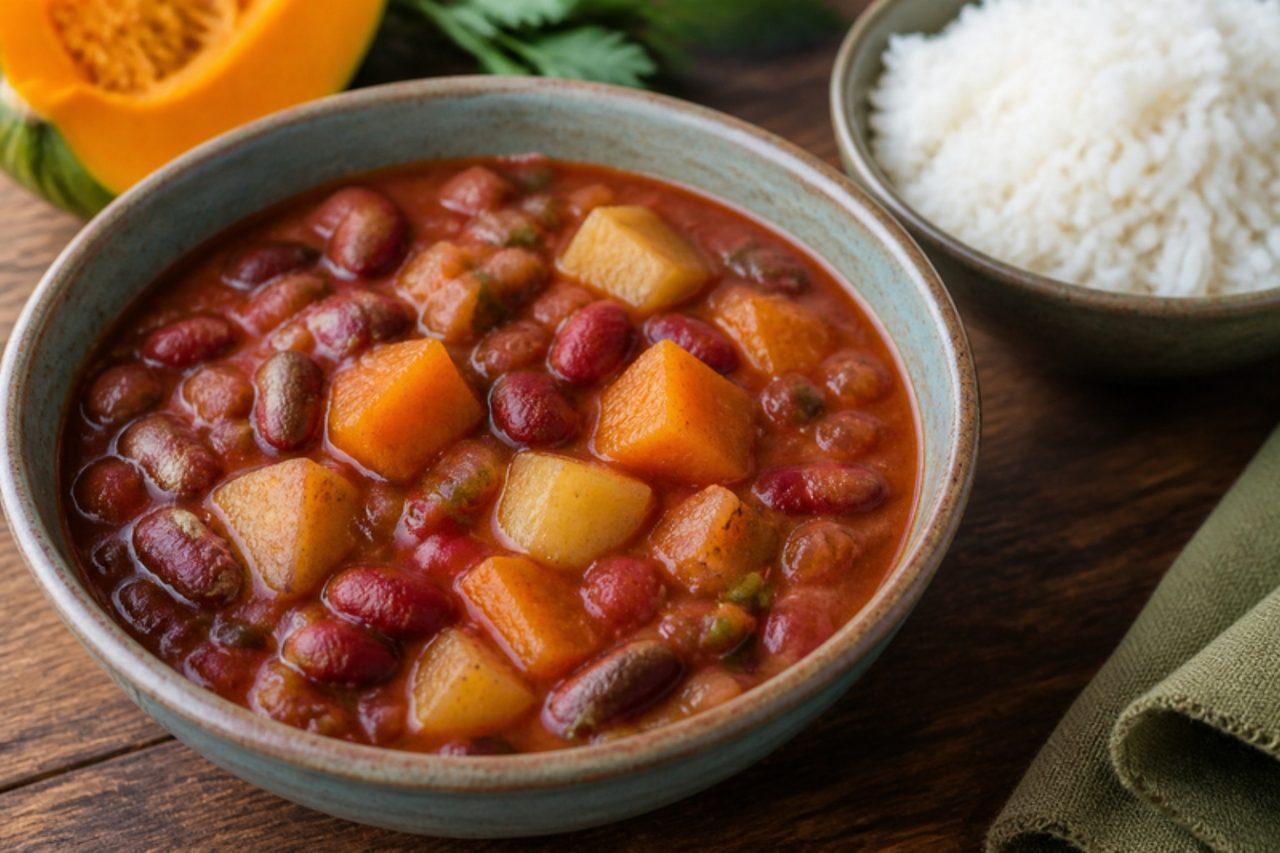
Cuban red bean potaje (vegetarian)Red bean and pumpkin stew

Potaje de frijoles colorados is everyday Cuban home cooking, eaten in Havana, Camagüey and Santiago alike as the midday meal over white rice, often with a simple avocado salad. Red kidney beans cook until soft and are thickened with calabaza and potato, then flavoured with a sofrito of onion, pepper, garlic, cumin and oregano. It is usually made with pork or chorizo; this is the vegetarian and vegan version, with smoked paprika and a spoonful of vinegar-pickled pepper brine giving the same savoury depth. A bowl gives about 25 g of protein from the beans. Soak the beans for 12 hours first (not counted below), and boil them hard for 10 minutes before simmering, as raw kidney beans contain a toxin. The most common mistake is salting at the start, which keeps the skins tough. Chef's tip: a teaspoon of sugar in the sofrito is a Cuban touch that rounds out the tomato and beans.

135 minCubanCurriesVeganGluten free
by KrazyBadal 0 views

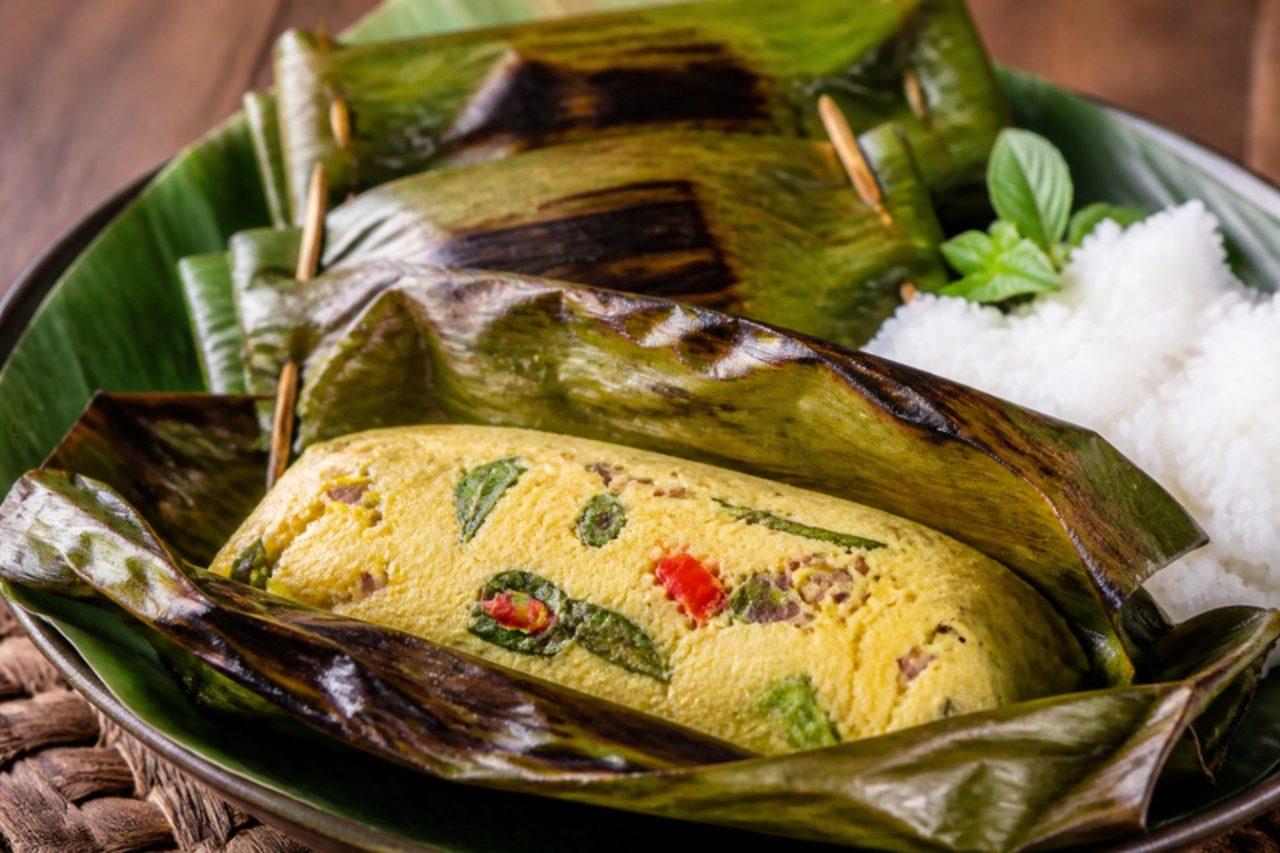
Pepes tahuTofu and basil in banana leaf

In Bandung and the hills of West Java, pepes means anything wrapped in banana leaf, steamed and then charred over coals, and pepes tahu is the everyday meat-free one, eaten at lunch with rice, raw vegetables and sambal. Mashed tofu is bound with egg, shallot, chilli, lemon basil and lime leaf, so it sets into a soft, fragrant, smoky cake inside its leaf. Each portion has about 150 g of tofu and most of an egg, giving roughly 24 g of protein, from the tofu and eggs. The common mistake is skipping the steaming and going straight to the grill: the outside burns while the egg in the middle stays raw. Chef's tip: steam first until the filling is firm right through, then grill only to scorch the leaf and add smoke.

by KrazyBadal 0 views

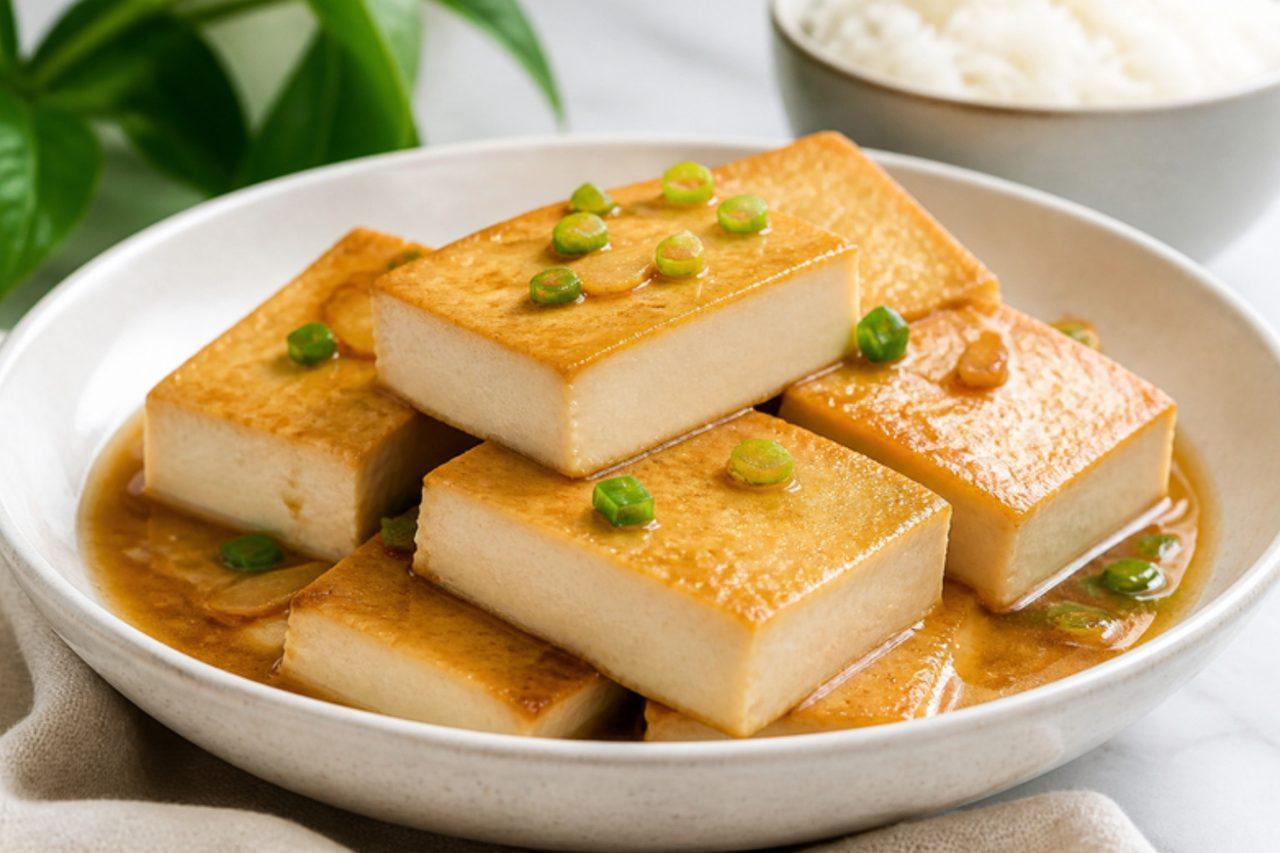
Hongshao doufuRed-braised tofu

Hongshao doufu is the meat-free cousin of red-braised pork, cooked in home kitchens from Shanghai to Sichuan as a weeknight dinner with rice and a green vegetable. Slices of firm tofu are fried until golden, then braised in a glossy, mahogany sauce of light and dark soy, a little sugar, ginger and spring onion until they turn sweet-salty and slightly chewy. This version skips the usual splash of Shaoxing wine. A portion gives about 26 g of protein, from 200 g of firm tofu each. The common mistake is moving the tofu too soon in the pan; leave it until it releases on its own, or it tears. Chef's tip: let the sauce reduce until it bubbles thickly and coats the back of a spoon; that is when the tofu is properly lacquered.

by KrazyBadal 0 views

Showing 24 of 3,867 recipes

Show more recipes

Page 1 of 162