Skip to content
WhatToEat.Today

All recipes

125

Vegetarian, or something you can't eat? Set your diet once and we'll hide recipes that don't fit.

Niramish mangshoGoat curry without onion or garlic

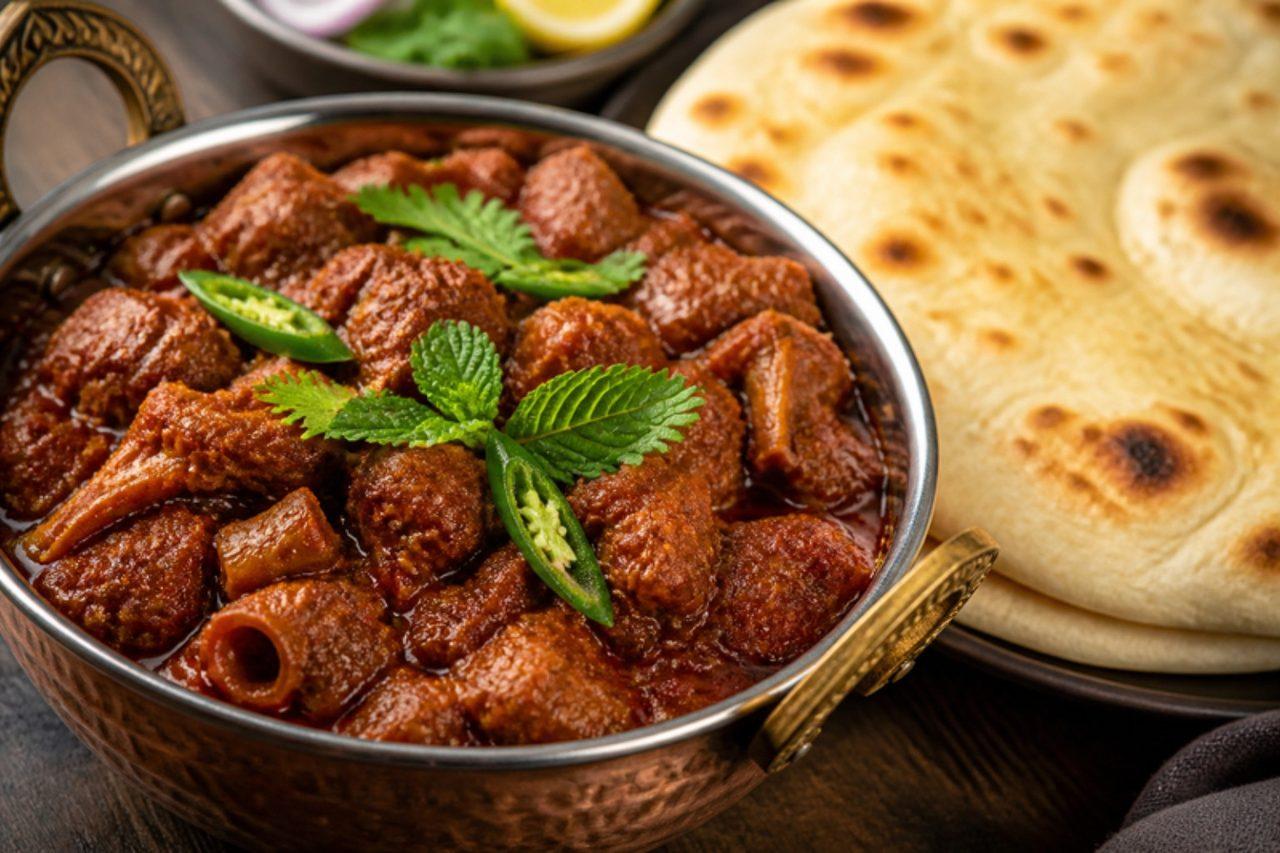
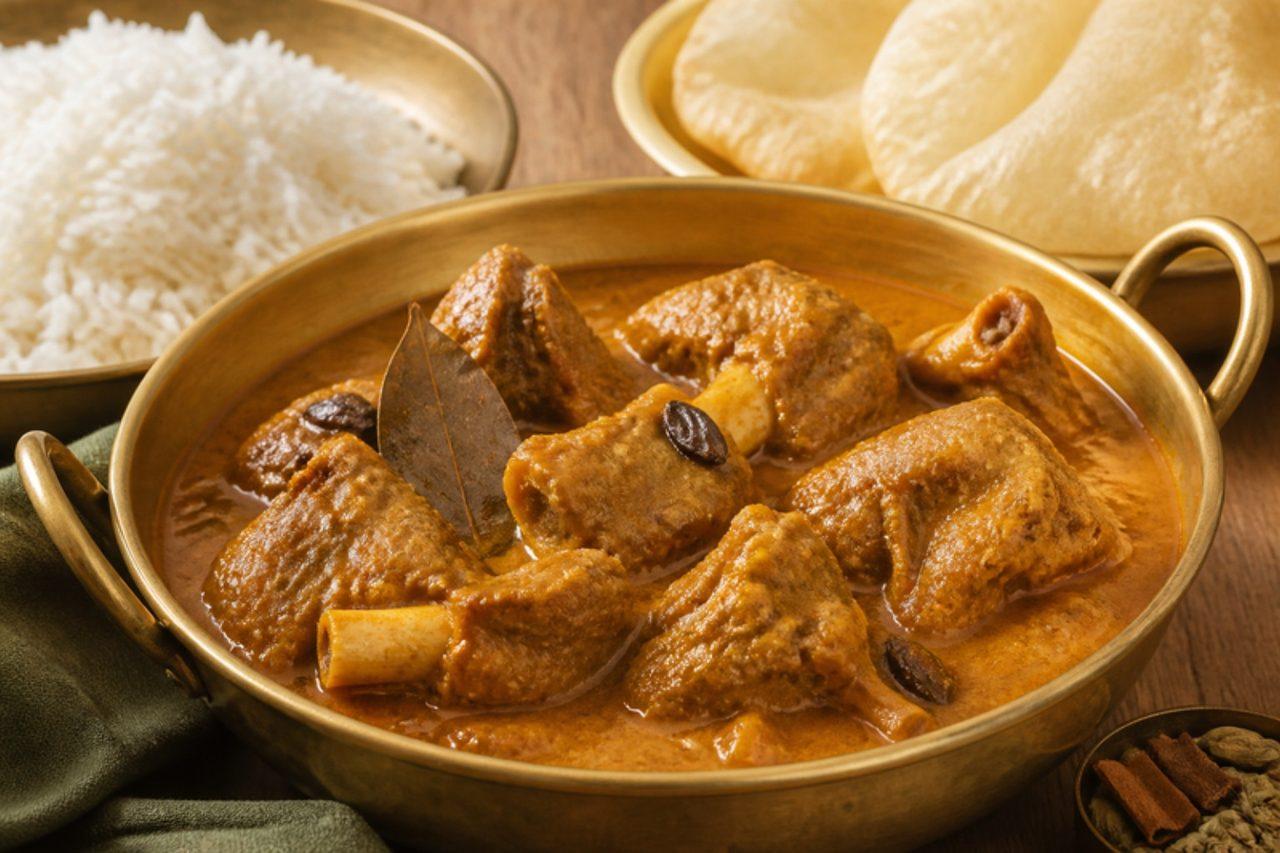
Niramish mangsho is a Bengali paradox: 'vegetarian meat'. It is goat curry made without onion or garlic, the way it has long been cooked as an offering in some Bengali households on Kali Puja and on Durga Navami, when the meat is treated as bhog. Here the mutton (goat) is bought ready-cut from the butcher and marinated in yoghurt and ginger, then slow-cooked with whole spices, cumin and a little sugar into a dark, aromatic, surprisingly clean-tasting curry. Serve it with luchi or plain rice. Common mistake: rushing the bhuna (slow frying); keep cooking the marinated meat until the yoghurt disappears and the oil separates and turns red, or the curry tastes sour and raw. The meat is done when it pulls easily from the bone and reaches 71 °C in the thickest part. Chef's tip: a spoon of ghee and a pinch of the hand-ground Bengali garam masala at the very end gives the curry its festive perfume.

110 minIndianMeatGluten free
by KrazyBadal 0 views

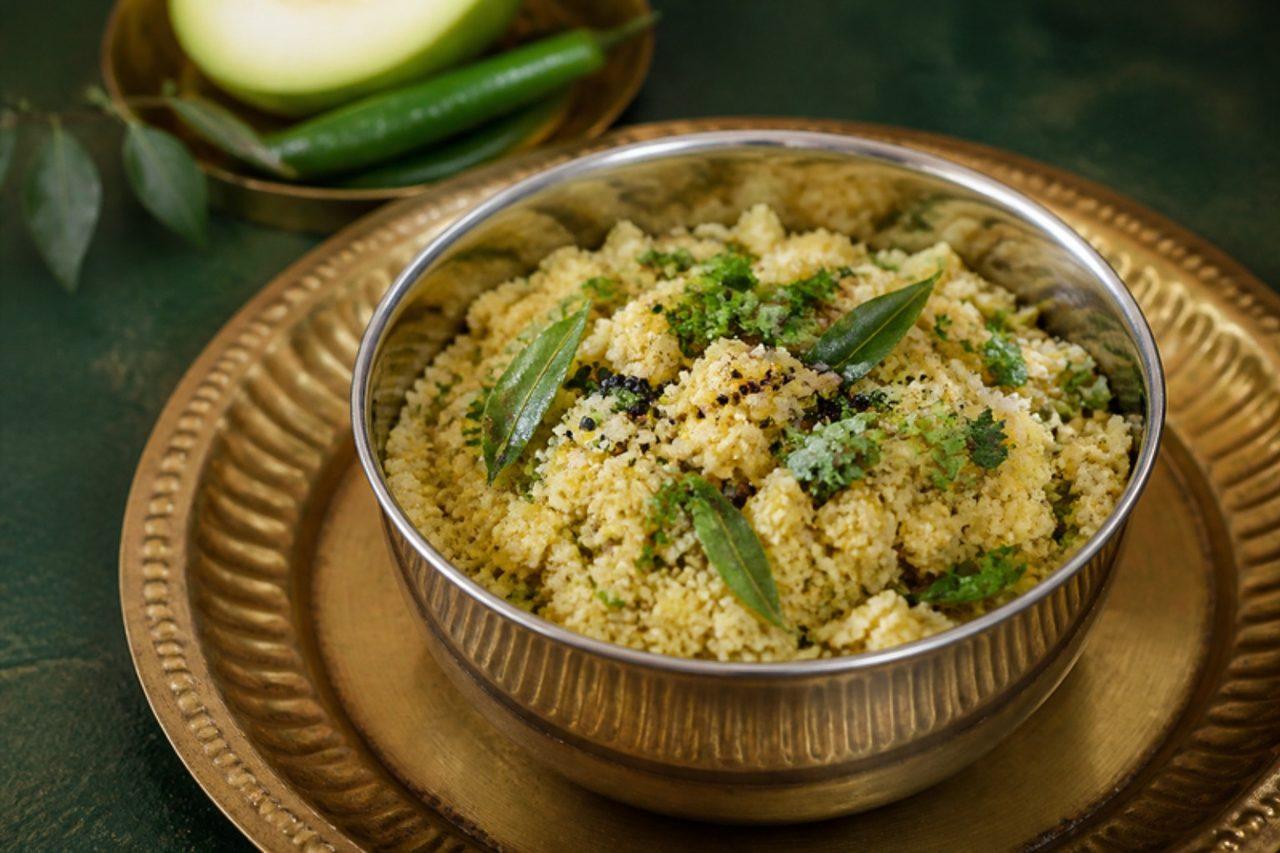
Ambe dalChana dal with raw mango

Through the month of Chaitra, which opens with Gudi Padwa, Maharashtrian women invite each other home for haldi-kunku, and the plate they send guests away with nearly always holds ambe dal with a glass of kairi panha. It is not a cooked dal at all but a cool, crunchy salad: chana dal soaked for hours, pulsed coarse with green chilli, then tossed with grated raw mango, coconut and a hot mustard tadka. It tastes sour, fresh and gently hot, and it is filling enough for an afternoon visit. The common mistake is grinding it with water into a paste; the dal must stay in tiny separate grains, like coarse couscous, and feel just tender when you bite one. The long time on this recipe is almost all soaking. Chef's tip: grate the mango only just before mixing and add the salt at the end, or the dal turns watery as it stands.

250 minIndianSaladsVeganGluten free
by KrazyBadal 0 views

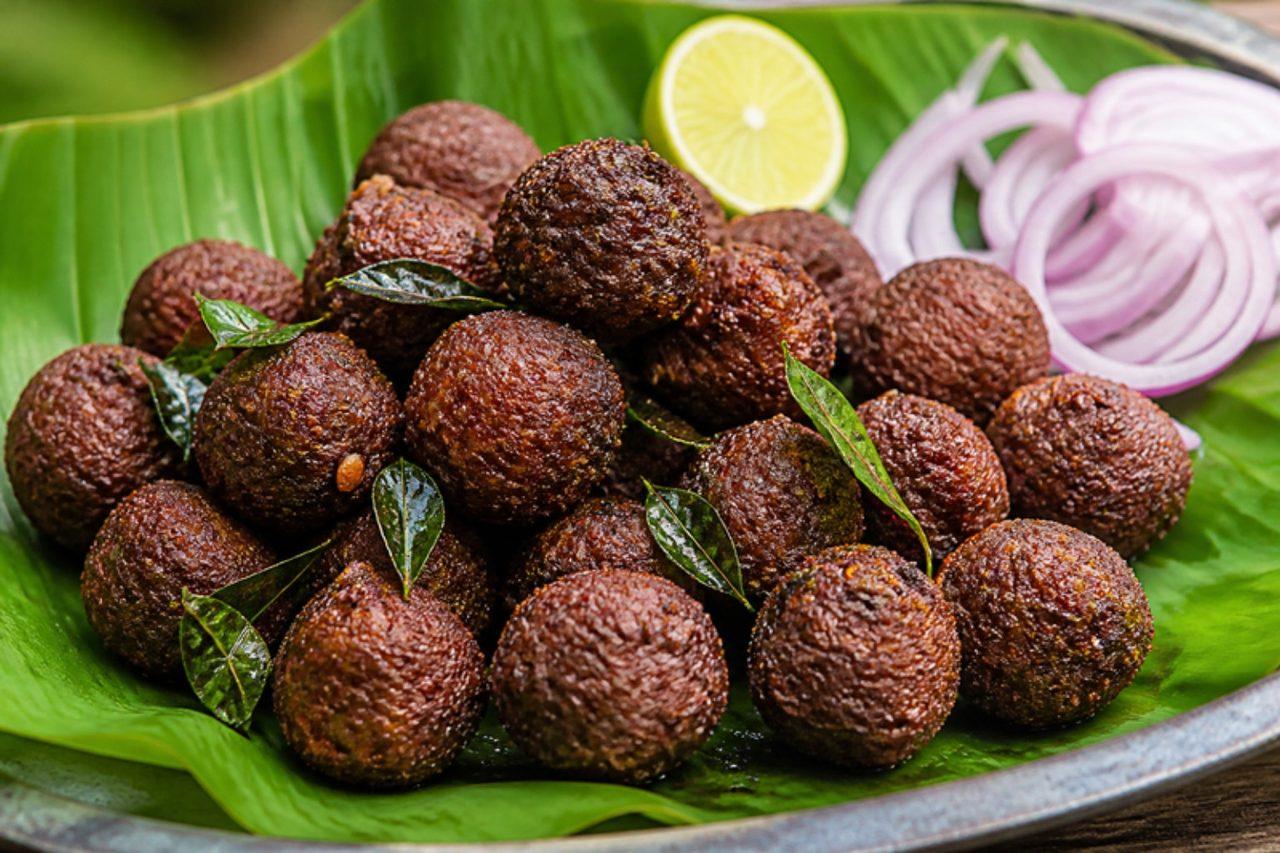
Kola urundaiFried minced mutton balls

Kola urundai is the meat ball of Chettinad, served at Sunday lunch and at weddings in Karaikudi beside the mutton kuzhambu and rice. Lean mutton mince is cooked dry with fennel, then ground very fine with roasted gram, coconut, shallots and whole spices, rolled into small balls and fried until dark and crusty outside and tender within. They are eaten hot as a starter or with rasam rice. A common mistake is leaving the mixture too wet, so the balls crack and fall apart in the oil; the roasted gram is there to bind it, so add a little more if needed. Chef's tip: grind the cooked mince in short pulses until it becomes a smooth, sticky paste; coarse mince never holds a neat ball.

70 minIndianMeatGluten freeSpicy
by KrazyBadal 0 views

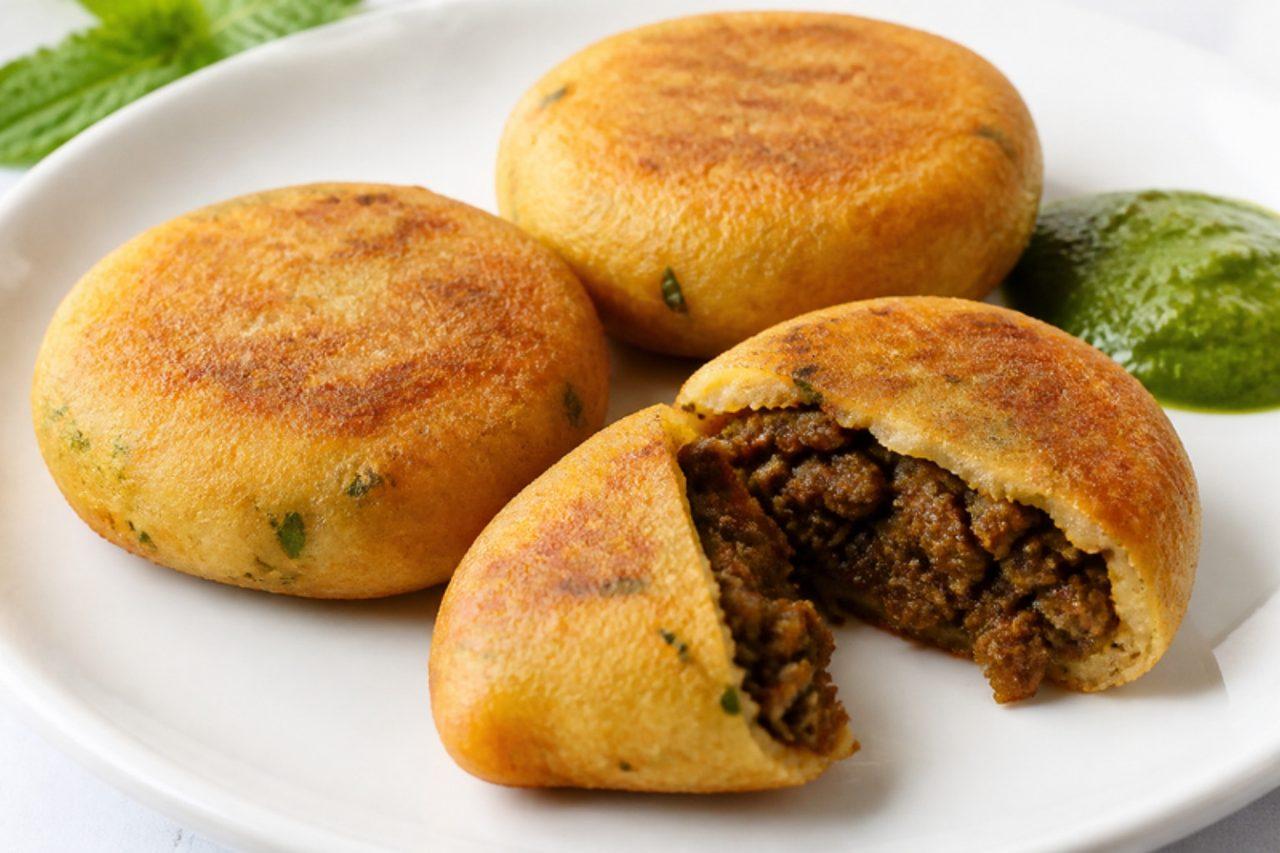
Parsi kheema patticeMutton-stuffed potato patties

Kheema pattice are a fixture of Parsi tea tables in Surat, Navsari and Mumbai, and turn up again at wedding receptions and Navjote parties. A shell of seasoned mashed potato is wrapped around dry, gingery mutton mince with mint and coriander, then dipped in beaten egg and shallow fried so the outside is crisp and golden and the inside soft. They are eaten warm with tomato ketchup or a sweet-sour chutney. The common mistake is a wet filling: if the kheema still has liquid in the pan it seeps through the potato and the pattice split in the oil. Chef's tip: chill the shaped pattice for 20 minutes before frying; they hold their shape much better.

75 minIndianMeat
by KrazyBadal 0 views

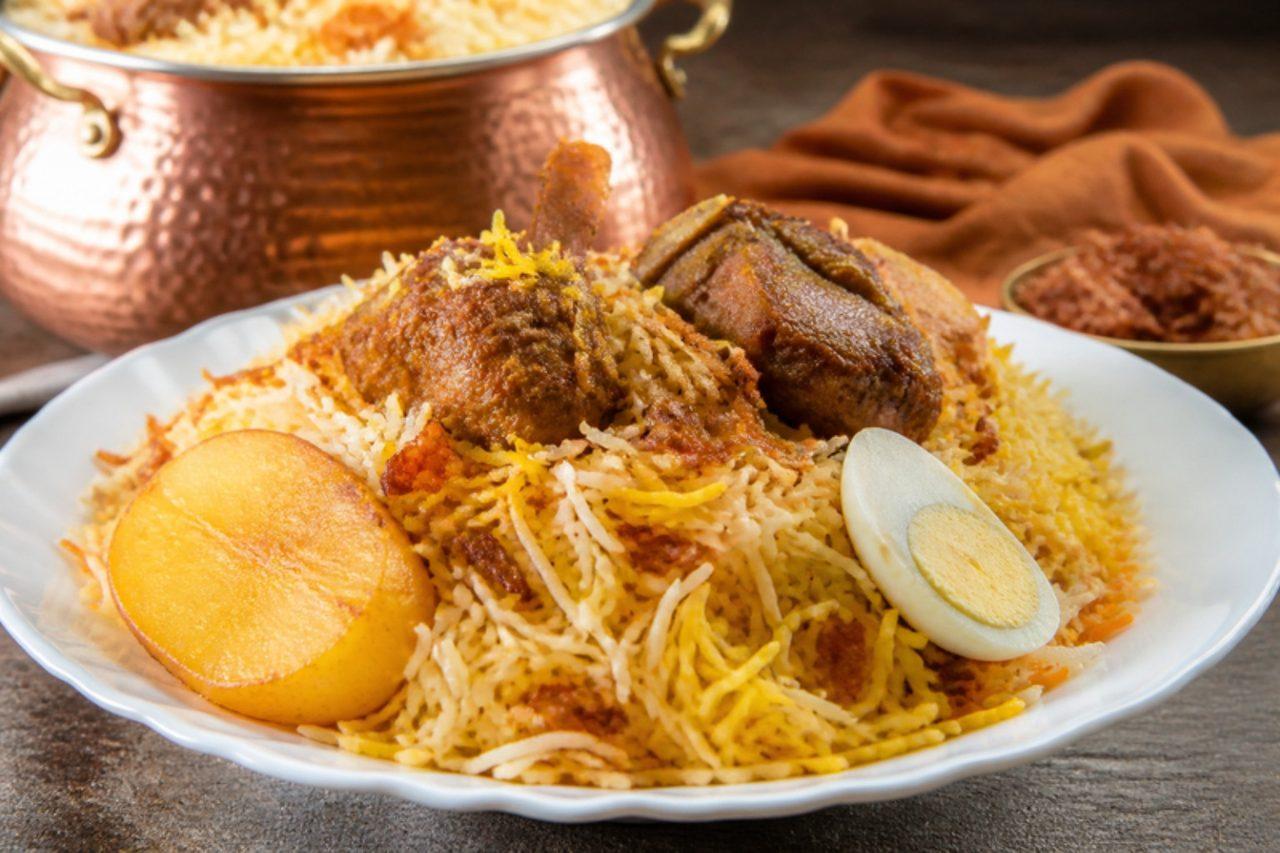
Kolkata biryaniMutton, potato and egg biryani

Kolkata biryani came with the exiled Nawab of Awadh to Metiabruz in the 19th century and grew its own character: light on chilli, perfumed with kewra, rose water and saffron, and famous for its golden potato. During Durga Puja the city's biryani shops have queues round the block, and many families make a big handi at home for Navami. Mutton (goat) is marinated in yoghurt, cooked tender, then layered with part-cooked long-grain rice, fried potatoes and boiled eggs and sealed for dum. Common mistake: boiling the rice fully before layering; drain it at about 70 per cent cooked (it should still break with a small hard core) or it turns mushy on dum. The mutton must reach 71 °C and be tender before it goes under the rice. Chef's tip: fry the potatoes in the marinade's spices first; they soak up the meat juices on dum and many people think they are the best part.

150 minIndianMeatGluten free
by KrazyBadal 0 views

PanchamritMilk, curd, ghee and honey offering

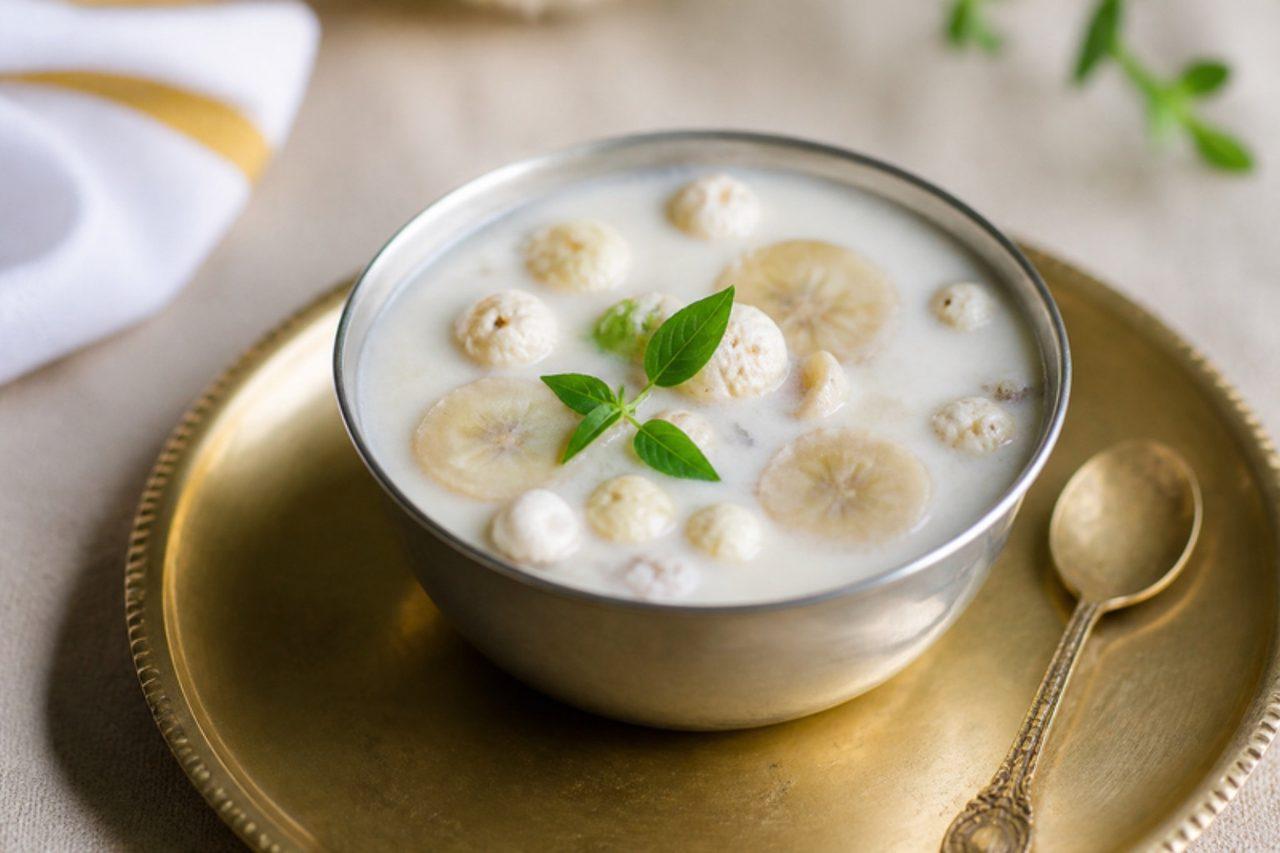
Panchamrit, the 'five nectars', is poured over the image of baby Krishna at the midnight abhishek on Janmashtami and then given out to everyone in the room in a spoonful cupped in the palm. It is made across India for pujas, from Gujarat to Bengal, with five fixed parts: milk, curd, ghee, honey and sugar, plus tulsi leaves and sometimes a few makhana or chopped banana in the north. It tastes sweet, creamy and a little tangy. Common mistake: using hot milk or sour curd, which makes it split and thin; everything should be cool and the curd fresh, and it is ready when it is smooth and pourable like thin custard. Many families treat it as fasting food for the day, but traditions differ on honey and cooked milk, so follow your own household. Chef's tip: stir the honey into a little of the milk first so it loosens before it goes into the cold curd, otherwise it sets in sticky lumps.

by KrazyBadal 0 views

Kerala beef cutlet

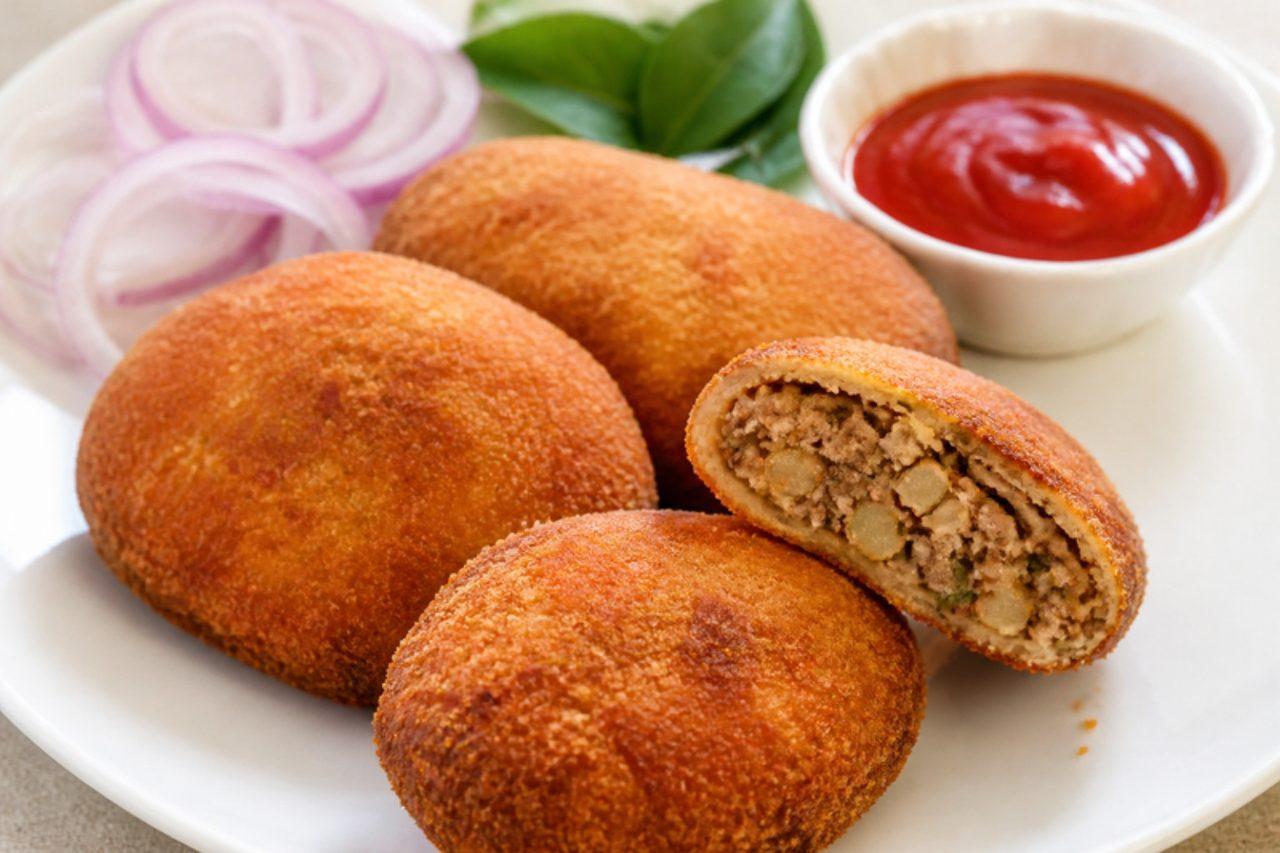
Beef cutlets are a fixture of Kerala bakery counters and of Syrian Christian Christmas and wedding tables, where they are served with sliced onion salad and tomato sauce. The beef is cooked dry with ginger, garlic, green chilli and lots of black pepper, mashed with potato, shaped into ovals and fried in a crunchy breadcrumb coat. They are peppery, savoury and crisp, good hot or at room temperature. The mistake is a wet filling: if the mince still has juice in the pan, the cutlets split and soak up oil. Cook the meat until completely dry. Chef's tip: shape the cutlets a day ahead and chill or freeze them on a tray; cold cutlets hold their shape perfectly in the oil.

75 minIndianMeat
by KrazyBadal 0 views

ThandaiAlmond, fennel and rose milk

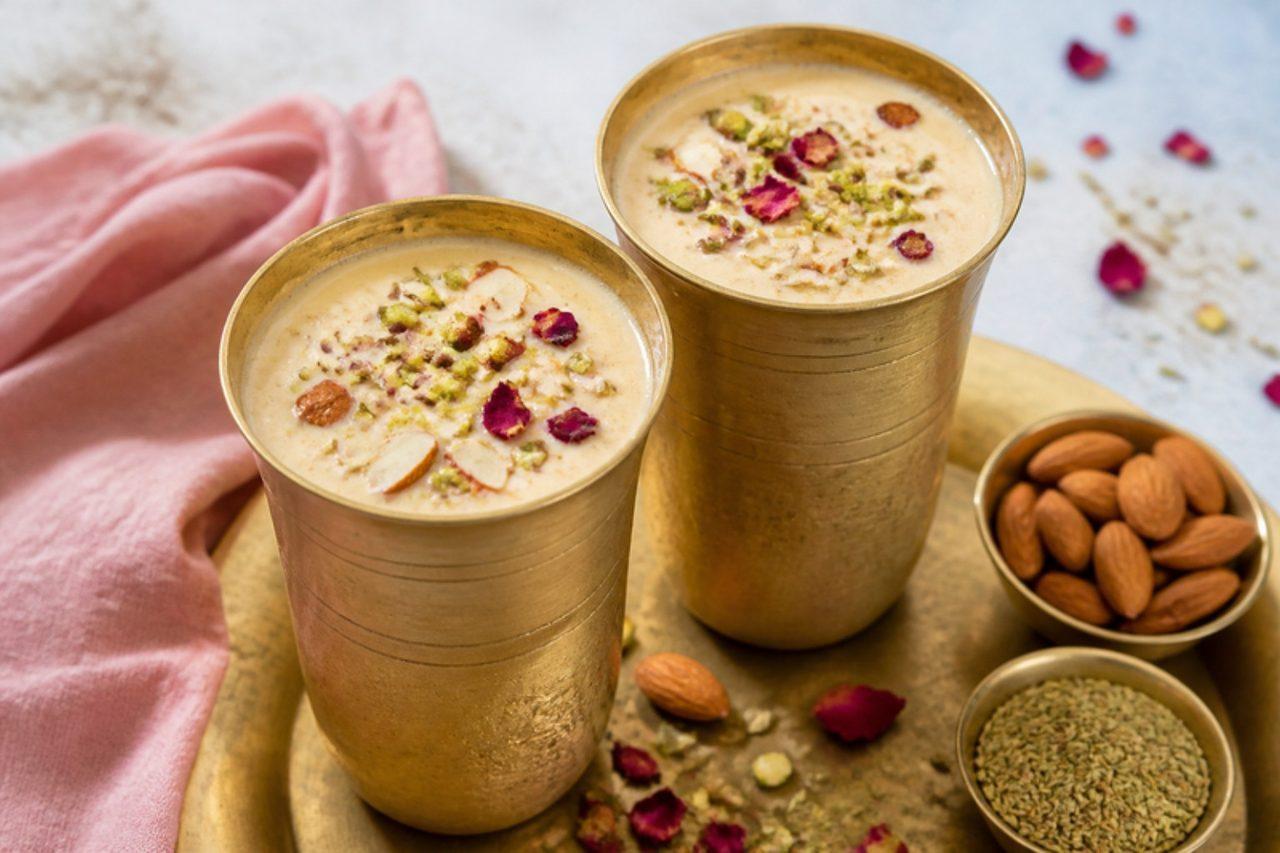
On Mahashivratri the ghats and temples of Varanasi fill with brass pots of thandai, a cooling milk ground with almonds, melon seeds, fennel, poppy seeds, black pepper and rose, poured as an offering to Shiva and then shared with everyone queuing for darshan. In the city's lanes it is sometimes made with bhang (cannabis); this version is made entirely without it and contains no alcohol, so the whole family can drink it. It tastes nutty, floral and gently peppery, and is thick enough to coat the glass. Most people who keep the Shivratri fast take it, since it holds only milk, nuts, seeds and spices, but check your own family's rules: some leave out poppy seeds, and poppy seeds are restricted in a few countries, so skip them if you need to. Common mistake: grinding the soaked nuts and seeds with too little water, which leaves a gritty paste; keep blending until it feels smooth between your fingertips, then strain. Chef's tip: make the paste the night before and keep it in the fridge; the flavour deepens and you only need to whisk it into cold milk on the day.

by KrazyBadal 0 views

Hyderabadi chaknaSpiced tripe and offal

In old Hyderabad, chakna is made on Eid al-Adha from the parts of the sacrificed goat that need the most care: tripe, intestines and a little liver and kidney, cut small and slow-cooked in a spicy, tangy masala with plenty of ginger, garlic and tamarind. It is rich, chewy and full of flavour, eaten with sheermal or rice. Buy the tripe ready-cleaned from a halal butcher. Chef's tip: pressure-cook or simmer the tripe until really tender before it ever meets the masala; it won't soften further in the sauce.

190 minIndianMeatGluten freeSpicy
by KrazyBadal 0 views

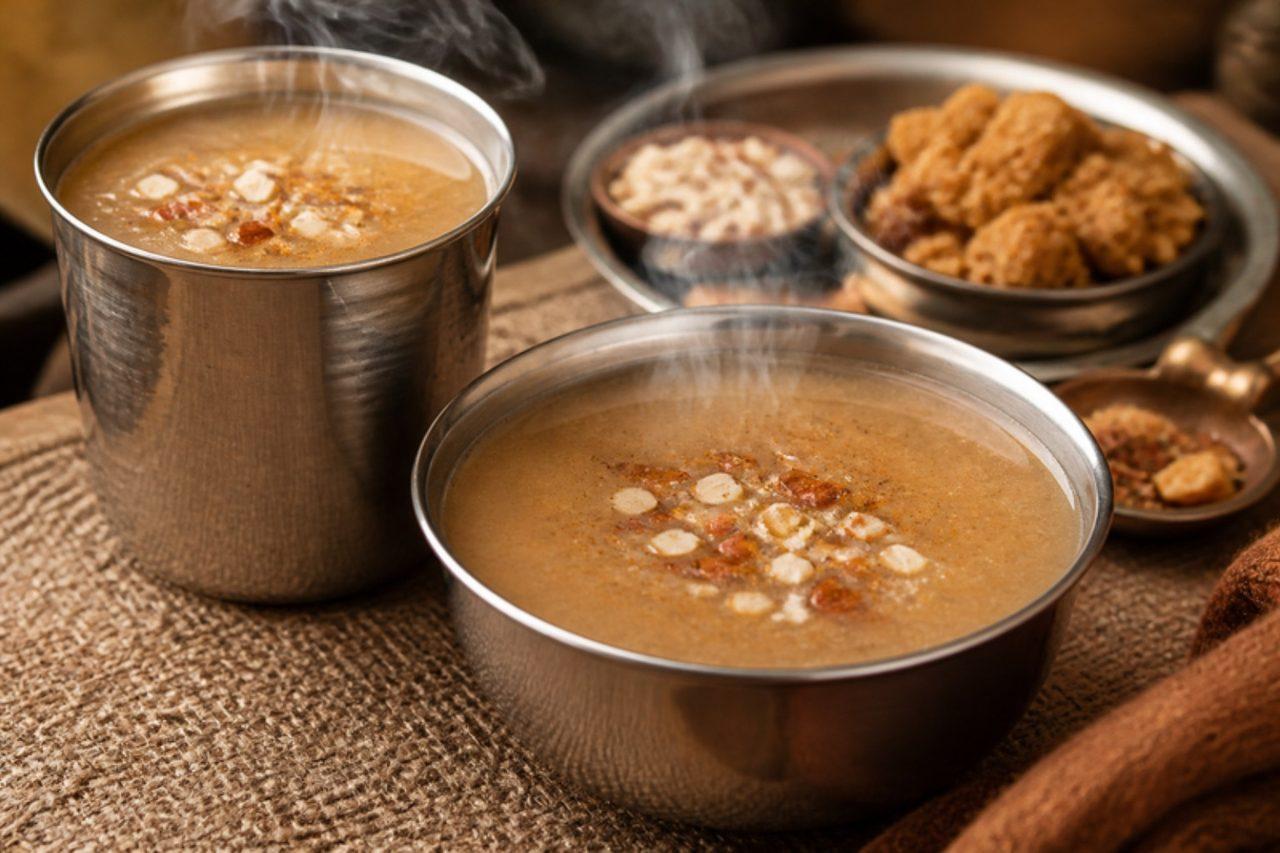
Pesaha paalCoconut milk and jaggery drink

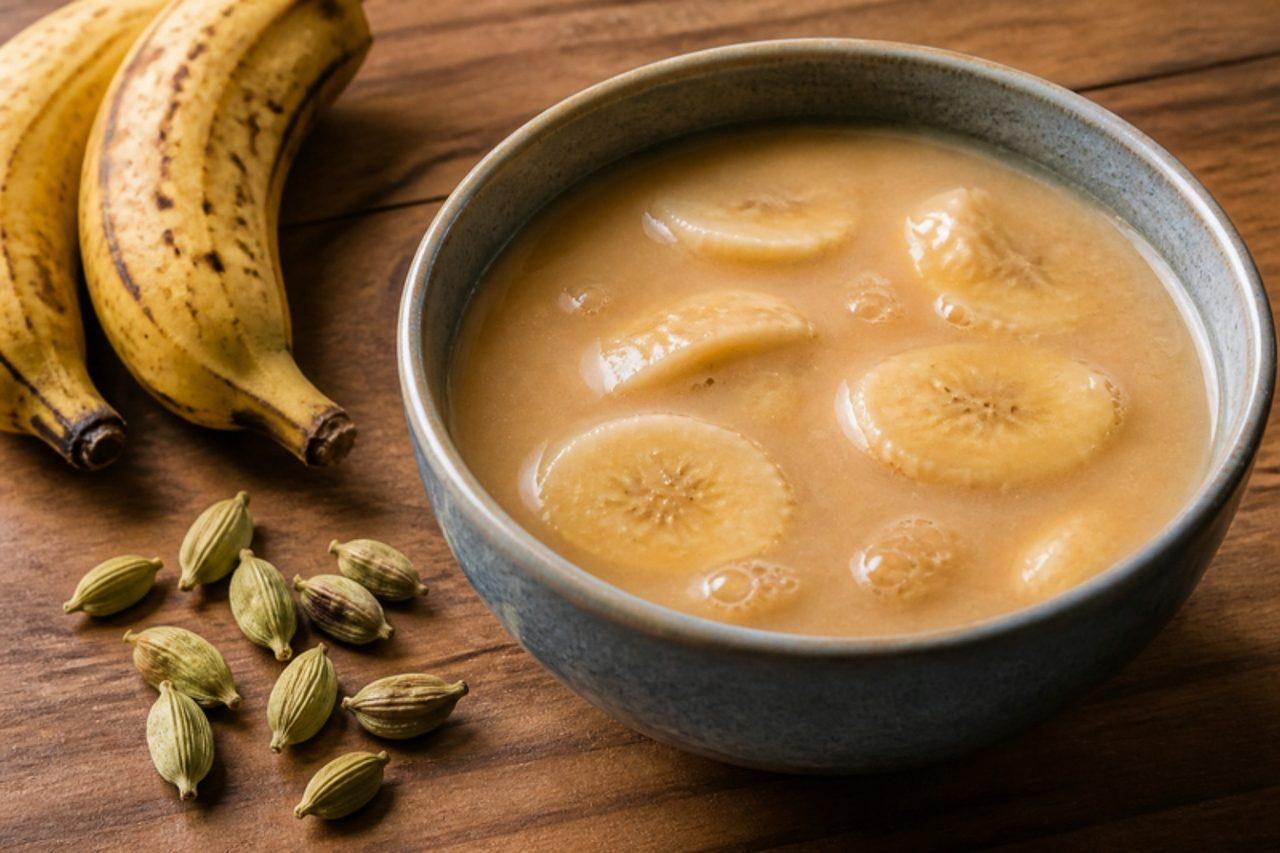
Pesaha paal ('Passover milk') is the sweet dip served with Pesaha appam at the Maundy Thursday supper in Kerala's Syrian Christian homes. Coconut milk is simmered with melted jaggery, a little roasted rice flour to thicken it, cardamom and dried ginger until it becomes a warm, silky drink. The family dips pieces of the blessed appam into it after the evening prayers. It is vegan and gluten free, and ready in half an hour. Chef's tip: strain the jaggery syrup before adding the coconut milk, as jaggery often carries grit.

by KrazyBadal 0 views

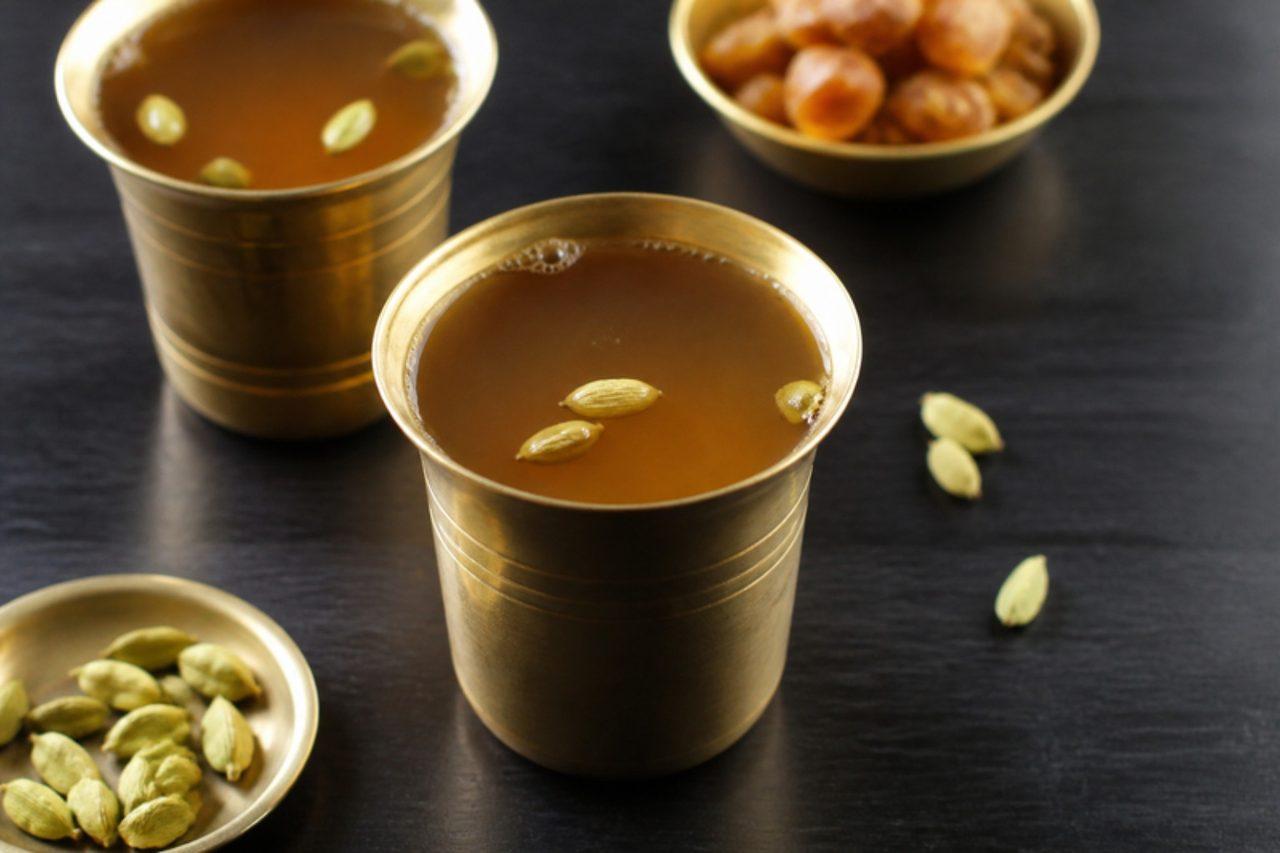
SulaimaniSpiced lemon black tea

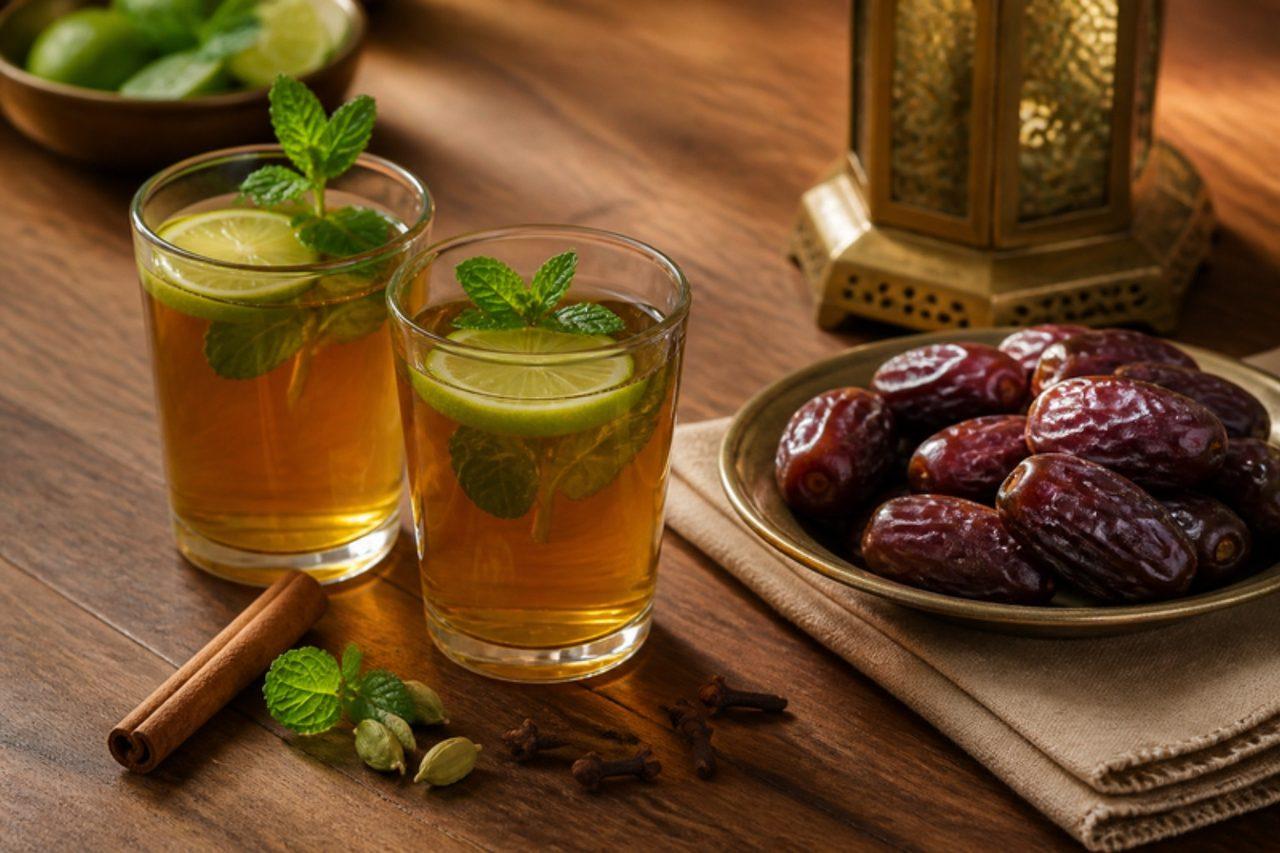
In Kozhikode, sulaimani is the clear amber tea poured after a heavy biryani, and in Ramadan it is the glass that follows the dates at iftar. A little loose black tea is brewed with cardamom, clove and cinnamon, then sweetened and sharpened with fresh lime so it is light, warming and gently fragrant. Chef's tip: steep the tea for only two minutes; sulaimani should be bright and clear, never strong and bitter.

by KrazyBadal 0 views

Talawa goshtBoiled and fried mutton

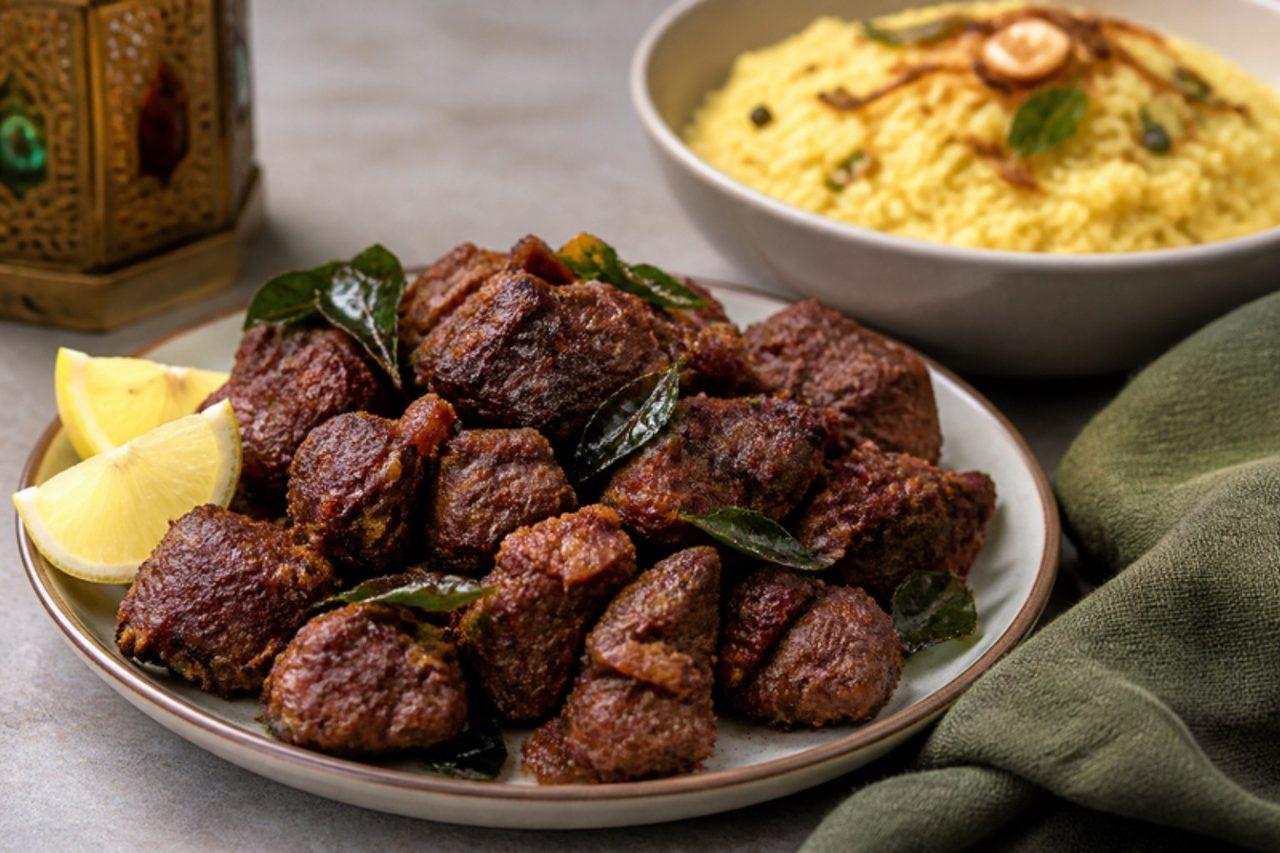
Talawa gosht means fried meat, and in Hyderabad it is one of the first dishes made from the fresh mutton of Eid al-Adha. Bite-sized pieces are boiled with ginger, garlic and whole spices until tender, then fried hard in oil until crisp and dark at the edges, and eaten with khichdi, khatta or dalcha. Chef's tip: boil until the water has almost gone; the meat should be dry before it fries, or it will spit and steam rather than crisp.

95 minIndianMeatGluten free
by KrazyBadal 0 views

Kakdi koshimbirCucumber peanut salad

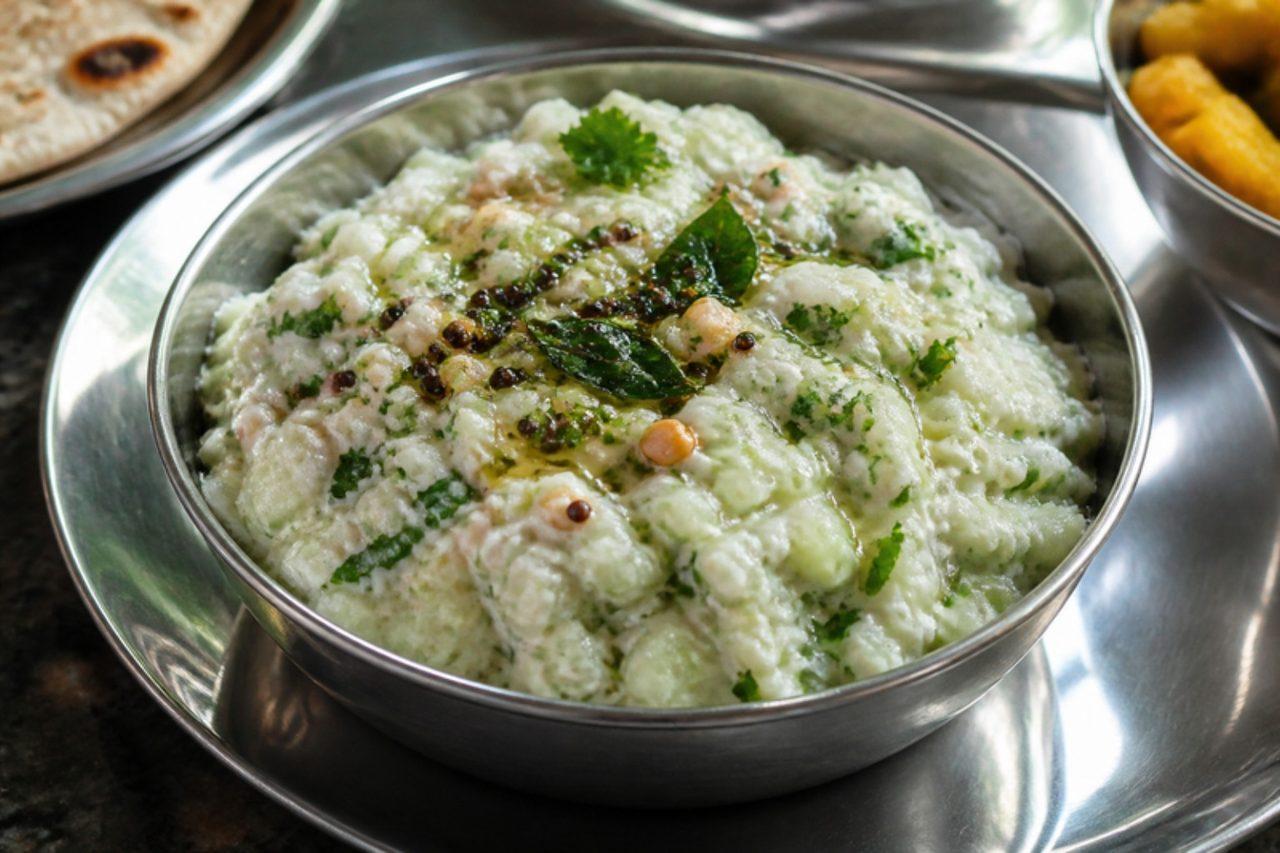
Koshimbir is the cool, crunchy salad that sits on the left side of a Marathi thali in Pune and Nashik, eaten at lunch with varan-bhaat and served at every festival meal. This one is grated or finely chopped cucumber mixed with crushed roasted peanuts, green chilli and a little yogurt, then finished with a fizz of mustard seeds and asafoetida in hot oil. A portion is about 110 kcal. The common mistake is not squeezing the cucumber, which makes the salad watery within minutes; press out the juice (and drink it). Chef's tip: add the crushed peanuts at the last moment so they stay crunchy, and use a pinch of sugar only if your yogurt is very sour.

by KrazyBadal 0 views

Bajri ni raabPearl millet jaggery drink

In Gujarati homes from Ahmedabad to the villages of Saurashtra, raab is what is made on a cold January evening, for a cough, or for a new mother regaining her strength: a spoon of bajri flour roasted in ghee with ajwain and dry ginger, then cooked with water and jaggery into a thin, sippable porridge. It is drunk hot from a steel tumbler and tastes of toasted grain, caramel and warm spice. A tumbler is about 220 kcal. The most common mistake is adding jaggery to boiling raab with the flame high, which can make it split; turn the heat down first and stir it in until it melts. Chef's tip: roast the flour on a low flame until it smells like toasted biscuit and darkens just slightly; underroasted bajri tastes raw and bitter.

by KrazyBadal 0 views

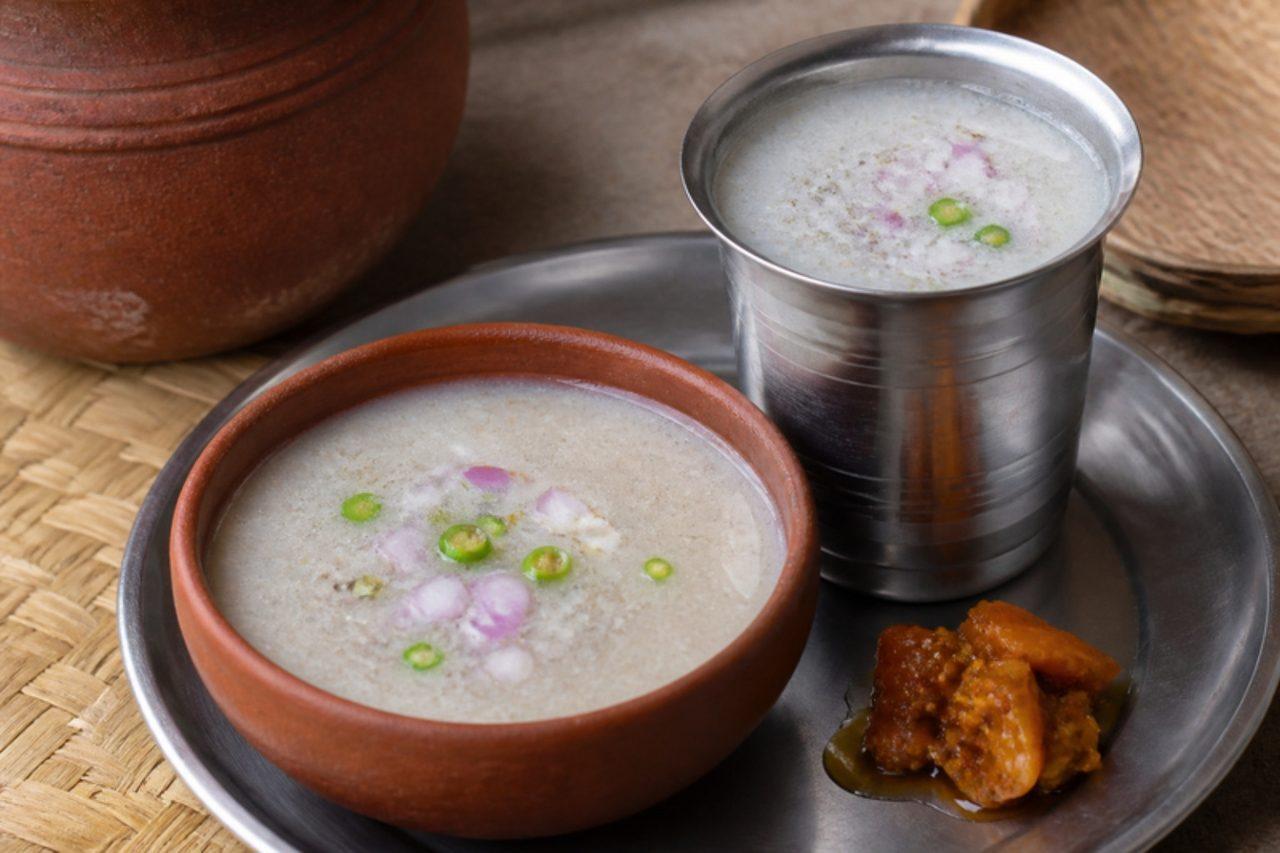
Kambu koozhPearl millet porridge

In the hot months in rural Tamil Nadu, and at the Aadi festival of the village goddesses, big clay pots of kambu koozh are made the evening before and ladled out cold at midday to farm workers and pilgrims. Pearl-millet flour is cooked into a thick porridge, left overnight to sour lightly, then thinned with buttermilk and salt and eaten with chopped raw shallots, green chilli and a bite of pickle. It is sour, filling and surprisingly refreshing. A glass is about 165 kcal. Allow 8–12 hours of fermenting, not counted in the times. The usual mistake is adding the buttermilk to warm porridge, which makes it grainy; it must be completely cold first. Chef's tip: cook the porridge in a clay or steel pot rather than non-stick; it ferments more evenly and gets that clean, tangy taste.

by KrazyBadal 0 views

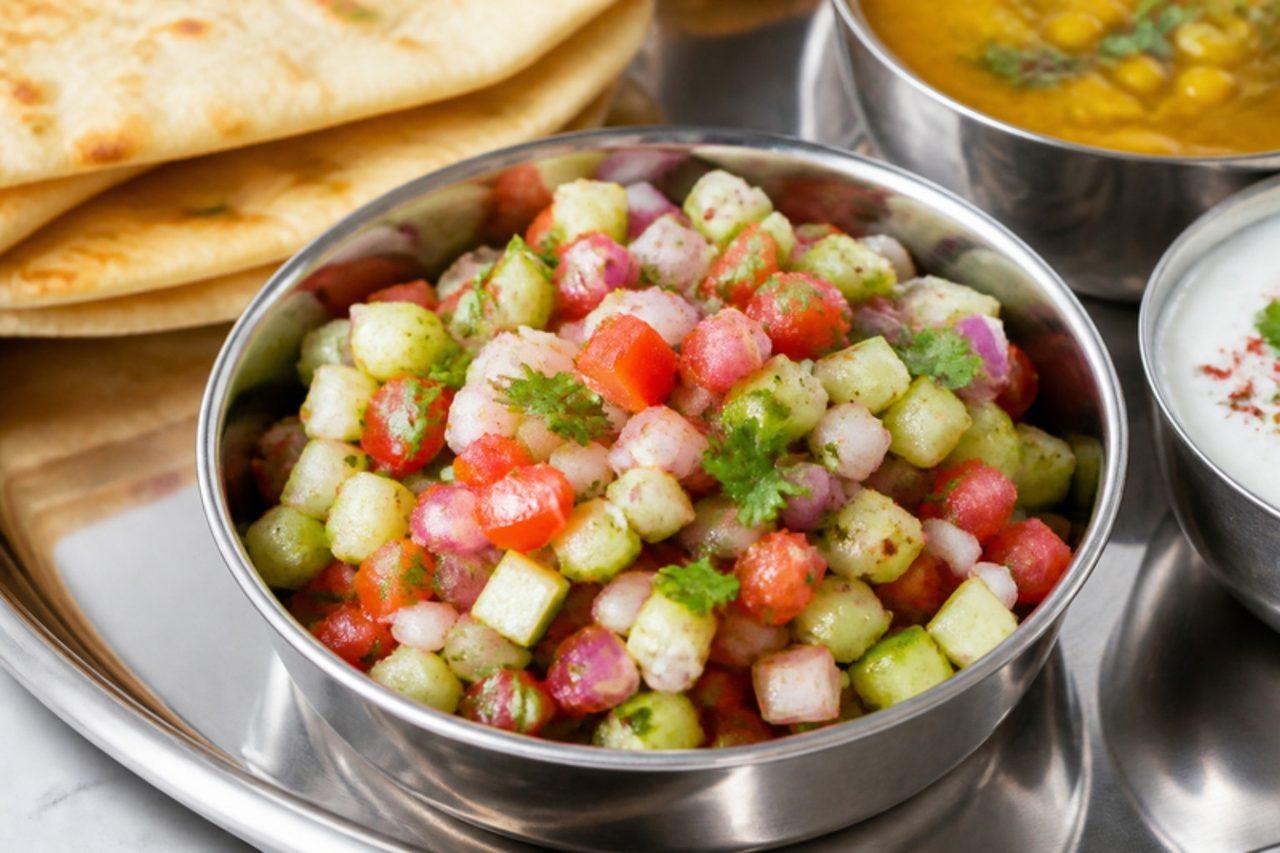
KachumberCucumber tomato onion salad

No North Indian or Gujarati thali is complete without a little heap of kachumber, the chopped salad that cuts through rich dal makhani, biryani or chhole in homes and dhabas from Delhi to Ahmedabad. Cucumber, tomato and onion are diced small and dressed only with lemon juice, salt, chilli and roasted cumin, so it stays crisp and sharp. A portion is about 40 kcal. The most common mistake is salting it too early; salt draws the water out of the cucumber and tomato and leaves a soggy puddle, so dress it just before serving. Chef's tip: soak the chopped onion in iced water for 5 minutes and drain; it loses its harsh bite and stays crunchy.

by KrazyBadal 0 views

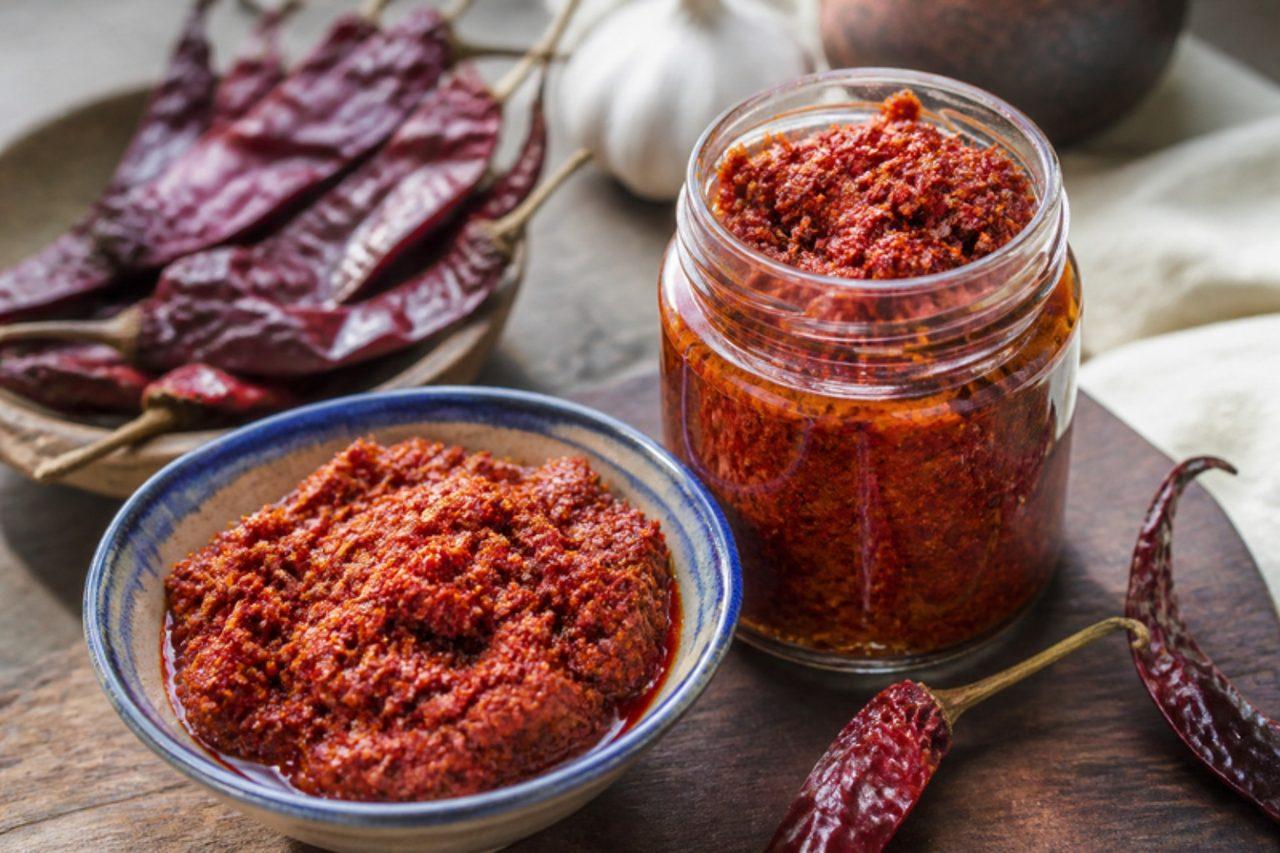
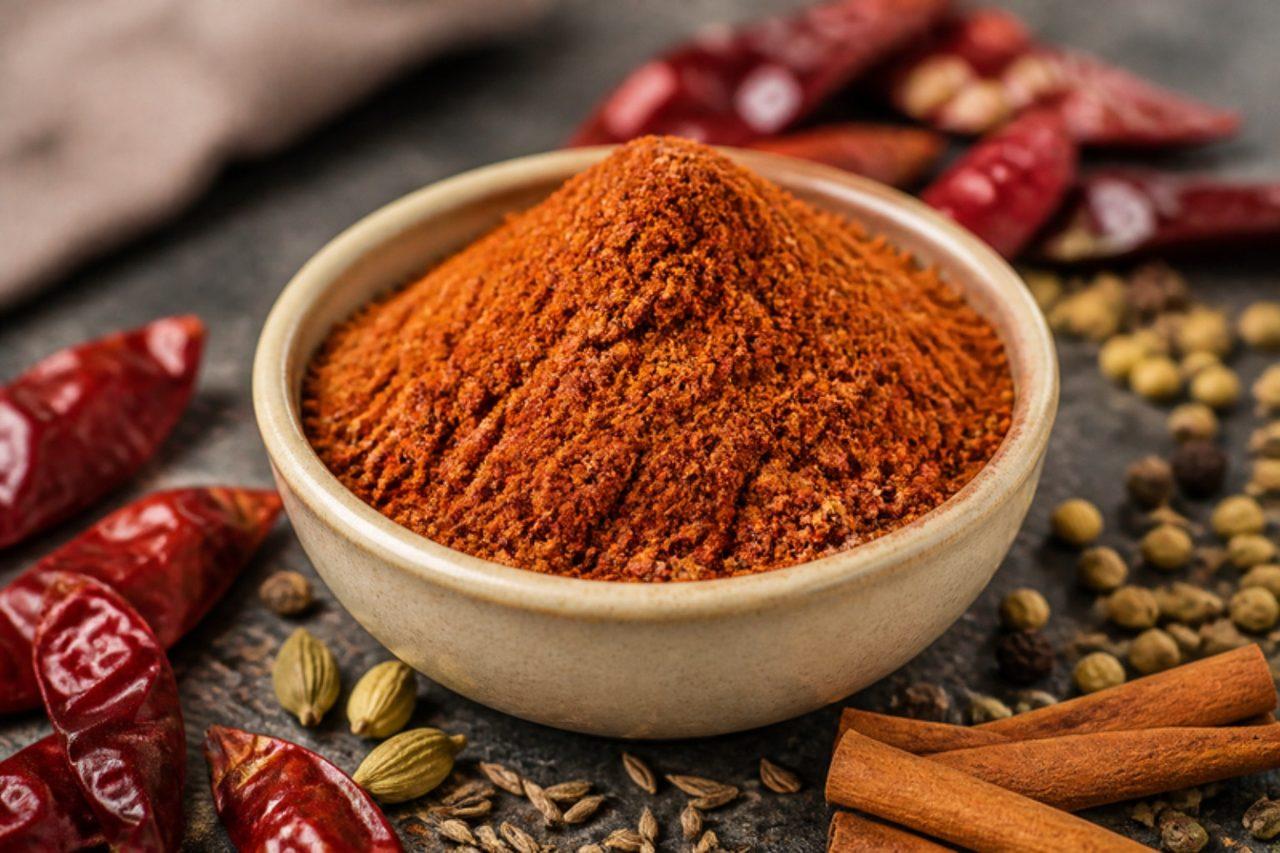
Kanda lasun masalaOnion and garlic spice blend

Kolhapuri women still make kanda lasun masala once a year, in the hot months, in a day-long session of frying, roasting and pounding, and the jar lasts until the next summer. The masala is a deep brick-red, oily paste-powder that smells of browned onion and garlic and sets your mouth on fire, thanks to plenty of hot chilli powder, traditionally from Sankeshwari or Lavangi chillies, plus milder Kashmiri for colour. A spoon or two transforms misal, kat (the spicy gravy for pav), batata bhaji, anda curry or the famous tambda rassa of mutton. Common mistake: frying the onions only until golden. They must be deep brown and crisp, with no moisture left, or the masala will turn mouldy within weeks. Chef's tip: dry the fried onion and garlic on paper for an hour before grinding, and keep the finished jar in the fridge if your kitchen is humid.

by KrazyBadal 0 views

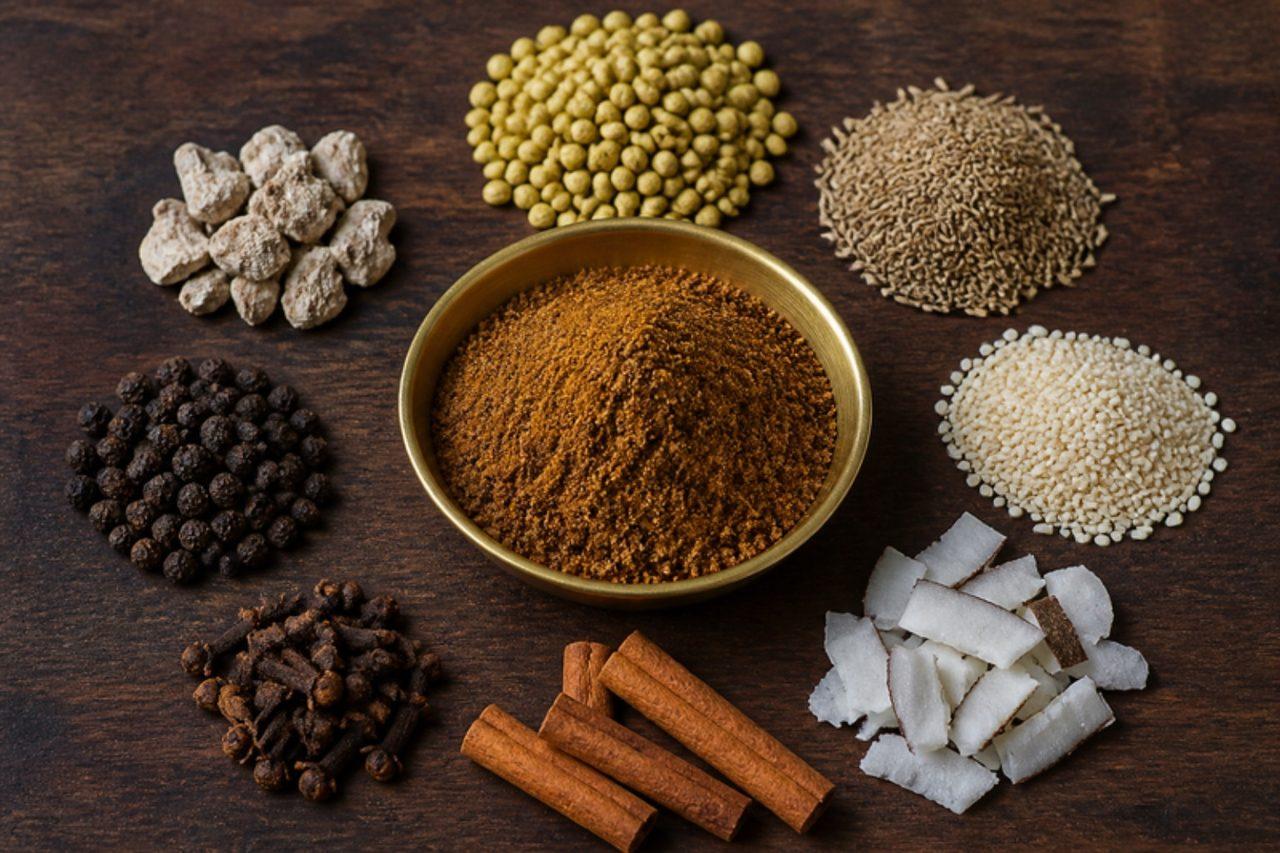
Goda masalaMaharashtrian spice blend

Goda means sweet in Marathi, and the word describes not sugar but the warm, rounded fragrance of this masala, which every Pune and Satara household roasts in small batches. It is the soul of Brahmin Maharashtrian cooking: masale bhaat at weddings, a spoonful in amti (tangy toor dal), bharli vangi (stuffed brinjal), and usal for misal. It is dark and aromatic rather than hot, built on coriander, dry coconut (kopra) and sesame, perfumed with cinnamon, cloves and cardamom, and given its earthy, slightly musky depth by dagad phool (stone flower, a lichen), with nagkesar and maratha moggu if you can find them at a Marathi grocer. Common mistake: roasting the coconut and sesame with the hard spices on a high flame; the coconut burns before the coriander is done and the whole batch tastes bitter. Chef's tip: roast each spice in a drop of oil until a shade darker, because that slow roasting is what gives goda masala its colour.

by KrazyBadal 0 views

Pav bhaji masalaPav bhaji spice blend

The bhaji at a Juhu Beach or Girgaum Chowpatty stall gets its unmistakable taste from a ready-made masala, but a home-roasted blend smells far brighter and lets you choose the heat. Whole coriander, cumin, fennel, cloves, cinnamon, cardamom and star anise are roasted, cooled and ground with Kashmiri chilli for colour, amchur (dry mango powder) for tang, kala namak (black salt) for that eggy, savoury depth, and dry ginger. A good pav bhaji masala is red, sour-salty and aromatic rather than very hot. It is also the quick way to give tawa pulao, masala toast and Bombay sandwiches their street flavour. Common mistake: stirring the masala into a dry, very hot pan; the amchur and chilli powder scorch in seconds. Chef's tip: add the masala once the tomatoes have broken down into the butter, and keep a spoonful back to sprinkle over the bhaji in the last minute for a fresh hit of aroma.

by KrazyBadal 0 views

PanakamJaggery and ginger water

On Sri Rama Navami, temples and homes across Andhra Pradesh, Telangana and Tamil Nadu set out brass pots of panakam beside neer mor (spiced buttermilk) and kosambari. The drink is offered first, then handed to everyone in small steel tumblers. It is nothing more than jaggery dissolved in water, but the dry ginger and black pepper give it a pleasant heat that cuts through the sweetness, and cardamom and a few tulsi leaves make it smell of the festival. It is never boiled; it's stirred until the jaggery melts. The common mistake is not straining: jaggery often carries sand and fibres, so always pour it through a fine cloth. Chef's tip: a squeeze of lemon is not traditional everywhere, but in hot Vijayawada summers many homes add it, and it brightens the drink wonderfully.

by KrazyBadal 0 views

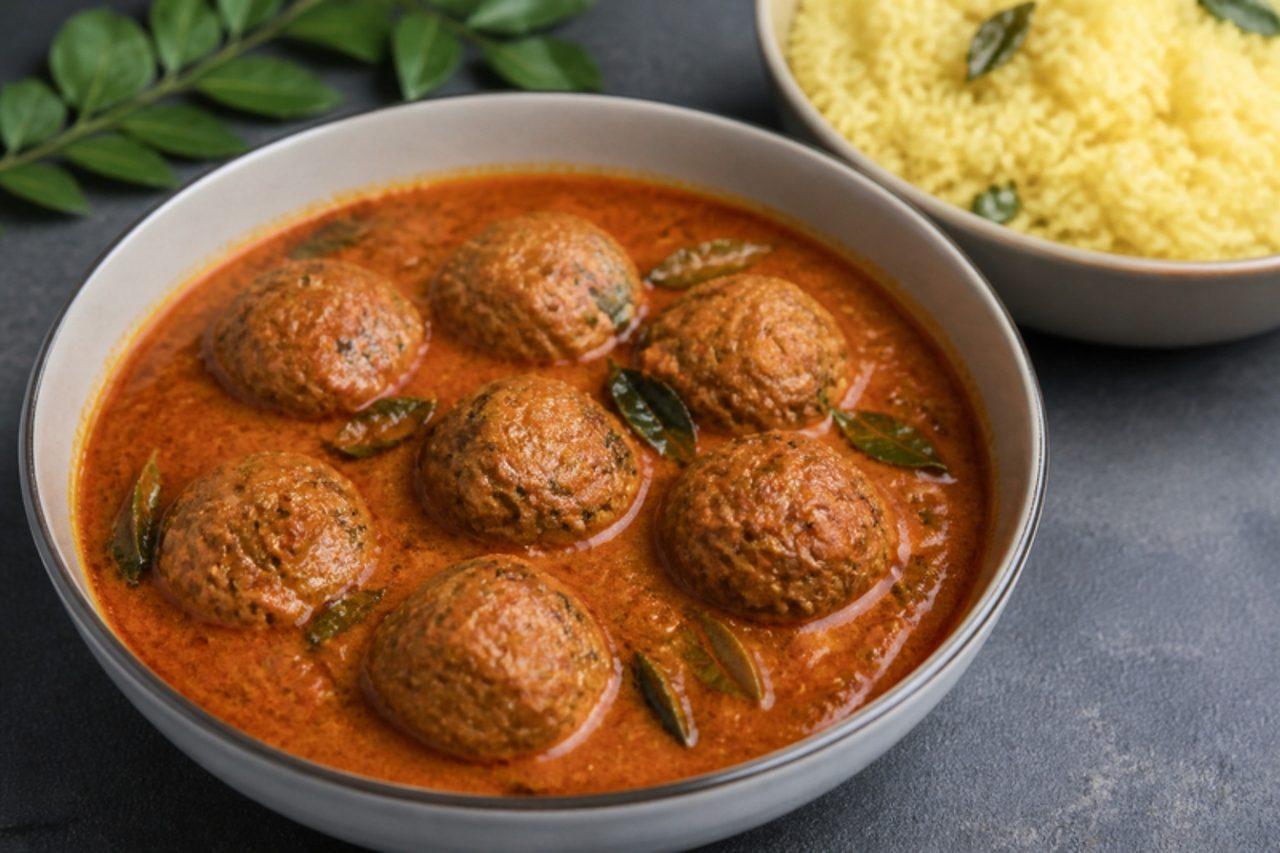
Ball curryMutton meatball curry

Ask any Anglo-Indian family in Kolkata, Chennai or Bengaluru what's on the Christmas lunch table and ball curry will be near the top, along with yellow coconut rice, roast chicken and a fruit cake for later. The 'balls' are soft koftas of spiced minced meat with onion, green chilli, mint and coriander, dropped raw into a simmering coconut and tomato curry so they absorb its flavour as they cook. Many homes use beef mince; this recipe uses mutton (goat) mince, which is easier to find in most Indian cities and gives a lighter, sweeter flavour. Lamb mince is a good swap. The curry is medium-hot, tangy from tomato and rounded off with coconut milk. Because it is minced meat, cook the koftas through to 71 °C in the centre. Serve with yellow rice, plain rice or appam. Chef's tip: wet your hands with cold water while rolling; the koftas come out smooth with no cracks and stay whole in the gravy.

75 minIndianMeatGluten free
by KrazyBadal 0 views

Kashmiri ver masalaKashmiri spice cakes

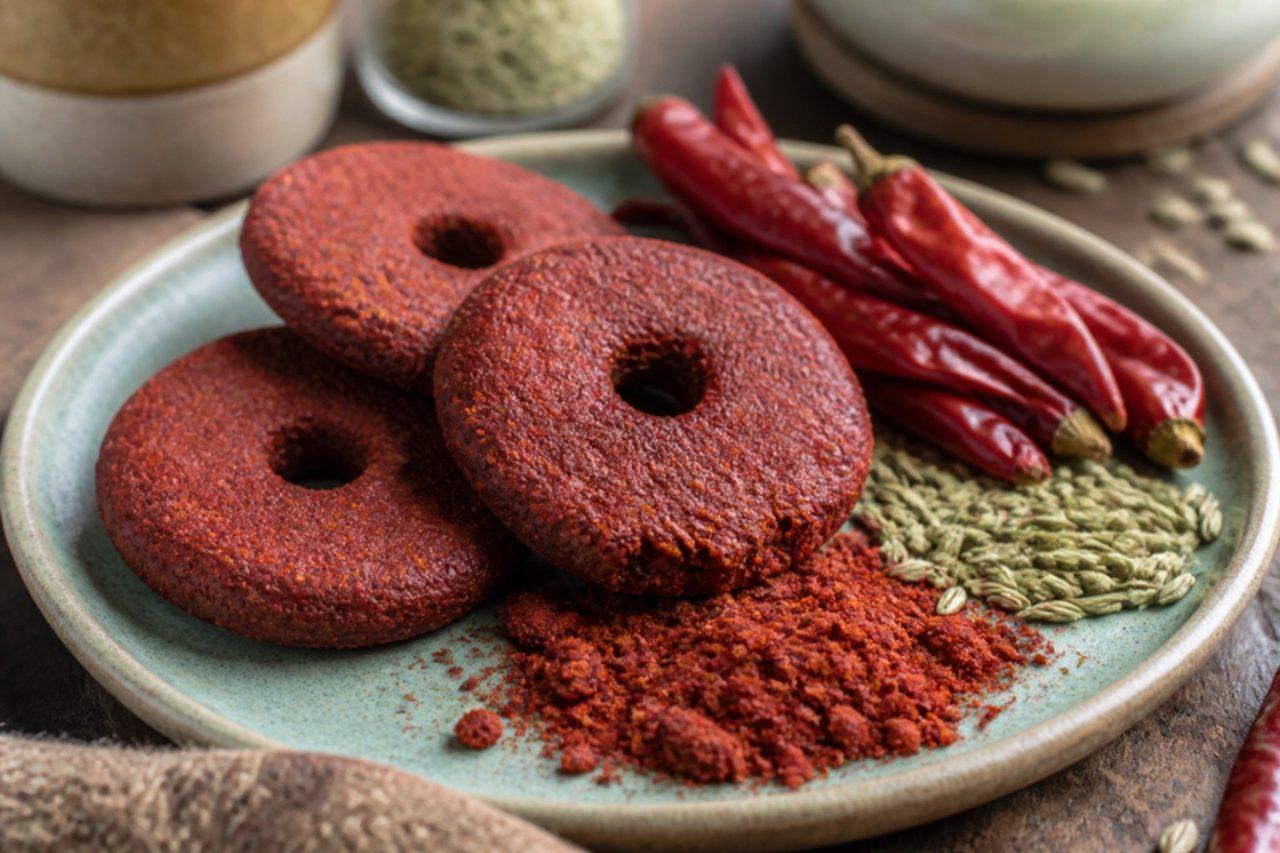
In Srinagar's old city, ver is still made at the end of summer and strung up to dry in kitchens: flat, ring-shaped cakes of ground spices bound with shallot paste and pungent mustard oil, dark red and rock hard. It was a way to store flavour for the long winter, when fresh ingredients were scarce. A piece grated into the pot gives Kashmiri food its typical deep red colour and its warm, sweet-hot fennel and dry ginger flavour, without tomatoes or onions: think dum aloo, nadru yakhni (lotus stem), haak (collard greens), chaman (paneer) and rogan josh. Kashmiri Muslim kitchens often add garlic; Pandit homes may leave the shallots out altogether. Common mistake: drying the cakes in a damp or closed spot; they stay soft inside and grow mould. Chef's tip: heat the mustard oil until it smokes and then cool it before mixing, to take away its raw, sharp bite.

by KrazyBadal 0 views

Mango mastaniMango milkshake with ice cream

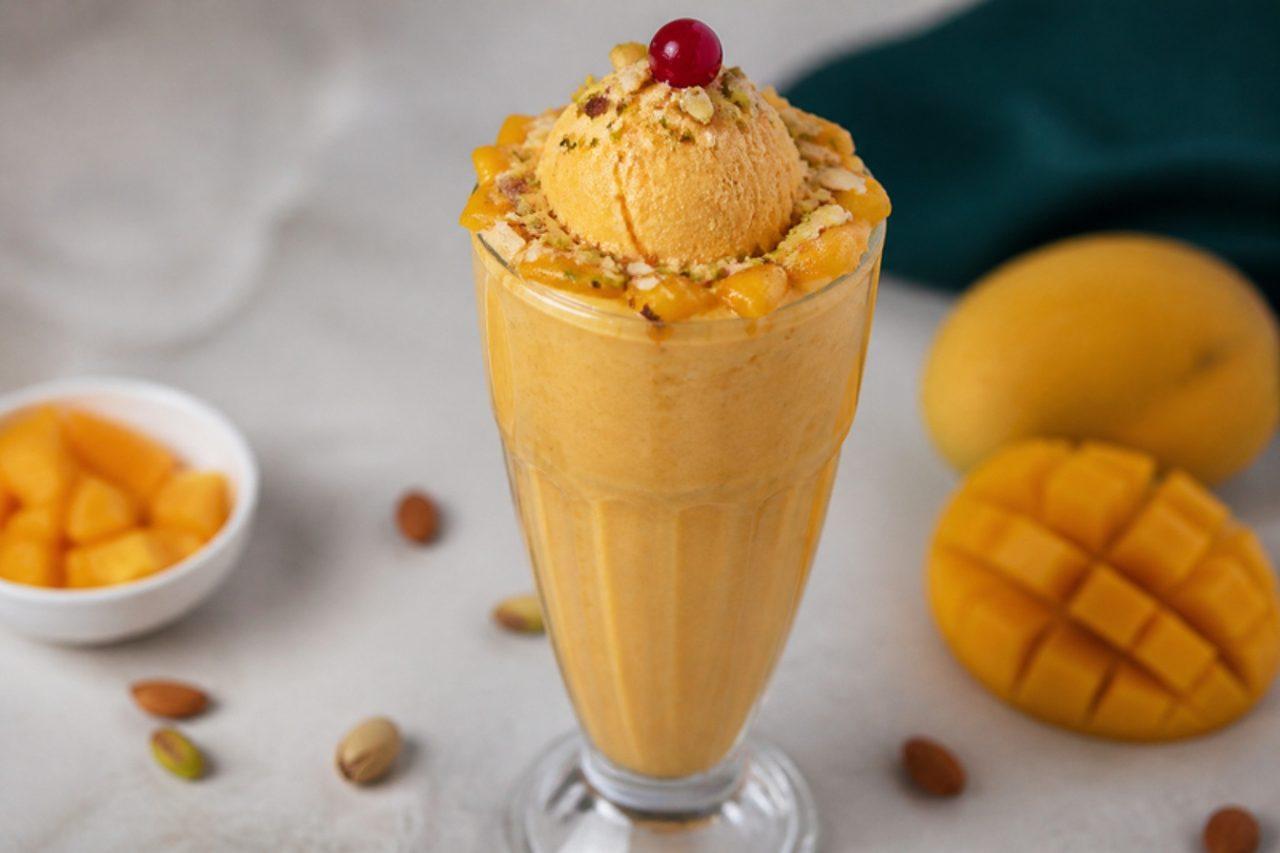
Pune's mastani was born in the city's old peths, and families still queue on summer evenings at the famous shops near Budhwar Peth and Sadashiv Peth for a tall glass so thick you need a spoon. The base is a mango milkshake, made dense with ripe Alphonso pulp and ice cream, then topped with another scoop of mango ice cream, chopped nuts, tutti frutti and a cherry. It is named, people say, after Bajirao Peshwa's beloved Mastani. Rich and fruity, it is dessert and a cool drink in one. A common mistake is adding ice to the blender: it thins the shake and dulls the mango, so chill the milk and pulp well instead. Chef's tip: Alphonso from Ratnagiri or Devgad gives the right colour and fragrance; in the off season use good tinned Alphonso pulp and skip the sugar.

by KrazyBadal 0 views

JaljeeraTamarind mint cumin drink

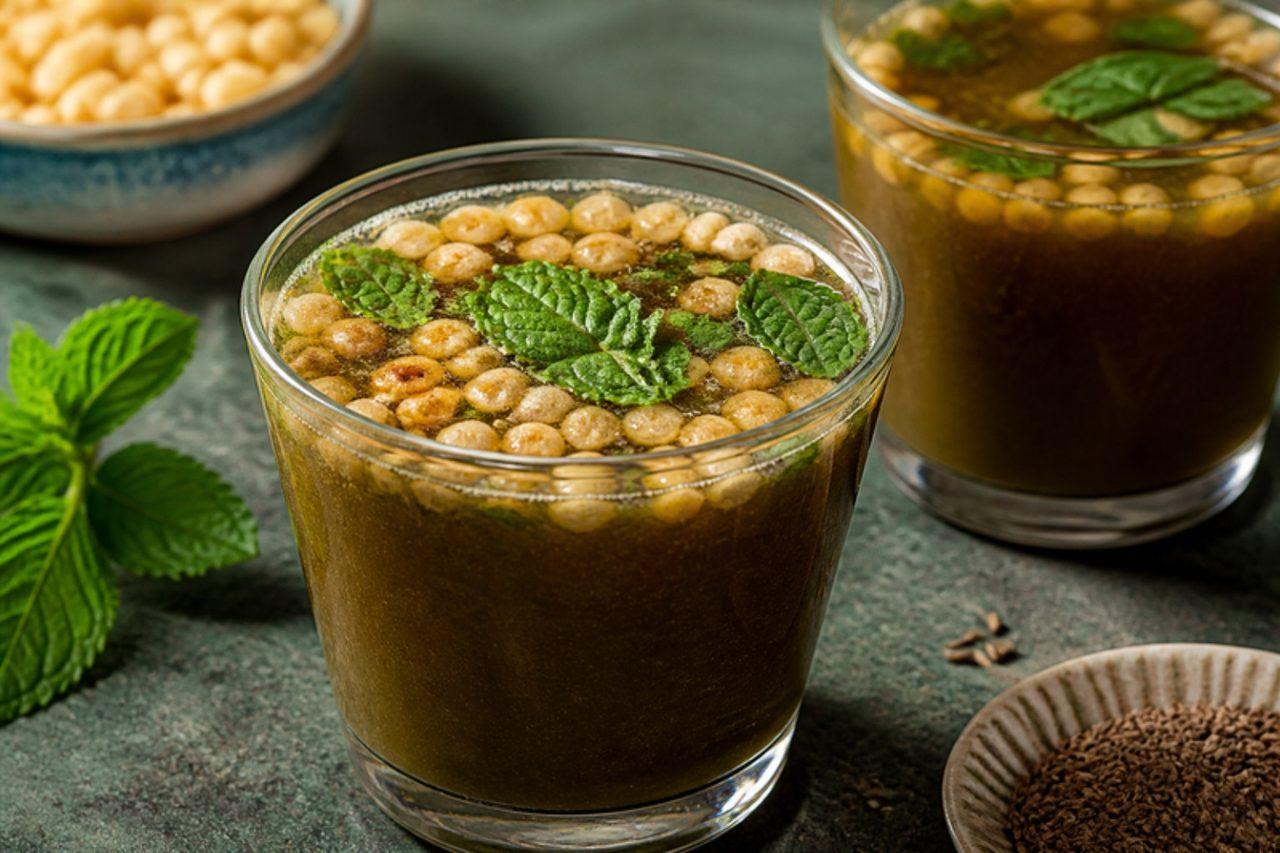
Street vendors in Old Delhi and Varanasi sell jaljeera from big red clay matkas wrapped in wet cloth, ladling it into glasses with a handful of boondi on top. The name simply means cumin water, but the flavour is busier than that: sour tamarind and lemon, a cool rush of mint, the sulphur note of black salt and the warmth of roasted cumin and dry ginger. It is drunk before a heavy Punjabi meal to wake the appetite, at summer weddings, and on long train journeys. Make the masala fresh and the difference shows. The common mistake is using raw cumin powder; it tastes dusty. Dry-roast whole cumin until it darkens a shade and smells toasty, then grind it. Chef's tip: add the boondi only at the table so it stays crunchy for the first sip and softens by the last.

by KrazyBadal 0 views

Showing 24 of 125 recipes

Show more recipes

Page 1 of 6