Skip to content
Recipes

All recipes

Vegetarian, or something you can't eat? Set your diet once and we'll hide recipes that don't fit.

AmchurDry mango powder

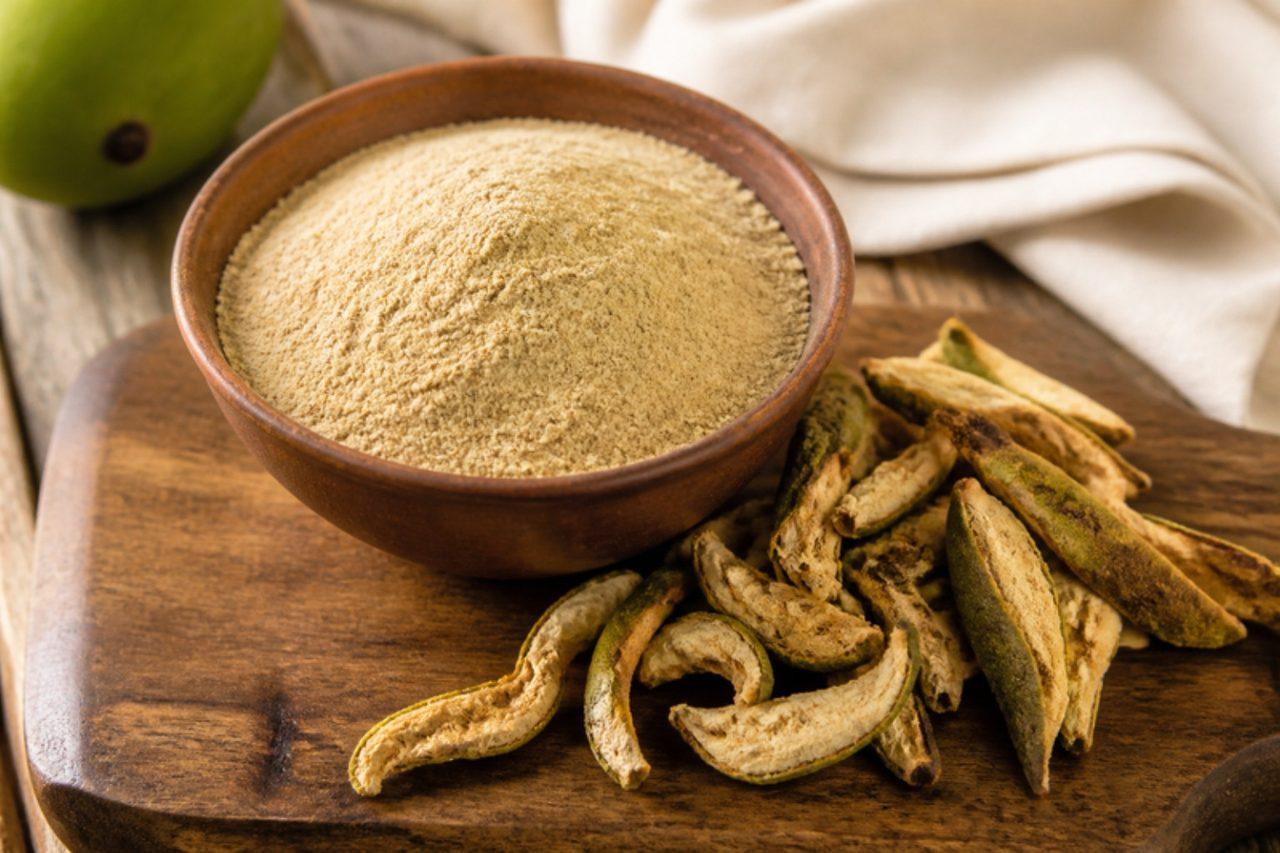
Every Punjabi and UP kitchen keeps a jar of amchur next to the jeera and haldi, and the homemade version smells far fresher and sourer than most shop powder. In villages around Saharanpur and Malihabad, the raw mangoes that fall in early-summer storms are peeled, sliced and spread out to dry, and the brittle slices (amchur khatai) are either stored whole or ground. Amchur gives a fruity, mouth-puckering sourness without any liquid, which is why it goes into dry dishes where tomato or tamarind would make things soggy: bhindi masala, stuffed karela, samosa and kachori fillings, chole, chaat masala and pav bhaji masala. A kilo of mangoes gives roughly 100 g of powder. Common mistake: grinding slices that still bend; even slight moisture makes the powder clump into hard lumps in the jar. Chef's tip: choose small, rock-hard, very sour green mangoes with white flesh, not ones starting to turn yellow; riper fruit dries into a brown, sweetish powder.

by KrazyBadal 0 views

Bengali boriSun-dried lentil dumplings

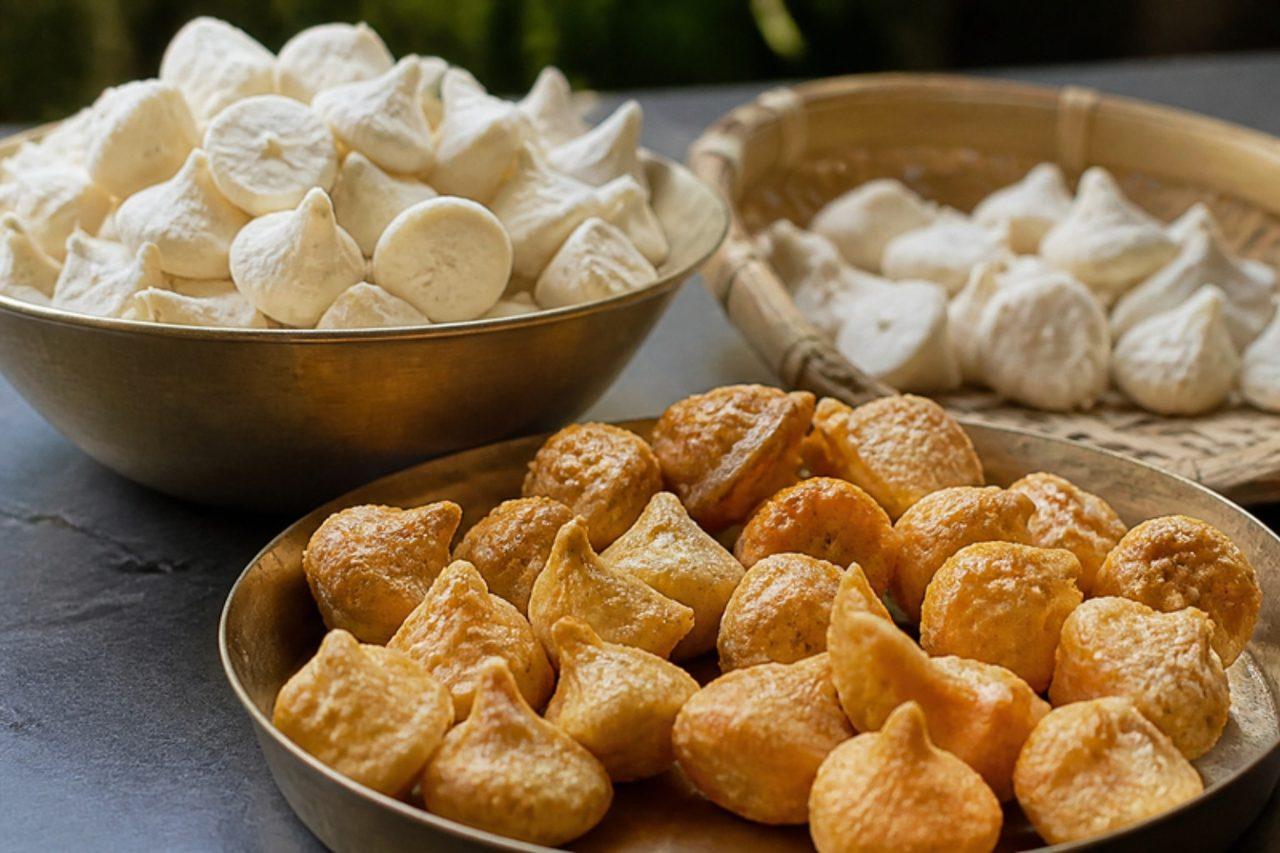
Winter mornings in rural Bengal used to mean bori-making: the household gathered on the roof with a big bowl of freshly ground, hand-whipped urad dal and dropped little peaked dollops onto cloth in neat rows. In Medinipur the women even pipe them into lace-like gohona bori, a folk art of its own. The everyday kind is simpler, a cone the size of a marble, sun-dried until rock hard. Fried in mustard oil, a bori turns crisp and golden outside and slightly spongy inside, and it soaks up gravy beautifully. A handful goes into shukto, into a maacher jhol with potatoes, into lau ghonto (bottle gourd) or into a simple vegetable chorchori. Common mistake: grinding the dal with too much water; the paste then spreads flat on the cloth instead of holding a peak. Chef's tip: check the whipped paste by dropping a little into a bowl of water. If it floats, it has enough air and the bori will be light; if it sinks, keep beating.

by KrazyBadal 0 views

VadouvanDried shallot and spice balls

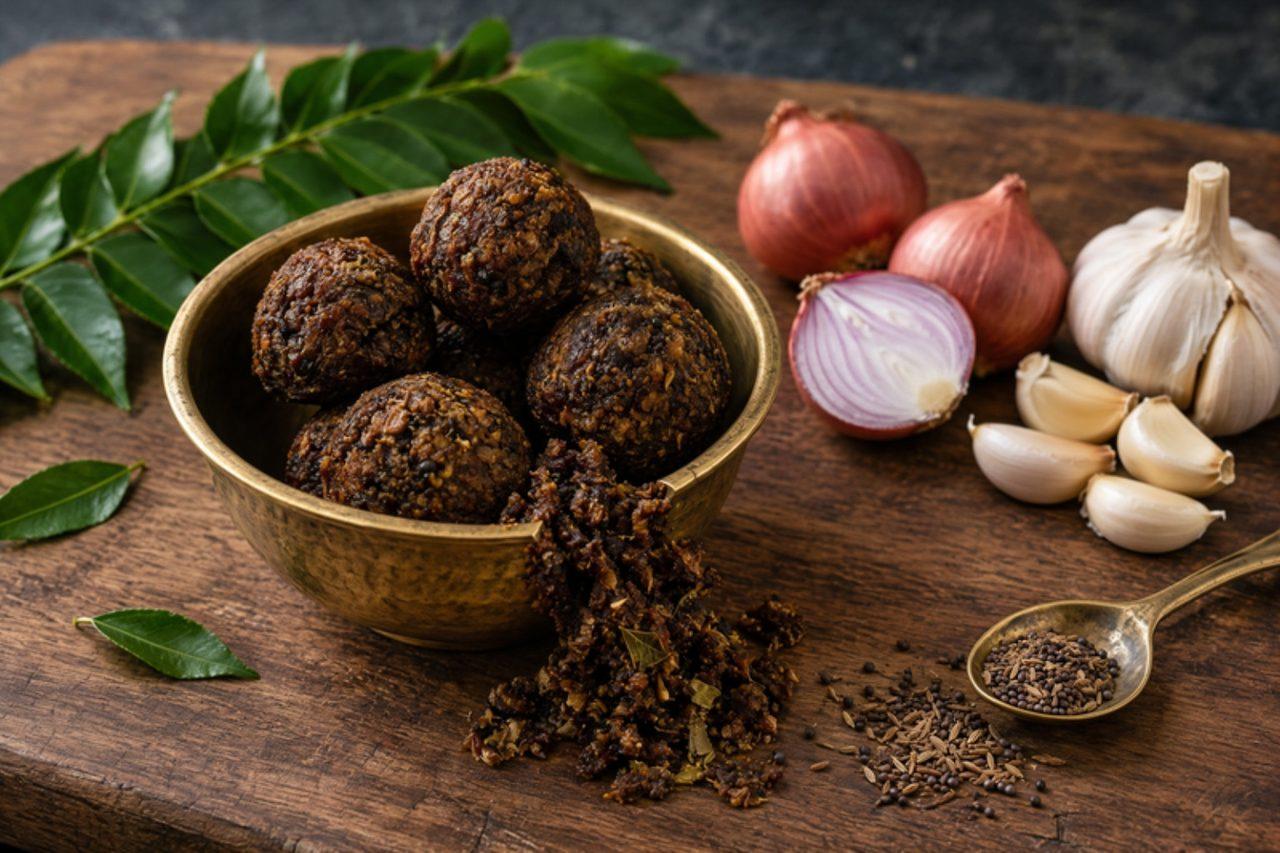
Vadagam, called vadouvan in Puducherry's French-Tamil kitchens, is a seasoning made in the hot months: shallots and garlic are pounded with mustard seeds, cumin, fenugreek, curry leaves and castor or gingelly oil, rolled into balls and dried in the sun for days. A piece crumbled into hot oil at the start of a sambar, a kuzhambu, a poriyal or even buttered vegetables gives a deep, sweet, smoky onion flavour. This version finishes the drying in a low oven, which is safer and quicker in cooler kitchens. The common mistake is storing the balls before they are bone dry; any softness inside can turn mouldy, so break one open to check. Chef's tip: crush a ball and warm it in ghee, then toss with roast carrots for a very Pondicherry side dish.

280 minIndianBasicsVeganGluten free
by KrazyBadal 0 views

Cottage cheese (hung yogurt)

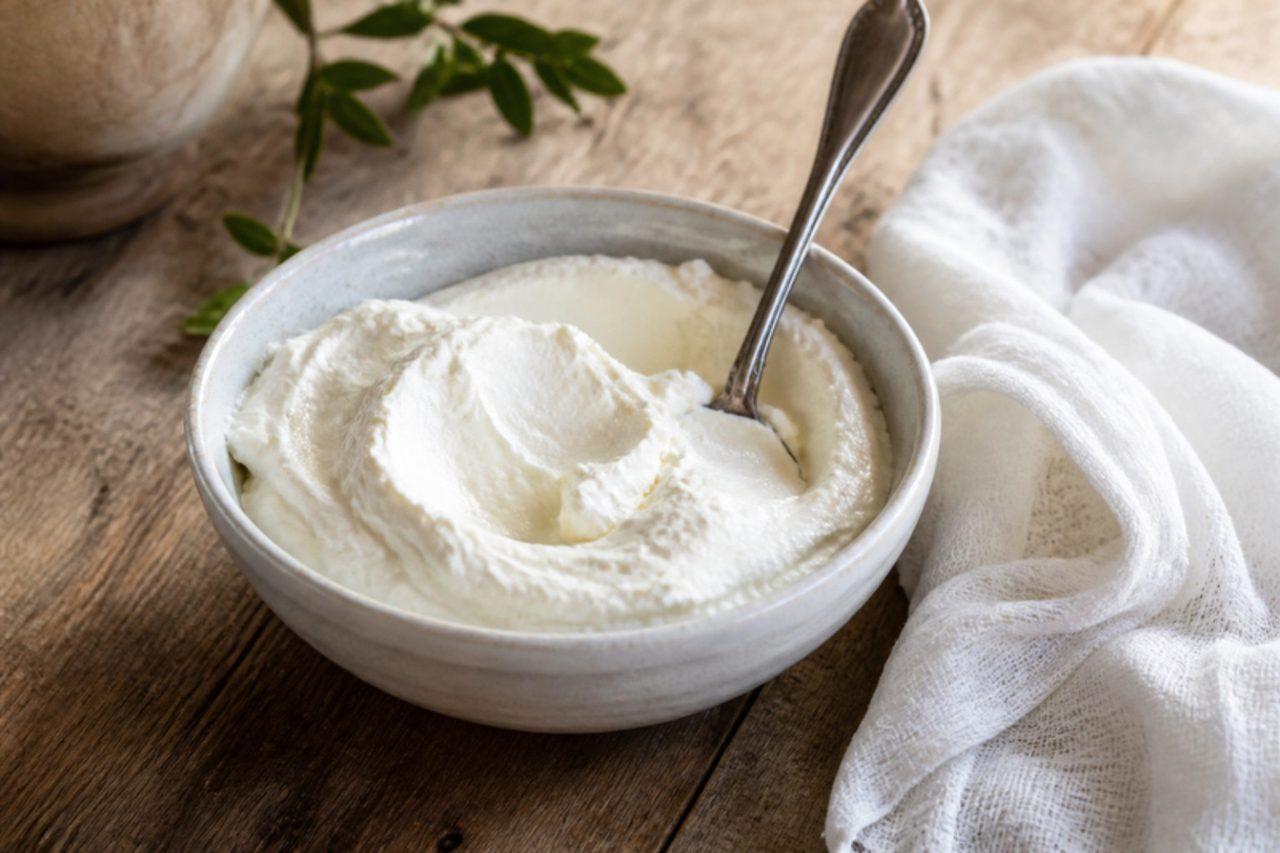
This is home-made yogurt hung in muslin until all the whey drips away, leaving a thick, spreadable cheese a little like labneh. Use it for dips, sandwich spreads, shrikhand and cheesecakes. Pressing it through a sieve before you use it makes it silky-smooth.

by KrazyBadal 0 views

Sugar syrup

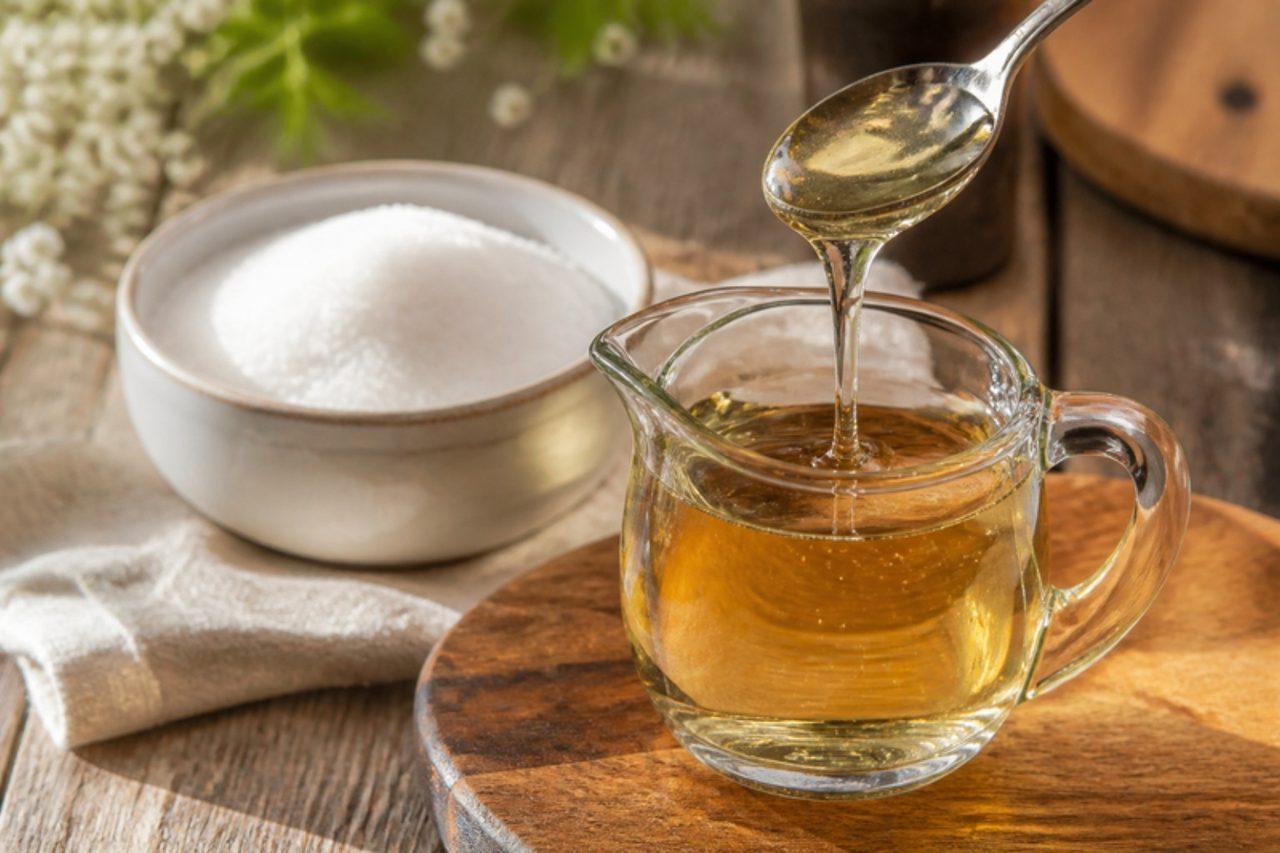
Sugar syrup (chashni) is the base of many Indian sweets, and recipes ask for it at different stages. A light syrup is for soaking sweets and sweetening drinks. One-thread and two-thread syrups are boiled longer so the sweet sets. You can make it with milk instead of water for some sweets.

by KrazyBadal 1 views

Samosa chapaties (samosa pastry)

Samosa chapaties (patti) are paper-thin wrappers for crisp samosas. Two rounds are rolled out together with oil and flour between them, lightly roasted, then peeled apart into two very thin sheets. Cut them into strips for samosas, or squares for spring rolls.

by KrazyBadal 0 views

Chaat masala

Chaat masala is the tangy, salty, slightly sulphurous sprinkle that makes chaat taste like chaat. Dried mango (amchur) gives the sourness and black salt the distinctive savoury edge. Sprinkle it over fruit, salads, raita, chips and street-food snacks.

by KrazyBadal 1 views

Tea masala

The spice blend that turns a cup of tea into masala chai. It's built on cardamom, with ginger, cinnamon, cloves, pepper and nutmeg. Add a pinch (about ¼ tsp per cup) to tea while it boils.

by KrazyBadal 0 views

Sambhar masala powder

The South Indian spice powder that gives sambhar its body and flavour. Roasted lentils add a nutty thickness, with coriander, red chillies, curry leaves and sesame seeds. Use it in the sambhar served with idli and dosa.

by KrazyBadal 0 views

Dal masala

A Gujarati dal masala with whole spices roasted in a little oil, plus star anise, black cardamom and dagad phool (stone flower) for depth. A teaspoon gives dals, kadhi and khichdi a warm, rounded flavour. The recipe makes a big batch, so it's worth making once a season.

by KrazyBadal 1 views

Mild curry masala

An everyday curry powder that's built on coriander seeds, so it's fragrant rather than fiery. Fennel, star anise and bay give it a sweet warmth, with just two red chillies for heat. Season curries with it when you want flavour without much heat.

by KrazyBadal 0 views

Punjabi garam masala

A heady North Indian garam masala heavy with cardamom, cumin and pepper, rounded out with mace, nutmeg and fennel. The spices are ground raw rather than roasted, so the blend stays bright and perfumed. Use it in rich Punjabi curries such as chole, rajma and paneer makhani.

by KrazyBadal 0 views

Garam masala

Home-made garam masala is far more fragrant than shop-bought. The whole spices are roasted until crisp, then ground, giving a warm, slightly hot blend with dry ginger and red chilli. Add a pinch to curries, dals and rice dishes towards the end of cooking.

by KrazyBadal 0 views

Bean sprouts

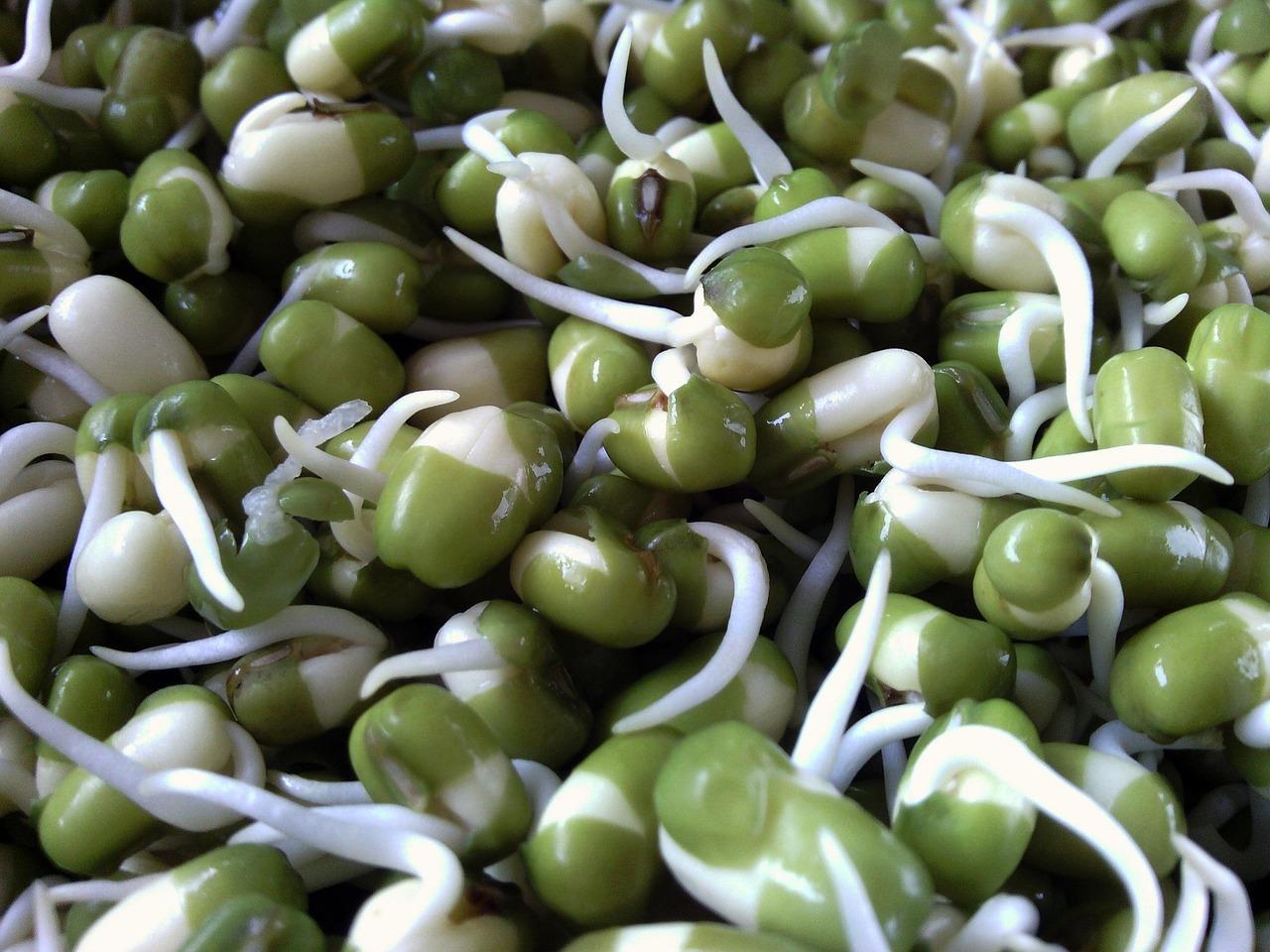
Sprouting whole green grams makes them crunchier, quicker to cook and more nutritious. All you need is muslin, water and a warm spot, and they're ready in 3–4 days. Use them in salads, bhel, usal and stir-fries. Any other whole pulse sprouts the same way.

by KrazyBadal 1 views

Home-made yogurt

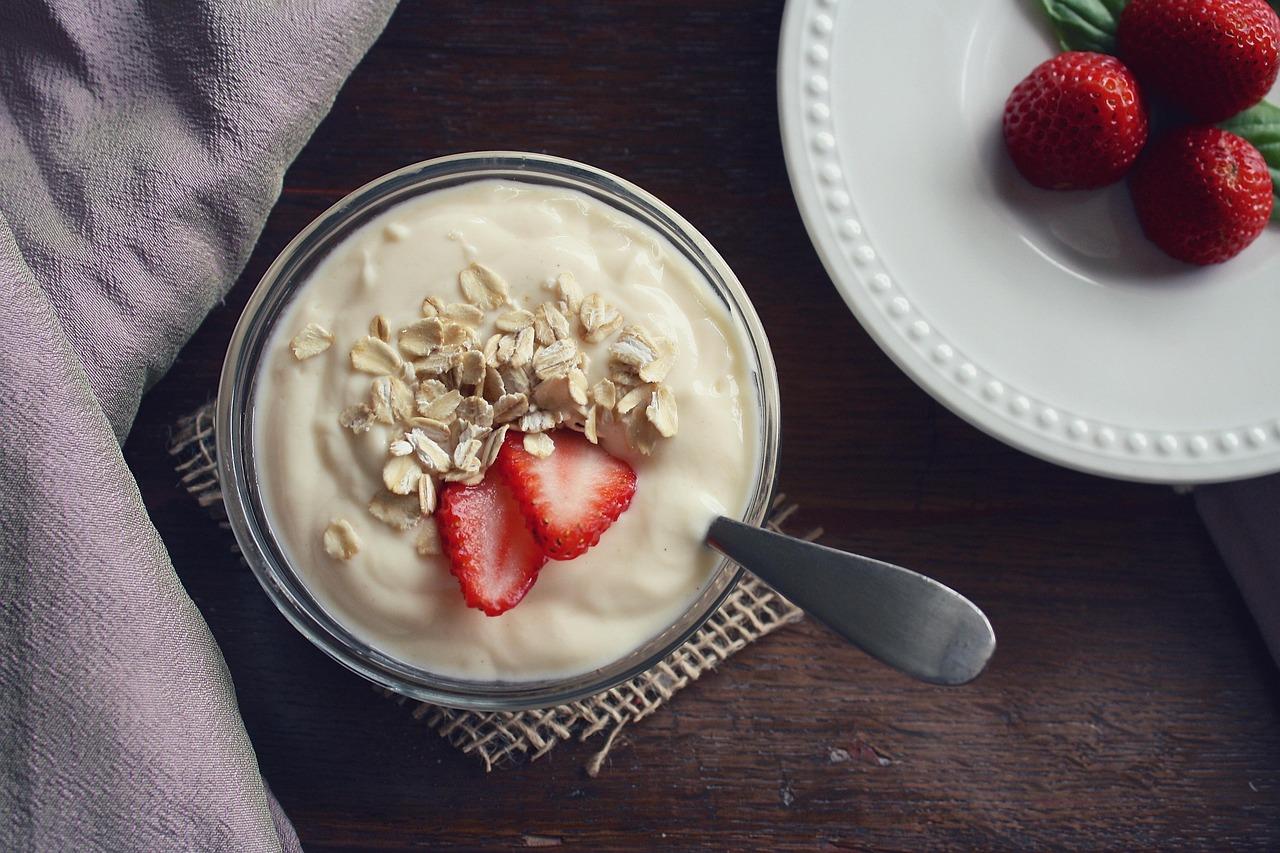
Set yogurt (dahi) at home with just milk and a spoonful of yogurt from the last batch as the culture. It sets overnight in a warm spot. Scale it up to any amount of milk: allow ½ tsp of yogurt for each cup.

by KrazyBadal 0 views

Paneer

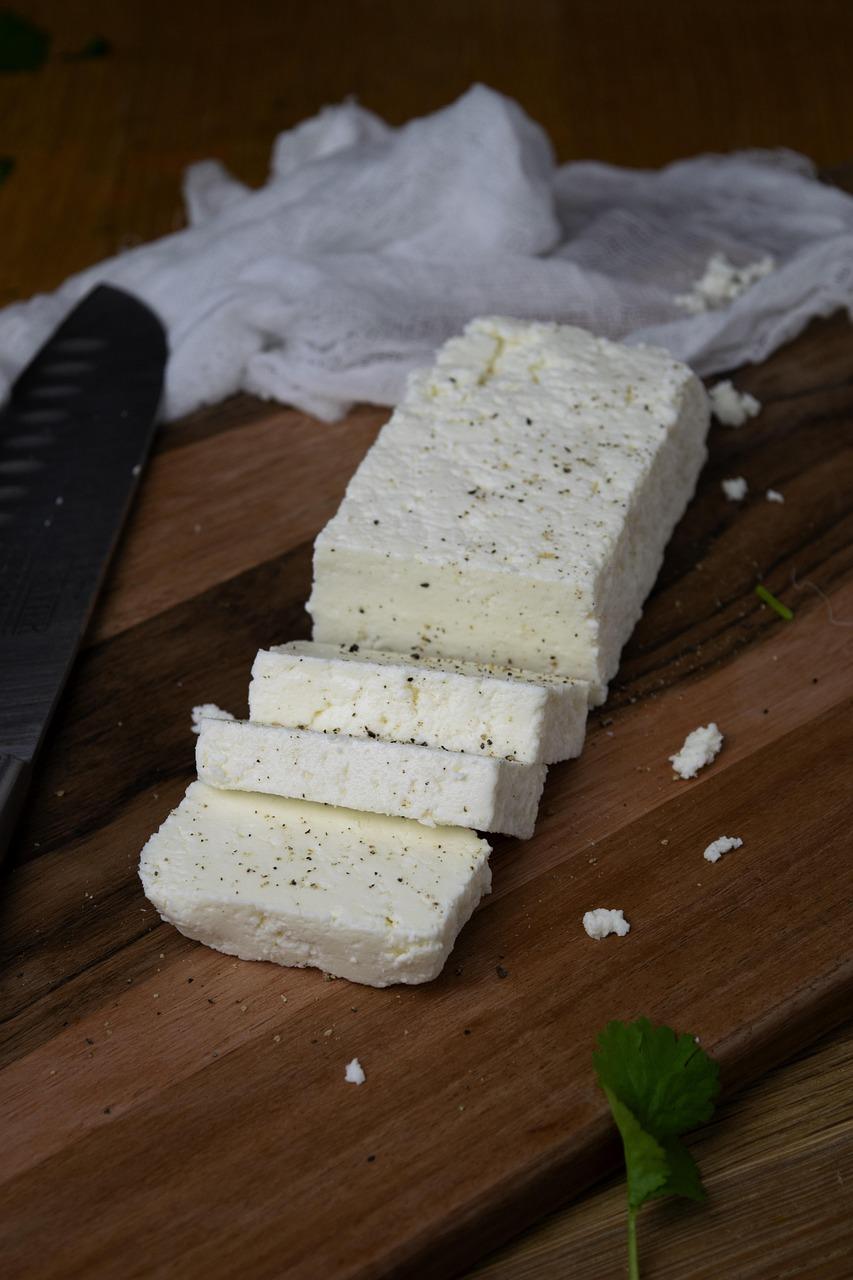
Home-made paneer is softer and creamier than shop-bought, and it takes just milk and a little citric acid. Hot milk is curdled, the whey drained off and the curds pressed into a block that slices cleanly into cubes. Use it in curries such as paneer makhani and mutter paneer, in parathas or in tikka.

by KrazyBadal 0 views