Skip to content
Recipes

All recipes

Vegetarian, or something you can't eat? Set your diet once and we'll hide recipes that don't fit.

Zrir

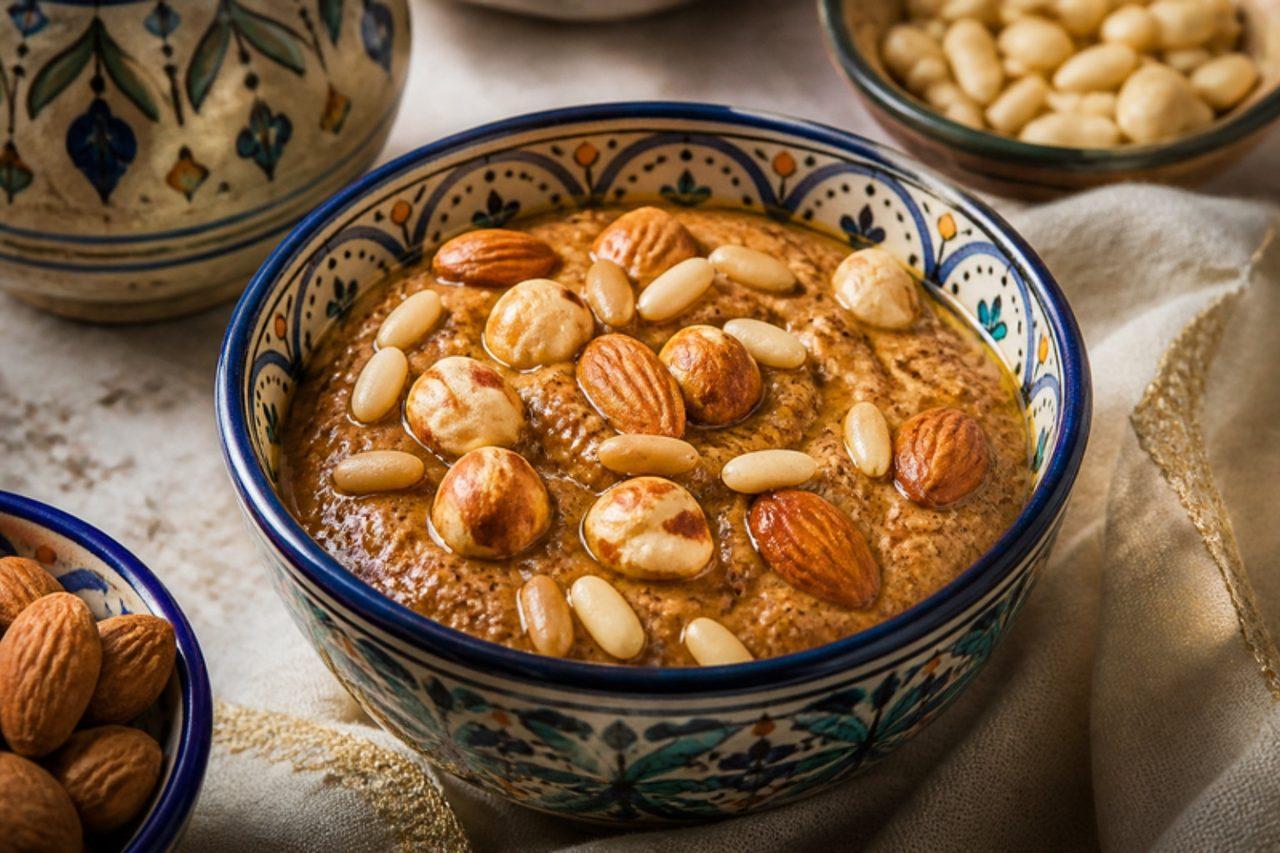
When a baby arrives in a Tunis family, visitors who come to see mother and child are offered zrir, a dense, glossy paste of toasted sesame, hazelnuts and almonds bound with butter and honey, believed to give strength to the new mother. It is served in tiny bowls or shaped into a mound and studded with nuts, and a spoonful is plenty. The taste is like a very rich halva with honey and toasted nuts. It keeps for a couple of weeks in a jar. Chef's tip: grind the sesame while it is still slightly warm; the oils release more easily and the paste turns smooth rather than sandy.

by KrazyBadal 0 views

Kaak warka

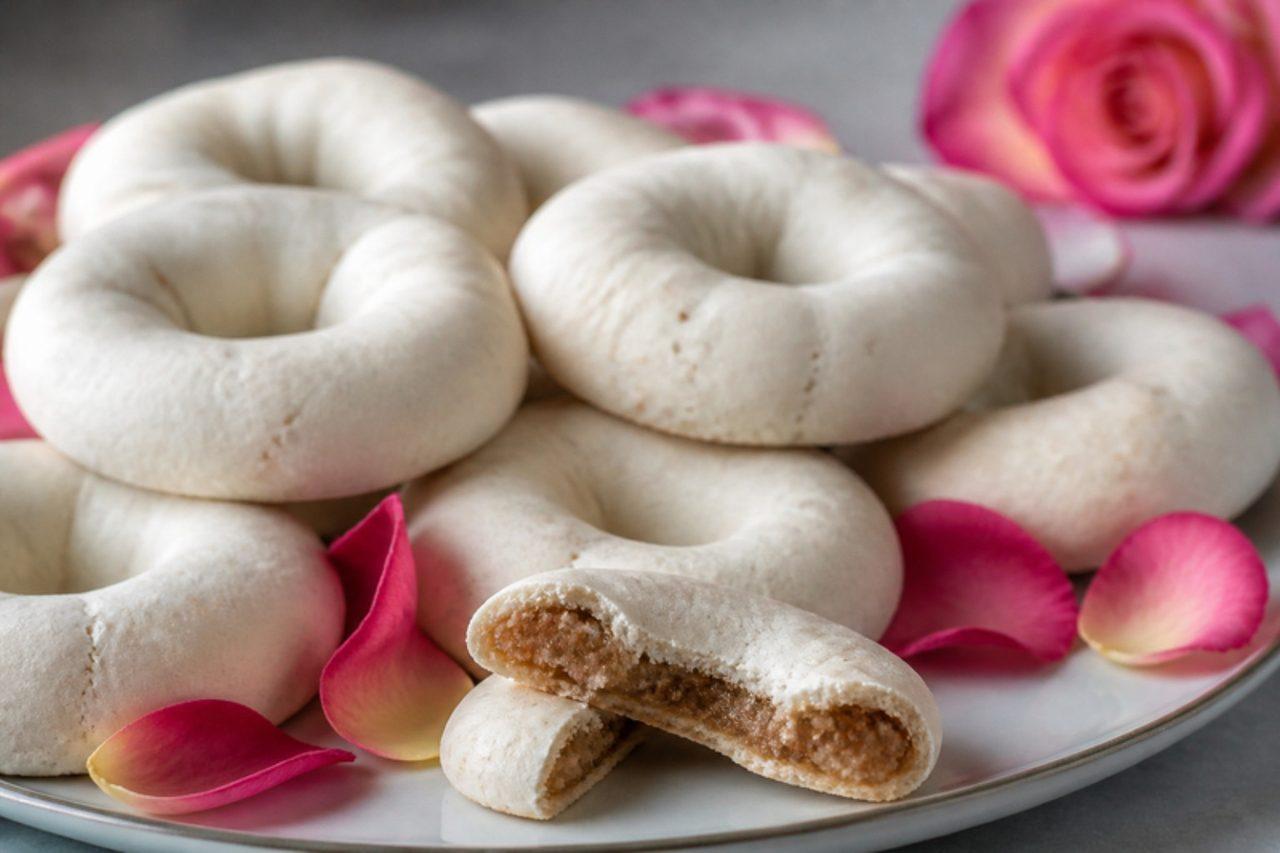
The hill town of Zaghouan, south of Tunis, is famous for two things: its Roman water temple and kaak warka, delicate rings of very thin, crumbly pastry wrapped around almond paste perfumed with rose geranium or rose water. They are a celebration sweet, bought in boxes for weddings, circumcisions and Eid, and should stay white when baked, with a fine sugary crumb and a soft, fragrant centre. Making them takes patience: the dough is rolled thin, wrapped around ropes of almond paste and shaped into rings. Chef's tip: bake low and short; the moment the bases colour, they are done, as any browning on top ruins their famous pale look.

by KrazyBadal 0 views

Bouza

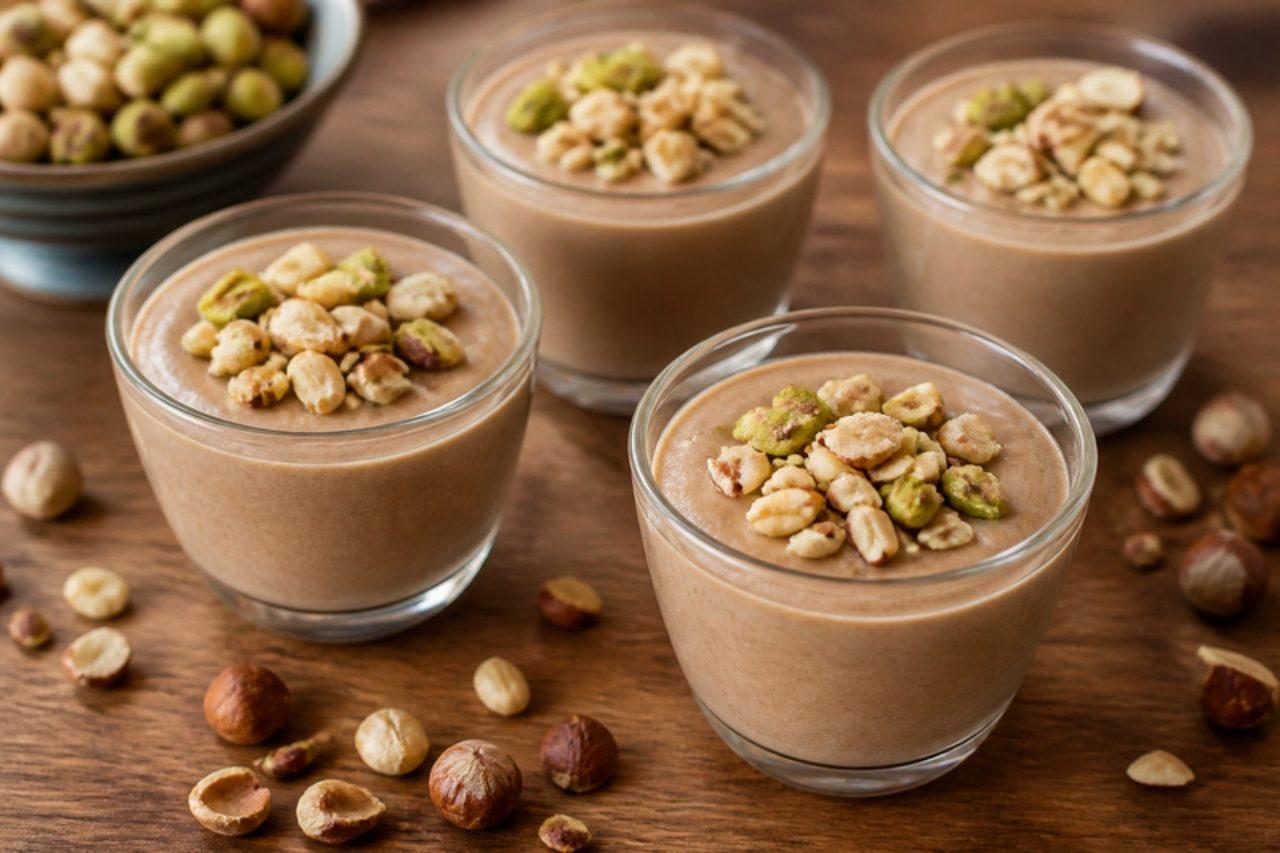
On the morning of Mawlid, the Prophet's birthday, Tunis families make large bowls of creamy pudding and send small ones to neighbours, and bouza made from sorghum flour with roasted hazelnut paste is one of the best loved. The sorghum gives a fine, slightly earthy cream; the hazelnuts make it taste almost like praline. It is poured into glasses, left to set and decorated with a thick layer of chopped nuts, pistachios and sometimes sugared almonds. Make it the day before so it chills firm. Chef's tip: whisk the sorghum flour into cold liquid before it goes near the heat, or it seizes into lumps you cannot whisk out.

by KrazyBadal 0 views

Tunisian samsa

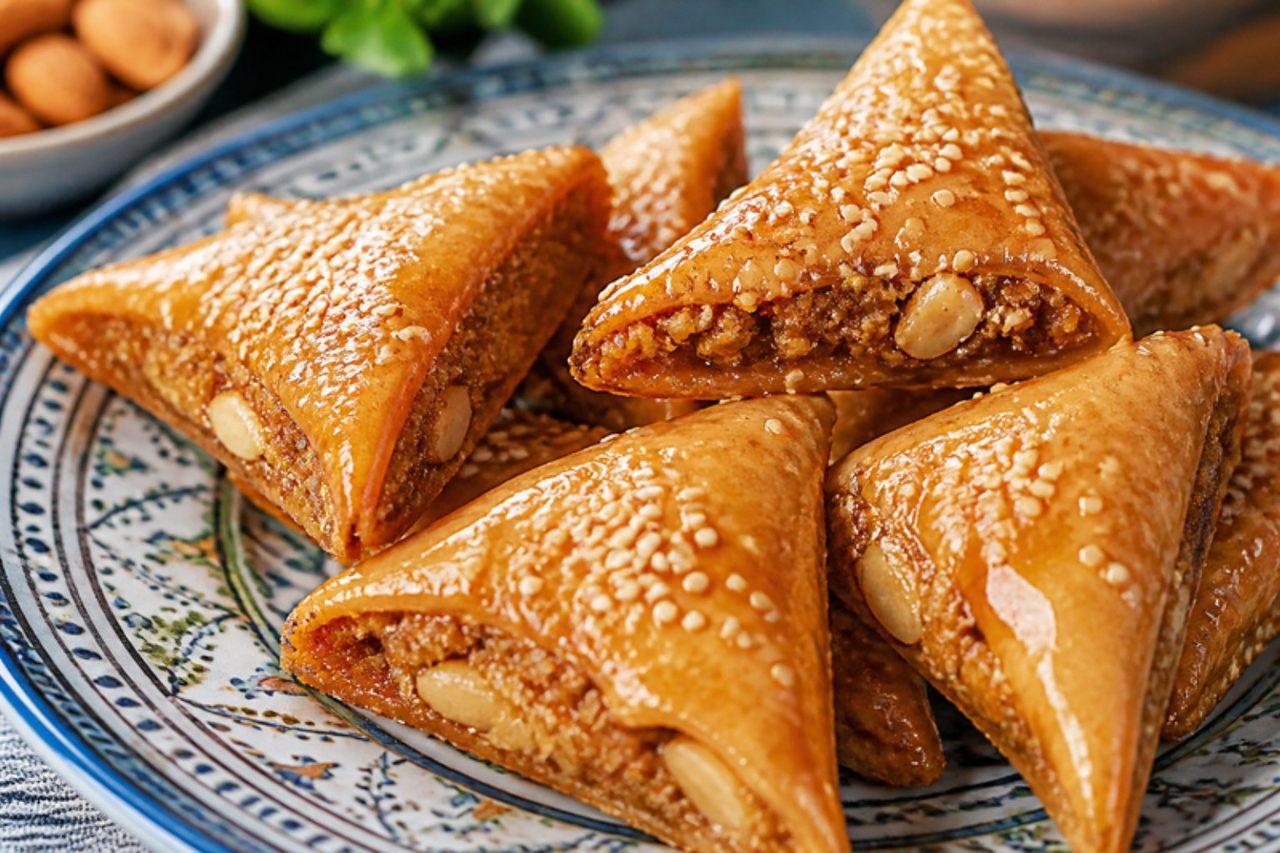
Tunisian pastry shops in the old medina stack samsa in neat pyramids at Eid and weddings, and families make trays of them at home before the feast. The triangles are folded from malsouka, a paper-thin pastry also used for brik, around a filling of ground almonds and toasted sesame scented with orange zest and orange-flower water, then baked or fried and dropped into a lemony syrup. They are shatteringly crisp at the corners, sticky and nutty in the middle, and go with a glass of mint or pine-nut tea. Spring roll pastry, brick pastry or filo can stand in for malsouka. Chef's tip: dip hot pastries into cool syrup, never hot into hot; that contrast keeps them crisp instead of soggy.

by KrazyBadal 0 views

Chicken kdra with almonds

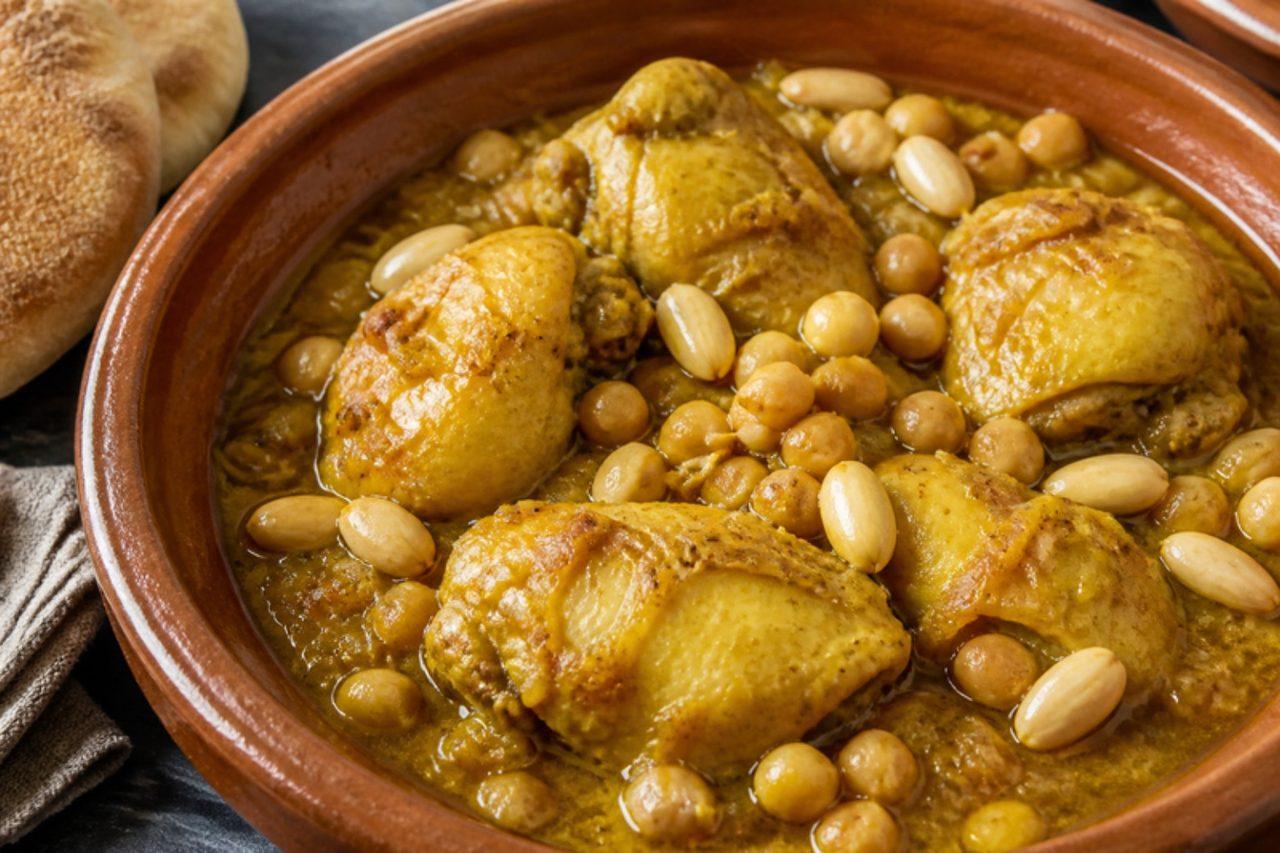
Kdra takes its name from the tall copper pot it was cooked in, and in Fez it is a festive dish for weddings and family gatherings rather than an everyday tagine. The sauce is the point: kilos of onion melted down with smen, saffron, white pepper and cinnamon until it turns pale gold and creamy, with no tomato or paprika at all. Soft chickpeas and almonds simmered until tender go into it, and the whole thing is scooped up with bread. Expect a mellow, perfumed, buttery richness rather than heat. Chef's tip: soak and simmer the blanched almonds with the chicken; they lose their crunch and become creamy like the chickpeas, which is how Fassi cooks like them.

by KrazyBadal 0 views

Trid

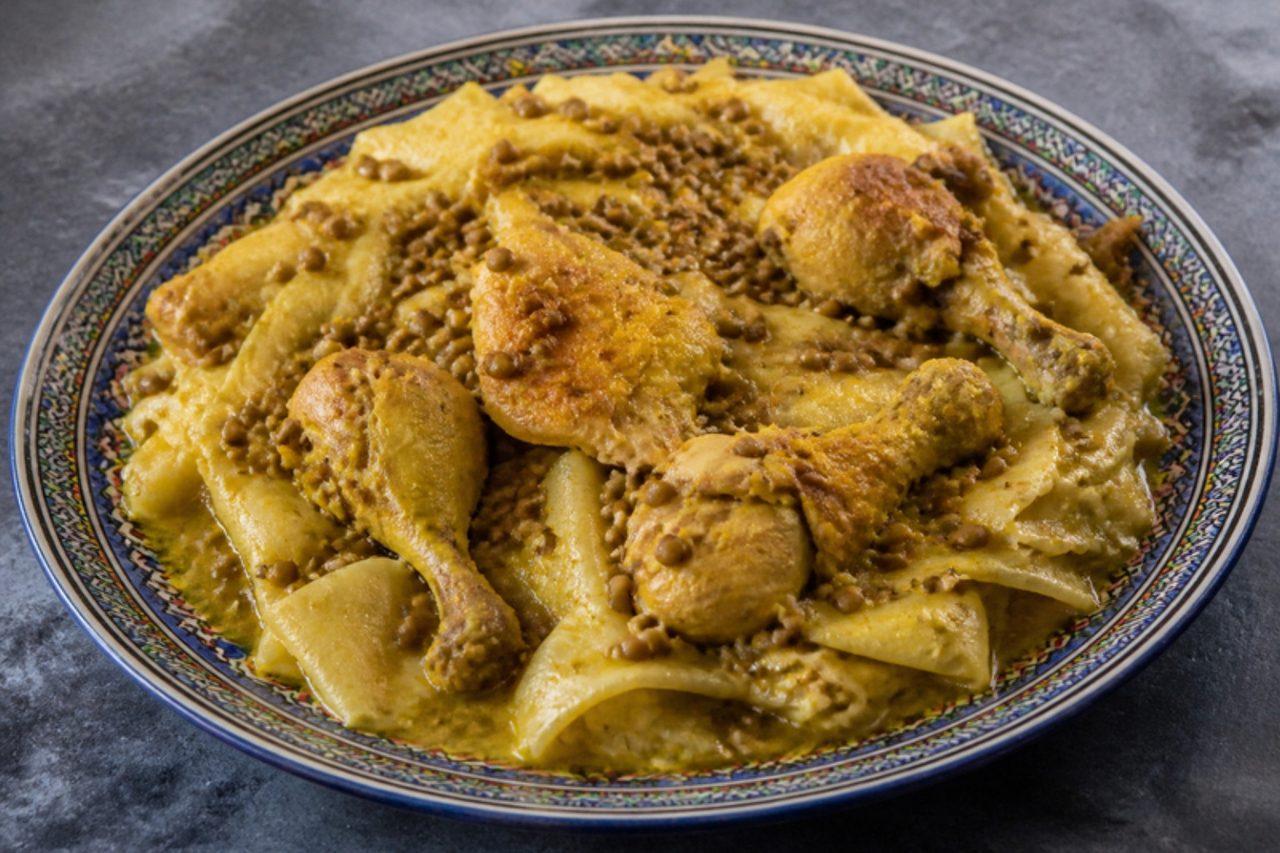
Before pastilla became the showpiece, Fez and Marrakech made trid, a dish so old it is sometimes called the grandmother of rfissa. Sheets of dough are stretched until you can read through them, cooked briefly on an upturned pot, then layered on a platter and soaked with the cooking juices of chicken simmered with onions, lentils, saffron and a whisper of fenugreek. The pastry softens into silky, almost noodle-like folds, the sauce is golden and peppery, and the chicken sits on top in big pieces to be shared by hand. It is served at family lunches, for guests, and to women after childbirth. Chef's tip: oil your hands and the work surface generously when stretching the dough; it is the oil, not flour, that lets it go paper-thin without tearing.

by KrazyBadal 0 views

Rfissa

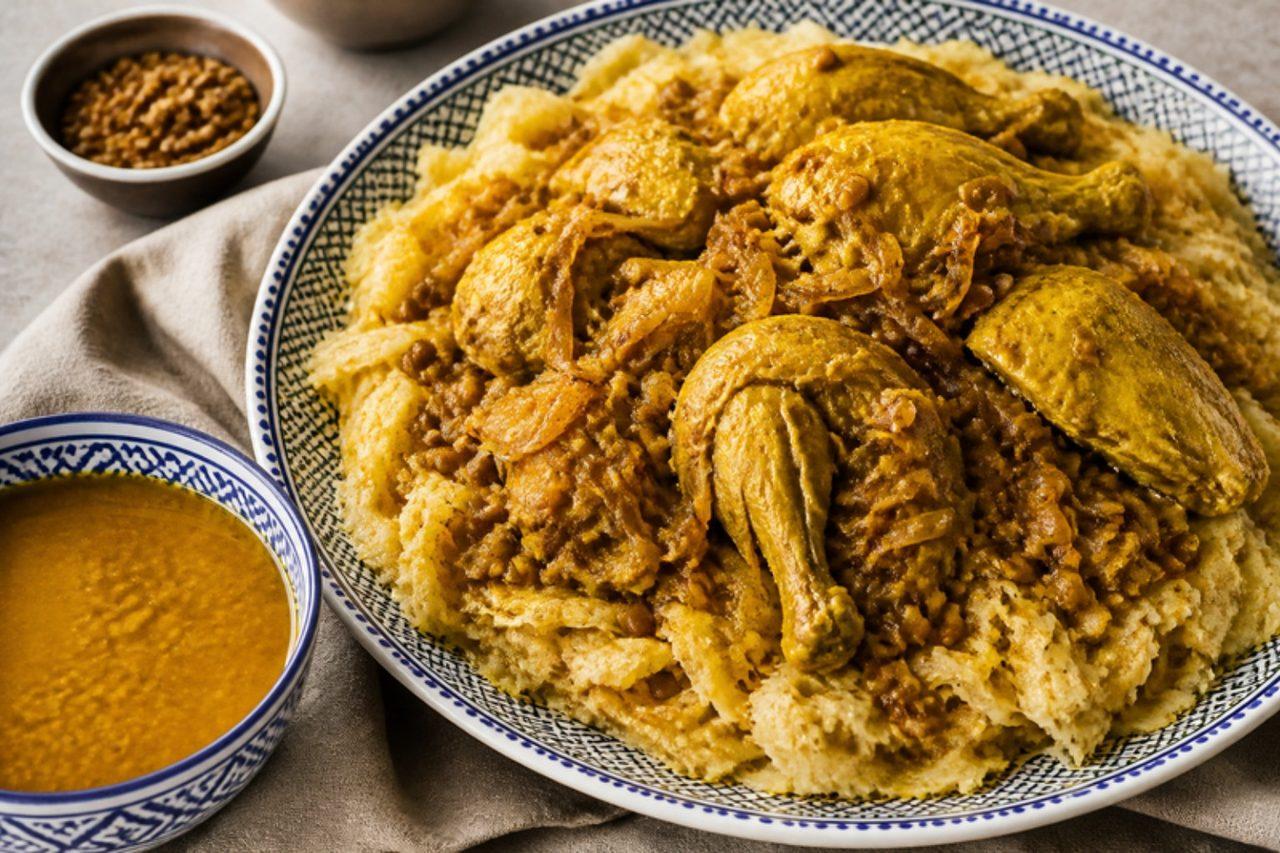
Ask anyone in Rabat or Salé when they last ate rfissa and the answer is often a birth, a naming day or a big family Friday: it is the dish brought to new mothers, because fenugreek and lentils are believed to restore strength. Torn strips of msemen, the flaky square pancake, are steamed until soft and piled high, then drenched in a broth of chicken, onion, ras el hanout and fenugreek that is warming, earthy and a little bitter-sweet. The chicken crowns the mound and everyone eats from the shared platter. Use homemade or bought msemen; day-old is best. Chef's tip: steam the shredded msemen over the simmering broth before saucing it, so it swells and softens instead of turning claggy.

by KrazyBadal 0 views

Djaj mhammer

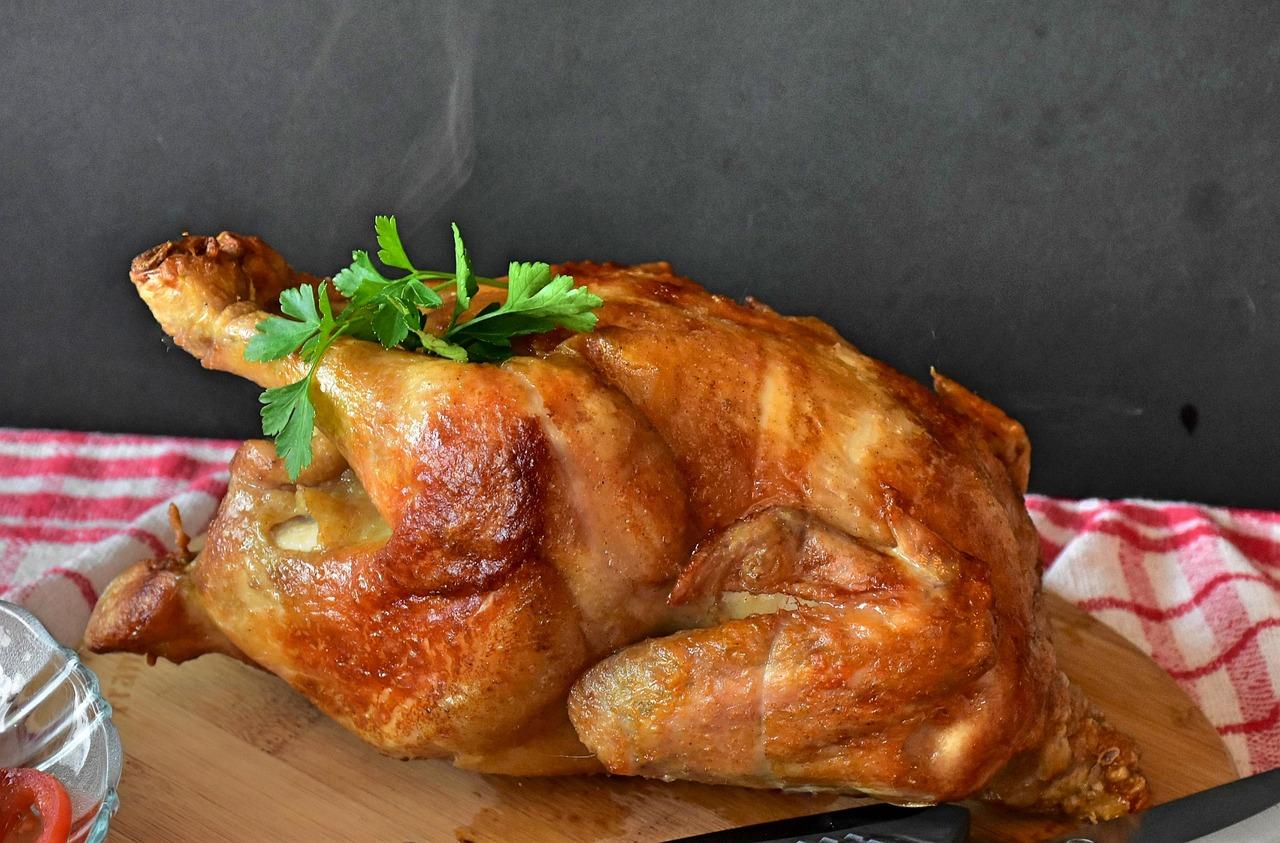
Mhammer means reddened or browned, and that final colour is what sets this Rabat and Fez favourite apart from a tagine. The bird is first poached in a little water with butter, garlic, saffron, cumin and paprika, so the meat soaks up the spices and stays juicy, then it goes into a hot oven to crisp and turn burnished while the cooking liquid reduces into a rich, buttery sauce. Moroccan families serve it at weddings and on Eid with olives, preserved lemon, fried or roasted potatoes and bread. Chef's tip: keep the poaching liquid at a gentle shiver, not a boil; boiling tightens the meat and the skin splits before it ever browns.

by KrazyBadal 0 views

Raib (set yogurt with orange-flower water)

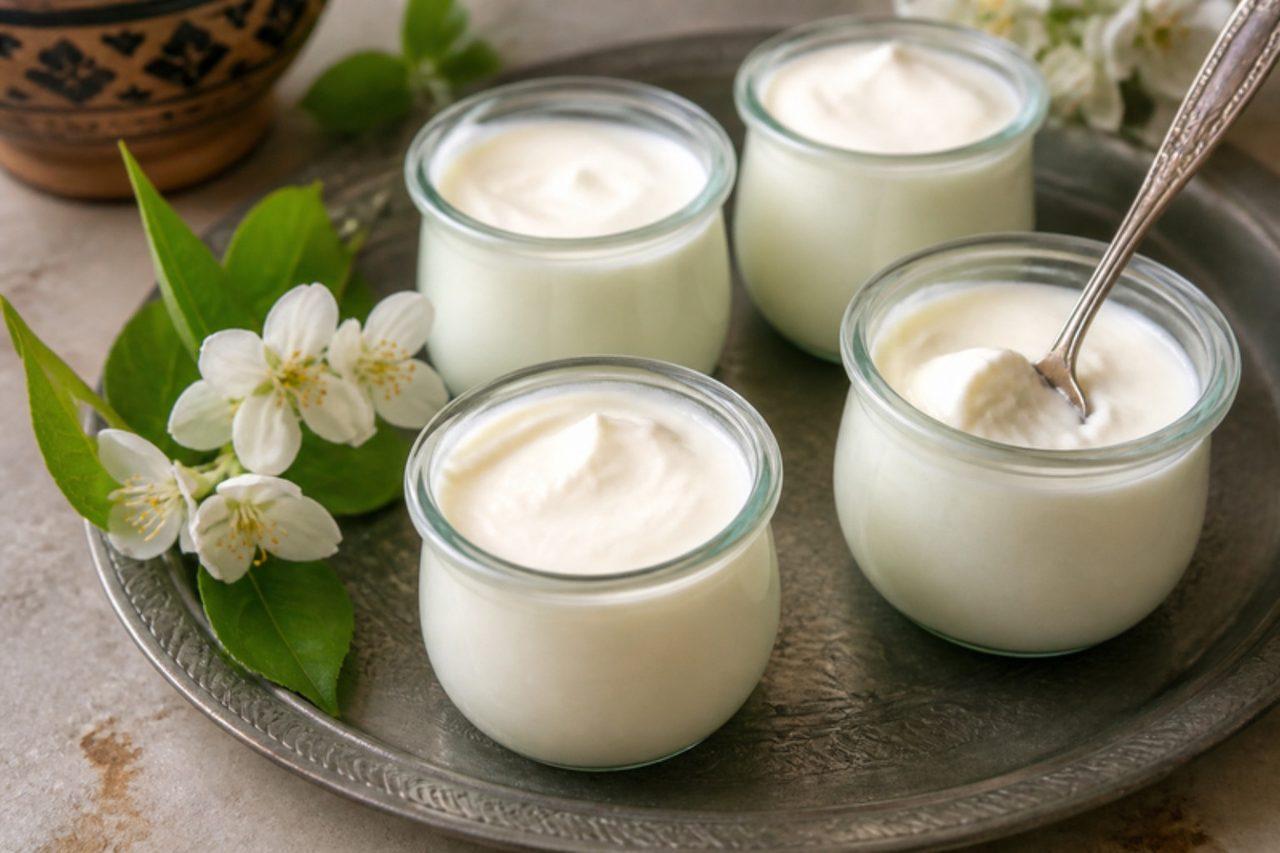
Every Moroccan town has a mahlaba, a dairy café, with a fridge full of little glass pots of raib: soft, wobbly set yogurt, lightly sweetened and often scented with orange-flower water or flavoured with strawberry. It is eaten with a spoon as a snack, as a dessert after dinner, or with msemen at breakfast. The texture is delicate and spoonable rather than thick like strained yogurt. The oldest versions were set with rennet; this home version uses live yogurt as a starter (if you try rennet tablets, choose a vegetarian one). It needs 6–8 hours to set and a few hours to chill. Chef's tip: let the milk cool to 43 °C before adding the starter; too hot and the cultures die, so the raib never sets, which is the most common mistake.

by KrazyBadal 0 views

Şöbiyet

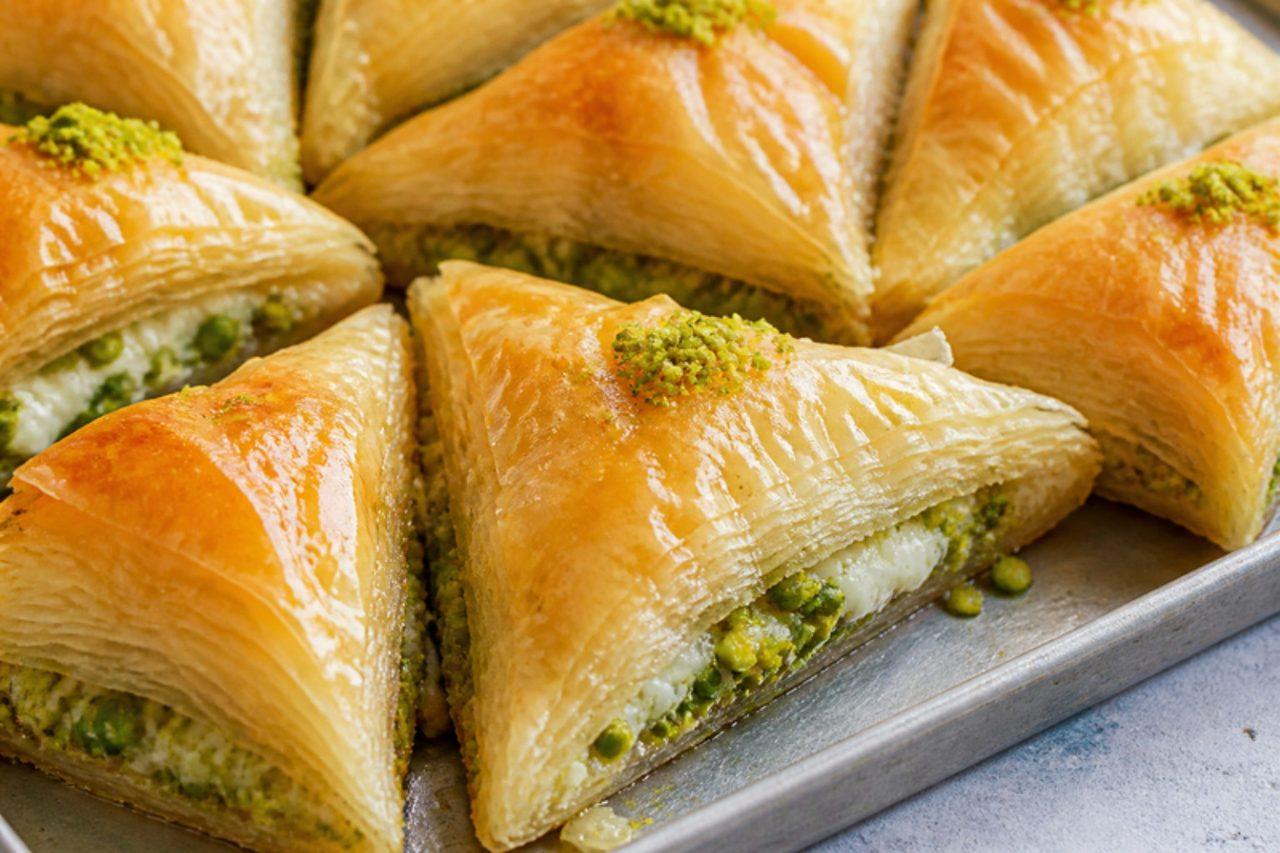
Gaziantep's baklava shops lay out trays of şöbiyet beside the classic squares: buttery filo triangles hiding a soft semolina cream and a thick seam of pistachio, soaked in cool syrup. Families buy them by the kilo for bayram visits and engagement days, and they are best eaten the day they are made, while the top layers still crackle. Home versions use shop filo and a quick milk cream instead of the clotted cream the masters fold in. Pour cold syrup over hot pastry, never hot over hot, or the layers turn soggy. Chef's tip: chill the cream until it is firm enough to slice; a soft filling oozes out as you fold the triangles.

by KrazyBadal 0 views

Peynir helvası

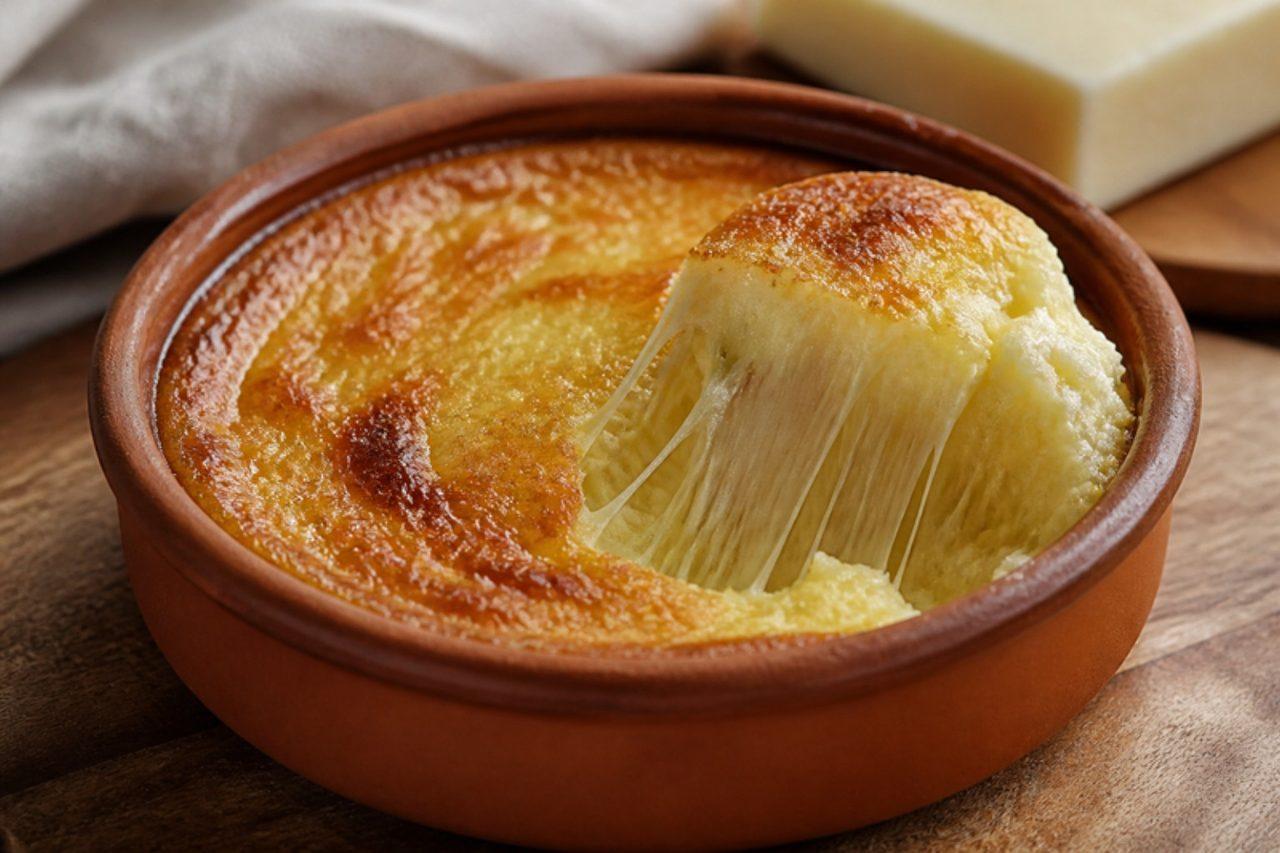
Around Çanakkale and the Dardanelles, peynir helvası is a soft, oven-browned halva made with fresh unsalted cheese, semolina, butter and sugar, sold warm in clay dishes at the market cafés. The top caramelises in spots, the inside stays creamy and stretchy, and the flavour sits somewhere between cheesecake and halva. Eat it warm on its own or with a glass of tea after a fish lunch. Chef's tip: use a mild, fresh, unsalted cheese and squeeze it well; salty or wet cheese gives a sour, runny halva.

by KrazyBadal 0 views

Broas de batata-doce

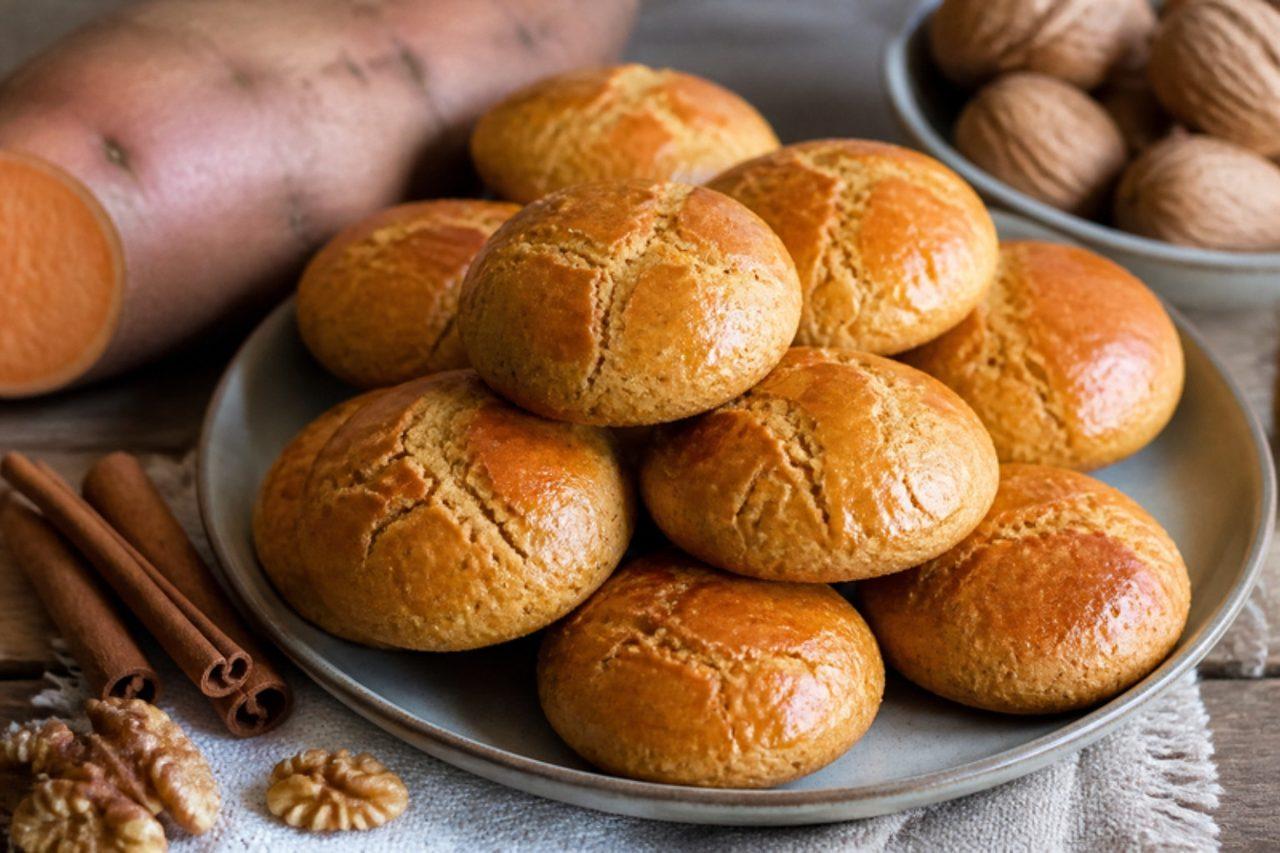
Every December, kitchens across the Beiras fill with the smell of these broas: soft, cakey cookies made with mashed sweet potato, flour, olive oil and honey, spiced with cinnamon and fennel seed and glazed with egg yolk. Families bake big batches to share with neighbours and keep in tins over the holidays. They are only lightly sweet, with a tender crumb and a shiny top. Chef's tip: dry the cooked sweet potato in the pan for a minute before mashing, as watery mash makes a sticky dough that spreads.

by KrazyBadal 0 views

Mar i muntanya

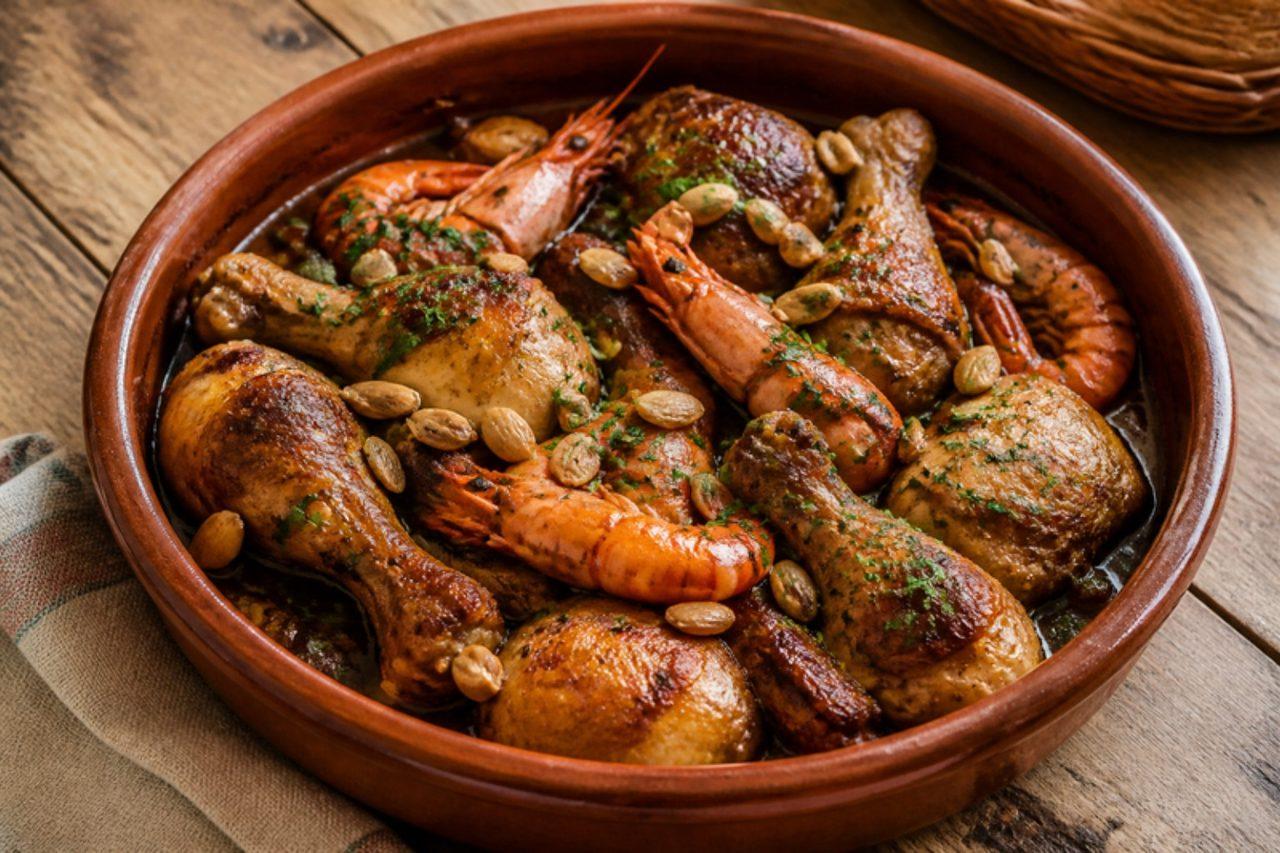
Sea and mountain: the cooks of the Empordà, between the Pyrenees and the Costa Brava, have long put chicken and seafood in one pot, and this version with prawns is the one most families make for a celebration lunch. The sauce is a dark sofrito finished with a picada of almonds, hazelnuts, garlic and a little dark chocolate, which adds depth rather than sweetness. It uses wine; the alcohol-free option is in the ingredient list. Chef's tip: cook the prawns only briefly at the start and return them at the end, so they stay juicy while the chicken braises.

by KrazyBadal 0 views

Bica de Trives

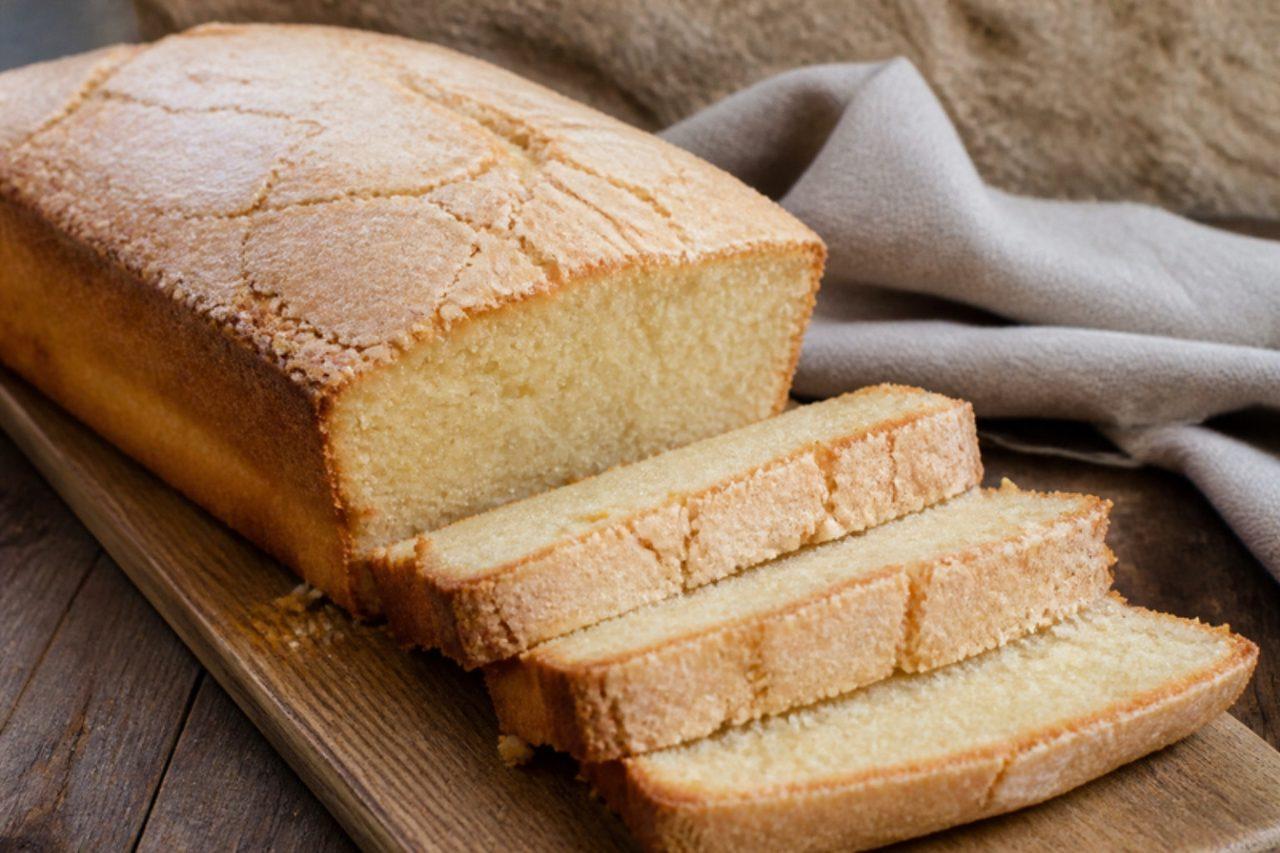
Pobra de Trives, a mountain town in Ourense, holds a festival every August in honour of its bica, a rich, close-textured cake made with fresh cream and butter from local dairies. It is baked in a rectangular tin, sold in paper and eaten in thick slices with coffee or a glass of milk. The sugar scattered on top bakes into a thin, crackly crust. A common mistake is overmixing once the flour goes in, which makes it tough; fold just until no streaks remain. Chef's tip: whip the egg whites separately and fold them in last for a lighter crumb.

by KrazyBadal 0 views

Gâteau de Savoie

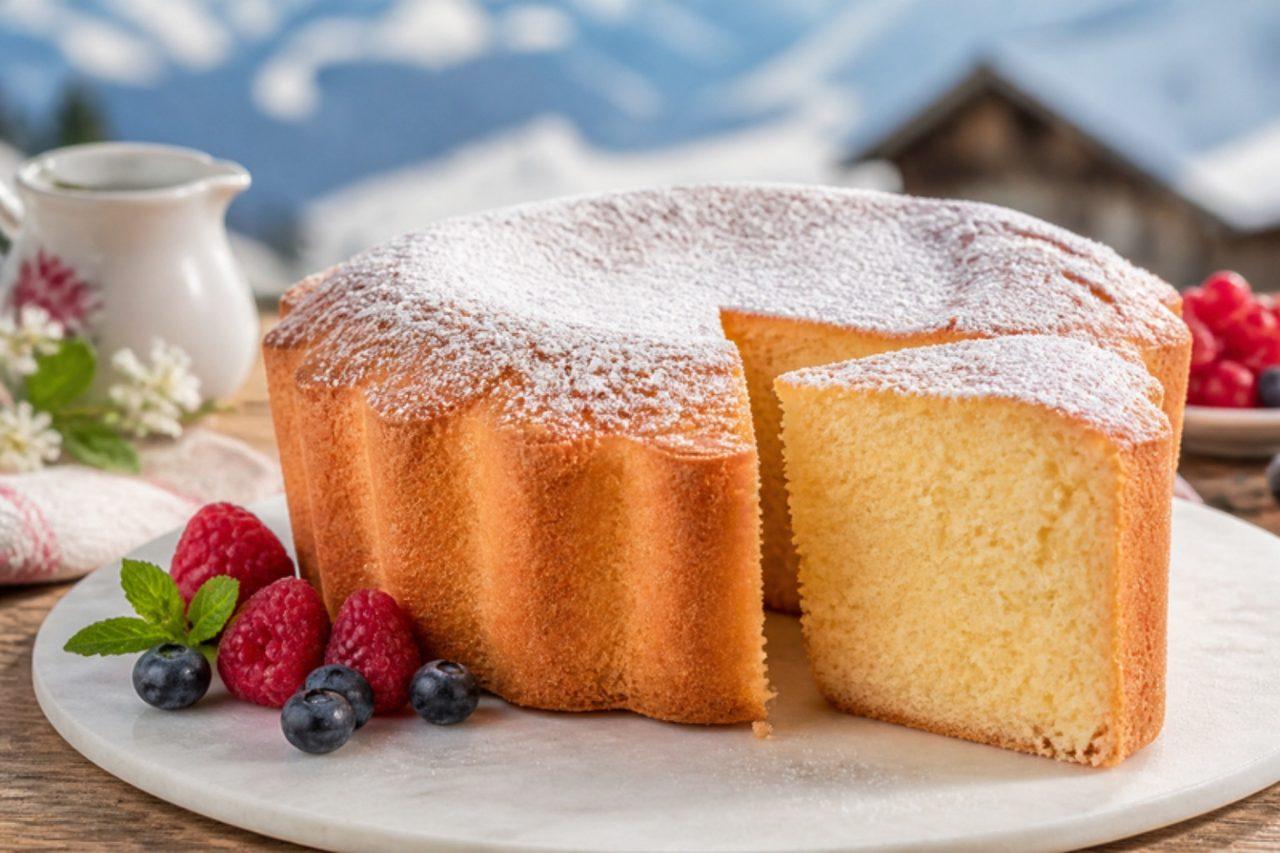
Legend says a cook at the court of the Counts of Savoy, in Chambéry, invented this sponge in the fourteenth century to impress a visiting emperor, and Savoyard families still bake it in a tall fluted mould for birthdays and Sunday tea. It has no butter and very little flour, using potato starch for a crumb so light it almost dissolves, and it is eaten plain with a dusting of icing sugar, or with jam, fruit compote or a cup of hot chocolate. Chef's tip: fold the whites in three goes with a large metal spoon, cutting down through the middle; you are keeping in the air that makes it rise.

by KrazyBadal 0 views

Bredele: Alsatian cinnamon stars

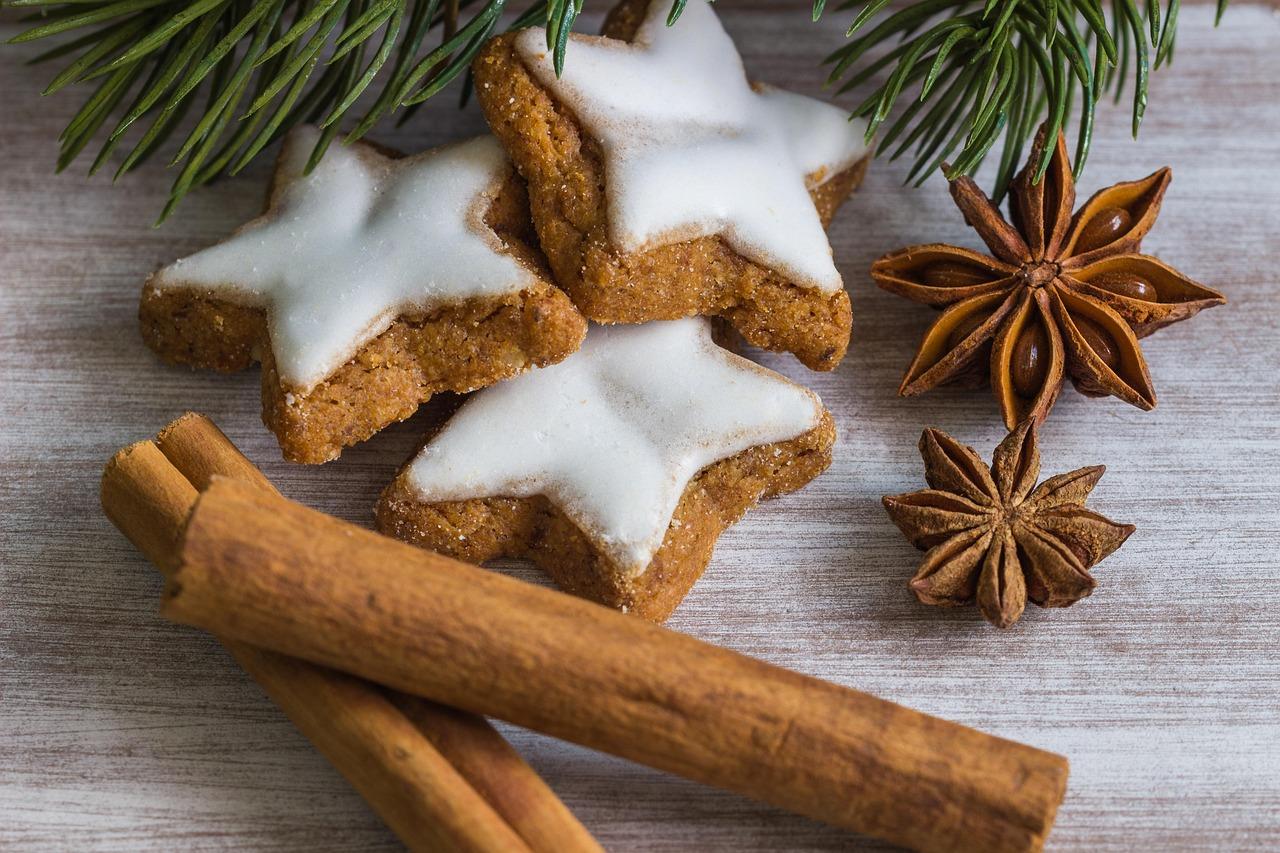
From the start of Advent, kitchens across Alsace turn out bredele, dozens of kinds of little Christmas biscuits kept in tins and offered to every visitor until New Year, while the markets in Strasbourg and Kaysersberg sell them by the bag. Cinnamon stars are among the most loved: chewy almond and cinnamon biscuits with a crisp white meringue top, and no flour at all. They take patience rather than skill and keep for weeks, so families make them early in December. The same dough also works rolled into small balls. Chef's tip: spread the meringue on the rolled sheet before you cut the stars, rather than icing each biscuit; it is far quicker and gives a clean, sharp edge.

by KrazyBadal 0 views

Bara brith

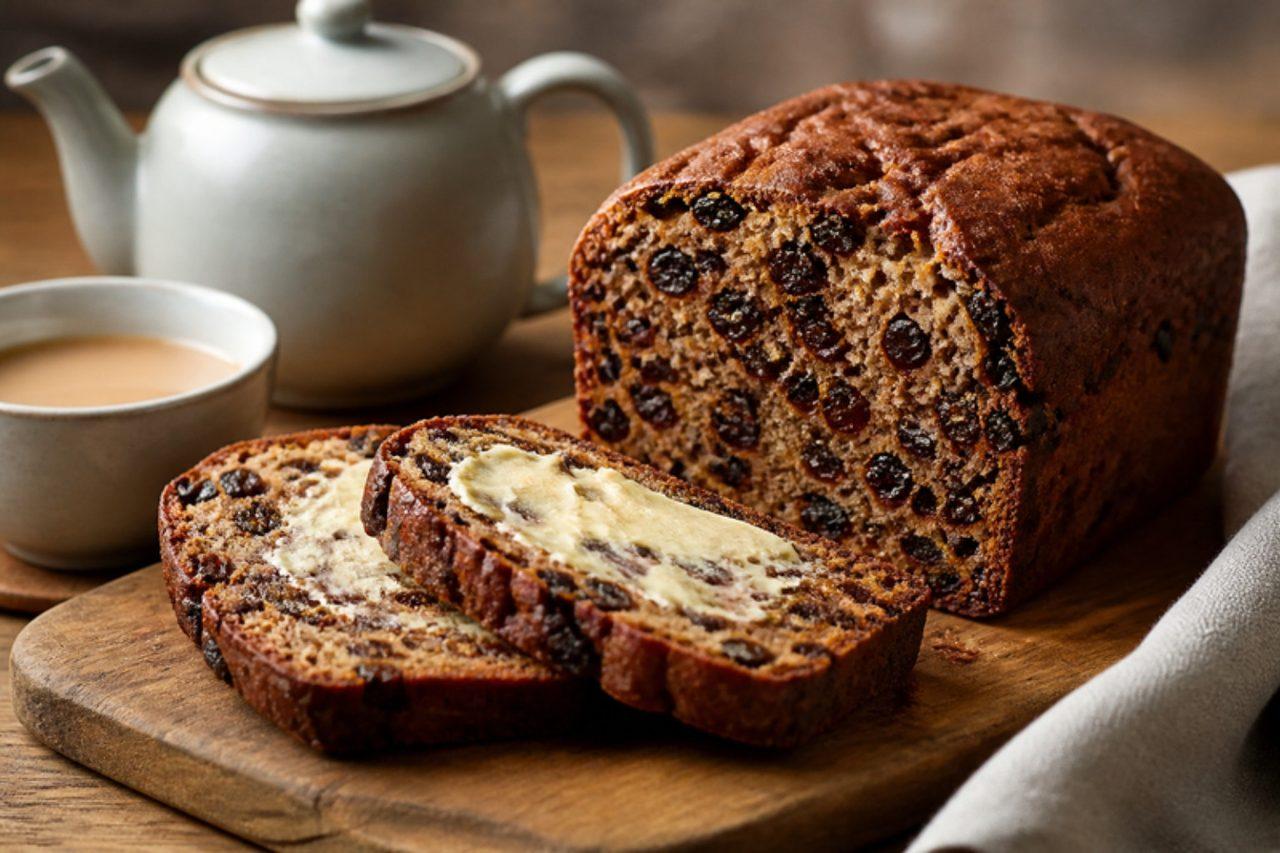
Bara brith means 'speckled bread', and this is the fruit loaf of Welsh farmhouses and tea rooms from Snowdonia to the Gower. Dried fruit is soaked overnight in strong black tea, then mixed with sugar, egg, flour and spice, so it is moist, dark and keeps well without any butter in the mix. Slice it thickly and spread with salted Welsh butter. Chef's tip: wrap it and wait a day before cutting; it gets stickier and slices cleaner.

by KrazyBadal 0 views

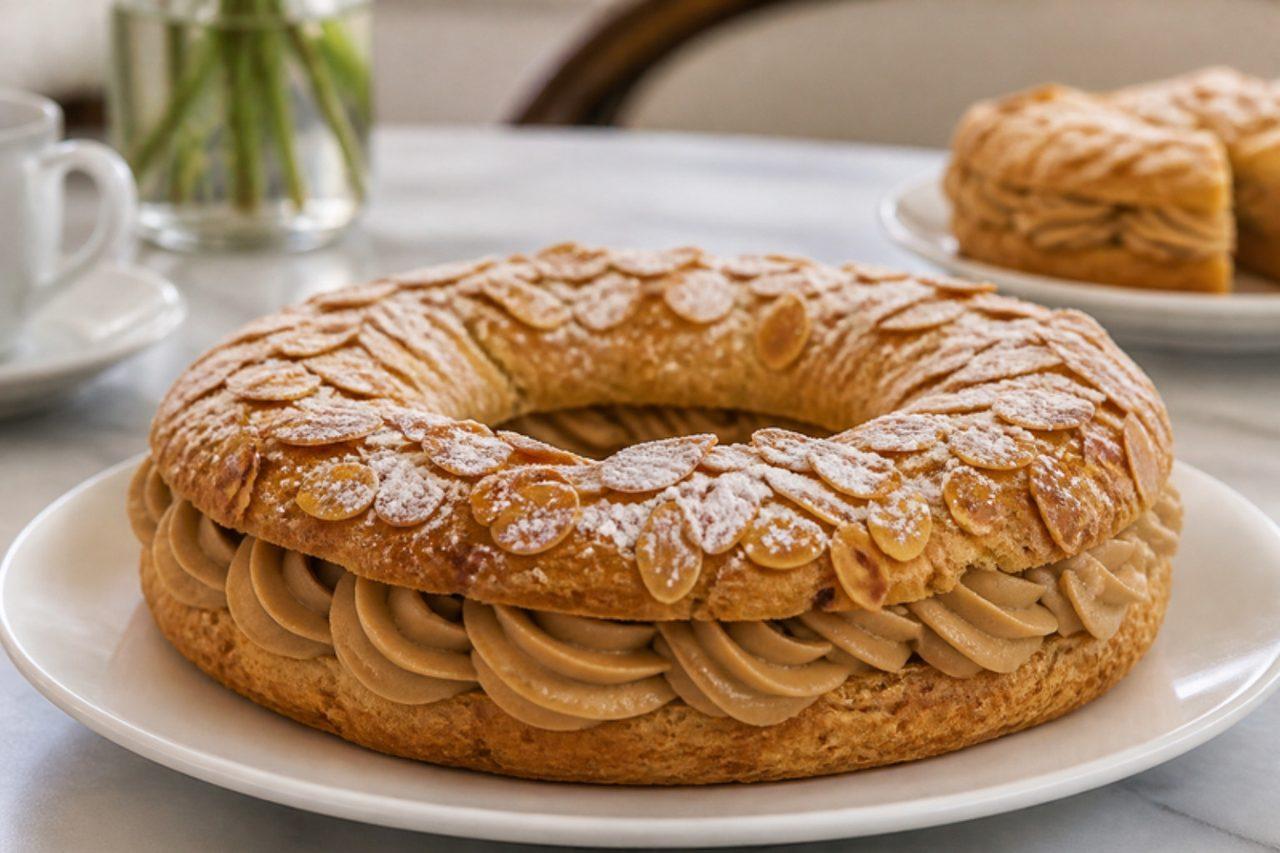
Paris-Brest

A Maisons-Laffitte pâtissier created this ring of choux pastry in 1910 to honour the Paris–Brest–Paris bicycle race, shaping it like a wheel, and it has been a fixture of Paris pâtisseries ever since. The ring is baked crisp, scattered with flaked almonds, split and piped full of a rich hazelnut-praline buttercream, then dusted with icing sugar. It is a celebration cake for birthdays and Sunday lunches, best eaten the day it is filled. Smooth hazelnut praline paste is sold in baking shops; or blend toasted hazelnuts with caramel. Chef's tip: let the baked ring dry in the switched-off oven with the door ajar; a dry shell stays crisp under the cream instead of going soft.

120 minFrenchBaking
by KrazyBadal 0 views

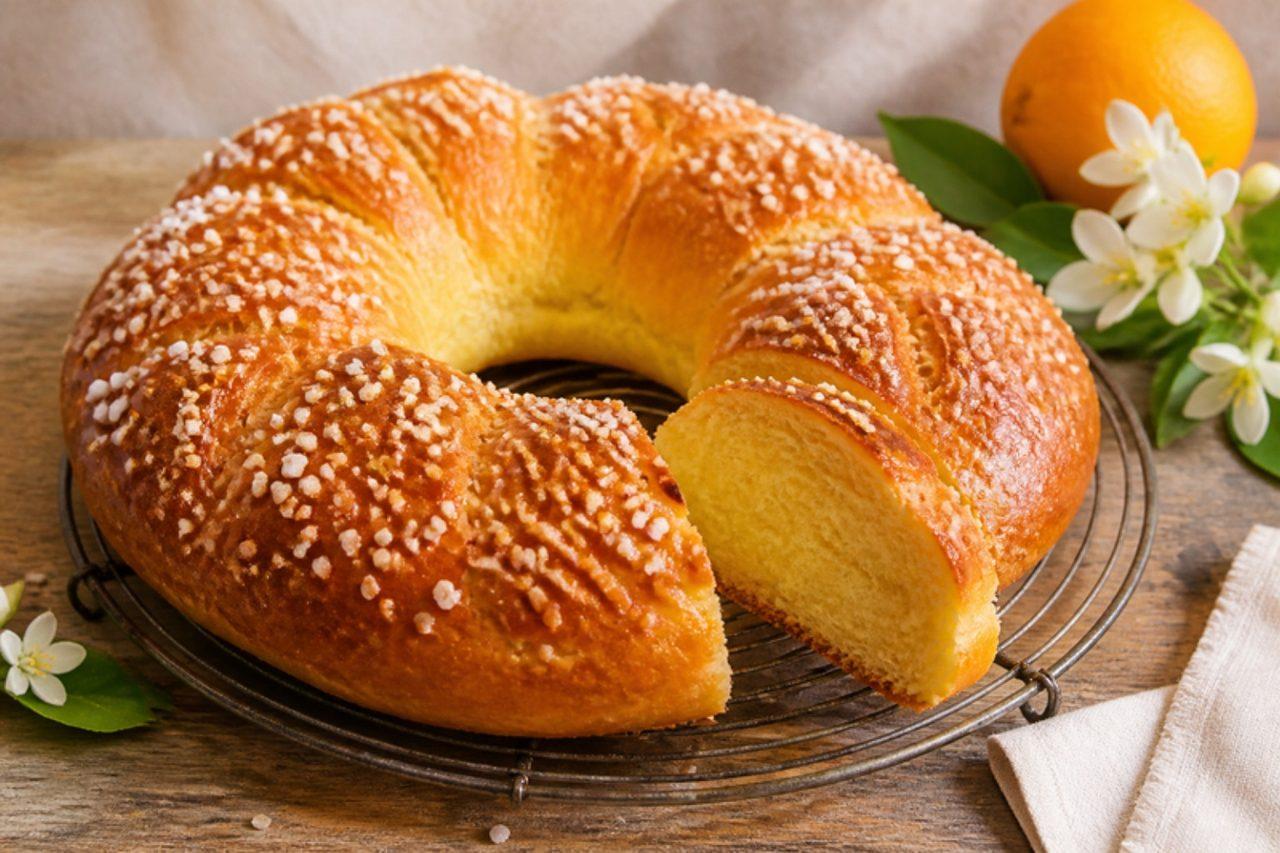
Fouace aveyronnaise

Every village fête in the Aveyron, the old province of Rouergue, has a baker selling fouace: a big golden brioche ring scented with orange flower water and topped with crunchy sugar, carried home in a paper bag to be torn up at breakfast or after Sunday lunch. Laguiole and Rodez bakeries are famous for it, and families bake one for Easter, weddings and christenings. It is softer and less buttery than a Paris brioche, with a light, cottony crumb. Chef's tip: let the shaped crown rise until it is puffy and a fingertip leaves a dent that springs back slowly; underproved fouace tears in the oven.

240 minFrenchBaking
by KrazyBadal 0 views

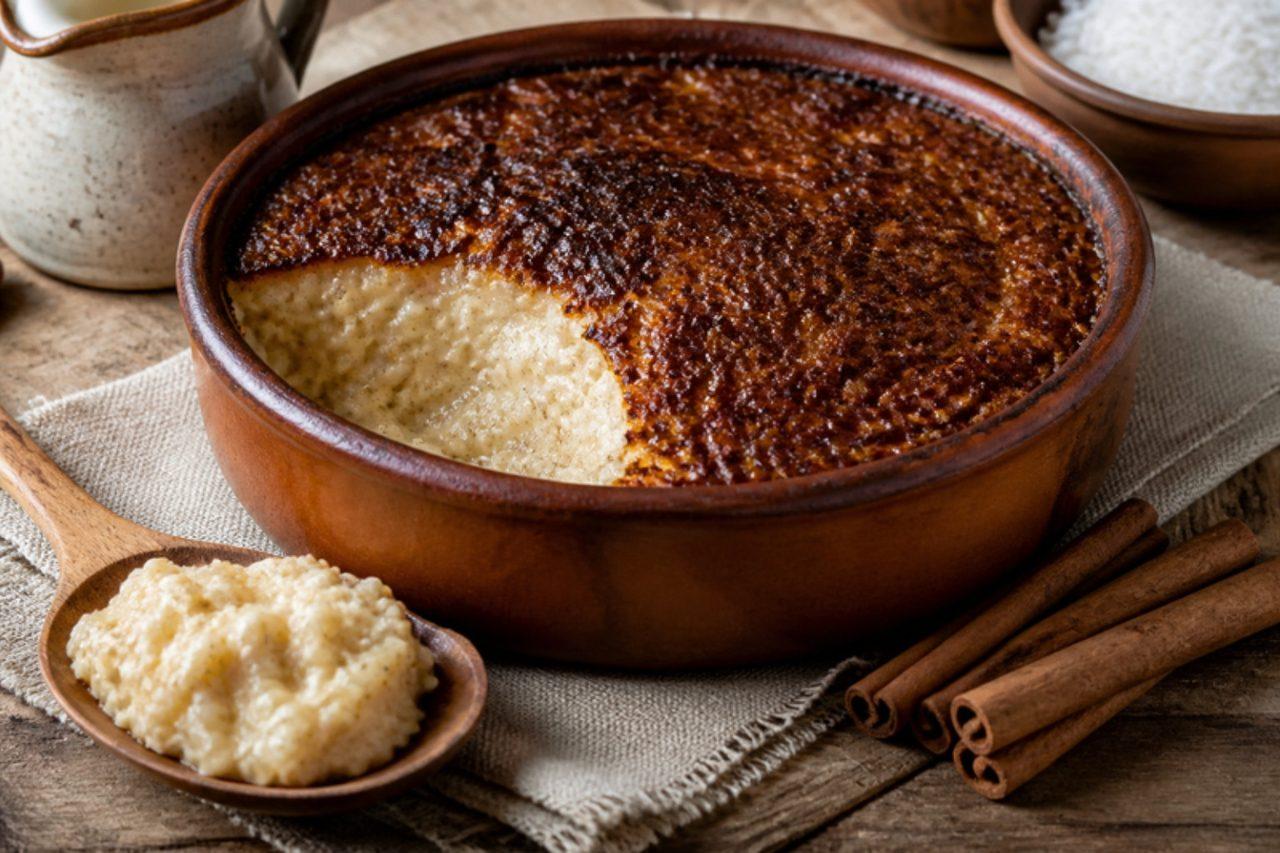
Teurgoule

The name means 'twisted mouth' in Norman dialect, after the face you pull if you eat it too hot. Teurgoule comes from the Calvados countryside around Houlgate and Honfleur, where farm women left it in the bread oven overnight after baking; it is still the dessert at village fêtes and family Sundays, served with a slice of brioche-like fallue. Short-grain rice bakes for hours in creamy milk with sugar and cinnamon until it turns thick and pale caramel inside under a dark, almost burnt crust. Use a deep ovenproof dish that holds at least 2 litres. Chef's tip: never stir it once it is in the oven; the crust that forms on top is the best part and seals the creamy pudding underneath.

by KrazyBadal 0 views

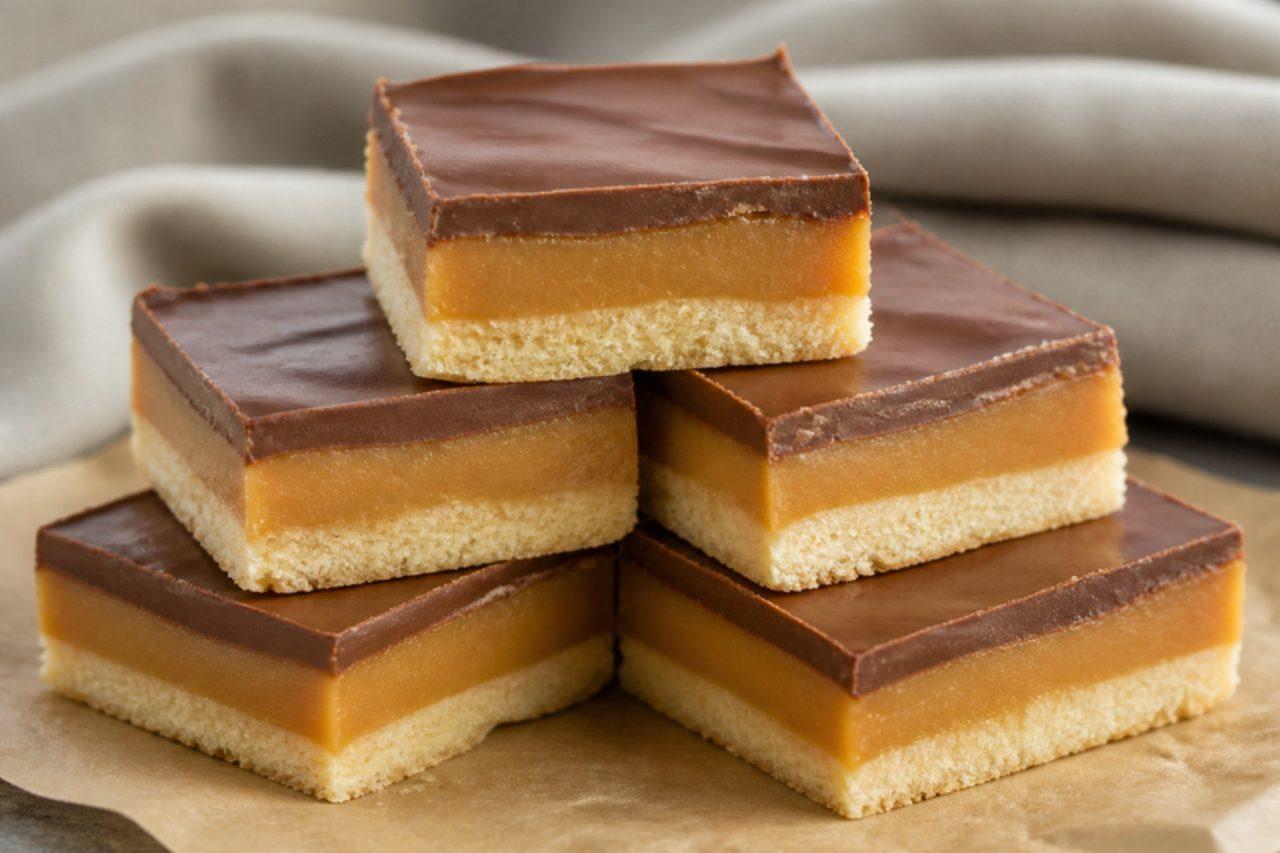
Millionaire's shortbread

Millionaire's shortbread, called caramel shortcake in much of Scotland and caramel squares across the water in Belfast, is the traybake of school bake sales, cafés and church teas. A crisp shortbread base is covered with thick condensed-milk caramel and a layer of chocolate, rich enough to justify the name. Chef's tip: keep stirring the caramel the whole time it bubbles; it catches on the bottom in seconds.

by KrazyBadal 0 views

Charamuscas

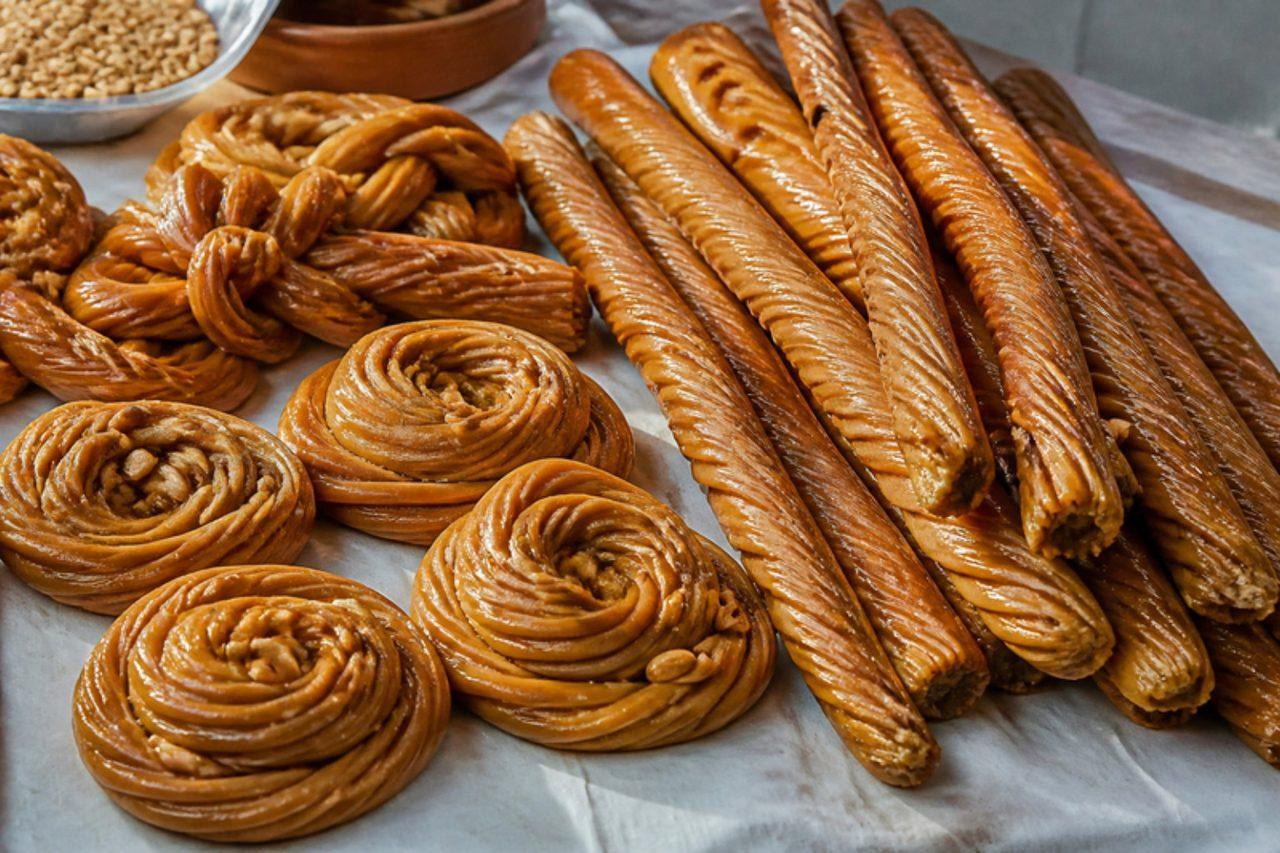
Around Day of the Dead in Guanajuato city, sweet sellers display charamuscas pulled and shaped into skulls, mummies (a nod to the town's famous museum) and simple twists, glossy amber and wrapped in cellophane. The everyday ones are rope-like spirals of pulled piloncillo, chewy then brittle, with a deep molasses taste. Pulling the hot sugar is a two-person job and great fun with older children; younger ones should watch. Chef's tip: wear clean rubber kitchen gloves rubbed with oil; you can handle the sugar sooner and much more comfortably.

by KrazyBadal 0 views

Muéganos de Huamantla

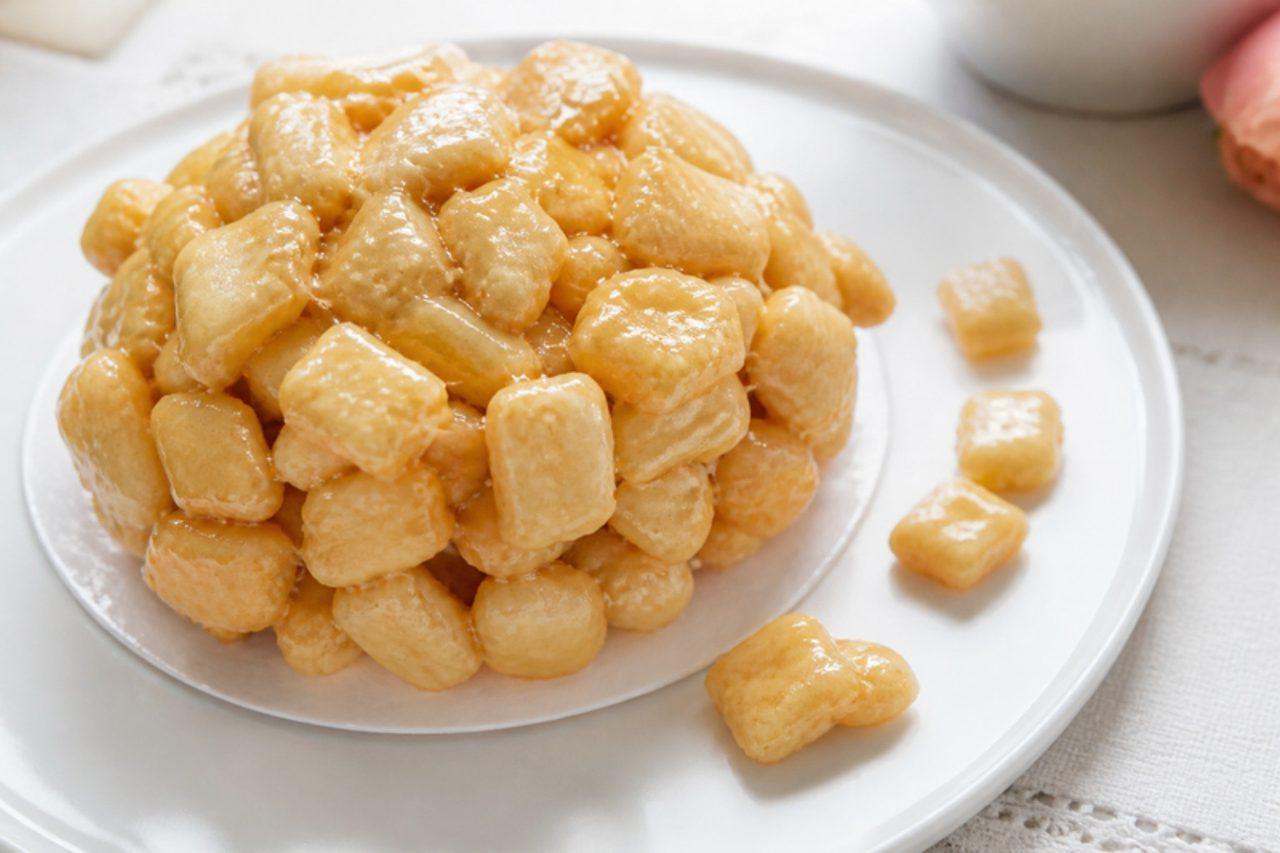
Huamantla, in Tlaxcala, is known for its August fair, when the streets are carpeted with coloured sawdust and flowers, and for muéganos: little cubes of fried dough glued together with dark piloncillo syrup into a sticky cluster, often pressed onto a round wafer. Visitors buy them in stacks from sweet shops around the main square. The dough is crisp and light, the syrup spiced with cinnamon and clove. Chef's tip: cut the dough into small, even cubes so they all fry golden at the same time.

by KrazyBadal 0 views

Rosquillas de San Isidro

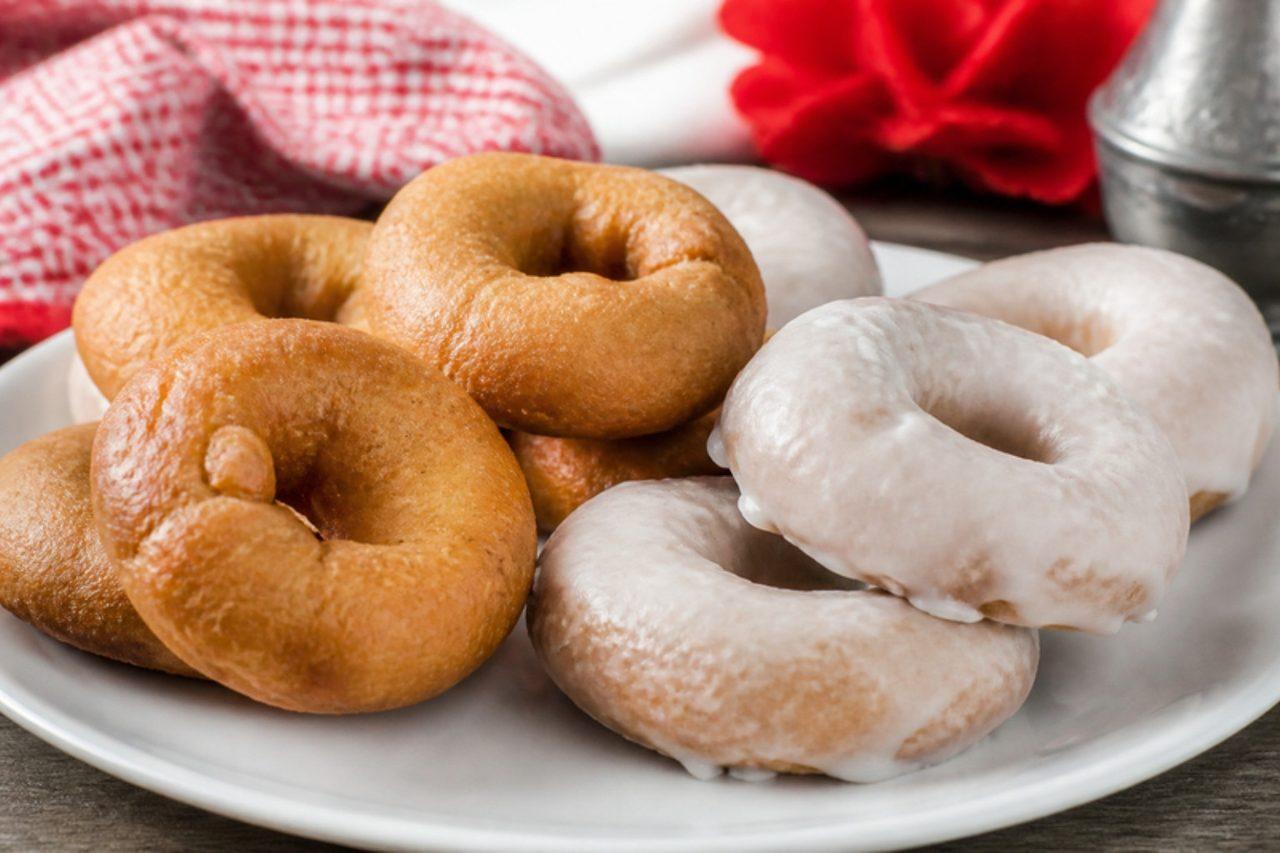
Every 15 May, crowds head to the Pradera de San Isidro on Madrid's southern edge for the patron saint's festival, and stalls sell rosquillas by the dozen: plain "tontas" (silly ones) and iced "listas" (clever ones). Many families now bake them at home that week. Old recipes ice the listas with raw egg white; this one uses a lemon and icing-sugar glaze, which is safer and sets just as white. Chef's tip: oil your hands to shape the rings; the dough is soft and sticky by design.

by KrazyBadal 0 views

Showing 24 of 1,055 recipes

Show more recipes

Page 1 of 44