Skip to content
Recipes

All recipes

Vegetarian, or something you can't eat? Set your diet once and we'll hide recipes that don't fit.

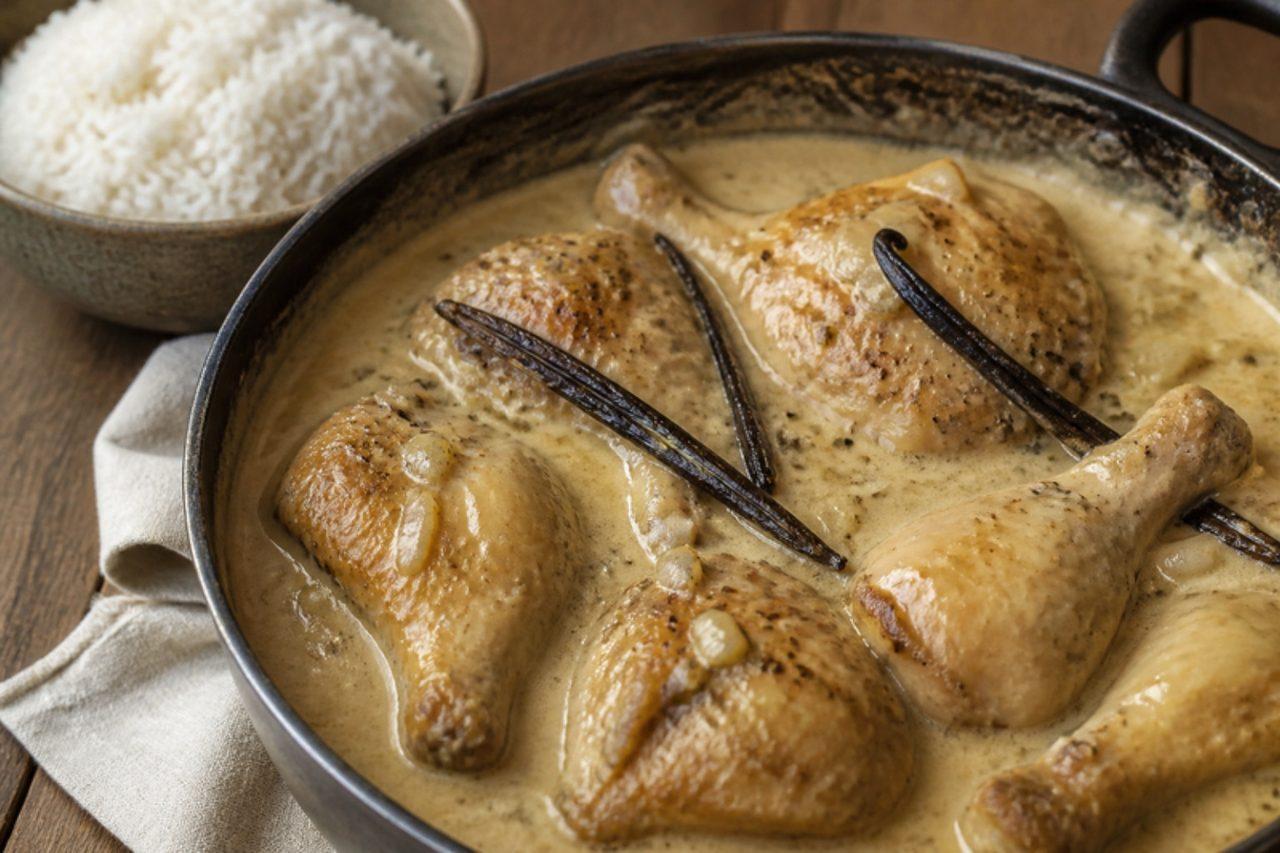
Poulet à la vanilleVanilla chicken

The east coast around Saint-André and Bras-Panon grows the island's famous Bourbon vanilla, and this gentle braise is how families there show it off when guests come for lunch. Chicken pieces are browned with onion, garlic and ginger, then simmered with split pods until the sauce smells of warm vanilla, and a spoon of cream at the end turns it pale gold and silky. It is savoury, not sweet, with the vanilla rounding out the onion. Serve it with white rice and a simple green salad. A common mistake is scraping out the seeds and throwing the pod away: most of the flavour is in the pod, so simmer it in the sauce. Chef's tip: never let the sauce boil once the cream is in, or it can split; keep it just below a simmer.

by KrazyBadal 0 views

AmchurDry mango powder

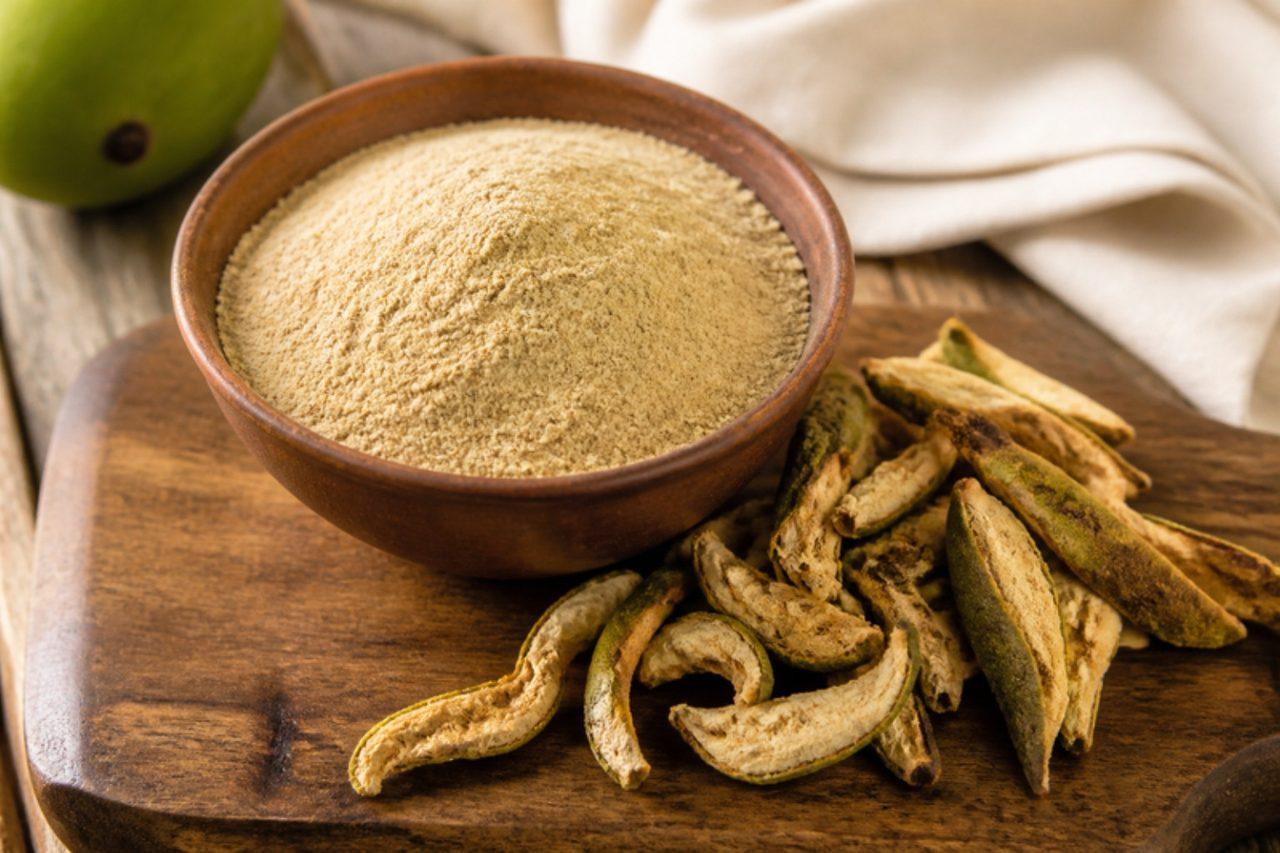
Every Punjabi and UP kitchen keeps a jar of amchur next to the jeera and haldi, and the homemade version smells far fresher and sourer than most shop powder. In villages around Saharanpur and Malihabad, the raw mangoes that fall in early-summer storms are peeled, sliced and spread out to dry, and the brittle slices (amchur khatai) are either stored whole or ground. Amchur gives a fruity, mouth-puckering sourness without any liquid, which is why it goes into dry dishes where tomato or tamarind would make things soggy: bhindi masala, stuffed karela, samosa and kachori fillings, chole, chaat masala and pav bhaji masala. A kilo of mangoes gives roughly 100 g of powder. Common mistake: grinding slices that still bend; even slight moisture makes the powder clump into hard lumps in the jar. Chef's tip: choose small, rock-hard, very sour green mangoes with white flesh, not ones starting to turn yellow; riper fruit dries into a brown, sweetish powder.

by KrazyBadal 0 views

Bengali boriSun-dried lentil dumplings

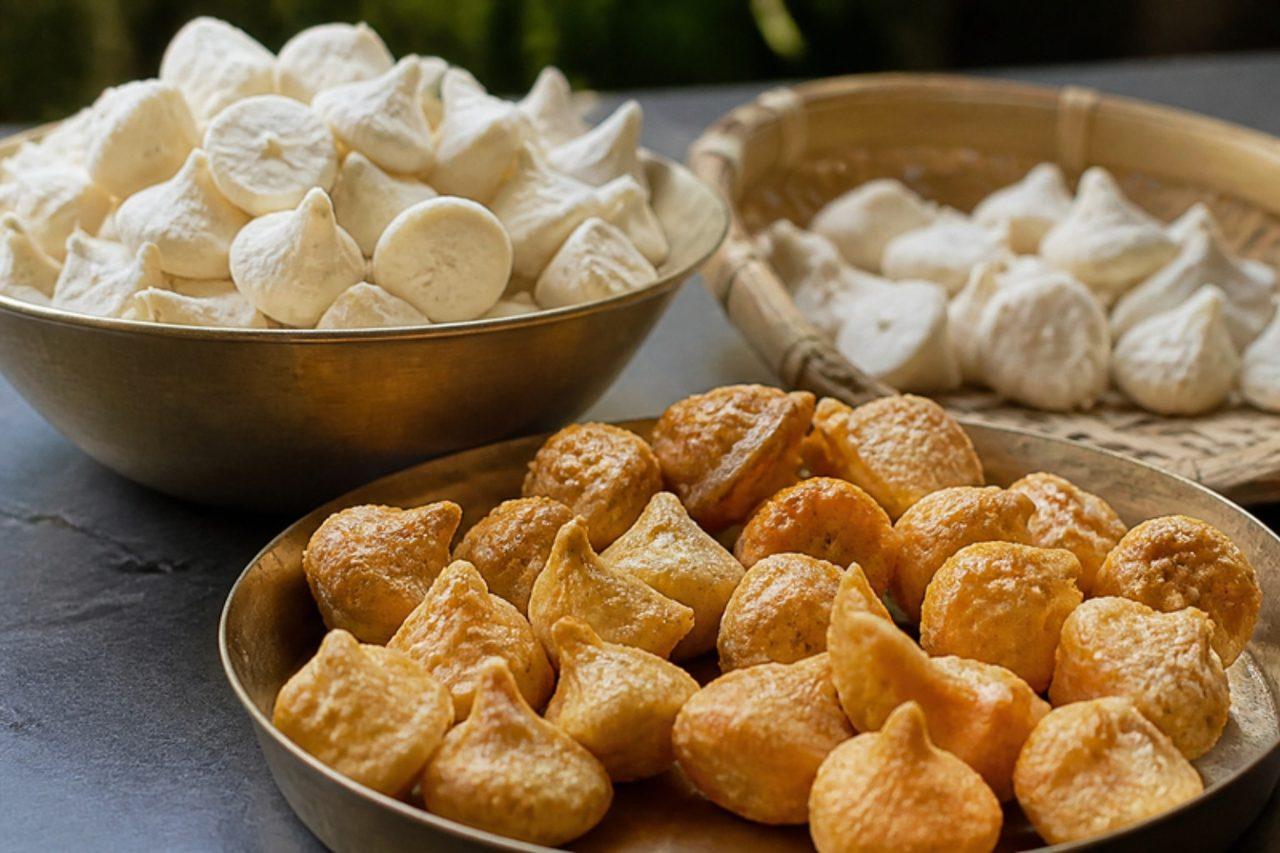
Winter mornings in rural Bengal used to mean bori-making: the household gathered on the roof with a big bowl of freshly ground, hand-whipped urad dal and dropped little peaked dollops onto cloth in neat rows. In Medinipur the women even pipe them into lace-like gohona bori, a folk art of its own. The everyday kind is simpler, a cone the size of a marble, sun-dried until rock hard. Fried in mustard oil, a bori turns crisp and golden outside and slightly spongy inside, and it soaks up gravy beautifully. A handful goes into shukto, into a maacher jhol with potatoes, into lau ghonto (bottle gourd) or into a simple vegetable chorchori. Common mistake: grinding the dal with too much water; the paste then spreads flat on the cloth instead of holding a peak. Chef's tip: check the whipped paste by dropping a little into a bowl of water. If it floats, it has enough air and the bori will be light; if it sinks, keep beating.

by KrazyBadal 0 views

Poule au potStuffed hen with vegetables

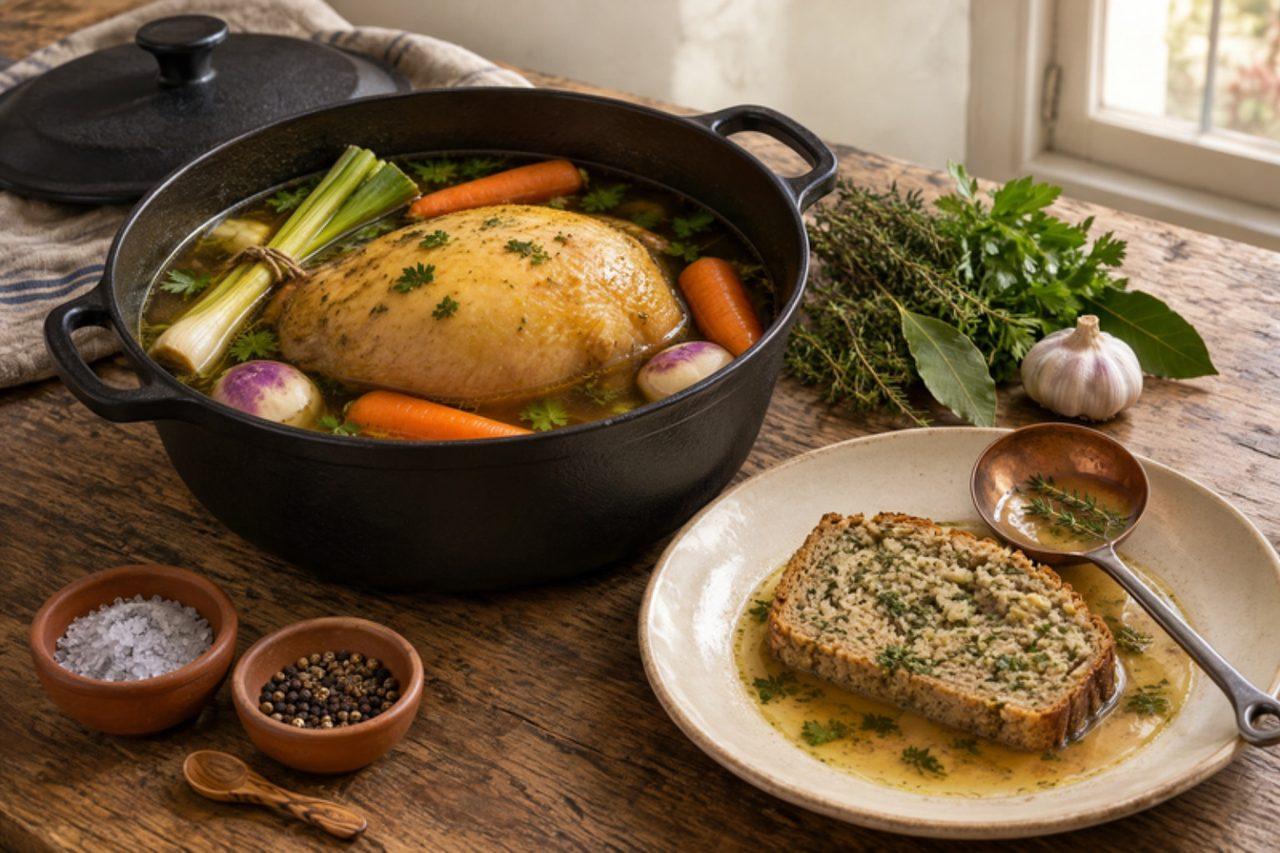
Poule au pot is the Sunday dish of Béarn in south-west France, linked for centuries with King Henri IV's wish that every peasant family should have a chicken in the pot on Sundays. A hen is filled with a stuffing of bread, Bayonne ham (a cured pork ham), chicken livers, garlic and parsley, then poached slowly with leeks, carrots and turnips. The golden broth is served first as a soup, followed by the sliced bird, stuffing and vegetables with a little coarse salt and mustard or a sauce gribiche. The usual mistake is stuffing the bird too tightly: the stuffing swells and can burst the skin, and a dense centre takes longer to cook through. Chef's tip: sew the neck and tail openings shut, or close them with cocktail sticks, so no stuffing leaks into the broth.

by KrazyBadal 0 views

Riso e verzeRice and cabbage soup

Riso e verze is a Lombard and Venetian farmhouse supper for the coldest months, when Savoy cabbage has been sweetened by the frost. Shredded cabbage is stewed slowly in butter and onion until it melts, then rice and stock go into the same pot and simmer into a thick, spoon-standing soup finished with grated cheese. Serve it in deep bowls with black pepper and crusty bread. The usual mistake is boiling the cabbage straight in stock, which makes it taste of sulphur; stew it in butter first until it is soft and sweet. Chef's tip: make it a little loose, because the rice keeps drinking the broth as it stands.

by KrazyBadal 0 views

Hobak jjigaeCourgette and tofu stew

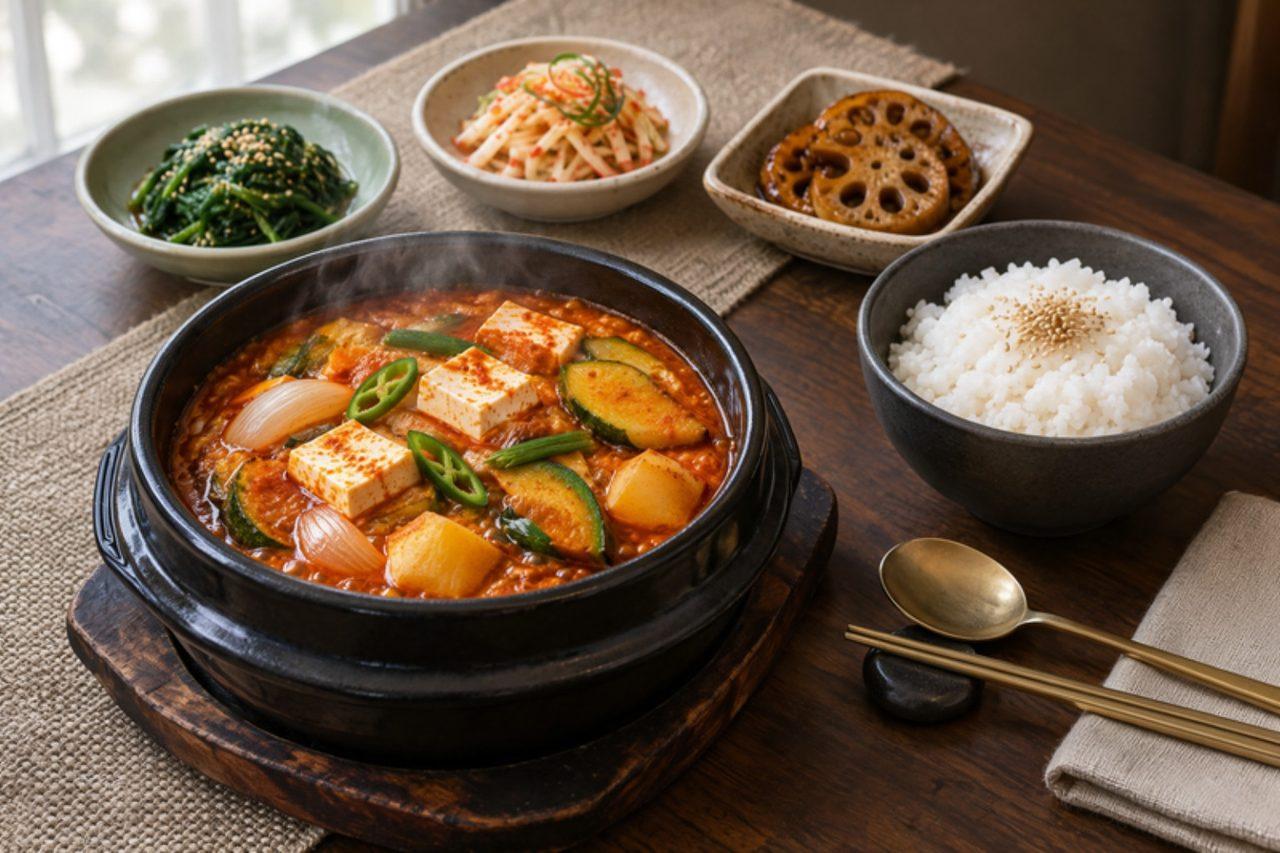
Hobak jjigae is the late-summer stew of Korean home kitchens, made when the garden throws up more courgettes (aehobak) than anyone can eat, and it lands on the table in its own pot next to rice and kimchi on any ordinary weeknight. Potato and soft tofu soften in a red, gently spicy broth of gochujang and kelp, and the courgette turns silky without falling apart. Most cooks start with anchovy stock; this one uses dried kelp and shiitake so it stays vegan. The usual mistake is adding the courgette with the potato, which leaves it mushy and grey by the time the potato is cooked. Chef's tip: a final splash of soup soy sauce (guk-ganjang) seasons the broth more deeply than salt without darkening it.

by KrazyBadal 0 views

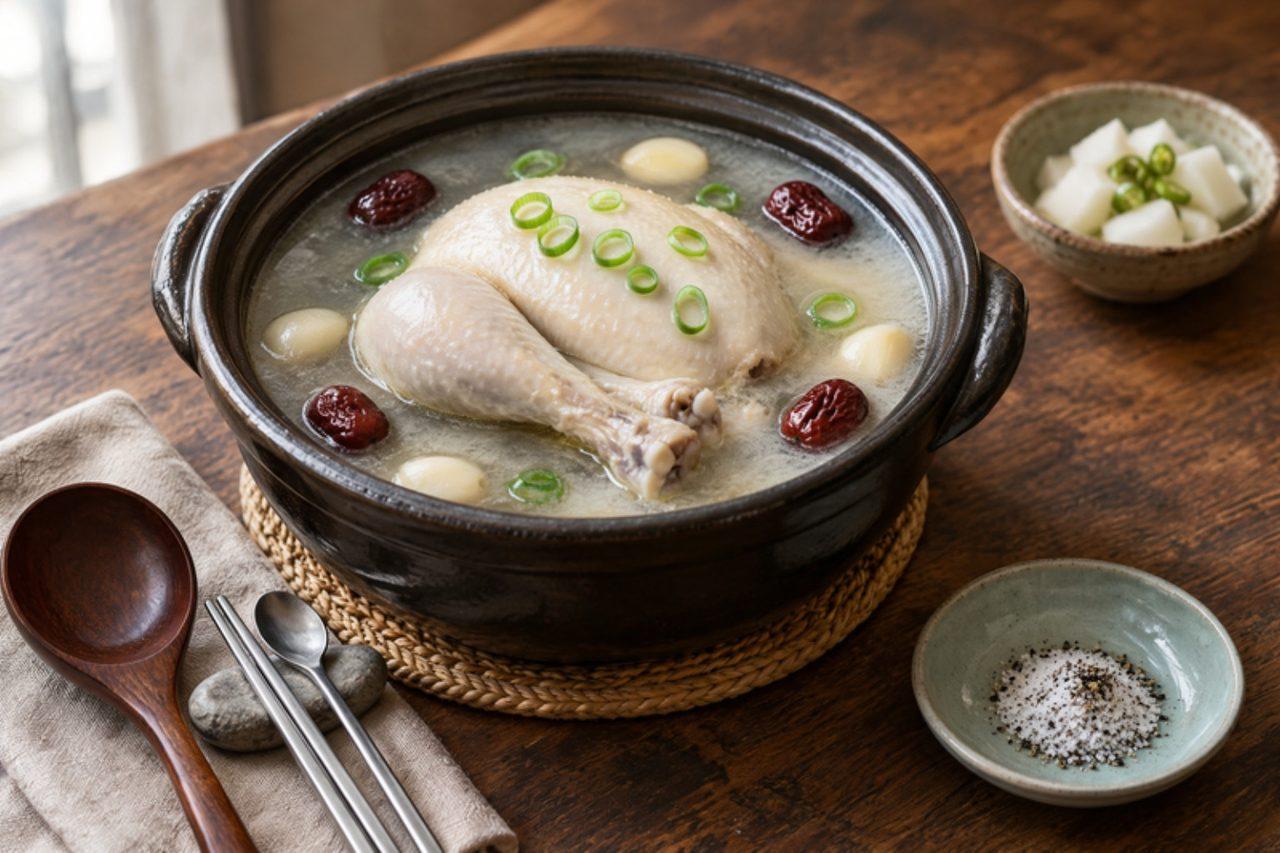
DakbaeksukPoached whole chicken

Dakbaeksuk is a whole chicken simmered plain in a big pot, a dish Koreans eat on the boknal 'dog days' of midsummer and at valley restaurants in the mountains, where families sit on platforms by the stream. Unlike samgyetang it is not stuffed; the bird simmers with a fistful of garlic, a few jujubes and dried roots such as astragalus until it falls apart, and you eat the meat with salt and pepper and drink the milky broth. Suitable as part of a balanced diet: high in protein, with no flour or added sugar. About 420 kcal and 8 g carbohydrate per portion; restaurants finish with rice porridge in the broth, so keep that portion small or use brown rice. The usual mistake is boiling it fiercely, which makes the meat stringy; it should simmer gently. Chef's tip: skim the fat off the broth before serving; it tastes cleaner and lighter.

by KrazyBadal 0 views

MerkénSmoked chilli seasoning

Merkén comes from the Mapuche kitchens of Araucanía: cacho de cabra chillies are dried, smoked over a wood fire, then ground with toasted coriander seed and salt into a brick-red powder that is smoky, warm and lightly hot. In Temuco and across the south it is shaken over potatoes, eggs, sopaipillas, grilled fish and soups. Outside Chile, use dried smoked red chillies, or plain dried red chillies plus smoked paprika. The mistake to avoid is scorching the chillies in the pan: if they blacken, the whole jar is bitter. Chef's tip: grind it a little coarse, as it is sold in Temuco's market, so the coriander seeds stay noticeable.

by KrazyBadal 0 views

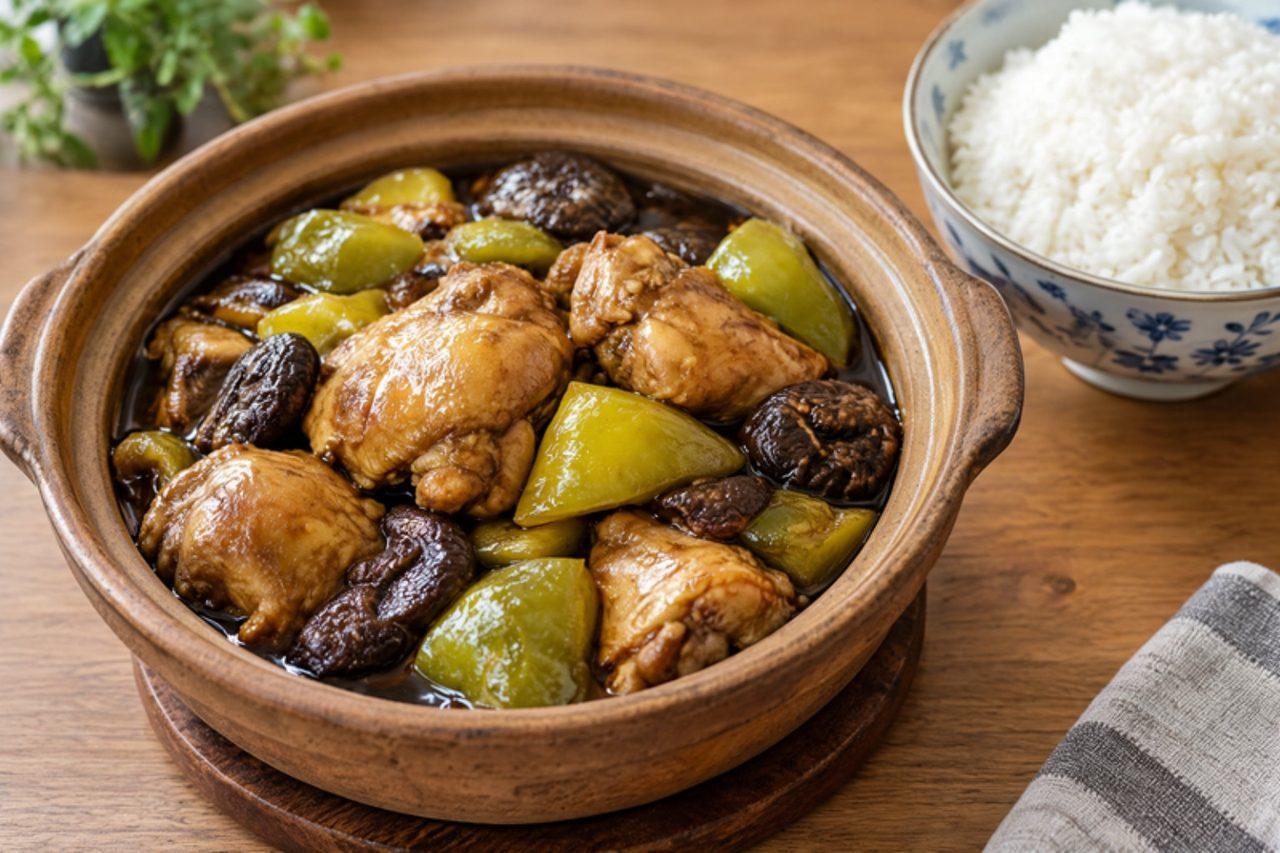
Huangmen jimifanBraised chicken rice

Huangmen jimifan began in Jinan, in Shandong, and spread to thousands of little clay-pot shops across China where office workers queue at noon for a bubbling pot of chicken braised dark and glossy with shiitake, ginger and green pepper, eaten over plain rice. It reheats perfectly in a work microwave. The common mistake is using breast, which goes dry and stringy in the braise; bone-in thigh stays juicy. Chef's tip: caramelise the rock sugar in the oil before the chicken goes in, which gives the sauce its amber colour without extra dark soy.

by KrazyBadal 0 views

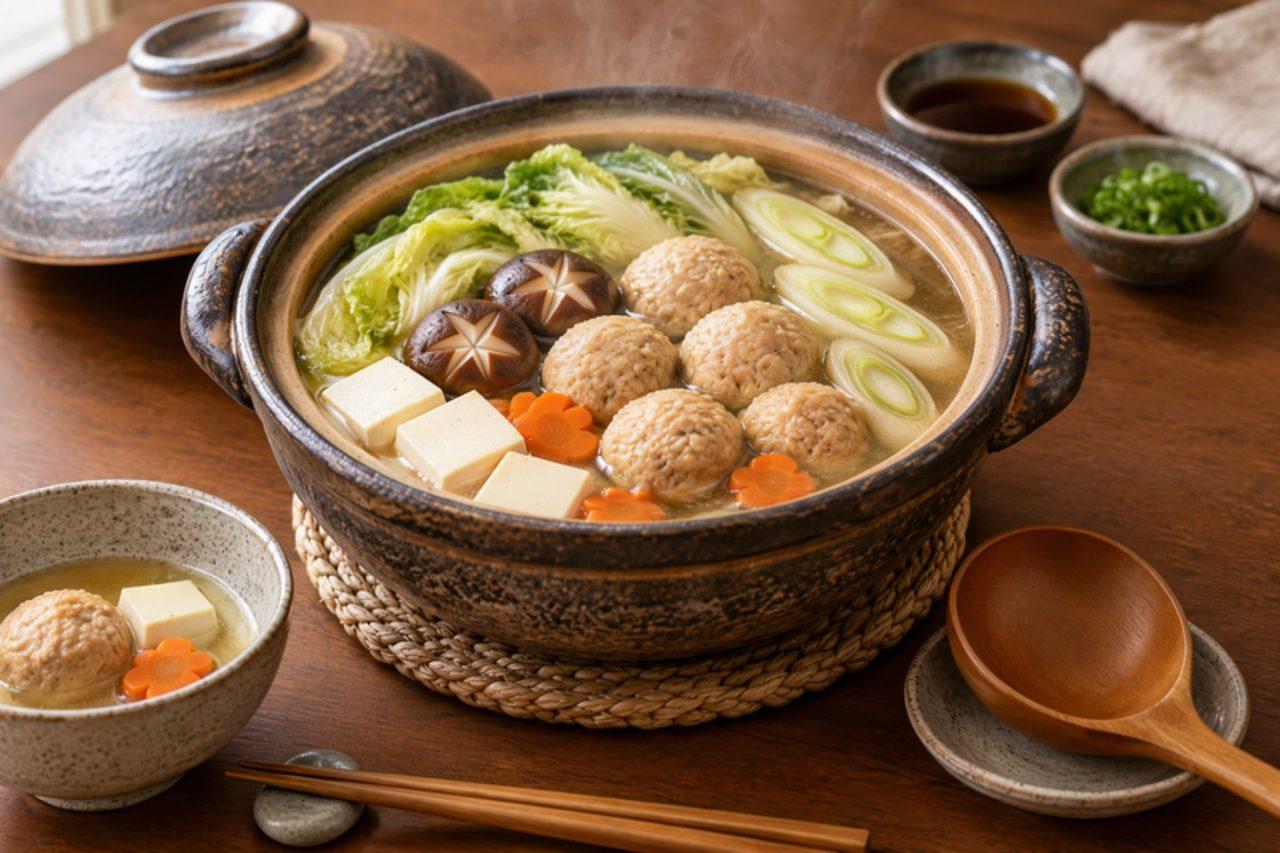
Chanko nabeChicken meatball hot pot

Chanko nabe is the daily meal of the sumo stables around Ryōgoku in east Tokyo, where young wrestlers cook a huge pot after morning practice and the senior ranks eat first. At home it is a winter supper cooked on a tabletop burner or on the hob: a clear chicken and kombu dashi seasoned lightly with soy, then loaded with ginger-scented chicken meatballs, tofu, napa cabbage, leek, carrot and mushrooms. Everything cooks in the one pot, and the last of the broth is often finished with udon or rice. The usual mistake is boiling the pot hard once the meatballs go in, which turns the broth cloudy and the tofu ragged; keep it at a lazy simmer. Chef's tip: shape the meatballs with two wet spoons and drop them in before the vegetables, so they flavour the broth while the cabbage softens.

by KrazyBadal 0 views

Polvorosa de polloChicken pie

Polvorosa is the pie that comes out for family birthdays and Sunday gatherings in Caracas: a melt-in-the-mouth, slightly sweet shortcrust (polvorosa means 'crumbly') around chicken stewed with leek, peppers, olives, capers and raisins, so each bite is salty, sweet and savoury at once. Serve it warm with a green salad. The common mistake is filling the pastry with hot stew, which melts the butter and makes a soggy, torn crust. Chef's tip: make the filling the day before and fill the pie straight from the fridge.

by KrazyBadal 0 views

TsukuneChicken meatball skewers

Tsukune are the minced chicken patties of yakitori bars all over Japan, and squashed into small ovals they are one of the most loved bento fillers, eaten cold at school or the office. Ginger and spring onion keep them fresh, and a glossy soy tare makes them sticky and sweet. The tare uses mirin, a sweet rice wine; most of its alcohol cooks off as it bubbles, and for an alcohol-free glaze use 1 tbsp sugar and 2 tbsp water instead. The common mistake is a loose mix that falls apart in the pan; knead it until sticky. Chef's tip: add a spoon of grated tofu or potato starch to the mince, which keeps the patties juicy even the next day.

by KrazyBadal 0 views

Frango xadrezChicken and pepper stir-fry

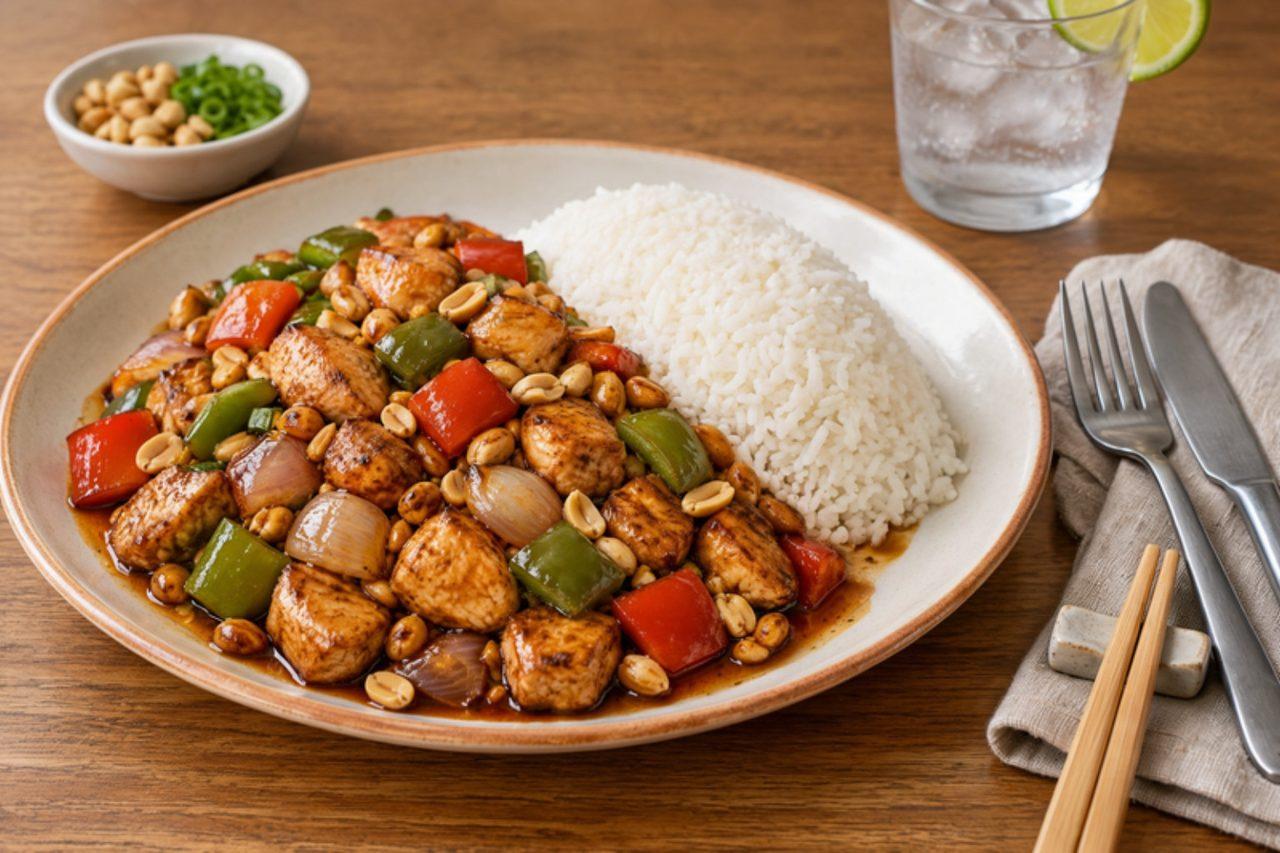
Frango xadrez, "chessboard chicken", was born in São Paulo's Chinese-Brazilian restaurants and named for its neat squares of chicken, pepper and onion. It is now a staple of lunch counters, delivery menus and the home-packed marmita, eaten over white rice. The common mistake is overcrowding the pan, so the chicken stews grey instead of searing; cook it in two batches. Chef's tip: toss the chicken with soy sauce and cornflour 15 minutes ahead; the coating keeps it juicy and thickens the sauce.

by KrazyBadal 0 views

Jitui fanFried chicken leg rice

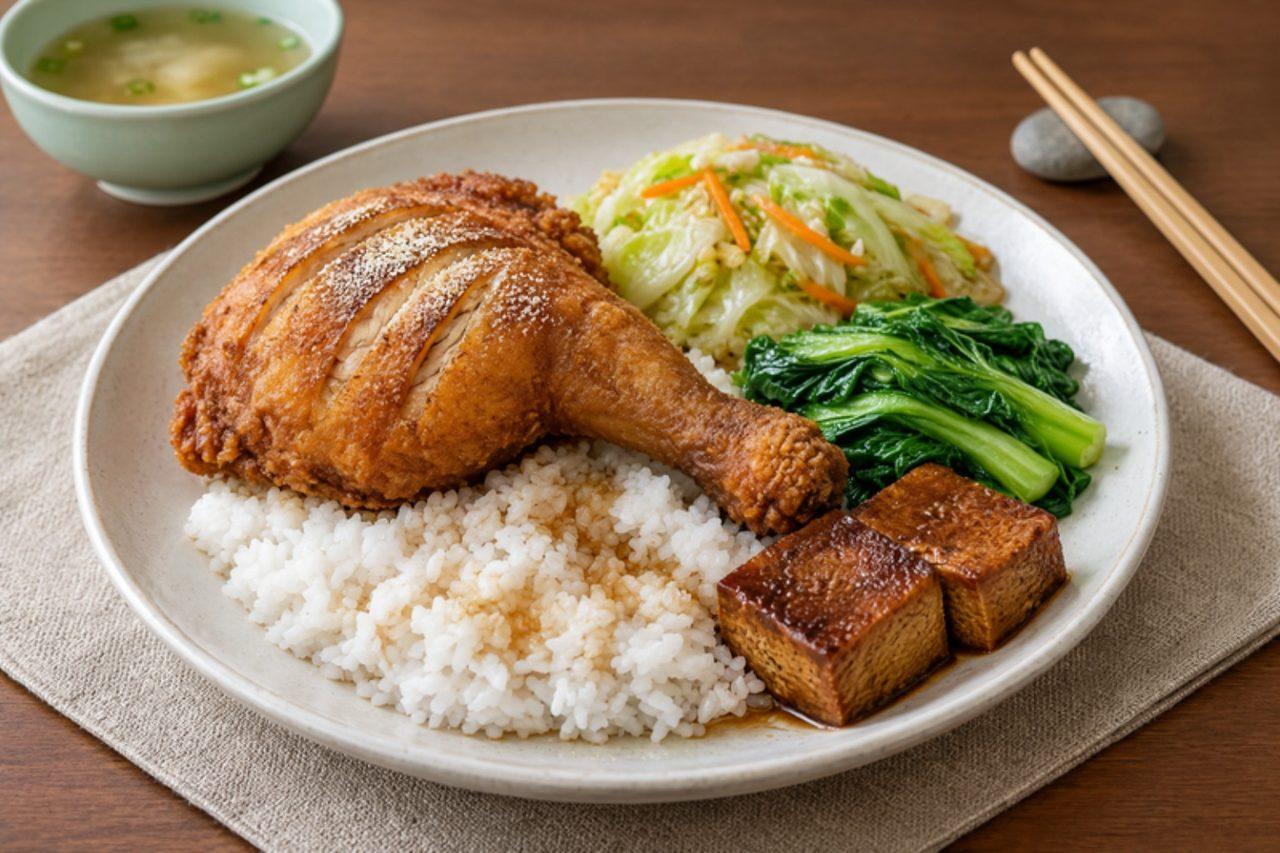
In every Taiwanese town, the biandang shop at lunchtime sells jitui fan: a whole chicken leg marinated in soy, garlic and five-spice, coated in coarse sweet potato starch and fried crisp, laid over rice with three small vegetable sides and a scoop of minced-pork sauce if you ask. Office workers and students carry the paper boxes back to their desks. The common mistake is frying in oil that is too hot, so the coating browns while the meat by the bone stays raw; fry gently, then crisp it at the end. Chef's tip: let the starch-coated legs sit for 5 minutes until the coating looks damp, so it fries into crunchy little pebbles.

by KrazyBadal 0 views

Chipotles en adoboSmoked jalapenos in adobo sauce

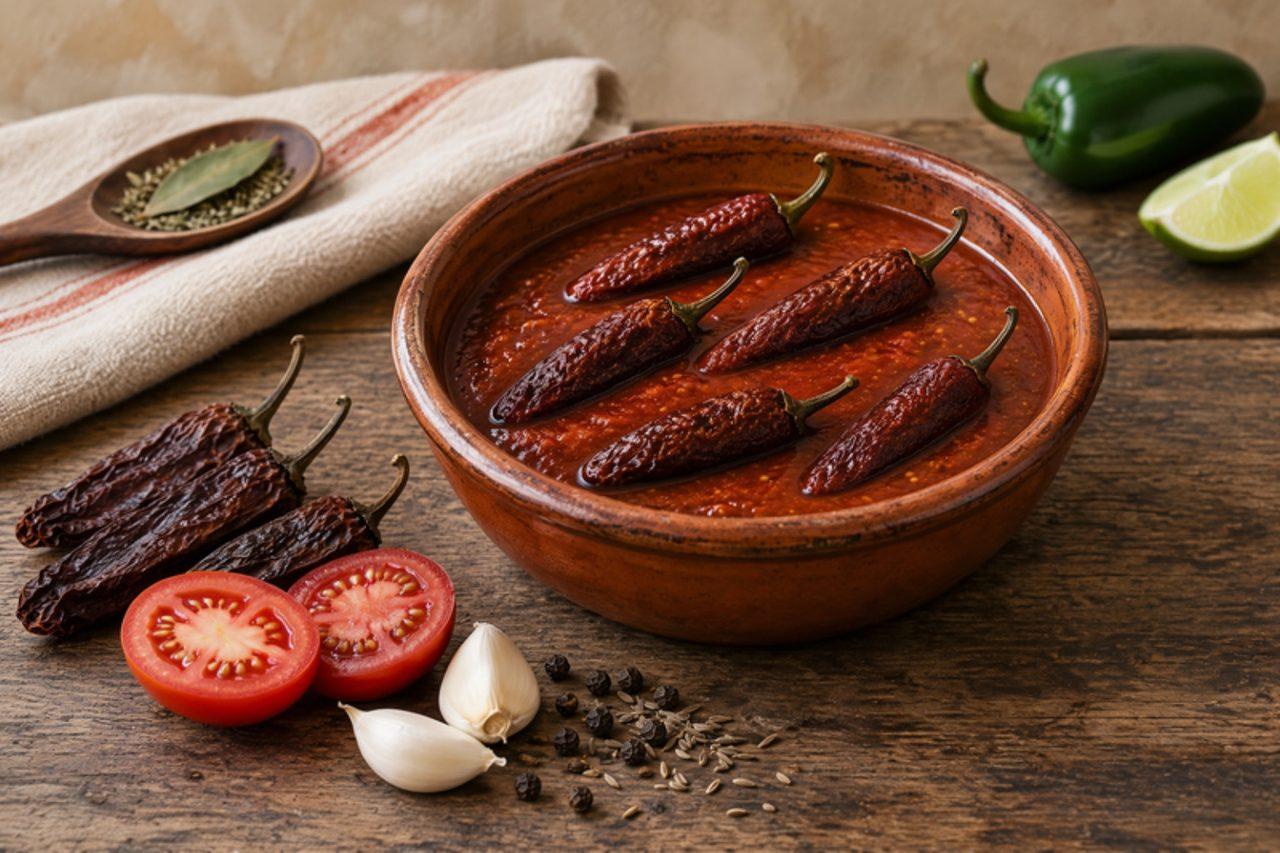
Chipotles are ripe jalapeños smoked slowly over wood until leathery; in Puebla and Veracruz the reddish, plump mora type is the everyday one, and the tan, leathery meco is prized for its deeper smoke. Simmered in a sweet-sour adobo of tomato, onion, garlic, vinegar and piloncillo, they become the soft, glossy chillies that go into tinga poblana, albóndigas en chipotle, bean soups and a quick chipotle mayonnaise. Homemade, they are smokier and less sugary than the tinned kind, with sauce that is brick red, tangy and thick enough to coat a spoon. Common mistake: toasting the dried chillies too long; a few seconds a side is enough, because scorched chillies make the whole jar bitter. This is a low-acid chilli preserve, so it is kept in the fridge or freezer, never canned in a water bath. It is ready when the chipotles are plump and soft enough to crush with a spoon and the adobo has reduced to a glossy sauce. Chef's tip: blend one or two chillies with their sauce and freeze it in an ice-cube tray, so you can add a single cube to a pot.

by KrazyBadal 1 views

Ave paltaChicken and avocado roll

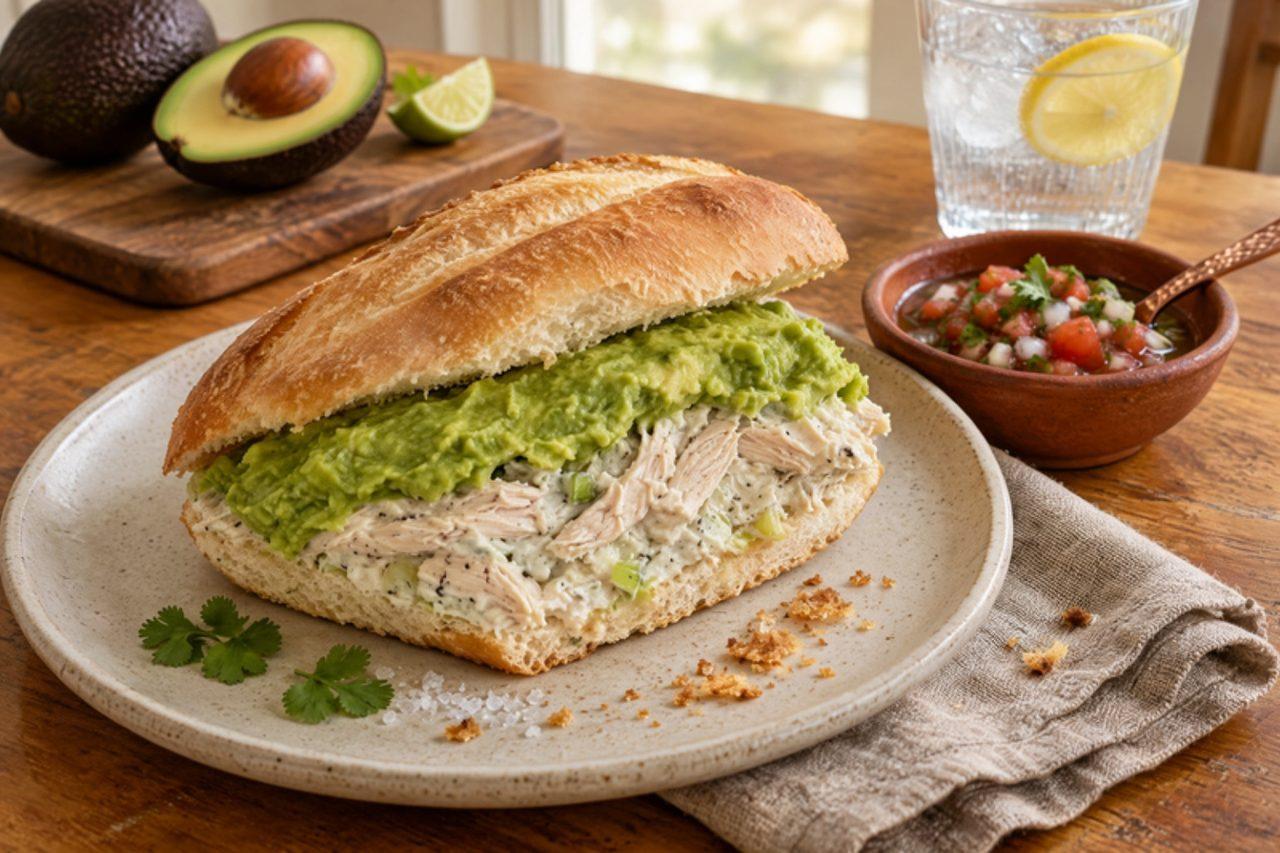
In Santiago's fuentes de soda and school kiosks, the ave palta is the lunch everyone orders: a soft hallulla or crusty marraqueta roll filled with shredded chicken in mayonnaise (ave mayo) and a thick layer of mashed avocado, palta. Chileans pack it for the office and for long bus journeys. The common mistake is mixing warm chicken with mayonnaise, which turns oily and is a food-safety risk; cool the chicken first. Pack it with an ice pack. Chef's tip: mash the avocado with lemon and salt just before assembling, so it stays green until lunch.

by KrazyBadal 0 views

DakgangjeongSticky glazed fried chicken

Dakgangjeong is the boxed fried chicken of Sokcho's Jungang market on Korea's east coast, carried home by the tub and packed into lunchboxes the next day, because the double-fried pieces in their sticky glaze stay crunchy even when cold. The common mistake is frying only once; the second fry drives out moisture so the crust holds up to the sauce. Chef's tip: coat with potato starch rather than flour, and let the coated chicken sit for 5 minutes so the starch hydrates into a craggy crust.

by KrazyBadal 0 views

Escabeche de polloChicken in vinegar and carrot

Pollo en escabeche is a home classic in Córdoba and Buenos Aires, a legacy of Spanish preserving that Argentines make on a Saturday to eat cold all week. It comes out of the fridge for a picada before the asado, as a summer lunch with a green salad and crusty bread, or packed for a day in the sierras. Chicken is browned, then gently cooked in oil and vinegar with carrot, onion, red pepper, garlic, bay and black peppercorns, and left to rest at least a day. The meat turns tender and lightly tangy, the carrots keep a little crunch, and the oil carries the flavour of bay and pepper. Because garlic sits in oil, safety matters: the liquid is half strong vinegar (at least 5% acidity, never diluted beyond what the recipe says), and the jar always lives in the fridge, never on the shelf. Eat it within 5 days. The common mistake is letting it boil hard, which makes the chicken dry and stringy; it should barely tremble. It is ready the next day, when the chicken tastes seasoned right through and the oil has turned golden. Chef's tip: take it out 20 minutes before serving so the oil melts back to liquid.

by KrazyBadal 0 views

ChässuppeBread and cheese soup

Chässuppe comes from the farmhouses of Central Switzerland, from Unterwalden to the Entlebuch, where it was a thrifty way to use up hard bread and the end of a wheel of cheese. It is a winter supper, especially on carnival and Advent evenings: bread and grated mountain cheese are soaked in hot broth and stirred into a thick, almost spoonable soup, then topped with butter-fried onions. Serve with a green salad and a mug of hot tea. Most Swiss mountain cheeses are made with animal rennet; for a vegetarian pot, choose a hard cheese labelled vegetarian with a nutty, Alpine-style flavour. The usual mistake is letting it boil once the cheese is in, which makes it stringy and oily. Chef's tip: soak the bread in the broth for 10 minutes before heating, so it melts into the soup instead of staying in lumps.

40 minSwissSoups
by KrazyBadal 0 views

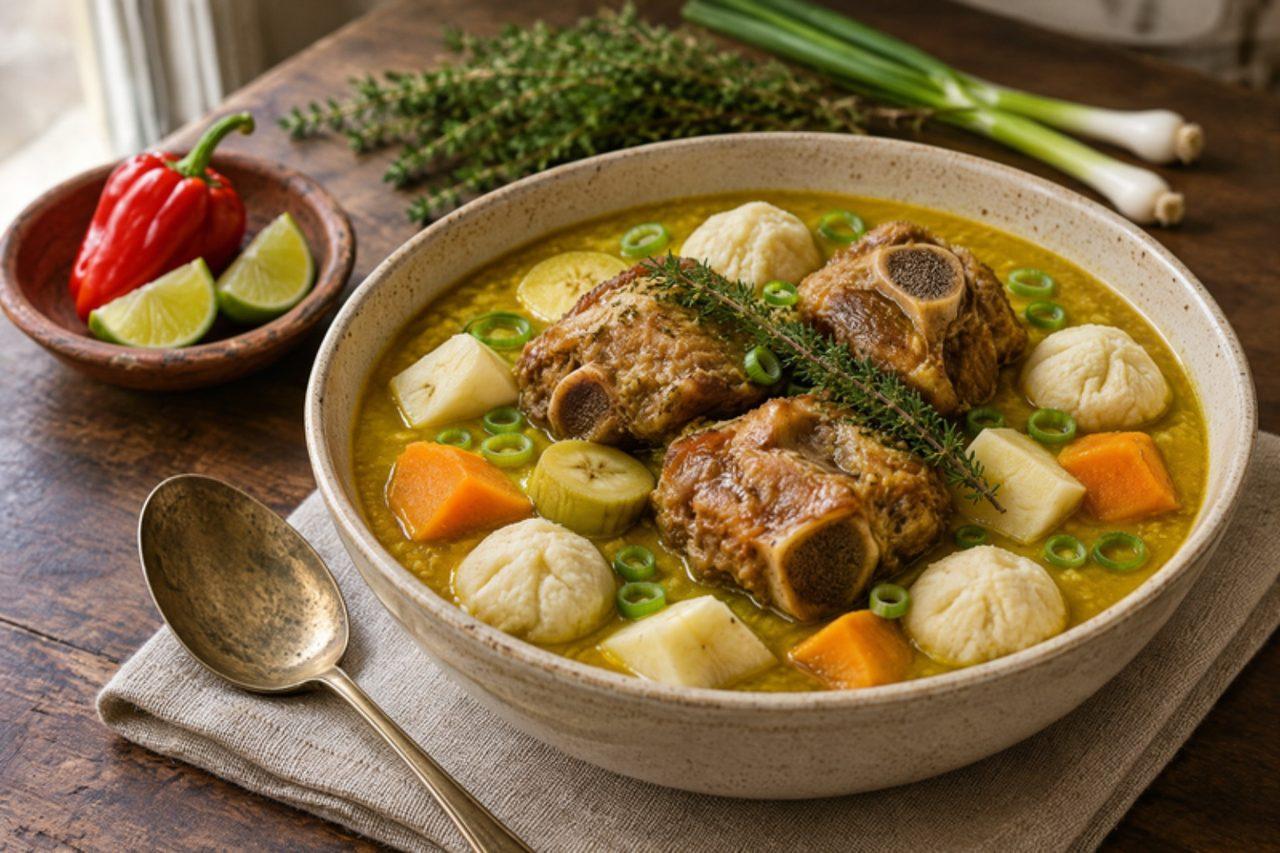
Cowheel soup

In Trinidad and Tobago, cowheel soup is Saturday soup: the big pot people make at home or buy from roadside soup vendors after a fete, believed to set you right again. Cow heel is simmered for hours until gelatinous, then yellow split peas, pumpkin and 'provisions' such as dasheen, cassava, eddoes and green bananas go in, with green seasoning, a whole scotch bonnet for perfume and soft flour dumplings dropped in at the end. The broth turns thick and silky from the collagen and split peas. The usual mistake is bursting the scotch bonnet, which makes the pot fiercely hot; leave it whole and lift it out. A pressure cooker gets the cow heel tender in 50 minutes. Chef's tip: buy cow heel already cut and scraped by the butcher, then scrub it with lime before cooking.

by KrazyBadal 0 views

Ash-e dooghYogurt soup with rice and chickpeas

Ash-e doogh is the summer and autumn soup of Ardabil and the Azeri north-west of Iran, cooked in big pots for family gatherings and sold in bowls in the bazaars. Rice and chickpeas are simmered in tangy yoghurt with handfuls of dill, coriander, spinach and mint, and the soup is topped with crisp fried onion and dried mint. It is creamy and sour, never heavy. The usual mistake is stopping stirring: the yoghurt splits into grains if left to boil alone, so stir in one direction without stopping until it comes to the boil. Chef's tip: beat a spoonful of rice flour into the yoghurt before heating; it stabilises it and keeps the soup silky.

by KrazyBadal 0 views

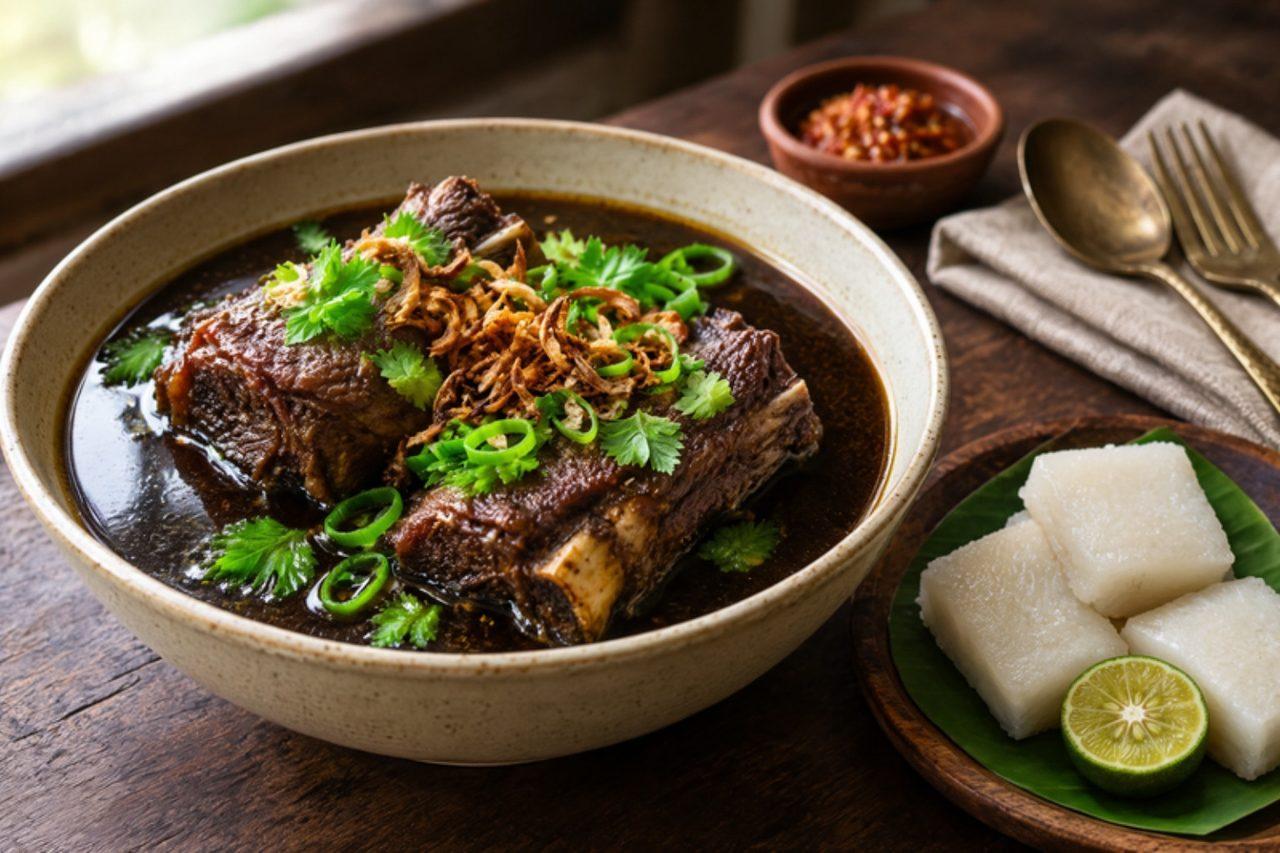
Sop konroBeef rib soup

Sop konro is the pride of Makassar in South Sulawesi, where warung near the harbour serve big bowls of beef ribs in an almost black broth from lunchtime into the night, often with burasa (rice cooked in coconut milk) or plain rice. The colour and earthy, chocolatey depth come from keluak (kluwek) nuts, simmered with a paste of shallots, garlic, ginger, galangal, toasted coriander seed and candlenut until the rib meat slides off the bone. The usual mistake is using raw keluak: the nuts are only safe after long fermentation, so buy them ready-prepared from an Indonesian shop, and discard any that smell sour or are dry inside. A pressure cooker gets the ribs tender in 50 minutes. Chef's tip: toast the coriander seeds until they crackle before grinding; they carry the whole soup.

by KrazyBadal 0 views

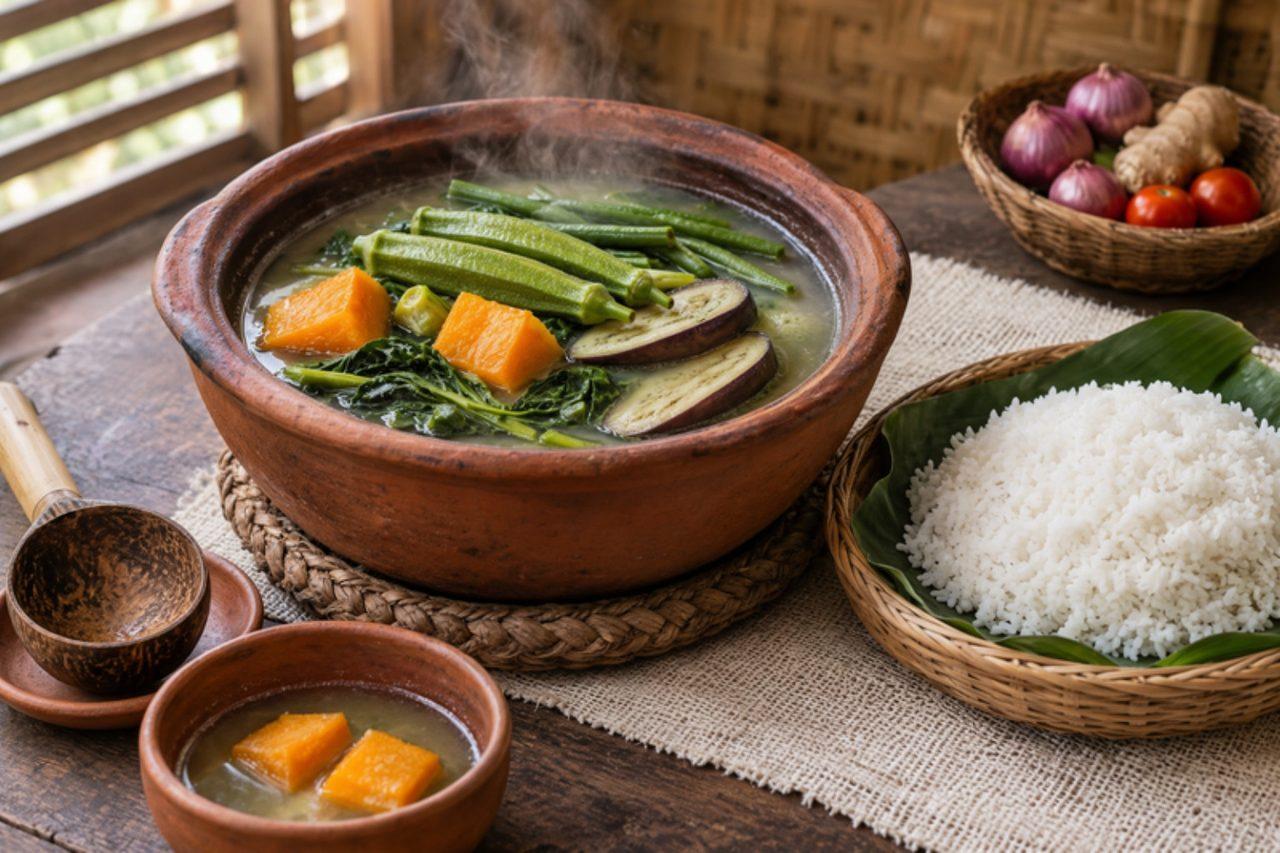
BulanglangMixed vegetable stew

Bulanglang is the plain, light vegetable soup of Batangas and the Tagalog provinces, made in farmhouses at lunchtime from whatever is in the garden: squash, okra, string beans, eggplant and a handful of malunggay or sweet potato leaves. Instead of stock it uses hugas bigas, the cloudy water from washing rice, which gives the broth a soft, milky body. It is often eaten with grilled fish and a dip of bagoong; this version stays vegan and is served with a soy-and-calamansi dip. The usual mistake is boiling everything together from the start, which leaves mushy squash and raw-tasting okra; add the vegetables in order of firmness. Chef's tip: save the second rice wash, not the first, for the cleanest, creamiest broth.

by KrazyBadal 0 views

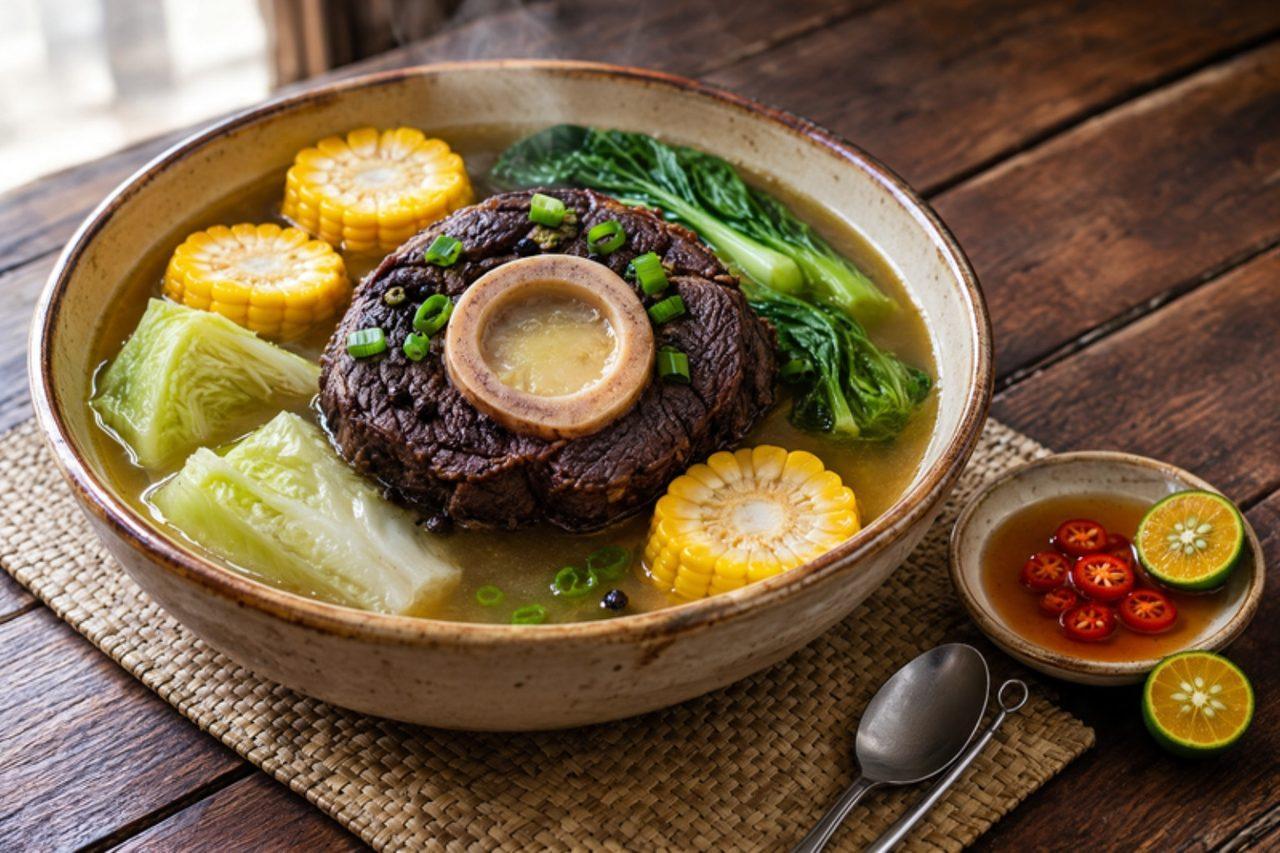
BulaloBeef shank and marrow soup

Bulalo is the pride of Batangas, south of Manila, served at roadside eateries on the way to Tagaytay where the cool upland air makes a steaming bowl the thing to order. Beef shank on the bone simmers for hours until the meat falls away and the marrow turns soft and wobbly, giving a clear, beefy broth seasoned just with fish sauce, onion and peppercorns. Corn on the cob, cabbage and pechay go in at the end. Spoon the marrow onto rice and dip the meat in fish sauce with calamansi and chilli. The usual mistake is skipping the first blanch: the broth turns grey and murky. Slow-cooker: after blanching, cook on low for 10 hours, adding the vegetables for the last 30 minutes on high. Chef's tip: keep the pot at a lazy simmer, never a boil, for the clearest broth.

by KrazyBadal 0 views

Showing 24 of 860 recipes

Show more recipes

Page 1 of 36