Skip to content
Recipes

All recipes

Vegetarian, or something you can't eat? Set your diet once and we'll hide recipes that don't fit.

Ciambelline al mosto (alcohol-free ring biscuits)Grape juice ring biscuits

All over Lazio, from the Castelli Romani to the countryside around Rome, these sugar-crusted ring biscuits are put out at the end of a meal and at the autumn grape harvest, when they are dunked into a glass to soften. The classic dough is made with equal measures of liquid, olive oil and sugar; here the liquid is red grape juice, which is close to the fresh mosto of harvest time and gives the same pinkish crumb and fruity edge with no alcohol at all. The rings are crunchy and light, a little crumbly, with a crackly sugar coat and a hint of aniseed. Serve them with grape juice, coffee or a pot of tea for dunking. They are naturally egg-free: the olive oil and juice bind the flour into a smooth dough, and baking powder does the lifting that eggs might do elsewhere. Chef's tip: roll the ropes no thicker than a pencil and a half, about 1 cm; the common mistake is chunky ropes, which brown outside before the middle dries and leave the biscuits hard instead of crisp.

by KrazyBadal 0 views

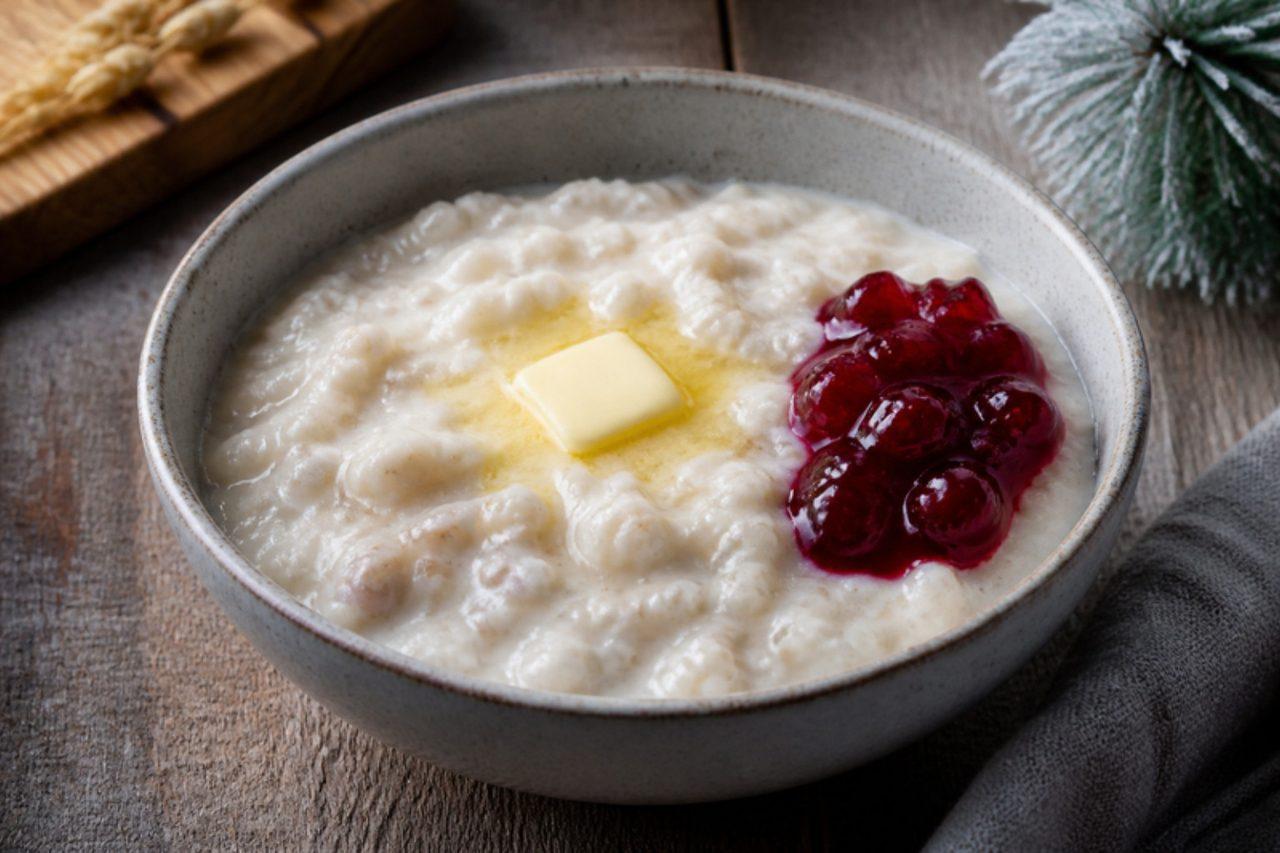
OhrapuuroBarley porridge

Ohrapuuro is the comfort food of Finnish farmhouses: pearl barley cooked slowly in plenty of milk until it turns creamy, pale and faintly sweet, then served with a knob of butter melting in the middle and a spoon of lingonberry or berry kissel. It is a breakfast for winter mornings and a supper for Christmas Eve in many families, and the oven version used to cook overnight in the cooling bread oven. A bowl gives about 14 g of protein from the milk and barley, so it is filling, but not a high-protein dish. The common mistake is cooking it too fast on a high heat; the milk catches and burns on the bottom, so keep it at a bare simmer and stir often. Chef's tip: soak the barley in water overnight if you can; it cuts the cooking time to about an hour and the grains cook more evenly.

by KrazyBadal 0 views

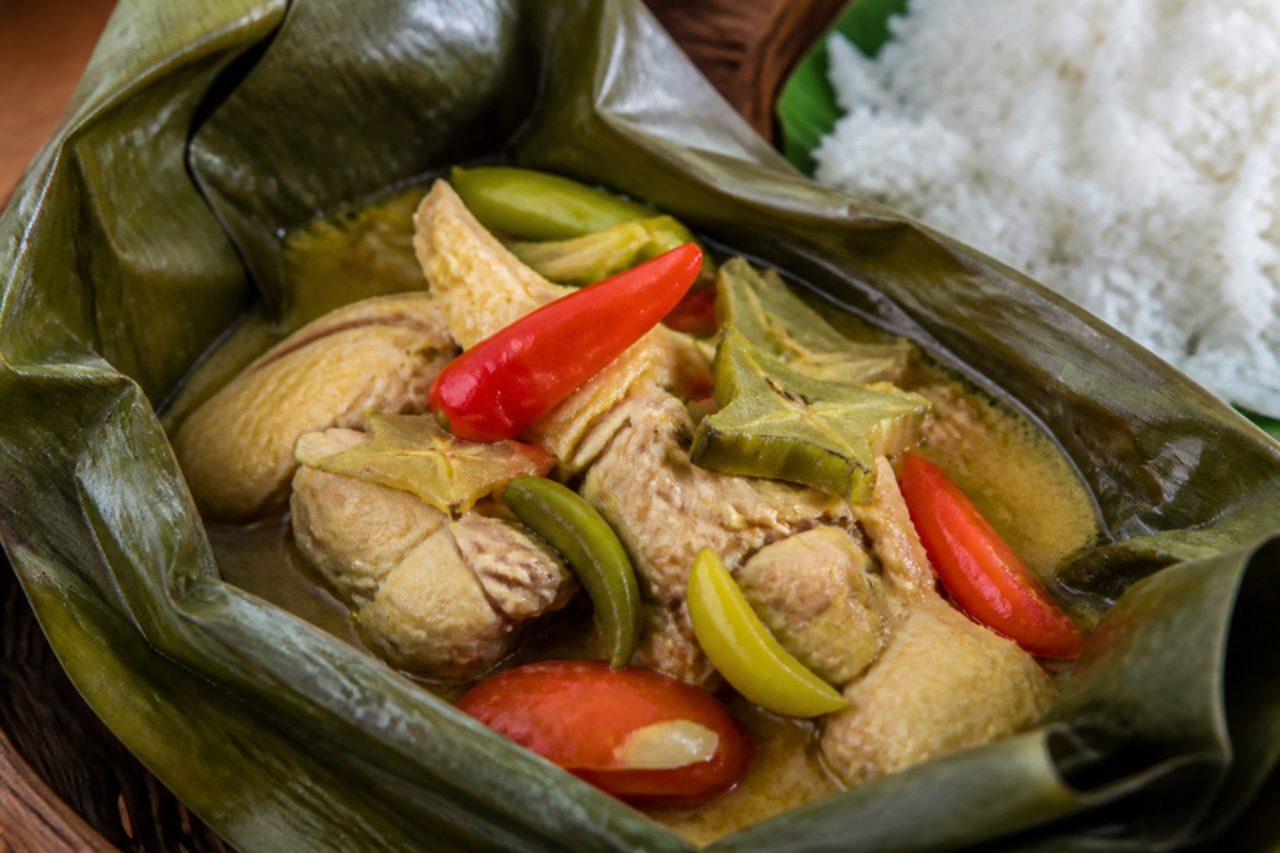
Garang asemChicken and starfruit in banana leaf

Garang asem is a dish from Kudus and Demak on the north coast of Central Java, where it is cooked for family lunches and sold at warungs by midday. Bone-in chicken is packed into banana-leaf parcels with sour starfruit, tomato, whole chillies and a little thin coconut milk, then steamed until the juices turn into a light, tangy, peppery broth. It is clean-tasting rather than rich, and a portion has about 32 g of protein from the chicken; serve it with steamed rice. The common mistake is wrapping the parcels loosely so the broth runs out; fold the leaves in two layers and pin them tight. Chef's tip: if you can't find belimbing wuluh (sour starfruit), use green tomatoes and a spoon of tamarind water for the same sharpness.

by KrazyBadal 0 views

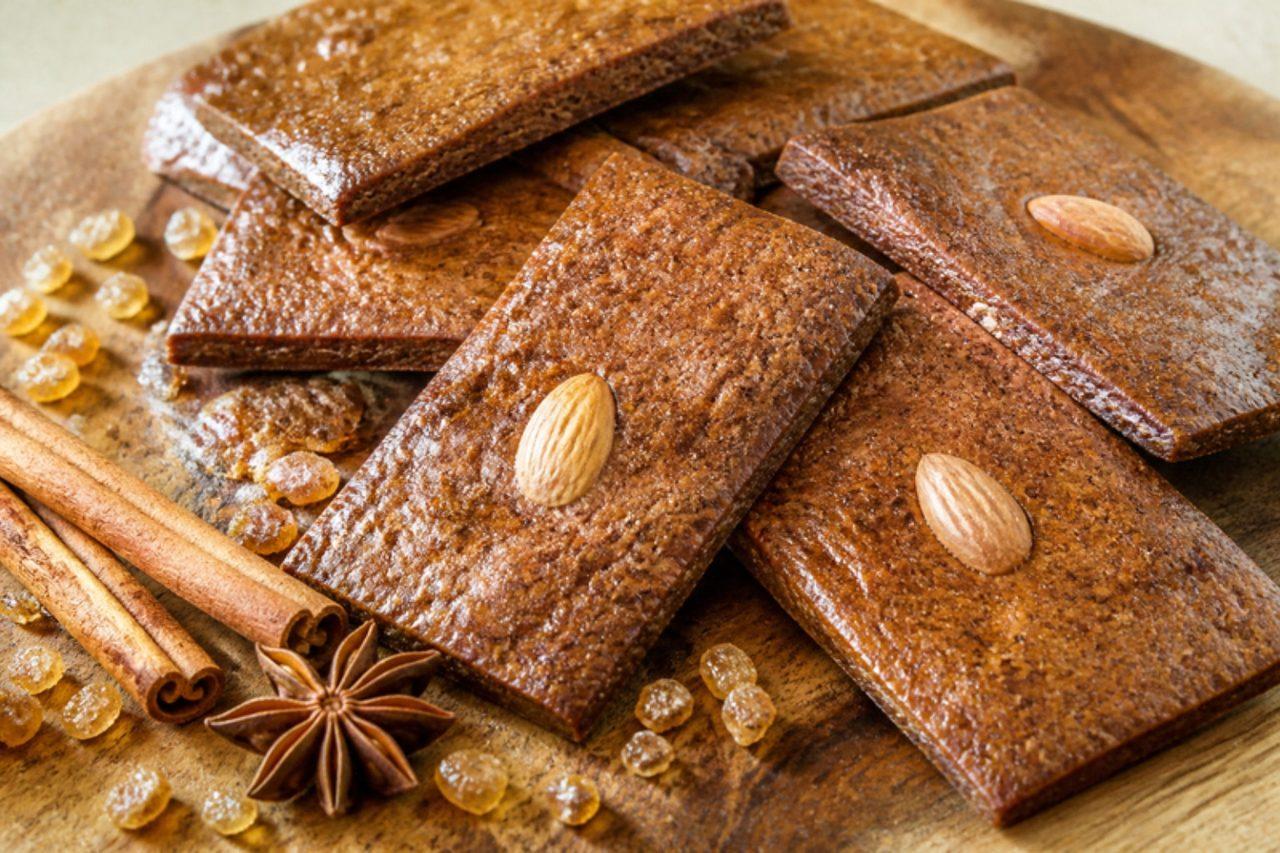
Aachener Printen (Aachen spiced gingerbread slabs)

The bakeries of Aachen have made Printen for centuries, and from late autumn through Christmas the city's shop windows fill with these narrow brown slabs. Unlike soft German Lebkuchen they are firm and snappy, sweetened with dark sugar-beet syrup and studded with little crunchy bits of rock sugar, and they carry a big blend of spices: cinnamon, aniseed, coriander, cloves, cardamom and allspice. The dough rests overnight to develop flavour, then is raised with potash, which gives the dense, crisp texture. Dunk them in coffee or tea, or serve with baked apples. Printen never contained egg: the thick beet syrup is both sweetener and binder, gluing the flour into a stiff dough that sets hard in the oven. Chef's tip: let the syrup cool to lukewarm before mixing in the flour; the common mistake is adding it hot, which starts cooking the flour and gives a tough, rubbery dough.

1465 minGermanBakingVegan
by KrazyBadal 0 views

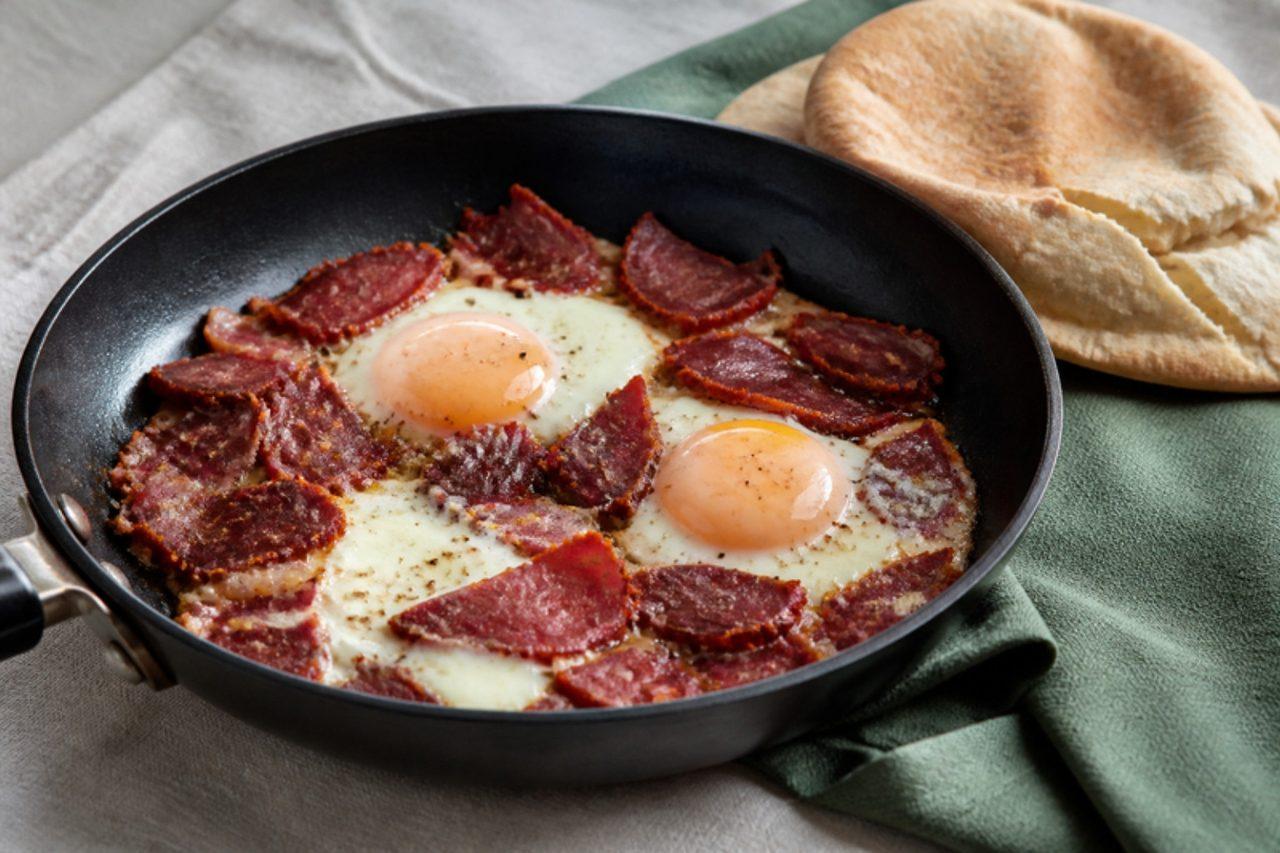
Eggs with bastermaFried eggs with cured beef

Beid bil basterma is a Cairo breakfast and late-night supper, made in homes and served at the old ful-and-falafel cafés downtown, always brought to the table in the small pan it was cooked in with baladi bread for scooping. Basterma is air-dried beef cured under a thick coat of fenugreek, garlic, cumin and paprika; a few thin slices are warmed in ghee until they curl and release their spice, then eggs are cracked over the top. The common mistake is frying the basterma too hot or too long: it is already cured and only needs warming, and it turns hard and bitter if it crisps. Chef's tip: leave some of the spiced crust on the slices; it melts into the ghee and seasons the eggs. For pregnant people, young children, older or vulnerable people, cook the yolks until firm.

by KrazyBadal 0 views

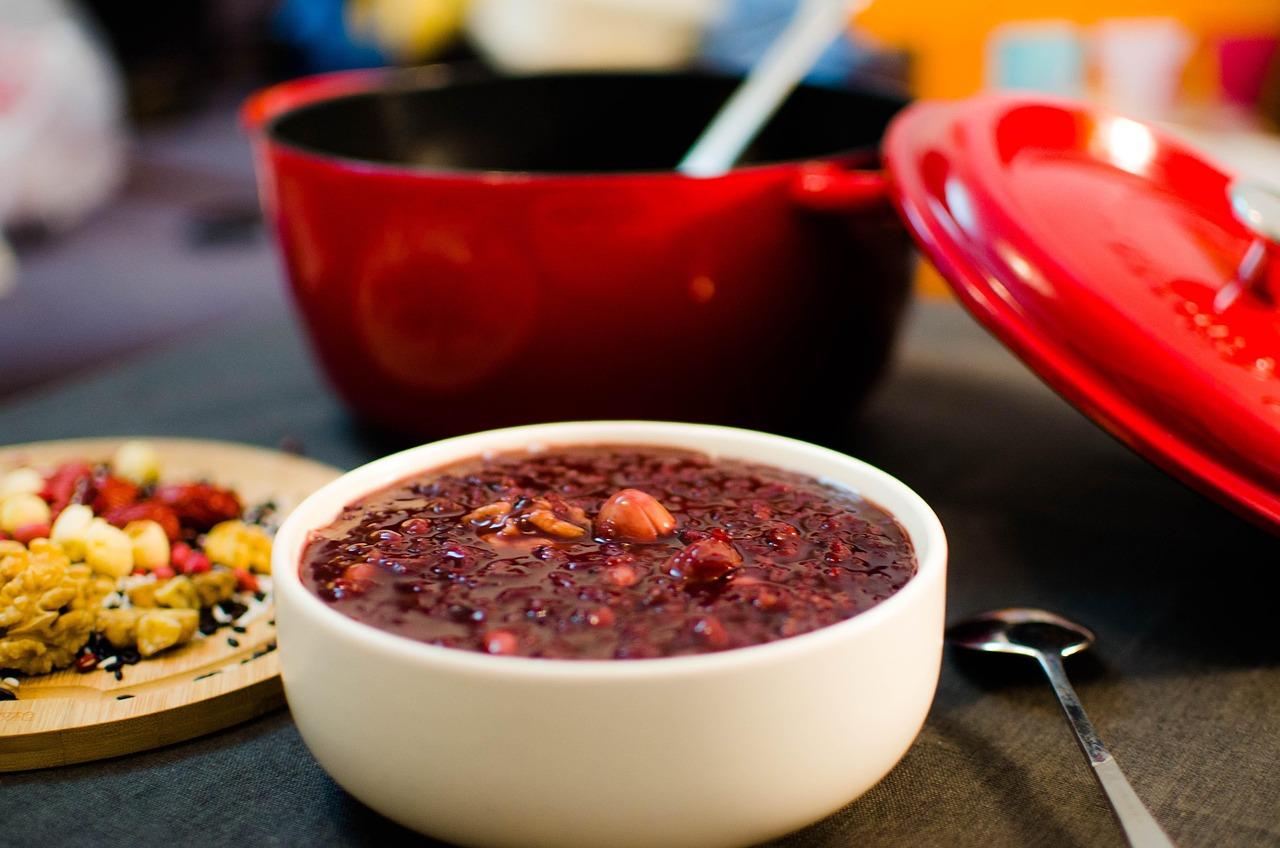
Ba bao zhouEight-treasure porridge

Across China, the eighth day of the twelfth lunar month is Laba, and households and Buddhist temples simmer a big pot of eight-treasure porridge to share: glutinous and black rice cooked slowly with red beans, mung beans, peanuts, lotus seeds, red dates and longan until thick and gently sweet. Beijing families still give bowls to neighbours, and it is a warming winter breakfast all season. A bowl gives about 9 g of protein from the beans, peanuts and lotus seeds, so it is a filling porridge rather than a high-protein one. Soak the beans, peanuts and lotus seeds for at least 4 hours or overnight. The common mistake is putting everything in at once: the rice goes to glue before the beans soften, so the beans get a head start. Chef's tip: add the rock sugar only in the last 10 minutes; sugar added early toughens the bean skins.

by KrazyBadal 0 views

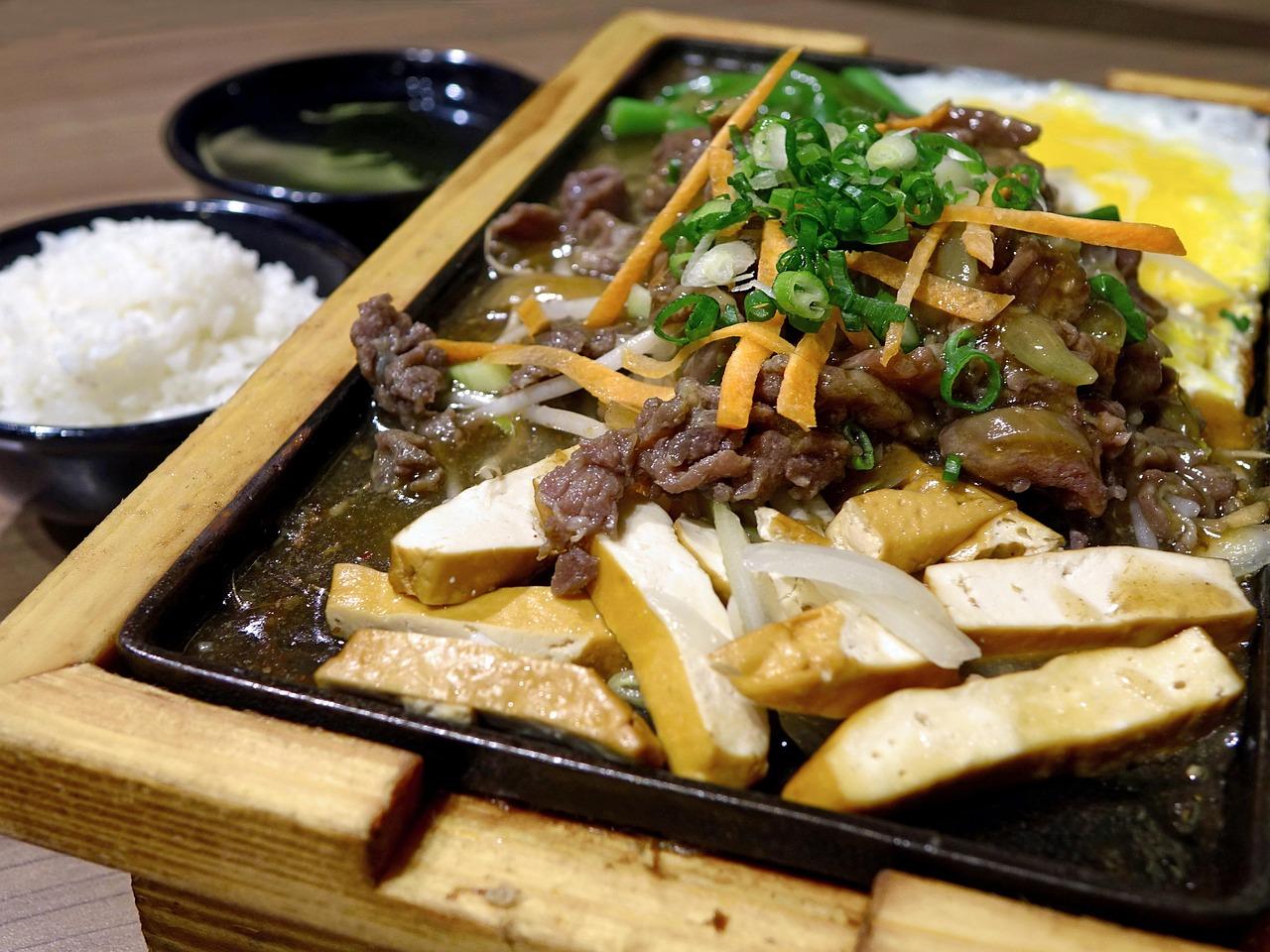
Niku-dofuBeef and tofu simmer

Niku-dofu is a home and izakaya favourite across Japan, especially in winter, when a pot of it comes to the table with rice and miso soup on a weeknight. Thin slices of beef and big blocks of firm tofu simmer with onion and spring onion in a sweet soy and dashi broth until the tofu is stained amber and full of flavour. This is a beef dish; a portion has about 26 g of protein from the beef and tofu. Traditional recipes use sake and mirin; this version leaves them out and uses a little more sugar, so it is alcohol-free. The common mistake is boiling the beef for the whole time, which makes it tough: add it near the end. Chef's tip: press the tofu for 15 minutes first so it soaks up the broth instead of watering it down.

by KrazyBadal 0 views

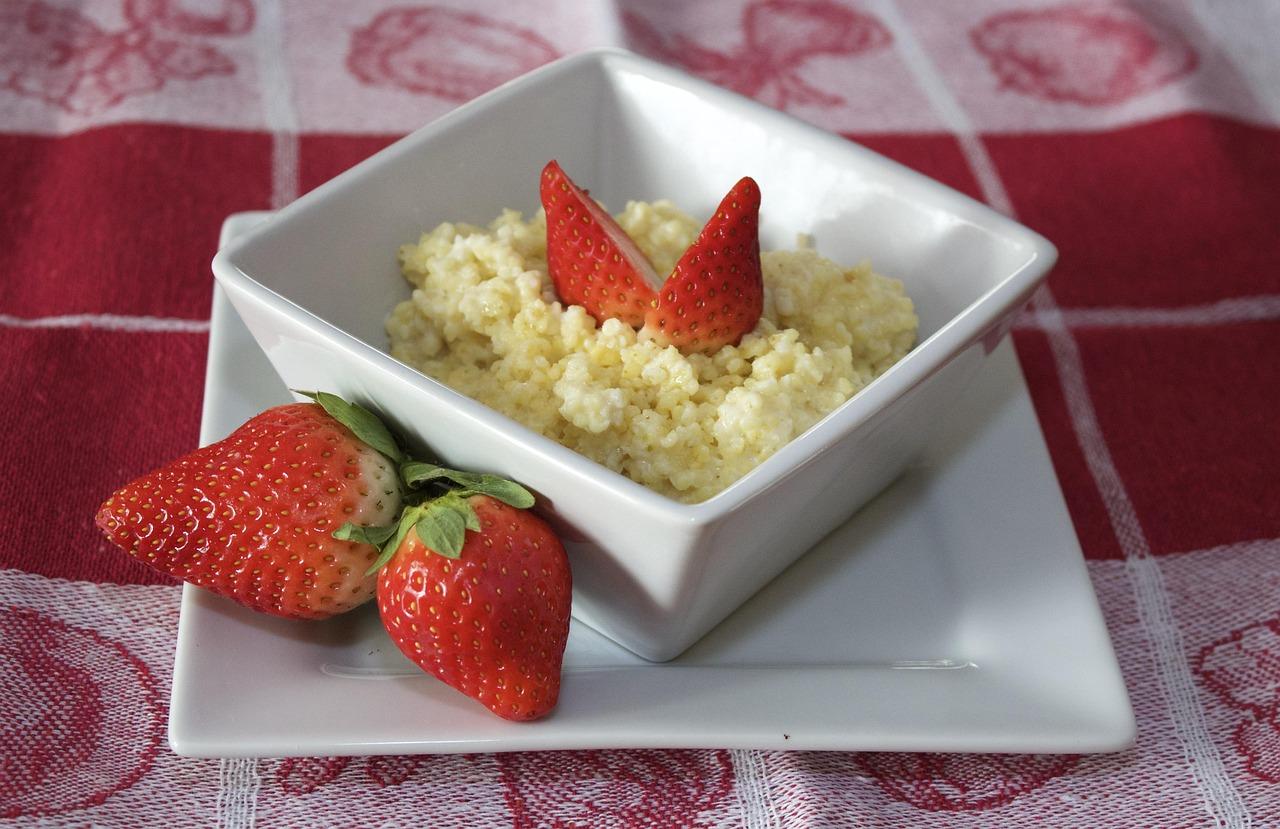
HirsebreiMillet porridge

Hirsebrei is one of the oldest dishes in German cooking, the millet porridge of fairy tales, and it is still made in homes across the country as a warm breakfast or a sweet supper for children on cold evenings. Golden millet is rinsed, then simmered in milk until creamy and soft, and served with stewed apple, berries and a dusting of cinnamon. A bowl gives about 12 g of protein from the milk and millet; stir in a spoon of quark or top with chopped almonds if you want more. The usual mistake is skipping the rinse: unrinsed millet tastes bitter and soapy, so rinse it in hot water until the water runs clear. Chef's tip: toast the rinsed millet in the dry pan for a minute before adding milk; it brings out a lovely nutty flavour.

by KrazyBadal 0 views

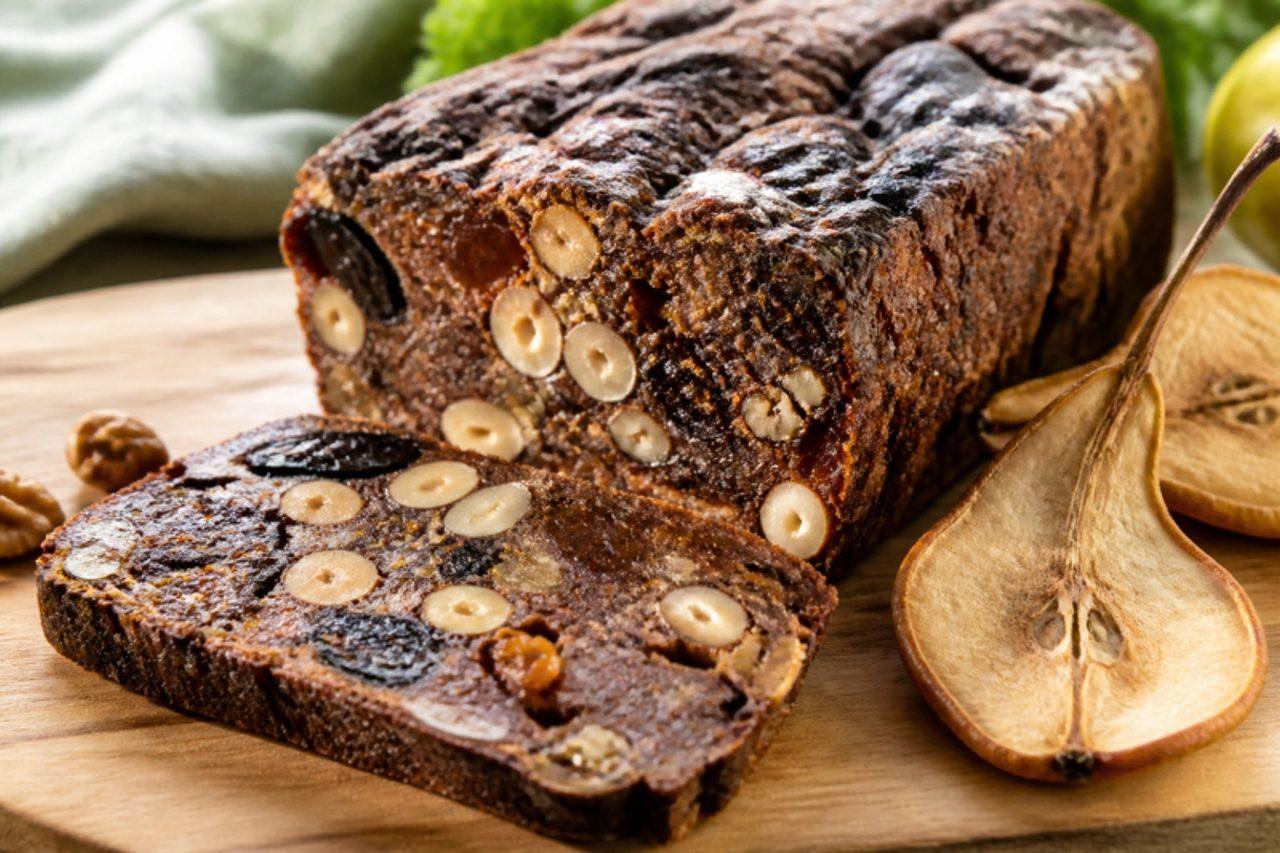
Hutzelbrot (Swabian dried-pear Christmas loaf)

In Swabia and Franconia, Hutzelbrot is baked in early December and sliced through Advent and Christmas, traditionally on St Thomas's Day, 21 December. Hutzeln are dried pears, and they are the heart of the loaf: soaked overnight and simmered, then mixed with figs, prunes, raisins, hazelnuts, walnuts and candied peel, bound with only enough spiced yeast dough to hold everything together. The result is dark, moist and dense, closer to fruit than to bread, fragrant with cinnamon, aniseed and cloves. Slice it thin and eat it plain, spread with butter or a nut butter, with coffee or a hot fruit tea. The loaf is naturally egg-free: the yeast dough, made with the sweet pear soaking water, is the glue, and the sticky fruit holds it moist for weeks. Chef's tip: wrap the cooled loaves tightly and leave them for 3–4 days before slicing; the common mistake is cutting it on day one, when it crumbles and the flavours have not settled.

900 minGermanBakingVegan
by KrazyBadal 0 views

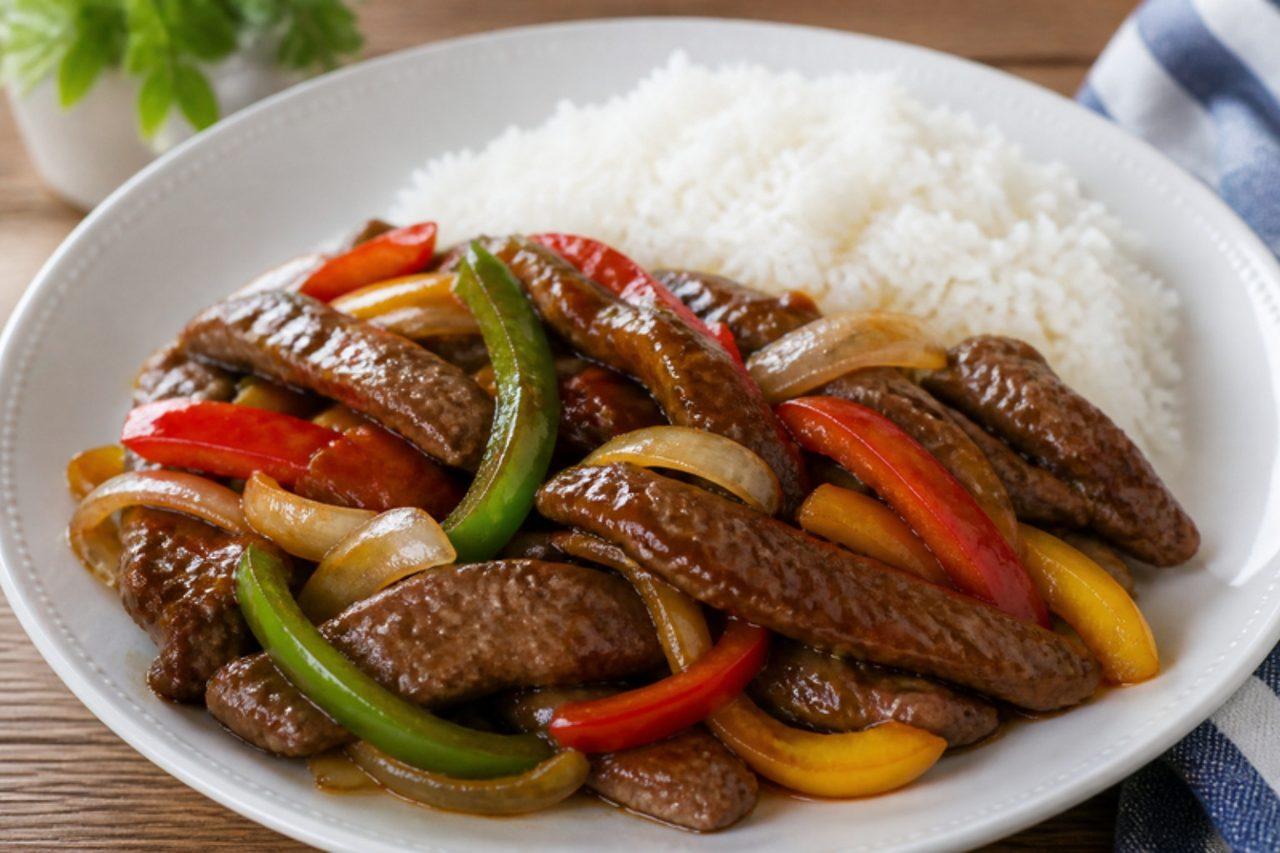
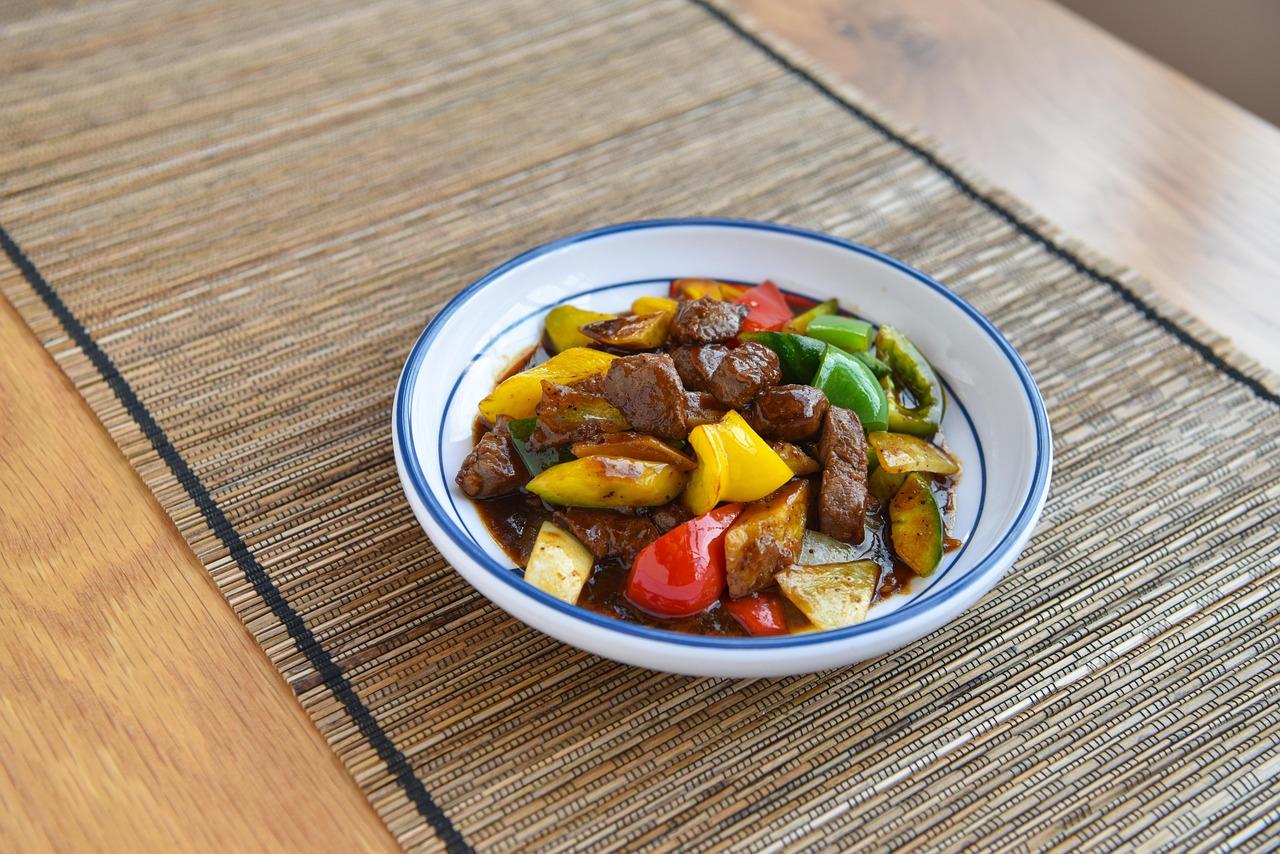
Jamaican pepper steak

Pepper steak came to Jamaica with the Hakka Chinese families who opened groceries and restaurants in Kingston, and it is now a takeaway favourite and a fast weeknight dinner across the island, eaten over white rice or rice and peas. Thin strips of beef are seared hard, then tossed with bell peppers and onion in a glossy soy, ginger and garlic sauce, with a little Scotch bonnet for warmth. The common mistake is crowding the pan, which steams the beef grey and tough; sear it in two batches over a high heat. Chef's tip: slice the beef across the grain while it is very cold or half-frozen; you'll get thin, even strips that stay tender.

by KrazyBadal 0 views

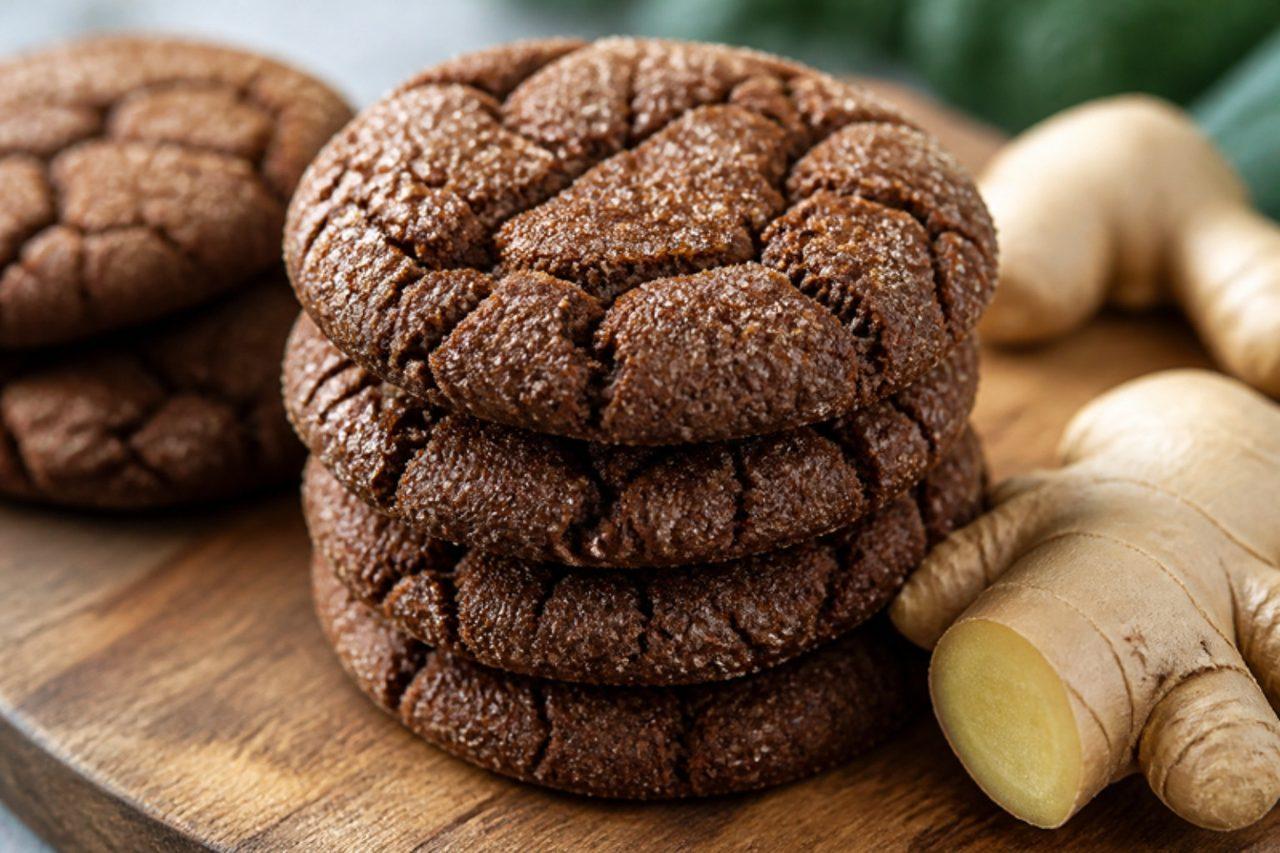
Stagga back (Jamaican molasses ginger cookies)

Stagga back are the dark, chewy cookies that sat in glass jars on the counters of Jamaican country shops, sold singly to schoolchildren on the way home and to anyone wanting something sweet with a cold drink in the heat of the afternoon. They are made with plenty of molasses, brown sugar and both dried and fresh ginger, with a little nutmeg and allspice, so they taste deep, almost smoky, and warm at the back of the throat. The texture should bend before it snaps: firm edges, soft and toffee-like in the middle. Eat them with a cup of mint or ginger tea, or a glass of cold coconut water. They are naturally egg-free: the thick molasses and the oil bind the flour on their own, and bicarbonate of soda reacting with the acidic molasses gives them their lift and crackled tops. This version uses oil instead of butter, so it is vegan. Chef's tip: take them out while the centres still look a little underdone; the common mistake is baking until they feel firm in the oven, and then they cool into rock-hard discs.

by KrazyBadal 0 views

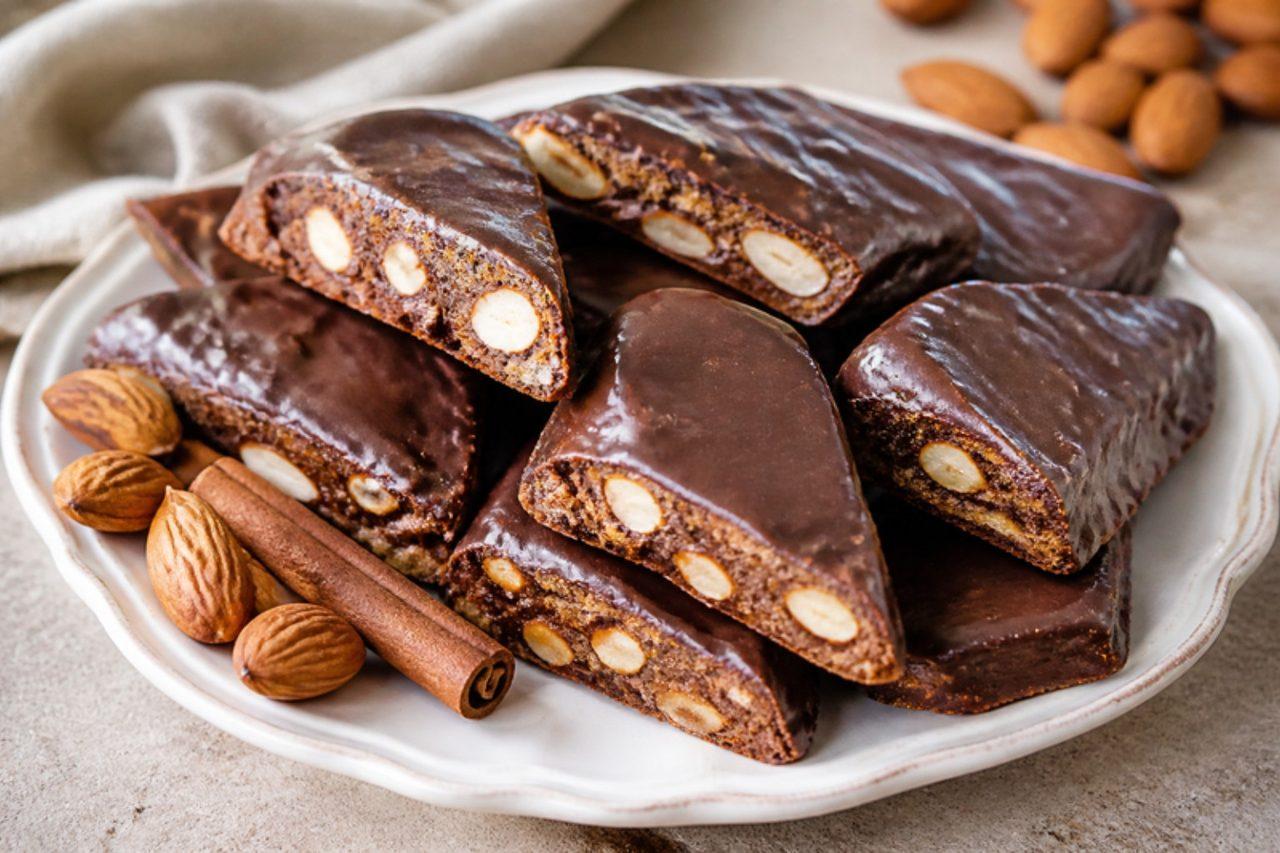
Mustazzoli (Salento almond, cocoa and spice biscuits)Spiced almond biscuits

In Lecce and the towns of the Salento, mustazzoli are baked for Christmas and for the summer saints' feasts, when stalls at the fairs stack them in glossy dark piles. They are diamond-shaped biscuits of toasted almonds, flour, sugar and cocoa, spiced with cinnamon and cloves and brightened with orange zest, then coated in dark chocolate. Inside they are firm and dense, a bit like a soft gingerbread, with a crisp chocolate shell. Eat them with an espresso after lunch or pack them as a gift; they keep for weeks. The dough was always egg-free: water and the sugar bind it, the ground almonds give fat and body, and a little baking powder keeps them from being leaden. Use a dark chocolate with no milk solids and the whole batch is vegan. Chef's tip: let the biscuits cool completely before glazing; the common mistake is dipping them warm, which melts the chocolate into a thin streaky coat that never sets glossy.

by KrazyBadal 0 views

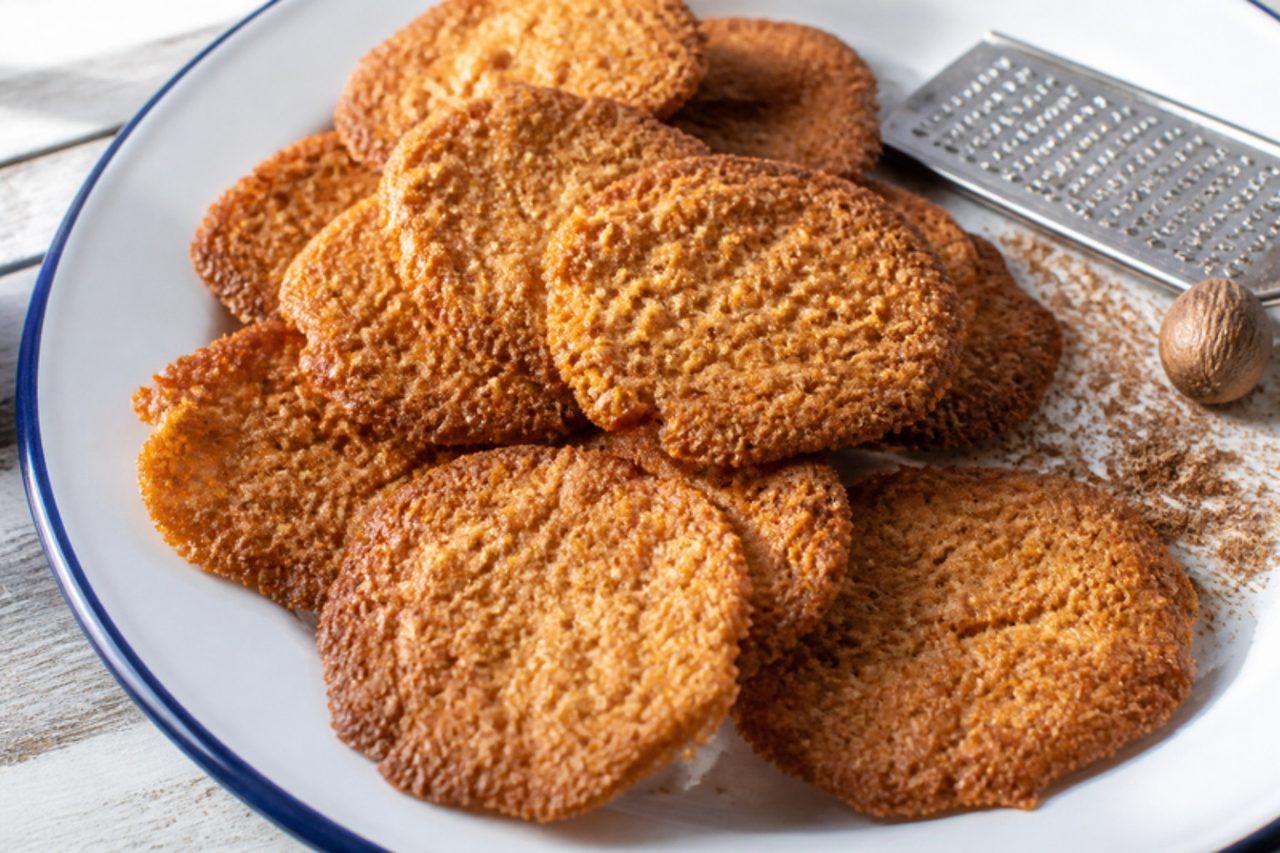
Jackass corn (Jamaican hard coconut biscuits)

Jackass corn is one of the hard little biscuits of old Jamaica, sold in paper bags at roadside stalls and corner shops and packed for long journeys because it keeps for weeks. The name is usually explained as a joke about how much chewing it takes. It is made from plenty of grated coconut, brown sugar, flour and a good grating of nutmeg, rolled out very thin and baked until crisp right through, so every bite cracks and then turns sweet and nutty with toasted coconut. Have it with hot cocoa tea, mint tea or a glass of cold sorrel juice, or break it over ice cream. There has never been egg in it: coconut oil and water hold the dough together, and the coconut's own fat and the melted sugar set it hard as it bakes and cools. Chef's tip: roll it as thin as you dare, about 3 mm; the common mistake is leaving it thick, which gives a biscuit that is soft in the middle and goes stale instead of staying crunchy.

by KrazyBadal 0 views

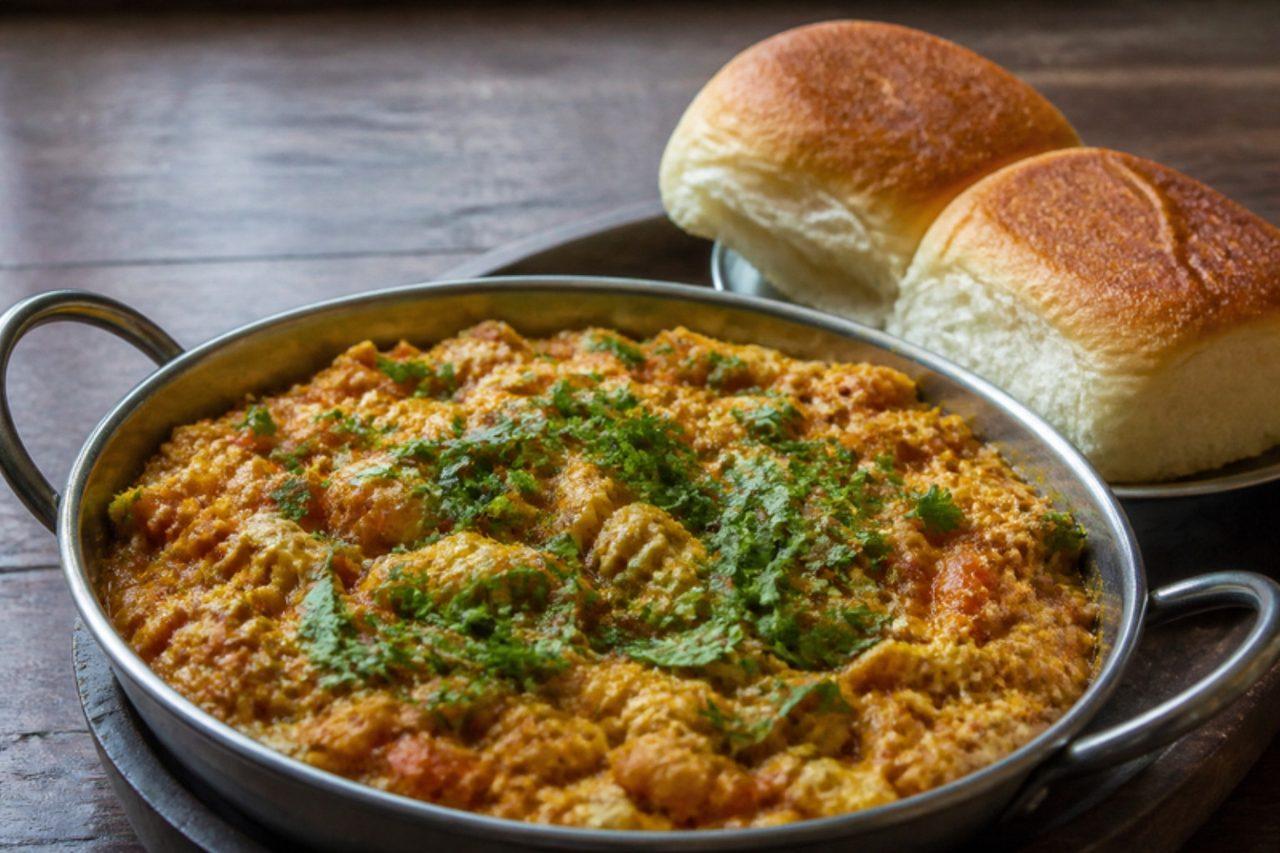
Egg ghotalaSpicy egg mash

Egg ghotala was born on the evening street stalls of Surat in Gujarat, where cooks on huge iron tawas mash boiled eggs and fresh eggs together into a rich, buttery masala and serve it with pav for dinner. 'Ghotala' means a muddle, and that is the point: half the eggs are grated, half are scrambled straight into the onion-tomato base, so you get creamy and chunky bites together. Some stalls finish it with grated cheese; if you add some, check the label, because many cheeses are made with animal rennet, and choose one marked vegetarian. The usual mistake is adding the raw eggs too early, before the masala is cooked down, which leaves the dish watery and pale. Chef's tip: keep the heat high and keep mashing with the back of the spatula, as the stall cooks do, so the eggs and masala blend into one thick mix.

by KrazyBadal 0 views

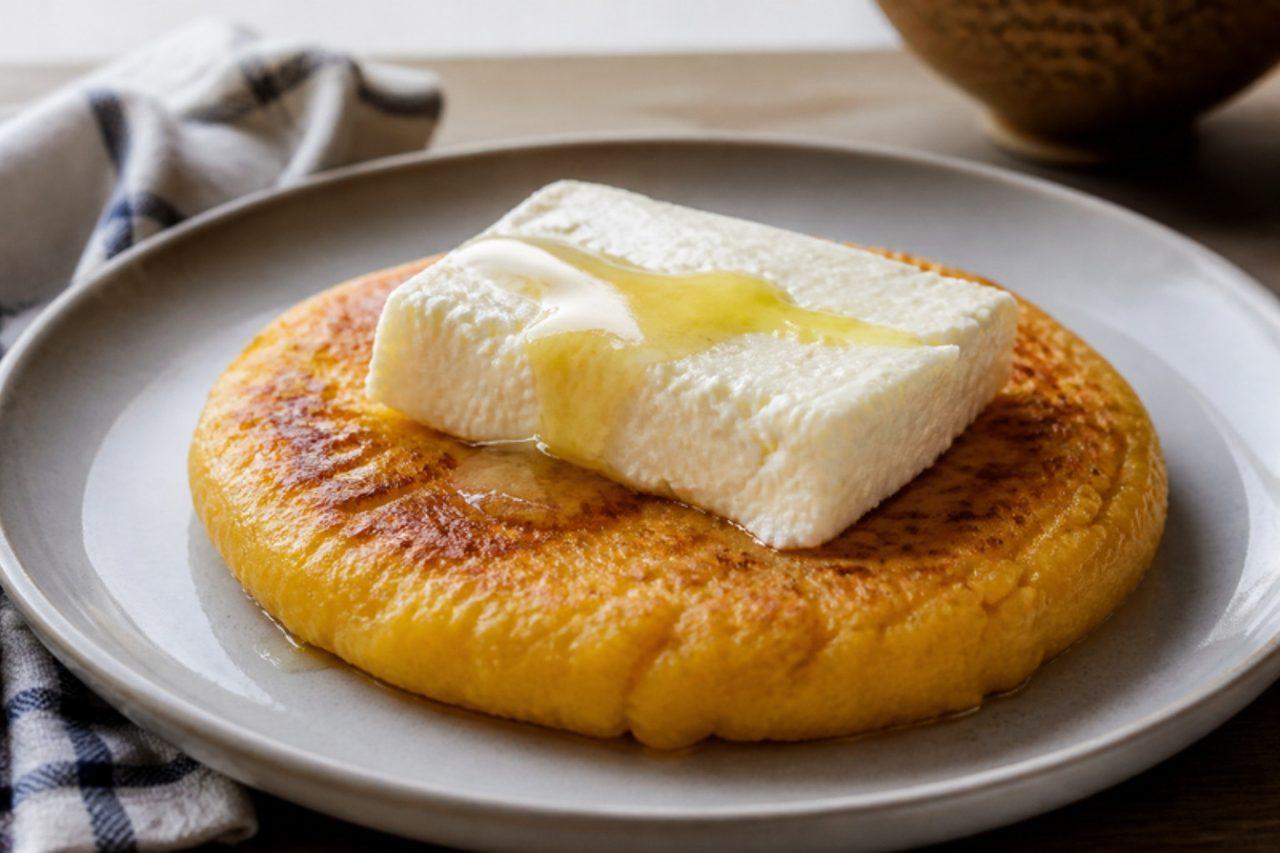
Arepa de chocloSweet corn griddle cakes with cheese

Along the mountain roads of Antioquia and Boyacá, roadside stalls cook arepas de choclo on wide griddles all day: thick, sweet cakes of blended fresh corn, golden outside and soft inside, folded or topped with a slab of fresh white cheese and a smear of butter. Colombians eat them for breakfast, as a mid-afternoon snack with hot chocolate, or as a quick supper. The usual mistake is a batter that is too wet, so the cakes tear when flipped; it should hold its shape on a spoon, and a little precooked cornmeal fixes a runny batch. Queso campesino and mozzarella are often made with animal rennet, so look for a vegetarian cheese if needed; check the cornmeal pack is gluten free if that matters. Chef's tip: cook them over a medium-low heat; the sugar in the corn burns before the middle sets if the pan is too hot.

by KrazyBadal 0 views

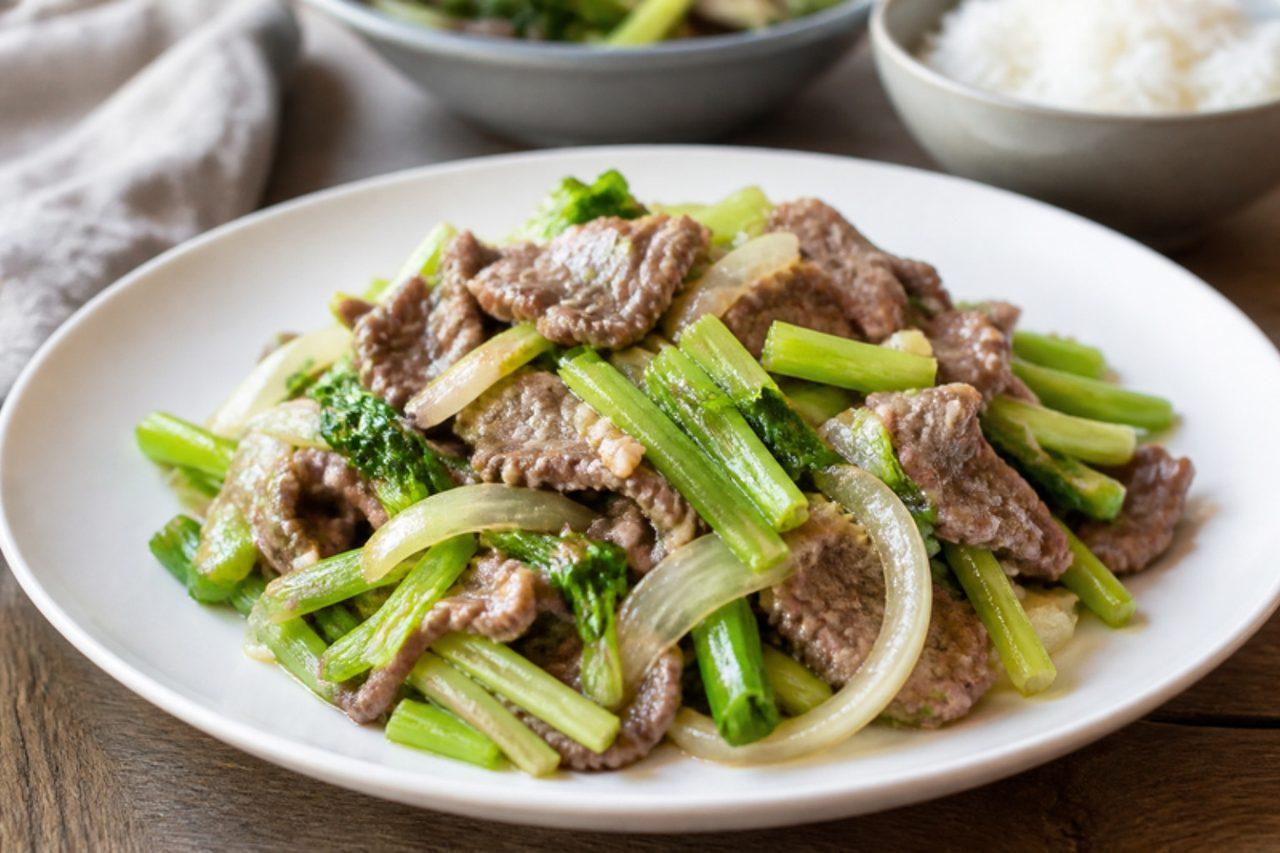
Bò xào cần tây (beef and celery stir-fry)

Bò xào cần tây is a weeknight stir-fry found on family tables all over Vietnam: thin slices of beef, seasoned with fish sauce and pepper, flashed in a hot wok with crunchy celery, onion and plenty of garlic, then eaten with rice. The usual mistake is cooking the beef and celery together from the start, so the beef stews while the celery softens; sear the beef first, take it out, and add it back at the end. Chef's tip: slice the beef across the grain and as thin as you can, so it is tender after only a minute in the pan.

by KrazyBadal 0 views

Korv StroganoffSausage in tomato cream sauce

Korv Stroganoff is Swedish family food from the 1970s that children still ask for: strips of falukorv, a mild, smooth pork-and-beef sausage, browned with onion and simmered in a pink sauce of tomato purée, mustard and cream. It is a 25-minute weeknight dinner across Sweden, served over boiled rice with a grated carrot or cucumber salad. Falukorv is already cooked, so it only needs heating until piping hot; the common mistake is boiling the cream sauce hard, which can split it and toughen the sausage. Check the sausage label if you need it gluten free; Polish kielbasa or a mild smoked sausage works if you can't find falukorv. Chef's tip: brown the sausage strips properly before adding liquid, because that caramelised edge is where the flavour comes from.

by KrazyBadal 0 views

Hyderabadi fruit biscuitsTutti-frutti butter biscuits

Boxes of these pink-and-green flecked biscuits leave Hyderabad in every suitcase: visitors queue at the old bakeries near Charminar and the airport shops stock tins of them. Each one is short and crumbly, buttery, with a faint pineapple scent and chewy bits of candied papaya (tutti-frutti) scattered through. They are eggless, rich with butter and a little custard powder, and go with a cup of Irani chai or a glass of cold milk. The usual slip is mixing the tutti-frutti in wet or sticky, so it bleeds colour and clumps; toss it in a spoon of flour first. Chef's tip: shape the dough into a square log and chill it until firm, then slice; a firm log gives neat, sharp-edged biscuits like the bakery ones.

by KrazyBadal 0 views

Bò lúc lắc (Vietnamese shaking beef)

Bò lúc lắc, shaking beef, is a Saigon dish from the French-influenced south, ordered at family dinners and celebrations: cubes of tender steak seared in a smoking pan and shaken with garlic and onion, then tipped over peppery watercress and tomato with a lime, salt and pepper dip. The mistake almost everyone makes is crowding the pan, which boils the meat grey instead of searing it; cook in two batches. Chef's tip: let the cubes sit untouched for a full minute before the first shake to build a dark crust.

by KrazyBadal 0 views

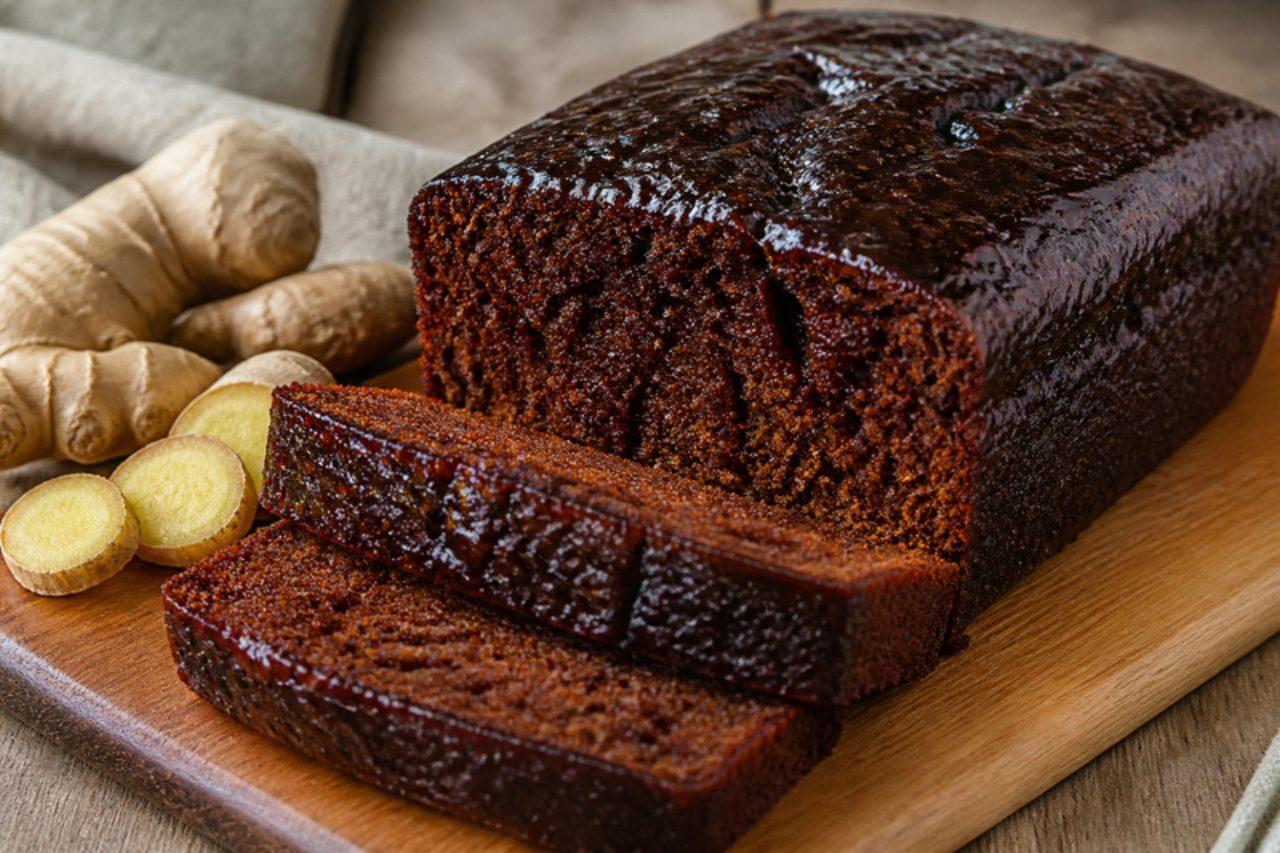
Jamaican ginger cake

Jamaica grows some of the world's most pungent ginger in the hills of Clarendon and St Mary, and island ginger cake shows it off: a dark, sticky loaf made with molasses, a big knob of freshly grated root, and allspice (pimento), another Jamaican crop. Corner shops sell it in wrapped slabs for school lunches and road trips, and at home it comes out with afternoon tea or a cup of hot cocoa. The heat is real but warm, not harsh. Overbaking is the easy mistake: a few minutes too long and it loses its stickiness, so take it out once a skewer comes out clean even if the top still feels slightly tacky. Chef's tip: wrap the cooled cake and leave it a day before slicing; the top turns properly sticky and the ginger mellows.

by KrazyBadal 0 views

Torta de natasBoiled milk skin cake

Dairy farms in Boyacá and Cundinamarca boil their fresh milk every morning, and the thick, creamy skin that forms on top (the natas) gets lifted off and saved in a jar in the fridge. After a week or so there's enough for a torta de natas, a rich, close-crumbed cake with a buttery, slightly tangy flavour, served at onces (afternoon tea) with aguapanela or a tinto. Natas are mostly milk fat, so the cake needs no butter. If you don't boil raw milk, clotted cream loosened with a little milk is a fair stand-in. Over-beating natas is the trap: they can split into butter and whey, so beat only until smooth. Chef's tip: collect natas from whole milk simmered gently and cooled undisturbed; the slower it cools, the thicker the skin.

by KrazyBadal 0 views

CapuchinosYolk sponge cones in spiced syrup

Named for the pointed hoods of Capuchin friars, these little cones of yolk sponge sit in neat rows in Havana dulcerías, glistening with syrup and sold by the half dozen for birthdays and Sunday visits. They're baked in small cone moulds, then dropped into warm syrup scented with lime peel, cinnamon and star anise until heavy and soaked through, so they are moist, eggy and very sweet. The syrup is often spiked with rum or anise liqueur; this one stays alcohol-free. A syrup boiled too thick won't soak in and leaves a sticky crust, so keep it at a light, pourable stage. No cone moulds? Bake them in a mini muffin tin; they just won't have the hood shape. Chef's tip: soak the sponges while they're still warm and the syrup is warm too; both at the same temperature, the syrup goes right to the centre.

by KrazyBadal 0 views

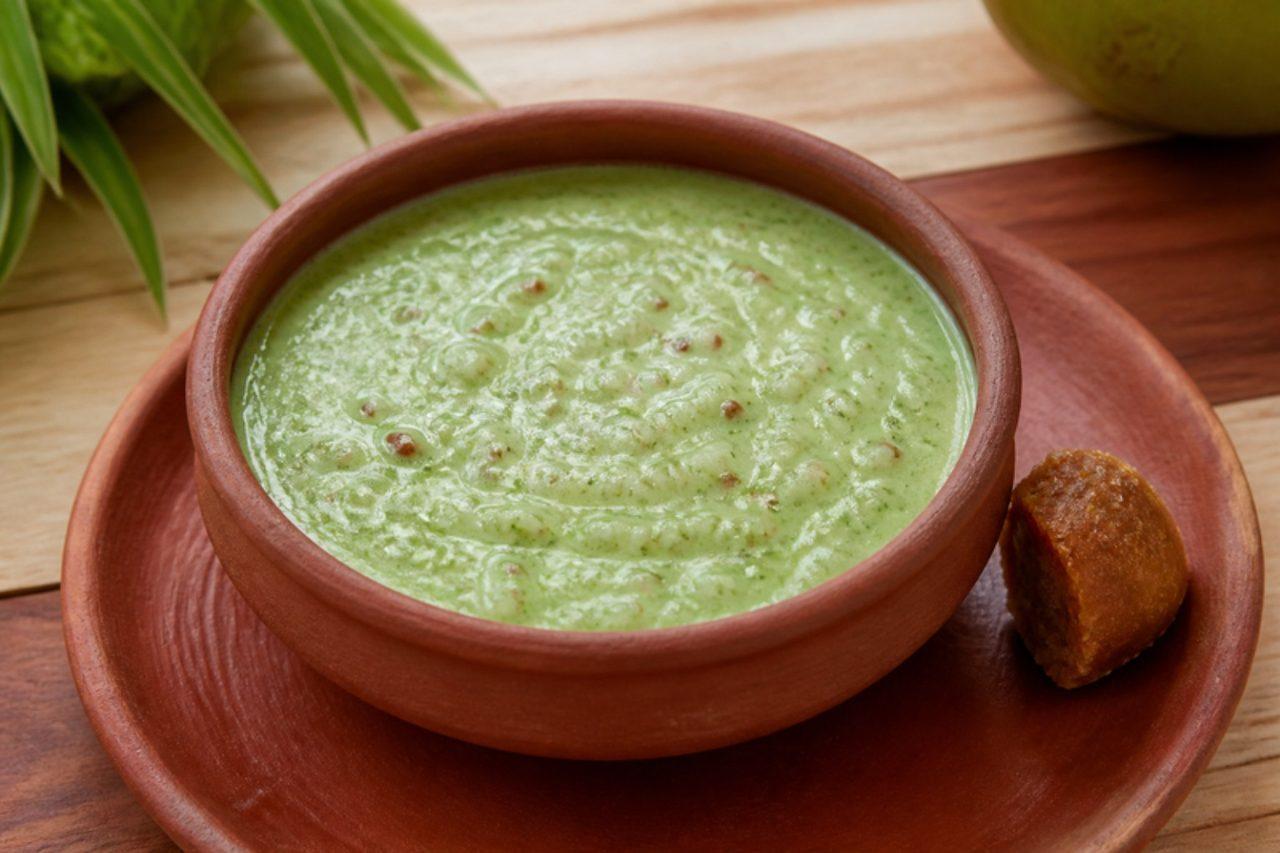
Kola kandaHerbal rice and coconut porridge

Kola kanda is a Sri Lankan breakfast porridge, sold in small cups at roadside stalls and morning markets in Colombo and drunk warm before work. Red rice is cooked soft with garlic, then blended greens, traditionally gotu kola, and coconut milk turn it a vivid green with a fresh, slightly grassy flavour. It is served with a piece of jaggery to nibble between sips. The mistake to avoid is boiling it after the greens go in, which turns the colour olive and the taste stewed. Chef's tip: crack the red rice in a spice grinder first; the broken grains cook in about 20 minutes and give the classic loose, creamy texture.

by KrazyBadal 0 views

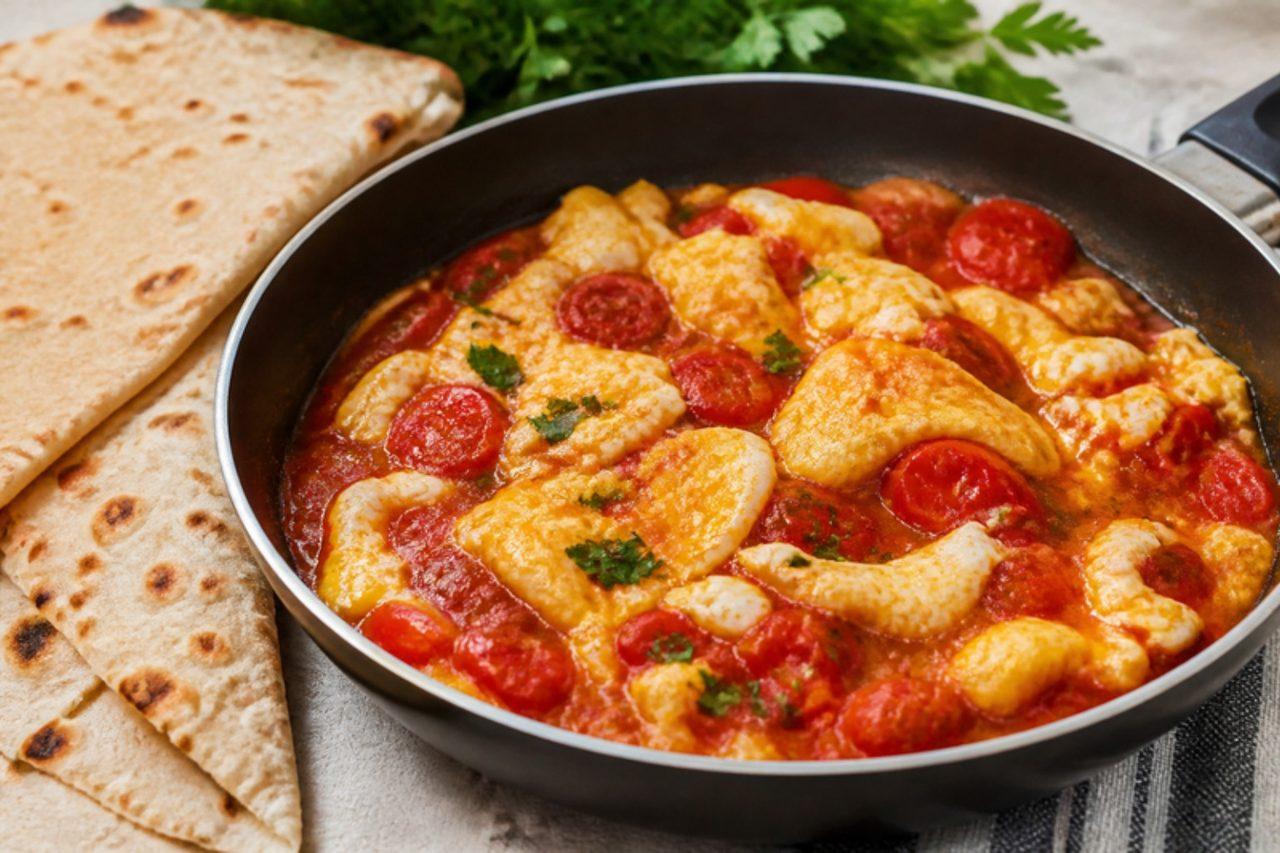
Omelet-e gojeh farangiTomato and egg omelette

In Iran the word omelet means something quite different from a folded French one: ripe tomatoes are cooked down in oil with a little onion and turmeric until jammy, then eggs are stirred through so they set in soft streaks of red and gold. It is the classic quick dinner of Tehran apartments and student dorms, eaten from the pan with lavash and a plate of herbs. The mistake that makes it watery is adding the eggs before the tomato juices have cooked away; wait until the sauce is thick and the oil sizzles again. Chef's tip: grate the tomatoes on a box grater and throw away the skins, so the base melts down in minutes.

by KrazyBadal 0 views

Showing 24 of 3,303 recipes

Show more recipes

Page 1 of 138