Skip to content
Recipes

All recipes

Vegetarian, or something you can't eat? Set your diet once and we'll hide recipes that don't fit.

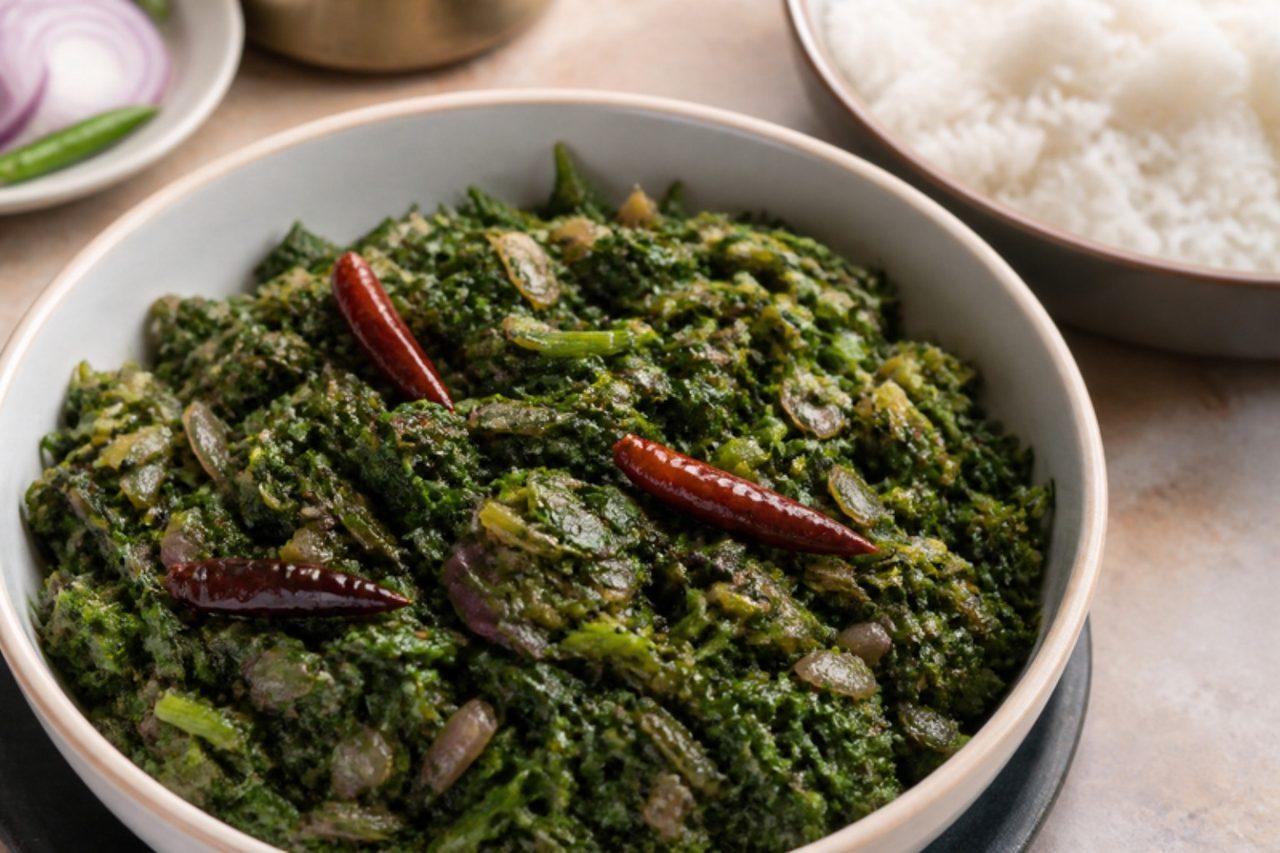
Choddo shaakFourteen leafy greens stir-fry

On Bhoot Chaturdashi, the night before Kali Puja and Diwali, Bengali homes light fourteen lamps for their ancestors and eat a dish of fourteen greens at lunch to keep illness and restless spirits away. Markets in Kolkata sell bundles already mixed for the day: spinach, red and green amaranth, Malabar spinach, water spinach, fenugreek, mustard and radish greens, bathua, jute leaves, pumpkin leaves, helencha and a few neem leaves for bitterness. Fried briefly in mustard oil with nigella and dried chilli, they cook down to an earthy, slightly bitter, faintly sweet tangle. It is eaten as the first course with hot rice and a drizzle of ghee for those who want it. If you can't find all fourteen, use what your grocer has; the mix matters more than the exact list. Chef's tip: cook it uncovered after the first wilt so the water evaporates; choddo shaak should be dry and glossy, not stewed.

by KrazyBadal 0 views

Upvasachi batata bhajiFasting potato stir-fry with peanuts

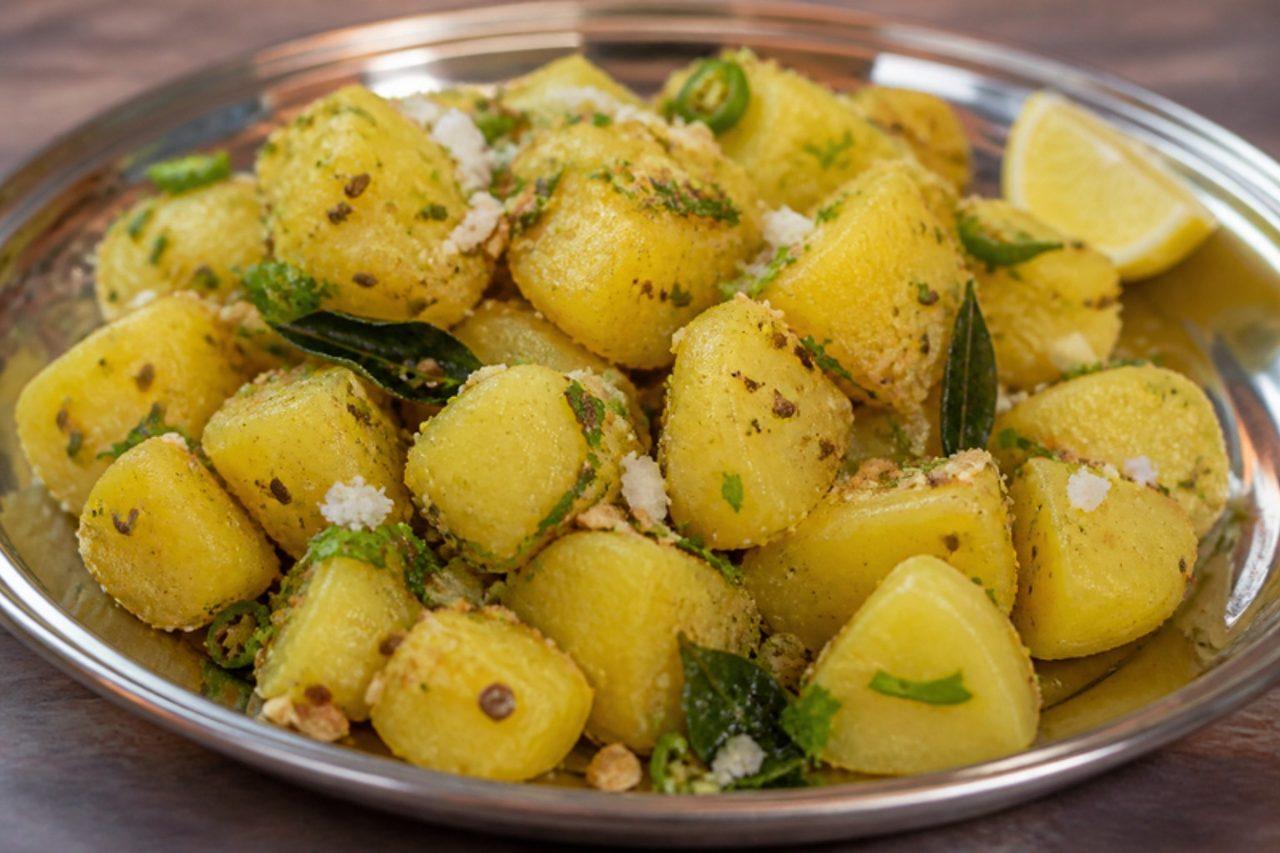
Ask anyone from Pune or Nashik what they eat on Ekadashi or a Navratri upvas, and this dry potato bhaji will be on the plate, usually next to sabudana khichdi or bhagar and a bowl of danyachi amti. Unlike North Indian vrat ke aloo, there is no tomato and no gravy: cubes of boiled potato are tossed in ghee or oil with cumin and crushed green chilli, then coated in coarsely ground roasted peanuts that cling to every piece. A little sugar and lemon give it the gentle sweet-sour lift that Maharashtrian cooking loves, and coriander and fresh coconut finish it. It is quick, filling and good cold in a tiffin too. Some families add curry leaves; others leave them out on strict fasts. Chef's tip: cool the potatoes completely before cubing; warm potatoes break into mash when you toss them.

by KrazyBadal 0 views

Payar mezhukkupurattiStir-fried long beans

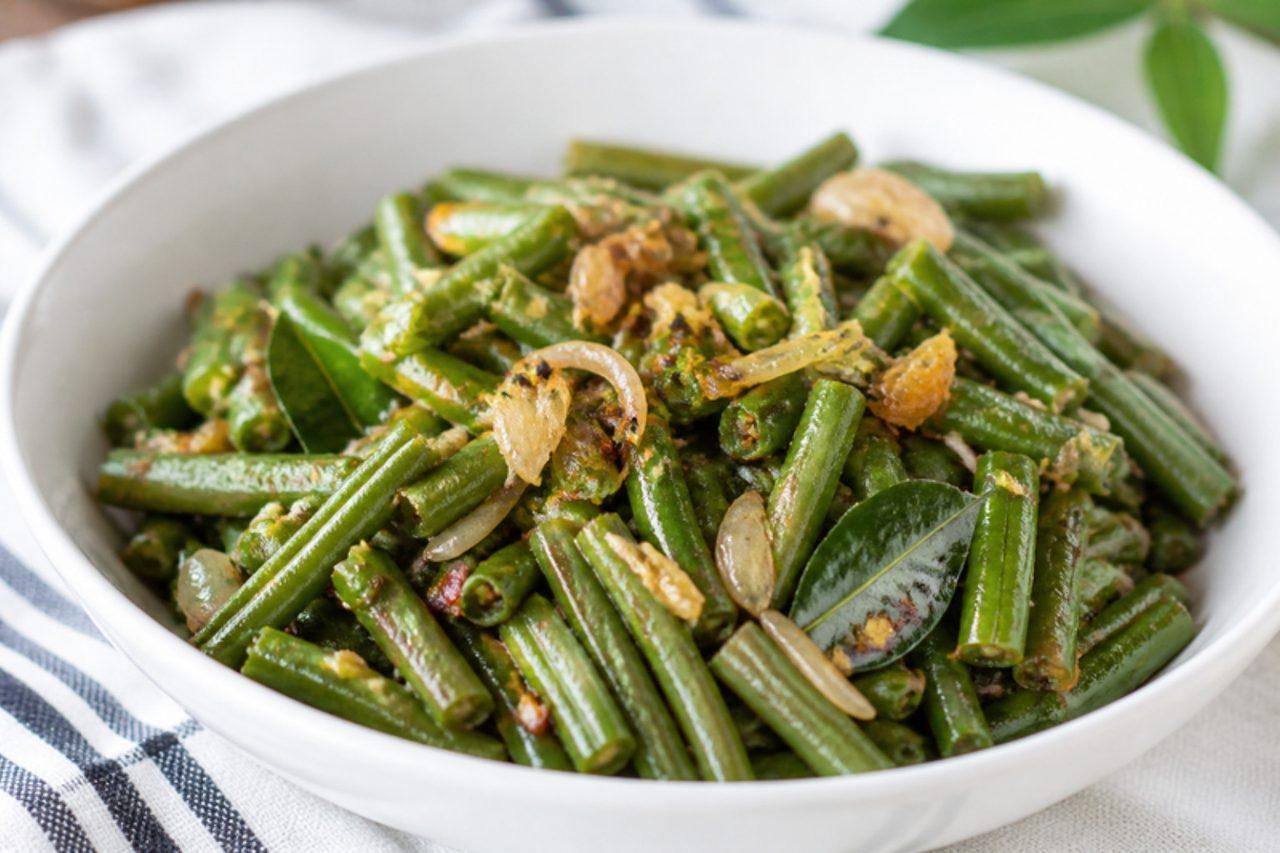
The name says it all: mezhukku means oil and puratti means smeared, so this is a dry stir-fry that leaves every bean slick and shiny with coconut oil. Vanpayar, the yard-long beans that climb over every Kerala garden fence, are cut short and cooked with crushed shallots, garlic and dried chilli flakes until tender and blistered in places. It is weekday food in Kottayam and Alappuzha homes, packed into tiffin with rice and moru curry, and it turns up on festive spreads too. The taste is simple, smoky and savoury, with crunch from the shallots. Serve with matta rice and a thin curry. The common mistake is covering the pan for too long, which steams the beans grey and soft; cover briefly, then finish uncovered so they roast. Chef's tip: crush the shallots, garlic and chilli together in a mortar rather than slicing them; the rough paste clings to the beans much better.

by KrazyBadal 0 views

SannasSteamed rice cakes

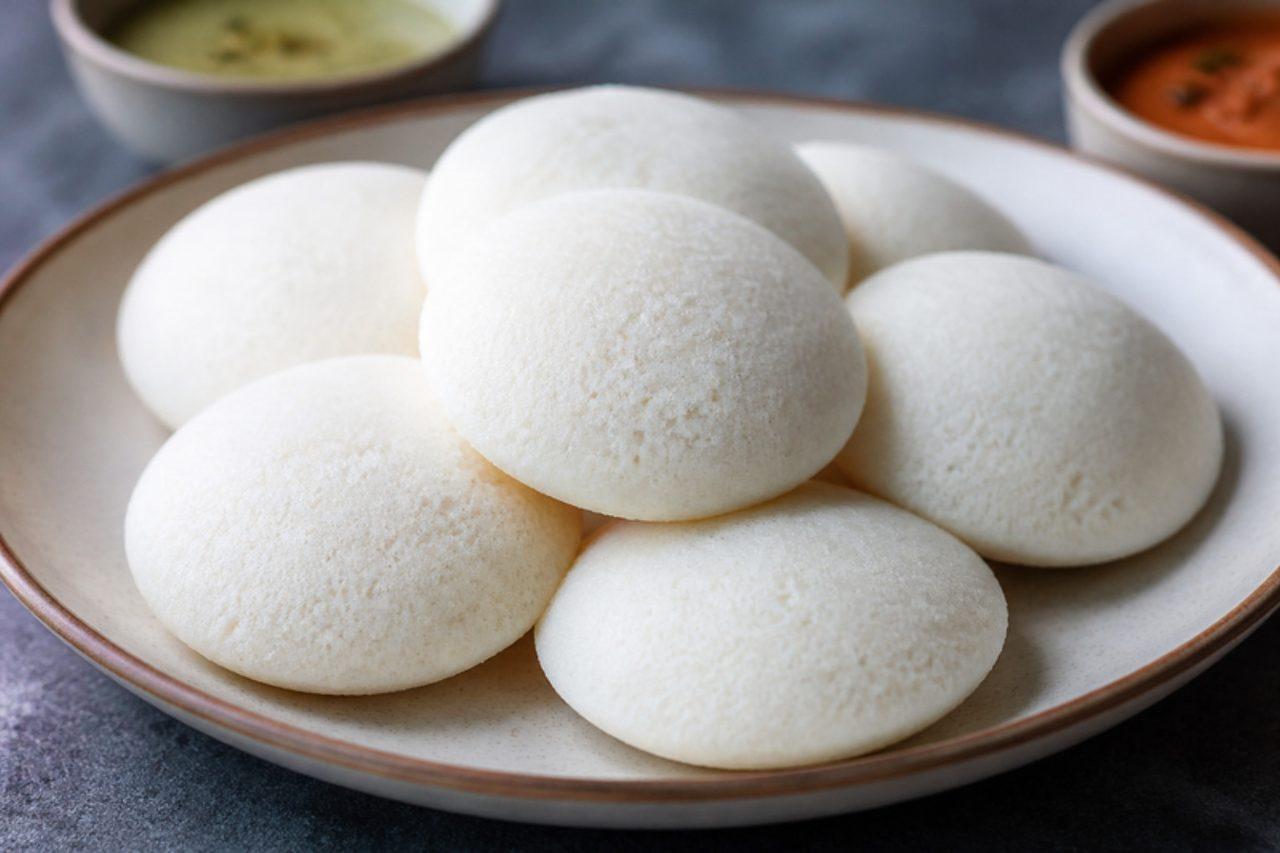
Sannas are to a Goan Catholic feast what idli is to a Chennai breakfast: soft, pillowy steamed rice cakes, made for Christmas, weddings and village feast days to mop up sorpotel, xacuti or a coconut curry. They are fluffier and slightly sweeter than idli, because ground coconut and a little sugar go into the rice batter, and they are traditionally risen with fresh coconut toddy (sur). This version uses dried yeast in place of toddy, so it contains no alcohol, and the long overnight ferment still gives the faint sour note that makes them taste right. Serve them warm with any Goan curry (vegetable xacuti or chana ross keep it vegetarian) or with jaggery and coconut milk for tea. The common mistake is overfilling the moulds; sannas rise a lot and spill over. Fill each two-thirds full. Chef's tip: grind a handful of cooked rice or soaked poha into the batter; it gives that cotton-soft, spongy texture that plain rice batter lacks.

by KrazyBadal 0 views

Poulet à la vanilleVanilla chicken

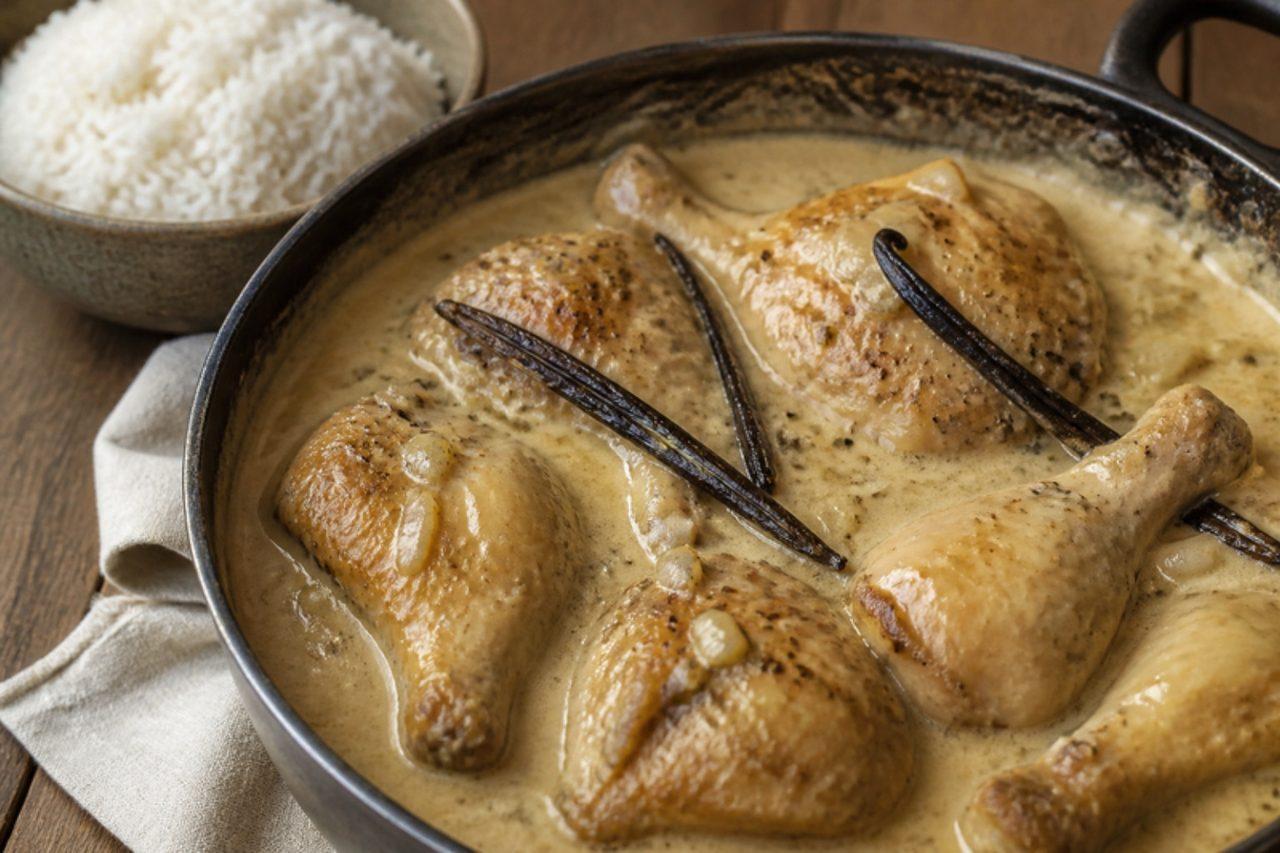
The east coast around Saint-André and Bras-Panon grows the island's famous Bourbon vanilla, and this gentle braise is how families there show it off when guests come for lunch. Chicken pieces are browned with onion, garlic and ginger, then simmered with split pods until the sauce smells of warm vanilla, and a spoon of cream at the end turns it pale gold and silky. It is savoury, not sweet, with the vanilla rounding out the onion. Serve it with white rice and a simple green salad. A common mistake is scraping out the seeds and throwing the pod away: most of the flavour is in the pod, so simmer it in the sauce. Chef's tip: never let the sauce boil once the cream is in, or it can split; keep it just below a simmer.

by KrazyBadal 0 views

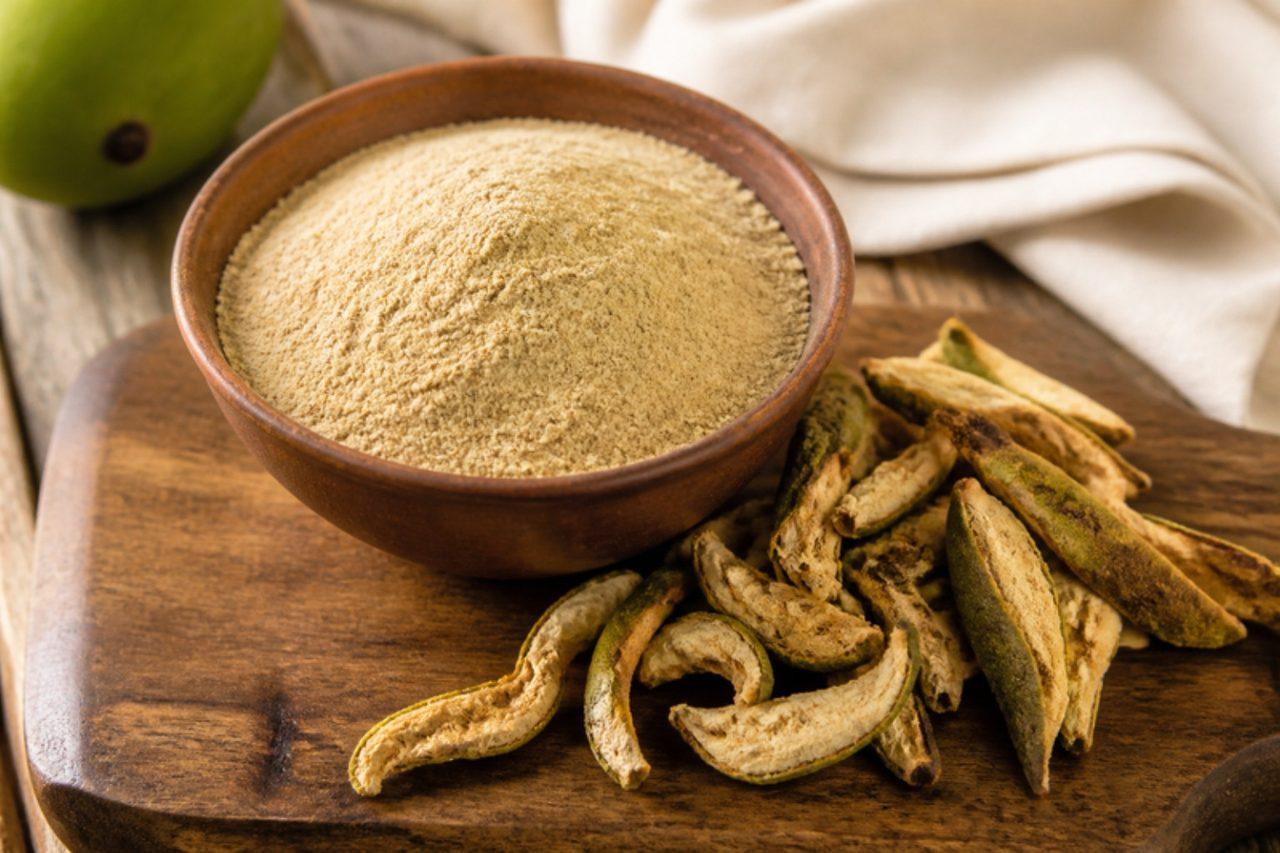
AmchurDry mango powder

Every Punjabi and UP kitchen keeps a jar of amchur next to the jeera and haldi, and the homemade version smells far fresher and sourer than most shop powder. In villages around Saharanpur and Malihabad, the raw mangoes that fall in early-summer storms are peeled, sliced and spread out to dry, and the brittle slices (amchur khatai) are either stored whole or ground. Amchur gives a fruity, mouth-puckering sourness without any liquid, which is why it goes into dry dishes where tomato or tamarind would make things soggy: bhindi masala, stuffed karela, samosa and kachori fillings, chole, chaat masala and pav bhaji masala. A kilo of mangoes gives roughly 100 g of powder. Common mistake: grinding slices that still bend; even slight moisture makes the powder clump into hard lumps in the jar. Chef's tip: choose small, rock-hard, very sour green mangoes with white flesh, not ones starting to turn yellow; riper fruit dries into a brown, sweetish powder.

by KrazyBadal 0 views

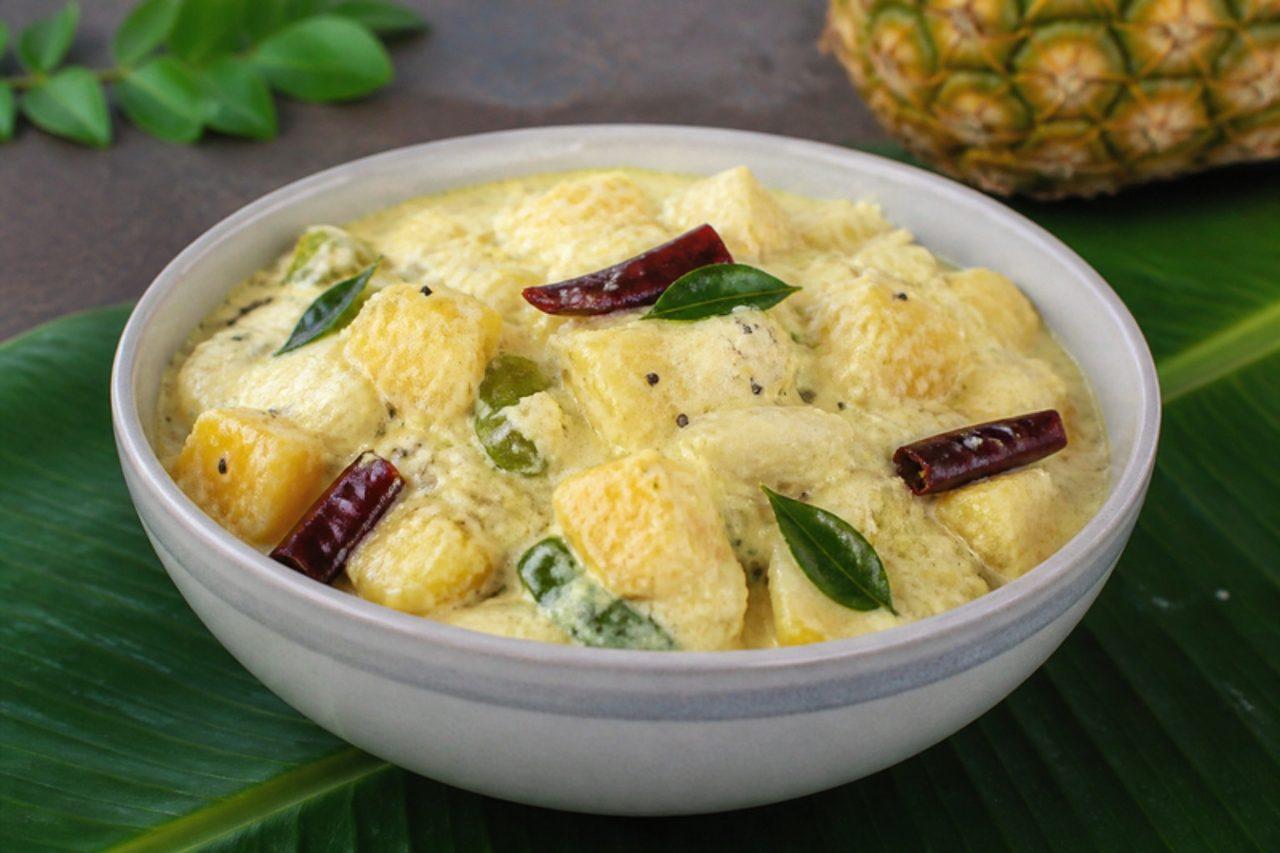
Pineapple pachadiPineapple in yogurt and coconut

Sadya etiquette puts pachadi next to the kichadi, and pineapple is the festive favourite, especially in central Kerala around Kottayam and Thrissur, where it appears at Onam, weddings and Vishu. Ripe pineapple is simmered briefly with turmeric, chilli and a little sugar, then folded into a paste of coconut, green chilli and raw mustard seed and loosened with whisked curd. The result is sweet, tangy and gently pungent from the ground mustard, with a crackling coconut-oil tadka on top. Serve it cool alongside rice, sambar and thoran, or as a side with appam. The mistake to avoid is adding the yogurt to a hot pan: it splits into grainy curds, so take the pineapple off the heat and let it cool first. Chef's tip: grind the mustard seeds raw with the coconut, but only briefly; over-ground mustard turns bitter.

by KrazyBadal 1 views

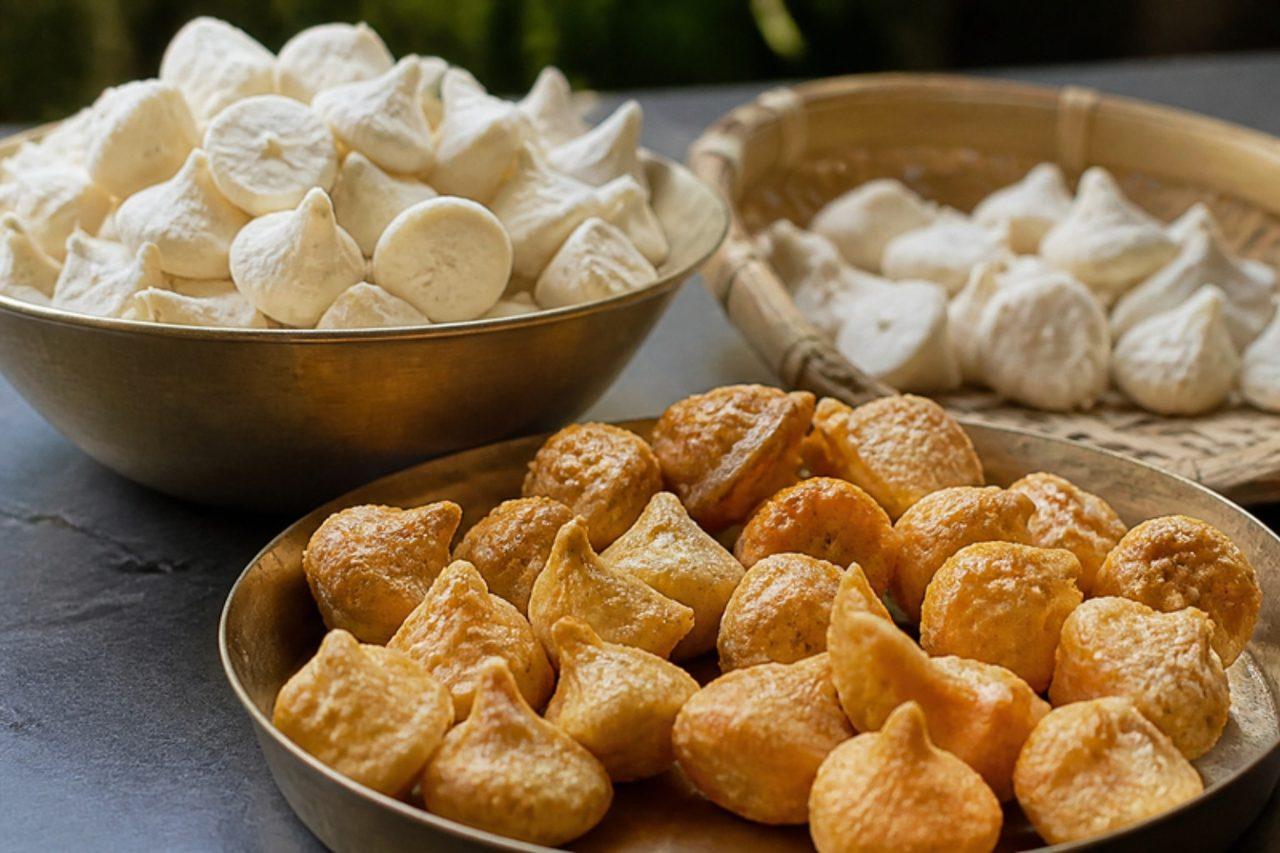
Bengali boriSun-dried lentil dumplings

Winter mornings in rural Bengal used to mean bori-making: the household gathered on the roof with a big bowl of freshly ground, hand-whipped urad dal and dropped little peaked dollops onto cloth in neat rows. In Medinipur the women even pipe them into lace-like gohona bori, a folk art of its own. The everyday kind is simpler, a cone the size of a marble, sun-dried until rock hard. Fried in mustard oil, a bori turns crisp and golden outside and slightly spongy inside, and it soaks up gravy beautifully. A handful goes into shukto, into a maacher jhol with potatoes, into lau ghonto (bottle gourd) or into a simple vegetable chorchori. Common mistake: grinding the dal with too much water; the paste then spreads flat on the cloth instead of holding a peak. Chef's tip: check the whipped paste by dropping a little into a bowl of water. If it floats, it has enough air and the bori will be light; if it sinks, keep beating.

by KrazyBadal 0 views

TsukuneChicken meatball skewers

Tsukune are the minced chicken patties of yakitori bars all over Japan, and squashed into small ovals they are one of the most loved bento fillers, eaten cold at school or the office. Ginger and spring onion keep them fresh, and a glossy soy tare makes them sticky and sweet. The tare uses mirin, a sweet rice wine; most of its alcohol cooks off as it bubbles, and for an alcohol-free glaze use 1 tbsp sugar and 2 tbsp water instead. The common mistake is a loose mix that falls apart in the pan; knead it until sticky. Chef's tip: add a spoon of grated tofu or potato starch to the mince, which keeps the patties juicy even the next day.

by KrazyBadal 0 views

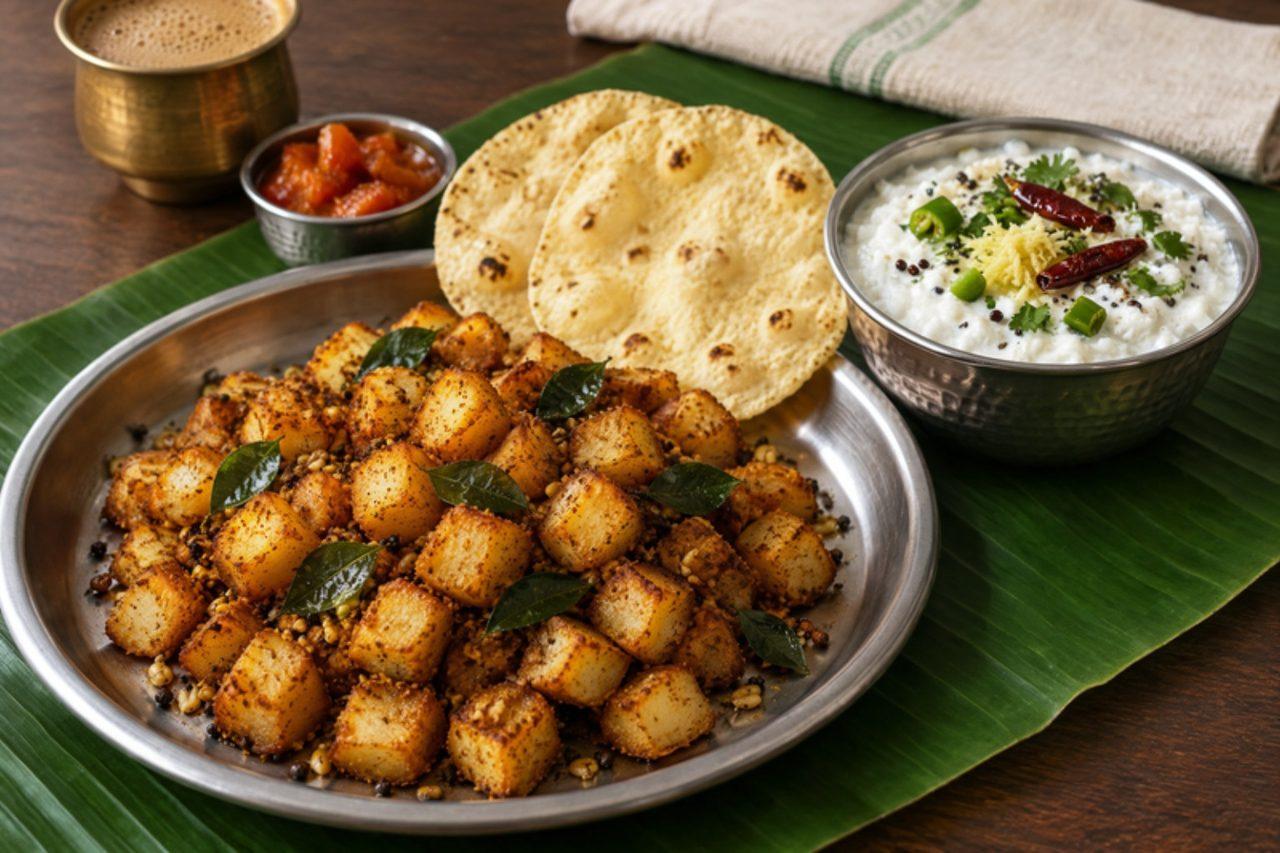
Urulaikizhangu roast (Tamil potato roast)

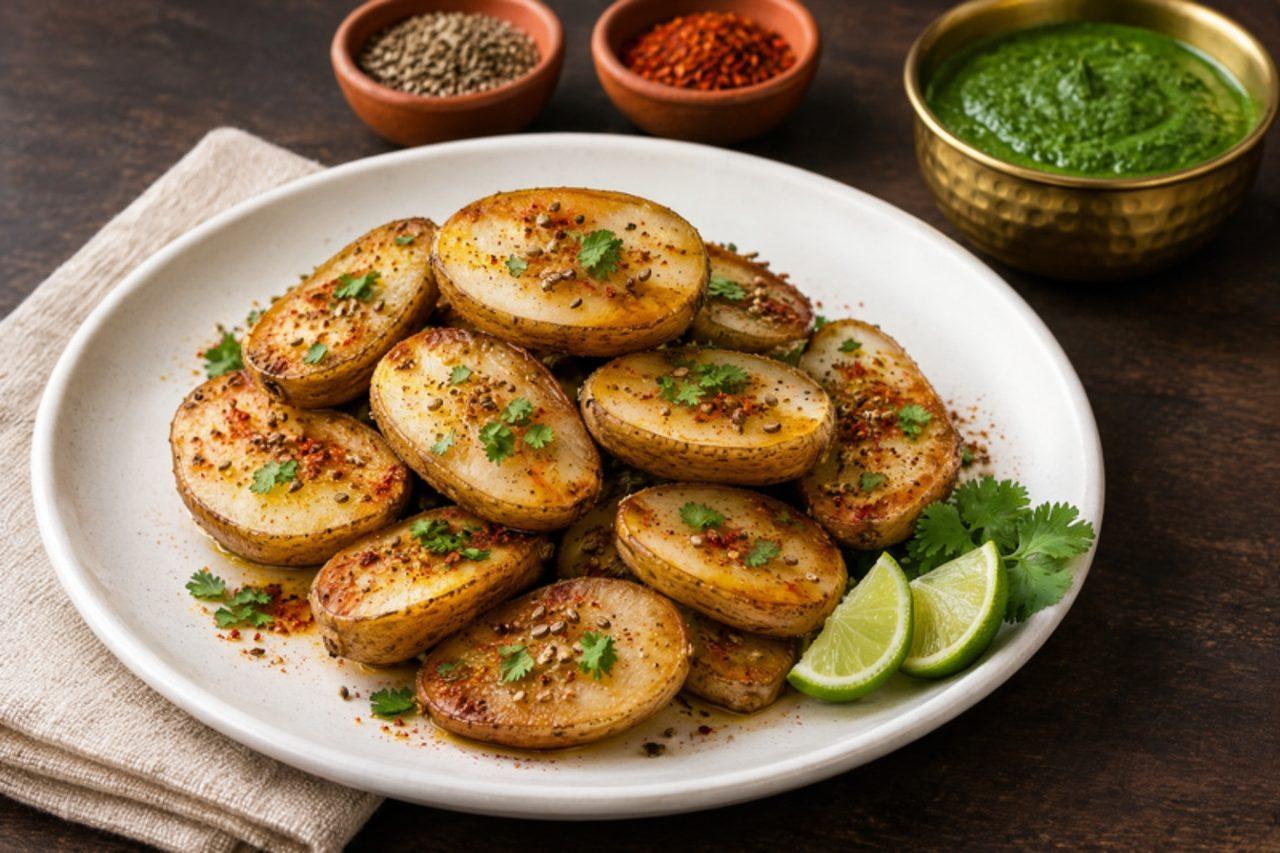
In Tamil lunch boxes, curd rice almost always comes with this: small cubes of boiled potato roasted slowly in a cast-iron pan with sambar powder, chilli and curry leaves until they are dark, crusty and chewy at the edges. It is a dry side, so it does not leak into the rice, and it tastes as good cold as hot. The mistake is stirring all the time; the potatoes need to sit undisturbed against the hot pan for a few minutes at a time to build the crust. Chef's tip: a teaspoon of rice flour scattered over in the last few minutes makes the coating even crisper.

by KrazyBadal 0 views

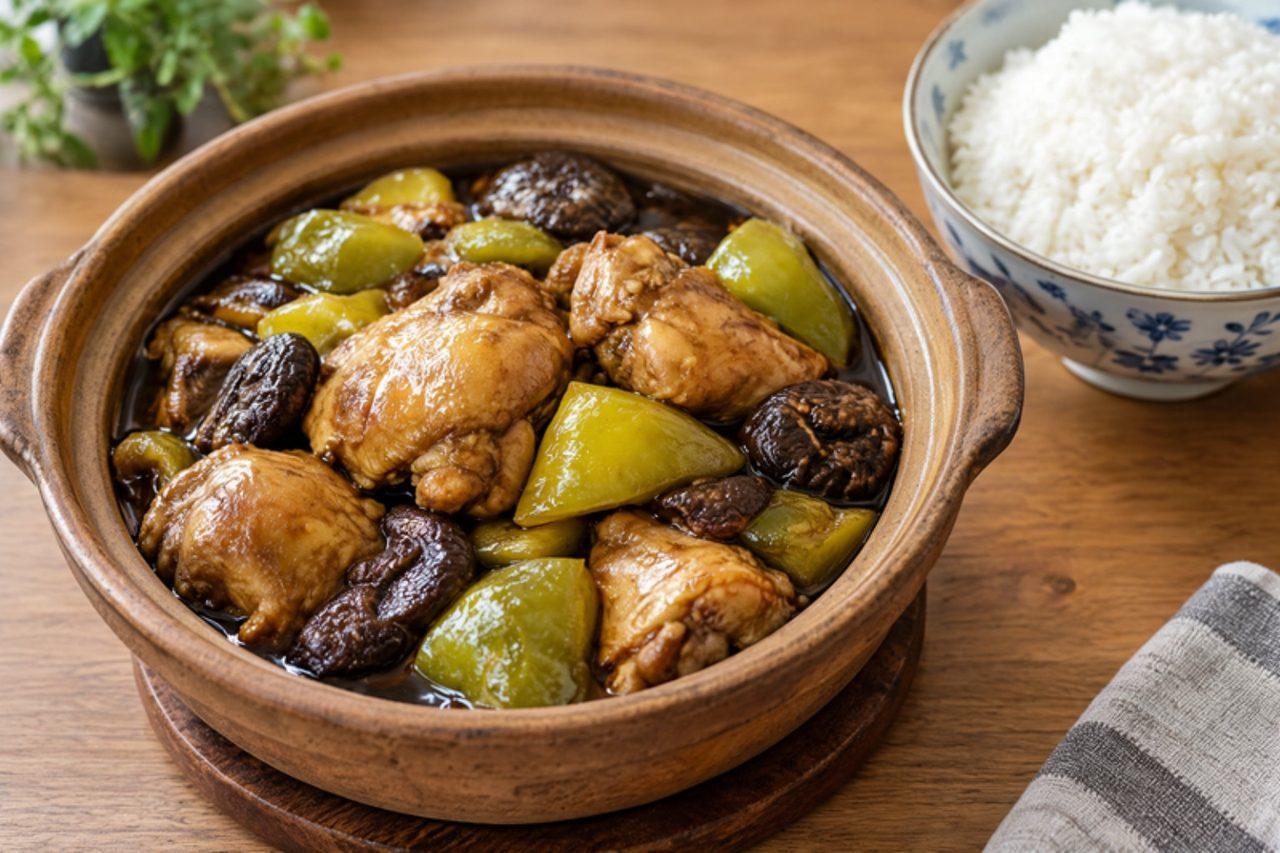
Huangmen jimifanBraised chicken rice

Huangmen jimifan began in Jinan, in Shandong, and spread to thousands of little clay-pot shops across China where office workers queue at noon for a bubbling pot of chicken braised dark and glossy with shiitake, ginger and green pepper, eaten over plain rice. It reheats perfectly in a work microwave. The common mistake is using breast, which goes dry and stringy in the braise; bone-in thigh stays juicy. Chef's tip: caramelise the rock sugar in the oil before the chicken goes in, which gives the sauce its amber colour without extra dark soy.

by KrazyBadal 0 views

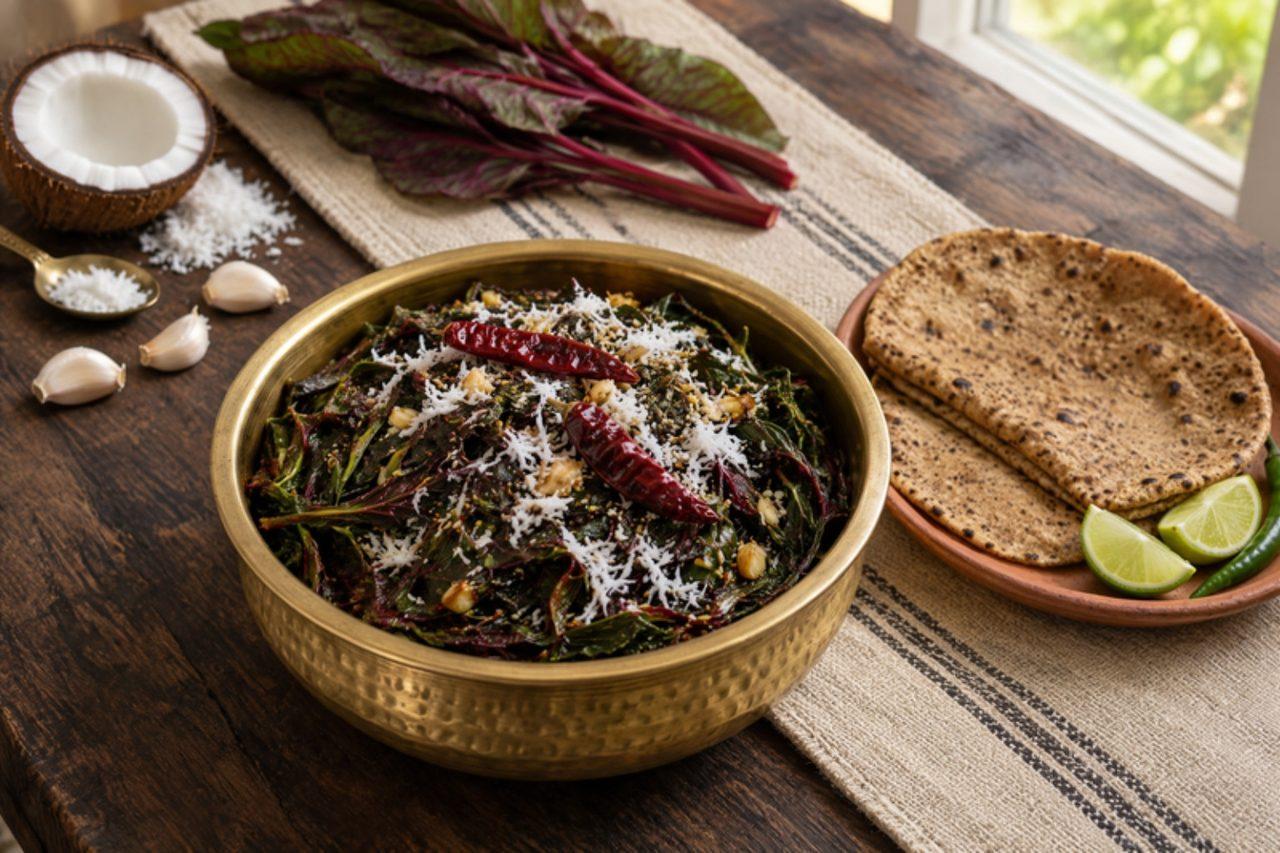
Lal mathachi bhaji (red amaranth stir-fry)

In Mumbai and the Konkan, bunches of red math (amaranth) with their magenta stems come in during the monsoon, and this quick garlicky bhaji turns the dabba's chapatis pink at the edges. It is cooked fast in a hot pan so the leaves stay bright, then finished with a little fresh coconut, the coastal touch that sets it apart from the Bengali way with the same leaf. The mistake is cooking it covered for a long time, which turns it grey and watery. Chef's tip: chop the tender stems finely and cook them for a minute before the leaves go in, so everything is done at the same moment.

by KrazyBadal 0 views

DakgangjeongSticky glazed fried chicken

Dakgangjeong is the boxed fried chicken of Sokcho's Jungang market on Korea's east coast, carried home by the tub and packed into lunchboxes the next day, because the double-fried pieces in their sticky glaze stay crunchy even when cold. The common mistake is frying only once; the second fry drives out moisture so the crust holds up to the sauce. Chef's tip: coat with potato starch rather than flour, and let the coated chicken sit for 5 minutes so the starch hydrates into a craggy crust.

by KrazyBadal 0 views

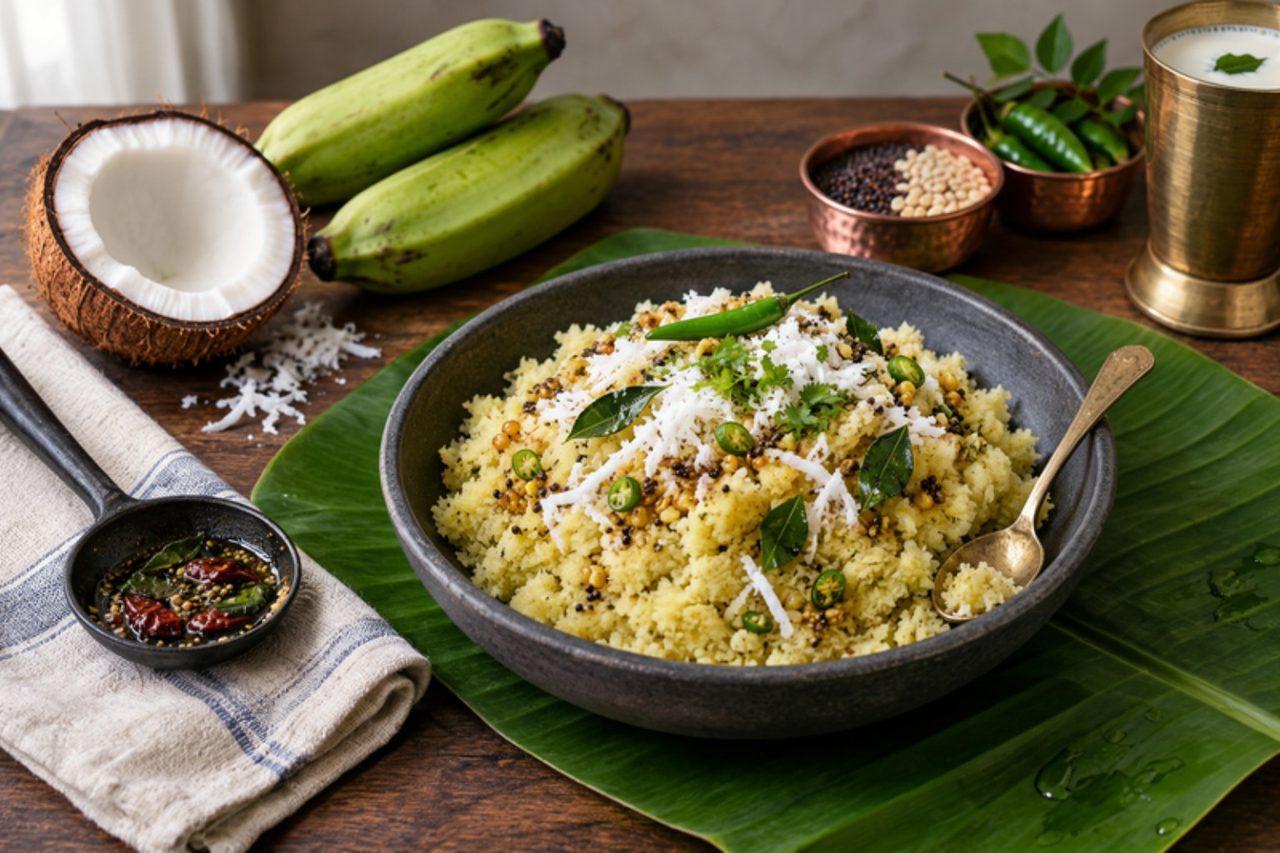
Vazhakkai podimas (raw banana podimas)

Podimas comes from Tamil Brahmin kitchens in Thanjavur and Chennai, where green plantain is boiled whole, grated into soft crumbs and tossed with a tempering of mustard, dal, ginger, green chilli and coconut, then sharpened with lemon. It is light and fluffy, and it sits happily next to sambar rice or rasam rice in a tiffin. The mistake is overboiling the plantain: it turns sticky and will not grate into crumbs. Pull it out as soon as a knife slides in with a little resistance. Chef's tip: grate it on the large holes of a box grater while still warm, then let it cool before tossing, so the shreds stay separate.

by KrazyBadal 0 views

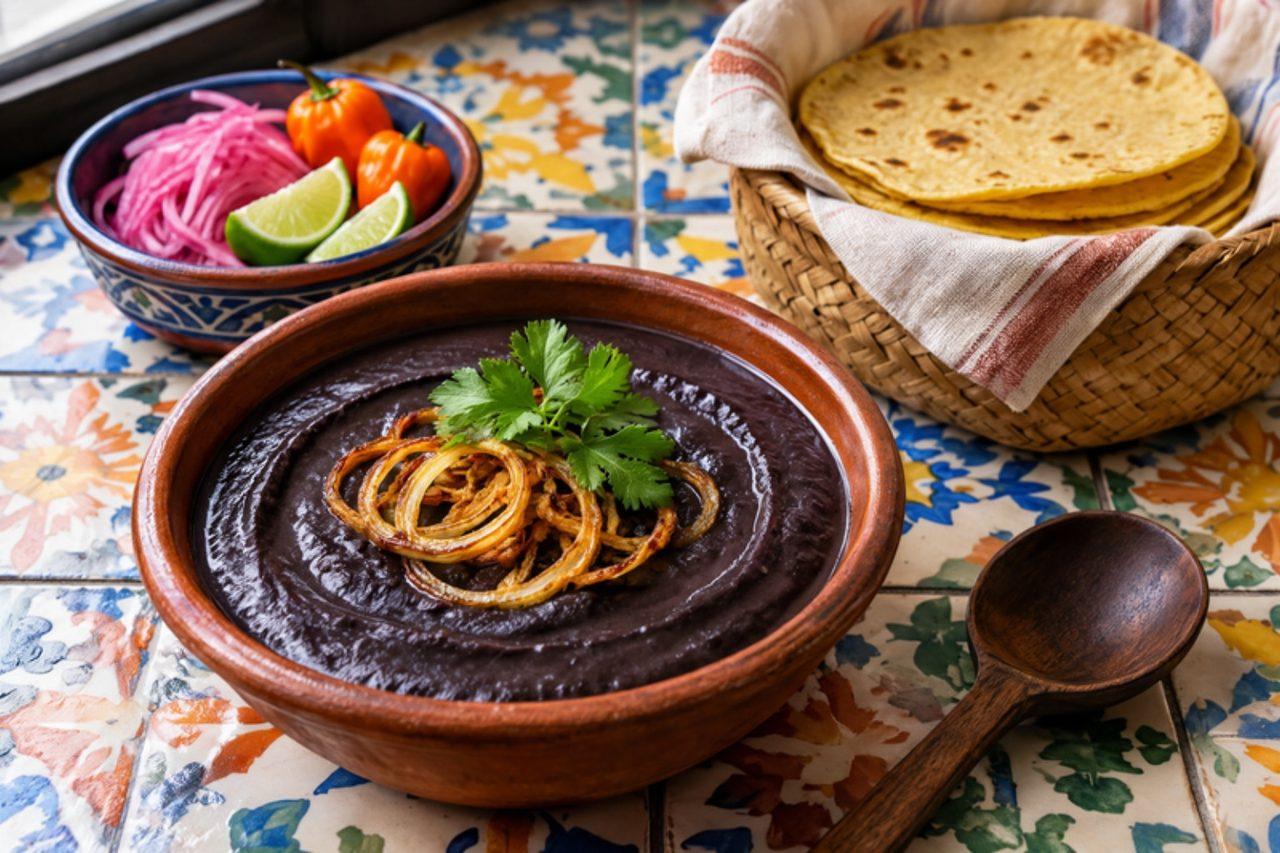
Frijoles coladosStrained black beans

Every cocina económica and family kitchen in Mérida keeps a pot of frijoles colados for the midday meal, the smooth, almost soupy black beans that sit beside cochinita, poc chuc, eggs or simply rice and tortillas across the Yucatán. The beans are cooked soft with epazote, pushed through a sieve, then simmered with onion fried until sweet. Traditionally the onion is fried in pork lard; this version uses oil so it is vegan. The usual mistake is straining beans that are not fully cooked, which gives a gritty, floury purée, so cook them until they crush with no effort. Chef's tip: drop a whole habanero into the simmering purée for 5 minutes for perfume without much heat, then fish it out.

120 minMexicanSidesVeganGluten free
by KrazyBadal 0 views

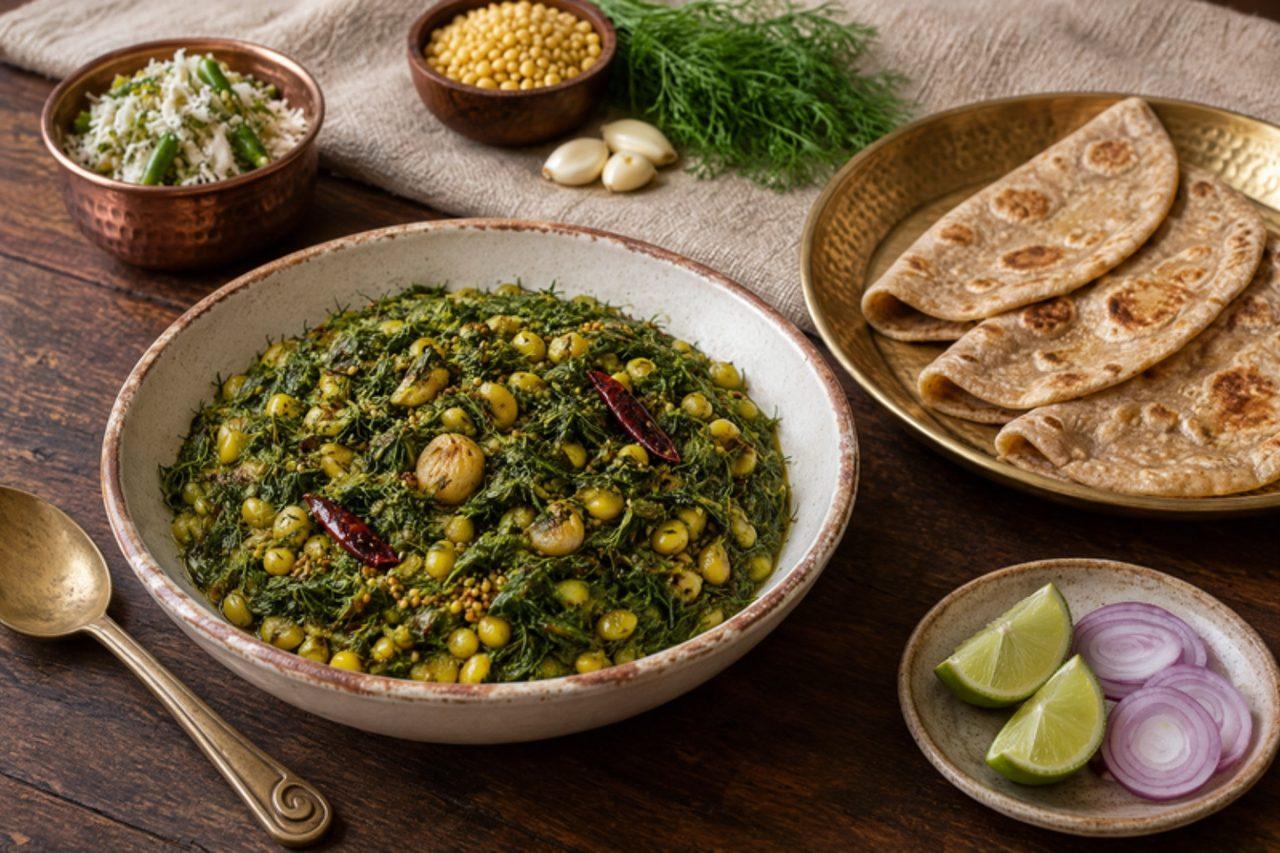
Shepu bhaji (dill and moong dal)

In Pune and the villages of western Maharashtra, bunches of shepu (dill) come to market in winter, and this dry bhaji of dill and soaked yellow moong dal is packed with bhakri or chapati in the lunch dabba. The dill wilts down to a soft, aromatic tangle, and the moong dal gives it body and a little protein. The mistake is adding water: the leaves release plenty of their own, and extra liquid makes the bhaji stew and lose its fresh, sharp smell. Chef's tip: soak the moong dal for at least 30 minutes beforehand, so it cooks through in the dill's own steam without turning mushy.

by KrazyBadal 0 views

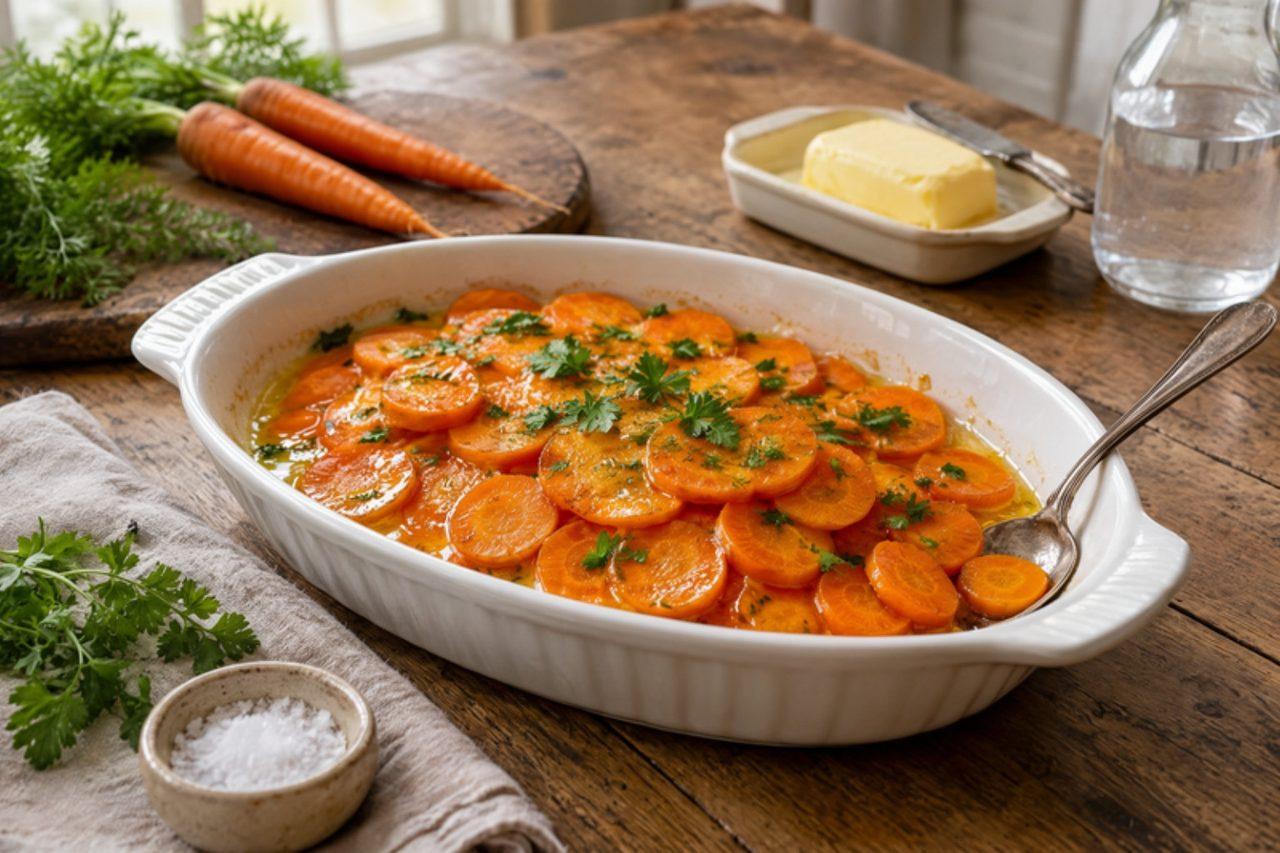
Carottes VichyGlazed carrots

Carottes Vichy come from the spa town of Vichy in the Auvergne, where they were cooked in the local mineral water; today they are the classic French bistro and Sunday-lunch side, loved by children. Thin rounds of carrot simmer with butter, a little sugar and salt in just enough water, so that when the carrots are tender the water has boiled down to a shiny glaze. Serve with roast chicken, an omelette or lentils. The usual mistake is using too much water, so you must drain away the flavour; it should just cover the carrots. Chef's tip: a pinch of bicarbonate of soda in the water copies Vichy's alkaline water and helps the carrots turn sweet and bright.

by KrazyBadal 0 views

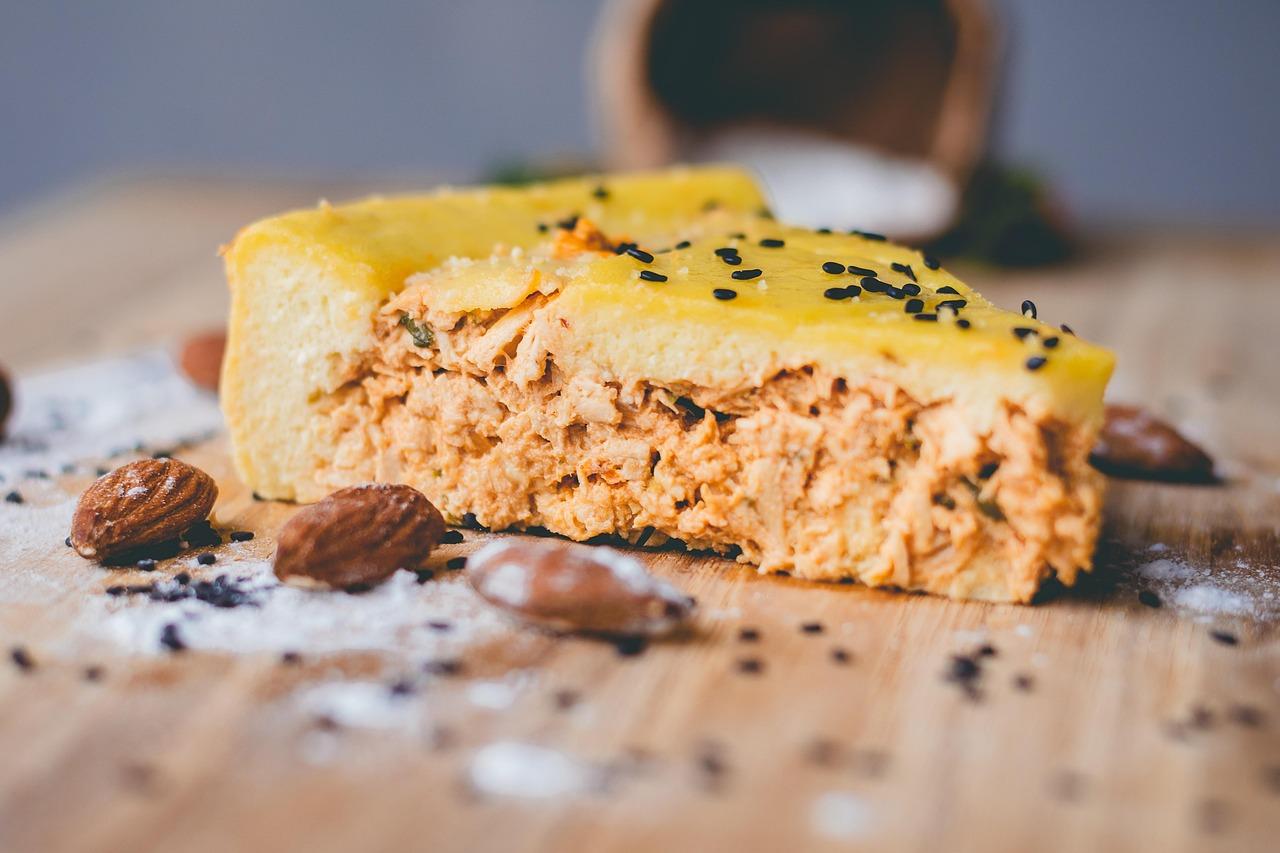
Polvorosa de polloChicken pie

Polvorosa is the pie that comes out for family birthdays and Sunday gatherings in Caracas: a melt-in-the-mouth, slightly sweet shortcrust (polvorosa means 'crumbly') around chicken stewed with leek, peppers, olives, capers and raisins, so each bite is salty, sweet and savoury at once. Serve it warm with a green salad. The common mistake is filling the pastry with hot stew, which melts the butter and makes a soggy, torn crust. Chef's tip: make the filling the day before and fill the pie straight from the fridge.

by KrazyBadal 0 views

Gobi matar (cauliflower and peas)

In Punjab and Uttar Pradesh, winter means cauliflower and fresh peas, and gobi matar is what fills countless school and office dabbas between November and February. It is cooked dry, so the florets brown a little at the edges, sweetened by the peas and sharpened by plenty of ginger. The mistake is cooking the cauliflower covered with water until it is soft and smells of cabbage; steam it briefly in its own moisture, then fry it uncovered. Chef's tip: cut the florets so they have one flat side; that face sits on the pan and browns while the rest steams tender.

by KrazyBadal 0 views

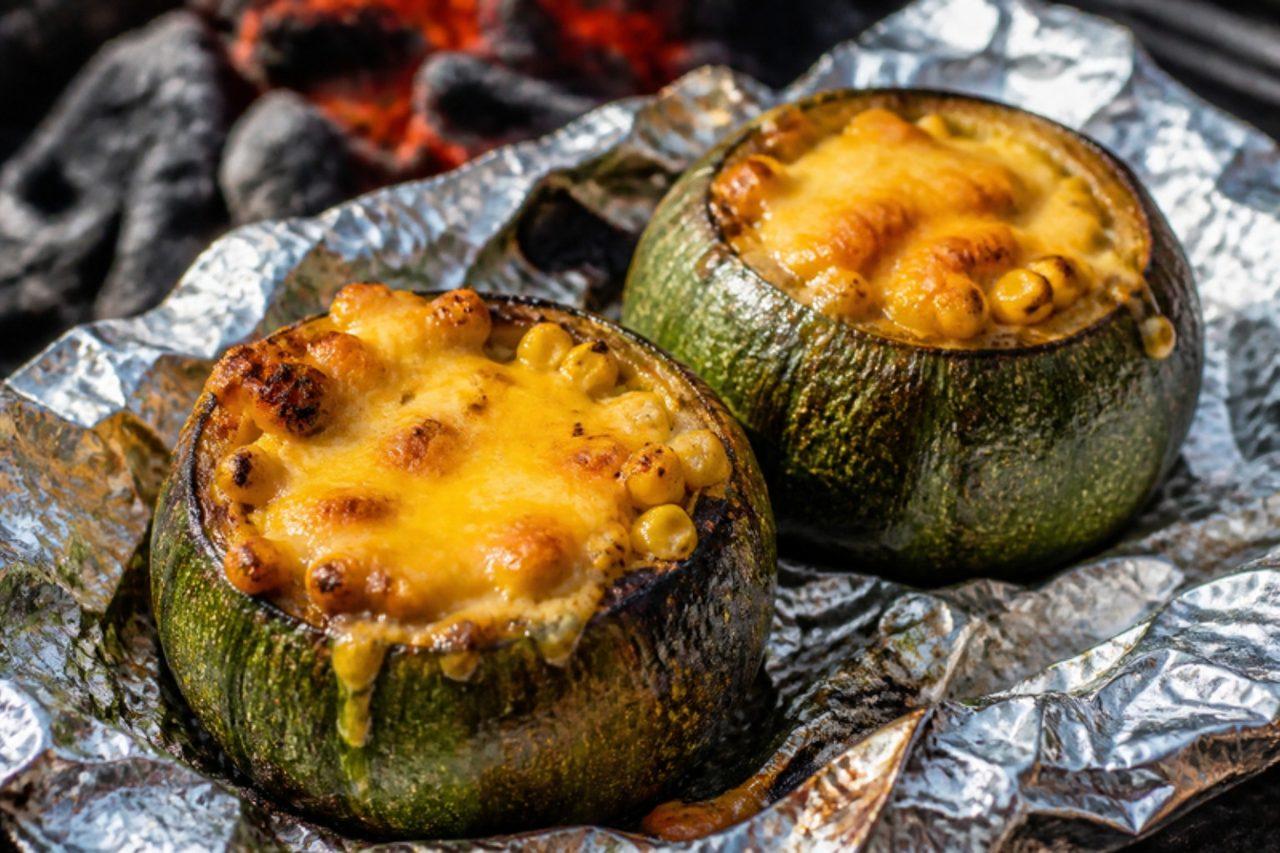
Braaied gem squashGem squash with sweetcorn and cheese

Small, round and dark green, gem squash is the vegetable South African children grow up scooping from the shell with a teaspoon, and at a weekend braai it goes into the coals wrapped in foil alongside the potatoes. The halves steam in their own juice until the orange flesh is tender and sweet, with a pool of melted butter, golden corn and cheese in the hollow. Serve them as a side for anything from the grid, or make a plate of them with pap tert and a tomato salad for a meat-free braai. Indoors, an oven gives the same result. Putting them straight onto flaming wood is the mistake: they char outside and stay hard inside, so wait for grey, glowing coals. Choose a vegetarian cheddar, since many are made with animal rennet. Chef's tip: trim a thin slice off the round base of each half so it sits flat and holds its filling.

by KrazyBadal 0 views

BulanglangMixed vegetable stew

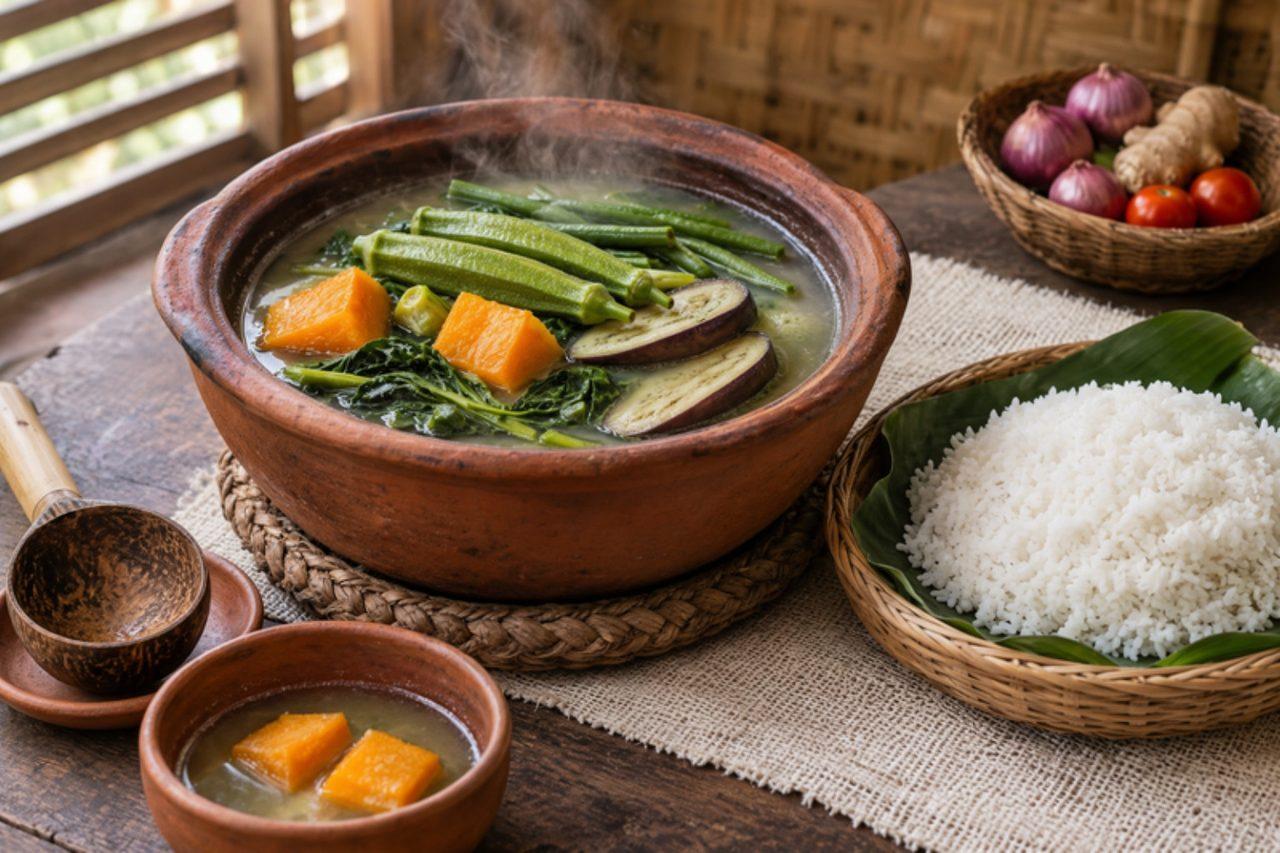
Bulanglang is the plain, light vegetable soup of Batangas and the Tagalog provinces, made in farmhouses at lunchtime from whatever is in the garden: squash, okra, string beans, eggplant and a handful of malunggay or sweet potato leaves. Instead of stock it uses hugas bigas, the cloudy water from washing rice, which gives the broth a soft, milky body. It is often eaten with grilled fish and a dip of bagoong; this version stays vegan and is served with a soy-and-calamansi dip. The usual mistake is boiling everything together from the start, which leaves mushy squash and raw-tasting okra; add the vegetables in order of firmness. Chef's tip: save the second rice wash, not the first, for the cleanest, creamiest broth.

by KrazyBadal 0 views

Chipotles en adoboSmoked jalapenos in adobo sauce

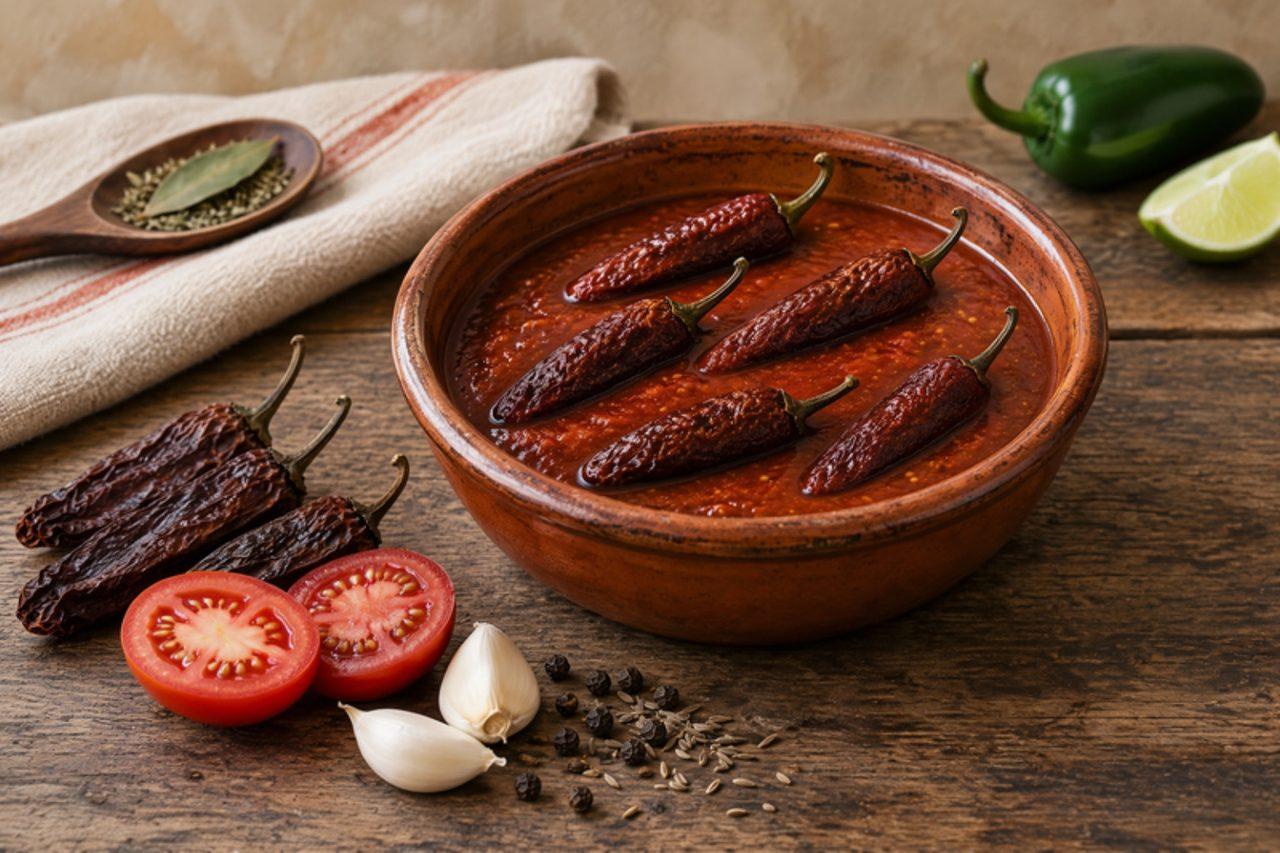
Chipotles are ripe jalapeños smoked slowly over wood until leathery; in Puebla and Veracruz the reddish, plump mora type is the everyday one, and the tan, leathery meco is prized for its deeper smoke. Simmered in a sweet-sour adobo of tomato, onion, garlic, vinegar and piloncillo, they become the soft, glossy chillies that go into tinga poblana, albóndigas en chipotle, bean soups and a quick chipotle mayonnaise. Homemade, they are smokier and less sugary than the tinned kind, with sauce that is brick red, tangy and thick enough to coat a spoon. Common mistake: toasting the dried chillies too long; a few seconds a side is enough, because scorched chillies make the whole jar bitter. This is a low-acid chilli preserve, so it is kept in the fridge or freezer, never canned in a water bath. It is ready when the chipotles are plump and soft enough to crush with a spoon and the adobo has reduced to a glossy sauce. Chef's tip: blend one or two chillies with their sauce and freeze it in an ice-cube tray, so you can add a single cube to a pot.

by KrazyBadal 1 views

Vagem refogadaSauteed green beans

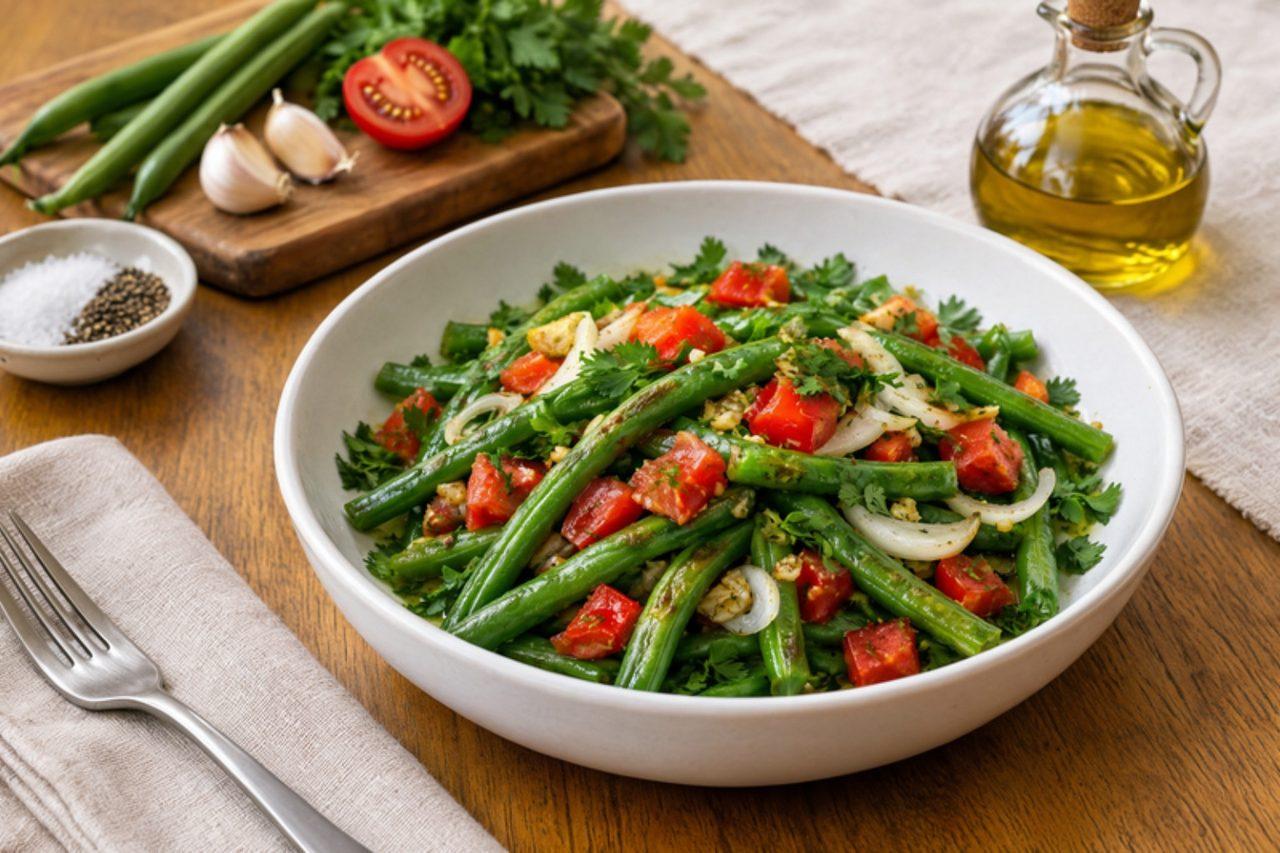
In São Paulo and Rio, the marmita (lunch tin) that workers carry from home almost always has arroz, feijão, a protein and a simple legume refogado, and green beans cooked with garlic, onion and tomato are one of the most common. Refogar means to sauté gently in oil before the vegetables cook in their own steam. The common mistake is boiling the beans until army-green and floppy; they should stay bright and keep a little snap. Chef's tip: blanch for just 3 minutes, then finish in the pan, so they still taste fresh when reheated at work.

by KrazyBadal 0 views

Ajwaini arbiPan-fried colocasia with carom seeds

Across Delhi, Punjab and Uttar Pradesh, arbi is the vegetable that goes into a dabba with ajwain rotis or plain phulkas: the small colocasia roots are boiled, flattened slightly and pan-fried with carom seeds, red chilli and dried mango powder until crisp outside and creamy inside. Ajwain is there for its flavour and because it is said to help digest the starchy root. The mistake is boiling the arbi too long: it turns slimy and falls apart in the pan. Cook it until just tender, then cool fully before peeling. Chef's tip: press each piece gently with your palm to crack it before frying; the cracks catch the spices and crisp up.

by KrazyBadal 0 views

Showing 24 of 1,137 recipes

Show more recipes

Page 1 of 48