Skip to content
WhatToEat.Today

All recipes

81

Vegetarian, or something you can't eat? Set your diet once and we'll hide recipes that don't fit.

Mandioca fritaFried cassava

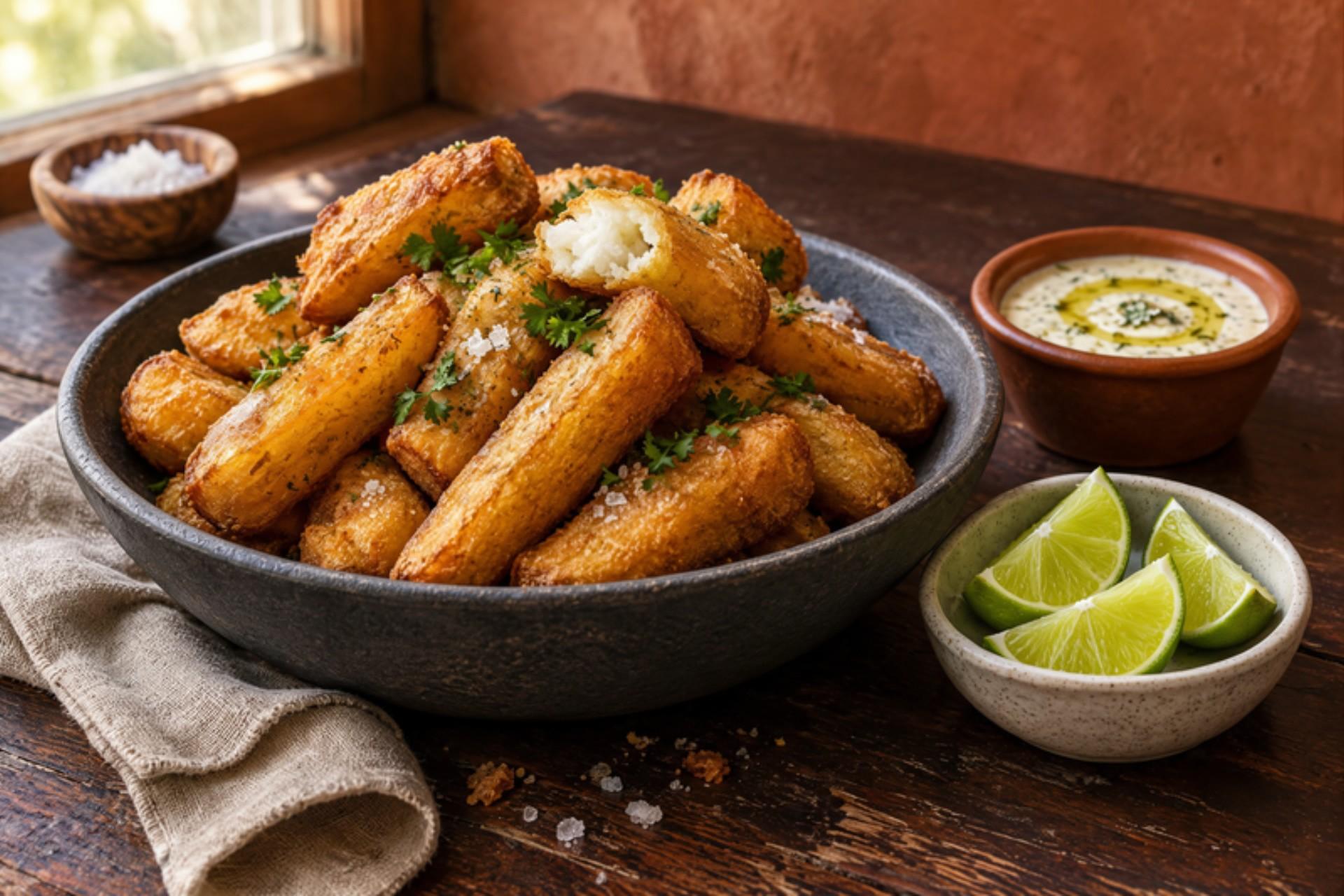
Mandioca frita, called aipim in Rio and macaxeira in the Northeast, is a must at Brazilian botecos (neighbourhood bars), served in a basket with lime and a little hot sauce on Friday nights, or alongside picanha at a Sunday churrasco. Fat cassava batons are boiled until tender, then fried until the outside crackles and the inside is fluffy, like the best chips you have ever had. Cassava must never be eaten raw: peel off all the brown bark and pink layer and boil it until completely soft right through. The usual mistake is frying it before it is fully tender; it stays hard and woody in the middle. Boil until a knife meets no resistance and the batons start to split. Chef's tip: let the boiled cassava cool and dry completely on a rack, or even chill it overnight; dry cassava fries crisper and splatters less.

by KrazyBadal 0 views

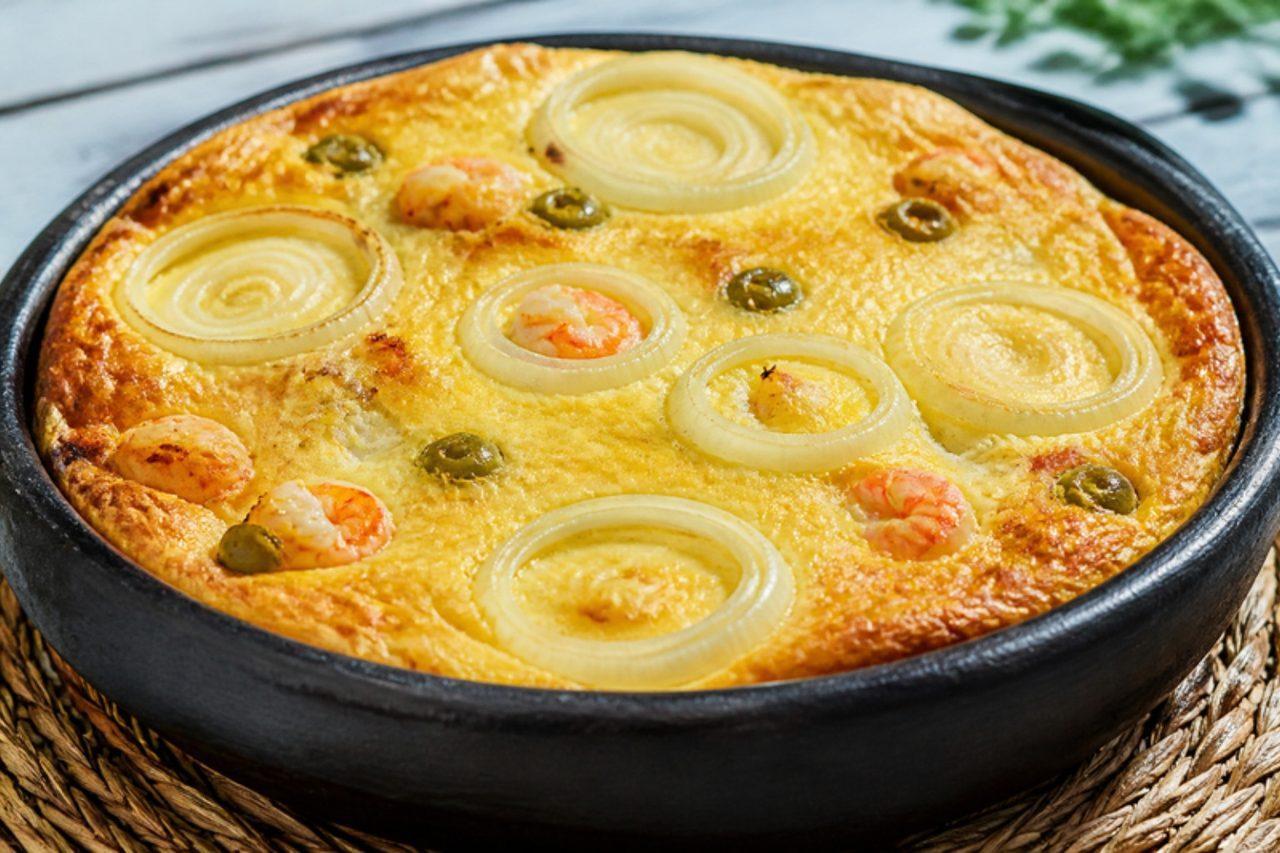
Torta capixabaSeafood and palm heart pie

Torta capixaba is the Good Friday dish of Espírito Santo in south-east Brazil, cooked in the region's black clay pans (panelas de barro). Soaked salt cod, crab meat, prawns, palm hearts and olives are cooked with tomato, onion, coriander and annatto, then bound with beaten egg and baked until puffed and golden under a lid of egg and onion rings. It is served hot or warm with rice. Any ovenproof dish works. Chef's tip: fold in the egg whites last and gently, as they give the torta its light, set texture.

by KrazyBadal 0 views

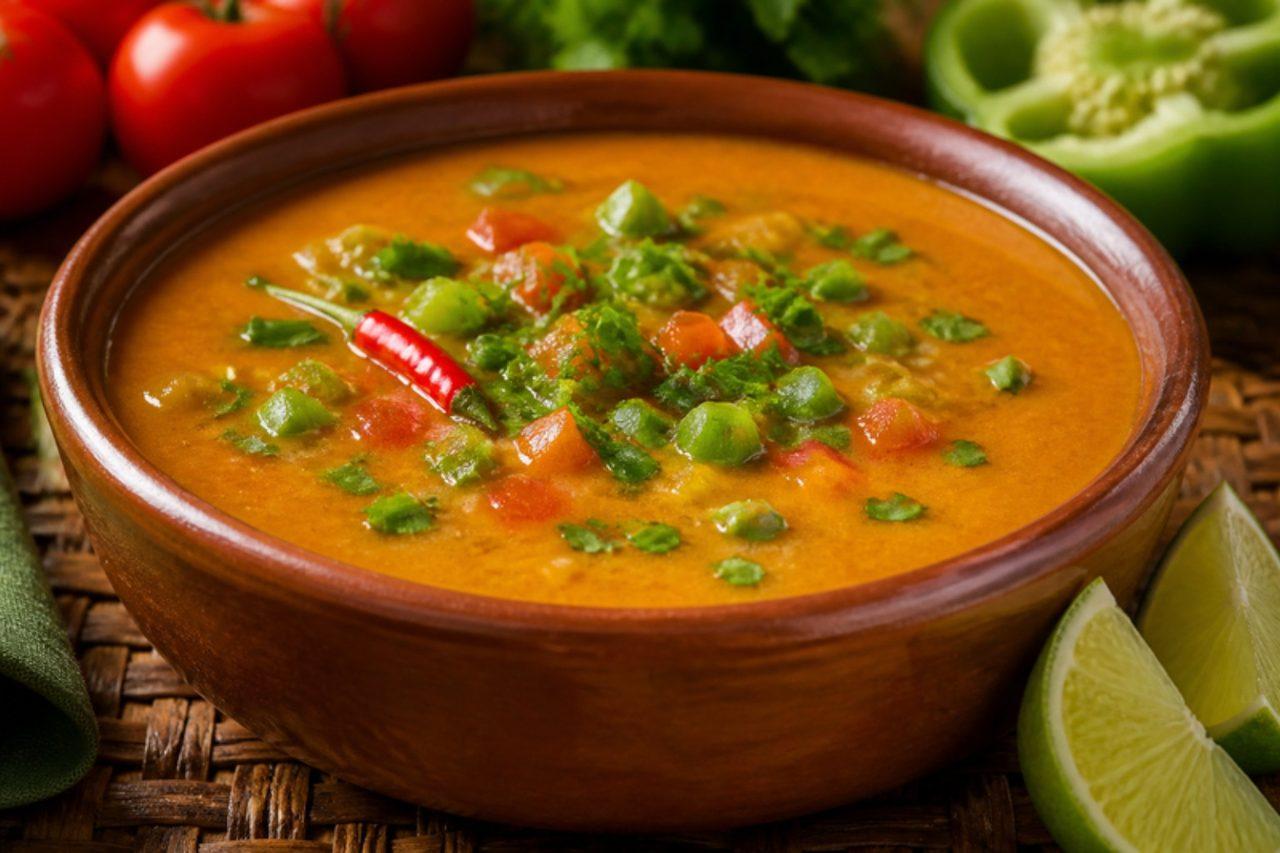
Caldo de piranhaPiranha broth

In Cuiabá and Corumbá, on the edge of the Pantanal wetlands of Mato Grosso, caldo de piranha is served in small cups in bars and at riverside festivals, and is said to restore strength (some say more). The bony little fish are simmered with tomato, onion, peppers and annatto, then the flesh is blended into the broth and strained, so it is thick, smooth and savoury. If you can't get piranha, any firm white river or lake fish such as tilapia or catfish works. A bowl gives about 24 g of protein, from the fish, for about 200 kcal. The common mistake is careless straining: piranha has many fine bones, so pass the soup through a fine sieve twice. Chef's tip: finish with a good handful of cheiro-verde, the Brazilian mix of parsley and chives, and a squeeze of lime just before serving.

by KrazyBadal 0 views

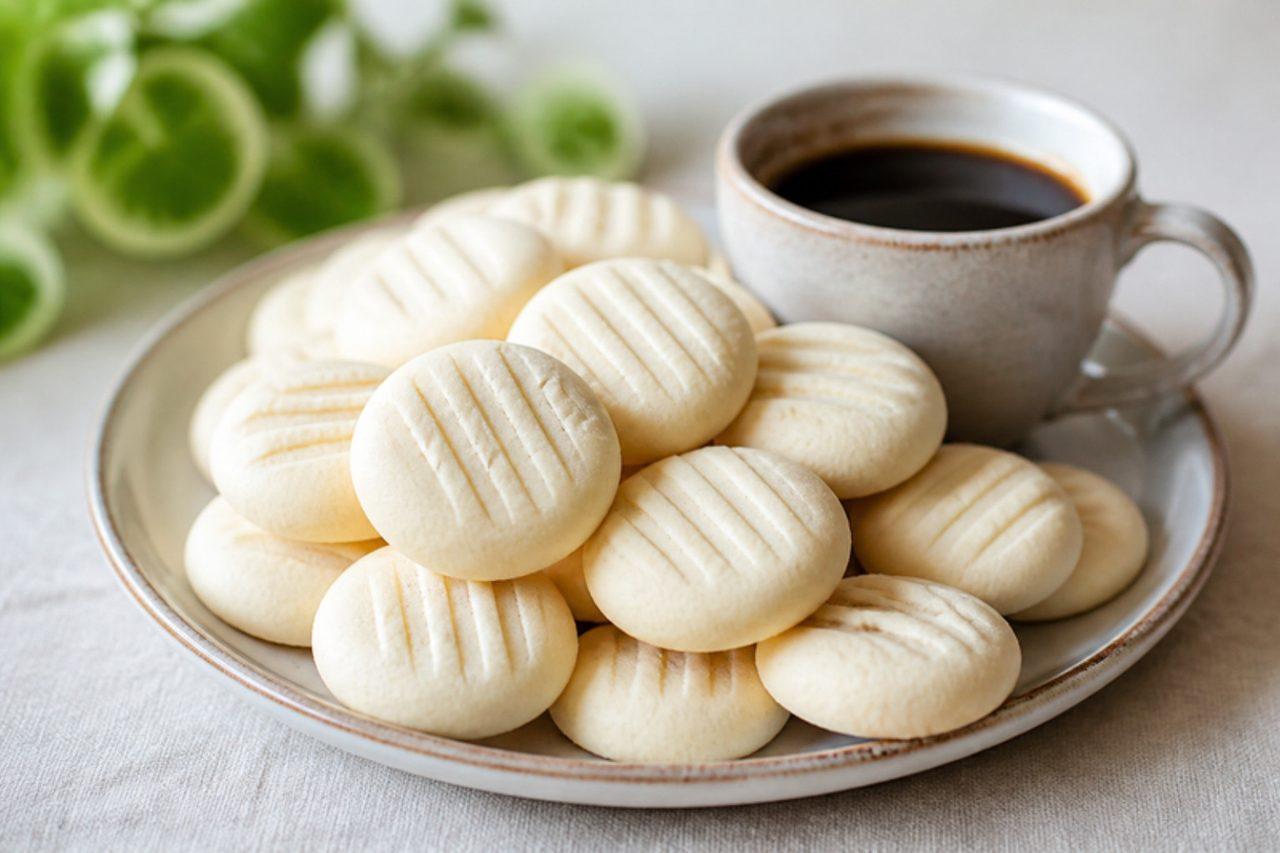
SequilhosCornstarch condensed milk cookies

Brazilian grandmothers keep a tin of sequilhos (seh-KEEL-yos) on the shelf for afternoon cafezinho, and children in São Paulo and Minas Gerais grow up pinching them from it. Made almost entirely from cornstarch, butter and sweetened condensed milk, they bake pale and chalky-looking, then dissolve on the tongue like a cloud of milky sugar. A fork pressed into each ball leaves the classic stripes. This version adds one egg yolk for a little richness; plenty of families leave it out, and the cookies are just as good. Because there is no wheat, they are naturally gluten free. Chef's tip: lift one off the tray after the minimum time and check the base; it should be the faintest cream-gold, not brown, or the melting texture turns sandy.

by KrazyBadal 0 views

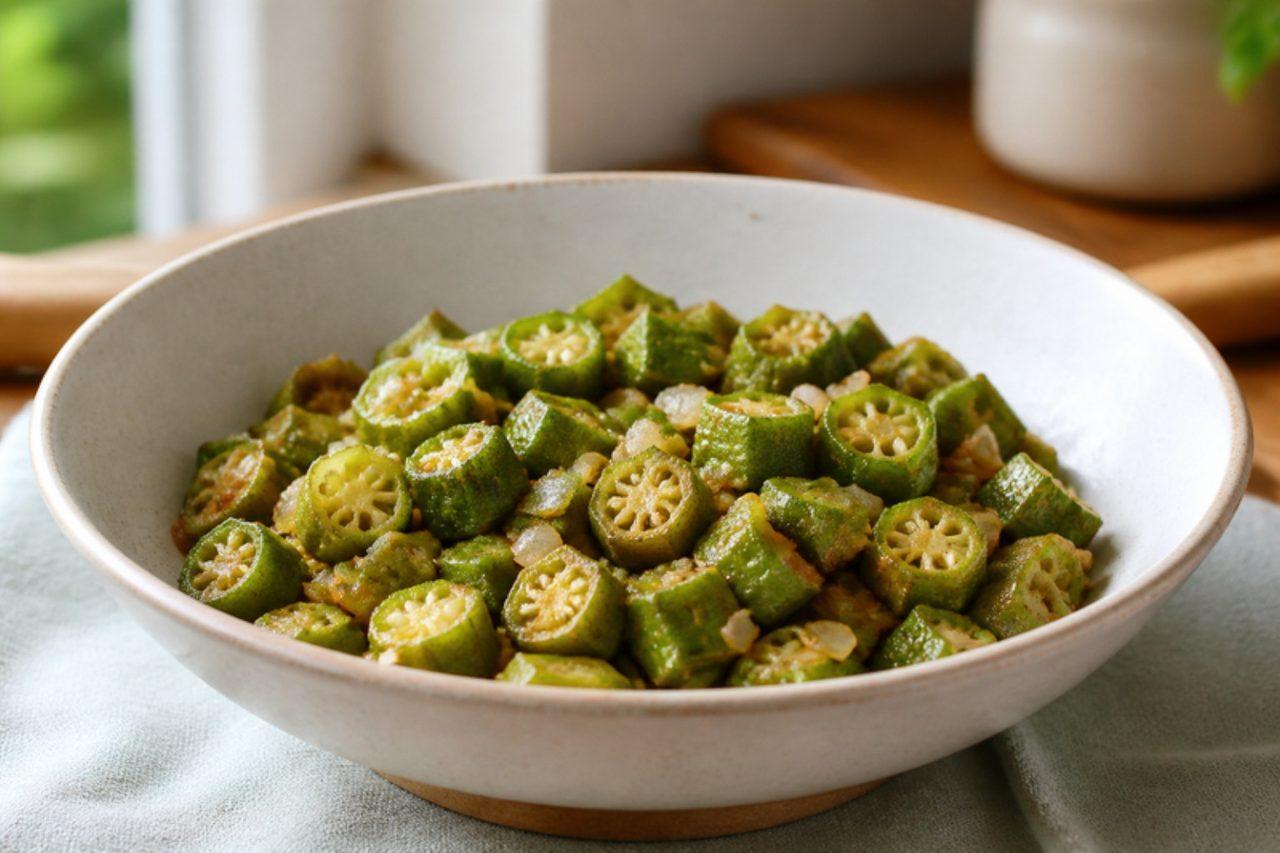
Quiabo refogadoSautéed okra with garlic

In Minas Gerais, quiabo refogado is the green side that sits next to rice, beans and angu on weekday lunch and supper plates, and the cook's pride is okra that is tender but never slimy. The pods are sliced into rounds and sautéed in a wide pan with onion and plenty of garlic until the sticky threads cook away and the edges turn lightly golden. The most common mistake is washing the okra after slicing it: wet cut okra turns gluey, so wash and dry the whole pods first. Serve it with rice and beans, a fried egg or crisp fried tofu. Chef's tip: stir only every couple of minutes and add a few drops of lime at the end; both keep the slices separate.

by KrazyBadal 0 views

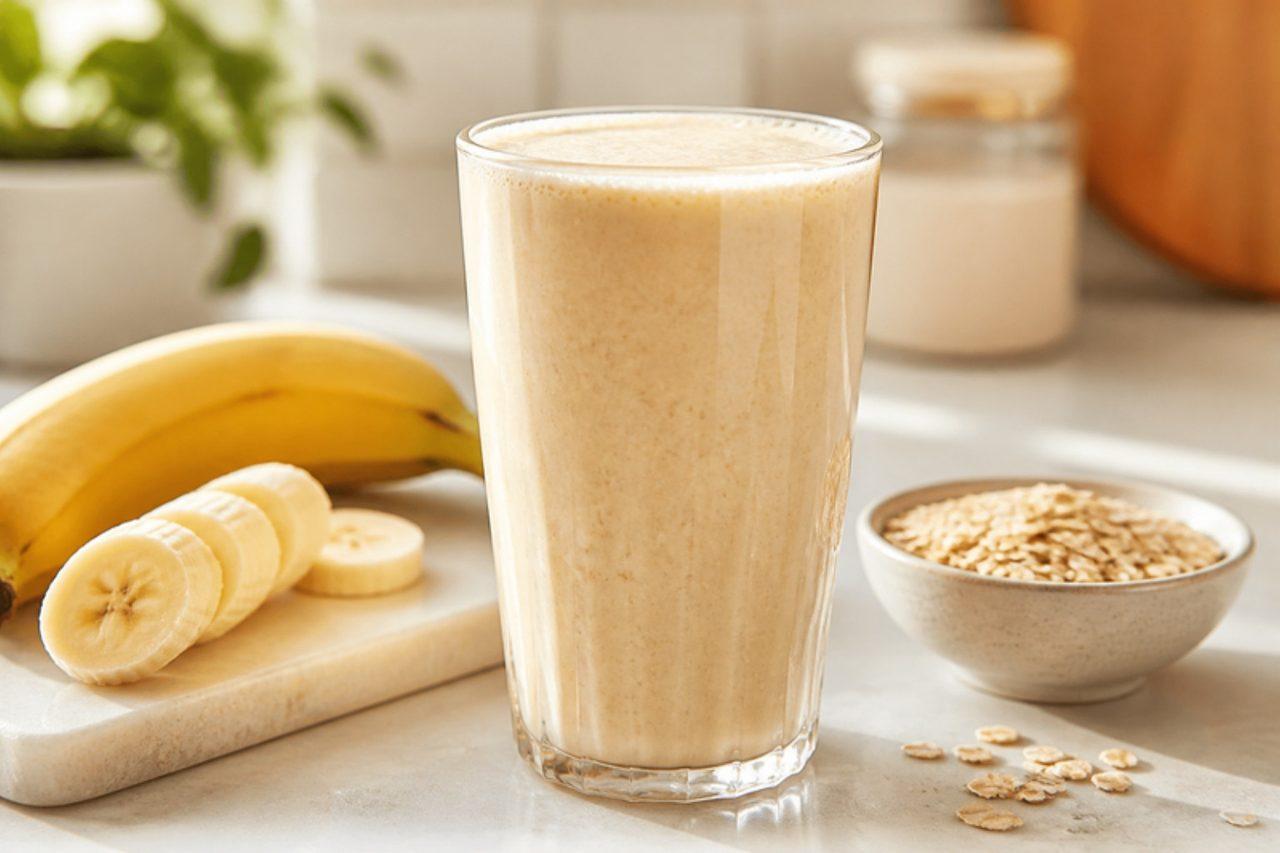
Vitamina de banana (Brazilian banana smoothie)

In Brazil a smoothie is a vitamina, and vitamina de banana is what parents from São Paulo to Recife whizz up for breakfast or when children get home from school hungry. Ripe banana, cold milk and a spoonful of oats make a thick, naturally sweet drink that fills a gap until dinner, so no sugar is needed. It contains milk and gluten (oats, unless labelled gluten free). Chef's tip: use bananas with brown freckles on the skin; they are sweeter and blend creamier than green-tipped ones.

by KrazyBadal 0 views

Mané peladoCassava, coconut and cheese cake

On farms around Goiânia and across the Goiás cerrado, mané pelado is the cake for coffee time and for June festivals: raw cassava grated straight into the bowl, mixed with fresh coconut, eggs, sugar and a handful of grated cheese, then baked until the top is deep golden. It is dense, moist and slightly chewy, sweet with a faint salty edge from the cheese. There's no flour, so it is naturally gluten free. Cutting it hot is the mistake to avoid; the starch needs time to set, and warm slices are gummy, so let it cool fully. Use sweet cassava (the ordinary kind sold for cooking), always cooked through; frozen grated cassava works well. The cheese in Goiás is a semi-cured queijo minas; any mild, salty semi-hard cheese works, or a vegetarian alternative. Chef's tip: grate the cassava on the fine side of the grater; coarse shreds stay stringy.

by KrazyBadal 0 views

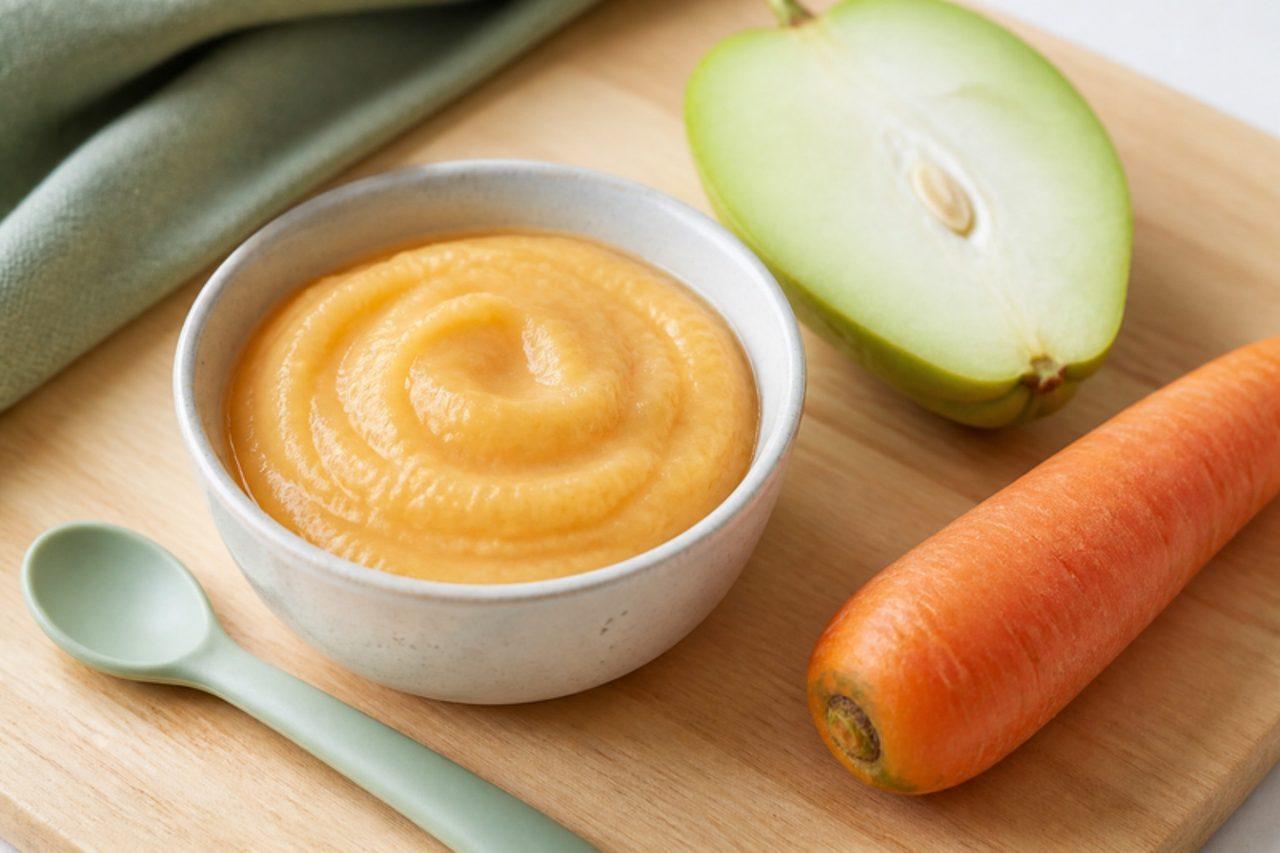
Papinha salgada (Brazilian savoury baby mash)

When Brazilian babies reach six months, the papinha salgada, or 'savoury little mash', becomes their main lunch, served at the same time the family eats rice and beans. Each vegetable is mashed separately with a fork rather than blended, so the baby learns their different colours and tastes, and the warm broth from the family's unseasoned bean pot is spooned over the top. It is soft, earthy and mild. It contains none of the common allergens (milk, egg, gluten, peanut, tree nuts, soya, sesame, fish). Chef's tip: lift out a ladle of bean broth before you add salt, garlic or bacon to the family's pot.

by KrazyBadal 0 views

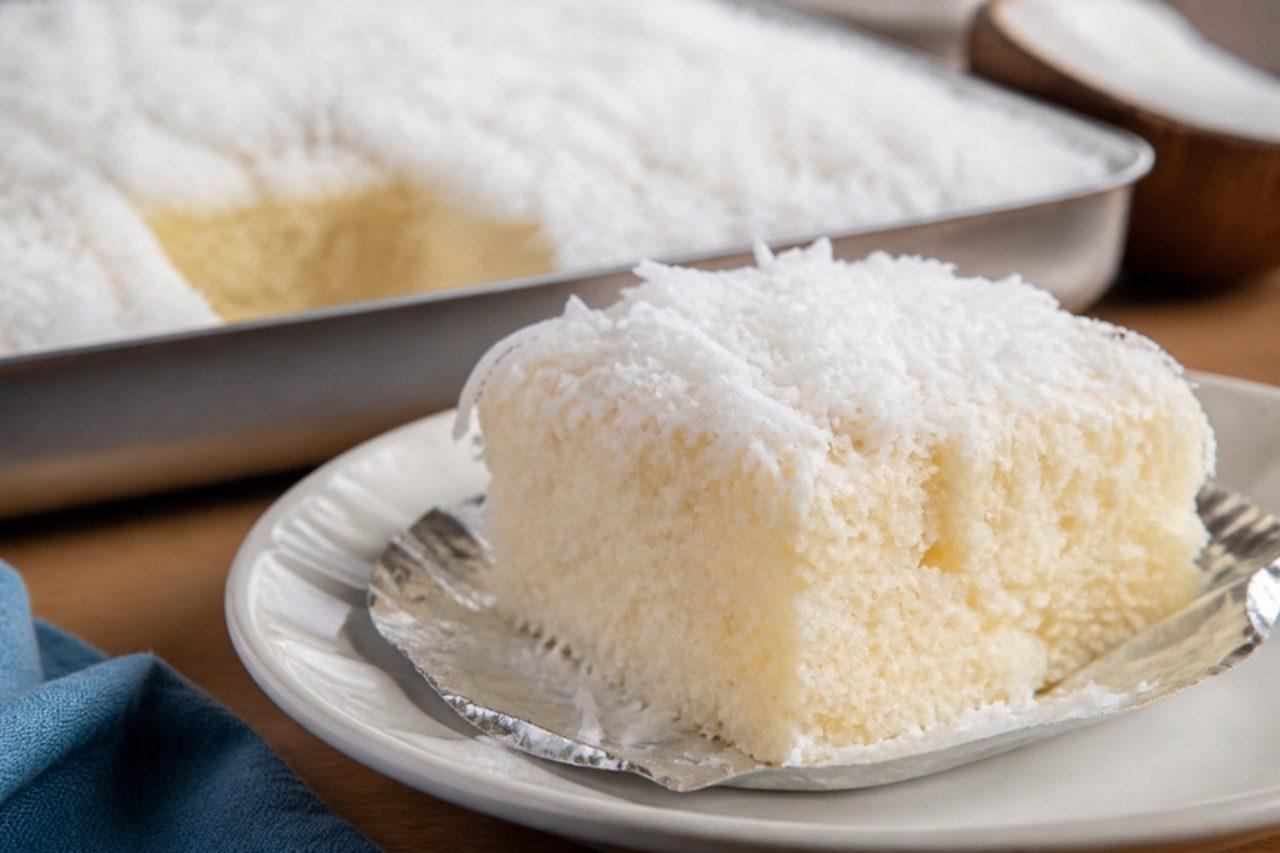
Bolo de coco geladoChilled coconut cake

Wrapped in squares of foil and kept in the fridge of Brazilian padarias and birthday parties, bolo de coco gelado ('cold coconut cake') is a soft white sheet cake drenched while warm in coconut milk sweetened with condensed milk, then buried under grated coconut. Eaten straight from the fridge it is cool, damp and milky, a little like a coconut tres leches but less sweet. It is a favourite for hot afternoons, children's parties and festas juninas, and it actually improves after a night's rest. Pouring the soak over a cold cake is the common mistake; it sits on top in a puddle, so poke the cake while it's still warm and add the soak a ladle at a time. Chef's tip: wrap each square in foil before chilling, the way bakeries do; the coconut stays moist and the squares travel well to a party.

by KrazyBadal 0 views

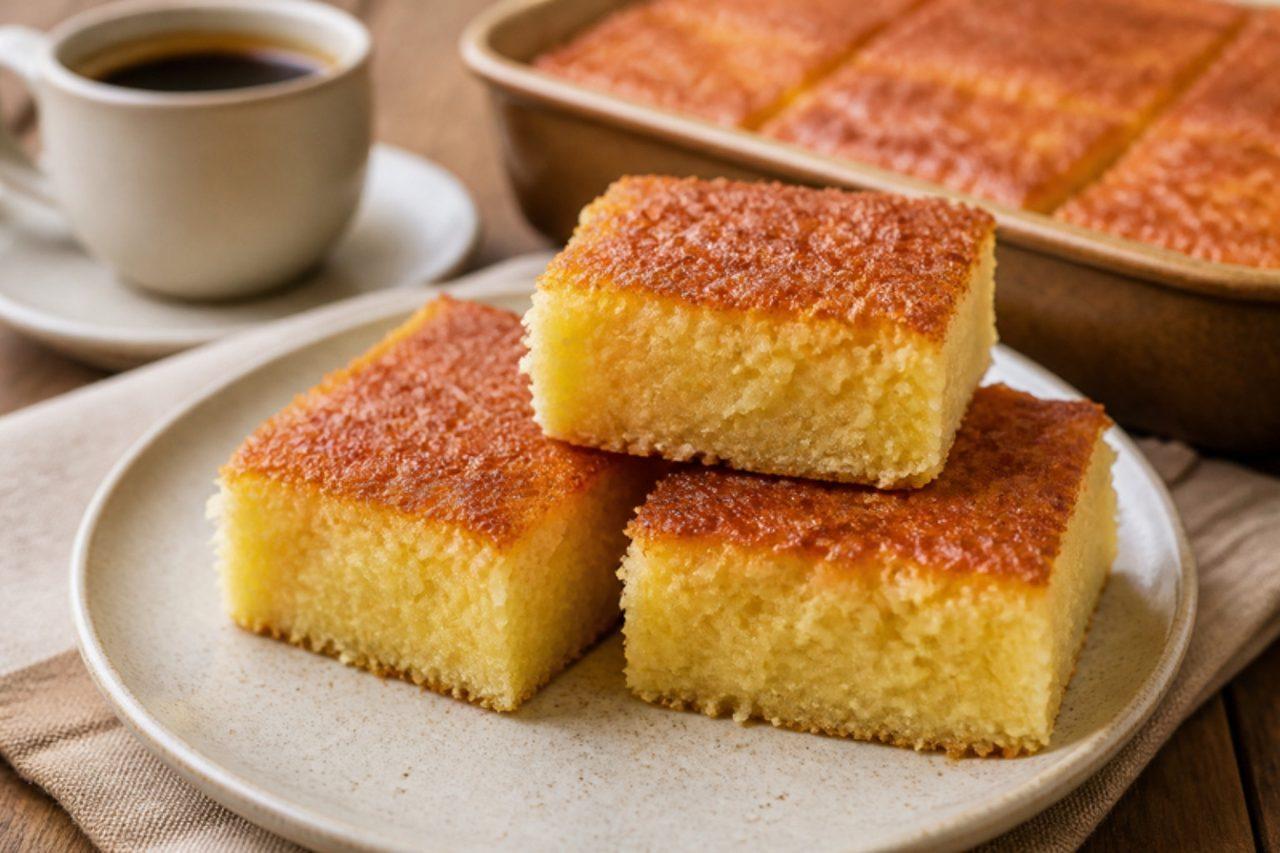
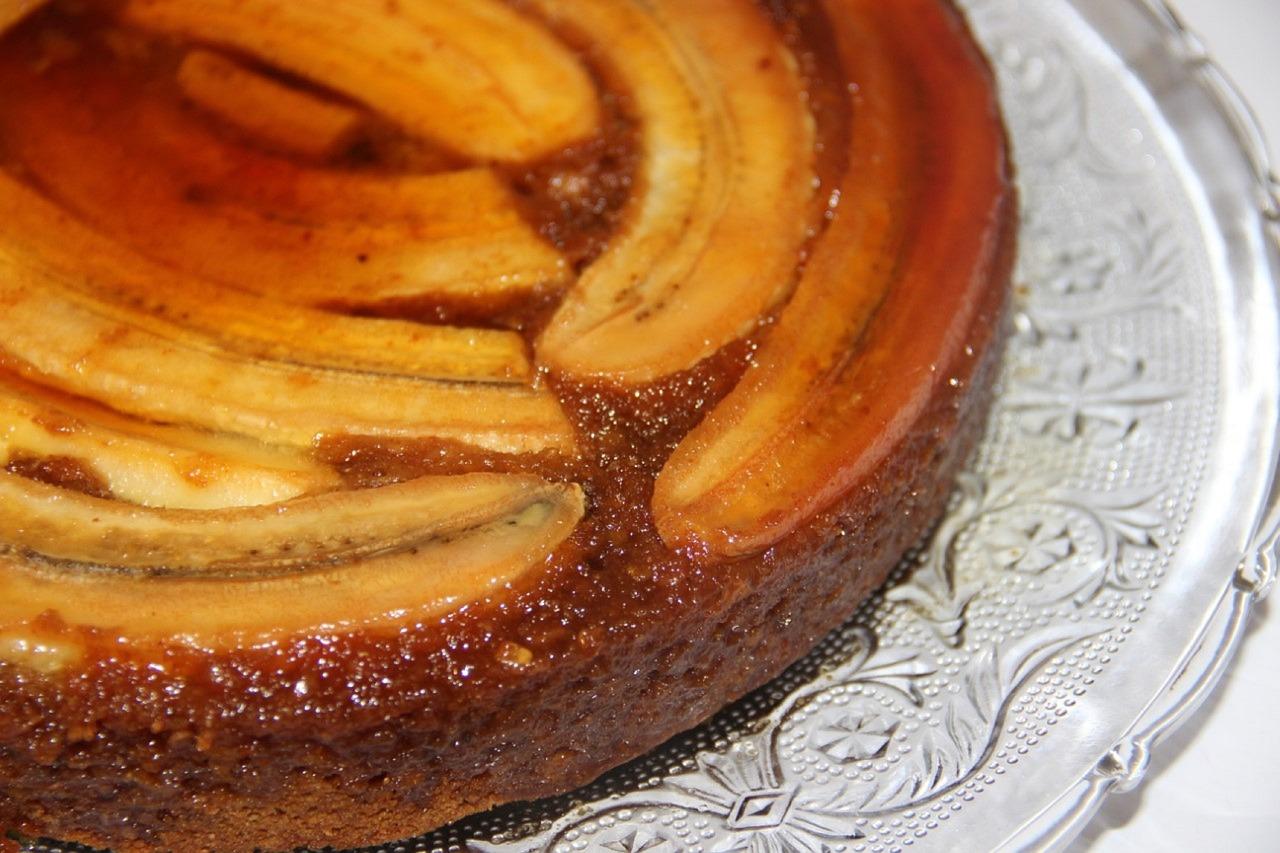
Bolo de bananaUpside-down banana cake

Ask a Brazilian what was on the table for café da tarde as a child and the answer is often this: a soft cake turned out of its tin with a glossy layer of caramelised banana and cinnamon on top, eaten with a small strong coffee. Home cooks make it with overripe bananas from the fruit bowl, and many mix the batter in a blender. The crumb is light and moist, the top sticky and fragrant. Eggless versions exist, but this one uses eggs for a springier cake. Cooking the caramel too far is the usual slip: once it goes past amber it turns bitter, so pull the pan off the heat while it is still the colour of honey. Chef's tip: cut the bananas lengthwise rather than into rounds; long slices lie flat in neat rows and don't slide when you turn the cake out.

by KrazyBadal 0 views

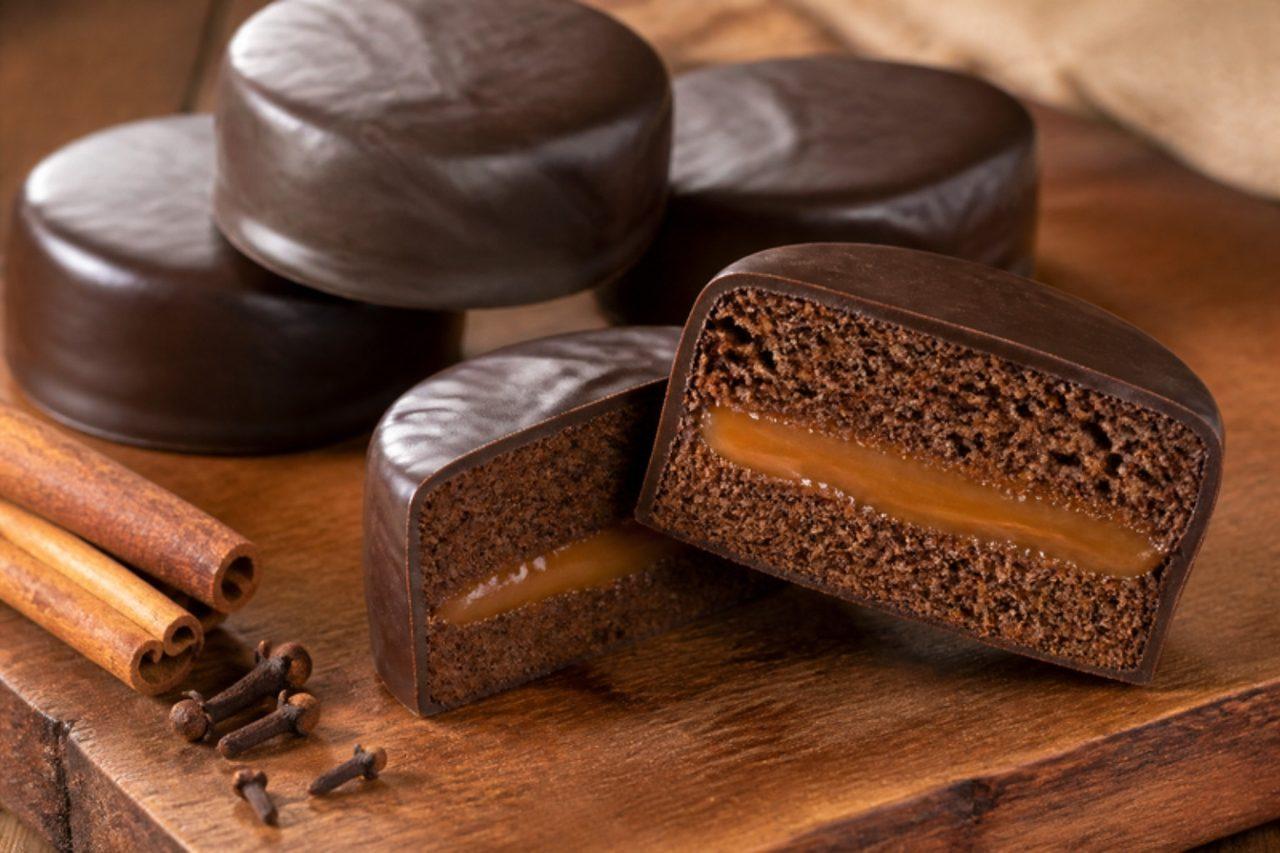
Pão de melHoney spice cakes

Sold wrapped in coloured foil at padarias and by street vendors in São Paulo and all over the South, pão de mel is a small, soft honey-and-spice cake filled with doce de leite and sealed in a crisp shell of chocolate. It is the classic Easter and Christmas gift in many families, and a popular homemade treat to sell for extra income. Cinnamon, clove and nutmeg give it a gingerbread warmth. Chef's tip: let the cakes cool completely before dipping, or the chocolate slides off and turns streaky.

by KrazyBadal 0 views

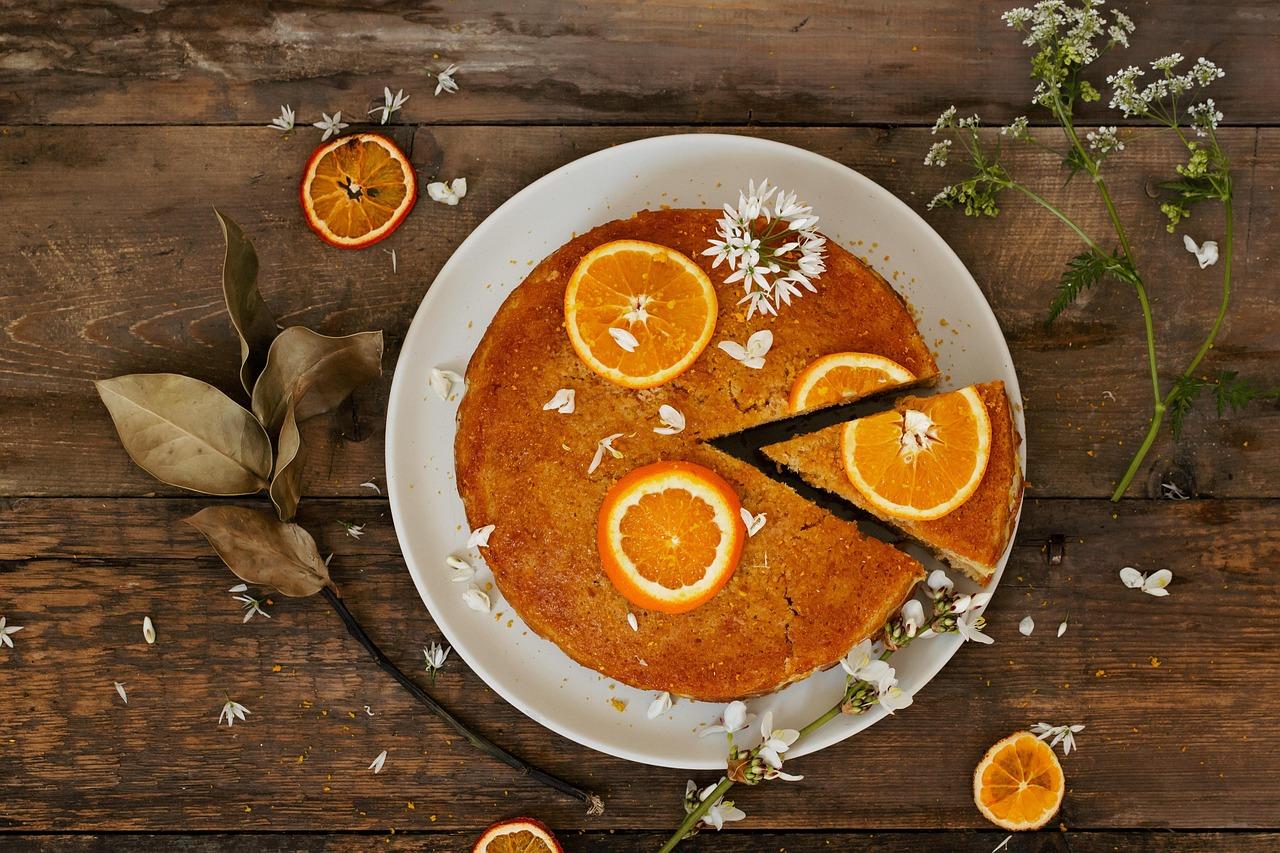
Bolo de laranjaOrange cake

Brazil grows more oranges than anywhere else, and in kitchens from São Paulo state's citrus belt to the Northeast this moist cake uses the whole fruit, peel and all, blended straight into the batter. It is the cake for a birthday at home, the school bake sale or a Sunday afternoon, and the warm syrup poured over at the end keeps it soft for days. Made with oil, it contains no butter or milk. Chef's tip: trim off both ends of the oranges and remove every seed, which would make the cake bitter.

by KrazyBadal 0 views

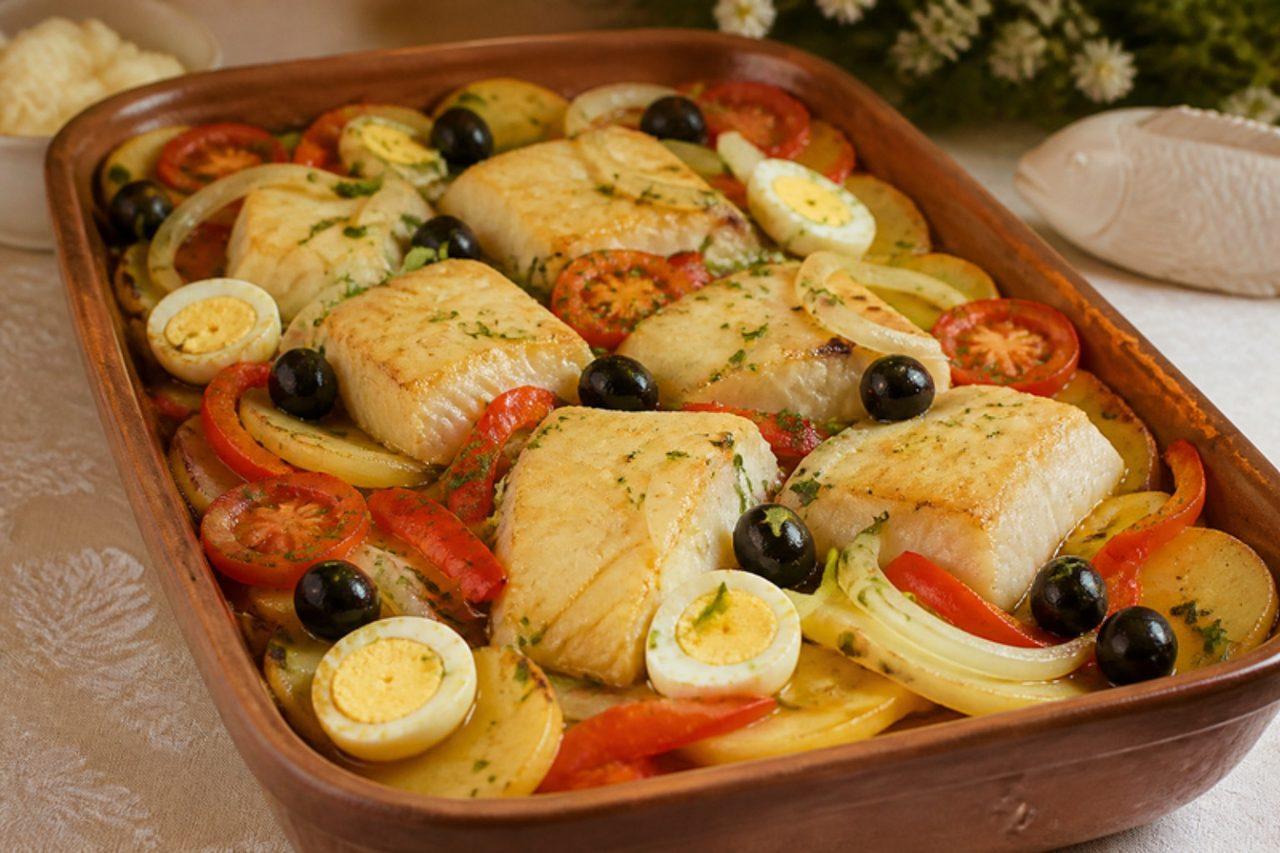
BacalhoadaBaked salt cod with potatoes

Brought by Portuguese settlers, bacalhoada has become the dish for Good Friday and Christmas in Brazilian homes, especially in São Paulo and Rio, where big Portuguese communities kept the tradition alive. Thick flakes of desalted cod are layered with sliced potatoes, onions, sweet peppers, tomatoes, hard-boiled eggs and black olives, drowned in good olive oil and baked until golden. Plan two days ahead for soaking the cod. Chef's tip: be generous with the olive oil, which is what turns the potatoes silky and carries all the flavour.

by KrazyBadal 0 views

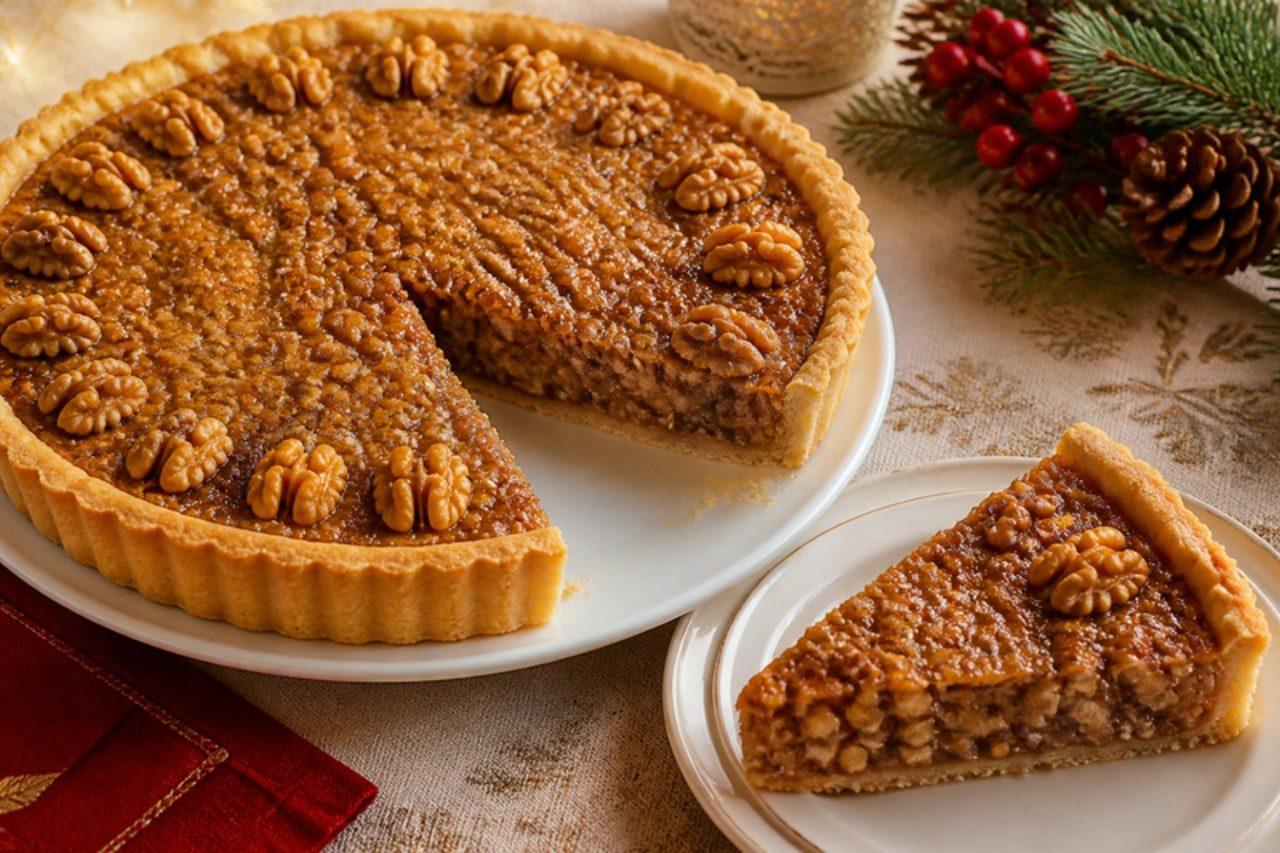
Torta de nozesWalnut tart

In the South and in São Paulo, where Italian, German and Portuguese baking traditions meet, a walnut tart is a fixture of the Christmas dessert table, often brought by an aunt who has made it the same way for decades. A crisp, sweet shortcrust holds a filling of chopped walnuts set in condensed milk and eggs, which bakes into a soft, toffee-like caramel. It slices best the next day, so it is a good make-ahead for the busy 24th. Chef's tip: blind-bake the crust until it is properly golden, or the rich filling will leave the base soggy.

by KrazyBadal 0 views

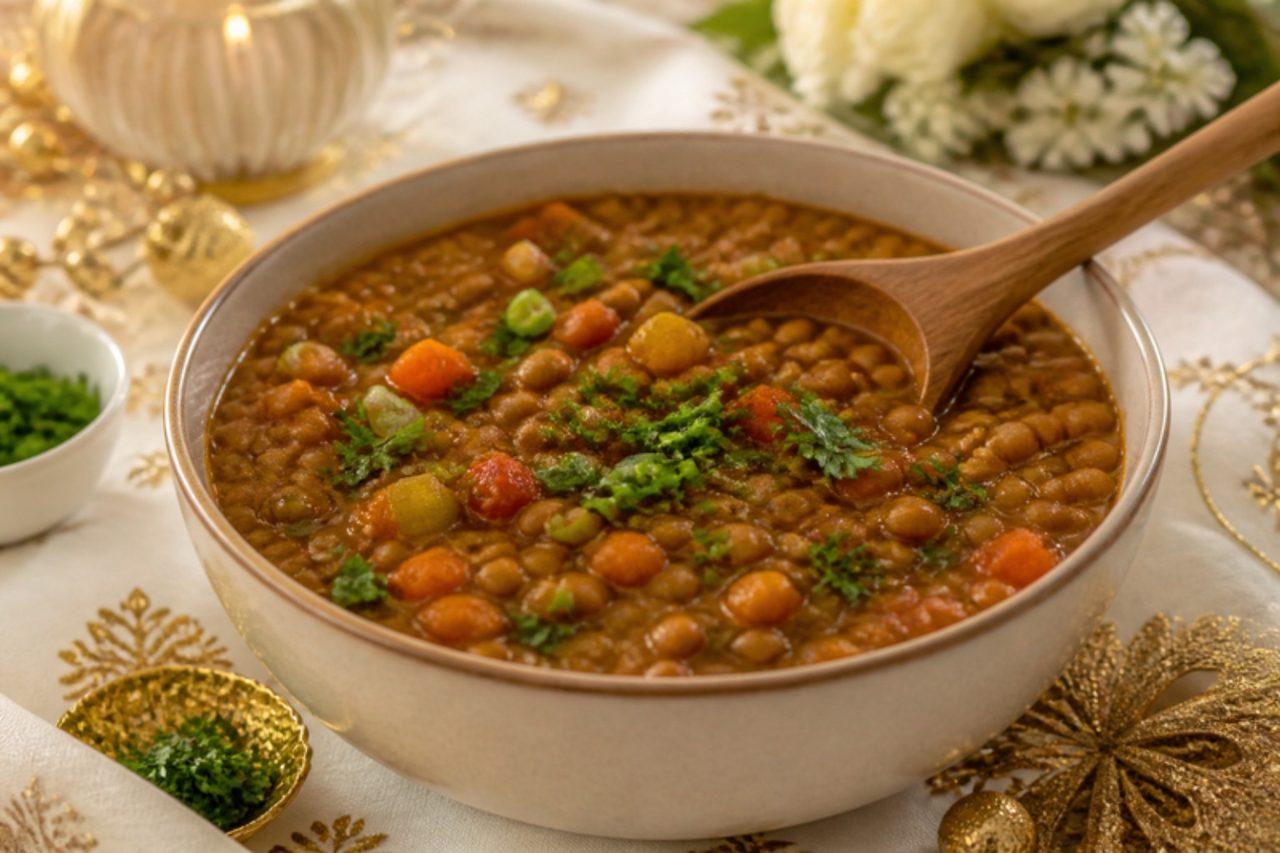
Lentilha de Ano NovoNew Year lentil stew

Just after the fireworks at midnight on 31 December, Brazilians from Copacabana to small towns in the interior eat a spoonful of lentils, because the little coin-shaped seeds are said to bring money in the year ahead. Many families keep a pot of this warm stew of lentils, tomato, carrot and smoked paprika on the stove all through the Réveillon party. It also makes a good weekday supper with rice. Chef's tip: keep it at a gentle simmer so the lentils hold their shape, as they are meant to look like little coins.

by KrazyBadal 0 views

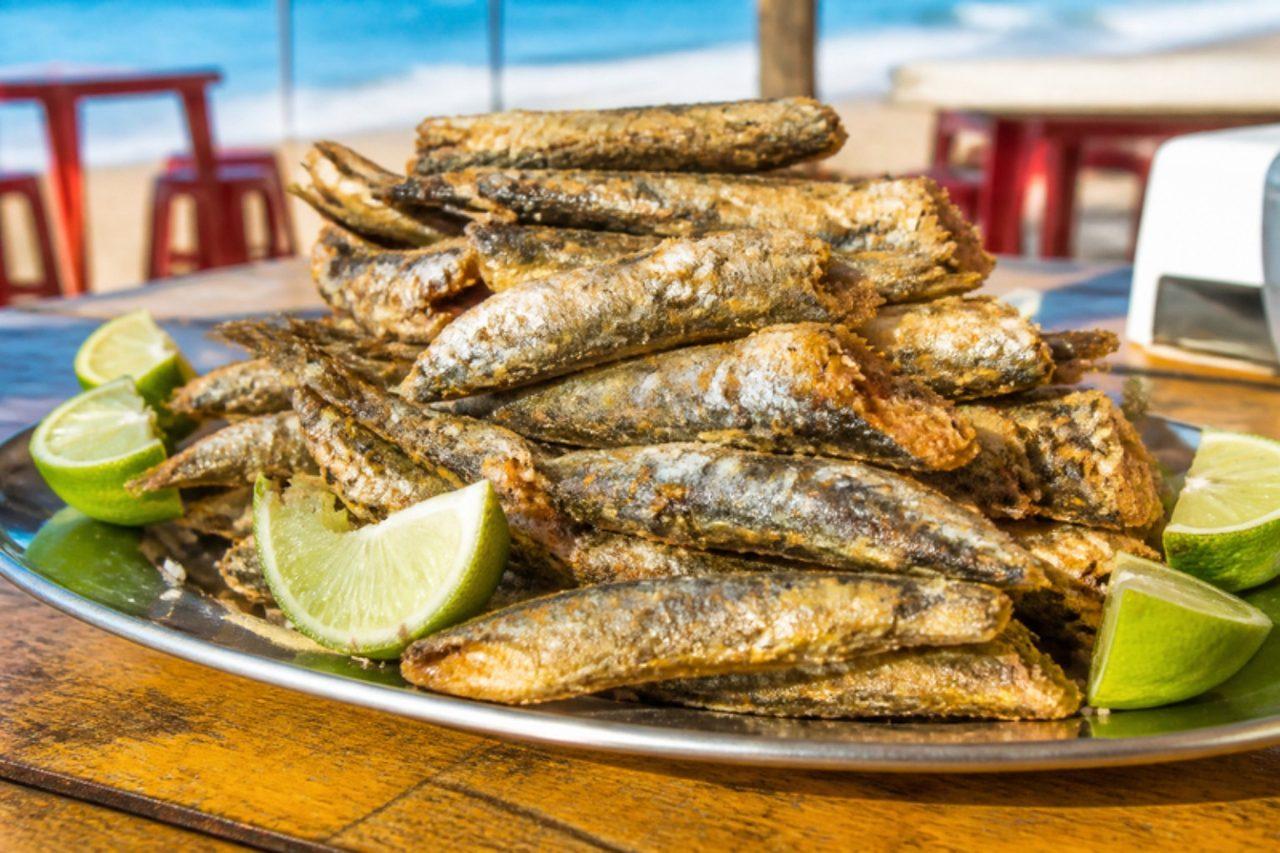
Sardinha fritaFried sardines

Rio de Janeiro has a long love affair with sardines, landed fresh at the fishing colony in Niterói across the bay, and a plate of them fried crisp is the thing to order at old-school botequins in the city centre with an ice-cold beer. Small fish are gutted, beheaded and dusted in flour and a little cornmeal, then fried quickly so the thin bones turn crunchy enough to eat. Chef's tip: dry the fish thoroughly before flouring so the oil doesn't spit and the coating stays crisp.

by KrazyBadal 0 views

Isca de peixeFried fish strips

From the beach kiosks of Rio and Santos to bars by the lakes of the interior, isca de peixe is ordered by the portion to share with friends, eaten with fingers, a squeeze of lime and a little bowl of tartar sauce. Strips of mild white fish get a quick lime-and-garlic seasoning, a dusting of flour and a short fry, so the coating stays thin and crackly while the fish inside stays moist. Chef's tip: keep the lime marinade short, about 15 minutes; any longer and the acid starts to turn the fish soft.

by KrazyBadal 0 views

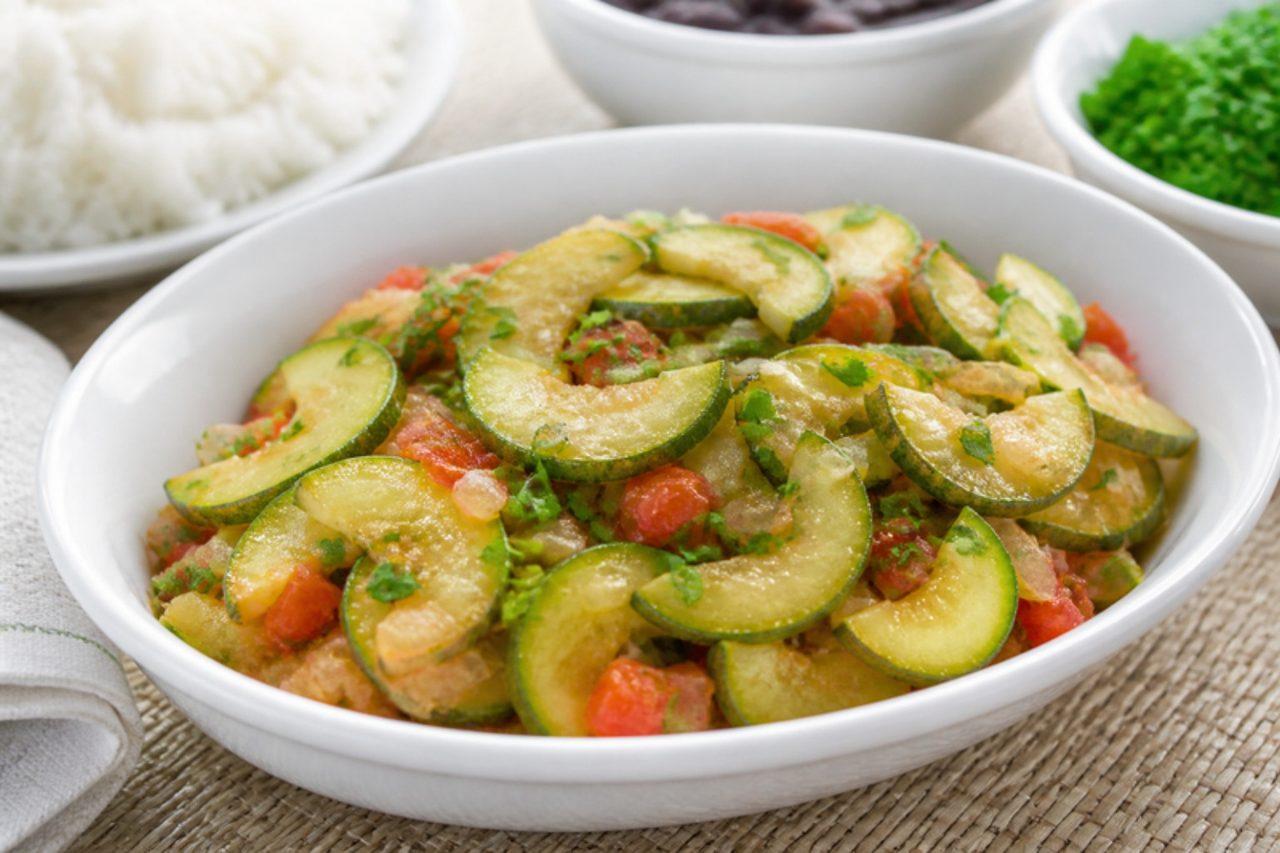
Abobrinha refogadaSautéed courgette

Refogado, the base of onion and garlic softened in oil, is how Brazilian home cooks start almost every dish. Courgette cooked this way is a staple vegetable on the prato feito, the everyday lunch plate of rice, beans, a meat and a salad, all over the country. The courgette should be tender but still hold its shape, glossy with tomato and full of herbs. Chef's tip: use small, firm courgettes; big ones are watery and full of seeds.

by KrazyBadal 0 views

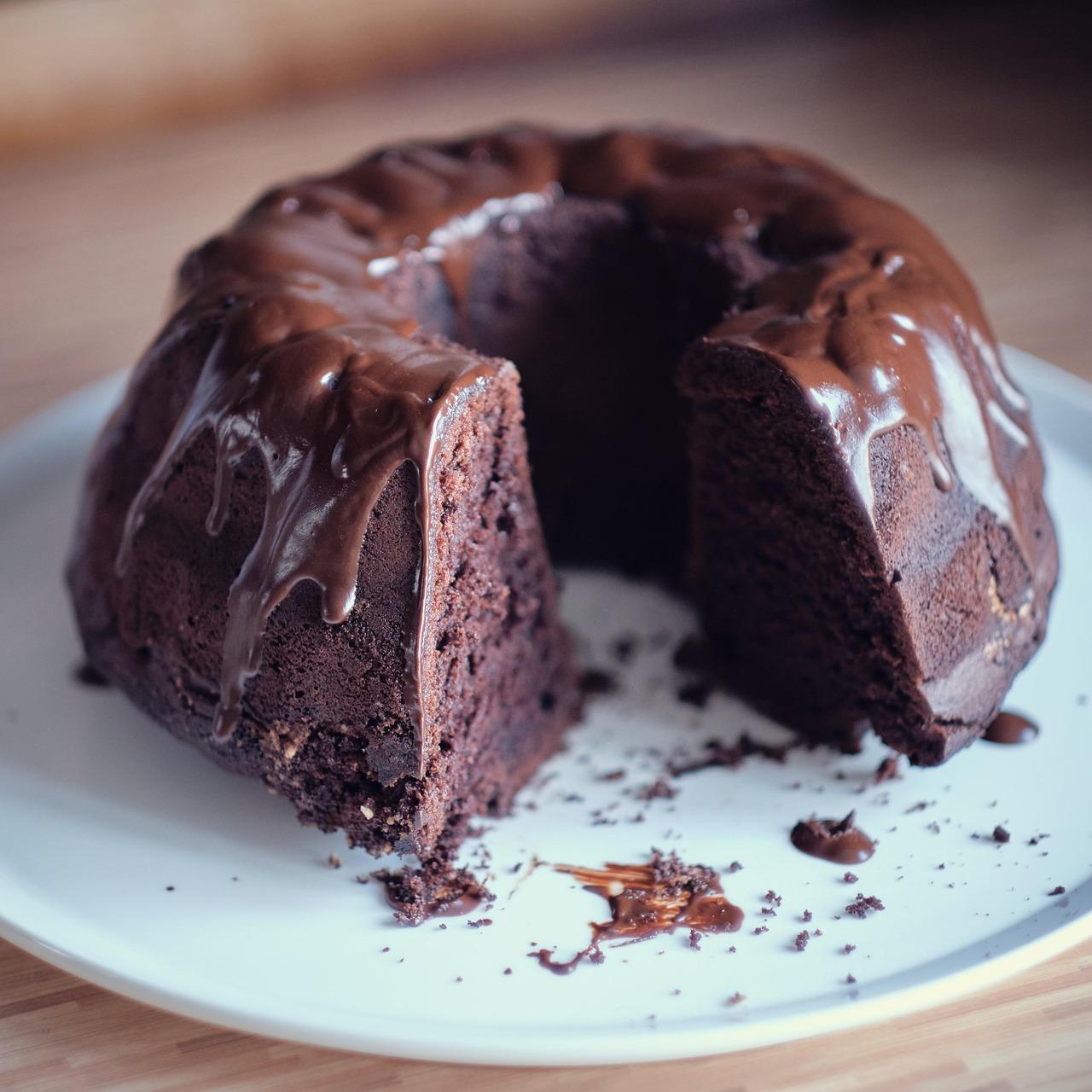
Nega malucaChocolate cake

Every Brazilian has eaten this dark, moist chocolate cake at a children's party or a family afternoon, cut into squares in the tin with the glossy glaze dripping into each piece. It is mixed by hand in one bowl with oil and hot water, so it is the cake that home bakers from Porto Alegre to Recife can make without thinking. The topping is a simple cocoa and milk syrup boiled until it just coats a spoon. Chef's tip: pour the glaze over while the cake is still warm so it soaks a little into the top.

by KrazyBadal 0 views

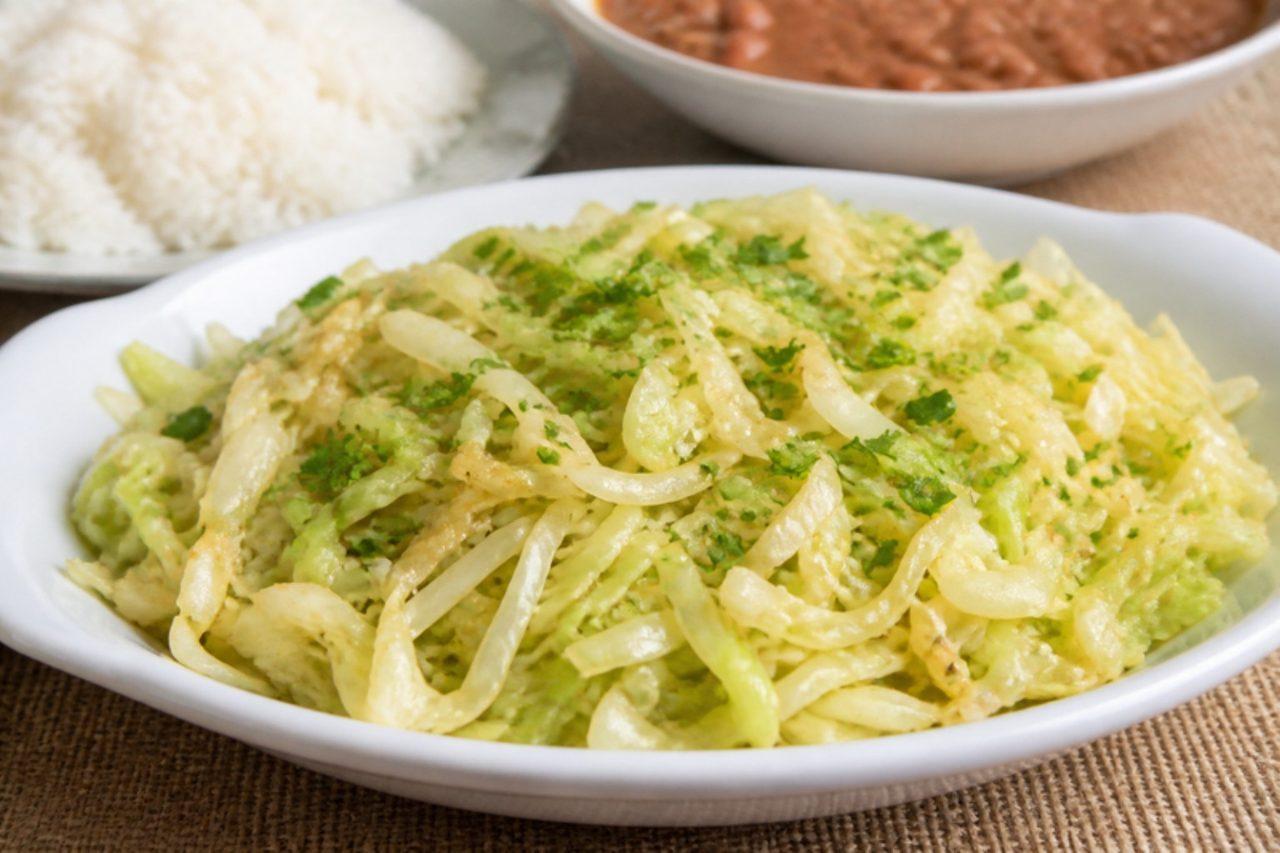
Repolho refogadoSautéed cabbage

Cheap, quick and good with everything, this pan of fine-shredded cabbage is a weekday staple in Brazilian homes and the self-service lunch spots of São Paulo and Rio. It's fried with garlic and onion just long enough to turn sweet and glossy while keeping a little crunch, then brightened with a splash of vinegar. Many families add bacon; this version is vegan. Chef's tip: shred the cabbage as finely as you can; thin ribbons cook evenly in minutes.

by KrazyBadal 0 views

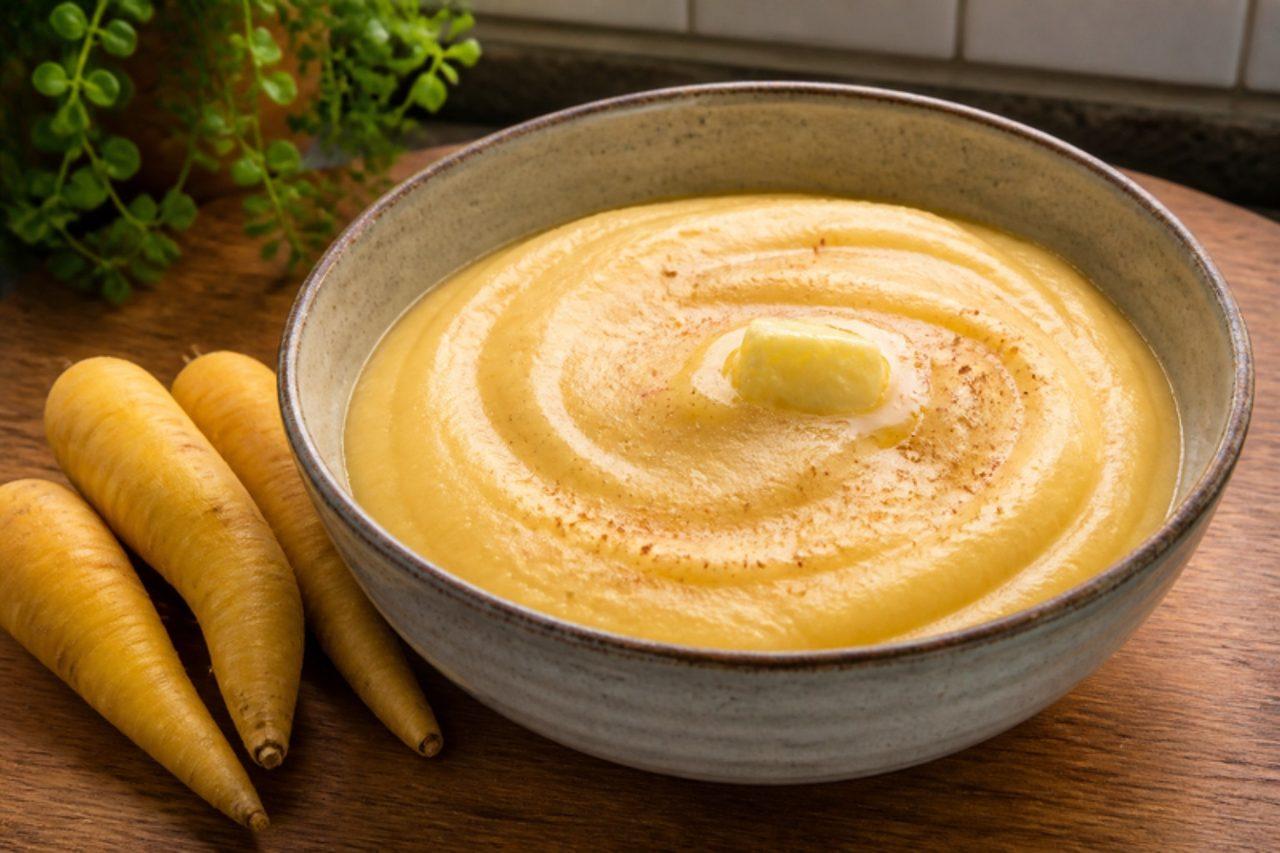
Purê de mandioquinhaArracacha purée

Mandioquinha, also called batata-baroa, is a pale-yellow root that tastes like a cross between parsnip, celery and chestnut. In São Paulo and Minas Gerais it's prized as a gentle, easy-to-digest food, and this buttery purée is what grandmothers make for children, for the sick and as a smart side for picadinho or a roast. It's naturally smooth and sweet. If you can't find it in a Latin grocer, use half parsnip and half floury potato. Chef's tip: mash it by hand, never in a blender.

by KrazyBadal 0 views

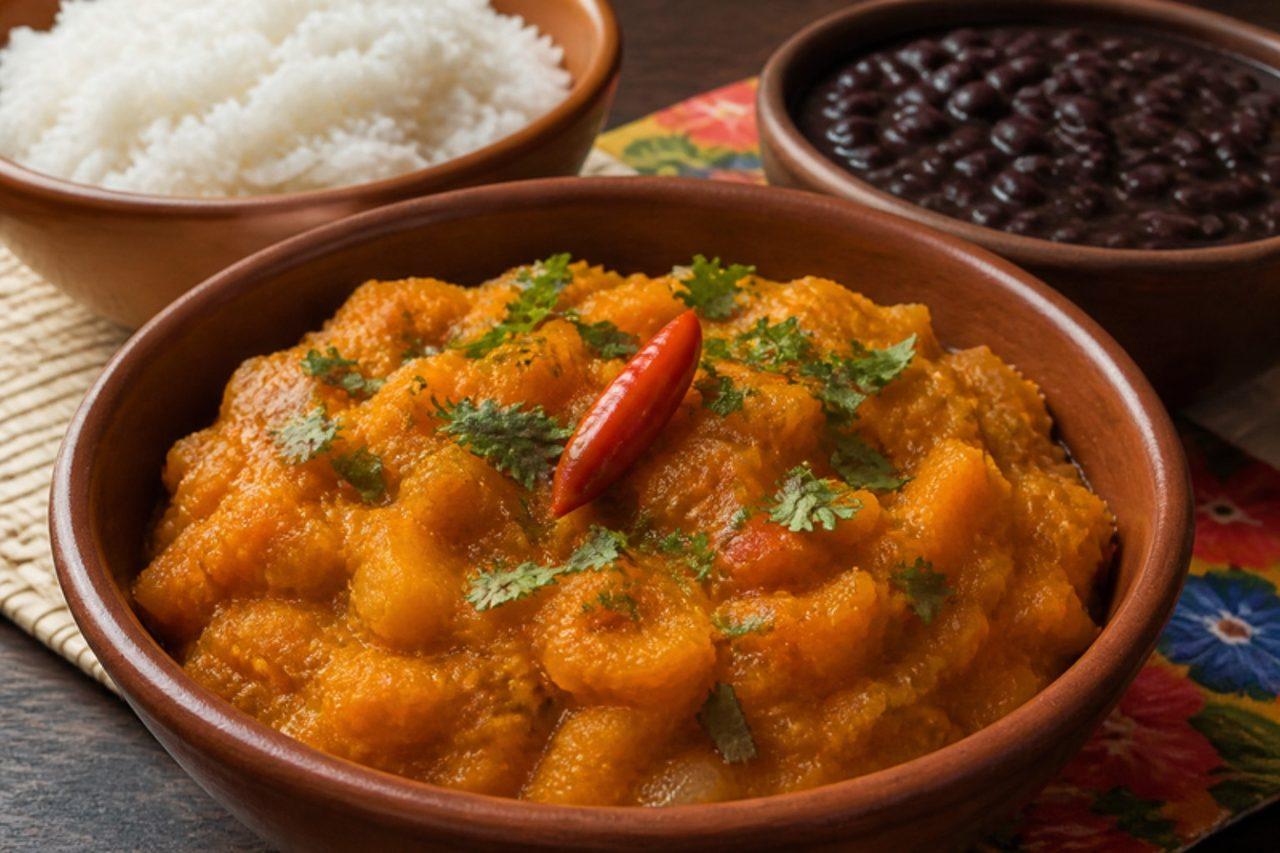
QuibebePumpkin purée

In Bahia and across the Brazilian Northeast, quibebe is the soft orange purée of pumpkin that sits beside carne-seca, fried fish or a plate of rice and beans. The name comes from a Kimbundu word from Angola, a reminder of the African roots of the region's cooking. Pumpkin is stewed with onion, garlic and tomato until it collapses, then mashed roughly and finished with lots of fresh coriander. This is the vegan version; many families stir in shredded carne-seca, salted dried beef. Chef's tip: use a dense, dry pumpkin such as kabocha or crown prince for the richest texture.

by KrazyBadal 0 views

Bolo de fubáCornmeal cake

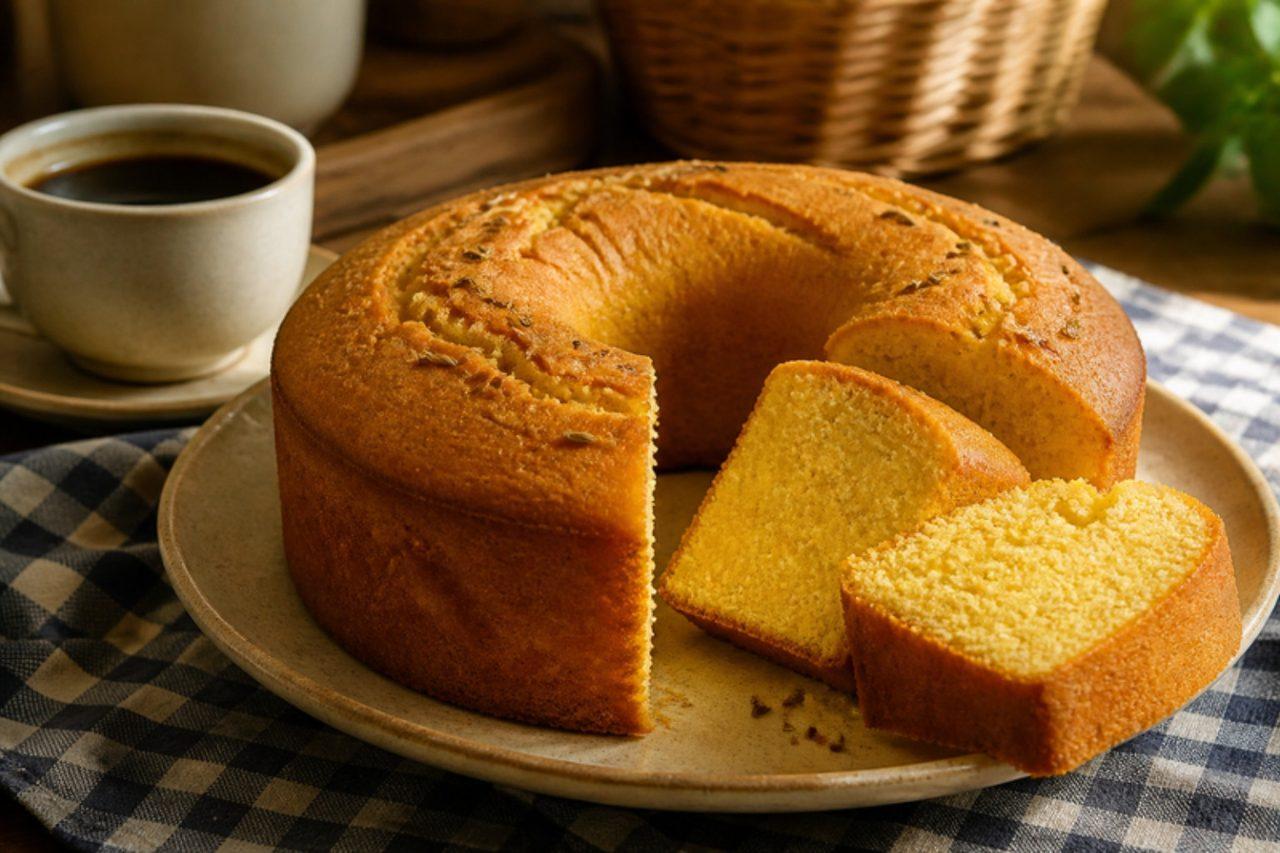
On farms in Minas Gerais and the interior of São Paulo, a golden cornmeal cake comes out of the oven most afternoons to go with a strong cafezinho, and it is still the cake grandmothers bake when visitors arrive. Fine fubá gives a soft, slightly grainy crumb with a sweet corn flavour, and a pinch of fennel seed, called erva-doce, adds a gentle aniseed note. It is a blender-and-bowl recipe with no creaming. Chef's tip: keep the oven door shut for the first 25 minutes, as this cake sinks easily.

by KrazyBadal 0 views

SonhoCustard-filled doughnut

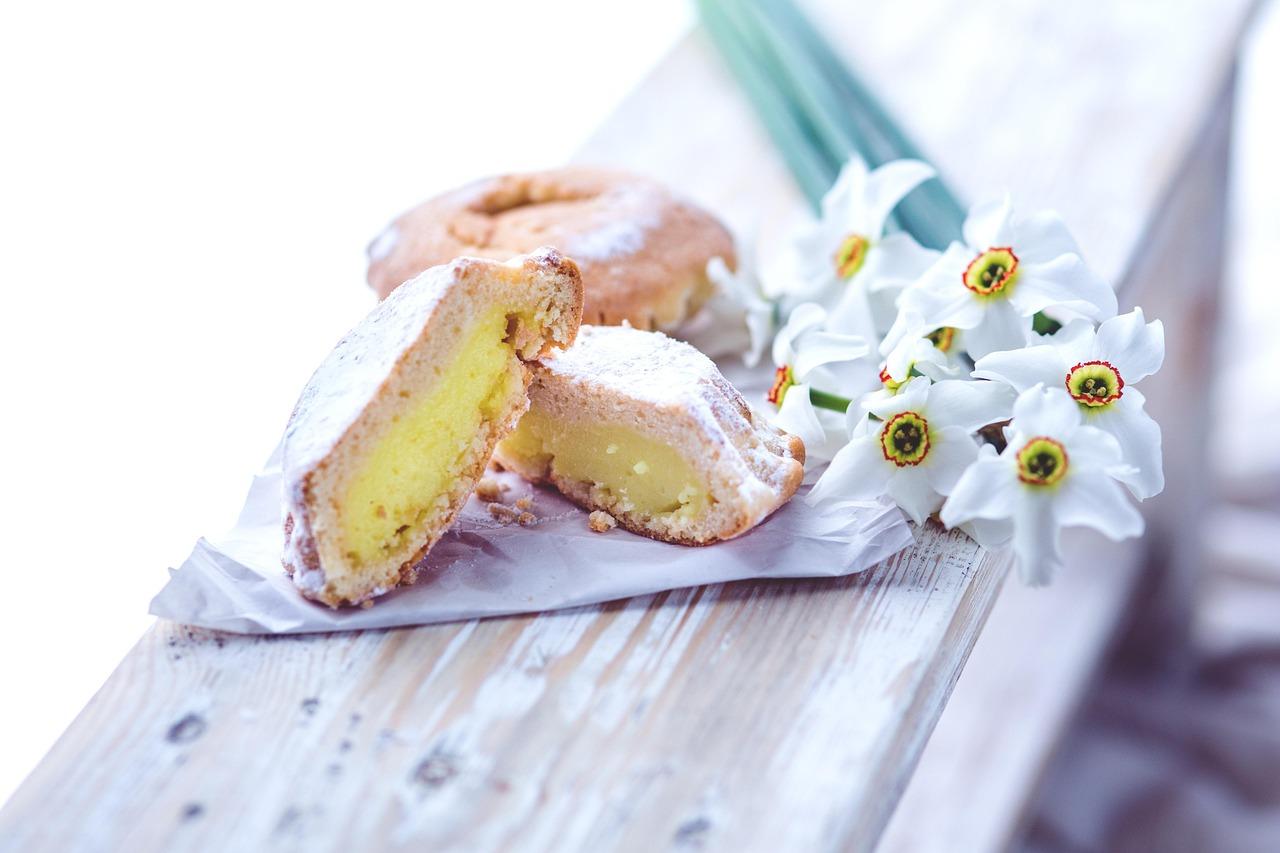
Sonho means dream, and in the padarias of Rio de Janeiro and São Paulo these round, sugar-crusted doughnuts split open with a thick vanilla custard are the treat children point to through the glass. They came with Portuguese bakers and are now eaten at any hour, with a cafezinho in the morning or as an after-school snack. The dough is soft and lightly scented with lemon, and frying at a moderate heat gives the pale ring around the middle that bakers look for. Chef's tip: keep the oil at 165 °C so the centres cook through before the outside darkens.

by KrazyBadal 0 views

Showing 24 of 81 recipes

Show more recipes

Page 1 of 4