Skip to content
WhatToEat.Today

All recipes

31

Vegetarian, or something you can't eat? Set your diet once and we'll hide recipes that don't fit.

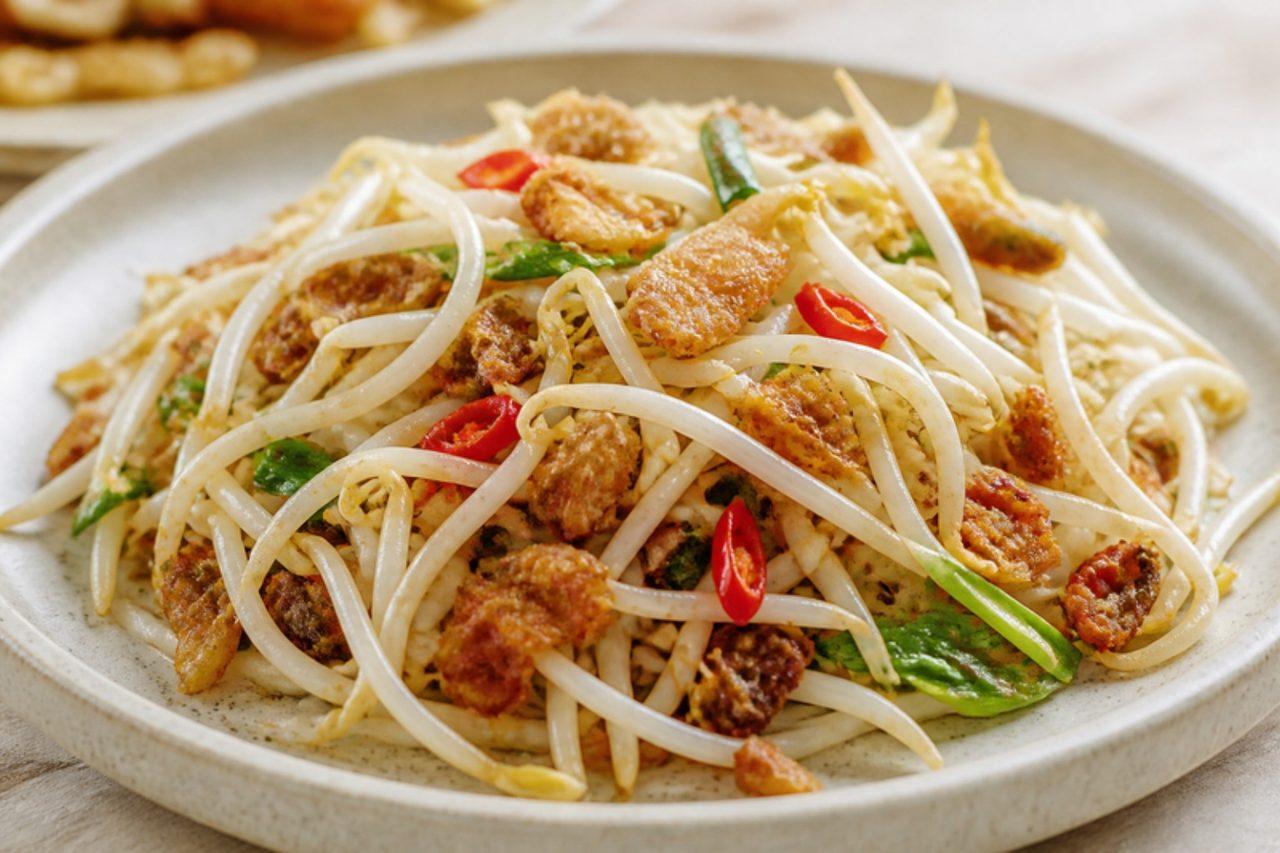
Taugeh goreng ikan masinBean sprouts with salted fish

Taugeh goreng ikan masin is a classic of Malaysian Chinese coffee shops and home kitchens, from Ipoh, which is famous for its plump bean sprouts, to Kuala Lumpur. Crunchy sprouts are tossed for barely a minute in a smoking wok with garlic, chilli and crisp, golden bits of salted fish, which season the whole dish. It's a dinner vegetable eaten with rice and other dishes. The common mistake is putting the sprouts into a wok that isn't hot enough, so they leak water and go limp. Chef's tip: for restaurant style, pinch the stringy tails off the sprouts first; it takes a few minutes but they look and taste cleaner.

by KrazyBadal 0 views
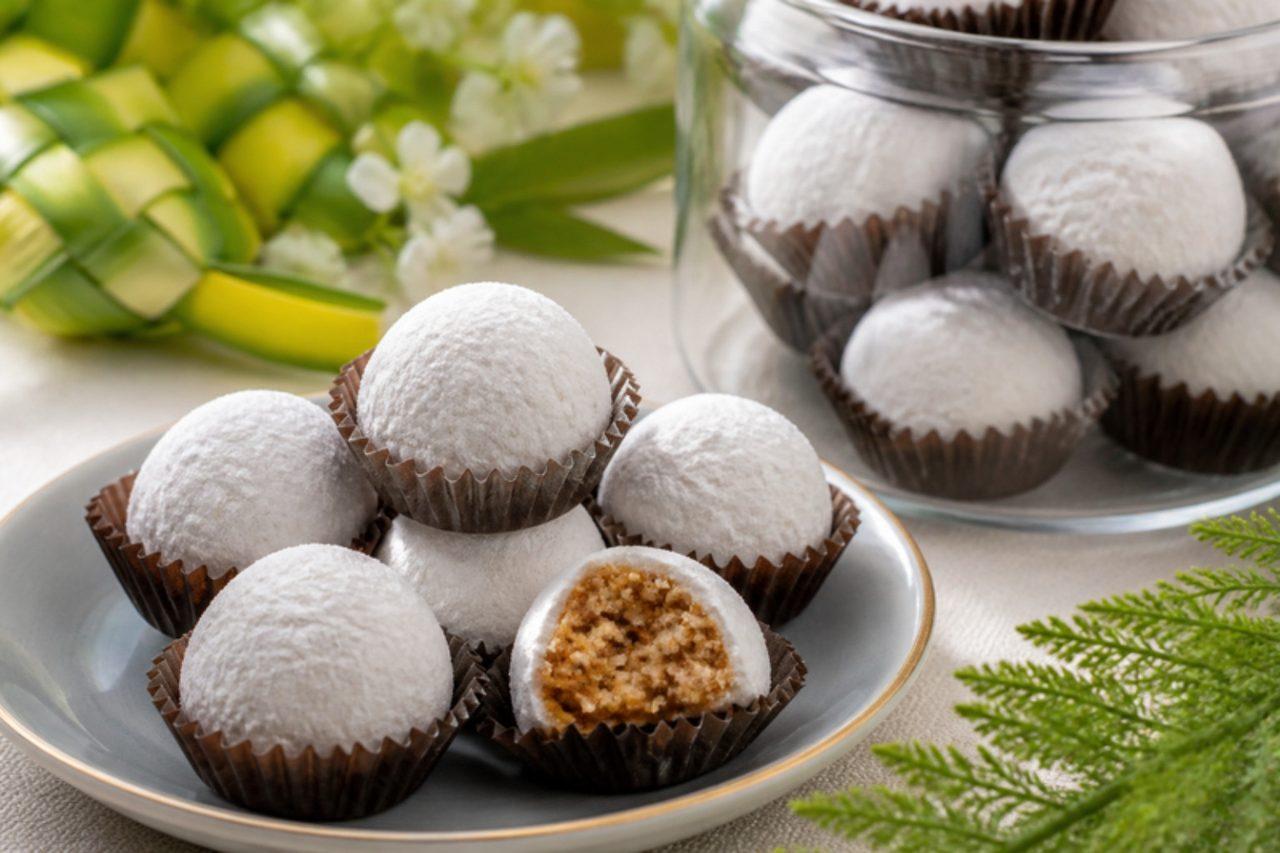
Kuih makmurGhee and peanut cookies

Kuih makmur is one of the oldest Malay Hari Raya cookies, its name meaning 'prosperity', and its tiny ridged domes are baked by the tray-load before Aidilfitri to fill the cookie jars for open houses. Soft, crumbly ghee pastry wraps a filling of roasted ground peanuts and sugar, and the cookies are rolled in icing sugar while still warm, so they melt in the mouth. Chef's tip: bake them pale; makmur should stay white, and browned cookies taste of scorched ghee.

by KrazyBadal 0 views
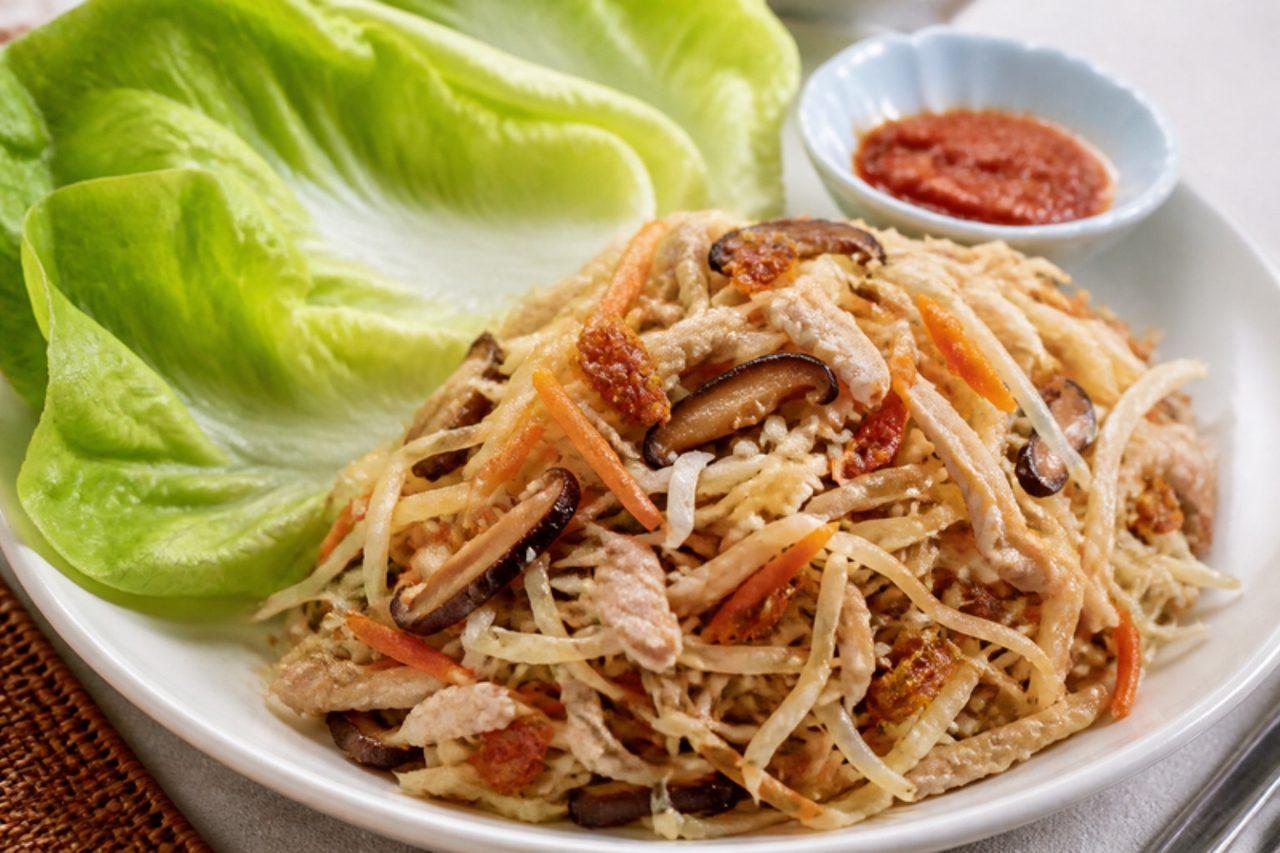
Jiu hu char (dried cuttlefish and jicama stir-fry)

Jiu hu char is a Penang Nyonya dish cooked in big batches for Chinese New Year, when it is passed round as a gift and kept on hand for visitors; its long, fine shreds stand for long life, and the abundance of the pot for a full year. Shredded jicama (yam bean), carrot and cabbage are fried slowly with strips of dried cuttlefish, a little pork and shiitake until sweet, soft and full of the savoury, slightly smoky flavour of the cuttlefish. Wrap spoonfuls in crisp lettuce with a dab of sambal belacan. Chef's tip: cut the vegetables into very fine, even matchsticks; this is what gives the dish its silky texture.

by KrazyBadal 0 views
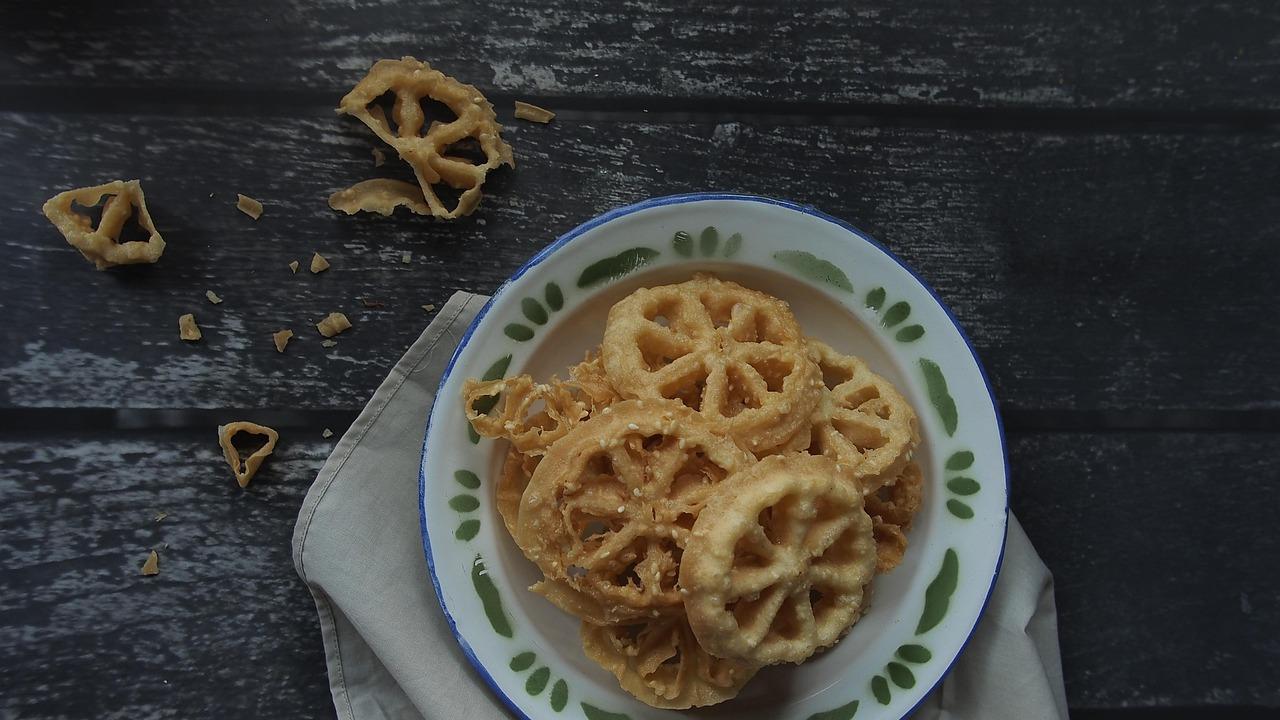
Kuih loyang (honeycomb rosette cookies)

Kuih loyang, also called kuih rose or honeycomb cookies, are made in Malaysia for Chinese New Year and Hari Raya alike, so a jar of them is a small sign of the country's shared festive table. The flower shape stands for blossoming luck in the new year. A thin batter of eggs, coconut milk and rice flour clings to a hot brass or iron mould, and when it is dipped in hot oil it puffs into a lacy flower that shatters at the bite and tastes gently of coconut and sesame. Serve them with tea or coffee. Chef's tip: heat the empty mould in the oil before every cookie; a cold mould means the batter won't stick, and an overheated one makes it slide off.

by KrazyBadal 0 views
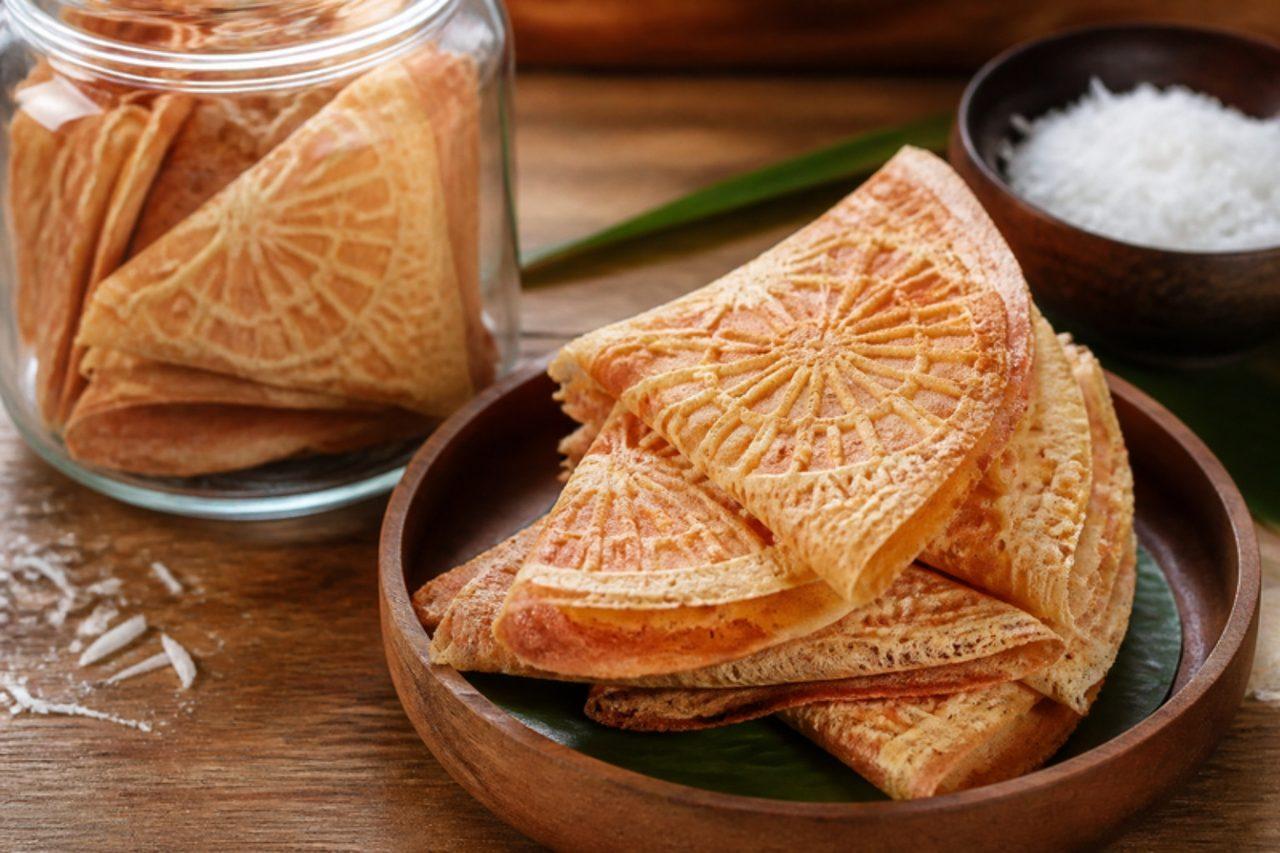
Kuih kapit (love letters)

Kuih kapit, known in English as love letters, are the crisp coconut wafers that fill tins on coffee tables across Malaysia, especially in Penang, at Chinese New Year. Their folded shape is said to hold a sweet secret message, and the patterned moulds often carry lucky symbols, so a tin of them is a wish for a sweet, happy year. Each one is a thin batter of coconut milk, eggs, sugar and rice flour cooked between hot patterned irons and folded quickly while soft, cooling into a light, shattering wafer that tastes of toasted coconut and caramel. Serve with tea, and keep the tin tightly closed. Chef's tip: the first few wafers are always for testing; adjust the heat until each one is pale gold in about 30 seconds a side.

by KrazyBadal 0 views
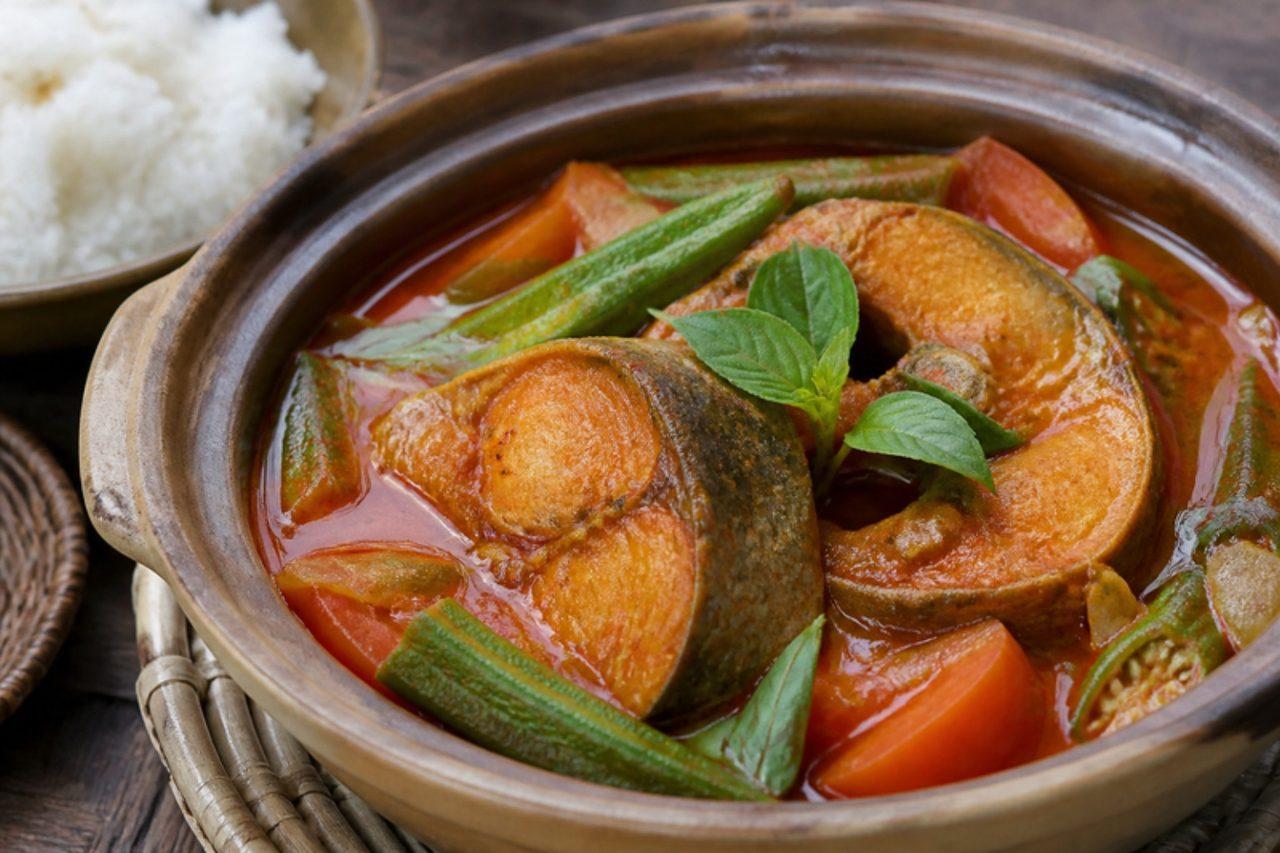
Asam pedas ikanSour spicy tamarind fish

Asam pedas, "sour and spicy", is the pride of Malay kitchens in Melaka and Johor, cooked for everyday lunches and sold at rice stalls with a dozen other dishes. Fish steaks simmer in a thin, brick-red gravy of dried chilli, shallot and belacan soured with tamarind, with okra and tomato soaking up the sauce and Vietnamese mint scenting it. It is fiery, tangy and light, with about 29 g of protein a portion from the fish; eat it with plenty of plain rice. The common mistake is rushing the chilli paste: if it isn't fried until the oil separates, the gravy tastes raw and harsh. Chef's tip: use oily, firm fish such as Spanish mackerel or stingray, which stand up to the sour broth.

by KrazyBadal 0 views
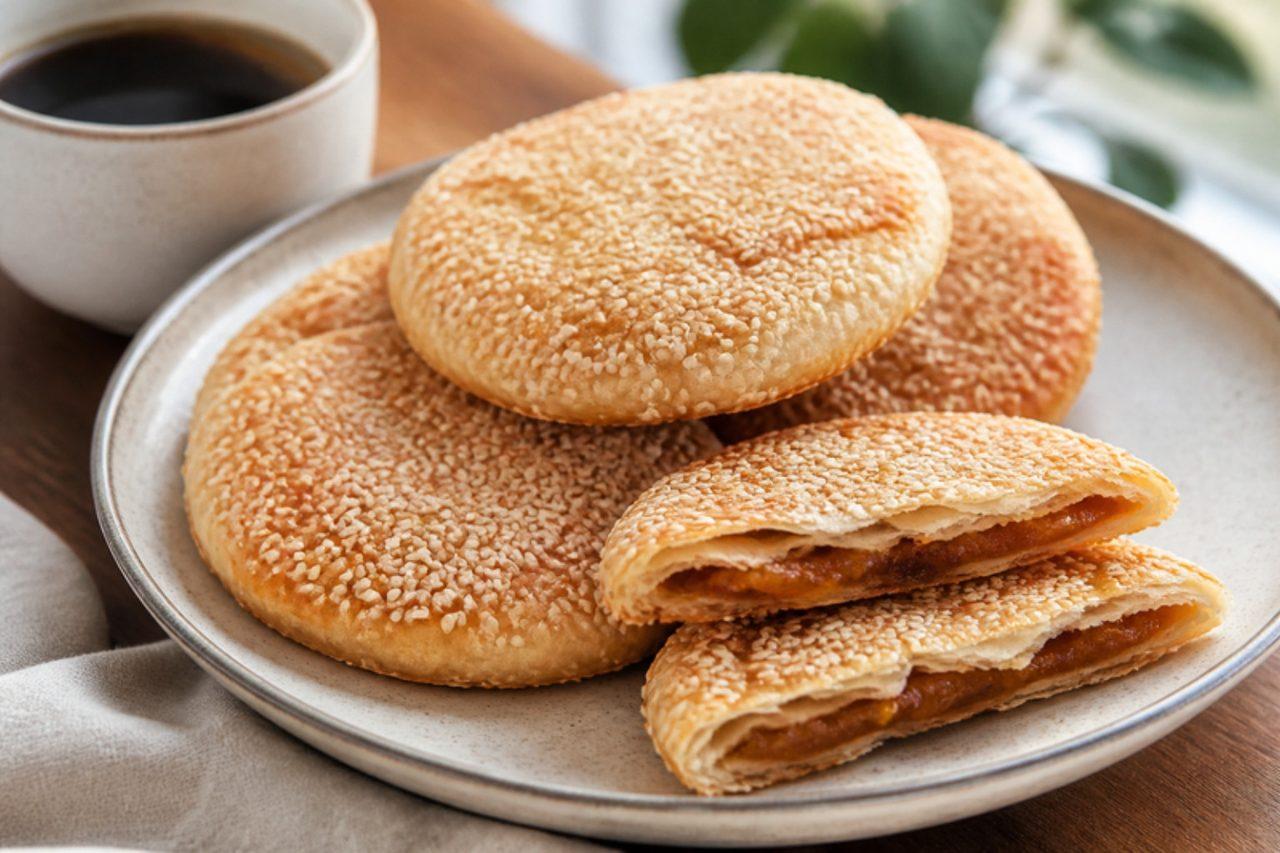
Heong pengSesame maltose biscuits

Ipoh, the old tin-mining city in Perak, is famous for heong peng ('fragrant biscuits'), and visitors buy them by the bag along with white coffee. They are flat, round pastries with a crisp, flaky shell coated in sesame seeds, filled with a sticky, chewy layer of maltose mixed with shallot oil and fried shallots: sweet, savoury and deeply aromatic at once. Locals eat them with a cup of kopi in the morning or as a snack on the road. The pastry is traditionally made with lard; this recipe uses vegetable shortening and keeps the shallot oil, so it is vegan. Chef's tip: warm the maltose jar in hot water before measuring, then chill the finished filling until firm, because maltose softens fast and a runny filling leaks out and burns on the tray.

by KrazyBadal 0 views
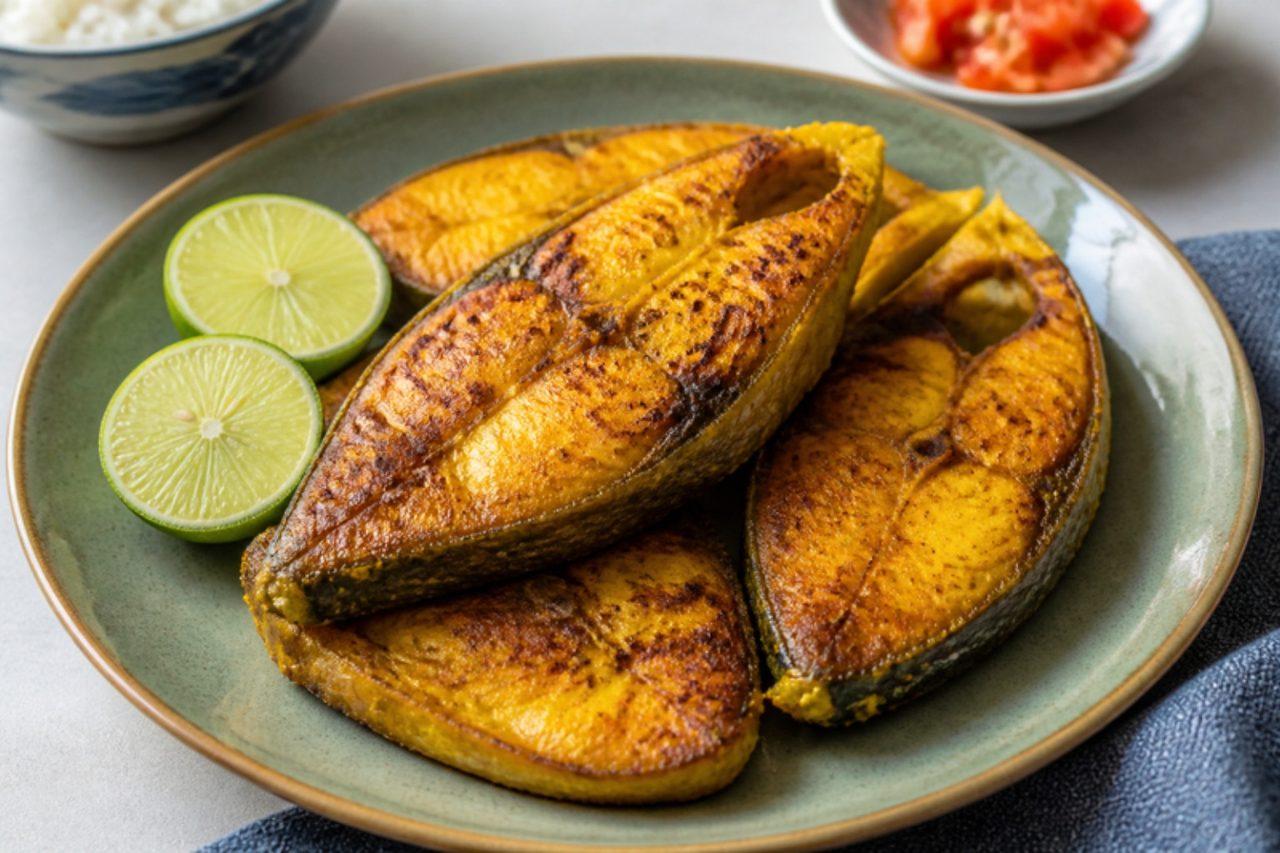
Ikan goreng kunyit (turmeric fried fish)

Ikan goreng kunyit is cooked in Malay kampung kitchens and city flats alike for a simple lunch or dinner with rice, sambal and vegetables: small whole fish or thick steaks rubbed with turmeric, salt and a little chilli, then fried until golden and crisp at the edges. The mistake is moving the fish too soon; leave it until it releases from the pan on its own, or the crust tears and sticks. Chef's tip: score the fish to the bone so the turmeric seasons the flesh and it cooks evenly.

by KrazyBadal 0 views
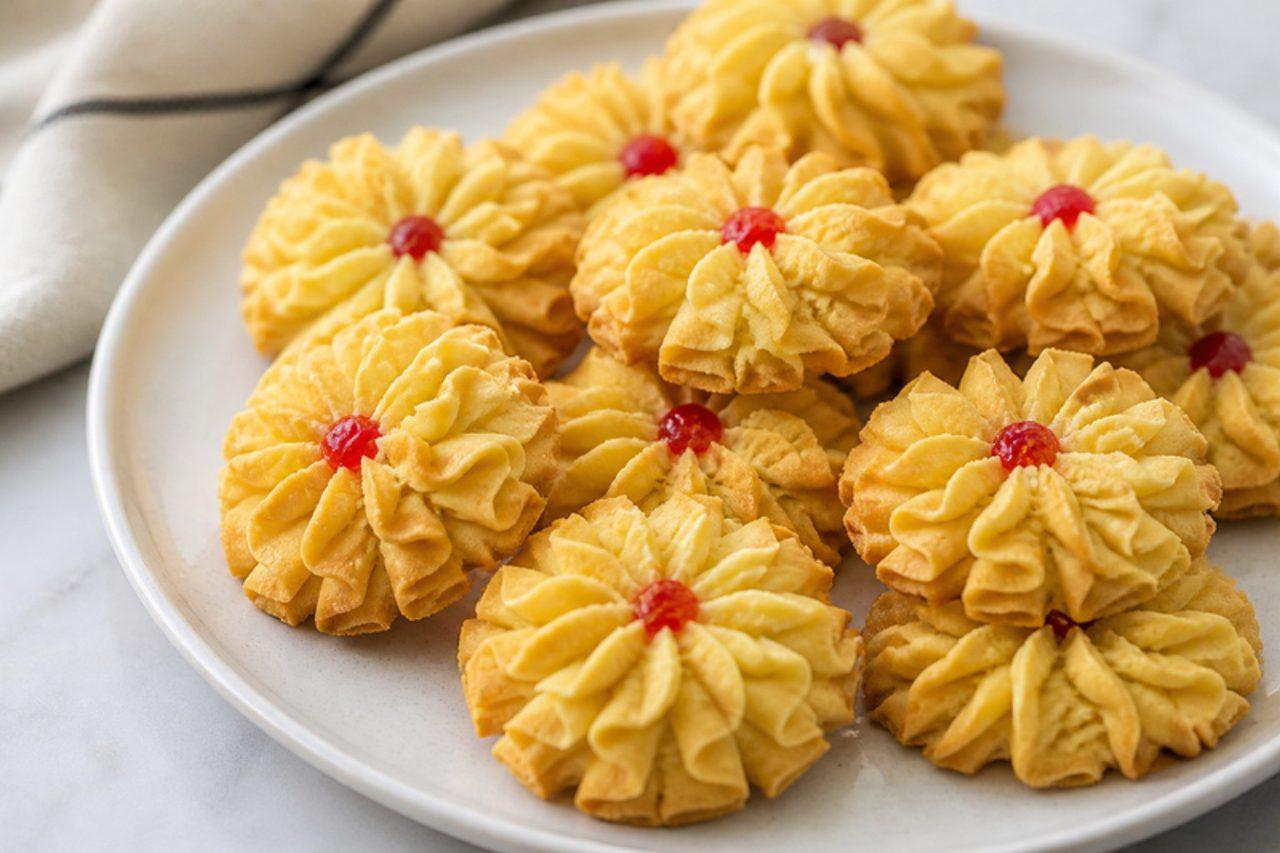
Biskut dahliaPiped flower butter cookies

In the last days of Ramadan, Malaysian kitchens from Johor to Kedah turn into small factories of kuih raya, and biskut dahlia is one of the easiest and prettiest: soft buttery dough piped through a star nozzle into ruffled flowers, each with a bit of glacé cherry or a chocolate chip in the centre. They are crisp at the edges and tender inside, with a vanilla-milky flavour from custard powder and milk powder, and they fill the jars set out for open-house visitors at Hari Raya Aidilfitri. This version uses one egg yolk; for an eggless batch, replace it with 2 tablespoons of milk. Dough that is too stiff is the usual problem, as it will not go through the nozzle; beat the butter well and keep the kitchen warm. Chef's tip: chill the piped trays for 15 minutes before baking so the petals hold their sharp ridges.

by KrazyBadal 0 views
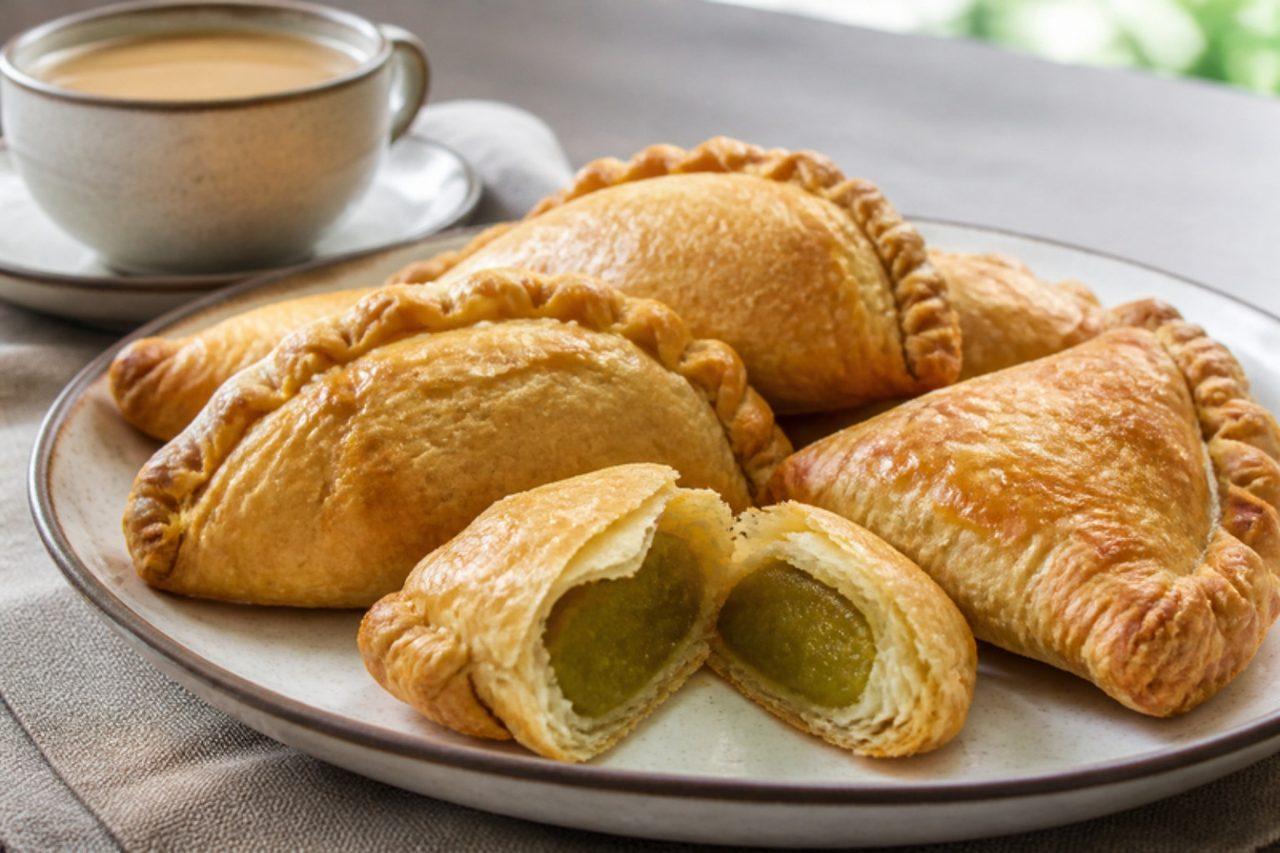
Kaya puffsCoconut jam puff pastries

Malaysian kopitiams spread kaya, a silky jam of coconut milk, eggs, sugar and pandan, on toast for breakfast; bakeries in Kuala Lumpur and Melaka fold the same jam into crisp puff pastry half-moons sold warm from the oven, often alongside curry puffs. They are a school-holiday treat and a favourite at tea time with teh tarik. This recipe makes a small batch of pandan kaya on the stove and uses ready-made all-butter puff pastry, so it fits into an afternoon. Overfilling is the trap, as the kaya bubbles out and burns on the tray. Chef's tip: chill the kaya until firm and keep the pastry cold; cold pastry puffs into crisp layers, while warm pastry stays flat and greasy.

by KrazyBadal 0 views

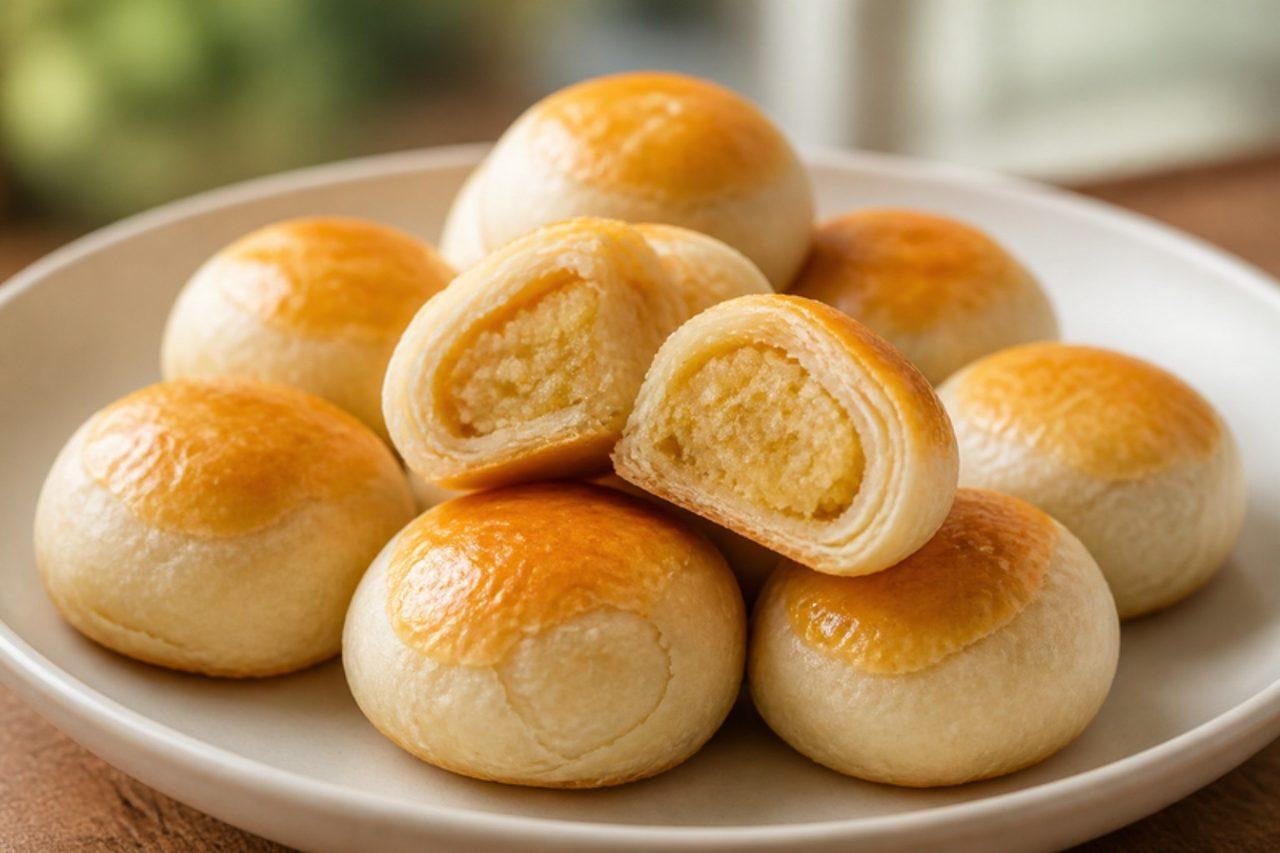
Tau sar piahMung bean pastries

Old biscuit shops in George Town, Penang, still bake tau sar piah in big trays every morning, and tourists leave with stacks of plastic tubs. The pastries are only a couple of bites each: a tender, flaky shell, glazed golden, around a fluffy mung bean filling. Penang bakers sell two kinds, sweet, and a savoury-sweet one with fried shallots and white pepper, which is what many locals prefer; this recipe gives the sweet filling with the savoury twist as an option. The pastry is traditionally made with lard; this version uses vegetable shortening and keeps them vegetarian. Chef's tip: leave a small, unfloured patch at the seam when wrapping, because floury edges won't stick together and the pastries split open as they bake.

by KrazyBadal 0 views

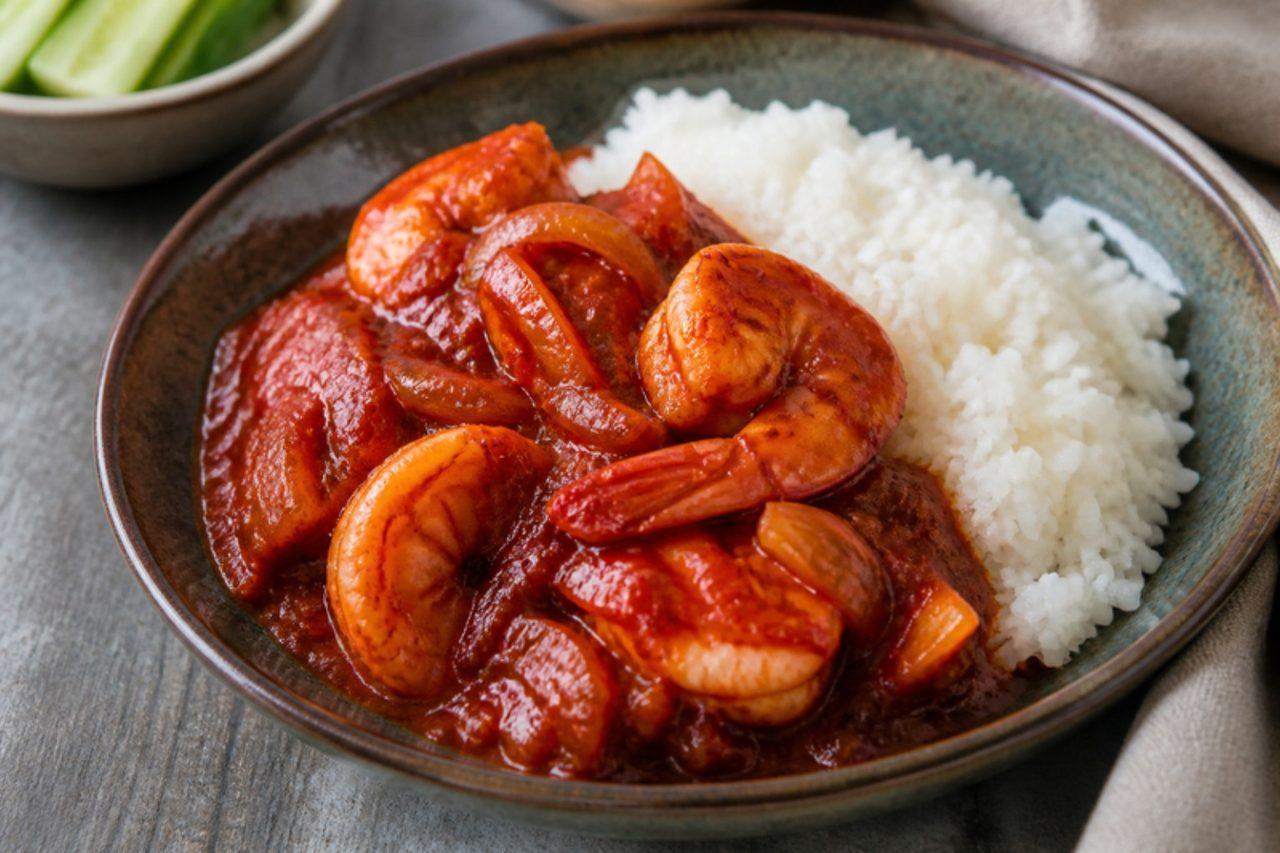
Sambal udang (prawns in chilli sambal)

Sambal udang is a Malay home dish cooked for everyday rice meals and dished up at nasi lemak stalls from Kuala Lumpur to Penang: prawns cooked in a deep red paste of dried chilli, shallot and garlic, soured with tamarind and sweetened with a little sugar. This version leaves out belacan (shrimp paste) as optional. The mistake is not frying the chilli paste for long enough; it needs to cook until the oil separates and turns red, or it tastes raw and harsh. Chef's tip: soak the dried chillies in just-boiled water while you peel the prawns and the paste blends silky smooth.

by KrazyBadal 0 views

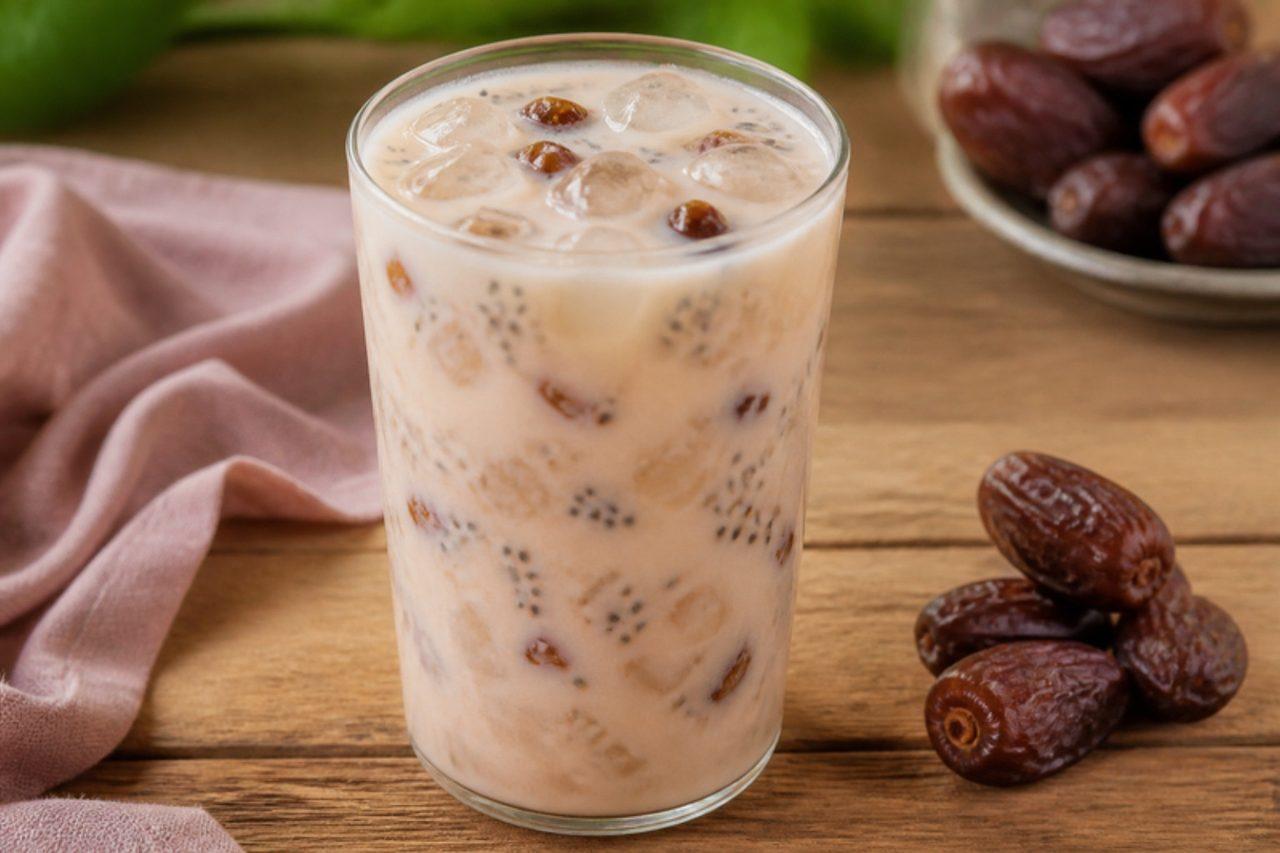
Air katiraBasil seed and gum drink

Air katira comes out at Kelantan's Ramadan bazaars in Kota Bharu, sold in bags of milky drink full of soft, jelly-like katira gum and speckled basil seeds, often with slivers of date. Katira is tragacanth gum, soaked overnight until it swells into translucent, wobbly crystals; it is believed to cool the body after a day of fasting. Find it at Indian or Middle Eastern grocers as 'gond katira'. Chef's tip: not soaking the katira long enough is the usual mistake; hard centres crunch unpleasantly, so give it at least 8 hours in plenty of water.

by KrazyBadal 0 views

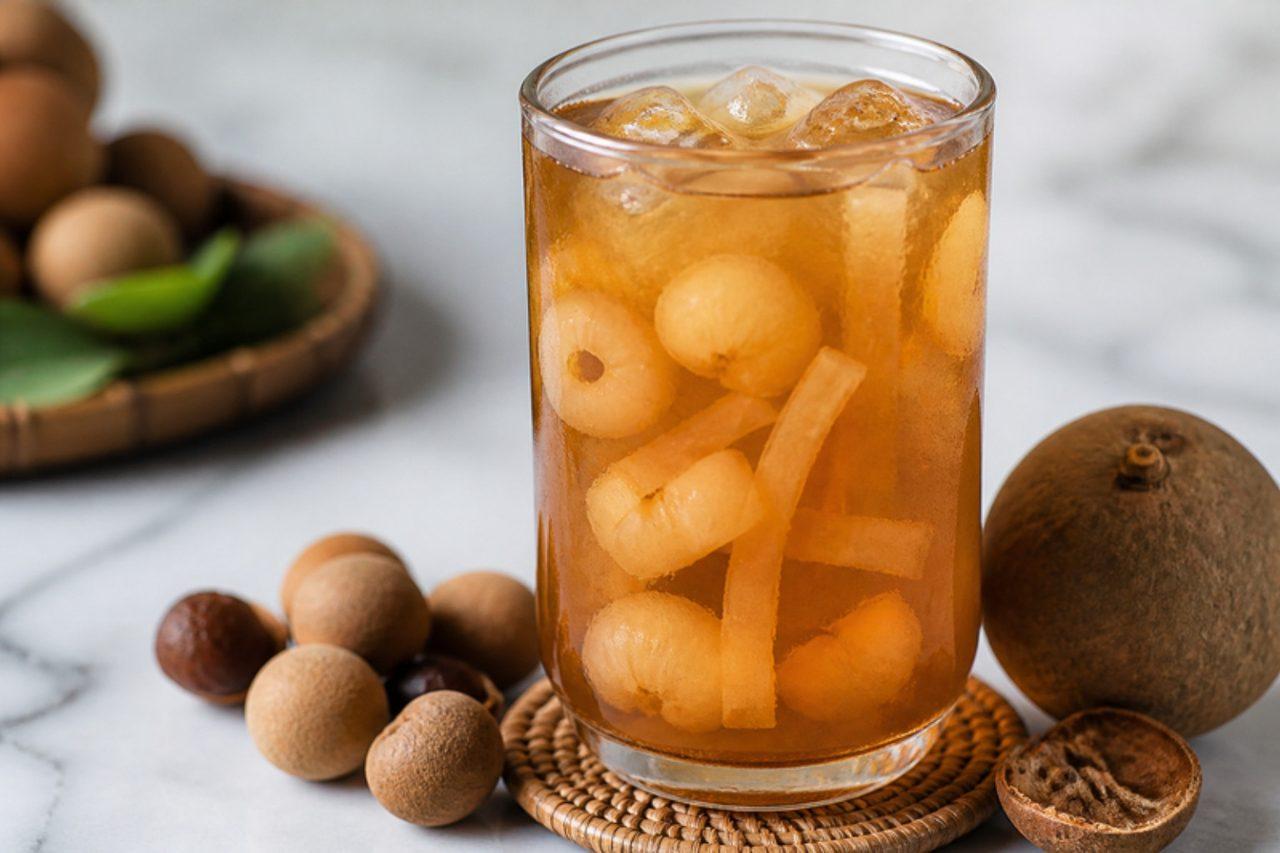
Air mata kucingLongan and winter melon drink

Petaling Street in Kuala Lumpur's Chinatown has a stall that has sold little else for decades, and on a hot afternoon the queue for its iced air mata kucing, 'cat's eye water', stretches down the lane. The 'cat's eyes' are dried longan, simmered with monk fruit, candied winter melon and rock sugar into a sweet, smoky, caramel-like brew that Chinese Malaysians drink to cool the body. Look for the dried ingredients in Chinese grocers. Chef's tip: boiling hard for too long makes it bitter from the monk fruit shell; keep it at a gentle simmer.

by KrazyBadal 0 views

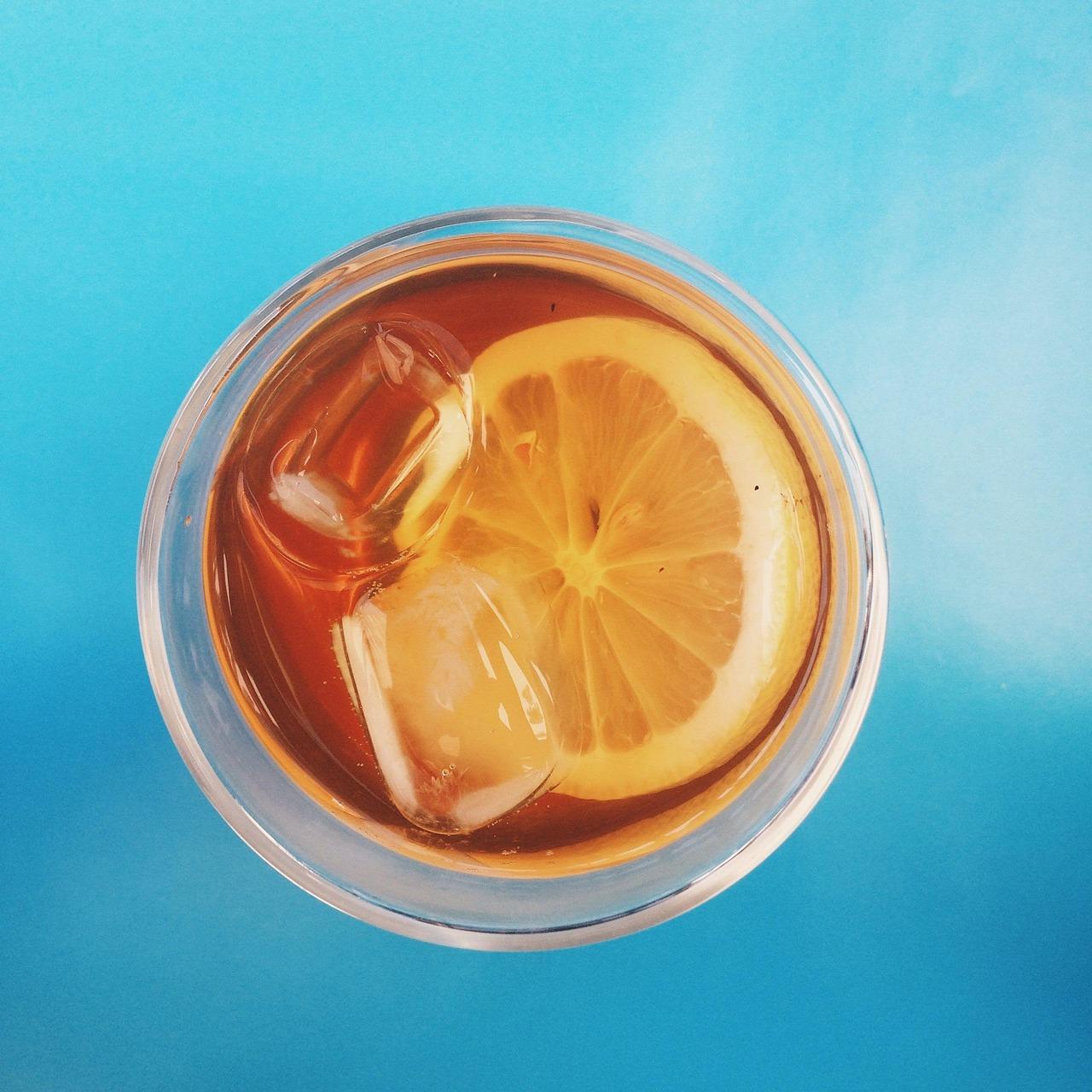
Teh O ais limauIced black tea with lime

In kopitiam shorthand, 'teh' is tea with milk, 'O' means no milk, 'ais' is iced and 'limau' adds lime, so this is the order Malaysians shout across the counter on a sticky afternoon in Penang or Kuala Lumpur. Strong, sweetened black tea is cooled over ice and squeezed with lime until it tastes like a sharper, less perfumed iced lemon tea. It goes with fried noodles and roti. Chef's tip: pouring hot tea straight onto a glass of ice dilutes it into weak tea; brew it double strength, or chill it first.

by KrazyBadal 0 views

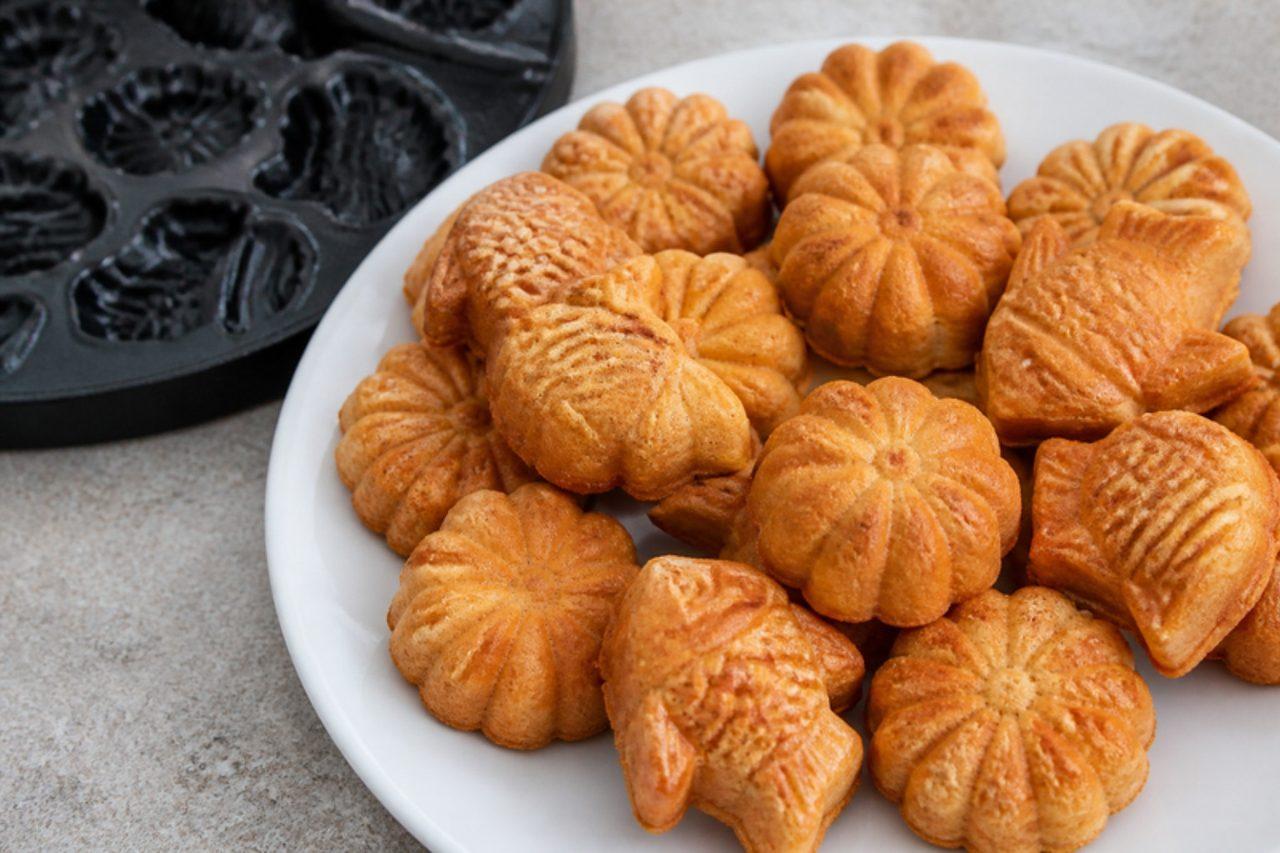
Kuih bahuluMini egg sponge cakes

In the week before Hari Raya, kitchens across the Malay peninsula smell of warm egg sponge as bahulu come out of their brass flower and goldfish moulds by the dozen, stored in airtight jars for visiting guests. The outside is thin and crisp, the inside light and dry, a little like a madeleine without butter. Eggs, sugar and flour are all it takes, plus patience with the whisk. Chef's tip: under-whisking is the usual mistake; beat the eggs and sugar until they fall in a thick ribbon that sits on the surface for 3 seconds, or the bahulu bake flat and dense.

by KrazyBadal 0 views

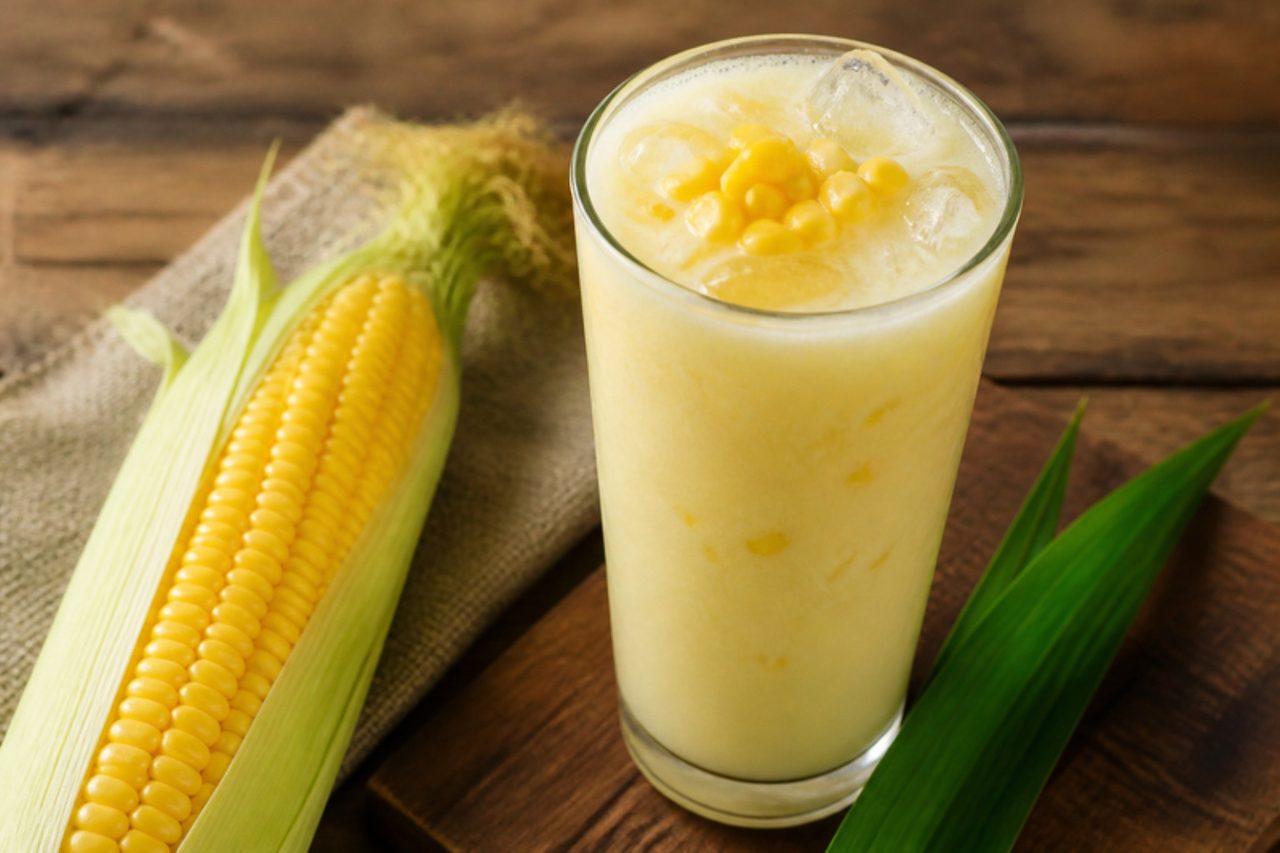
Air jagungSweet corn drink

Night markets in Selangor and Perak sell air jagung in tall cups, a pale-yellow, lightly sweet drink made from fresh corn cooked with pandan and blended smooth; some stalls stir in evaporated milk, but the plain version is vegan and very refreshing. It tastes like the milk from the bottom of a bowl of sweetcorn, with a grassy pandan note. Chef's tip: skipping the sieve is a common short cut that leaves the drink gritty with husk; strain it well, pressing on the pulp.

by KrazyBadal 0 views

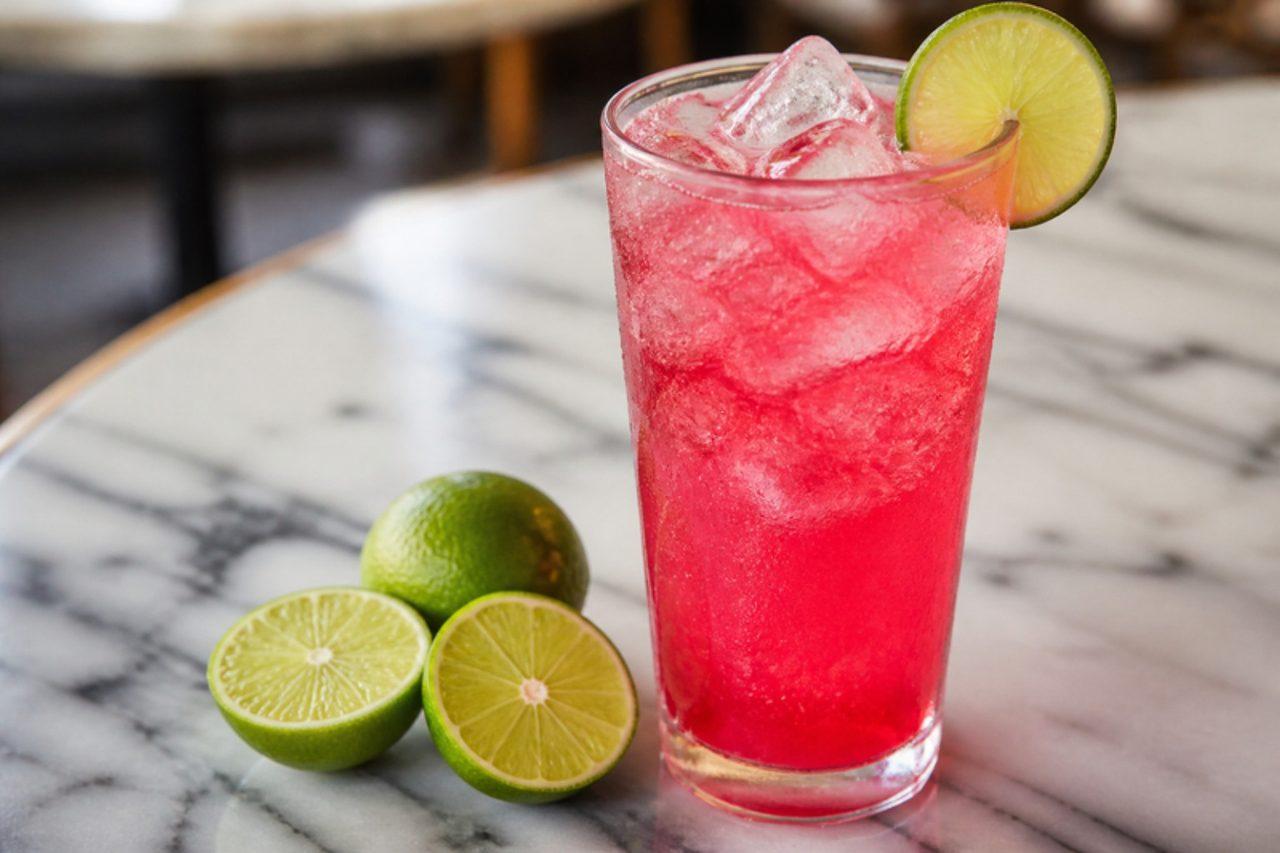
Sirap limauRose syrup lime drink

Order a sirap limau at any kopitiam or warung from Johor to Kedah and a tall glass of shocking pink arrives, sweet with rose syrup and sharpened with fresh lime; it is the drink that goes with nasi lemak at lunch and fried snacks after school. The rose syrup, 'sirap', is easy to make at home and keeps for weeks. Chef's tip: squeezing the limes hours ahead makes the drink taste flat and bitter; squeeze them just before you pour.

by KrazyBadal 0 views

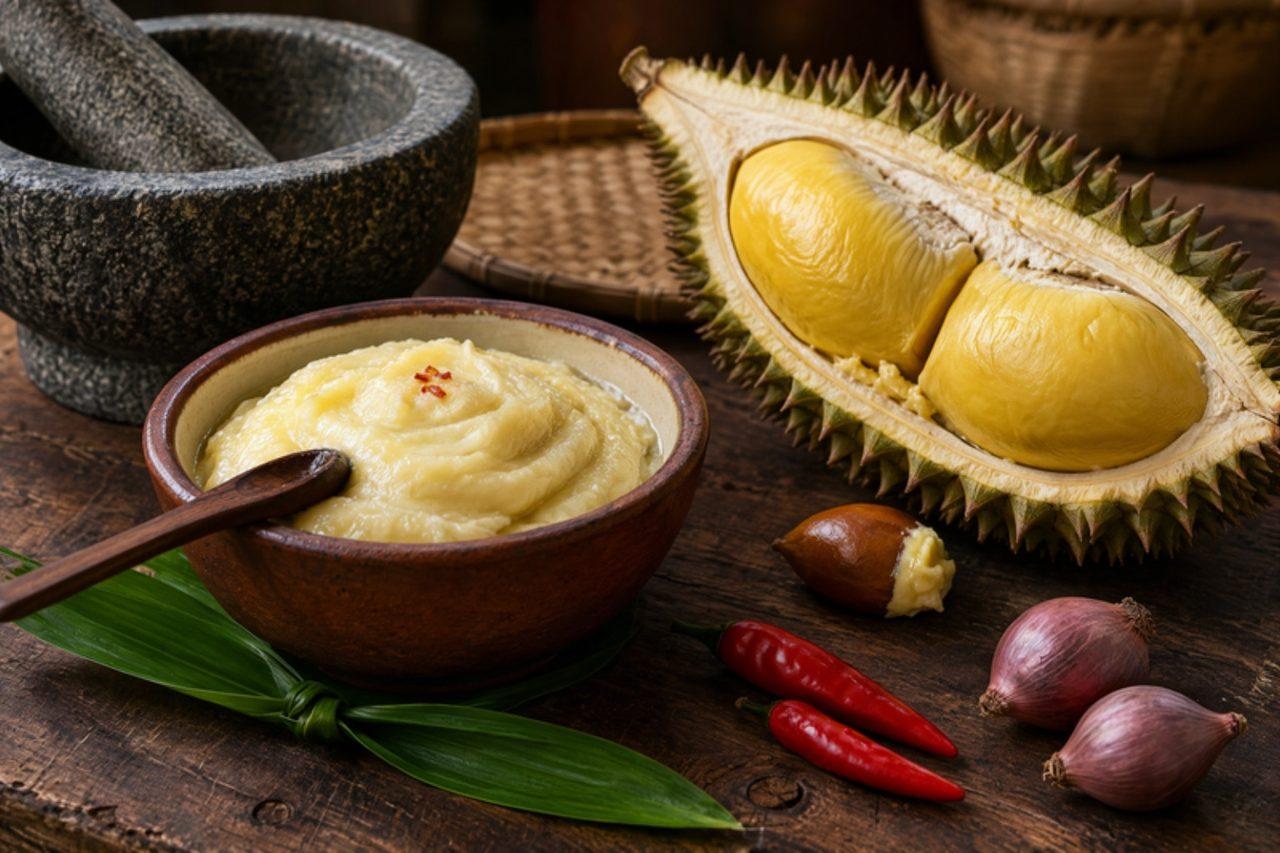
TempoyakFermented durian

When the durian season peaks in Pahang and Perak, from June to August, there are always more fallen, over-ripe fruit than anyone can eat, and the surplus becomes tempoyak. The flesh is mashed with salt, packed into a jar (traditionally a clay tajau) and left for a few days until it turns from sweet and custardy to pale, sharply sour and powerfully aromatic. In Temerloh it is cooked into gulai tempoyak ikan patin, a yellow river-fish curry; elsewhere it is pounded with chilli into sambal tempoyak for raw ulam, or stirred into stir-fried greens. Abroad, frozen durian flesh from Asian grocers works well once thawed. The salt level is about 3% of the flesh (15 g to 500 g); do not cut it. Common mistake: letting water in from washed hands, a damp spoon or the outside of the husk, which invites mould; keep everything dry and press out air pockets. It is ready when the colour has faded to ivory, it smells sour and fruity rather than sweet, and it tastes sharply tangy. Chef's tip: everyday kampung durians make better tempoyak than prized varieties; their sharper flavour ferments well.

by KrazyBadal 0 views

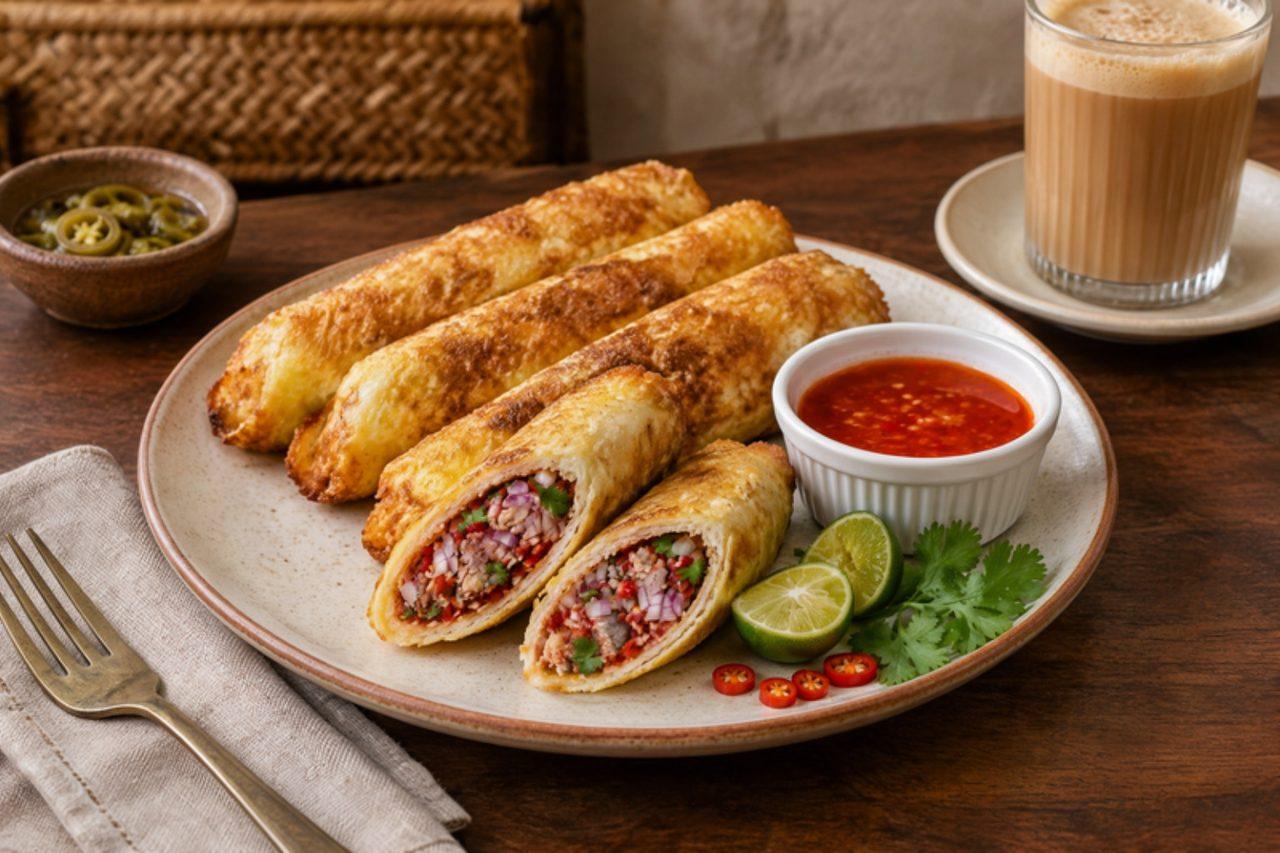
Roti sardinSardine-filled bread rolls

Roti sardin is a Malaysian school-bag and teatime favourite: tinned sardines in tomato sauce mashed with onion, chilli and lime, rolled inside flattened white bread and pan-fried until golden. Mothers across Malaysia make them for bekal and they are sold at Ramadan bazaars. The common mistake is leaving the sardine filling wet, which soaks through the bread; cook it down until it is thick. Chef's tip: seal the rolls with a little beaten egg, then fry seam side down first so they hold together.

by KrazyBadal 0 views

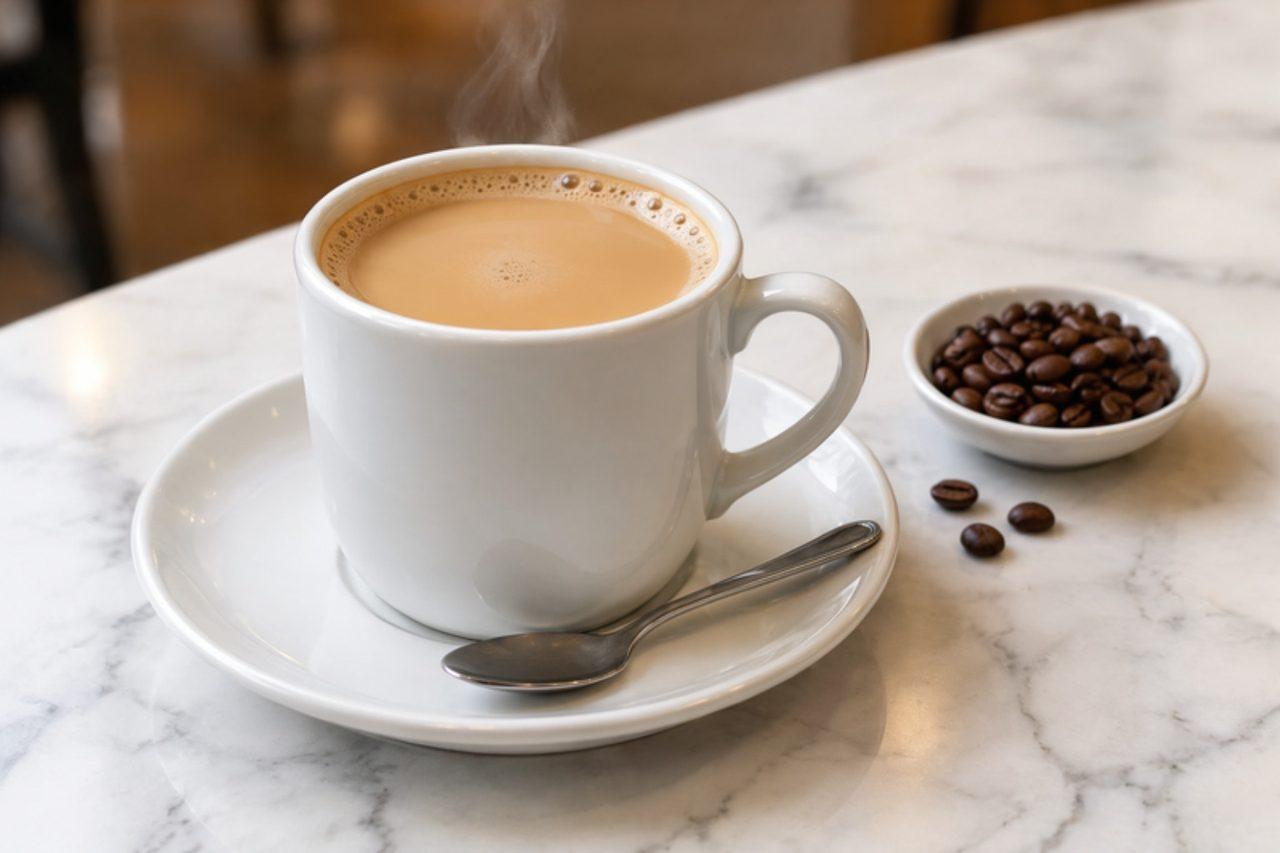
Ipoh white coffee

Ipoh's old town kopitiams, with their marble tables and morning crowds queueing for kai si hor fun and egg tarts, gave Malaysia its 'white coffee'. The name comes not from milk but from the roast: beans are roasted with palm-oil margarine, lighter than the dark, sugar-roasted kopi of the rest of the country, then brewed and served with condensed milk. It is smoother and less bitter than ordinary kopi, nutty and buttery, pale caramel in the cup, drunk hot at breakfast or iced in the afternoon heat. At home, buy ground Ipoh-style white coffee from an Asian grocer; you cannot easily reproduce the margarine roast in a kitchen. The common mistake is brewing it like espresso: forced extraction makes it bitter and kills the soft, toasty flavour. Steep it in a cloth sock or a coffee filter with water just off the boil. It is ready when the brew is reddish-brown and clear, not inky. This is a strong coffee with real caffeine, not for children. Chef's tip: warm the cups with hot water first; white coffee cools fast and loses its aroma.

by KrazyBadal 0 views

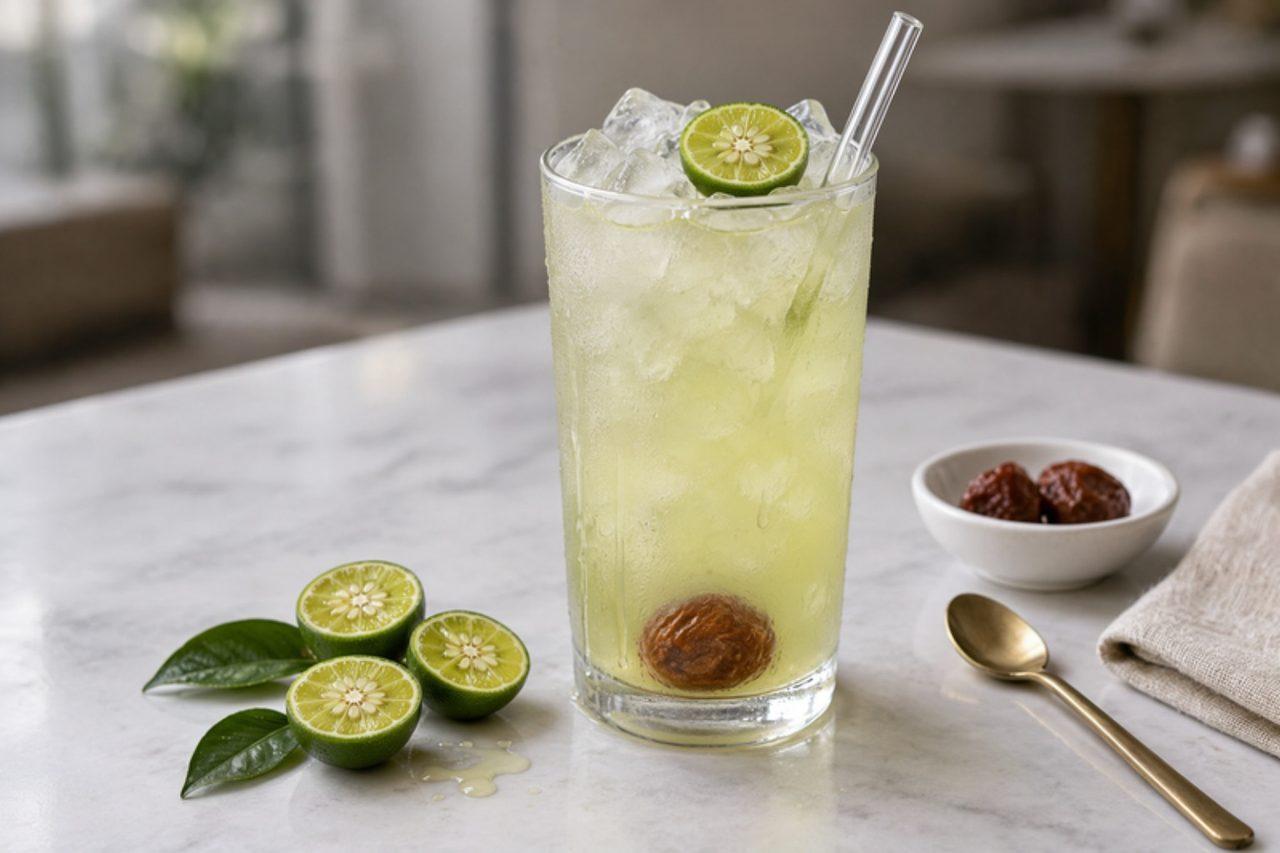
Limau asam boi (lime with sour plum)

Order 'limau ais asam boi' at a kopitiam in Penang or a hawker centre in Kuala Lumpur at the hottest part of the afternoon and it arrives in a tall, sweating glass: freshly squeezed calamansi or small green limes, a little syrup, ice and one wrinkled, salted dried plum. The plum slowly leaches salt and fruity sourness into the drink, so every sip changes, starting bright and sweet and ending salty and tangy; you squash the plum with your straw halfway through for a stronger hit. It goes with char kway teow, nasi lemak or anything fried. The usual mistake is using bottled lime juice, which tastes flat and bitter against the plum. Squeeze fresh limes, and add the syrup gradually because asam boi is already salty-sweet. It is ready when the glass is frosted and the plum has started to plump up. Asam boi is sold in jars in Chinese and Southeast Asian groceries; Japanese umeboshi is saltier but works if you halve the amount. Chef's tip: make the lime-syrup base ahead and keep it cold, then pour over fresh ice only when you serve.

by KrazyBadal 0 views

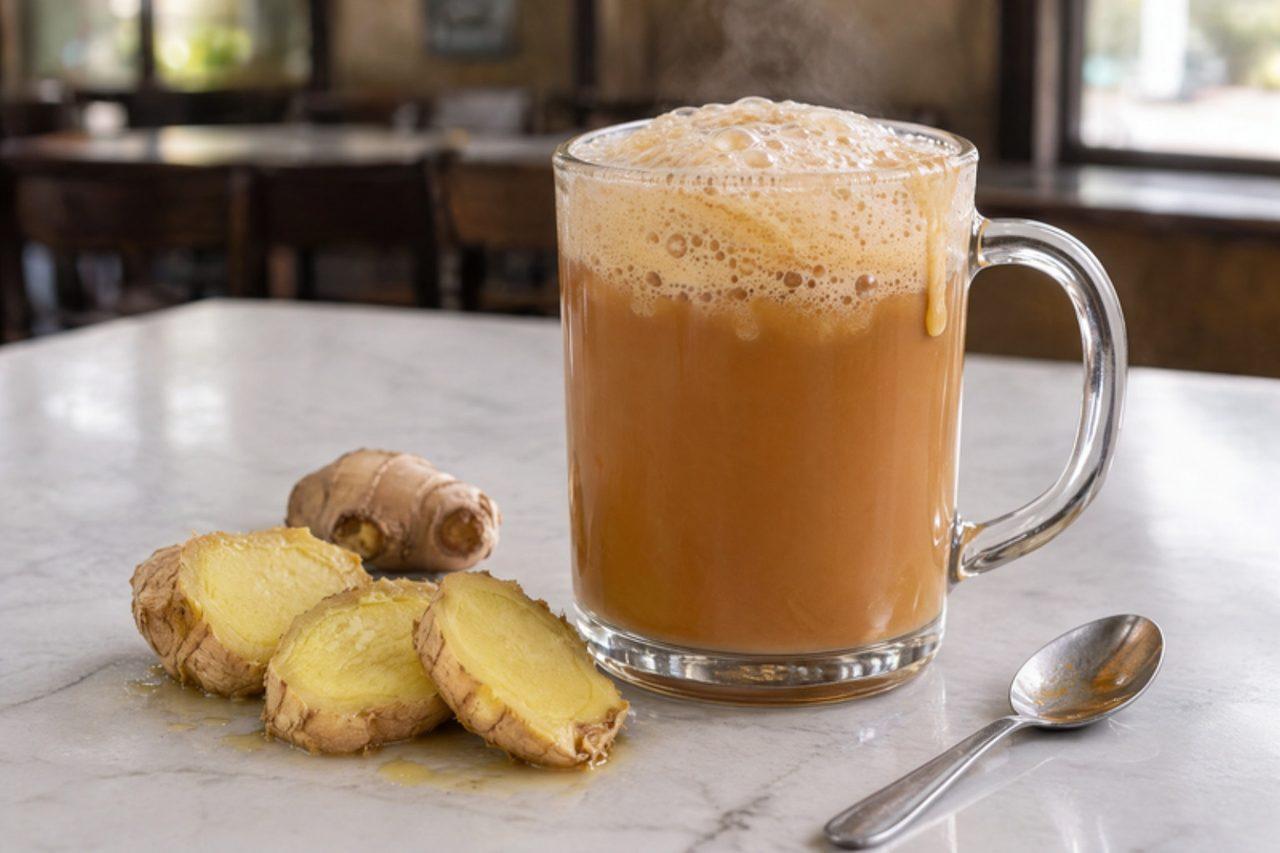
Teh halia (ginger milk tea)

Sit down at any mamak stall in Kuala Lumpur, Penang or Johor Bahru, from breakfast roti canai to the after-football supper at 1 a.m., and someone at the table will order teh halia. It is teh tarik's spicier cousin: dust-fine black tea is boiled with plenty of crushed ginger, mixed with condensed and evaporated milk, then 'pulled' between two mugs from arm's length until a thick froth forms. The result is sweet, creamy and malty, with a ginger heat that catches your throat, most loved on wet monsoon evenings. The common mistake is adding ginger to tea at the end; it then tastes raw and thin. Boil the ginger in the water first for several minutes so the heat goes into the liquid. It is ready when the tea is the colour of milky caramel and a dense froth a few centimetres high sits on top. This contains caffeine, so it is not for children. Chef's tip: practise pulling with water over the sink first, then start low and raise the mug slowly as you pour.

by KrazyBadal 0 views

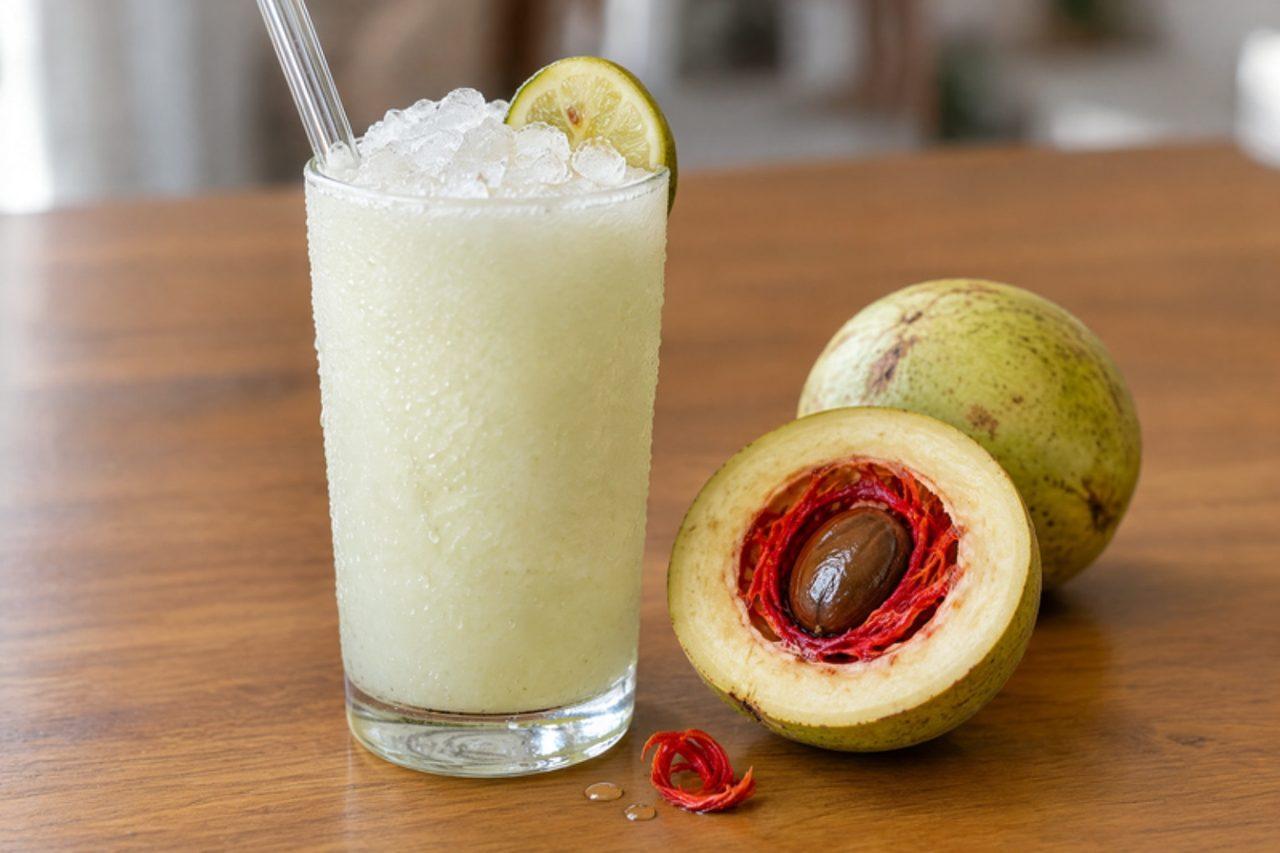
Nutmeg juice

Penang is one of the few places in the world where nutmeg trees grow in back gardens, and its hawkers turn the pale, tart flesh around the nutmeg seed into jus buah pala, a frosty pale drink served at Gurney Drive and the coffee shops of Chulia Street to cool you down after spicy noodles. It tastes sweet and sour with a soft, woody spice. Outside Malaysia, look for preserved or candied nutmeg fruit strips in Asian grocers. Chef's tip: use only the fruit flesh; the seed (the nutmeg spice) and its red lace of mace are far too strong to blend into a drink and can make you unwell.

by KrazyBadal 0 views

Showing 24 of 31 recipes

Show more recipes

Page 1 of 2