Skip to content
Recipes

All recipes

Vegetarian, or something you can't eat? Set your diet once and we'll hide recipes that don't fit.

TopfengolatschenSweet quark puff pastry squares

A Topfengolatsche is what Viennese office workers grab from the bakery on the way in, and what grandparents order with a Melange in a coffee house on a Sunday afternoon. The corners of a puff pastry square are folded over a lemony, vanilla-scented filling of Topfen (Austrian quark) with plump raisins, and the top gets a thin white glaze. It is flaky, light and not too sweet. Raisins are sometimes soaked in rum; warm water or orange juice works just as well, and the recipe below is alcohol-free. Wet quark is the classic problem, because it turns the filling runny and it leaks out in the oven. Chef's tip: hang the quark in a sieve lined with a clean cloth for an hour, or squeeze it, until it is as thick as soft cream cheese.

by KrazyBadal 0 views

Kulche birinjiRice flour cardamom cookies

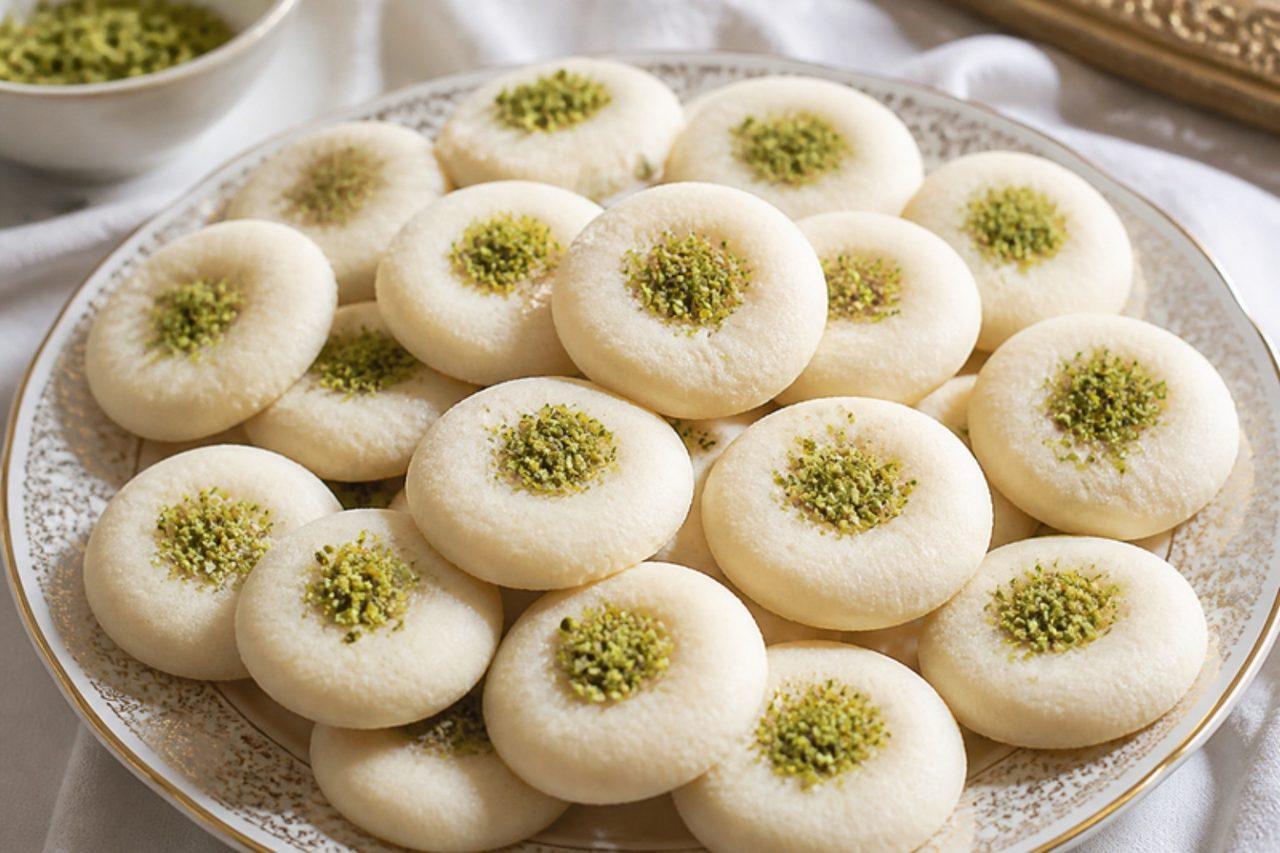
On the morning of Eid, or when Nowruz comes round in March, Afghan households set out a dish of kulche birinji next to the sugared almonds and dried fruit for every visitor. These small, snow-white rounds are made from rice flour, powdered sugar and ghee, scented with cardamom and sometimes rose water, and they dissolve on the tongue almost as soon as you bite. A pinch of ground pistachio pressed into the centre of each gives colour. Serve them with green tea, the way they are offered in Kabul. They are naturally gluten free and eggless. Browning is the common mistake: they should come out as pale as they went in, just firm on the base. Chef's tip: let the dough rest for 20 minutes after mixing so the rice flour drinks up the ghee; it becomes far easier to roll smooth, crack-free balls.

by KrazyBadal 0 views

Kue bangkitTapioca coconut flower cookies

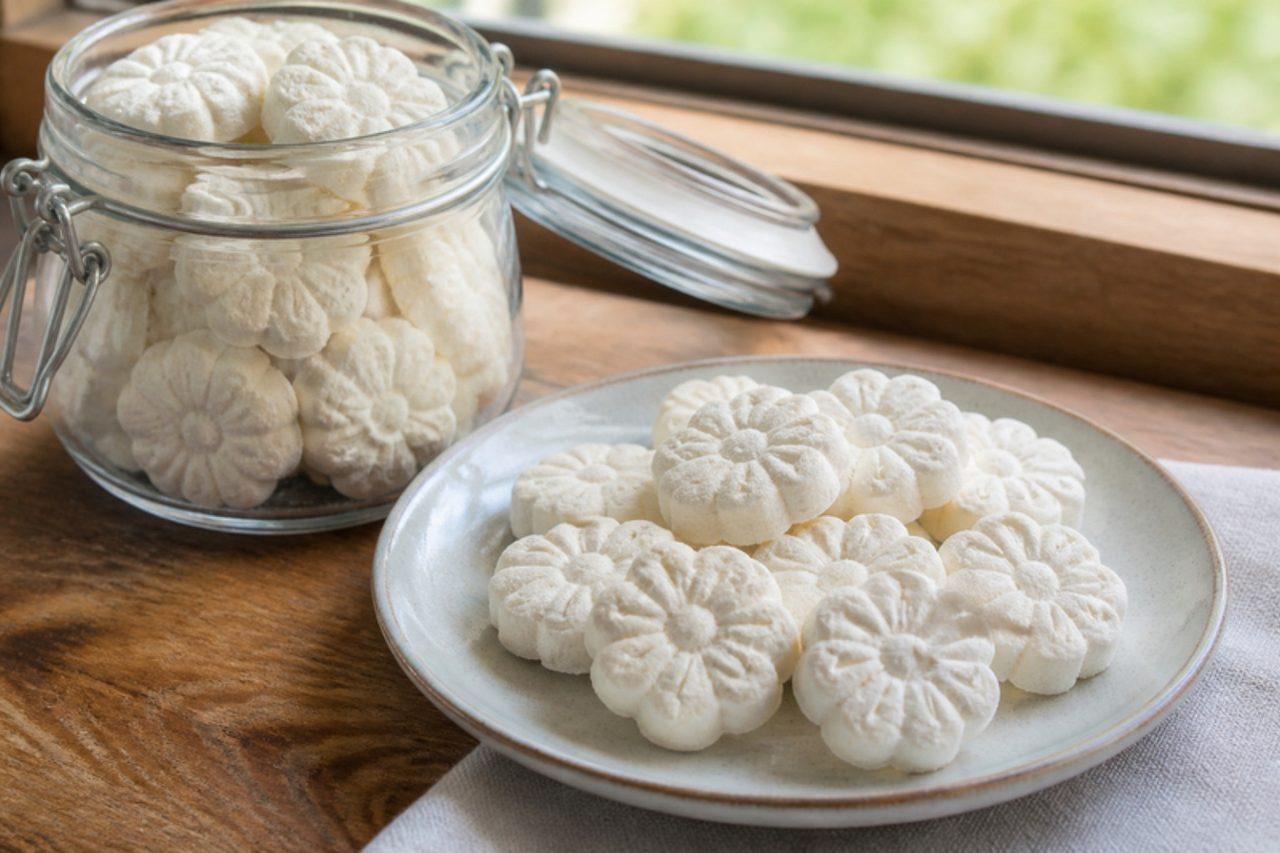
Jars of kue bangkit sit on coffee tables across Riau and the Sumatran coast at Lebaran, and Chinese-Indonesian families bake the same little white flowers for Lunar New Year. They are made from tapioca starch slowly roasted with pandan leaves, then bound with sugar, egg yolk and thick coconut milk and pressed into tiny flower shapes. When they are right they feel crisp and light in the hand and then dissolve instantly on the tongue, leaving the taste of coconut and pandan. The step people rush is roasting the starch; it must be dry-fried until feather-light, or the cookies bake hard and chalky. Chef's tip: keep the dough covered with a cloth while you work, because tapioca dough dries in minutes and then crumbles in the mould.

by KrazyBadal 0 views

BakpiaMung bean pastries

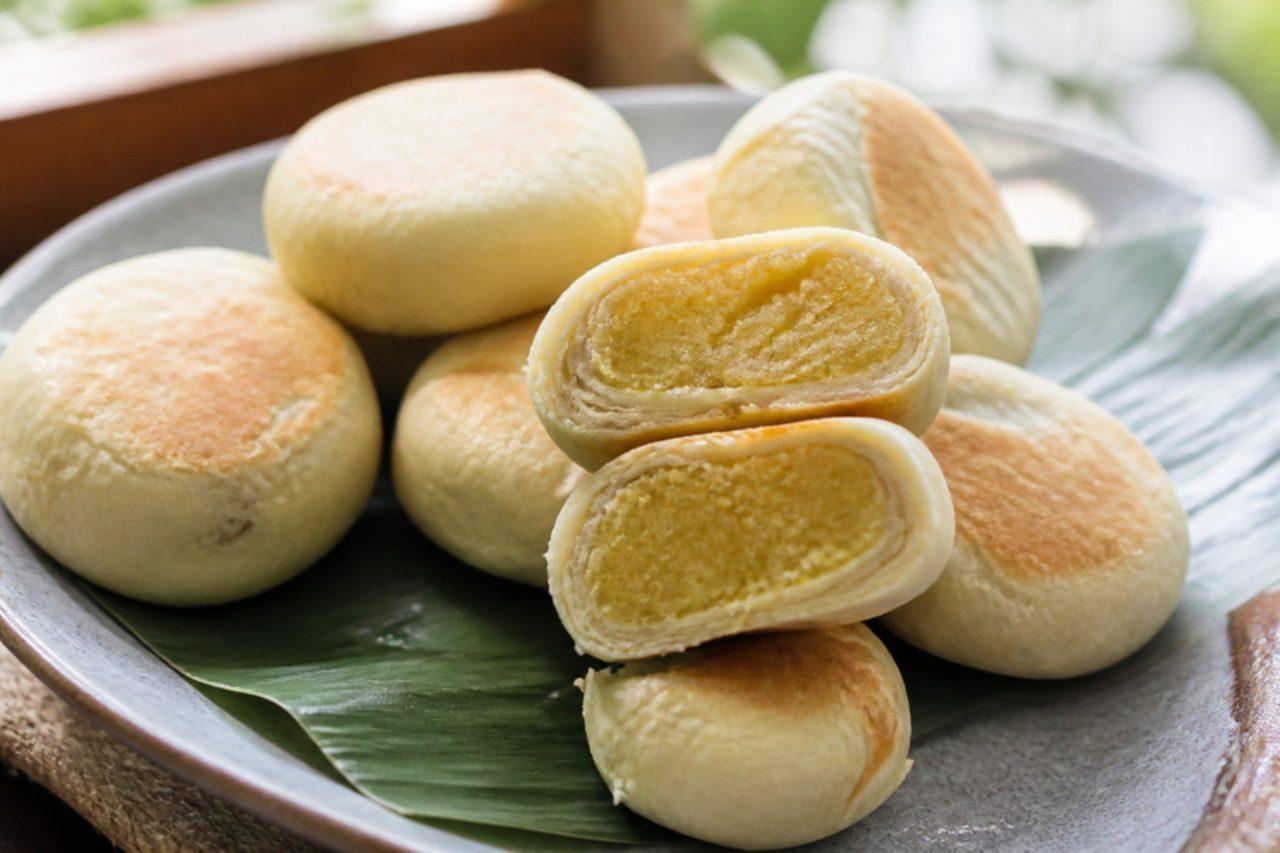
Nobody leaves Yogyakarta without a cardboard box of bakpia; the Pathuk neighbourhood, a short walk from Malioboro, is lined with family bakeries turning them out for visitors as oleh-oleh, the snacks Indonesians bring home from a trip. These are small, round and slightly puffed, with a thin, flaky skin that goes golden in spots and a smooth, lightly salted sweet mung bean centre. They came to Java with Chinese bakers (the name comes from Hokkien bak pia) and are eaten with sweet hot tea or a glass of kopi. Using too much filling is the usual problem; the skin should wrap it with no stretching. Chef's tip: cook the mung beans with a knotted pandan leaf for the classic fragrance, and keep the pastry balls under a damp cloth so the skins stay supple while you work.

by KrazyBadal 0 views

KlappertaartBaked young coconut custard

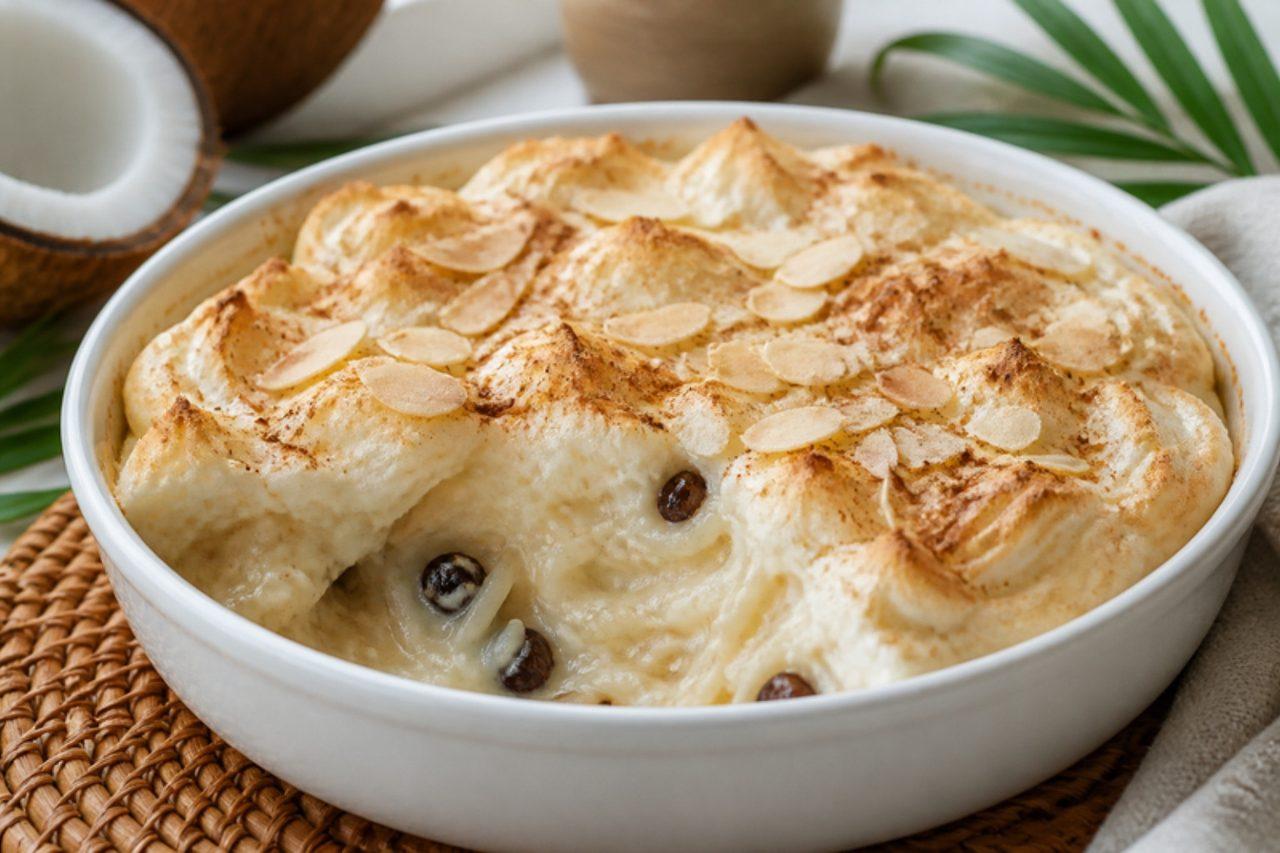
Manado, at the northern tip of Sulawesi, inherited klappertaart from its Dutch colonial kitchens (klapper is old Dutch for coconut), and it is still the dessert North Sulawesi families bring to birthdays, Christmas and church gatherings. Soft strips of young coconut flesh are folded through a creamy, cinnamon-scented milk custard with raisins, then baked under a sprinkle of almonds until barely set and bronzed on top. It is eaten warm or cold, spooned straight from the dish. Many recipes soak the raisins in rum or add a splash to the custard; this one is alcohol-free, with the rum as an option. Overbaking it until firm is the mistake to avoid; it should be soft and spoonable. Chef's tip: use the jelly-soft flesh of young coconuts (or frozen young coconut strips); grated mature coconut makes the custard dry and chewy.

by KrazyBadal 0 views

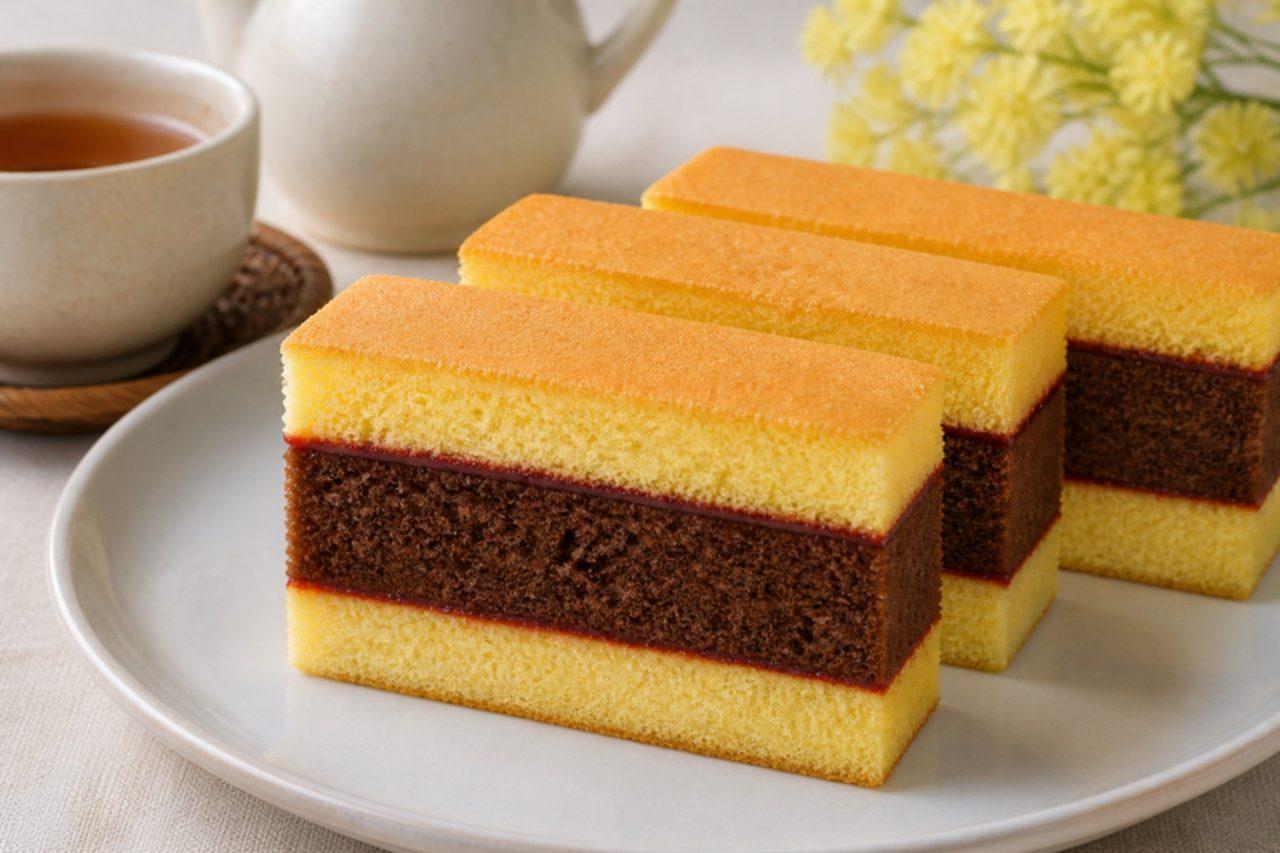
Spiku (lapis Surabaya)Three-layer butter sponge with jam

Visitors leaving Surabaya are expected to carry home a box of spiku as oleh-oleh, the gift from your travels, and it also turns up for Lebaran and Chinese New Year. The name comes from the Dutch spekkoek, but this is a different cake: three thick layers of rich, yolk-heavy butter sponge, two plain and one chocolate, stuck together with apricot or strawberry jam. The crumb is soft, tight and buttery, best in thin slices with tea. Folding the melted butter in roughly or too fast lets it sink and bake into a greasy band at the bottom, so add it in a thin stream and fold just until it vanishes. Chef's tip: bake the three layers at the same time in three identical tins; weigh the batter into them so the layers come out even.

by KrazyBadal 0 views

Kärntner ReindlingCinnamon raisin yeast cake

Carinthia's Easter loaf takes its name from the Reindl, the round, deep pan it is baked in, and in southern Austria no Easter basket goes to church without one. Inside the golden yeast crust is a spiral of butter, cinnamon sugar and plump raisins, so every slice shows a dark swirl. Locals eat it two ways: sweet with coffee on Easter morning, or alongside the savoury Easter platter with horseradish. Many bakers soak the raisins in rum overnight; warm water or tea works just as well and keeps it alcohol-free. A dry, crumbly Reindling usually means too much flour went in during kneading, so keep the dough soft and only lightly floured. Chef's tip: butter the pan well and dust it with sugar, which caramelises into a thin crunchy shell.

by KrazyBadal 0 views

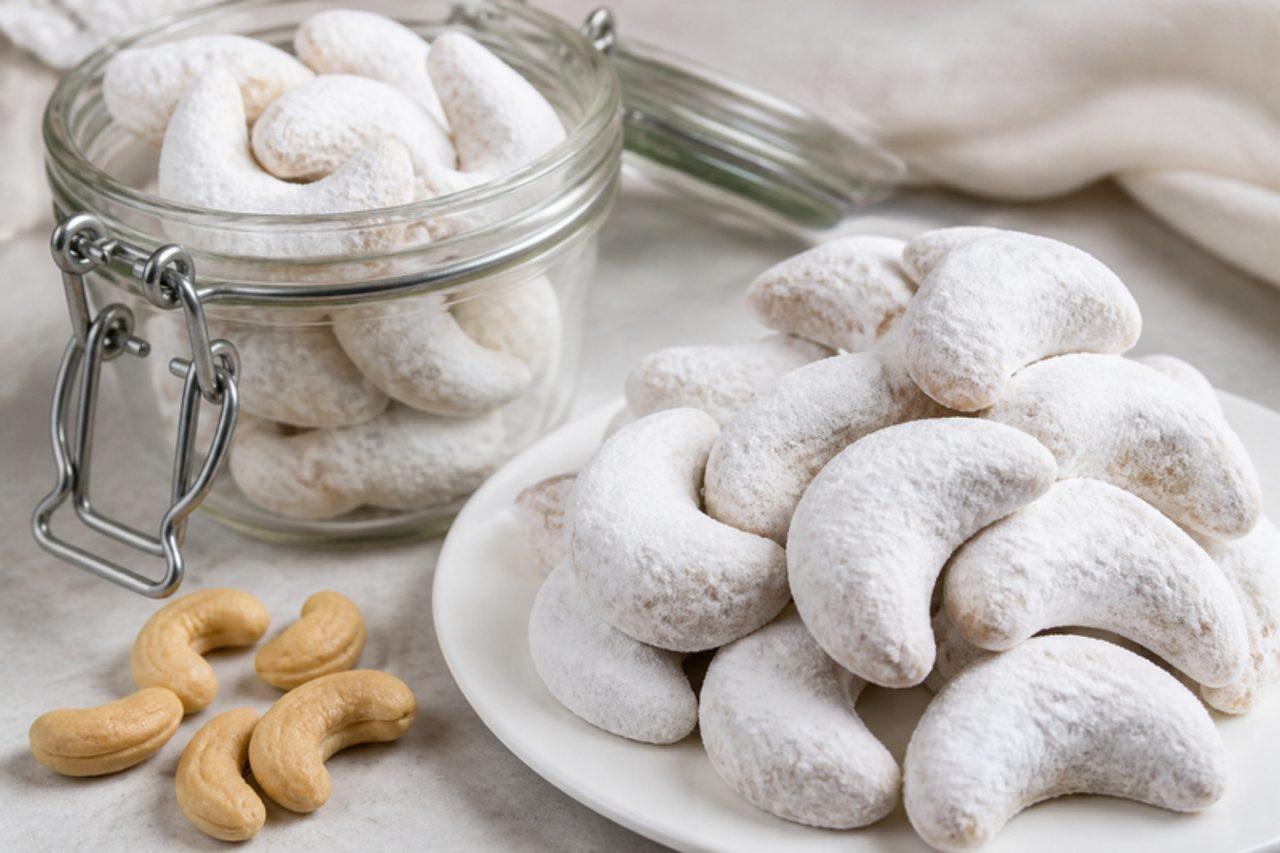
Kue putri saljuSnowball crescent cookies

'Snow princess' cookies are a Lebaran favourite in every Indonesian city, set out in jars for the stream of visiting relatives during the first days of Syawal. Little crescents of buttery, nutty shortbread made with ground cashews melt the moment you bite them, under a thick snowy coat of icing sugar. Children love helping to roll the crescents. Chef's tip: dust them twice, once while warm so a thin layer melts on and once when cold for the snowy finish; dusting only hot cookies leaves them patchy and damp.

by KrazyBadal 0 views

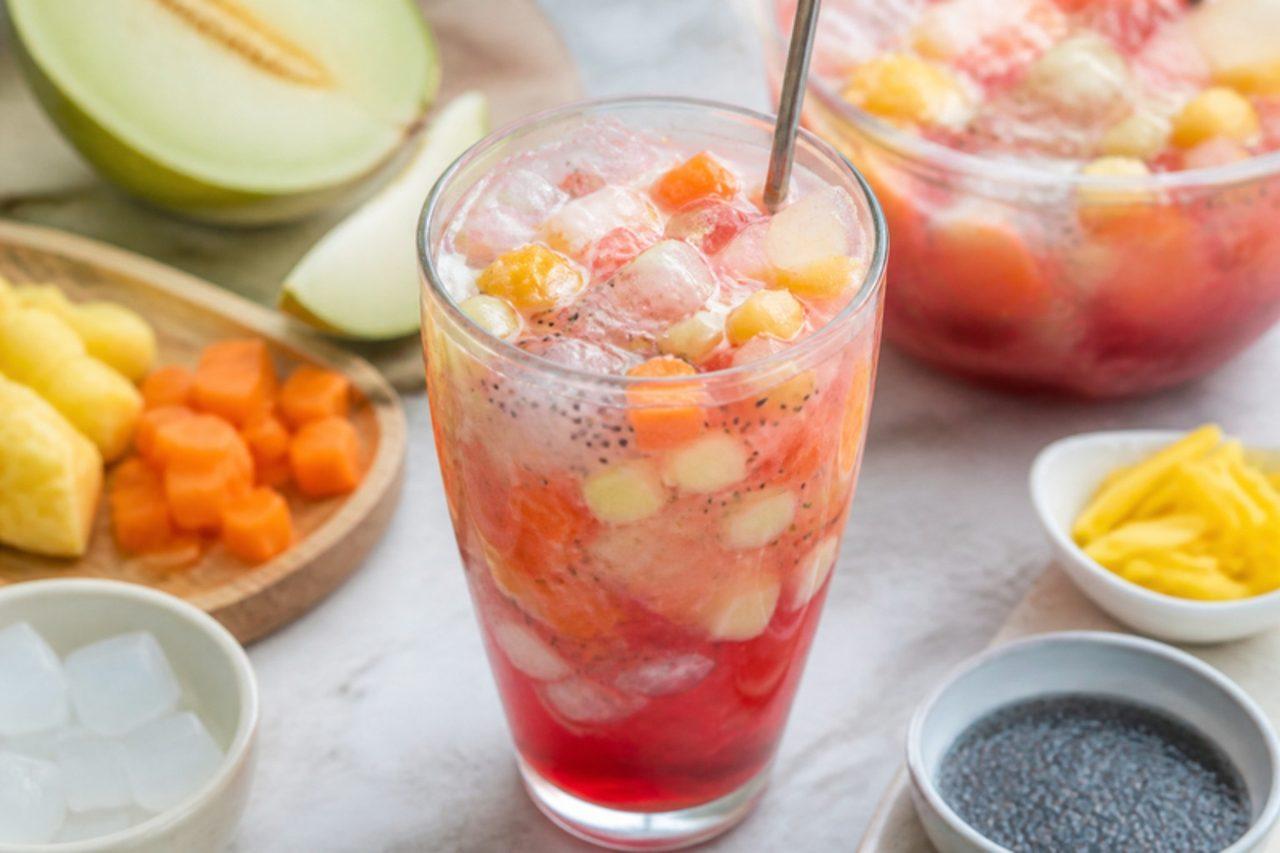
Es buahIced fruit cocktail

Ramadan evenings in Jakarta mean queues at the es buah carts, where melon, papaya, pineapple, jackfruit and nata de coco are scooped into glasses with swollen basil seeds, red rose syrup and a ribbon of condensed milk over crushed ice. It is drunk with a spoon at iftar, after dates, and it is just as welcome on any hot afternoon. Use whatever ripe fruit you have. Chef's tip: soak the basil seeds fully before adding them; dry seeds clump and stay gritty in the cold syrup.

by KrazyBadal 0 views

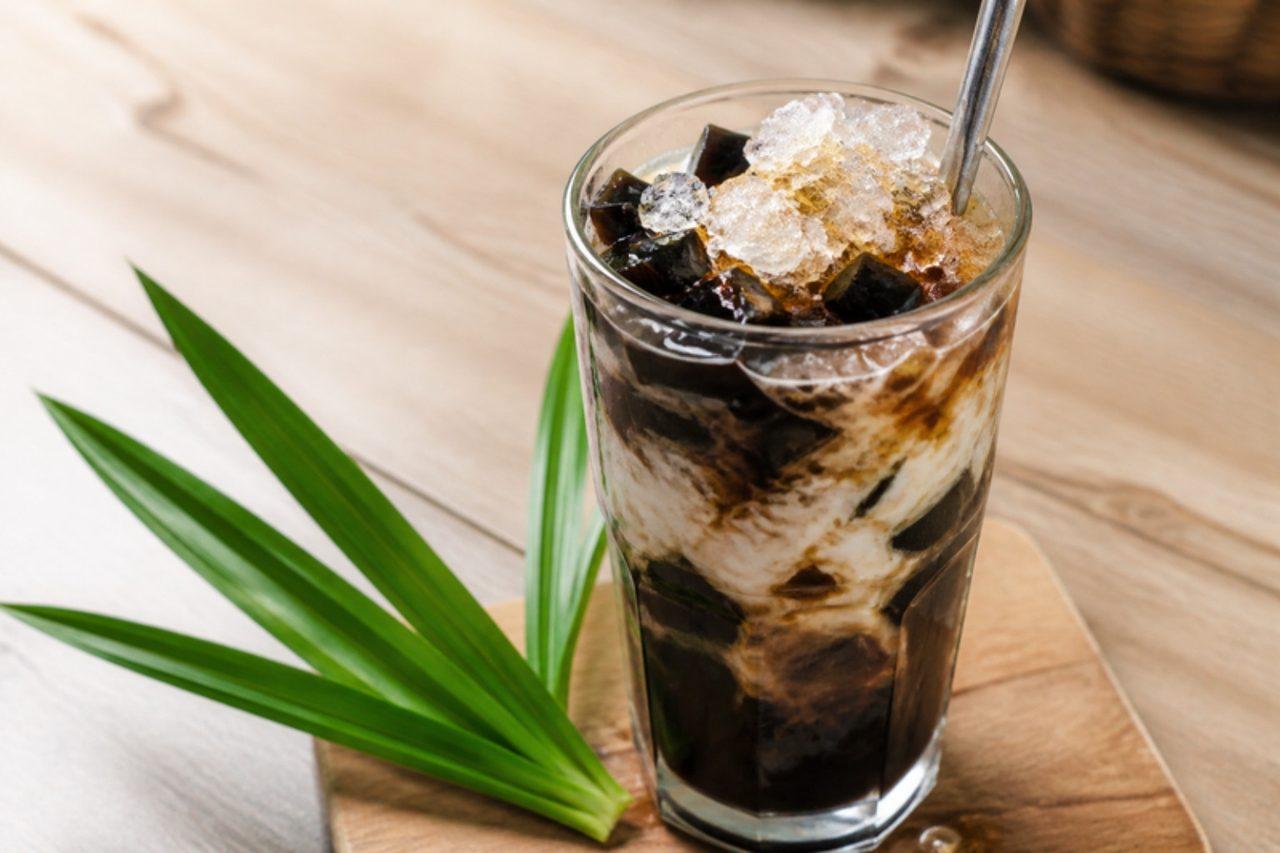
Es cincauGrass jelly drink

Glasses of es cincau are handed out at Ramadan iftar tables across Java and sold from roadside carts all year on hot afternoons. Cubes of black grass jelly, with its slightly bitter, herbal taste, sit in pale coconut milk and dark palm-sugar syrup over crushed ice, and the contrast is the whole joy of it. Ready-made grass jelly in tins is fine; this recipe sets your own from grass jelly powder. Chef's tip: let the jelly set fully and cold before cutting; cut warm, it tears and melts into the drink.

by KrazyBadal 0 views

Jamu kunyit asamTurmeric tamarind drink

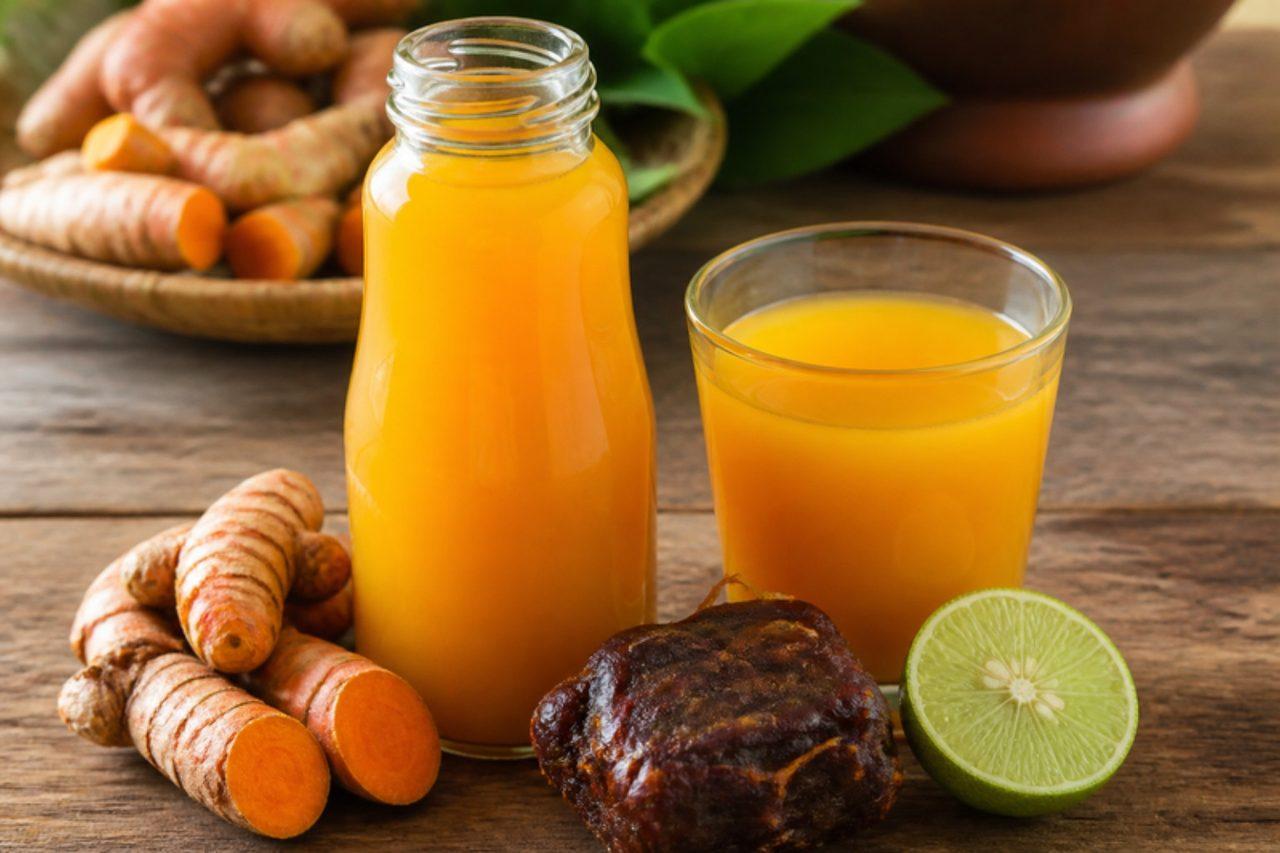
Jamu gendong women still walk Solo and Yogyakarta lanes in the morning with baskets of bottles on their backs, and kunyit asam is the one most people buy: earthy fresh turmeric and sour tamarind boiled with palm sugar, strained and drunk cool. It tastes bright, tangy and faintly peppery, rather like a spiced lemonade. Families also make big jugs at home for hot afternoons. Chef's tip: wear gloves or scrub the board straight away; fresh turmeric stains hands, wood and plastic bright yellow within minutes.

by KrazyBadal 0 views

BajigurCoconut palm sugar drink

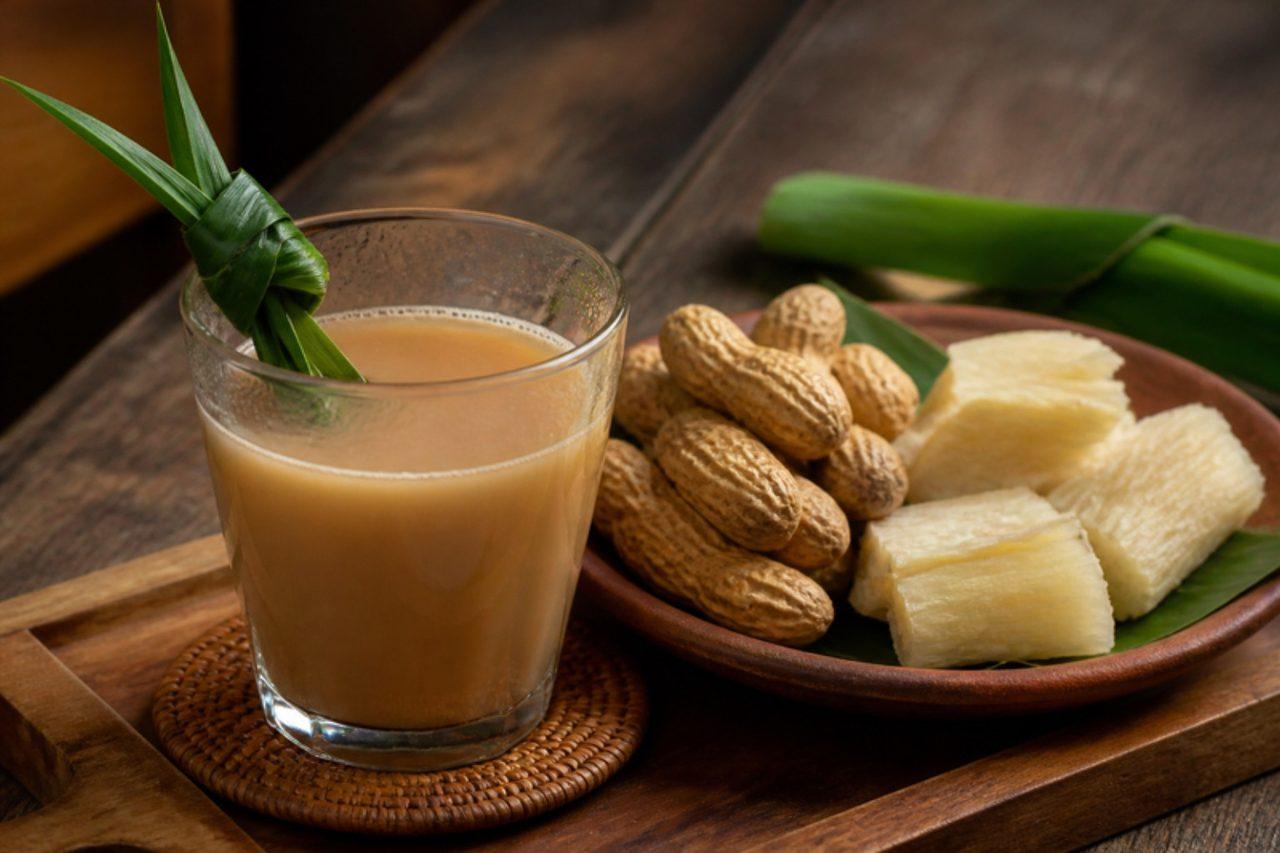
Bajigur carts in Bogor and Bandung come out in the late afternoon, steaming pots of coconut milk with palm sugar, ginger and pandan served alongside boiled peanuts, cassava and sweet potato. It is creamy and caramel-sweet with a warm ginger finish, a drink to wrap your hands round on a cool highland evening. Some sellers add a spoon of coffee; this version leaves it out. Chef's tip: keep it below a boil once the coconut milk is in; boiling makes it grainy and an oily film forms on top.

by KrazyBadal 0 views

BandrekSpiced ginger drink

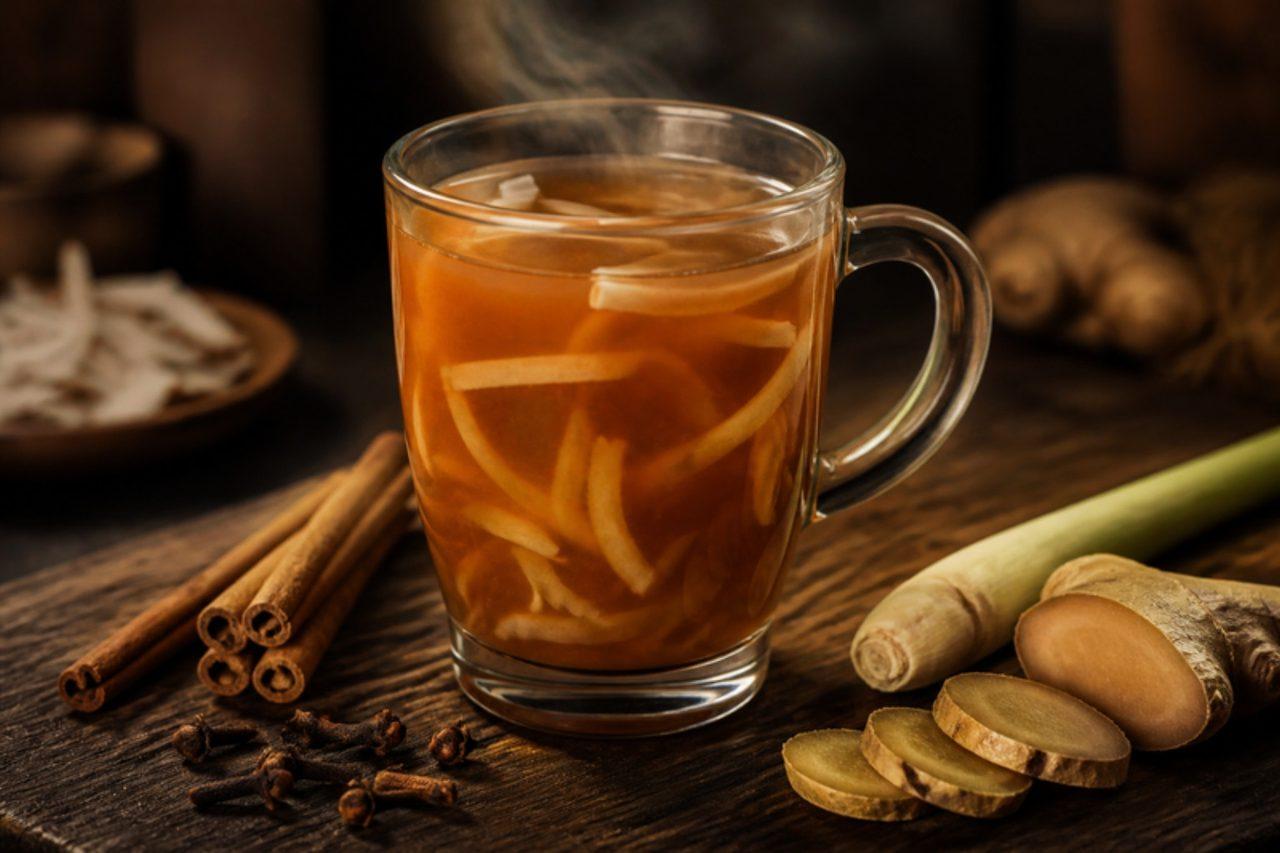
Up in the cool tea highlands around Bandung and Garut, bandrek warms people through damp nights; vendors carry it in big kettles to night markets and football matches. It starts like wedang jahe but goes further, with cinnamon, cloves, pepper and lemongrass, and Sundanese sellers often float slivers of young coconut in each glass. The flavour is sweet, spicy and lingering. Chef's tip: simmer the whole spices, don't boil them hard; a fierce boil draws out bitterness from the clove.

by KrazyBadal 0 views

Kue kastengelCheese biscuit sticks

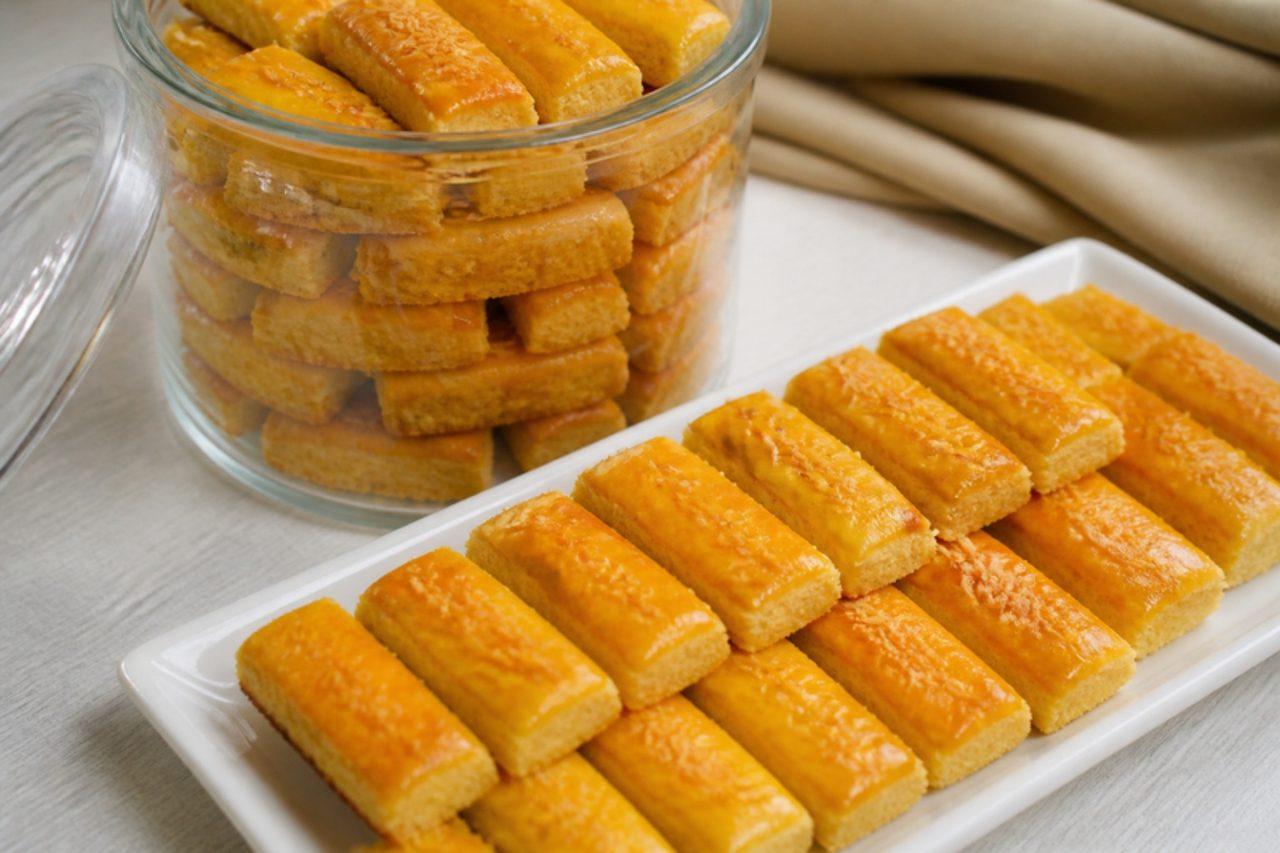
From Medan to Makassar, Lebaran open houses set out glass jars of kue kering, and kastengel (from the Dutch kaasstengels) are always among the first to go. These short, crumbly fingers are rich with butter and grated aged edam, glazed with yolk and topped with more cheese, so they bake into a salty, savoury biscuit that balances the sweet nastar and putri salju beside them. Chef's tip: don't overwork the dough once the flour goes in; kneading makes the sticks tough and they shrink in the oven instead of staying short and sandy.

by KrazyBadal 0 views

Wedang jaheHot ginger drink

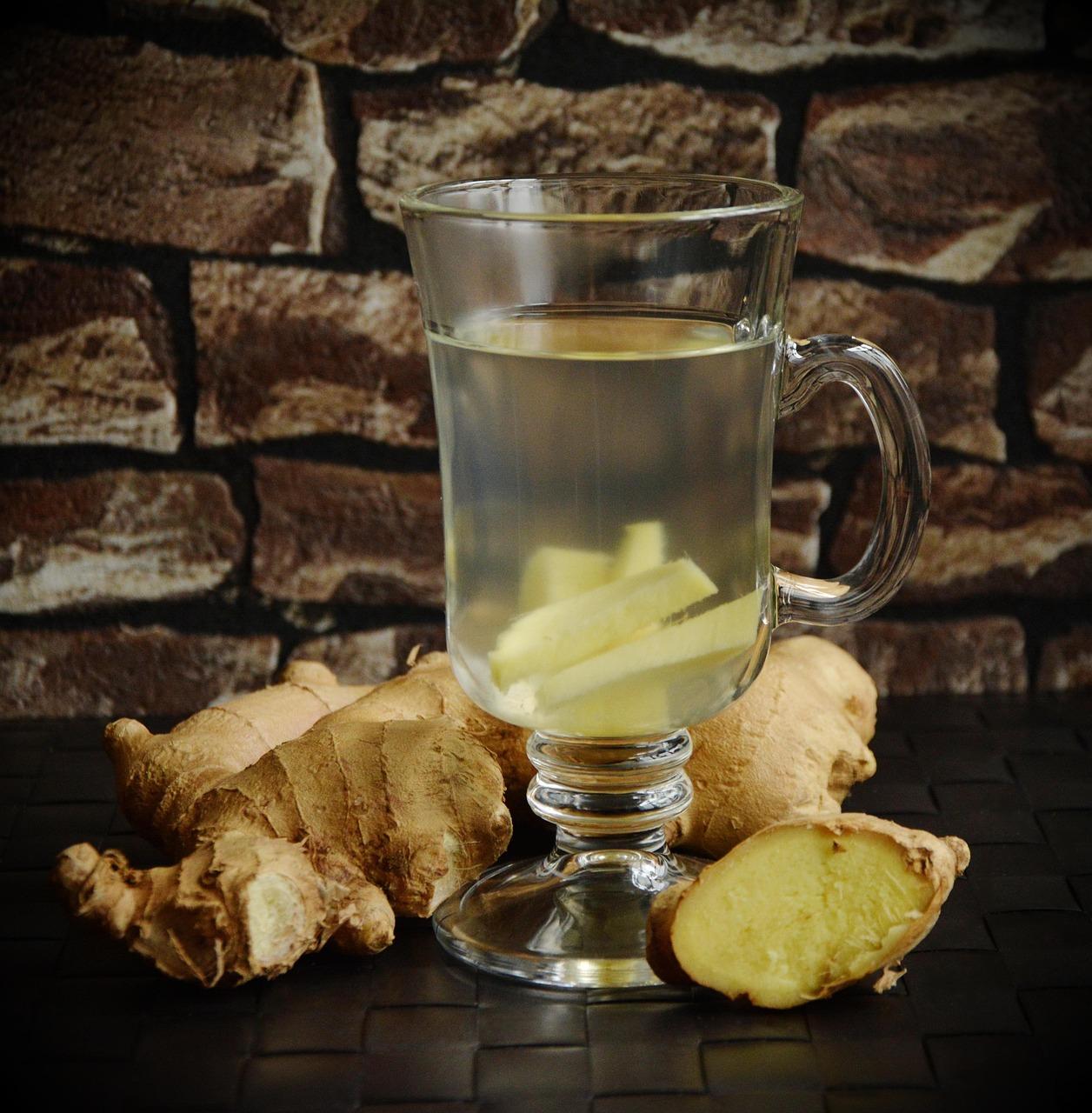
When the evening rain comes in over Yogyakarta, angkringan street stalls start ladling out wedang jahe, a fiery hot drink of grilled, bruised ginger and lemongrass simmered with palm sugar. It is sipped slowly from glasses alongside sticky rice snacks and fried tofu, and families make it at home whenever the weather turns cool. Chef's tip: grill or dry-roast the ginger until scorched before bruising it; raw ginger gives a sharper but flatter drink, without the smoky depth.

by KrazyBadal 0 views

Lapis legitThousand-layer spice cake

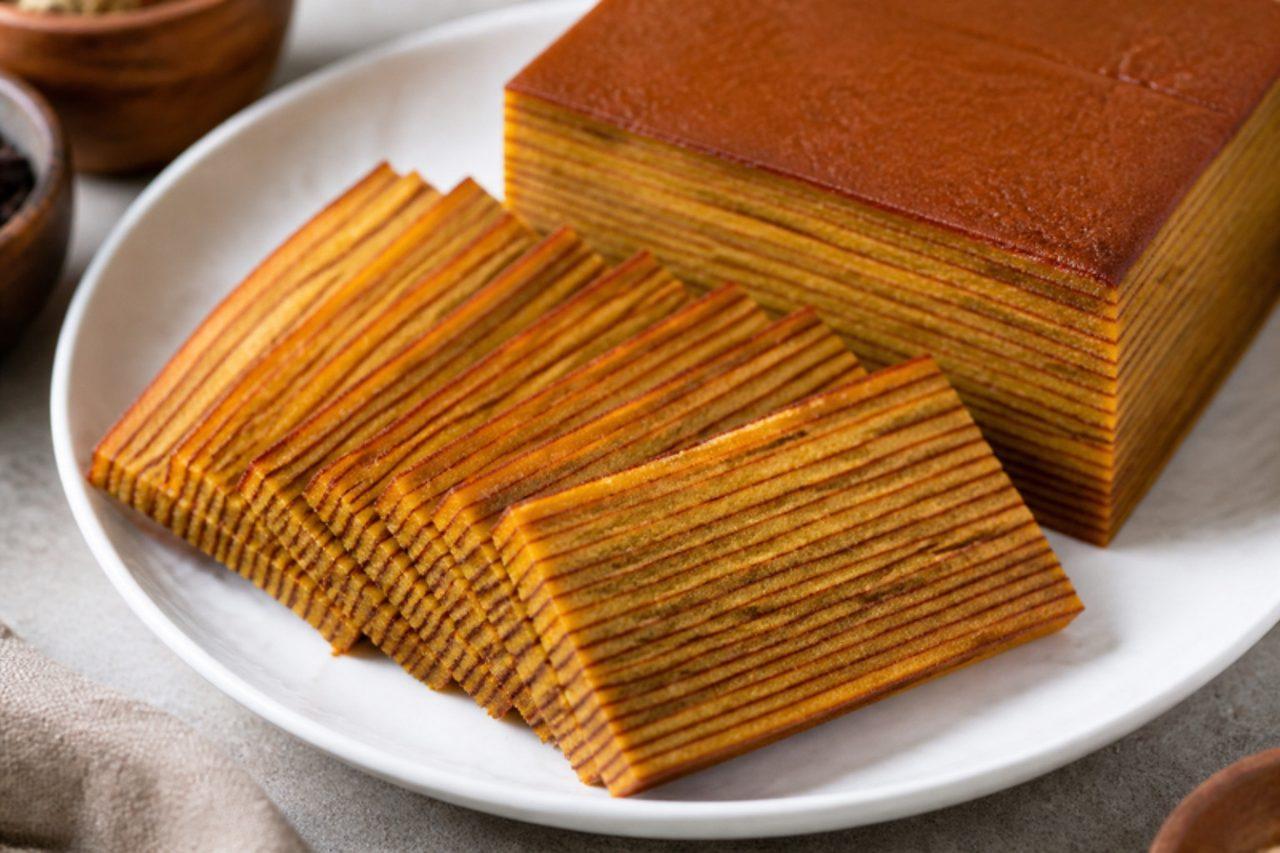
Indonesian Chinese and Dutch-descended families bake lapis legit for Christmas, Imlek and Lebaran, and in Jakarta a whole cake is a prized gift that can cost a small fortune. Rich batter of butter and a great many egg yolks, scented with cinnamon, clove, nutmeg and cardamom, is grilled one thin layer at a time, giving perfect tree-ring stripes when sliced. It takes an afternoon, but it is mostly patience. Slice it thinly; it is very rich. Chef's tip: press each layer gently with a flat spoon to burst air bubbles before adding the next; skipping it leaves holes and the layers separate when cut.

by KrazyBadal 0 views

Beras kencurRice and ginger drink

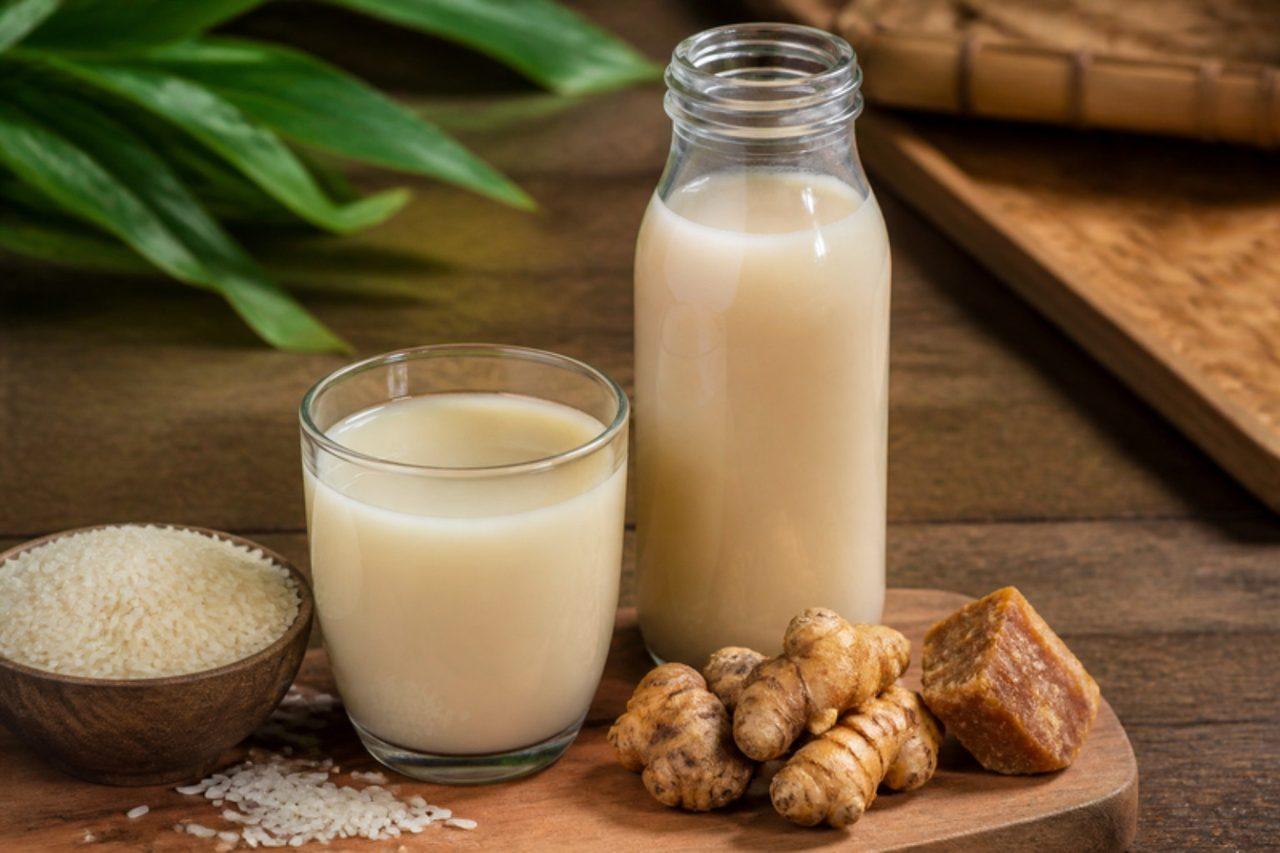
The other half of the jamu seller's basket, beras kencur is milky-white and gently sweet, made from soaked rice blended with kencur, a peppery, camphor-scented relative of ginger, then strained into palm sugar syrup. Javanese children are often given it as their first taste of jamu, and adults drink it mid-morning. Kencur (sometimes sold as aromatic ginger or sand ginger) is found fresh or frozen in Asian shops. Chef's tip: use only a little kencur at first; too much makes the drink medicinal and soapy rather than fresh and spicy.

by KrazyBadal 0 views

Wedang uwuhSpiced herbal infusion

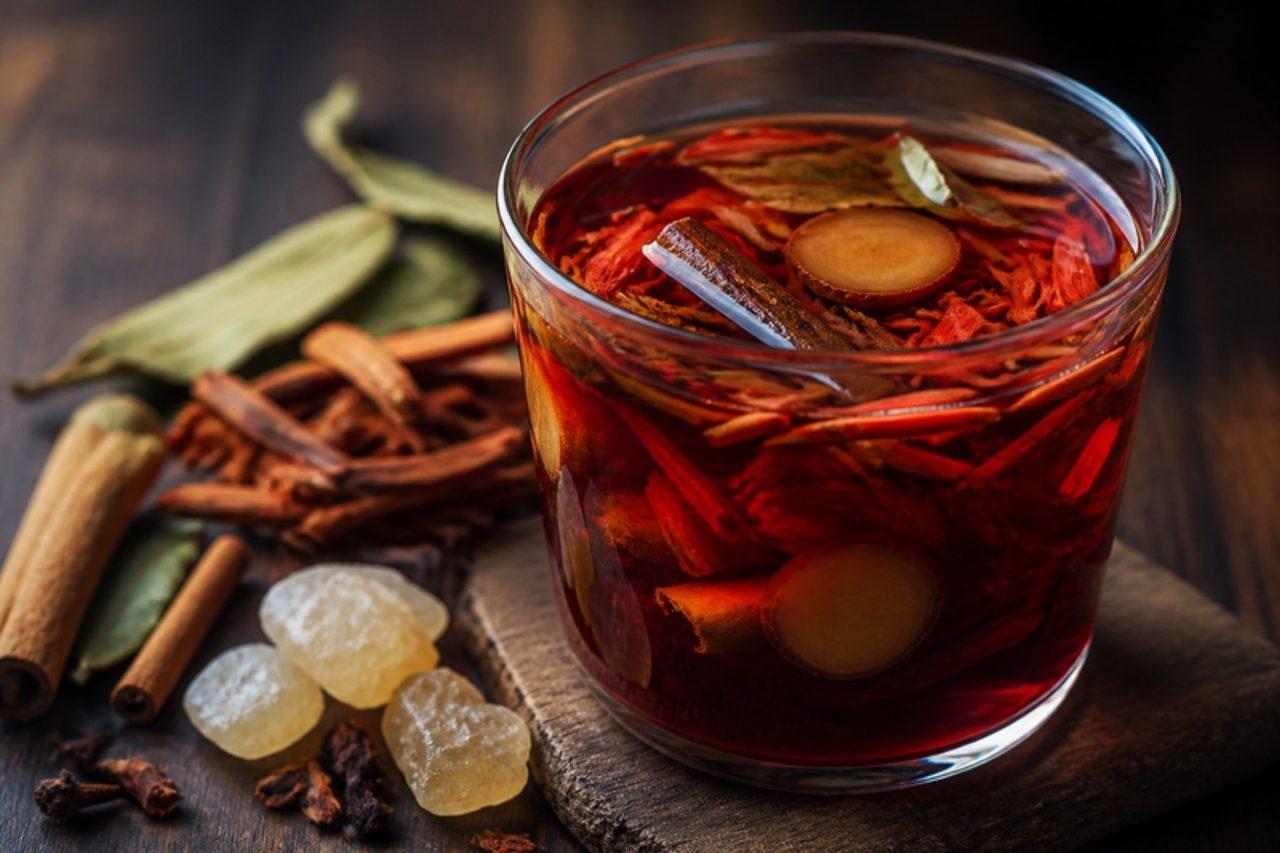
The name means 'rubbish drink', because a glass looks like a jumble of twigs and leaves, but around the royal tombs at Imogiri, south of Yogyakarta, wedang uwuh is a point of pride. Chips of sappan wood stain hot water a deep ruby red, while ginger, clove, cinnamon, nutmeg leaf and rock sugar give a sweet, woody spice. It is sold by roadside warung as a dry pack to brew at home. Chef's tip: steep it, don't boil it for long; sappan wood turns from red to a muddy brown and tastes tannic if cooked hard.

by KrazyBadal 0 views

Refresco de coconaCocona cooler

In Iquitos, Pucallpa and the river towns of Loreto, heat and humidity make a cold refresco part of every lunch, and cocona is one of the favourites sold from plastic jugs at the Belén market. The fruit looks like a fuzzy orange tomato and tastes between tomato, lemon and apricot: very sour, aromatic and juicy. Blended with water and sugar it makes a tangy, golden drink with a light pulp, served with juane or tacacho con cecina. The usual mistake is skipping the fuzz: cocona skin is covered in fine hairs that make the drink scratchy, so rub them off under running water before you start. Blend only briefly, too, so the many seeds do not crack. It is ready when the refresco is opaque orange, sour first and sweet after, with no grit. Outside the Amazon, look for frozen cocona pulp in Latin American shops; naranjilla (lulo) pulp is the closest substitute. Chef's tip: a pinch of salt makes the fruit taste sweeter and fruitier without more sugar.

by KrazyBadal 0 views

Teh talua (egg tea)

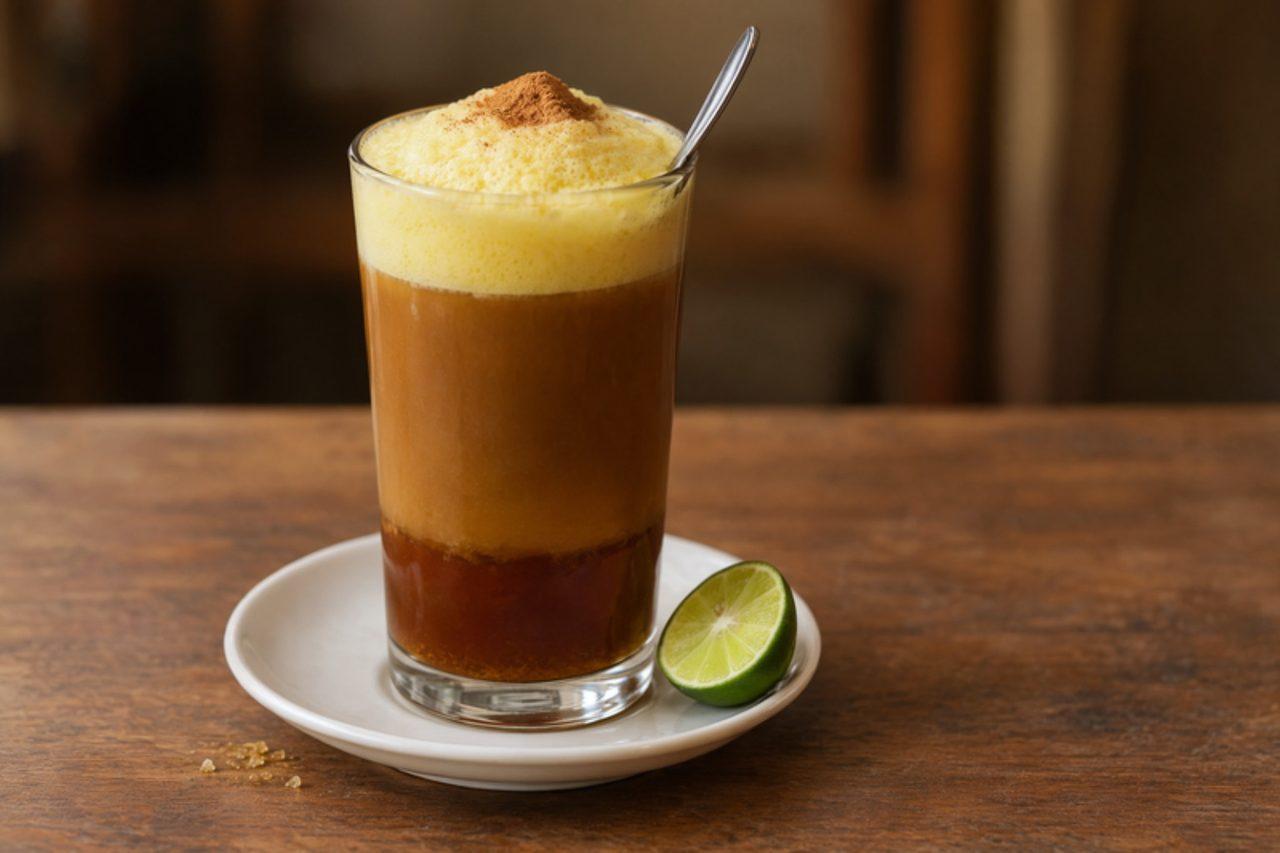
In the lapau coffee shops of Bukittinggi, Payakumbuh and Padang, the sound of a spoon or a small whisk clattering against a glass means someone has ordered teh talua. A raw egg yolk, traditionally from a free-range kampung hen or a duck, is whisked with sugar until thick and almost white, strong hot tea is poured on from a height, and a wedge of lime goes on the side. Minangkabau men drink it in the late afternoon or evening as a pick-me-up after work in the fields. It comes out with a creamy, caramel-coloured body under a deep layer of foam, rich like a light custard, with the lime cutting any eggy edge. The common mistake is whisking too little: the yolk stays yellow, the tea curdles it in strings and it smells of egg. Beat until the yolk has doubled in volume and falls in a thick ribbon. Use pasteurised eggs for anyone pregnant, babies and small children, older people or anyone unwell, as the yolk is only lightly warmed. Some lapau add condensed milk; this one is dairy-free. It contains caffeine. Chef's tip: pour the tea in a thin stream from high up while still stirring, to build the tallest foam.

by KrazyBadal 0 views

Chilcano de piscoPisco and ginger ale highball

When Lima's grey winter finally lifts and summer reaches the beaches south of the city, the chilcano takes over from the pisco sour: lighter, longer and made for an afternoon. Peru even gives it a Semana del Chilcano each January, and it is poured at weekend lunches with chifa or fried fish. This is a highball for adults only: pisco poured over a tall glass of ice with fresh lime and ginger ale, finished with a few drops of bitters. It should taste crisp and fizzy, with the ginger and lime lifting the floral grape notes of the pisco rather than hiding them. The common mistake is using too little ice and warm ginger ale, which gives a sweet, diluted drink that goes flat in minutes. Fill the glass to the top with ice and keep the ginger ale in the fridge until the last second. It is ready when the glass is frosty, the bubbles race up the sides and the bitters drift through the top as a pink haze. Light it may be, but drink responsibly. Chef's tip: try a fruit-infused pisco, made by steeping passion fruit or mandarin peel in the bottle for a few days; Limeños love a chilcano de maracuyá.

by KrazyBadal 0 views

Mate de muñaAndean mint tea

Muña is the minty shrub that grows wild on the slopes around Cusco, Puno and the Sacred Valley, and highland cooks reach for it after a heavy meal of chicharrón or when visitors are struggling with the altitude. Market herb sellers sell it in fresh bunches, and hotels and homes leave it in a flask for anyone coming in from the cold evenings. Steeped simply in hot water, it smells somewhere between spearmint, oregano and pennyroyal, with a cooling, slightly peppery taste and a pale green-gold colour. It is traditionally drunk to settle the stomach. The usual mistake is boiling the leaves hard for a long time, which turns the tea brown and bitter. Pour water just off the boil over the sprigs, cover, and let it steep. It is ready when the cup is pale gold and the aroma rises as soon as you lift the lid. Outside Peru, look for dried muña in Latin shops; failing that, use mostly spearmint with a little fresh oregano. Muña is strong: avoid large amounts in pregnancy, and check with a doctor if you take regular medication. Chef's tip: cover the cup while it steeps so the scented oils stay in the tea.

by KrazyBadal 0 views

Bir pletokSpiced ginger drink

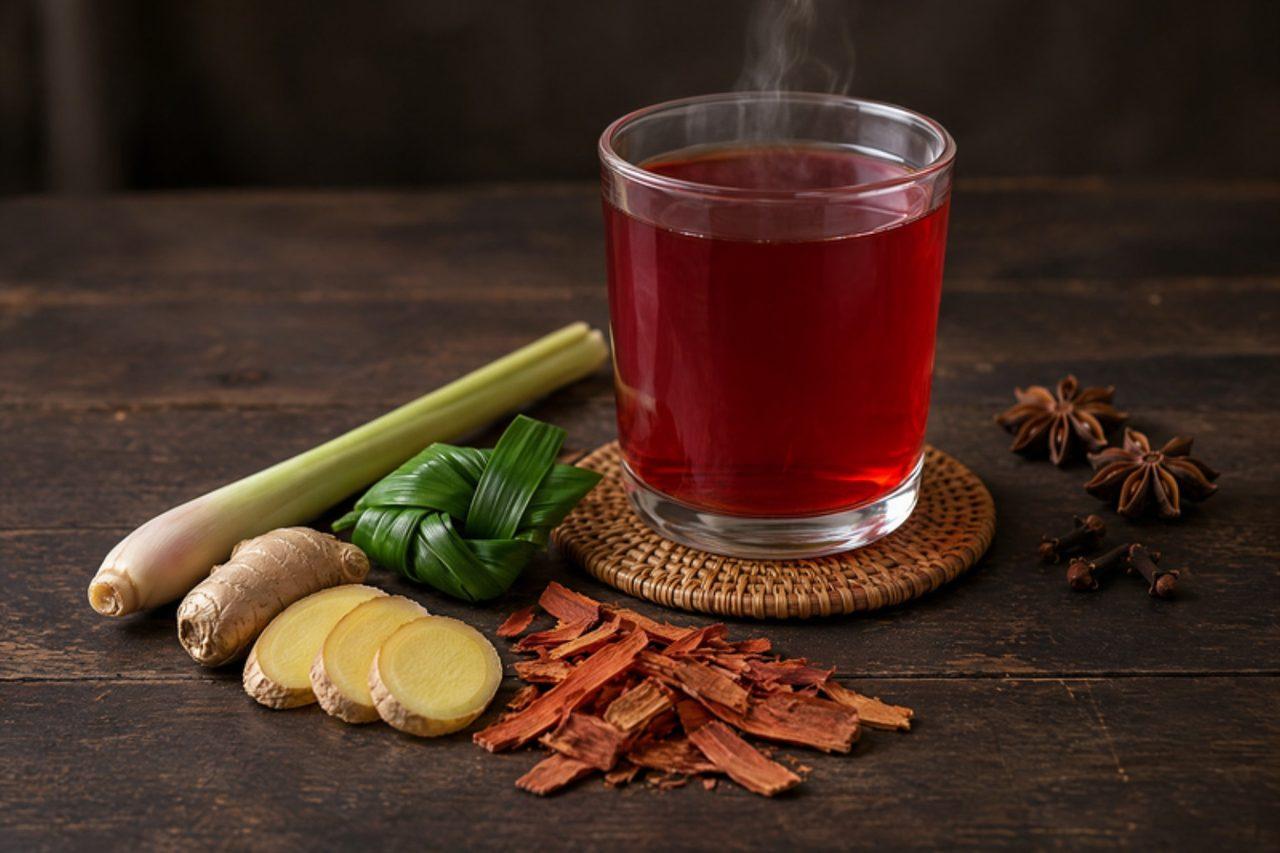
Bir pletok was the Betawi answer, in old Batavia, to the beer and wine drunk by the Dutch: a red, warming spice drink with no alcohol at all, served at weddings, at Lebaran open houses and in the evenings at Jakarta's Setu Babakan cultural village. 'Pletok' is said to be the popping sound it made when shaken in a bamboo tube to raise a foam. Ginger, lemongrass, pandan, cloves, cinnamon and cardamom are simmered with chips of secang (sappanwood), which turns the liquid deep ruby. It tastes hot and peppery from the ginger, perfumed from the pandan, sweet and lightly woody, and is drunk warm or with ice. The common mistake is skimping on ginger or slicing it thin and boiling briefly; you need plenty, bruised, and a slow simmer to draw out the heat. It is ready when the liquid is a clear ruby red and the ginger burn catches at the back of your throat. Secang chips are in Indonesian shops; dried hibiscus flowers give a similar red, slightly sourer. Keeps 5 days in the fridge. Chef's tip: shake each serving hard in a closed jar before pouring to get the foamy head.

by KrazyBadal 0 views

Jugo surtidoMixed fruit juice

Step up to any juguería in Lima's Mercado de Surquillo or a barrio market at breakfast time and order a surtido: the juicer drops papaya, banana, pineapple and freshly squeezed orange into a tall blender, sometimes a slice of cooked beetroot for colour or a splash of milk, and pours you a big glass with the rest left in the jug for your 'yapa', the free refill. It is thick but still pourable, sweet from ripe fruit with a sharp orange edge, the kind of drink that stands in for breakfast before a long day. The common mistake is adding lots of ice and water, which makes it thin and frothy rather than velvety. Use cold fruit and freshly squeezed orange juice as the liquid. It is ready when it coats the glass and no lumps of banana are left. This version is fruit only; stalls also make it with milk if you prefer. Drink it straight away: papaya and banana go brown and bitter within half an hour. Chef's tip: use very ripe papaya with orange flesh; under-ripe papaya tastes of nothing and gives a faintly bitter aftertaste.

by KrazyBadal 0 views

Showing 24 of 56 recipes

Show more recipes

Page 1 of 3