Skip to content
Recipes

All recipes

Vegetarian, or something you can't eat? Set your diet once and we'll hide recipes that don't fit.

Agua de tamarindoTamarind drink

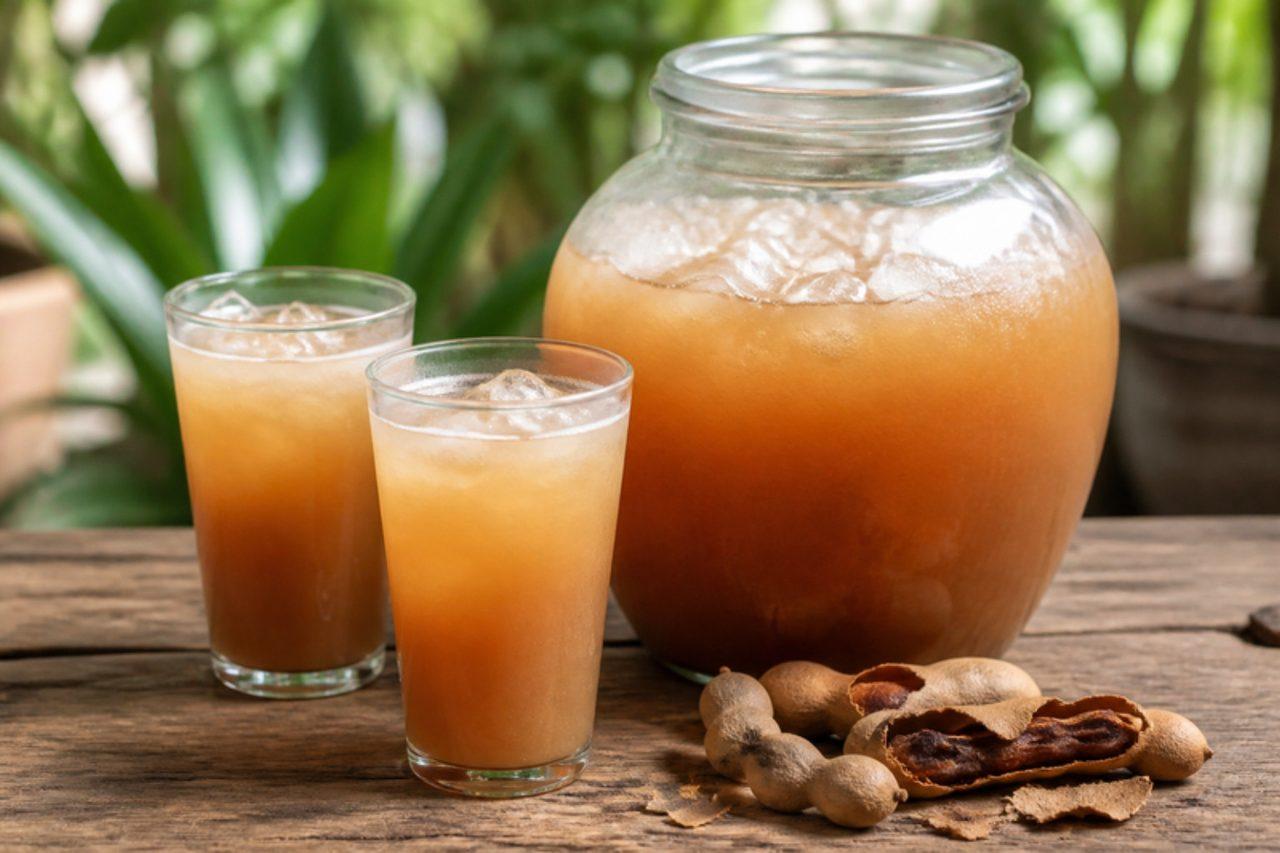
Brown, cloudy and gloriously tart, agua de tamarindo fills the big glass vitroleros at taquerías and fondas across Mexico, especially in hot Guerrero, Colima and the Yucatán, and it is the drink most people reach for with a plate of tacos de guisado. The pods are peeled, simmered and rubbed through a sieve, so it tastes far fresher than paste or concentrate. Chef's tip: soak the pulp in the hot cooking water before you rub it, which loosens every bit from the seeds.

by KrazyBadal 0 views

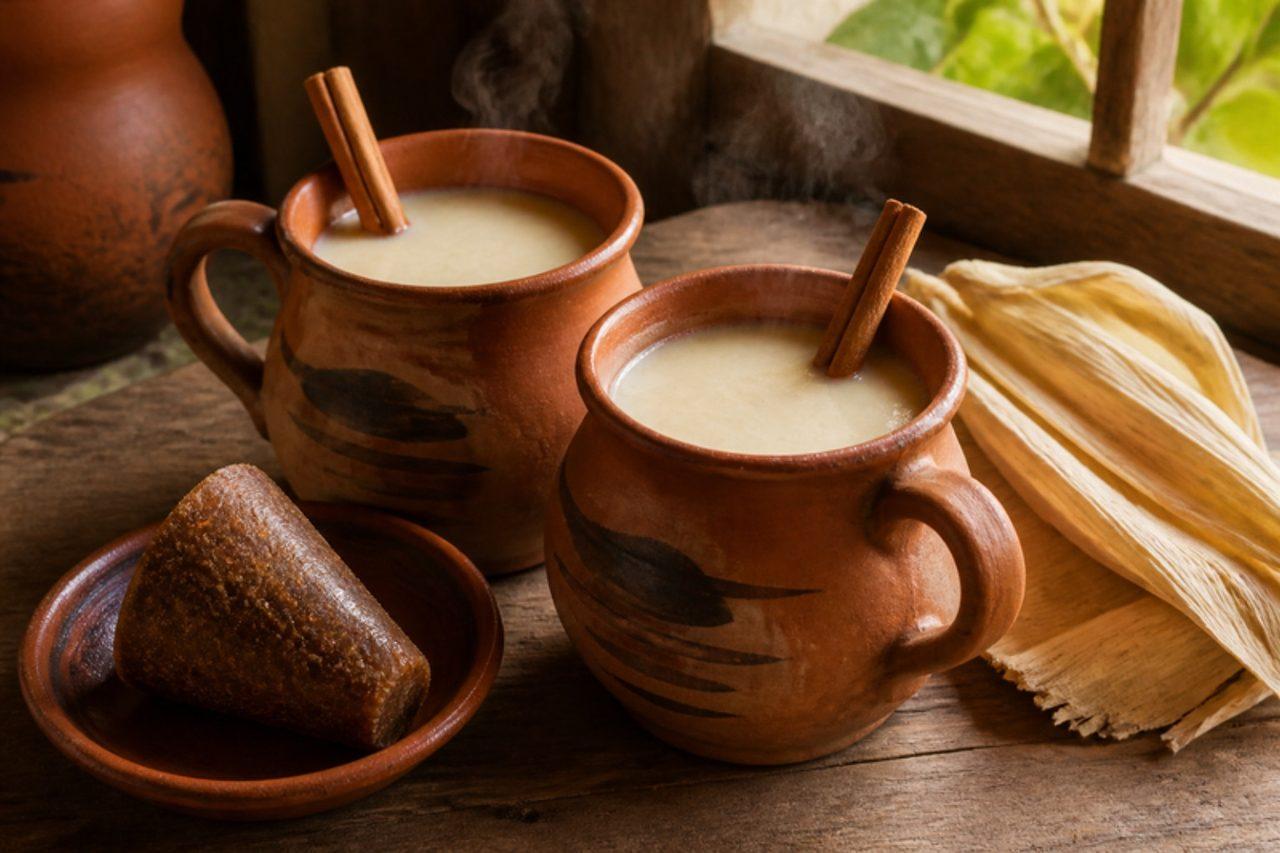
Atole blancoWarm masa drink

Long before coffee arrived, atole was the morning drink of central and southern Mexico, and in villages of Oaxaca, Puebla and Tlaxcala plain atole blanco is still drunk hot with tamales at breakfast or on cold evenings. Fresh masa is whisked into water and cooked until it thickens to a silky, gently sweet drink with a toasty corn taste. Made with water it is vegan. Chef's tip: strain the masa before cooking, so the atole is smooth with no lumps.

by KrazyBadal 0 views

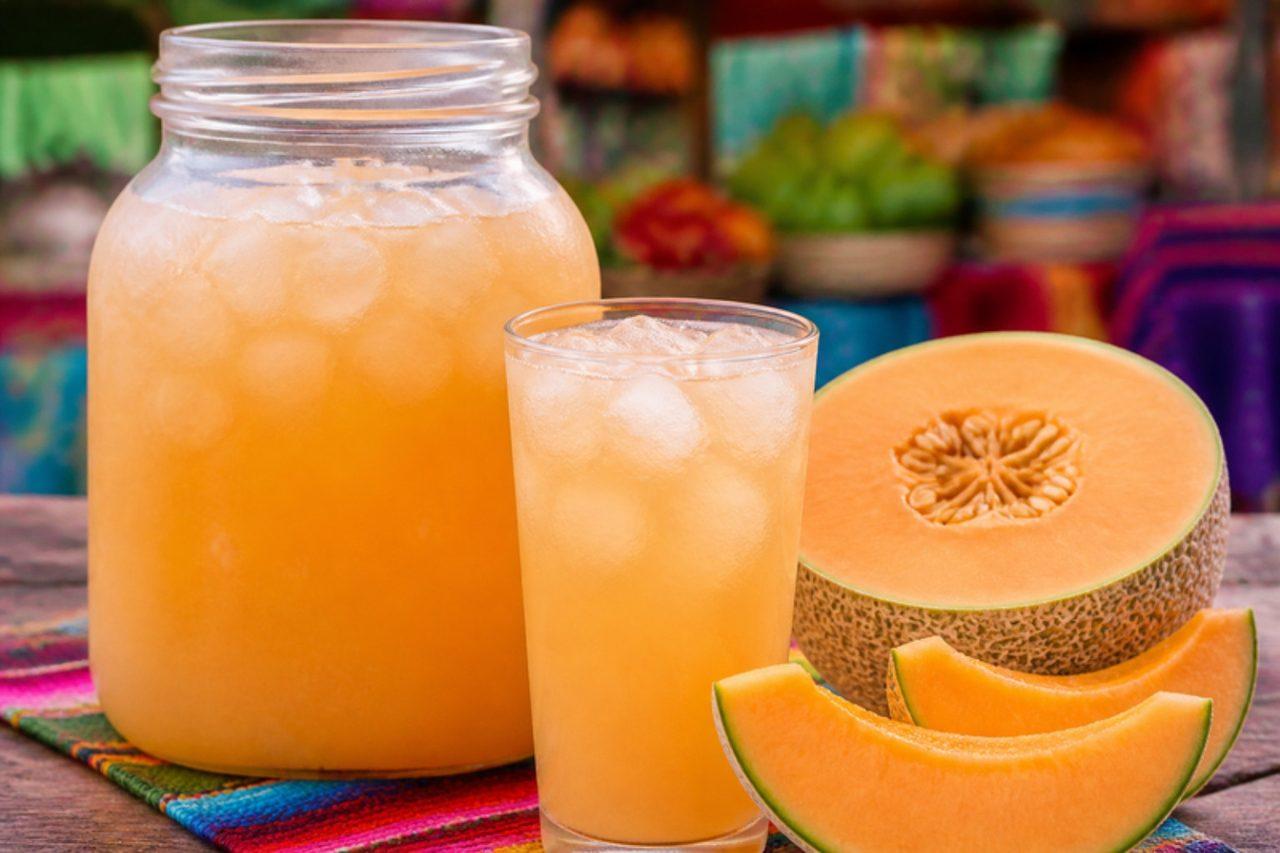
Agua de melónCantaloupe drink

Mexican market juice stalls make agua de melón with the ripest, most fragrant cantaloupes, and many cooks blend in the seeds and the soft pulp around them, which adds a creamy body and a nutty flavour. It's served in tall glasses on hot afternoons from Guanajuato to Veracruz and is a favourite with kids. Chef's tip: smell the stalk end of the melon before you buy it; if it smells sweet, the drink will too.

by KrazyBadal 0 views

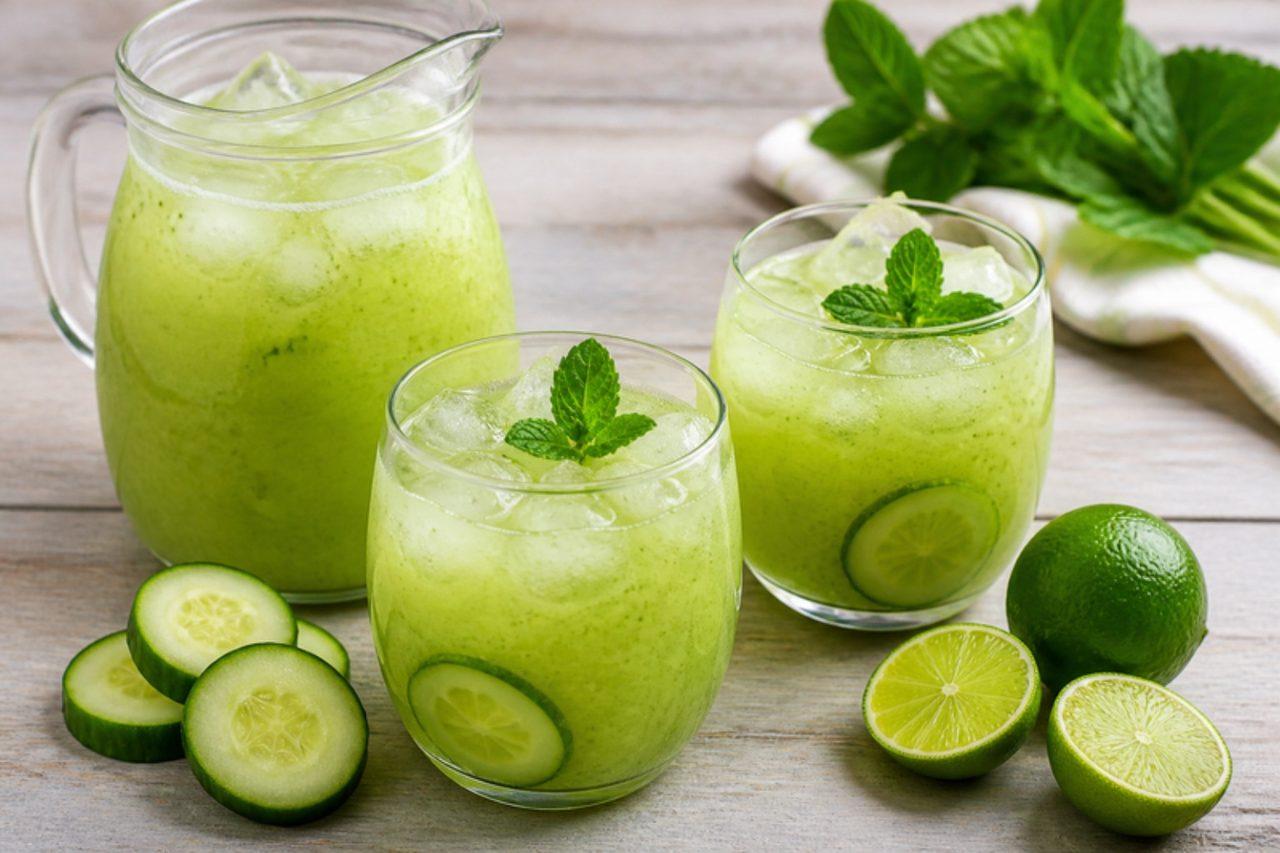
Agua de pepino con limónCucumber lime drink

Pale green and very refreshing, agua de pepino is the cooler sold from market juice stands in Mexico City and Oaxaca when the afternoon heat builds, and families blend a jug for comida on hot days. Cucumber, lime and a few mint leaves give a clean, light taste with very little sugar. Chef's tip: leave some of the peel on the cucumber for colour, but strain the drink so it stays silky.

by KrazyBadal 0 views

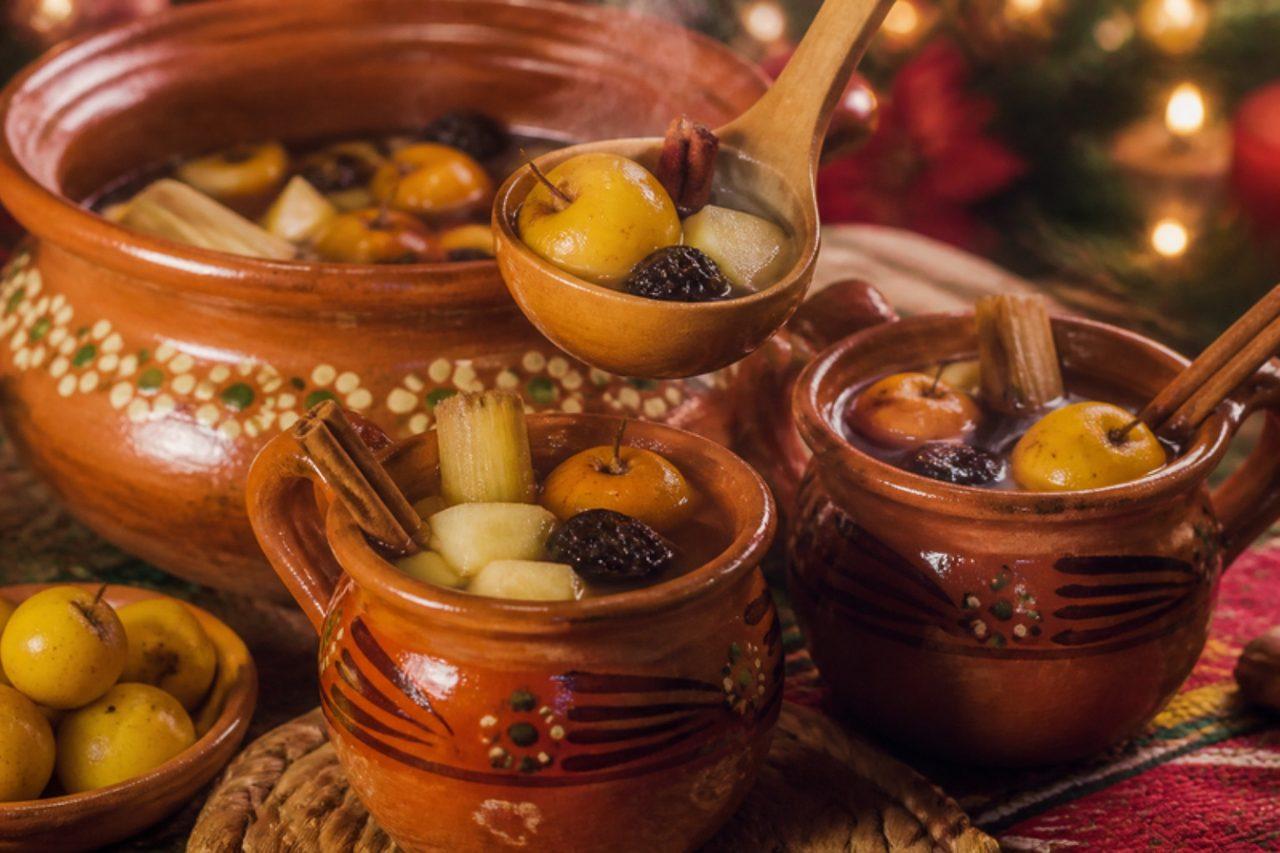
Ponche navideñoHot Christmas fruit punch

During the nine nights of posadas from 16 to 24 December, neighbours in central Mexico walk the streets singing for shelter, and the reward at the last door is a cup of steaming ponche ladled from a clay pot. Whole fruits, tejocotes, guavas, apple, prunes, sticks of sugarcane, simmer with hibiscus, cinnamon and piloncillo until the punch is fragrant and amber, and everyone fishes the soft fruit out with a spoon. This recipe is alcohol-free and good for all ages; some adults add a splash of rum to their own cup, but none is used here. Chef's tip: add the guavas late, as they collapse if cooked too long.

by KrazyBadal 0 views

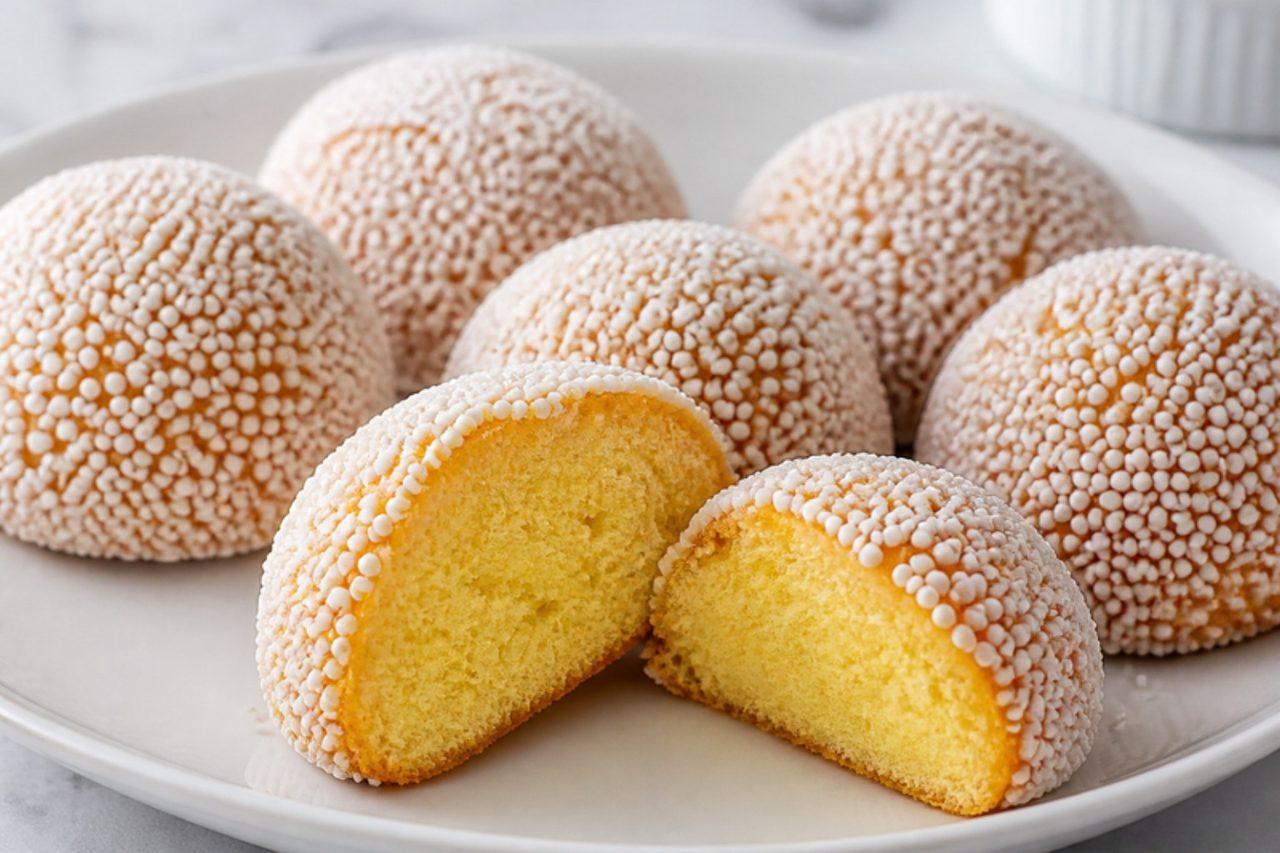
GaribaldisJam-glazed sprinkle cakes

Named after a famous old Mexico City bakery, garibaldis are little dome-shaped butter cakes coated in warm apricot jam and rolled in white nonpareils, so they look like snowballs on the counter. Chilangos buy them by the bag for afternoon coffee and school lunchboxes. The cake is dense and buttery, the jam gives a sharp, sticky contrast and the sprinkles a light crunch. Chef's tip: brush the jam on while the cakes are still warm, as the sprinkles then stick evenly.

by KrazyBadal 0 views

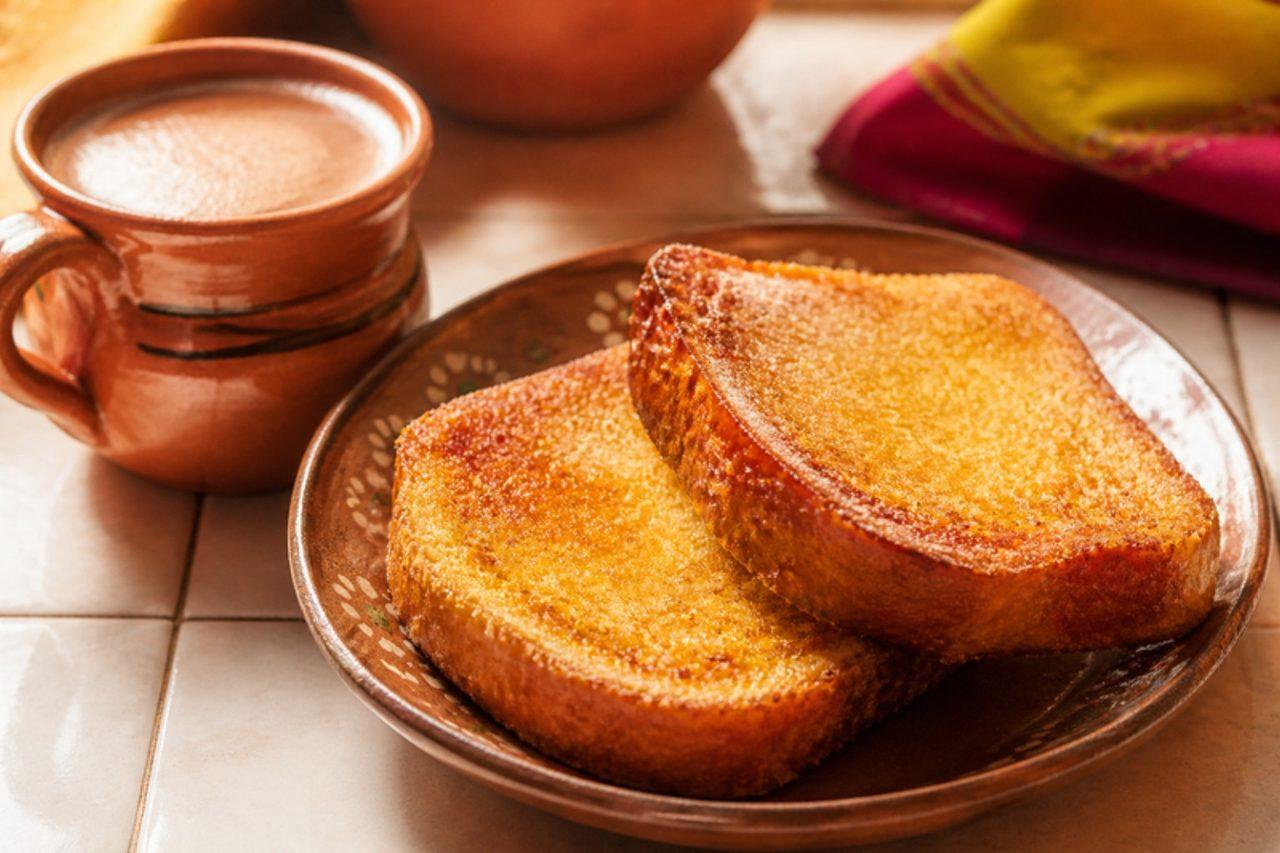
Rebanadas de mantequillaButtered sweet bread slices

When yesterday's pan dulce goes stale, Mexican bakeries slice it thick, spread it with butter, dust it with sugar and toast it until crisp, and the result, rebanadas, often sells out first. At home it is a ten-minute afternoon treat with hot chocolate or a glass of cold milk, and a good way to use up a loaf of brioche, a pan de yema or a few bolillos. This version uses butter, so it is vegetarian. Chef's tip: let the butter get really soft so it sinks into the bread instead of sitting on top.

by KrazyBadal 0 views

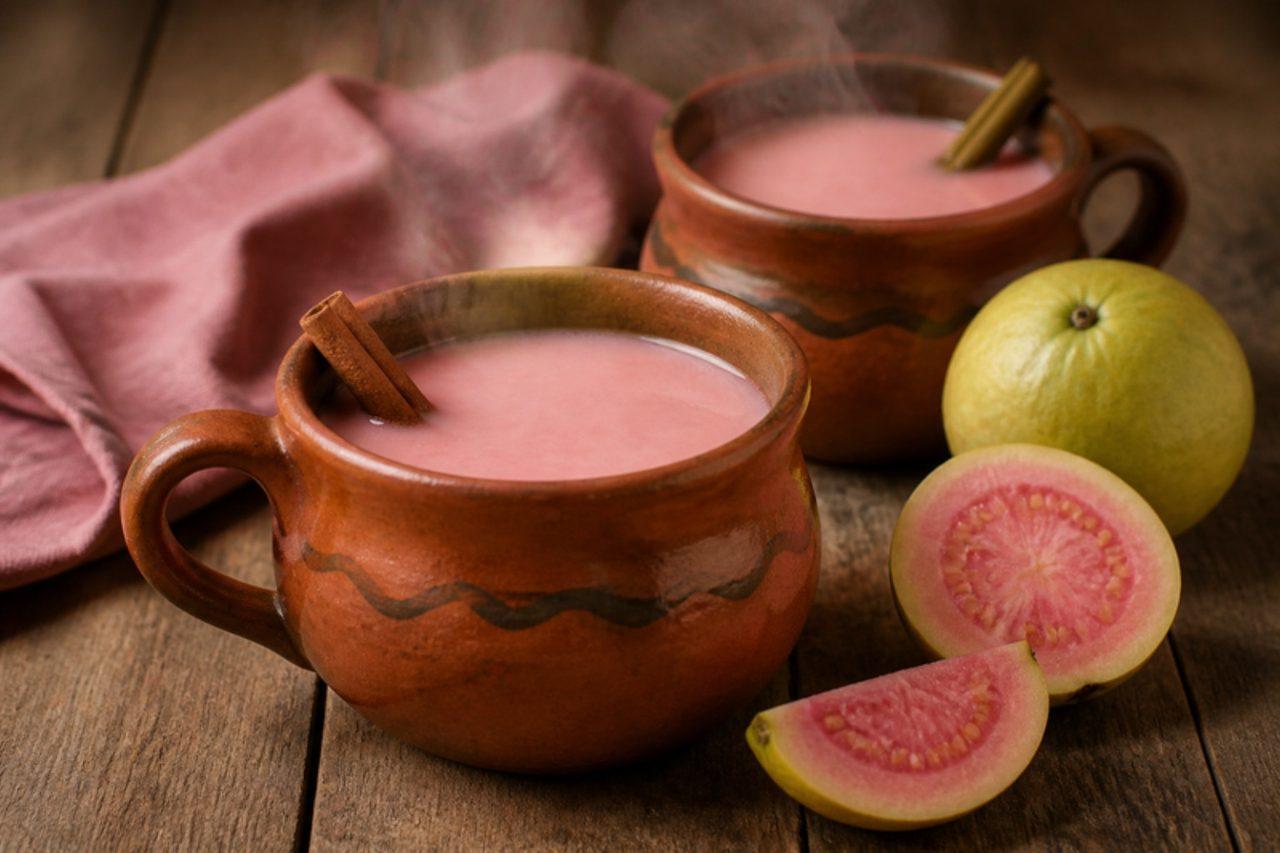
Atole de guayabaGuava masa drink

In the cold months, when guavas from Aguascalientes and Michoacán perfume the markets, street vendors in Mexico City ladle atole de guayaba from big steaming pots beside the tamal cart. Ripe guava is blended with milk, strained and thickened with cornflour into a pink, creamy, fragrant drink. It contains dairy. Chef's tip: add the blended guava only once the milk is thickened and off the boil, so the milk doesn't curdle.

by KrazyBadal 0 views

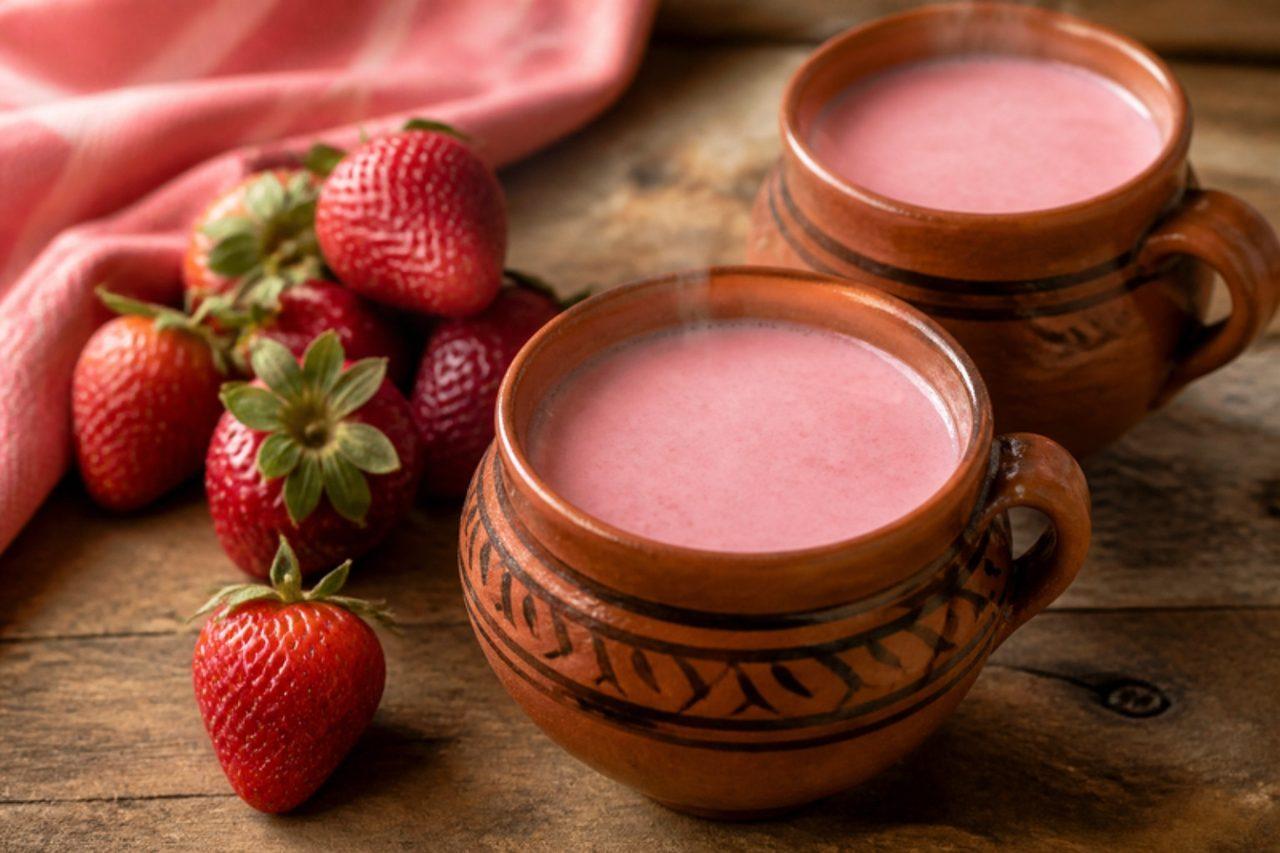
Atole de fresaStrawberry masa drink

Pink, warm and sweet, atole de fresa is a children's favourite in Mexico City and Irapuato, the strawberry capital of Guanajuato, sold in polystyrene cups alongside tamales for breakfast. Fresh strawberries are blended with milk and thickened with a little masa, which gives a gentle corn flavour under the fruit. It contains dairy. Chef's tip: blend the strawberries raw and add them at the end, so the drink keeps its bright colour.

by KrazyBadal 0 views

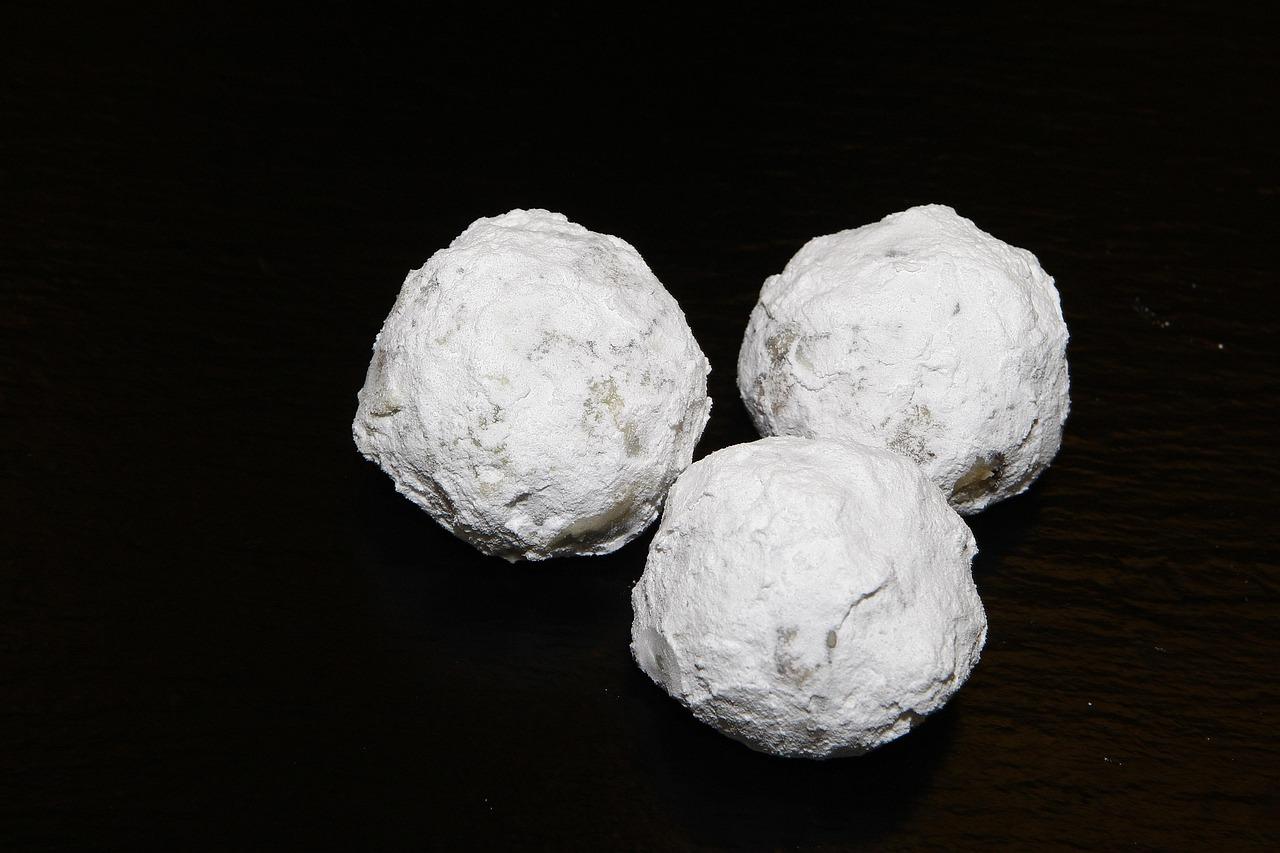
Polvorones de nuezPecan butter cookies

Christmas cookie tins, wedding tables and bakery counters all over northern and central Mexico hold polvorones, small domes of toasted pecan shortbread that crumble to dust in the mouth, which is how they got their name. They are rolled twice in icing sugar, once warm and once cold, so they look snowy. Old recipes used lard; this one uses butter, so it is vegetarian, and it contains wheat and tree nuts. Chef's tip: toast the pecans first, which turns a plain cookie into a deeply nutty one.

by KrazyBadal 0 views

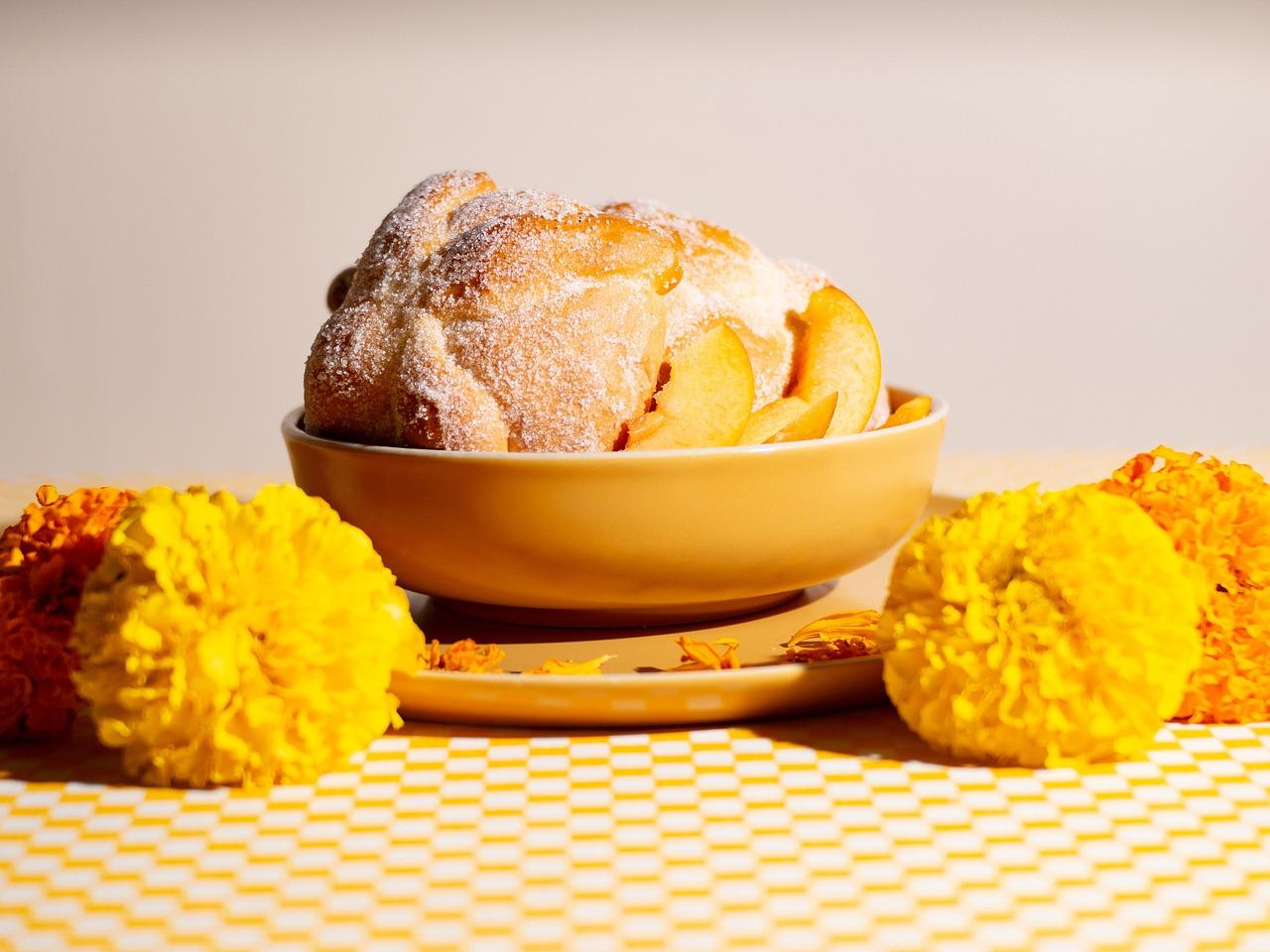
Pan de muertoDay of the Dead bread

From mid-October, bakeries from Mexico City to Puebla stack their shelves with these domed loaves, and families set one on the ofrenda for the souls who return on 1 and 2 November, then share the rest with hot chocolate. The crumb is soft and rich with butter and egg, scented with orange zest and orange-blossom water, and the knobbly strips across the top stand for bones, with a small ball for the skull. A sugar crust or a dusting of sesame finishes it. Chef's tip: shape the bones from dough you have held back and chilled, so they keep their ridges instead of melting flat in the oven.

by KrazyBadal 0 views

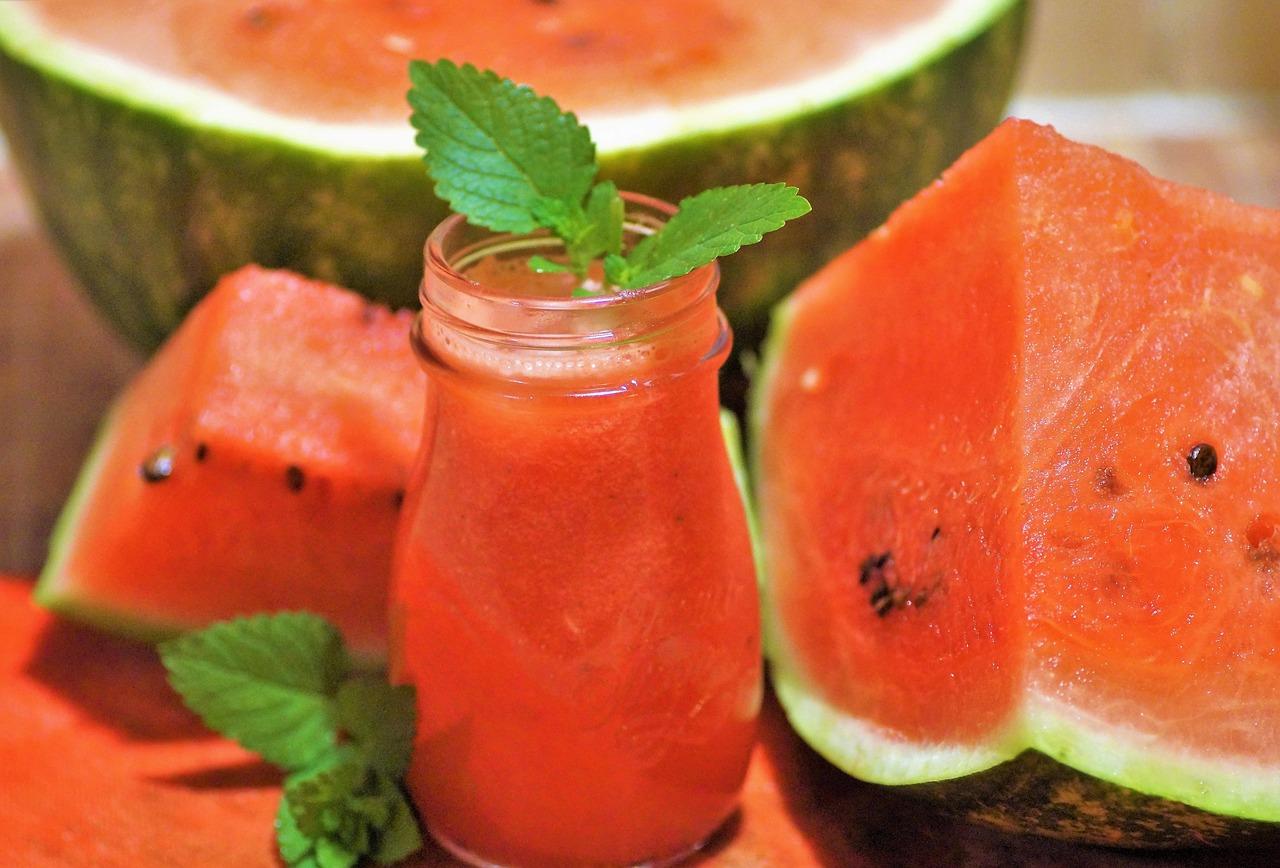
Agua de sandíaWatermelon drink

When watermelons are piled high in the markets of Jalisco and Sonora in summer, almost every taquería has a jar of bright pink agua de sandía next to the horchata. It needs only ripe watermelon, water, a squeeze of lime and a touch of sugar, and children love it. Chef's tip: a very ripe melon may need no sugar at all, so taste before you sweeten.

by KrazyBadal 0 views

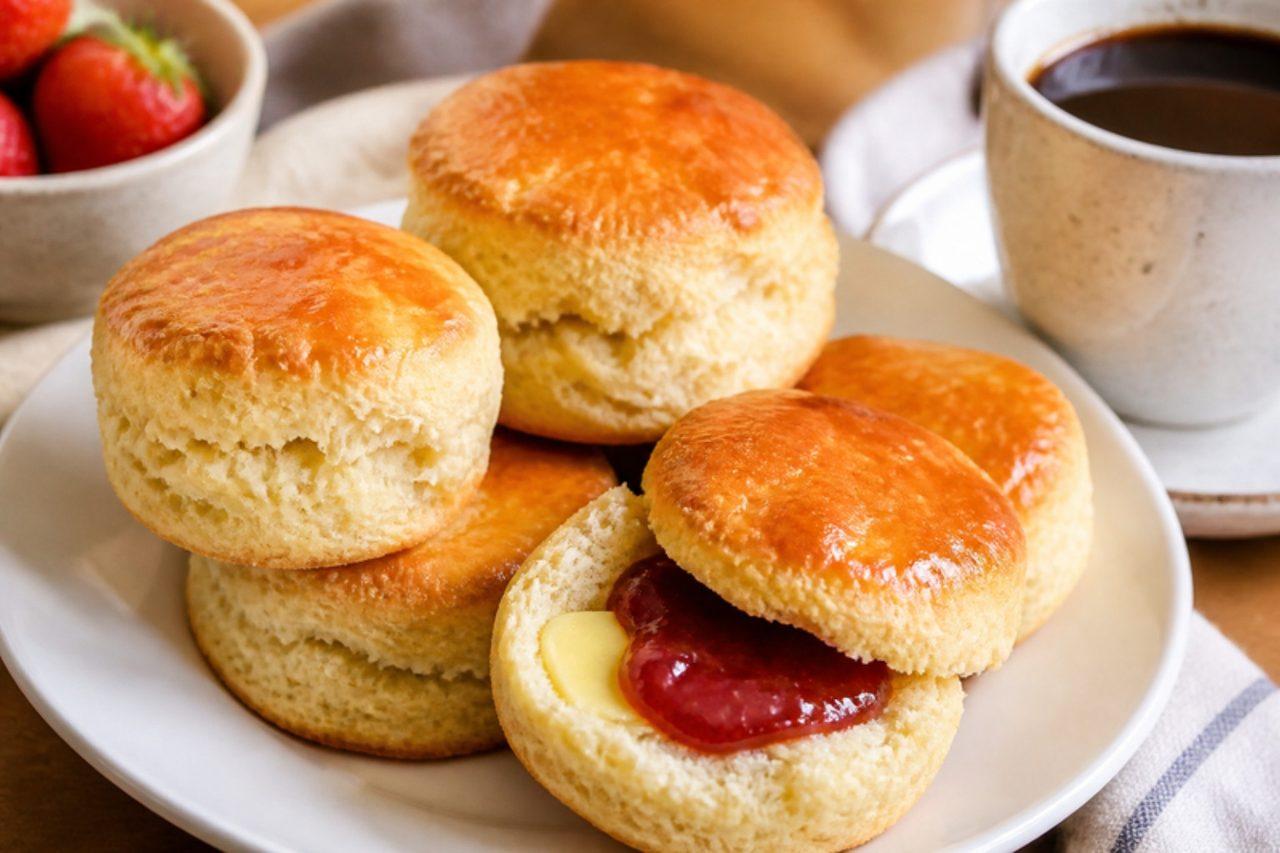
Bisquets mexicanosFlaky biscuits

Mexico City cafés such as the old breakfast halls of the Centro serve bisquets split hot with butter and strawberry jam alongside café con leche. They are taller, sweeter and more cake-like than American biscuits, with a shiny egg-washed top and layers that pull apart. They contain wheat, egg and dairy. Chef's tip: cut straight down with a sharp cutter and never twist, so the sides stay open and the bisquets rise tall.

by KrazyBadal 0 views

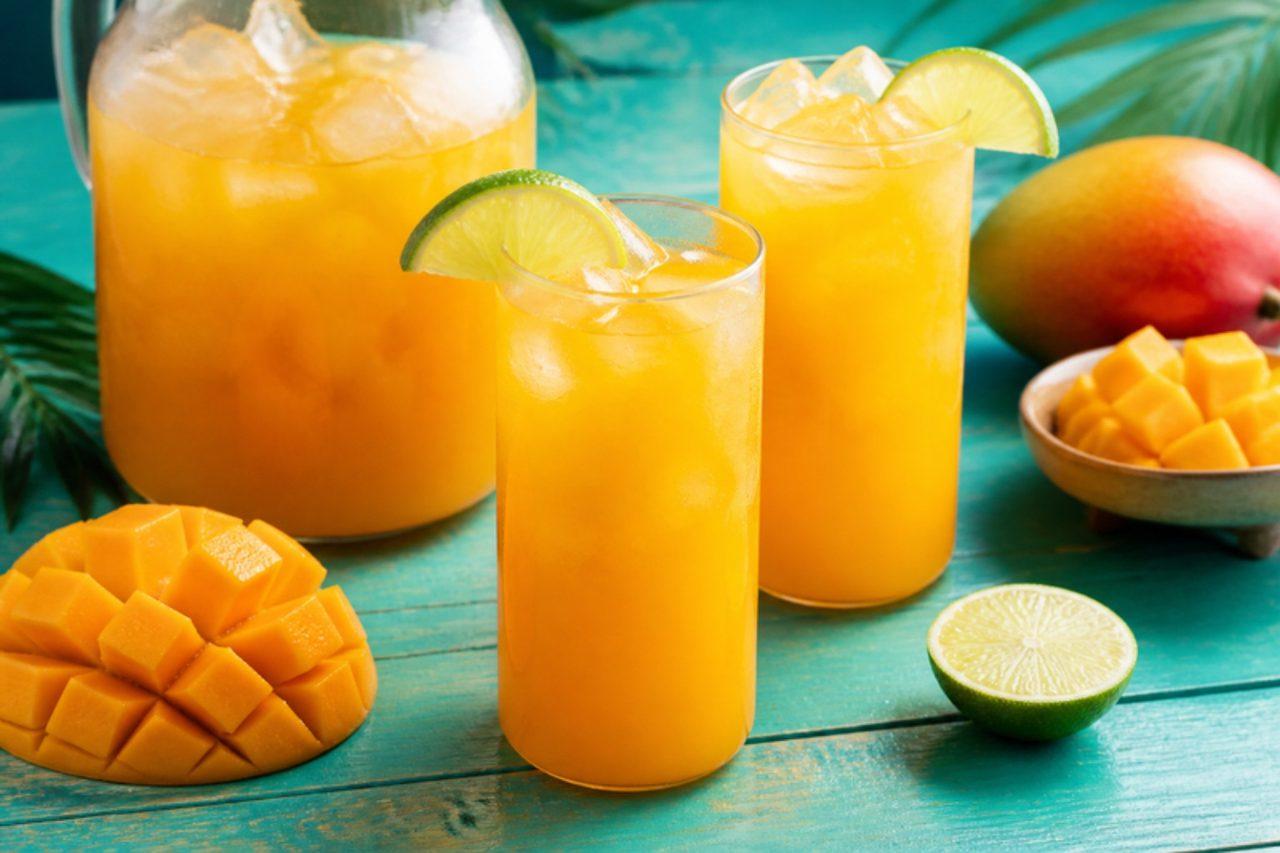
Agua de mangoMango drink

In April and May, when Ataulfo mangoes from Chiapas and Manila mangoes from Veracruz flood the markets, agua de mango becomes the drink of every comida corrida. It is thick, golden and very fruity, sharpened with lime. Chef's tip: use soft, fully ripe yellow mangoes with wrinkled skin; they need far less sugar and give a smooth, fibre-free drink.

by KrazyBadal 0 views

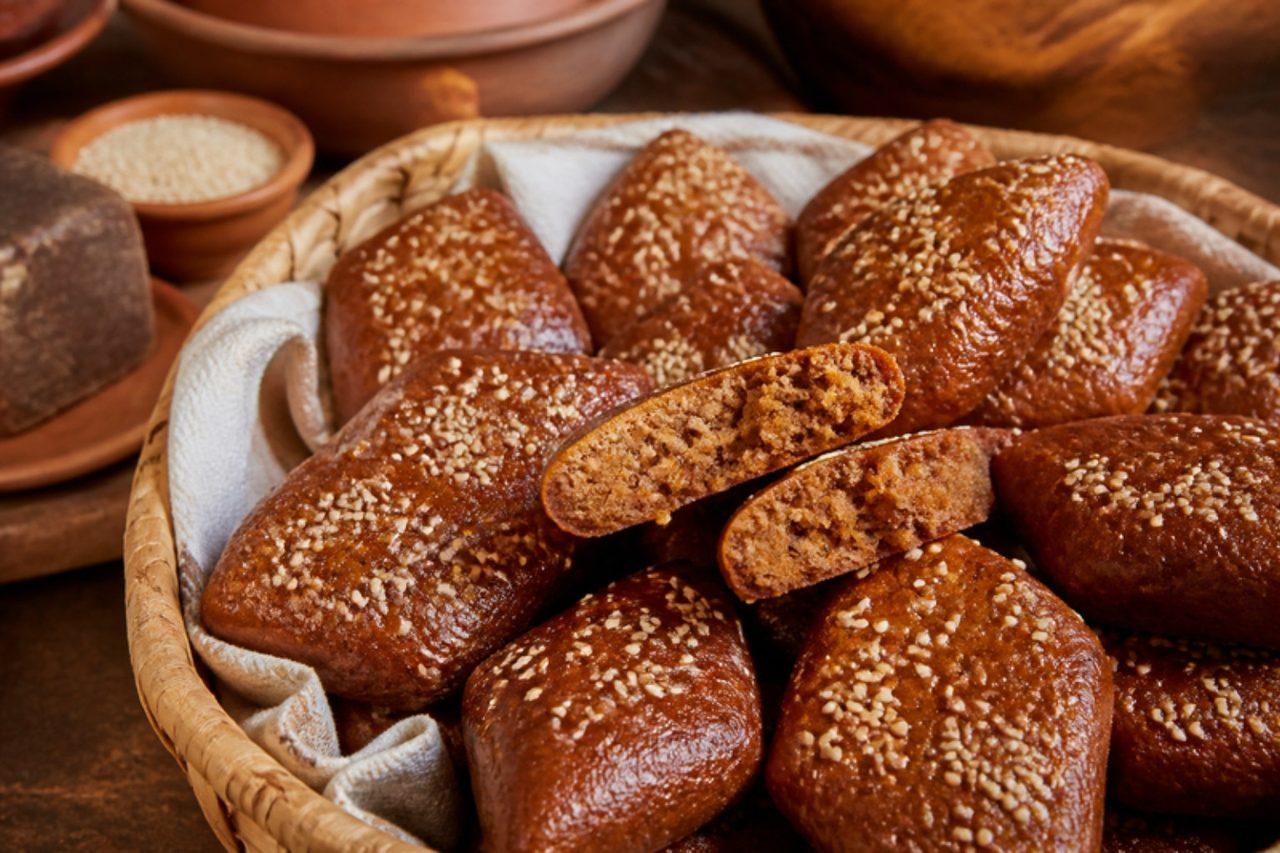
CocolesAnise sweet bread

In the markets of Puebla, Tlaxcala and Mexico City, cocoles are the plain, honest bread of the morning: diamond-shaped, deep brown from piloncillo, fragrant with anise and studded with sesame seeds on top. They are not very sweet, so people eat them with café de olla or split them for a cheese torta. Old bakers used lard; this version uses vegetable shortening, so it stays vegetarian and vegan. Chef's tip: steep the anise in the warm piloncillo syrup, so its flavour runs through every bite.

by KrazyBadal 0 views

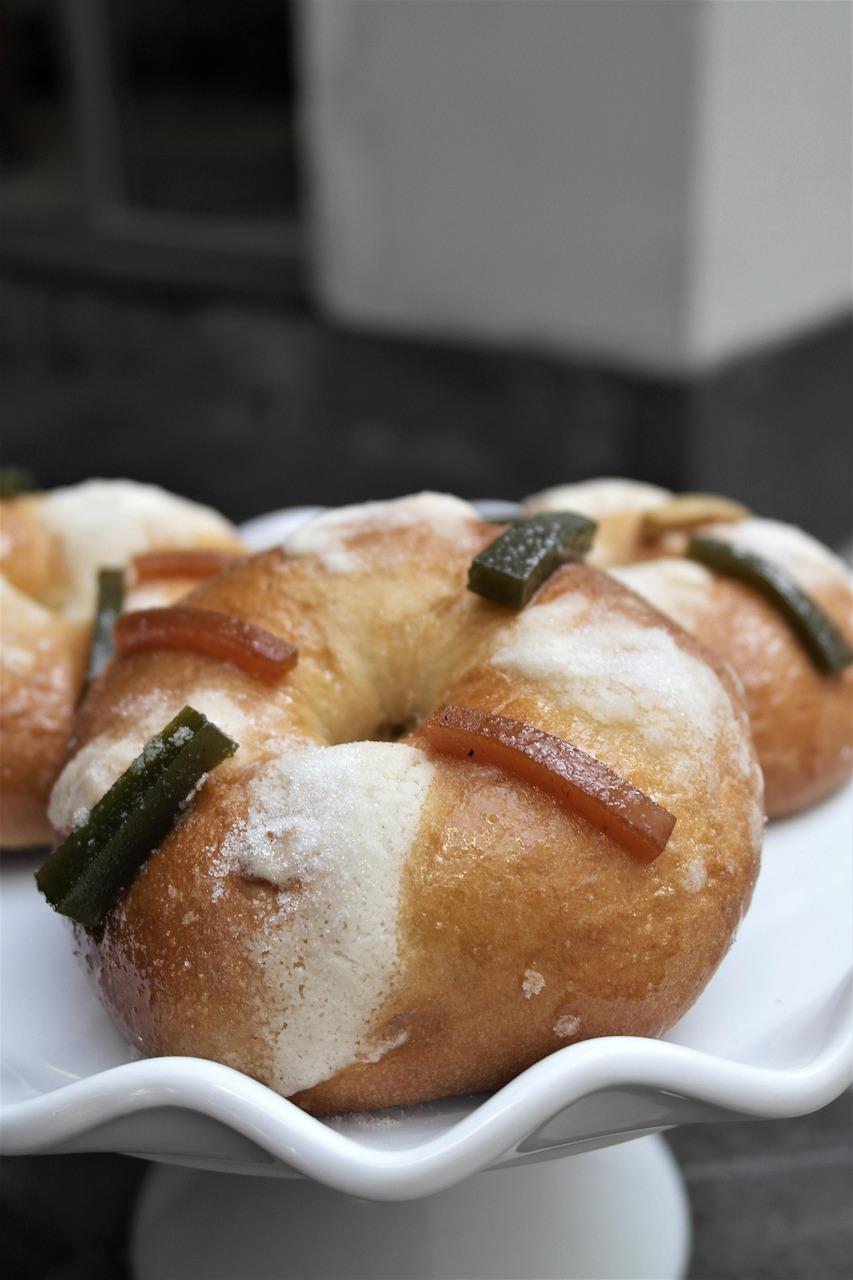
Rosca de reyesEpiphany bread ring

On the evening of 5 or 6 January, offices, schools and families all over Mexico cut a rosca de reyes for the Three Kings, washing it down with hot chocolate. The soft orange-scented ring is jewelled with candied fig, quince paste and cherries and striped with crunchy sugar paste; hidden inside is a tiny figure of the baby Jesus, and whoever finds it in their slice must host a tamales party on 2 February. Always tell guests there is a figurine and warn little children, as it is a choking risk; a whole almond is a safer stand-in. Chef's tip: push the figure in from underneath after baking, so it does not melt or show.

by KrazyBadal 0 views

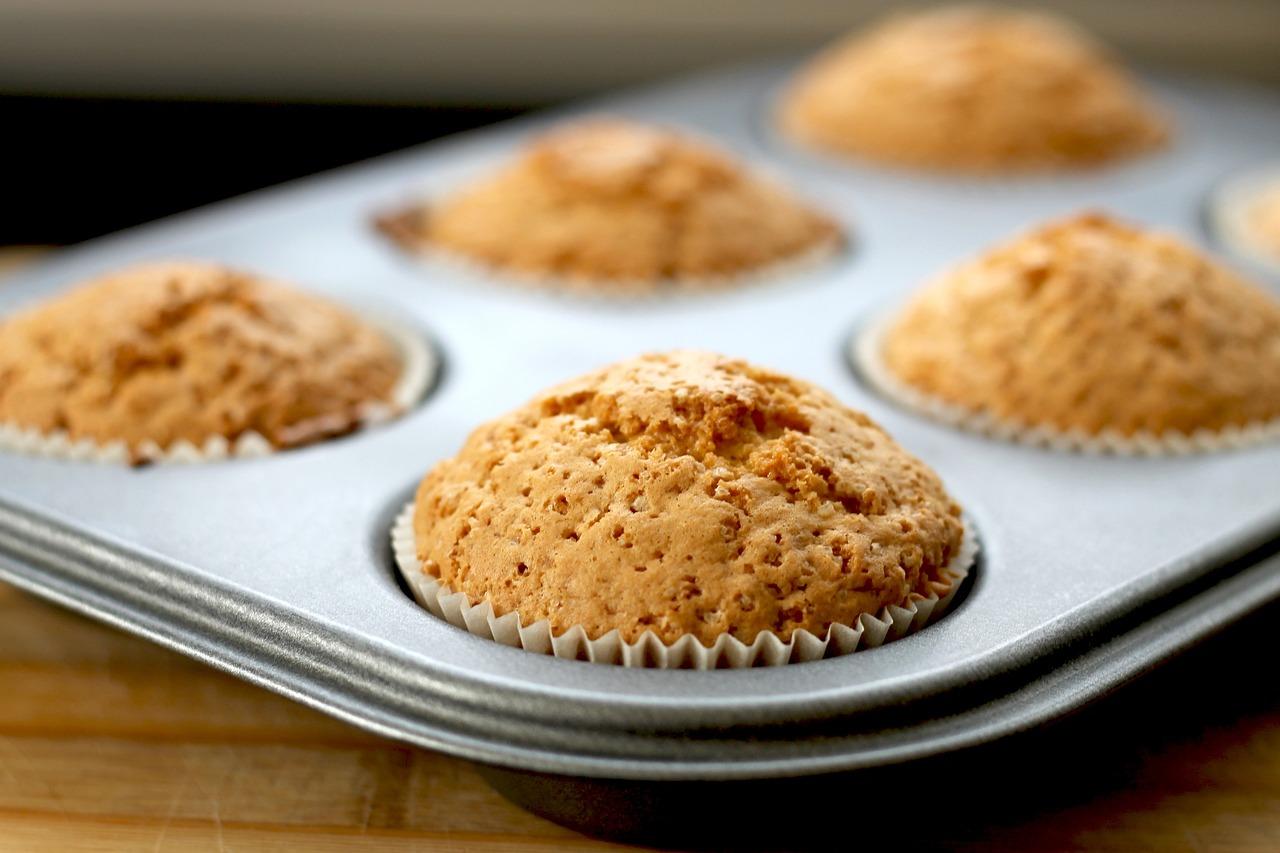
MantecadasMexican muffins

Red pleated paper cups give mantecadas away at once on the bakery tray, from Monterrey to Mérida. Inside is a tender, golden, slightly orange-scented sponge, richer than a cupcake and topped with a domed crust, eaten for breakfast or merienda with milky coffee. They contain egg, butter and wheat. Chef's tip: let the batter rest for 20 minutes before baking, which gives the tall, cracked dome bakery mantecadas are known for.

by KrazyBadal 0 views

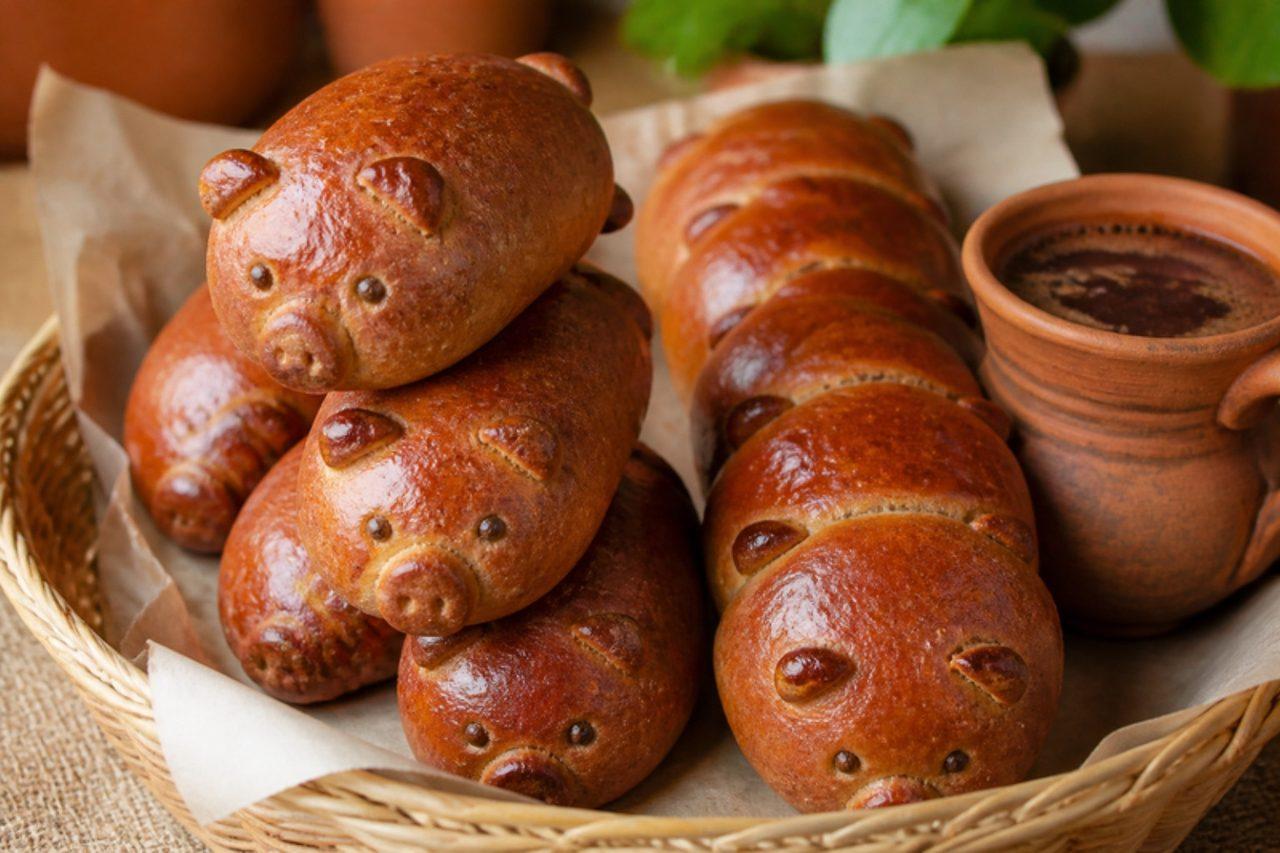
Marranitos de piloncilloPig-shaped gingerbread biscuits

Every pan dulce case in Mexico has a row of little brown pigs, called marranitos in the centre, cochinitos in the north and puerquitos in between. They are soft, cakey biscuits sweetened with dark piloncillo cane sugar, spiced with cinnamon and a touch of anise, and dunked into café de olla or cold milk in the afternoon. They are made here with butter, so they suit vegetarians, and contain egg and wheat. Chef's tip: roll the dough thick, about 1 cm, because thin pigs bake into hard crackers instead of soft cakes.

by KrazyBadal 0 views

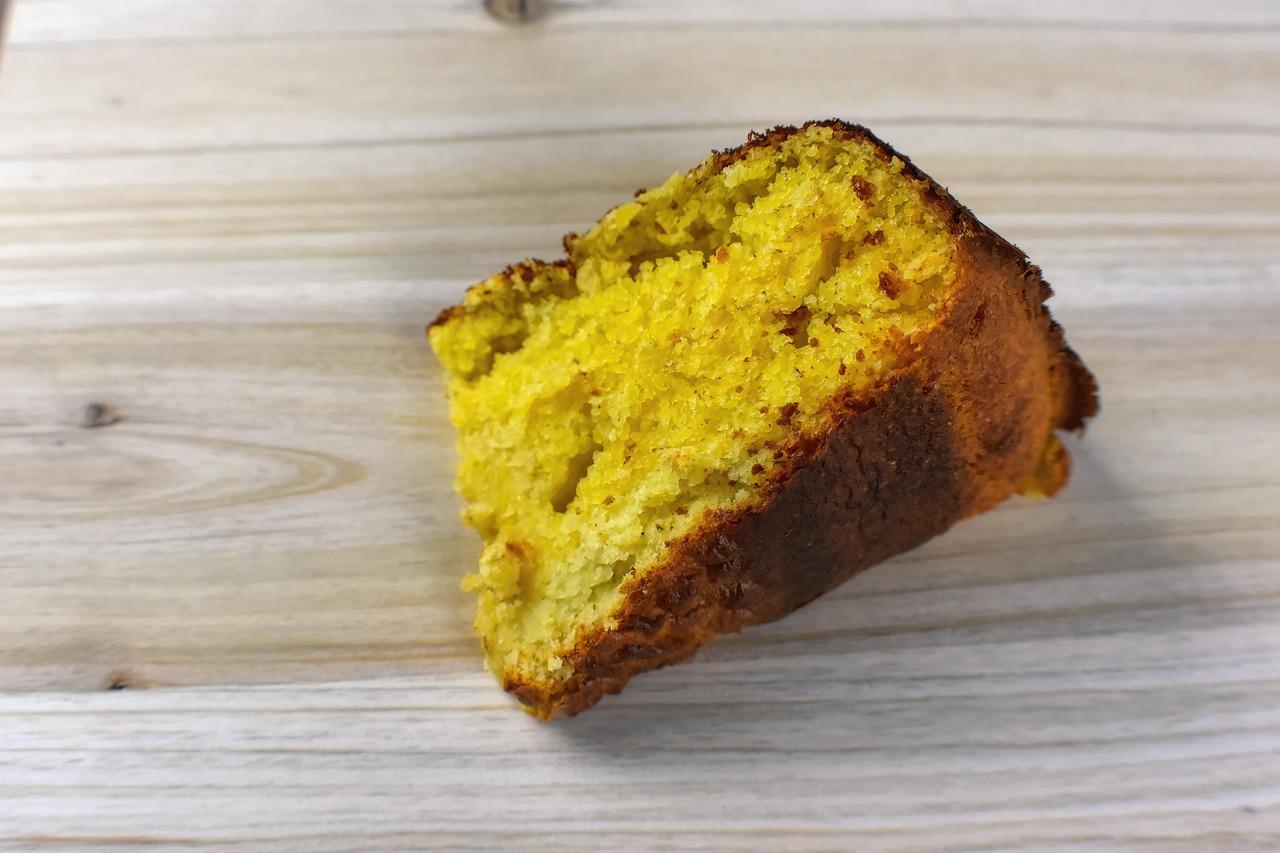
Pan de eloteFresh corn cake

Across central Mexico, from Morelos to the State of Mexico, pan de elote is baked when fresh corn is cheap in late summer and sold by the slice at market stalls. Despite its name it is more cake than bread: fresh kernels blended with butter, eggs and condensed milk bake into a dense, custardy, golden loaf that tastes of sweet corn. It contains wheat and egg. Chef's tip: use the starchiest, most mature corn you can find, because young sweetcorn makes a wetter, flatter cake.

by KrazyBadal 0 views

Agua de tuna (prickly pear drink)

Late summer is tuna season across the central highlands, from Hidalgo and the Estado de México down to Puebla's Teotihuacán valley, and that is when the big vitroleros in markets and taquerías turn shocking pink. Agua de tuna is just the cactus fruit blended with water, lime and a little sugar, strained, and poured over ice with lunch. Red tunas give a vivid colour and a taste between watermelon and pear; green ones make a paler, more herbal drink. It should be light and thirst-quenching, never syrupy. The commonest mistake is blending too long: the hard seeds crack and the agua turns gritty and slightly bitter. Pulse briefly, just enough to free the pulp, then strain well. It is ready when the liquid runs smooth through the sieve and tastes clearly of fruit with only a lift of lime. Handle unpeeled tunas with tongs or gloves: even 'cleaned' ones keep tiny glochids. Chef's tip: chill the peeled fruit before blending; cold pulp keeps its colour bright and needs less ice to dilute it.

by KrazyBadal 0 views

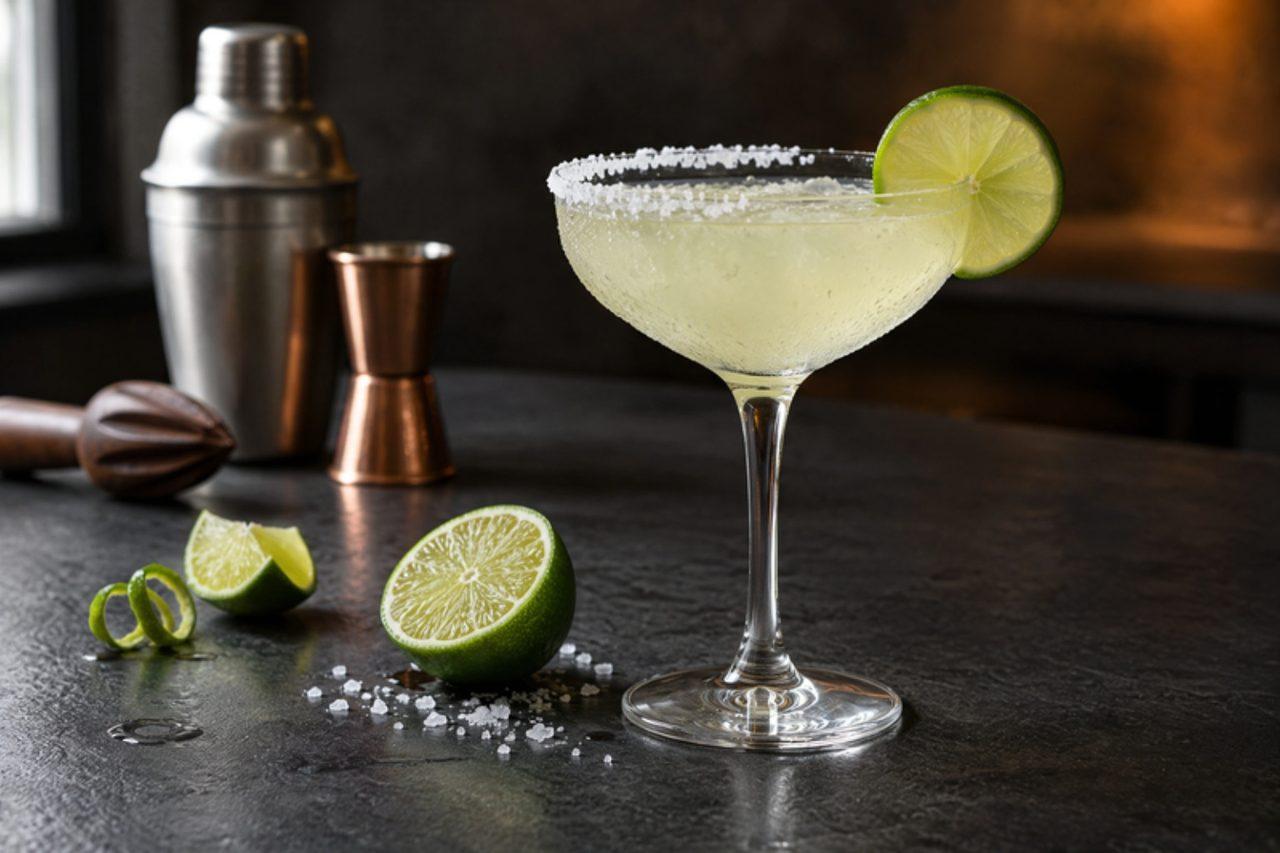
Margarita

Several towns along Mexico's northern border, from Tijuana and Ensenada to Ciudad Juárez, claim the margarita as their own, born in the 1930s and 40s when visitors crossed over for tequila and tacos. Today it is the Friday-evening drink of norteño restaurants and family parties, poured beside carne asada and guacamole. This version is for adults only and it is simple: good 100% agave blanco tequila, fresh lime and orange liqueur. It should be bright and tart first, then gently sweet, with the salt on the rim making the lime taste even sharper. The usual mistake is reaching for bottled lime juice or ready-made sour mix, which gives a flat, sugary drink with a chemical bite. Squeeze limes just before shaking. A second slip is salting the whole rim inside and out; salt only the outside of half the rim so each sip is your choice. It is ready when the shaker is too cold to hold comfortably and a thin layer of ice crystals floats on top. Enjoy one slowly and drink responsibly. Chef's tip: use coarse sea salt mixed with a little grated lime zest for the rim; it sticks better and smells of lime.

by KrazyBadal 0 views

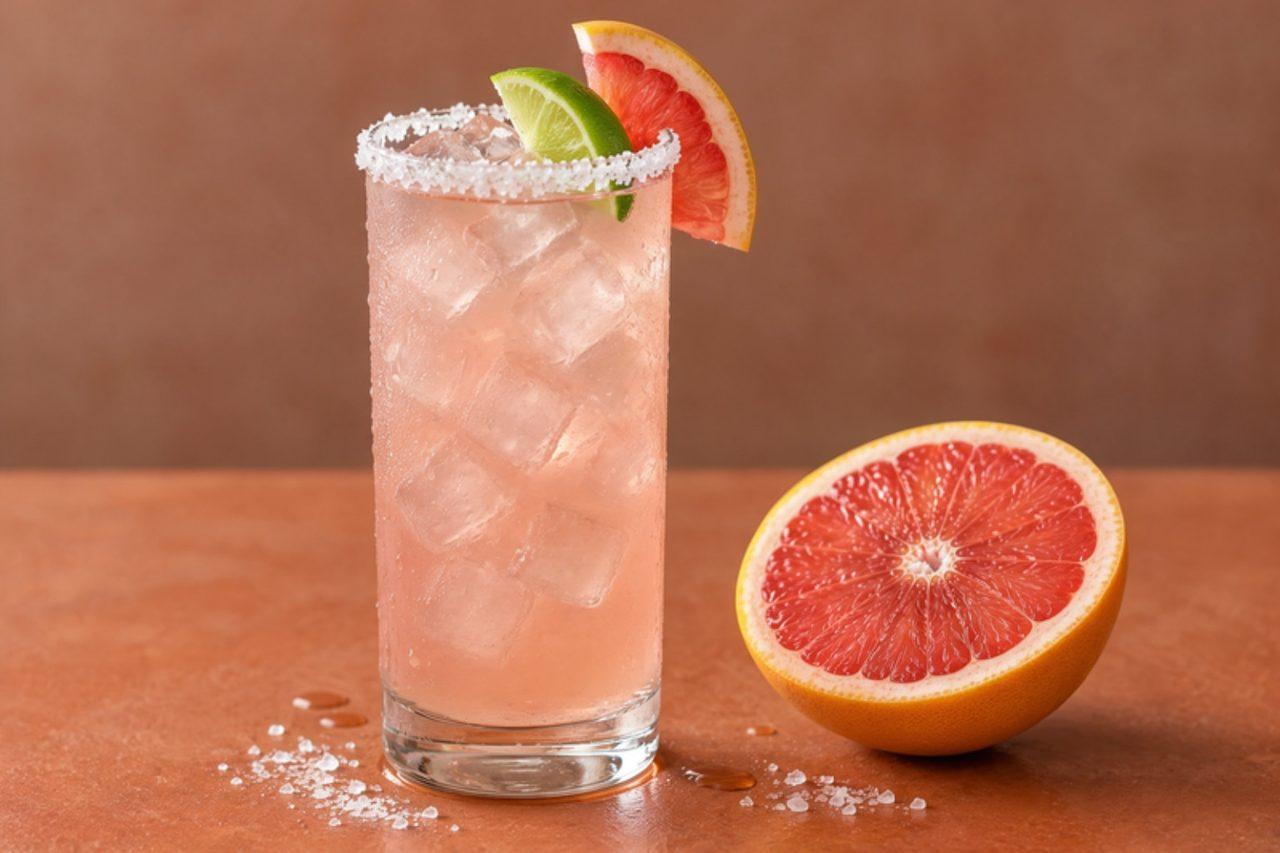
Paloma

Ask for a drink in a Guadalajara cantina or a family patio in the town of Tequila and you are more likely to get a paloma than a margarita. It is the easy Sunday drink of Jalisco, poured alongside birria, tortas ahogadas and plates of peanuts with chilli, and like every cocktail here it is for adults only. A paloma is tall, cold and fizzy: bitter-sweet grapefruit, a sharp hit of lime, the earthy agave of the tequila and a pinch of salt that makes the citrus pop. The common mistake is pouring the soda in hard and stirring like mad, which knocks out the bubbles and leaves a flat, sweet drink. Build it over plenty of ice, pour the soda down the side of the glass and lift once with a spoon. It is ready when the glass is beaded with cold, the salt rim is still crisp and the drink is still fizzing loudly. Keep a glass of water alongside and drink responsibly. If you cannot find Mexican grapefruit soda, use fresh pink grapefruit juice topped up with soda water and a little sugar syrup. Chef's tip: add a tiny pinch of salt to the drink itself, not just the rim; it softens the bitterness of the grapefruit.

by KrazyBadal 0 views

Agua de chilacayoteFig-leaf squash drink

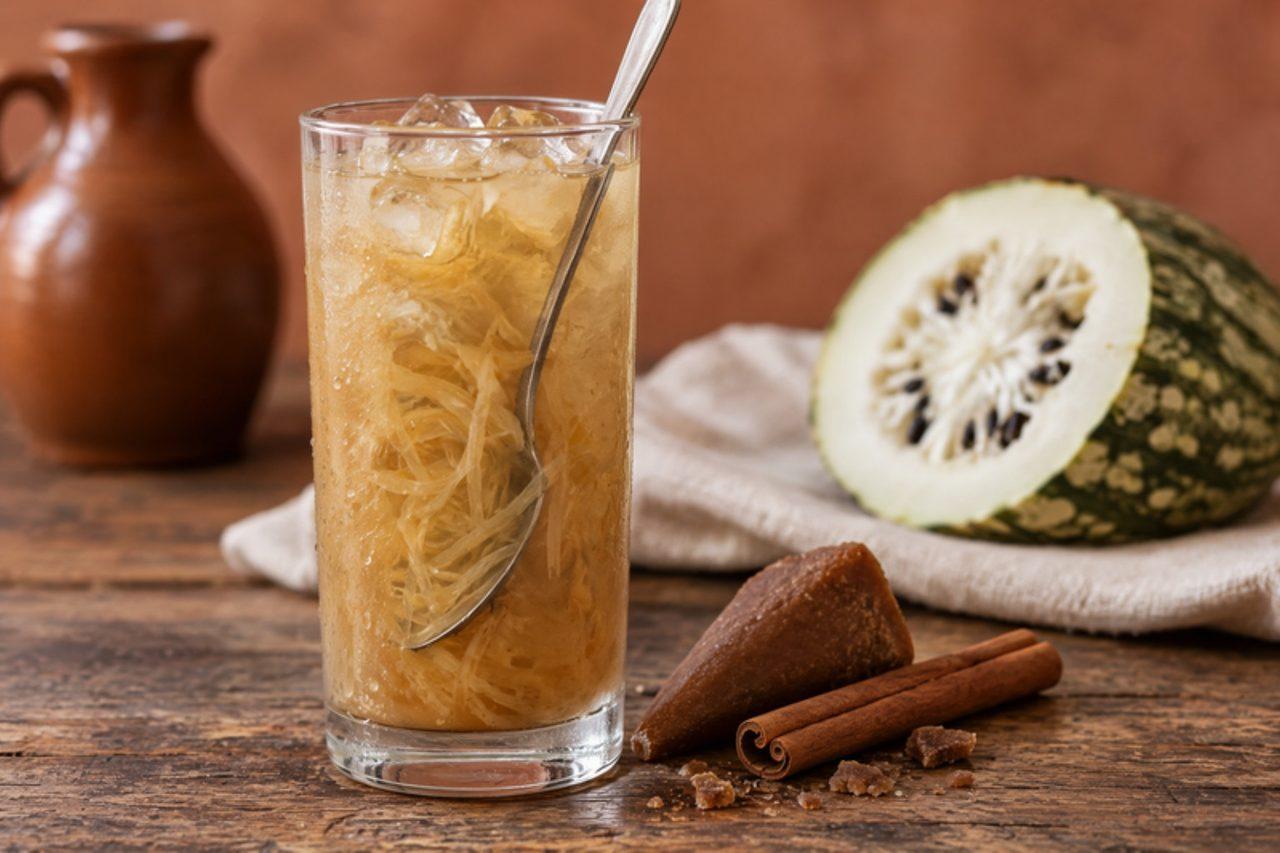
When the big, mottled chilacayote squashes ripen at the end of the rains, cooks in Oaxaca's valleys and the Mixteca of Puebla turn them into a drink you eat with a spoon. The flesh is cooked with dark piloncillo and cinnamon until it falls into translucent threads, then cooled and loosened with water; in Oaxaca it is ladled out of clay jars at fairs, weddings and the Day of the Dead, often with a little pineapple. It tastes like cinnamon-scented panela, with soft, slightly crunchy strands that slide up the straw. The usual mistake is boiling it to mush; overcooked flesh goes cloudy and the strands disappear. Simmer gently and stop when the threads separate easily with a fork but still have a little bite. It is ready when the syrup is amber and the strands look glassy. Chilacayote is hard to find outside Mexico; spaghetti squash is the best substitute and gives the same threads. Keeps 3 days in the fridge. Chef's tip: grate a little orange zest into the pot in the last minute to brighten the piloncillo.

by KrazyBadal 0 views

PinoleToasted corn drink

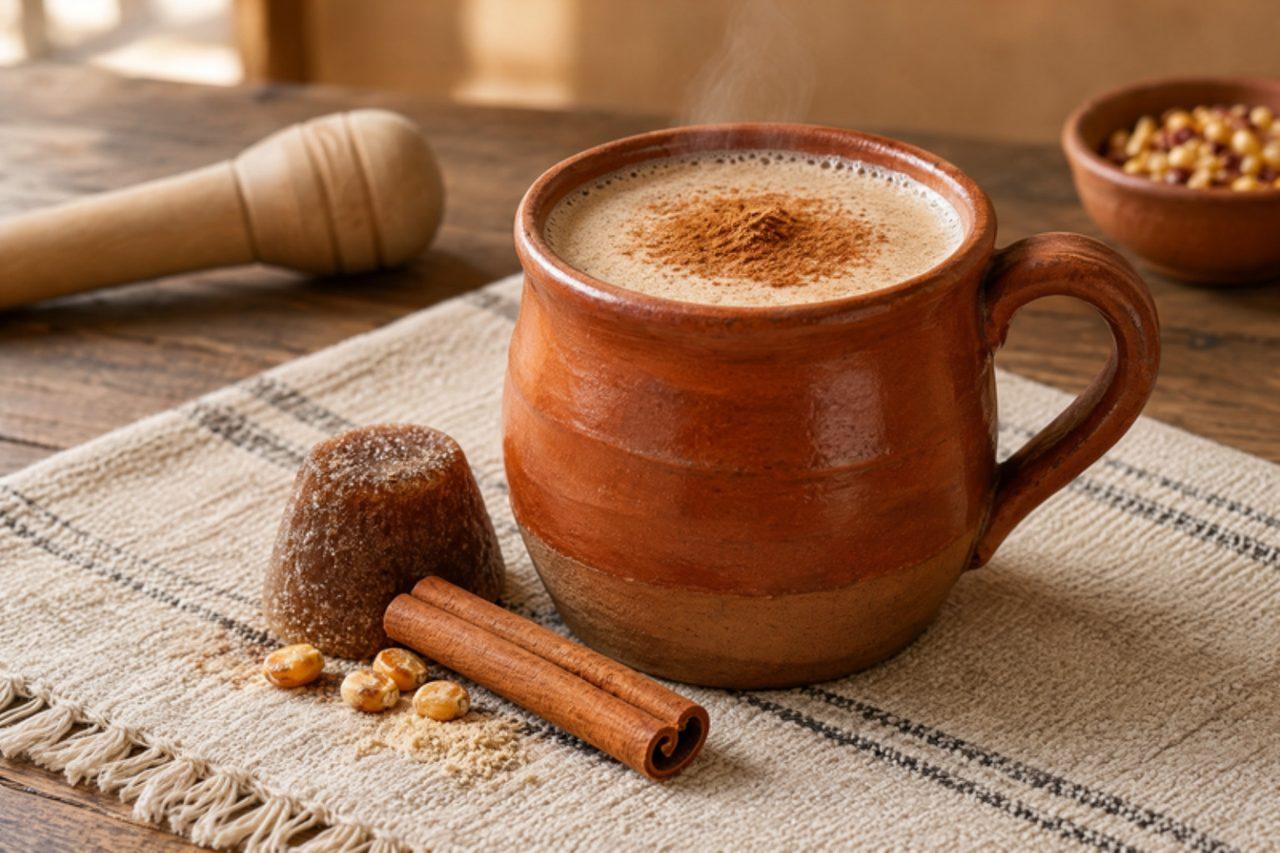
In the canyons of the Sierra Tarahumara in Chihuahua, Rarámuri runners set off at dawn carrying a pouch of pinole, corn kernels toasted on a clay comal and ground fine, to stir into cold water along the trail. Across northern Mexico it is still a breakfast drink, sweetened with piloncillo and cinnamon and stirred into water or warm milk. This version toasts coarse cornmeal at home for the same nutty, popcorn-like flavour. The common mistake is toasting over a high heat: the outside burns and turns bitter before the inside goes golden. Chef's tip: toast a big batch and keep it in a jar, so a morning cup is just two spoonfuls stirred into water.

by KrazyBadal 0 views

Showing 24 of 53 recipes

Show more recipes

Page 1 of 3