Skip to content
WhatToEat.Today

All recipes

49

Vegetarian, or something you can't eat? Set your diet once and we'll hide recipes that don't fit.

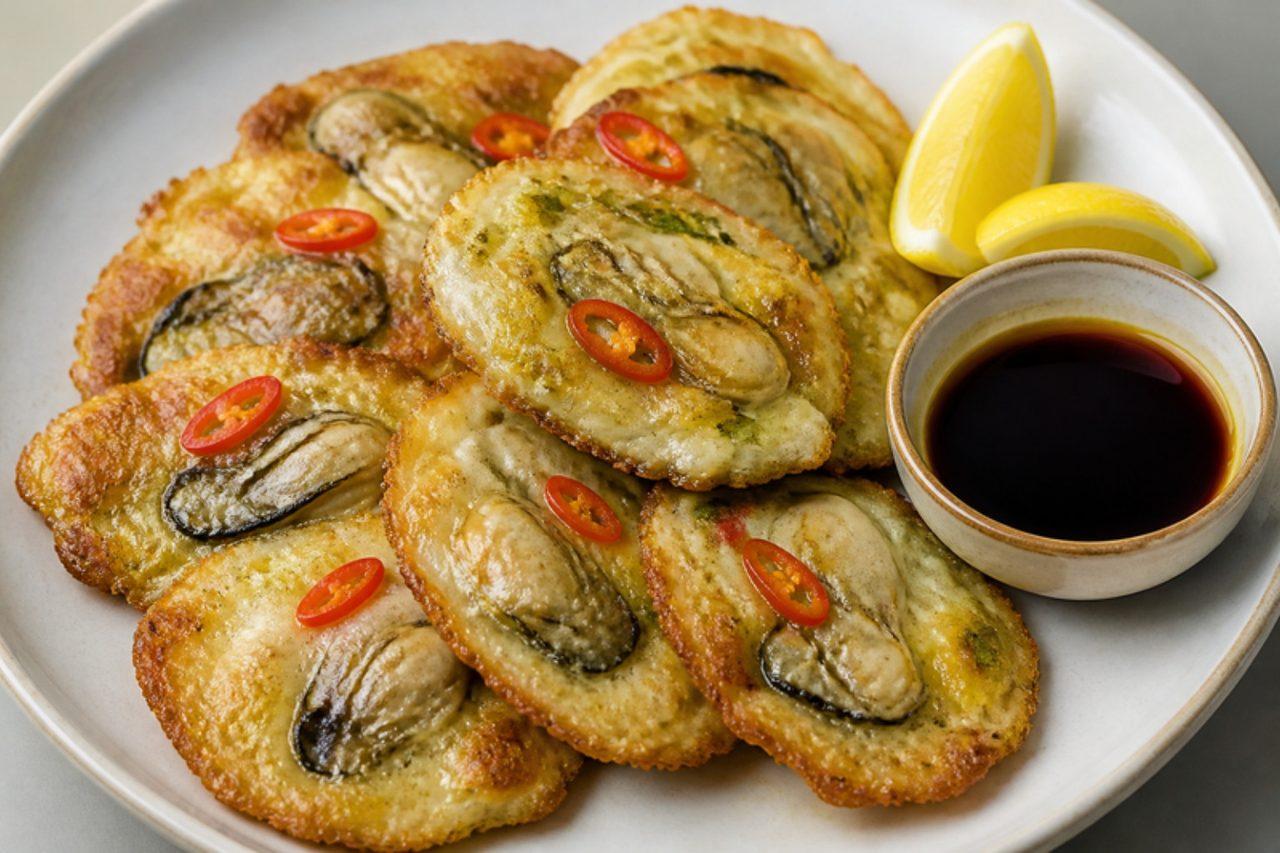
Gul jeon (oyster pancakes)

Oysters are at their sweetest in midwinter, just as Seollal arrives, and the farms around Tongyeong on Korea's south coast supply most of the country, so gul jeon are a treasured New Year treat. They are a quick, small luxury on a jeon platter that is otherwise mostly vegetables and pork, a taste of the sea brought to the family table for the new year. Each oyster is wrapped in a thin, tender egg coat, so the outside is golden and soft while the inside is briny, sweet and juicy. Use shucked fresh oysters from a tub or the fishmonger, and serve them hot with a soy-vinegar dip, a squeeze of lemon and steamed rice. Chef's tip: pat the oysters really dry, or the flour turns gluey and the oil spits.

20 minKoreanFish
by KrazyBadal 0 views

Omija hwachae (five-flavour berry punch)

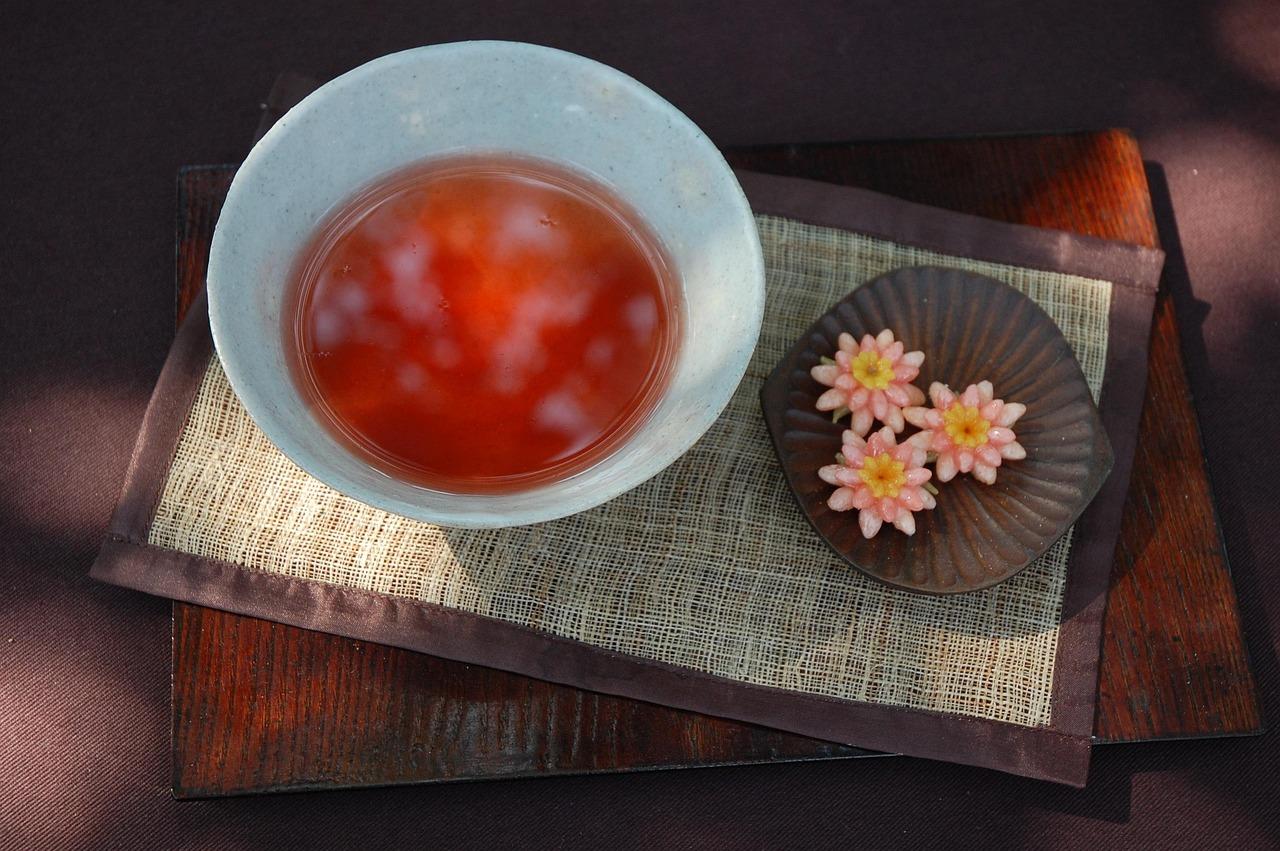
Across Korea, Dano marks the start of the hot season, and a bowl of hwachae is the old way to cool down. Omija means 'five flavours': the dried schisandra berries are sour, sweet, salty, bitter and pungent at once, and steeping them gives a ruby-pink drink that is tart and bright, said to refresh the body against summer fatigue. Honey is the traditional sweetener; sugar syrup keeps this version vegan and entirely alcohol-free. Float thin pear flowers and a few pine nuts on top and serve it beside tteok or yakgwa. Chef's tip: steep the berries in cold water only, because hot water pulls out their bitterness and the colour turns murky.

by KrazyBadal 0 views

Saeu jeon (shrimp pancakes)Prawn pancakes

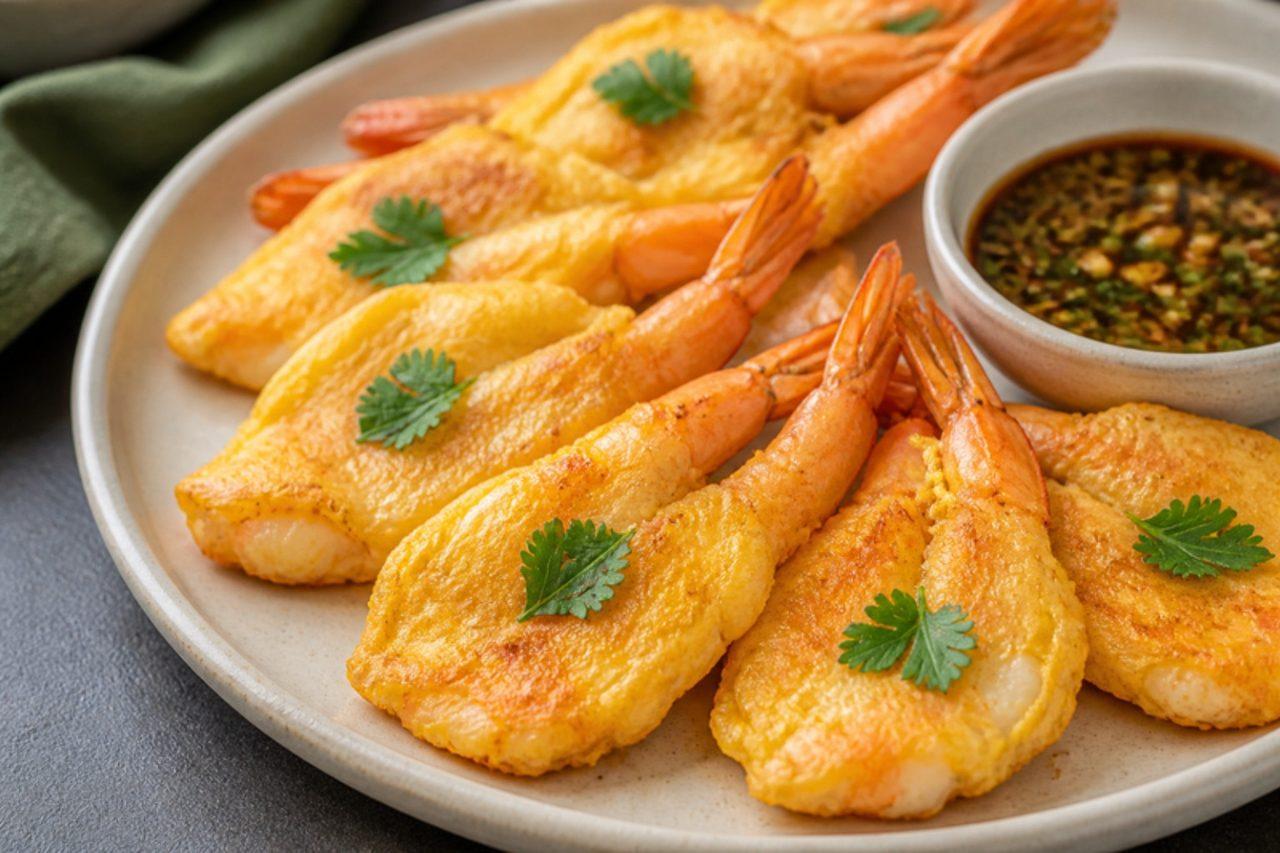
Saeu jeon are a celebratory addition to the jeon platter for Seollal and Chuseok in homes all over Korea; prawns, with their bent backs, have long stood for a wish to live until you are old and stooped. Butterflied and pressed flat, each prawn turns into a neat golden fan with a pink tail, sweet and tender inside a soft egg coat. Children love them, and they disappear faster than anything else on the table. Serve with a soy-vinegar dip, japchae and rice. Chef's tip: make a few shallow cuts across the inner belly before flattening; it stops the prawns curling up in the pan.

25 minKoreanFish
by KrazyBadal 0 views

Galchi jorimBraised hairtail with radish

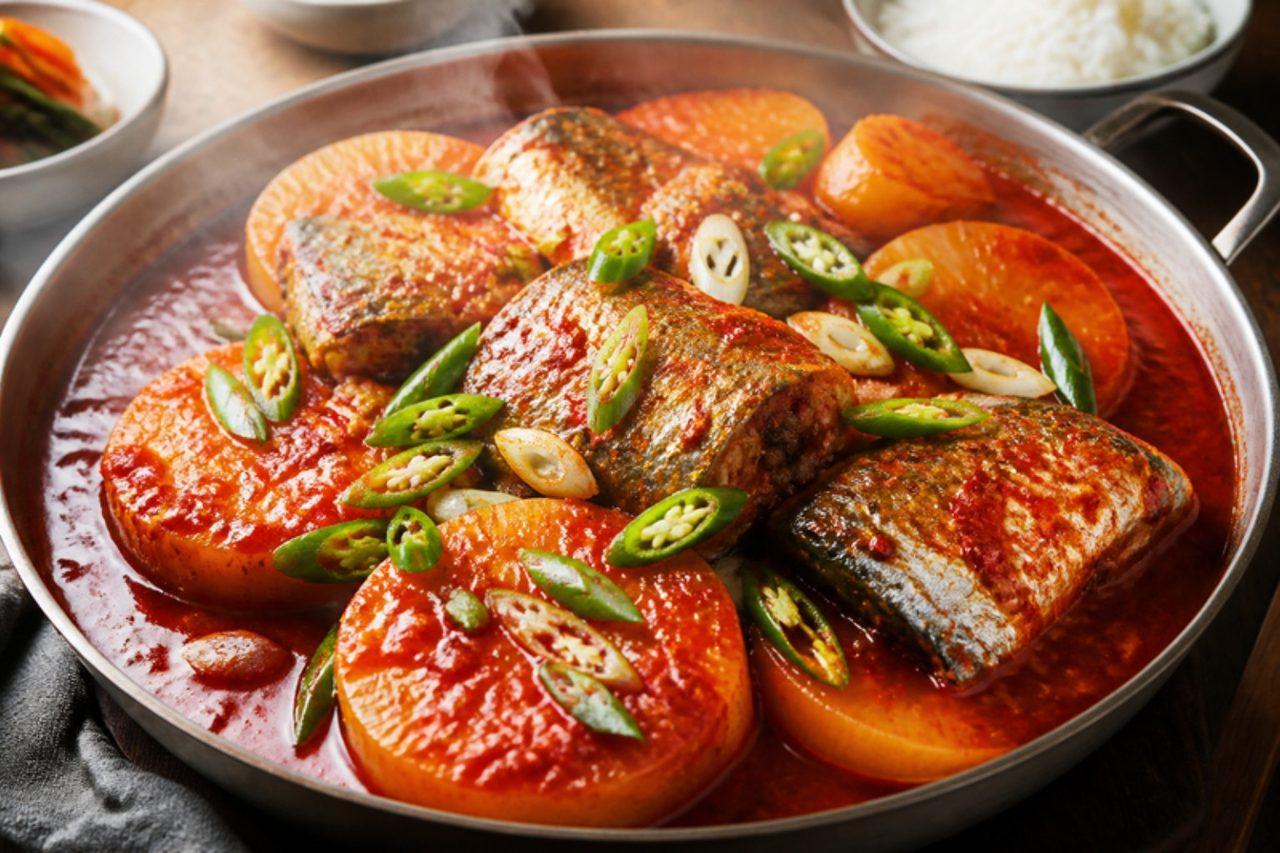
On Jeju island, the silvery hairtail caught on long lines at night by boats off Seogwipo is the pride of the local restaurants, and galchi-jorim is how islanders eat it most: pieces of the long, thin fish braised over thick slices of radish and potato in a bright red sauce of gochugaru, soy and garlic until the radish soaks up all the flavour. It is spicy, sweet and savoury and eaten with lots of rice. A portion is about 260 kcal. Hairtail has a soft, fine flesh and fine bones that lift away when cooked. The common mistake is stirring the pot, which breaks the delicate fish; spoon the sauce over instead. Chef's tip: put the radish on the bottom of the pan and the fish on top; the radish protects the fish from the heat and drinks up the sauce.

40 minKoreanFishSpicy
by KrazyBadal 0 views

Gyeongju breadRed bean pastries

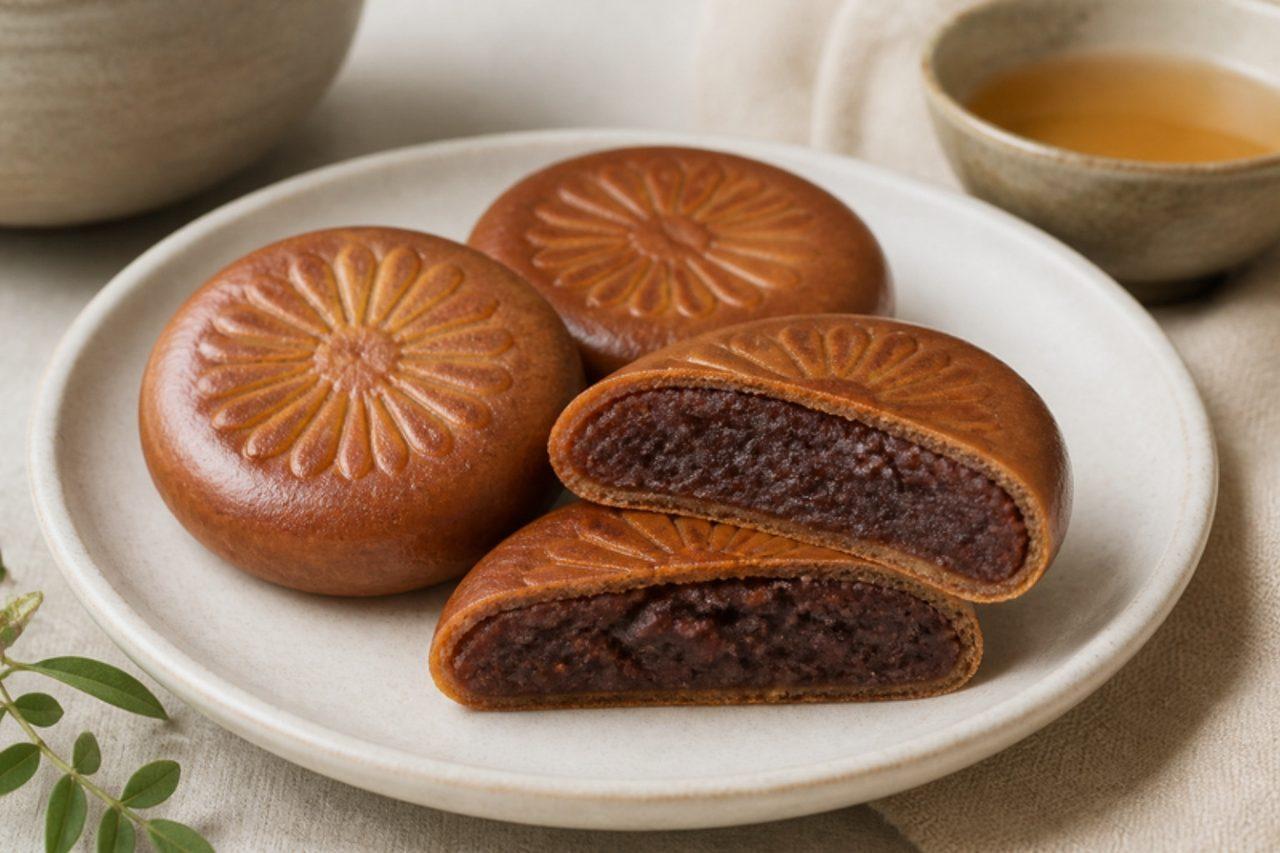
Near the grassy royal tombs of Gyeongju, the ancient Silla capital, a baker in Hwangnam-dong began making these small round pastries in 1939, and the city's shops have sold them by the boxful ever since. Gyeongju bread (황남빵, also called Gyeongju-ppang) is mostly filling: a generous ball of coarse red bean paste in a skin so thin it looks painted on, stamped with a flower pattern and glazed until shiny brown. It tastes gently sweet and nutty, soft and moist rather than bready, and it is the souvenir every visitor carries home, eaten with barley tea or green tea. The usual mistake is a dough shell that is too thick, which bakes into a cookie and hides the bean flavour; aim for roughly one part dough to two and a half parts filling. Chef's tip: press the pattern in with a small cookie stamp or the back of a citrus press dipped in flour, while the buns are cold and firm, so the design stays sharp.

by KrazyBadal 0 views

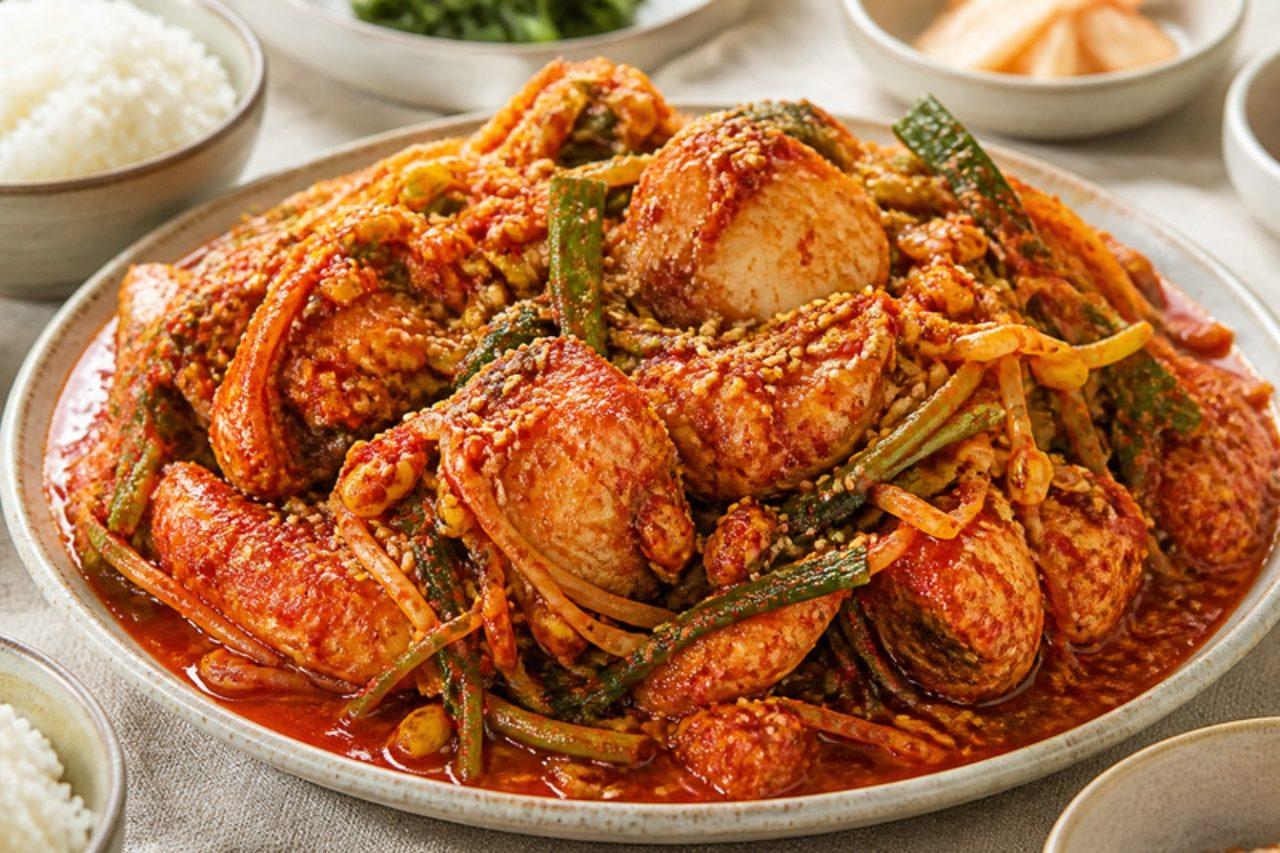
AgujjimSpicy steamed monkfish

Agu-jjim was invented in the 1960s in the port of Masan in South Gyeongsang, where fishermen's taverns started braising the ugly monkfish they used to throw back, and Masan's "agu-jjim street" is still full of restaurants serving it on huge platters to share. Chunks of firm monkfish are cooked with a mountain of crunchy soybean sprouts and minari in a fiery gochugaru sauce, thickened with starch until glossy. It is spicy, juicy and low in fat. A portion is about 240 kcal. The common mistake is cooking the bean sprouts too long; they should stay crisp, so add them only for the last few minutes. Chef's tip: steam the monkfish before saucing; it releases a lot of water, which you pour off so the sauce stays thick and red.

45 minKoreanFishSpicy
by KrazyBadal 0 views

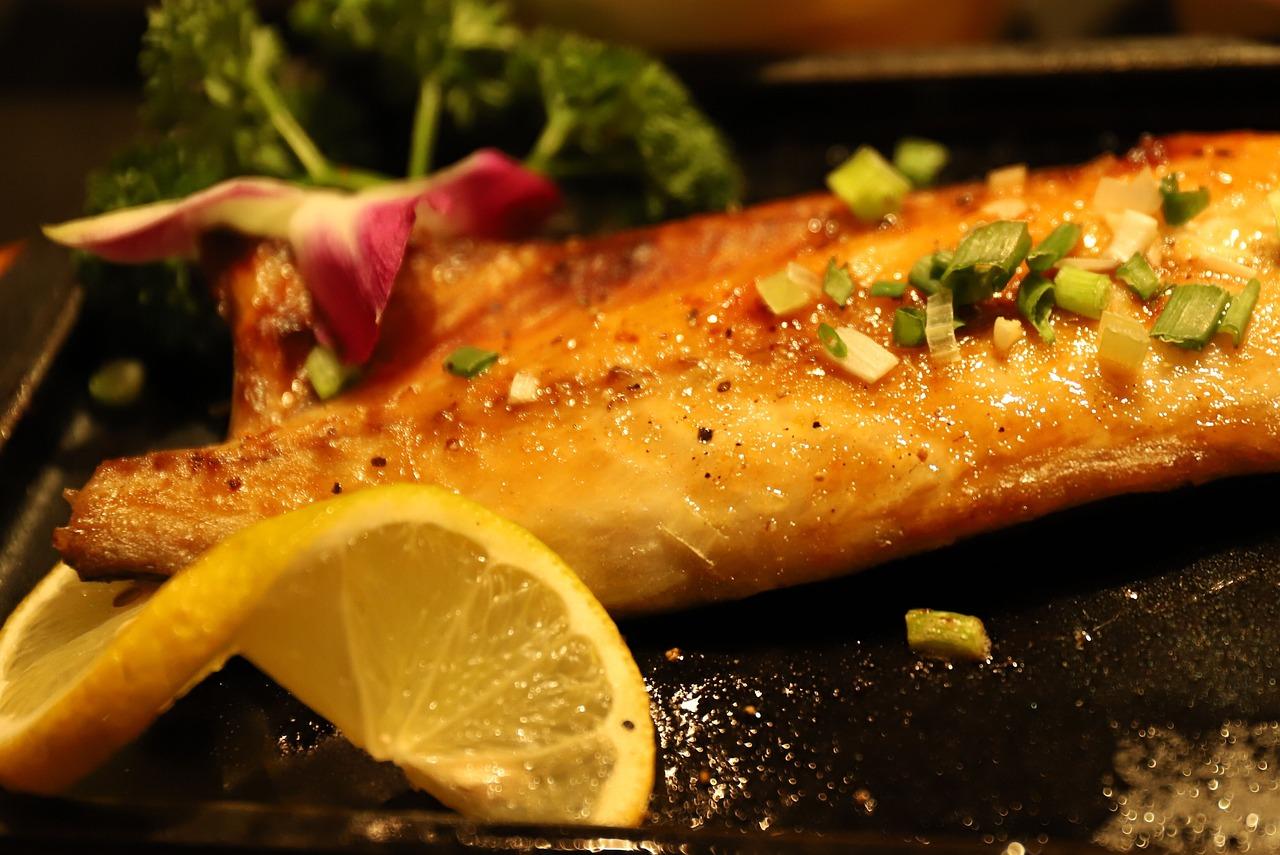
Godeungeo guiGrilled mackerel

Andong, far inland, is oddly famous for its mackerel: the fish was salted on the coast and carried over the mountains, arriving perfectly seasoned, and Andong gangodeungeo is still sold that way. Across Korea, a salted mackerel fillet pan-grilled until the skin crackles is a staple of home dinners and set-meal restaurants, served with rice, doenjang soup and kimchi. Mackerel is an oily fish, so this is filling rather than low calorie: about 340 kcal a portion. The most common mistake is moving the fish too soon; leave it skin side down until the skin releases on its own, or it tears and sticks. Chef's tip: dust the skin very lightly with flour or starch before grilling, or simply pat it bone-dry; you'll get a crisp, glassy skin.

22 minKoreanFishGluten free
by KrazyBadal 0 views

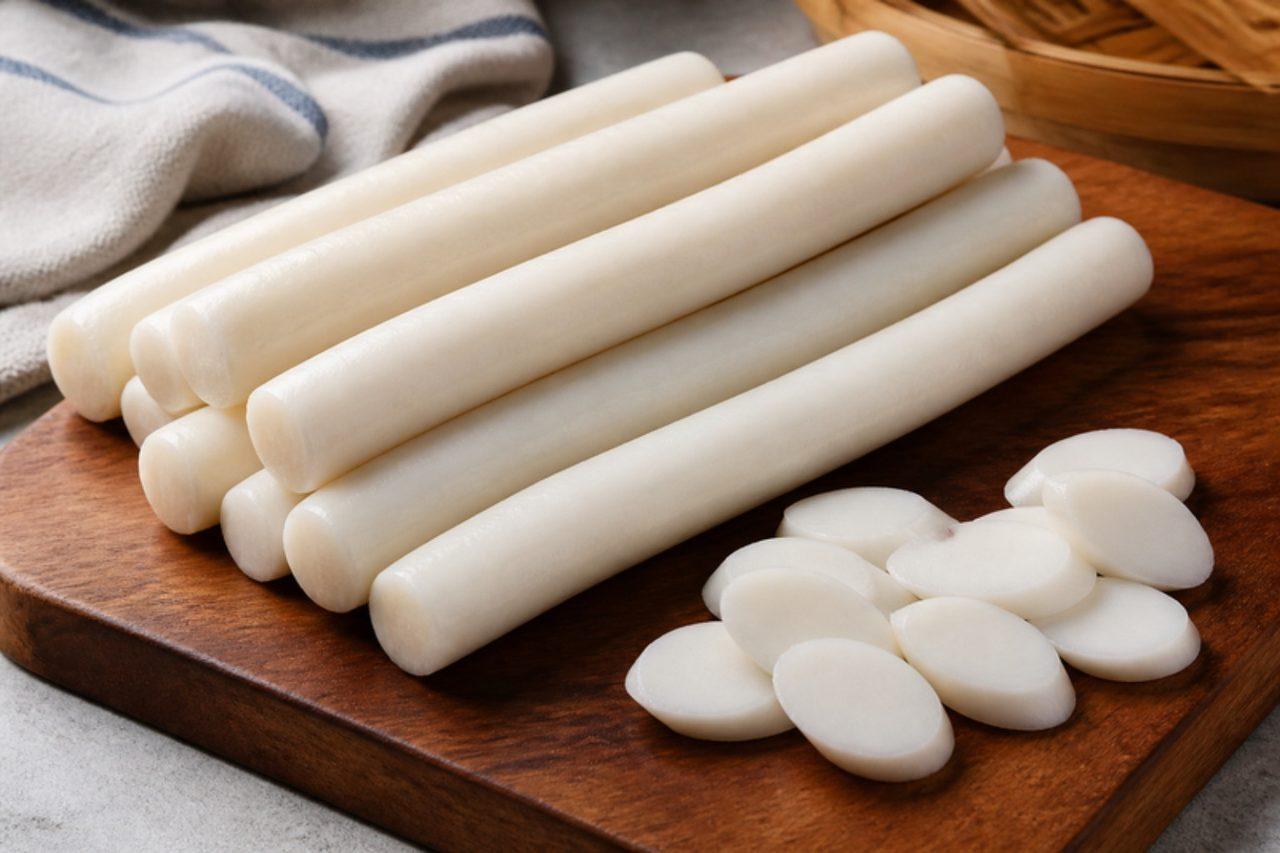
GaraetteokLong cylinder rice cakes

Garaetteok are the long white rice-cake logs that Korean mills churn out before Seollal, when families queue with their own rice to have them pressed and then slice them into ovals for tteokguk, the New Year soup. The length is meant to wish for a long life. Freshly made, they are soft and chewy and eaten warm, dipped in honey or toasted over a grill; once they firm up they are sliced for soup or cut into sticks for tteokbokki. Making them at home is simple, though the logs come out a little less glossy than machine-pressed ones. The usual mistake is rolling the dough when it has cooled: it must be hot to stay smooth. Rice cakes are chewy and sticky, a known choking risk: cut them into small pieces for young children and older people and eat them sitting down. Chef's tip: leave the logs to firm overnight before slicing on the diagonal; they cut cleanly instead of squashing.

by KrazyBadal 0 views

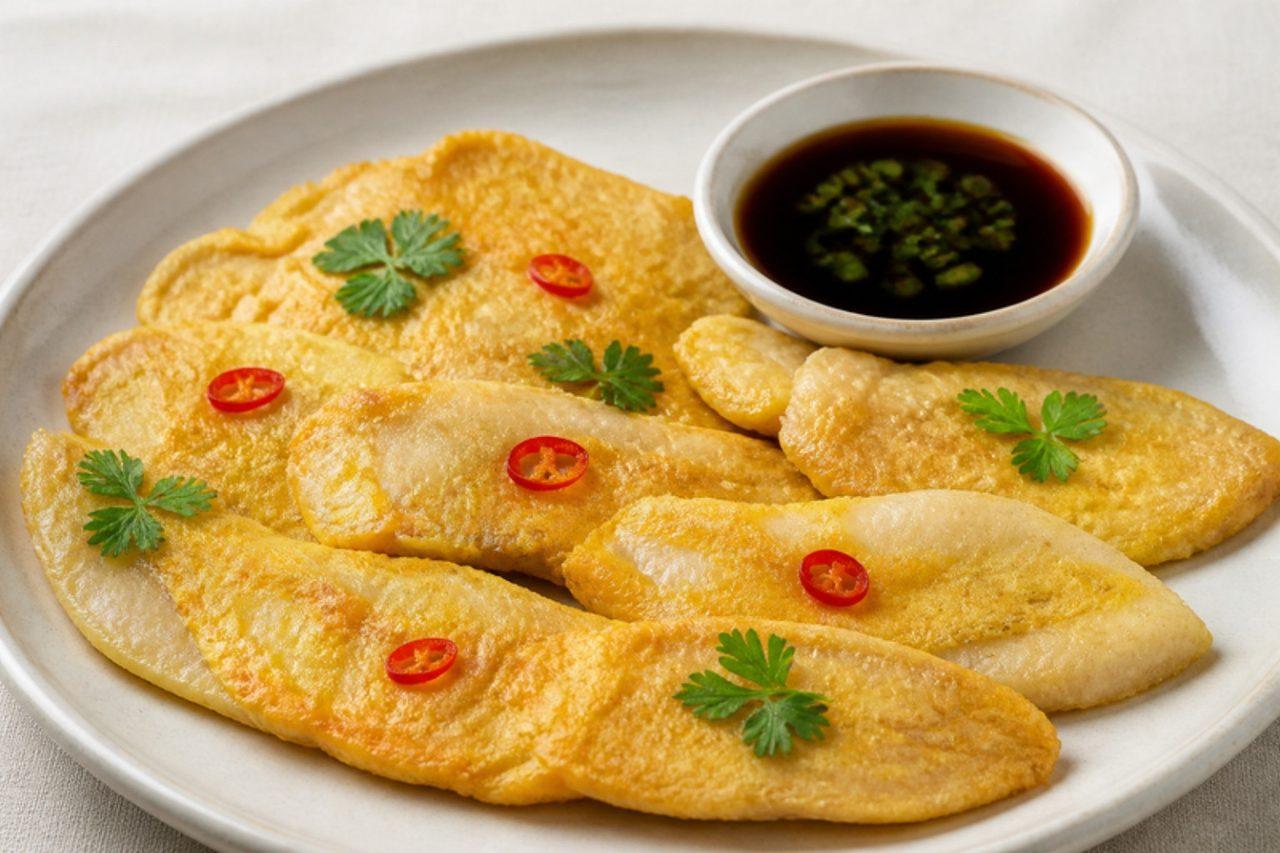
Saengseon jeonEgg-battered fish slices

Saengseon jeon is one of the golden jeon laid out on ancestral rite tables at Chuseok and Seollal, especially in coastal homes along the East Sea, where pollock and cod are the holiday fish. Thin slices of white fish are seasoned, floured, dipped in egg and fried gently, giving delicate, tender fish inside a soft yellow coat. They are eaten with a soy-vinegar dip. The common mistake is cutting the fish too thick, so the egg browns before the centre is cooked. Chef's tip: slice the fillets while they are still half-frozen; you can cut neat 7 mm slices that cook in the time it takes the egg to set.

35 minKoreanFish
by KrazyBadal 0 views

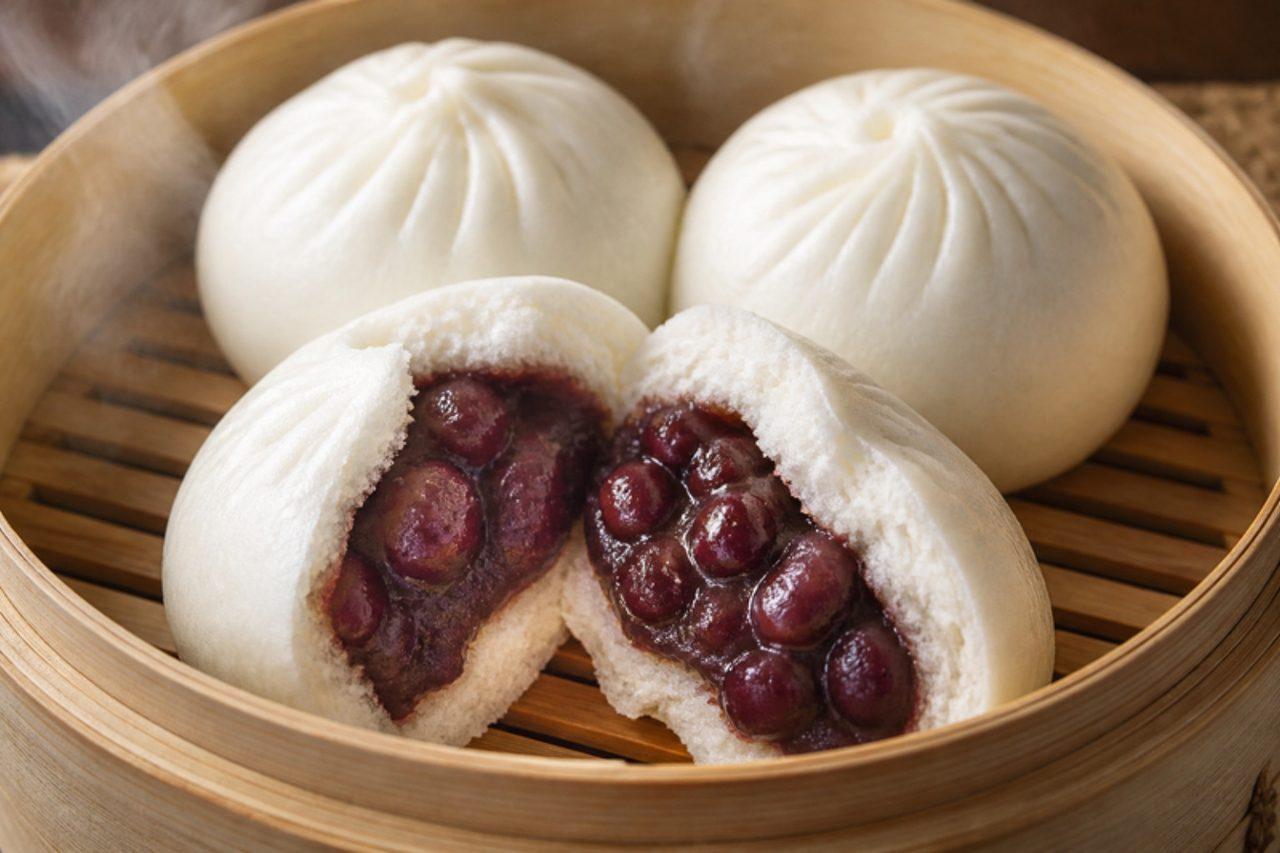
HoppangRed bean steamed buns

When the first cold snap hits, Korean convenience stores bring out glass steamer cabinets full of hoppang, and office workers grab one for breakfast on the way to the subway. The bun is soft, slightly sweet yeasted dough wrapped around a thick, smooth red bean paste, steamed until pillowy and eaten piping hot. Making them at home takes a morning but they freeze perfectly. The usual mistake is opening the lid too early or steaming over too fierce a heat: the buns collapse and wrinkle, so keep a steady medium heat and leave them to rest 5 minutes before lifting the lid. Contains wheat. Chef's tip: let the shaped buns rise on squares of baking paper; you can move them into the steamer without squashing them.

120 minKoreanBakingVegan
by KrazyBadal 0 views
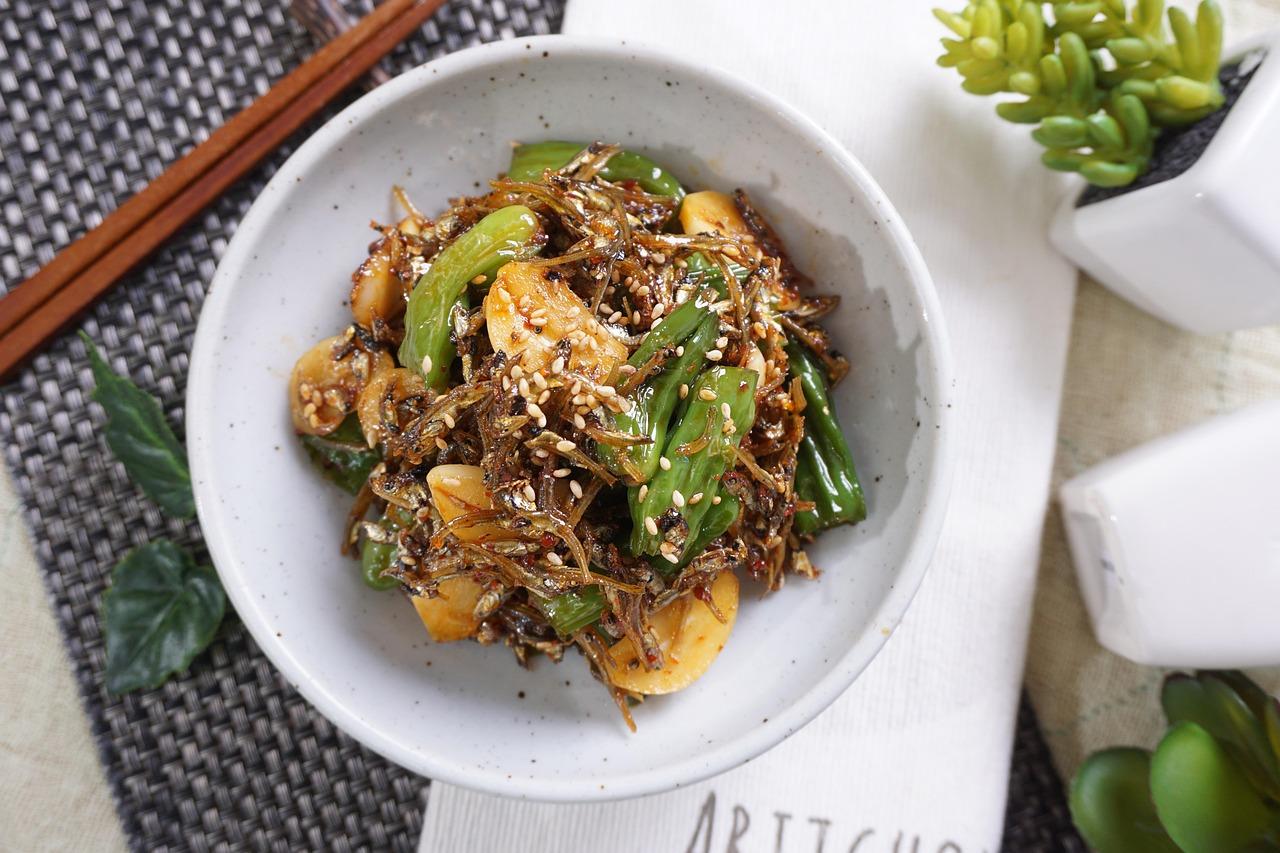
Myeolchi bokkeumSweet stir-fried anchovies

Myeolchi bokkeum is the lunchbox banchan of Korea, made with tiny dried anchovies landed and sun-dried on the southern coast around Tongyeong and Namhae, the country's anchovy heartland. The little fish are toasted in a dry pan, then tossed in garlic oil and a quick soy and rice-syrup glaze, so they end up crunchy, sweet, salty and deeply savoury. A small dish goes alongside rice at almost every Korean meal. The common mistake is adding the syrup over a high heat: it caramelises into a hard sheet that welds the anchovies into a brick. Chef's tip: take the pan off the heat before the syrup goes in and toss; the pan's leftover warmth is enough to glaze without hardening.

15 minKoreanFish
by KrazyBadal 0 views

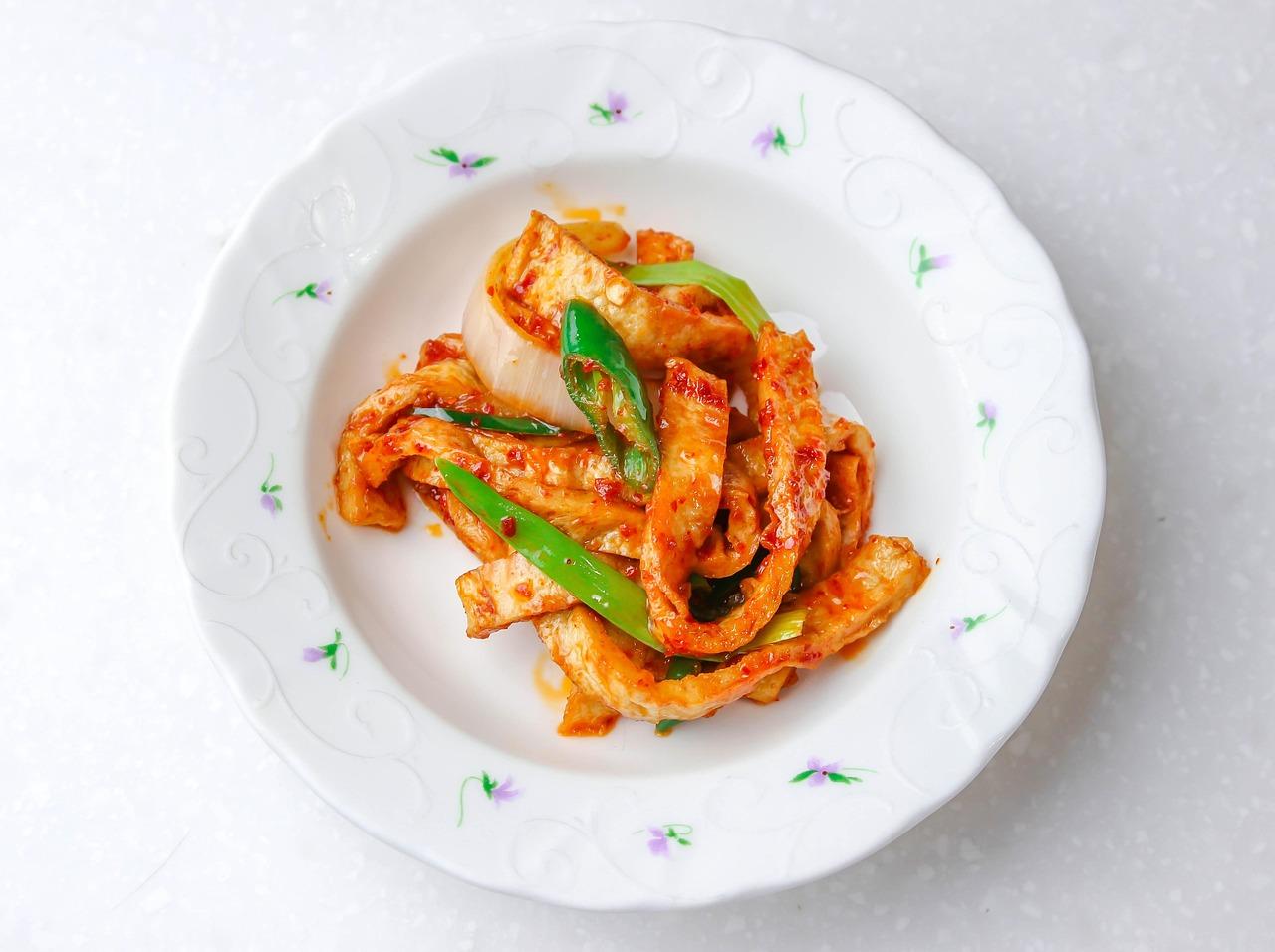
Eomuk bokkeumStir-fried fish cake

Busan's fish cake makers on the old docks near Bupyeong market made eomuk famous, and eomuk bokkeum is how Korean homes everywhere turn a pack of fish cake sheets into a quick side dish for school lunchboxes. Strips of fish cake are stir-fried with onion, carrot and pepper in a sweet soy glaze, staying soft and bouncy with crisp vegetable bites. Most children love it, and a pinch of chilli flakes makes a grown-up version. The common mistake is frying the fish cake straight from the packet: its frying oil turns the dish greasy and dulls the sauce. Chef's tip: pour boiling water over the strips and drain before cooking; they soak up the glaze much better.

18 minKoreanFish
by KrazyBadal 0 views

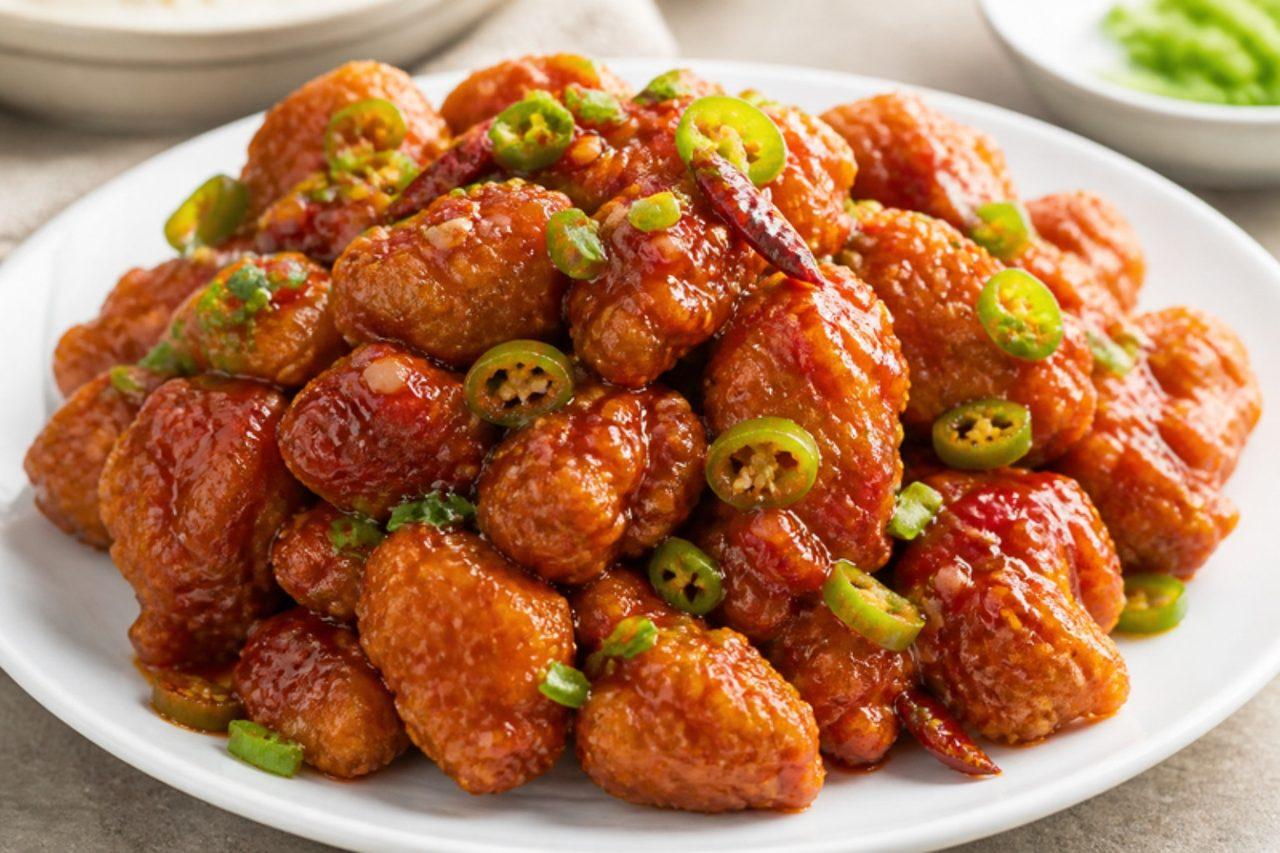
KkanpunggiGarlic chilli fried chicken

Kkanpunggi is a Korean-Chinese classic from the restaurants of Incheon and Seoul, its name borrowed from the Chinese 'gan peng ji', dry-fried chicken. Bite-sized chicken pieces are fried twice until crunchy, then tossed in a wok with garlic, chillies and a sharp, sweet soy-vinegar sauce that clings without making them soggy. Order it with fried rice or eat it with cold drinks. The marinade uses rice wine, which cooks off completely in the frying; skip it or use water with a little extra ginger for an alcohol-free version. The common mistake is using too much sauce: kkanpunggi should be glazed, not swimming. Chef's tip: let the sauce bubble down to a few sticky spoonfuls before the chicken goes in, then toss for no more than 30 seconds.

by KrazyBadal 0 views

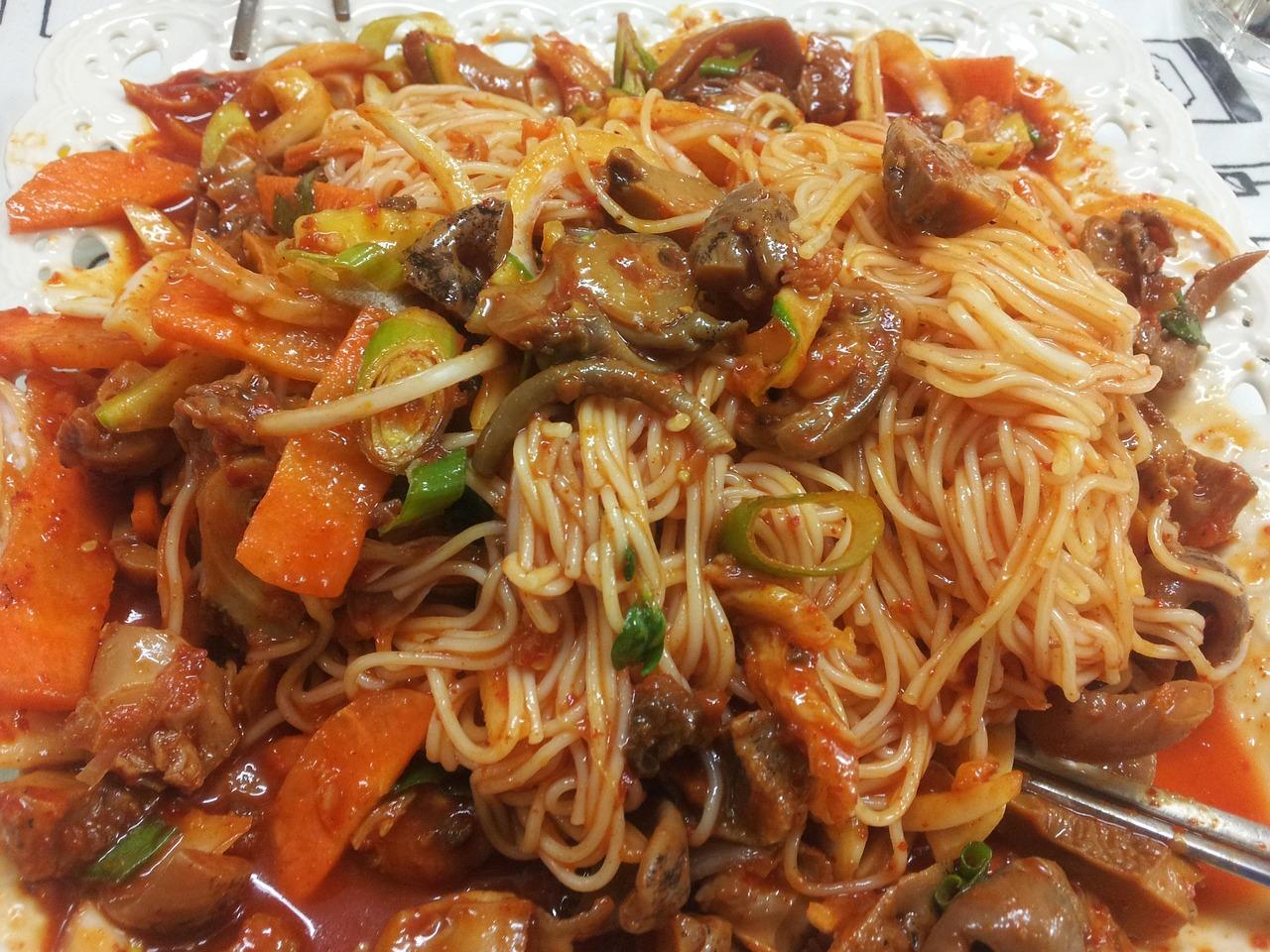
Golbaengi muchimSpicy whelk and noodle salad

Golbaengi muchim belongs to Seoul's Euljiro, where a narrow 'golbaengi alley' of old bars has served this fiery salad to office workers after dark since the 1970s. Tender canned whelks are tossed with crunchy vegetables in a sweet, sour and spicy gochujang dressing, and piled beside thin wheat noodles that soak up the extra sauce. It is a bold sharing plate, best with cold drinks. Use whelks from a sealed, undamaged can: discard any can that is bulging, leaking or badly dented, or contents that smell off. The common mistake is dressing the noodles with everything else, which turns them into a soggy clump. Chef's tip: save 2 tablespoons of the can juice and mix it into the dressing; it carries the sweet sea flavour through the whole dish.

25 minKoreanFishSpicy
by KrazyBadal 0 views

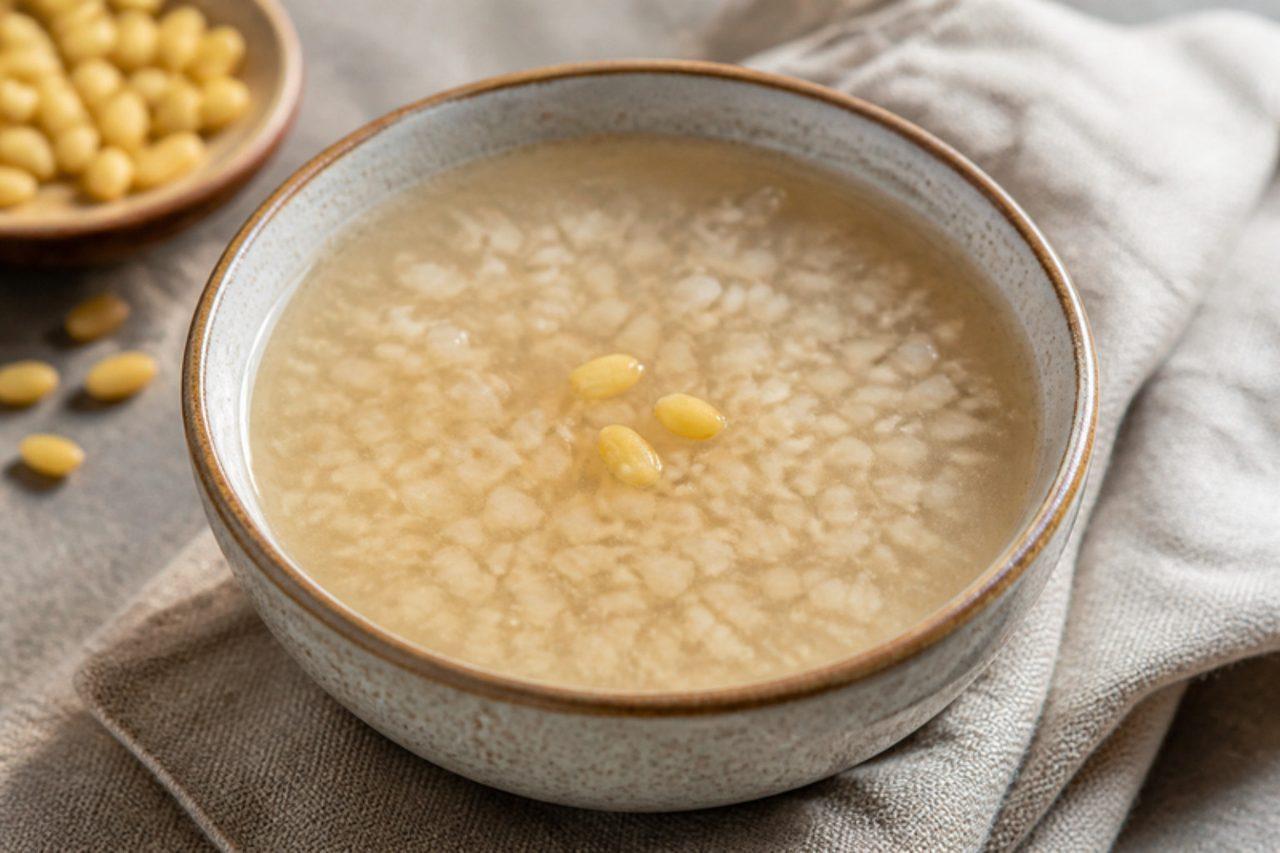
SikhyeSweet rice punch

Every Korean jjimjilbang (bathhouse) sells sikhye in little cans, and every grandmother makes a big pot of it before Seollal and Chuseok to sip after the heavy holiday meal, because it is believed to help digestion. Barley malt water and cooked rice are kept warm for several hours until enzymes turn the rice starch into sugar and the grains float up to the top, then the drink is boiled with ginger and chilled until icy. It is mild, lightly sweet and nutty, with soft rice grains to slurp. The usual mistake is letting it get too hot while it ferments: above about 65 °C the enzymes stop working and the grains never float. Contains barley (gluten). Chef's tip: use the rice cooker's 'keep warm' setting; it holds the perfect temperature on its own.

320 minKoreanDrinksVegan
by KrazyBadal 0 views
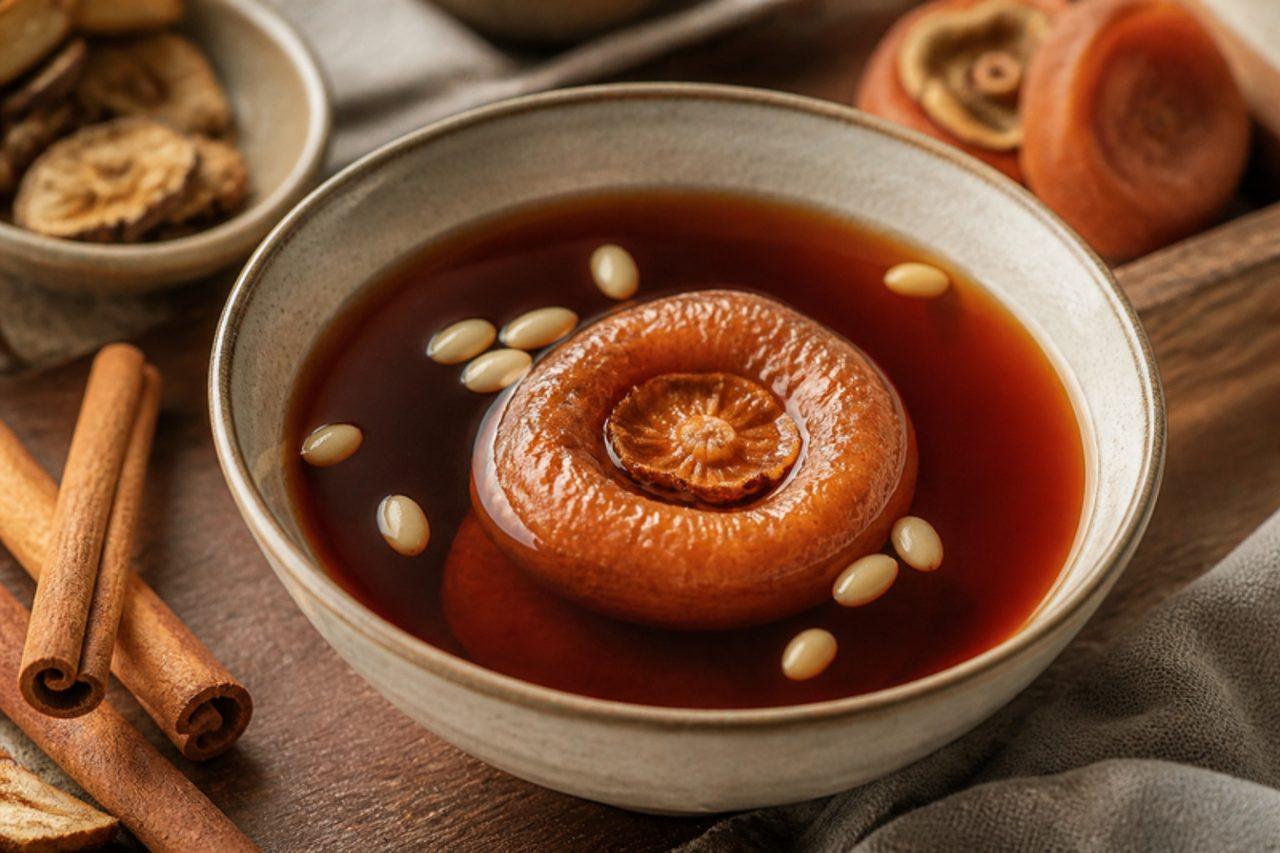
SujeonggwaCinnamon persimmon punch

After a big Seollal feast in Seoul, sujeonggwa comes out ice-cold in small bowls, dark red-brown and fragrant with cinnamon and ginger, with a soft dried persimmon and a few pine nuts floating in each one. It is the punch of the New Year season, made a day or two ahead and kept on a cold balcony. The cinnamon and ginger are boiled separately and then combined, which keeps each flavour clean. The common mistake is boiling the cinnamon too long or too hard: it turns bitter and cloudy, so keep it to a gentle simmer. Contains pine nuts. Chef's tip: soak the dried persimmons in the cooled punch only a few hours before serving, so they soften without falling apart.

by KrazyBadal 0 views
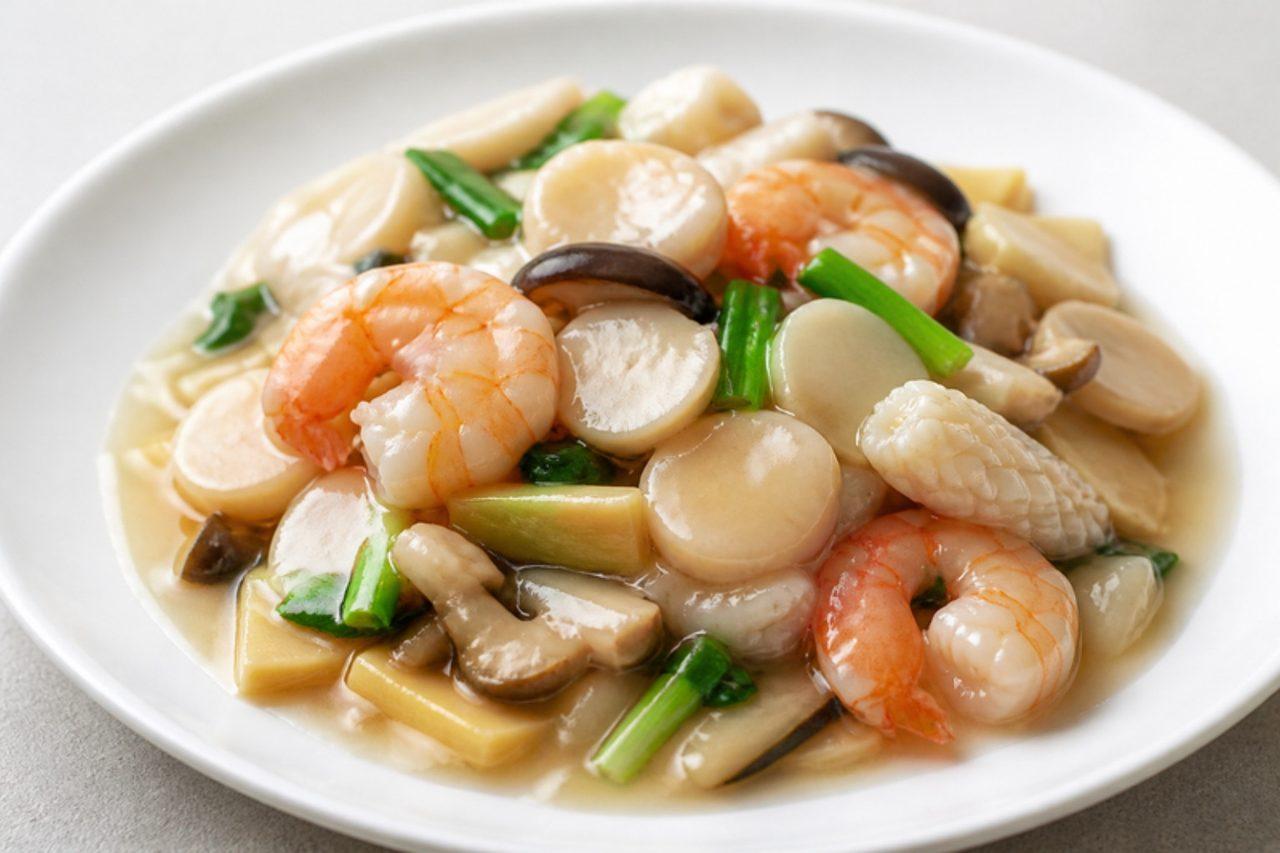
YusanseulSeafood in white sauce

Yusanseul is the elegant seafood dish of Korean-Chinese banquet tables in Seoul and Incheon, ordered for weddings, birthdays and business dinners as the gentle counterpoint to fiery jjamppong. Prawns, squid and scallops are shredded with mushrooms, bamboo shoots and spring onion and bound in a silky, lightly salted white sauce, tender and clean-tasting. A splash of rice wine goes into the hot wok and bubbles away before the sauce; leave it out for an alcohol-free version. Buy seafood that smells only of the sea: discard any prawns, squid or scallops that smell of ammonia or feel slimy. The common mistake is cooking the seafood in the sauce from raw, which makes the squid rubbery; blanch it briefly first. Chef's tip: cut everything into the same fine strips so each spoonful carries a little of everything.

45 minKoreanFish
by KrazyBadal 0 views
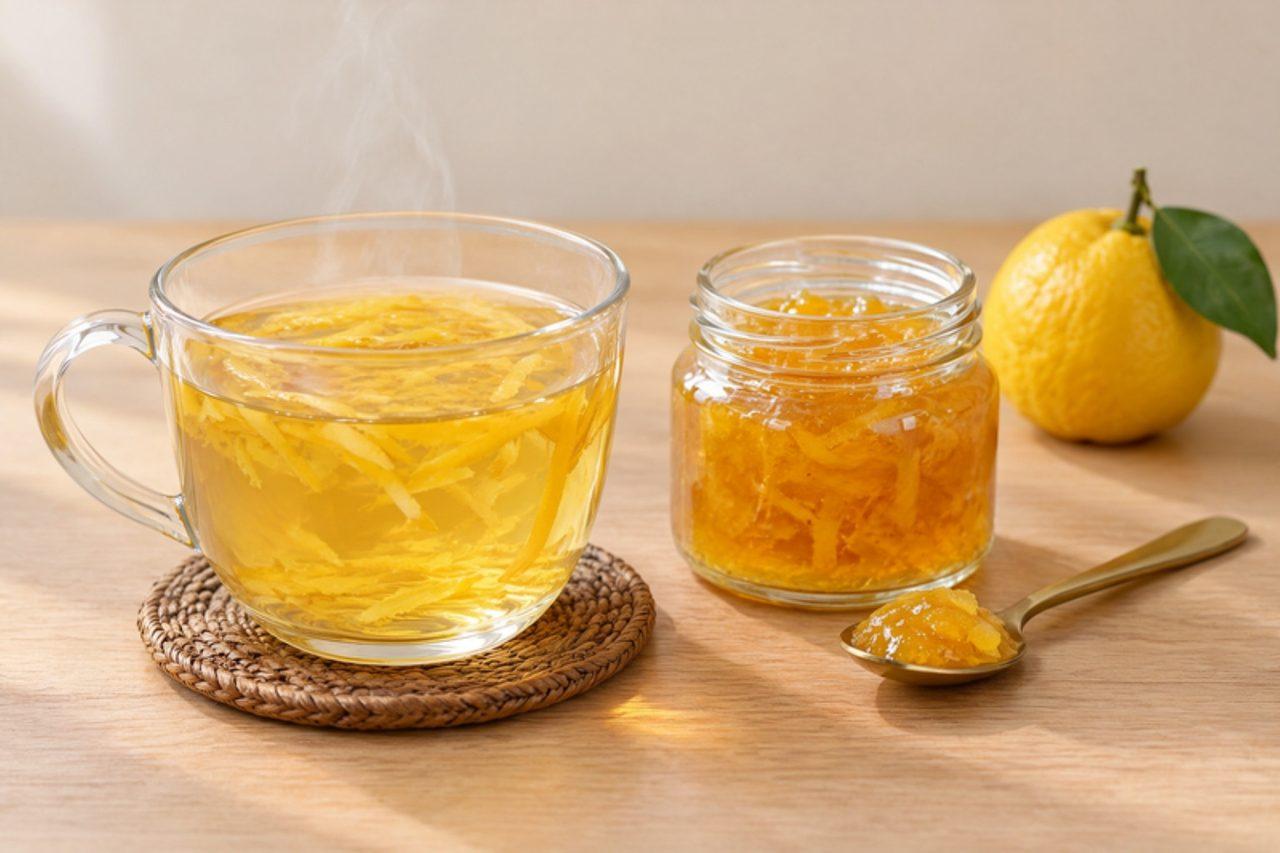
Yuja-cha (citron tea)

Goheung, on the southern coast of South Jeolla, is Korea's yuja country: in November the groves turn gold and families slice the knobbly citrons for yuja-cheong, the honeyed preserve that becomes tea all winter. From December to March a spoonful in hot water is offered to guests, to students cramming late and to anyone with a scratchy throat, as it is traditionally drunk for colds. The tea is sweet, floral and sharp, with soft, chewy strands of peel that you eat at the end with a spoon. The common mistake is leaving the fruit damp or the pith too thick: wet fruit lets mould in, and thick white pith makes the preserve bitter. Scrub, dry completely and pare away any pith thicker than a few millimetres. The cheong is ready after a day or two, when the sugar has dissolved into a clear, glossy syrup around the peel. Keep it in the fridge for up to three months, always with a dry spoon; throw it away if you see fuzzy mould, smell alcohol or it bubbles. No yuja? Japanese yuzu is the same fruit; otherwise use 2 lemons and 2 mandarins. Chef's tip: soak the seeds in a little of the honey and add that liquid back for a silkier syrup.

by KrazyBadal 0 views
Jinmichae bokkeumGlazed dried squid strips

Jinmichae, shredded seasoned dried squid, is one of the most popular banchan in Korean lunchboxes: chewy, sweet and a little spicy, and it keeps for a week. Children across Korea find it in their dosirak and parents make a big tub on Sunday. The common mistake is glazing it over the heat, which turns the squid hard as wire; mix the strips into the warm sauce off the heat. Chef's tip: soak the squid briefly in water first and squeeze it out, so it stays tender even straight from the fridge.

15 minKoreanFishSpicy
by KrazyBadal 0 views

Ssanghwa-cha (herbal tonic tea)

Ssanghwa-cha is the strongest thing on the menu of an old Korean dabang. From the 1960s these smoky tea rooms served it in thick ceramic cups, dark as coffee, with pine nuts, slivered jujube and walnut floating on top; in winter some still slide a raw egg yolk in, which this recipe leaves out. The brew comes from Korean herbal tradition, where ssanghwa-tang is drunk to warm up and recover from tiredness after hard work or a cold. It tastes earthy and bitter at first, then sweet from licorice and jujube, with warmth from cinnamon and ginger and a celery-like perfume from angelica. Herbal shops sell the roots in pre-measured packs. The common mistake is boiling it hard: the liquid reduces too fast and turns harsh. Keep a gentle simmer with the lid ajar for two hours. It is ready when it is very dark brown, reduced to about a third and smells of cinnamon and roots. Because it contains licorice and angelica, skip it if you are pregnant or breastfeeding, have high blood pressure, or take blood thinners or other medicines unless your doctor agrees. Chef's tip: a second, lighter brew from the same roots is good with honey.

135 minKoreanDrinksVeganGluten free
by KrazyBadal 0 views

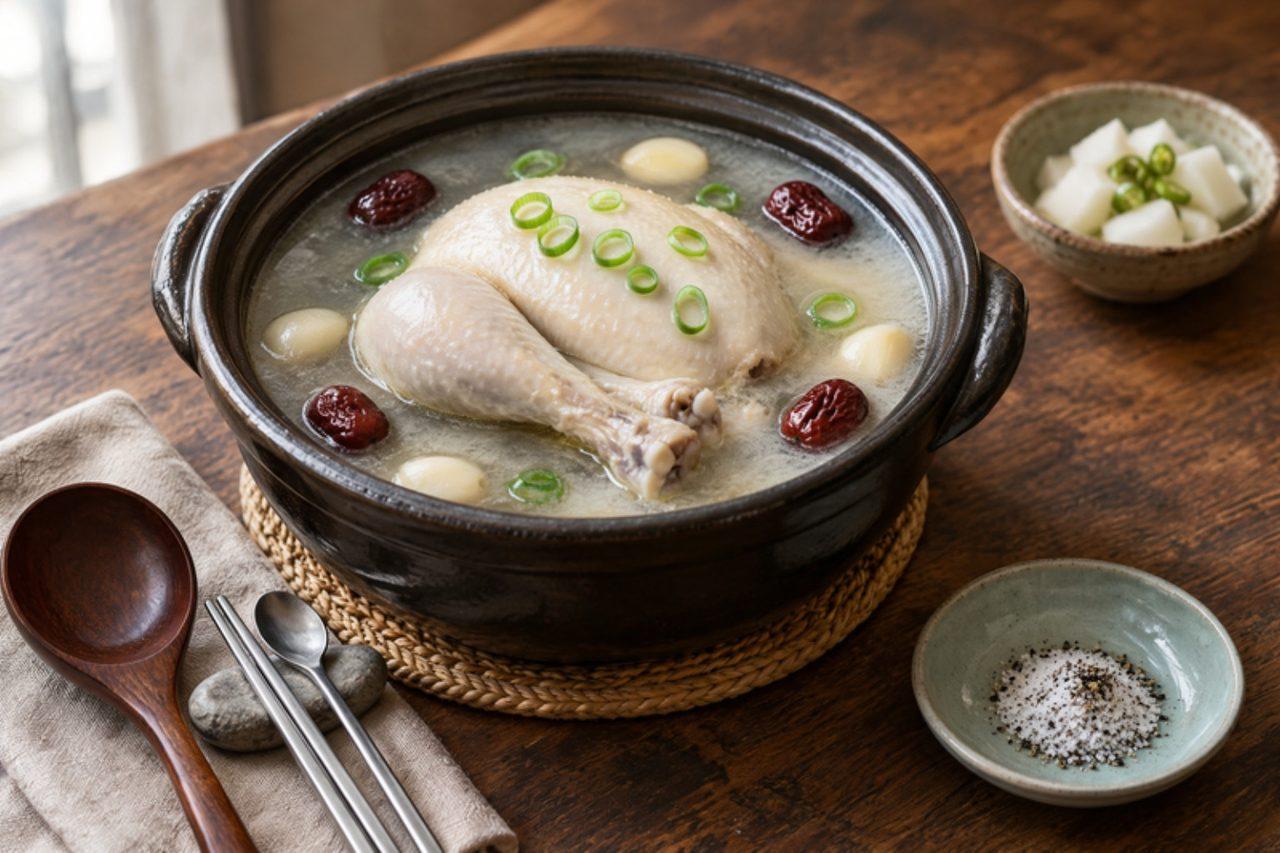
DakbaeksukPoached whole chicken

Dakbaeksuk is a whole chicken simmered plain in a big pot, a dish Koreans eat on the boknal 'dog days' of midsummer and at valley restaurants in the mountains, where families sit on platforms by the stream. Unlike samgyetang it is not stuffed; the bird simmers with a fistful of garlic, a few jujubes and dried roots such as astragalus until it falls apart, and you eat the meat with salt and pepper and drink the milky broth. Suitable as part of a balanced diet: high in protein, with no flour or added sugar. About 420 kcal and 8 g carbohydrate per portion; restaurants finish with rice porridge in the broth, so keep that portion small or use brown rice. The usual mistake is boiling it fiercely, which makes the meat stringy; it should simmer gently. Chef's tip: skim the fat off the broth before serving; it tastes cleaner and lighter.

by KrazyBadal 0 views
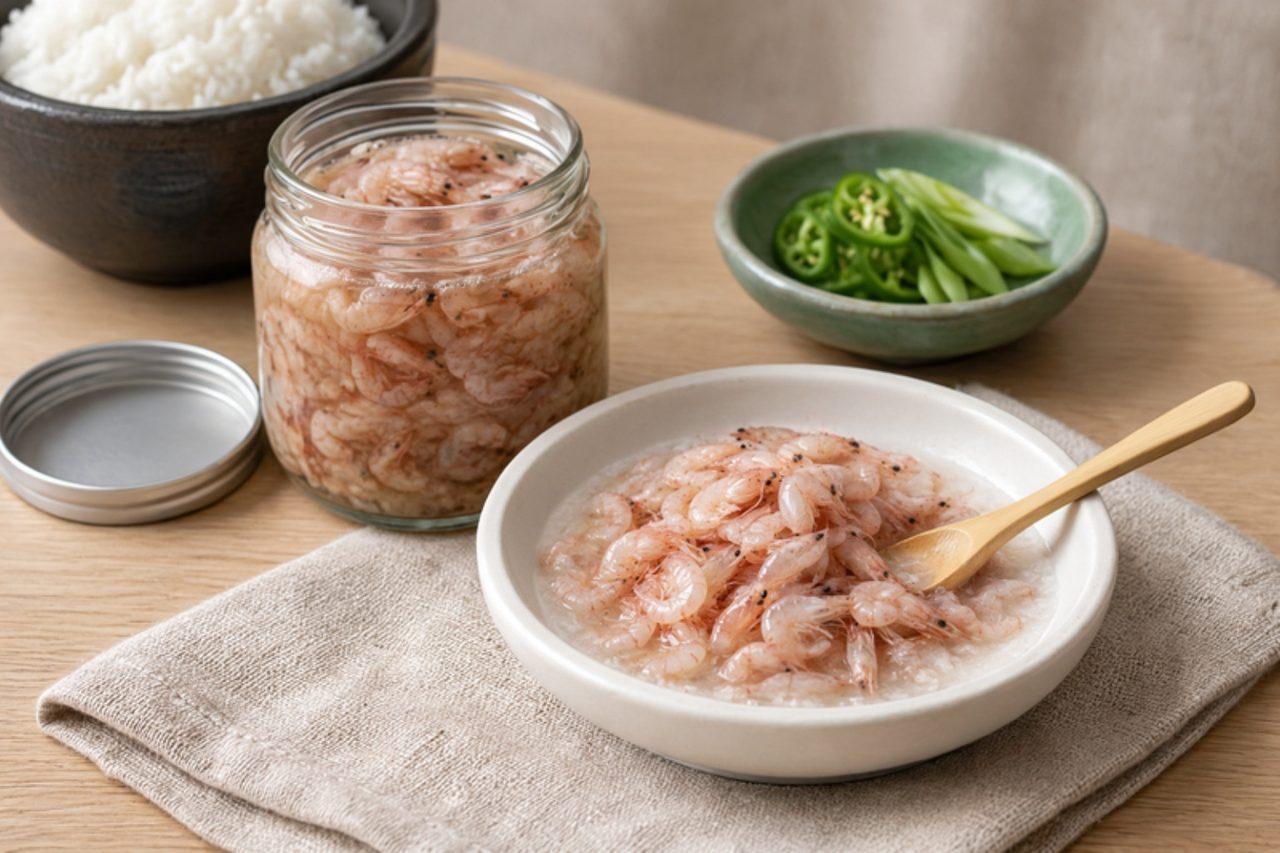
SaeujeotSalted shrimp

Saeujeot is the quiet backbone of Korean cooking. Tiny shrimp from the west coast are packed in salt at sea or on the quay, and the most famous jars age in the old tunnels of Gwangcheon or come from Ganghwa Island. Shrimp caught in June (yukjeot) are prized for kimjang kimchi in November; autumn shrimp (chujeot) go into everyday cooking. A spoonful seasons steamed eggs, stews and kimchi, and a little dish of it, with chilli and sesame, is set beside boiled pork for bossam. It tastes intensely salty, sweet and oceanic, and the shrimp stay plump and pale pink. This is a raw, salt-cured seafood: pregnant people, babies, older people and anyone with weak immunity should only eat it cooked into a hot dish, never raw in kimchi or dips. The common mistake is skimping on salt; the cure needs 30% salt by weight to stay safe, so weigh everything. It is ready after at least 3 months in the fridge, when the liquid is clear amber and the smell is sweet and briny, never ammonia-like. Chef's tip: buy shrimp sold for making jeot, frozen at sea, and work fast while they are still icy.

by KrazyBadal 1 views

DakgangjeongSticky glazed fried chicken

Dakgangjeong is the boxed fried chicken of Sokcho's Jungang market on Korea's east coast, carried home by the tub and packed into lunchboxes the next day, because the double-fried pieces in their sticky glaze stay crunchy even when cold. The common mistake is frying only once; the second fry drives out moisture so the crust holds up to the sauce. Chef's tip: coat with potato starch rather than flour, and let the coated chicken sit for 5 minutes so the starch hydrates into a craggy crust.

by KrazyBadal 0 views
Sungnyung (scorched rice tea)

Before electric rice cookers, every Korean pot of rice left a golden crust, nurungji, stuck to the bottom. Rather than waste it, cooks poured in water and simmered it while the family ate, and the warm, cloudy sungnyung was drunk at the end of the meal in place of tea. Older Koreans still describe it as the taste of home, and many Seoul restaurants that cook rice in stone pots finish by pouring water over the crust at the table. It tastes of toasted grain and has a faint natural sweetness, with soft pieces of crust to spoon up at the bottom. Without a stone pot you can make the crust from leftover rice in a frying pan. The common mistake is rushing the crust over high heat: it blackens on the outside and turns the drink bitter while the middle stays soft. Keep the heat low and patient, and aim for even golden-brown. The crust is ready when it lifts away from the pan in one sheet and smells like popcorn; the sungnyung is ready when the water is milky and pale gold. Chef's tip: make extra crust, dry it completely and keep it in a jar, so you can make sungnyung in ten minutes any evening.

by KrazyBadal 0 views

Showing 24 of 49 recipes

Show more recipes

Page 1 of 3