Skip to content
Recipes

All recipes

Vegetarian, or something you can't eat? Set your diet once and we'll hide recipes that don't fit.

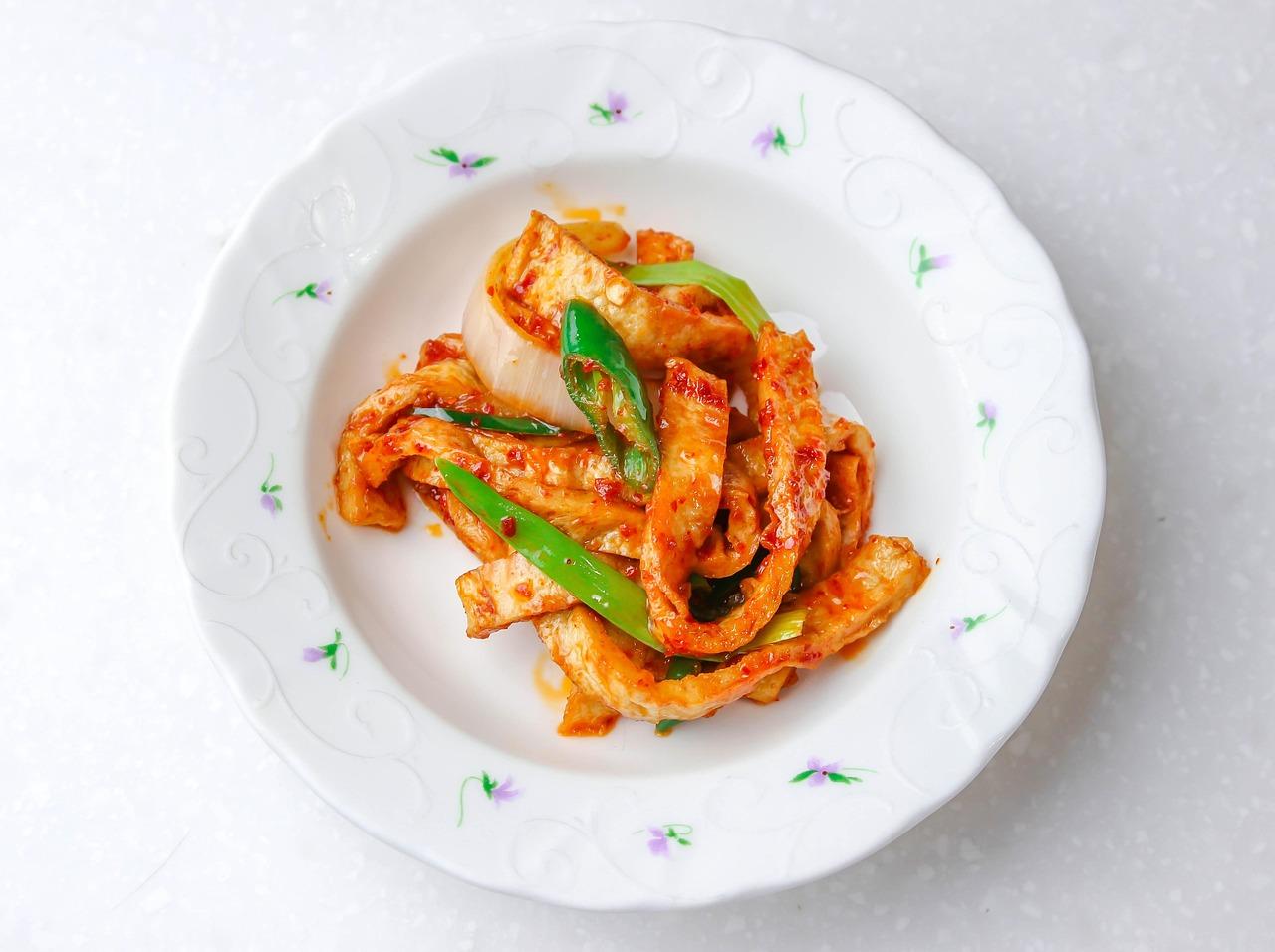
Eomuk bokkeumStir-fried fish cake

Busan's fish cake makers on the old docks near Bupyeong market made eomuk famous, and eomuk bokkeum is how Korean homes everywhere turn a pack of fish cake sheets into a quick side dish for school lunchboxes. Strips of fish cake are stir-fried with onion, carrot and pepper in a sweet soy glaze, staying soft and bouncy with crisp vegetable bites. Most children love it, and a pinch of chilli flakes makes a grown-up version. The common mistake is frying the fish cake straight from the packet: its frying oil turns the dish greasy and dulls the sauce. Chef's tip: pour boiling water over the strips and drain before cooking; they soak up the glaze much better.

18 minKoreanFish
by KrazyBadal 0 views

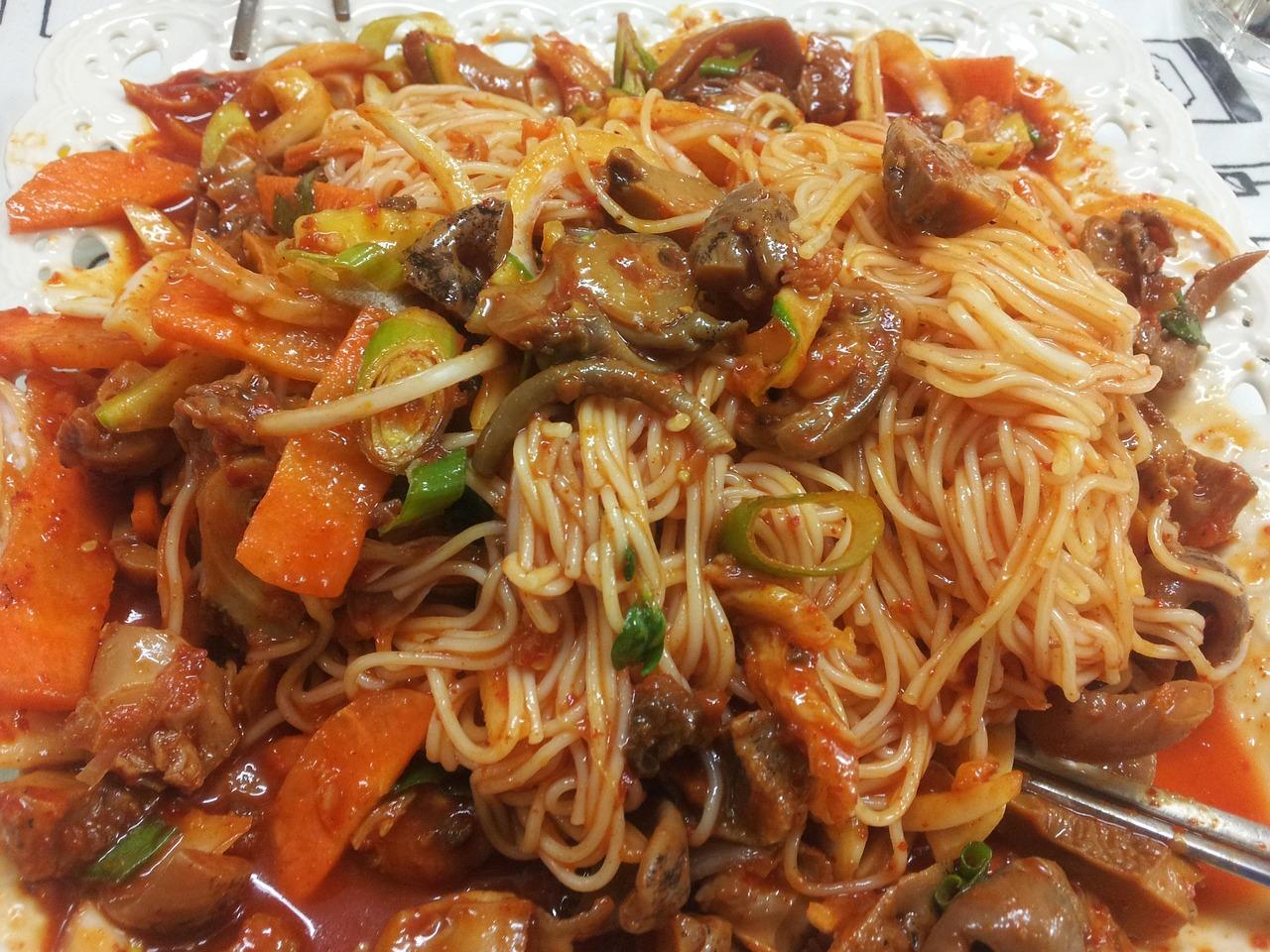
Golbaengi muchimSpicy whelk and noodle salad

Golbaengi muchim belongs to Seoul's Euljiro, where a narrow 'golbaengi alley' of old bars has served this fiery salad to office workers after dark since the 1970s. Tender canned whelks are tossed with crunchy vegetables in a sweet, sour and spicy gochujang dressing, and piled beside thin wheat noodles that soak up the extra sauce. It is a bold sharing plate, best with cold drinks. Use whelks from a sealed, undamaged can: discard any can that is bulging, leaking or badly dented, or contents that smell off. The common mistake is dressing the noodles with everything else, which turns them into a soggy clump. Chef's tip: save 2 tablespoons of the can juice and mix it into the dressing; it carries the sweet sea flavour through the whole dish.

25 minKoreanFishSpicy
by KrazyBadal 0 views

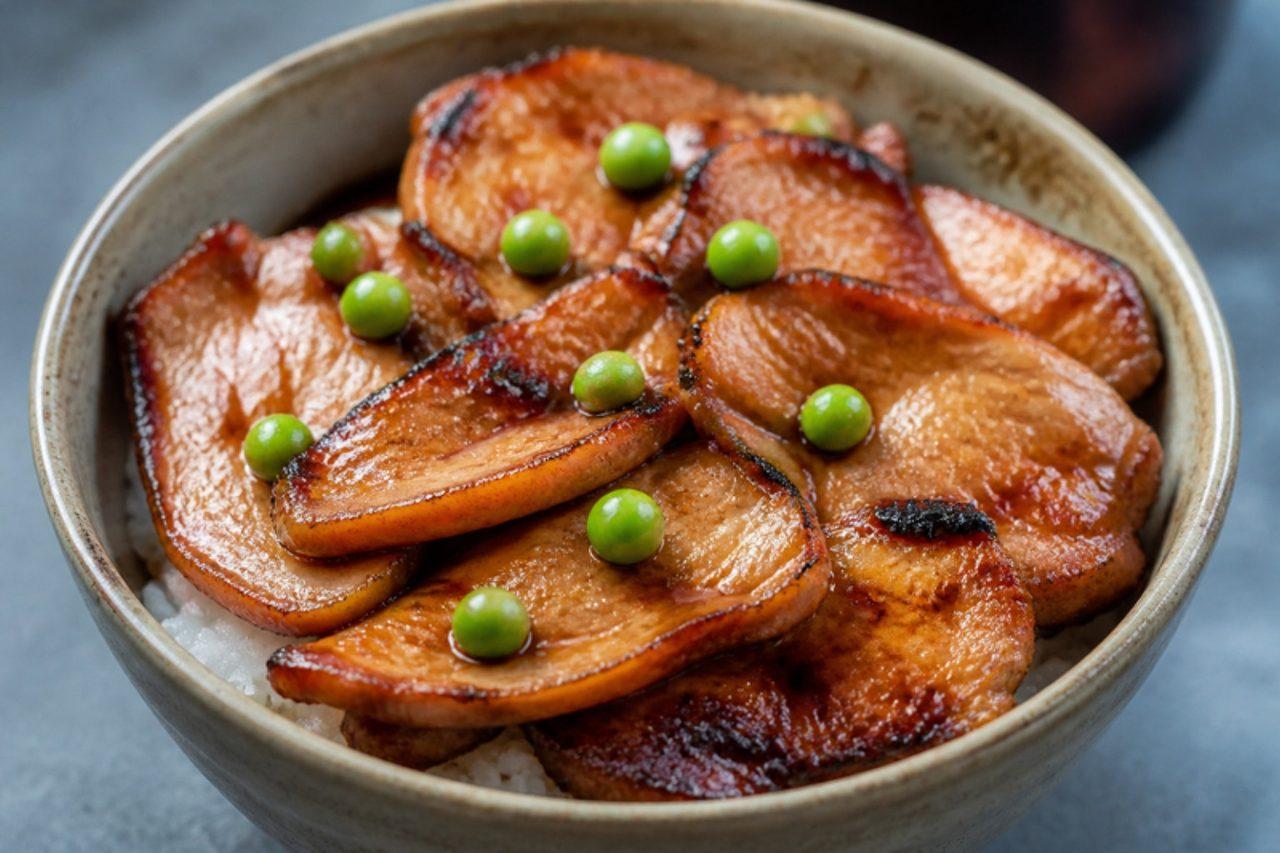
Butadon (Obihiro grilled pork rice bowl)

Butadon was invented in Obihiro, on the Tokachi plain of eastern Hokkaido, as a cheap, filling lunch for farmers clearing the land, and today the town's shops still grill thick slices of pork loin over charcoal and lay them overlapping on rice like roof tiles. The glaze is a sweet-salty mix of soy, sugar, mirin and sake that is boiled down so the alcohol cooks off; water and extra sugar make an alcohol-free version. A griddle pan or hot grill gives the smoky edges. The common mistake is slicing the pork too thin: about 5 mm keeps it juicy. Pork must reach 71 °C in the middle with no pink juices. Chef's tip: snip the fat edge so the slices stay flat, and dip them in the glaze twice in the pan for a lacquered finish.

by KrazyBadal 0 views

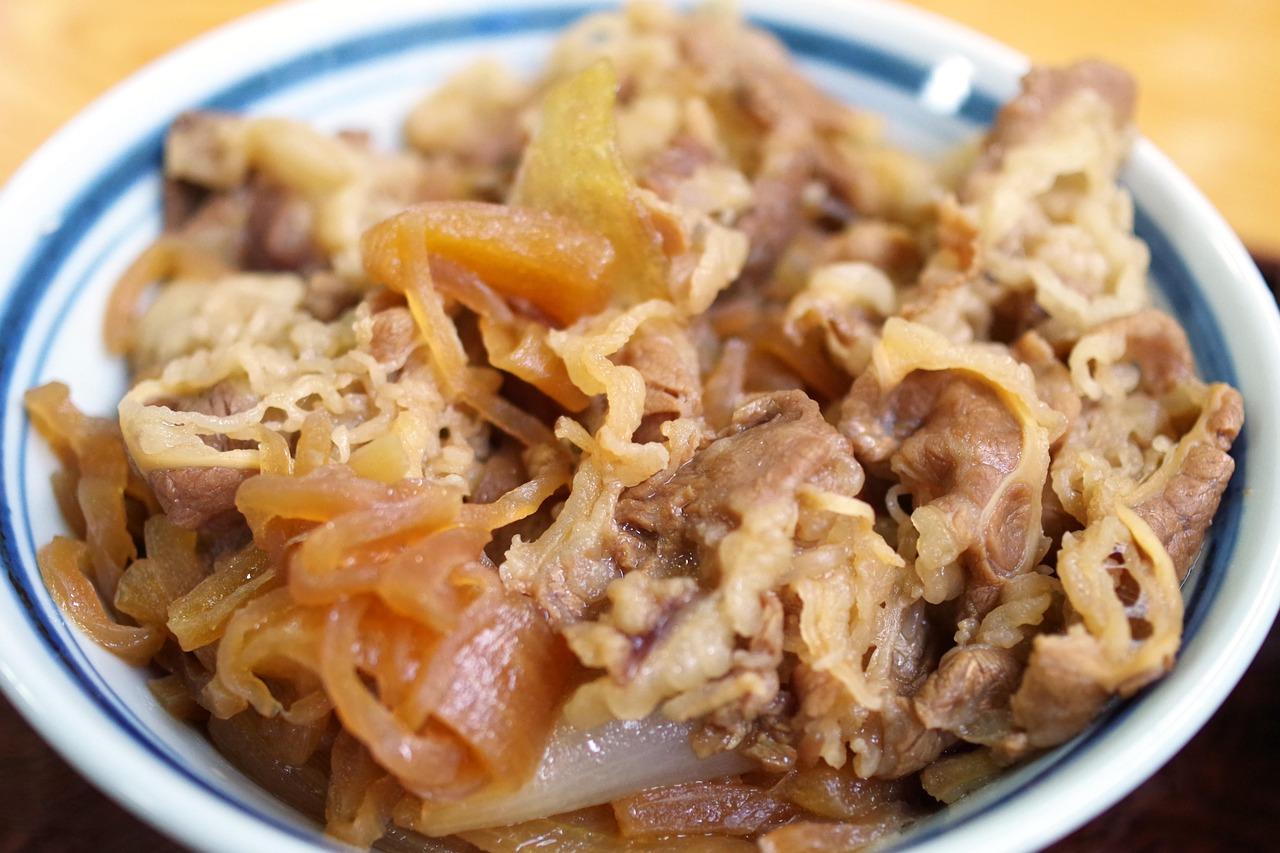
Gyudon (beef and onion rice bowl)

Gyudon fuels Japan's commuters: at 24-hour counters near every big station from Tokyo to Osaka, a bowl of rice topped with soft onions and wafer-thin beef in sweet soy broth arrives in under a minute. At home it takes about 20. Sake and mirin go into the broth and simmer away, so very little alcohol is left; swap them for water and a little sugar if you prefer. The usual mistake is boiling the beef hard and long, which makes thin slices tough and grey; simmer the onion first, then add the beef only until it changes colour. Chef's tip: pile on pink pickled ginger (beni shoga) and a raw or soft-poached egg yolk for the full counter experience; use a soft-poached egg for pregnant women, young children or anyone with a weakened immune system.

by KrazyBadal 0 views

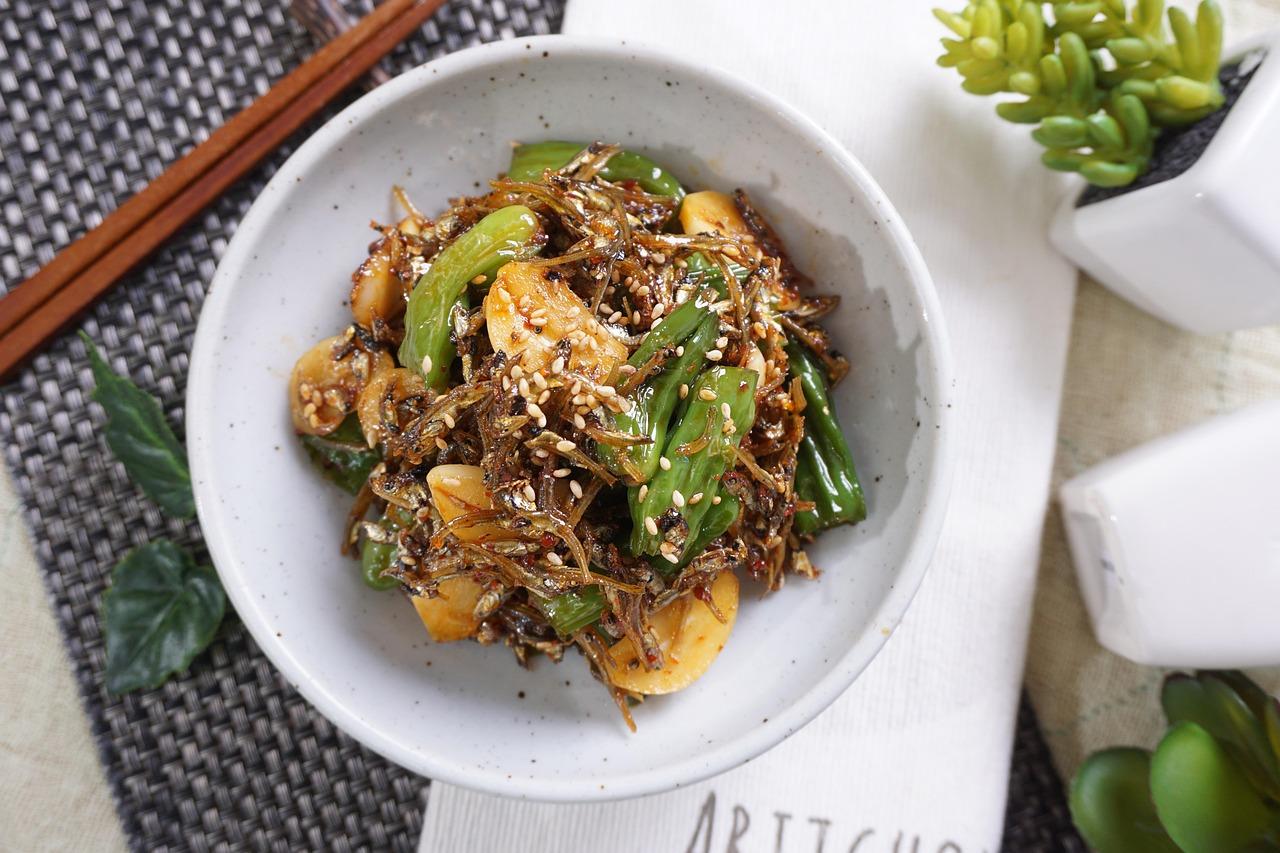
Myeolchi bokkeumSweet stir-fried anchovies

Myeolchi bokkeum is the lunchbox banchan of Korea, made with tiny dried anchovies landed and sun-dried on the southern coast around Tongyeong and Namhae, the country's anchovy heartland. The little fish are toasted in a dry pan, then tossed in garlic oil and a quick soy and rice-syrup glaze, so they end up crunchy, sweet, salty and deeply savoury. A small dish goes alongside rice at almost every Korean meal. The common mistake is adding the syrup over a high heat: it caramelises into a hard sheet that welds the anchovies into a brick. Chef's tip: take the pan off the heat before the syrup goes in and toss; the pan's leftover warmth is enough to glaze without hardening.

15 minKoreanFish
by KrazyBadal 0 views

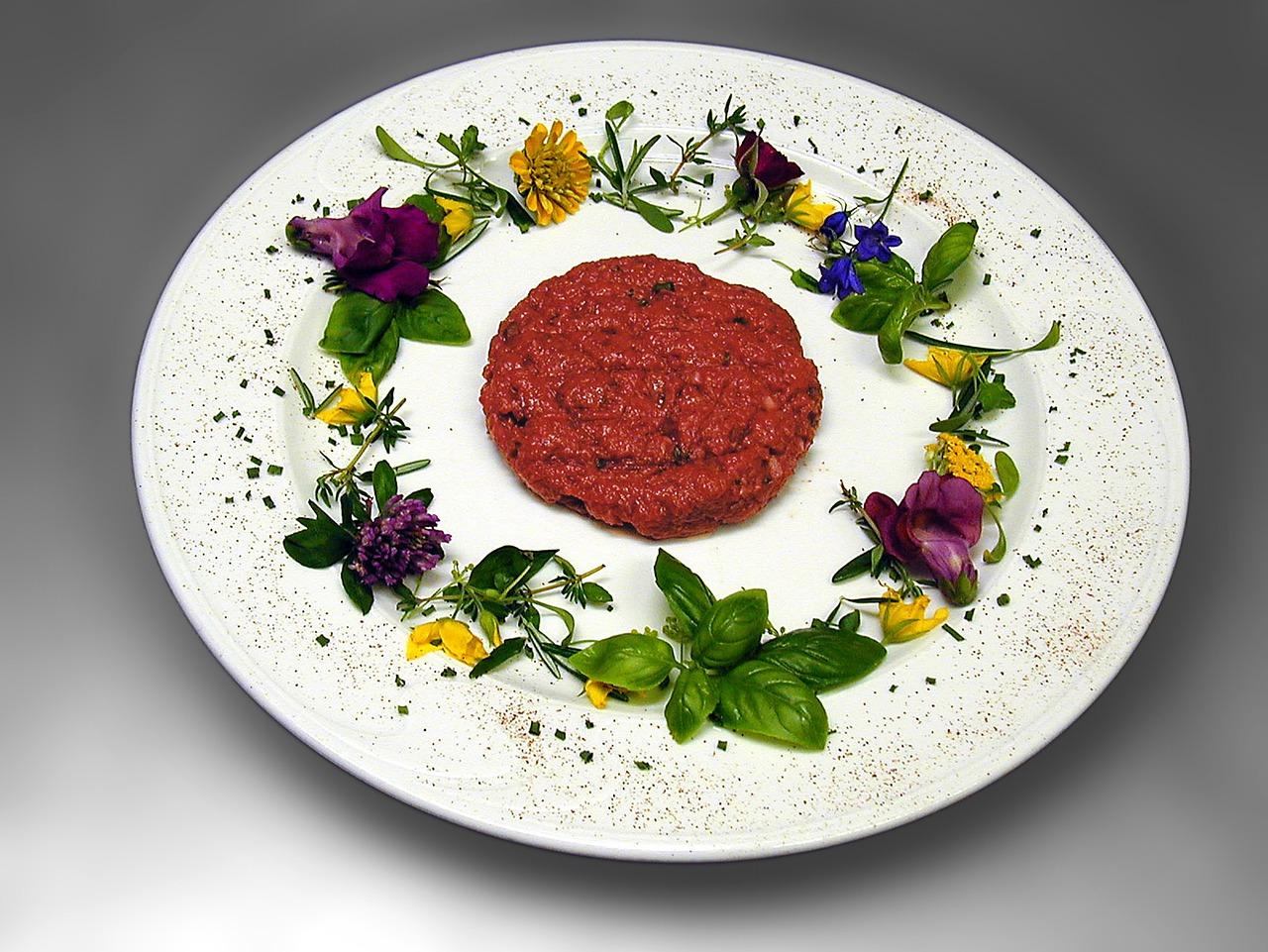
Carne cruda all'albeseChopped raw beef with lemon

In the trattorie of Alba and the Langhe hills in Piedmont, carne cruda is the first course on almost every menu: lean veal or beef from the local Fassone breed, chopped by hand with a knife into tiny pieces and dressed simply with olive oil, lemon, garlic, salt and pepper. In autumn it arrives with white truffle shaved over the top. The traditional dish is raw, which is not for pregnant women, young children or anyone with a weakened immune system. Our safer version sears the whole piece of meat on the outside before chopping, which kills the bacteria on the surface where they live, and is the way to make it if anyone is unsure. Chef's tip: chop with a cold, very sharp knife on a chilled board; a mincer squashes the meat and turns it pasty, while a knife keeps it tender and bright.

by KrazyBadal 0 views

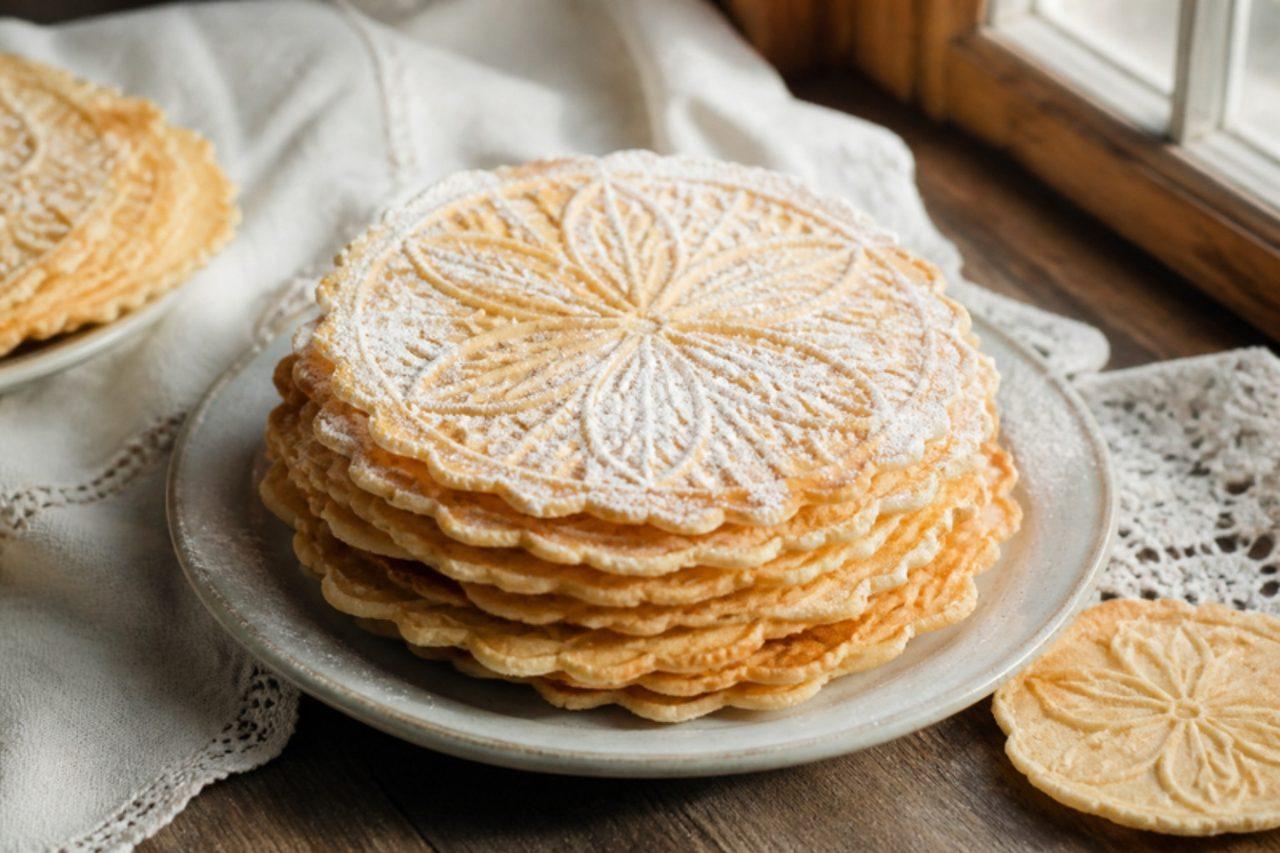
PizzelleAnise waffle biscuits

In Abruzzo, every family has its own pizzelle iron, often a wedding present engraved with the family's initials or a pattern of flowers. The thin, crisp waffles are baked for weddings, Christmas and Easter, and for the feast of San Domenico in Cocullo, flavoured with anise or lemon. Warm, they can be rolled into cones or tubes and filled. You need a pizzelle iron or a thin waffle maker. Chef's tip: lightly oil the iron only for the first pizzella; after that the batter's oil keeps them from sticking.

by KrazyBadal 0 views

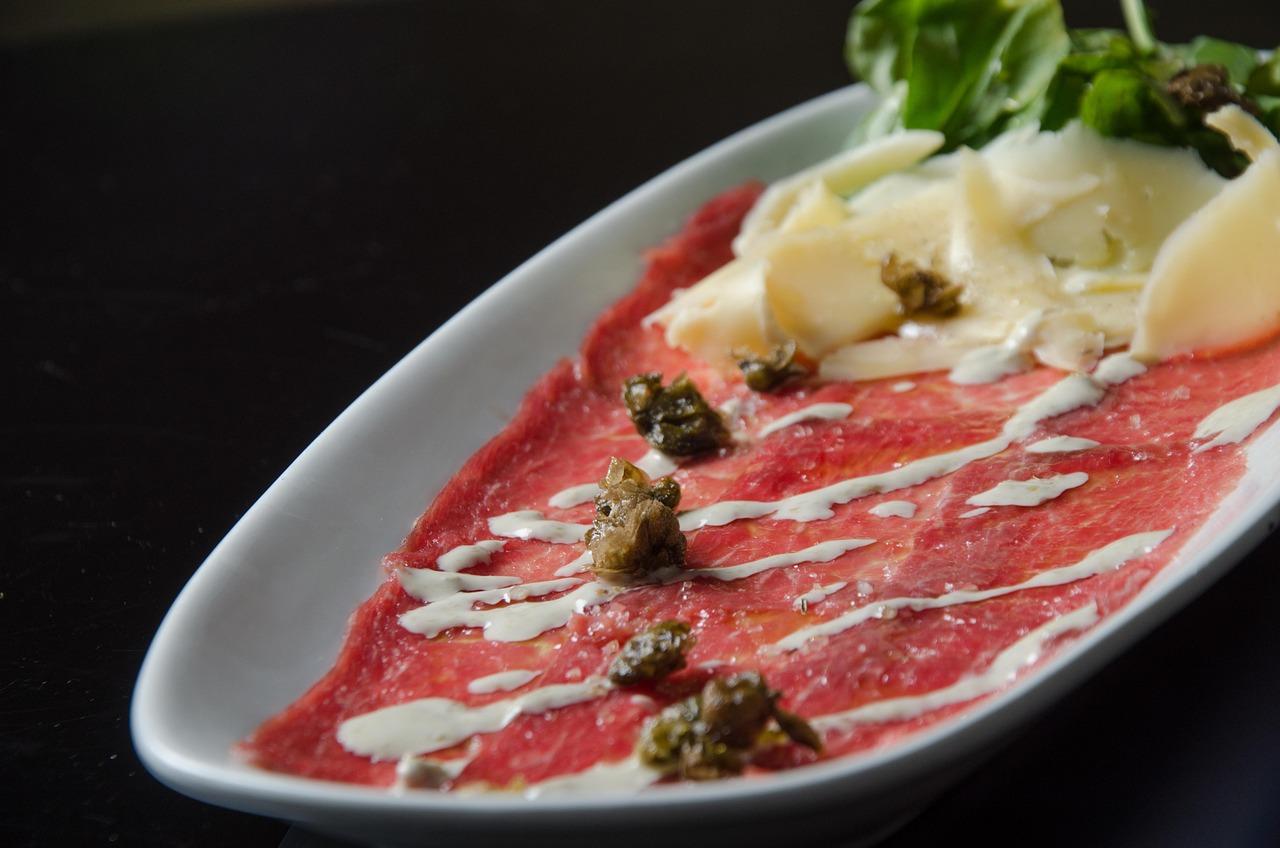
Carpaccio di manzoRaw beef carpaccio

Carpaccio was created at Harry's Bar in Venice in the 1950s for a countess whose doctor had told her to avoid cooked meat, and it was named after the painter Vittore Carpaccio for its deep red colour. Venetians eat it as a light first course at lunch: beef sliced so thin you can see the plate through it, with a creamy mustard-lemon sauce drizzled in lines across the top, rocket and shaved Parmigiano. The classic version is completely raw, which is not for pregnant women, young children or anyone with a weakened immune system; the safer version here sears the outside of the beef first, which kills surface bacteria and keeps the centre rosy. Chef's tip: wrap the beef tightly and freeze it for 40 minutes before slicing; firm meat lets you cut wafer-thin slices with an ordinary sharp knife.

by KrazyBadal 0 views

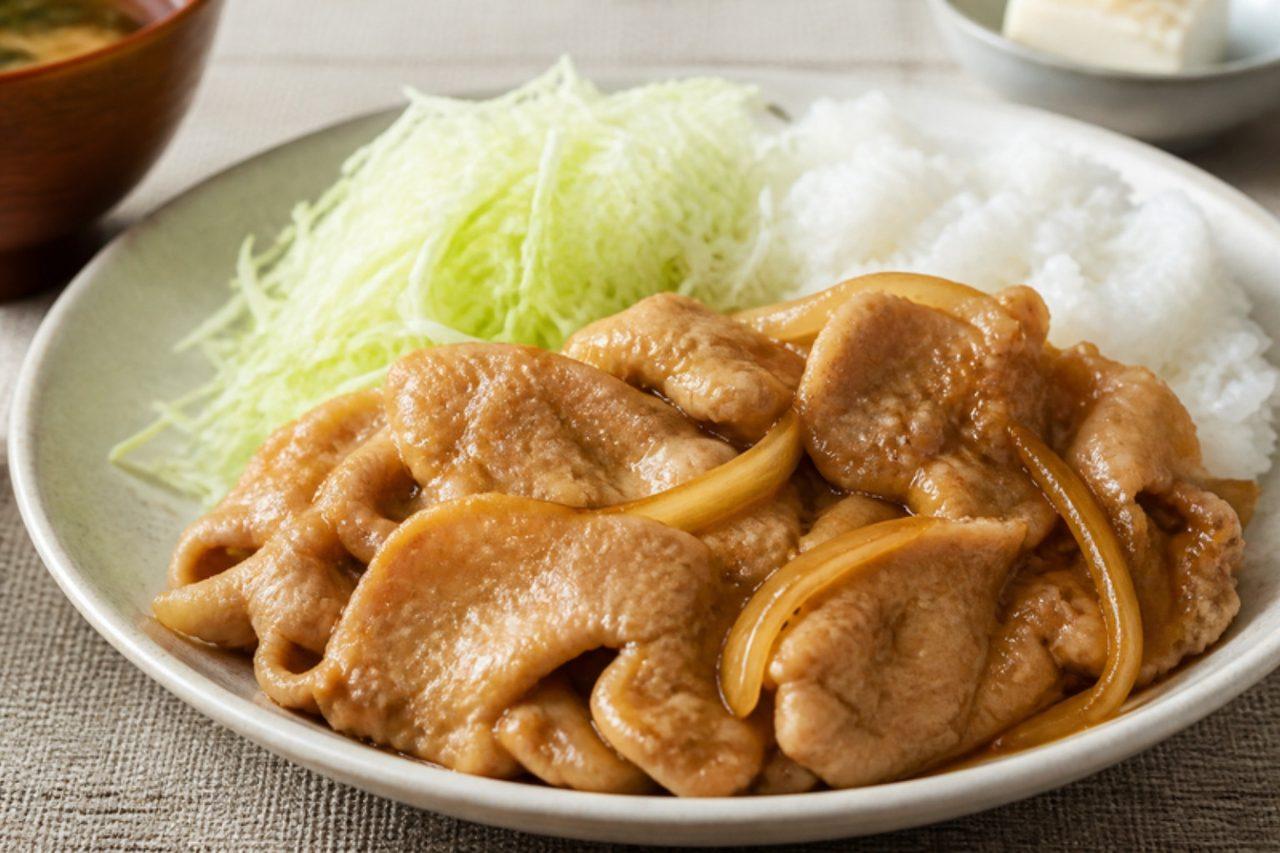
Shogayaki (ginger pork)

Shogayaki, thin slices of pork loin seared in a sticky ginger and soy glaze, is the single most popular set lunch at Tokyo's teishoku diners, served with a mound of shredded cabbage, rice and miso soup, and it is just as common in home bento. This recipe uses pork, with sake and mirin (Japanese rice wines) in the glaze; both bubble down in the hot pan so the alcohol mostly cooks off, and water and sugar make an alcohol-free swap. The mistake to avoid is marinating the pork for hours: fresh ginger contains an enzyme that turns the meat mushy, so 10–15 minutes in the fridge is plenty. Chef's tip: dust the slices lightly with flour before frying; it helps the sauce cling and keeps the pork tender.

by KrazyBadal 0 views

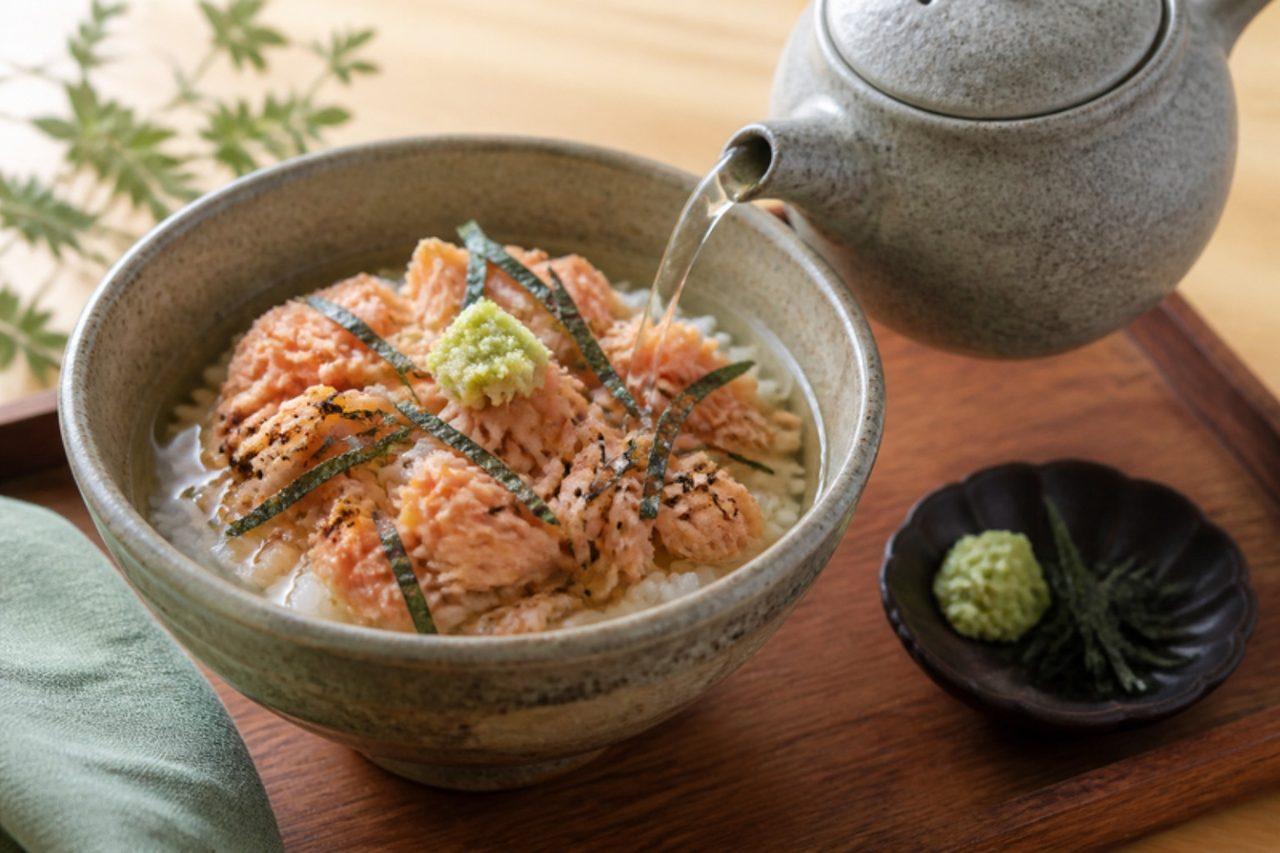
Salmon ochazuke (green tea over rice)

In Kyoto, where it is called bubuzuke, ochazuke is the light bowl offered late at night or at the very end of a meal, and in Tokyo it is the classic quick supper after a long day at work. Leftover rice is topped with flakes of grilled salted salmon, nori and sesame, then hot green tea is poured over so it becomes a fragrant, soothing soup. Grill the salmon until it is opaque and flakes easily, with crisp skin. The common mistake is using boiling-hot tea, which turns sencha bitter; let the water cool to about 80 °C. Chef's tip: salt the salmon the night before and keep it in the fridge; it firms up and takes on a deeper flavour.

by KrazyBadal 0 views

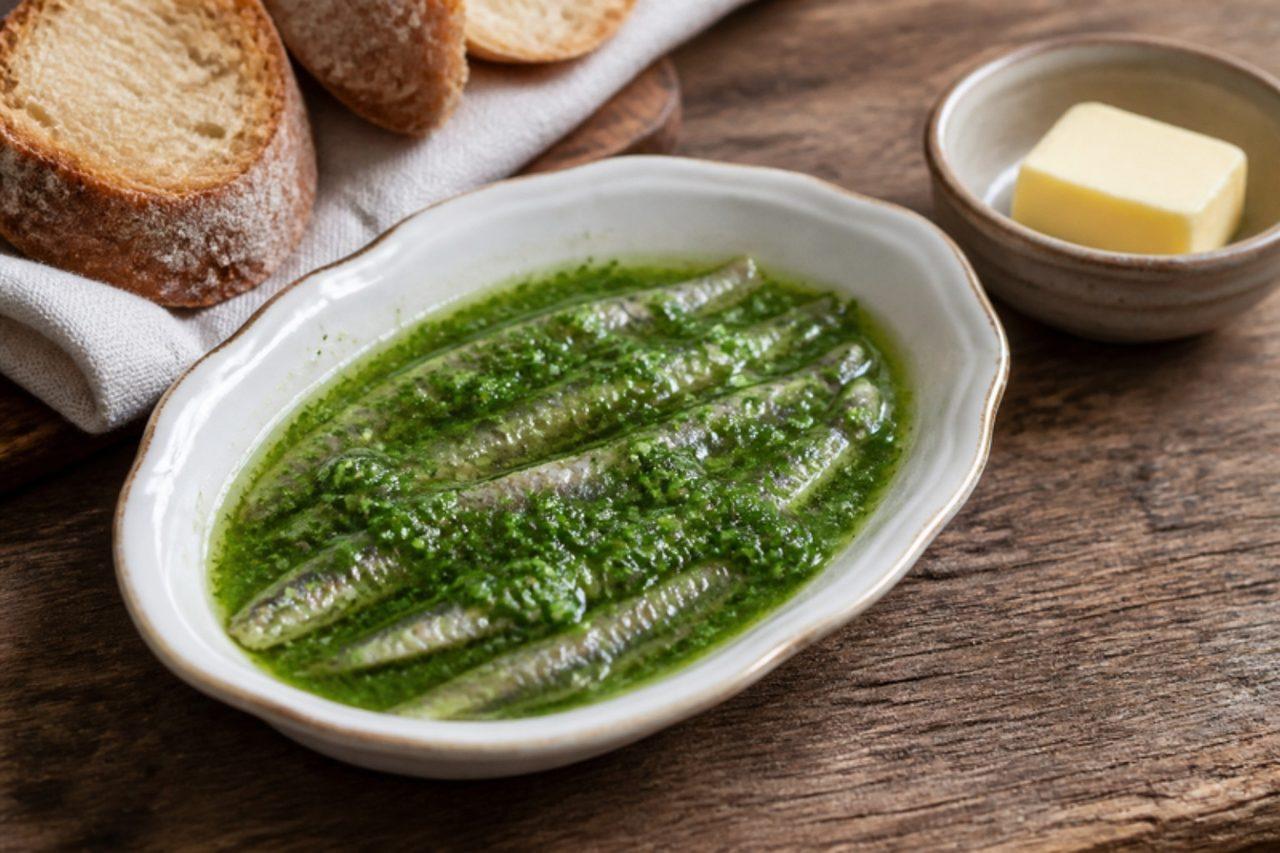
Acciughe al verdeAnchovies in green sauce

Piedmont has no coast, yet anchovies are part of its soul: salt-packed anchovies came over the mountain passes from Liguria with the salt traders, and acciughe al verde is still on the antipasto trolley of every trattoria in Turin and the Langhe. Fillets are layered in a jar with a green sauce of parsley, garlic, olive oil and a little vinegar and chilli, then left for a day to mellow. They are eaten with bread and butter or with boiled potatoes. Chef's tip: soak salted anchovies in a bowl of milk or water and vinegar for 10 minutes; it draws out the harsh salt and makes the fillets easy to lift off the bone.

by KrazyBadal 0 views

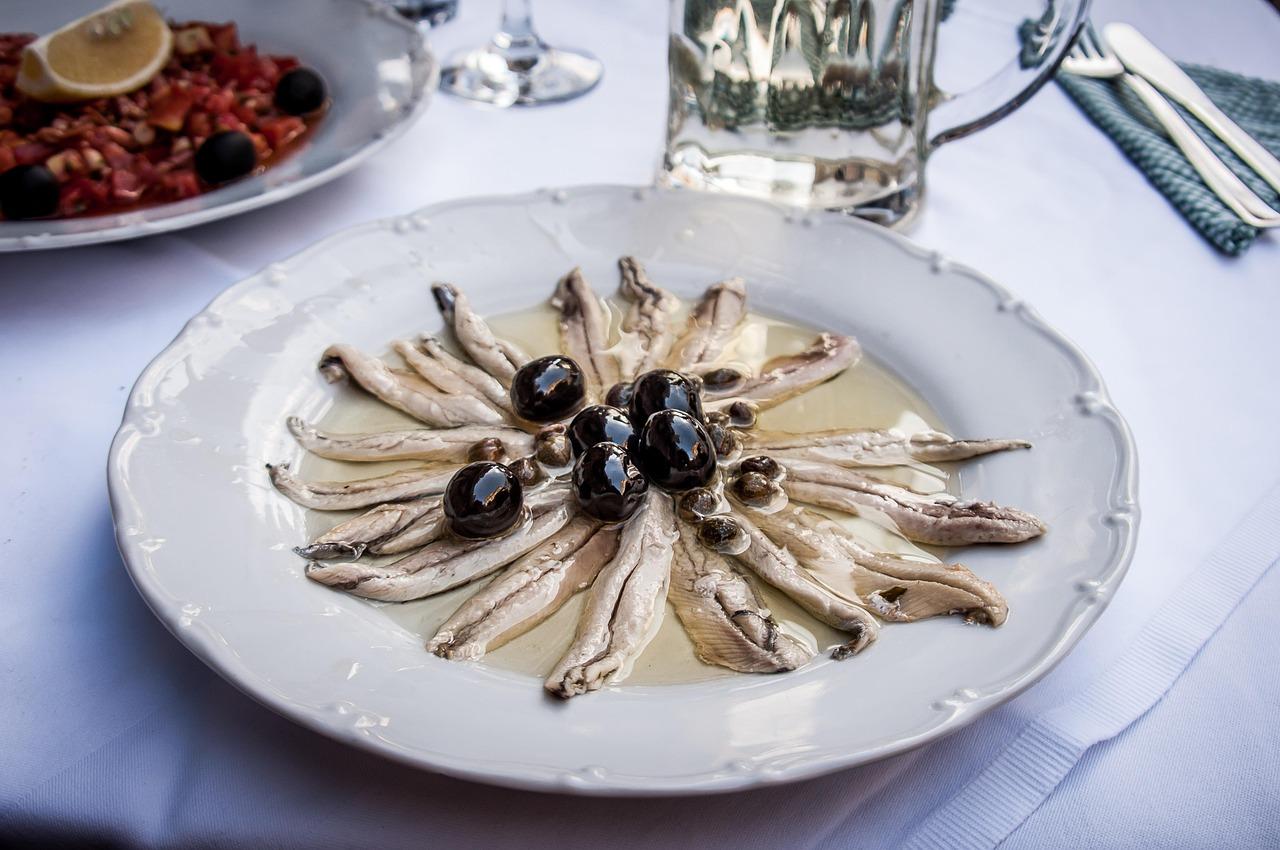
Alici marinateMarinated fresh anchovies

Along the Amalfi Coast and in the fish restaurants of Naples, alici marinate are a summer antipasto: very fresh anchovy fillets "cooked" by soaking in lemon juice and vinegar until they turn white, then dressed with olive oil, garlic, parsley and chilli. The fish is not heated, so it is not for pregnant women, young children or anyone with a weakened immune system. To be safe from parasites, freeze the cleaned fillets at −20 °C for at least 96 hours (or buy them already frozen) before marinating; the acid does not kill parasites. For a fully cooked version, poach the fillets in the marinade for 1 minute, until opaque. Chef's tip: marinate in the fridge until the flesh is white all the way through; pink in the middle means it needs longer.

by KrazyBadal 0 views

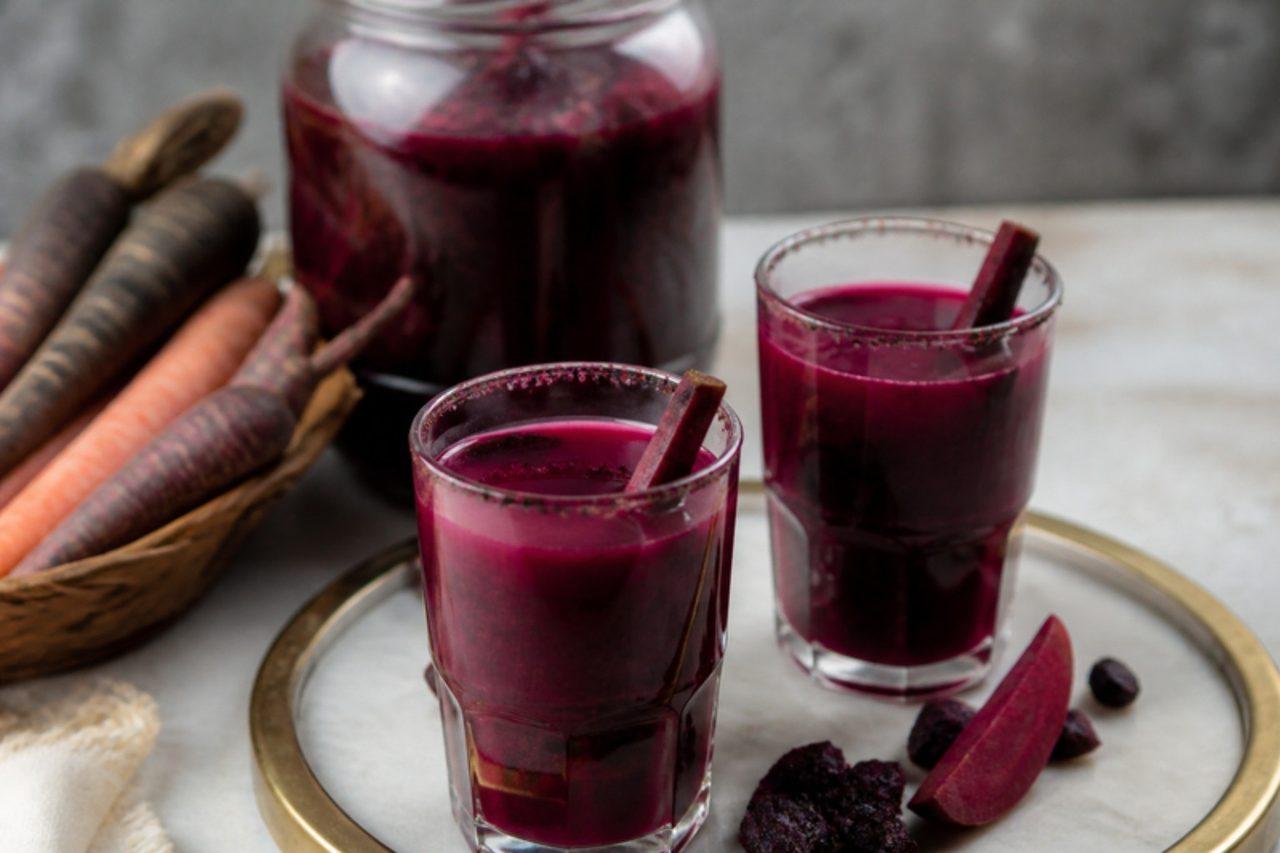
Kali gajar ki kanjiFermented black carrot drink

When the last black carrots of winter reach Punjabi and UP markets in February and March, kitchens start a jar of kanji. The carrots are cut into fingers, steeped in water with crushed mustard seed, salt and chilli, and left in the sun for a few days until the liquid turns deep purple, sour and sharp enough to tickle your nose. It is drunk by the glass before meals around Holi as a digestive and a spring tonic, and the soft, tangy carrot sticks are eaten too. The flavour is like a lively pickle brine, earthy from the carrots and peppery from mustard. Use a glass or ceramic jar that you have washed and dried completely, keep the vegetables under the water, stir with a clean dry spoon, and discard if mould or an unpleasant smell appears. Chef's tip: a small beetroot deepens the colour if your carrots are more red than black, but don't overdo it or the kanji tastes earthy and sweet.

by KrazyBadal 0 views

Roti sardinSardine-filled bread rolls

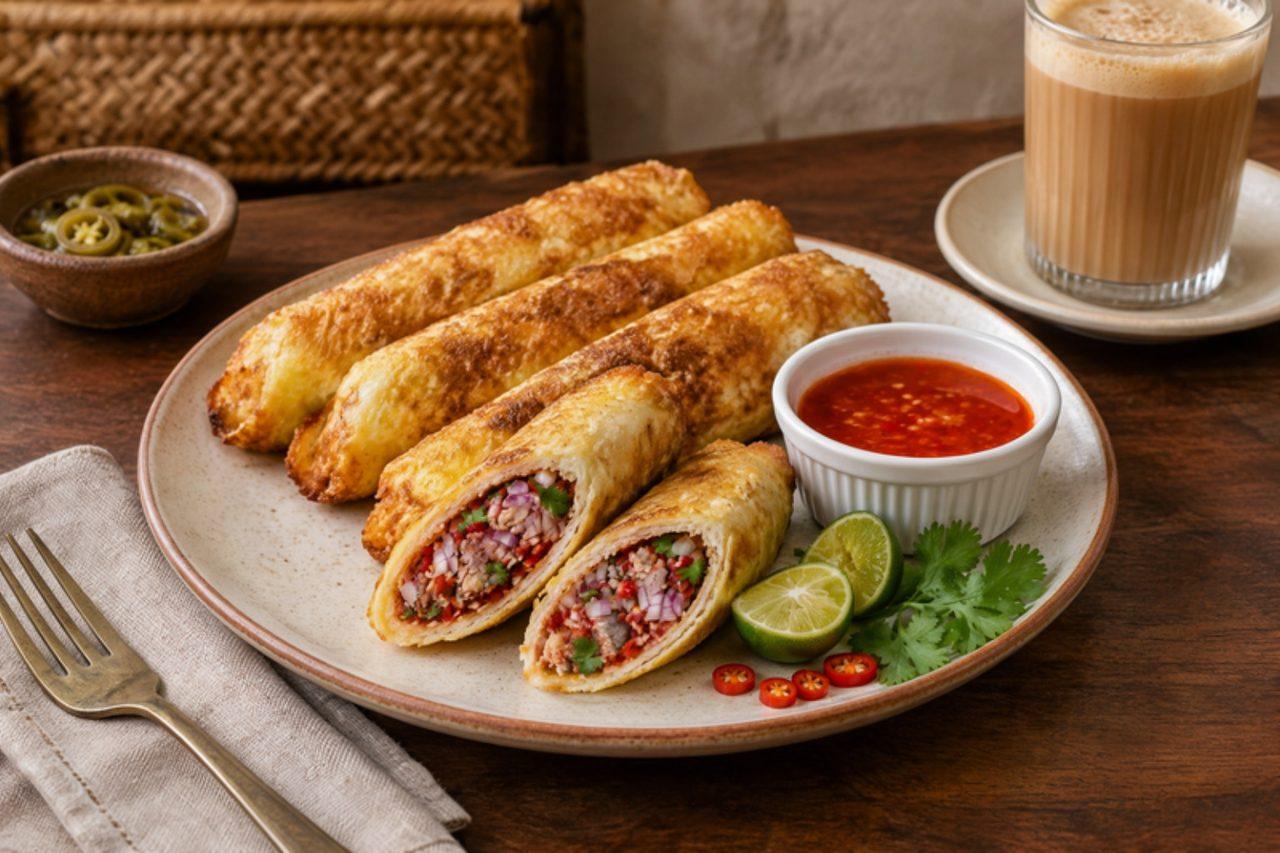
Roti sardin is a Malaysian school-bag and teatime favourite: tinned sardines in tomato sauce mashed with onion, chilli and lime, rolled inside flattened white bread and pan-fried until golden. Mothers across Malaysia make them for bekal and they are sold at Ramadan bazaars. The common mistake is leaving the sardine filling wet, which soaks through the bread; cook it down until it is thick. Chef's tip: seal the rolls with a little beaten egg, then fry seam side down first so they hold together.

by KrazyBadal 0 views

Moreton Bay bugsSlipper lobster with garlic butter

Moreton Bay bugs are the flat, shovel-nosed slipper lobsters caught off the Queensland coast around Brisbane and the Sunshine Coast, and for Queenslanders they are a summer treat, split and grilled at the beach house. The tail meat is sweet and rich, somewhere between lobster and prawn. Buy them raw, frozen or fresh, from a fishmonger and ask them to halve them if you like. A common mistake is overcooking, which makes the meat rubbery; it is ready the moment it turns white. Chef's tip: grill flesh side down first to mark it, then turn and baste in the shell.

by KrazyBadal 2 views

Cà phê cốt dừa (coconut coffee)

Hanoi takes its coffee seriously, and in the last fifteen years coconut coffee has become one of the city's signatures, sold from Old Quarter cafés, lakeside balconies around Hoàn Kiếm and tiny stools on the pavement. It is a hot-weather drink, at its best on a sticky afternoon between May and September, eaten half with a spoon. Strong Vietnamese robusta drips slowly through an aluminium phin, then is poured over a pale slush of thick coconut cream, sweetened condensed milk and crushed ice, so you get bitter, dark coffee against something rich and cold that tastes like coconut ice cream. The common mistake is blending the slush too long or with too much ice, which leaves it thin and watery, and pouring the coffee in boiling hot so the slush collapses. Blend just until it looks like soft snow, and let the coffee cool for a minute or two. It is ready when the slush holds a spoon upright and the coffee sits in a dark layer on top. Robusta is high in caffeine and this is a strong drink, so it is not for children and one glass is plenty. Chef's tip: chill the coconut cream overnight; cold, thick cream gives a fluffier slush.

by KrazyBadal 0 views

Kaffeost (coffee with cheese)

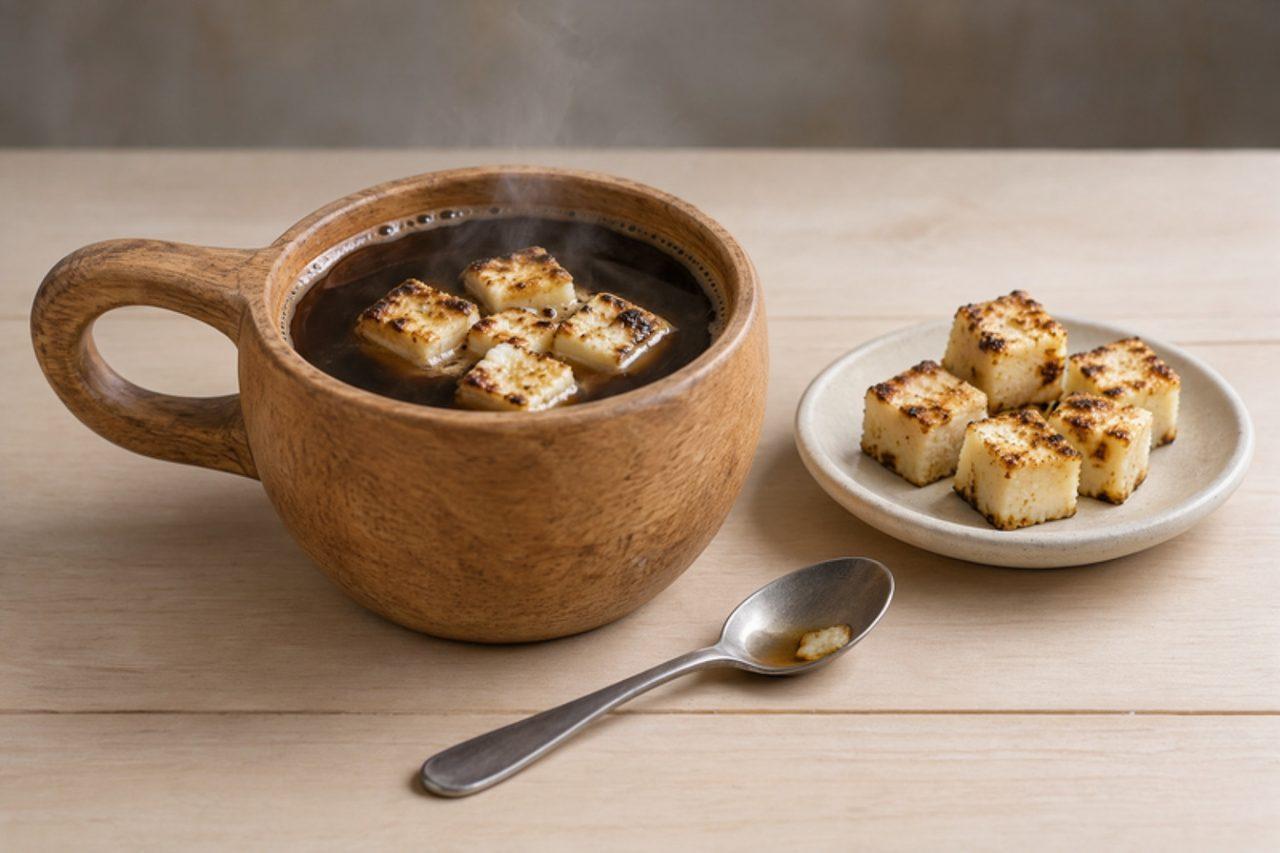
In the far north, across Swedish Norrbotten and Finnish Lapland, coffee comes with cheese in the cup. Leipäjuusto, a mild, squeaky cheese baked or grilled until spotted brown (called kaffeost or 'bread cheese'), is cut into cubes and put in a cup, often a carved wooden kuksa, then hot black coffee is poured over. Sámi reindeer herders and Tornedalen farmers have made it this way for generations; it is a fireside or mid-morning drink on a cold day, and in some families a little sugar or a slice of dried reindeer meat goes in as well. The cheese warms through, softens slightly and soaks up the coffee, so you drink the coffee and then spoon out the warm, chewy, milky cubes. The common mistake is using a soft or melting cheese: it collapses into strings. Use proper leipäjuusto or halloumi, which keep their shape. It is ready when the cubes are hot to the centre, about 2 minutes, and slightly puffed. Strong coffee means real caffeine here, so it is an adult drink. Leipäjuusto is sold in Nordic shops; halloumi is the nearest substitute. Chef's tip: warm the cheese on a dry pan first for extra browned flavour.

by KrazyBadal 0 views

Chikuwa isobe-ageSeaweed-battered fish cake

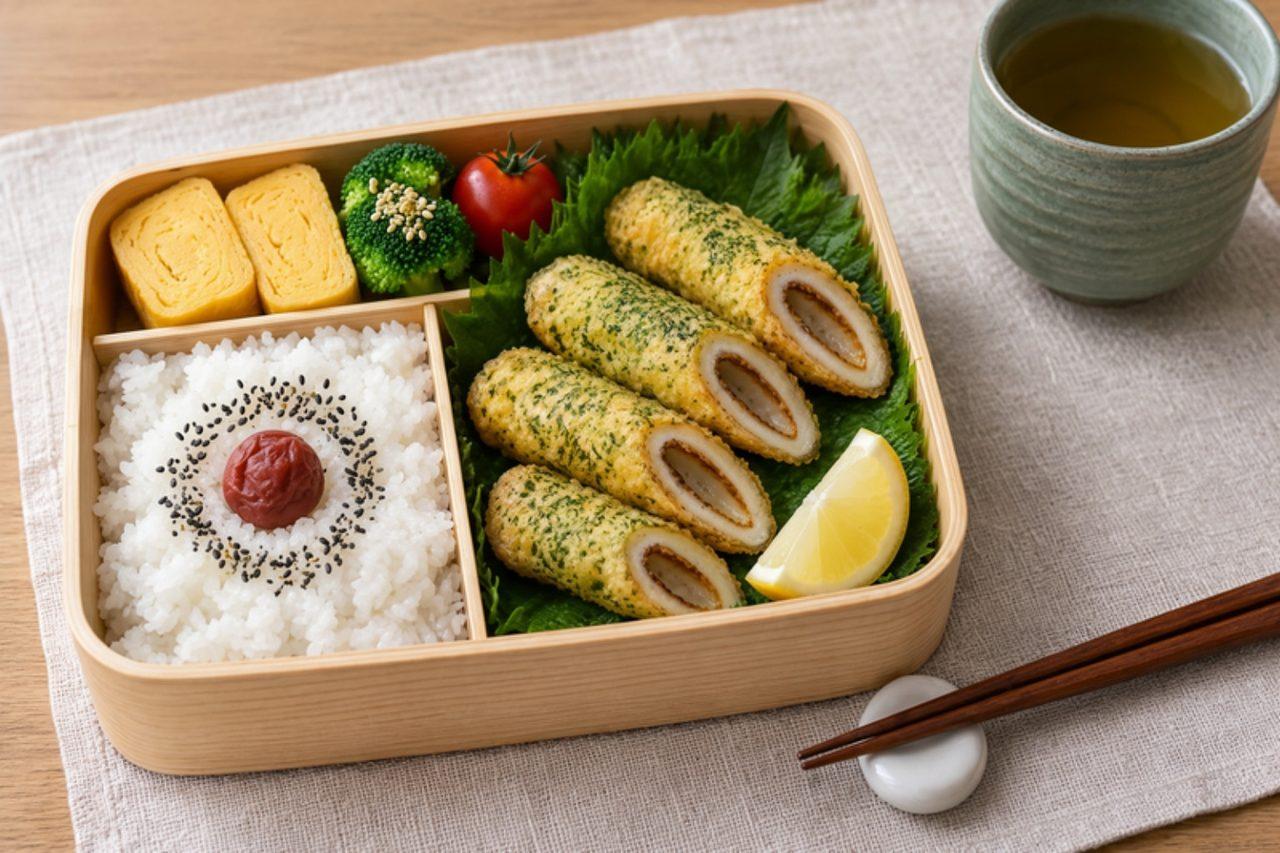
Isobe-age, "fried in the style of the rocky shore", means anything coated in a batter speckled with green aonori seaweed, and chikuwa isobe-age is the one every Japanese parent tucks into a bento: tubes of chikuwa fish cake fried until puffed and crisp. It is just as good cold and takes ten minutes. The common mistake is a thick batter, which turns bready; it should be like single cream. Chef's tip: dust the chikuwa with a little flour before dipping, so the batter clings and does not slide off in the oil.

by KrazyBadal 0 views

Leche con plátanoBanana milk

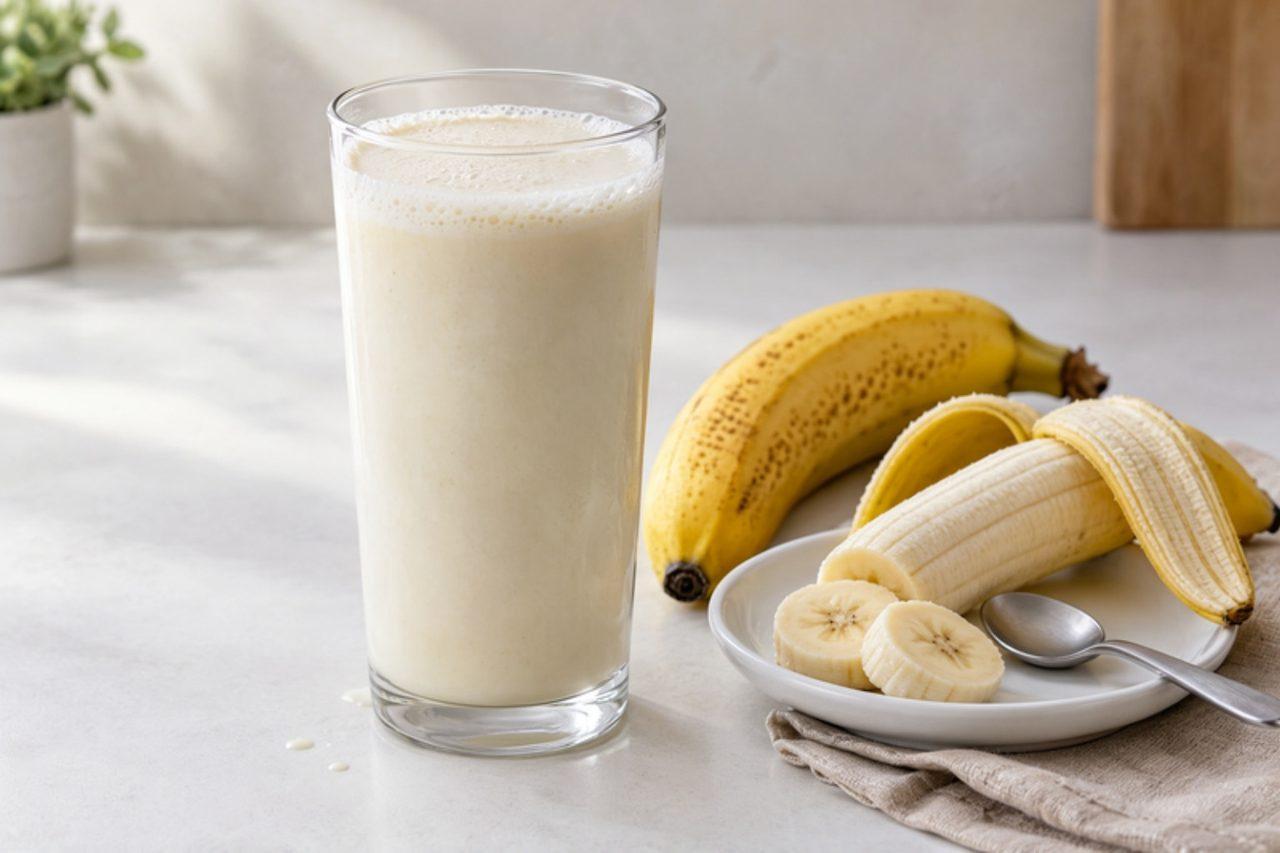
Ask anyone who grew up in Chile, from Arica to Punta Arenas, what they drank after school and many will say leche con plátano. It is made in a blender in two minutes, usually at onces, the late-afternoon tea, alongside marraqueta rolls with butter or avocado, and it is the first thing many children learn to make by themselves. It is pale, foamy and thick enough to leave a moustache, tasting simply of sweet ripe banana and cold milk, sometimes with a pinch of cinnamon. The common mistake is making it ahead: within half an hour the banana turns the milk greyish-beige and the foam collapses, so blend it just before drinking. It is ready when it is completely smooth, light and frothy, with no banana lumps at the bottom of the jug. Use bananas with a few brown freckles: they are sweet enough that you may need little or no sugar. Chef's tip: slice and freeze overripe bananas, then blend them straight from the freezer; the drink comes out icy and extra thick without any ice.

by KrazyBadal 1 views

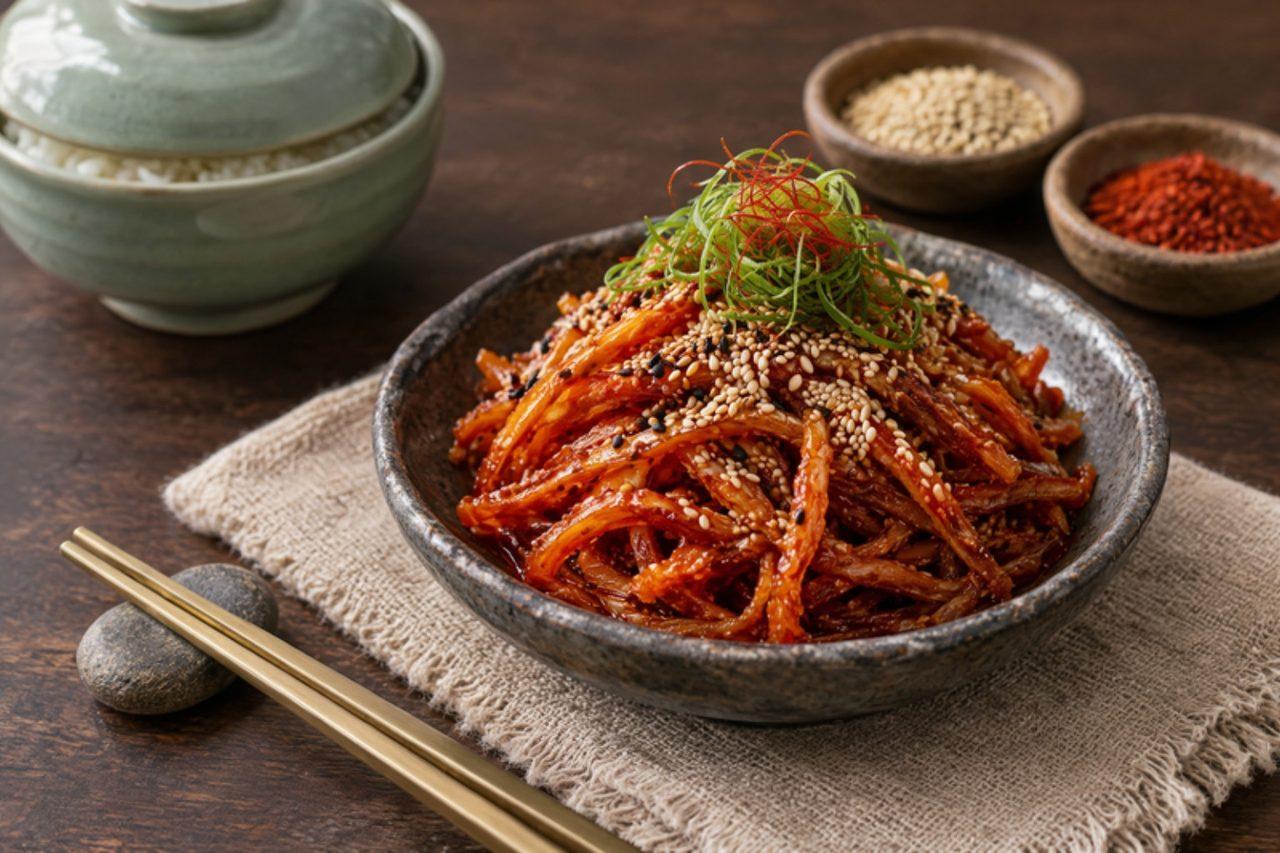
Jinmichae bokkeumGlazed dried squid strips

Jinmichae, shredded seasoned dried squid, is one of the most popular banchan in Korean lunchboxes: chewy, sweet and a little spicy, and it keeps for a week. Children across Korea find it in their dosirak and parents make a big tub on Sunday. The common mistake is glazing it over the heat, which turns the squid hard as wire; mix the strips into the warm sauce off the heat. Chef's tip: soak the squid briefly in water first and squeeze it out, so it stays tender even straight from the fridge.

15 minKoreanFishSpicy
by KrazyBadal 0 views

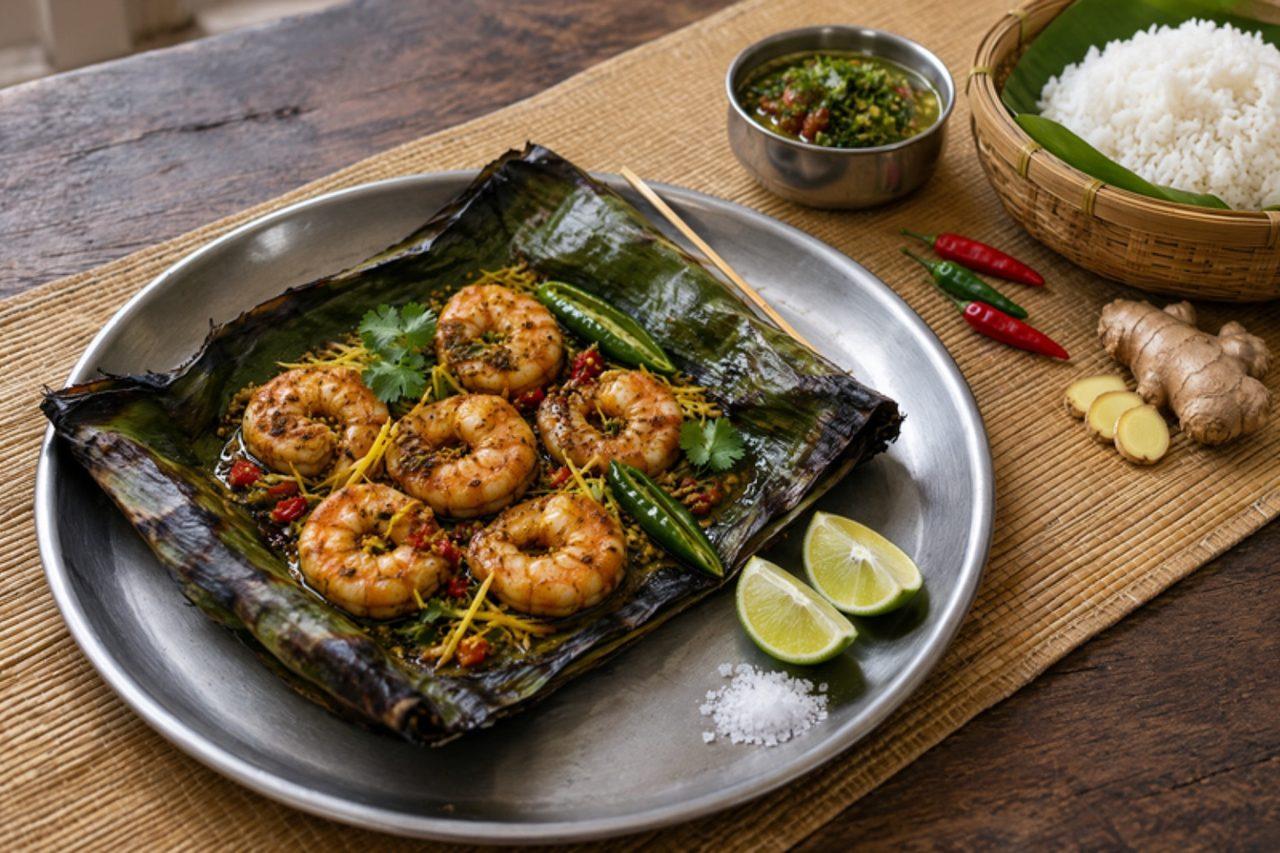
Misa mach pooraPrawns grilled in banana leaf

Misa mach poora is a simple Mizo way with river prawns: rubbed with ginger, garlic, chilli and salt, wrapped in banana leaf and cooked over embers until the leaf chars and the prawns steam in their own juices. It is made at riverside picnics and family cookouts and eaten with rice and a chilli relish. The common mistake is overcooking, which makes prawns tough; they are done the moment they turn opaque and pink all through. Chef's tip: keep the marinated parcels in the fridge until the grill is hot.

27 minIndianFishGluten free
by KrazyBadal 0 views

MoshOat and milk drink

In Guatemalan homes, mosh is what a mother hands a child on a chilly highland morning in Quetzaltenango or Huehuetenango: rolled oats cooked long and thin with water, milk, cinnamon and sugar, so it's drunk from a mug rather than eaten with a spoon. The common mistake is making it too thick like porridge; it should pour easily, so keep adding hot milk or water as the oats swell. Chef's tip: whisk it hard for a minute at the end; it breaks up the oats and makes the drink smooth and frothy.

by KrazyBadal 0 views

MerkénSmoked chilli seasoning

Merkén comes from the Mapuche kitchens of Araucanía: cacho de cabra chillies are dried, smoked over a wood fire, then ground with toasted coriander seed and salt into a brick-red powder that is smoky, warm and lightly hot. In Temuco and across the south it is shaken over potatoes, eggs, sopaipillas, grilled fish and soups. Outside Chile, use dried smoked red chillies, or plain dried red chillies plus smoked paprika. The mistake to avoid is scorching the chillies in the pan: if they blacken, the whole jar is bitter. Chef's tip: grind it a little coarse, as it is sold in Temuco's market, so the coriander seeds stay noticeable.

by KrazyBadal 0 views

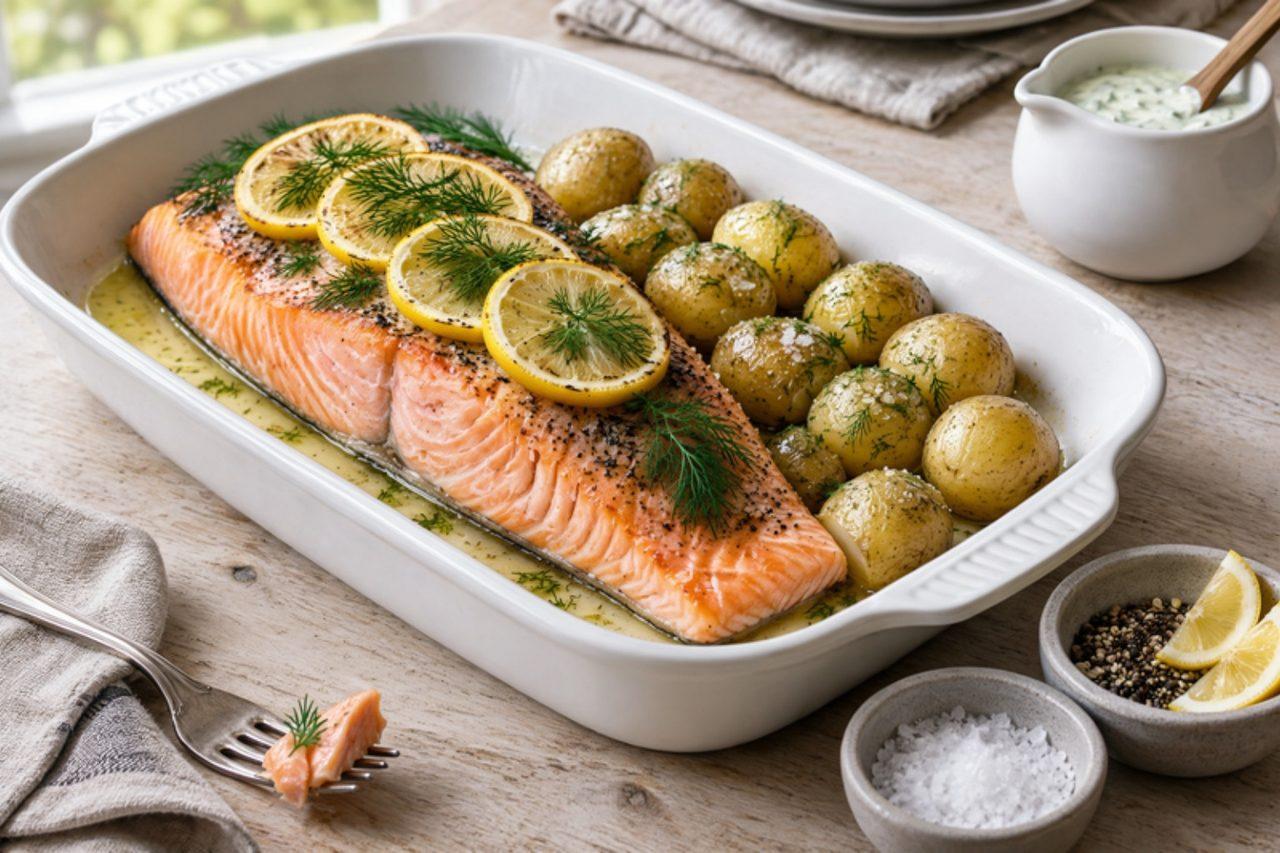
Ugnsbakad laxOven-baked salmon

Ugnsbakad lax is one of Sweden's most common weeknight dinners, made all year round but especially in summer when dill is everywhere, and it is on every school and workplace lunch menu. A thick side of salmon bakes quickly with lemon slices and plenty of dill, staying moist and pink in the centre. Oily fish, high in protein and suitable as part of a balanced diet; serve with a few boiled new potatoes and green beans or a cucumber salad. About 350 kcal and 2 g carbohydrate per portion. The usual mistake is baking it until it is dry and chalky, with white protein seeping out; take it out as soon as it flakes. Chef's tip: salt the salmon 15 minutes before baking so it seasons through and holds its juices.

by KrazyBadal 0 views

Showing 24 of 642 recipes

Show more recipes

Page 1 of 27