Skip to content
Recipes

All recipes

Vegetarian, or something you can't eat? Set your diet once and we'll hide recipes that don't fit.

Sakurayu (salted cherry blossom tea)

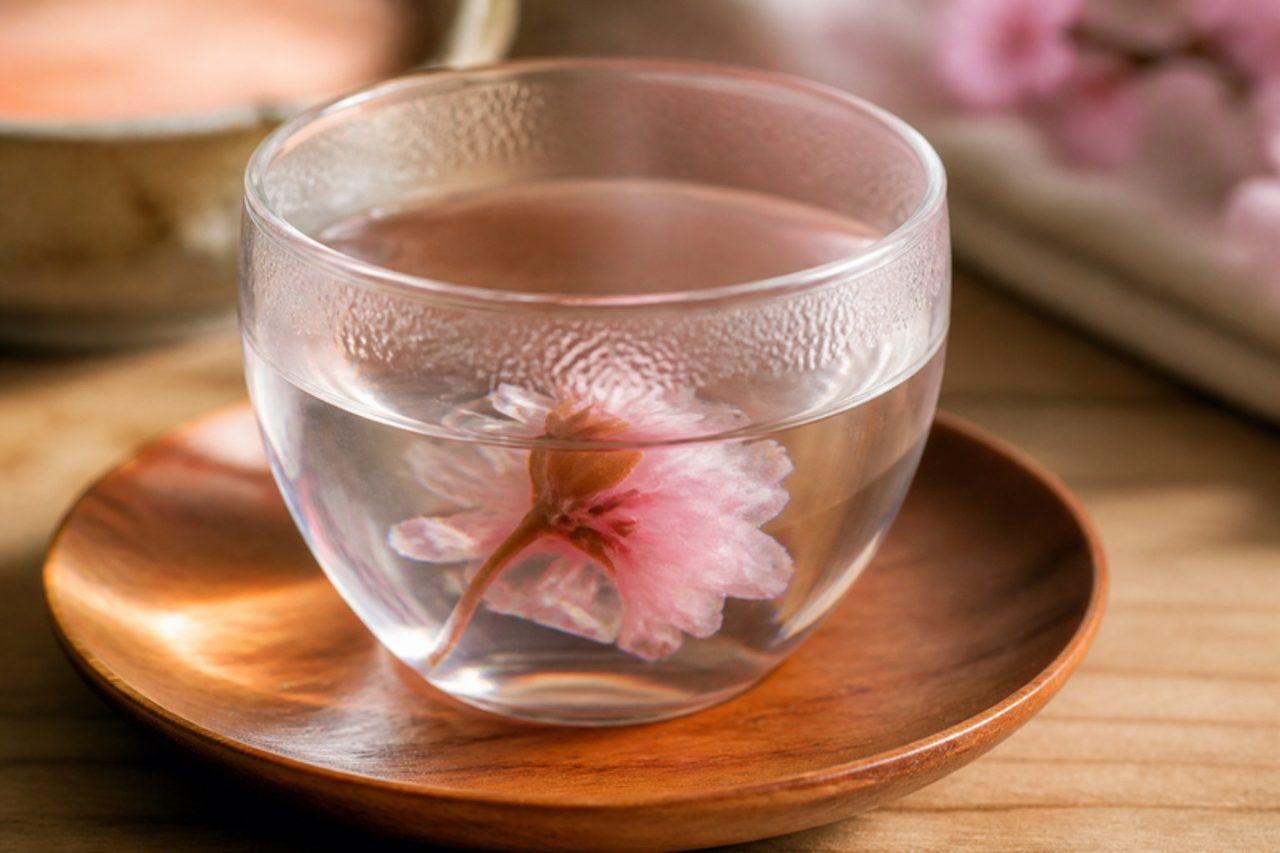
Sakurayu is not really tea at all but salt-pickled cherry blossoms steeped in hot water, and it is served all over Japan at engagements, weddings and other happy occasions, as well as in the hanami season. Green tea is avoided at such moments because "muddying the tea" is a phrase for being evasive, while a blossom opening in a clear cup is a picture of a bright beginning. The drink is pale pink, gently salty and faintly scented of cherry and almond. The blossoms are bought ready-salted (sakura no shiozuke) from Japanese grocers. Serve it with small sweets such as sakura mochi or hanami dango. Chef's tip: use water just off the boil and pour it slowly down the side of the cup, so the petals open without tearing.

by KrazyBadal 0 views
Buri no teriyaki (glazed yellowtail)

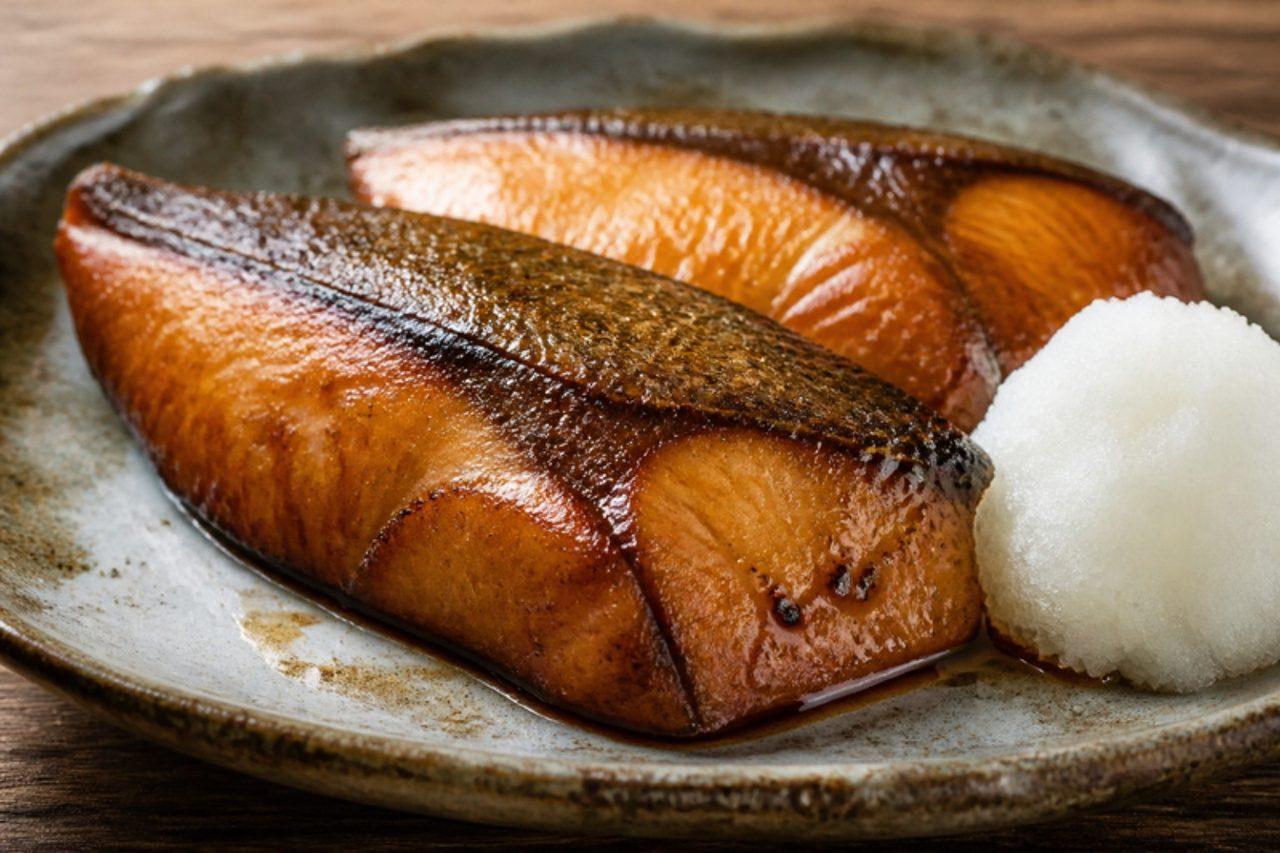
Buri, Japanese yellowtail, is the year-end fish of western Japan and the yakimono (grilled dish) of many Shōgatsu osechi boxes, because it is a 'promotion fish' that changes its name as it grows, a wish to rise in life in the new year. Buri is rich and meaty, and the teriyaki glaze turns it deep bronze, sweet-salty and glossy on the outside while the flesh stays moist. The glaze uses sake and mirin, both rice wines; for no alcohol, use water instead of the sake and 2 tbsp water plus 2 tsp sugar instead of the mirin. Serve with rice, miso soup and grated daikon, or chilled in the osechi box. Chef's tip: salting the fish for 10 minutes and patting it dry removes the fishy moisture and helps the glaze cling.

by KrazyBadal 0 views

Ebi no umani (simmered prawns)

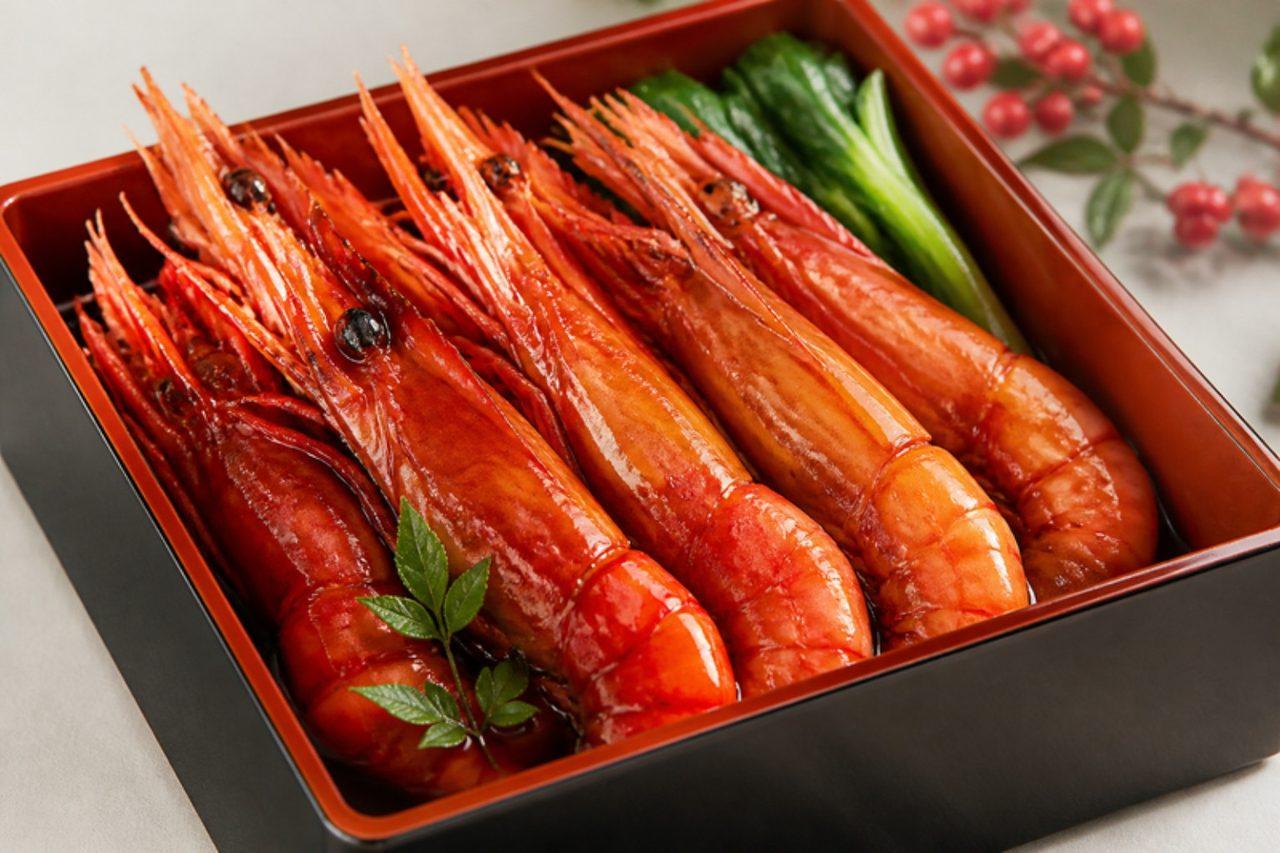
Bright red prawns curled like a bent back sit in every Shōgatsu osechi box in Japan as a wish to live until your back is bent with age, and their red is the colour of celebration. Simmered briefly in dashi, soy and sugar, they stay plump and juicy, and cooling in the liquid gives them a sweet-savoury flavour right through to the shell. The liquid includes sake and mirin, both rice wines; for no alcohol, replace the sake with extra dashi and the mirin with 3 tbsp water plus 1 tbsp sugar. Use frozen head-on prawns, thawed in the fridge. Serve cold or at room temperature in the osechi box, or warm with rice. Chef's tip: lift the prawns out as soon as they turn pink, reduce the liquid, then return them; this keeps them tender.

by KrazyBadal 0 views
Amazake (sweet koji rice drink)

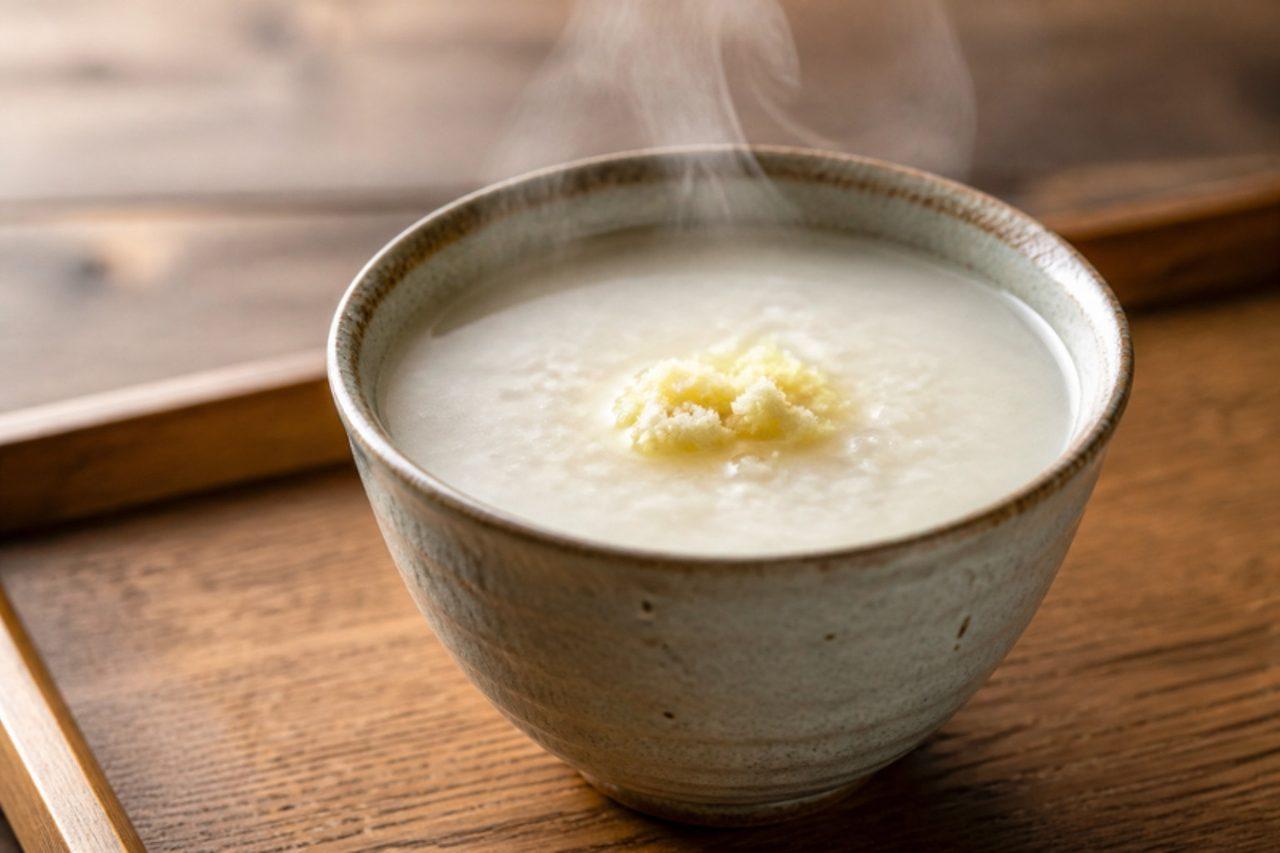
On New Year's Day, crowds queuing for hatsumōde, the first shrine visit of the year, warm their hands on cups of amazake, and shrines all over Japan ladle it out as a welcome. This is the koji kind: cooked rice is held warm with rice koji, whose enzymes turn the starch into sugar, so the drink is sweet with no added sugar and contains no alcohol (unlike the other amazake made from sake lees). It is thick, creamy and gently fragrant, a little like rice pudding you can drink. Serve it hot with a pinch of grated ginger, or chilled in summer. Chef's tip: a cheap probe thermometer is the whole secret; keep the mixture at 55–60 °C and it will turn sweet every time.

by KrazyBadal 0 views
Tazukuri (candied baby sardines)

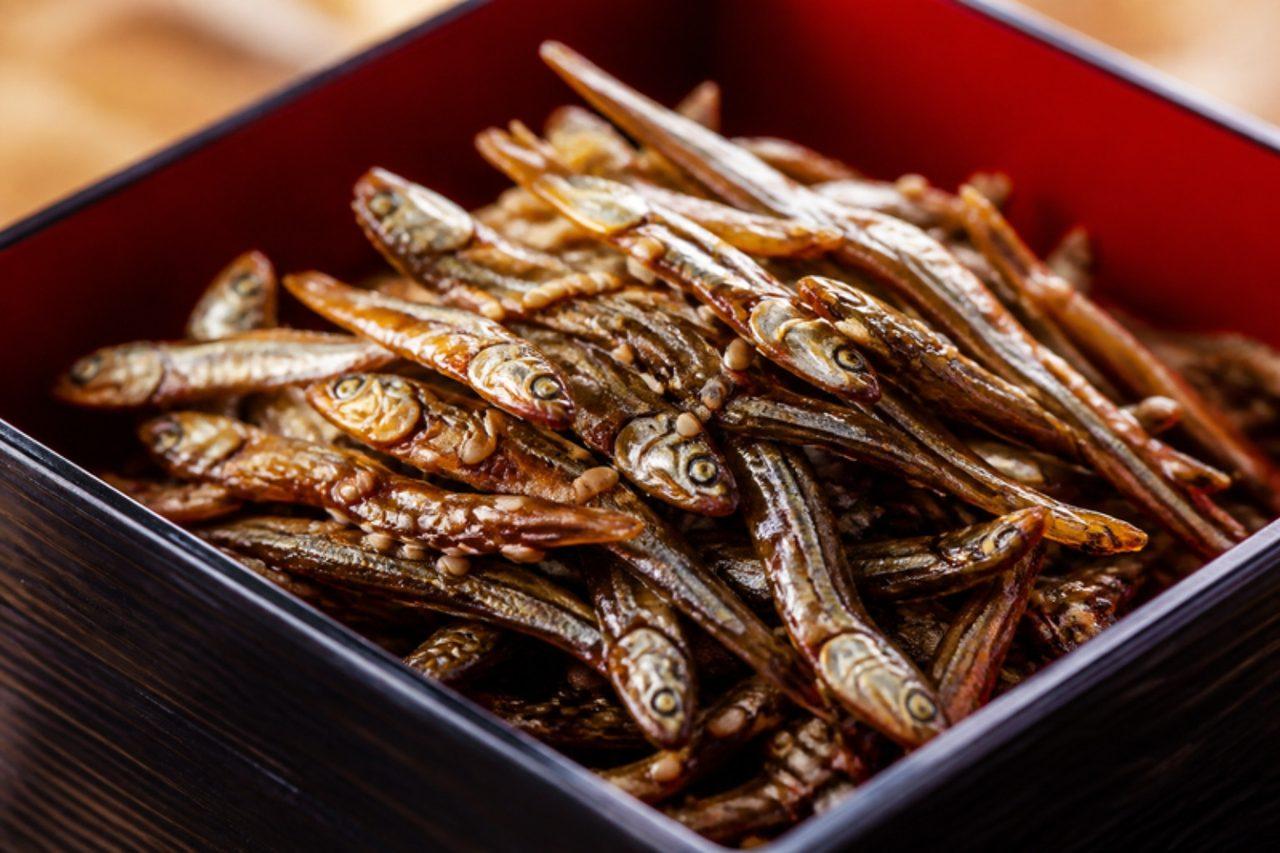
Tazukuri means 'making rice paddies': in old Japan small sardines were spread on fields as fertiliser, and these glazed little fish became a New Year wish for a rich harvest; they are one of the three essential osechi nibbles with black beans and herring roe. Toasted dry until they snap, then tossed in a sweet-salty glaze, they are crunchy, savoury and moreish, with a nutty sesame finish. The glaze includes mirin, a sweet rice wine; for no alcohol use 1 tbsp water and 1 extra tsp sugar. Serve a small heap in the osechi box, with green tea, or over hot rice. Chef's tip: toast slowly until one fish snaps cleanly in half; chewy sardines never turn crisp later.

by KrazyBadal 0 views
Matsumae-zuke (squid and kelp pickle)

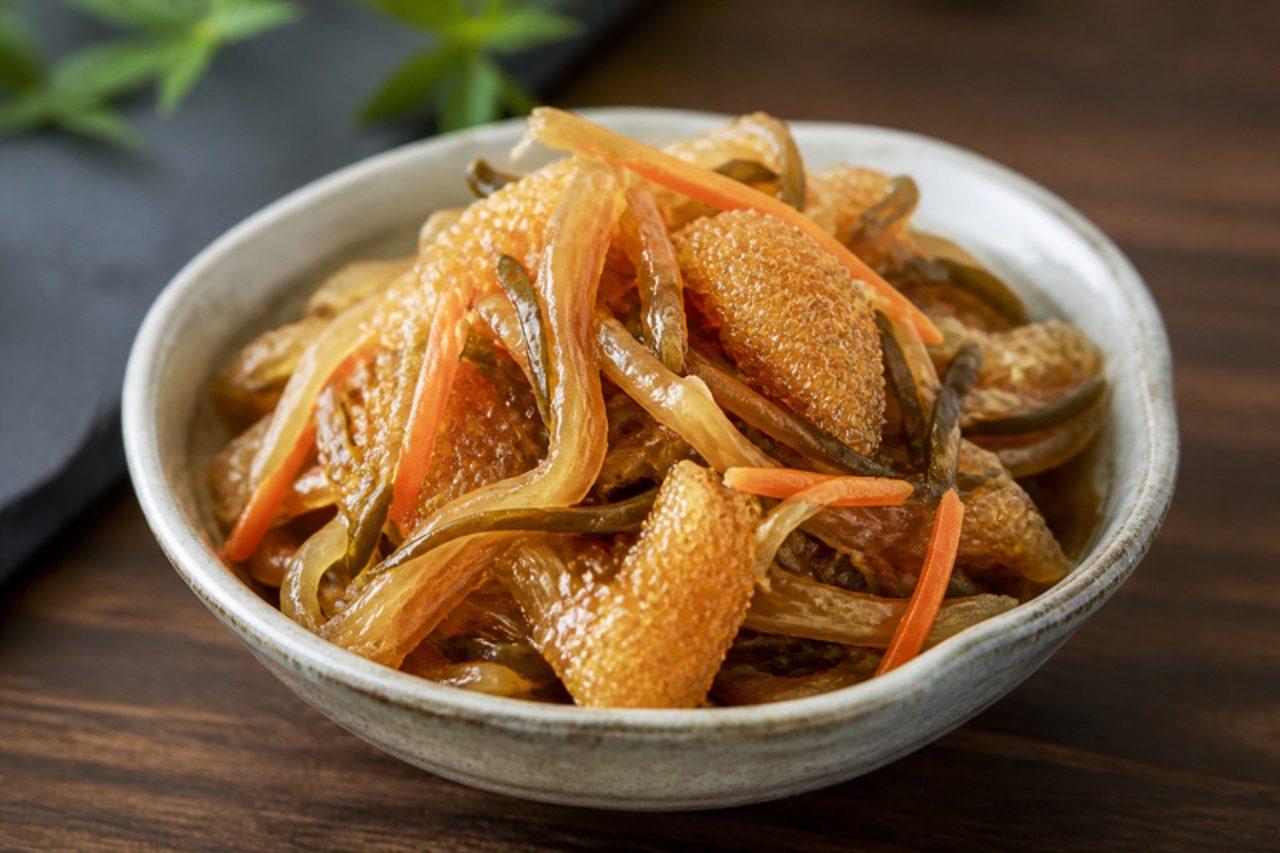
Matsumae-zuke is Hokkaido's gift to the New Year table, named after the old Matsumae domain whose ports traded in dried squid and kombu; families make a big jar at the end of December to eat through Shōgatsu, with kombu ('yorokobu', joy) and herring roe for many children. As it sits, the kelp releases its natural stickiness, so the chewy squid and crisp carrot are bound in a glossy, savoury-sweet, deeply umami dressing. The marinade uses sake and mirin, both rice wines, boiled to drive off most of the alcohol; for none at all, use water instead of the sake and 3 tbsp water plus 1 tbsp sugar instead of the mirin. Serve a spoonful over hot rice or as a nibble with drinks. Chef's tip: cut the squid and kombu with dry kitchen scissors; wet ones stick and tear.

by KrazyBadal 0 views
Kazunoko (marinated herring roe)

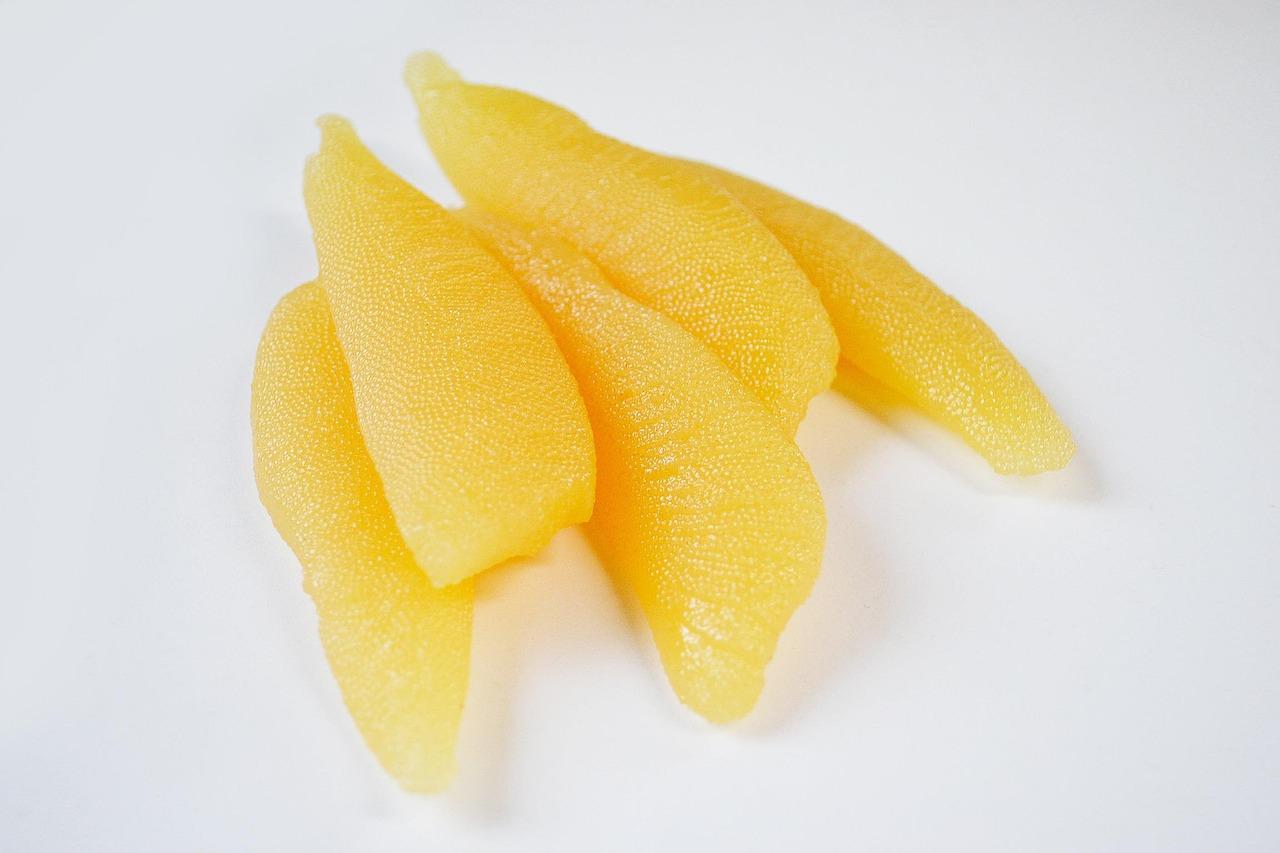
Kazunoko, golden sacs of herring roe, is a jewel of the Shōgatsu osechi box all over Japan: its thousands of tiny eggs ask for many children and a family that keeps growing, and its name hints at 'number of children'. Its charm is texture: each bite pops and crunches, with a clean, mild sea taste carried by a dashi and soy marinade. The marinade includes mirin, a sweet rice wine, which is briefly boiled; for no alcohol, use 1 tbsp water plus 1 tsp sugar. Serve cold in small pieces, topped with katsuobushi flakes, with other osechi dishes or rice. The roe is salt-cured and not cooked, so it is not for pregnant women, young children or anyone with a weakened immune system. Chef's tip: desalt in lightly salted water, not plain water; it draws the salt out evenly without making the roe bitter.

by KrazyBadal 0 views
Hamaguri no ushiojiru (clam soup)

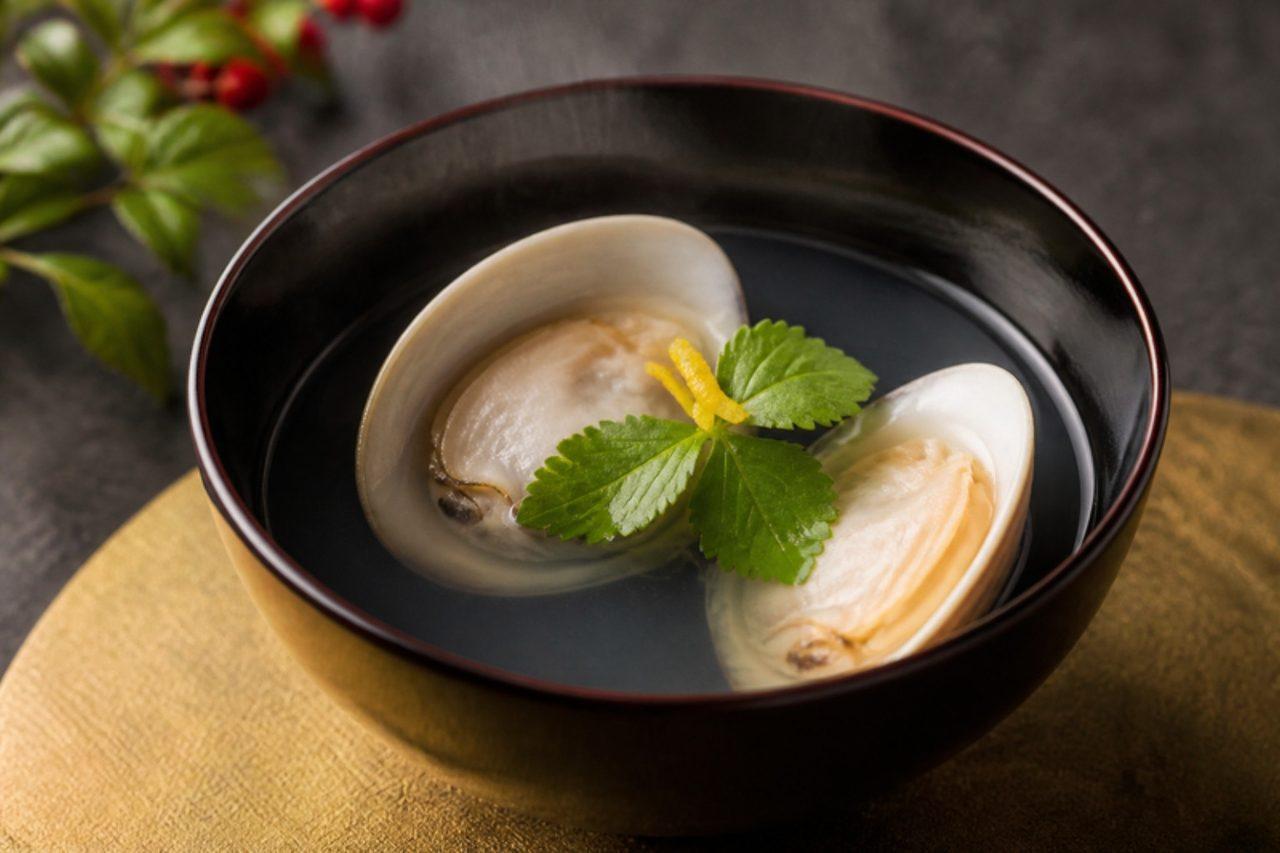
Ushiojiru, "tide soup", is the clear soup served at Hinamatsuri on 3 March, and at weddings, all over Japan. It is made with hamaguri, large hard clams whose two half-shells only ever fit their own partner, so the soup carries a wish for a girl to meet the right match and stay together for life. The broth is just kombu, water and the clams' own juices with a little salt: delicate, sweet and briny, like a breath of the sea. Serve two clams in each bowl alongside chirashizushi. Outside Japan, use large venus clams or palourdes. Chef's tip: start the clams in cold water with the kombu and heat them gently, so the flavour seeps into the broth instead of staying locked in the shells.

by KrazyBadal 0 views
Setsubun iwashi (salt-grilled sardines)

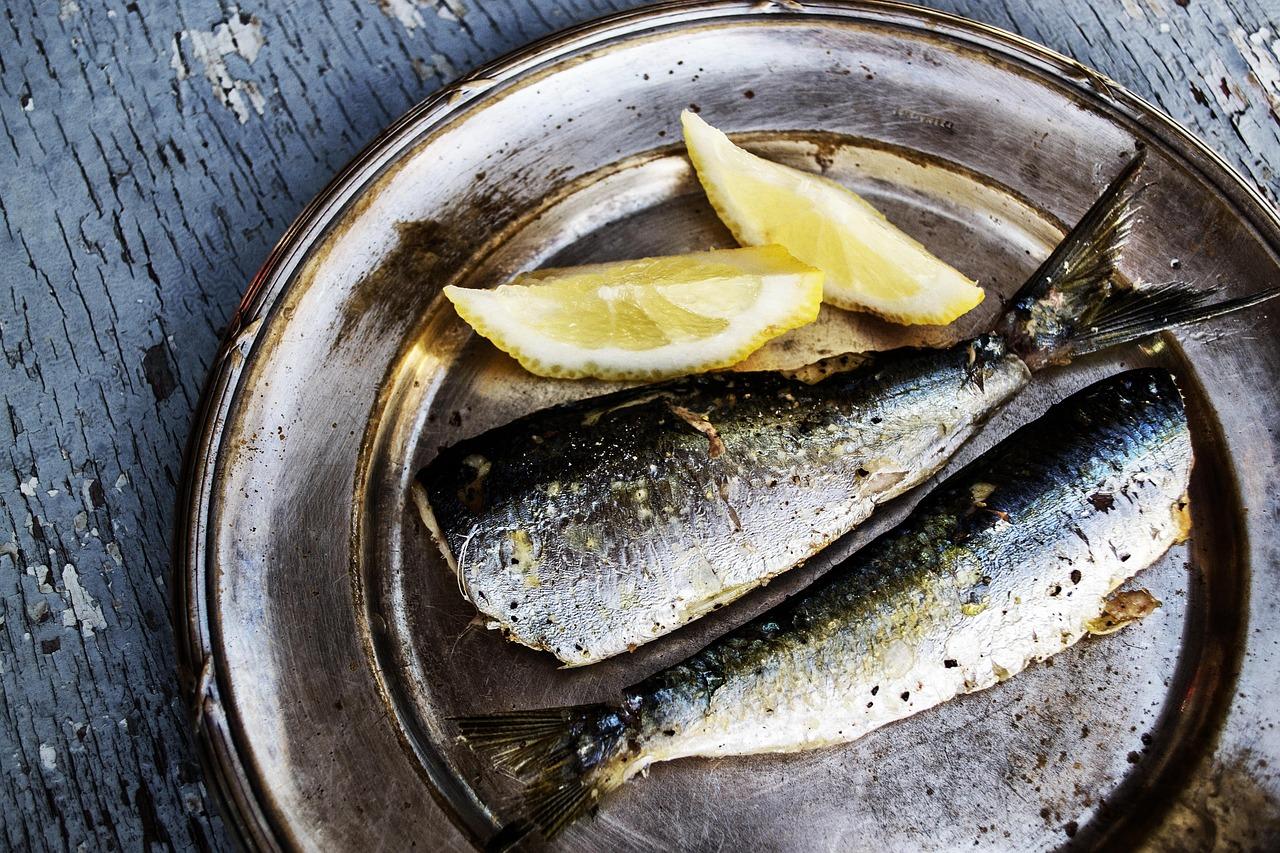
In the Kansai region, Setsubun in early February is the night for grilled sardines: the smoke and strong smell are said to keep demons away, and many homes still fix a sardine head on a sprig of holly by the door (hiiragi iwashi) as a charm. Eating the oily fish is thought to keep you well through the turn of the season. Salt-grilling is the simplest way to cook them: crisp, salty, blistered skin over rich, soft flesh, cut by the cool sharpness of grated daikon and a squeeze of lemon. Serve with plain rice and miso soup. Chef's tip: salt the fish 15 minutes ahead and pat off the beads of moisture before grilling, which takes away the fishy edge and lets the skin crisp.

by KrazyBadal 0 views

Tai no shioyaki (salt-grilled sea bream)

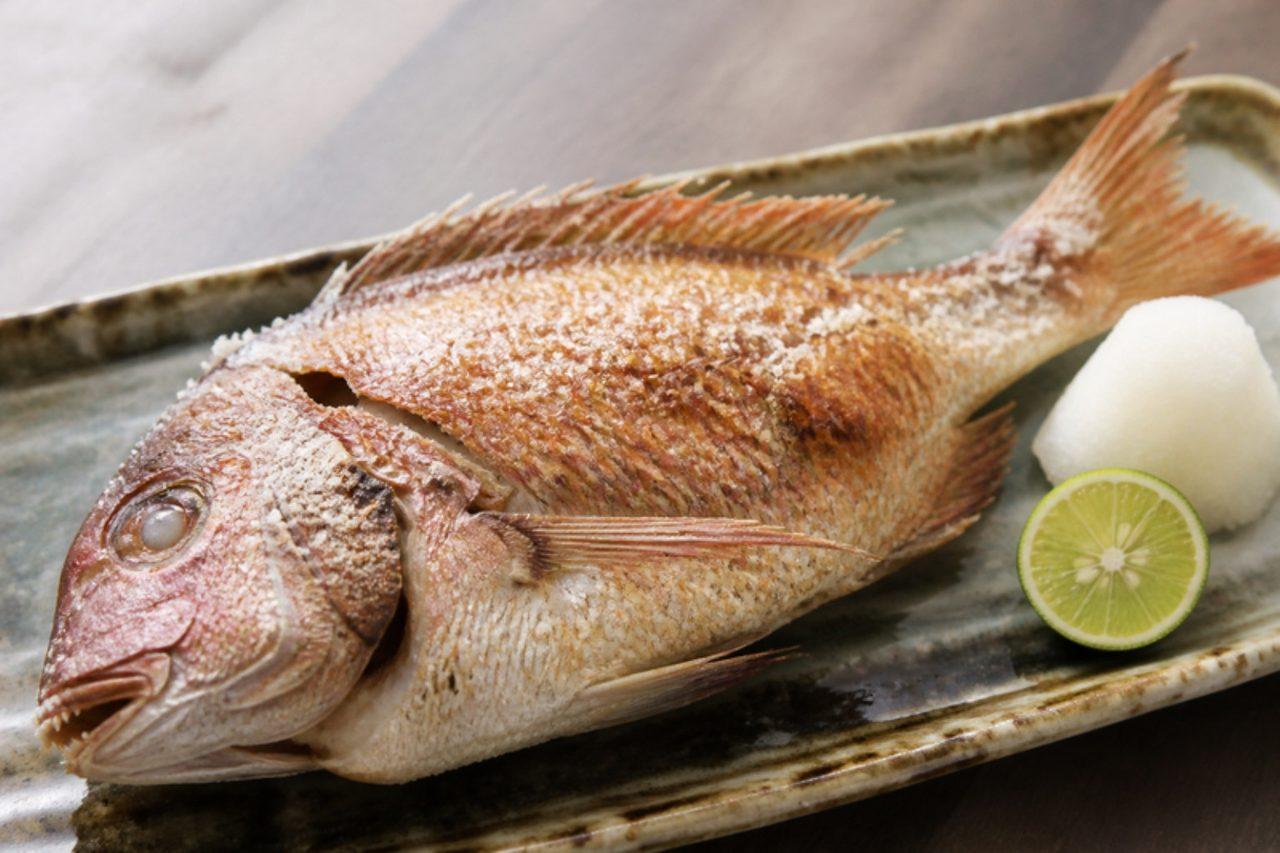
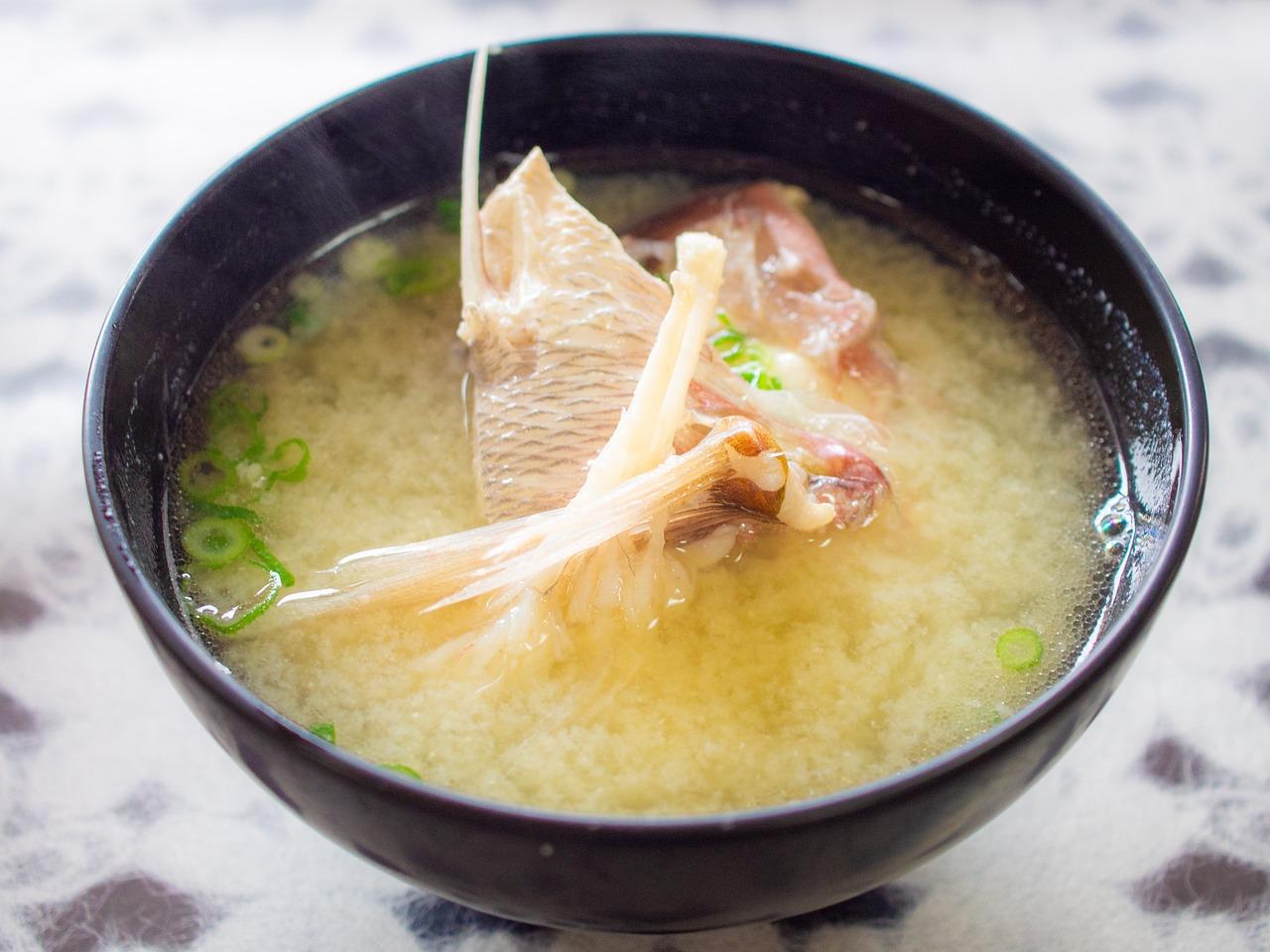
Tai, sea bream, is the fish of good fortune in Japan, because its name echoes medetai (joyful, auspicious), and its red-pink skin is a lucky colour. A whole salt-grilled bream is the centrepiece of celebrations nationwide: the Shichi-Go-San family meal in November, first-birthday feasts and the New Year table, always served whole to show a life lived from beginning to end. Salt is the only seasoning, drawing the moisture from the skin so it crisps and blisters, while the white flesh underneath stays sweet and moist. Serve with sekihan, a wedge of sudachi or lemon and grated daikon. Chef's tip: pack extra salt thickly onto the fins and tail before cooking; this decorative salt keeps them from burning, so the fish looks as fine as it tastes.

by KrazyBadal 0 views

Dango-jiruDumplings in miso soup

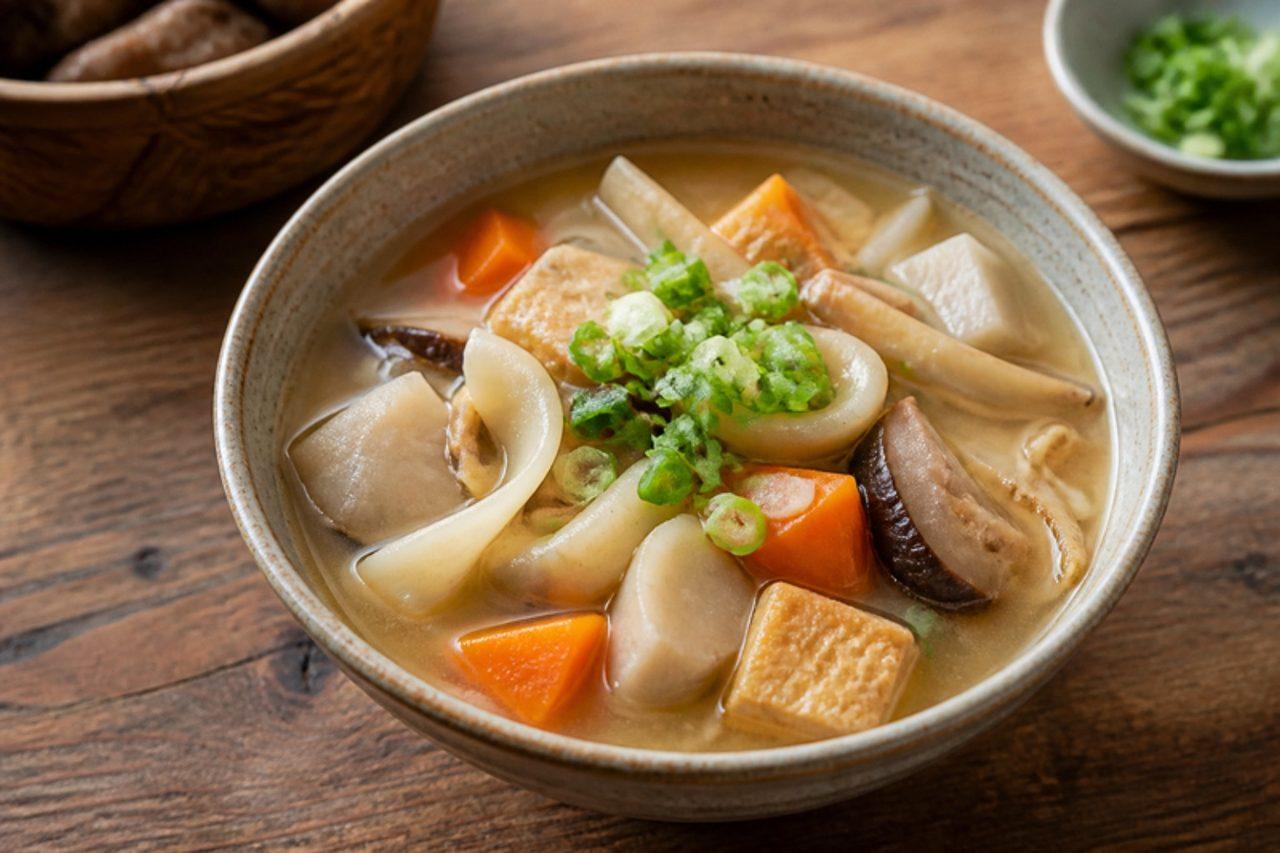
In Oita prefecture on Kyushu, dango-jiru is a grandmother's winter supper: a soft wheat dough is rested, then pulled by hand into long, flat ribbons and dropped straight into a miso soup of taro, burdock, carrot, daikon and mushrooms. Oita cooks usually use mild barley miso and often add pork or chicken; this vegetarian version uses kombu-shiitake dashi and fried tofu instead. A bowl gives about 13 g of protein, from the dumplings, miso and tofu, so it is not high-protein. The common mistake is stretching the dough before it has rested: it springs back and tears. Give it at least 30 minutes. Chef's tip: keep the rested dough pieces in a bowl of water and stretch them with wet hands; they pull out long and thin without breaking.

by KrazyBadal 0 views

Nameko jiruNameko mushroom miso soup

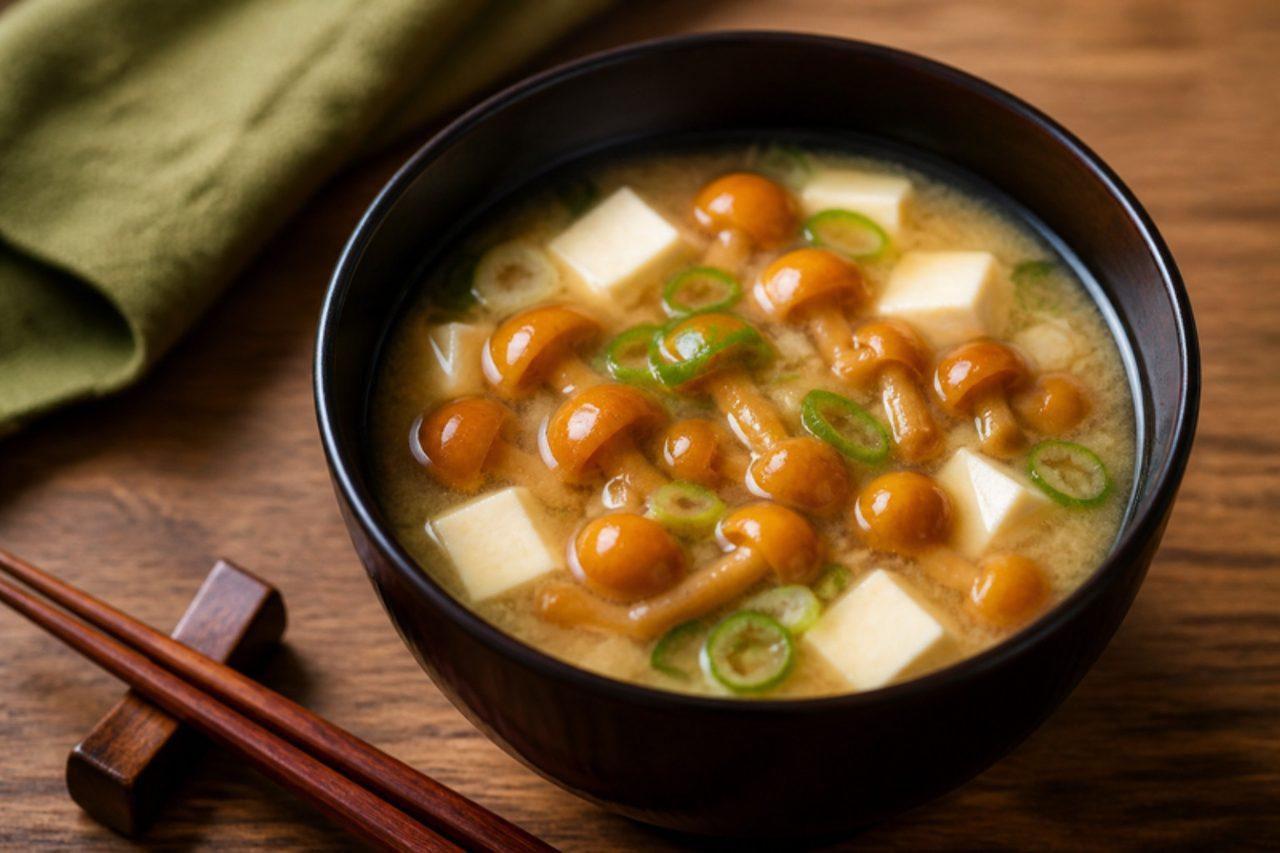
Nameko jiru is one of the most common miso soups in Japan, made in homes from Tohoku to Kyushu for breakfast or dinner, especially in autumn and winter when the small amber nameko mushrooms are cheap. The mushrooms have a natural silky coating that gives the soup a gently thickened, slippery feel, which the Japanese love. Homes usually use bonito dashi; this is the vegetarian version, with kombu and dried shiitake. A bowl has about 7 g of protein, from the tofu and miso. The most common mistake is boiling the soup after the miso goes in: it kills the aroma and turns the miso grainy. Chef's tip: give nameko only a quick rinse in a sieve, and never scrub away the gel; that coating is what makes the soup.

by KrazyBadal 0 views

Aji no tatakiChopped horse mackerel with ginger

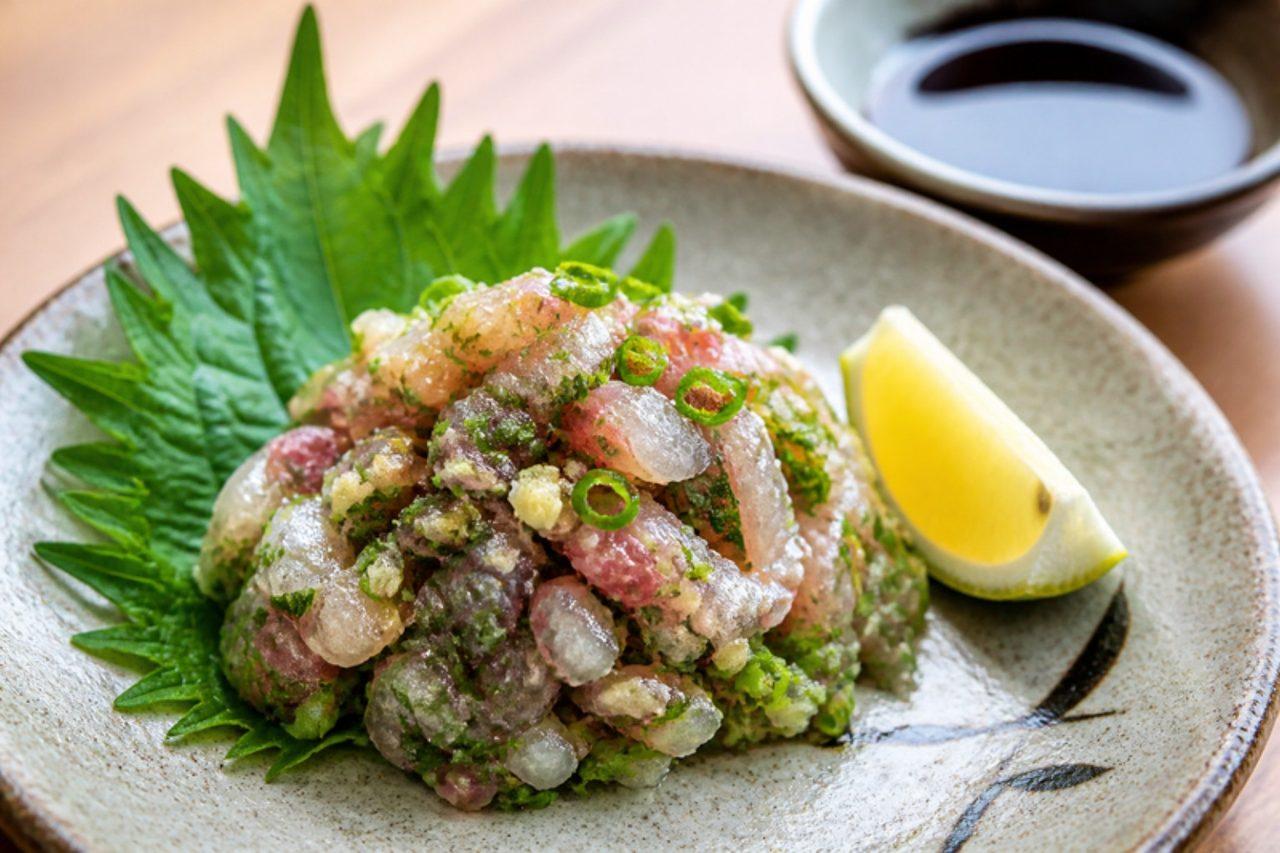
Aji no tataki is a dish of Japan's fishing ports, from the Izu peninsula to Kyushu, eaten as a summer lunch over rice or a starter with cold drinks when the horse mackerel come in fresh. The raw fillets are skinned and chopped with a knife, then mixed with grated ginger, spring onion and shiso, so the fish is soft, cool and clean-tasting with a sharp herbal bite. As a main over rice, a portion has about 28 g of protein from the fish. This is raw fish: buy only sashimi-grade fish from a fishmonger you trust, keep it ice-cold, and freeze it at −20 °C for at least 24 hours first to kill parasites; anyone pregnant, very young, older or with a weak immune system should not eat it. The common mistake is chopping it into a paste: keep small pieces with some texture. Chef's tip: chill the board and the bowl, and work quickly, so the fish never warms up.

by KrazyBadal 0 views

Kasujiru-style winter soup (alcohol-free)Salmon and vegetable winter soup

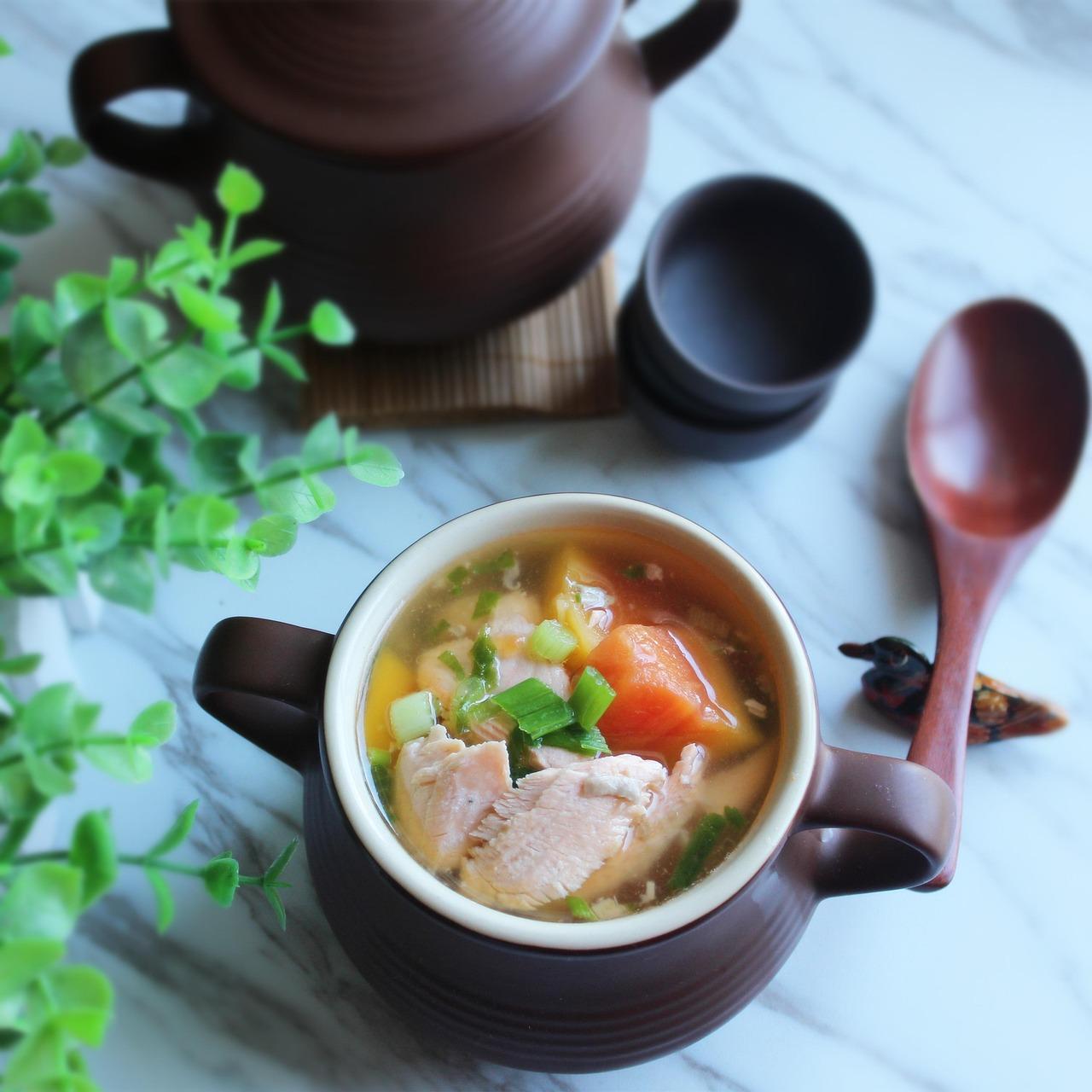
In Osaka, Kyoto and Nara, kasujiru is the bowl that appears in the coldest weeks of winter, when sake breweries sell fresh sake lees (sakekasu) and families stir them into miso soup with salmon, daikon, carrot and fried tofu. The lees make it cloudy, creamy and warming. Sake lees still contain some alcohol even after simmering, so this version leaves them out and builds the same creamy body with white miso, a little tahini and soy milk; it is an honest alcohol-free cousin of the traditional dish, which is made with sake lees. A bowl has about 24 g of protein from the salmon, fried tofu, miso and soy milk. The common mistake is boiling once the miso and soy milk are in: it splits and loses its aroma. Chef's tip: whisk the miso and tahini with a ladle of hot broth in a bowl first so they melt in smoothly.

by KrazyBadal 0 views

Sanpei-jiruSalted salmon and root vegetable soup

Sanpei-jiru is a winter soup from Hokkaido, once made by fishing families with salt-cured salmon, cod or herring that kept through the long snows, and still a warming supper there today. Salted fish simmers in kombu broth with daikon, carrot and potato, and the fish's own salt seasons the soup, so it tastes clean, gently briny and sweet from the roots. A bowl has about 22 g of protein from the salmon. The common mistake is skipping the quick scald of the fish: without it the broth tastes fishy and turns murky. Chef's tip: taste before adding any salt; salted salmon varies a lot, and you may need none at all.

by KrazyBadal 0 views

Noppe-jiruTaro and vegetable soup

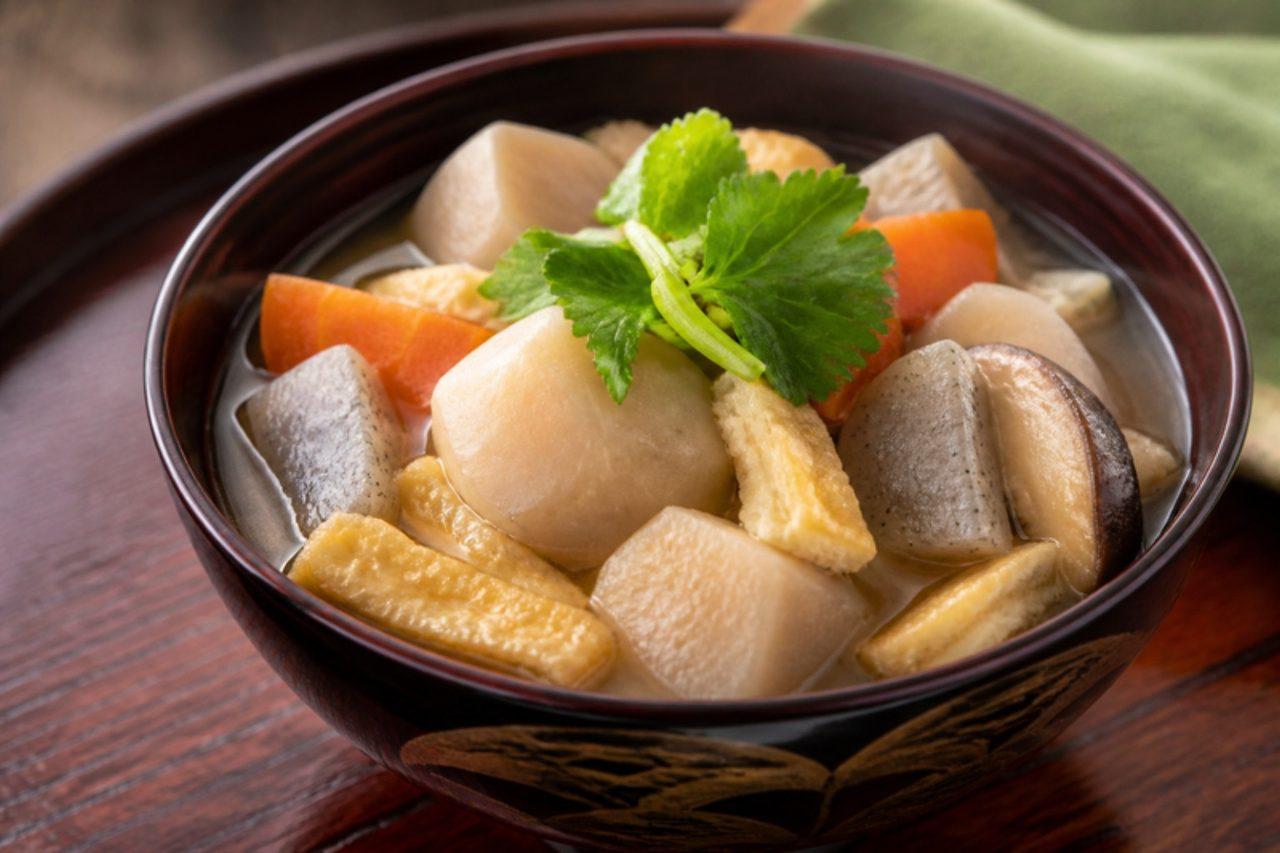
Noppe-jiru is the everyday and festive soup of Niigata, cooked in big pots for New Year, the Obon holidays and winter family gatherings, and served hot or even cold the next day. Taro, carrot, konnyaku, shiitake and fried tofu are simmered in a soy-seasoned dashi, and the taro's own starch, helped by a little potato starch, gives it a soft, gentle thickness. Many homes use bonito or chicken; this is the vegetarian version with kombu-shiitake dashi. It is warming and earthy, with about 5 g of protein per portion from the fried tofu and shiitake. The usual mistake is skipping the salt rub on the taro, which leaves the broth sticky and gluey rather than silky. Chef's tip: cut all the vegetables to the same small size so every spoonful has a bit of everything.

by KrazyBadal 0 views

Kuri manjuChestnut buns

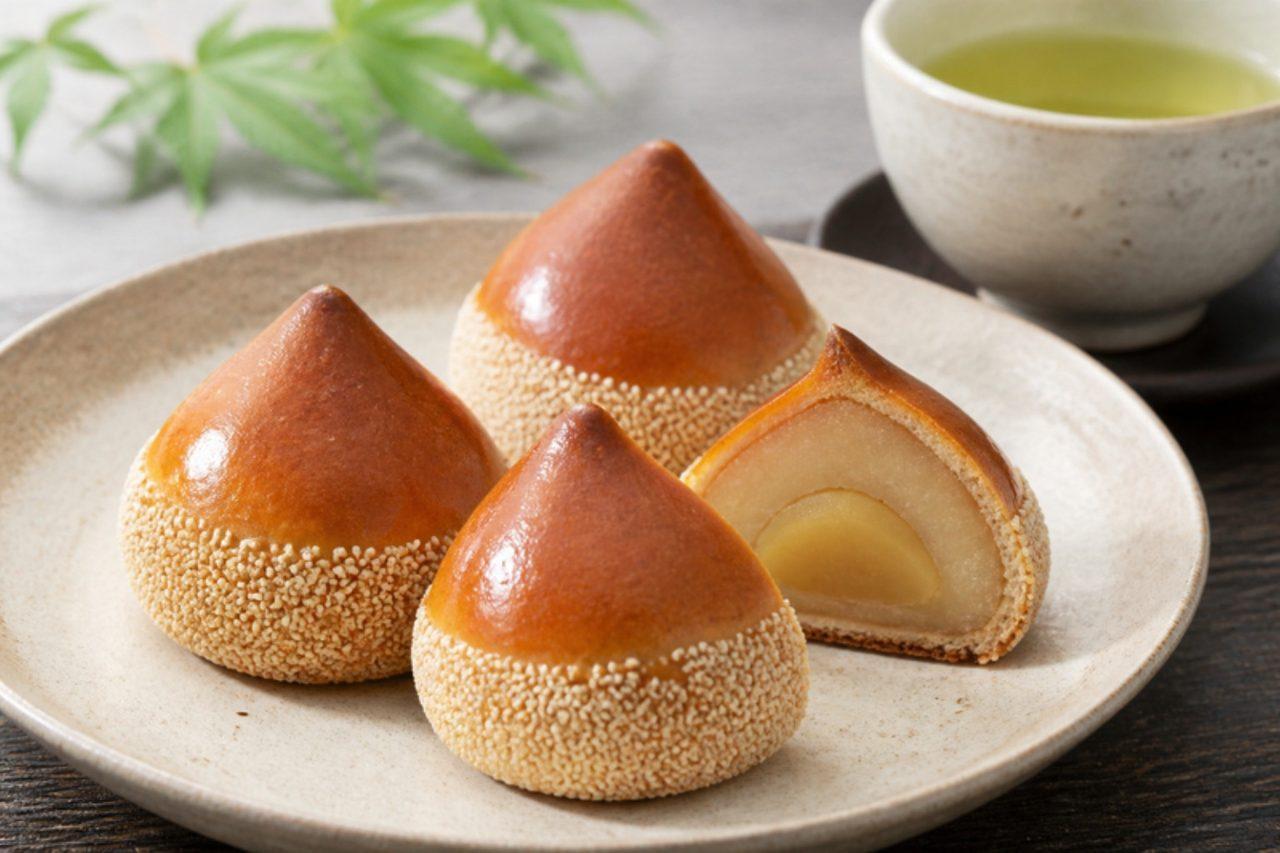
Made to look like a chestnut, kuri manju (栗まんじゅう) is one of Japan's favourite baked wagashi, a little teardrop of tender, cake-like dough wrapped around sweet white bean paste studded with candied chestnut. The top is glazed twice with egg yolk until it bakes a glossy chestnut brown, and the flat base is dipped in poppy seeds to mimic the pale bottom of a real chestnut. Japanese confectioners sell them all year, but they are most popular in autumn, given as gifts and eaten with green tea. Freshly baked, the dough is slightly firm; after a day in a tin the moisture from the filling softens it, so they are even better the next day. Glazing only once is an easy mistake: the first coat soaks in and looks patchy, so brush, bake briefly and brush again. Chef's tip: dust your hands well with flour as you wrap; this dough is soft and sticky, and handling it with floured fingers is the only way to keep the shell thin and even.

by KrazyBadal 0 views

Japanese strawberry shortcake

In Japan, the 'shortcake' on every birthday table and every Christmas Eve is nothing like the American scone version: it is a tall, cloud-soft sponge filled and covered with lightly sweetened cream and crowned with a ring of strawberries. Children choose it at the cake shop for their birthday, and it is just as good made at home. It contains egg, milk and gluten. Chef's tip: brush each sponge layer with a little plain sugar syrup; it keeps the cake moist without any alcohol.

by KrazyBadal 0 views

Cucumber-stuffed chikuwa (chikuwa kyuri)

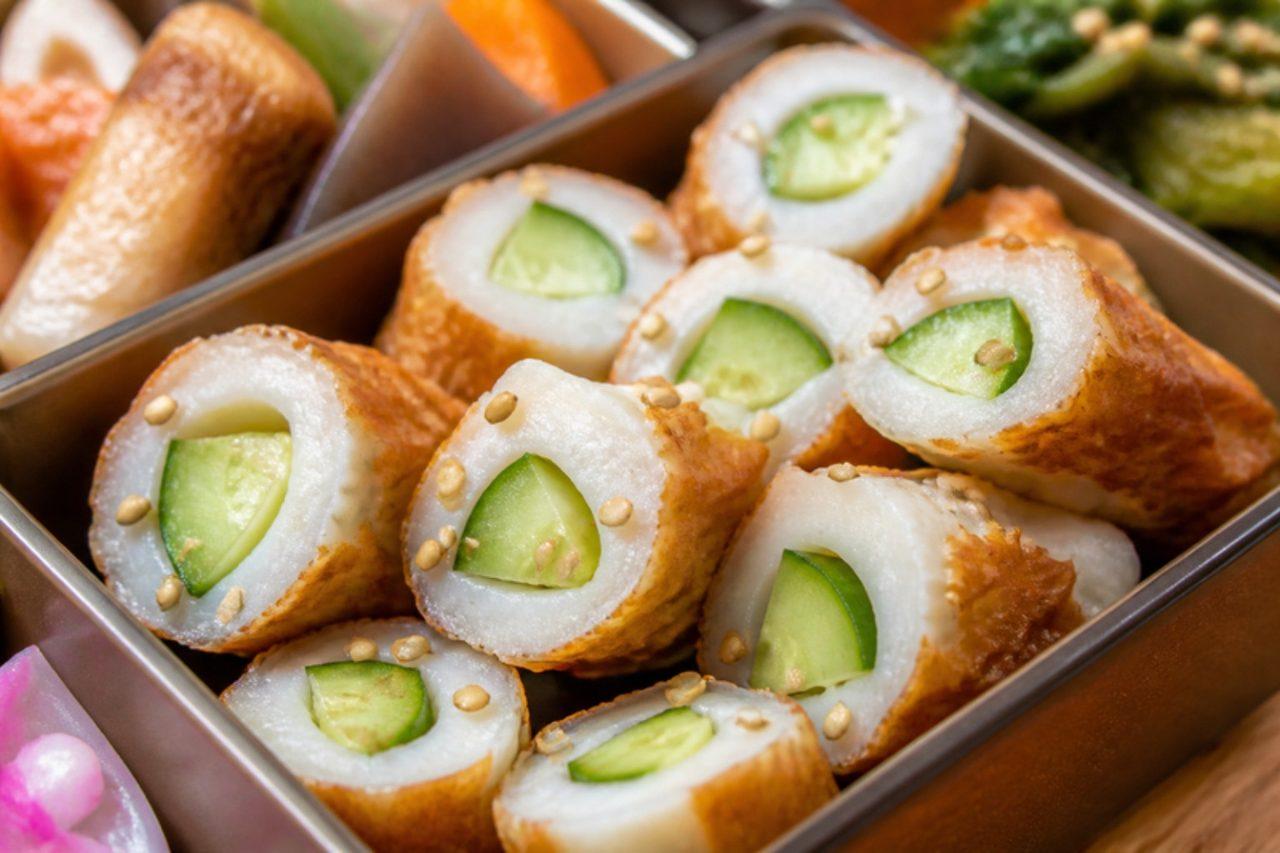
Chikuwa, the tube-shaped grilled fish cake sold in every Japanese supermarket, gets the simplest treatment of all in children's bento: a stick of crisp cucumber pushed through the hole and the tube sliced into rounds, so each piece looks like a little green-eyed wheel. It is cold, crunchy and gently savoury, ready in five minutes on a busy morning, and good as an after-school nibble too. Chikuwa is ready to eat; it contains fish and usually wheat and egg white, so check the label. Chef's tip: trim the cucumber stick to fit snugly; too fat and the chikuwa splits.

by KrazyBadal 0 views

Saba no misoniMackerel simmered in miso

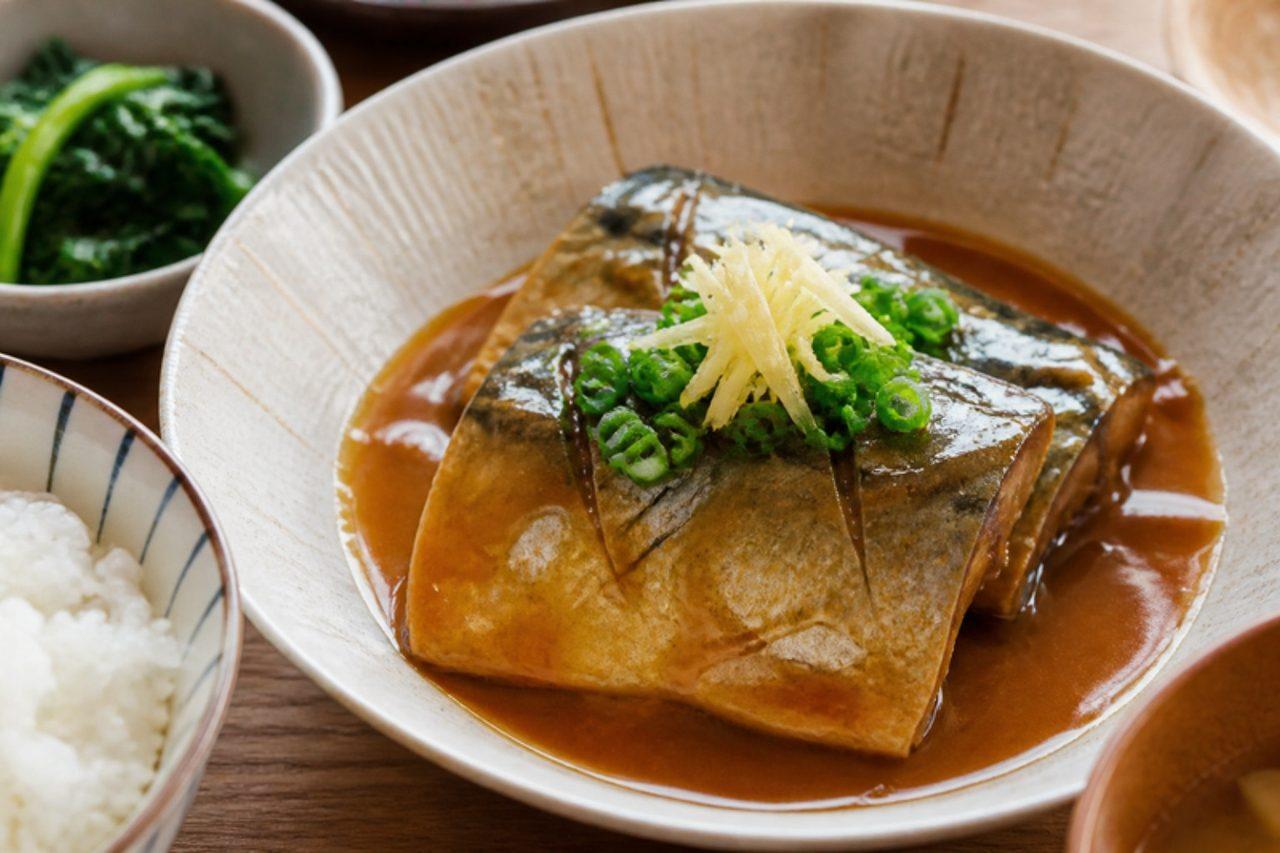
Saba no misoni is a fixture of the set lunches in Tokyo's office districts and a weeknight dinner in homes across Japan: mackerel fillets simmered in a sweet, thick sauce of miso, sake, sugar and plenty of ginger, which mellows the rich, oily fish. It is served with rice, miso soup and a green vegetable. Mackerel is high in omega-3 fats, so it is filling rather than light. A portion is about 330 kcal. Sake contains alcohol but it is simmered off; the note gives an alcohol-free swap. The most common mistake is adding the miso at the start and boiling it hard, which makes it grainy and dull; dissolve it in once the fish is nearly cooked. Chef's tip: pour boiling water over the fillets before simmering (shimofuri); it firms the skin and removes the fishy smell.

by KrazyBadal 0 views

Aji no nanbanzukePickled fried horse mackerel

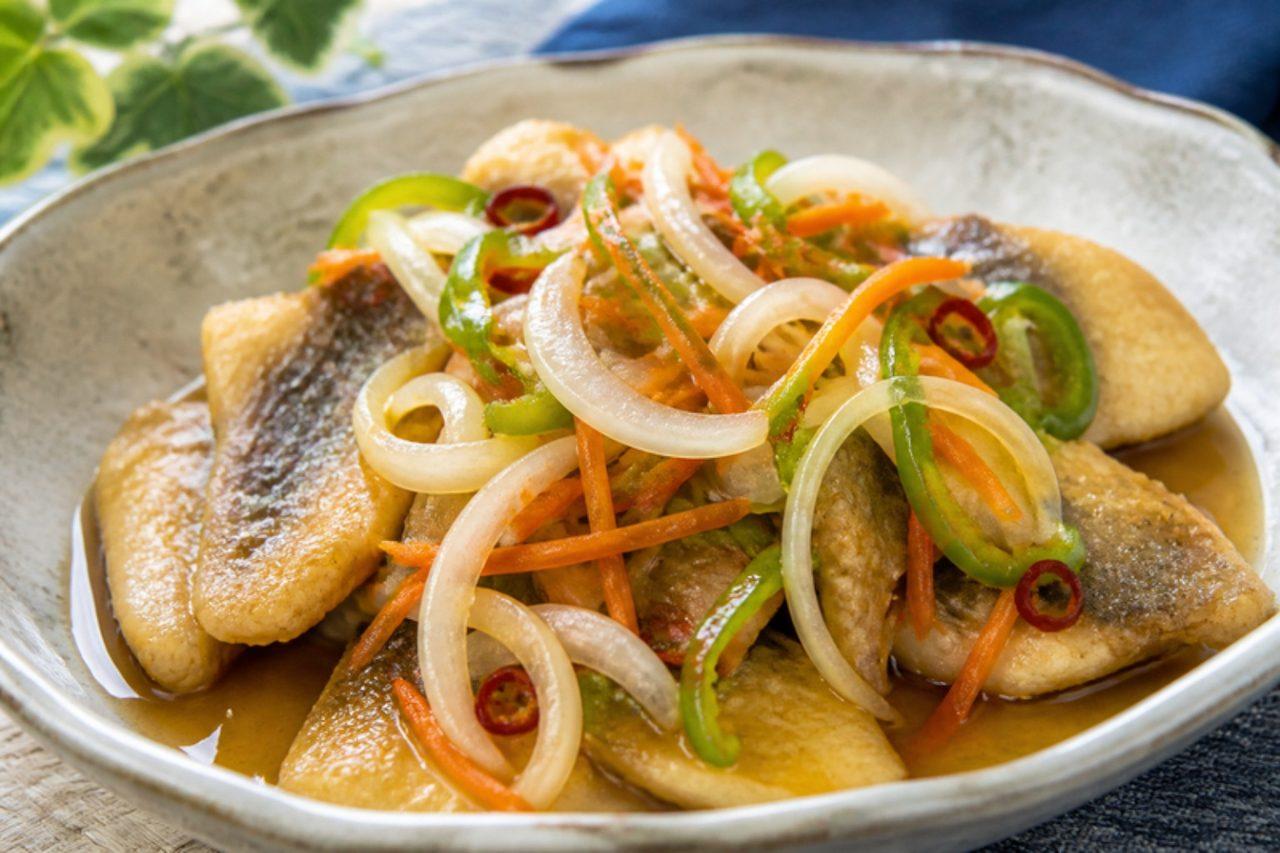
Nanbanzuke, "southern barbarian pickle", came to Nagasaki with Portuguese traders in the sixteenth century, a cousin of escabeche, and today it is a summer home dish all over Japan: small horse mackerel (aji) dusted with flour, fried until crisp, then plunged while hot into a sweet-sour vinegar marinade with sliced onion, carrot, pepper and chilli. It is eaten cold, the next day as good as the first, with rice or in bento. A portion is about 250 kcal. The most common mistake is letting the fried fish cool before it goes into the marinade; it must be hot so it drinks up the vinegar. Chef's tip: fry the fish twice for a short time rather than once for long; it stays crisp even after a night in the marinade.

by KrazyBadal 0 views

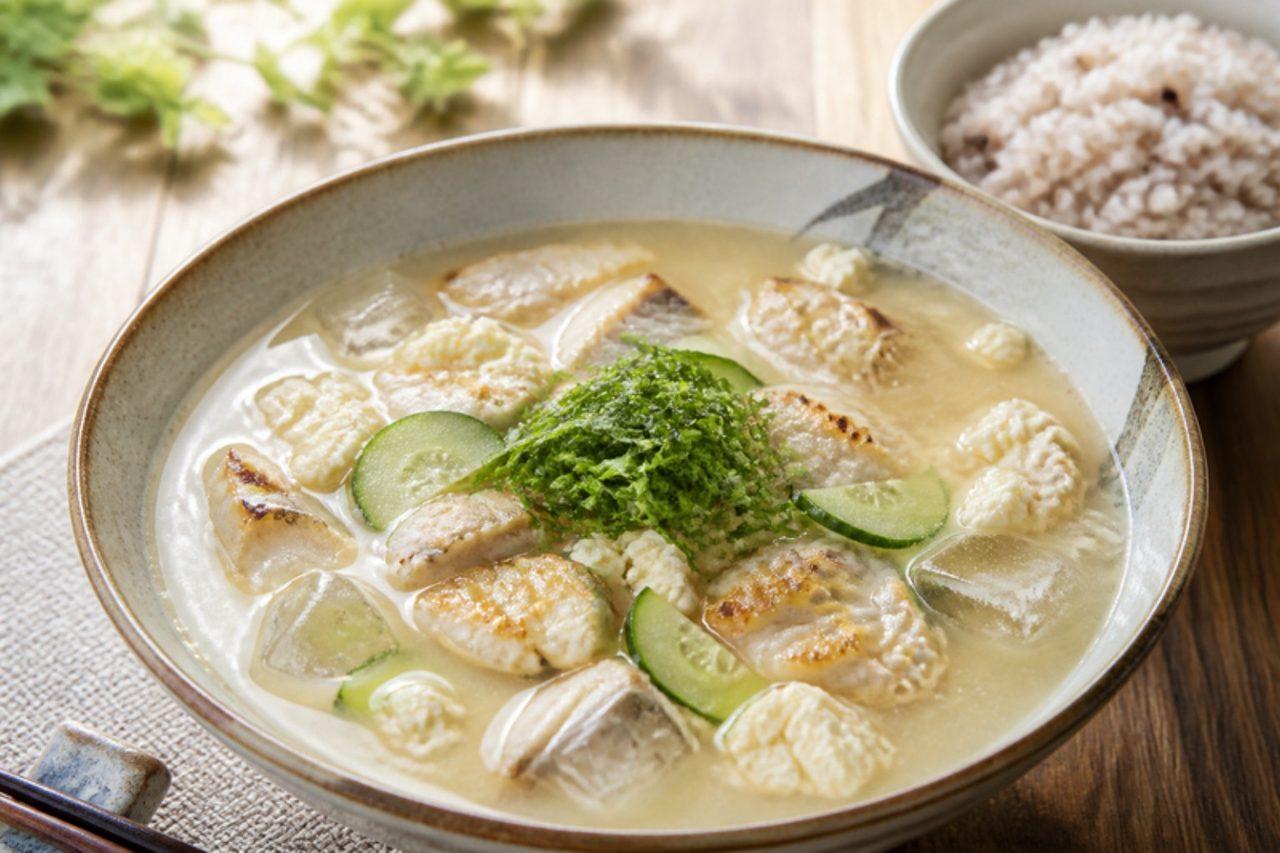
HiyajiruChilled miso soup

In Miyazaki, on the hot, humid east coast of Kyushu, farmers have eaten hiyajiru through the summer for centuries: grilled fish and sesame are pounded with barley miso in a mortar, the paste is toasted, then thinned with cold dashi and poured, with ice, over barley rice, with torn tofu, cucumber and shiso. It is cool, savoury and filling, a lunch that revives you in the heat. Eggs are not used; fish and soy are the allergens. A bowl with rice is about 340 kcal. The common mistake is skipping the toasting of the miso paste; it is what gives hiyajiru its deep, roasted flavour. Chef's tip: use day-old cold rice and rinse it briefly; warm, sticky rice turns the cold soup cloudy.

by KrazyBadal 0 views

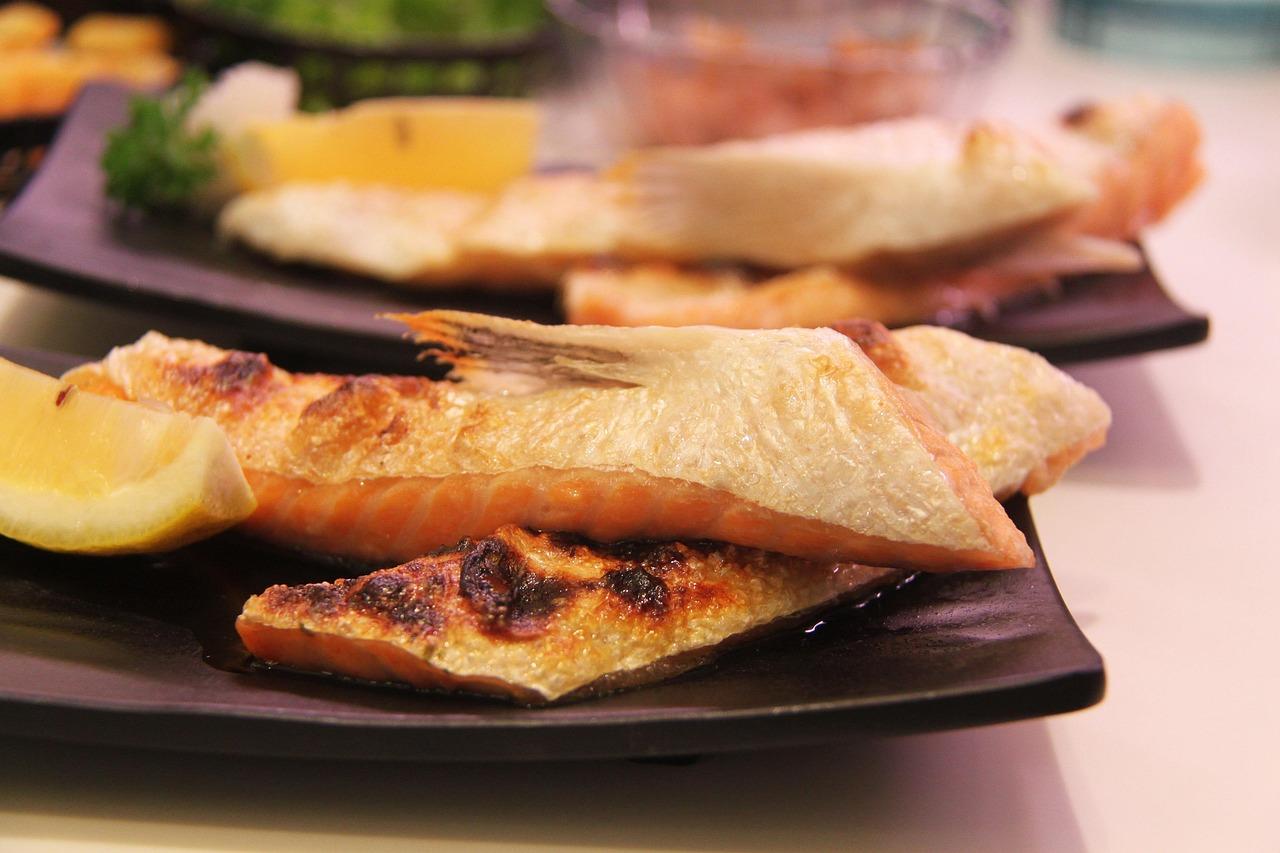
Sake no shioyakiSalt-grilled salmon

A piece of salt-grilled salmon with crisp, blistered skin is the heart of the traditional Japanese breakfast in ryokan from Hokkaido to Kyushu, set beside rice, miso soup and pickles, and in homes it is the plainest weeknight dinner of all. Salting the fish 10–15 minutes ahead in the fridge firms the flesh, draws out moisture and seasons it right through. Serve with grated daikon and a wedge of lemon. A portion is about 260 kcal. The common mistake is grilling straight from wet; pat the fillets very dry after salting, or the skin steams instead of crisping. Chef's tip: grill skin side up first under the grill, or skin side down first in a pan; the skin should get the most heat.

by KrazyBadal 0 views

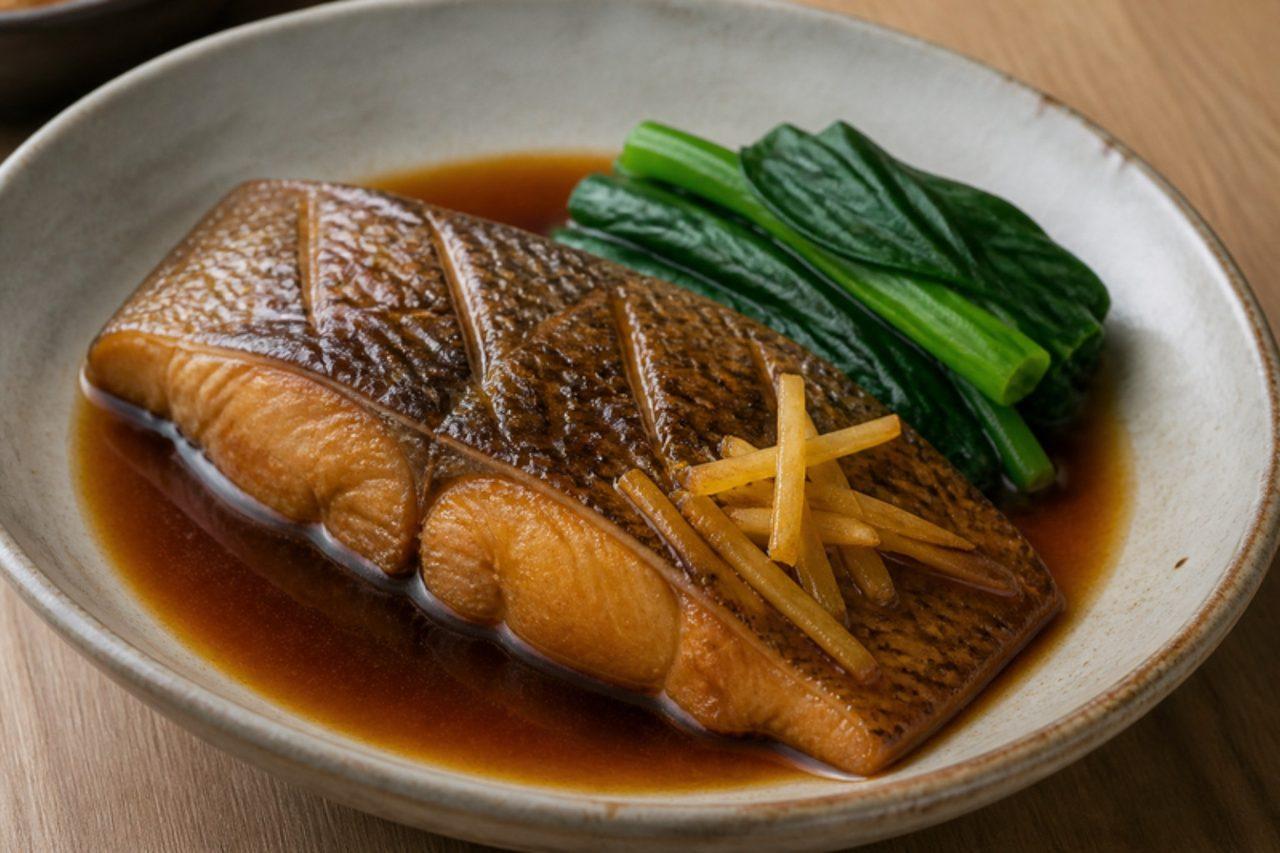
Karei no nitsukeFlounder in sweet soy

Nitsuke is the quick, glossy way Japanese home cooks simmer white fish, and flounder (karei) is the classic, especially in Hokkaido and along the Sea of Japan coast, where it is bought whole and cut into steaks at the fishmonger's. The fish cooks in only 10 minutes in a small amount of soy, sake, mirin and sugar with ginger, spooned over until it glistens; the flesh stays soft and sweet. Serve with rice and a green vegetable, and the broth to spoon over the rice. A portion is about 210 kcal. Sake and mirin contain alcohol, boiled off before the fish goes in; the notes give swaps. The most common mistake is putting fish into cold liquid; it must go into boiling broth so the surface sets at once and the flesh doesn't go mushy. Chef's tip: use a pan just big enough for the fish in one layer, so the small amount of broth reaches all of it.

by KrazyBadal 0 views

Showing 24 of 78 recipes

Show more recipes

Page 1 of 4